Tag: asia

  • WhatsApp debuts Call Links feature, starts testing encrypted video calling

    WhatsApp debuts Call Links feature, starts testing encrypted video calling

    WhatsApp has just announced Call Links, a brand-new feature leaked previously, will be making its way to users sometime this week. Just like the name suggests, Call Links allows users to send links to contacts to join their calls.

    Obviously, the contact you’re sharing the link with must-have WhatsApp installed, otherwise, they won’t be able to join the call. On the bright side, this makes joining a call much easier since you only need to tap the link received.

    Beyond contacts in your phonebook, you’ll be able to send a call link to anyone on WhatsApp. Links can be added to an invite or sent in a chat, and they’re available for both audio and video calls. This is especially useful when you want to plan a conference call with multiple people that might or might not be in your contacts list. If they’re on WhatsApp, they will receive your links and join the call if they wish to.

    WhatsApp’s new Call Links feature will be rolled out to users on Android and iOS globally, starting this week. If you don’t see it on your phone yet, the wait a few more days.

    It’s unclear how WhatsApp plans to protect video calls from people who obtain these links fraudulently, but just to be on the safe side, double check who you’re sending these call links to before you actually do it.

    In related news, Meta’s Mark Zuckerberg confirmed WhatsApp has started testing secure encrypted video calling for up to 32 people. We’re promised more information on the subject soon, so that’s about all we have for now.

    It’s kind of ironic that WhatsApp has added the option to send call links so that people can easily join calls but promises to provide better security over video calls sometime in the future.

  • One in five Vietnamese spend 9 hours a day online

    One in five Vietnamese spend 9 hours a day online

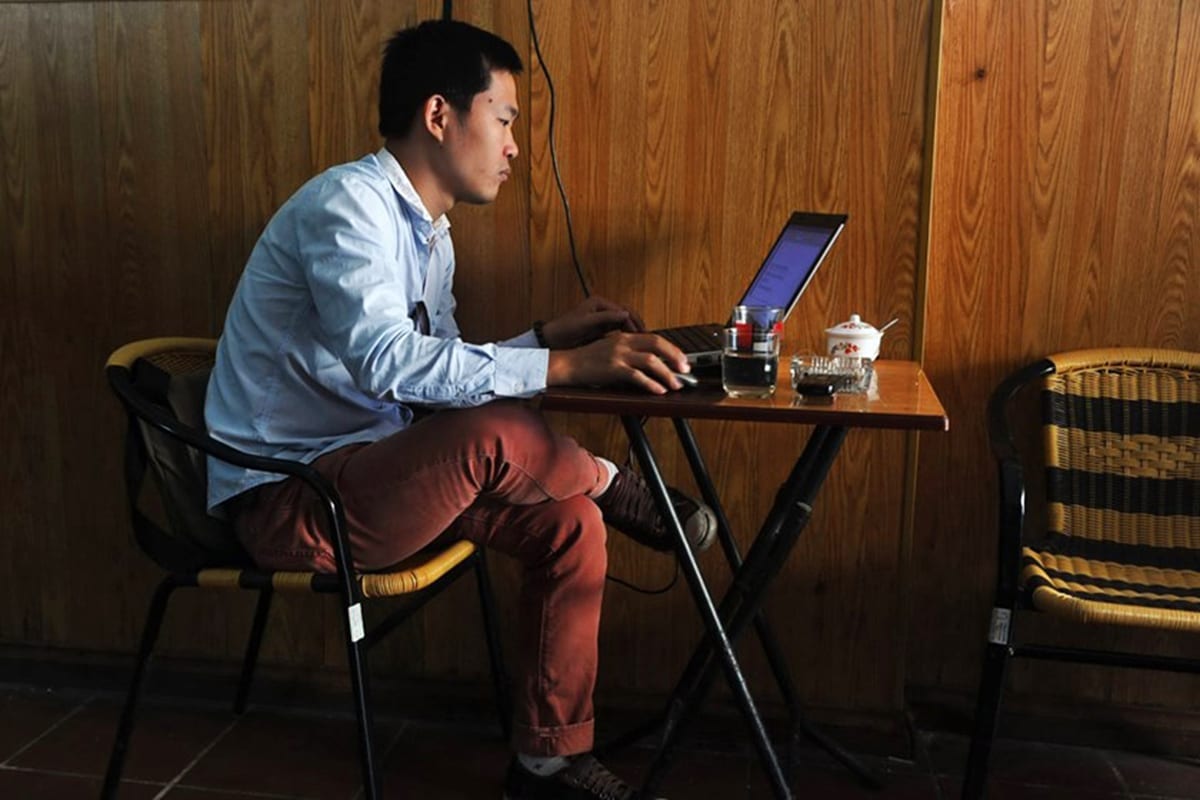
    A total 22% of Vietnamese use the internet for more than nine hours a day studying, entertainment and shopping, with the majority on their smartphones, a report has found.

    This is a surge from 2020 when only 9% of respondents used the internet for more than nine hours a day, according to the Vietnam E-commerce 2022 report by the Vietnam e-Commerce and Digital Economy Agency (iDEA).

    However, there were declines in internet usage time in other segments. As many as 27% say they use the internet from three to five hours a day, compared to 31% in 2020. Besides, 23% log five to seven hours, against 27% in 2020. Most respondents access the internet on their smartphones.

    The main reason Vietnamese people use the internet are studying, watching movies or listening to music, and online shopping said the report, which surveyed 4,584 respondents nationwide.

    Nearly 75% of respondents say they shop online, while 91% use their smartphones.

    The top sales categories are “clothes, footwear and cosmetics,” “household appliances”, and “electronic devices”. Cash remains king as 73% pay cash on delivery. But there is a rise in e-wallet usage, from 23% in 2020 to 37% last year. A quarter of respondents, 24%, say they spend more than VND10 million ($422) a year shopping online.

    Reputation of an e-commerce platform is the most important factor for online consumers, according to 74% of respondents.

    Other key factors are quick delivery and promotions.

    Vietnam’s e-commerce economy is set to grow 20% to 16.4 billion this year, approaching the 25% growth achieved in 2019 before the Covid-19 pandemic.

    iDEA estimates that at least 57 million people will shop online this year, up 4% from 2021.

  • PM Modi to Launch 5G in India This Week

    PM Modi to Launch 5G in India This Week

    Prime Minister Narendra Modi will be launching 5G services in India at the India Mobile Congress, according to the National Broadband Mission.

    Services will debut during the 4-day event, convening major telcos and ecosystem stakeholders as they discuss 5G plans and use cases. Leading telecom companies, including Reliance Jio, Bharti Airtel and Vodafone Idea, will be sharing 5G deployment plans then.

    This announcement comes a month after Union Minister Ashwini Vaishnaw informed all telcos to prepare for an impending 5G rollout. The government of India targets at least 80% 5G coverage in a short timeframe.

    The India Mobile Congress is jointly organized by the Department of Telecommunications and Cellular Operators Association of India. Through meaningful dialogue, India Mobile Congress 2022 will focus on the evolution path of existing technology and what it holds for businesses and individuals in the future.

  • AirAsia announces flight resumption to Japan and a new direct route from Penang to Bali

    AirAsia announces flight resumption to Japan and a new direct route from Penang to Bali

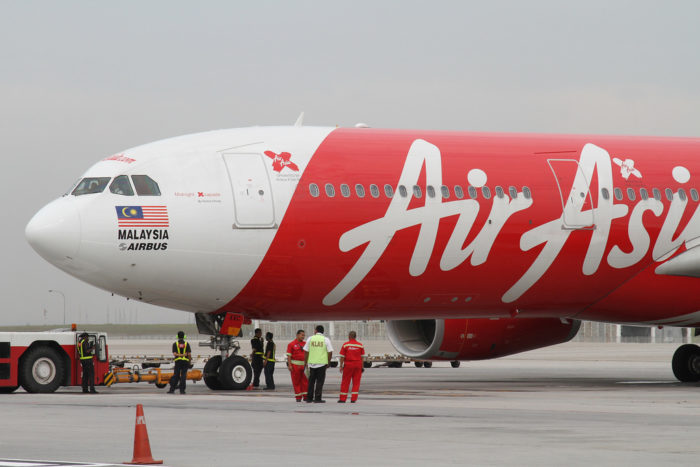
    AirAsia today announced the resumption and launch of flights to Japan, namely Tokyo, Sapporo (via AirAsia X) and Fukuoka. Moreover, the airline company also announced the launch of a new direct route from Penang to Bali.

    In a press release regarding its 5 million free seats sale today, AirAsia reminded consumers that there are only 2 days left for them to grab flight seats under the promotion. Launched on Monday (19 September 2022), the promotion has been super successful with over 500,000 seats being sold within just 48 hours, with the free seats meaning that consumers only have to pay for airport taxes and other applicable charges.

    For the resumption of flights to Japan, AirAsia elaborated that seats are now on sale following the recent announcement by the Japanese government to lift travel restrictions starting 11 October 2022. Accordingly, AirAsia is offering flights to Japan from RM599 for Economy and from RM2599 for Premium Flatbeds. Besides that, AirAsia X will also be resuming popular flights to Jeddah starting November 2022, starting from RM1799 for Economy and RM2999 for Premium Flatbeds.

    As for the new direct route from Penang to Bali, AirAsia is offering seats from RM159 for travel between 20 October 2022 to 25 March 2023. The seats are now on sale for the first time ever on the airasia Super App and AirAsia official website.

    For those that prefer to travel domestically, AirAsia also announced flights to local destinations start from RM23 inclusive of taxes and charges. For more information, do follow @flyairasia on Instagram/Facebook or @airasia on WeChat/Weibo for the latest updates. As always, make sure to stay tuned to TechNave for the latest trending tech news in Malaysia and beyond.

  • Esprit opens innovation hubs in New York and London

    Esprit opens innovation hubs in New York and London

    Esprit has announced London and New York as two new locations for its Futura innovation hubs. Futura is part of its digital strategy to “reinvent customer engagement experiences by turning data into insights, fuelling the brand’s global expansion matched to the fast-growing scale of digital change in today’s fashion retail landscape”.

    As part of its wider strategy, the brand has been moving key functions to strategic locations, “creating a truly global presence”. It said the two metropolises are global cities “with strong cultural influences and 24-hour connectivity. They will be heavily integrated and connected to the brand’s commitment to digital and creative innovation”.

    New York will be the global creative and design hub “to inspire forward thinking and bring contemporary concepts and talent to its new branding strategy”. This is intended to “solidify the ambition to rebrand one of the world’s most iconic companies. [It] will take the lead in Esprit’s rebranding venture”.

    Futura London will be the firm’s global customer experience innovation hub “to provide unique customer experiences for an avant-garde omnichannel connection to the Esprit universe”.

    They join the existing Amsterdam hub that combines e-commerce and technological advancement. As the first physical hub, “it will lead in driving portfolio management innovation, creation of new ideas and pilots, enhancing and renewing the existing omnichannel business, and digital execution”.

    The company said the steps it’s taking are an important part of “turning the iconic brand into an omnichannel technology and data-driven fashion powerhouse”.

    The new hubs “aim to create transformative change in culture, mindset, and business process, discover new growth opportunities for Esprit, and improve innovation performance through a technology-driven approach that focuses on customer experience and embraces circularity”. This new structure “will also provide opportunities to enable staff to have more flexibility with increased international exposure”.

    CEO William Pak said: “Esprit is in the process of transforming into a truly global company with the creative minds and processes in key cities enabling consumers to be connected to the brand on a multi-dimensional level. This enables [it] to adapt to major challenges in fashion and the macro environment in order to propel into the future. Creating an exciting customer experience with smart design and a connection to the brand is an exciting path forward.”

  • Vietnam, Cambodia trade climbs to record level

    Vietnam, Cambodia trade climbs to record level

    Trade between Vietnam and Cambodia reached a record US$7.7 billion in the first eight months of the year.

    Vietnam’s exports rose by 32% year-on-year to $4.1 billion, as the country turned last year’s deficit into a surplus, according to its customs department.

    The most significant item was iron and steel, accounting for 17% of the total, followed by garments and fuel.

    Vietnam’s imports from Cambodia rose marginally to $3.6 billion, with rubber and cashew being the main items.

    As a result, last year’s deficit of $0.4 billion turned into a surplus of $0.5 billion.

    Cambodia is Vietnam’s third largest trading partner in Southeast Asia, behind Thailand and Singapore.

  • Apple iPhone users sue Meta for allegedly stealing their personal data

    Apple iPhone users sue Meta for allegedly stealing their personal data

    When Apple started to allow iPhone users to opt-out of getting tracked by third-party apps with the App Tracking Transparency (ATT) feature last year, Facebook complained the loudest with CEO Mark Zuckerberg shelling out the big bucks it costs to run full-page ads in some big-time newspapers. And as it turned out, Zuckerberg knew exactly what was coming and as he figured, it was a disaster.
    According to the Electronic Frontier Foundation, in the year since the ATT rolled out, Facebook lost $10 billion in potential revenue. There is speculation that Facebook has come up with a way to help it generate the revenue it lost from Apple’s decision to roll out ATT. Just last month, we told you that Felix Krause, a former Google engineer, and a security researcher, alleged that Meta is tracking the keystrokes made by iOS users typing on Facebook’s in-app browser.
    Krause said that Facebook and its Instagram unit could use JavaScript to grab your credit card data, address, passwords, and more without your permission. Now comes word that two class action suits have been filed against Facebook parent Meta by three iOS users who are citing Krause’s allegations. The lawsuits were filed on behalf of all iOS users impacted and accuse Meta of committing several illegal actions, including:
    • The concealing of privacy risks.
    • Ignoring the privacy choices made by iOS users.
    • “Intercepting, monitoring, and recording all activity on third-party websites viewed in Facebook or Instagram’s browser.
    The plaintiffs claim that Meta used the data collected to collect “personally identifiable information, private health details, text entries, and other sensitive, confidential facts.” The users, whose information was allegedly stolen by Meta, had no idea that this was going on. The latest filing was made yesterday by California’s Gabriele Willis and Kerreisha Davis from Louisiana.
    Adam Polk, a lawyer, working for the law firm of Girard Sharp LLP, which is handling the case involving Willis and Davis, said it is important to stop Meta from continuing to hide their continued privacy invasions. The law firm also pointed out that in the past, Facebook (now Meta) had been fined $5 billion by the Federal Trade Commission (FTC).
    Polk said that “Merely using an app doesn’t give the app company license to look over your shoulder when you click on a link. This litigation seeks to hold Meta accountable for secretly monitoring people’s browsing activity through its in-app tracking even when they haven’t allowed Meta to do that.”
    The complaints related to the class action suit “revealed that Meta has been injecting code into third-party websites, a practice that allows Meta to track users and intercept data that would otherwise be unavailable to it.” Researcher Krause has determined that Meta uses code to override the wishes of Facebook users wanting to use their default browser forcing them to use Facebook’s in-app browser instead when using the app.
  • 25% of Netflix subscribers in the U.S. plan to leave the service this year

    25% of Netflix subscribers in the U.S. plan to leave the service this year

    Reviews.org surveyed 1,000 Americans to get a handle on their streaming plans for this year and 25% of Netflix subscribers responding said that they plan on dropping the service in 2022. This isn’t good news for Netflix which has been overtaken by Disney+; the latter now has 221.1 million global subscribers among its streaming units (Disney+ Hotstar, ESPN+, and Hulu) vs. 220.67 million for Netflix.

    During the first two quarters of this year, Netflix lost 1.2 million subscribers including a record 970,000 during the second quarter alone. So what is driving Netflix subscribers to quit the service? Two-thirds of the survey respondents who said they were planning on leaving the service blamed the rising subscription prices for their responses.

    In January, for example, Netflix’s Basic one-screen plan went up by 11%, the first hike in three years. During the same time period, Standard and Premium plan pricing rose 20% and 25% respectively. This is not helping with Netflix’s attempts to stop password sharing. Of the eight most popular streaming services in the U.S., Netflix has the highest average plan cost. And that is leading 30% of users to share their Netflix passwords outside of the family.
    To stop the bleeding, Netflix is expected to launch a lower-priced ad-supported tier of service later this year. But the excitement seems to have moved to Disney+ thanks to the continued popularity of the Marvel Cinematic Universe (MCU).

    Lack of content was cited by one in three survey respondents who said that Netflix no longer has the shows they want to watch. 30% of those answering the survey said that they use other streaming services more than Netflix.

    Reviews.org says that the average American subscribes to four streaming services in 2022. Of the 1,000 survey respondents, 78% subscribe to Netflix, 46% subscribe to Disney+, 42% have signed up with HBO Max, 33% are subscribers to Peacock, with 26% subscribed to Hulu. 22% signed up for Apple TV+.
    Here is the interesting thing. Subscribing to a service and using it are two different things. Still, while 78% of the survey respondents subscribe to Netflix, a healthy 70% use the streamer. On the other hand, while Disney+ was in second place with 42% of survey respondents subscribed to it, only 6% actually watch it which is only good enough for third place. HBO Max is second at 10%.
    Will Netflix recover and take back its streaming subscription crown from Disney+? This battle might be more interesting than any of the programming that either service has to offer.
  • Tesla Weighs Reset For China Retail Strategy Even As Sales Boom

    Tesla Weighs Reset For China Retail Strategy Even As Sales Boom

    Tesla is reevaluating the way it sells electric cars in China, its second-largest market, and considering closing some showrooms in flashy malls in cities like Beijing where traffic plunged during COVID restrictions, two people with knowledge of the plans said.

    The shift would put more emphasis on stores in less-costly suburban locations that can also provide repairs as the company works to meet Elon Musk’s goal of improving service for existing customers, many of whom have complained of long delays, they said.

    As part of that push, Tesla is looking to ramp up hiring of technicians and other staff for service jobs in China, one of the people said. Tesla’s China recruitment website showed more than 300 openings for service jobs as of Thursday.

    Musk said last week on Twitter, in response to a Tesla owner in Texas who complained that he had been waiting a month to get his vehicle fixed, that he had made “advancing Tesla service to make it awesome” a top priority.

    Unlike mainstream automakers, Tesla owns all of its own stores, rather than relying on dealers. It also sells its cars online. That has allowed it more leeway to adjust a retail strategy that had been initially modeled on Apple’s stores.

    Tesla didn’t immediately response to a request for comment.

    The U.S. automaker sold 400,000 China-made Model 3 and Model Y cars in the first eight months of the year, with 60% of them sold locally, according to the China Passenger Car Association. That was 67% more than a year ago.

    The change in Tesla’s approach in China, where it has become the second-largest EV brand behind BYD , would reflect a recognition that it has to build customer loyalty now that it has established its brand in the world’s largest car market, one analyst said.

    “It’s not necessary to open showrooms in expensive shopping malls, especially when the repair business has become lucrative,” said Yale Zhang, managing director at Shanghai-based consultancy Automotive Foresight.

    “It makes better sense to keep only one or two showrooms downtown to keep the brand positioning but move more to suburbs.”

    Tesla opened its first store in central Beijing in 2013 and now has over 200 outlets across the country that display models and arrange test drives for potential buyers.

    More than half of the stores, however, do not offer maintenance service since they are in high-rent locations where space is limited. That includes Tesla’s first store in Beijing and its first store in Shanghai.

    More than half of Tesla’s showrooms in seven of China’s biggest cities, including Shenzhen and Chengdu, are now in downtown areas, according to a Reuters count based on Tesla’s China website.

    Like other companies, Tesla has seen traffic in its stores heavily disrupted by China’s tough approach to containing COVID-19, which has involved lockdowns of varying scope and duration, including in Shanghai where it has a factory.

    Reuters could not determine how many urban showrooms Tesla was considering closing, how many new locations in fast-growing suburbs could be opened or what the cost of that shift would be.

    The carmaker has been the target of a series of customer complaints and lawsuits in China, including a well-known case last year which saw an unhappy owner clamber atop a Tesla at the Shanghai auto show to protest the company’s handling of her complaints about malfunctioning brakes.

    The incident received significant attention in China and prompted state media outlets to criticise the company.

    Tesla later apologised to Chinese consumers for not addressing the complaints in a timely manner and pledged to review its service operations.

    Tesla’s EV rivals in China have taken a mixed approach to retail distribution. Apart from self-run stores, BYD and Xpeng also rely on third-party dealers.

    Nio, like Tesla, has a network of high profile urban stores in China. It has also invested in door-to-door service, dispatching workers, many of whom were hired from the hotel industry, to pick up cars for repairs and drop them off when work is complete.

  • Elon Musk Faces Skeptics As Tesla Gets Ready To Unveil ‘Optimus’ Robot

    Elon Musk Faces Skeptics As Tesla Gets Ready To Unveil ‘Optimus’ Robot

    Tesla Chief Executive Elon Musk blamed overreliance on factory robots for sending the electric carmaker to “production hell” four years ago, saying humans were better at certain jobs.

    My, how times have changed.

    Musk’s Texas company now is floating ambitious plans to deploy thousands of humanoid robots, known as Tesla Bot or Optimus, within its factories, expanding eventually to millions around the world, according to job postings. Buzz is building within the company as Tesla is having more internal meetings on robots, a person familiar with the matter said.

    Longer term, Musk said at a TED Talk robots could be used in homes, making dinner, mowing the lawn and caring for the elderly people, and even becoming a “buddy” or a “catgirl” sex partner.

    The robot business eventually may be worth more than Tesla’s car revenue, according to Musk, who is now touting a vision for the company that goes well beyond making self-driving electric vehicles.

    At its “AI Day” on Sept. 30, Tesla will unveil a prototype from its project Optimus, an allusion to the powerful and benevolent leader of the Autobots in the Transformers series. Production could start next year, Musk said.

    Tesla faces skepticism that it can show technological advances that would justify the expense of “general purpose” robots in factories, homes and elsewhere, according to robotics experts, investors and analysts interviewed by Reuters.

    Tesla already employs hundreds of robots designed for specific jobs for production of its cars.

    Humanoid robots have been in development for decades by Honda Motor Co and Hyundai Motor Co’s Boston Dynamics unit. Like self-driving cars, the robots have trouble with unpredictable situations.

    “Self-driving cars weren’t really proved to be as easy as anyone thought. And it’s the same way with humanoid robots to some extent,” the lead of NASA’s Dexterous Robotics Team, Shaun Azimi said.

    “If something unexpected happens, being flexible and robust to those kinds of changes is very difficult.”

    At an “Autonomy” event in 2019, Musk promised 1 million robotaxis by 2020 but has yet to deliver such a car.

    Musk’s robots may be able to demonstrate basic capabilities at the event, but it would be hard for them to impress public expectations of robots that are as capable as humans, experts say.

    To succeed, Tesla will need to show robots doing multiple, unscripted actions, said Nancy Cooke, a professor in human systems engineering at Arizona State University. Such proof could boost Tesla stock, which is down 25% from its 2021 peak.

    “If he just gets the robot to walk around, or he gets the robots to dance, that’s already been done. That’s not that impressive,” she said.

    Tesla did not respond to Reuters’ request for comments, but Musk in the past proved skeptics wrong, jump-starting the electric car market and building a rocket company, SpaceX, although some product launches were behind schedule.

    Initially, Optimus will perform boring or dangerous jobs, including moving parts around its factories, according to Musk.

    Musk acknowledged that humanoid robots do not have enough intelligence to navigate the real world without being explicitly instructed.

    But he said Tesla can leverage its expertise in AI and key components to develop and produce smart, yet less expensive, humanoid robots at scale.

    He tweeted on Monday that its Autopilot team is also working on its Optimus robot, when asked about fixes of what it calls Full Self-Driving beta – a test version of its new automated driving software.

    Tesla is on hiring spree for people to work on humanoid bi-pedal robots, with about 20 job postings on “Tesla Bot” including jobs for designing key robot parts like “actuators”.

    “The code you will write will at term run in millions of humanoid robots across the world, and will therefore be held to high quality standards,” one of the job postings said.

    Tesla has over 2 million vehicles on the road.

    Jonathan Hurst, chief technology officer at Agility Robotics, a humanoid robot firm founded in 2015 said the technology “is right now starting to turn the corner.”

    “Certainly, an important measure of success is do they make money from it,” he told Reuters, referring to Tesla’s humanoid robot efforts.

    Analysts see more pageant than product. “It’s all part of distracting people and giving them the next shiny object to chase after,” Guidehouse Insights analyst Sam Abuelsamid said.

    “Investors are not excited about Optimus,” said Gene Munster, managing partner at venture capital firm Loup Ventures, which holds Tesla stocks. “It’s just such a low probability that it works at scale,” he said, saying it is “infinitely harder than self-driving cars.”

    And then there is Musk’s own experience with robots in the factory.

    During the 2018 production hell, Musk specifically noted the problems of the “fluff bot,” an assembly robot that failed to perform simple tasks that human hands can do – picking up pieces of “fluff” and placing them on batteries.

    He said the cost of having technicians maintain the complicated robot far exceeded that of hiring someone to do the assembly.

    The fluff bot is “a funny example but drives home the point that autonomy often doesn’t generalize well, and so handling soft fluffy material that isn’t as predictable as a rigid part was causing a huge problem,” Aaron Johnson, a mechanical engineering professor at Carnegie Mellon University, said.

    “Human hands are way better at doing that,” Musk said.

  • Grab sees no big layoffs despite weak market

    Grab sees no big layoffs despite weak market

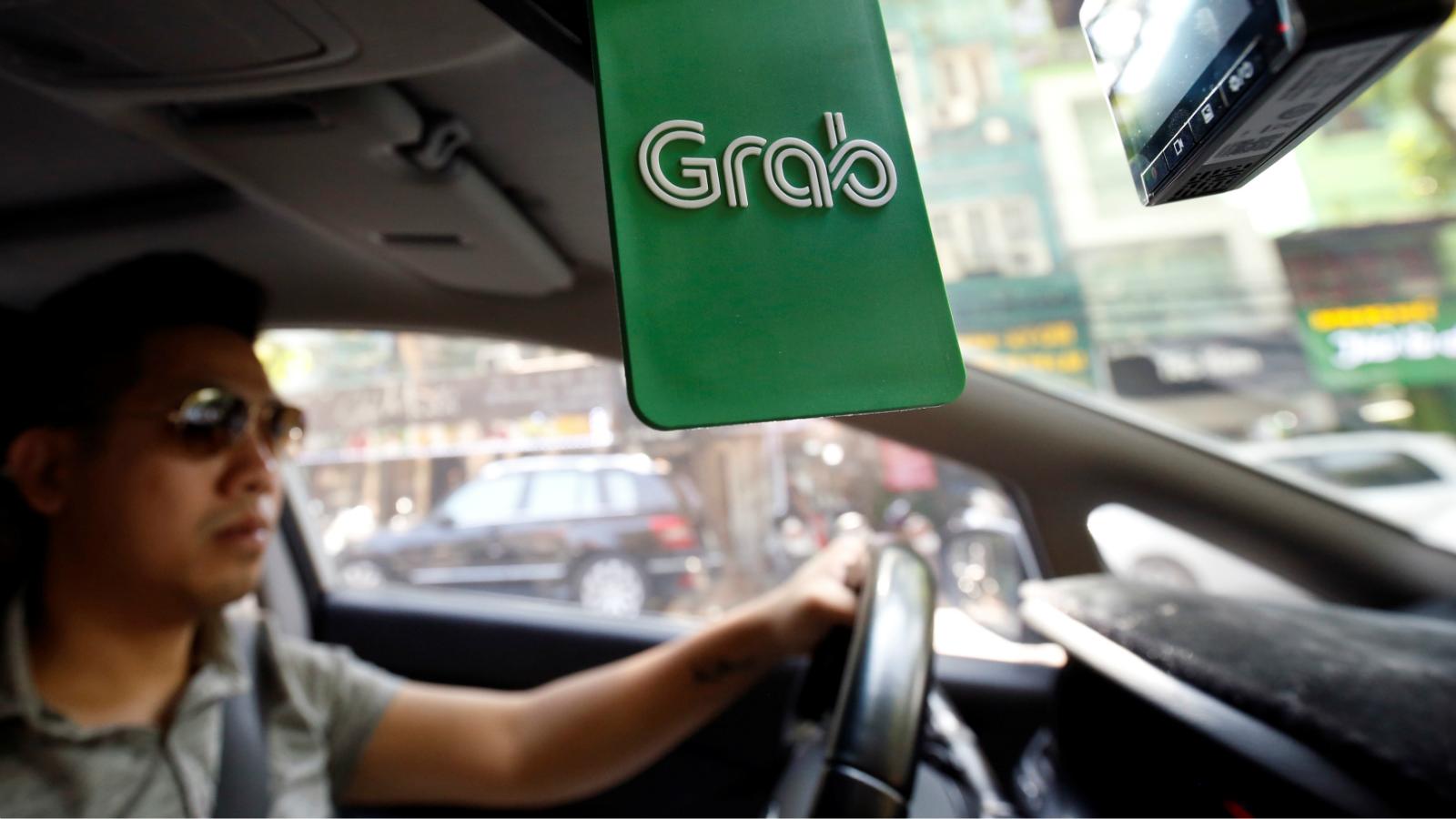
    Grab , Southeast Asia’s biggest ride-hailing and food delivery firm, does not envisage having to undertake mass layoffs as some rivals have done, and is selectively hiring, while reining in its financial service ambitions.

    Chief Operating Officer Alex Hungate said that earlier in the year, Grab had been worried about a global recession and was “very careful and judicious about any hiring”, and as a result, it had not got to the “desperate” point of a hiring freeze or mass layoffs.

    “Around mid-year, we did some kind of specific reorganisations, but I know other companies have been doing mass layoffs, so we don’t see ourselves in that category,” Hungate, 56, told Reuters in his first interview since joining Singapore-based Grab Holdings Ltd in January.

    The company was hiring for roles in data science, mapping technology and other specialised areas though every hire was a much bigger decision than it used to be, he said.

    “You want to make sure that we’re conserving capital. The hurdle for making a hire has definitely been raised.”

    Decade-old Grab, a household name in Southeast Asia, had about 8,800 staff at the end of 2021. Like its rivals, it has benefited from a boom in food services during the COVID-19 pandemic, while ride-hailing suffered.

    As economies open up, food delivery demand is softening while ride-hailing has yet to recover fully. Tech valuations have also fallen dramatically and inflation, slower growth and rising interest rates have emerged as risks.

    In recent weeks, Southeast Asia’s largest e-commerce firm Shopee cut jobs in various countries and shut some overseas operations after parent Sea reported widening losses and scrapped its annual e-commerce forecast.

    Hungate, a veteran of the financial services, logistics and food sectors, has spearheaded a push away from low-margin business lines as Grab races to turn profitable.

    Second-quarter loss narrowed to $572 million from $801 million a year earlier. But last month, it cut its gross merchandise volume outlook for the year, blaming a strong dollar and ebbing food delivery demand.

    Last month, Grab said it was shutting dozens of so-called dark stores – distribution hubs for on-demand groceries and slowing the roll-out of its “cloud kitchen” centralised facilities for deliveries.

    “The other area where we’ve really tightened our strategic intent is in financial services where we were growing payments, wallets and non-bank financial lending quite significantly off-platform and on our platform,” said Hungate.

    Grab reorganised its fintech unit this year to focus on more lucrative areas and Reuters reported on the exit of some senior executives.

    Grab is now mainly focussing on selling its lending products and insurance on its platform to merchants and drivers who often repay from their income streams on the platform.

    “As we make this shift, the business mix will move towards higher margins,” said Hungate.

    Grab, which operates in 480 cities in eight countries, has more than five million registered drivers and more than two million merchants on its platform.

    It caught global attention in 2018 when it acquired Uber’s Southeast Asian business after a costly five-year battle.

    Grab is betting on growing financial services by offering banking and other products with partner Singapore Telecommunications in key markets.

    It listed on the Nasdaq in December after a record $40 billion merger with a blank-check company.

    Hungate said it was “good timing” for the company to look again at how it spends money, given the increased scrutiny of finances and the need to respond to shareholders.

    “Maybe we were lucky in a sense that the discipline of being a public company came at just the right time,” he said, adding that Grab’s $7.7 billion cash liquidity meant it was one of the best capitalised industry players in Southeast Asia.

    Grab’s shares have tumbled about 60% this year to give it a market value of $10.6 billion.

    Reuters reported last month that Grab’s Indonesian rival GoTo was seeking to raise about $1 billion through a convertible bond issue.

    Hungate said Grab would provide details of its progress towards profitability and other metrics at its first investor day on Tuesday.

  • Aldi Australia backs Global Plastics Treaty

    Aldi Australia backs Global Plastics Treaty

    ALDI Australia has joined over 80 global businesses in endorsing the call for a global plastics treaty to end plastic pollution.

    The Business Coalition for a Global Plastics Treaty, which also includes financial institutions, and non-governmental organizations, is pushing for the development of a legal UN treaty to end plastic pollution, calling for “an ambitious and effective global agreement to accelerate progress towards a circular economy in which plastic never becomes waste or pollution.”

    Aldi joins Ikea, Walmart, and the below companies in the coalition.

    ALDI Australia says this cements its commitment to sustainable business operations.

    “As one of Australia’s largest grocery retailers, we understand the important role we play in reducing our use of plastic and introducing more sustainable packaging within our own supply chains at a local and business level,” said ALDI Australia’s Director Corporate Responsibility, Daniel Baker.

    “The plastics crisis doesn’t stop at our shores or even our oceans. This is a global challenge that needs a cohesive response and having a United Nations treaty with businesses worldwide is essential to help solve this global crisis together.”

  • McDonald’s China launches its first zero-carbon restaurant

    McDonald’s China launches its first zero-carbon restaurant

    Leading fast-food chain McDonald’s China opened the company’s first zero carbon restaurant in the Shougang Park in Beijing recently part of its upcoming move to open more new green outlets in the country.

    The McDonald’s Shougang Park restaurant is designed and constructed in line with LEED (Leadership in Energy and Environmental Design) net zero carbon and net zero energy certification standards.

    For a building to be net-zero it must remove as much carbon dioxide from the atmosphere as it emits throughout its lifespan, both in the form of embodied carbon and operational carbon associated with construction, occupation, and eventual demolition.

    Powered by on-site solar panels of over 2,000 square meters, the new restaurant is a milestone for the company’s China unit to achieve net zero carbon emission in the country by 2050. There are about 5000 McDonald restaurants in China.

    “With the scaling up of our business, we are determined to take up more social responsibilities to feed and foster our communities,” said Phyllis Cheung, CEO of McDonald’s China.

    “We will continue to drive high speed and sustainable growth by creating a future where people and the planet will thrive. We will focus on opening more green restaurants and embed green experience throughout consumer journey.”

    McDonald’s China will offer a series of green experience activities to consumers nationwide to advocate low carbon lifestyle, which includes the sealing sticker on the paper bags turning into green colors, or discounted Filet-O-Fish, which uses 100 percent Marine Stewardship Council certified codfish.

    Collaborating with Amap, McDonald’s will provide a cup of free coca cola to the customers who use Amap navigation app and arrive at McDonald’s restaurants by bike or on foot from Sep 20 to Oct 4.

    About 1,600 LEED certified McDonald’s green restaurants will change the color of their location icon on McDonald’s app, enabling over 200 million registered members to find their nearest green restaurant easily.

  • Yonyou Rolls Out the Next-Gen Cloud ERP

    Yonyou Rolls Out the Next-Gen Cloud ERP

    With more and more organizations realizing the benefits of digital transformation, enterprise management software solutions and cloud service providers, Yonyou is also quickly expanding its digital ecosystem amid increasing business partnerships within various public and private sectors.

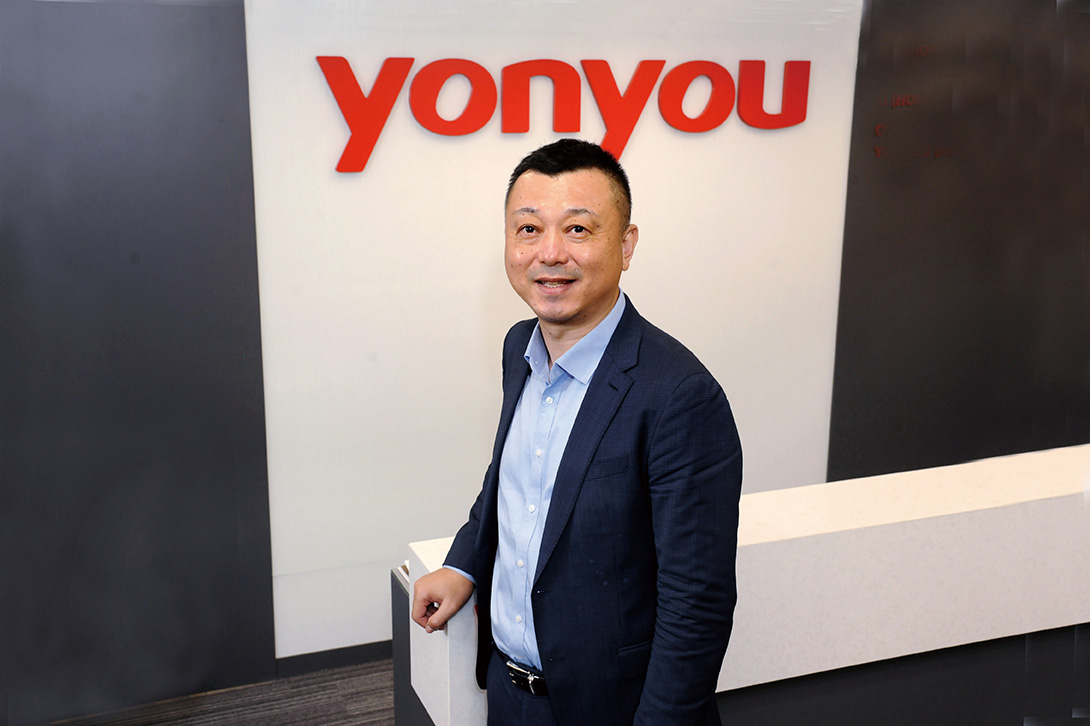
    Telecom Review Asia interviews Bowen Guo, general manager, Overseas Business Unit of Yonyou Network Technology Co., Ltd. and Yonyou (Hong Kong) Co., Ltd. on the vital role of high-quality and secure cloud services to maximize its business capabilities, especially amid its global expansion.

    Yonyou has been recognized by Gartner as one of the global top 10 ERP providers and is ranked by the International Data Corporation as the largest enterprise management software provider in China. Yonyou has over 230 branches and 10,000 ecosystem partners worldwide, providing best practices for cross-border enterprises.

    And to further strengthen its capabilities, the company is leveraging cloud-native technology. Yonyou sees the need for strong technical support and high global accessibility, such as what Huawei Cloud delivers.

    Secure and High-Quality Cloud Technologies

    As the largest B2B SaaS vendor in China, Yonyou is quickly building up a thriving digital ecosystem, prompting the need for more secure and high-quality services. And to provide secure technologies and support, the company continues to partner with Huawei Cloud for its strong technical support and high global accessibility.

    Guo stresses that the Huawei Cloud focuses on the IaaS and PaaS layers, while Yonyou focuses on the SaaS layer. And Huawei cloud mostly deals with the bottom layer or underlying technologies, thereby delivering high-quality services to Yonyou to help them serve their customers.

    As Guo explains, “Huawei cloud mainly focuses on the IaaS and PaaS layers. IaaS means the infrastructure, and I think Huawei is a leading player in providing a wide range of cloud infrastructure. It offers diversified infrastructure products, including cloud infrastructures, databases, middleware and security technologies. I think they can provide all-rounded businesses and technologies in these domains, and Huawei plans to develop the operating systems further. Thus, I believe that is also one of their advantages with the all-rounded infrastructure of Huawei cloud. Yonyou is actually growing with Huawei cloud.”

    As the ecosystem partner of Huawei, Yonyou is also maximizing the resources shared by Huawei Cloud, including customer resources and partner resources, as well as technological advantages in this domain.

    Yonyou’s New Product Lines 

    Yonyou has also launched its latest business innovation platform, the Yonyou BIP, or business innovation platform. The company boasts that this is its next-gen cloud ERP product for overseas users.

    Yonyou BIP is the company’s new generation cloud product platform. BIP consists of two business lines: the first one is YonBIP, which mainly aims at larger-sized customers; and the second is YonSuite, which primarily serves small and medium-sized customers. With these new product offerings, the company is working with Huawei to provide personalized and customized services to its customers.

    “So Yonyou BIP is our new generation cloud product platform. It follows the 1+3+X architecture. 1 indicates the technological platform, and 3 indicates the application in 3 domains, including human resources, financial services and supply chain. And X actually indicates our ecosystem, and it includes more than 10,000 ecosystem partners who work together with Yonyou to provide services to customers,” Guo.

    Guo stresses that their latest product developments allow for the acceleration of digital transformation of their partners and customers.

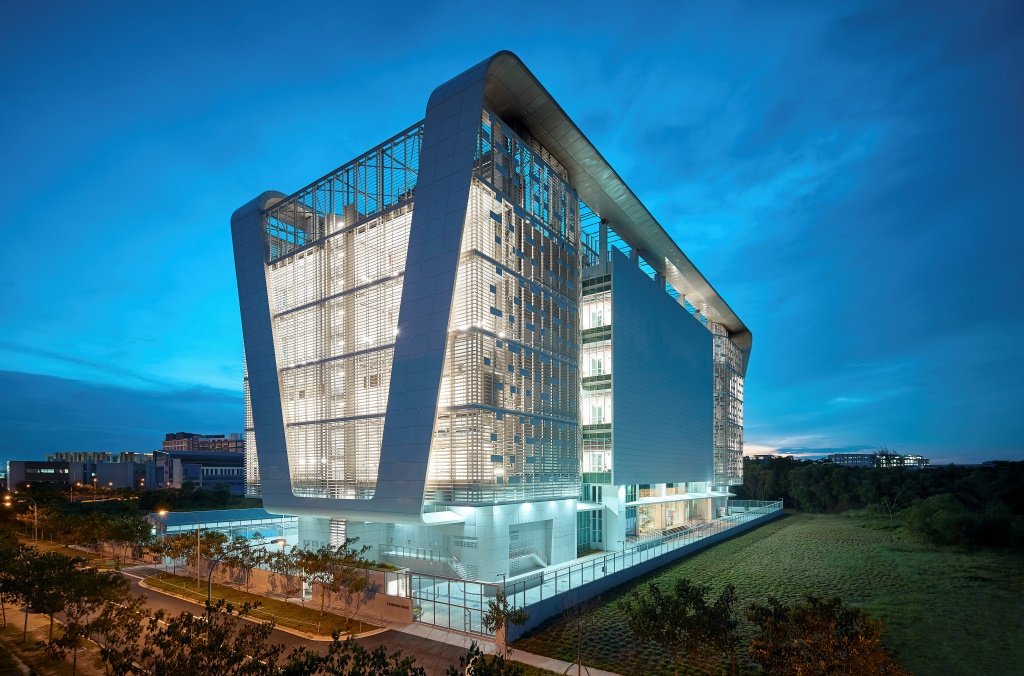
    Furthermore, Yonyou has also built a new data center in Singapore to support the business development of Yonyou BIP and help the company respond to some issues or challenges in Southeast Asia.

    Guo explains, “And now, we can provide better, localized cloud services to serve our customer segments in this region better. And then, we can better link or work with our ISV partners. These ISV partners can provide better-localized services. So, in addition to globalization, we must focus on localization. So, with the joint collaboration with the ISV partners, we can better comply with the local accounting rules or the human resources policies like the labor laws in the regions.”

    With 11 certifications from worldwide security authorities such as ISO 27001, EAL3+ and CSA STAR, Yonyou has largely enhanced data security and strengthened data storage capability by data deployment overseas. And Yonyou says that this, with the help of Huawei Cloud, will deliver reliable and secure cloud service to global customers.

  • Telin and Zenlayer to Deliver On-Demand Subsea Cable Services to Indo-Pacific

    Telin and Zenlayer to Deliver On-Demand Subsea Cable Services to Indo-Pacific

    PT Telekomunikasi Indonesia International (Telin), the largest telecommunications company in Southeast Asia, and Zenlayer, a massively distributed edge cloud service provider, signed a memorandum of understanding for joint development of a digital connectivity platform that provides on-demand subsea cable services.

    The joint development will combine the strong capabilities of both parties. As Telin continues to invest heavily in global subsea cable services, especially in the Indo-Pacific, Zenlayer’s platform will further digitize the service delivery for carriers, hyperscalers and global enterprises.

    “The fast-growing internet economy in the Indo-Pacific area has made the need for connectivity stronger than ever before. Here at Telin, we’re committed to optimizing our global infrastructure and enhancing our products and solutions to meet the rising market demands,” said Budi Satria Dharma Purba, CEO of Telin. “Zenlayer’s massive global scale and advanced technology to build on-demand, easy-to-use edge cloud platform makes them a perfect partner for our digital transformation. We look forward to helping more businesses connect into Southeast Asia and local companies expand globally.”

    “We are thrilled to power Telin’s digital transformation with our technology,” added Joe Zhu, CEO and founder of Zenlayer. “Through deep product integrations, we will bring a full suite of on-demand cloud networking services to mutual customers and take their user experience to an entire new level.”

    The partnership is a new milestone in the long-lasting relationship between the two companies. Since 2017, Telin and Zenlayer have had collaborations over edge data center and cloud networking services. Earlier this year, MDI Ventures, the investment arm of Telkom Indonesia, led the C+ round of investment in Zenlayer, further solidifying the latter’s position as the number one edge cloud service provider in the region.

    A leader in edge cloud, Zenlayer has the most robust infrastructure presence in the world’s fastest growing economic regions. The company has a strong commitment to Southeast Asia, with 62 edge nodes and extensive partnerships built in the region. It has helped numerous global businesses tap into the massive potential of the area with its high-performance compute and networking services.