Tag: asia

  • Hard Passage to India for China’s Phone Makers

    Hard Passage to India for China’s Phone Makers

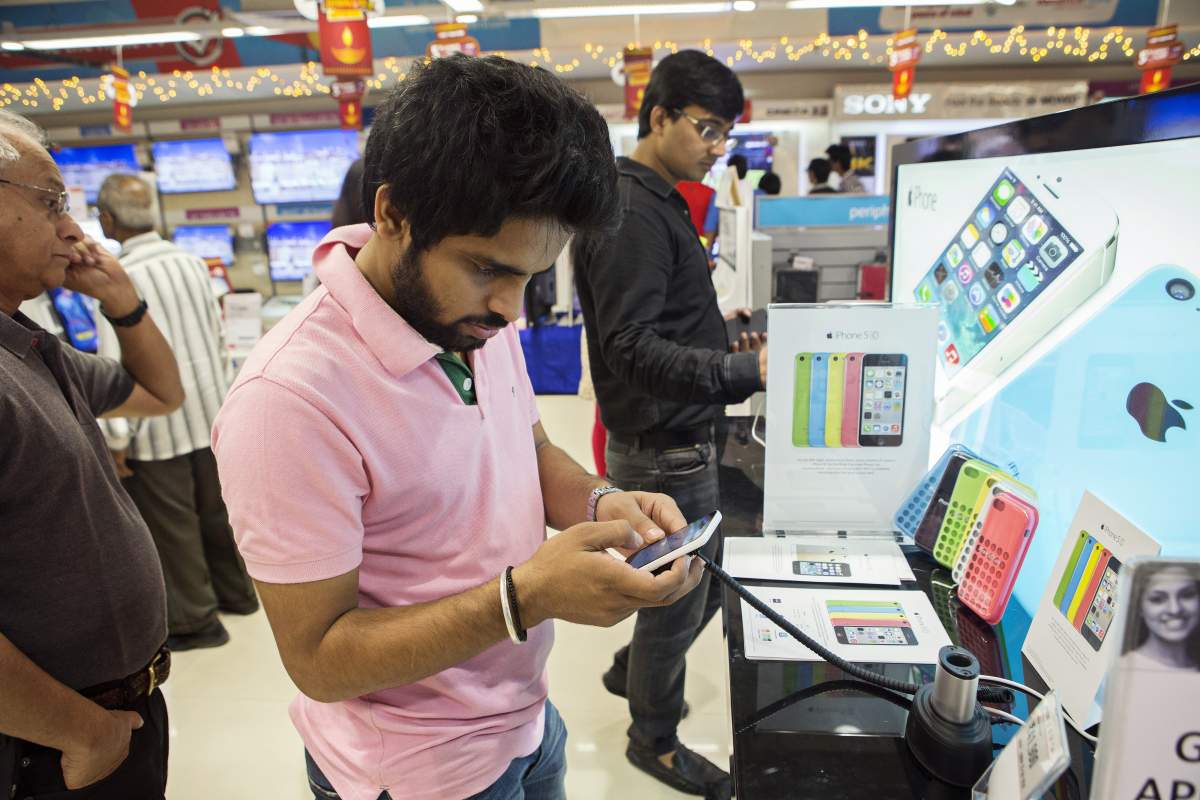
    For Chinese smartphone and mobile phone manufacturers, the crowded Karol Bagh market district in Delhi, India, is a key outpost for an exciting business frontier. Vendors in cramped shops peddle handheld devices from India and around the world. Most shops feature budget phones, although in recent years expensive smartphones have been added in increasing numbers to store shelves.

    Chinese smartphone makers such as Xiaomi Inc. and Huawei Technologies Co. Ltd. are working hard to unlock what they see as enormous sales potential at Karol Bagh and similar markets around India. Analysts think Indian sales of Chinese-made phones could explode very soon.

    Contributing to these expectations are figures from researchers such as Gartner Inc., which found only 115 million of India’s 1.2 billion people owned a smartphone at the end of 2014. It also found the country is home to about 610 million mobile phone users.

    Anshul Gupta, a researcher at Gartner, said he expects the Indian smartphone market to expand by 40 percent annually over the next two years.

    Kiranjeet Kaur, Asia-Pacific division director for the market research firm International Data Corp. (IDC), said Chinese phone makers have accelerated efforts to expand in India in order to offset a sales slowdown at home tied to the cooling economy.

    Officials at Chinese smartphone manufacturers echo those sentiments.

    “Today’s mobile phone market in India is just like China’s four or five years ago, with golden opportunities everywhere,” said a source at a mobile phone maker who asked not to be named.

    Chinese brands account for about one-quarter of mobile phone sales in India, said Gupta. But the Chinese market share is rapidly increasing, according to an IDC report. Brands including Lenovo, Xiaomi, Gionee and Huawei cornered a combined 12 percent of the market in the second quarter of this year, the report said, up from 6 percent during the same period last year.

    Although store sales are important in India, the role played by Internet shopping is growing. According to IDC, online sales accounted for 27 percent of all smartphone sales in India in the second quarter, rising from 10 percent in the same period 2014.

    Survival Tactics

    Chinese companies that are now growing their sales in India survived an assault that began a few years ago when competitors flooded the market with cheap knock-off brands. That attack dented business and the reputations of legitimate phone makers, including the first Chinese players in India, Gionee and Coolpad. Today, some Chinese phone brands are still plagued by a negative image.

    Chinese companies bounced back by investing in brand-building ads and retail sales networks. Another tactic, used by companies such as the relatively young phone maker Xiaomi, involved building Internet sales channels and social media promotions aimed at India’s diverse market.

    Another Internet-savvy smartphone manufacturer is Meizu Technology Co. Ltd., which in August became the latest Indian market player by premiering its MX5 model at a press conference in New Delhi. Meizu is selling devices online through Amazon and the Indian e-commerce website Snapdeal, foregoing the costly task of building on-the-ground sales networks.

    “Chinese companies want to take advantage of the opportunities presented by India’s market boom,” said the manufacturing source. “But building sales networks takes time and resources in the face of challenges from domestic brands in India. So using e-commerce channels is much safer for Chinese phone makers.”

    Xiaomi is relying on the Internet for sales and has opened an Indian operations headquarters in Bangalore, an e-commerce hub in India.

    Xiaomi’s strategy in India mimics its successful strategy China: “flash sales” through which consumers are offered a limited number of products during a single marketing event. Most flash sales are promoted through social media.

    Xiaomi’s first online sales event targeting Indian shoppers came in 2014 through a partnership with India’s largest e-commerce site, Flipkart.

    Manu Jain, the chief executive of Xiaomi’s India division, said 10,000 Xiaomi phones were sold through the Flipkart website in just two seconds in July last year. By early December, he said, Xiaomi has sold 1 million phones in India, making it India’s fifth-largest phone supplier.

    Xiaomi has hit some bumps on its fast road to success. The company’s sales surge in India caught the attention of its Swedish competitor Ericsson, which in December filed a complaint in the Delhi High Court claiming Xiaomi broke the law by using Ericsson-patented parts in its phones without paying royalties.

    The court agreed with Ericcson and barred Xiaomi from selling phones in India that are equipped with chips made by its parts supplier MediaTek. Devices equipped with Qualcomm-made parts were not covered by the ban.

    Indian courts are still considering the case, Jain said. And Xiaomi is still expanding in India through partnerships with retailers and e-commerce firms.

    Some Chinese phone makers have paid an even higher price in India. Shenzhen-based Coolpad has been in India since 2007, but has had a hard time competing against the Samsung, Nokia and Blackberry brands. The company is hoping its recently launched partnership with Amazon will, after years of lukewarm sales through Indian telecom tie-ups, boost online sales.

    Brand Building

    Coolpad’s plan for enhancing its image in India is to launch a new model every month and then sell the phones through e-commerce websites.

    “Unless we start building up the brand now, there will be no future opportunities” said Syed Taj, head of the company’s India division. “Coolpad has to catch up.”

    Not every smartphone manufacturer has switched to e-commerce sales. Some companies, such as Shenzhen-based Gionee, continue to rely on brick-and-mortar retailing for most sales in India.

    Arvind Vohra, head of Gionee’s India operations, said the online sales strategy pursued by many Chinese companies has quick effects but lacks long-term brand-building efforts. “It’s hard to say how it will go,” he said.

    Gionee has taken the old-fashioned route by building up a retail sales network in India. According to Vohra, the company has maintained contracts with 10 dealers operating 35,000 shops across the country since 2007.

    And Gionee’s retail effort has paid off. The company sold about 4 million devices last year in India, or about half of all Chinese-made devices in that country, pocketing US$ 300 million in revenues. And since the Indian smartphone market is only about three years old, Vohr said, there’s plenty of room for growth.

    Still, building a retail sales network in India from scratch means competing against established players such as Samsung, one of several international brands that dominate the market. It also requires navigating a retail environment characterized by a large number of phone dealers and retailers spread over a wide area.

    It’s easier to switch to an online sales strategy from a retail environment than the other way around, Vohra said, because consumers in stores are more brand-focused while those shopping online pay more attention to price.

    Samsung shipped more phones to India – 6 million – than any competitor in the second quarter of 2014, according to IDC, giving the South Korean company 22.6 percent of the market. Indian mobile phone manufacturers Micromax, Intex and Lava were the second, third and fourth largest, underscoring the fact that Chinese firms face an uphill climb.

    Chinese phone makers Vivo Electronics Corp. and Oppo Electronics Corp. have each spent hundreds of millions of yuan in India on retail marketing campaigns since the beginning of the year, an industry source who asked not to be named said. Yet “the effects of this huge investment have been limited.”

    Lenovo is also trying to break into the Indian market through store sales. The company’s devices are sold by more than 7,000 retailers across India, a number that Ye Zhuliang, vice president of Lenovo Group Ltd., expects will rise to 15,000.

    “Sales networks are quite complicated in India, which has more cities and greater regional differences” than China, said Ye.

    Yet brand-building may be the most important task for Chinese device-makers in India. And different companies are taking on that task in different ways.

    To get people talking about its phones, Gionee sponsors Bollywood movies and cricket matches. According to Vohra, the company also buys newspaper and TV ads that say its high-tech products are built for high-end consumers. These ads often stress that a Gionee phone costs about 20 percent more than Indian-made brands.

    To give the Chinese device maker even more support, Vohra said, Gionee plans to step up newspaper and TV ad spending, and look into expanding online sales.

    Xiaomi is trying a different approach, targeting young consumers through online marketing campaigns. It’s using an online forum and social media to connect with younger Indians, mirroring the company’s online marketing efforts in China. The firm also modified its phone operating system and added user functions designed for Indian users.

    It’s also common for Xiaomi to pitch its phones by mentioning the price tag can be half of what other brands charge, said Jain.

    Chinese phone makers also see the Indian frontier as a future production base.

    Gionee plans to invest US$ 15 million over the next three years to build phone production facilities, Vohra said. Xiaomi, through a partnership with electronics supplier Foxconn Technology Group, has started assembling smartphones in India. And Coolpad hopes to open a research and development office in India within two years.
     

  • 11street Leverages #MYCYBERSALE to Encourage Online Shopping

    11street Leverages #MYCYBERSALE to Encourage Online Shopping

    11street, one of the largest online marketplaces in Malaysia, is leveraging its participation in the nation’s biggest online sale, #MYCYBERSALE 2015 (www.mycybersale.my), to attract a wider net of Malaysian consumers to shop online.  Organized by the Multimedia Development Corporation (MDeC) the online sale starts today and lasts until 2 October 2015. As a premium e-tailer, 11street will be offering exclusive discounts and deals during the one-week period.

    As part of their strategy to enthuse and convert offline users to shop online, 11street aims to give away RM6 million worth of coupons with discounts of up to 99% along with other bank offers and deals. Consumers will be spoilt for choice as there are close to 2 million products available, making finding what they love at 11street easier. Sellers will of course benefit from the #MYCYBERSALE as they would be able to expand their reach to new customers and increase overall sales.

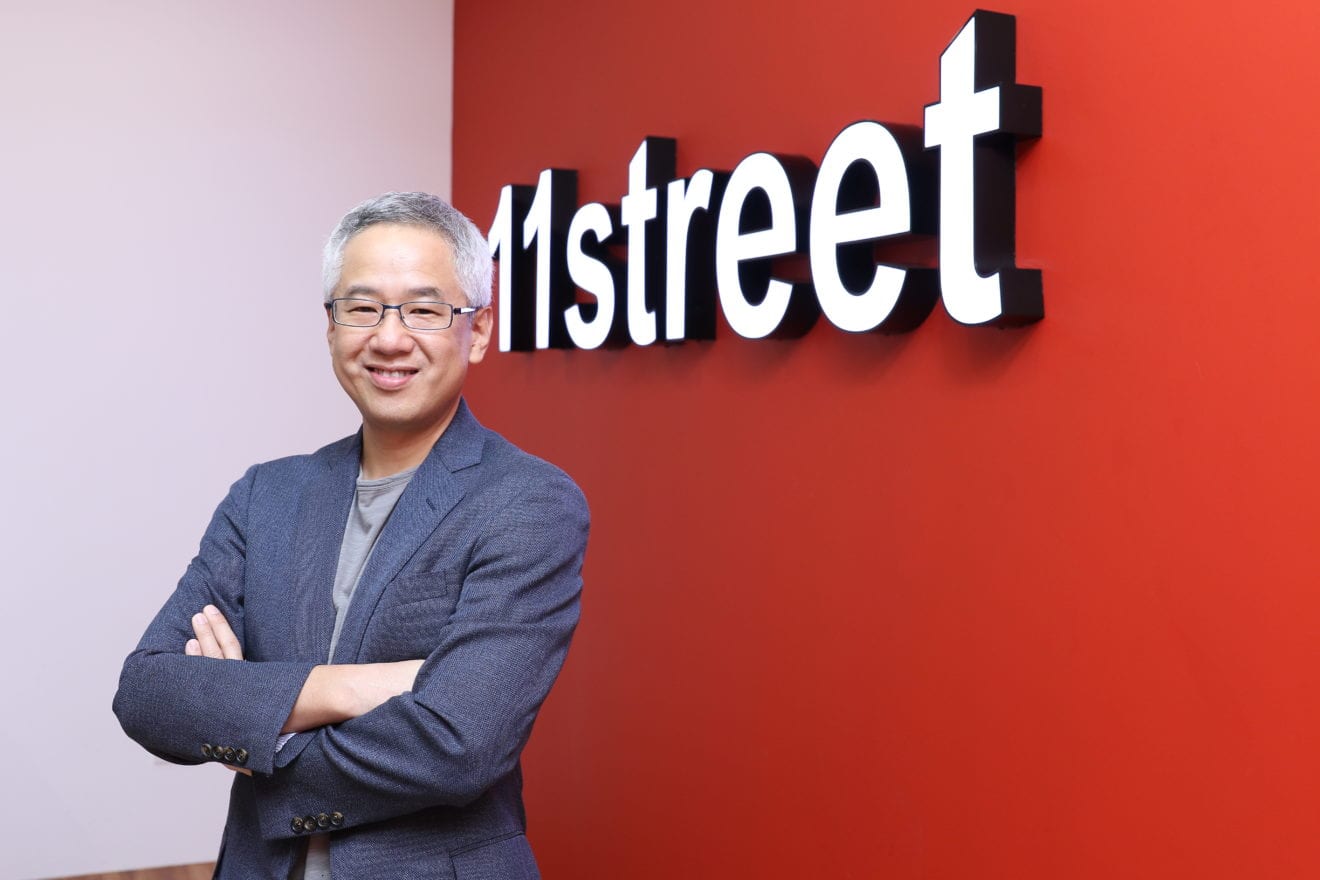
    Hoseok Kim, CEO of 11street says, “The #MYCYBERSALE 2015 online event is a great opportunity for us to reinforce our position as a leading e-commerce site as we are constantly looking at ways to offer consumers more value and help them enjoy the convenience of online shopping. Being part of the largest online sale event in Malaysia, MDeC not only helps us grow but also bolster the local e-commerce landscape as sellers will enjoy increased sales.”

    “We are delighted to have 11street onboard #MYCYBERSALE2015. They have been growing rapidly in Malaysia and we see them as a credible partner in supporting the government’s efforts to enhance the positive development of the e-commerce landscape in the country”, says Ms. Wee Huay Neo, Director of e-Commerce, MDeC.

    “Through the attractive deals that are offered by 11street, we are confident that it can lead to the growth of the e-commerce here, which will eventually set Malaysia as a net exporter”, she further adds.

    11street’s Exclusive Deals at #MYCYBERSALE2015

    Some of the promotions that will be available for #MYCYBERSALE 2015 include the Cyber Shocking Deals, which is similar to 11street’s signature Shocking Deals, and exclusive brand-specific deals. Shoppers can expect markdowns of up to 90% from big names such as Samsung, Mothercare, Laneige, L’Occitane, Thermos, Nike, Ralph Lauren and Longchamp, just to name a few.

    There are also special bundle offers for Vincci and LEGO, along with Happy Hour deals for meal vouchers and mobile top-ups that will take place at 11am, 3pm and 6pm.

    To further enrich Malaysian’s affinity with Korean culture and lifestyle, a main highlight for #MYCYBERSALE 2015 would be the Cyber Korean Fair that focuses on Korean beauty and skincare products, snack foods and also K-fashion items. That’s not all; selected brands come with free shipping deals along with an 11-day delivery guarantee of which RM11 will be refunded in the case of delays.

    Kim adds, “Since 2008, 11street has become one of the most popular e-commerce platforms in Korea that provides both sellers and shoppers trustworthy and convenient online trading experience. Through our participation in #MYCYBERSALE 2015, we wish more Malaysian sellers and buyers can be introduced and led to our proven platform where we can offer them the same quality of service, and together we boost the local e-commerce market.

    “Also, what makes us a leading e-commerce player is our wide variety of quality products at competitive prices which enriches a consumer’s shopping experience. We are very optimistic that Malaysians will now be even more motivated to start reaping the benefits of online shopping,” ends Kim.

  • Singapore consumer prices post biggest drop in 5 years

    Singapore consumer prices post biggest drop in 5 years

    Consumer prices in the Republic fell 0.8 per cent in August, the biggest year-on-year drop since November 2009.

    The decline, which came after a 0.4 per cent fall in July, was mainly due to the lower cost of private road transport, according to a joint news release from the Ministry of Trade and Industry (MTI) and the Monetary Authority of Singapore (MAS) on Wednesday (Sep 23).

    The cost of private road transport fell by 2.9 per cent in August after a decline of 0.1 per cent in July, as a result of the high base a year ago when Certificate of Entitlement (COE) premiums for cars saw a sharp increase, as well as a one-year road tax rebates for petrol vehicles.

    Accommodation cost declined by 2.9 per cent following the 2.8 per cent drop in the previous month, reflecting the continued softening of the housing rental market, MTI and MAS said.

    Services inflation edged down to 0.5 per cent from 0.6 per cent in July, while the cost of retail items fell by 0.6 per cent, mainly due to lower clothing and footwear prices. Food inflation was 1.9 per cent, unchanged from the previous month.

    Core inflation, which excludes the cost of accommodation and private road transport, fell to 0.2 per cent from 0.4 per cent in July, reflecting lower services and retail goods inflation, the news release said.

    “MAS Core Inflation and CPI-All Items inflation could rise towards the end of the year and are expected to pick up further in 2016, as the effects of the budgetary measures and the drag from the past fall in global oil prices dissipate on a year-ago basis,” it said.

    For 2015 as a whole, core inflation and CPI are projected to come in at the lower half of the forecast range of 0.5 to 1.5 per cent and -0.5 to 0.5 per cent, respectively.


  • Siyaram announces joint venture with Italian lifestyle brand Cadini

    Siyaram announces joint venture with Italian lifestyle brand Cadini

    Domestic textile player Siyaram Silk Mills today announced joint venture with leading Italian lifestyle brand Cadini.

    “We have entered into joint venture with leading Italian lifestyle brand Cadini. We have bought ownership rights to manufacture and market Cadini brand for its fabric segment in India, Sri Lanka and few other countries in Middle East,” Siyaram Silk Mills Chairman and MD Ramesh Poddar told PTI here.

    “We want to give Indian consumer the Italian feel at a reasonable price by customizing it to our market. Some products will be imported from Italy, but a major portion will be from India. We will bring the Italian innovation and manufacture it over here,” Poddar said at the launch of the brand in India without disclosing the consideration.

    He added, “Siyaram’s currently has annual revenue of around Rs 1,550 crore and expects to grow by 10-15 per cent annually this year. We expect Cadini to contribute around Rs 100 crore of our total revenues in the next financial year.”

    Cadini will also help Siyaram’s in sourcing and designing. The brand will be available in India in superior fabrics followed by garments and accessories, while the company also plans to open its Cadini exclusive outlets and shop-in shop in the near future.

    Expecting a great response from the humongous and fast growing Indian market Cadini Brand Director Daniella Nicolle said, “This venture has not only provided us a platform to showcase our collection to the Indian consumer but has also helped us to discover various avenues in terms of global marketing.”

    Cadini derives 95 per cent of its revenues from international market and only 5 per cent from Italian market, Faralli said.

    Siyaram’s has spent Rs 80 crore to modernize its manufacturing facility this year and will spend around Rs 70 crore next year funded through internal accruals as well as government incentive Textile Upgradation Fund Scheme (TUFS), Poddar said.

    He added, this will enable the company to add 10-15 per cent more to its monthly sales of 65 lakh metres of fabric per month.

  • WS Retail’s Logistics Division Has Been Bought Back By Flipkart

    WS Retail’s Logistics Division Has Been Bought Back By Flipkart

    Flipkart Ltd., the parent company of India’s homegrown ecommerce portal Flipkart.com, which is based in Singapore, has bought back the shares of their logistics business from WS Retail. Business analysts are predicting that this move has been made keeping in mind their IPO launch, which can happen somewhere between 2016 and 2017.

    This acquisition has been made via Instakart Services Pvt Ltd., a new entity which was formed in June, 2015. This new entity’s directors are Ankit Nagori (Chief Business Officer at Flipkart) and Rajnish Singh Baweja (Flipkart’s Finance Controller). It is not yet clear how much money has been traded in this acquisition, and Flipkart has refused to share more details.

    One spokesperson from Flipkart said, “We, as a policy, do not comment on specific transactions.”

    Flipkart’s IPO Plans

    By purchasing the logistics arm of WS Retail, a company which is again, a part of Flipkart Ltd., the management is trying to simplify the company structure and make it more presentable for public listing scrutiny in near future.

    In May this year, Flipkart Chief Financial Officer Sanjay Baweja said that Flipkart is not looking for IPO for the next couple of years, as they are not ready with the strict regulations and scrutiny which comes with it.

    Sanjay had said, “We are still at a stage where we do not want to stand scrutiny on a quarterly basis. We would rather keep ourselves private for as long as we can and then we will see what lies ahead.”

    Considering that Flipkart is headquartered in Singapore, an Indian listing is not possible. As per insider sources, Flipkart is aiming for a listing at New York based NASDAQ, which is world’s second largest stock market.

    Flipkart’s Complex Company Structure

    As per various speculations, WS Retail will be closed down in the next few years, as Flipkart will convert fully into a marketplace and advertisement based business model, ditching inventory based model.

    WS Retail was actually created to get around the strict FDI rules in India. WS Retail was formed in 2009, as a seller on Flipkart’s own platform.

    Technically, WS Retail buys the products from Flipkart India Pvt. Ltd., and sells to Indian customers. Flipkart India Pvt. Ltd. is the B2B division of Flipkart Ltd. And as FDI is allowed in B2B ecommerce, but not in B2C; this arrangement made sense to the tax collector.

    However, In 2013, Flipkart sold WS Retail to a group of investors led by former OnMobile Chief Operating Officer Rajiv Kuchhal. This was done to comply with other FDI norms in India, as a special investigation had started to look into the tax issues inside the company.

    Buying back the logistics arm from WS Retail is just the start of a new restructuring process, specially aimed for the IPO listing or so we think…

    We will keep you updated as more details come in.

    “WS Retail’s Logistics Division Has Been Bought Back By Flipkart Ltd; Is It Preparation For IPO Launch?”, 5 out of 5 based on 2 ratings.

  • Superdry to launch in China

    Superdry to launch in China

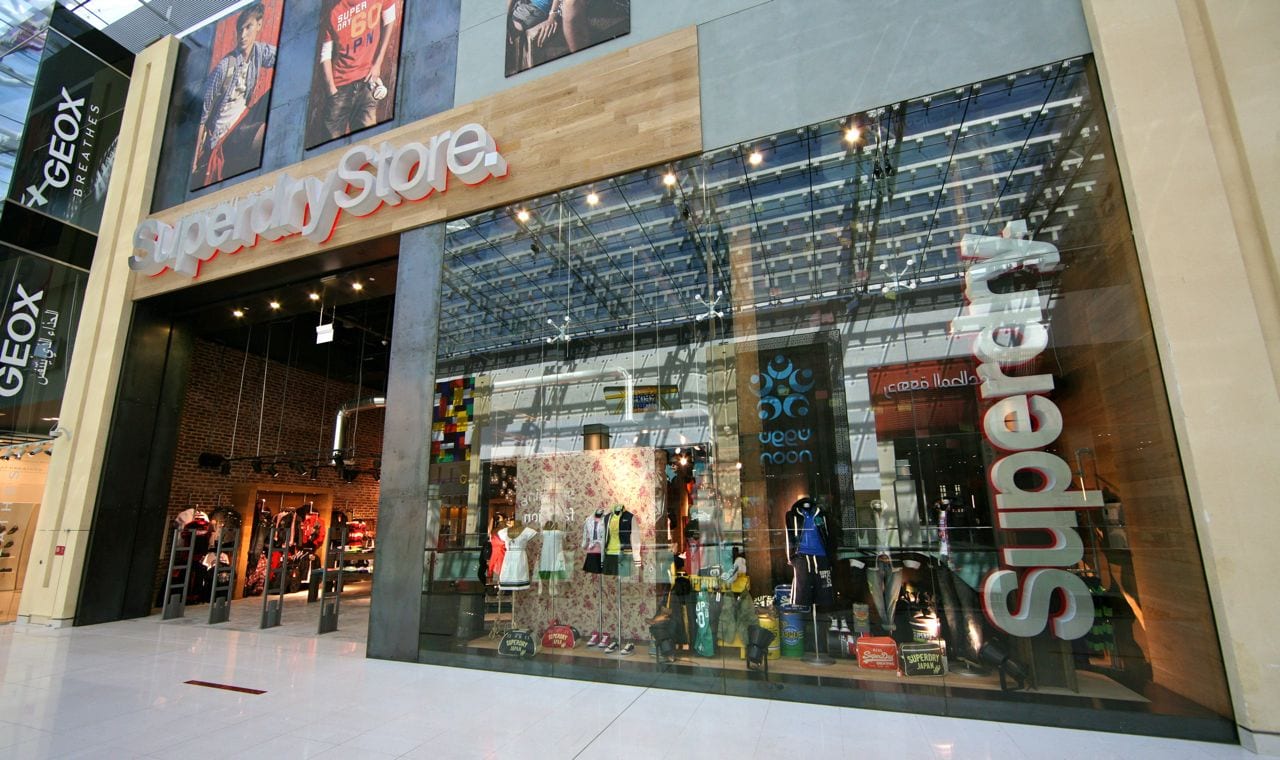
    Superdry was paraded down a catwalk in Beijing to officially launch the company in China.

    The launch event showcased some of the key product lines at the British Embassy Residence.

    The Rt Hon Sajid Javid MP, Secretary of State for Business, Innovation and Skills was at the event, as well as a strong representation of a number of current and former Chinese government officials.

    Mr Javid said: said: “We are delighted to see British brand Superdry join forces with Trendy International Group as they continue to further their international expansion in mainland China.

    “For decades, fashion has been at the core of British culture, something Superdry knows only too well. 2015 marks the UK-China Year of Cultural Exchange and both markets have a great deal they can share with each other.

    “Chinese consumers have a huge appetite for British brands so Superdry is well placed for success. Good luck to both SuperGroup and Trendy International as they embark on this auspicious partnership.”

    The agreed partnership to bring Superdry, the premium British lifestyle brand to China, will see an investment of up to £18 million (180 million RMB), on a 50:50 basis across a minimum period of 10 years. The joint venture was evolved from an initial introduction from the UKTI.

    The Chinese apparel market, with a current total retail value of $351 billion, presents an immense opportunity for the Superdry brand, particularly as it is forecast to become the largest apparel and footwear market in the world, overtaking the US this year.

    Euan Sutherland, CEO of SuperGroup, said: “Today marks a significant milestone in our joint venture with Trendy.

    “We are excited at the prospect of entering this market with such an established and experienced partner. We look forward to gaining a deep understanding of the Chinese market and customer, and this launch marks another significant step in Superdry becoming a global lifestyle brand.”

    The partnership with Trendy, a highly experienced retailer which already operates 3000 stores across China, will offer invaluable market insight and knowledge.

    Trendy will utilise their expertise and knowledge of the Chinese market and consumer to manage the joint venture, with a focus on operations and logistics in China, whilst SuperGroup will provide support from the UK, concentrating on brand guidance and merchandising.

    Both Trendy and SuperGroup believe Superdry has the potential to flourish in this market as it already has the appropriate product offering, pricing model and infrastructure for effective delivery in China.

    For Superdry customers it is about attitude, not age nor demographic. The Superdry product is contemporary and fuses vintage Americana and Japanese-inspired graphics with a British style. With an increasing demand for British brands abroad, Trendy sees Superdry as well-placed.

    Jacky Xu, founder and chief executive of Trendy International Group said: “We are delighted to be working with the SuperGroup team to launch Superdry in China.

    “Superdry is an innovative British brand, which we believe will sit well amongst our existing brands and have great appeal in the Chinese market.

    “Today, there is an increasing shift in consumer tastes in China, as individuals are moving away from the luxury brands to those more influenced by pop culture.

    “We believe Superdry is well placed to take advantage of this shift, presenting an excellent opportunity for our new partnership.”

  • Hong Kong plans upgrade to industrial estates

    Hong Kong plans upgrade to industrial estates

    Alan Ma Kam-sing, chief executive of Hong Kong Science and Technology Parks told that the first phase will see multi storey factories build by 2020, with a focus on “high value-added” clients such as robotics, pharmaceuticals and biomedical manufacturers.

    Ma’s company runs three industrial estates in Hong Kong and has already updated its policies to attract more technology related tenants, he said.

    These tenants will not be using “labour-intensive production, but rather modern manufacturing fueled by science and technology. This will create new industries and job opportunities throughout the advanced manufacturing value chain,” Ma said, speaking ahead of a conference on science parks and “areas of innovation” in Beijing.

    Reindustrialisation through innovation and technology is needed to counter Hong Kong’s reliance on finance and real estate, Ma said.

    Hong Kong can attract tenants due to its strong technology infrastructure, rule of law and intellectual property protection.

    Hong Kong based technology expert Paul Haswell of Pinsent Masons, the law firm behind Out-Law.com said: “High rental prices for tenants as well as an infrastructure that is built more for finance companies and retail has meant that whilst there is an abundance of tech innovation in Hong Kong, those innovators can find it hard to find a base from which to build a business.”

    “Hong Kong’s Science and Technology Park offers excellent space and facilities, as well as attractive terms for tech startups, but those startups find it hard to survive once the time comes to expand beyond the Science Park. As such, any plan to utilise Hong Kong’s warehouse and disused industrial space to build an environment where technology business should be encouraged,” Haswell said.

  • ANZ expands retail footprint in China

    ANZ expands retail footprint in China

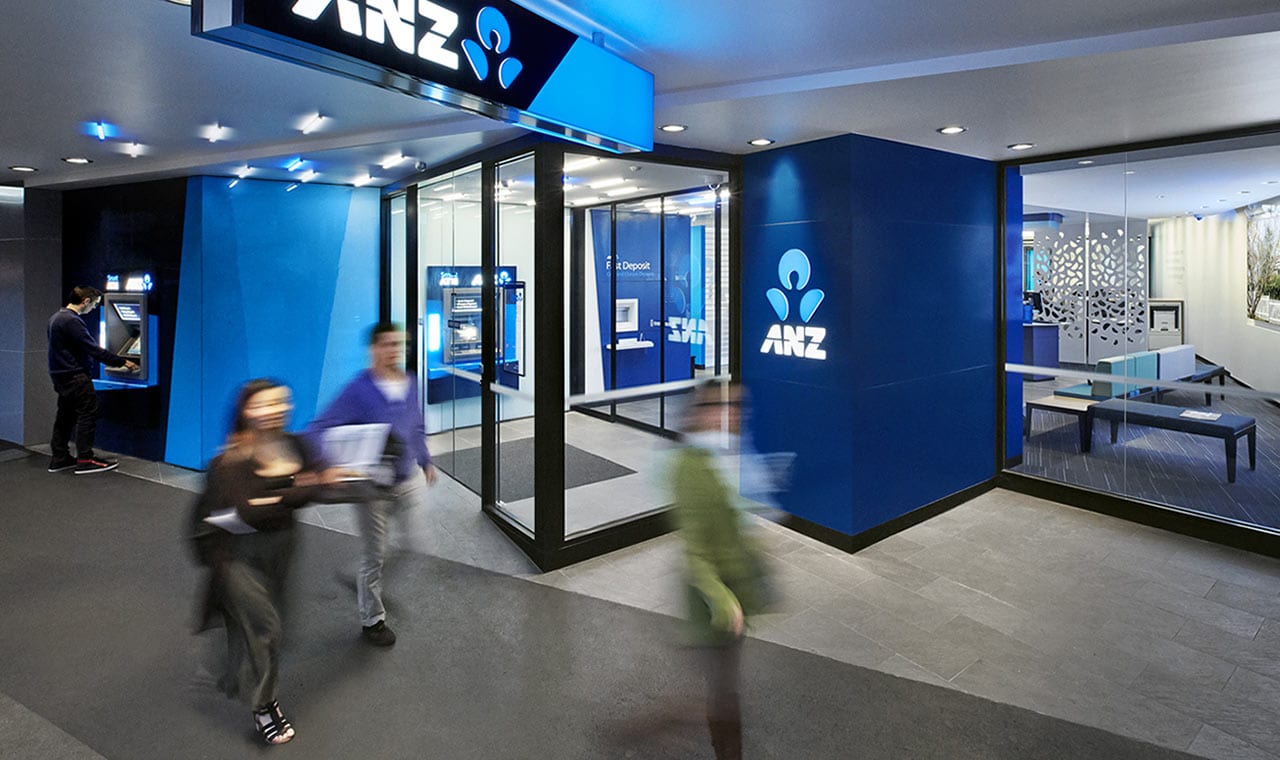
    The Qingdao branch will cover the entire Shandong Province and will offer products and services for ANZ’s corporate customers.

    Mike Smith, chief executive of ANZ, said that with a significant and growing presence in China and a network across 34 markets in the Asia Pacific, Europe, the Middle East and America, the bank is uniquely placed to support its clients looking to grow in Qingdao and the Shandong Province.

    Mr Smith said Qingdao and Shandong Province have established long-term relationships with Australia, and highlighted “major potential” for further growth in bilateral trade and investment.

    “This includes opportunities in industries such as natural resources and agriculture, and the opportunities created through the China-Australia Free Trade Agreement,” he said.

    “With our new branch, we look forward to enhancing cooperation in the Qingdao and Shandong government, and to continuing to support the development of the local financial industry.”

    Huang Xiaoguang, chief executive of ANZ China and head of greater China, said opening the new branch in Qingdao is another step in continuing to grow the bank’s Chinese footprint.

    “As the only locally incorporated Australian bank in China, we will further enhance our capability to provide comprehensive solutions and services to support local enterprises to go abroad,” he said.

    ANZ announced in July the opening of a new branch in Gurgaon, India, to better service its business customers in the country’s north.

  • France’s AuchanSuper to open 15 stores in Ho Chi Minh City in 2016

    France’s AuchanSuper to open 15 stores in Ho Chi Minh City in 2016

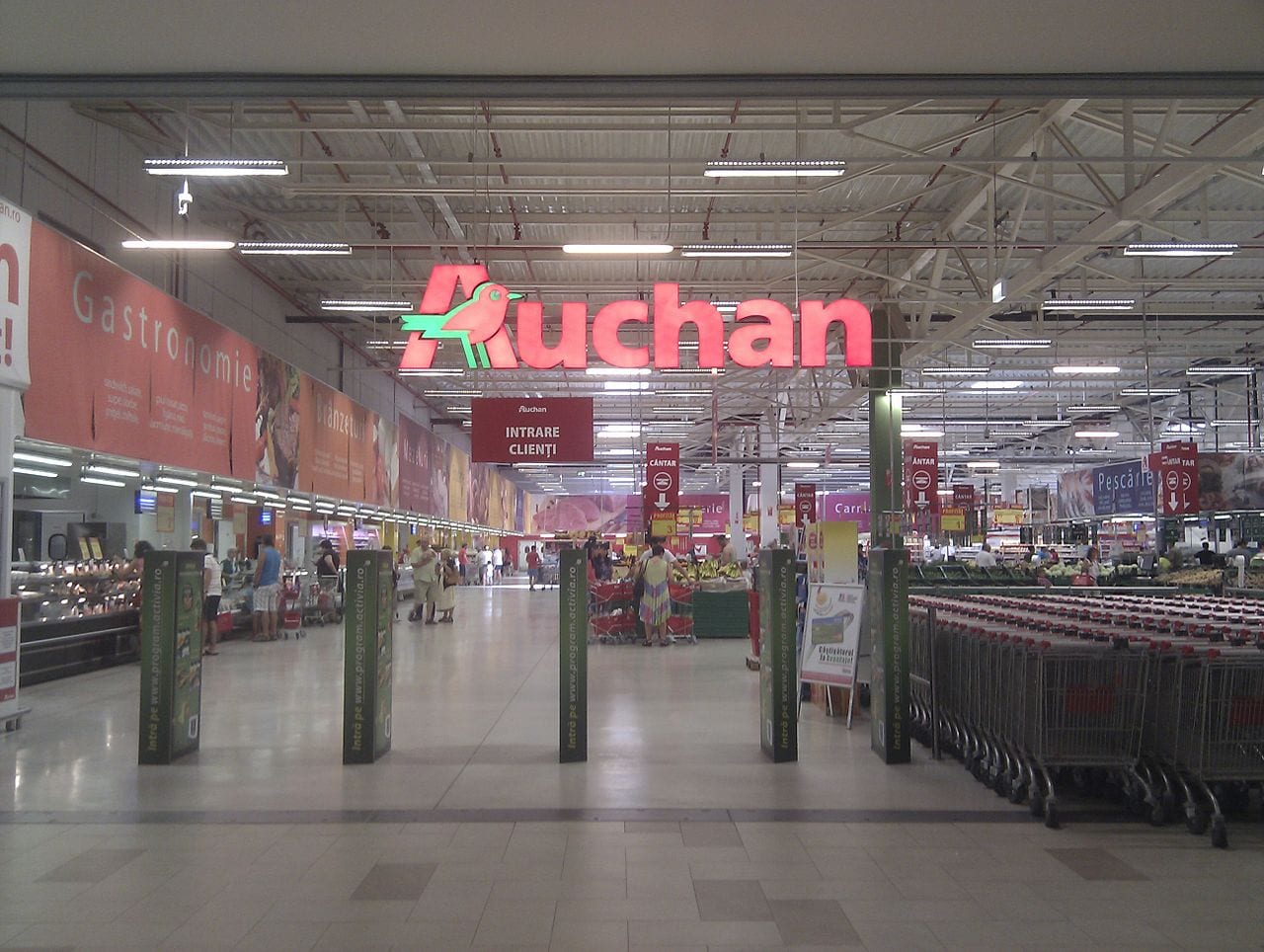
    While it currently runs only one outlet in Ho Chi Minh City, French supermarket chain operator AuchanSuper has plans to increase the number to 17 in 2016, a top executive said.

    The maiden AuchanSuper-run Simply Mart in the southern Vietnamese metropolis is located in District 5, and two more stores are scheduled for opening by the end of this year, chief financial officer Philippe Delalande said at a meeting with the city’s deputy chairman Le Thanh Liem on Thursday.

    One of the two coming Simply Mart stores is expected to open at the Le Thanh Apartment in Binh Tan District in November, according to newswire The Saigon Times Online.

    In 2016 15 more such outlets, spanning from 2,000 to 3,000 square meters each, are expected to add to the list, according to the CFO.

    AuchanSuper is expected to spend a total of 35 million – 40 million euros (US$38.9 million – $44.5 million) on the expansion plan in Vietnam in 2015 and 2016, Delalande told the Ho Chi Minh City official.

    The French firm will need around 1,000 employees for its Ho Chi Minh City operations.

    AuchanSuper has decided to expand its presence thanks to the potential for growth of the Vietnamese retail market, according to Delalande.

    The Ho Chi Minh City deputy chairman said he believes AuchanSuper, as a major experienced European retailer, will achieve success in Vietnam.

    Ho Chi Minh City currently accounts for 30 percent of the total retail sales, which Liem said will create favor condition for AuchanSuper to boost business.

    The Simply Mart in District 5 was previously known as S.Mart, which was inaugurated by C.T Group in 2012.

    AuchanSuper currently operates supermarkets and hypermarkets in 15 countries, but will only focus on the supermarket segment in Vietnam, according to The Saigon Times Online.

    In Ho Chi Minh City, the French company will face completion from strong players such as Big C, Lotte Mart, Aeon Mall, Metro, or Giant.

    AuchanSuper is a subsidiary of Groupe Auchan SA, a French international retail group and multinational corporation headquartered in Croix, France.

    It is one of the world’s principal distribution groups with a presence in 15 countries and 269,000 employees.

  • DHL announces 2016 rate adjustments

    DHL announces 2016 rate adjustments

    DHL Express has announced its annual general average price increase, which will come into effect on 1 January next year.

    In Germany and in the UK, the average price increase will be 3.9%. Globally, price adjustments will vary from country to country, depending on local conditions, and will apply to all customers where contracts allow.

    The DHL Express products offered for private customers via post office branches in Germany, however, remain unaffected by the price increase.

    Ken Allen, CEO, DHL Express, said: “Our annual price increase enables us to continue investing in our international time definite network and to maintain our leading service quality.

    “Our major investment announcements in 2015 have included new hubs in Brussels, Belgium, and Singapore, and an expanded Americas hub in Cincinnati.

    “We are also continuing to invest in the Middle East and Africa, where we have unrivalled networks, and to add freighter aircraft, particularly to strengthen our intercontinental connections.”

    On 16 September, FedEx announced that it would be raising its shipping rates by an average of 4.9%.

  • DHL Philippines appoints Shaikh as new country manager

    DHL Philippines appoints Shaikh as new country manager

    Logistics firm DHL Global Forwarding (DGF) Philippines Inc has appointed Imran Shaikh as its new country manager.

    A certified Global Logistics Specialist, Imran has over 15 years of experience in international logistics, accounts management, freight forwarding and import and export operations.

    He is coming off from his previous post as managing director of DGF Pakistan, a role he performed in the last seven years where he successfully expanded their domestic operations.

    Earlier, he held the role of Import Manager at Exel DHL Global Logistics in LA, where he handled US freight management accounts, import operations for LAX branch and the control tower for North America.

    He was a member of the U21 global strategy team and was involved in the design and implementation of the west coast competency center procedures, the first in North America. Imran also had a working stint in DGF Singapore from 2006 – 2008 as Director for Strategic Accounts.

    Imran holds a Bachelor of Science degree in Business Management from the California State University.

    DGF Philippines started its logistics operations in 1976 and has 12 local offices in key airports and ports across Luzon, Visayas and Mindanao.

  • UPS expands Chinese operations

    UPS expands Chinese operations

    UPS has expanded its presence in 13 additional cities in China improving transit times and extending cut-off times.

    Customers in the cities, situated in Jiangsu, Shandong, Zhejiang, Guangdong provinces, and in Chongqing Municipality, will have direct access to UPS’ full portfolio of services.

    Nando Cesarone, president of UPS Asia Pacific, said: “As China continues to liberalise its economy, balance growth across the country, and improve its infrastructure through initiatives such as ‘One Belt, One Road’, UPS is committed to expanding our presence in China and enabling more businesses to achieve their cross-border pursuits. This expansion is part of UPS’ long-term Asia Pacific strategy to facilitate trade growth within and beyond Asia.”

  • Tigerair Australia proves it’s ‘true blue’ despite Qantas concerns

    Tigerair Australia proves it’s ‘true blue’ despite Qantas concerns

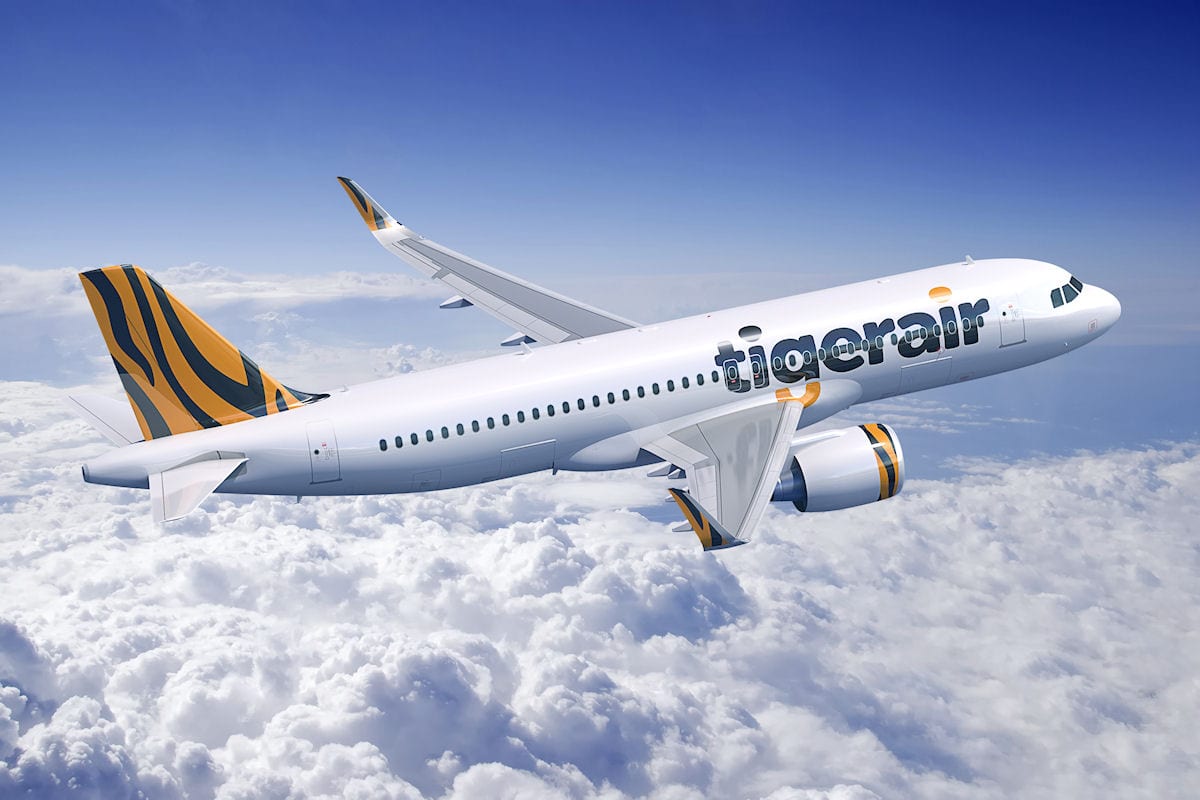
    A government body has paved the way for Virgin Australia subsidiary Tigerair Australia to begin operating low-cost flights to Bali despite concerns raised by rival Qantas.

    The ruling by the International Air Services Commission, deeming Tigerair an “Australian international airline”, should also make it easier for Tigerair to add more international destinations such as New Zealand and Fiji. Obtaining this designation was a prerequisite for Tigerair to apply for an international airline licence.

    Virgin had applied to the IASC to vary the terms of its allotted capacity to Bali so that a wholly owned subsidiary, Tigerair, could also use it. The positive decision helps clear the way for Tigerair to launch flights from Melbourne, Adelaide and Perth to Bali from March, taking over routes that are currently flown by Virgin.

    To be designated an “Australian international airline”, a carrier needs to be majority-Australian owned. More than 80 per cent of Virgin shares are held by overseas investors including Air New Zealand, Etihad Airways, Singapore Airlines and Sir Richard Branson’s Virgin Group. However, in 2012 it split off its international arm and gave it its own board to meet the ownership requirements under the Air Navigation Act.

    Qantas concerns

    In 2013, when Qantas boss Alan Joyce was seeking government aid for his then-ailing carrier, he called the Virgin structure a “sham”. “We all know that Virgin’s international business has no independent existence apart from the foreign-­controlled domestic business: no assets, no management, no people, no funds,” Mr Joyce said at the time.

    In a submission to the IASC last week, Qantas said Virgin needed to prove its subsidiary was an Australian carrier in order for a complete assessment of the application to be made.

    A Virgin spokeswoman said on Friday Tigerair’s international arm was a subsidiary of Virgin’s international arm.

    Tigerair will use Virgin international’s Boeing 737 aircraft and pilots on the Bali route, although the flight attendants will be employed by the low-cost carrier. There are no plans for Tigerair to apply for a separate air operator’s certificate for its international operations, but it is required to obtain an international airline licence, which is a less onerous process.

    The IASC on Friday approved Virgin’s application to transfer some of its Bali capacity allocation to Tigerair, after being advised by the Department of Infrastructure and Regional Development that the budget carrier complied with the ownership and control obligations of the Air Navigation Act.

    The IASC said there would be a public benefit to Tigerair flying to Indonesia, which had outbound traffic of 1.1 million passengers in the year ending July. Other carriers that operate the route include Jetstar, Garuda Indonesia, Virgin, AirAsia Indonesia and Indonesia AirAsia X. Qantas has also announced plans for seasonal flights to Bali from Sydney in December and January.

    “The commission considers that Tigerair’s proposed services between Australia and Indonesia will likely benefit consumers, as Tigerair’s presence on the Indonesia route will likely promote competition on this popular route,” the IASC said.

  • Partnership with Garuda Indonesia Virtual

    Partnership with Garuda Indonesia Virtual

    Today we are happy to announce that we have established partnership with Garuda Indonesia Virtual (GIV).

    GIV is a VA base in Jakarta, Indonesia providing great simulation experience as one of the biggest VAs within South East Asia Region. The partnership allows VA in Asia to connect more closely and promote flight simulation in Asia by providing more possibilities and activities to our pilots.

    We are all looking forward to having GIV to join our future event.

  • Garuda Grows despite Plummeting Rupiah

    Garuda Grows despite Plummeting Rupiah

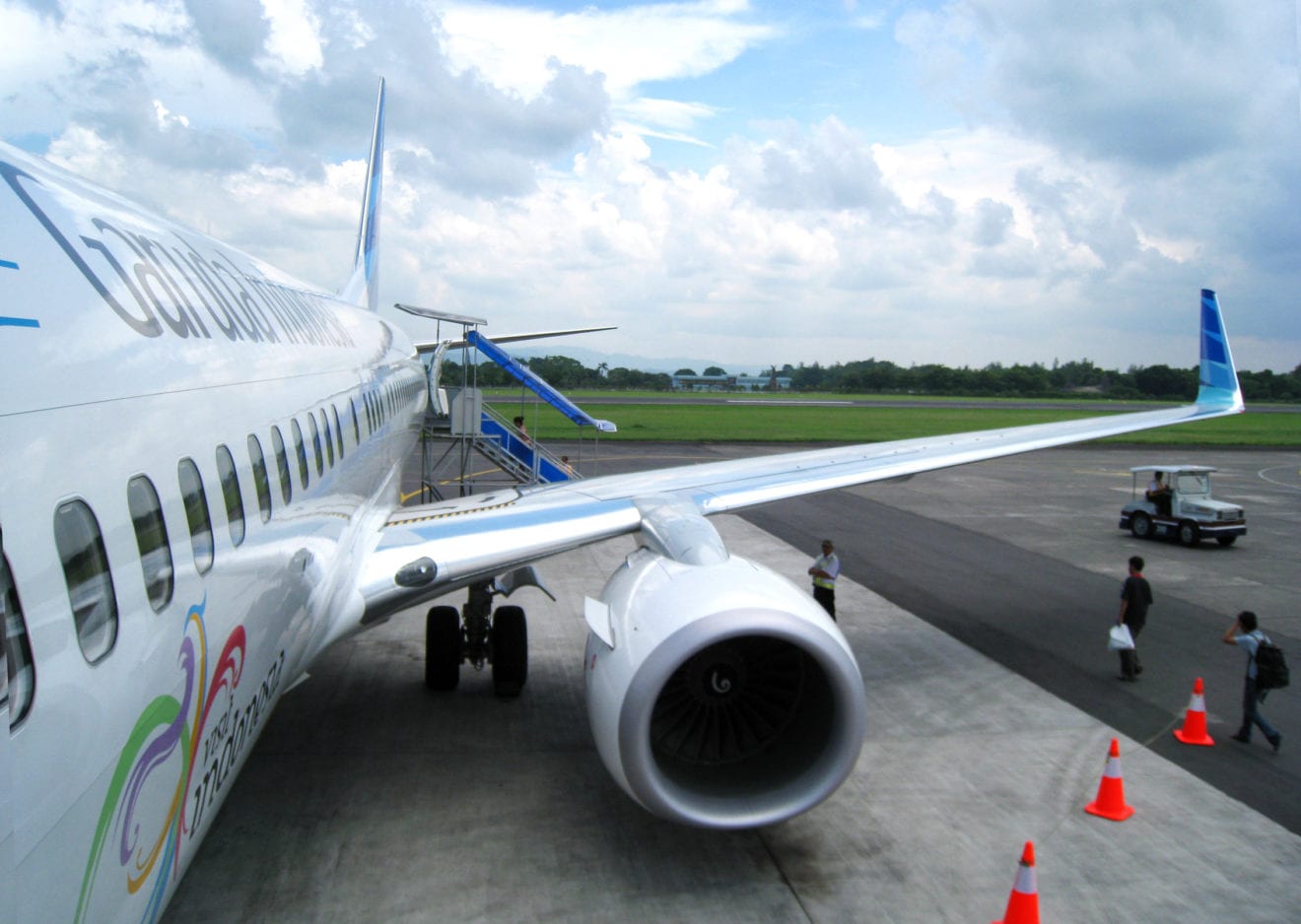
    The flight traffic of state airliner PT Garuda Indonesia Tbk grows after having declined due to the rupiah correction against the US dollar. President director Arif Wibowo said that the carrier notes an increasing number of passengers.

    “The number of our domestic passengers grew 15.4 percent while passengers of international flights rose by 11.3 percent,” Arif said after opening the Garuda Indonesia Travel Fair on Friday, September 25.

    Arif said that the greenback’s gain against the rupiah has affected domestic and international flights. However, he remains confident that the condition will not discourage customers from traveling.

    Next year, said Arif, Garuda plans to add 15 aircraft to its fleet.

    “Five Airbuses, a Boeing 777, and nine ATR 72600s,” he said.

    Additionally, he said that Garuda will also add the number of flights from Shanghai to Denpasar. In the future, Ari hopes that Garuda could extend its wings further and fly to more international cities, especially in Japan, China, and Australia.

    One of the strategies Garuda has taken to address the weak economy is holding a Garuda Indonesia Travel Fair. From this event, Garuda expects to book Rp242 billion in sales in 15 cities.

    “For Jakarta, our sales target is Rp138 billion,” he said.