Tag: asia

  • Counterfeit Hong Kong-brand mooncakes found in Shenzhen

    Counterfeit Hong Kong-brand mooncakes found in Shenzhen

    As the Moon Festival on Sept. 27 draws near, Hongkongers who buy mooncakes of well-known local brands or receive them as gifts need to be careful, because they might be imitations from the mainland, Apple Daily reported Friday.

    At the Longxi market in Shenzhen’s Longgang district, reporters from the newspaper found hawkers still selling counterfeit mooncakes masquerading as products of Hong Kong’s Maxim’s Group and Wing Wah Food Manufactory Ltd., despite a recent crackdown by local authorities.

    The hawkers claim the mooncakes were imported from Hong Kong.

    However, they cost as little as HK$100 (US$12.90) per box of four, about half the price of the genuine mooncakes in Hong Kong. The counterfeits’ packaging bears the correct QR codes, but it doesn’t have the anti-fake codes that only the original products have. Maxim’s said it is aware of such imitation products and reserves the right to pursue legal action.

    It called on consumers to refrain from buying its mooncakes in grocery stores or at hawker stalls. Hong Kong-made mooncakes are popular among mainland Chinese, who buy an estimated 20 billion yuan (US$3.14 billion) worth of them a year. One reason counterfeits are rampant this year may be the official ban on mooncakes imported from Hong Kong that contain egg yolks, on the grounds of disease prevention.

    The ban has resulted in a serious shortage of the genuine mooncakes in the mainland, leading to big price hikes, the report said.

    On Taobao, the online shopping mall operated by Alibaba Group Holdings Ltd., Hong Kong-made mooncakes are much pricier than at retail stores in the city, some being offered at as much as HK$100 more per box.


  • UNIQLO Opens World’s First MAGIC FOR ALL Store in Shanghai

    UNIQLO Opens World’s First MAGIC FOR ALL Store in Shanghai

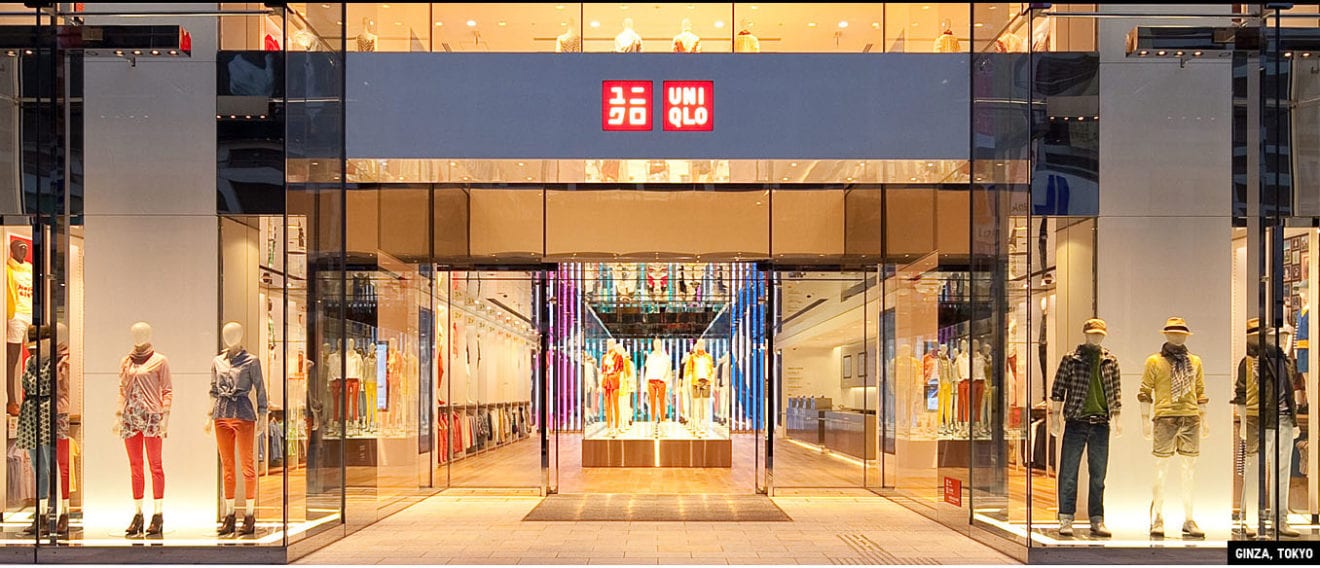
    UNIQLO is set to open its MAGIC FOR ALL store on the fifth floor of the UNIQLO Shanghai Global Flagship Store on Huai Hai Road, its largest UNIQLO store in the world, on September 27. The MAGIC FOR ALL line of LifeWear apparel is part of a global collaboration with Disney Consumer Products that aims to surprise and delight customers of all ages.

    Customers begin their MAGIC FOR ALL journey at the store’s main entrance, where a 180-centimeter-tall Mickey Mouse statue and 100 Mickey Mouse figurines await. Known as the Mickey 100 Series, the inspiration for these iconic figurines was taken from 100 exclusive new designs for Mickey Mouse, which will be on display for the first time in Shanghai. Fifteen of the designs were reproduced on colorful UTs (UNIQLO T-shirts), including five designs for children.

    Inside the MAGIC FOR ALL store, customers are treated to a series of unique and immersive experiences found only at UNIQLO in Shanghai. Tinker Bell can be seen flying across wall monitors accompanied by music, and in a world first, the store features Shout Mickey, a special area that captures joyful moments. When a customer shouts ‘Mickey’ toward the lens of a digital camera, the moment is captured and a digital image can be sent to the customer’s mobile device as a memento of the visit. The store also features a Future area, showcasing UNIQLO’s UT range of fashions, and the Colorful Fairy Tale realm for little princesses.

    Unique and innovative being central to the overall shopping experience, the store is the first in China to offer MAGIC FOR ALL options for UTme!, a custom T-shirt design service, and for MY UNIQLO, which enables customers to add special touches to items of clothing.

  • Silverlake Axis buys retail banking software firm SunGard Ambit for $12m

    Silverlake Axis buys retail banking software firm SunGard Ambit for $12m

    Singapore-listed Silverlake Axis has reached a deal to buy local firm SunGard Ambit (Singapore) Pte. Ltd. (previously known as System Access Limited) for $12 million.

    Silverlake, that provides digital economy solutions and services, told the Singapore exchange that the deal will enable it to expand its suite of software and services as well as deepen and broaden its customer relationships and geographical presence.

    On an immediate basis, the deal is expected to contribute about 15 per cent to the revenue of the enlarged Silverlake Axis Group, the company said.

    The acquisition will also enable it to add over 50 new customers to its current base of over 150 customers, extending its geographical reach to Eastern Europe, Middle East, South Asia while at the same time creating a stronger market leadership in South East Asia, it added.

    The deal will see Silverlake Axis acquire 100 percent of SAS from SunGard Asia Pacific Inc.

    “SAS brings a complementary retail banking portfolio of software and service solutions to the group’s strengths in delivering financial technology innovation to our customers. In particular, the SAS Retail Banking Product Portfolio positions Silverlake Axis for mid-tier customers while offering a broader variety of tiered deployment options from a technology and a pricing perspective. These products can be deployed on open digital platforms thereby making it possible for Silverlake Axis to address the needs of customers from mid-tier to large enterprises,” its regulatory filing said.

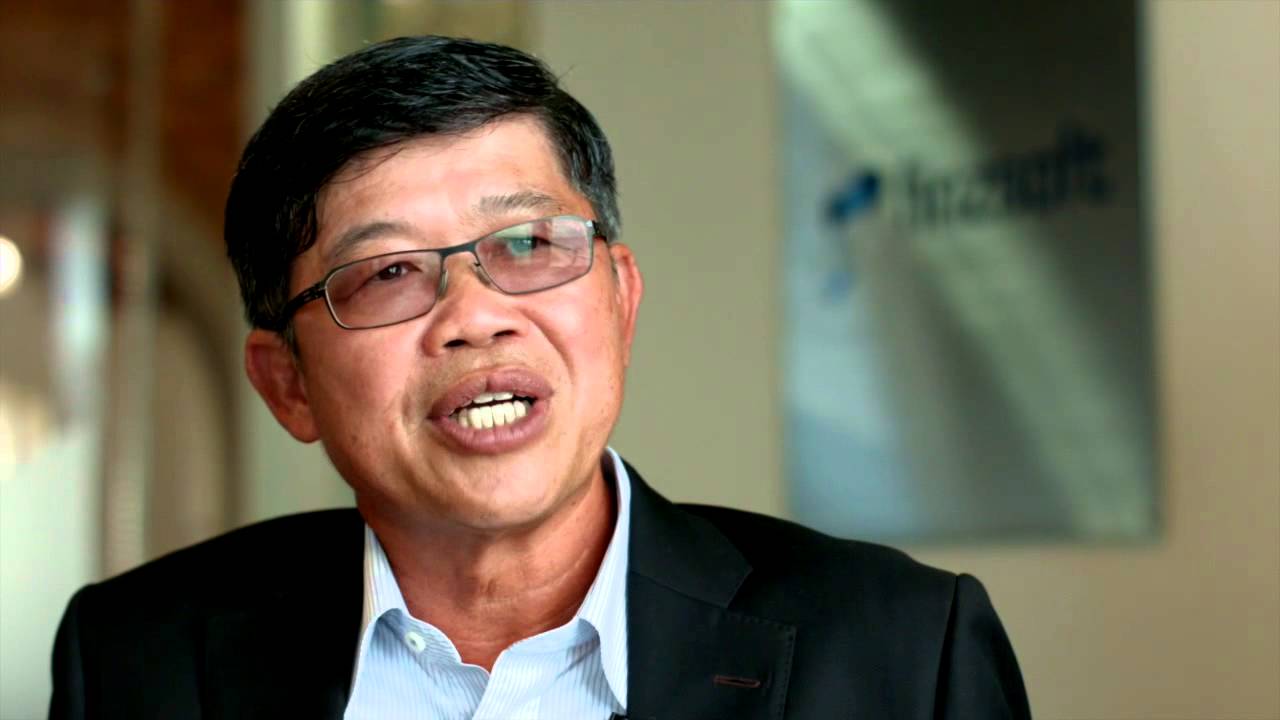
    Dr Raymond Kwong, Silverlake Axis chief executive and group managing director, said : “The group is constantly on the lookout for complementary software businesses to expand our suite of business enterprise software solutions. Through this acquisition, the combined and complementary multi-platform core, channels, card and payment solutions will enable us to deepen our customer solution implementation and support capabilities.”


  • Indonesia’s Stockbit gets seed funding from Ideosource

    Indonesia’s Stockbit gets seed funding from Ideosource

    Stockbit is a financial analytics platform that helps Indonesian traders understand and share information about the local stock

    market in real-time. Earlier today it announced a seed investment of an undisclosed amount from local VC firm Ideosource.

    The startup was founded in 2012 by Wellson Lo, who previously worked for consulting firm KPMG Singapore and as a trader, and Johny Susanto, a full-stack engineer. Stockbit started out as a social network that attempted to bundle the discussion about Indoneisa’s stocks into one place. “Previously, it was scattered all across Twitter, forums, and blogs,” Wellson explains.

    At the end of 2013, Stockbit added analytics features. The data comes from public sources like the Indonesian Stock Exchange (IDX). The problem with the available data, Wellson says, is that it’s not standardized. Stockbit aggregates this data and makes access to it quicker and more reliable.

    At the same time, Stockbit started to monetize through a freemium subscription model. The price for a one-month subscription is IDR 200,000 (US$13.59). In comparison, professional tools like the Bloomberg Terminal cost US$2,000 per month, the firm says.

    Stockbit’s goal is to make life easier for independent or retail investors by giving them access to high-quality financial data and sophisticated analytics tools at an affordable price. The idea is to create a more level playing field between newcomers and institutional investors, including traders from banks, insurance companies, and pension funds.

    “I found that the information gap between retail investors and institutional investors is very big,” says Wellson. “It’s never going to reach the point where it’s really level, but with better tools to analyze and better collaboration, retail investors can make better trading decisions.”

    To date, Stockbit has 15,000 registered users, while paid subscribers are still in the hundreds. According to Wellson, the figures are a result of the small size of the addressable market.

    “In Indonesia there are only 400,000 registered investors, probably of those [only] 100,000 are retail investors,” he says. “That means more than 10 percent of the addressable market is already using Stockbit.”

    Stockbit targets a narrow market, and that’s the big reason founders faced difficulties raising funds until now. Ideosource’s decision to back the venture is based on a commitment by the Indonesian Financial Services Authority to increase the number of retail investors to five million by 2017.

    Wellson says there are government outreach programs that work with schools and companies that encourage more people to consider investing in the capital market.

    Stockbit has several competitors in Indonesia, including Idsaham, Indonesia-Investments, and Infovesta. However, those sites merely aggregate stock information and don’t yet offer analytics tools. Bareksa can be seen as a possible contender, as it offers a variety of financial analytics tools and also aggregates information about the IDX, among other functions. It also recently opened up its online platform for trading mutual funds.

    The Stockbit team plans to spend the fresh capital on building out the product, which includes making mobile apps for Android and iOS, as well as recruitment and marketing.

  • Ito-Yokado to close 40 stores

    Ito-Yokado to close 40 stores

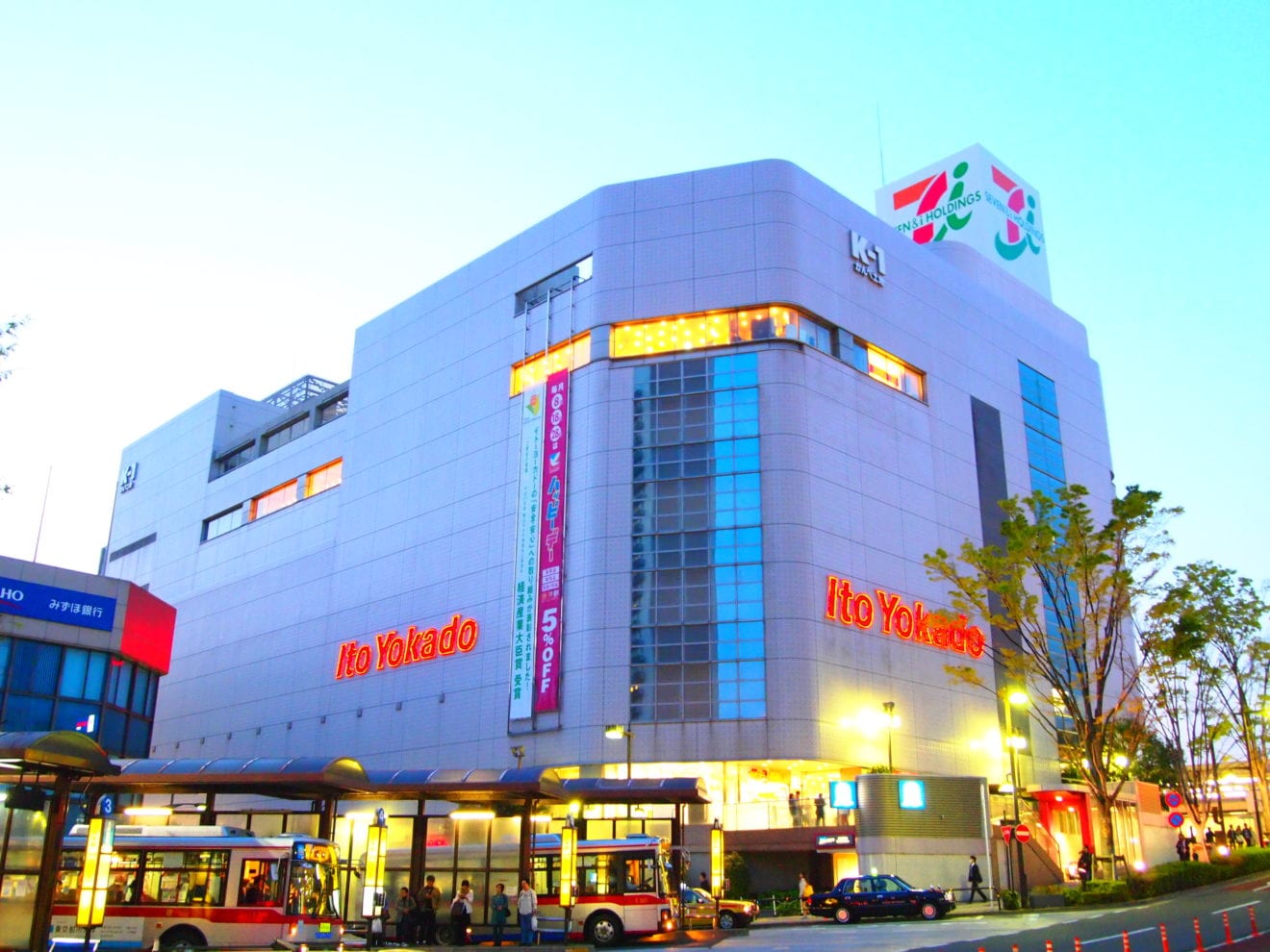
    Japanese retail giant Seven & I plans to close 40 of its Ito-Yokado branded supermarkets and general merchandise stores by 2020.

    Japan’s Nikkei reports that Seven & I, which is the parent of the 7-Eleven retail brand, expects the closures will boost profits. Forty stores represents about 20 per cent of its Ito-Yokado chain, which is struggling with lacklustre sales, especially of its apparel lines.

    “Seven & I will target money-losing and old locations outside major metropolitan areas for closings. More resources will be poured into Tokyo-area stores instead,” the Nikkei reported.

    The company’s financial year ends in February and by then, the first of the stores to be closed will be identified, with 10 more each year after that.


    While Seven & I posted a record profit in the six months to August, its Ito-Yokado arm actually lost money.

    The company says it will continue to open new stores as opportunities arise, but most likely only about one each year.

    The Nikkei reported that the company may also close some poor-performing Sogo and Seibu department stores, but there were no details of that plan.

  • Hackers target online retailers, and not just the big ones

    Hackers target online retailers, and not just the big ones

    Many small and midsized retailers assume hackers won’t bother with them. But criminals have figured out small companies are easier to penetrate, and go after them frequently, warns a security expert.

    In spite of high-profile hacks such as against eBay, many Internet retailers still do not believe that they are at risk or have been a victim of undetected hacks by criminal groups.

    In the 2014 Trustwave Global Security Report, retail was the top industry compromised, making up 35% of the attacks investigated. And 54% of those attacks were against e-commerce sites, where hackers target servers and databases that host card data.

    However, many online retailers still seriously underestimate the [black] market value of the data they possess and handle. Just take a look at Pastebin.com—the simple online text storage and sharing platform is being used by hackers to store stolen information.

    Hackers use Pastebin to prove that they conducted a successful hack. Earlier this year, as part of our security research, we found 311,095 user credentials (login/password pairs) for various services, web sites and e-mails, compromised during the last 12 months. In many cases other personal details, such as credit card numbers, addresses and phone numbers of the victims were also published by the hackers. On average each leak record on Pastebin contained 1,000 user credentials.

    Pastebin is just one illustration of the “dark side” of the Internet, where online retailers can check if web site vulnerabilities have been exploited and if their customers’ data is being targeted. 

    With the rise of the Big Data trend, information collection and analysis is becoming more important for online retailers. With more data comes more opportunity for hackers, who are looking for data/records to sell for profit. A report by Risk Based Security and the Open Security Foundation found that in 2013 there were 2,164 data breach incidents exposing 822 million data records. And 59.8% of reported incidents were the result of hacking, which accounted for 72% of exposed records.

    Cybercriminals are highly skilled technically and are also business people, who know how to make money. A recent CNN article said this: “According to one European intelligence service, there are 20-30 criminal gangs in the former Soviet Union that have hacking skills as good as most nations. There are many other groups with lesser skills. These criminals are nimble and inventive, and there are thriving cybercrime black markets where you can buy the latest hacking tools.”

    A recent Javelin Strategy & Research report found that financial institutions are doing a much better job than retailers when it comes to credit card security. Indeed, there are a number of online marketplaces and forums that solely exist to sell information gained by hackers, for example Rescator.la sells stolen credit and debit card information. In such places, customer databases from online stores are often the most expensive on the black market, because they contain correct, up-to-date and complete customer details, sometimes even with their credit card numbers.

    Completeness is a very important factor for pricing on the black market. One customer record from an online store may generate a penny, while a thousand records can easily generate at least $10, or much more, depending on the records’ quality and completeness. For example spammers prefer to purchase e-mails from Internet retailers, simply because they will get a higher click-through rate, generating more revenue, as they can send targeted spam (by country, age, wealth, area of interests, etc.)

    Hackers are also interested in the valuable information on shoppers’ computers, so e-commerce web sites are often infected with malware (an exploit pack targeting and exploiting vulnerabilities in Adobe products or popular browsers). Such attacks often remain unnoticed as they are conducted overnight or at weekends when security team is away. Experienced hackers can go undetected over a long period. For example, French computer hardware retailer LaCie disclosed in April 2014 that its web site had been breached by a malware attack that went undetected for a year. Following the breach, the retailer recommended that buyers check their credit card statements for any fraudulent charges, and keep an eye on their credit reports in case of identity theft.

    The big-name breaches that hit headlines leave many small and midsized e-business owners believing that they will not be attacked, assuming their customer databases are not big enough. This assumption is wrong because in the majority of cases hackers are not looking for customers and data from a specific web shop, they are just looking for commercially exploitable data. The more, the better. It’s much easier, faster and cheaper to hack 50 small e-boutiques than hacking one big one. Moreover, the outcome in terms of number of stolen customer records will be almost the same, probably even bigger. Imagine how much it costs to compromise Amazon.

    Large e-commerce retailers also have much more administrative, financial and legal resources to organize forensics and post-incident investigation, so many hackers try to avoid them. Instead, they often target small retailers that have no capability to fight back.

    As only a small number of Black Hats have the necessary skills, time and resources to launch attacks against the biggest players in the e-commerce industry, hackers prefer to compromise a dozen small and medium online shops per day and get their money on the “every little bit helps” principle. Hacker groups use robots, hidden behind proxies, to crawl the Web in the 24/7/365 mode. They look for known vulnerabilities, outdated versions of web application software or just brute force default or weak passwords. One would be surprised how much information can be just found in Google. And if you have a crawling farm you can compromise thousands of web sites per hour.

    Against this hacker onslaught, online retailers of all sizes need to employ an arsenal that is as flexible and up to date as the hackers’ tools. Retailers need to ensure that their hosting providers or data centers have stringent security procedures, that content management systems are up to date, third-party code is checked thoroughly before use and web sites are regularly audited for weaknesses through a combination of vulnerability scanning and penetration testing.

  • Mid-flight theft increases in Asia

    Mid-flight theft increases in Asia

    Mid-flight theft-related offences on board airplanes have become more common in several Asian countries over the past two years, including in Indonesia.

    According to daily newspaper Kompas, the latest incident occurred on a Qatar Airways flight from Doha, Qatar, to Jakarta on Sunday evening, around three hours after the airplane took off.

    When the cabin lights were switched off and most of the passengers were asleep, offenders allegedly opened the overhead compartments, removed several bags and began searching through them back at their seats or in the plane’s main aisle. When the Qatar Airways plane landed, four bags were found to have been moved, allegedly by two different people.

    It was reported by tribunnews.com that four Chinese citizens, who were allegedly members of a theft syndicate, were being questioned by the Soekarno-Hatta International Airport Police on Monday.

    “We are still developing our investigation,” said head of airport police Iptu Waluyo.

    According to aviation analyst Gerry Soejatman, airlines are responsible for handling theft cases that occur during their flights.

    “Regarding the case involving Qatar Airways, it would be better if the police were joined by Qatar Embassy officials during questioning. Then the suspects could be extradited to Qatar to face legal proceedings there,” said Gerry.

    Separately, Qatar Airways corporate communications official Koh Wei Ling said that there was no official statement yet regarding the case.

    “We are still waiting for our head office in Doha to issue the official statement,” said Ling.

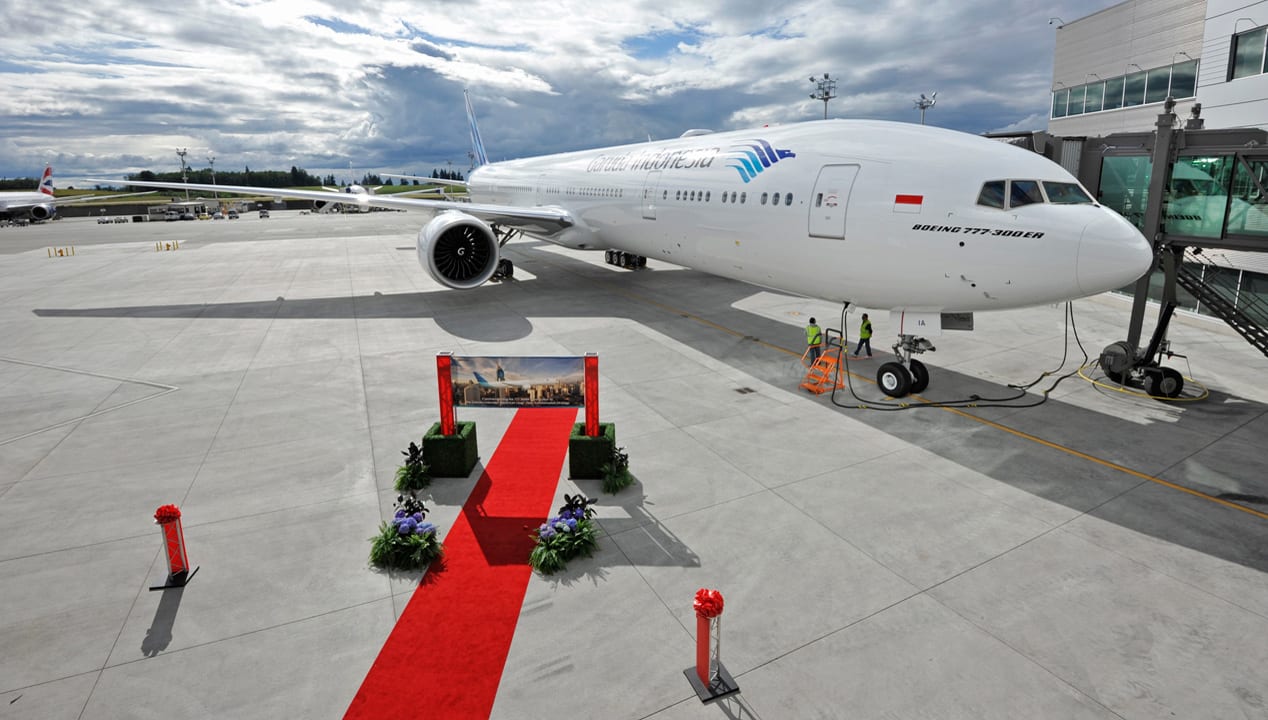
    Meanwhile, national flag carrier Garuda Indonesia has called on passengers to keep their belongings safe.

    “We always tell the crew to be alert when checking on the cabin, especially when passengers are asleep,” said Garuda Indonesia corporate communications vice president Benny S Butarbutar.

    State-owned airport operator Angkasa Pura (AP) II’s president director Budi Karya Sumadi said that theft-related offences on board airplanes were under the airline’s jurisdiction. But airport security are available to support them in bringing the alleged offenders to airport police.

    In a press release on Tuesday, Garuda Indonesia informed that these offenders usually checked-in without any luggage, stayed for only one day in their destination, owned passports and tickets issued outside Indonesia and allegedly were part of a criminal syndicate. The theft itself usually occurred during the night when passengers were asleep or at the lavatory.

    Currently Garuda is cooperating with other airlines through the Association of Asia Pacific Airlines (AAPA) to share information and conduct preventive actions, including conducting passenger profiling, issuing policies for assist air crew to prevent such incidents and providing security officers in destination cities.

  • Spyder launches in Korea

    Spyder launches in Korea

    Ski and sportswear brand Spyder has launched in South Korea with an all-new product line available in freestanding stores and shop-in-shops.

    An accelerated retail rollout is planned with 25 stores opening across the country by the end of 2015.

    “We are excited to be working with Global Brands to bring Spyder to South Korea, one of the world’s most fashion-forward and trendsetting markets,” said Jamie Salter, chairman and CEO of Authentic Brands Group and owner of the brand.

    “Spyder is highly regarded and we are confident that the brand will flourish in the country.”

    Designed for the ‘style-seeking South Korean consumer’, both the men’s and women’s collections draw from the core DNA of the brand, fusing elements of performance and fashion.

    “We see tremendous equity in the Spyder brand and its ability to translate across key markets in Asia,” said Bruce Rockowitz, CEO and vice chairman, Global Brands Group.

    “We look forward to replicating the success we have achieved in other markets to South Korea, through the roll out of a number of exciting brand and category extensions.”

    Spyder is featured in shop-in-shops at fashion hot spots including Galleria Department Store, Hyundai Department Store, Lotte Department Store and AK Department Store. The brand also launches with freestanding stores in Seoul, Daegu, Gumi, Incheon and Sokcho. Spyder will be promoted in a 360 degree campaign that includes national Print, Out of Home, Digital, Social, and TV promotion beginning this month.

    Spyder is described as one of the world’s most recognisable and credible outdoor sportswear brands, focused on enhancing the ski experience both on and off the mountain. Originally founded by David Jacobs, coach of the Canadian Ski Team and Bob Beattie, coach of the United States Ski team, Spyder’s roots run deep in the ski community. The brand has been the official sponsor of the US Ski team since 1989. Spyder offers technical ski, fitness, and lifestyle apparel and accessories for men, women, and children. The highly sought after brand is available in department stores, sporting goods stores, and specialty retailers throughout North America, Europe, the Middle East and now South Korea.

  • China luxury spend offshore will double

    China luxury spend offshore will double

    The Chinese already account for 27 per cent of the world’s total luxury spending – and a staggering 80 per cent of that is spent outside the Mainland.

    China luxury spending outside China will double by 202 according to a report by China Luxury Advisors, presented to last week’s Luxury Retail Summit: Holiday Focus 2015.

    “What we’re really seeing is that [the Chinese slowdown is] just really not changing the amount of travel, it’s just changing the nature of it,” said Avery Booker, partner at China Luxury Advisors in a presentation reported in detail here by Luxury Daily.

    “We’re seeing fewer long haul trips among the middle class, and more people going to places like Japan and Korea to do shopping,” he said. “The purse shopper spending will remain strong even though average spend is going to decrease, and of course that’s just a volume issue.”

    Booker said the devaluation of the Chinese currency was so far having no perceptible effect.

    Chinese shoppers spend US$229 billion a year outside the mainland – which China Luxury Advisors predicts will double by 2020, based on the theory the $8000 per year per capita GDP is “the tipping point” at which outbound tourism booms. China has just reached that level.

    The Luxury Retail Summit was organised by Luxury Daily.

    In reaching its estimates China Luxury Advisors surveyed 1000 Chinese consumers 18 years and older, with a variety of incomes.

    Their most common destination outside the mainland is still Hong Kong, mainly due to its nearness and visa-free travel.

    China Luxury Advisors urged retailers to make their stores “Chinese consumer-friendly” to make the most of the booming trend. Mandarin speaking associates, Chinese dining options and accepting Alipay, Tencent or China Union Pay can make them feel at ease.

  • Issey Miyake opens in Hong Kong

    Issey Miyake opens in Hong Kong

    Japanese luxury fashion designer Issey Miyake has opened its first store in Hong Kong.

    The Issey Miyake Hong Kong boutique is located on level 1 of the Ocean Centre at Harbour City on Canton Rd in Tsim Sha Tsui.

    Bao Bao Issey Miyake - Habour city 1

    Womenswear, menswear accessories, shoes – and, of course, the brand’s famous fragrances – are all on sale in the boutique which also offers shoppers a unique outlook across the harbour.

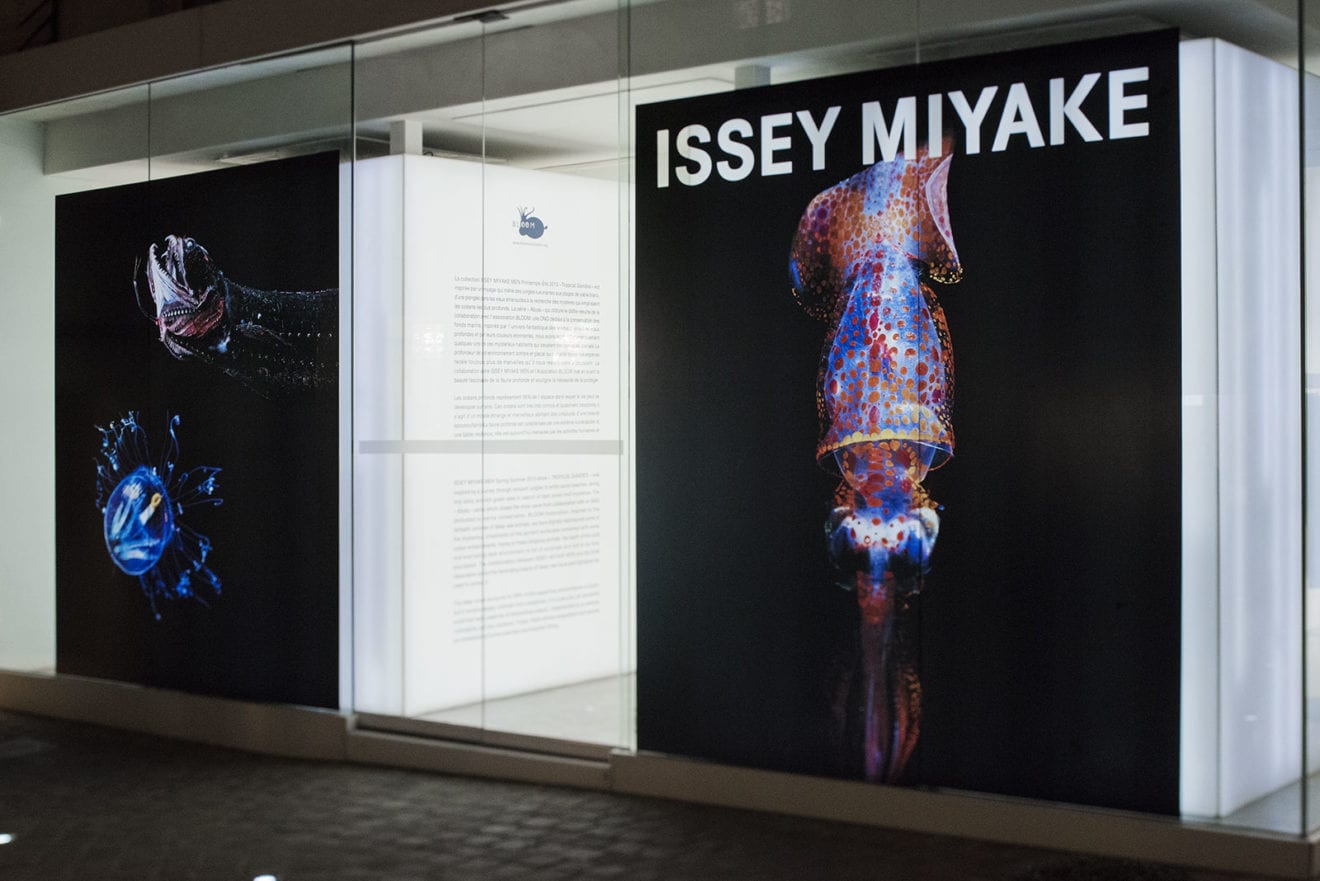
    The brand is known for it minimalist designs and the new Hong Kong boutique captures that philosophy in its design with merchandise displayed in a gallery like setting and simple black and white LED signage at the front.

    BaoBao Issey Miyake - Habour city


    Issey Miyake was born in Hiroshima and studied graphic design in Tokyo before working in Paris and New York. He returned to Tokyo in 1970 and founded the Miyake Design Studio to produce high-end women’s fashion.

    Over the years he has developed spin-off brands and expanded into fragrances in 1992.

    His flagship store is in Osaka.

  • Floating bank brings services to remote islands

    Floating bank brings services to remote islands

    An Indonesian bank has transformed a boat into a mobile bank outlet, providing services to residents living on remote islands of the sprawling archipelago. Officially launched in August by President Joko Widodo, the service is the first of its kind in the south east Asia nation, and is hoping to make banking services more accessible to people living on the country’s many sparsely populated islands.

    The service offered by Bank Rakyat Indonesia (BRI) is in a trial period and currently serving five islands in the Thousand Islands regency, a chain of islands off the coast of the capital Jakarta. The boat takes off every Monday from Jakarta to visit five islands, one each day, and returns on Friday.

    Equipped with three service desks and an ATM, the boat allows islanders, who used to have to travel to Jakarta, a one-stop shop for services such as personal banking and loans. One resident on Pramuka Island, which is about a two-hour boat ride from Jakarta, said it used to take days to complete her business transactions.

    “It takes one day go to the [main]land, and another day to return, and it takes about two to three days if we need to go to the bank. Although this service is provided once in a week, it helps a lot,” said Hudreya.

    Since the arrival of the boat bank, more local businesses have been given small loans to expand – an important change on the islands that mainly rely on the tourism industry. Ferdinand Tahamata, an assistant manager for the bank who has overlooked the operation, said the ultimate goal of the programme is to provide all residents with a bank account and the funds they need.

    Tahamata, the assistant manager of the Micro-business Department at the BRI Jelamber branch in Jakarta, said: “We’ll continue the operation until we think we’ve garnered enough support from the people, which means everyone on the island has a bank account and can gain access to the capital they need, then we’ll establish a branch on the thousand island regency to serve the people here. Then our boat can move on to other parts, like eastern Indonesia, or the other islands.”

  • Lama Hourani opens Shanghai boutique

    Lama Hourani opens Shanghai boutique

    Jordanian jeweller Lama Hourani has opened an exclusive boutique in Shanghai.

    But it’s been positioned as so exclusive, customers cannot enter without a prior appointment.

    Lama Hourani’s exquisite silver and gold jewellery creations are creating a stir in Asia, underpinning her rising fame as a celebrity designer in Asia. Her creations are worn by royalty, the glitterazzi and even the Pope.

    The new store is on the ground floor of a historic house in Shanghai’s French Concession. Its decor is like something from a book celebrating Arabian design: gold and marble plinths, deep blue carpet, black and white images on the walls depicting minorities, gold framed mirrors.

    “I opened [the boutique] because people in China were just so curious…The handmade aspect is special, and it’s a major plus for me to have a proper presence here.”

    Hourani these days lives in Shanghai so it is no surprise she chose the vibrant, modern city for her first retail presence. But she is also a regular visitor to Hong Kong, presenting exclusive curations of her designs to customers – again by appointment only.

    “My clients are from all over the world and are usually independent, self-established, culturally curious women… China has so much of that,” she said in a recent interview.

    “If you are talking about demographics, those who are well-travelled, the crème de la crème, they all want to wear a statement piece that says something, rather than something that makes them belong somewhere. A lot of customers in China are beyond that first stage.”

    In Hong Kong, Lama Hourani’s luxury jewellery is sold through Joyce and the website Plukka.com – as well as her own website.

    Having established a solid reputation in jewellery, Hourani says her next focus is to expand the brand into other categories: homewares is an obvious first extension.

  • Legendary Kyoto Tearoom ‘Nakamura Tokichi’ Launching New Autumn-Winter Delicacies

    Legendary Kyoto Tearoom ‘Nakamura Tokichi’ Launching New Autumn-Winter Delicacies

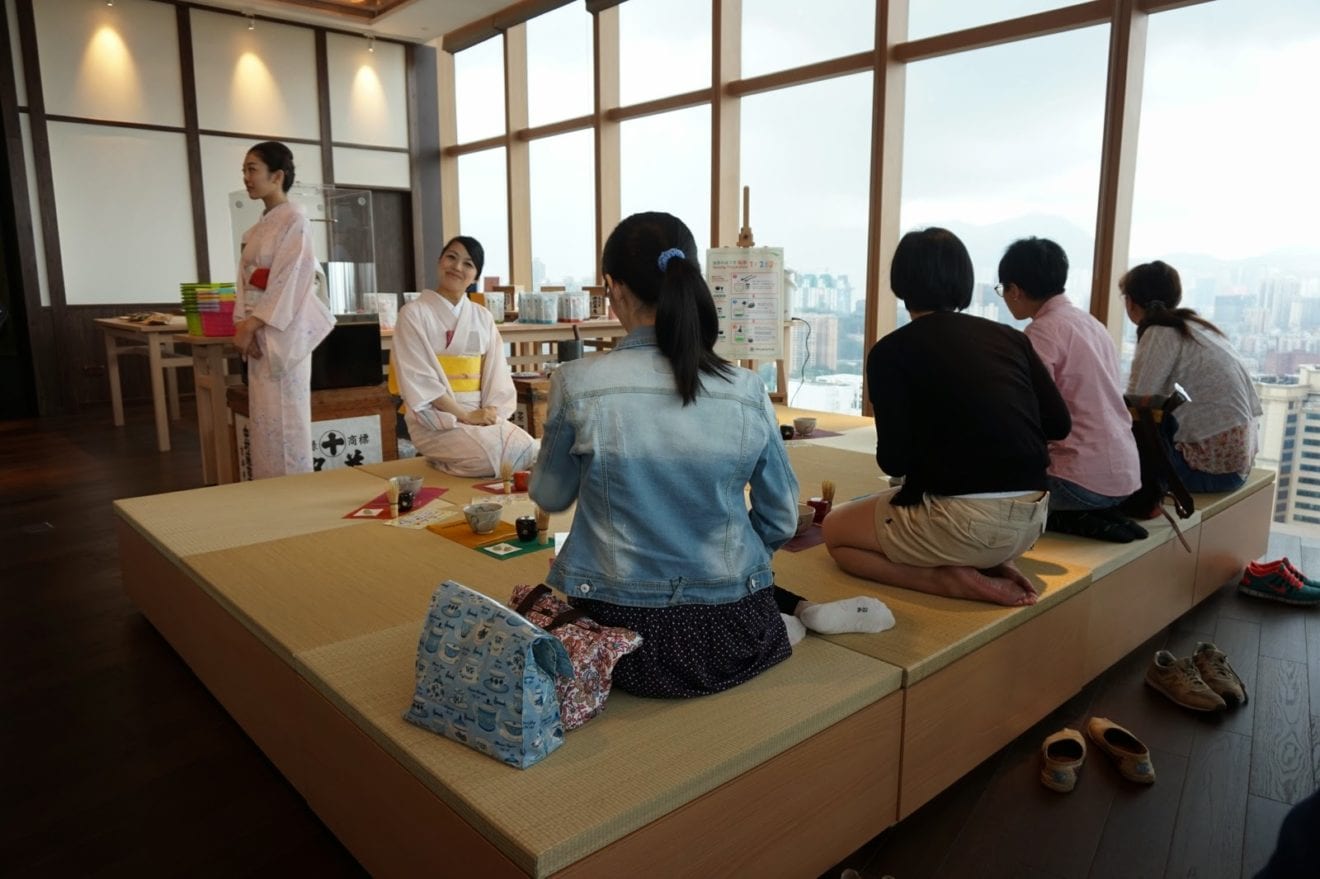
    Legendary Japanese tearoom Nakamura Tokichi unveils its first season of autumn-winter delicacies on October 1 at their first overseas branch in Hong Kong.

    Since the successful launched in May, this historic Kyoto tearoom brand has become an overnight success story in Hong Kong, beloved for its famously unique green tea treats. The launch of its first new seasonal specialties now promises to flood social media, with inevitable queues by fans keen to be the first to sample the latest delicacies.

    Famed chestnut from Aichi in Nagoya is the annual awaited seasonal ingredient, Nakamura Tokichi bringing in a range of new items that will be serve from October 1 till December.

    The new Chestnut Maruto Parfait (HK$108) sumptuously layered with the unique sweet potato puree and homemade chestnut fresh cream which match perfectly well with the matcha & hojicha flavours tea jelly, ice-cream and two chestnut varieties, which is available at the Tearoom.

    The irresistible Chestnut Financier Cakes (HK$33) made in two flavours – Matcha or Hojicha comes in with a whole Japanese chestnut in the middle of the Cakes. Last but not least to complete the chestnut season with the Nakamura Tokichi’s inimitable Chestnut Matcha Yokan (HK$108), this limited version added in crushed chestnuts which pairs well with green tea.

    MEEc23PK5J_Vby8ZDIwy3jNSo_U0AE9m5JDGzT8Qt48

    Apart from the seasonal items, the latest addition to the Gift Shop from October 1 will be the all-time-favourite Gateau Chocolate Cake (HK$218) comes with rich matcha flavour and a well mix with white chocolate, when serve it warm with fresh cream or ice-cream it brings out another level of fragrance.

    Nakamura Tokichi opens daily from 11am – 9:15pm and extending the operation hours from Oct till 10pm. HK$10 tea charges per person, and customers are requested to order minimum of 1 drink/ 1 food item at shop.

  • Thai auto-part firms seek tie-ups in Malaysia

    Thai auto-part firms seek tie-ups in Malaysia

    KAutomotive components makers in Thailand, home to largest car and trucks manufacturing hub in Asean, are reaching out to their counterparts in Malaysia for potential tie-ups.

    “Future collaborations will bring about many benefits to both countries as we will be able to share our technology and boost efficiency to achieve higher volumes and derive better values in our products,” Thai Subcontracting Promotion Association president Somkiat Chupukcharoen said.

    He was speaking to reporters at a briefing on METALEX 2015, Asean’s largest metal working exhibition for updates on technology, networking and sourcing opportunities.

    The exhibition, which will be held in Bangkok on Nov 18-21, will cater to some 70,000 manufacturers, featuring live demonstrations by over 2,700 brands from 50 countries including nine international pavilions and the largest gathering of Japanese brands and technology in Asean.

    “The Thai government is keen to promote trade and services between Thailand and Malaysia to include product sourcing, fairs and establishing networks to expand business opportunities,” ambassador of Thailand to Malaysia Damrong Kraikruan said.

    Currently, there are 2,400 auto parts makers in Thailand and 300 in Malaysia.

    Manufacturers in Malaysia are known for passenger cars, Thailand for pick-up trucks and Indonesia, for multi-purpose vehicles.

    Delloyd Ventures Bhd executive director Datuk Noor Azmi Jaafar said Malaysian-made automotive parts were of high standards and quality.

    “Safety standards have to comply with the countries that the products are being exported to, so there is no compliance issue on the matter,” he said.

    With car production figures in the country already reaching its saturation point, Noor Azmi said the next step for local manufacturers was to expand into other markets in the region.

    “When we have this within Asean, the car could be produced in Thailand or Indonesia or other Asean countries and then imported to Malaysia. This is the most pressing issue for us now,” he said.

    Chupukcharoen said Thailand had a similar growth curve building up its vehicle production capacity to 2.46 million units today, with a strong push for eco cars, big bikes, trucks and busses with GPS fleet control.

    “Thailand has a good access to automotive parts market in Asean because of its long-term relationship with leading vehicle brands in Asean,” he said.

    Meanwhile, Noor Azmi said Delloyd had set up two factories in Thailand and three in Indonesia with its local counterparts.

    He said manufacturers like Delloyd, who sourced the majority of raw materials locally or regionally, were not affected by the weakening ringgit.

    “Most of our procurement is from Malaysia and Thailand, and some from Japan and South Korea. The majority of it are from Asean, so we are not affected,” Noor Azmi said. “But those who procure from outside the Asean region are heavily affected.”

  • India eCommerce to lead BRICs

    India eCommerce to lead BRICs

    India – not China – is set to become the fastest growing B2C eCommerce market of the BRIC countries in the next five years.

    A new publication by Germany-based secondary market research expert yStats.com India B2C eCommerce Market 2015 also reveals the main challenges faced by online retail in this country, including underdeveloped logistics and low credit card penetration.

    The rapid growth of B2C eCommerce in India is driven by a combination of its vast population, increasing internet penetration and the scarcity of organised retail – especially in small towns and rural areas.

    “Next year, India is predicted to top the USA to become the second largest country worldwide in terms of the number of Internet users, behind China. While China has been the leader among the BRIC markets in terms of online retail growth in the five years to 2014, during the next five-year period India is predicted to take over this position,” says the report.

    Online retail in India has much room for growth. B2C eCommerce share of total retail sales was estimated at less than one per cent in 2014, while the share of internet users making purchases online was below one quarter. Another sign of immaturity is the high share of online travel in total eCommerce sales, reaching close to two-thirds according to some estimates. Furthermore, Internet penetration on the 1.3 billion population in India was relatively low in 2014, although showing an improvement from a single digit figure in 2010.

    “The spread of mobile Internet is expected to especially benefit the state of connectivity in this country, while also driving mCommerce sales up,” said the report.

    Apart from low Internet penetration, some major challenges faced by B2C eCommerce in India include underdeveloped logistics infrastructure and low credit card penetration. Online merchants’ profitability suffers from the necessity of accepting cash on delivery and offering free shipping.

    The top three eCommerce companies in the country – Flipkart, Snapdeal and Amazon India – developed their own logistics capabilities using recently obtained investment. Other eCommerce players that benefited from investment pouring into the Indian market include marketplace operator ShopClues, online classifieds website Quikr and online accommodation booking website Oyo Rooms.