Tag: asia

  • Zalora Indonesia plans to expand marketplace to boost sales

    Zalora Indonesia plans to expand marketplace to boost sales

    Zalora’s Marketplace initiative was launched last year to give an online platform to independent designers and sellers, who can create their own branded storefront within the retailer’s site.

    The company currently manages 500 small medium enterprises (SMEs) and aims to increase these numbers significantly in the coming years.

    Managing director of Zalora Indonesia Anthony Fung, Marketplace is become a promising business in Indonesia following the government’s plans to boost SMEs or startup companies in the country.

    Speaking at a press conference, Fung said, the company was looking at ways to boost the customer base through mobile phone users.

    “We have seen a big shift in consumer behavior. We are investing a lot of money in marketing and add more people to do mobile apps,” he told reporters at a press conference at Zalora’s office in Jakarta.

    The company said, a lot of its customers actually access the e-commerce platform using their smart mobile phones. Hence, the company will invest more to maintain mobile apps. According to the Zalora’s head of marketing, Jo Bjordal, mobile users in Indonesia are below 1 per cent of total retail users while in China the figure is 8 per cent. In five to10 years from now, he said, Indonesian mobile users will reach that level (8 per cent).

    In Asia, Zalora has drawn up marketing campaigns and promotions to boost sales in the upcoming festive season. Zalora plans to hold several events to boost their sales in coming months in Indonesia and Southeast Asian countries. In Indonesia, Zalora will hold a month-long discount called Zalora Great Sale starting October 6.  Zalora will hold 11/11 Online Revolution on November 11 in collaboration with China’s Alibaba, Cyber Monday, Black Friday, Christmas sale November 27 to December 25, and National Online Shopping Day on December 12.

    Bjordal said, last year, during the Zalora Great Sale programme, the orders saw a 10-fold increase in one day compared to regular days.

    Zalora is a part of Global Fashion Group–which counts AB Kinnevik and Rocket Internet as lead investors–that operates through five leading fashion e-commerce companies, India’s Jabong, Latin America’s Dafiti, Russia’s Lamoda, Namshi in the Middle East, and Zalora in South East Asia and Australia.

    “We have a footprint around the world today. We are the number one fashion e-commerce platform in emerging markets. Zalora now has presence in Indonesia, Singapore, Malaysia, Thailand, Philippines, Vietnam and Hong Kong,”  Fung stated.

    Zalora started its Indonesian operation in 2012.

    So far, Fung said, Zalora offers 1,200 brands in Indonesia and there were plans to increase this number to 3,000 over the next six months.

    He noted it was easier now to add brands as consumers were now familiar with Zalora brands.

    The company revealed that 70 per cent of Zalora customers were female in the 18-40 years bracket.

    Warehouse and Brands

    Zalora Indonesia, which set up its new warehouse in Cibitung, Bekasi, West Java province in April this year, claims the warehouse can store up to 2 million products, making it possibly the largest such facility in the country. Zalora has a physical store in Kota Kasablanka and also in HK and Philipines.

    Zalora partners with over 1,000 local and international brands. Zalora plans to invest in the merchandising market and acquire local brands in Indonesia. Zalora will continue to be aggressive in brand acquisition, Anthony Fung said.


  • Glambot sells users’ pre-owned makeup online

    Glambot sells users’ pre-owned makeup online

    Most women have a few pieces of makeup lying around at home that they never use — a lipstick that is the wrong color or an eyeshadow set that doesn’t suit their skin tone. Now, Glambot is an online cosmetics store that resells users’ pre-owned makeup. The startup purchases used cosmetics from members and sells it online at a reduced price, enabling customers to profit from their unwanted items.

    To begin, customers send a minimum of 20 pre-owned items to Glambot. Every piece is then examined and sanitized and repackaged. Customers can earn different amounts depending on the type, brand, age and level of use of their makeup, and they can earn 30 percent more if they take their fee in Glambucks — store credits for use on the website. Glambot then prices the items at a discounted price — sometimes as much as 80 percent off — and sells them via their website.

    Numerous professionals have questioned how safe and hygienic used makeup can ever truly be, but Glambot insists that their multiple sanitization techniques — including the application of heat, the use of various alcohol solutions, detailed layered product removal, and the use of natural emollients — make the products fit for consumers.

    Are there other overbought products that could be resold in this waste-reducing way?

  • Apple Begins Hiring for Flagship Chinese Retail Store in Macau

    Apple Begins Hiring for Flagship Chinese Retail Store in Macau

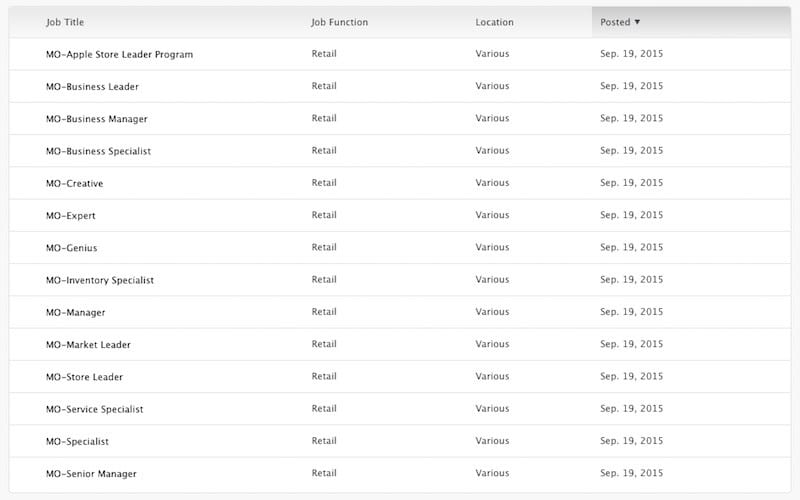
    Apple has posted several job listings for an upcoming retail store in Macau, a Special Administrative Region of China. The store is looking to fill Specialist, Creative, Genius, Store Leader and Manager positions, in addition to hiring for the Apple Store Leader Program and multiple business-related positions.

    Chinese-language newspaper Macao Daily reported in June that Apple is planning to open a flagship store in Macau, which is located across from Hong Kong, but the news went largely uncovered by mainstream media. At the time, the report claimed that Apple had not finalized a location for the upcoming store.

    Apple-Store-Macau
    Apple celebrated the grand opening of its Apple Store in Brussels today, while two new Apple Stores also open in Nanjing, China and Florence, Italy today and September 26 respectively. Apple now operates over 460 retail stores worldwide.

  • SHOW DC Invests US$265 million to Open Thailand’s First Retail & Entertainment Mega-complex

    SHOW DC Invests US$265 million to Open Thailand’s First Retail & Entertainment Mega-complex

    SHOW DC Corp Ltd., recently, announced it will open Thailand’s first retail and entertainment mega-complex in June 2016 with a total investment of US$265 million and aims to attract 100,000 visitors a day. The landmark development combines spectacular entertainment facilities with a rich mix of retailing and food & beverage. Located on almost 4.5 hectares in the heart of Bangkok’s Rama IX entertainment district, the project has a massive 150,000 square metre gross floor area that also includes the world’s largest ‘K-Town’ outside of Korea.

    Mr. Chayaditt Hutanuwatra, Chairman of SHOW DC Corp Ltd., said, “We are the first to bring to Thailand the ‘Shop & Enjoy’ concept that combines great shopping and eating with mega-entertainment, in a single complex. Visitors can indulge in the best of shopping, eating and culture from Thailand and the region. At the same time, they can enjoy Thailand’s most sophisticated entertainment offerings with a state-of-the-art Performance Hall for 5,000 people, and a 5,000 square metre Sports Arena for Asian sports entertainment that seats 1,500 people. There is also a 5,000 square metre Fantasy Dreamscape cultural walk-through phenomenon called ‘Himmapan Avatar’ that brings to life dazzling Thai legends through immersive 4D experiences using the most advanced light, sound and holographic technologies.”

    Mr. Chayaditt said that 60% of the lettable space at SHOW DC has already been leased. Among its anchor tenants is YG Entertainment – one of Korea’s top star-maker entertainment companies which is behind global K-Pop sensations such as BIGBANG, Psy, and 2NE1. YG Entertainment will operate a 5,000 square metre rooftop K-Pop culture and entertainment park with hip bars and eateries.

    “As part of our emphasis on presenting the richness of Asia, SHOW DC has an expansive 10,000 square metre Asian Food Street dedicated exclusively to restaurants. Next to that, inside the K-Town are large areas devoted to Korean fashion (K-Fashion), Thailand’s most extensive offering of Korean beauty products and services (K-Beauty), as well as celebrity food and beverage outlets, such as Psy’s ‘Psy Ramen’, and ‘After Rain’, inspired by global K-Pop sensation ‘Rain’,” Mr. Chayaditt said.

    Ms. Praparwarn Waeladeevong, Vice Chairperson of SHOW DC Corp Ltd., said, “We are the first in Thailand to design facilities on this scale specifically to handle a high number of international travellers. We have invested heavily in building generous bus parking facilities as well as carefully mapped people flows within the complex to ensure comfort and convenience to all visitors, all the time.”

    Ms. Praparwarn said that visitors to Thailand are expected to reach 37 million people a year in the next five years, and that the creation of landmark lifestyle destinations such as SHOW DC give international visitors an exciting one-stop destination for shopping and entertainment.

    One of SHOW DC’s special facilities for international visitors is a large VIP Traveller Lounge where visitors can spend time on their last day after they check-out from their hotels.

    “They can leave their bags, take a shower, or rest after checking-out from their hotel and prior to a night flight. In addition, travellers can use SHOW DC’s complimentary shuttle transport services to Bangkok’s airports,” Ms. Praparwarn said.

    Vice Chairperson added that because SHOW DC is a major new landmark in ASEAN it will help boost Thailand’s position as the shopping and entertainment capital of the ASEAN Economic Community.

  • Sino Land Named ‘Best Developer Overall in Hong Kong’ by Euromoney for the Second …

    Sino Land Named ‘Best Developer Overall in Hong Kong’ by Euromoney for the Second …

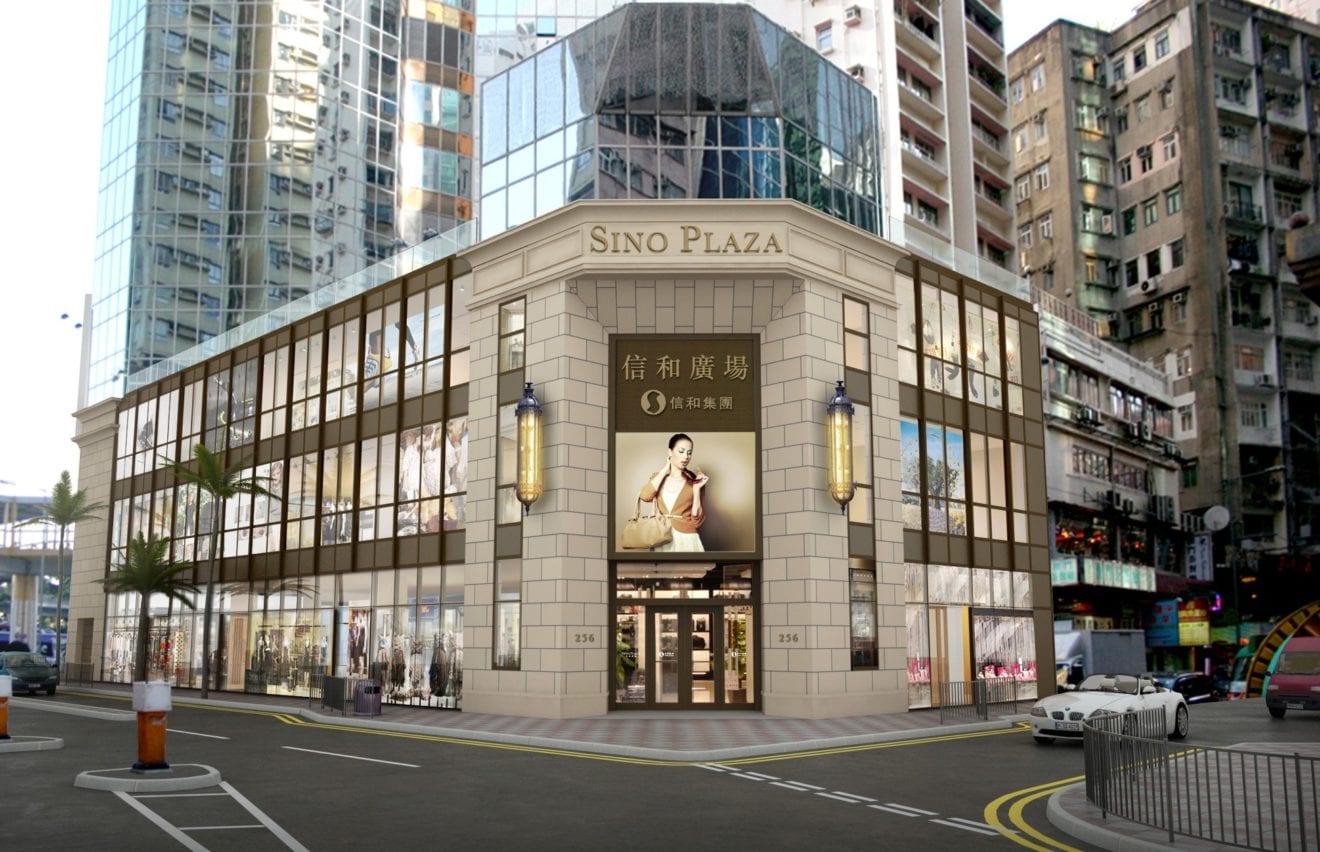
    Sino Land Company Limited has been named the ‘Best Developer Overall in Hong Kong‘ at the eleventh annual global Euromoney Real Estate Survey, the second consecutive year it has received the coveted award, in addition to being voted the best in all other eight developer categories, namely, ‘Best Residential Developer in Hong Kong‘, ‘Best Retail Developer in Hong Kong‘, ‘Best Office/Business Developer in Hong Kong‘, ‘Best Leisure/Hotel Developer in Hong Kong‘, ‘Best Mixed Developer in Hong Kong‘, ‘Best Industrial/Warehouse Developer in Hong Kong‘, ‘Best Advisor & Consultant Overall’ and ‘Best Advisor & Consultant for Agency/Letting Hong Kong’.

    Conducted by leading global finance magazine Euromoney, the annual poll is widely considered as the benchmark award for the global real estate industry. According to Euromoney, senior executives of real estate bankers, developers, investment managers, corporate end-users and advisory firms around the world have been invited to participate in the survey this year and over 1,700 valid responses were received, representing a 10.6% increase from a year ago. The awards are a testament to the Group’s continuous efforts and commitment to delivering premium projects.

    “Quality is the guiding principle of our business. We are honoured that our efforts in delivering products and services of the highest possible standards have been recognised. We would like to express our heartfelt gratitude to our business partners and those who have voted for us, their support is an encouragement for us to work even harder to deliver exceptional ‘Sino Experience’ to our customers,” remarks Mr Daryl Ng, Executive Director of Sino Land.


  • Japanese food traders target more exports to Thailand

    Japanese food traders target more exports to Thailand

    Last year, Japan’s exports of food and farm products reached 610.7 billion yen.

    Koichi Takano, director of the agriculture, forestry, fisheries and food division at the Japan External Trade Organisation (Jetro), said Thailand was a high-potential market because many Thais liked Japanese foods, while the country is a centre of Asean, which means many visitors come here.

    Thailand is Japan’s six-largest food importer, with imports last year worth 248 billion yen, up by 1.1 per cent from 2013. In the first half of this year, Japanese food imports by Thailand increased considerably, by 4.9 per cent year on year.

    Most Japanese food companies are small and medium-sized enterprises.

    Last week, Jetro Bangkok held a business-matching event between 40 Japanese food enterprises and more than 200 Thai businesses, including modern trade, retail and wholesale, hotels and restaurants. The event aimed to increase trade opportunities for Japanese producers of food and agricultural products in Thailand.

    Sachio Takiyama, director of Jetro Bangkok’s trade promotion department, said the organisation expected that each Japanese firm participating in this event would secure at least one trading contract or one business transaction with a Thai company.

    He said that with the rising popularity of Japanese restaurants here, Thailand would import more raw materials and food products from Japan.

    According to a Jetro survey in August, the number of Japanese restaurants in Thailand had grown by 11.5 per cent year-on-year to 2,364.

    Takiyama said Jetro Bangkok expected the number of Japanese restaurants in Thailand to increase by 10 per cent a year. Thus there is a strong opportunity for more exports of Japanese foods, rice and raw materials, as well as alcoholic beverages, to Thailand in the near future.

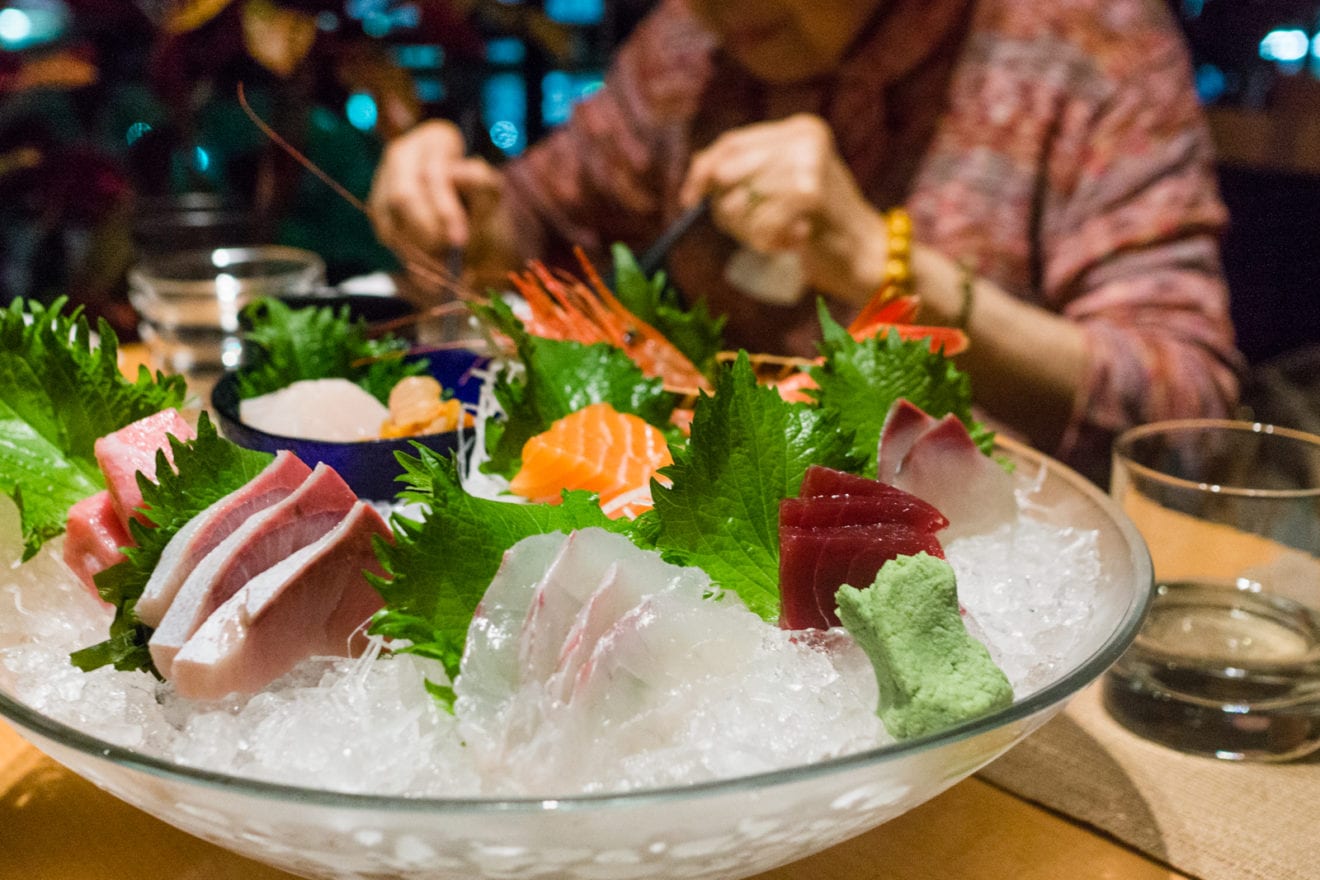
    Japanese products with high potential for export to Thai markets are premium-grade meat, alcoholic beverages, fish, and fruits and vegetables.

    Kouda Mayumi, a member of the technical staff of the beef promotion section of the Oita prefectural government, said the prefecture had started to export premium-grade beef to Thailand via Japanese importers last year, with a total volume of about 2 tonnes. She foresees strong demand in the Thai market.

    Shingo Yamashita, senior adviser to Azuma-Cho Fisheries, said demand for fresh fish in Thailand was expected to increase considerably as spending power rose along with the popularity of Japanese restaurants here.

    The company exports about 50 tonnes of buri fish, also known as yellowtail, to Thailand each year.

    Masanobu Miyazaki of JTF Trading, an importer of beef and fish from Japan to Thailand, said demand for Japanese food here had increased strongly over the past few years.

    Vegetables

    Takashi Kato, assistant manager of Bangkok Food System, an exporter of Thai vegetables to Japan and importer of Japanese food to the Thai market, said the company had exported Thai vegetables to Japan for more than 30 years.

    It foresees imports of Japanese foods to Thailand increasing, due not only to demand from Thais themselves but to the rising number of Japanese residents in this country.

    “Now, with higher demand for Japanese foods, we will import Japanese rice, vegetables and fruits to Thai markets to serve restaurants and supermarkets,” he said.

    Haruhiko Sunakawa of Okayama Fruits Company wants to export Muscat grapes to Thailand, along with other fruits such as peaches and strawberries.

    He is now looking for distributors or modern trade outlets to buy such products.

    Kyoko Yoshida, director of Shiyoshida-Syuzou, a producer and trader of shochu, a distilled beverage, said the company has started to introduce the product to the Thai market two years ago. So far, the company has exported it to some Japanese restaurants in Bangkok, and wants to seek |modern-trade partners as distributors.

  • World-first diamond exchange set for Singapore

    World-first diamond exchange set for Singapore

    The world’s first exchange for physical diamonds, is set to launch in Singapore in the fourth quarter, with a longer-term plan of creating a diamond futures market.

    Alain Vandenborre, the man behind the Singapore Diamond Investment Exchange (SDiX), thinks they can be bought and sold in a different way.

    He said he is surprised no one has tried to bring the trading of diamonds as a commodity into the 21st century on a global scale.

    To achieve that vision, some of the biggest diamond companies in the world have been secured as suppliers, including New York-based Leo Schachter, a leading manufacturer.

    “Up until now, the industry has been old-school. There’s wholesalers, there’s retailers, people in the middle, and there’s just no room for those people anymore. This way, we as manufacturers can go directly marketplace to sell our goods at the right price,” said CEO Alex Yarrow.

    According to SDiX, it expects to see turnover of at least US$250 million in its first full-year of trading, with operational bases set-up in Singapore, Hong Kong and India. And there are bolder plans for the future.

    “We’re going to start as the spot-market, but that’s not my strategy. The strategy is to move towards a futures licence,” said Mr Vandenborre.

    “The Exchange will be as soon as we’re regulated under the Futures Trading Act and will be launching a number of derivative products, which are highly needed. The diamond industry needs to hedge its position.”

    The new exchange might be what the marketplace needs.

    According to the widely-followed Rapaport Diamond index, the August price of a one-carat stone was 13 per cent lower than a year ago. Still, at the Hong Kong and Jewellery and Gem Fair, some traders remain upbeat despite economic wobbles in China.

    “When they slowdown, it’s going to cause a lot of pressure, so the volatility has increased considerably, I think it’s stabilising now as we speak so I believe players will come back in because the market has dropped quite a bit,” said Mayank Mehta, CEO of Rosy Blue.

    The trading of polished diamonds is quiet and expectations from dealers at the Hong Kong and Jewellery and Gem Fair was muted. Retail inventory levels remain high, particularly among 0.30-carat to 0.40-carat goods, as jewellers are not stocking up on inventory because of a retail slowdown in China.

  • Apple to launch online payment in China

    Apple to launch online payment in China

    Apple will launch an online payment service in China, as the tech giant seeks to expand in its largest market outside of the US despite fierce competition from local rivals.

    An Apple Company offering online payment has launched in the Shanghai Free Trade Zone (FTZ), an area set up as a testbed for financial reforms, China News Service reported late Thursday.

    Apple didn’t give a date for the launch, but the company told AFP that CEO Tim Cook hopes to set-up Apple Pay in China “as quickly as possible”.

    Cook previously said that he expects China one day to surpass the United States to become Apple’s largest market.

    But China’s e-commerce giant Alibaba dominates the country’s online payment sector, with the Paypal-like Alipay taking around 80 percent of the market.

    Internet firm Tencent is also catching up with a similar service provided via its popular messaging application WeChat.

  • Singapore Retail Sales Growth Eases Less Than Expected In July

    Singapore Retail Sales Growth Eases Less Than Expected In July

    Retail sales rose 0.2 percent in August, slightly below analysts’ consensus estimate.

    “Along with a 0.3% m/m rise in core sales and an expected increase in restaurant sales, these components imply a 0.2% gain in total retail sales for August”.

    In August, spending at gasoline stations slid 1.8 percent in August. Excluding volatile autos and gasoline, sales advanced 0.3%.

    People “have chosen to spend some of their gas price windfall on services – leisure, recreation, travel, etc. – which aren’t included in the retail sales numbers”, he said in a client note.

    On a seasonally-adjusted basis, retail sales decreased 2.2 per cent in July over the previous month. Sales at clothing stores rose 0.4 percent.

    Consumer spending has picked up in recent months after a choppy showing early in the year – gains that some economists attribute to milder weather after a harsh winter and Americans’ growing belief that low pump prices will be around for a while. The hiring – 2.9 million additional jobs over the past 12 months – has translated into a surge of spending at auto dealers and restaurants. The USA economy has become increasingly reliant on consumer spending to maintain growth as Europe and China have struggled to expand at a faster pace.

    “Retail sales showed solid gains in August, despite financial market volatility and a deflationary pricing environment in retail”, said NRF Chief Economist Jack Kleinhenz in a blog posting.

    Consumers came back to life in the first two months of the third quarter after lying low in June, wrote IHS Global Insight Director of U.S. Consumer Economics Chris Christopher in a research note. Overall, however, the numbers suggest consumers have been upping their spending in the spring and summer as they begin to feel more confident about their circumstances. The strong labor market has also helped.

    The index for mining fell 0.6% in August, while the index for utilities rose 0.6%.

    “With the Fed eagerly awaiting a sign or signs the economy is strong enough to withstand a rising rate environment, the data suggests the Fed will continue to wait for some time”, Piegza said.

    Americans spent less on gas in August as prices fell and used some of the savings to buy new cars or go out to eat.

  • ‘First’ high-end luxury concession for Kunming

    ‘First’ high-end luxury concession for Kunming

    Lagardère Travel Retail has opened the first high-end luxury concession in Kunming’s Changshui International Airport in South-Western China, which the retailer says is the result of a ‘close and successful partnership’ with Yunnan Airport Group and Asiaray Media Group.

    Inaugurated in 2012, Changshui airport is said to be one of the largest and most modern in Asia and serves as a gateway to China’s Yunnan region with growing links to neighbouring countries of South-East Asia.

    Evidence of this can be found in the airport’s traffic reports, which show that the number of passengers at Kunming airport has risen rapidly in recent years. In 2015, the airport is expected to serve over 36m passengers and will be the fastest-growing of China’s large airports.

    The master-concession, encompassing an area of over 1,000sq m in the main departure concourse, brings together ‘ten of the biggest names in luxury fashion and cosmetics’, says LTR.

    Emporio Armani, Salvatore Ferragamo, Dior, Hugo Boss, Bally, Montblanc, Coach, MCM, Tommy Hilfiger and Calvin Klein Jean comprise a strong brand line-up offering a range of ready-to-wear, accessories and beauty products.

    Dublin-based Aer Rianta International originally opened 11 domestic shops at what was Kunming’s newly-built Changshui International Airport in south-west China in June 2012.

    The contract, secured in 2011, was seen as an important one at the time for ARI, marking its first Mainland China airport store openings where it held exclusive rights to sell duty paid fashion goods and accessories, perfume and cosmetics, confectionery, jewellery and souvenirs at the capital city airport in Yunnan Province.

    However, in September 2014, Aer Rianta International confirmed that it had has ceased duty paid operations at Kunming International Airport and in a brief statement issued at the time, ARI CEO Jack MacGowan said: “We are pleased that ARI Yunnan has reached this constructive and amicable agreement with Yunnan Airports Group in the best interests of both parties and look forward to potential opportunities for working together again.”

    ‘WORLD-CLASS SERVICE FROM SALES CONSULTANTS’

    According to LTR, customers will be able to enjoy “world-class service delivered by Lagardère Travel Retail’s sales consultants who benefit from the company’s ISO-9001 certified OSCAR training programme,” says the Paris headquartered group.

    “The industry leading training program covers customer service, brand philosophy and product knowledge, is unique in the travel retail industry and gives the font-line team the expertise and confidence to provide the exceptional service and personalised experience.

    “The addition of high-end brands to the retail offer at Changshui airport was made possible by the complete transformation of the main commercial surfaces in the airport’s departure concourse.”

    LTR and Asiaray Media have worked closely with Yunnan Airport Group to plan and implement the terminal’s commercial upgrade, which intends to elevate the passenger experience by aligning the quality of the commercial offer with that of the terminal’s ‘outstanding’ architectural design.

    “We are also very pleased to have the opportunity to further deepen our working relationship with our global brand partners that have taken part in this project. We look forward to further development in Kunming Changshui airport across the spectrum of categories. Our partnership with Asiaray creates novel and unique opportunities to drive passenger engagement and increase the visibility of the commercial offer.Eudes Fabre, General Manager – China for Lagardère Travel Retail, said: “This new opening is an exciting development for Lagardère Travel Retail in China. We are grateful to Yunnan Airport Group for their trust in our capabilities and for their effective support throughout the planning and building process.

    “We are now working together with the airport to offer exclusive and personalised services that improve the airport experience for our customers, create delightful moments and build loyalty.”

    Vincent Lam, CEO of Asiaray Media Group added: “We very pleased with the collaboration with Lagardère Travel Retail. They are a global leader in the airport retail and F&B sector and have demonstrated their professionalism, innovative spirit and understanding of local market trends throughout the different stages of this project. This partnership is an important development for our company.

    “We aim to create an innovative business model that benefits all parties by delivering an engaging experience between customers, shops and airport. This is our first pilot site where we have exclusive advertising concession at Kunming Changshui airport.

    “By closely integrating advertising and commercial assets within the terminal, we will be able to create a more interactive and ultimately more compelling experience for travellers. Our media assets will support the growth of the retail operation which shall certainly benefit us as advertising service provider riding on the business performance of such operation.”“We look forward to cover the other 25 airports where we have similar exclusive rights in the whole of China. This new development creates many new possibilities for our mutual brand partners.

    Wang Xinrui, Director of Commercial Management of Kunming Changshui International airport, added: “Kunming Airport is very satisfied with the outcome of our collaboration with Lagardère Travel Retail and Asiaray Media Group.

    “The newly-opened luxury brands significantly enhance the image and service provided by our airport and help bring our commercial offer in line with the best airports in the region. We look forwards to growing the collaboration with our partners.”

  • Uber Says Special Interests Challenge Push Onto Indonesia Roads

    Uber Says Special Interests Challenge Push Onto Indonesia Roads

    Uber Technologies Inc. plans to set up an Indonesian entity to deal with challenges from authorities to its push into one of Asia’s largest markets.

    The ride-hailing company has had cars seized in Jakarta this month and drivers questioned by police, Michael Brown, Uber’s regional manager for Southeast Asia, said in an interview. The company needs to register to pay tax, Jakarta Governor Basuki Purnama said in a televised briefing on Friday, after saying it doesn’t have the right permits.

    Uber is in discussions to submit an application to become a registered onshore entity as asked by Jakarta authorities, Brown said on Monday. The company is obeying Indonesian law, is tax compliant and is working with the government to “get aligned” with everything it is asking for, he said.

    “We see some things here that are new and challenging,” Brown said, referring to “special interests” working against the San Francisco-based company that he declined to identify. “We don’t like that.”

    Indonesia’s President Joko Widodo is trying to attract investment and tackle corruption to spur an economy growing at its weakest pace since 2009, yet U-turns on policies from taxes to foreign worker permits have left investors confused. Foreign direct investment has stagnated and the rupiah is Asia’s second-worst performing currency this year.

    Cars Confiscated

    Some of Uber’s junior employees have been taken to police stations for hours of questioning, Brown said. Police confiscated 30 Uber cars but didn’t detain drivers, said Jakarta police spokesman Muhammad Iqbal.

    The smartphone application allows users to order rides from private drivers. It is offering fares at discounts of as much as 50 percent compared to taxi operators in greater Jakarta, home to an estimated 30 million people and some of the world’s worst traffic. Its competition includes taxi companies such as PT Blue Bird and PT Express Transindo Utama.

    Uber has run into strident opposition from taxi drivers in the U.S. and abroad as it has expanded to build its business, valued at $50 billion.

    Uber has sent a message to customers in Jakarta, asking them to take to Twitter to tell the authorities why they need it.

    “Uber can say what it wants,” said Adrianto Djokosoetono, the head of the country’s land transport association and a director at Blue Bird, Indonesia’s largest provider of taxis, car rentals and chartered buses. “They are in a tricky situation having to follow the laws so they have to ask for public support.”

  • Luxury Brands Leave Hong Kong as Rental Prices Skyrocket

    Luxury Brands Leave Hong Kong as Rental Prices Skyrocket

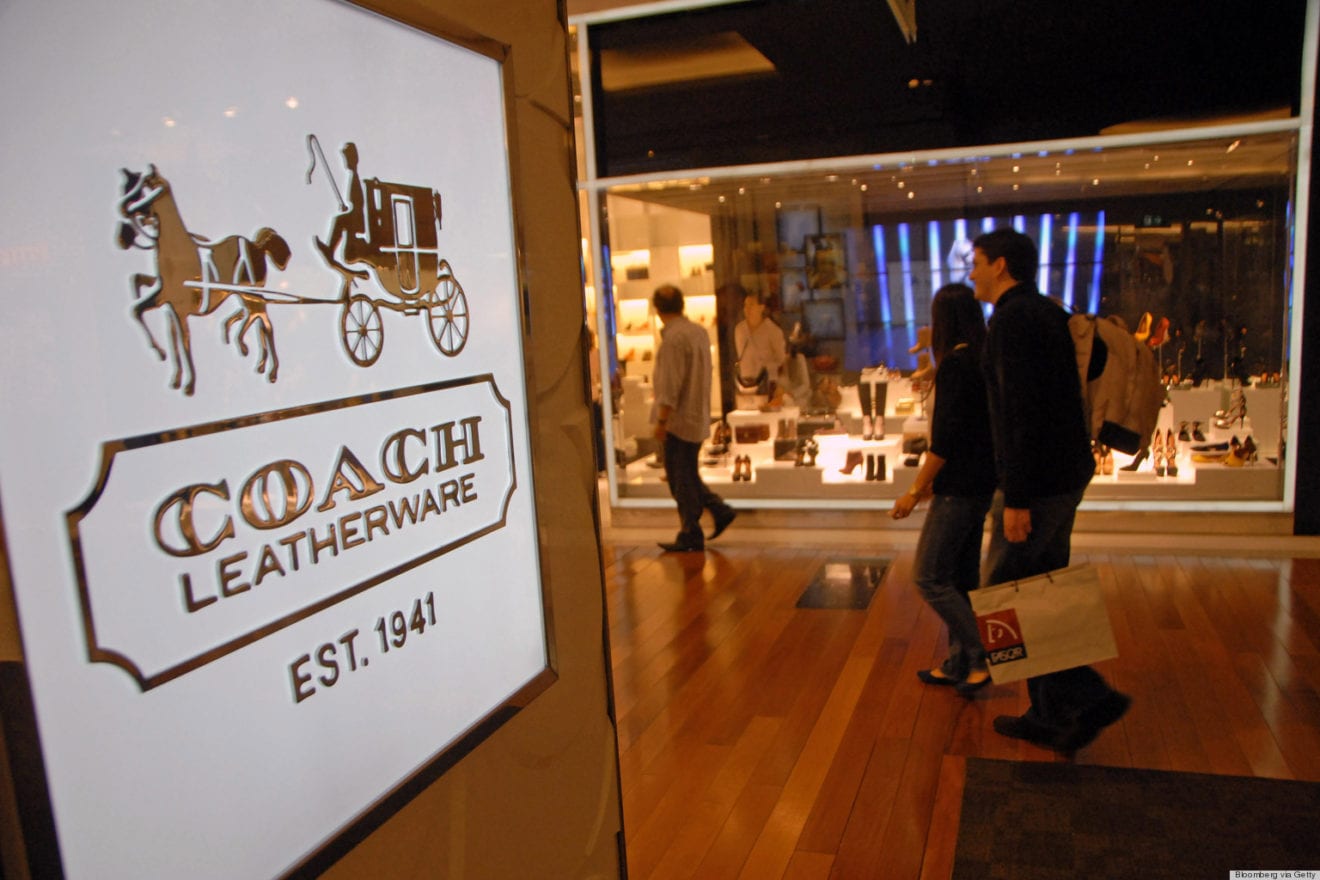
    Following TAG Heuer’s exit, luxury fashion brand Coach pulled out its flagship store in the Central District of Hong Kong on Aug. 31, two years before its lease expires.

    Women’s shoe retailer Belle International in Tseung Kwan O also closed on the same day, while Hong Kong jeweler Emperor Watch & Jewellery Limited also announced plans to terminate its store’s lease early.

    The Guangzhou-based paper said that the exodus of luxury brands from Hong Kong has raised concerns about whether the trend may spread into mainland China.

    High rental fees were one of the reasons for the closures, the report said. Store rentals in Causeway Bay in the first quarter of 2014 stood at HK$43,310 ($5,580) per square meter, making it the most expensive in the world next to New York’s Fifth Avenue shopping district.

    With its store’s closure in Central, Coach will save HK$180 million ($23 million). It had been paying rental fees of $7.2 million ($930,000) per month.

    TAG Heuer ultimately decided to close shop after negotiations for a rent reduction with its landlord fell apart.

    Hong Kong is gradually losing its appeal to mainland Chinese shoppers, who are becoming more inclined to go to Europe, the U.S., Japan and South Korea to shop.

    Total retail sales in the city in 2014 have decreased 0.2 percent from the previous year to HK$493.3 billion ($63.65 billion), its first negative growth in the retail sector since the Hong Kong government launched the individual visa scheme for mainland visitors 11 years ago.

    Between March and July, the region’s retail sales fell even further, posting a 0.4-percent decline year-on-year in June and 2.8 percent in July.

    But despite increasingly poor sales of luxury goods such as jewelry and watches in Hong Kong, medium- and low-priced goods, including food stuffs, liquor, and tobacco, have been growing steadily. According to Southern Metropolis Daily, foodstuff sales rose 7 percent year-on-year in July, an indication that shoppers visiting Hong Kong are shifting from luxury items to daily necessities.

  • Richemont Revenue Beats Estimates on Japan, Europe Demand

    Richemont Revenue Beats Estimates on Japan, Europe Demand

    Richemont, the world’s biggest jewelry maker, said sales growth accelerated as weaker currencies attracted big-spending tourists to Japan and Europe, spurring the stock’s steepest intraday gain in more than two years.

    Sales increased 4 percent excluding currency shifts in the five months through August, the Geneva-based company said in a statement Wednesday. Analysts expected a 1 percent gain, according to the median estimate in a Bloomberg survey. The shares climbed as much as 7.5 percent.

    Sales rose 48 percent in Japan and 26 percent in Europe, offsetting an 18 percent decline in Asia-Pacific. The results mirror comments by peers in the luxury business, such as Hermes International SCA, which reported higher first-half sales, fueled by an acceleration in Japan. LVMH Moet Hennessy Louis Vuitton SE in July posted strong revenue growth in Europe and the U.S., which helped offset a decline in China, Macau and Hong Kong.

    “Japan and Europe more than compensate for the weak development in Hong Kong,” said Rene Weber, an analyst at Bank Vontobel AG in Zurich. “The strong performance of those markets mean the Swiss watch industry can weather the Asian weakness, at least this year.”

    Shares in the Swiss owner of the Cartier jewelry brand, whose full name is Cie. Financiere Richemont SA, rose 6.4 percent to 76.65 francs as of 11:40 a.m. in Zurich. The report bolstered shares in the luxury-goods industry, with Hermes up 4.8 percent and LVMH gaining 3.5 percent.

    Richemont said sales in Hong Kong and Macau were “significantly lower,” while mainland China returned to growth with retail sales growing at a “strong double-digit rate.” The company reports five-month sales figures each year on the day of its annual meeting with shareholders.

    “Part of the crisis in confidence in the watch industry in Asia-Pacific is fragile confidence by independent retailers amid the problems in Hong Kong and Macau,” said Jon Cox, an analyst at Kepler Cheuvreux in Zurich, adding that Richemont’s comments about China were reassuring.

    Still, Richemont said its wholesale business continues to be weighed down by weakness in the Asia-Pacific region, which is still “extremely challenging.”

    Luxury spending in Hong Kong has been suffered since late 2012 when the Chinese government has been discouraging exuberant spending among officials. Political protests in Hong Kong last year forced some stores to shut and weighed on tourism.

    Among other luxury stocks, Swatch Group AG, the maker of Omega watches, rose 3 percent, and Kering SA, which owns Gucci, rose 4.4 percent.

  • Omni-channel to be the next big play in retail

    Omni-channel to be the next big play in retail

    “I haven’t seen such a behaviour in other South East Asian markets. While businesses in countries like Taiwan, Thailand and Philippineshave adopted e-commerce in a big way, there is a clear focus on bottomline. Money is being made on every transaction and majority of the companies there are gross margin positive,” said Iyer at the inaugural session of the two-day IRF summit in Mumbai on Tuesday.The fast emerging e-commerce sector in India has been talked about in the business world as the next big thing to be in. However, according to Krish Iyer, president and CEO, Walmart India and chairman of India Retail Forum (IRF) 2015, one thing that has hit him in the last year and half isthe whole craze about building valuations while not really looking at the bottomline.

    “I haven’t seen such a behaviour in other South East Asian markets. While businesses in countries like Taiwan, Thailand and Philippines have adopted e-commerce in a big way, there is a clear focus on bottomline. Money is being made on every transaction and majority of the companies there are gross margin positive,” said Iyer at the inaugural session of the two-day IRF summit in Mumbai on Tuesday.

    Defending the valuations game being played in the e-commerce sector in India, Alok Goel, managing director, SAIF Partners, said that India is the only country that offers an opportunity for growth investment in the global scheme of things. “Lot of money is flowing into India looking for opportunities and return on investment. And when lot of money is chasing fewer products out therein the market, the price of that product increases. This roughly explains the rapid price-valuation situation that’s come up in the market,” said Goel, adding that from a valuations point of view, businesses need to be looked at in terms of growth they will register over the next five to 10-year horizon.

    Stressing on the need for Indian retail (online / offline) players to seek profitable growth, Anurag Mathur, retail and consumer goods practice leader, PricewaterhouseCoopers India, said, currently mom-n-pop stores are enjoying operating margins of between 6% and 8%over gross margins of 16% and 18%, while the organised retailers had high gross margins of 20% and 22% though operating margins were as low as 2% and 4%. “The online / e-commerce players are still ages away from getting into the positive space with gross margins anywhere between -3% and -8% and operating margins between -15% and -22%,” he said.

    While the recent past has seen the Indian retail fraternity debate aggressively about retail and omni-channel, Iyer pointed out that a few years ago, it was about retail and e-commerce. “And from what I see on the ground, I can tell you that omni-channel will be the key focus of discussion next year. The brick-n-mortar players will continue to learn from the pure-play e-commerce players and then will be able to drive profitable growth while providing omni-channel experience to the customers. And that to my mind, is the only way to go,” he said adding that retail players, particularly those in the brick-n-mortar space, are clearly focused on profitable growth.

    Iyer stressed that ongoing economic adjustments around the world offered businesses in India a brilliant opportunity to lead global growth. And the fact that India has been a domestic consumption-driven economy has come handy. “We are not an export-driven economy and that’s one of the primary reasons why the economic turmoil and global events haven’t had as much impact on India as we have seen in other BRIC countries viz. Brazil, Russia and China,” he said.

    The next phase of retail revolution, retailers and experts said, will be driven by India and China unlike the past phases that were driven by the West. However, Indian retailers lagged in retaining a black bottomline when compared with their foreign counterparts.

    “Operating margins (ebitda) of Indian retailers have dropped to 2% in 2014 from8% in 2011. During the same period, ebitda of select international retail chains like Walmart, Target, Tesco and Home Depot have maintained 7-11% during the same period,” said Mathur.

    In fact, according to a survey conducted by PricewaterhouseCoopers India, over 65% of Indian retailers are focusing on improving profitability through improvement in revenue throughput as fast-changing consumer behaviour is driving many retailers to rethink their business model. As per the survey, 53% retailers are considering a change in their operating model driven by changing consumer behaviour.

    With the emergence of new formats, distinct paths to sustainable profitability will need to be crafted as retailers in India face a herculean task of reaching out to the customer through a combination of mobile, social and human connect, experts said.

    According to Abheek Singhi, senior partner and director, Asia Pacific leader –consumer and retail practice, The Boston Consulting Group, online and e-commerce with varying digital density along with omni-channel are straining traditional business models in retailing. “Moreover, with consumer companies selling directly via offline and online tools, value chains are also getting disrupted,” he said.

  • China August Retail Sales: E-Commerce Remains Robust

    China August Retail Sales: E-Commerce Remains Robust

    China reported August retail sales that grew 10.8%, which beat the consensus 10.6%. Most encouraging was that online retail sales remain robust, underscoring my bullish view on Alibaba. As for offline retail, jewelry grew off a lower base so we view this of a lower quality while it appears that offline electronic retailers are taking share from online retailers, which is a negative to JD.com. We see China retail numbers to be a good read-through to companies such as BABA and JD as well as North American companies with exposure to China such as Tiffany. We reiterate my bullish view on BABA and Nike and our cautious view on JD and TIF.

    Online retail numbers remain robust for the first eight months of the year, and this is a positive indicator to Alibaba. For the first eight months, online retail sales grew 36% and accounted for 9.8% of total retail sales vs. 8% a year ago. Worth reminding investors is that China leads the world in e-commerce penetration and we expect penetration to continue to grow, driven by mobile device penetration in second and third-tier cities as well as the lack of proper retail infrastructure in those cities. We can easily envision China’s online retail penetration to reach 20% in the next 10 years driven by those two factors as well as higher mobile consumption driven by online-to-offline services that are heavily invested in by BABA, Baidu and Tencent. Looking at the individual segments, online sales of services was up a whopping 41%, as were discretionary items such as food. Apparel grew 27% and other discretionary items grew 39%. All these figures imply that August online sales alone grew 27% y/y, still solid given the near-term weakness of the Chinese economy.

    As for offline retail, jewelry grew 17% y/y vs 14% in July but it was largely due to a lower base from last year. As such, we would not be quick to jump into TIF stock until we see material improvement from the demand side. Interestingly, home appliances and electronics accelerated in the month, up 14% vs. 8% in the prior month. This could potentially be a negative to JD.com given this could imply that BABA and Suning JV may be taking share from JD in the online segment.

    In conclusion, we remain bullish on BABA while cautious on JD and TIF.