Tag: asia

  • Ikea reveals wireless charging furniture

    Ikea reveals wireless charging furniture

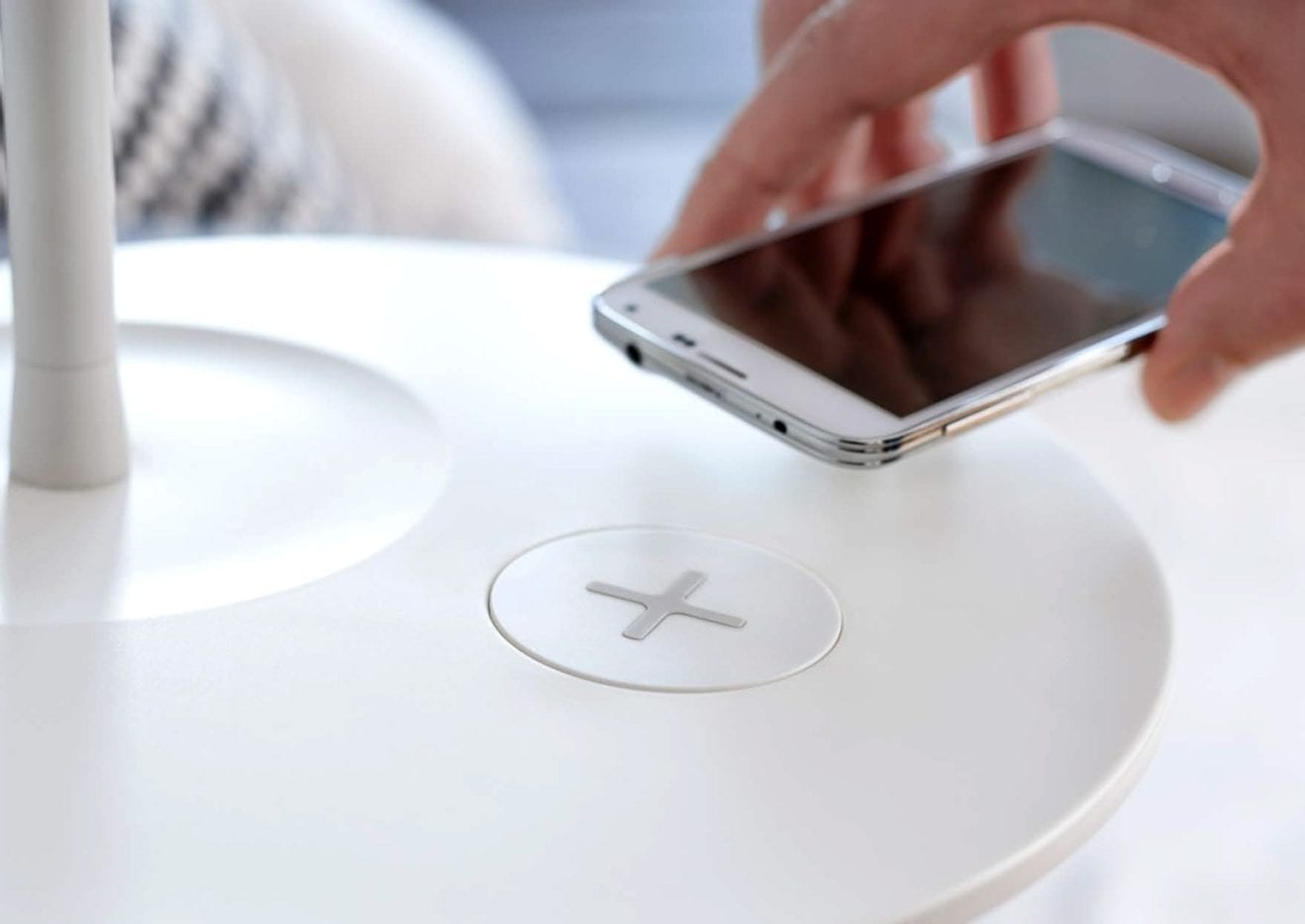
    Ikea is to launch a range of furniture which will allow consumers to charge phones and other devices wirelessly.

    The Swedish retailer says wireless charging furniture will be available in Europe and North America this April, followed by a global rollout.

    Bedside tables, lamps and desks will be fitted with Qi technology that eliminates cables and makes it easier to stay connected with always-charged mobile devices.

    The announcement girds support for Qi – the leading global wireless charging standard from the Wireless Power Consortium, a group of companies developing wireless charging technology which includes Belkin, Haier, HTC, LG, Microsoft, Motorola, Nokia, Panasonic, Samsung, Sony and ZTE.

    “Ikea is delivering on its vision of making life at home better with this innovative, stylish and useful new collection that show consumers the beauty and simplicity of wireless charging,” said Menno Treffers, WPC chairman.

    “We applaud Ikea for its insight and unique passion for making wireless charging affordable and simple for consumers.”

    Qi is the most widely deployed wireless power standard, available in 3000 hotels, restaurants, airports and public locations worldwide. There are now more than 80 Qi-enabled smartphones, 15 models of Qi-enabled cars and countless Qi mobile accessories in the market.

    “Our belief is that mobile phones are vital parts to people’s lives at home and their desire to stay connected, and Qi addresses an unmet need to keep devices powered,” said Bjorn Block, range manager for lighting and wireless charging at Ikea.

    “As a member of WPC, we value the access to the leading and most advanced global standard for wireless charging.”

    Established in 2008, the Wireless Power Consortium is an open, collaborative standards development group of more than 200 company members – large and small competitors and ecosystem partners, from all parts of the industry and all parts of the globe – collaborate for a single purpose: to design and evolve the world’s most useful, safe and efficient standard for wireless power. This global standard is called Qi, and it has become the world’s leading method for transferring electrical power without wires. Qi is designed into 80+ mobile devices, 15 models of cars, has more than 700 registered products that are enjoyed by more than 50 million users worldwide.
  • British luxury brands target China

    British luxury brands target China

    Walpole, the alliance of Britain’s finest luxury brands, is leading a delegation of preeminent industry figures to the Great Festival of Creativity in Shanghai this week.

    As the curator of the ‘luxury and fashion’ content of the three-day programme which started today, (March 2), Walpole is showcasing the central role that luxury and fashion brands play to the UK creative industries and the importance of relationships between British and Chinese businesses.

    Key members of this delegation include Jo Malone MBE, Michael Ward of Harrods, Savile Row tailor Patrick Grant, Dunhill’s Fabrizio Cardinali, Vertu’s Massimilano Polgani and footwear designer, Rupert Sanderson.

    The leaders will be speaking at the festival, representing the luxury and fashion industries and representing Walpole’s 170 members. They are discussing some of the most prominent issues shaping the future of the luxury industry. Topics include, the bespoke revolution, the luxury menswear market in China, how to build a luxury brand and the future of luxury & fashion retail.

    “Walpole exists to promote, protect and develop the British luxury industry, both at home and abroad. China is a vital growth market for British luxury brands and the Great Festival of Creativity brings together business leaders and creative minds to promote business, share insights and develop relationships between the UK and China,” said Charlotte Keesing, director of Walpole.

    “Chinese consumers are intrigued by British luxury brands and our association with heritage, craftsmanship and sophistication and we are honoured to be playing a central role in the Festival.”

    The Festival, at Shanghai’s Long Museum, will be opened by The Duke of Cambridge, with Walpole curating the programme for the third day of the Festival on March 4. The event will be attended by world-leading businesses and creative leaders from both the UK and China.

    Highlights of March 4 include:

    • ‘A Nose for Luxury’ with Jo Malone MBE, with the founder of Jo Malone and now Jo Loves giving an insight into her creative process, entrepreneurial insights, and how innovative new products and entertaining experiences are brought to life at her Fragrance Brasserie Bar. This session will be hosted by Vogue China’s editor-in-chief Angelica Cheung.
    • ‘The Bespoke Revolution’ – a panel discussion where leaders from the worlds of fashion and luxury including Fabrizio Cardinali from Dunhill, Roja Dove, Roger Smith, Grace Chen and Dylan Thomas from GQ join the stage to discuss and share their understanding of what it means to be truly bespoke by examining the latest developments in tailoring, fashion, accessories, and fragrance.
    • ‘Luxury Menswear in China’ – Fabrizio Cardinali from Dunhill, Richard Cohen from Trinity Group, Madam Xia from Eve Fashion, Patrick Grant from E. Tautz and Grant Pearce from GQ in Asia reflect on both the business and fashion elements of the world of menswear in China.What are the drivers of growth in the market, the role of creativity in branding and marketing, and what are the keys to future success.
    • ‘View From the Front Row’ – Fresh from New York, London, Milan & Paris Fashion Weeks, Liz Schimel from Conde Nast China, Angelica Cheung from Vogue China and Francesca Muston from WGSN give an editor’s view of what’s in store and online for A/ W 2015.
    • ‘How to Build a Luxury Brand’ – The luxury world has gained significant traction in the past decade. Savile Row tailor Rupert Sanderson, Douglas Fang from Pringle and Massimiliano Pogliani from Vertu share insights and experiences from both heritage businesses and emerging brands, unearthing together the common themes linking their stories of success.
    • ‘The Future of Luxury and Fashion Retail’ – How will new high tech stores change the future of retailing? Victor Fung from Li & Fung, Michael Ward from Harrods, Andrew Keith from Lane Crawford, David Zhao from Shangpin and Dan Cotton from WGSN will predict what will define the next 15 years of luxury and fashion retail.

     Walpole is an alliance of diverse luxury businesses, including Alexander McQueen, Burberry, Rolls-Royce, Selfridges and The Savoy, united in a commitment to quality. Walpole’s mission is to give British excellence a collective voice in an increasingly competitive global market and to help luxury businesses meet the special challenges and opportunities arising from it. Walpole exists to promote, develop and protect British luxury at home and abroad.

    The Great Festival of Creativity Shanghai will be held at the Long Museum.

    The Great Britain campaign is the UK’s Government’s ambitious international marketing campaign aimed at showcasing the very best of what Britain has to offer and encourage the world to visit, study and do business with the UK.

  • Royal Mail online in China

    Royal Mail online in China

    Great Britain’s Royal Mail is to open an online store in China to sell British products to Chinese.

    Royal Mail will launch a shop front on Alibaba’s Tmall, providing Chinese consumers with “increased access to premium, authentic and high quality British products”.

    CEO Moya Greene unveiled the Royal Mail online initiative at the start of the three day Great Festival of Creativity in Shanghai, China.

    She said the store will offer British retailers and exporters an accelerated opportunity to access the China market when it goes live towards the end of March.

    “It will remove the challenges that many companies would otherwise face in getting their products into the hands of Chinese consumers, including promotion on Chinese e-commerce sites, local customer support service, customs duties, documentation, shipping and logistics,” she said.

    China is the largest economy by purchasing power parity and the biggest internet user base in the world, with 302 million online shoppers already, a figure which grows by the day.

    Almost half of the country’s internet users purchase goods online, with 75 per cent of online shoppers in China buying products every week. Online shopping now accounts for just over 10 per cent of total retail sales of consumer goods in China, with the overwhelming majority of these online purchases being made through e-marketplaces, like Tmall and Taobao.

    Among the goods soon to be sold on Royal Mail’s store are Brompton Bicycles, which Royal Mail will deliver to the purchaser’s doorstep.

    “Royal Mail’s new shop front will help support British retailers and exporters expanding into the China market, fulfilling the strong demand of Chinese consumers for authentic, high quality British goods.

    “Online shopping, and the connection it facilitates between retailers and consumers is a key channel to develop sustainable trade between China and Britain and we are excited at the prospect of offering UK companies a new and streamlined way to increase the accessibility of their products to Chinese consumers.”

    The rapid growth in online shopping has also mirrored the increased demand from Chinese consumers for authentic, high quality goods. Chinese consumers represent almost one third of the global market for personal luxury goods and spend three times more abroad on high quality, designer goods than they spend locally.

    Chinese consumers are also concerned about the source of luxury goods they purchase, meaning they will trust foreign vendors ahead of Chinese.

    Royal Mail says China is now the biggest overseas consumer of British products online, accounting for 25 per cent of overseas online shoppers purchasing goods from the UK.

    The Great Festival of Creativity in Shanghai is a UK Government-led initiative to showcase the innovative and creative edge that British businesses bring to markets across the globe.

    Royal Mail is also marking its Chinese foray with a special postmark, which will appear on items delivered to addresses across Britain from March 2 to 4.

  • Line adopts secure payment service

    Line adopts secure payment service

    Social media app Line has teamed up with CyberSource to enhance the security and convenience of it mobile payment service Line Pay.

    CyberSource, a subsidiary of Visa, is one of the world’s largest providers of eCommerce payment management services. The strategic partnership with Line Corporation will add payment and fraud management services for Line Pay.

    “Via CyberSource’s global payment gateway, Line will be able to process online payments from multiple card brands and issuers, as well as certain alternative payment methods,” the company said in a statement.

    “These solutions enable Line to advance their business globally in a scalable and secure manner.”

    Since Japanese company Line’s launch in 2011, the service has grown globally across 230 countries and regions. As Line Corporation’s core business platform, the app helped the company obtain an international presence by consistently rolling out and expanding services, integrating various social elements in its app features – including Line stickers, Line family apps, Line Game and Line camera. The mobile messaging service app had 181 million monthly active users as at January 2015.

    “With global smartphone penetration per capita expected to increase more than three times by 2017 from that in 2011, we recognise that there is great opportunity for growth in the mobile industry,” said Takeshi Idezawa, Line Corporation’s COO.

    “We are constantly looking to work with partners with an established worldwide presence and vast experience so we can provide quality service to today’s digitally-savvy consumers. With our entry into the mobile payments market, we are now able to empower our customers with more choices and flexibility in online payments. On top of that, we are also able to protect their interests with CyberSource’s payment security expertise. We strongly believe this will be pivotal in helping us accelerate our global growth.”

    In addition to global payment services, Line will also have access to secure payment acceptance and fraud management services via the CyberSource payment management platform. This means Line will be able to provide payment security, with users’ sensitive payment data residing in CyberSource’s secure data centers, as well as process a wider spectrum of payment methods.

  • Vietnam online shopping rises

    Vietnam online shopping rises

    Vietnamese may have been slower to adopt to online shopping than counterparts in other southeast Asian countries – but they are starting to catch up.

    Data released by the Vietnam eCommerce and Information Technology Agency (VECITA) shows Vietnam online shopping was worth US$2.97 billion in 2014 with each consumer spending an average of $145 during the year.

    Fashion and cosmetics accounted for 60 per cent of sales.

    While $3 billion may seem a lot, it amounted to just 2.12 per cent of the country’s gross retail sales. In China, online shopping now accounts for just over 10 per cent of the total retail market.

    One factor hindering Vietnam’s online retailing growth is the low penetration of credit cards. Two thirds of purchases are paid for in cash upon the delivery of the purchases.

    Other figures show about four in 10 of Vietnam’s 94 million population have access to the internet, with penetration far higher in major cities. More than 50 per cent of people using social networking also shop online.

    While major online portals like Lazada are building significant market share, a huge percentage of Vietnam online shopping is conducted informally via Facebook pages, Line and even WeChat. It is common for younger women, particularly, to bulk purchase clothes, handbags, cosmetics and accessories and market them to fan bases online in a way which is difficult for authorities to track or measure.

    The one shrinking sector online in Vietnam is group buying. VECITA said just 35 per cent of Vietnam’s online shoppers bought from group buying sites in 2014, down from 51 per cent in 2013.

    Regionally, Vietnam ranks above only Indonesia, where the online market was estimated at $2.6 billion last year.

  • Alfamart Philippines targets 3000 stores

    Alfamart Philippines targets 3000 stores

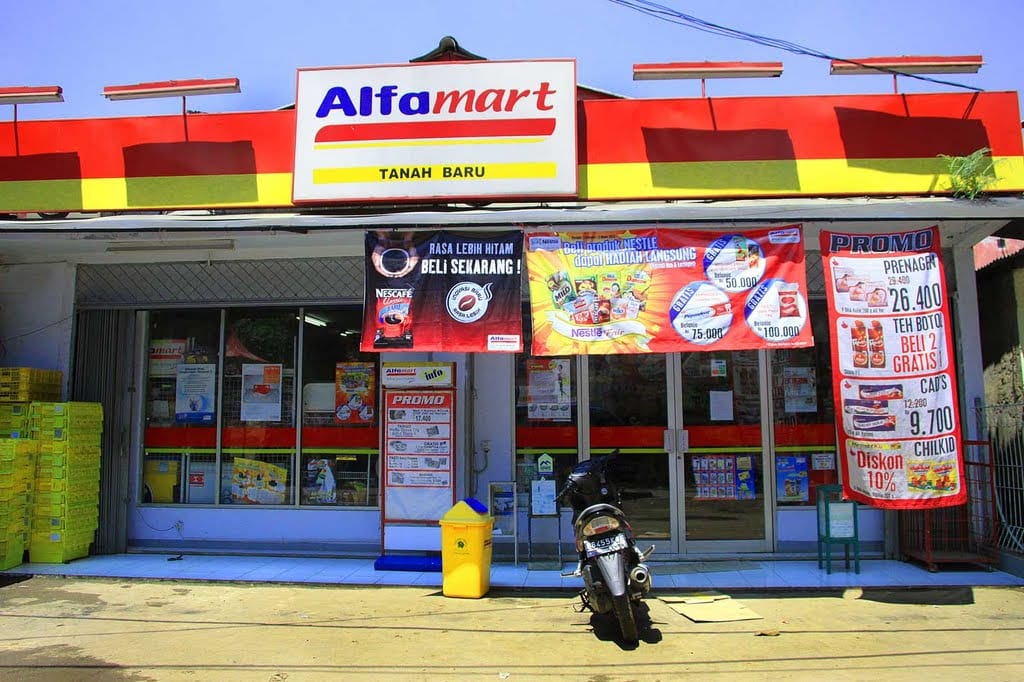
    Indonesian c-store format Alfamart is making steady progress in the Philippines after local retail giant SM Group entered a joint venture.

    Alfamart operates some 8500 convenience stores in Indonesia and now the brand is expanding into Philippines, where the c-store sector is still in its development stage.

    SM Supermarkets president Joey C. Mendoza told the Philippine Star newspaper that at the end of 2014, his company had opened 22 Alfamart branches after the two companies partnered in July. The first store in Trece Martires in Cavite, near Manila.

    Another eight have opened already this year.

    Alfamart Philippines stores stock basic groceries, foods, medicines and convenience foods 24 hours a day.

    SM expects strong growth during the next five years, believing critical mass for the chain is between 1000 and 3000 stores.

    Alfamart Indonesia is providing SM Group with experience and advice on the format’s expansion, stocking and rollout.

    Each store ranges from 150 sqm to 300 sqm in size and costs a maximum of P30 million (US$681,000) to open.

  • Yummi House Hong Kong flagship

    Yummi House Hong Kong flagship

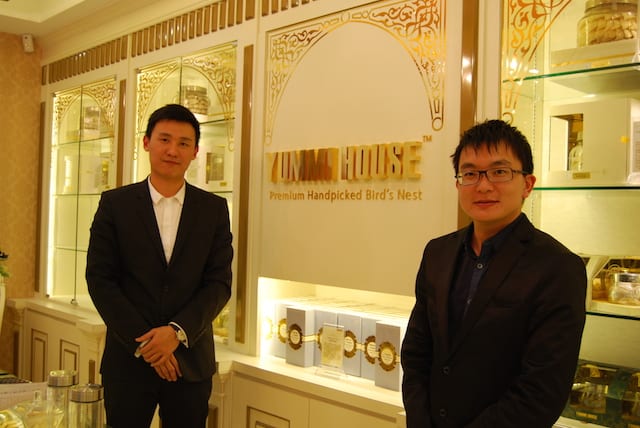
    Singapore bird’s nest and wild honey specialist Yummi House  has opened its first store in Hong Kong.

    The flagship store is described as a regional headquarters and will help the company to expand its business in the eastern Asia-Pacific region.

    Yummi House offers handpicked bird’s nest and unprocessed wild honey. The company aims to lift people’s quality of life by providing natural and healthy products, according to the director Wilson Er.

    “Hong Kong is a world-class city with a huge number of international and mainland visitors. It is the ideal platform for us to reach global markets and build a trusted international brand, by focusing our retail, wholesale and franchise business in the city,” he said.

    “We plan to set up 10 retail stores in Hong Kong within five years.”

    Er said the company was not only selling its natural health products in Hong Kong but also providing in-depth information about its products to local and international customers, ranging from production processes to product classifications, the benefits of the products and ways of enjoying them.

    “We hope to cultivate a good understanding of health products globally through Hong Kong.”

    INvest Hong Kong associate director-general of investment promotion Andrew Davis welcomed Yummi House Hong Kong’s debut.

    “Hong Kong people are health conscious, so they demand high quality health products. In addition, we have a large quantity and high quality of shoppers in the city. It’s the ideal place for an overseas retail chain to promote awareness of its brand.”

    Yummi House, founded in 2007, is well recognised in both Singapore and Malaysia, where it operates seven and 10 stores respectively.

  • Meet iBall: the tablet maker crushing Samsung in India

    Meet iBall: the tablet maker crushing Samsung in India

    Indian budget consumer electronics firm iBall raised eyebrows this week on a report that it has stolen South Korean juggernaut Samsung’s crown as India’s number one tablet vendor.

    Mumbai-based iBall claimed a 15.6 percent share of India’s tablet market in the fourth quarter of 2014, up from 4.5 percent a year earlier, as Samsung’s share shrank to 12.9 percent from 17.9 percent, according to IDC.

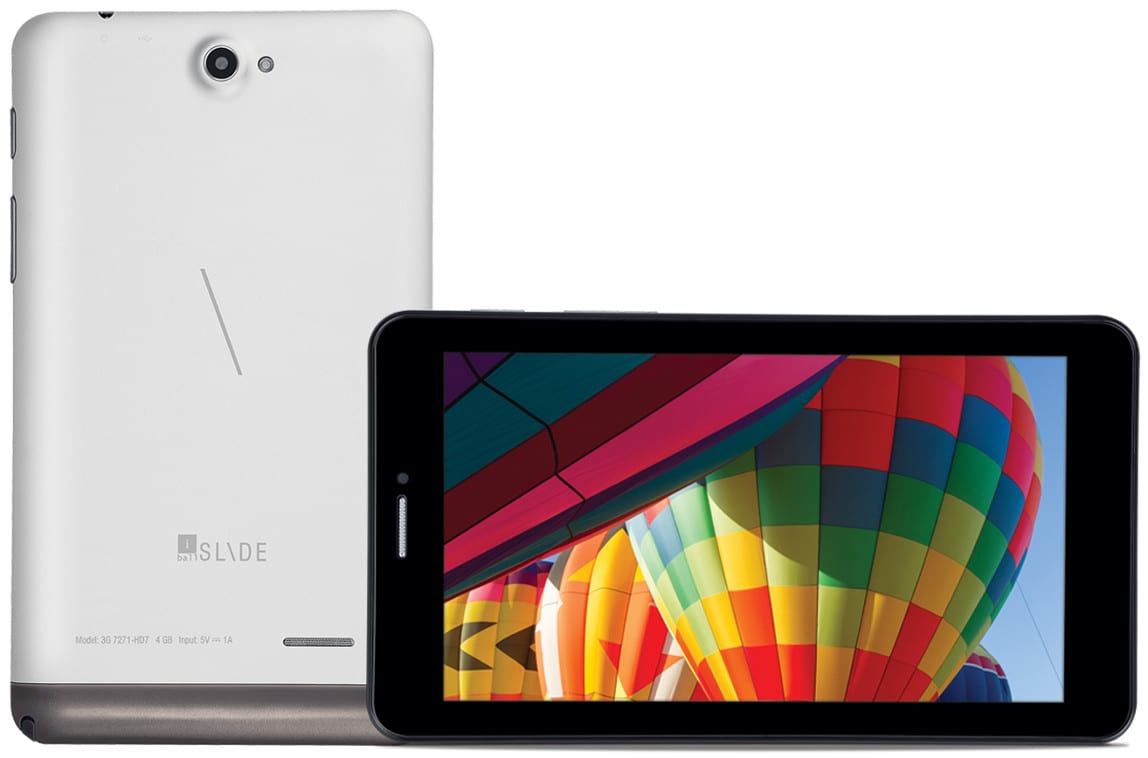
    iBall launched in 2001 with just one product category – the mouse. It ventured into the mobile phone business in 2010 and made its foray into tablet space a year later with the iBall Slide. In a price sensitive market, iBall products are attractive.

  • Food and mobile phones boost mall sales

    Food and mobile phones boost mall sales

    Mobile phone sales, supermarkets and a turnaround in the performance of discount department stores all helped to underpin the half-year results for the Australian retail landlords Federation Centre and Charter Hall Retail REIT.

    Both landlords own shopping centres dominated by food retailers with an array of speciality stores and some DDS, throughout the country. They said new acquisitions and mall redevelopments would continue in the coming months.

    The two groups reaffirmed the full-year results were positive as lower petrol prices and the low interest rates boosted consumer spending.

  • India’s Intex plans retail outlets to boost reach

    India’s Intex plans retail outlets to boost reach

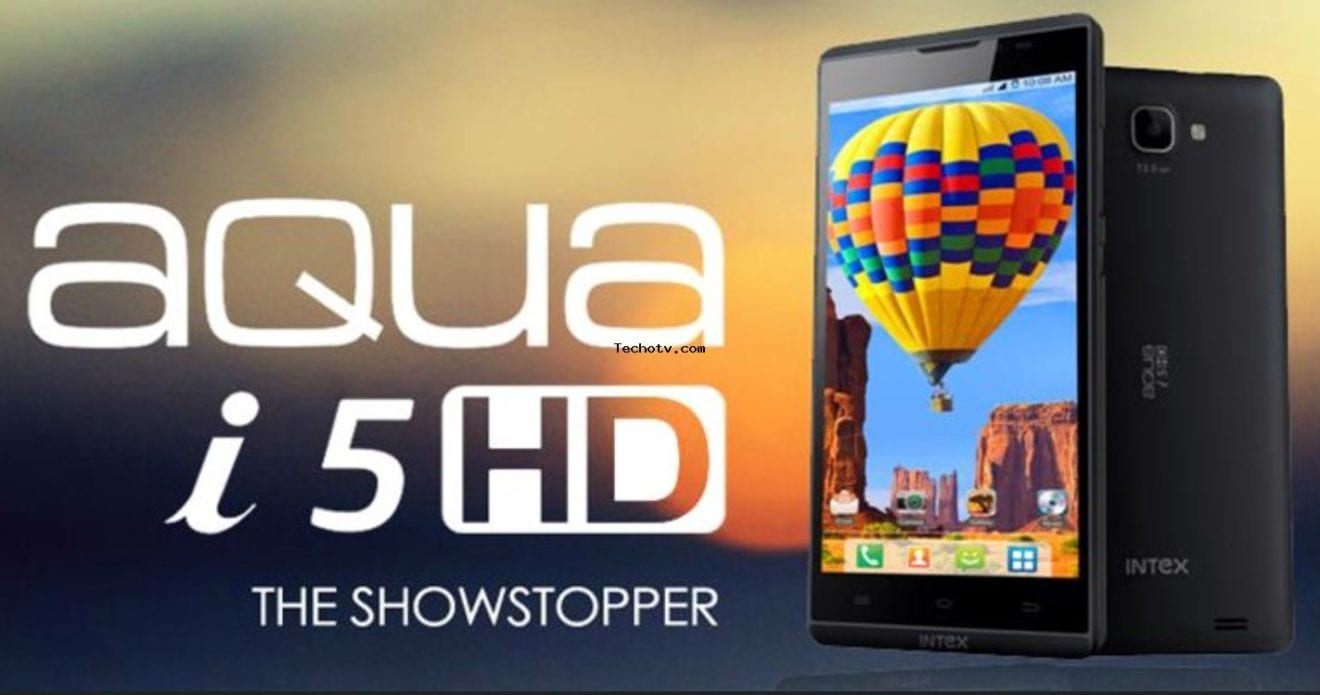
    Handset vendor Intex Technologies is planning to set up standalone brand stores to boost its retail presence. Called ‘Intex Smart World’, 400 stores will come up next fiscal (2015-16) at a cost of over Rs. 100 crore (USD16.1 million). Investments will be through internal accruals.

  • Xiaomi tops smartphone sales in China

    Xiaomi tops smartphone sales in China

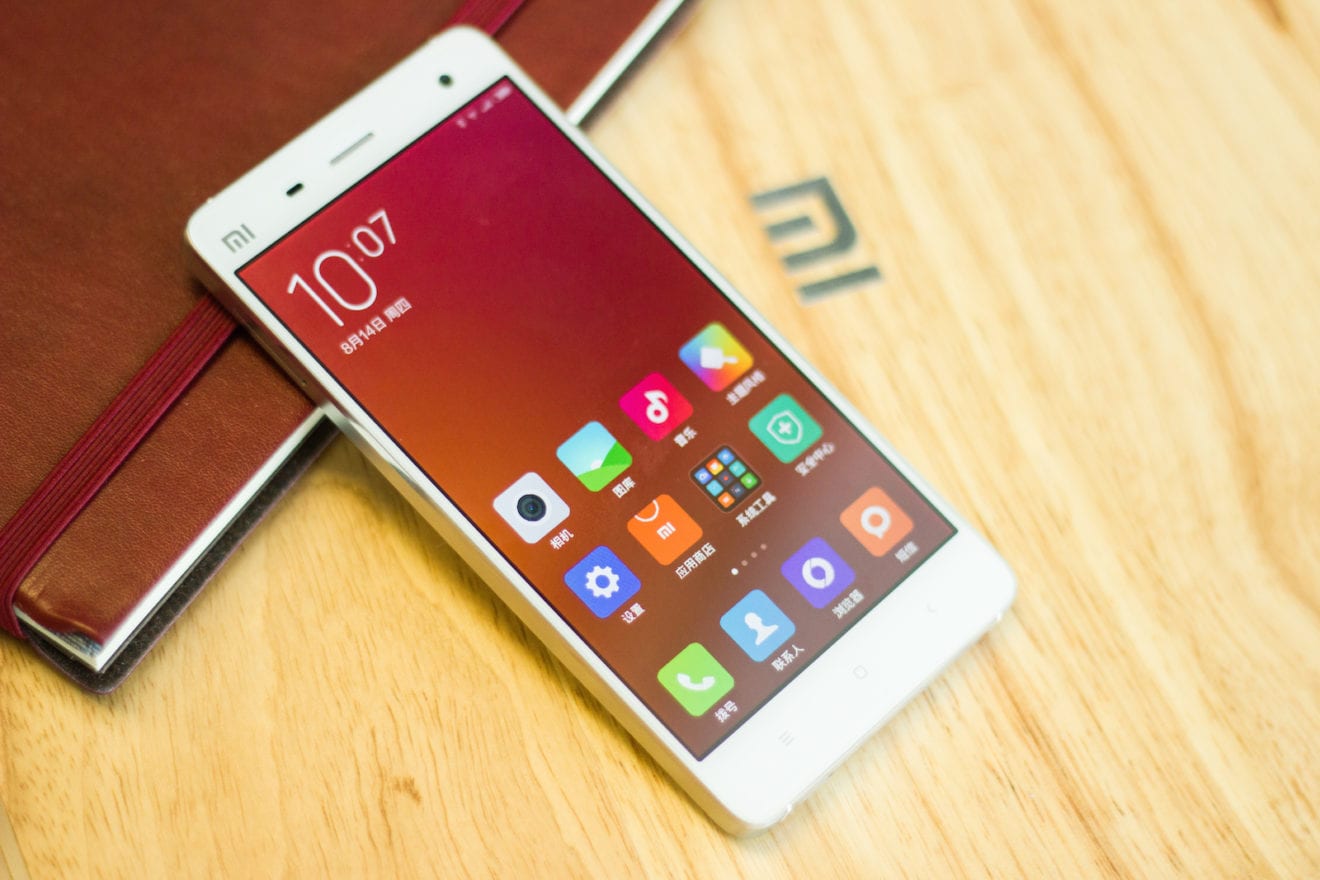
    Upstart Xiaomi was the top smartphone company in China last year with a 12.5 percent market share, narrowly outpacing South Korea’s Samsung, market intelligence firm International Data Corp said on Tuesday.

  • Starbucks stores roll out Lunar New Year merchandise across Asia

    Starbucks stores roll out Lunar New Year merchandise across Asia

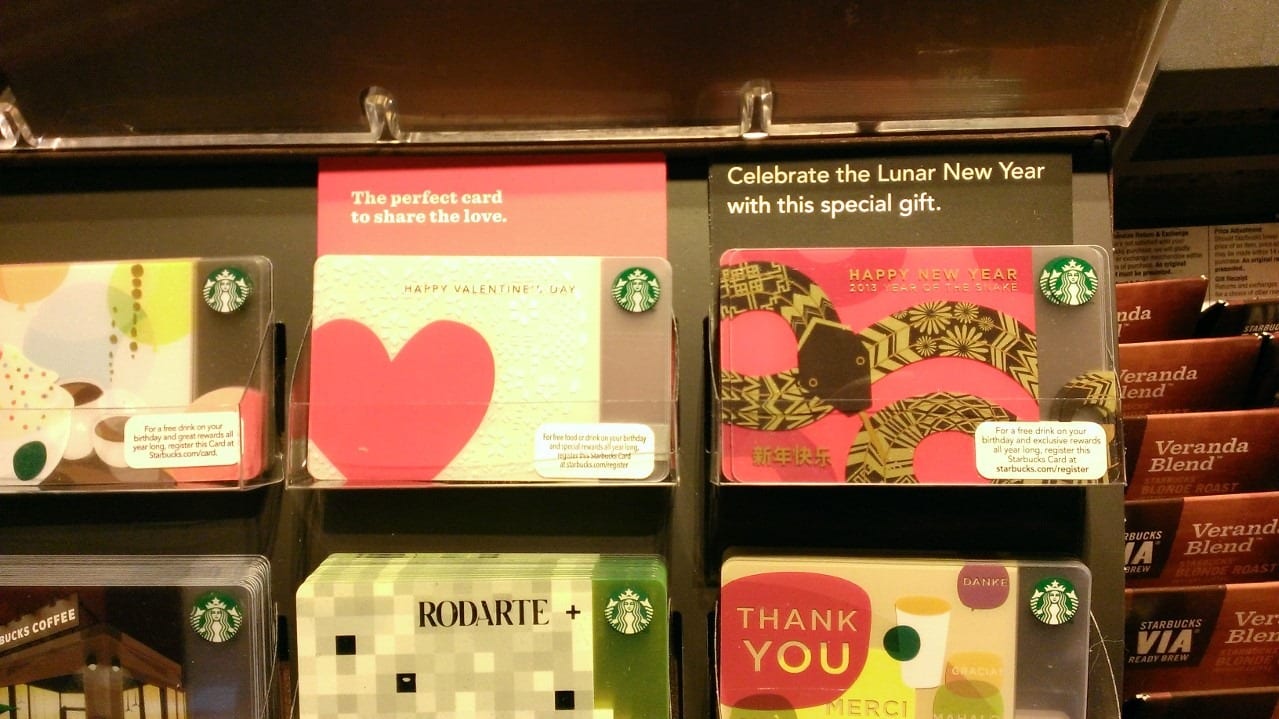
    Starbucks stores has unveiled new card designs, mugs, tumblers and other merchandise in Asian markets in time for the celebration of the Lunar New Year.

    As one of the world’s grandest and most significant cultural celebrations, the Lunar New Year, also known as the Spring Festival, is a time to sweep out the old and bring in the new with family gatherings, celebrations and the exchanging of gifts.

    Starbucks senior designer Victor Melendez created the design for the 2015 Starbucks Lunar New Year Card, available in dozens of countries around the world. His design, crafted using a linoleum block printing technique, features the seasonal colors of red and gold.

    Complete set includes 12 Hong Kong USD20 gift vouches and a complimentary tall handcrafted beverage voucher and 16 delicate packets in red and gold.

    Starbucks Coffee Wafer Rolls are also made available in China, Singapore, Taiwan. Meanwhile, a delicate treat of aromatic peach blossom and Earl Grey tea with freshly steamed milk, topped off with whipped cream and peach blossom sugar sprinkle.

  • CP All in USD433m drive to expand store operations

    CP All in USD433m drive to expand store operations

    Thailand’s retail company CP All Plc has earmarked THB14 billion (USD432.6 million) to expand its convenience and cash-and-carry store operations this year on the back of economic recovery and high consumer spending power.

    Of the total budget, THB9 billion will go to its own 7-Eleven convenience store expansion and the remaining THB5 billion to its subsidiary Siam Makro Plc, which operates Makro cash-and-carry stores.

    CP All plans to open 600 new convenience stores and improve its existing outlets, while Siam Makro will open 10 new Makro branches.

  • Samsonite snaps up retail chain

    Samsonite snaps up retail chain

    Samsonite International has bought Rolling Luggage, an international network of airport stores selling branded luggage and travel products for business, fashion, adventure and leisure.

    Samsonite paid the vendor, Tie Rack Retail Group, in turn owned by Rcapital, £15.75 million. The acquisition is part of Samsonite says is an ongoing strategy to enhance and strengthen its global multi-brand retail platform, as well as gain share in the large and growing travel retail market.

    “Rolling Luggage is an exciting new addition to Samsonite and is unlike any of our previous acquisitions,” said CEO Ramesh Tainwala.

    “It immediately allows us to expand our footprint in the travel retail sector, an area that we see great potential for further growth. With international tourist arrivals worldwide expected to almost double by 2030, reaching 1.8 billion and international tourism sales growing by more than 12 per cent a year since 2009, airport retail will continue to evolve as airports become shopping destinations in their own right.”

    Tainwala said with the established retail and brand presence that Rolling Luggage has across some of the world’s highest-traffic airports, Samsonite sees the acquisition as a strategic opportunity to strengthen its multi-brand retail platform, increase visibility for Samsonite products among its target consumers and drive sales by offering better product assortment within an improved in-store experience.

    Alex Willson, MD of Rolling Luggage, said Samsonite’s considerable experience in the travel luggage industry and Rolling Luggage’s passion about travel are a perfect match.

    “We will work together to continue to ensure that we provide our consumers with a diverse and compelling product offering.”

    Headquartered in the UK, Rolling Luggage operates 36 airport retail locations in the UK, Europe, and Asia Pacific, including prime retail locations in Hong Kong, Heathrow, Sydney, Melbourne and Frankfurt airports. Historically part of the Tie Rack Retail Group, Rolling Luggage became a standalone business following completion of an internal restructuring in April 2014.

    Rolling Luggage recorded net sales of £26.7 million in the year to January 31, 2015, an increase of 11.3 per cent over the previous year.

    Samsonite International is the world’s largest travel luggage company, with a heritage dating back more than 100 years. The group designs, manufactures, sources and distributes luggage, business and computer bags, outdoor and casual bags, and travel accessories throughout the world, primarily under the Samsonite, American Tourister, Hartmann, High Sierra, Gregory, Speck and Lipault brands.

  • Visa Checkout to bring online payment convenience to 16 markets in 2015

    Visa Checkout to bring online payment convenience to 16 markets in 2015

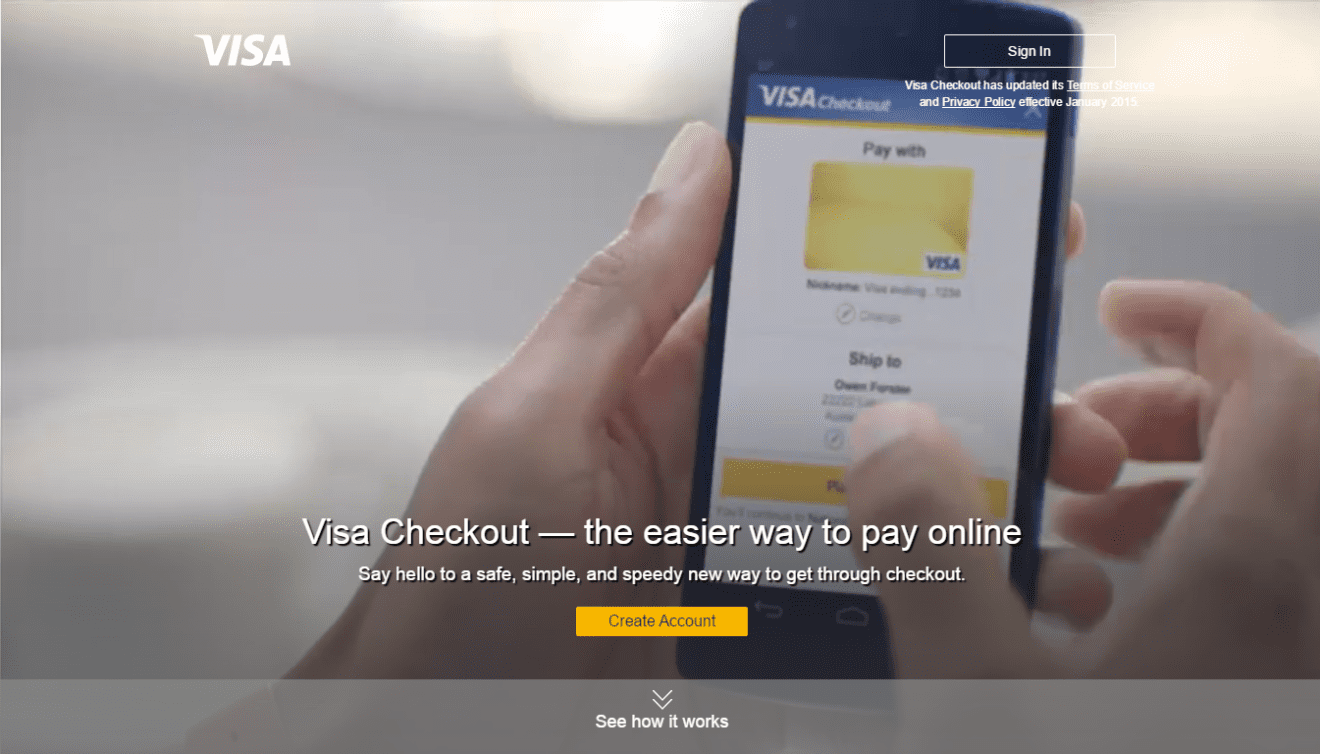
    Visa Checkout, which makes it easy for consumers to pay with their cards online and on any device, will become available in a total of 16 markets in 2015.

    The global expansion was driven by cross-border commerce enabled in markets like the US, Australia and Canada.

    Visa said in select markets, it will also begin to incorporate issuer, merchant, acquirer, and channel partnerships to support local e-commerce. It will also roll out localised Visa Checkout websites for many markets.

    To use the service, shoppers can store shipping and payment information in a secure account with Visa so they don’t have to re-enter your information every time they shop online.

    When they see the Visa Checkout button as a payment option, users can simply log into the account with username and password, and click a button to complete the purchase.

    Launched in July 2014, Visa Checkout is currently available in 10 countries but will soon be available in a total of 16 countries by yearend: the US, Australia, Canada, Argentina, Brazil, Chile, China, Colombia, Hong Kong, Peru, Malaysia, Mexico, New Zealand, Singapore, South Africa and the United Arab Emirates.

    “Consumers and merchants alike love its simplicity and ease, which is particularly important as people shop and buy more frequently on smaller devices like phones and tablets,” said Sam Shrauger, senior vice president of Digital Solutions at Visa.