Tag: asia

  • Steel prices drop 8th time in a rowd

    Steel prices drop 8th time in a rowd

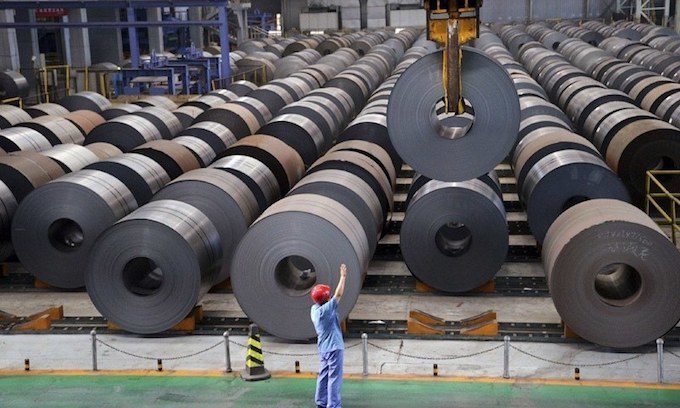
    Steel prices have dropped for the eighth time in a row since mid-May with a total decline of nearly 13 percent.

    Biggest steelmaker Hoa Phat Group brought its prices of rolled steel and rebar steel down for the eighth time last weekend, bring prices down by VND2.4 million ($102.61) since mid-May.

    Other steelmakers like Viet Nhat, Viet Y, Kyoei and Pomina have also brought down prices in the last two months.

    VND million per tonne (VND1 million = $42.75)Hoa Phat steel pricesCB240 steelD10 CB300 steelMay 1May 17May 27Jun 1JunJun 19Jun 27Jul 81617181920May 27● CB240 steel: 17.64

    The decline of steel prices came amid weaker demand and falling input prices.

    Domestic steel demand in the first five months dropped by 6 percent year-on-year, according to stock brokerage SSI Research.

    Steel production in April and May fell by 32 percent year-on-year, it added.

    SSI Research said the rising prices of construction materials have delayed infrastructure projects, which could be part of the reason why steel prices have dropped.

    Tightened policy on property development has also affected steel prices, it added.

    Hot-rolled coil prices have dropped by 15-20 percent in China and the U.S. in the last three months due to declining construction and manufacturing activities.

    Prices of coke, one of the input materials for steel, have dropped by 36 percent from its peak in March, while prices of iron ore have fallen 13 percent in the last three months, SSI Research said.

    Another brokerage, VNDirect, expects steel consumption to recover next year thanks to public investment and recovery of the residential property market.

  • Fertilizer imports from Russia rise by 60 percent

    Fertilizer imports from Russia rise by 60 percent

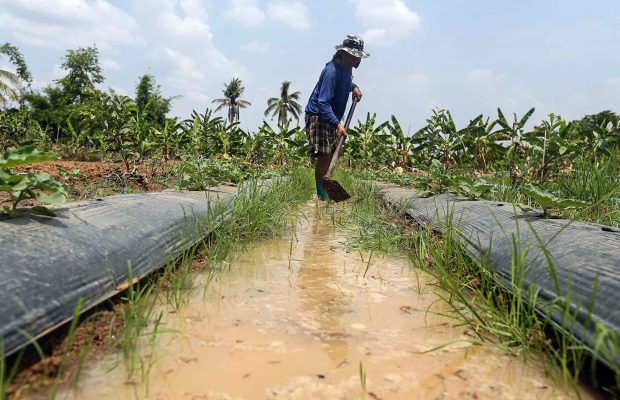
    Vietnam imported US$86.8 million worth of fertilizer from Russia in the first five months, up 60 percent year-on-year.

    Russia accounted for nearly a 10th of Vietnam’s total fertilizer imports at 180,000 tons, second only to China, which accounted for nearly 40 percent, according to data from the Ministry of Agriculture and Rural Development.

    Bui Minh Truong, chairman of Swissfertz Vietnam, a leading NPK fertilizer importer from Russia, said Vietnam could import 300,000-400,000 tons a year from the European country if transportation becomes easier.

    Then, fertilizer prices would drop in Vietnam, reducing the burden on farmers and consumers, he added.

    The Russian consul general in HCMC, Timur Sadykov, said trade between the two countries, which grew by 26 percent in the first half of this year, would have more favorable terms in the second.

    “Russia and Vietnam have just launched a maritime trade route between Vladivostok and Hai Phong, and the two are negotiating a railway route via China.”

    Fertilizer prices have fallen in Vietnam recently due to lower global prices and demand since it is the harvest season.

    There is a high chance prices would go back up when the cropping season begins, besides which the prices of coal and gas, the two main materials for fertilizer production, have shown signs of rising.

  • Banks Rising to the Cloud

    Banks Rising to the Cloud

    Many Swiss retail banks want to move part of their IT to the cloud but certain practicalities are holding them back.

    After big banks have discovered the benefits of using the data cloud, smaller and medium-sized retail banks are starting to get to grips with cloud computing, according to a study by Lucerne University of Applied Sciences and Arts.

    The study listed several reasons in favor of managing part of the IT infrastructure and customer data via a cloud service. Although banks predominantly are focussed on saving costs, a switch to the cloud is becoming unavoidable because software is increasingly only available as a service on the cloud and the introduction of new business models is equally reliant on cloud infrastructure.

    Banks see the greatest risk in having the data stored abroad, as it the case with the majority of providers. However,  the authors of the study found that banks always found ways to protect data confidentiality by means of technical, organizational and, in some cases, contractual measures.

    With many products only being offered in a subscription model (Software as a Service, SaaS), banks primarily want to use cloud computing at their workplace. Important areas of use behind this are named as efficiently developing software in a public cloud and operating SaaS products at the customer interface.

    The retail banks surveyed expect to have moved over 60 percent of their workload to a cloud in the next three years. About one-fifth is expected to run in a public cloud, one-quarter in a private cloud and the rest in a community cloud.

    IT managers are skeptical when it comes to the practicality of shifting to the new infrastructure. For many it is not clear whether operating their core banking system on the cloud by 2024 is technically feasible and economically viable.

    According to a 2021 estimate by the Boston Consulting Group (BCG), banks worldwide operate around 15 percent of their workload in a public cloud. In the future, UBS intends to run one third of its workload in the public cloud, one third in the private cloud and the remaining third traditionally on the mainframe.

  • UBS Appoints Iqbal Khan as Sole Wealth Leader

    UBS Appoints Iqbal Khan as Sole Wealth Leader

    Swiss bank says current wealth management co-head Tom Naratil will retire, with Naureen Hassan succeeding him in the Americas.

    Switzerland’s largest lender announced overnight in a statement that Iqbal Khan will become the sole president of the flagship global wealth management business following the retirement of the current co-head Tom Naratil, who departs after a 39-year career at UBS and its predecessor banks.

    According to the bank, Khan is the «ideal» person to lead the business given his background as a financial and regulatory auditor, his risk management expertise, and commercial as well as client focus.

    There have been rumors about changing power structures within UBS following the appointment of Colm Kelleher as chairman in April, with talk in Zurich financial circles indicating the possibility of Khan stepping up to replace current group CEO Ralph Hamers at some point.

    The step will be effective on 3 October 2022. Besides the co-leadership of the global wealth management business, Naratil is president and CEO of UBS Americas and he will be succeeded by Naureen Hassan in those posts, while also becoming a member of the group executive board.

    Hassan joins the bank from the Federal Reserve Bank of New York, where she was first vice president and chief operating officer, serving as an alternate voting member on the Federal Open Market Committee.

    Before joining the Fed, Hassan was the chief digital officer for Morgan Stanley Wealth Management and had held various roles at Charles Schwab. She originally began working at McKinsey, a major industry consultancy.

    Hamers indicated in the media release that the global wealth management business and the Americas region were both strategically important and offered «significant» growth opportunities.

    I am confident that Naureen and Iqbal will build upon Tom’s success and continue to deliver for our clients and achieve our strategic ambitions, Hamers said.

  • Iridium Is Here for a Long Haul, Says EVP Bryan Hartin

    Iridium Is Here for a Long Haul, Says EVP Bryan Hartin

    With a cross-linked constellation of 66 satellites, Iridium’s global network connects people and things in the world’s most inaccessible locations. We spoke to Bryan Hartin, Executive Vice President, Sales and Marketing, Iridium, to know more about the company’s offerings, market competition, and growth plans.

    Growth in IoT is driving increased connectivity worldwide. Can you tell us about Iridium’s growth in the past year?In 2021, Iridium had the best subscriber growth in the company’s history, with total billable subscribers growing 17% year-over-year, driven by growth in IoT. We rely on the success of our ecosystem of partners to develop, sell, design, and market Iridium-based solutions, while we focus on what we do well. Our constellation is one of the youngest L-band networks worldwide. Presence in low earth orbit gives us the unique advantage in IoT as our satellites are closer to earth, and can hence offer solutions for devices that are a lot smaller. They are also very efficient, lighter and faster than our competition.

    In addition, we provide our ecosystem of partners with enabling technology through modules that provide Iridium-based connectivity. Our partners leverage this enabling technology for IoT products and solutions. Some of our IoT solutions are used by heavy equipment OEM companies such as Caterpillar, Komatsu, Hitachi and Doosan, for telematics mainly, and to track their assets worldwide. For some of these OEMs, more money is derived from maintenance parts sales and services, compared to sales of the equipment. Globally, we also have partners who tap on Iridium’s enabling technology to perform vessel monitoring for fishing regulations or research into climate change.

    One of the uses in IoT or personal communications is enabling technology that can fit in small devices – with personal communications as an area that is quickly gaining traction. An example of this is Garmin, which uses Iridium enabling technology in small devices to track locations and send SOS messages during an emergency.

    Another product is the Iridium Edge Solar, which offers real-time GPS tracking and local wireless sensor and communication capabilities over Bluetooth. It can be placed on a container to track its position, monitor the temperature of the container, or determine if the doors are open or shut.

    Essentially, our target is not replacing cellular technology, but complementing it so that connectivity can be maintained even outside terrestrial coverage. We are uniquely qualified to do so because of Iridium’s truly global network, comprised of 66 crosslinked satellites in space with 9 spares on-orbit and another 6 on the ground.

    Can you share with us more on Iridium’s award-winning Iridium Certus and how it is designed to match customer needs?

    To give you a background, we started as a legacy narrowband company that subsequently added broadband capabilities to our offerings. When we first developed the new network, one of our design criteria was to support broadband.

    As L-band is very reliable and resilient, we arrived at the name Iridium Certus as “Certus” is Latin for “certain” and “reliable”. Demonstrating this, our products and services can work under any weather conditions, and is in fact, more resilient than some VSAT providers.

    So we ventured into broadband products and then pivoted back to cover the gap between narrowband and broadband to support midband. Our broadband speed ranges up to 704 kilobits per second, which is on the higher end of the speed capability for the L-band. We also rely on 3 world-class value-added manufacturers (VAMs) to build the products – namely Cobham Satcom, Thales and Intellian – that sell our products to service providers, and in turn, take these products and services to all kinds of ships worldwide.

    Clearly, maritime shipping is one of the largest markets that uses Certus’ broadband products. Fishing and leisure are also big markets for us. We are also into unmanned surface vessels (USVs) – an area where we are starting to see a lot of interest. Because Iridium operates globally, we are able to provide constant connectivity to support autonomous vessels. We are also well-positioned to provide aviation safety services, primarily in cockpits, as well as land products that ensure vehicles stay connected. For instance, ministries of defense and governments use Certus land products for deployed operations.

    How do you expect satcoms to evolve in the foreseeable future?

    Currently, we are seeing a lot of new entrants in the market, which bodes well for the satellite business. However, some of these new players are focused on higher-speed services and would be competing with companies to offer residential broadband. While we see opportunities to work with some of these new entrants, we are mostly focused on staying in our lane and growing that lane a bit wider – especially in IoT.

    Moving forward, a gamechanger for the satellite industry is enabling technologies for smartphones – an emerging area that we are uniquely qualified to support. With more than 25 years of experience, we have provided consistent and meaningful growth for our shareholders and we are committed to continuing with that.

    The Asia Pacific, being a region where Iridium is doing very well, will continue to be a market where we will grow and expand into new areas. For instance, many fishing companies in Asia require reliable satellite communications. And Singapore, being a major port city, is an important market for Iridium as ships arrive from all over the world. Finally, in Asia, aviation is another important market as OEMs with facilities in the region, such as the likes of Boeing and Airbus, rely on Iridium to operate efficiently across the globe.
  • Vietnam tops region in online cross-border purchase volume

    Vietnam tops region in online cross-border purchase volume

    Vietnam has the highest average volume of cross-border online purchases of up to 104 orders per year in Southeast Asia, higher than the Southeast Asian average of 66.

    Thailand came in second with 75 purchases per year on average, followed by Singapore and the Philippines with 58 each, according to a study on cross-border e-commerce recently released by Singaporean logistics provider Ninja Van Group and its parent company, DPDgroup.

    The market study covered 9,000 participants from six Southeast Asian countries: Vietnam, Singapore, Malaysia, Indonesia, Thailand and the Philippines.

    A large proportion of Vietnamese orders were fast-moving consumer goods (FMCG) products, mainly clothing and footwear.

    Fifty-nine percent of Vietnamese respondents said they had shopped and placed orders many times on international e-commerce websites. This was the second highest rate in the region, after Singapore with 60 percent.

    According to the report, Vietnam accounts for 15 percent of the total online shopping market in Southeast Asia, on par with the Philippines. Thailand tops this list with 16 percent.

    Vietnam is one of the countries with high e-commerce potential “thanks to its sustainable and clear growth in recent years,” said Phan Xuan Dung, sales director of Ninja Van Vietnam.

    The report found 76 percent of Vietnamese respondents saying the main reason for shopping online was saving money.

    Several other forecasts on the development of online business in Vietnam have also painted a positive outlook for the industry.

    According to German data portal Statista, Vietnam is expected to become the second largest e-commerce market in Southeast Asia after Indonesia, before 2025.

    Vietnam currently has an average purchase level (ABS) of $26, which is higher than Thailand ($25) and Indonesia ($18).

    According to British marketing and advertising agency We Are Social, the number of Vietnamese people making online purchases will cross 51 million this year, up 13.5 percent over the previous year.

    The total expected spending on online shopping this year is $12.42 billion.

    The e-Conomy Southeast Asia 2021 report by Google, Temasek and Bain & Co. predicted that Vietnam would surpass Thailand by 2025 to become the second biggest internet economy in Southeast Asia at $57 billion, behind Indonesia at $146 billion.

    The development of the e-commerce market has become a fertile ground for logistics businesses to expand their operations. According to an assessment by delivery service provider J&T Express, the online shopping habits of Vietnamese people developed strongly during the pandemic period and these have been sustained since.

    The demand for goods on e-commerce platforms is high not only in big cities but also in rural areas, it found.

  • Hungry Jack’s coffee offer to be added to 410 stores nationwide

    Hungry Jack’s coffee offer to be added to 410 stores nationwide

    Fast food chain Hungry Jack’s is rolling out a barista coffee offer dubbed Jack’s Cafe across 410 stores nationally after a successful pilot program.

    With coffee being the third most-ordered item on Hungry Jack’s breakfast menu, the company wants to capitalise on consumer demand for on-the-go barista-made coffee. It might also be considered a strategic response to rival McDonald’s McCafe chain in a coffee-shop market estimated to be worth $10.7 billion annually.

    Jack’s Cafe offers a signature blend combining Arabica beans from Papua New Guinea and Costa Rica with Robusta coffee, described as having “a unique apricot flavour with a heavy body”.

    Hungry Jack’s CEO, Chris Green, said: “Jack’s Cafe is the go-to for people seeking out a delicious coffee, whether it’s a morning pick-me-up or keep them going throughout the day.

    “Typically, a project of this size would take five to seven years, however, we’ve managed to achieve this roll-out in two years to bring better coffee to Australians faster, and prove the coffee is better at Hungry Jack’s.”

    All stores are fitted with coffee-making machinery from Italian manufacturer Rancilio.

    The company’s head of brand Joy Villanueva will assist in coffee development, operations, and training to bring this project to life. She will create a barista training program.

    Hungry Jack’s is hosting an app-only breakfast deal called Jack’s Cafe Month to encourage consumers to try the new coffee.

  • Gap CEO walks the plank as Old Navy’s woes worsen

    Gap CEO walks the plank as Old Navy’s woes worsen

    Gap shares slid more than 18% Friday after the company slashed its sales outlook for the first quarter of fiscal 2022, citing what it called “execution challenges” its Old Navy business, and announced the CEO of that division, Nancy Green, will leave her post this week.

    Gap is now projecting low- to mid-teens declines compared with the prior year, adjusted from an earlier forecast that called for mid- to high-single-digit declines.

    Chief Executive Sonia Syngal will work closely with the Old Navy team as it searches externally for Green’s successor, the company said Thursday evening.

    News of Green’s abrupt departure comes as Gap struggles to weather continued logistics disruptions and rising inflation that threatens to curtail consumer spending.

    A snarled supply chain has been particularly hard on its Old Navy division, which targets a lower-income consumer, the company said when it reported quarterly results in early March. Delayed shipments have meant the retailer hasn’t had enough merchandise on hand to meet shopper demand in some instances.

    In its fiscal fourth quarter, same-store sales at Old Navy were flat compared with 2019 levels.

    Gap said Thursday that it has also taken a “more aggressive approach” to balancing its merchandise assortment at Old Navy, which has resulted in higher promotional levels. It didn’t further clarify the issue, but more markdowns are likely weighing on the retailer’s profits.

    Gap said it will provide an updated fiscal 2022 outlook when it reports quarterly results on May 26.

    “As we look to seize Old Navy’s potential, particularly amidst the macroeconomic dynamics facing our industry, we believe now is the right time to bring in a new leader,” Syngal said, regarding Green’s departure.

    She added that the company is looking for someone with the “operational rigor and creative vision” to execute on the retailer’s plan.

    Gap’s stock is down about 35% year to date including Friday’s declines.

  • AirAsia launched food delivery and ride-hailing in the Philippines

    AirAsia launched food delivery and ride-hailing in the Philippines

    Malaysia-based multinational low-cost airline AirAsia has expanded its portfolio by including two new businesses set to launch in the Philippines’ capital, Manila, by the end of 2022.

    AirAsia Super App will soon operate a ride hailing and food delivery service after it already secured a franchise from the Land Transportation Franchising and Regulatory Board (LTFRB) for its ride-hailing service.

    The app officially launched in the Philippines in April 2021 and expanded its services to other Asian markets, including Malaysia, Indonesia, Singapore, and Thailand.

    The platform offers a full suite of services and comes with an integrated rewards programme and a mobile app. It offers affordable flight and hotel bookings, ecommerce capabilities, food and parcel delivery, ride hailing, financial and health services, as well as on-demand education, among others.

    The super app AirAsia aims to boost digitalisation in the APAC region while setting the tone for a cashless economy and catering to the underbanked population category.

  • New chicken welfare standards raised across Australia and New Zealand

    New chicken welfare standards raised across Australia and New Zealand

    Restaurants across Australia and New Zealand are being encouraged to sign on to a new set of standards that aims to provide better welfare for chickens raised for meat.

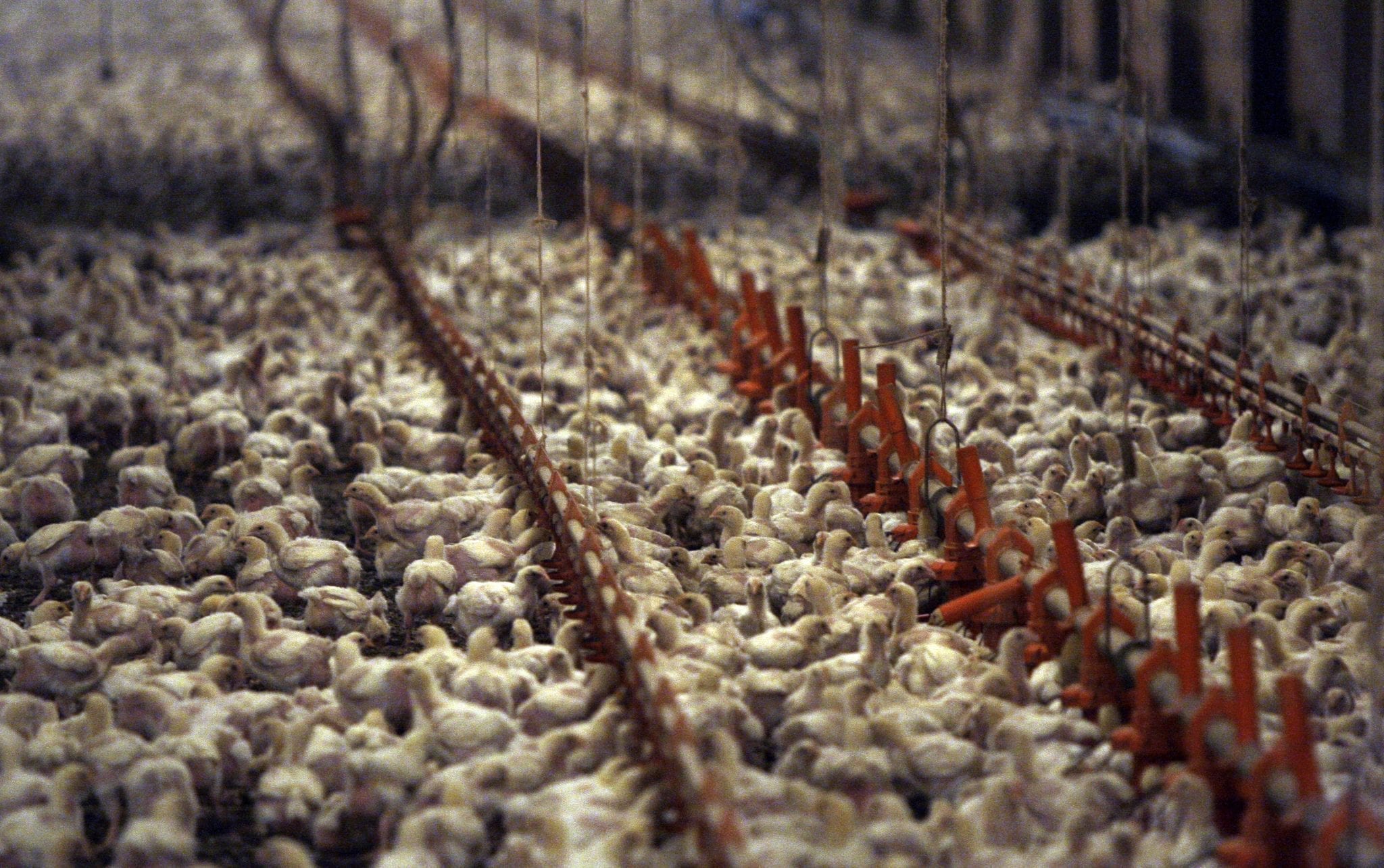
    The New Zealand Society for the Prevention of Cruelty to Animals (SPCE) has established The Better Chicken Commitment, a set of welfare standards prohibiting the use of abnormally fast-growing poultry breeds killed at just six weeks old in favour of healthier breeds that grow naturally. It also ensures that the chickens have more space, natural lights, enrichments, and “less suffering” at slaughter.

    SPCE consulted the non-profit global organisation, World Animal Protection (WAP), in developing the new chicken welfare standards, together with Animals Aotearoa and The Humane League, and is supported by nine national and global animal welfare organisations.

    Rochelle Flood, campaigns manager for WAP in Australia and New Zealand, said this is a huge opportunity for the region to step up and raise the bar for chicken welfare.

    “Right now, millions of chickens are suffering from chronic pain and organ failure, often unable to move freely, collapsing under the weight of their unnaturally large bodies,” she said

    “Compassionate consumers deserve a higher welfare choice at the checkout, and it’s time for the industry to align with consumer expectations.”

  • Modibodi acquired by Swedish multinational Essity for $140 million

    Modibodi acquired by Swedish multinational Essity for $140 million

    Australian leakproof apparel pioneer Modibodi has been bought by Swedish hygiene and health company Essity in a deal worth $140 million.

    Essity, which owns the Tena brand of disposable incontinence products, says the acquisition will strengthen its position in the leakproof apparel market which it describes as the fastest-growing segment in the intimate hygiene category.

    “Modibodi has the qualities we are looking for with leading market positions, strong brand and sustainability credentials as well as excellent digital marketing and e-commerce capabilities,” said Magnus Groth, president and CEO at Essity.

    Modibodi was founded by its CEO Kristy Chong nine years ago and has a strong market presence in Australia, New Zealand and the UK. Last year’s sales were around $56.7 million, representing on-year growth of 18 per cent. EBITDA was $5.6 million.

    In a statement issued by Essity, Chong said that as a global leader in hygiene and health, the Swedish company “can provide the expertise and capital to take the brand forward during its next phase of growth, and achieve even greater impact”.

    The deal was one of two acquisitions in the category confirmed by Essity overnight on Friday. The company will also purchase an 80-per-cent stake in Knix, a Canadian e-commerce startup that designs and sells leakproof underwear, swimwear, bras and other apparel. That deal was valued at A$459 million The founder and CEO of Knix, Joanna Griffiths, will retain the balance of the shares and continue as president.

    Strong growth projected in leakproof market

    Essity expects the leakproof apparel market to grow by more than 20 per cent in each of the next five years and Modibodi will join the company’s existing brands in the sector, including Libresse, Bodyform, Saba and Tom Organic.

    Founded five years ago, after being sun off by FMCG giant SCA, publicly listed Essity also sells single-use products such as tissue paper and baby diapers, along with solutions for compression therapy, orthopaedics and wound care.

    The company has 46,000 employees worldwide and reported net sales of $18 billion in 2019. Its name is a compression of the words essentials and necessity.

    Modibodi’s range includes leakproof apparel for periods and incontinence including underwear, swimwear, activewear and maternity wear. It sells online in a direct-to-consumer business model, as well as through retailers, both online and offline. The Sydney-headquartered company has 45 employees.

    Essity said it expects to finalise the deal during the second half of this year.

  • Toyota stops selling Hilux truck in Vietnam over fuel quality

    Toyota stops selling Hilux truck in Vietnam over fuel quality

    Toyota has called a halt to the import of its 2022 Hilux pickup into Vietnam over a lack of diesel supply meeting Euro 5 standards.

    Using low-quality diesel could damage the Hilux’s engine, and supply of Euro 5 diesel (DO-V) outside Ho Chi Minh City and Hanoi is limited, a spokesperson for the Japanese automaker said.

    It is unclear when Toyota plans to sell the vehicle again.

    Many dealers have stopped accepting deposits for the truck, while some have scheduled delivery for the beginning of 2023.

    In the first five months only 10 units were sold, all 2021 models with engines that only meet Euro 4 standards.

    The Hilux is imported from Thailand.

    There are around 1,100 gas stations, or only 6.5 percent of the total number, that supply DO-V in Vietnam, according to the Vietnam Petroleum Association.

    In 2011 the government had instructed that by 2022 all vehicles assembled in and imported into Vietnam must meet the Level 5 emission standards (equivalent to the Euro 5 standards).

  • Fuel prices fall to 2-month low

    Fuel prices fall to 2-month low

    Gasoline prices fell by 10 percent Monday to their lowest levels in two months after an environment tax cut. The price of the popular RON 95 gasoline was reduced by VND3,090 to VND29,670 a liter, and that of biofuel E5 RON 92 by VND3,110 to VND27,780 (US$1 = VND23,350).

    The prices of other fuels like kerosene and diesel also fell by 4.2-11.4 percent.

    The biggest drop in prices this year pushed them to their lowest levels since May 11.

    Normally, authorities make gasoline price adjustments in the afternoon of the 1st, 11th and 21st of a month, but this time it was adjusted at midnight Sunday following a cut in the environment tax.

    The tax, originally VND4,000 per liter and cut to VND2,000 in April, was brought down to VND1,000 by the Standing Committee of the National Assembly.

    The Ministry of Finance has also proposed cuts to excise and value-added tax on gasoline to bring prices down further. They are expected to be approved in the next session of the National Assembly in October.

    But industry insiders have called for the cuts to be made sooner, saying rising fuel costs have been one of the biggest stumbling blocks to their recovery after Covid-19.

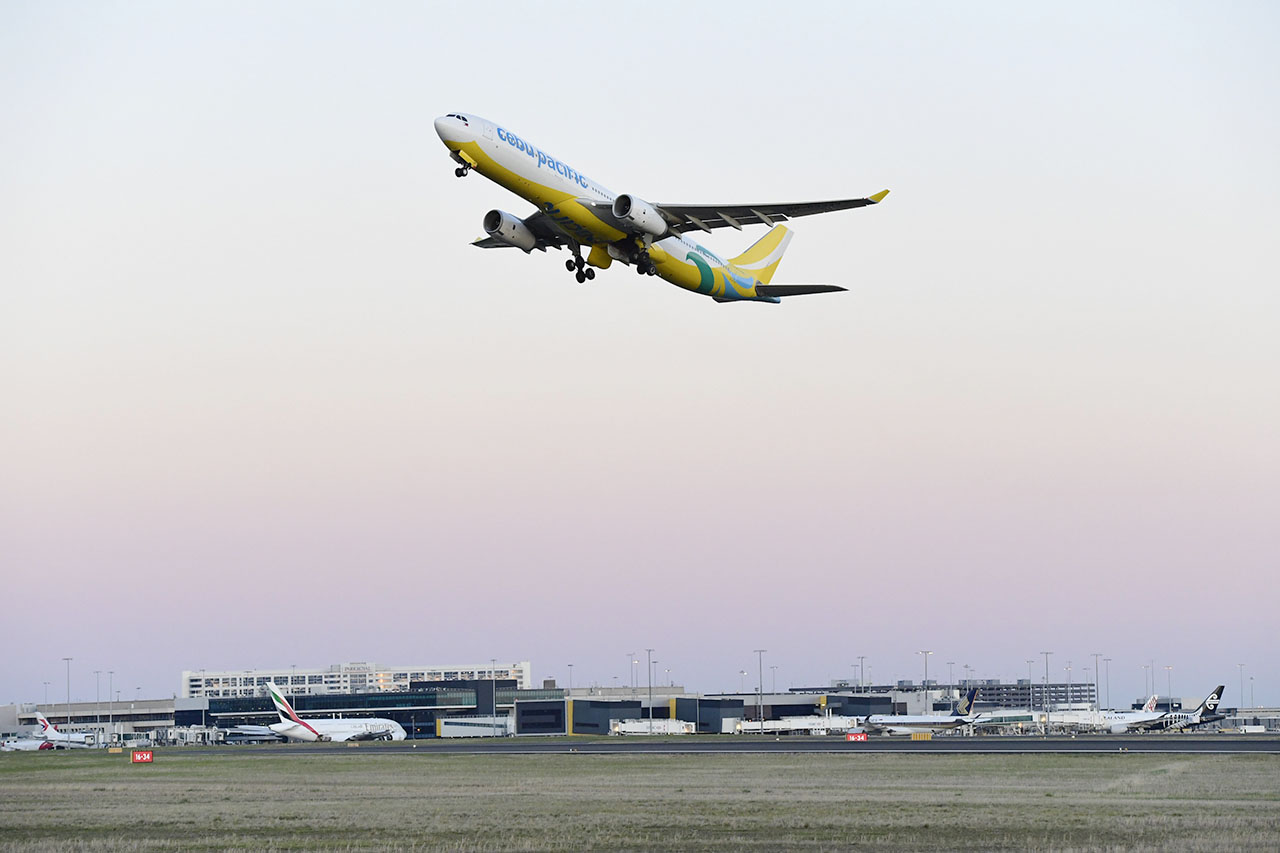
  • Cebu Pacific announces seat sale for 7.7

    Cebu Pacific announces seat sale for 7.7

    Cebu Pacific announced its 7.7 seat sale on Wednesday.

    In an advisory, the budget airline said travelers can avail of a P188 one-way base fare for domestic flights.

    The booking period is from July 7 to July 11, 2022, with a travel period from September 1, 2022 to January 31, 2023.

    Alongside the domestic flight sales, Cebu Pacific is also offering a special international seat sale for as low as P499 one-way base fare for the same travel period.

    “This includes flights to South Korea, Singapore, Hong Kong, Taipei, Hanoi, Ho Chi Minh, Bangkok, among others,” the airline said.

  • Fishermen stranded ashore as fuel costs surge

    Fishermen stranded ashore as fuel costs surge

    Vo Quang Phuc of Quang Nam Province has left his vessels ashore for the last two weeks even though it is the main fishing season now.

    His two vessels typically make 16 trips a year, but this year they have only done four, and all of them resulted in losses, with diesel prices double that of last year.

    The 43-year-old man works as a porter for VND300,000 ($12.84) a day, but he does not get called very often and still has a VND1.7 billion debt on one of his boats.

    He has not received any government support to cope with rising fuel costs, and in his village, only the elders work as fishermen. Most of the younger generation have dumped the vocation for other jobs with more stable income.

    “We fishermen are facing great difficulties.”

    Phuc’s vessels are among 45,800 nationwide, roughly half the country’s fishing fleet, that have stopped operating this year over high fuel costs.

    Diesel costs have nearly doubled year-on-year to around VND30,000 per liter. With fishing vessels consuming about 330 million liters per month, fisherfolk’s incomes have been severely impacted, the Ministry of Labor, Invalids and Social Affairs said in a recent report.

    Hoang Van Minh from the central province of Quang Binh is one of them, docking his fishing vessel for two months now.

    Minh has seen an increase of 30 percent in fuel costs, while the catch is less than previous years, which means he loses money on all of his fishing trips.

    Half of the vessels in his village have stopped operating, and only one in 10 report some profit, he added.

    Minh works as a wood worker for VND300,000 a day.

    His son needs VND1.5 million soon to pay for his tuition and Minh does not know how he can afford that.

    Quang Binh has 1,200 offshore fishing vessels, of which 350 of not being used.

    The number of unused vessels will rise further as fuel costs rise faster than catch prices, said Le Ngoc Linh, head of the province’s seafood department.

    Some fishermen are even selling their vessels to make ends meet.

    Pham Van Suc in Quang Nam sold his offshore vessel recently and bought a smaller boat to transport people in Da Nang City.

    “Many of my customers are fishermen who are now going into the city every day to work as gardeners. They only return to their ships at night to protect them.”