Tag: asia

  • AWS Cloud WAN, New Serverless Analytics Have Universal Access

    AWS Cloud WAN, New Serverless Analytics Have Universal Access

    Amazon Web Services (AWS), the world’s most comprehensive and broadly adopted cloud offering, has announced several services for general availability.

    The AWS Cloud WAN is a new managed wide area network (WAN) service that connects on-premises data centers, colocation facilities, branch offices and cloud resources to simplify operating a global network. Using a central management dashboard built into AWS Cloud WAN, customers can define their network configuration, view the health of their global network and automate routine configuration and security tasks.As a result, enterprises can now use AWS Cloud WAN to simplify the way they build, manage and monitor their networks using a single dashboard with minimal complexity.

    With just a few clicks, teams can quickly and easily apply a policy that requires network traffic from branch offices to be routed through a specific network firewall before reaching cloud resources running in an AWS Region. AWS Cloud WAN also integrates with leading SD-WAN, network appliances and independent software vendors to make it easier for customers to connect their on-premises SD-WAN devices to AWS.

    David Brown, Vice President of Amazon EC2 at AWS said, “As the edge of the cloud continues to be pushed outward, and more customers move their applications to AWS to become more agile, reduce complexity and save money, they need an easier way to evolve their networks to support a modern, distributed model that allows them to reach their customers and end users globally with high performance.”

    Additionally, with the new serverless offerings for Amazon EMR, Amazon MSK and Amazon Redshift, AWS offers the broadest set of serverless analytics capabilities in the cloud, making it even easier for customers to lower costs, expand analytics to more users and maximize their data’s value.

    • Enabling customers to run big data applications and petabyte-scale data analytics faster, Amazon EMR Serverless lets customers specify the framework they want to run and automatically provisions, manages and scales the necessary computation and memory resources as workload demands change.
    • Analyzing real-time data streams from IoT devices, website clickstreams, database logs and many other sources, Amazon MSK Serverless provisions, manages and scales clusters automatically, so customers no longer have to worry about capacity planning or unpredictable streaming workloads.
    • Collectively processing more than two exabytes of data with Amazon Redshift every day, Amazon Redshift Serverless now makes it even easier to get insights from data quickly without the need to manage data warehouse infrastructure.

    Other serverless analytics offerings from AWS include Amazon QuickSight for business intelligence and AWS Glue for data integration.

    Swami Sivasubramanian, Vice President of Database, Analytics and Machine Learning at AWS noted, “With these new serverless options, customers can run even the most variable and intermittent analytics workloads and expand the use of analytics throughout their organizations without worrying about provisioning or scaling capacity—or incurring excess cost.”

  • HSBC Accelerates Strategy to Resist Break-up Call

    HSBC Accelerates Strategy to Resist Break-up Call

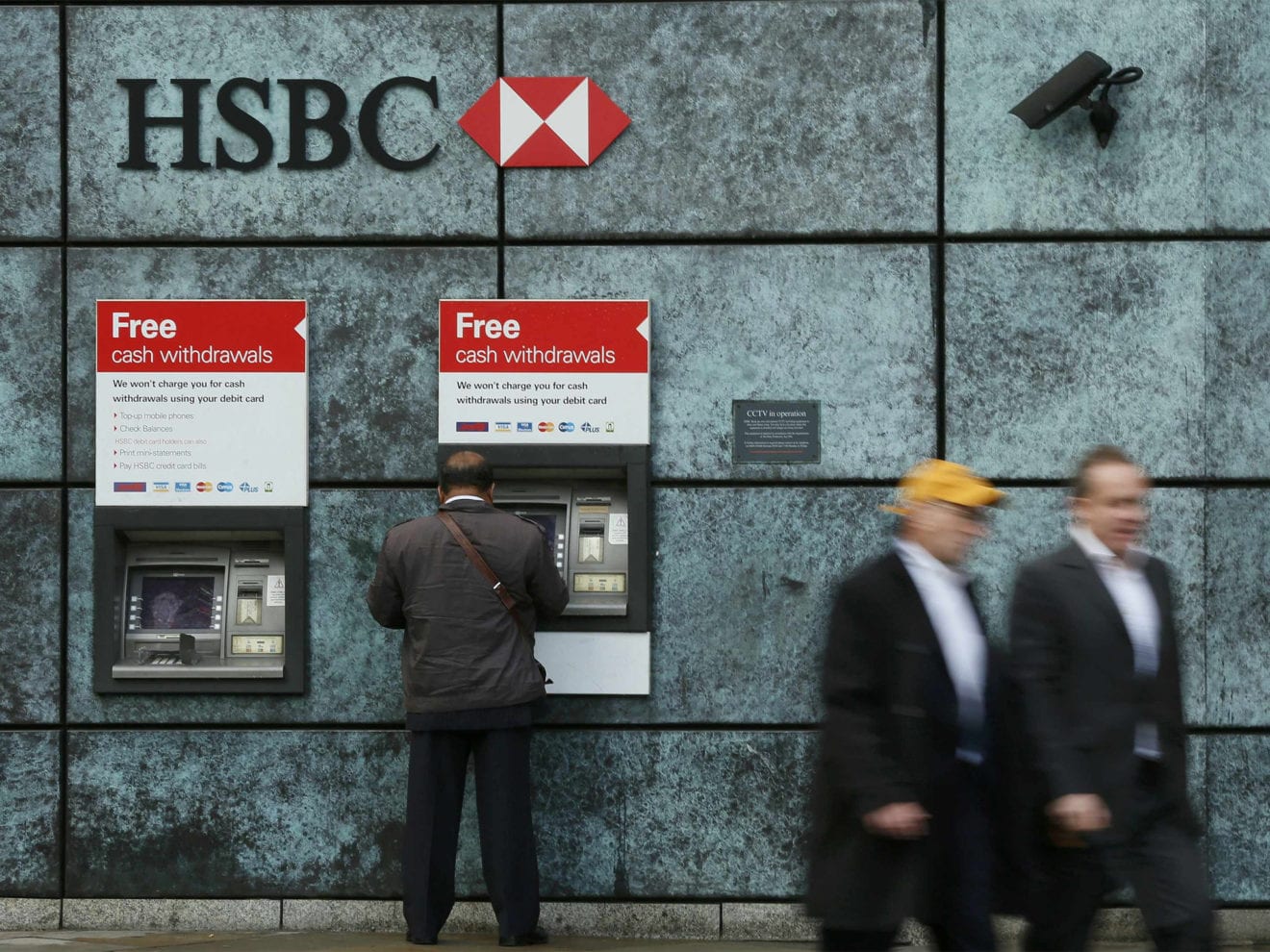
    HSBC is reportedly prepared to defend against Ping An’s proposal to break up the bank, with plans to announce a further acceleration of its strategy to shift resources to Asia.

    HSBC will defend against Ping An’s proposal to explore strategic options like a spinoff of the Asia business, according to a report citing unnamed sources.

    The British lender will argue in the upcoming earnings announcement on August 1 that the bank’s future is dependent on its global network of clients and services. HSBC will also outline its plan to accelerate its strategy to exit non-core businesses and further the shift towards Asia.

    This follows travel by HSBC CEO Noel Quinn to Hong Kong a few days ago to undergo a seven-day hotel quarantine followed by a board meeting in the regional office.

    On exiting non-core markets, the report highlights the possibility of business departures from more unprofitable clients in markets like France and Germany. The bank could also accelerate its exit from Turkey, Armenia, Greece and Oman where it is in talks to merge the latter business with local lender Sohar International Bank.

    During the earnings announcement next month, the bank may not mention Ping An by name or allude to the breakup calls.

    HSBC announced in February last year that the bank would commit 50 percent of capital allocation to Asia in the medium to long-term, up from 42 percent at the time.

  • EU Looking to Lock Switzerland Out

    EU Looking to Lock Switzerland Out

    High inflation in the EU area and geopolitical uncertainties are some reasons why Europeans move assets to Switzerland. Yet as the country drifts further away from Brussels, going after these clients could become more complicated.

    Swiss banks are not allowed to proactively solicit clients in Europe unless they have a branch in the respective market.

    However, for many institutions, such as private banks and independent wealth managers, a second branch in Italy or France is, economically speaking, not worthwhile and does not fit with the business models of these institutions.

    The EU countries who have adopted this protectionist stance, do so in favor of their own banks. By contrast, Germany has made a special concession, allowing banks from third countries – such as Switzerland – a so-called exemption.

    The condition for this deal is that financial institutions adhere to certain regulations and are well supervised in their home country. It is precisely this special arrangement, of key importance to several Swiss private banks, that is under threat, as the Neue Zuercher Zeitung.

    The reason being that the EU wants to further harmonize its banking supervision. So far, only Europe’s large financial houses are monitored uniformly, while smaller houses are subject to national supervision; this explains the different practices in Germany and Italy, for example, with regard to banks from third countries.

    The EU project is now aimed at standardization, which would ban special regulations for individual countries. The driving force behind this development is France, which is primarily against the predominance of Anglo-Saxon banks on its own turf.

    Although Switzerland plays only a secondary role in the French market, if such a procedure is rolled out in other countries, it would be a harsh verdict for many Swiss private banks.

    After all, business with German clients is still lucrative and growing strongly. Estimates by the international consulting firm Boston Consulting Group (BCG) suggest that clients from the EU region and Great Britain have a good 1,000 billion Swiss francs managed by Swiss financial institutions, which employs 20,000 people at local banks and generates tax revenues of around 1.5 billion francs, as the Swiss Bankers Association (SBA) recently calculated.

    The prospect of Switzerland obtaining an exclusive arrangement with the EU is also unlikely. Ultimately, any agreement depends on political willingness within the EU and after Switzerland broke off its discussions to forge an over-arching treaty the EU last year, this willingness is not great.

    Although Germany, Spain and Holland were successful in getting France to omit article 21c – which is responsible for stifling foreign banks – from the plan, observers agree that sooner or later the Paris-based European Banking Authority will bring it back to the agenda.

  • Lululemon eyes massive growth in China

    Lululemon eyes massive growth in China

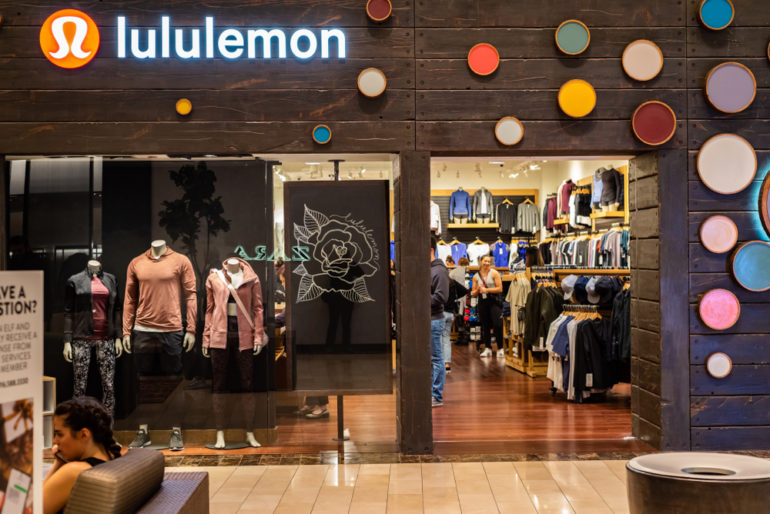
    Lululemon is on track to make China its second-largest market by 2026 through an extensive store expansion in the country, according to China Daily.

    The athleisure apparel brand said it aims to increase its store number in the country – currently 71 – to 220 over the next five years. These stores include flagship stores and community-based stores.

    “Our new goal is to quadruple our international business again by 2026,” Calvin McDonald, CEO of Lululemon, told China Daily in an exclusive interview. “The Chinese mainland will be a big part of that opportunity as we continue to invest in the market, in stores, in digital and build a community.”

    The China lockdowns caused nearly a third of Lululemon’s stores to temporarily close for a period of time. Lululemon aims to open the majority of its 40 new stores in Mainland China where it has achieved a cumulative annual growth rate of 60 per cent during the past three years.

    The retailer also forecasts its digital expansion will double the company’s revenue in five years after it tripled between 2018 and 2021.

  • Hypebeast opens its first Hypegolf store in Japan

    Hypebeast opens its first Hypegolf store in Japan

    Lifestyle brand Hypebeast has collaborated with Jun Co, an apparel and lifestyle creation company, to launch the first Hypegolf store in Sarugaku-Cho Shibuya-ku, Tokyo, Japan.

    With nearly 50 years of experience in the field of golf, Jun Co claims it was intrigued by the Hypebeast’s fresh viewpoint and cutting-edge capacity to convey a respect for traditional golf, through the introduction of Hypegolf’s Instagram.

    The Hypegolf Japan store, according to Hypebeast, is situated in the centre of Daikanyama and acts as a hub for learning about golf through the company’s cultural perspective.

    The store has two floors and has about 85sqm of retail space. It offers a variety of golf accessories from top sportswear and lifestyle companies like Hookedgolf, Cavy, No 33, and The Original Tee Pick, as well as the unisex Hypegolf line.

    Hypebeast says the location is a retail platform for up-and-coming golf brands that do not yet have a physical presence in Japan, providing an opportunity to display all aspects of the game.

    This will be also the home of the first Hypebeans cafe in Japan, which is a result of the friendship between Hypebeast’s founder and CEO Kevin Ma, and world-renowned barista Hiroshi Sawada.

    “Complementing our well-established Hypegolf online community and e-commerce platform, we want to bridge our online cultural hub with an immersive offline experience to discover the joy of golf at our newest Hypegolf and Hypebeans location in Japan,” said Kevin Ma, CEO and founder of Hypebeast.

  • Burberry held back by China lockdowns and US weakness

    Burberry held back by China lockdowns and US weakness

    Luxury brand Burberry was hurt by lockdowns in its biggest market China and an abrupt reversal in fortunes in the Americas, limiting its first-quarter sales rise to 1 per cent.

    The British brand, known for its red, black and camel check and TB monogram, saw comparable sales in mainland China plunge 35 per cent as Covid-19 lockdowns disrupted stores and distribution.

    All its stores were open by the end of June, Chief Financial Officer Julie Brown said, and the company was “encouraged” by how they were performing, but testing requirements were holding back the return of some shoppers.

    Luxury rival Richemont also felt the shortfall in mainland China, where its sales were 37 per cent lower for the quarter.

    Outside China, Burberry reported a 16 per cent rise in comparable store sales, with Europe up 47 per cent, helped by store ranges tailored to local demand rather than to still absent tourists from Asia.

    But the Americas, Burberry’s best performing region last year, went into reverse, with comparable store sales down 4 per cent.

    Brown said leather bags and outerwear were selling well, but “sneakers and slides – the shoe business – and the small leather goods category (were) somewhat weaker.”

    “I think this is largely because people have changed from staying in and wearing casual wear to be going out a lot more now than they were before,” she said.

    Shares in Burberry, which are down 20 per cent over the last 12 months, fell 7 per cent in early deals on Friday.

    Brown said Burberry was facing increases in transportation, commodity and labour costs, but it was managing them by focusing on procurement efficiencies.

    “We’re also very conscious of the pressure on the people and communities,” she said. “But in terms of business overall, we’ve not seen a major pressure on younger consumers at this point in time.”

    Burberry said its medium-term target of high-single digit revenue growth and 20% margins was unchanged.

  • Lululemon eyes massive growth in China

    Lululemon eyes massive growth in China

    Lululemon is on track to make China its second-largest market by 2026 through an extensive store expansion in the country, according to China Daily.

    The athleisure apparel brand said it aims to increase its store number in the country – currently 71 – to 220 over the next five years. These stores include flagship stores and community-based stores.

    “Our new goal is to quadruple our international business again by 2026,” Calvin McDonald, CEO of Lululemon, told China Daily in an exclusive interview. “The Chinese mainland will be a big part of that opportunity as we continue to invest in the market, in stores, in digital and build a community.”

    According to MarketBeat, the China lockdowns caused nearly a third of Lululemon’s stores to temporarily close for a period of time. Lululemon aims to open the majority of its 40 new stores in Mainland China where it has achieved a cumulative annual growth rate of 60 per cent during the past three years.

    The retailer also forecasts its digital expansion will double the company’s revenue in five years after it tripled between 2018 and 2021.

  • Taiwan Weighs Foxconn Fine For China Chip Investment

    Taiwan Weighs Foxconn Fine For China Chip Investment

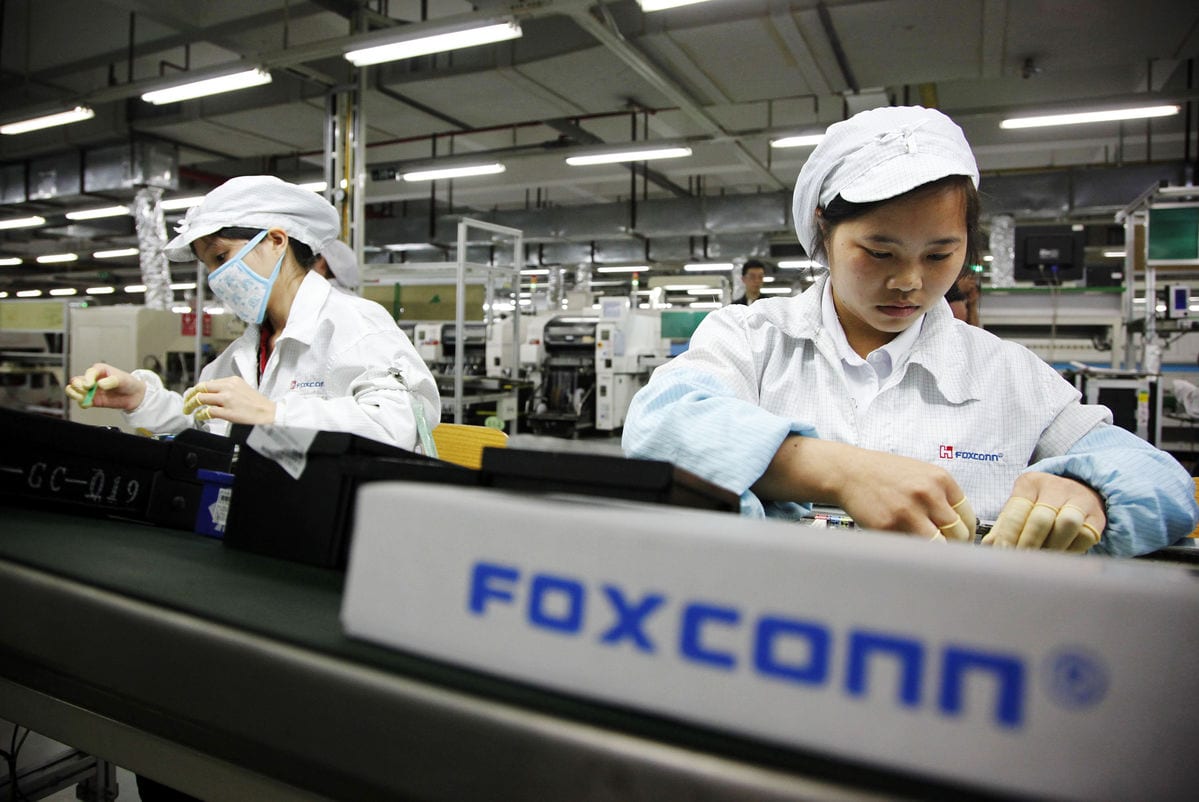
    Taiwan’s government is considering fining tech giant Foxconn up to T$25 million ($835,600) over its investment in a Chinese chip conglomerate without first getting regulatory approval, two sources briefed on the matter said on Friday.

    Foxconn, the world’s largest contract electronics maker, said this week it has become a shareholder in embattled Chinese chip conglomerate Tsinghua Unigroup via a 5.38 billion yuan ($797 million) investment by a subsidiary.

    The investment comes as Taiwan turns a wary eye on China’s ambition to boost its semiconductor industry and has proposed new laws to prevent what it says is China stealing its chip technology.

    Foxconn did not seek prior approval from the Taiwan government before the investment was made and authorities believe it has violated a law governing the island’s relations with China, a person familiar with the matter told Reuters.

    Regulators are weighing whether to hand Foxconn the “maximum” fine possible, which is $T25 million, due to the large size of the Chinese investment, the person added,

    Foxconn referred to an earlier filing on the stock exchange, saying it will deliver the documents to the Economy Ministry’s Investment Commission in the near future.

    A second source said Foxconn could be given a fine of between T$50,000 and T$20 million for investing without approval, adding that regulators will scrutinise the investment and deliver a decision after they receive the company’s application.

    “There’s a chance that an approval will be given. If not, Hon Hai will have to withdraw the investment,” the person said, referring to Foxconn’s formal name, Hon Hai Precision Industry Co Ltd.

    Taiwanese law states the government can prohibit investment in China “based on the consideration of national security and industry development.” Those violating the law could be fined repeatedly until corrections are made.

    Foxconn, best known for assembling Apple Inc’s iPhone, is keen to make auto chips in particular as it expands into the electric vehicle market. The company has been seeking to acquire chip plants globally as a worldwide chip shortage rattles producers of goods from cars to electronics.

    Taipei prohibits companies from building their most advanced foundries in China to ensure they do not offshore their best technology.

    Originating as a branch of China’s prestigious Tsinghua University, Tsinghua Unigroup emerged in the previous decade as a would-be domestic champion for China’s laggard chip industry.

    But the company fell into debt under former chairman Zhao Weiguo, prompting it to default on a number of bond payments in late 2020 end eventually face bankruptcy.

    The conglomerate has yet to produce any global leaders in the semiconductor sector.

  • Apple Music introduces new, exclusive live features

    Apple Music introduces new, exclusive live features

    Music streaming services like Spotify, YouTube Music, Deezer, TIDAL are often adding new features to try to improve their offering further. Apple Music is no exception, so if you’re considering the service, you’ll be happy to know that it’s getting new, exclusive live features.

    Called Apple Music Sessions, these exclusive live releases will feature some of the world’s most famous artists, as well as emerging artists. More importantly, Apple Music users will be able to listen to these exclusive live releases in Spatial Audio.

    All Apple Music Sessions are recorded out of Apple Music’s studios around the world. Interesting enough, these are also filmed, which makes the combination of Spatial Audio tracks and companion live performance music videos more appealing.

    If you’re already paying for Apple Music, then you’ll want to know that Apple Music Sessions is already available with releases from Carrie Underwood and Tenille Townes, recorded out of Apple Music’s new studios in Nashville, Tennessee.

  • 5G Connections In APAC To Reach 400 Million In 2025

    5G Connections In APAC To Reach 400 Million In 2025

    A study published by a global organization of telecom operators suggests that in the next three years, 5G connections in Asia Pacific will soar to 400 million, four times higher than this year’s level.

    In its “Mobile Economy Asia Pacific 2022”, GSMA also indicated that the regional mobile network coverage today has reached 96% of the population. Of this, 1.2 billion users now have access to mobile internet services. This shows a penetration rate of just below 45% of the population. And among the reasons for this usage gap are the digital divide, the income gap and online safety issues.

    It meanwhile predicts a continuous acceleration of 5G’s momentum across the region as commercial 5G services are now accessible across 14 markets. This is due to the economic improvement following pandemic lows, as well as the increasing sales in 5G handsets and overall marketing efforts. Commercial 5G services are also expected to expand to other markets, including India and Vietnam in the coming years.

    The study also shows that the mobile ecosystem continues to propel the regional economy, as technologies and services brought in 5% of GDP, which is tantamount to 770 billion dollars of economic value added. The industry also supported nearly 8.8 million jobs in 2021, and enabled financial contributions to the public sector.

    According to the study, “The mobile industry continues to deliver social impact across Asia Pacific, primarily by providing the connectivity that enables the growth of small businesses and digital transformation of enterprises, and granting access to life-enhancing services and tools for citizens.”

    And amid the continuous deployments of 5G networks, the technology’s ability to empower next-generation offerings—cloud services, artificial intelligence, internet of things and edge computing—will boost digital economic development and innovation.

  • Vietnam gold prices hit 4-month low

    Vietnam gold prices hit 4-month low

    Gold prices in Vietnam have plunged to a four-month low as global rates tumbled amid the surge of the U.S. dollar.

    The Saigon Jewelry Company (SJC) sold its gold at VND67.95 million ($2,897.03) per tael Friday afternoon, down 0.37 percent from Thursday. A tael equals 37.5 grams or 1.2 ounces.

    Owner of a jewelry store in Ho Chi Minh City’s District 8, who asked not be identified, said that there has been little demand in recent days.

    “Only a few customers show up each day. There are less buyers than sellers as global rates drop.”

    Global gold price now stands at $1,704 per ounce, lowest since April 2021, as analysts said that investors are more interested in the gaining USD which is now at the highest in two decades.

  • Banks hike mortgage interest rates

    Banks hike mortgage interest rates

    Several banks have increased mortgage interest rates by up to 1 percentage point amid credit tightening.

    In mid-June Vietcombank hiked its from 9.2 percent to 9.8 percent for the first three years.

    At least three other banks have increased its rates.

    United Overseas Bank has raised its rate from 6.49 percent to 7.69 percent.

    Vietnam International Bank has adjusted its rate up by 0.2 percentage points since last month to 8.7 percent.

    Bank managements said the pressure of rising deposit interest rates and tightened credit has forced them to hike loan interest rates.

    Trinh Bang Vu, head of retail lending at Shinhan Bank, said since there is little room left for lending this year and the State Bank of Vietnam has not increased quotas, banks have to be selective in their loans.

    Some lenders like Orient Commercial Bank have not yet increased their mortgage rates, but expect to do so by 0.1-0.2 percentage points in the next few months.

    SSI Securities analysts expect home loan interests to continue to rise even if new credit growth quotas are announced.

    KB Securities analysts forecast a 0.4-0.7 percentage point increase in rates this year due to inflation.

  • Airfares soar on summertime travel demand, fuel price hikes

    Airfares soar on summertime travel demand, fuel price hikes

    Flight tickets to domestic destinations have become pricier than holiday fares, with rising global fuel prices adding fuel to high summer travel demand.

    For the past two weeks, Hoang Viet, who lives in Hanoi’s Ha Dong District, has been checking flight ticket prices constantly so he can fly to Ho Chi Minh City and visit his relatives.

    However, he hasn’t been able to find fares that he can afford.

    “If my family flies this month, it will take at least VND10 million ($426.35) for three people,” he said.

    A round trip between Hanoi and HCMC costs VND3.4-6.2 million for economy class, with the lowest price range offered by budget airlines like Vietjet. The low prices are usually for flights that leave or arrive very early in the morning or late at night. The base fares for Vietjet and Vietravel do not include check-in baggage.

    The higher fares on the route are charged by Vietnam Airlines.

    Current ticket prices are already higher than the VND2.5-4 million range during the Lunar New Year holiday earlier this year.

    Summertime travel demand has hiked fares to popular travel destinations including coastal towns. For example, a round trip between Hanoi and Nha Trang in the central coast costs VND3-6.7 million for the latter half of July.

    A round trip between Hanoi and Quy Nhon costs around VND2.7-5 million; while one between the capital city and Con Dao Island off the southern coast in the last week of July can cost as high as VND10 million.

    Ticket prices will tend to drop in August, industry insiders said.

    Tickets for international trips have also become expensive this summer. For the latter half of this month, a Hanoi-Bangkok round trip starts at VND5.5 million, and a Hanoi-Singapore round trip at VND5.3 million. Before the pandemic, passengers could easily purchase tickets for similar flights starting at VND3 million.

    Direct flights from Vietnam to Europe in September and October are also expensive, with a HCMC-Frankfurt trip starting at VND24 million, and a Hanoi-Paris trip starting at VND40 million.

    A representative for Vietravel Airlines said the high prices were necessary to cover costs.

    “Summertime is considered a time to make up for periods of low travel demand from August to November. It is simply a matter of revenue management and making sure our operations are stable,” the rep said.

    Despite a quick recovery by domestic aviation and ongoing high prices, some carriers still want price ceilings expanded, saying the current ones are no longer appropriate. This is needed also because of rising world fuel prices, they argue.

    A Vietnam Airlines representative said current price ceilings were based on fuel costing around $80 a barrel, but actual prices are at around $140 a barrel.

    A Bamboo Airways rep said the aviation industry should not be held back by price ceilings and it was better to allow the market to decide prices.

  • VinFast stops accepting orders for gasoline cars

    VinFast stops accepting orders for gasoline cars

    Automaker VinFast has stopped accepting new orders for gasoline-powered cars four months earlier than announced as it seeks to become a major global player in electronic vehicles.

    It has received a huge number of orders for its Lux SUV and sedan and Fadil hatchback, and plans to keep the production line going until it fulfills them, it said in a statement Friday.

    It said it would continue to service them for another 10 years to ensure the cars can be maintained through their life cycle.

    The country’s first indigenous automaker announced in January it would completely transition to electric vehicles this year and is eyeing the U.S. and Europe as its first global markets.

    It has so far received 73,000 orders for electric vehicles.

    It started delivering them at the end of last year and had sold over 2,200 VF e34 cars by the end of June.

    VinFast plans to have 150,000 charging stations around the country by this year.

  • World’s first Nike Style store opens in Seoul

    World’s first Nike Style store opens in Seoul

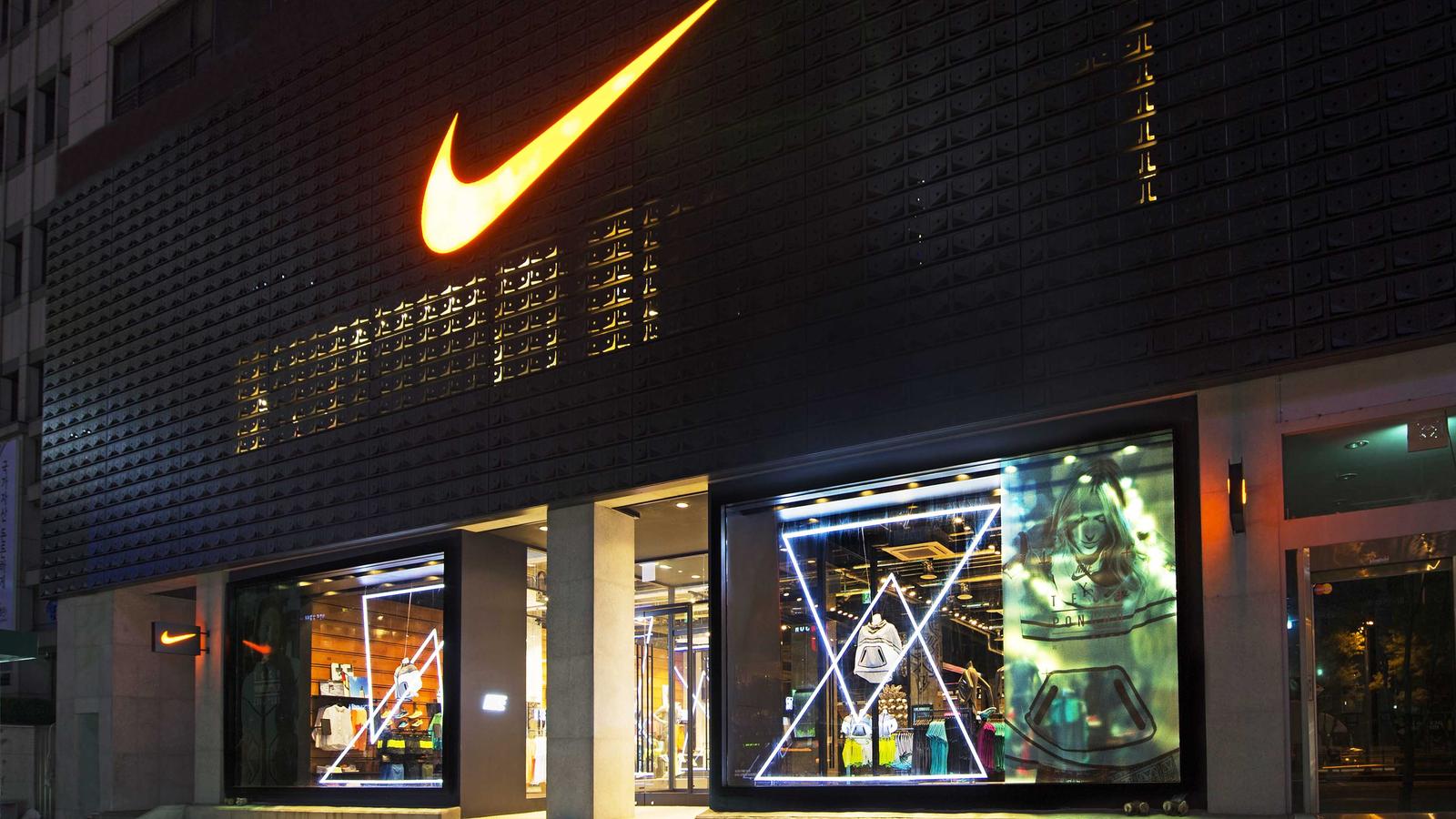
    Nike has introduced its latest retail concept, Nike Style, with the first store opened in South Korea, to be followed by more across multiple international markets.

    The Nike Style concept store is located in the bustling Hongdae neighbourhood, which is known for its art and fashion culture. Gender-agnostic zones are featured throughout the store for fleece, tops, footwear, accessories, and other style-led collections. The new retail concept is expected to “expand the definition of sport” that blurs the line between physical and digital.

    The store houses a content studio with customisable backdrops for local creatives, product experts and shoppers to create content for social media. Customers can scan QR codes for AR experiences related to product innovation and even the surrounding art installations. The store also offers Nike By You workshops and Snkrs Lounge events for its members.

    “The Hongdae neighbourhood holds a strong relationship with the sneaker and neighbourhood-retail community,” the company said in a statement. “With the Style retail concept, Nike helps broaden the aperture of sports retail culture by continuing to blend physical and digital experiences.”

    A second Nike Style store is set to open its doors in Shanghai later this year, with the concept to be expanded into other countries in the future. Nike Style is the latest Nike’s concept, following the House of Innovation, Nike Live and recently Nike Rise.

    The launch of Nike Style in Seoul follows the opening of a 24,000sqft Nike Rise store in Seoul last year, the first of its kind in South Korea.