The Swiss bank could be considering ending the co-management of its global wealth unit as it places its potential leader into position for the future.
UBS is currently evaluating whether to promote Iqbal Khan as the sole head of the global wealth management business.
The current co-head of the wealth management business, Tom Naratil, may keep his current role as head of the UBS business in the Americas, the news service said, citing people with knowledge of the matter.
The step could also serve to position Khan as current UBS chief executive Ralph Hamers’ successor, although no final decision has been made yet, it said.
Given that Hamers has only run UBS for two years, the management change is unlikely to be imminent, the report added. Khan came to UBS from Credit Suisse in 2019, where he ran that bank’s international wealth management business.
Naratil originally started working for PaineWebber in 1983, a US brokerage purchased by UBS in 2000. He was previously the UBS chief financial officer and chief operating officer in Zurich before returning to manage the US wealth business in 2016.
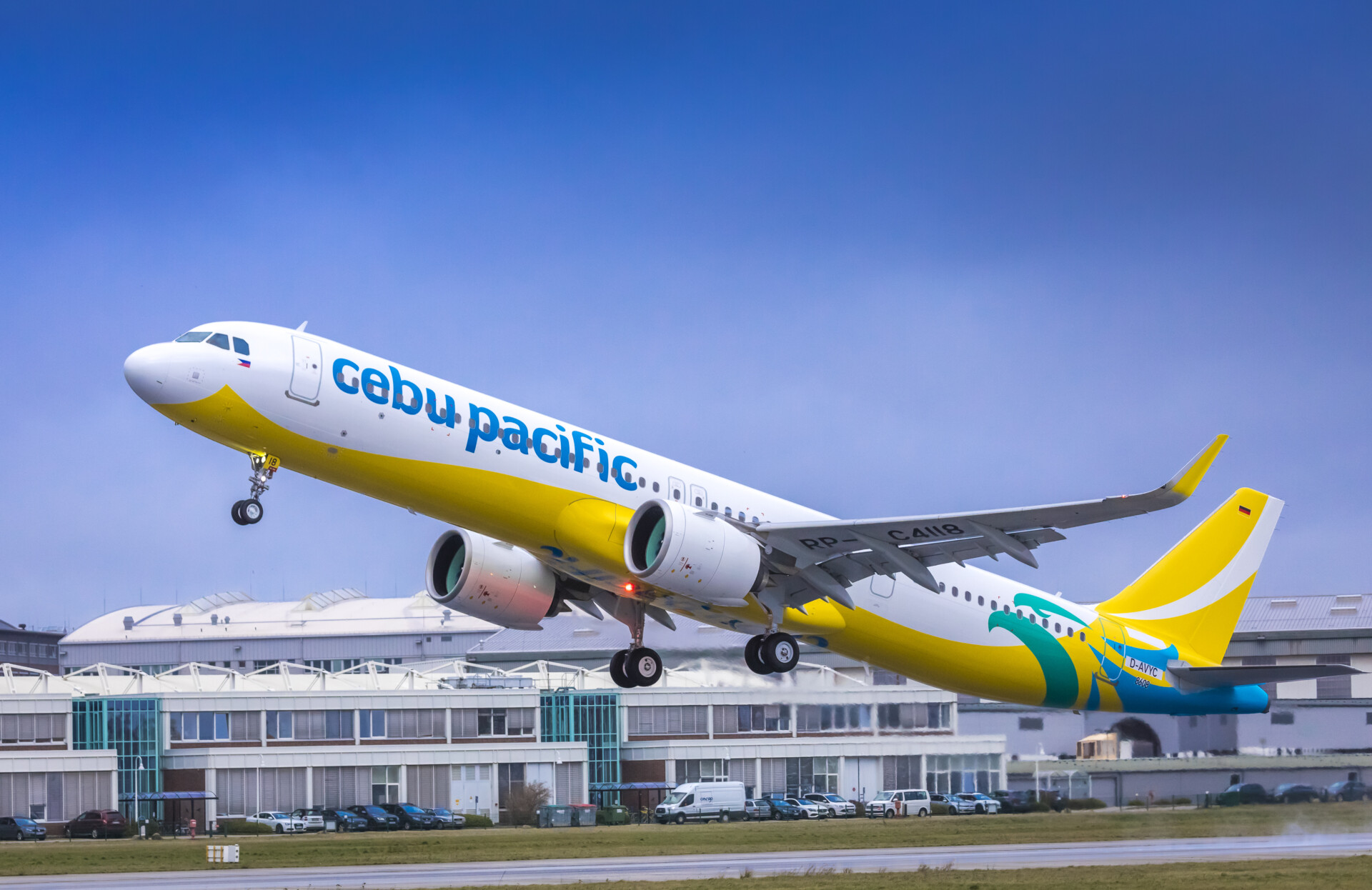
Budget carrier Cebu Pacific said on Sunday it has expanded its Asia Pacific footprint with the resumption of its flights to Australia.
With the easing of travel restrictions in the Philippines and Australia, Cebu Pacific has resumed its thrice weekly flights between Manila and Sydney.
“With this route resumption, we are pleased to fly once again to and from this destination after more than two years. We know that many are excited to visit Sydney’s attractions like the Sydney Opera House, Harbour Bridge, Bondi beach, Taronga Zoo and many more,” said Xander Lao, Chief Commercial Officer at Cebu Pacific.
He added: “This also allows Filipinos to reunite with friends and family. We will continue working on boosting seamless connections across our network to address demand.”
Sydney requires arriving tourists to present printed copies of their Covid-19 Vaccination Certificate upon check-in. Travelers must also complete and submit their Digital Passenger Declaration form at least 72 hours before departure.
Coming home, boosted Filipinos no longer need to take a Covid test pre-departure.
As countries continue to reduce Covid-19 measures, Cebu Pacific plans to revitalize its international network. Its domestic network has already been restored to 100 percent of its pre-pandemic capacity.
Last month, the airline announced that it will ramp up its flights to Singapore from Manila and Cebu.
In an advisory, Cebu Pacific said it will double the daily frequency of its Manila-Singapore operations starting July 1, while its thrice weekly Cebu-Singapore route will reopen on July 15.
“We are delighted to continue ramping-up our international flight frequencies, not only in Manila, but also in Cebu. We know majority of the traveling public have been looking forward to travel internationally again, especially since a lot of countries have eased their restrictions. We continue to work towards the expansion of our international network while we maintain operating over 100 percent of our pre-pandemic domestic capacity,” Lao said.
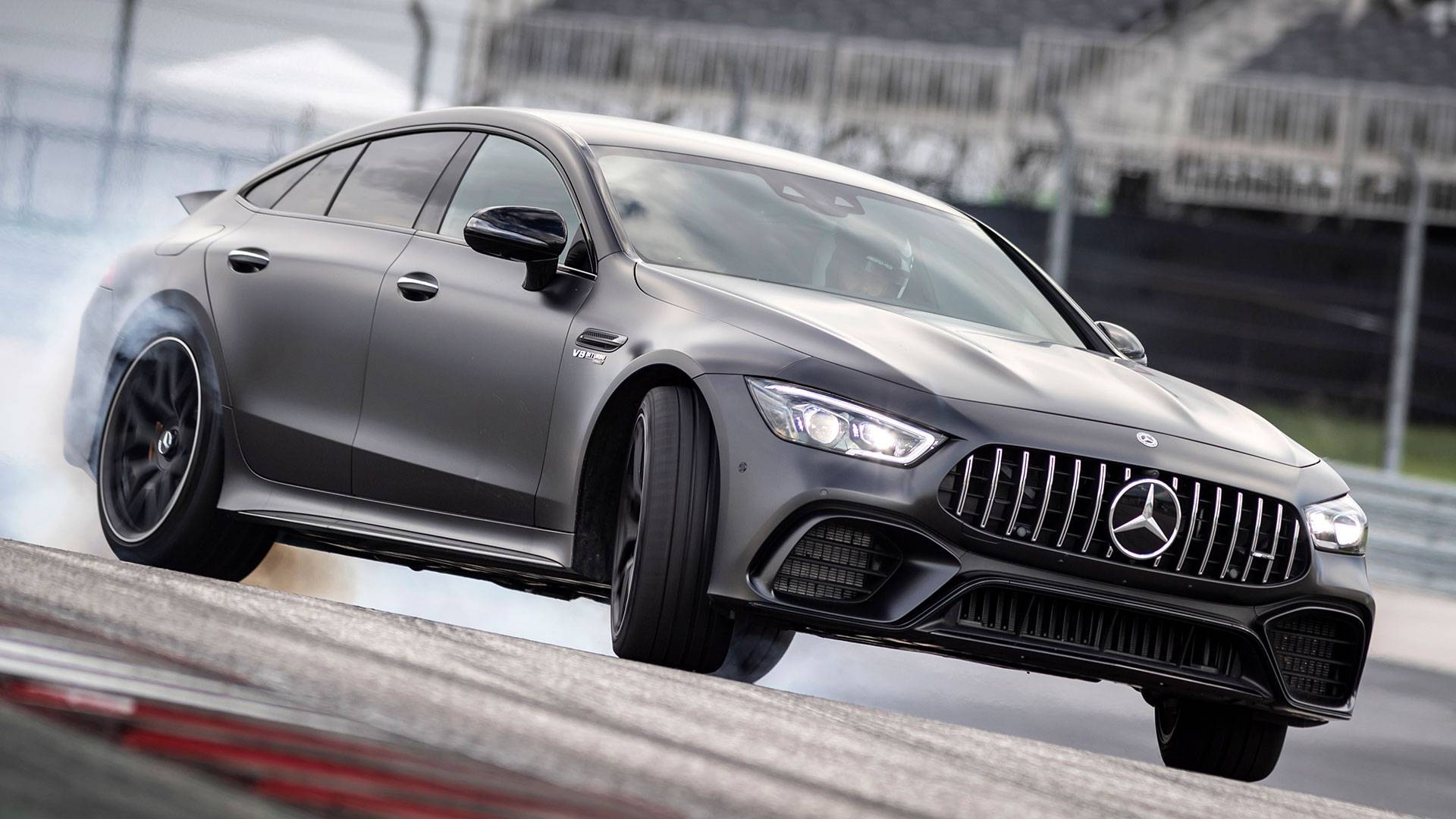
Mercedes-Benz is still feeling the effects of the global semiconductor shortage that hit the auto industry as well as supply chain constraints. As per a report by PTI, the carmaker is not expecting the situation to improve in 2022 while also saying that it was hard to predict how it would change in the future.
Speaking to PTI, Martin Schwenk, Managing Director and CEO of Mercedes-Benz India said that the company was dealing with not just semiconductor shortages but also with congestion in shipping. He added that the company was facing significant supply constraints placing a limit on the number of cars it could produce and deliver causing longer waiting period for its customers. Schwenk also revealed that the global economic uncertainties and go-political tensions seemed to have worsened over the past few months with a lot of questions being raised across markets regarding the economic situations in the short-to-medium terms.
Schwenk however said that while the brand was facing uncertainty over its production levels, the global economic uncertainties and geopolitical crisis was yet to affect consumer sentiment in India. The carmaker said that it has over 5,000 pending orders on its hands currently in the country with the number of bookings continuing to increase.
He however said that the company in the past few months had been forced to hiked prices on several occasions owing to rising input costs and the company was continuing to monitor topics such as inflation and pricing.
Mercedes has some big launches lined up for India in the coming months including its all-electric flagship, the EQS luxury sedan and the EQB electric SUV. The carmaker at the start of the year had revealed its plans to launch 10 new models in India in 2022 which has till now included the new Mercedes-Maybach S-Class and the new-gen C-Class.
Sportswear giant Nike has collaborated with GMG to launch a new-generation store at Vivo City in Singapore. According to Nike, the 5900sqft store is intended to bring customers closer to sports and closer together. It has a wide selection of innovative gear, sporting essentials, and seasonal offerings for men, women, and children. Nike says customers can take advantage of styling expert sessions with store athletes, who can help customers of all ages choose appropriate apparel and footwear for
According to Nike, the 5900sqft store is intended to bring customers closer to sports and closer together. It has a wide selection of innovative gear, sporting essentials, and seasonal offerings for men, women, and children.
Nike says customers can take advantage of styling expert sessions with store athletes, who can help customers of all ages choose appropriate apparel and footwear for running, training, playing basketball, or simply living an active lifestyle.
In addition, the Vivo City store offers a buy-online, pick-up-in-store service, and plans to organise community events.
“In our commitment to bringing consumers closer to sport, we are reintroducing our VivoCity store that is fitted to offer athletes of all sports and expert levels some of the most innovative Nike products and services today,” said Carl Masterman, GMG senior VP retail, SEA – sports.
“At VivoCity, fit is our focus – and our store athletes are on hand to ensure shoppers are equipped with the best fit for their sport of choice or lifestyle needs. The personal touch is extended also to our … community events for like-minded athletes that will be unveiled in the coming months.”
Looking outside her Beijing coffee shop where seven other nearby cafes including a Starbucks compete for customers, Huang Ying is simply glad to still be in business.
In the 17 years since opening her cafe in the trendy 798 Art Zone district, making money has gotten harder – even before the coronavirus. Rent and labour costs have increased while rival after rival waded into a market that has failed to live up to expectations.
“Our profit can’t compare with the old days,” she said. “I raised prices by 10% in 2017 but that has done little to offset the jump in costs.”
As a coffee market, China exerts a magnetic pull for Western brands keen to emulate the success of Starbucks Corp which has over 4,400 stores in China and is still expanding. Since last year, Canada’s Tim Hortons has opened about 60 stores in China while Italy’s Lavazza and Sweden’s Wayne’s Coffee have also made forays into the market.
Much of the optimism about China’s coffee market potential stems from just how little its consumers drink – just 5.4 cups per capita last year, compared to 341 in the United States and 591 in Western Europe, according to consultancy Euromonitor.
Chinese coffee consumption is growing at an estimated rate of around 5% annually, but coffee shop proprietors like Huang say it is more important to take note of the huge jump in outlets and cut-throat pricing.
Store openings of specialist coffee and tea shops surged 50% in 2018 and 2019, and China now has some 18,350 stores, more than triple the number in 2014, according to Euromonitor. Coffee is also now sold at many convenience stores and fast-food restaurants.
And while a regular-sized latte costs around 30 yuan ($4.24) in China, it can be as cheap as 4.5 yuan ($0.60) at some places with the use of discount vouchers.
This year’s admission by delivery-focused and coupon-reliant Luckin Coffee that it fabricated $310 million in sales underscores how the coffee opportunity in China has been exaggerated, analysts said.
“Luckin’s fraud proved that even though coffee in China is almost free, the Chinese still don’t drink much of it,” said Beijing-based independent analyst Keso Hong.
Tea is China’s main source of caffeine and outside of China’s biggest cities, buying a branded caffeinated drink to get through the day is not part of everyday life.
Bubble tea, which contains tapioca pearls, is also giving coffee a run for its money. Food delivery giant Meituan Dianping received 210 million orders for bubble tea in 2018, “far more than” coffee, it has said without elaborating.
Like Luckin, other domestic chains are struggling to fulfil big dreams.
Coffee Box, which focuses on coffee deliveries and raised some $56 million in funding, has shut or suspended business at dozens of its stores. Grey Box, which offers speciality coffee, said in 2018 it wanted 12 stores in Beijing by end of that year, but has just four. Bruno Caffe has closed most stores and only two remain.
Among western firms, Britain’s Costa Coffee, which is owned by Coca-Cola, has 300 China stores according to its website, despite earlier ambitions to have had 2,500 by 2018.
Starbucks, the first big Western brand in the market and now with 20 years in China under its belt, appears to be the only resounding success, having carefully cultivated its image as a premium cafe for young professionals. Some estimates put the U.S. giant’s share of China’s coffee market at as much as 80%.
Just this week, Starbucks expanded its Chinese ordering services to multiple Alibaba apps.
The newcomers have, however, wisely decided not to go it alone.
Lavazza has formed a venture with Yum China, the owner of KFC restaurants in China. Restaurant Brands International’s Tim Hortons said last year it wanted 1,500 stores in China and has gained backing from Tencent Holdings. Wayne’s Coffee signed a 15-year deal with a Chinese master franchisee.
The chains did not respond to requests for comment on their prospects.
But even teaming up with a partner is no guarantee of success given the extreme competition, analysts said.
“Undoubtedly the coffee market in China will continue to grow and consumers are becoming more habitual coffee drinkers but it is still a hard market to win,” said Ben Cavender at China Market Research.
British luxury fashion house Burberry is the latest luxury brand to withdraw from Hong Kong’s famous shopping street Canton Road.
The closure of the three-storey store came after Burberry shut its prominent Russell Street flagship last year, highlighting its struggles in a market still heavily impacted by Covid-19 restrictions.
Canton Road is known as a hub for luxury brands and is home to the giant Harbour City shopping mall. The street was a common destination for Mainland tourists before the advent of Covid-19 and the closure of the border with the mainland. The Burberry Canton Road flagship opened in 2011 and was reported by WWD to have a monthly rent of US$1.12 million.
The luxury retailer currently has 10 stores across the territory.
Prior to Burberry, several luxury brands shut stores along the Canton Road retail strip due to the lack of tourists including Valentino, Tiffany & Co, and Coach. Earlier this year, Hong Kong introduced its strictest Covid-19 measures due to the spread of the Omicron variant, resulting in widespread retail and foodservice closures.
The high-end iPhone 13 Pro Max was Apple’s top-selling smartphone in Vietnam in the first half of the year, according to data from retailers.
At FPT Shop, the 128-GB version has been topping sales for months, beating out the iPhone 11 and cheaper Android devices like the Samsung Galaxy A12 and A22.
CellphoneS and Minh Tuan Mobile reported similar results.
At The Gioi Di Dong, no Apple device made it to the top 10 list in terms of number of units sold, but iPhone 13 Pro Max (128 GB and 256 GB version) topped in revenues due to their high price tags.
“Despite having the highest price, the 13 Pro Max beat other Apple smartphones in sales,” Nguyen Lac Huy, media representative of Cellphone S, said. “It was followed by the iPhone 11 after its price drop in late June.”
The iPhone 13 Pro Max was launched last September, and pre-orders for it accounted for 70 percent of all Apple sales then. It also dominated the high-end smartphone segment (prices of VND20 million ($857) and higher).
Its closest competitor was the iPhone 11, which had a price tag of VND10.5 million.
Retailers expect sales of the 13 Pro Max to keep rising thanks to the price adjustment at the end of June, which brought it down to VND27 million.
“Buying the most high-end model is common among Vietnamese,” Nguyen Huu Phuc, head of sales at Minh Tuan Mobile, said.
“Meanwhile, retailers also offered various promotions on the device, and so the iPhone 13 Pro Max always accounted for a large proportion of sales.”
Huy of CellphoneS said the iPhone 13 Pro Max “will definitely retain its best-selling position” until new products are launched.
The business of providing loans to small and medium firms is booming in Vietnam with the rise of several platforms offering more accessible credit than traditional banks.
Bonbon shop, a platform that helps 35,000 grocery stores connect with over 24 major manufacturers, recently launched a credit option of up to VND200 million ($8,563) for stores to buy supplies.
The operator of the platform, DMSpro, has partnered with e-wallet SmartPay and lender VPBank to make the loans accessible.
EVNFinance, a credit provider unit of the national utility Vietnam Electricity, recently launched loan packages of up to VND500 million for 36 months.
It said borrowers could receive the money within eight hours of making their requests.
Several foreign credit platforms have been making their way into Vietnam since earlier this year.
Singapore-based fintech firm Validus entered Vietnam in January and appointed Dinh Van Binh, former vice chairman of Sacombank Investment, as its CEO.
Vishal Shah, chairman of Validus’ emerging markets, said Vietnam was one of its main markets and the company will continue to invest to expand its presence.
Also in January, Funding Societies, which claims to be the largest digital financing platform for small and medium companies (SMEs) in Southeast Asia, said that it had disbursed $20 million in loans in Vietnam and targets to increase this to $90 million this year and $1.3 billion in 2025.
The company estimates that Vietnam has a credit “gap” of around $58 billion in funding SMEs, referring to the amount of money that small and medium businesses have not been able to borrow because of administrative and other blocks.
Nearly 46.8 percent of companies in Vietnam reported difficulties in accessing traditional bank loans last year, compared to 40.7 in 2020, according to a report by the Vietnam Chamber of Commerce and Industry (VCCI).
Small companies often have to borrow money from friends or family or even assets to submit as collateral to raise capital, it added.
Because of these challenges, the SMEs credit market is set to be the next race of many finance organizations, said Hoang The Hung, deputy director of EVNFinance.
VPBank leaders said they have seen its funding for SMEs rising in the last six months as businesses restarted their operations and needed funds. They expect even stronger growth in the near future.
Highlands Coffee, one of the largest coffee chains in Vietnam, earlier this month hiked its prices by 10-15 percent. It said that the increase served to maintain product quality amid market fluctuations.
Hoang Viet, CEO of Laha Cafe, said that coffee chains are seeing costs of coffee surging by 25 percent and rents by 10-20 percent.
“Some ingredients are seeing costs rising 20-30 percent. Without a price increase, coffee shops cannot survive.”
Beverage chains are starting to feel the burden of inflation on their business as surging commodity prices eat into their profit and threaten to bring losses.
Gasoline prices in Vietnam rose by nearly 52 percent between the first half of this and last year.
The Young Cafe has recorded an input increase of between 10-30 percent, mostly because of rising transportation costs.
“Coffee chains often maintain their prices for one or two months before hiking them up,” said founder Nguyen Vo Trung Quan.
But major chains like Starbucks, Phuc Long, The Coffee House and Chuk Coffee & Tea have not announced plans to raise prices, with the latter even affirming that there will not be a price hike in at least the next several months.
Vietnam’s food, beverage and accommodation industry is just now recovering from Covid-19 impacts.
It recorded the first growth in the second quarter this year (25.92 percent) after three consecutive quarters of decline.
The rising demand for beverages amid high heat could be partly responsible for the growth.
Delivery app GoFood saw orders in the second quarter surging 42 percent year-on-year, while ShopeeFood said it had received a rise in orders in May and June but did not reveal specific figures.
This surge in demand makes F&B companies reluctant in hiking up prices as this could hamper growth.
A media representative of The Coffee House said that it has recently launched new products that broke pre-pandemic revenue records.
“Our number of outlets have returned to the pre-pandemic level of 154 and it is set to grow fast.”
Some other chains, like The Running Bean, have removed some items from their menu as prices of ingredients have surged.
But eventually, a price hike is unavoidable in the industry.
Viet said that Laha Cafe is working on new products with higher profit margins and is looking for new locations further away from central business districts to reduce costs.
“But we are also considering raising prices of some products, otherwise we cannot keep the business running.”
Quan has moved a location of The Young Cafe from the central District 1 to District 10 to cut costs, and if input costs rise by 50 percent, he will hike menu prices.
“If inflation persists, sooner or later all shops will hike prices.”
Lender HSBC forecasts that Vietnam’s inflation could hit 3.5 percent this year, but in the last quarter alone it could be 5.6 percent.
In 2011, Venroy launched from Bondi Beach in Sydney with an offering of European-length swim shorts. It quickly garnered a cult following and has grown in the last decade to boast a seasonal offering of resort and leisurewear with stores also found in Melbourne and Brisbane. The printed staples, luxury knitwear and buttery linen is uniform in the eastern suburbs of Sydney so it comes as no surprise that the natural next step for the brand was Europe.
Situated on the Mediterranean island of Capri, within Italy’s iconic Bay of Naples, Venroy has opened a seasonal concept store and its first international outpost. The beige concrete walls of the label’s local stores in Australia have been reimagined by the in-house architect, Sarah l’Anson. The store embodies the spirit of the Venroy hotel concept, playfully realised from room to room through curated furniture and objets d’art – selected for both aesthetic and function – to dynamically display product.
Interiors are underpinned by natural materials and an understated colour palette: warm honey hues, soft whites and bold orange accents, tempered by cool, polished steel. Coir, raw canvas and timber create a sense of ease and comfort; layered for a raw, al fresco feel, these tactile and enduring textures will age well and develop character throughout the store’s lifespan.
Coloured-glass lighting and stainless steel metalwork contrast the natural materials and elevate the space, bringing to mind the italo-disco clubs found across Italy and wider Europe during the ’70s. Meanwhile, ornate terracotta pots are featured en masse – a playful reference to the artisanal heritage of the beloved island.
“Nostalgia is a key component of our spaces. When you walk into our stores, we want you to feel transported, we want to evoke a fond memory of somewhere you visited once and will never forget. For just a moment, we want to take you back there,” says brand founder Sean Venturi
The space comprises of three connecting rooms. The first is an intimate, curtained dressing room featuring a mid-century modern Italian triptych dressing mirror and a linen-upholstered mannequin, lit by a vintage Harvey Guzzini Meblo chandelier lamp. Room two services retail, displaying current collections within a mid-century wardrobe, alongside a vintage hotel desk and Goffredo Reggiani table lamp. Lastly, Room three features the iconic Capri Collection, displayed in a beautiful 19th-century Austrian Biedermeier walnut display cabinet.
In keeping with the resort theme, the building also features a secluded, sun-drenched terrace where visitors are invited to relax on lounges and enjoy an aperitif. Cin cin!
China has imposed fines on technology giants Alibaba and Tencent, as well as a range of other firms for failing to comply with anti-monopoly rules on the disclosure of transactions, the country’s market regulator, said on Sunday.
The State Administration for Market Regulation (SAMR) released a list of 28 deals that violated the rules. Five involved units of Alibaba, including a 2021 purchase of equity in its subsidiary, the Youku Tudou streaming platform.
Tencent was involved in 12 of the transactions on SAMR’s list.
The firms could not immediately be reached for comment. China’s tech sector has been one of the main targets of a crackdown on monopolistic practices that started in late 2020.
Under the anti-monopoly law, the maximum potential fine in each case stands at 500,000 yuan ($74,688).
Philippines AirAsia will introduce more direct flights to Sabah and is considering establishing a hub in Sandakan as part of its expansion ambitions.
The airline is currently studying the potential for direct routes to Kota Kinabalu from Puerto Princesa and Davao in the Philippines. A possible connection between Zamboanga and Sandakan is also on the list of possible direct routes, according to an assessment in a media statement released by the Sabah Tourism Board.
State Tourism, Culture, and Environment Minister Datuk Jafry Ariffin said Sabah welcomed the plan, which would help both countries in terms of economic spillover.
“One of the Sabah Maju Jaya plans is to ensure Sandakan Airport is upgraded to the international airport. We should explore additional direct routes into the state.
“Tawau, being a gateway to Semporna, might potentially serve as an operational hub too. So, whether it’s Sandakan or Tawau, we’ll let them study the viability,” he said.
Jafry was speaking at a recent press conference on the joint collaboration between the Philippines AirAsia and Sabah Tourism Board (STB)
Also present were Assistant Tourism, Culture, and Environment Minister cum STB chairman Datuk Joniston Bangkuai; Permanent Secretary of the Ministry of State Tourism, Culture and Environment Datuk Sr Yusrie Abdullah; STB deputy chairman Datuk Dr Jelani Hamdan; STB chief executive officer Noredah Othman; Philippines AirAsia chief executive officer Ricky Isla; and Philippines AirAsia SuperApp managing director Ray Berja.
The press conference was in conjunction with the familiarisation trip to Sabah for the Philippines media.
Speaking on the strategic partnership between STB and Air Asia, Jafry said the board is now finalising a collaborative technical campaign to encourage Filipinos to visit Kota Kinabalu.
Ricky stated that Philippines Air Asia now flies twice weekly from Manila to Sabah, with plans to expand frequency.
“We want to sustain the travel momentum, and for Sabah, we are not just looking at beaches but eco-tourism and agro-tourism, which are educational.
“We are looking into the prospect of opening a new destination in Sandakan, which has one of the highest Filipino populations in Sabah, as part of our expansion plan,” he said
Meanwhile, STB chief executive officer Noredah Othman said Manila has the potential to serve as another hub to attract international visitors and also to attract expatriates living in the Philippines.
Although having certain similarities, she said Sabah and the Philippines each have unique contrasts that both sides should explore.
Pre-pandemic, Noredah said the state of Sabah received 4.2 million visitors in 2019, with a promising rise in arrivals since the reopening of borders after two-year hiatus. Chinese visitors contributed the most arrivals in 2019, followed by South Koreans and Europeans.
A record 9.3 million Australian households made online purchases in the year to March according to data released by Australia Post.
The postal service said online spending increased by 12 per cent year on year and in the six months from July to December 2021, an average of 5.6 million households purchased online each month.
The dominant categories were pet foods (38 percent), tools and garden supplies (29 percent) discount items (32 percent) athleisure (17 per cent) and baby products (18 percent).
One in three purchases were directed to NSW, which recorded the highest participation among states, growing by 27 per cent year-on-year.
Australia Post’s head of e-commerce analytics, Rose Yip, said the growth in online shopping has accelerated “beyond expectations”.
“We’ve seen more than 900 million parcels delivered in the past three years alone, which says so much about how quickly e-commerce has grown in a short amount of time.
“It’s now the norm for so many Australians, with more than 5 million households regularly shopping online every month, which is why we’ve not only increased our network capacity but we’re investing in more new facilities, technology and our fleet to set up a strong and sustainable network for the future.”
China unveiled tighter rules late on Thursday to better regulate its $1.3 trillion credit card industry, urging lenders to adopt a “prudent” growth strategy, and monitor risks more closely.
Banks are also barred from using the number of cards issued or market share as main performance metrics, and are required to cap the number of dormant cards at 20% of total, according to rules jointly published by China’s central bank, and the country’s banking regulator.
“China’s credit card business has been growing rapidly, playing a key role in facilitating payment and consumption,” the China Banking and Insurance Regulatory Commission (CBIRC) said in a statement on its website accompanying the release of the new rules.
“Recently, however, some banks … are lax in risk management, and have behaved in ways that hurt customers’ interest,” the regulator said.
Chinese banks have issued a total of 800 million credit cards as of the end of 2021, with outstanding loans totalling 8.62 trillion yuan ($1.29 trillion), according to the People’s Bank of China. Roughly 86 billion yuan of credit card loans, or 1% of total outstanding, are overdue for six months or longer.
The new rules require banks to tighten scrutiny over credit card loans, and strengthen risk management control.
Banks must also set up a sound system to monitor, identify, alert and prevent abuse in the credit card business, according to the rules.
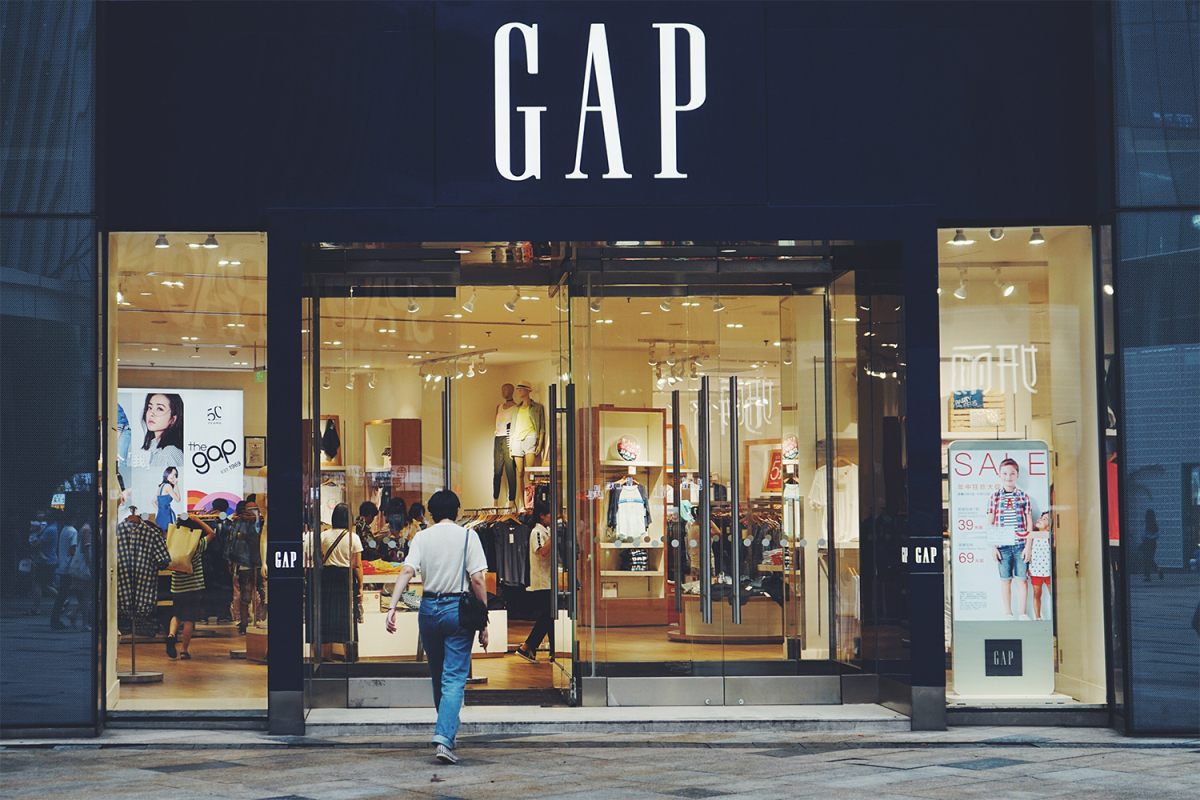
Reliance Retail Ltd on Wednesday announced its long-term partnership with Gap and plans to bring the iconic American fashion brand to India.
“Through a long-term franchise agreement, Reliance Retail has become the official retailer for Gap across all channels in India,” said a joint statement.
Reliance Retail will introduce Gap’s offerings to Indian consumers through a mix of exclusive brand stores, multi-brand store expressions and digital commerce platforms.
“The partnership is aimed at leveraging Gap’s position as a leading casual lifestyle brand and Reliance Retail’s established competencies in operating robust omni-channel retail networks and scaling local manufacturing and driving sourcing efficiencies,” it said.
Founded in San Francisco in 1969, Gap is considered as an authority on modern American style. It continues to build on its heritage grounded in denim and connect with customers online and in company-operated and franchise retail locations globally.
Reliance Retail CEO, Fashion & Lifestyle, Akhilesh Prasad said: “We believe that Reliance and Gap complement each other in their vision to bring industry-leading fashion products and retail experiences to their consumers.”
Managing Director of International, Global Licensing and Wholesale at Gap Inc Adrienne Gernand said: “Partnering with regional experts, like Reliance Retail in India, allows us to deliver our relevant, purpose-driven brand to customers around the globe, while continuing to diversify our business portfolio through our partner-based model.”
Reliance Retail is a subsidiary of Reliance Retail Ventures Ltd (RRVL), the holding company of all the retail companies under the Reliance Industries Ltd group.
RRVL reported a consolidated turnover of Rs 1,99,704 crore ($26.3 billion) for the year ended on March 31, 2022.
Gap Inc products are available for purchase worldwide through company-operated stores, franchise stores and e-commerce sites. Its net sales for the fiscal year 2021 was at $16.7 billion.