Tag: asia

  • M&Ms steps out with Adidas

    M&Ms steps out with Adidas

    Sportswear label Adidas has collaborated with confectionery brand M&M’s to launch a limited-edition sneaker called Originals Forum Lo 84, inspired by the chocolate brand’s distinctive packaging.

    The sneakers feature a yellow rubberized leather complemented by bounded TPU 3-Stripes branding and a high heel. Both are drawn on M&M’s Peanut variant packaging. The “M” letter is perforated on both toe boxes and a removable M&M’s brand flag is attached to the lacing.

    In addition, each pair of sneakers comes with a set of accessories: six pairs of laces, 19-lace jewels, three pairs of alternative straps and seven different Velcro chocolate candy lentils.

    According to Adidas, the sneakers are also packaged in a bright yellow co-branded box inspired by the famous M&M’s Peanut variant packaging to fit the playful look.

    “The M&M’s brand has long been committed to bringing people together by creating colorful fun for all, as part of our mission to create a word where everyone feels they belong,” said Jane Hwang, global marketing VP at Mars Wrigley.

    “Mars is proud to celebrate fans from all communities through this collaboration, which is also customizable, allowing sneaker and candy fans … personal expression.”

    The new Adidas sneakers Originals Forum Lo 84 M&M’s are available to purchase globally through the Adidas website and from selected retailers.

  • Google is allegedly resurrecting Google Wallet, but not the way we think

    Google is allegedly resurrecting Google Wallet, but not the way we think

    Google Wallet could be making a comeback, but it won’t be the way we think On Twitter, Esper’s Senior Technical Editor, Mishaal Rahman, posted that Google Wallet is coming back from the dead, not as a standalone app, but as a “Wallet” interface within Google Play Services. The goal of the change is to provide a way to access and manage your payment, transit, and other cards that are part of your digital wallet.

    But wait, isn’t Google Pay already doing that? Yeah, it does. According to Rahman, you will continue to use Google Pay to make payments, and Wallet will be where you will keep your cards.

    But how will you access this Wallet interface? From Rahman’s screenshots, we assume that the new UI will be accessible directly from the Google Pay app. Also, one of the screenshots says, “learn how passes in your Wallet will appear across Google.” This may mean that the cards stored in Wallet could be accessible on other Google services as well.

    In 2011, Google created Google Wallet to function as an NFC payment app and as a place to store your digital cards. But in 2018, it combined Google Wallet and Android Pay and created Google Pay. From there on, Google Pay became the app for making NFC payments and the place from which you can manage your digital wallet.

    So, if Google Pay already does this, then why bring Wallet back? It seems like a branding choice to make it more obvious which UI does what. Google Pay would be strictly the service we use for payments. And there will be the Google Wallet, where we can manage payment cards, loyalty cards, vouchers, and tickets.

    This push to bring back the Wallet branding may also indicate that Google is planning to enhance its functionality — who knows, maybe support for driver’s licenses a-la Apple Wallet?

  • Lazada to highlight 5000 eco-friendly products in LazEarth campaign

    Lazada to highlight 5000 eco-friendly products in LazEarth campaign

    E-commerce platform Lazada has grouped 5000 products with sustainability credentials in a new section of its LazMall to encourage shoppers to buy items that are friendly to the planet.

    The goods, from some 70 brands, mainly span the fashion and FMCG categories and are made, packed, or shipped with reduced plastics, or materials better for Earth.

    Unveiling its LazEarth campaign, Lazada says it wants to encourage a reduction in plastic waste in both products and packaging, given Southeast Asia consumes an estimated 31 million tonnes or more of plastic waste each year. Recognising that consumers in the region are becoming concerned about plastic waste, Lazada believes the campaign will make it easier for people to identify and source environmentally friendly products.

    Lazada will also work with LazMall brands and partners to expand their offer of eco-friendly products.

    “As digital commerce continues to be one of the key growth drivers in Southeast Asia, it is crucial for companies to place sustainability at the core of their strategies to build stronger and greener economies,” said Magnus Ekbom, chief strategy officer at Lazada Group.

    “The LazEarth campaign is part of Lazada’s ongoing efforts to address plastic waste and help our buyers make informed decisions about sustainable products.”

    Lazada has offered greener packaging through its Fulfilment by Lazada (FBL) service for the partnering brands since 2011. The brand also partners and makes social initiatives to build a sustainable digital commerce ecosystem in Southeast Asia.

    “As part of our commitment to build a lasting digital commerce business in Southeast Asia, we recognise that sustainability and value creation will become increasingly important to our long-term success,” said James Chang, chief business officer of Lazada Group

    “With the launch of LazEarth, we look forward to forging more collaborative partnerships and green initiatives that will empower our brands, partners and consumers to collectively create responsible and sustainable shopping and consumption habits.”

  • TPBank eyes 36-percent hike in profits

    TPBank eyes 36-percent hike in profits

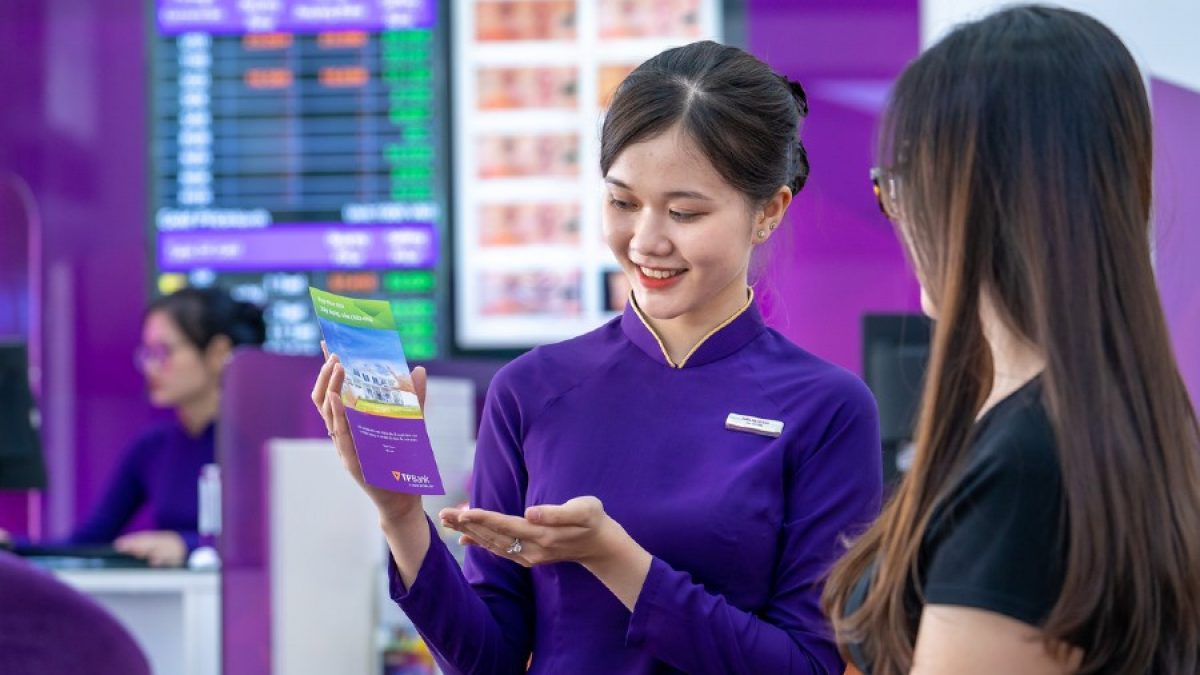
    Private lender TPBank expects its pre-tax profits to top VND8.2 trillion ($358 million) this year, up 36 percent from 2021.

    It also targets a 20 percent increase in assets to VND350 trillion.

    The bank plans a rights issue of 527 million shares this year to raise VND5.3 trillion and increase its charter capital to VND21 trillion.

    VnDirect Securities has forecast 25 percent growth for TPBank this year, higher than the 20 percent expected for the sector.

    BaoViet Securities has forecast its compounded annual growth rate to top 31.4 percent in 2020-22 and return on average equity (ROAE) in the period of 24.8 percent.

  • Singapore sneaker reseller Ox Street to launch in Australia, NZ

    Singapore sneaker reseller Ox Street to launch in Australia, NZ

    Singapore-based online sneaker resale marketplace Ox Street is launching a trans-Tasman expansion, opening an e-commerce store in Australia.

    “Australia is a perfect fit for the community we want to build in the long-term,” said Gijs Verheijke, founder and CEO at Ox Street. “We see a big supply gap when it comes to Australian buyers having access to the most coveted sneakers, whether they’re hot new drops or all-time classics.”

    Verheijke said the company, which was acquired by Carousell last October, has already built a large network of resellers across Australia and New Zealand during the past few years. Ox Street said the emphasis is on enabling faster delivery times and greater access to supply in an industry dominated by US and European megabrands.

    The Australasian launch is part of Ox Street’s ambition to build a “global hub for sneakerheads,” Verheijke said. The company’s short term plan is to build brand equity and a large part of that is being trusted to robustly authenticate the products before they reach buyers.

    Founded in 2019, Ox Street operates across eight Southeast Asian countries, targeting Gen Y and Z investors, collectors and fashion-conscious consumers. The brand reported sales growth surging more than four-fold during the past year.

    As part of the Australia launch, Ox Street has partnered with Sneaker Freaker in an Instagram-based sneaker giveaway worth more than $2000.

  • Uniqlo owner sees big profit drop in China due to Covid restrictions

    Uniqlo owner sees big profit drop in China due to Covid restrictions

    Clothing brand Uniqlo’s Japanese owner said on Thursday its China operation would report a large profit decline in the current fiscal year owing to the country’s Covid-19 restrictions.

    Fast Retailing < is a bellwether for how major global retailers are being impacted by Covid-related shutdowns in China, one of the biggest growth markets for many Western brands.

    China is Fast Retailing’s biggest foreign market, with 863 stores on the mainland and almost 90 outlets in Shanghai, where stringent lockdown measures, introduced in late March, remain in place to contain the country’s worst outbreak of the pandemic.

    The fast fashion retailer said it expects revenue declines and a large drop in profit in its Greater China segment in the second half and for the whole of fiscal 2022 due to Covid restrictions.

    Sales in Greater China region which includes Hong Kong and Taiwan struggled in March, as up to 133 stores were temporarily shut down.

    Fast Retailing has more Uniqlo stores in China than in its home market of Japan. It opened a flagship store in Beijing in November, its third megastore in mainland China, and plans to open 100 locations in the country each year going forward.

    The weakening yen and higher costs for raw materials and shipping have forced Fast Retailing to consider price hikes, a major shift for a company that has long competed on the inexpensiveness of basic items like socks and underwear.

    The company reported a record half-year profit on Thursday, buoyed by sales growth in North America, Europe, and other parts of Asia, while revenue and profit declined in China.

    Operating profit climbed 18 per cent to 189 billion yen ($1.51 billion) in the six months through February from a year earlier.

    The company maintained its full-year profit forecast at 270 billion yen. That compares with a consensus forecast for a

  • Android TV 13 might reduce power consumption for smart TVs

    Android TV 13 might reduce power consumption for smart TVs

    With Android 13 on the way, we’re expecting many important new features to arrive on all devices that are part of the ecosystem, not just smartphones and tablets. Cars and TVs that use Google’s OS are likely to receive their fair share of improvements too, including some that might reduce consumption.

    Obviously, your car won’t consume less fuel or electricity for using Android Auto, but your smart TV might, at least according to a new report by Esper’s Mishaal Rahman. Apparently, Android TV 13 will include a new “low power standby” mode that will prevent some functions to keep running in the background when your smart TV is in standby mode.

    While the low power standby mode is enabled, wakelocks are disabled and network access is blocked. The feature will be disabled by default just in case you want to continue to receive notifications while your smart TV is in standby mode.

    In the same piece of news, the cited report highlights another interesting improvement that Android TV 13 is expected to bring to smart TVs: expanded Picture-in-Picture (PiP) mode. With Android 13 TV, PiP windows can be set to less than 1:2.39 or bigger than 2.39:1. Also, despite the fact that Android TV does not support multi-window features except from PiP, Android TV 13 might actually add a “pseudo-split-screen” mode with docked, expanded PiP windows.

  • Tesla, VW, SAIC Look To Recommence Shanghai Operations

    Tesla, VW, SAIC Look To Recommence Shanghai Operations

    Tesla VW and SAIC are among several companies that are looking to get production back up and running at their Shanghai facilities after almost three weeks of COVID-19 related shutdowns. The news comes following Beijing having drawn up a “whitelist” of companies prioritised to re-open or keep operations going in Shanghai. The list included a number of companies ranging from carmakers to semiconductor manufacturers and medical firms.

    As per Reuters, Tesla had already recalled workers to its Shanghai factory where they would be required to live on-site. The company had planned to commence production today though it has now been deferred to tomorrow citing logistical issues from a supplier. SAIC Motor meanwhile reported that it was commencing stress testing from Monday with an eye on recommencing production while VW said it was evaluating the feasibility of resuming production at its SAIC joint venture.

    However, with COVID-related closures in other cities in the country, it remains to be seen how manufacturers work around supply chain disruptions.

    Shanghai meanwhile aims to stop the spread of COVID-19 outside of quarantined areas by Wednesday with reports saying that the city had stepped up testing measures and transfer positive cases and their close contacts to isolation.

    Companies are being required to ensure ‘closed loops’ for workers being called into work while also maintaining medical supplies. Under ‘closed loops’ employers have been asked to minimise employee exposure to others while transiting to work or arranging for employees to live on their factory premises.

  • YouTube Shorts are finally coming to iPads and Android tablets

    YouTube Shorts are finally coming to iPads and Android tablets

    Social media apps borrow features from each other all the time to keep up with the trends. Snapchat, Instagram, TikTok and YouTube have been adding new features that have similar functionalities for a long time, something that has become very common in the last couple of years for many other industries.

    Introduced back in 2020, Shorts, YouTube’s take on TikTok’s short-form videos, have amassed five trillion total views as of January 2022. The number includes all platforms where YouTube Shorts are available such as Android phones and laptops but does not include tablets, which don’t support the feature.

    However, YouTube fans will be happy to know that Shorts will soon be coming to Android and iOS tablets. Although they won’t be available on both platforms at the same time, at least we know YouTube plans to make them available on tablets too sooner rather than later.

    According to YouTube, the Shorts option should be rolled out on YouTube’s apps for Android and iOS tablets “in the coming weeks.” Once the new feature will go live, tablet users should see a Shorts tab within the YouTube app. More details about how to create a Short using a song from YouTube’s library are available on the support page.

  • Stocks plunge to 11-week low

    Stocks plunge to 11-week low

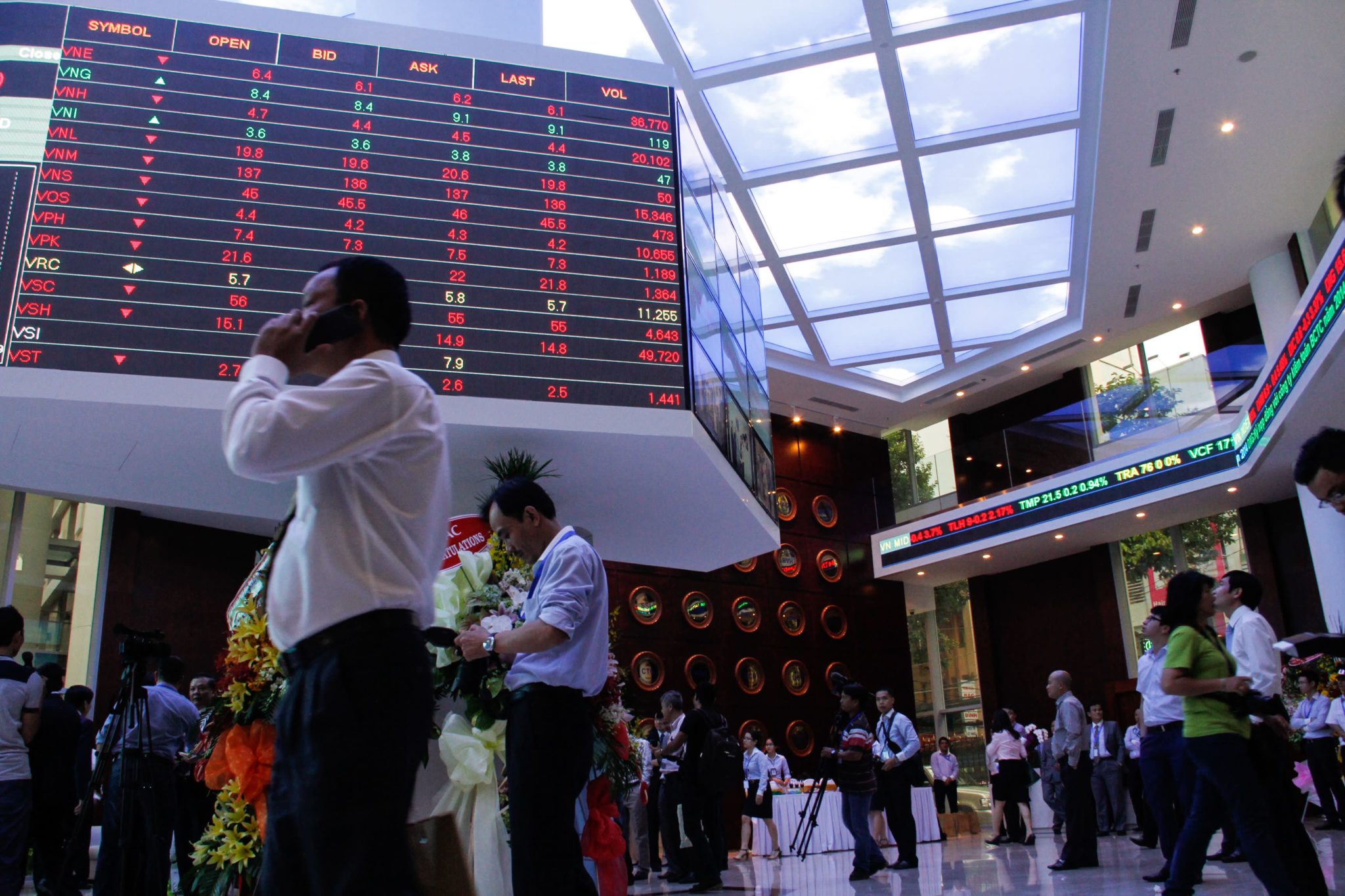
    Vietnam’s benchmark VN-Index started off the week in the red with a 1.25 percent drop to 1,440.23 points Monday morning, the lowest in 11 weeks.

    The index fell by 17 points as of 11:06 a.m. after ending in the red in four out of the last six sessions.

    The main bourse Ho Chi Minh Stock Exchange (HoSE) saw 361 tickers in the red and 107 in the green.

    Brokerages have forecast earlier that the market would drop in the short term.

    The VN30 basket, comprising the 30 largest capped stocks, saw 15 tickers in the red, with SSI of leading brokerage SSI Securities Corporation falling 4.5 percent to the lowest since August last year.

    VHM of real estate giant Vinhomes dropped 3.4 percent, the lowest in over a year.

    Other losers included CTG of state-owned lender VietinBank, down 3.5 percent, MBB of lender MB, down 2.7 percent, and VIC of biggest private conglomerate Vingroup, down 2.9 percent. Fourteen blue chips bucked the trend, with PNJ of Phu Nhuan Jewelry rising 3.2 percent and FPT of IT giant FPT Corporation gaining 2.2 percent. Both were at new peaks.

    They were followed by SAB of brewer Sabeco, up 2 percent, and TPB of private TPBank, up 1.6 percent.

    Foreign investors are buying the dips with a VND88 billion net purchase, focusing on DPM of Petrovietnam Fertilizer & Chemicals Corporation and NLG of real estate developer Nam Long Investment Corp.

    The HNX-Index for stocks on the Hanoi Stock Exchange, home to mid and small caps, was losing 2.51 percent, while the UPCoM-Index for the Unlisted Public Companies Market was losing 1.5 percent.

  • Singtel and Telkom forge deeper ties in regional data centres and fixed broadband

    Singtel and Telkom forge deeper ties in regional data centres and fixed broadband

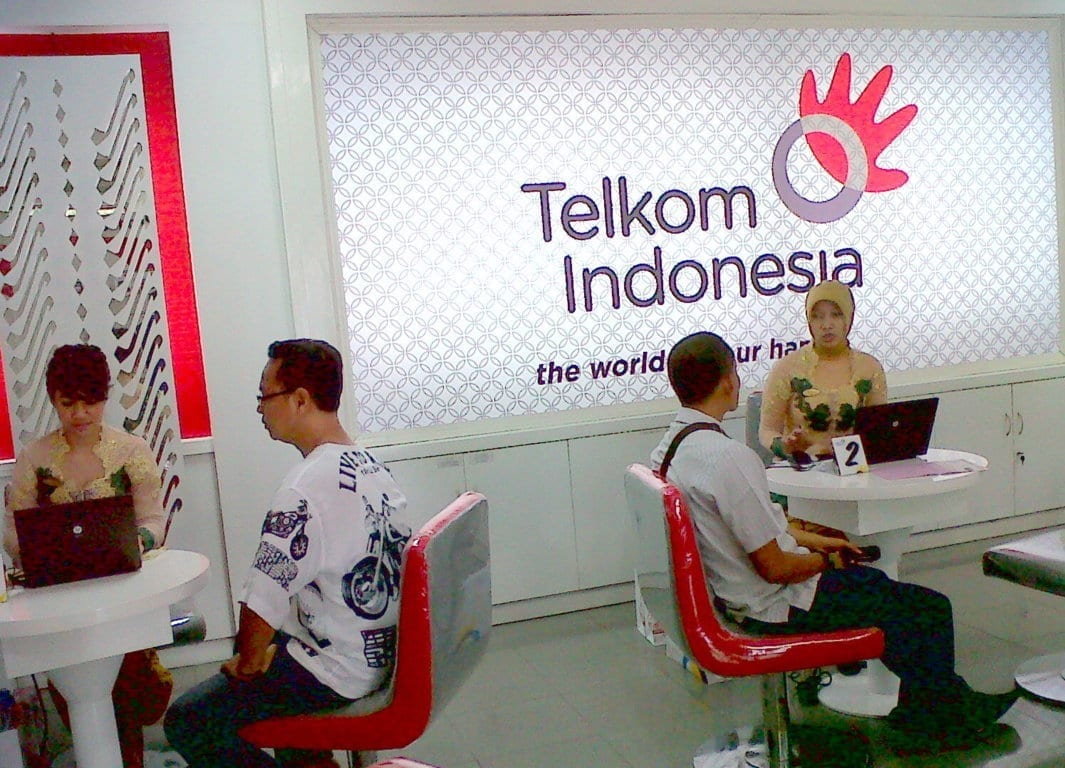
    Singtel and its Indonesian partner Telkom, the parent company of Singtel’s regional associate Telkomsel, have signed two memoranda of understanding (MOU) which was witnessed by Indonesia’s minister of state-owned enterprises Erick Thohir and vice minister of state-owned enterprises Kartika Wirjoatmodjo. The first of the two MOUs covers collaboration in the area of data centres, which marks a significant step in advancing Singtel’s regional data centre strategy. The second MOU involves a collaboration to support Telkomsel’s transformation into Indonesia’s leading consumer fixed broadband and mobile operator through a fixed mobile convergence strategy with Telkom.

    Expansion of regional data centre footprint to Indonesia

    To capture growth opportunities arising from the unprecedented digitalisation and cloud adoption in ASEAN, Singtel has focused on establishing a data centre platform that will work with partners to build and acquire data centres in the region. ASEAN has been experiencing robust data centre growth and the Singapore and Indonesia markets are projected to more than double in size, accounting for over 60% of regional growth by 2025.

    As strategic partners for over two decades, this move into data centres expands on the close collaboration between Singtel and Telkom to build out Indonesia’s mobile communications and digital infrastructure.

    Singtel Group CEO Yuen Kuan Moon said, “As businesses rapidly digitalise, and with the growing adoption of IoT, artificial intelligence and 5G across the region, demand for high-quality data centres is on the rise. This partnership with Telkom is an important step for our data centre strategy, bringing together the prime assets, expertise and networks of two market leaders in data centre operations in Indonesia and Singapore. As the largest digital economy in ASEAN, Indonesia is a strategic data centre market which expands our platform’s footprint to cover the three fastest-growing locations in the region – Indonesia, Singapore and Thailand. The platform will support the digital transformation needs of customers wanting to deploy into Indonesia, and Indonesian businesses looking to grow beyond the country. We look forward to deepening our longstanding collaboration with Telkom to capitalise on the favourable trends and tremendous market opportunity.”

    Telkom CEO Ririek Adriansyah said, “Telkom Group is currently consolidating our data centre business to answer the challenges of digital transformation. The regional data centre platform is a continuation of this data centre consolidation strategy and demonstrates our commitment to respond to customer needs and capture opportunities that will pave the way for our company to become a data centre player on a global level. These efforts require strategic partnerships with operators who have proven capabilities and track records. With its strengths and experience, Singtel is one of the strategic partners for Telkom in developing this regional data centre business.”

    Singtel is a leading operator of data centres in Singapore and has carved out its top-tier data centres, DC West and Kim Chuan 2, into a separate Singtel-owned entity with approximately 60 MW of capacity. In addition to securing a site in Tuas for a new integrated cable landing and data centre facility which will be ready in three to four years and add 30-40 MW in capacity, Singtel will continue to explore adding further capacity.

    An experienced data centre operator, Telkom has an existing data centre portfolio of 27 data centres in Indonesia and the region. It is also building a hyperscale data centre with 75 MW capacity to serve local and foreign companies and hyperscalers. Selected data centre assets from Telkom will be placed in the data centre platform. The companies will also collaborate on development opportunities and explore bringing third-party investors or partners into the platform.

    Besides Indonesia, Singtel has set its sights on the Thai data centre market. In February, Singtel signed a joint development agreement with Gulf Energy and Singtel’s regional associate AIS to start developing data centres in Thailand, and the new joint venture will be launched soon.

    Fixed mobile convergence strategy

    Singtel and Telkom will also jointly explore a fixed mobile convergence strategy for Telkomsel which will see an integration of its mobile business with Telkom’s consumer fixed broadband business. By combining the strengths of the two companies, Telkomsel will be able to enjoy significant synergies and enhance its leading position in the market with converged solutions that will give customers the best digital experience. This strategy will strengthen customer value proposition, in turn increasing customer lifetime value and household penetration.

  • These are the Top Countries in Asia for Passionate Gamblers

    These are the Top Countries in Asia for Passionate Gamblers

    Gambling is a very popular pastime in the modern world. There are many reasons for this. Entertainment is the main reason, however. Different cultures, traditions, and lifestyles exist around the globe. Most people admit to enjoying gambling games such as poker, slots, and roulette.

    People also enjoy traveling. All of us have the desire to travel the world and see many places. We are often limited by time and circumstances that make it impossible to travel as much as our hearts desire. Every trip you plan must be flawless. If you love gambling, Asia is the place for you.

    All across Asia, gambling is growing in popularity. When it comes time spent. However, the industry of gambling is still developing. Online casinos such as Fun88 Thailand allow people to gamble from their home. The trend will likely continue for the next few years.

    It is not our intention to suggest that the countries on this list can only provide entertainment. These countries also have rich traditions and histories, many monuments to see, beautiful views, and so on. These places are worth visiting, even if the day is over. We have highlighted five Asian casino destinations that are worth your attention. Each will provide you with a memorable and enjoyable gambling experience.

    Macau

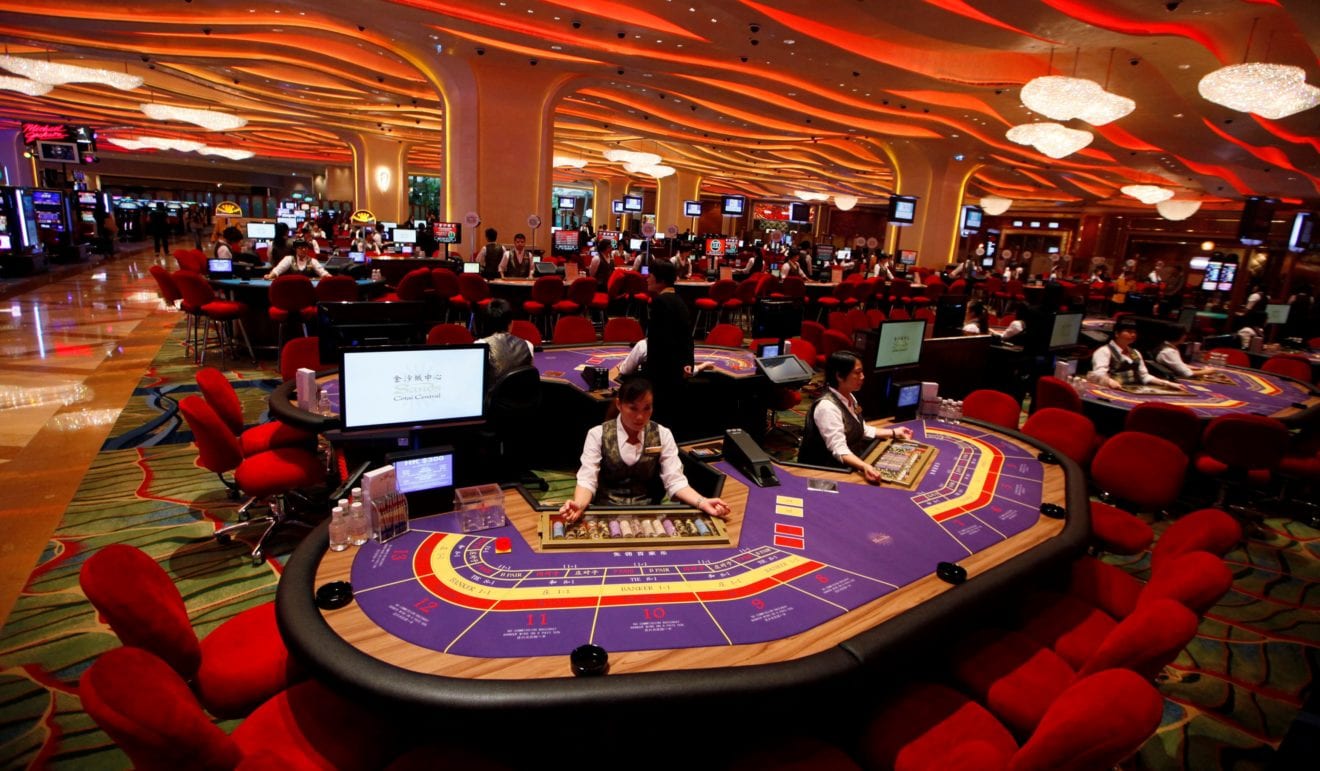
    Many will agree that Macau is Asia’s gambling capital. One thing is certain. You’ve probably fantasized about visiting Las Vegas, one of the most famous casinos in the world. Macau is Asia’s Las Vegas, or at least that’s what many people believe.

    Another reason you will be surprised is the wide variety of choices. You can play different games at casinos such as MGM, Grand Lisboa and The Venetian. There are smaller casinos that offer the same entertainment but fewer games. These can be great for players who prefer to play in peace and quiet. However, we cannot guarantee that you will find the same in larger ones.

    Thailand

    Most people who have been to Thailand would be surprised that this country is included on this list.Thailand’s gambling laws are quite specific. Due to government laws. The casino relies heavily on tourists. But that doesn’t mean gambling has become a non-popular pastime. Online casinos at 88thaicasino.com will be more popular with all citizens of the state. There are many options for them when it comes to casino sites. Online casinos offer a variety of games, decent bonuses and attractive designs.

    Philippines

    Remember the Macau comment? We can now say that the Philippines is gradually becoming the largest competitor. The Resorts World Manila is a good example. It is the most visited casino resort, welcoming thousands of players every day. It is also the first to open in this country. There are nearly 300 live gaming tables and more than 1500 machines.

    You can still visit other resorts with the same quality. Resorts World Bayshore and City of Dreams are just a few of the places worth your attention.

    Singapore

    Although we don’t want to deny that there are many casinos, it is not true. We believe that everyone will agree on the importance of quality over quantity. We will still need to emphasize this point.

    We recommend that you investigate the Singapore gambling laws. You won’t be able to travel to certain places if you don’t have the necessary documents to prove your identity. You will need to pay a fee for most casinos. The fee may not exceed $150 per day in some cases. You can pay a yearly fee, which is usually around $3000.

    South Korea

    Gambling is prohibited, it’s true. This rule applies only to local players. You have the right to visit the most prestigious casinos in the world if you are visiting the country as a tourist.

    Paradise Walker Hill Casino is a popular casino in Seoul. Although the casino isn’t huge, you can enjoy different games such as Blackjack, Roullete and Tai-Sai.

    Conclusion

    Las Vegas is a great place to visit, but it’s not the only one. You will find that there are many countries in Asia that can provide you with great gambling experiences. The future of Asian gambling is in countries like Macau, Malaysia, and the Philippines. What do you think? Which one seems the most appealing?


  • How Retail Businesses Can Benefit From Machine Learning Systems

    How Retail Businesses Can Benefit From Machine Learning Systems

    Machine learning systems are a branch of artificial intelligence that enables software applications to analyze and learn from data and experience to make accurate predictions and decisions with minimal involvement by a person. When it comes to retail business operation, business leaders initially used machine learning to automate day-to-day processes like in-store robots guiding customers to the product locations and restocking empty shelves. They also used chatbots to answer basic questions and make product suggestions.

    But due to technological advances, machine learning systems are no longer limited to physical automation. Today, retail businesses leverage it to streamline their daily operations. Especially when it comes to automated data analysis, data-driven decision-making, and smooth payment processing. If you want to learn more about machine learning, cnvrg published an article on this topic and provided information about decision trees and how to build one.

    Furthermore, you may proceed to read the critical points given below if you want to know how retail businesses can take advantage of machine learning systems.

    Efficient Customer Experience

    Machine learning systems in the data-driven retail industry provide a higher level of data processing, leading to more profound business insights. It enhances the retail business processes and provides an efficient retail shopping experience. Notably, machine learning systems incorporated with chatbots can send information about new product collections, suggest similar products that retail customers might want to buy, and respond quickly to commonly asked questions.

    Also, they help customers cut down their shopping time, make the sales team focus on other valuable tasks, and improve customer experience consistently. And the good thing is that these chatbots work in the retail business without human supervision.

    With that in mind, whether a brick-and-mortar or online retail business, machine learning systems allow business owners to market their products and services more efficiently by improving the customer experience. It has become an integral tool that retail companies can employ today to deliver highly personalized customer service.

    Predicting Customer Behavior

    Understanding customer behavior is crucial for retail businesses to succeed with their new products. Each customer has a distinct thinking process and attitude towards making a purchase. If a retail business fails to understand a customer’s reaction toward a particular product, it increases the likelihood of product failure.

    But the good news is that the retail industry nowadays can incorporate machine learning systems into their day-to-day operations to make critical predictions and improve their business plan. Notably, machine learning-powered predictive analytics can help retail businesses operate with lesser costly mistakes, get insights into the best practices to approach retail customers, and predict their behavior over a long-term period.

    Furthermore, retail businesses can also utilize machine learning-powered predictive analytics to identify the signs of dissatisfaction among current customers in their database. Consequently, it helps them retain those customers and determine the customer segments likely to go to another retail company.

    Better Price Optimization

    Optimizing retail prices to increase profits and avoid customer dissatisfaction has always been challenging for retail businesses. Before artificial intelligence and machine learning systems were born, retail companies only used traditional price optimization methods like manual market and customer data analysis. Pricing managers used mathematical models to calculate how price changes affect profitability rates and customer willingness to pay.

    However, due to the increasingly complex market conditions wherein retail companies are competing, traditional retail price optimization approaches can no longer adequately help retail businesses set prices for maximum profitability. Fortunately, there are technological developments in price optimization technology that allows retail companies to utilize the full potential of their business data and effectively set prices that increase their profits.

    Accordingly, with the help of machine learning systems integrated into price optimization technology, retailer businesses can now address most of the challenges they face in price optimization. In particular, machine learning-based pricing technology can analyze significantly extensive data sets and study more variables. Also, since machine learning learns on its own and constantly gets better over time, these advanced pricing tools can determine the optimal price points for retail businesses.

    Improved Inventory Management

    Retail supply chain processes are full of risks that can lead retail businesses to severe delays and deficiencies if they are not vigilant enough. Notably, they need to track their previous sales figures, historical trends, customer preferences, and even the opinions or reviews of shoppers online.

    On top of these tasks, they need to order products earlier than expected to ensure they are making the right call. However, if they become negligent or make mistakes, they risk being stuck with nonmoving or obsolete inventory, wasting money on products, parts, transport, and warehousing.

    But the good news is that, by incorporating machine learning systems into their forecasting, retail businesses can keep their supply chain flexible and agile. Machine learning systems allow supply planners to perform what-if analysis to help them get a clear picture of the cost and service alternatives that set the proper stock levels in place. As a result, retail businesses can avoid over-stocking products and increase customer satisfaction by meeting their demands and providing seamless experiences.

    Conclusion

    Overall, as competition in the retail industry becomes fiercer, machine learning systems play a significant role in getting and keeping a competitive edge. Therefore, retail business leaders should incorporate these game-changer technologies into their operations if they want to stand out from the competition.


  • Swensen’s Thailand opens next-gen regional flagship

    Swensen’s Thailand opens next-gen regional flagship

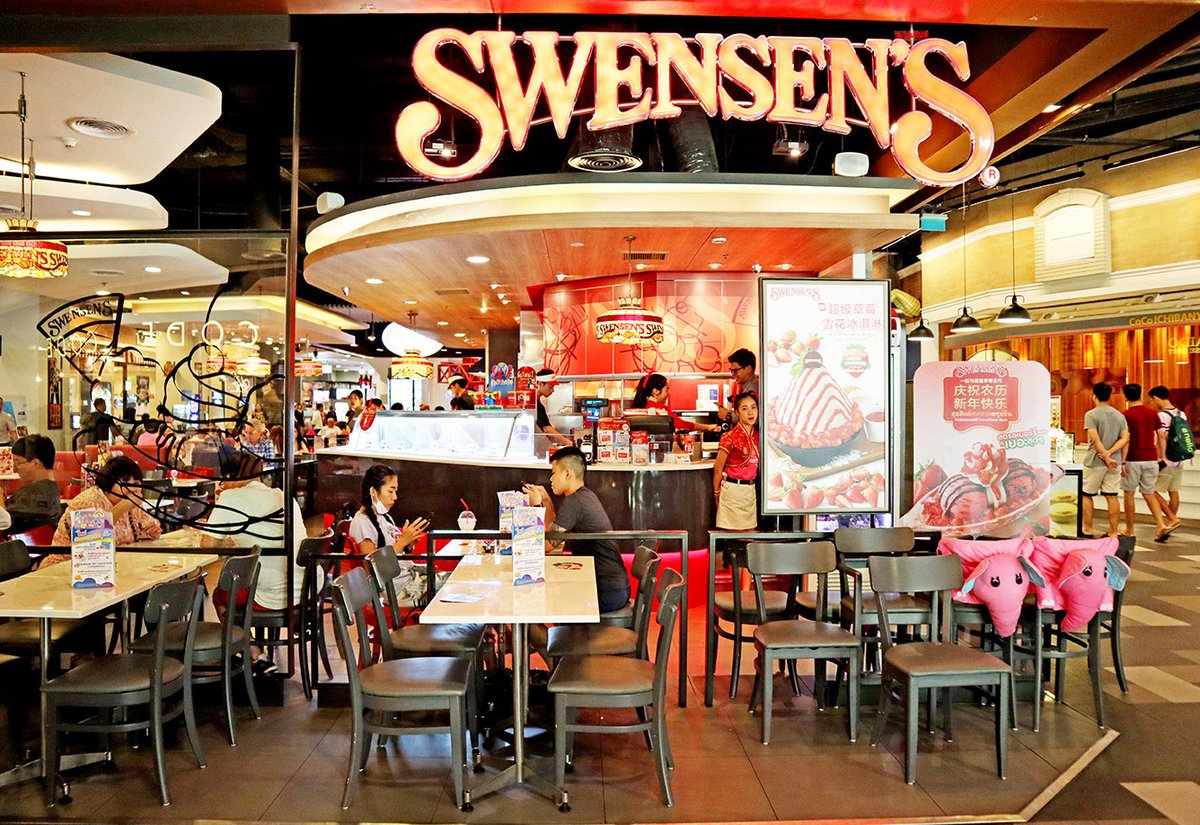
    Once again, Swensen’s reinforces to be the leading ice-cream brand that delivers a unique customer experience with the opening of Swensen’s Nan Regional Flagship Store. This store is the second store in Thailand after Phuket Town that is designed in accordance to the Regional Flagship Store concept. This concept is not just about expanding stores, but also to select a province with a character and local people including a distinctive local culture.

    Like Nan province, there is a strong community. So Swensen’s joins with local franchisee who truly understands  the Nan culture, to develop the area to become a new tourist attraction of Nan province.

    About store design, we bring the wisdom of Nan culture to create economic innovation through the store design. Customers can enjoy delicious ice-cream with a special ambience. We consulted with Nan historians, cultural experts and local designers  for store design,  to ensure that store ambience truly resonates with the local culture.

    Additionally, Swensen’s also adds a special menu ‘Bualoy Coconut Ice-cream’, which is available only in this store. If you travel to Nan, then do not forget to visit Swensen’s – Nan Regional Flagship Store and you will be truly impressed.

  • Uniqlo owner sees big profit drop in China due to Covid restrictions

    Uniqlo owner sees big profit drop in China due to Covid restrictions

    The owner of Japanese clothing brand Uniqlo on Thursday flagged a big profit drop in China due to COVID-19 restrictions, while its chief executive sounded alarm about the weakening yen’s potential to drive up costs.

    Fast Retailing is a rare bellwether for both global retailers in China, its biggest foreign market, and consumer demand in Japan, where it has carved out a dominant position by offering casual clothing to famously price-conscious shoppers.

    It and other multi-national retailers are now being forced to deal with lockdown measures in China. Fast Retailing has 863 stores on the mainland and almost 90 outlets in Shanghai, where strict measures, introduced in late March, remain in place to contain the country’s worst outbreak of the pandemic.

    McDonald’s and Starbucks, which each have dozens of outlets in Shanghai, have also been impacted as has production for retailers such as H&M, and Nike.

    Fast Retailing said it expects revenue declines and a large drop in profit in its Greater China segment in the second half and for the whole of fiscal 2022 due to COVID restrictions.

    Sales in the Greater China region, which includes Hong Kong and Taiwan, were hit in March, as up to 133 stores were temporarily shut.

    It has more Uniqlo stores in China than in Japan. It opened a flagship store in Beijing in November, and plans to open in 100 locations in the country each year.

    Separately, luxury brand Hermes said it had a strong start of the year in China until the beginning of March and is confident stores closed in Shanghai will reopen quickly.

    But the weakening yen and higher costs have forced Fast Retailing to consider price rises, a major shift for a company that has long competed on price.

    “There’s absolutely no merit to a weak yen,” Chief Executive Tadashi Yanai told reporters.

    “Japan is engaged in the business of importing raw materials from all over the world, processing them, adding value to them, and selling them. In this context, there is no advantage if the value of a country’s currency weakens.”

    The yen has been hammered this year, falling to the weakest level in almost 20 years against the dollar. For many Japanese companies that manufacture offshore – like Fast Retailing – the weak yen is less of a benefit than for traditional exporters.

    The company reported a record half-year profit on Thursday, buoyed by sales growth in North America, Europe, and other parts of Asia, while revenue and profit declined in Japan and China.

    Operating profit climbed 18% to 189 billion yen ($1.51 billion) in the six months through February from a year earlier.

    The company maintained its full-year profit forecast at 270 billion yen. That compares with a consensus forecast for annual profit to total 278 billion yen, according to a Refinitiv poll of 11 analysts.

    The Ukraine crisis has created another headwind, leading the company to close its 50 stores in Russia, after it initially resisted calls to exit the market along with other major brands.

    Prior to the earnings release, shares in Fast Retailing closed up 2.1%, versus a 1.2% gain in the broader market.