Tag: asia

  • Japanese brands top auto imports in Vietnam

    Japanese brands top auto imports in Vietnam

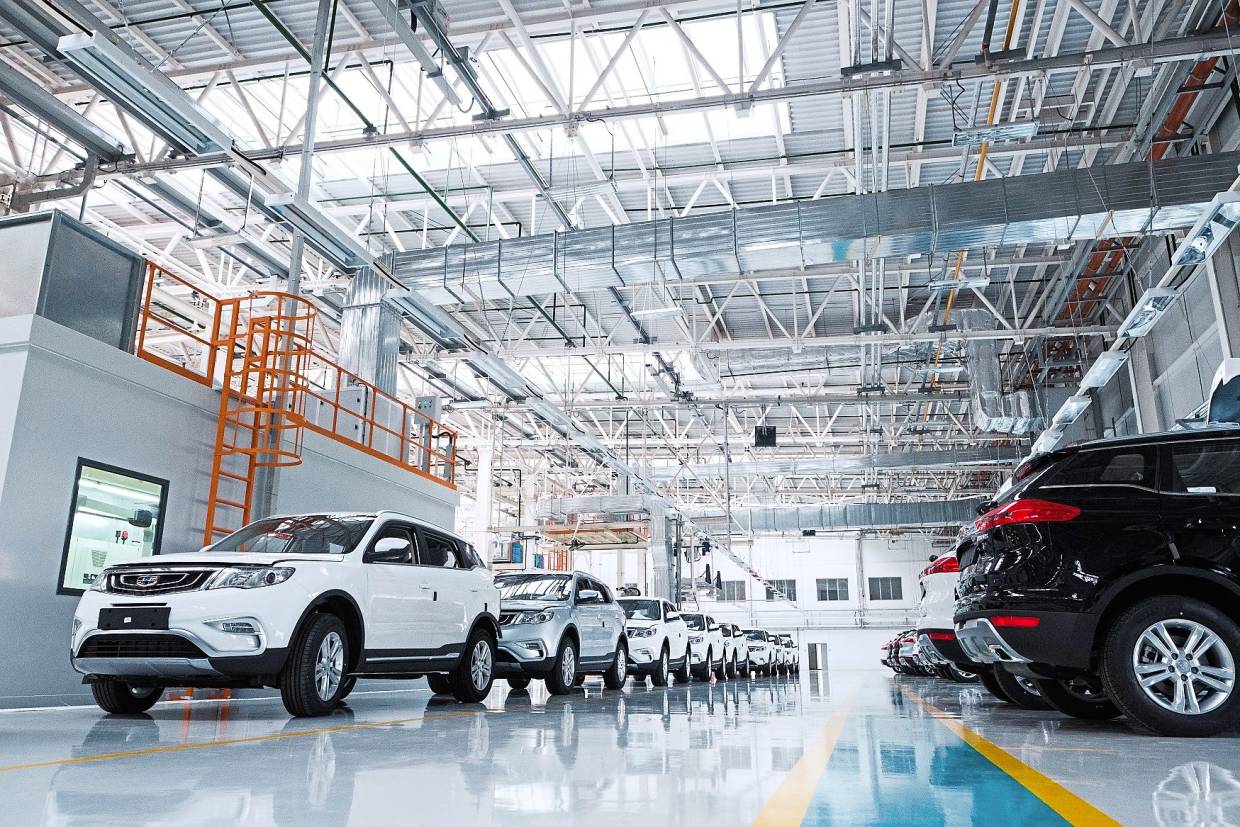
    Japanese brands, including Toyota and Mitsubishi, were the biggest sellers among imported cars in Q1. Toyota sold 11,661 completely built units, while Mitsubishi imported 7,797.

    They were followed by Honda, Mazda and Suzuki. Last year, Toyota, Mitsubishi and Suzuki sold the most imported cars, with Toyota alone selling more than half of all imported cars.

    Fifteen out of 17 models Toyota sells are imported from Indonesia, Thailand and Japan. The sedan Vios and SUV Innova are assembled locally, while the SUV Fortuner is both assembled and imported.

    Mitsubishi also imports most of its models, with the popular MPV Xpander, imported from Indonesia, accounting for 53 percent of its total imports sold last year.

    The remaining models, like the pickup truck Triton and sedan Attrage, are imported from Thailand.

    Suzuki and Isuzu also import from Thailand and Indonesia.

    Nearly 7,000 Mazda cars, distributed by Truong Hai Auto Corporation, were imported from Thailand last year. This accounted for 26 percent of total Mazda sales in Vietnam.

    Honda has its two main models City and CR-V assembled locally and imports the rest.

    Ford has recently started assembling its pickup truck Ranger model in Vietnam while the other models SUV Everest and SUV Explorer are imported from Thailand and the U.S. respectively.

    Some luxury brands like Volkswagen, Audi and BWM only import completely built units.

    Kia, Hyundai and VinFast only assemble.

  • Singtel and Telkom forge deeper ties in regional data centres and fixed broadband

    Singtel and Telkom forge deeper ties in regional data centres and fixed broadband

    Singtel and its Indonesian partner Telkom, the parent company of Singtel’s regional associate Telkomsel, have signed two memoranda of understanding (MOU) which was witnessed by Indonesia’s minister of state-owned enterprises Erick Thohir and vice minister of state-owned enterprises Kartika Wirjoatmodjo. The first of the two MOUs covers collaboration in the area of data centres, which marks a significant step in advancing Singtel’s regional data centre strategy. The second MOU involves a collaboration to support Telkomsel’s transformation into Indonesia’s leading consumer fixed broadband and mobile operator through a fixed mobile convergence strategy with Telkom.

    Expansion of regional data centre footprint to Indonesia

    To capture growth opportunities arising from the unprecedented digitalisation and cloud adoption in ASEAN, Singtel has focused on establishing a data centre platform that will work with partners to build and acquire data centres in the region. ASEAN has been experiencing robust data centre growth and the Singapore and Indonesia markets are projected to more than double in size, accounting for over 60% of regional growth by 2025.

    As strategic partners for over two decades, this move into data centres expands on the close collaboration between Singtel and Telkom to build out Indonesia’s mobile communications and digital infrastructure.

    Singtel Group CEO Yuen Kuan Moon said, “As businesses rapidly digitalise, and with the growing adoption of IoT, artificial intelligence and 5G across the region, demand for high-quality data centres is on the rise. This partnership with Telkom is an important step for our data centre strategy, bringing together the prime assets, expertise and networks of two market leaders in data centre operations in Indonesia and Singapore. As the largest digital economy in ASEAN, Indonesia is a strategic data centre market which expands our platform’s footprint to cover the three fastest-growing locations in the region – Indonesia, Singapore and Thailand. The platform will support the digital transformation needs of customers wanting to deploy into Indonesia, and Indonesian businesses looking to grow beyond the country. We look forward to deepening our longstanding collaboration with Telkom to capitalise on the favourable trends and tremendous market opportunity.”

    Telkom CEO Ririek Adriansyah said, “Telkom Group is currently consolidating our data centre business to answer the challenges of digital transformation. The regional data centre platform is a continuation of this data centre consolidation strategy and demonstrates our commitment to respond to customer needs and capture opportunities that will pave the way for our company to become a data centre player on a global level. These efforts require strategic partnerships with operators who have proven capabilities and track records. With its strengths and experience, Singtel is one of the strategic partners for Telkom in developing this regional data centre business.”

    Singtel is a leading operator of data centres in Singapore and has carved out its top-tier data centres, DC West and Kim Chuan 2, into a separate Singtel-owned entity with approximately 60 MW of capacity. In addition to securing a site in Tuas for a new integrated cable landing and data centre facility which will be ready in three to four years and add 30-40 MW in capacity, Singtel will continue to explore adding further capacity.

    An experienced data centre operator, Telkom has an existing data centre portfolio of 27 data centres in Indonesia and the region. It is also building a hyperscale data centre with 75 MW capacity to serve local and foreign companies and hyperscalers. Selected data centre assets from Telkom will be placed in the data centre platform. The companies will also collaborate on development opportunities and explore bringing third-party investors or partners into the platform.

    Besides Indonesia, Singtel has set its sights on the Thai data centre market. In February, Singtel signed a joint development agreement with Gulf Energy and Singtel’s regional associate AIS to start developing data centres in Thailand, and the new joint venture will be launched soon.

    Fixed mobile convergence strategy

    Singtel and Telkom will also jointly explore a fixed mobile convergence strategy for Telkomsel which will see an integration of its mobile business with Telkom’s consumer fixed broadband business. By combining the strengths of the two companies, Telkomsel will be able to enjoy significant synergies and enhance its leading position in the market with converged solutions that will give customers the best digital experience. This strategy will strengthen customer value proposition, in turn increasing customer lifetime value and household penetration.

  • Samsung seeks to supply Apple with an important part of the latter’s M2 chip series

    Samsung seeks to supply Apple with an important part of the latter’s M2 chip series

    Apple’s initial line of M-series chips includes the M1, M1 Pro, M1 Max, and the M1 Ultra. Built by TSMC using its 5nm process node, these SoCs feature a large number of transistors starting with the M1’s 16 billion and moving ahead to the 33.7 billion on the Pro, 57 billion on the Max, and the whopping 114 billion on the Ultra (which is essentially two M1 Max chips combined.
    The M-series chips are based on Arm’s architecture and the M1 is employed inside the latest versions of the iPad Pro and iPad Air. Apple has finished the M1 series and is now moving on to the M2. One of Apple’s main rivals says that it wants a role in Apple’s M2 supply chain. Samsung, which was involved in the production of the M1 series, wants to continue peddling supplies to Apple for the M2 series.
    According to SamMobile, Samsung supplied Apple with FC-BGA (full-chip ball grid array) substrates that are used by CPUs and GPUs that have a large number of circuit connections. A substrate used in the production of chips is basically a thin copper wire placed in resin that helps transmit user instructions to chips and relay the answers. It is used because the extremely thin wiring attached to chips can’t handle being soldered directly to a circuit board.
    In other words, a substrate helps connect a chip to the motherboard of a device. As important a task as that is, it is not as high tech as other parts of a chipset are and margins are low.
    Last December, Samsung invested 1.3 trillion Korean won ($1.04 billion USD) to build an FC-BGA substrates factory in Vietnam. The company also spent another 300 billion won ($241 million USD) on its existing FC-BGA substrates facility in its home country of South Korea.
    Will Samsung get the job? Considering that there has been under-investment in the production of substrates (typical for such a low-margin business), supplies are tight and Apple has been known to tie up production for years in situations like this. And if Apple doesn’t go with Samsung, there are many chipmakers that need to find a source for advanced substrates.
  • Alibaba’s Freshippo struggles to meet demand during Shanghai lockdown

    Alibaba’s Freshippo struggles to meet demand during Shanghai lockdown

    Alibaba’s supermarket chain Freshippo says it is adding more couriers to meet high demand in Shanghai but this was not yet catching up with the rising needs of locked-down residents as the city battles a surge in Covid-19 cases.

    Shen Li, a vice president at Alibaba Group’s Freshippo, told reporters on Sunday that while the company’s delivery capacity had recovered to about 60-70 per cent of pre-outbreak levels as more couriers were allowed back on the roads, many difficulties remained.

    “The biggest challenge we are facing now is that the demand and numbers of orders from consumers has increased by about two to three times compared with pre-outbreak levels,” she said.

    China’s most important economic hub has locked down most of its 25 million residents for more than three weeks in an effort to stamp out the country’s largest outbreak since the virus first emerged in Wuhan in late 2019.

    After most supermarkets and stores were shut across the city, residents resorted to online buying to procure food and other essentials but have faced difficulties. Shanghai authorities have said they are trying to ease these bottlenecks but it remains a key public frustration.

    Many residents have described waking up as early as 5am to try and grab delivery slots from online grocers such as Freshippo, only to find them sold out in seconds. While Freshippo and other vendors have launched bulk-buying purchase schemes, some people have complained about the inability to reach the volumes needed to guarantee orders.

    Shen said Freshippo as of Sunday had 47 stores open for online deliveries in Shanghai and it also had set up six additional ad hoc warehouses for the city, due to issues with inter-province supply chains.

    About 5000 staff were working in these stores and its warehouses while a further 1000 were working online from home, she added.

  • Hugo Boss the latest lux brand to launch resale offer

    Hugo Boss the latest lux brand to launch resale offer

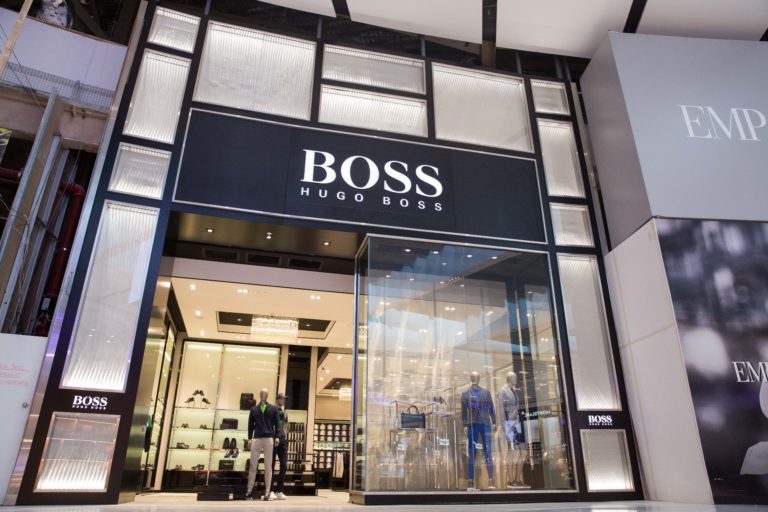
    Luxury fashion brand Hugo Boss has committed to a premium resale platform, which is set to launch in the third quarter of this year, encouraging customers to buy pre-owned items.

    According to the company, resale is a fast-growing market that helps reduce the fashion industry’s impact on the environment. Hugo Boss expects the initiative to extend its products’ life cycle and help limit its resource consumption.

    The online platform allows customers to return their used items to Hugo Boss in return for a credit that can be spent online on new or pre-owned items, or in-store. After a quality check, the pre-owned products will be sold on Hugo Boss Pre-Loved and ready for their second life in a new wardrobe.

    In addition, Hugo Boss will also launch a care and repair service to help customers cover the repair of their clothes and ensure the items can last longer.

    These are parts of Hugo Boss’s broader strategy unveiled on Earth Day to enhance its circular business model. The German fashion house also reports its circular products must meet three requirements: being made from renewable or recycled materials, being fully recyclable, and designed for longevity.

    “The high quality of our products allows them to have several lives, and our entry into the growing resale market is a natural step for us as a company,” said Heiko Schafer, COO of Hugo Boss.

  • Trivago fined $44.7 million for misleading travellers

    Trivago fined $44.7 million for misleading travellers

    Online travel booking company Trivago has been ordered to pay $44.7 million in penalties by the Australian Federal Court for misleading consumers over hotel prices.

    The court found that in January 2020, the company deceived consumers through misleading misrepresentations of hotel room rates on its website and in television advertisements.

    Trivago had used an algorithm to determine which travel booking site paid the highest cost-per-click fee and highlighted them on its website.

    Between December 2016 and September 2019, the company admitted to receiving $58 million in cost-per-click fees from offers that weren’t the cheapest choice available for a given hotel. This had caused consumers to overpay on hotel booking sites, losing out on almost $38 million dollars.

    Australian Competition and Consumer Commission (ACCC) chair Gina Cass-Gottlieb said this penalty sends a strong message not just to Trivago, but to other comparison websites.

    “The way Trivago displayed its recommendations when consumers were searching for a hotel room, meant consumers were misled into thinking they were getting a great hotel deal when that was not the case.

    “Trivago also misleads consumers by using strike-through prices which gave them the false impression that Trivago’s rates represented a saving when in fact they often compared a standard room with a luxury room at the same hotel,” she said.

    Accommodation Association CEO Richard Munro welcomed the decision of the Federal Court and added: “After surviving Covid and closed borders, the harsh reality is that many of our members rely on a portion of their bookings generated through these platforms, and can find themselves stuck between a rock and a hard place.”

    He further encouraged Australian travellers to book directly with local accommodation providers or through local travel agents.

  • First KFC ‘Green Pioneer Stores’ open in China

    First KFC ‘Green Pioneer Stores’ open in China

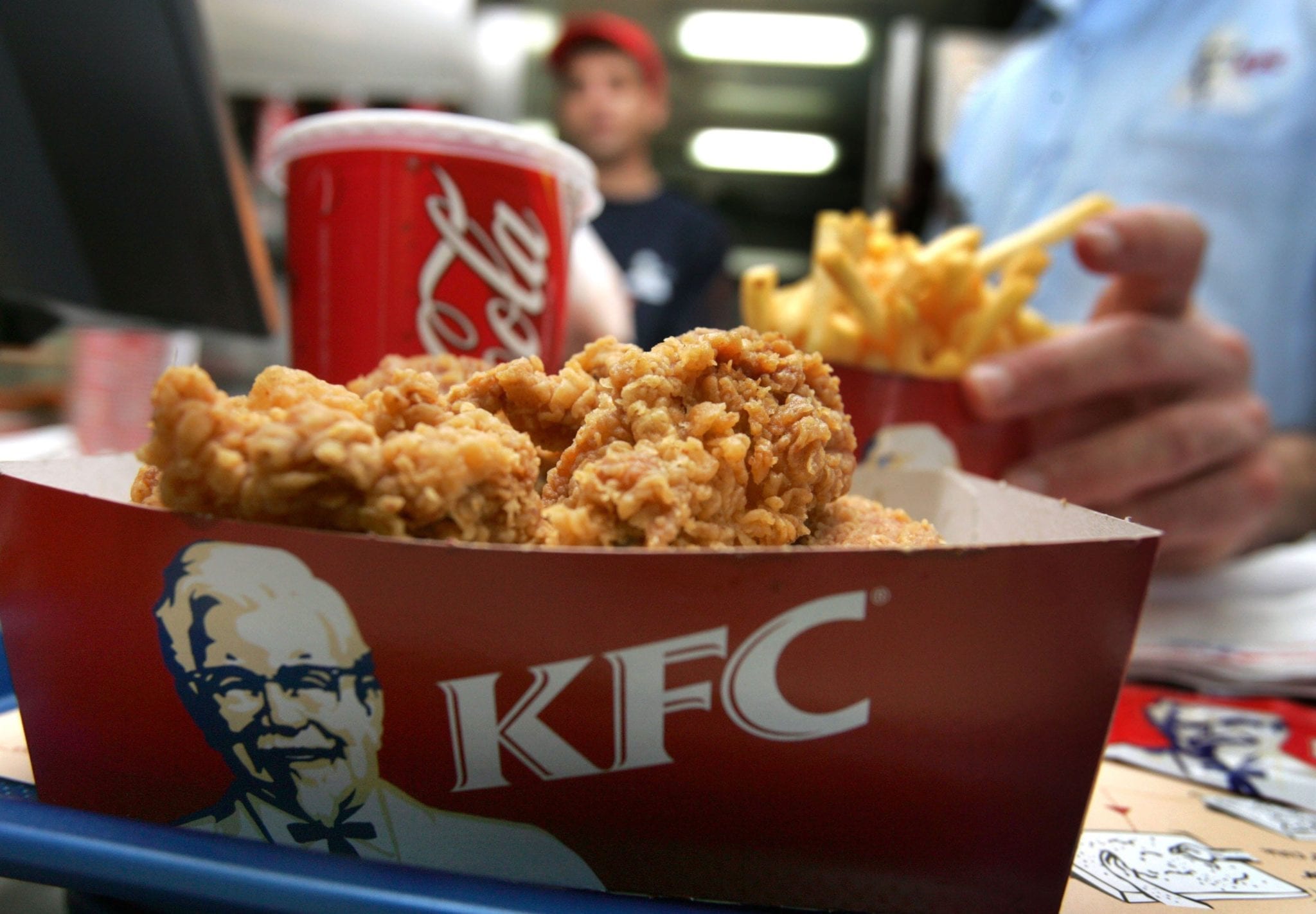
    Yum China has just launched KFC’s first Green Pioneer Stores in Beijing and Hangzhou, as it works toward building a network of net-zero restaurants in the future.

    The move is part of the company’s climate strategy and a roadmap to achieving net-zero by 2050, following its pledge to Business Ambition for 1.5°C Commitment Letter to the Science-Based Target initiative (SBTi) last year.

    “We are committed to driving meaningful change and pioneering in the restaurant industry towards net-zero emissions. Building Green Pioneer Stores is an important part of our journey,” said Joey Wat, CEO of Yum China.

    Following the company’s 4R principles (reduce, reuse, recycle, replace), KFC has already incorporated several environmentally friendly practices in its stores across the country, such as:

    • Solar panels in its Hangzhou store generate an estimated 10,000 kWh of energy each year, which helps reduce carbon emissions from electricity consumption.
    • An Internet of Things-based (IoT) intelligent restaurant energy management system which helps improve the energy efficiency of Green Pioneer stores by around 10 per cent annually.
    • Each Green Pioneer Store is equipped with a Tubular Daylighting System that uses natural lighting, reducing electricity consumption.
    • Using eco-friendly materials such as ceramic floor tiles made from recycled energy, low-carbon bamboo and alt-leather made from recycled KFC coffee grounds.

    The company said the Green Pioneer Stores will also allow customers to experience and learn about eco-friendly restaurants by integrating “green interior design”.

    At its Beijing store, a Family Bucket is made entirely of recycled packaging. While in Hangzhou, a wall section was intentionally left unfinished with an opening to show customers the restaurant’s eco-friendly construction process.

    While the restaurant chain has already integrated environmentally friendly initiatives, the company aims to further improve its emissions reduction by 15 per cent each year.

    “We will continue to explore the utilization of innovative technologies in restaurant construction and operations to promote sustainable development and contribute to the low carbon economy,” Wat added.

  • Fashion Brands Turn to NFTs for Latest Marketing Campaigns

    Fashion Brands Turn to NFTs for Latest Marketing Campaigns

    What exactly are NFTs?

    More and more brands are turning to digital trends to reach out to their audiences. Where many businesses are innovating how consumers experience their brand in the metaverse, others are dipping their toes into the uncharted world of NFTs.

    Before diving into tech-savvy terminology, let’s talk about what an NFT is exactly. An NFT is a digital format artists and businesses use to create all sorts of digital art, including pictures, GIFs, videos, music, games, and in some cases, virtual land. Often, people write off NFTs as something anyone can have just by downloading the art.

    While it may be true that art enthusiasts can download a piece of art, it’s important to remember it’s not the NFT itself. That’s to say, it is a copy of the NFT, but it is not the original. To demonstrate ownership of a piece of original art, owners can consult the blockchain technology that proves their connection to the artist and the piece.

    To give a real-life example, owning an NFT is like owning Michelangelo’s David. While anyone can make an exact copy of it or take pictures of it, there is only one owner. In the case of the famous marble statue, that owner would be the Italian government, which has the corresponding documents needed to prove its ownership. The same principle applies to NFTs.

    Similarly, in the fashion industry, owning original or limited edition pieces is part and parcel of what makes big brands like Louis Vuitton, Gucci, Burberry, and Hugo Boss as in demand as they are. The logical next step in their marketing strategy would be diving into NFTs, which favour and exude exclusivity.

    Louis Vuitton Releases Video Game

    To celebrate Louis Vuitton’s 200th birthday last summer, the emblematic brand released a mobile game app where players could learn about its rich history, play mini-games, and earn the chance to win Louis Vuitton NFTs, including postcards and avatars.

    The luxury fashion house has announced that players who reach a certain amount of points will be given the opportunity to enter a raffle, which will end on August 4th of this year. Ten random winners will be awarded Louis Vuitton NFTs of the game’s main character, Vivienne, the company’s logo fashioned into an adorable mini humanoid figure.

    Creating video games, which provide consumers with an intimate and interactive way to engage with the brand’s history and values, also puts the brand in favour of increasingly popular digital platforms and experiences like the Metaverse. Louis Vuitton appears to be taking the digital market and Metaverse by the reigns, its marketing strategy paving the way for other fashion houses.

    Top Fashion Brands Embrace NFTs

    Among many high fashion brands rushing to use NFTs in their marketing strategies, Burberry was one of the first to collaborate with the gaming industry. Joining forces with Mythical Games, Burberry created NFTs for Blankos Block Party, an online multiplayer shooter game. The NFTs feature a cute, human-shark hybrid surrounded by liquid silver and sporting Burberry logo print on its fins.

    Another brand that has taken to the thriving world of digital art is Hugo Boss. Like Burberry, Hugo Boss collaborated with Boss Beauties to create an NFT in an effort to help young, marginalized women succeed in the workplace. The NFT depicts a classic white t-shirt, with a confident young woman in the centre. Both brands intend to auction the NFT online and with the earnings, fund their Dream Like A Boss programme, which will provide young women with the resources they need to succeed in professional environments.

    IMAGE HERE>>>>>>https://images.unsplash.com/photo-1642525027649-00d7397a6d4a?ixlib=rb-1.2.1&ixid=MnwxMjA3fDB8MHxzZWFyY2h8NHx8bmZ0fGVufDB8fDB8fA%3D%3D&auto=format&fit=crop&w=600&q=60 >>> Photo

    The Future of NFTs in Fashion

    As experts, artists, and brands learn more about the Metaverse and the digital marketplace at large, it is still too early to tell in what direction NFTs will take art and fashion. In any case, it’s safe to say that in the few short years that NFTs have been accessible to the public, they have taken the market by storm.

    Considering the incredible advancements Bitcoin has reached in under fifteen years, NFTs seem to be following a similar path, gaining more and more relevance at an accelerated rate. Whether they might seem like an outlandish idea that’s too difficult and intangible to imagine its practical use, there’s no arguing that the new digital format is here to stay. Especially for their valuable assets for marketing and PR strategies, NFTs have built a niche tailor-made for the fashion industry.

  • The dream villa in Southeast Asia: An architect makes it happen

    The dream villa in Southeast Asia: An architect makes it happen

    Thailand has a very mixed image. While some people are very much looking forward to a stay in Thailand, others rather associate loud music and notorious nightlife with this beautiful country. One of the most famous Thai islands is Phuket. A Luxury Villa Architect in Phuket allows you to live a wonderful life in Phuket. Phuket is a city that offers many opportunities and is known for its evening parties among other things. After the Vietnam War, there were a lot of GIs stationed on this beautiful island. Since the American soldiers were mainly looking for their personal pleasure in Phuket, there are still very many bars and pubs. After the end of the war, the soldiers left. Immediately the island was discovered by backpackers. The island underwent another transformation in the 1980s. The very first luxury hotel was then built in Nai Harn Beach in the south of the island. Thus, the reputation changes overwhelmingly, from an attraction for backpackers came the transformation to a luxury resort. Now Phuket is known for fantastic luxury real estate and since then more and more architects are settling in Phuket, resulting in a real building boom on this magnificent island.

    Buying real estate in Phuket

    If you are considering buying a property in Thailand, you should find a local partner to help you. Real estate and property in Phuket, is quite expensive. This way, the complicated laws and rules can be followed very well and one avoids unnecessary mistakes that have legal consequences. For this reason, the cooperation with an experienced local architect is highly recommended.

    Phuket and the luxury hotels

    The first luxury hotel was followed by very many other luxury resorts spread all over the island. Many upscale accommodations as well as luxury restaurants, spas and leisure facilities of the higher price segment also settled on Phuket. In addition to the classic hotels, Phuket also offers some other types of resorts, such as cottages, apartments, and also ordinary accommodations. Meanwhile, Phuket offers a luxury real estate market. A variety of high-end luxury villas can be found here.

    For Thailand, this was the starting point to start promoting better and more expensive hotels in order to attract the appropriate clientele. The Tourism Authority of Thailand is extremely keen to see the poor image of Thailand finally transform into a proper image. Hotels, for their part, have responded to the increased demand for upscale accommodations with luxurious amenities. This explains the increasing number of upscale hotels to be found in Thailand.

    The possibilities on Phuket are endless

    Besides the fantastic resorts and luxury hotels, Phuket has a lot more to offer, such as the Big Buddha, which is the absolute landmark of Phuket. The Buddha is almost 65 meters high, sits on a hill and looks into the beautiful bay. For tourists, this is a wonderful place to visit, because you can enjoy this view perfectly and it offers an unforgettable view of the great beaches. Here, idyll and the luxurious accommodations are combined and there are almost all kinds of leisure activities to choose from.

    Phuket is located in the southwest of Thailand and it is not far from the mainland. In terms of area, it is the largest island in the country. Phuket becomes a perfect vacation paradise for the very reason that here, for example, every beach is located next to the impressive jungle of the island and the palm trees provide the perfect vacation feeling.

    The flora and fauna of the island are also extremely impressive, because rare animals and species can be admired here, and this applies not only on land, but also in the air. At the same time, the island offers an enormous variety in terms of leisure activities on offer.

    Whether diving, snorkeling, swimming, surfing or kite surfing, in Phuket everyone will find what they are looking for. Therefore, the island enjoys many different visitors with different preferences. In addition, the island offers a whole range of unforgettable excursion destinations.

    The old town of Phuket enchants the visitor

    In addition to the scenic beauty, but also the old town of Phuket convinces. Here, not only the beautiful buildings of the old town enchant, but also the unique and absolutely incomparable character. Both friends of architecture and architects themselves are immediately captivated by beautiful buildings from the colonial era. Nowhere else in Thailand can you find such a unique architecture than in Phuket. The cityscape appears extremely colorful and here every house has a different color. Above all, in the old town of Phuket also just the Chinese and Portuguese occupiers have left their mark. Almost all buildings can be immediately assigned to one architectural style.

    Great feel-good factor in luxurious style

    The feel-good ambience that the noble hotels, especially in Phuket, offer their guests is absolutely unique. In addition, the majority of them are located in such a way that the guest is enchanted by unforgettable views. But there are also private accommodations that pamper the guest with a lot of luxury. Here is really the right thing for everyone, whether you like to travel in the family, just the two of you or even alone. Here you will find excellent luxury accommodations for every need. From hotels, to apartments, to bamboo huts, there is something for everyone here and the guest never has to do without luxury.

    Even today there is a lot of construction going on in Phuket. Whoever wants a Luxury beachfront villa in Phuket will definitely find the right architect to build it. Although the land prices are no longer those that were called in the 90s, but even if you now have to dig much deeper into your pocket, on Phuket you will definitely be able to build your dream home in a fantastic environment. Here you can look forward to a luxurious private villa in the middle of the jungle with a view of the beautiful blue sea.

    The ideal vacation destination

    Phuket is still a place for masses of tourists. But in the meantime, the balance between masses and luxury vacation is perfectly established. The main reason for this is that luxury guests often do not leave their accommodations and feel most comfortable within the hotel grounds.

    While this hurts both the bars and the tourist attractions, at the same time they are less crowded and the small beaches can also be better enjoyed.
  • 6 Industries That Use Clevis Pins

    6 Industries That Use Clevis Pins

    Industrial fasteners cover a wide range of small yet essential tools that connect and secure two or more items. Although screws and bolts are the first things that come to mind, there’s one that’s widely used across several industries. They’re used in land, air, and sea equipment and are vital in ensuring the safety of both people and cargo.

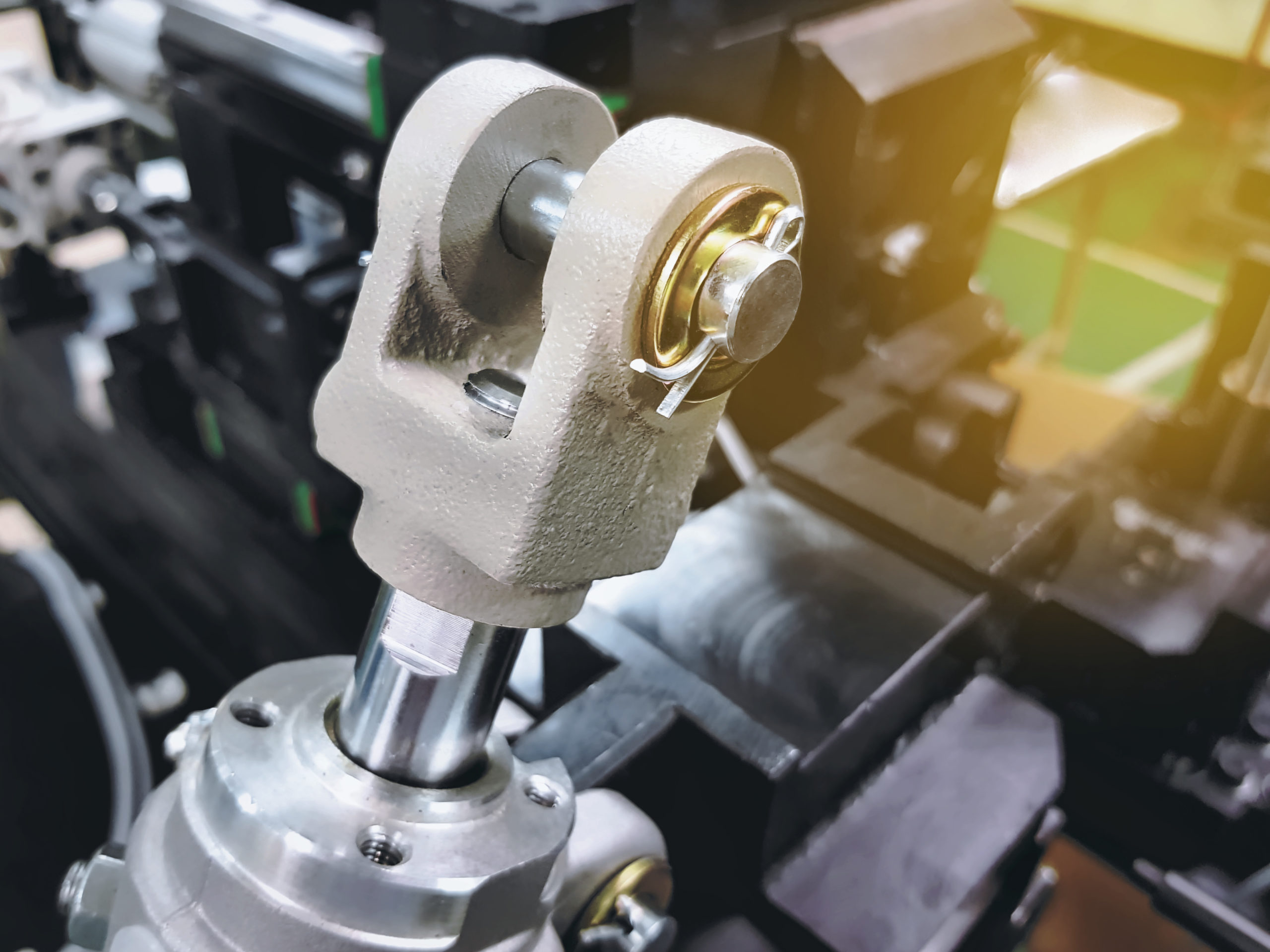
    These small yet essential fasteners are called the clevis pin. Some may also refer to them as hitch pins. They join materials together and allow movement at the same time.

    Clevis pins are typically made from stainless steel that withstand sheer pressure and corrosion. They either have a flat or domed head and a shank with a hole near the end. They are inserted into pre-drilled holes and then secured with a cotter pin.

    Types Of Clevis Pins

    Clevis pins have different types and have a wide range of uses. Non-threaded clevis pins have a smooth shank, while threaded ones have grooves running across their length.

    Standard clevis pins are the most common and come in small and large sizes. Compared to standard clevis pins that only have one hole, a universal clevis pin has multiple holes to adopt different lengths.

    There are also cotterless clevis pins with a self-locking feature rather than a cotter pin to secure it in place. Grooved clevis pins work with e-clips, while a bent pin’s edge serves as a handle.

    Industrial Applications Of Clevis Pins

    If you’re curious as to how these fastening pins work, read on to discover how these seemingly small tools do a great job of handling heavy loads across several industries:

    1. Agriculture

    Clevis pins are used in farm and garden equipment. They connect trucks and tractors to wagons and carts so they can haul different types of loads and transport them on public roads. Aside from farm implements, clevis pins are also handy when rigging horses or mules for plowing.

    Frequently, clevis pins work together with towing chains to ensure that the wagon and its load do not dislodge on bumpy roads or sway tremendously due to strong winds. They keep farm produce and equipment in place to ensure safe travel on roads and highways.

    1. Automotive

    Clevis pins are also crucial in making and transporting different types of vehicles. Clevis pins move car parts along the assembly line. They are also essential components of a car’s braking system, shock absorber, and rod end for gas struts.

    They also form part of towing equipment. Clevis pins serve as connecting and locking mechanisms for cars, trucks, trailers, and others. They help transport new and even damaged vehicles from one site to another.

    1. Aviation

    The aircraft industry uses standard clevis pins to ensure flying safety. They keep various components secure despite constant vibration. Clevis pins connect cables to the carburetor of the fuel injection system of an airplane’s engine. They also work as link tie rod terminals and secondary controls.

    1. Construction

    Clevis pins also find themselves as useful components of heavy construction equipment. They are attached to girders, cranes, and other hydraulic machines to withstand heavy loads and sheer pressure. And this type of fastener is preferred by the construction industry because it can withstand rust and corrosion. What’s more, stainless clevis pins are also durable despite strong machine vibrations.

    1. Fabrication

    For the metal fabrication industry, clevis pins join metal plates or columns together. They allow efficient movement across the machine floor, especially when they work together with electric chain hoists and chain pulley blocks.

    1. Marine

    Marine vessel manufacturers prefer stainless steel clevis pins because they do not corrode despite constant exposure to sun and saltwater. These mechanical pins serve as vital fixtures of a sailboat’s rigging mechanism. Clevis pins can help you steer efficiently and ensure that your engine can perform well. They also support loads of a spar and ensure that tiller arms work perfectly.

    Reliable Clevis Pins

    In sum, clevis pins serve various industries because of their ability to securely connect materials together. It can handle heavy loads and allow movement despite sheer pressure. These simple yet effective fasteners serve as useful components for different types of land, sea, and air transport.

    Clevis pins are used in farming and garden equipment that allow the transport of farm products and supplies. They also ensure vehicles are safe through efficient braking systems. They’re also included in a towing system and secure loads while traversing public roads.

    When it comes to manufacturing, they improve assembly line processes. Clevis pins are also crucial components of various construction equipment, aircraft, and sailboats. Indeed, they are small yet reliable fasteners that keep equipment, people, and cargo safe.


  • Singapore’s Sheng Siong plans 25 more stores during next five years

    Singapore’s Sheng Siong plans 25 more stores during next five years

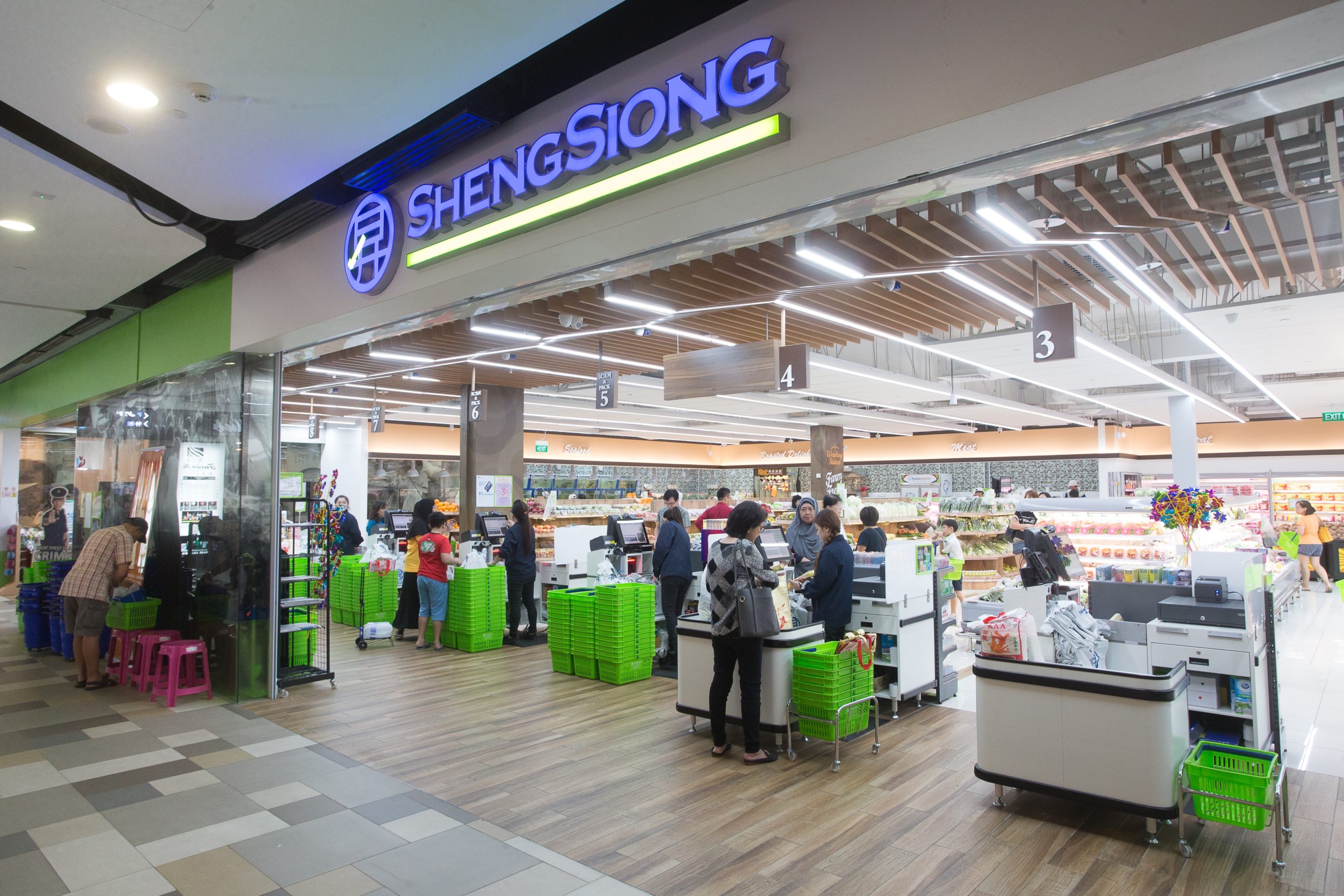
    Singapore’s supermarket chain Sheng Siong aims to open three to five new outlets every year in the country in the near term, the company said in a bourse filing today (Apr 20). The near term plan will be within the next three to five years, and this adds up to 25 stores by the fifth year, as part of the supermarket chain’s plans to expand its footprint in the country.

    Sheng Siong said it will continue to look out for retail spaces in new and existing public housing estates, particularly in areas where it does not have a presence.

    A check online shows the chain having 65 outlets across Singapore, with 14 outlets in the Northeast, 17 outlets in the West, 12 outlets in the North, 11 outlets in Central, and 11 outlets in the East.

    With a projected 25 more outlets, this will bring Sheng Siong’s total number of outlets to 90.

    According to competitor NTUC Fairprice’s website, the chain has 230 outlets in Singapore. Fairprice claims that it’s the country’s largest retailer. It counts brands like FairPrice supermarkets, FairPrice Finest, and Cheers as its outlets. There are 100 FairPrice supermarkets islandwide.

    Sheng Siong will also continue to build on its e-commerce capability to extend its reach to customers in areas where it does not have a physical presence.

    There are also plans to expand into China although it didn’t lay out the specifics. The company is currently operating four supermarkets in Kunming, China, which continue to be profitable.

    The supermarket chain’s latest financial results showed a 6.4 percent increase in revenue for the second half of the financial year 2021, at S$688.1 million. That’s thanks to the opening of three new stores in Singapore in the same period.

    Net profit for the full year eased 4.2 percent to S$132.8 million, due to a high base in the previous year.

    Sheng Siong expects pandemic-induced demand to taper as consumers loosen their purse strings on discretionary items like social activities and travel.

    “We should build a ‘war-chest’ ready on hand and preferred to conserve cash rather than gear up when the need arises,” it said.

    The company made news last year when it rewarded staff with up to 16 months of bonus after the “tremendous” performance in 2020.

    Internal memos seen by news agencies showed that some of the amount, as well as monthly bonus were distributed in 2020.

    The good performance reflected how well supermarkets perform

  • Woolworths launches compostable produce bags in SA

    Woolworths launches compostable produce bags in SA

    Woolworths has unveiled locally made compostable fruit and vegetable bags across its stores in South Australia.

    The business believes the switch can help divert 70 tonnes of plastic waste from landfills each year. The compostable bags can be discarded in home DIY compost pits or in the council-provided green bins for garden waste.

    The organic bags are made in South Australia by Biobag and will be available across the retailers’ fruit and vegetable departments along with reusable nylon bags, available in three packs. The bags can also be used as liners in council-provided scrap ‘kitchen caddies’.

    Woolworths South Australia assistant state manager Elisha Moore says this shift represents ‘a big breakthrough’ in sustainable shopping for customers in the state.

    “South Australia leads the nation in household access to council-provided composting, so it’s a great place to launch sustainable initiatives like these new bags,” said Moore.

    Deputy Premier of South Australia and Environment Minister, Susan Close welcomed the initiative and said South Australia was a ‘logical choice’ for Woolworths.

    “All our metropolitan councils in Adelaide accept food waste in their green bins and so do many regional and country councils. No other state in Australia has this level of waste and recycling available to households,” she said.

    The retailer is also working to make 100 percent of its own-brand packaging recyclable, reusable and compostable by the end of next year.

  • Musk Says He Has Secured $46.5 Billion In Funding For Twitter Bid

    Musk Says He Has Secured $46.5 Billion In Funding For Twitter Bid

    Elon Musk on Thursday said he has lined up $46.5 billion in debt and equity financing to buy Twitter Inc and is considering taking his offer directly to shareholders, a filing with U.S. regulators showed.

    Musk himself has committed to put up $33.5 billion, which will include $21 billion of equity and $12.5 billion of margin loans against some of his Tesla Inc shares to finance the transaction. He is chief executive officer of electric vehicle maker Tesla.

    Musk, the world’s richest person according to a tally by Forbes, on April 14 presented a “best and final” cash offer of $43 billion to Twitter’s board of directors, saying the social media company needs to be taken private to grow and become a platform for free speech.

    But Twitter failed to respond to his offer and adopted a “poison pill” to thwart him. Musk also is considering a tender offer to buy all company stock from shareholders but has not decided whether to do so, according to the filing on Thursday.

    Musk, Twitter’s second-largest shareholder with a 9.1% stake, has said he could make big changes at the micro-blogging company, where he has a following of more than 80 million users.

    Shares of Twitter rose less than 1% on news of the funding, indicating that the market is still skeptical about the deal.

    Shares of Tesla climbed more than 3% and the value of Musk’s 172.6 million Tesla shares rose by over $5 billion on Thursday following a strong quarterly report. On Wednesday, he qualified for compensation in the form of stock options now worth about $24 billion after Tesla hit profit and revenue performance targets.

    It is unclear whether Musk would sell shares in Tesla to cover the $21 billion equity financing. Musk “may sell, dispose of or transfer” unpledged Tesla stocks at any time, according to a margin loan commitment letter.

    Banks, including Morgan Stanley, have agreed to provide another $13 billion in debt secured against Twitter itself, according to the filing.

    A spokesperson for Twitter acknowledged receipt of Musk’s proposal.

    “As previously announced and communicated to Mr. Musk directly, the board is committed to conducting a careful, comprehensive and deliberate review to determine the course of action that it believes is in the best interest of the company and all Twitter stockholders,” the Twitter representative said in a statement.

    Ryan Jacob, chief investment officer at Jacob Asset Management, which holds Twitter shares, said Musk’s latest filing would push Twitter’s board to respond.

    “They had to consider the seriousness of the offer, and this filing may do that,” he said. “It’s going to be hard for them to ignore it.”

    Josh White, assistant professor of finance at Vanderbilt University and a former financial economist for the Securities and Exchange Commission, said the funding would likely “put pressure on Twitter’s board to either find a White Knight, which is unlikely, or negotiate with Musk to obtain a higher value and remove the poison pill.”

    The offer from Musk has drawn private equity interest in participating in a deal for Twitter, Reuters reported this week, citing people familiar with the matter.

    Apollo Global Management Inc is considering ways it can provide financing to any deal and is open to working with Musk or any other bidder, while Thoma Bravo has informed Twitter that it is exploring the possibility of putting together a bid.

    The New York Post said on Thursday that Thoma Bravo was in talks with Musk for a joint deal. Thoma Bravo did not respond to a request for comment.

    Musk has made a number of announcements on the platform, including some that have landed him in hot water with U.S. regulators.

    In 2018, Musk tweeted that he had “funding secured” to take Tesla private for $420 per share – a move that led to millions of dollars in fines and him being forced to step down as chairman of the car company to resolve claims from the U.S. securities regulator that he defrauded investors.

  • UBS Currently Sees Little Hope for Credit Suisse

    UBS Currently Sees Little Hope for Credit Suisse

    Switzerland’s two major banks are usually cautious about rating each other’s shares. But right now, UBS sees little potential in its rival. Credit Suisse’s share continued to lose value and they are now trading just above 7 Swiss francs ($7.3) after it made a warning earlier this week that it would report a first-quarter loss. There is little to suggest that the stock will recover in the foreseeable future, especially after CEO Thomas Gottstein spoke of 2022 as a transition year. Now, many bank analysts seem to be chiming in with the same view.

    British investment bank Barclays lowered its price target for Credit Suisse shares from 7.50 francs to 7.00 francs on Thursday, with their banking specialist, Amit Goel, rating the stock as underweight, which ultimately can be interpreted as a recommendation to sell.

    UBS banking analyst Daniele Brupbacher was a little less harsh on his employers’ rival, giving Credit Suisse shares a twelve-month price target of CHF 7.40 and rating the stock as neutral earlier this week. So while not advising to sell, he is advising against buying it even at such a low price.

    When the two major Swiss banks rate each other, they usually do so rather cautiously. Although they are ultimately competitors, they also play a decisive role in shaping the Swiss financial center. And no one is interested in having just one big bank in the future.

    In an interview earlier this year, UBS CEO Ralph Hamers said that it’s never a good thing when a competitor has problems because the reputation of all banks suffers as a result.

    For decades, the business models of UBS and CS were quite similar, but have diverged over the past decade or so. UBS saw no need to repaint, merely touching up its success model, as former UBS Chairman Axel Weber liked to say. Credit Suisse has been laboring for years to make a new start without success, and scandal after scandal has beleaguered the bank.

    This is reflected in the performance of Credit Suisse’s share price and the corresponding ratings of UBS. The last time UBS banking analyst Brupbacher gave his rival shares a buy rating was in April of last year. At that time, the stock was trading at 9.73 francs, and UBS had formulated a price target of 10.80 francs.

    In December 2021, UBS downgraded Credit Suisse shares to neutral, mainly due to the ongoing turbulence surrounding the Greensill funds and the Archegos hedge fund, but also because then Chairman António Horta-Osório had not succeeded in giving the bank a new, credible strategy. UBS’s target price for Credit Suisse’s shares was 9.30 Swiss francs, cut again in February to 8.50 francs and now to 7.50.

    It is quite clear. From now on, there will definitely be one financial center – two business models – and the two competitors will open up a new capital in Swiss banking history. While UBS pulls away, Credit Suisse will be hard-pressed to avoid announcing personnel changes when it presents its quarterly figures next Wednesday. That is the only real way it can credibly hold out the prospect of a new start.

  • Apple to launch nudity detection fеаture internationally

    Apple to launch nudity detection fеаture internationally

    Apple will soon roll out its Communication Safety feature in the United Kingdom. Users in Canada, Australia, and New Zealand are also expected to receive it. The option, once enabled by a parent, will perform scans in Messages in an effort to filter out potential nudity.

    This is only part of the enhanced set of child protection features that Apple intended to introduce in iOS 15. And while the expanded guidance option met little resistance, the set of measures was met with no shortage of controversy. Concerns over the privacy of Apple users have delayed the implementation of the latter feature оutside of the US, but its international release is on the horizon – the United Kingdom will be just one of the first of many countries on the line.

    Nevertheless, the final version of Communication Safety is quite more tame than the one Apple initially envisioned. Originally, parents were supposed to get notifications if their children were to receive messages containing nudity.

    Instead, now Communication Safety simply blurs the content of the message if it detects any instance of nudity. Children will also be given a warning and will be referred to resources supplied by child safety groups.

    Most importantly, the feature works both ways. If nudity is detected in a photo that a child is intending to send, a number of protections also step in. The child is discouraged from sending it and an option to call an adult is presented to them.

    Apple has gone the extra mile in ensuring that the highest degree of privacy protection is maintained. All image processing takes place on the device, with Apple having virtually no information on neither the analysis itself, nor its outcome.

    Therefore, privacy concerns regarding Communication Safety in its current form seem somewhat misplaced. For all their faults, even the most vocal Apple critic cannot deny the fact that they take their customers’ privacy very seriously. From end-to-end encryption to location fuzzing, the company has consistently upholded their commitment to protecting the data of their clients. Apple certainly knows how to keep a secret – in comparison to other tech giants, that is.