Tag: asia

  • Tesla Raises Full Self Driving Software Price To $12,000 In U.S., Musk Says

    Tesla Raises Full Self Driving Software Price To $12,000 In U.S., Musk Says

    Tesla Inc Chief Executive Officer Elon Musk tweeted on Friday that the electric carmaker will raise the U.S. price of its advanced driver assistant software dubbed “Full Self Driving” to $12,000 on Jan. 17.

    The 20% price rise comes less than two years since Tesla raised Full Self-Driving (FSD) prices to $10,000 from $8,000 in 2020.

    “Tesla FSD price rising to $12k on Jan 17. Just in the US.” Musk tweeted.

    Musk also added that the monthly subscription price will rise when FSD goes to wide release.

    “FSD price will rise as we get closer to FSD production code release,” he tweeted.

    Tesla has been expanding the release of a test version of its upgraded FSD software, a system of driving-assistance features – like automatically changing lanes and making turns, but the features do not make the vehicles autonomous.

  • China Expects To Meet Charging Demand Of 20 Million-Plus EVs By End Of 2025

    China Expects To Meet Charging Demand Of 20 Million-Plus EVs By End Of 2025

    China expects to meet charging demand for more than 20 million electric vehicles by the end of 2025, the National Development and Reform Commission said in a document on Friday.

  • VN-Index gains with plunging trading value

    VN-Index gains with plunging trading value

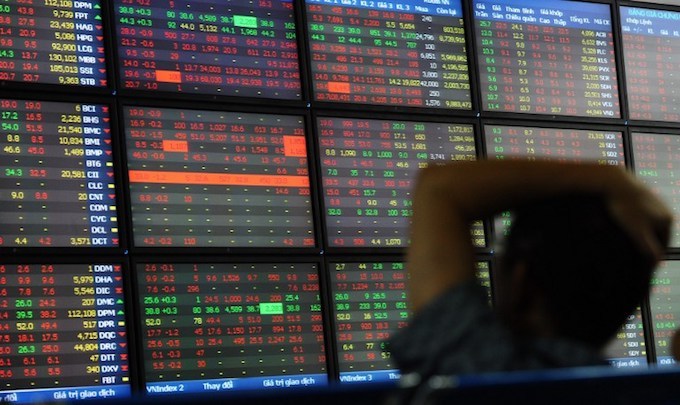
    Vietnam’s benchmark VN-Index rose 0.93 percent to 1,353.77 points Wednesday but with trading value lowest in nine months as investors’ sentiment remain low after recent plunges. The index stayed in the red throughout the day but strong buying pressure in the last hour of trading pushed it up over 12 points.

    Together with the Tuesday session, VN-Index has risen nearly 43 points after losing 68 points on Monday in one of the worst trading sessions in Vietnam’s stock market history.

    Trading on the Ho Chi Minh Stock Exchange (HoSE), on which the index is based, fell nearly 31 percent to VND14.54 trillion ($633.09 million), lowest since the end of July.

    The VN30 basket, comprising the 30 largest capped stocks, saw 14 tickers gained, led by HPG of steelmaker Hoa Phat Group with a 3.2 percent rise.

    It was followed by STB of Ho Chi Minh City-based lender Sacombank, up 2.9 percent, and MSN of conglomerate Masan Group, up 2.6 percent.

    CTG of state-owned lender VietinBank rose 2.4 percent, and GVR of Vietnam Rubber Group gained 2.1 percent.

    Eleven blue chips fell, with VRE of retail real estate arm Vincom Retail falling 1.8 percent.

    FPT of IT giant FPT Corporation, VNM of dairy giant Vinamilk and VPB of private lender VPBank all fell 1.2 percent.

    Foreign investors were net sellers to the tune of VND261 billion, mainly selling VND of brokerage VNDirect and DXG of real estate developer Dat Xanh Group.

    The HNX-Index for stocks on the Hanoi Stock Exchange, home to mid and small caps, rose 3.45 percent while the UPCoM-Index for the Unlisted Public Companies Market gained 0.22 percent.

  • No Back to the Office at UBS

    No Back to the Office at UBS

    The transition to a new working culture at UBS is well underway as many employees adopt agile working methods, while others gain total freedom.

    Around 10,000 – or one in ten – employees at Switzerland’s largest bank now work according to agile working methods, the bank said in its earnings release Tuesday.

    Agile, which is often used in software development where product cycles are short and requirements for a solution can change quickly, has the objective of making teams more efficient and flexible. It is central to CEO Ralph Hamers’ grand plan to foster a culture of engineers at UBS.

    Flexibility is also a priority when it comes to the bank’s working arrangements: In the USA, the bank is offering certain employees the possibility to work completely from their home office, while continuing to support hybrid working methods in other locations.

    In Swiss banking, a 40 to 60 percent rule for remote working could become the new standard, and one adopted by Credit Suisse last month.

  • Rice exports to Russia jump in Q1

    Rice exports to Russia jump in Q1

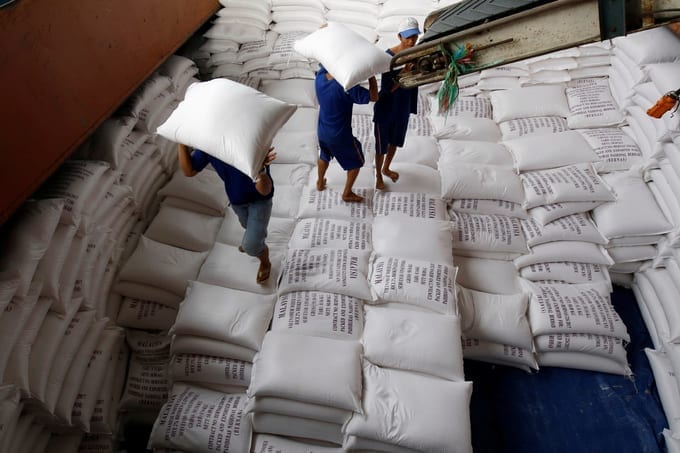
    Vietnam’s rice exports surged 2.6 times year-on-year to over US$553,000 in Q1, according to Vietnam Customs.

    The grain was one of Vietnam’s few exports to Russia that increased in the first quarter as the Russia-Ukraine crisis impacted other suppliers. It was one of only eight export items that saw increases out of 23.

    Overall exports to Russia fell by 29.1 percent to $543.8 million.

    The others to achieve positive growth included rubber, up 60.2 percent to $7.2 million, machinery, equipment, coffee, and iron and steel, which were 4-40 percent higher.

    But many Vietnamese exporters see the writing on the wall which is the crisis and Western sanctions starting to disrupt trade.

    They need to closely monitor and follow news from Russian banks on new regulations and payment channels as the country has been removed from the SWIFT international financial system.

  • Thai food giant to list on Vietnam stock exchange

    Thai food giant to list on Vietnam stock exchange

    Thai food giant Charoen Pokphand Foods has green-lighted its Vietnam subsidiary’s plans to list its shares on the Ho Chi Minh Stock Exchange.

    CPF has made a filing with the Stock Exchange of Thailand, but details are unavailable about plans for an IPO and others.

    C.P. Vietnam gets around 70 percent of its revenues from processed and fresh pork and chicken products.

    It built its first processing plant in Vietnam in 1993 and now has nine around the country.

    Vietnam’s stock exchanges have eight foreign companies listed on them, and they account for 0.3 percent of their market capitalization.

    Another foreign firm, Japanese retailer Aeon, has announced its intention to list in Vietnam.

  • Gold giant SJC sees sales slump to seven-year low

    Gold giant SJC sees sales slump to seven-year low

    The State-owned Saigon Jewelry Company has reported revenues of VND17.7 trillion ($770.3) in 2021, down 25 percent year-on-year to its lowest since 2014.

    It has attributed the decrease to Covid-19 restrictions and lockdowns last year, which brought sales from VND13 trillion in the first half down to just VND4.7 trillion in the third and fourth quarter, well below its target of VND23.5 trillion.

    The company posted pre-tax profits of VND56 billion last year, down 42.6 percent, and return on equity of 2.8 percent, short of the targeted 5 percent.

    At the end of 2021, the value of its total assets was VND1.7 trillion, 70 percent of it in inventory.

    Established in 1988, SJC is a wholly state-owned enterprise based in Ho Chi Minh City. It has been the sole producer of gold bullion in the country since 2012, and has around 90 percent of the bullion market.

  • Volta Trucks Unveils Two Smaller Truck Models For Urban Markets

    Volta Trucks Unveils Two Smaller Truck Models For Urban Markets

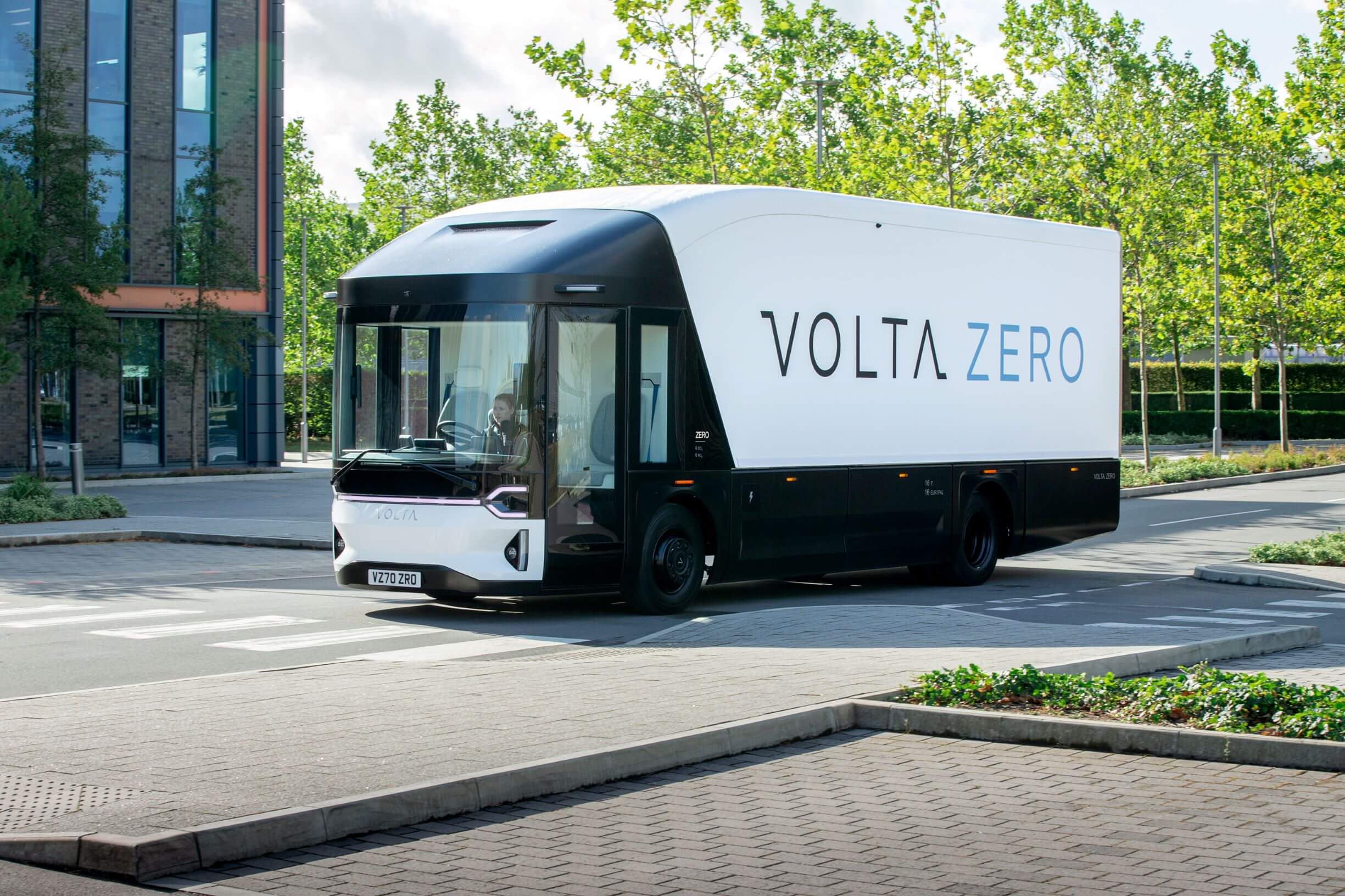
    Commercial electric vehicle (EV) startup Volta Trucks on Tuesday unveiled two smaller zero-emission truck models that will start production in 2025, opening more options for urban deliveries and in EU markets with restrictions for Sunday operations. Stockholm-based Volta Trucks, which also operates in the UK, said it would launch a fleet of test vehicles of its 7.5 tonne and 12 tonne trucks for customers in 2024. The new models will join the startup’s Volta Zero, a 16-tonne fully-electric truck, which is due to start series production later this year, and an 18 tonne model that should go into production in 2023.

    In February, Volta Trucks said it had raised 230 million euros ($247 million) to fund the launch of series production of the Volta Zero in late 2022.

    Some European Union countries have bans on trucks over 7.5 tonnes operating on Sundays or holidays, and cities such as Amsterdam do not allow trucks over that weight to protect old streets and bridges.

    Volta Trucks said it had raised 230 million euros ($247 million) to fund the launch of series production of the Volta Zero in late 2022.

    While some European cities also plan restrictions on diesel commercial vehicles – Paris will ban them in 2024 – and a number of manufacturers are testing prototypes, there are virtually no electric trucks in these weight segments available today. Volta Trucks’ 7.5 tonne and 12 tonne models will be among the first to market.

    “Our customers tell us that they really appreciate the safety and zero-emission attributes of the 16-tonne Volta Zero, but also need smaller 7.5- and 12-tonne vehicles in their operations,” Volta Trucks’ Chief Executive Essa Al-Saleh said in a statement.

    The startup currently has orders for around 6,000 electric trucks, including 1,500 ordered by Deutsche Bahn’s logistics unit Schenker.

    Volta Trucks plans to make 5,000 trucks in 2023 and its annual production should rise to 27,000 by 2025.

  • Amazon tipoff leads to Chinese seizure of counterfeit luxury belts

    Amazon tipoff leads to Chinese seizure of counterfeit luxury belts

    Chinese authorities have seized hundreds of counterfeit belts bearing the Salvatore Ferragamo brand with the aid of Amazon’s Counterfeit Crimes Unit (CCU).

    The belt is one of Ferragamo’s most known accessories – its link-shaped buckle is used by the brand as a logo for many other products – and it sells for more than US$320.

    The investigation was part of a worldwide probe by Amazon and Ferragamo in identifying bad actors who are trying to sell fake products. Amazon bans the sale of fake goods on its platform globally and in 2020 invested more than $700 million to reduce the incidence of it happening.

    The two companies reported the fake vendor to the Market Supervision and Administration (MSA) authority in Yiwu City, located in China’s Zhejiang Province.

    MSA and CCU said they subsequently seized hundreds of counterfeit belts and buckle accessories which may have been sold throughout retail channels around the world.

    Both companies say they will continue to focus on law enforcement and preventing counterfeit products from entering the global supply chain.

    “This should serve as a reminder that bad actors will be held accountable, as Amazon collaborates with both brands and law enforcement agencies around the world to stop inauthentic products from being sold across the retail industry,” said Kebharu Smith, head of Amazon’s CCU.

    Salvatore Ferragamo last year ran a series of offline and online anti-counterfeiting measures to protect its customers and its brand, removing more than 22,000 products and profiles on social media platforms and over 130,000 product listings on online shops.

    In February last year Amazon and Ferragamo jointly filed two lawsuits in the US against manufacturers who had allegedly used Ferragamo’s registered trademarks to deceive customers over the authenticity of the products.

    The Organization for Economic Cooperation and Development has estimated the global trade in counterfeit products was worth as much as $464 billion in 2019 and said a boom in e-commerce in 2020-21 led to massive growth in the supply of counterfeit goods online.

  • AirAsia Resumes Flights Between Kuala Lumpur and Siem Reap, Cambodia

    AirAsia Resumes Flights Between Kuala Lumpur and Siem Reap, Cambodia

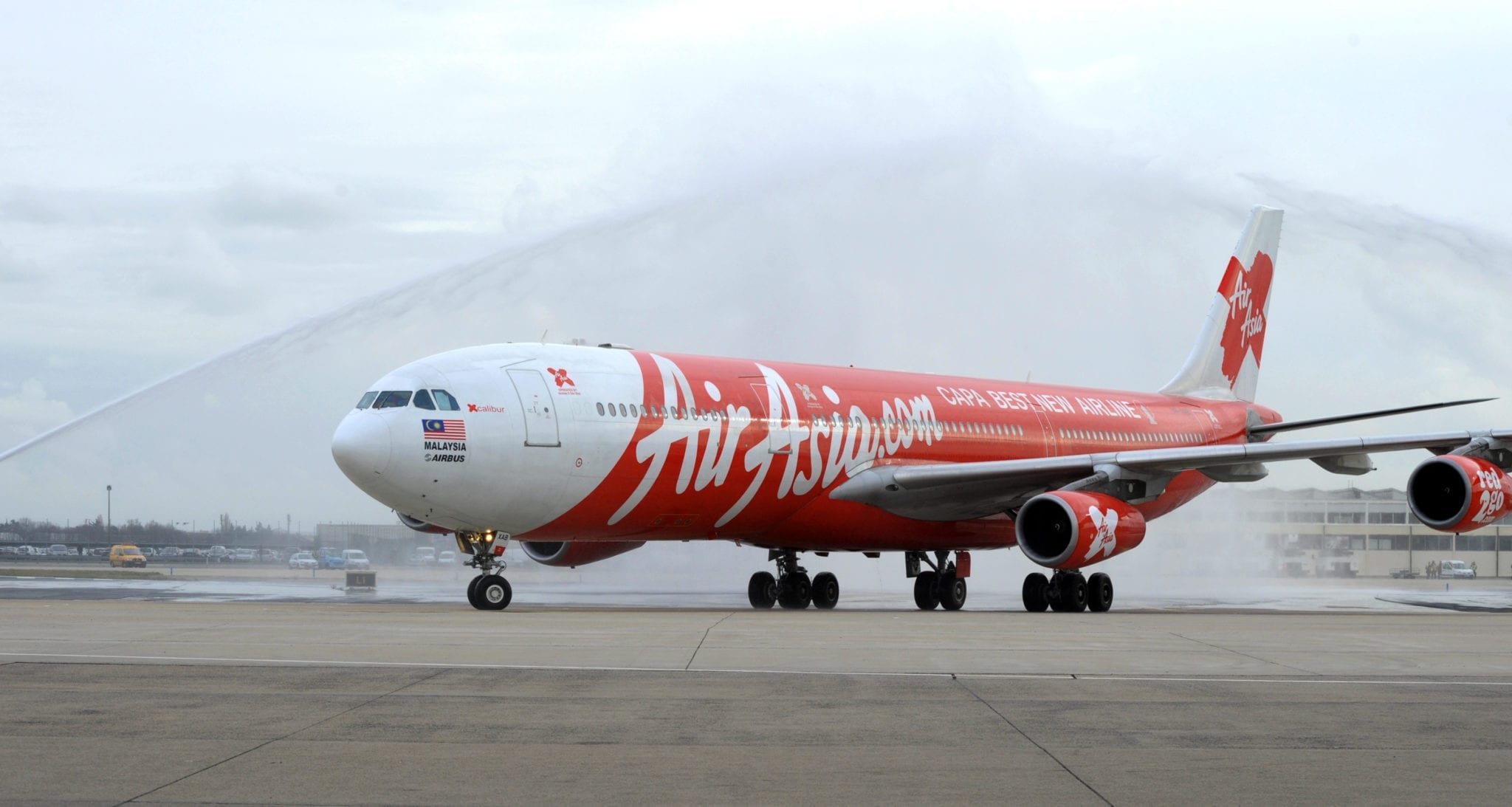
    AirAsia has resumed flights between Kuala Lumpur and Siem Reap, Cambodia. The airline will operate the route with two flights per week on Mondays and Fridays. Flight AK540 is scheduled to depart from Kuala Lumpur International Airport 2 (klia2) at 13:05, arriving in Siem Reap at 14.20. The return flight, AK541, is timed to leave Siem Reap at 14:55, arriving back in Kuala Lumpur at 18:10.

    Cambodia was one of the first countries in the region to relax its entry requirements for foreign travel, reopening the Kingdom to fully vaccinated international travellers without the need for quarantine or COVID19 testing at all international gateways and checkpoints in November 2021.

    HE Thong Khon, Minister of Tourism, Cambodia, said, “Cambodia is now truly open for all vaccinated tourists and we welcome AirAsia guests back to our great country with open arms. Tourism is a significant driver of our economy and social development, we thank AirAsia for their continued support to stimulate and grow air travel to our key leisure destinations. Cambodia, the Kingdom of Wonder, invites travellers from all walks of life to feel its warmth, safely and hygienically.”

    The Siem Reap flights follow AirAsia’s resumption of flights between Kuala Lumpur and Phnom Penh, the Kingdom’s capital city, in January.

    “Prior to COVID19, Siem Reap was one of the most popular destinations in ASEAN as a key tourist hub for globetrotters from all over the world,” said Riad Asmat, CEO AirAsia Malaysia. “AirAsia started the route in 2018 and flew close to 170,000 passengers in 2019. We are confident that these new services will continue to be very popular in the future. In response to strong demand, we are also planning more flights and destinations in Cambodia with services to Sihanoukville scheduled to take flight on 2 June. AirAsia welcomes the initiatives taken by the Cambodian government to ease travel restrictions to allow more seamless travel to Cambodia. We look forward to flying more leisure seekers from near and far to the country soon.”

    For entry into Malaysia, all international tourists and travellers are required to take a pre-departure COVID19 test within 2 days of departure and purchase COVID19 travel insurance (for short-term foreign visitors). Unvaccinated or partially vaccinated travellers are required to spend 5 days in quarantine.

    For entry into Cambodia, there are no pre-departure, post-arrival COVID19 tests or quarantine requirements for fully vaccinated travellers. Travellers are only required to show proof of being fully vaccinated. Fully vaccinated travellers from Malaysia who wish to travel to Cambodia must meet the requirements set by the Cambodian Government prior to purchasing their flights and upon arrival.

  • Facebook-owner Meta to open first physical store in metaverse bet

    Facebook-owner Meta to open first physical store in metaverse bet

    Meta Platforms is set to open its first physical store where shoppers can try out and buy virtual reality headsets and other gadgets as the company plots a course to take its highly touted metaverse mainstream.

    The 1550sqft Meta Store at the company’s Burlingame campus in California opens on May 9, and will feature demos for its Quest 2 VR headset and video calling device Portal as well as Ray-Ban’s augmented reality (AR) glasses, Meta said on Monday.

    The devices, except for the Ray-Ban glasses, will be available for purchase at the store. The products can also be bought online through a new shopping tab on meta.com, the company said.

    Meta is investing heavily in metaverse – a virtual space where people interact, work and play – by adding new features to hardware devices that serve as access points to the virtual world.

    Earlier this month, the Facebook owner said it would start testing tools for selling digital assets and experiences within its virtual reality platform Horizon Worlds, a VR platform Meta launched late last year.

    Meta also said it would charge creators of digital experiences and assets a 47.5 per cent fee, a move that has attracted criticism from some app developers.

    Shoppers tracking the space are awaiting the next version of the Quest 2 VR headset, likely to be released in the second quarter and widely seen by analysts as critical to the company’s metaverse plans.

  • Twitter agrees to go private; Musk to buy the company for $44 billion

    Twitter agrees to go private; Musk to buy the company for $44 billion

    Twitter today agreed to  q be bought out by Elon Musk for $44 billion or $54.20 a share in cash. Musk, in a statement, reiterated his support for free speech and mentioned some of the changes that he wants to bring to the site. “Free speech is the bedrock of a functioning democracy, and Twitter is the digital town square where matters vital to the future of humanity are debated.”
    “I also want to make Twitter better than ever by enhancing the product with new features, making the algorithms open source to increase trust, defeating the spam bots, and authenticating all humans. Twitter has tremendous potential — I look forward to working with the company and the community of users to unlock it,” the multi-billionaire said.
    The richest man in the world with a net worth estimated at approximately $270 billion, Musk had bid $43 billion to buy Twitter and the company decided to fight by having the board issue a poison pill that would have gone into effect once someone purchased 15% of Twitter. Seeking to dilute Musk’s holdings, the poison pill would have allowed the company to sell shares to stockholders at a discount price. Musk owned 9.2% of Twitter’s shares when he first publicly announced his bid.
    Bret Taylor, Twitter’s Independent Board Chair, said, “The Twitter Board conducted a thoughtful and comprehensive process to assess Elon’s proposal with a deliberate focus on value, certainty, and financing. The proposed transaction will deliver a substantial cash premium, and we believe it is the best path forward for Twitter’s stockholders.”
    Twitter’s stock price closed on Monday at $51.70, up $2.77 or 5.66%. Each Twitter stockholder will receive $54.20 in cash as Twitter becomes a private company. Twitter CEO Parag Agarwal stated today, “Twitter has a purpose and relevance that impacts the entire world. Deeply proud of our teams and inspired by the work that has never been more important.”
    The transaction is expected to close sometime this year and stockholders will get to vote on the deal. To finance the purchase of Twitter, Musk arranged $25.5 billion in debt and margin loan financing. He is adding $21 billion in equity financing. Musk himself is one of the most popular figures on Twitter with over 83 million followers.
    Musk has the opportunity to become the new face of Twitter replacing co-founder Jack Dorsey. Dorsey stands to make a ton of money from the deal with his 18,042,428 shares of Twitter bringing him $978 million once the transaction is closed.
    Over the years Twitter has been available over several different mobile platforms including iOS, iPadOS Android, Windows Phone, BlackBerry, and Nokia S40.
    While there was no comment from The White House regarding the deal, spokesperson Jen Psaki said, “No matter who owns or runs Twitter, the president has long been concerned about the power of larger social media platforms.” Lawmakers also have questioned whether legislation is required to keep social media firms like Twitter from spreading fake news and disinformation.
    Back in 2018, when Facebook Chairman and CEO Mark Zuckerberg spent consecutive days testifying before the Senate and the House, the elected representatives in both chambers showed that their knowledge of how tech works is pretty low. For example, one lawmaker couldn’t believe that Facebook is free. So he asked Zuckerberg how his company makes money and with just a hint of an eye roll, Zuckerberg explained that Facebook sells ads.
    Speaking of ads, according to Statista, at the end of the fourth quarter of 2021 Twitter had 217 million daily active monetized viewers. That was up 13% on a year-over-year basis.
  • UBS Weathers First Quarter Headwinds

    UBS Weathers First Quarter Headwinds

    Switzerland’s largest bank UBS has weathered multiple first-quarter headwinds, turning its best first-quarter net profit in over a decade. UBS reported Tuesday a net profit of $2.1 billion in the first quarter, exceeding expectations, showing the bank was able to steer a course through several challenges in the first quarter and posted its best first-quarter results since 2007.

    The result improved on the $1.3 billion reported for the fourth quarter of last year and was better than the $1.8 billion booked during the first three months of 2021.

    Switzerland’s largest bank accomplished this in the face of the Ukraine war, inflation showing no signs of abating anytime soon, and central banks that are tightening the loose-money spigots. «Our strong results today speak to our ability to accomplish our objectives regardless of the backdrop,» said UBS CEO Ralph Hamers.

    UBS said it reduced its Russia exposure early and actively and had a direct country exposure of $400 million as of March 31 of 2022. It expects a firm-wide P&L negative impact of $100 million.

    The bank said it is not conducting any new business in Russia or with Russia-domiciled clients. However, it will continue to monitor settlement risk on certain transactions with Russian bank and non-bank counter parties, which might result in unexpected increases in exposures.

    Pre-tax profit was $2.7 billion, improving by one billion dollars from the fourth quarter result of $1.7 and bettering the comparative year-ago quarter of $2.3 billion.

    Earnings per share were $0.61 in the first quarter, up from $0.38 in the fourth quarter of last year and higher than the $0.49 reported during the first quarter of 2021, the results showed.

    Global wealth management (GWM) booked a pre-tax profit of $1.3 billion, with the unit reporting net new fee-generating assets of $19 billion in the first quarter compared to 36.2 billion in the same year-ago quarter. Total fee-generating assets were $3.1 trillion As of the first quarter of last year, the GWM unit no longer reports net new money every quarter, and will only disclose the figure in its annual report.

    Earlier this month, finews.com reported that 2021 was a bumper year for Swiss banks attracting new money inflows. But this year, wealth and asset managers are facing geopolitical and economic uncertainty resulting from the ongoing war in Ukraine and inflation showing no sign of abating anytime soon. Add to the mix central banks that are starting to close the taps of easy money flowing into financial markets.

    The investment bank’s division’s 126 percent pre-tax profit growth from the comparative quarter was mainly attributable to Archegos-related losses in the same quarter last year. Excluding that loss, revenues increased by 4 percent, or just over $100 million, primarily from increased revenues in equity derivatives, rates, and foreign exchange.

    While the path of economic growth has become much more uncertain, UBS expects growth in economic activity to continue, but increased uncertainty could continue to affect client activity levels and asset prices. However, even as central banks are tightening policy to arrest rising inflation, the banks said that rising interest rates, notably the US dollar, are expected to lead to higher net interest income.

  • Cebu Pacific to resume flights to Bali, Hanoi, Sydney

    Cebu Pacific to resume flights to Bali, Hanoi, Sydney

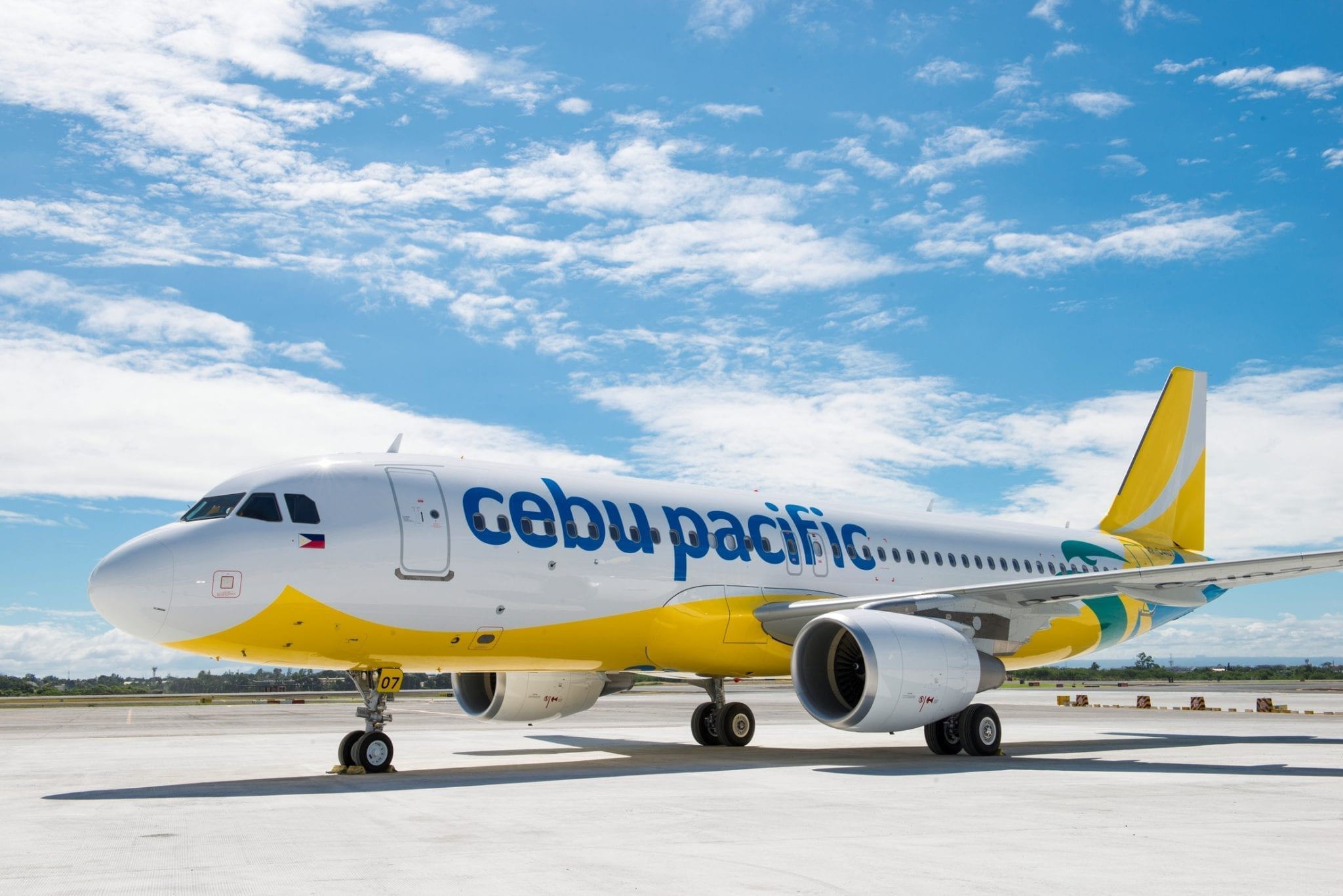
    Budget carrier Cebu Pacific recently announced that it is resuming to key international destinations in a bid to boost its frequencies in overseas routes.

    As more countries ease travel restrictions, the airline said it is resuming flights to Bali, Indonesia; Hanoi, Vietnam and Sydney, Australia to bring the number of its international destinations to 16 by the end of June.

    The carrier said it plans to operate weekly flights on the Manila-Hanoi-Manila and Manila-Bali-Manila routes next month.

    In June, it intends to operate thrice weekly flights to and from Sydney.

    From January to April, Cebu Pacific restarted flights to six international routes namely Bangkok, Thailand; Fukuoka, Japan; Jakarta, Indonesia; Dubai, United Arab Emirates; Hong Kong and Ho Chi Minh also in Vietnam.

    It is also currently operating flights to Kuala Lumpur, Malaysia; Singapore; Seoul (Incheon), Korea; Nagoya and Tokyo (Narita), Osaka, Japan and Guangzhou, China.

    Below appears the flight frequencies of the overseas routes:

    Route Frequency
    Manila – Bangkok – Manila Every Tue / Thu / Sat
    Manila – Dubai – Manila Daily
    Manila – Fukuoka – Manila Every Tue
    Manila – Guangzhou – Manila Every Tue
    Manila – Ho Chi Minh Every Tue
    Ho Chi Minh – Manila Every Wed
    Manila – Hong Kong – Manila Daily
    Manila – Jakarta Every Fri
    Jakarta – Manila Every Sat
    Manila – Kuala Lumpur Every Mon
    Kuala Lumpur – Manila Every Tue
    Manila – Nagoya – Manila Every Tue / Thu / Sat / Sun
    Manila – Osaka – Manila Every Mon / Fri
    Manila – Seoul (Incheon) – Manila Every Thu / Sat
    Manila – Singapore – Manila Daily
    Manila – Tokyo (Narita) – Manila Every Mon / Wed / Fri / Sun
    Manila – Bali – Manila Every Mon / Fri (starting May 2)
    Manila – Hanoi – Manila Every Mon / Fri (starting May 2)
    Manila – Sydney Every Mon / Wed / Fri (starting June 1)
    Sydney – Manila Every Tue / Thu / Sat (starting June 2)

    Early this month, the country started accepting fully vaccinated foreign leisure travelers with the most relaxed entry protocols, including quarantine-free entry. The country also allowed visitors to freely travel to reopened destinations around the country.

    Cebu Pacific’s chief commercial officer Xander Lao said the airline supports the Department of Tourism’s initiatives to restore tourism.

    They invited Filipino and foreign tourists to visit the country.

    “We invite Filipinos and foreign visitors to plan their travels to the Philippines and explore its beauty, or simply visit family and friends. We look forward to welcoming everyone onboard,” Lao said in a press conference at the World Travel and Tourism Council Global Summit in Pasay City last Thursday.

    The carrier is offering flights to 34 domestic destinations which tourists may also visit. It resumed more direct local flights from major hubs Cebu and Davao, as it restored 100% of its pre-pandemic domestic capacity this month.

    “We are happy to keep enabling everyJuan to safely fly across our largest Philippine network. We are hopeful we can continue contributing to the economic and tourism agenda in and out of the Philippines,” Lao said.

    The budget carrier said it would continue to offer low fares to help the COVID-19 pandemic-hit travel and tourism industry recover while maintaining the implementation of health and safety protocols.

    The airline said it employs 100% fully vaccinated crew with 90% of them already boosted.

    Meanwhile, Lao also congratulated the DOT for hosting the 21st edition of the WTTC Global Summit. It was staged at the Marriott Hotel in Pasay City from April 20 to 22, 2022.

    WTTC also commended the country for hosting the tourism event that signified the recovery of international travel.

  • The Russian Bank That Escaped Sanctions So Far

    The Russian Bank That Escaped Sanctions So Far

    Tinkoff Bank has so far avoided being sanctioned as its founder and Putin critic Oleg Tinkov stayed in an orbit neither too close nor far from the Kremlin.

    The Russian bank Tinkoff has avoided being directly caught in sanctions that hit rival banks such as Sberbank and Gazprombank related to Russia’s invasion of Ukraine.

    Founded by Oleg Tinkov 16 years ago, Tinkoff Bank is one of Russia’s largest banks that is not state-run and, in addition to avoiding sanctions, has remained on the all-important Swift global messaging system.

    As a result, the bank has benefitted as people flocked to open accounts at the bank, while others transferred funds from Sberbank and VTB, which together account for nearly half of the banking market.

    Tinkov bristles at being labeled an oligarch, and the son of a coal miner and seamstress prefers being viewed as a self-made businessman who didn’t need a cozy relationship to win big contracts. He is also an outspoken critic of the War in Ukraine.

    In a series of posts on Instagram, he said I don’t see ANY beneficiary of the crazy war! Innocent people and soldiers are dying» he said in one. In another, he wrote How will the army be good, if everything else in the country is shit and mired in nepotism and servility?. That is a pretty clear indication he is attempting to distance himself from Russian President Vladimir Putin.

    While the bank he founded has managed to escape sanctions, Tinkov himself has not. Last month he was put on the sanctions list in the U.K., which means having had his assets frozen, barred from doing business with companies and citizens there, and is prohibited from entering the country.

    The bank, however, said this would not affect it since he no longer holds a majority or controlling interest, having reduced his stake to 35 percent. Moreover, the bank said he no longer works there and is now being run by Oliver Hughes and Pavel Fedorov.

    Tinkov has also tangled with western governments, notably the U.S. where he was accused of under-reporting assets to the Internal Revenue Service (IRS) to the tune of $1 billion after Tinkoff Bank went public.

    Just before the IPO, Tinkov renounced his U.S. citizenship, which is something the IRS views as a big no-no. For people giving up their citizenship having a net worth over of $2 million, an exit tax based on all assets including homes, deferred compensation, and pensions at the time of expatriation is likely to be applied. The case was later settled for just over $500 million, allowing him to avoid extradition to the U.S.