Tag: asia

  • Roku adds important new streaming service, but you’ll have to pay for it

    Roku adds important new streaming service, but you’ll have to pay for it

    Roku has been adding a bucketload of new channels since the beginning of the year, so it’s probably “unusual” to report about a single service being added to the streaming platform. Still, this is quite an important streaming service for those who want to stay in the loop with the latest news.

    Starting this week, Roku users can access content offered through CNN+, the subscription streaming from CNN. Although the new service doesn’t come for free, the fact that the option is there should be good enough.

    In case you didn’t know CNN+ offers about 8-12 live daily shows, new CNN+ Original Series and a library of more than 1,000 hours of programming from the CNN Original Series and CNN Films teams. Subscribers also get access to the streamer’s Interview Club feature on desktop, mobile and tablets, which houses a passionate community.

    • 7:00 AM ET: 5 Things with Kate Bolduan
    • 8:00 AM ET: Go There
    • 9:00 AM ET: Big Picture with Sara Sidner
    • 11:00 AM ET: Reliable Sources Daily
    • 4:00 PM ET: The Source with Kasie Hunt
    • 5:00 PM ET: The Global Brief with Bianca Nobilo
    • 6:00 PM ET: Who’s Talking to Chris Wallace?
    • 7:30 PM ET: The Newscast with Wolf Blitzer
    Of course, to get access to the robust content offering available on CNN+, you have to pay either $5.99 per month or $59.99 per year. The good news is a 7-day free trial is available via the Roku channel store for those who want to try it before becoming subscribers.
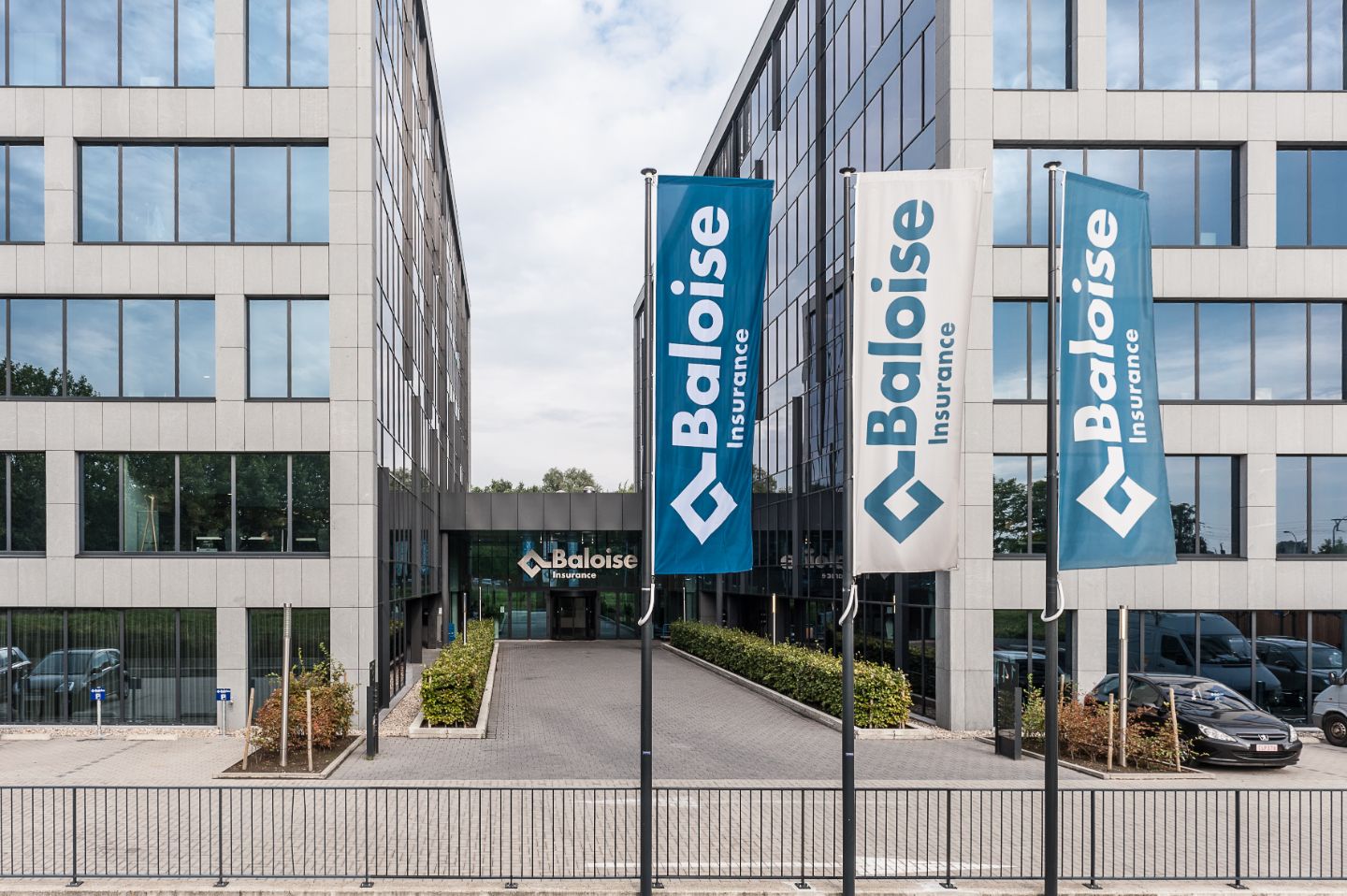
  • Insurer Baloise Targeted in Cyber Attack

    Insurer Baloise Targeted in Cyber Attack

    The Basel-based insurer suffered a cyber attack early this week.

    Baloise detected an attack on parts of its IT infrastructure on Monday, it said in an statement Tuesday.

    According to current reports, no company or customer data was stolen in the attack. Baloise took countermeasures within a short time to fend off the attack and identified that its German subsidiary Basler Deutschland, was targeted, the statement said.

    Baloise’s service traffic could suffer further restrictions, it said.

    We will continue to do everything we can to protect Baloise and data of its customers and partners from such attacks, the statement said.

  • Samsung to introduce recycled parts for smartphone repairs

    Samsung to introduce recycled parts for smartphone repairs

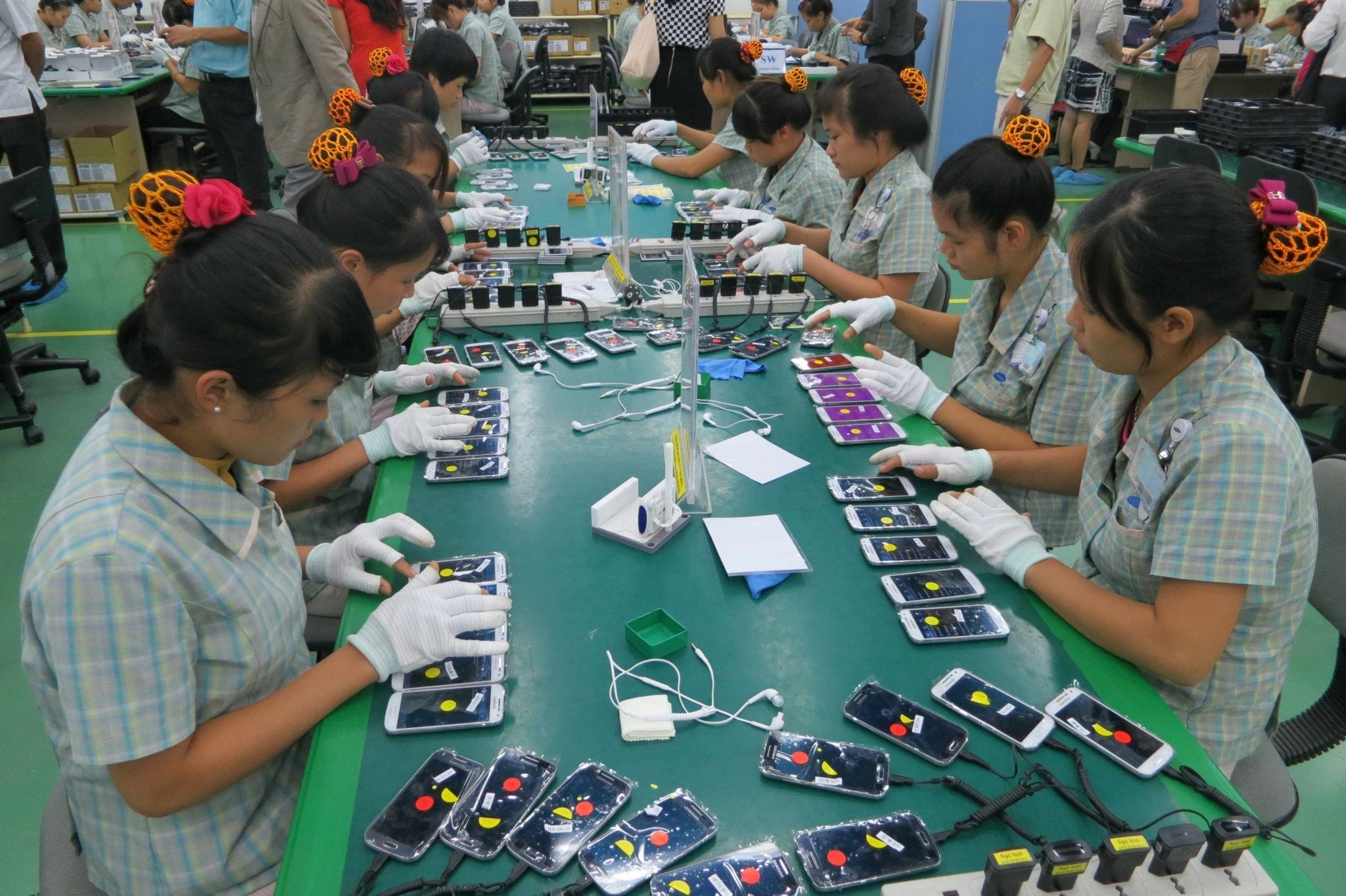
    Samsung is reportedly planning to start a new program that could significantly reduce repair costs for your Galaxy phones.

    Samsung is considering introducing certified recycled parts for mobile repairs. These are parts made of recycled materials such as discarded plastics, metals, and more. The initiative could launch in the next few months, specifically by the first half of this year.

    The report suggests that by using recycled spare parts, Samsung could pass on a smaller repair bill to users. The publication notes that things like display replacement could cost half of what it does today.

    As far as the quality of the recycled repair parts is concerned, Samsung is aiming for a level that can match that of new products. There’s no word on which smartphone parts will be available under the program and how much they would cost exactly.

    Samsung has been promoting sustainable manufacturing for a while now. The Galaxy S22 series is one of the latest examples of its efforts. The phones use a new material made up of discarded fishing nets.

    Over the years, Samsung has also significantly reduced the amount of plastic and paper in its packaging. Recycled repair parts seem to be a logical extension of Samsung’s sustainability efforts.

  • Netflix adds a ‘Double Thumbs Up’ button to further improve its recommendations

    Netflix adds a ‘Double Thumbs Up’ button to further improve its recommendations

    In an attempt to better attune its recommendations to its users, Netflix introduced a third button to its rating system. Yes, from now on, Netflix will have not two, but three reaction buttons: a thumbs up, a thumbs down, and a double thumbs up button.

    According to Netflix, the thumbs-up button shows Netflix’s algorithms what movies and TV shows you like, but the double thumbs-up button shows which movies and TV shows you love. Based on which movies and shows received your double thumbs-up reaction, Netflix’s algorithms will better recommend similar movies and shows that “what you enjoy.”

    As Netflix explained, if you reacted with a double thumbs up to the TV show Bridgerton, the platform may even recommend you more movies or series starring some of the show’s cast or other movies and shows from the same production company, which in this case is Shondaland.

    Netflix’s double thumbs-up button is located next to the thumbs-up and thumbs-down buttons. You can see and use it now on the TV, web, and mobile versions of the service. And as Netflix said, “Don’t be shy. Express yourself and tell us what you’re loving on Netflix. You know you want to.”

  • Vietnam Aviation under pressure

    Vietnam Aviation under pressure

    The Civil Aviation Authority of Vietnam has recommended a 3.7-percent increase in domestic fare caps to enable airlines to cope with surging fuel prices.

    In a proposal it submitted to the Ministry of Transportation, it said fuel costs have risen by 84 percent since September 2015, when the current caps were introduceThe price of aviation fuel Jet A1 has doubled in the period from US$61.6 per barrel to $132.6, according to data from the International Air Transport Association.

    CAAV has proposed hikes ranging between 2.2 percent for routes of up to 850 kilometers and 6.6 percent for those above 1,280 km. Currently, these fares are capped at VND2.2 million ($96.1) and VND3.75 million ($163.8).

    In 2019, Vietnam Airlines had called for abolishing the domestic price caps altogether.

    Last month it called for raising the caps and fuel surcharges. Vietnam is one of the few countries in the world to still cap airfares.

  • With the Waze Retro Mode, go back in time and drive a VW bus as you navigate to your destination

    With the Waze Retro Mode, go back in time and drive a VW bus as you navigate to your destination

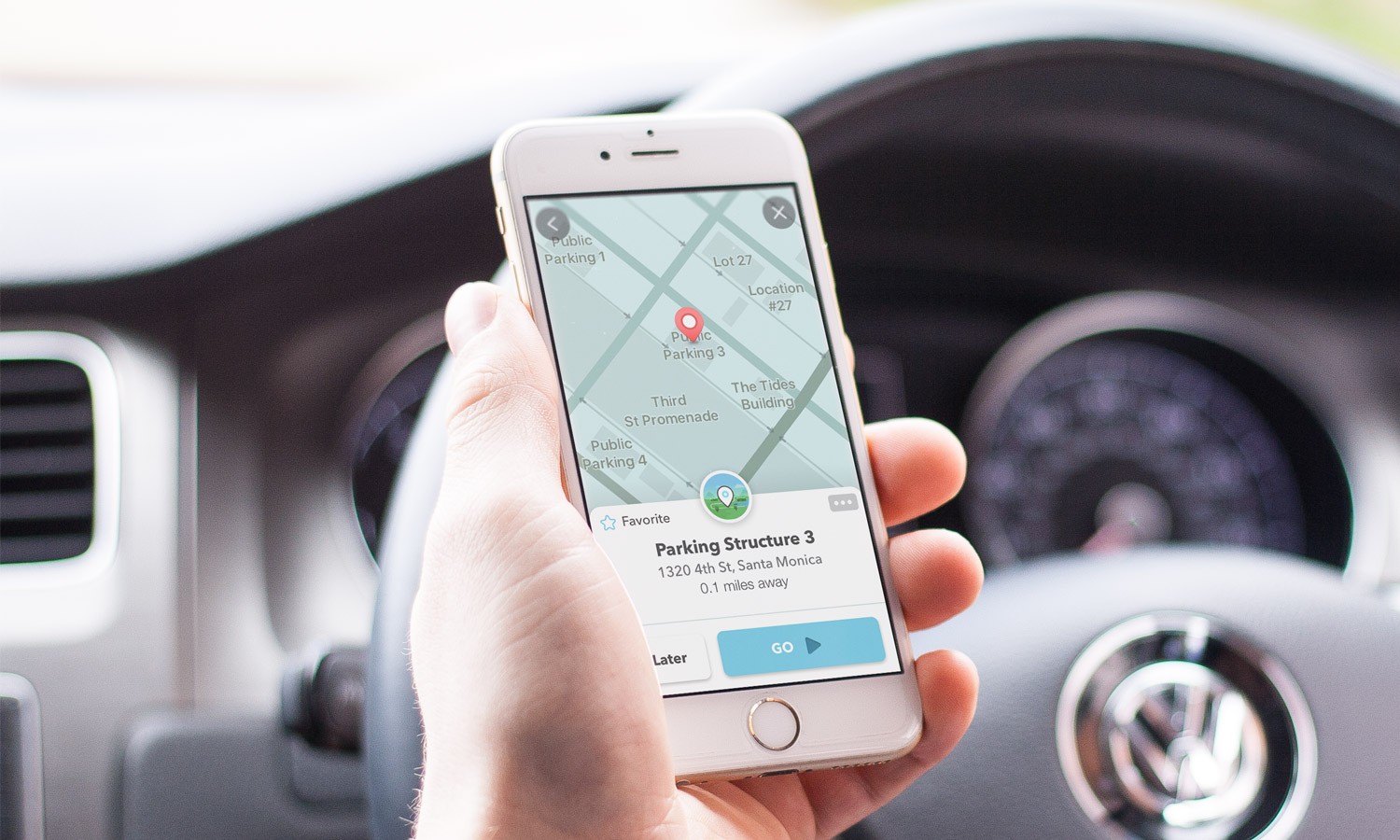
    If you’re Google, what do you do with Waze? Google reportedly paid anywhere from $1.1 billion to $1.3 billion for the crowdsourced navigation app and several Waze features ended up on Google Maps including speed limit signs, the speed of your vehicle, the ability to report speed traps and accidents, the cost of the tolls that you will be asked to pay en route to your destination, and more.
    Waze helps Google sell hyper-local ads which sets it apart from Google Maps as a revenue generator from Google’s point of view. Also setting Waze apart from Google is a new feature for Waze called Retro Mode. Sounds groovy, man. With Retro Mode, you can change the app’s appearance and the sound of the turn-by-turn directions to match the 1970s, 1980s or 1990s.
    To activate Retro Mode, open the Waze app. In the bottom left corner tap on My Waze. From the menu that appears, tap on Drive with the 80’s. You will then have options to change how you appear on the app by pressing Moods. You can select a lava lamp (1970s), a boom box (1980s), or a Mac (1990s).
    Tap on Car to choose between an iconic “flower power” VW bus, a race car, or an SUV (representing the 79s, 80s, and 90s respectively). Keep in mind that your car icon is only visible to you. Next, you can choose Voice directions to pick from a 70’s DJ, an 80’s Aerobic Instructor, and a 90’s Pop Star.
    With Retro Mode enabled, you can mix and match elements from each era. For example, you can choose to have the VW bus from the 1970s, the voice of the Aerobic instructor from the 1980s, and the SUV from the 1990s. Cool, huh? You won’t see Retro Mode on Google Maps.
    Once you’ve finished making your selection, tap on the Done button. You’re now ready to drive into another era. Install Waze from the App Store or from the Google Play Store.
  • Swiss performance label On launches its first Asia flagship store

    Swiss performance label On launches its first Asia flagship store

    On Asia’s first flagship store has opened in Tokyo. This is the second flagship store after New York and the largest in the world.

    Located in the famous Harajuku district, the on-flagship store has three entrances over 320 square meters that span three levels. The façade of the store features floor-to-ceiling glass windows that allow natural light to enter the space. There is a metal staircase next to the entrance that guides you to the upper floors. The interior design, which follows the futuristic atmosphere, is emphasized by modern elements such as metal, LED lights and mirrors.

    The first floor has a large selection of on-apparel and accessories, while the second floor has shoes such as sneakers on the “magic wall”. On’s regular concrete sheet has been replaced with wooden elements inspired by Japanese craftsmanship, adding warmth to the space.

    Underground is a 3D-printed rock that is a replica of what was found in the Engadin Valley, where On’s idea was born. The installation can be seen from the atrium on all floors.

    The launch of the first On flagship store in Asia is part of the brand’s strategy to expand its presence in the region.

    Founded in 2010, On’s products are now sold in over 8700 retail stores in more than 50 countries. Headquartered in Zurich, the brand has offices in the United States, Japan, Vietnam, Australia and Brazil.

  • Levi Strauss sets up its own operation in Thailand

    Levi Strauss sets up its own operation in Thailand

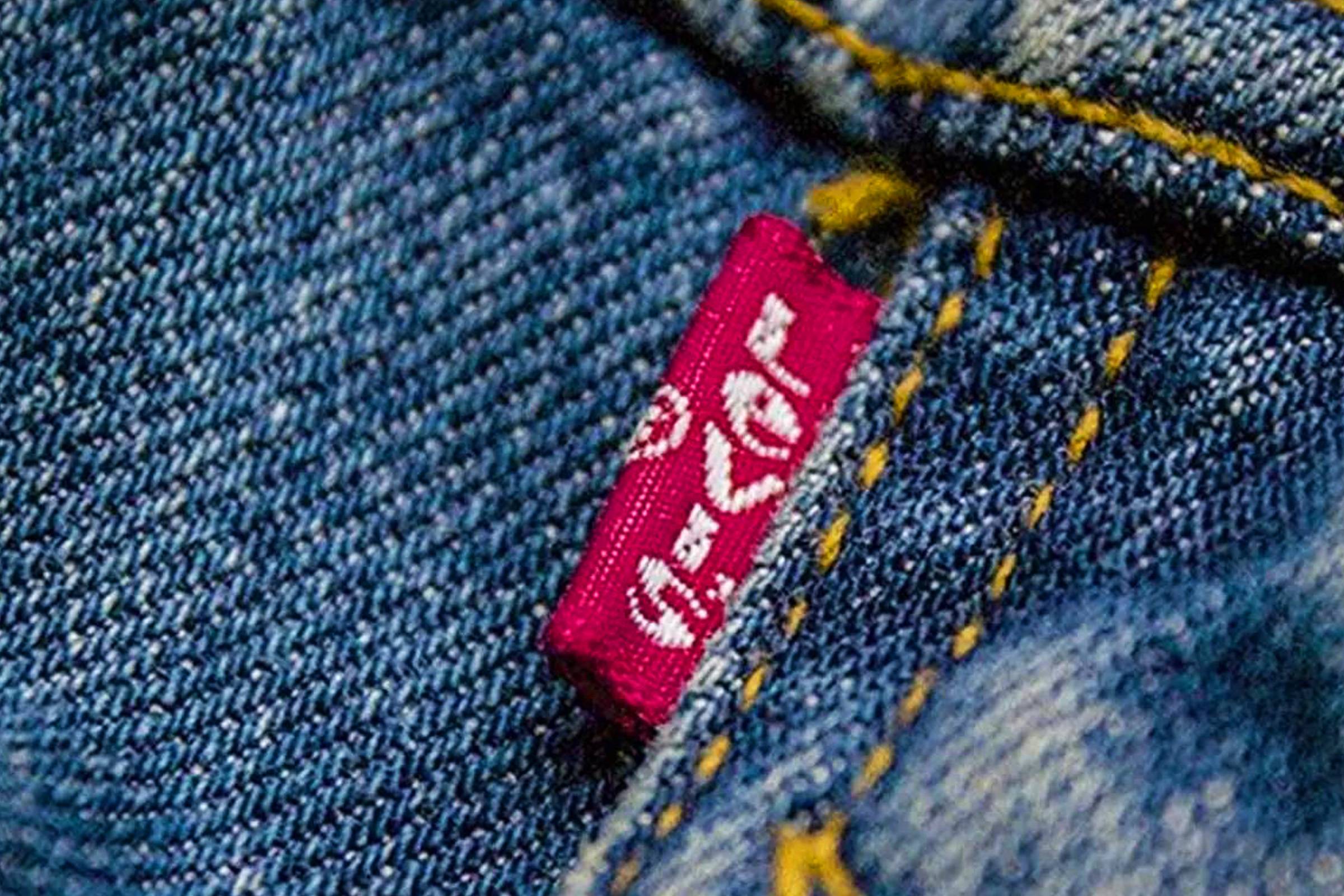
    Levi Strauss & Co, the trademark owner of Levi’s denim, has established its own operation in Thailand after a 25-year distribution contract with DKSH ended last month, allowing the brand to connect directly with Thai aficionados.

    According to Sameer Koul, the company’s general manager for Southeast Asia, the business of Levi’s in Thailand would from now on be handled by LS&Co Thailand, the firm’s own subsidiary.

    Thailand is the second country in the Southeast Asian market in which Levi’s has decided to run its own business 100%, following Singapore. This is a strategic move to accelerate its growth, reach a wider customer base and cope with the competitive environment.

    “Thailand has a huge opportunity to grow our business due to a favorable customer demographic. Levi’s has very strong brand recognition among Thai fans. Moreover, Thai customers love to express themselves,” Mr Koul said.

    According to Mr Koul, the company expects that running its own operation rather than it being run by a distributor would ensure the brand would directly reach generations of local customers, particularly those aged between 18-30.

    Members of this age group typically buy 1.5-2 pairs of jeans per year, compared to an average of one pair per year among others not included in this group.

    Product characteristics are also being adjusted while brick-and-mortar stores will be refurbished under a new store format known as “NextGen Indigo Stores”.

    At present, there are eight NextGen Indigo Stores in Thailand including outlets at Siam Paragon, Emporium, Central Lat Phrao and Central Festival Chiang Mai.

    At Levi’s Lat Phrao shop, customers are able to customize their own products in terms of design and decoration. The company also launched an inaugural Thai version of its website allowing consumers to access its products more easily.

    Mr Koul said during 2019-2020, the global fashion industry faced a 20% decline in terms of sales due to the pandemic.

    Nonetheless, Levi reported strong financial performance in 2021, with net revenue of US$5.8 billion, which was similar to the figure for 2019.

    Of the total, 55% of revenue was from the international market, up from 49% in 2016.

  • GoTo shares surge 23 per cent after IPO

    GoTo shares surge 23 per cent after IPO

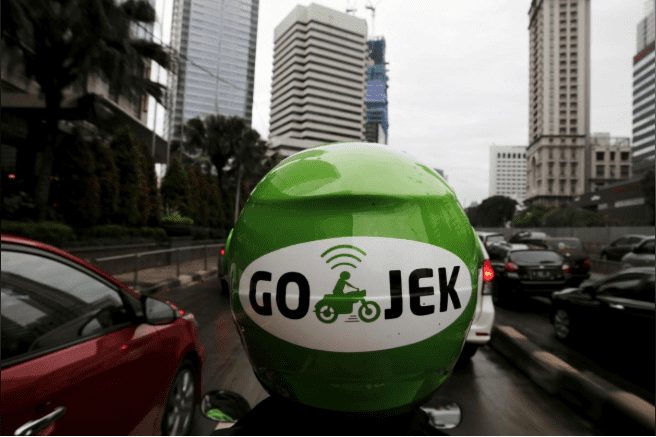
    Shares of GoTo soared as much as 23 percent in their market debut on Monday after Indonesia’s largest tech company raised $1.1bn in a widely anticipated IPO, setting the mood for other tech offerings.

    GoTo shares climbed to as much as 416 rupiah ($0.029) versus their offer price of 338 rupiah ($0.024) per share, which was the high end of an indicative range for one of the world’s largest offerings so far this year. The shares later pared gains to trade at 384 rupiah ($0.027).

    The strong debut provides a boost to some of the tech giants which have backed GoTo and have seen their other investments battered by the global market rout since late last year, including longtime major investors SoftBank Group’s Vision Fund 1 and Alibaba Group Holding Ltd.

    “GoTo’s IPO is a watershed moment for Indonesia,” said Joel Shen, head of Asia technology at global law firm Withers. “With millions of users, drivers, and merchants, there’s no company that’s more plugged in to Indonesia’s digital economy,” he said.

    PT GoTo Gojek Tokopedia Tbk’s stock market debut is the culmination of last year’s merger between ride-hailing-to-payments company Gojek and e-commerce giant Tokopedia.

    “I hope that GoTo IPO will motivate our young generations to give new energy for Indonesia’s economic progress,” Indonesian President Joko Widodo said in a video message.

    The listing ceremony at the Jakarta bourse kicked off with a video of all of GoTo’s senior leadership in Gojek driver uniforms riding in-house Electrum brand electric motorcycles.

    GoTo’s IPO comes as record venture funding is creating a wave of startups in the $70bn digital market of Southeast Asia’s largest economy.

    The company sold only 4 percent of its shares in the IPO, and, unlike most other previous flotations, it was offered only to investors in Indonesia.

  • Puma South Korea names new CEO

    Puma South Korea names new CEO

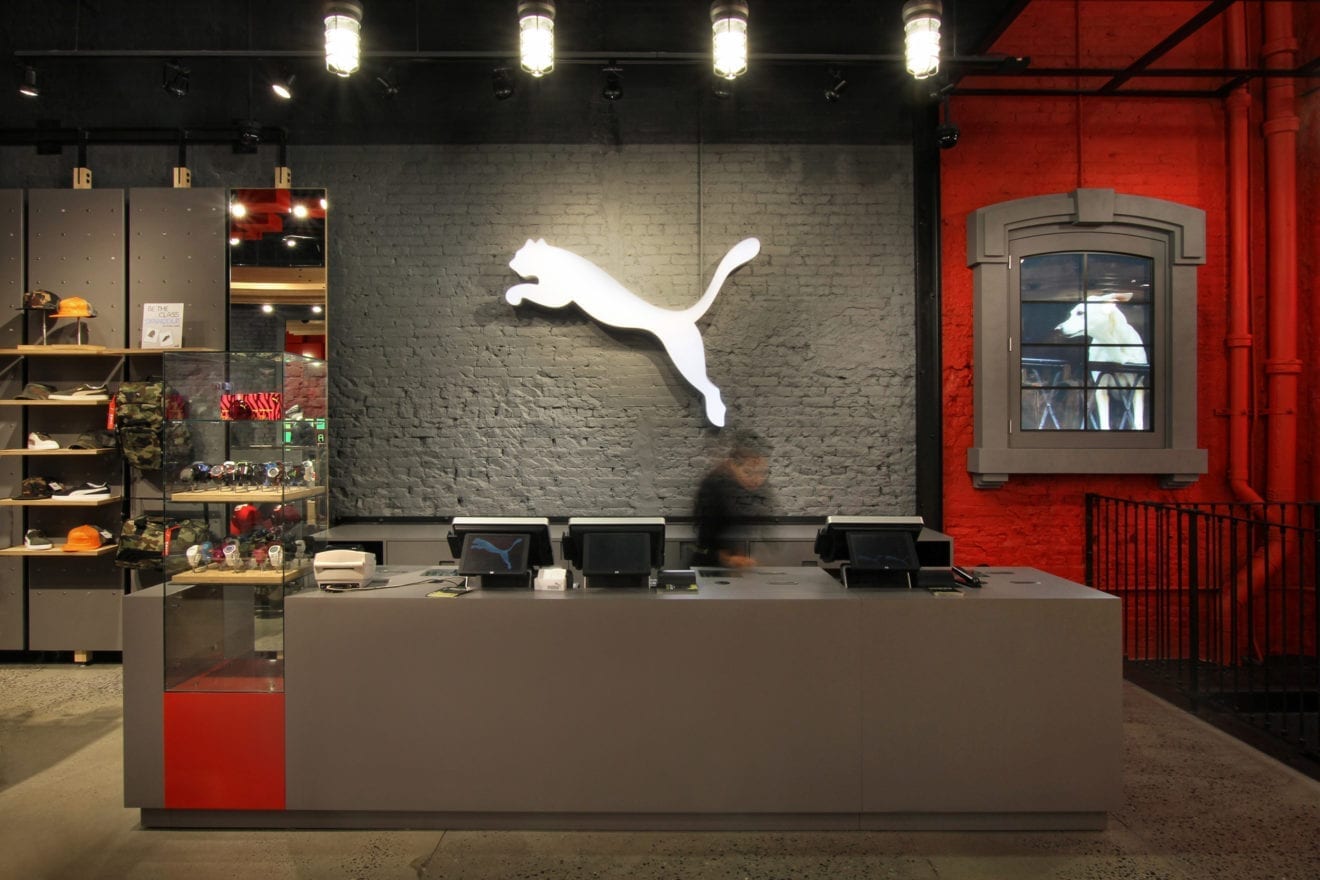
    Puma Korea announced on the 12th that it has appointed Lee Na-young as its new CEO. The new CEO is said to be a sales and marketing expert with more than 20 years of experience in the distribution industry related to sporting goods and food and beverages. She has been working as a sports brand expert for domestic and global offices of Reebok and Adidas for the last 10 years or so. She joined Puma Korea in 2020 and oversaw sales and marketing operations.

    Puma Korea expects that the new CEO Lee will actively and quickly respond to the rapidly changing market conditions in line with the brand slogan ‘FOREVER FASTER’ based on his rich experience in sports goods and distribution and marketing. In particular, Puma reflected an active and quick response strategy not only in its products, but also in its organization and management culture. In the rapidly changing era after the COVID-19 pandemic (global pandemic), we have organized an organization with an optimized brand and introduced a quick decision-making system. Product production has been promoted localization.

    New CEO Lee said, “While the overall growth of the sports goods and sportswear industry has been stagnant due to the recent COVID-19 impact, Puma has continued to innovate to target changing consumer tastes. We will develop an aggressive business centering on marketing,” he said.

  • Uniqlo launches online alteration service

    Uniqlo launches online alteration service

    Fashion is a great tool of self-expression, but it’s not always accessible for people with disabilities, illnesses, and injuries. Since a lot of clothes can be hard to put on when your mobility is limited, there are very few clothes available, and a lot of disabled people, especially in Japan, have a hard time finding clothing that’s easy to wear but also stylish.

    That’s why former Uniqlo employee Teppei Maeda started clothing alterations service Kiyasuku, which translates as “easy to put on” or “easy to wear.” After discussing clothing options for people with disabilities with a hearing-impaired coworker, Maeda decided to interview hundreds of people to learn more. That’s how he found out that the biggest fashion challenge for people with disabilities is that there just aren’t enough types of clothes they can wear.

    So Maeda began to think about what he could do to help, and that’s how Kiyasuku, Japan’s first-ever online tailoring service specifically for individuals with disabilities, was born. The company offers to modify the parts of clothes that make them difficult to put on. For example, they can alter T-shirts and sweatshirts so that they open up in the front, and remove zippers and buttons and replace them with velcro. They can work with all kinds of garments, from casual wear to outerwear. That’s a service that’s hard to find.

    The order process is also extremely easy and all done online. Once you have an item of clothing you want to be altered, you access the website, indicate what alterations you want, and choose your tailor. After a digital meeting with the tailor through the website, you send off your clothes via the post, and they’ll fix it up for you and send it back.

    The staff at Kiyasuku are highly dedicated to the cause with an earnest desire to help people in need, so you can rest assured that your clothing will be well taken care of. One member is even the parent of a child with a disability, who learned to sew by altering clothes for their child.

    Kiyasuku sounds like a great service that lets people wear clothes they want to wear, not just because it’s something they’ll be able to wear. Want to wear the latest Pokemon graphic tees from UNIQLO, but can’t pull them over your head? Want to be comfy and stylish at home with hakama pajamas but find them tricky to get on? Or have you always wanted to go gothic lolita but never thought you could be able to put all the different pieces together? Kiyasuku can probably help.

  • India’s Tata launches “super app” in challenge to Amazon, Walmart

    India’s Tata launches “super app” in challenge to Amazon, Walmart

    India’s Tata Group on Thursday launched its much-awaited e-commerce “super app” offering everything from apparel to air tickets in a renewed push for a slice of a fast growing market dominated by Amazon.com and Walmart’s Flipkart.

    Tata Neu, which has been in the works for about two years, is a single platform for the group’s brands, including Westside fashion, Air Asia tickets, Croma electronics, the Taj group of hotels, BigBasket online grocery and 1mg online pharmacy.

    “Our aim is to make the lives of Indian consumers simpler and easier,” Tata’s Chairman N Chandrasekaran said on LinkedIn, adding that its joint venture airline Vistara and recently acquired Air India, as well as watch brand Titan will be available on the app soon.

    The 154-year-old group, which raked in $103 billion in revenue in 2020-21, is a leading player in steelmaking, IT outsourcing and utilities but arguably best known internationally as the owner of British luxury car brand Jaguar Land Rover. It also makes cars at home under its own brand.

    Tata also has an expansive offline retail portfolio, including a joint venture with Starbucks Corp. Its fashion and watch stores are ubiquitous on Indian high streets and it operates stores for Inditex fashion brand Zara.

    Despite launching the Tata CliQ online marketplace in 2016, the group has been a minnow in an e-commerce market widely projected to be worth $200 billion by 2026. With Tata Neu the group is determined to change that, sources told Reuters last year.

    Tata Neu will offer a membership program and a cross-brand loyalty scheme where customers can earn and redeem rewards while making purchases on the app.

  • BMW’s CEO Expects Chip Shortage To Last Into 2023

    BMW’s CEO Expects Chip Shortage To Last Into 2023

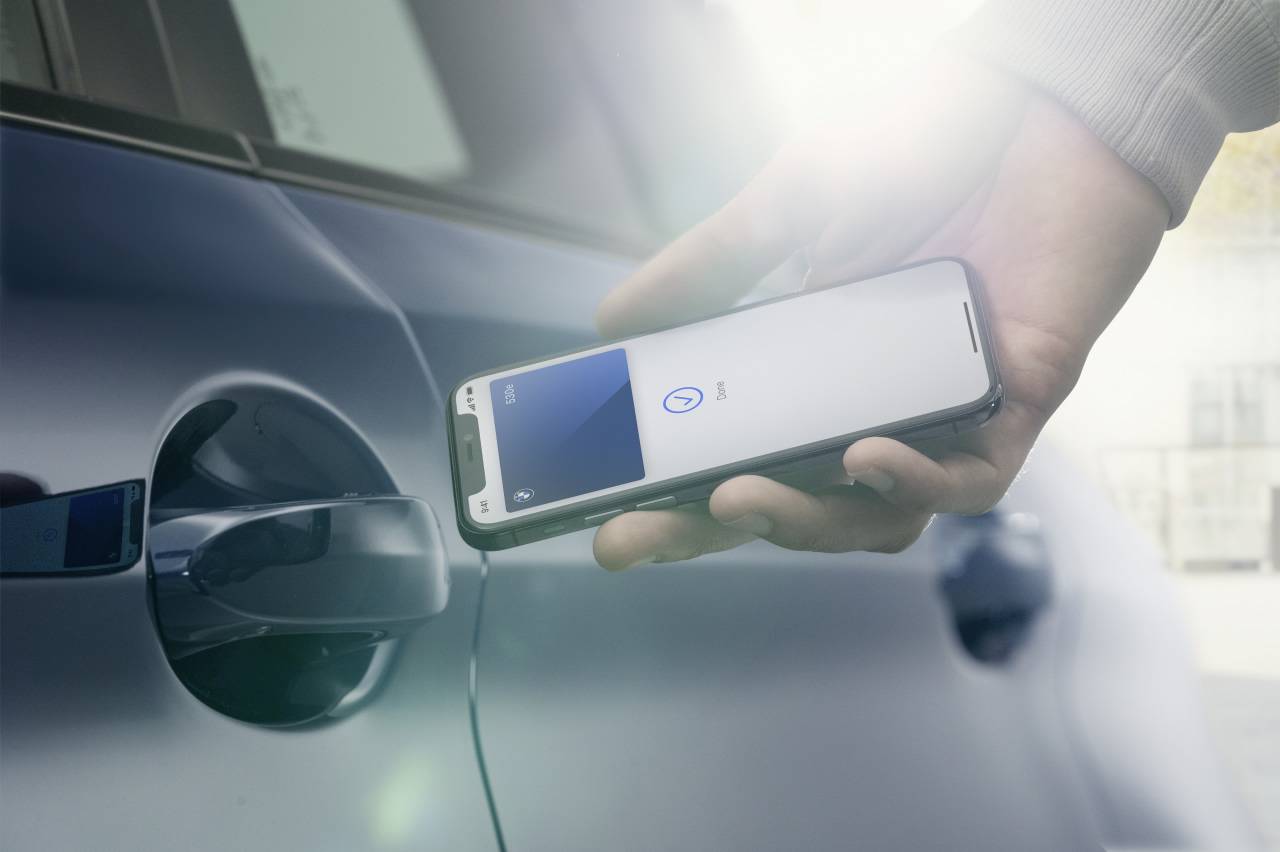
    A shortage of semiconductors is likely to remain a problem for the auto industry into 2023, German carmaker BMW’s Chief Executive Oliver Zipse said in an interview with newspaper Neue Zuercher Zeitung (NZZ) published on Monday.

    “We are still in the height of the chip shortage,” Zipse was quoted as saying. “I expect us to start seeing improvements at the latest next year, but we will still have to deal with a fundamental shortage in 2023.”

    BMW said during its annual press briefing in mid-March that it expected the chip shortage to last throughout 2022.

    Zipse’s comments echoed similar statements by Volkswagen’s CFO Arno Antlitz on Saturday who said he expected that supply of chips would not be able to meet demand until 2024.

  • Ethereum Mastermind Supporting Ukraine

    Ethereum Mastermind Supporting Ukraine

    Russian-born Vitalik Buterin has quietly transferred Ethereum donations of around $5 million to the benefit of Ukraine.

    Ukraine has been receiving a lot of support from the crypto world since the Russian invasion, including Vitalik Buterin, co-founder of the Zug-based Ethereum (ETH).

    The software pioneer transferred ETH donations worth some $5 million to Ukraine in early April, Aid for Ukraine said on its Twitter channel. The organization is a joint initiative of the Ukrainian government, crypto exchanges FTX, Everstake, and Kuna, which collect crypto donations for the country.

    Buterin lived in Russia until he was six years old when his parents emigrated to Canada. According to the Ukrainian institution, he did not announce the transaction despite the large donation amount. It was linked to him through the Ethereum domain name vitalik.eth, which served as the origin of the transfer.

    Half of the donation went directly to Aid for Ukraine, and the other to the Unchain Fund, a cryptocurrency charity initiative founded by activists from the blockchain community to provide humanitarian aid to Ukrainians.

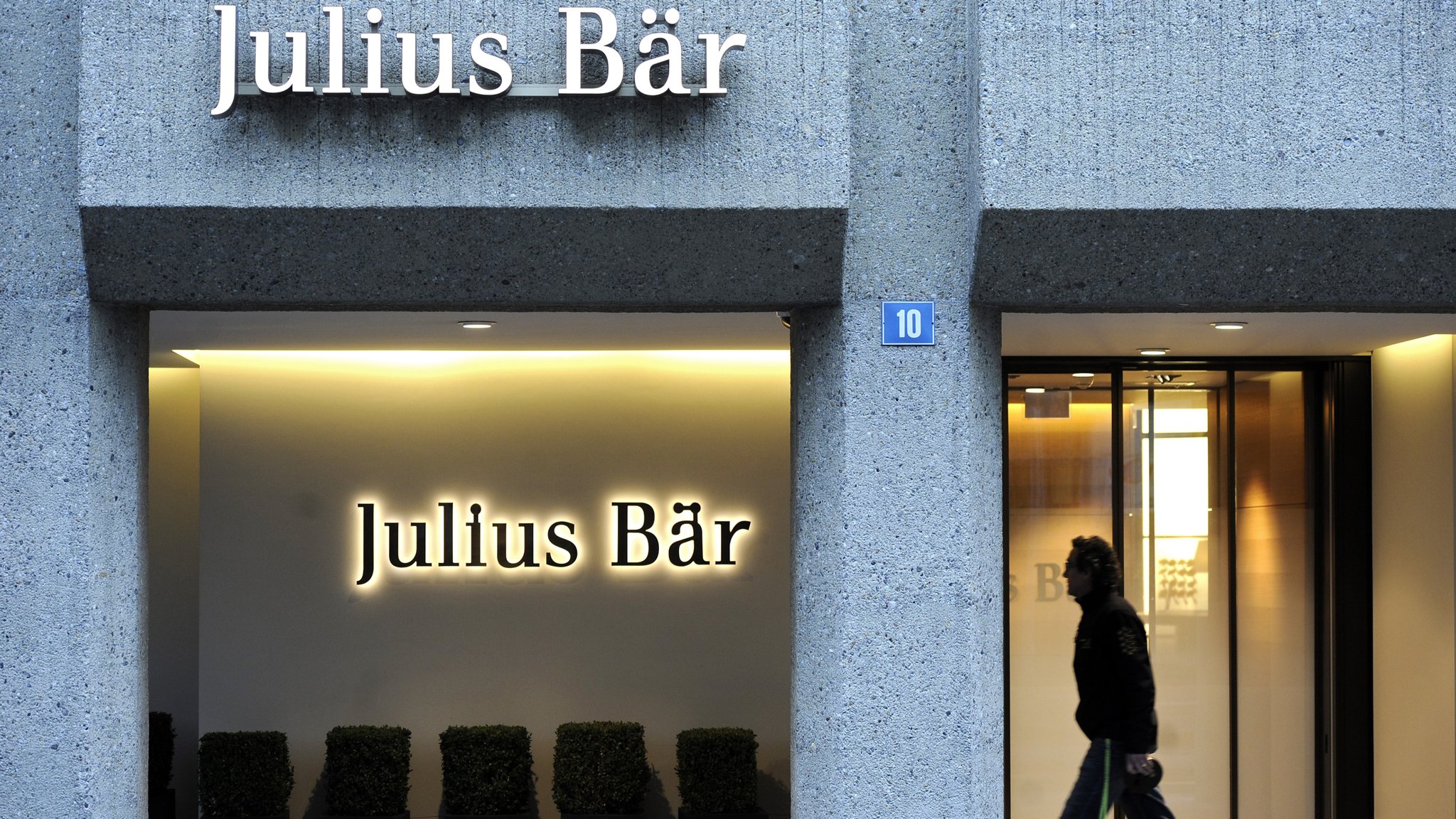
  • Game Your Way to a Job at Julius Baer

    Game Your Way to a Job at Julius Baer

    The Swiss bank is launching its own video game to attract future tech talent. In an effort to attract future tech talent, Swiss bank Julius Baer is offering its own game on the video game platform Roblox where candidates can take the Be Baer Challenge in the metaverse, the bank announced Monday.

    How many times must children have heard their parents admonish get off of the computer and go play outside, or do your homework and stop playing games?

    Now they can play and look for a job.

    The Julius Baer Challenge was launched on April 11 and requires the users to employ logical and analytical thinking, creativity, and speed in a gaming environment. Players can create their own avatar which can roam around the bank’s virtual headquarters in Zurich in 3D. The challenge has four different levels where prizes can be won, and a showroom that informs players about jobs and benefits at the bank.

    We are thrilled to have been able to implement this unconventional approach to attract tech talent. We wanted to bring a ‘Super Mario’ aspect to the banking world. Gaming requires curiosity, agility, and a drive to advance to the next level. These skills are highly sought after in a banking environment said Guido Ruoss, global head of human resources at the bank.

    The Be Baer Challenge was designed in partnership with E-Sports and gaming experts aimed at creating an inspiring location in the Roblox metaverse. Founded in 2004, Roblox is a global gaming platform with 55 million daily active users with video games are available on PCs, Xbox, and cell phones. There are currently 9.6 million developers on the platform.

    Maybe now, kids will be hearing from their parents «what are you doing outside? Come in and get on the computer and look for a job!»