Tag: asia

  • What Type of Gambling Is Most Popular in Asia?

    What Type of Gambling Is Most Popular in Asia?

    Gambling is illegal in many places around the globe. In certain jurisdictions, casinos are the only sites where gambling is permitted. With online  apps, you can play your favourite casino games from the comfort of your own home and win real money. While online betting is available to anybody, it can only be done in nations that allow it.

    One of the world’s most important gambling marketplaces is in Asia, which is one of the continents with the greatest populations. In addition to being the world’s biggest and most diversified continent, Asians are known to enjoy a wide range of gambling activities.

    Poker, blackjack, and roulette are all prominent forms of gambling in nations like the United States and online casinos. Nevertheless, what do you believe the most popular forms of gambling are in Asian countries? You’ve come to the perfect place if you’re wondering. We’re going to show you some of the most well-liked Asian gambling games right now.

    Mahjong

    Whenever the subject of gambling in Asia is mentioned, you may think of those Hollywood movies depicting people playing Mahjong in a packed casino. This isn’t entirely incorrect, since Mahjong is a very popular game in Asia. The origins of this game may be traced back to China. Even though most kinds of gambling are illegal in that nation, playing Mahjong in legal facilities or licensed clubs is permitted.

    As soon as the Qing dynasty invented the game of Mahjong, it became an instant hit with gamblers all over the globe. There are 144 tiles in all, and each one has a distinct Chinese sign or character on it. Bets are put first before the game starts, and it is often played by four people at a table. To find out who the dealer is, dice will be thrown. Afterward, each participant will get 13 shuffled tiles. To have a chance of winning, each player must draw and discard a tile in each round. A winning ticket of 14 tiles requires the first player to call out “Mahjong.”

    Keno

    Keno is said to be the world’s oldest lottery game. Since its inception during the Han Dynasty in 206 BC until 220 AD, it has been widely accepted as the source of this practice.

    When you sit down to play Keno, you’ll be handed an 80-number card. A particular number of numbers must be selected and gambled on. Twenty numbers will be picked, and the rewards you may win are based on how many of your numbers match those drawn at random.

    Tax money collected from gamers during warfare was used to fund the construction of the Great Wall of China and other military expenditures. When Chinese immigrants came to the United States and desired to gamble outside of China, Keno was introduced to them. So much so that Las Vegas is now known as the US Keno Capital.

    Pachinko

    Playing Pachinko is a popular pastime in Japan. The game’s name derives from the amusing sound it makes while being played. Contemporary Japanese culture is seen in the flashy lights and loud noises of pachinko machines.

    To win the jackpot in Pachinko, players must match three numbers in a row. You’ll have a better chance of winning if you can fit the small steel ball bearings into the centre scoring pocket at the bottom of the screen.

    It is unlawful to gamble with money in Japan. As a workaround, Pachinko parlours gave out tokens that could be exchanged for cash later.

    Pai Gow

    Pai Gow is another popular casino game in Asia. Between 960 CE and 1279 CE, the Song Dynasty was the source of its origins. “Make nine” is the highest possible score for a hand while playing this game.

    You’ll need 32 Chinese dominoes put face down on the table and shuffled to form eight stacks of four dominoes each. This is how you begin playing Pai Gow. Betting will begin after that. Next, each player will get a stack of four tiles, which they will divide into two hands, each holding two tiles. In order to win, the player’s hands must both rank higher than the dealer’s.

    Pai Gow Poker, a westernised form of Pai Gow, is now available online as well.

    Cockfighting

    For thousands of years, people have discovered a method to wager on anything that provides them a chance to win or lose. And they do this even if it means that two animals are going to fight each other. Cockfighting, for example, is a popular pastime in Southeast Asia, particularly in Thailand, the Philippines, India, and Indonesia, where it has become an integral part of the culture and history.

    Ferdinand Magellan brought cockfighting to the Philippines in 1521 during his trip. Cockfighting is now permitted in just a few nations throughout the globe. However, the fighting culture varies from nation to country. To provide two examples, birds in India battle with bare heels, whereas, in the Philippines, they fight with metal blades strapped to their legs. Only roosters are permitted to be used in fights due to their higher level of aggression than males.

    The Bottom Line

    These are some of Asia’s most prevalent forms of gaming. As a result of these games, a broader cross-cultural understanding is fostered.

  • Nestle opens $90 million pet food plant expansion at Blayney

    Nestle opens $90 million pet food plant expansion at Blayney

    With the last two years seeing more people adopting pets, the Purina factory is now set to meet the growing demand for wet cat food in Australia and beyond thanks to the newly installed state-of-the-art high-speed manufacturing technology.

    As well, the Purina team has expanded to meet the increased demand, with 20 new jobs now created on site, creating cat favorites such as Felix, Fancy Feast, Pro Plan and Purina One.

    Nestlé Blayney Factory Manager Charlene De Wit said the new facility is a testament to Nestlé’s commitment to local manufacturing and support for the Central West community.

    “We are proud to produce quality Purina pet food for our much-loved furry friends across Australia and around the region, right here in Blayney.

    “Our expanded facilities will allow us to scale up production of single-serve wet cat food by over 120% – as well as the dry cat and dog food we already produce,” Ms De Wit said.

    The opening brings Nestlé’s total investment in the factory to more than $200 million over the past 10 years, as the business has increased production and developed new capabilities. The wet cat food facility, opened in late 2014, was developed to create premium products with the taste profile cats prefer, and the simplicity their owners prefer.

    The expansion will position Nestlé Purina as a key regional supplier, with both wet and dry pet food exported from Blayney to New Zealand, Thailand and Japan.

    The new facilities will also see a significant quantity of local ingredients used in production. More than 85% of raw materials used at the Nestlé Blayney factory will be sourced locally, including meats and grains.

    Ms De Wit continued, “We have an incredibly dedicated and highly skilled team here at Blayney. By bringing leading technology to our factory and continuing to use high quality ingredients in our product, we are even more confident that we will continue to enrich the lives of pets and the people who love them for years to come.”

    The Nestlé factory in Blayney began operations in 1989, and now features world-class facilities to manufacture brands such as Felix, Fancy Feast, Pro Plan, Supercoat and Purina One.

  • McDonald’s Australia appoints new CEO

    McDonald’s Australia appoints new CEO

    McDonald’s Australia has named Antoni Martinez as its new chief executive to replace outgoing boss Andrew Gregory, who is moving to a global role as head of franchising at the fast food giant.

    Mr Martinez will move back to his native Australia at the end of the month to take up the new job on May 1 from Seoul, where he is currently managing director of McDonald’s Korea.

    Mr Gregory has worked at McDonald’s Australia since 1996, starting as a crew member and working his way up to chief financial officer before taking on the top job in 2014.

    Under his leadership, McDonald’s Australia has delivered consistent, record growth in sales, profitability, and market share. Coffee, delivery and digital sales have been among the most significant drivers of growth.

    “McDonald’s Australia is one of McDonald’s largest and most successful markets in terms of growth, employment, and economic impact,” Mr Gregory said.

    “I am proud to be handing the reins of this great company to Antoni at a time of strong, sustained performance.“

    “As I step up and into a global position, I have every confidence that he is the best leader to return home and drive the plans for our continued growth, innovation, and success.”

    Mr Martinez takes over at a difficult time as the chain makes a big push into regional areas. It is facing an uphill battle in attracting the right franchisees who are willing to move and invest upwards of $1.5 million cash in the business.

    “Macca’s” has about 100 new restaurants in the pipeline over the next three years, about one-third of which will be in regional areas.

    The group has 1020 McDonald’s restaurants across Australia and nearly 85 percent of those are franchise operations. It is a major employer with more than 110,000 people in restaurants and corporate offices, and is the largest employer of youth in the country.

    Mr Martinez will also be grappling with possible wage increases being determined by the Fair Work Commission’s wage panel, which would come into effect on July 1. Unions are pushing for a 5 percent increase in the minimum wage this year to more than $21 an hour to cope with the surging cost of living.

    Mr Martinez started at McDonald’s in Melbourne in 2000, before moving into senior leadership roles including development director and market director for the southern region, where he was responsible for operations, franchising and marketing for more than 300 restaurants.

    In February 2020, Mr Martinez relocated to Seoul to lead South Korea’s McDonald’s team.

    Mr Martinez said he was excited to return to Australia, where he planned to focus on providing opportunities for its people to develop their skills.

    “I stepped outside of the Australian market to gain valuable international experience and have watched with a great sense of homegrown pride the continued growth and innovation of the Australian business,” he said.

  • Ferrero recalls some Kinder products in Australia, NZ ‘as a precaution’

    Ferrero recalls some Kinder products in Australia, NZ ‘as a precaution’

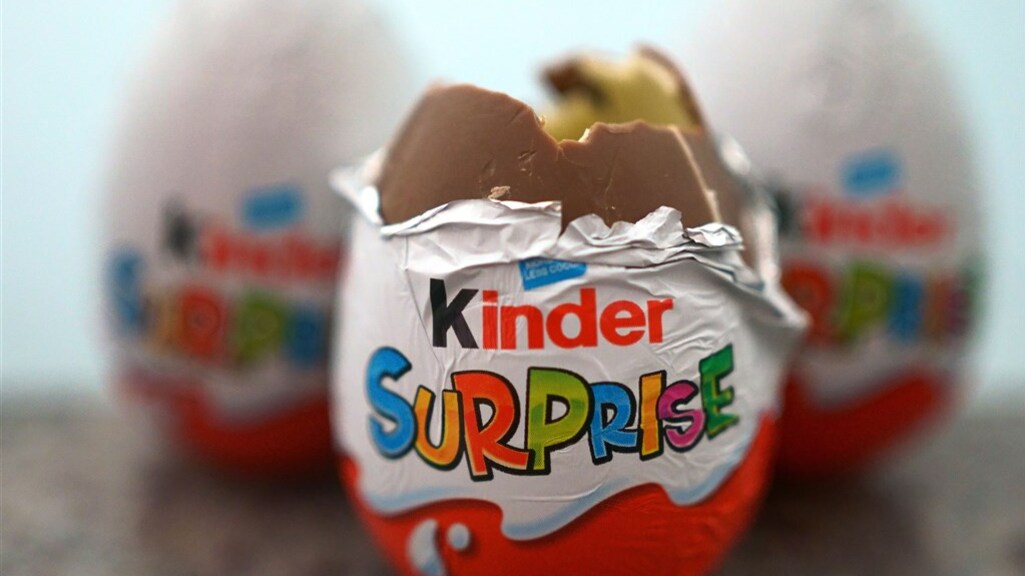
    Italian confectionery group Ferrero has recalled several children’s chocolate products in Australia, having already recalled products in multiple European countries earlier in the week. The recalled products could potentially be contaminated with salmonella, Food Standards Australia New Zealand (FSANZ) announced on Thursday. The chocolates, including some Kinder products, were sold in large supermarket chains such as Coles and Woolworths.

    “Consumers should not eat this product and should return the products to the place of purchase for a full refund,” the FSANZ said in a statement. Ferrero’s Australian arm is recalling Easter baskets and some Kinder chocolate eggs.

    The Kinder Surprise 20g single and three-pack eggs are not affected. The European Food Safety Authority (EFSA) and the European Centre for Disease Prevention and Control (ECDC) have launched investigations into the salmonella outbreak and plan to publish an assessment next week. So far, 105 confirmed cases and 29 suspected cases of salmonella, most of them in children under the age of 10, have been recorded in Europe, according to the authorities. Almost half of the salmonella infections were recorded in Britain, with the first case being detected as early as January 7.

    Other countries affected by the recall include Germany, Belgium, France, Ireland, Israel, Luxembourg, the Netherlands, Norway and Sweden.

  • SES expands multi-cloud offerings with Oracle Cloud Infrastructure FastConnect

    SES expands multi-cloud offerings with Oracle Cloud Infrastructure FastConnect

    SES will be offering private, dedicated connectivity to Oracle Cloud through Oracle Cloud Infrastructure (OCI) FastConnect. Customers can harness the power of Oracle Cloud locally, including Oracle Autonomous Database, to unlock innovation and drive business growth.

    The direct access to Oracle Cloud as a FastConnect partner is part of SES’s strategy of offering customers high-performance, low-latency and secure connections to the leading public cloud providers.

    SES will be using its Cloud Direct service to connect customers to Oracle Cloud applications and services over its network of medium earth orbit (MEO) and geostationary (GEO) satellites – a key advantage for enterprises, the government and other customers who require low-latency and secure connections in remote, rural or other locations with limited network options. The Cloud Direct service will also be available on SES’s next-generation MEO constellation, O3b mPOWER, launching this year. O3b mPOWER will provide SES customers with satellite-enabled cloud connection, supporting multi-gigabit services that adapt dynamically to network demand.

    With OCI, customers benefit from best-in-class security, consistent high performance, simple predictable pricing, and the tools and expertise needed to bring enterprise workloads to the cloud quickly and efficiently.

    “As the only multi-orbit satellite provider with direct cloud connections to four of the top five public cloud providers, SES empowers our customers with the flexibility and options to optimize their cloud services for reach, latency, performance or other business requirements,” said Sergy Mummert, senior vice president, sales global cloud & strategic partnerships at SES. “The launch of O3b mPOWER this year will massively scale the intelligent service automation and flexibility of our Cloud Direct service and help with new cloud capabilities for customers around the world.”

    OCI’s extensive network of more than 70 FastConnect global and regional partners offer customers dedicated connectivity to Oracle Cloud regions and OCI services – providing customers with the best options anywhere in the world.

    Specifically architected to meet the needs of the enterprise, Oracle Cloud is a next-generation cloud that delivers powerful compute and networking performance and a comprehensive portfolio of infrastructure and platform cloud services from application development and business analytics to data management, integration, security, artificial intelligence (AI), and blockchain. With unique architecture and capabilities, Oracle Cloud delivers unmatched security, performance, and cost savings. Oracle Cloud is the only cloud built to run Oracle Autonomous Database, the industry’s first and only self-driving database.

  • Toyota Joins Tesla In Developing Self-Driving Tech With Low-Cost Cameras

    Toyota Joins Tesla In Developing Self-Driving Tech With Low-Cost Cameras

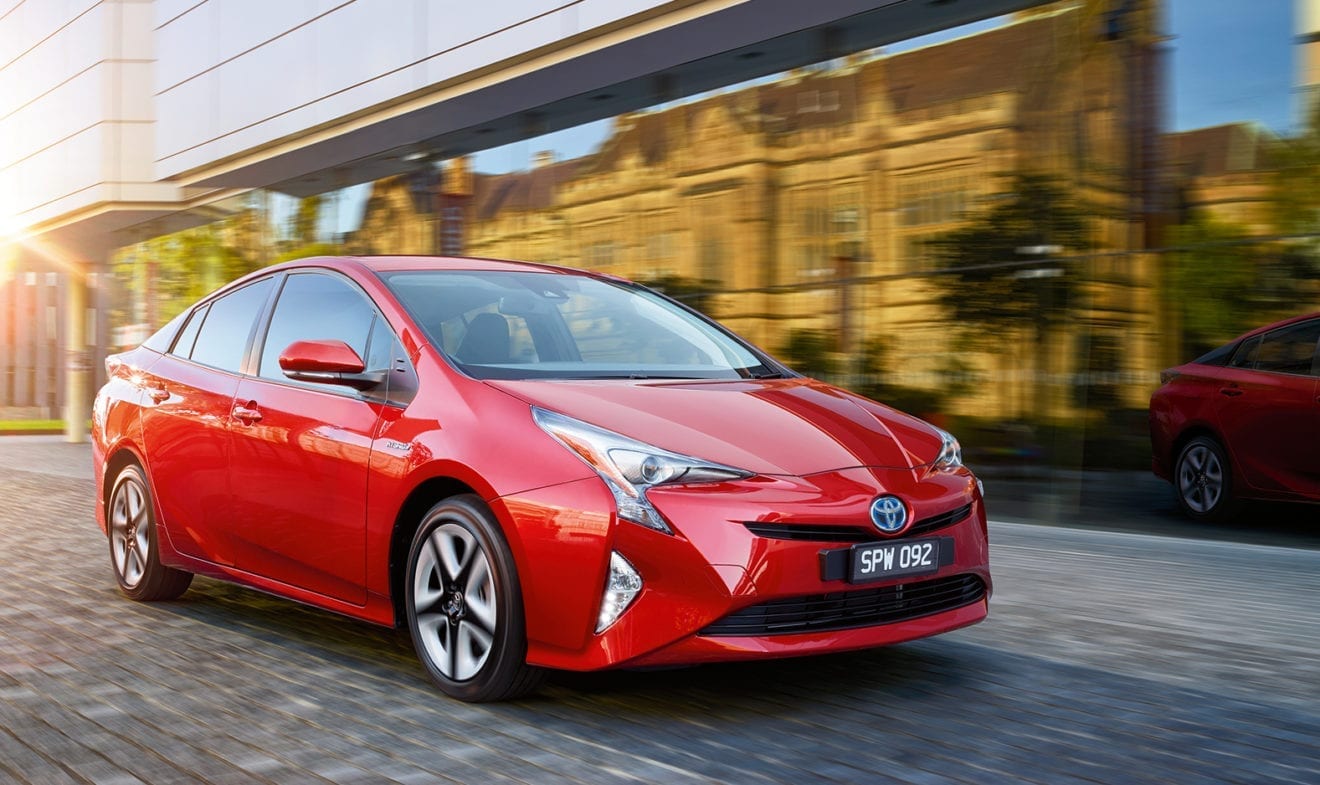
    Toyota Motor unit Woven Planet has joined Tesla Inc in trying to advance self-driving technology without expensive sensors such as lidars.

    Woven Planet told Reuters it is able to use low-cost cameras to collect data and effectively train its self-driving system, a “breakthrough” that it hopes will help drive down costs and scale up the technology.

    Gathering diverse driving data using a massive fleet of cars is critical to developing a robust self-driving car system, but it is costly and not scalable to test autonomous vehicles with expensive sensors, it said.

    Tesla has been betting on cameras to collect data from over 1 million vehicles on the road to develop its automated driving technology, while Alphabet’s Waymo and other self-driving car firms added expensive sensors like lidars to a small number of vehicles.

    “We need a lot of data. And it’s not sufficient to just have a small amount of data that can be collected from a small fleet of very expensive autonomous vehicles,” Michael Benisch, vice president of Engineering at Woven Planet, said in an interview with Reuters.

    “Rather, we’re trying to demonstrate that we can unlock the advantage that Toyota and a large automaker would have, which is access to a huge corpus of data, but with a much lower fidelity,” said Benisch, a former engineering director at Lyft’s self-driving division, which Toyota acquired last year.

    Woven Planet uses cameras that are 90% cheaper than sensors that it used before and can be easily installed in fleets of passenger cars.

    Woven Planet says it uses cameras that are 90% cheaper than sensors it used previously.

    It said using a majority of data coming from low-cost cameras increased its system’s performance to a level similar to when the system was trained exclusively on high-cost sensor data.

    He said, however, Toyota would still use multiple sensors such as lidars and radars for robotaxis and other autonomous vehicles to be deployed on the road, as this currently seemed to be the best, safest approach to developing robotaxis.

    “But in many, many years, it’s entirely possible that camera type technology can catch up and overtake some of the more advanced sensors,” he said.

    “The question may be more about when and how long it will take to reach a level of safety and reliability. I don’t believe we know that yet.”

    Tesla’s CEO Elon Musk said it can achieve full autonomy with cameras this year after missing his previous targets several times.

  • Vietnam rises as new luxury hub

    Vietnam rises as new luxury hub

    Luxury brands are expanding their presence in Vietnam as they seek to profit from the country’s growing middle class and robust economic growth.

    Italian luxury car brand Lamborghini announced its return this month after a year of inactivity, and has named a new distributor, S&S Automotive.

    The distributor, which is also a dealer for other luxury car brands like Rolls-Royce and McLaren, said a new Lamborghini showroom is being built in HCMC’s District 1 and would open this quarter.

    The Porsche Center Saigon opened last year in HCMC’s District 7, and the German company called it a “key milestone in one of its fastest growing markets in the Asia Pacific.”

    The company also launched Southeast Asia’s second Porsche Studio in Hanoi last year, with the CEO of Porsche Asia Pacific Arthur Willmann saying the capital’s vibrant young population was the inspiration for the store.

    He echoed an earlier statement by Paul Harris, director of Roll-Royce Asia Pacific, who said Vietnam has the youngest demographic of his company’s markets.

    Prestige fashion brands have also been active, with Italy’s Bvlgari returning in February last year and opening a store in HCMC, and Louis Vuitton and Christian Dior launching flagship stores in 2020 in Hanoi’s central district of Hoan Kiem.

    The country’s luxury goods market is set to surge by 35.7 percent from last year to $912 million this year, according to data from German portal Statista, making a strong recovery after two years of Covid-19.

    In the next five years, it is set to expand by 3.3 percent annually and will cross the $1 billion mark by 2025.

    The biggest luxury segments would be fashion, leather goods and cosmetics and fragrances, Statista forecast.

    Matthew Powell, director of real estate consultancy Savills Vietnam, which found the Hanoi locations for Louis Vuitton and Dior, said many luxury brands want to enter or expand their presence in Vietnam since its retail market is one of the most vibrant in the region and rentals are low compared to other Asian cities such as Singapore and Hong Kong.

    The country’s rising per capita income and expansion of the middle class are also factors, he added.

    Vietnam has long been hailed as a country with a fast-expanding middle-class thanks to strong economic growth.

    With a 56 million-strong middle class by 2030, Vietnam is set to leap eight places from its current 26th in the global ranking of 30 economies with the largest middle-class populations, British analytical NGO and data enterprise World Data Lab said.

    The number of people in the country owning more than $30 million, or the ultra-rich, could reach 1,551 in 2026, a 26 percent increase from 2021, according to a report by U.K. property consultancy Knight Frank.

    The company also predicts that the number of rich people, or those with a net worth of $1 million or more, including their primary residence, will soar by 59 percent from last year to 114,807 in 2026.

    “We have witnessed prime apartment selling prices break the $10,000 per square meter barrier this year, driven by local demand, and with Vietnam expected to increase the number of ultra-high net worth individuals between 2021 and 2026 by 26 percent, on par with Hong Kong and Taiwan, we can see the potential for ongoing growth well into the future beyond that,” Knight Frank Vietnam managing director Alex Crane said.

    The company also pointed out that rich Vietnamese are buying more watches, cars and wines.

    The country’s import of watches increased by 28.2 percent annually in 2016-20.

    Car sales and wine imports, prior to being impacted by the pandemic, had maintained consistent growth of 12.9 percent and 9.8 percent between 2016 and 2019.

    The growth potential for luxury brands remains bright as the country is expected to achieve the highest growth rates in Southeast Asia of 6.5 percent this year, and 6.7 percent next year.

    Distributors of luxury brands in Vietnam seem to be doing well.

    Duy Anh Fashion and Cosmetics recorded year-on-year growth of 171 percent in the last quarter of last year.

    It brought two new fashion brands to Vietnam last year, Tiffany & Co and Montblanc, and opened their first stores in Hanoi and HCMC respectively.

    It also brought footwear and accessories brand Christian Louboutin to HCMC in January with the first store opening in District 1.

    Tran Thi Hoai Anh, founder and president of GlobalLink, which distributes luxury fashion brands in Vietnam, told The Business of Fashion in 2019 that the appetite for luxury goods is more pronounced than ever in Hanoi and HCMC.

    “Only a decade ago it was all about knowing the difference between Gucci and Prada. [But] today’s new generation of wealthy shoppers are driven by the quest for quality, distinctiveness and craftsmanship.”

    Anh said Vietnamese consumers seem to be shopping more after the Covid-19 restrictions of the last two years.

    To take advantage of this, her company plans to open a new 700-square-meter flagship store in HCMC and sell brands that have not been popular in Vietnam such as Off-White, Ambush and Amiri, she said.

    “I am very positive about the future, as I am seeing demand for luxury goods after the pandemic.”

  • Percentage of teens looking to buy an iPhone is close to a record high

    Percentage of teens looking to buy an iPhone is close to a record high

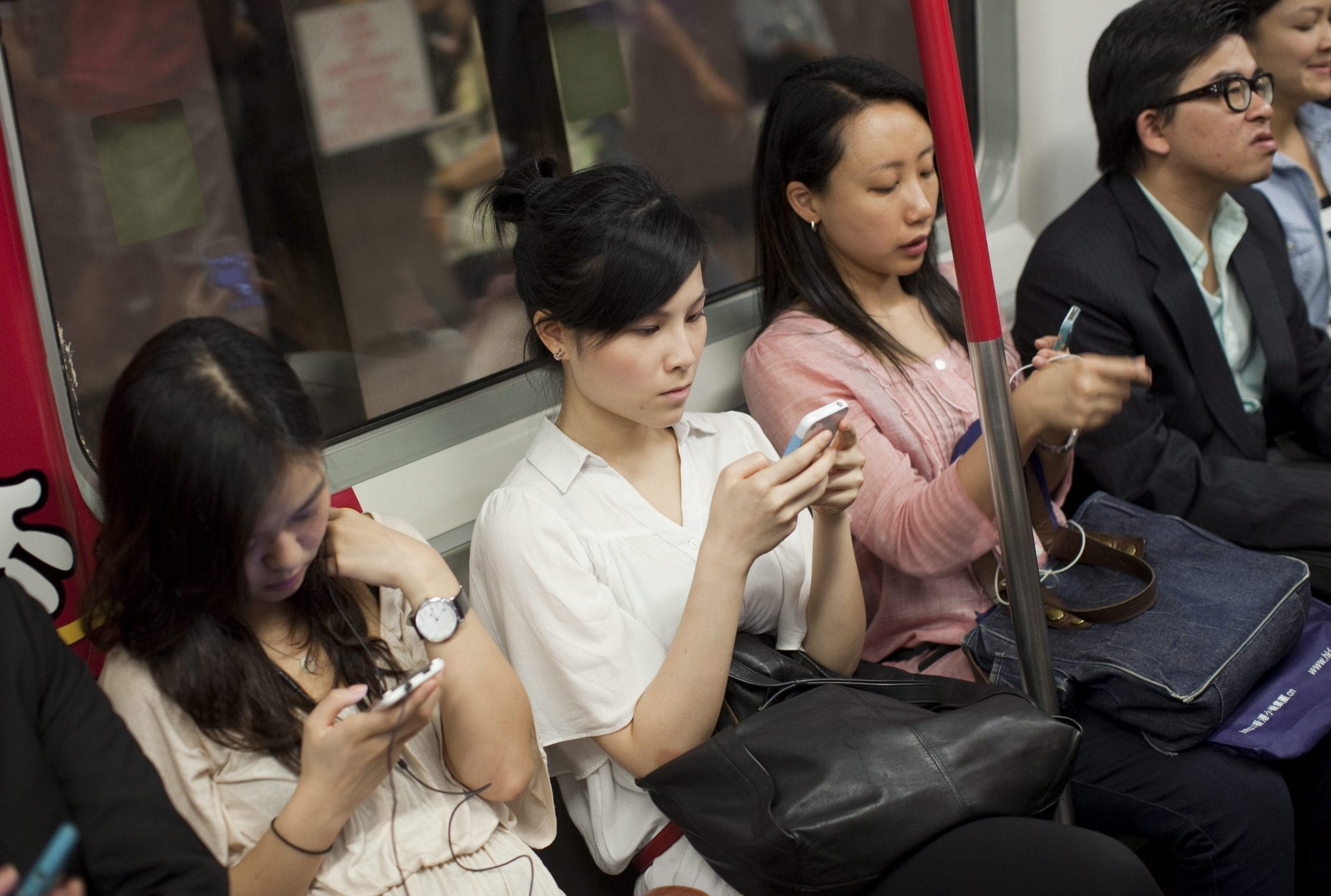
    Investment house Piper Sandler released the results of its 43rd semi-annual Taking Stock With Teens survey. The latest results show that the number of American teenagers planning to purchase their first iPhone is close to a record high. Piper Sandler analyst Harsh Kumar says that 87% of the teens responding to the firm’s latest survey plan on purchasing an iPhone. Coincidentally, the survey showed that 87% of the teens responding already own an iPhone.

    We said that the 87% of teens who said that their next phone will be an iPhone was close to a record high. That’s because, during the Spring 2021 survey, 90% of teens were saying that their next phone would be running iOS while 88% of teens said that they already owned an iPhone in that survey. Kumar said that the results were encouraging for Apple.

    And in a boost for Apple’s large Services unit, teens’ favorite money transfer app is now Apple Pay which toppled previous leader Venmo in the latest survey. The analyst sees the results forecasting growth in the Services unit which took in $68 billion during fiscal 2021. Apple’s Services unit includes the App Store, Apple Pay, Apple Care+, Apple Music, Apple Arcade, Apple Card, Apple TV+, Apple News+, Apple Fitness+, iCloud, iTunes Store, and more.

    With over 1 billion active iPhones, Apple has a large number of possible buyers ready, willing, and able to spend on Services including recurring subscriptions. It’s that word “recurring” that brings a smile to the face of Apple CEO Tim Cook.

    As for the specifics of the survey, 7,100 teens responded to survey with an average age of 16.2 years. 44 different states were represented and they live in households with an average income of $69,298. 39% of the teens are employed part-time. Either they live in a household that is well off, or they are able to afford to buy the iPhone using their own paycheck.

    Piper Sandler’s Kumar rates Apple overweight and has a $200 target on the stock. For those not familiar with Wall Street talk, an overweight rating has nothing to do with Eddy Cue’s eating habits. It simply means that in calculating your portfolio, Apple shares should comprise a larger percentage of your portfolio compared to the rest of your holdings.

    The latest survey of teens has pretty similar results to the previous Taking Stock With Teens

  • Facebook introduces a new way for you to create Reels

    Facebook introduces a new way for you to create Reels

    In another attempt to rival TikTok, Facebook now offers a new feature called “Sharing to Reels.” Sharing to Reels will allow creators to post directly to Facebook Reels from a third-party app.

    From now on, third-party app developers will be able to integrate “Sharing to Reels” directly into their apps, enabling users to post their Reels directly on Facebook via a “Reels” button.

    If you need to spice your Reels up before posting to Facebook, you will have access to Reels’ editing tools. So, in other words, you will be able to create Reels, modify them with some cool effects and stickers, and then post them directly to Facebook Reels.

    According to the tech giant, if you want to submit a short video to Facebook from another app, “Sharing to Reels” will eliminate the need to download the video first. Currently, Smule, a popular karaoke app, and the video editing apps VivaVideo and Vita have this new feature.

    “We’re focused on making Reels the best way for creators to get discovered, connect with their audience and earn money. We also want to make it fun and easy for people to find and share relevant and entertaining content,” reads part of the official announcement.

  • Amazon Music Unlimited’s monthly subscription price set to slightly increase

    Amazon Music Unlimited’s monthly subscription price set to slightly increase

    Every once in a while, major streaming services are adjusting their subscription prices, especially if they prove to be successful. Netflix, HBO, Hulu, Spotify and many other similar streaming service have had their prices increased a few times in the last couple of years.

    The latest on that list is Amazon Music Unlimited, which is expected to increase its monthly subscription price by $1. Many Amazon Music subscribers have started to receive notifications via email that confirmed the monthly Amazon Music Unlimited Individual Plan price will increase from $7.99 to $8.99 .

    Strangely enough, Amazon did not announce anything yet, but it’s probably just a matter of time before the move is officialized. According to the email, the new price for Amazon Music Unlimited will go live on May 5.

    On the bright side, the Amazon Music Unlimited Family Plan price has been kept the same, so anyone who currently pays the $14.99 monthly subscription will not be affected by the price hike.

    With access to more than 75 million songs in HD, as well as several important top-tier audio features, including Spatial Audio, Amazon Music Unlimited is one of the cheapest offerings on the music streaming services market. Despite the $1 price hike, Amazon Music remains a great deal for those looking for high-quality music content at a low price.

  • BlackBerry seeks to settle suit accusing it of fraudulently pumping up BlackBerry 10 demand

    BlackBerry seeks to settle suit accusing it of fraudulently pumping up BlackBerry 10 demand

    BlackBerry is no longer in the business of designing and building smartphones and developing apps for them. The company is seeking to settle a lawsuit that claimed BlackBerry committed fraud by pumping up the profitability of its defunct BlackBerry 10 line of phones. Today, a federal judge in Manhattan federal court, at BlackBerry’s request, adjourned a trial so that a preliminary settlement could be negotiated for the class action suit.

    Jury selection was to start tomorrow. Any settlement between BlackBerry and the class will need approval from U.S. District Judge Colleen McMahon. BlackBerry 10 was based on a whole new operating system called QNX which was developed by a company called QNX Software Systems which BlackBerry bought in 2010.

    BlackBerry considered this a chance to reboot its smartphone line. It brought in a new CEO (Thorsten Heins) and changed the name of the parent company from Research in Motion to BlackBerry. The firm released several BlackBerry 10 models including the Z10, a 4.2-inch touchscreen phone without a physical QWERTY. Perhaps the most interesting BlackBerry 10 model was the Passport which was the size of a, well, passport.

    The Passport was equipped with a 4.5-inch display, a wider than normal QWERTY keyboard with a square 1440 x 1440 resolution. It had a physical QWERTY that also made use of the touchscreen for secondary keys, punctuation, and numbers. This phone might have worked had BlackBerry moved to Android earlier instead of stubbornly holding on to its own operating system.

    In fact, BlackBerry 10 was a decent OS but did not have a fully stocked app storefront which led BlackBerry to finally give up and use Android on the BlackBerry Priv, a phone with a vertically sliding physical QWERTY keyboard.

    The lawsuit accuses BlackBerry of misleading stockholders by failing to reveal the true sales prospects for the BlackBerry 10 line which members of the class claim led to an overinflated BlackBerry stock price. Other defendants in the class action include former Chief Executive Officer Thorsten Heins, former Chief Financial Officer Brian Bidulka, and former Chief Legal Officer Steve Zipperstein.

    BlackBerry eventually licensed its name and software to Chinese manufacturer TCL who almost made a go of it by releasing the BlackBerry KeyOne, Key2, and Key2 LE. But TCL stopped making BlackBerry phones in August 2020 when its license with BlackBerry expired. That same month, a company called OnwardMobility announced that it had signed a licensing partnership with BlackBerry for the first 5G ‘Berry.

    The new phone was supposed to be introduced in 2021, but no device was ever introduced. Behind the scenes, it was obvious that BlackBerry CEO John Chen, who had been receiving compliments for turning the company into a successful cybersecurity software provider, had no desire to return to the smartphone business. BlackBerry sold off its remaining smartphone assets (including patents) for $600 million.

    Less than three weeks after announcing the sell-off of its remaining smartphone assets, OnwardMobility confirmed the rumors that had been spreading: it would not release a new 5G BlackBerry and such a device would probably never be produced.

    The decision by the judge to adjourn the trial to allow BlackBerry to negotiate a settlement is not unusual. Reuters cited a study by Cornerstone Research which states that from 1997 to 2021 less than 1% of federal securities class actions cases ended up going to trial. Instead, the vast majority of such actions ended up settled or dismissed.

    BlackBerry currently is valued at close to $4 billion, a far cry from the close to $80 billion that the company was worth in 2008 when it still was one of the top smartphone manufacturers in the world. BlackBerry management’s failure to take the iPhone seriously as a threat and its stubborn refusal to make Android phones until it was too late are major reasons behind the decline and fall of the company in the smartphone space.

  • New UBS Chair Under Pressure to Deliver

    New UBS Chair Under Pressure to Deliver

    Shareholders of UBS voted incoming chairman Colm Kelleher into office with overwhelming support. Now he must meet their expectations.

    With UBS’s record results last year it is no surprise there was no shareholder rebellion at today’s annual general meeting and that shareholders voted overwhelmingly in support of new and existing board members. Incoming chairman Irishman Colm Kelleher garnered 97.7 percent of the votes in favor, the bank said at today’s annual general meeting (AGM).

    Kelleher worked for Morgan Stanley for three decades, last serving as president of the investment bank from which he retired in 2019. He was somewhat of a surprise selection to take over from Axel Weber who is stepping aside because of a 10-year term limit.

    UBS’s new chairman won the post over candidates such as Roche’s overseer Christoph Franz, Swiss ex-central banker Philipp Hildebrand, and ex-Unicredit boss Jean-Pierre Mustier.

    Perhaps because Kelleher is not Swiss, the candidate for the vice-chair was Lukas Gaehwiler, elected today with an approval rating of 96.9 percent, thus adding «Swissness» to the board. Gaehwiler is the chairman of UBS Switzerland since 2017 and was a member of the UBS Group Executive Board from 2010 to 2016. Before that, he was at rival Credit Suisse for 20 years. part of Gaehwiler’s job will be to represent UBS in Switzerland’s powerful industry associations and the corridors of political power.

    The following were elected to an additional one-year term:

    • Jeremy Anderson (98.46%)
    • Claudia Boeckstiegel (98.70%)
    • William C. Dudley (99.10%)
    • Patrick Firmenich (99.11%)
    • Fred Hu (95.83%)
    • Mark Hughes (99.12%)
    • Nathalie Rachou (99.12%)
    • Julie G. Richardson (97.79%)
    • Dieter Wemmer (98.59%)
    • Jeanette Wong (98.40%)

    The shareholders approved the discharge of the members of the board of directors and the group executive board from legal matters for the 2021 financial year by 93.15 percent, but that excludes all issues related to a cross-border tax dispute with France.

  • Are online businesses shoving retail stores?

    Are online businesses shoving retail stores?

    New, constantly developing technology, expanding online world and modernization of every economic sector might pose a threat to more traditional forms of business, such as retail stores. What is the future of these well-known for years businesses and companies? Will they be shoved by new forms of shops and stores, or will they bear up under the new, modern form of pressure?

    Is retail heading to extinction?

    The answer to whether retail is really becoming extinct or is it just an exaggeration depends on who would you ask. Those in favor of the modern world and technological advancement will say that the fall of retail stores is inevitable, and it’s only a matter of years now. Mostly due to ever-growing online competition. It might seem reasonable, as people tend to spend more time on the Internet and buying from home is in many ways more convenient. However, there is also the other side of the coin. Other experts claim that the shopping experience is quite often something more than just acquiring goods that are needed. It’s also about the experience, which is what online stores lack. This makes the future of retails less dark and uncertain than some would like to see it.

    Experts say that the needs we try to fulfil while shopping is mostly to commune, socialize and simply to be out, among other people. When shopping at home in online stores, none of these needs is fulfilled. This might be the main reason why retail stores will not bid farewell for a long time yet.

    It remains a fact, however, that online shops and services offered have numerous advantages that make them tough competition for retail. Everything is done quickly, easily and quite often cheaper than in the offline world. The customers can go shopping without making a single step. There is one great advantage of the online world, however, that makes it a massive opponent for retail – availability. Brick-and-mortar stores are located in one and only one place. A person who lives miles away, or even thousands of miles away, has no chance of buying given products. The same applies to services and other “attractions”. In the online world, everyone can make use of every store and service they want, no matter their location. Even such activities as safe, secure, tried-and-tested casinos can be available online. Sites like VegasSlotsOnline offer services to players from around the world, as opposed to brick-and-mortar ones.

    The future of retail stores

    What is the most probable future of retail stores? The truth is that a few versions are equally possible because rapid growth and expansion of technology might change everything within less than a decade. One thing is sure, however, that retail stores will need to adapt to survive on the market. Adaptation is the only strategy that may ensure prosperity in the changing future.

    Generally, retail stores will need to become as customer-friendly as possible. It concerns all aspects, from methods of payment to the organization of a store’s interior. Modern people value time and accessibility. They do want to fulfil the needs mentioned before, but they want to do it as quickly as possible.

    Retail stores should seriously take into consideration such elements as customer service, maintaining the right relationship and building trust in the brand. Understanding the essential predictions for retail stores in the future is crucial to get ready for what is coming in the constantly changing market. Then, the key is to adapt, adapt and even more adapt.

    It’s worth mentioning that retail is not carved into the rock relict of the past. It is constantly changing too, and, especially, in the time of pandemic got really close with the digital world of the Internet. However, the challenges will be changing as well, and the most important is to remain ahead of them.

    Conclusions

    It might seem that the online world is a great threat to well-known, brick-and-mortar retail stores. They won’t disappear overnight and, very likely, they will be around in 10 or 20 years. How will a store of the future look? This, in many cases, depends on how much the retail will want to adapt to the changing world.

  • Miniso eyes Hong Kong stock market listing

    Miniso eyes Hong Kong stock market listing

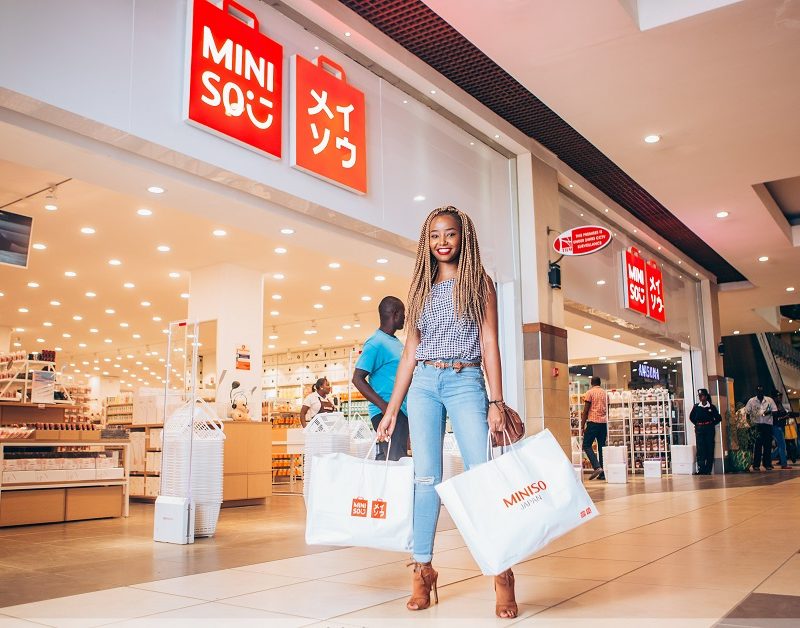
    Miniso Group Holding, the New York-listed Chinese household and consumer goods retailer, is planning a second listing in Hong Kong, joining an increasing number of US-listed mainland companies seeking a listing closer to home.

    The retailer submitted its application to Hong Kong stock exchange on Thursday, according to the bourse’s website.

    The Guangzhou-based company is following in the footsteps of electric-vehicle makers Li Auto and Xpeng in seeking a dual primary listing in Hong Kong to hedge against the risk of being delisted from US exchanges. Legislation introduced by the Trump administration in 2020 seeks to delist Chinese companies that fail to pass US audit reviews for three consecutive years, and the Biden administration is not letting up.

    Miniso raised US$608 million from its IPO on the New York Stock Exchange in October 2020. The company’s shares, however, have fallen more than 66 percent since listing and were trading at US$7.88 on Thursday.

    Miniso’s revenue increased by 24.2 percent to 5.42 billion yuan (US$853.5 million) for the six months ended December 2021, while adjusted net profit rose 114 percent to 398.6 million yuan, according to its listing application.

    The company said it expects to see strong growth because of China’s booming retail and pop toy market.

    The estimated growth rate of the pop toy market in China, which saw gross merchandise value (GMV) reach 34.5 billion yuan in 2021, is 24 percent from 2022 to 2026, according to Miniso’s filing, citing data from Frost & Sullivan.

    Miniso, which opened its first store in China in 2013, has built a global network with over 5,000 stores in around 100 countries, including 3,100 in China as of end 2021.

    The aggregate GMV of products sold through its network was about 18 billion yuan in 2021, making it the largest global branded variety retailer of lifestyle products, according to Frost & Sullivan.

    BofA Securities, Haitong International Capital and UBS are the joint sponsors.

  • King Power revamps Bangkok airport retail precinct

    King Power revamps Bangkok airport retail precinct

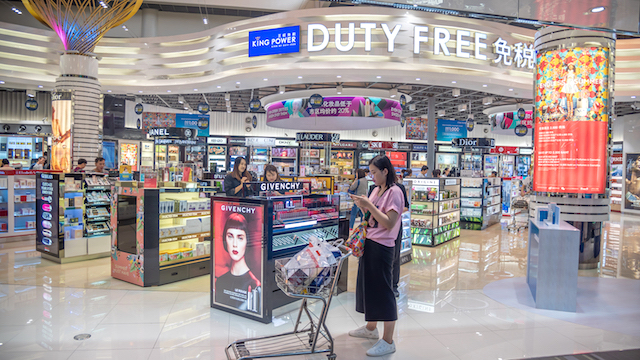
    King Power is set to unveil a revamped store at Suvarnabhumi airport today, building on its collaborations with global luxury brands.

    Aiyawatt Srivaddhanaprabha, chief executive of King Power Group, said his company was ready to welcome international travelers while also enhancing the airport’s reputation as a regional aviation hub.

    “On April 1, King Power is ready to welcome both arriving and departing travelers of all market segments, following our mission to implement a thorough store refurbishment,” Mr Aiyawatt said.

    “The makeover is inspired by our renowned banner ‘World Junction’ that has branched out into world fashion, world beauty, and world duty-free — all converging to create the ‘Duty-Free, World-Class Shopping Destination’, a phenomenon that will make Suvarnabhumi the perfect regional aviation center.”

    He added that this campaign would reinforce the image of Suvarnabhumi airport as a leading hub of world-class flagship stores of luxury products, as well as the region’s top airport duty-free operator.

    Furthermore, King Power has partnered with legendary fashion houses, including Louis Vuitton and Gucci.

    Louis Vuitton will open its first store at the airport, while Gucci will use a video wall display to advertise its goods at Gucci’s Suvarnabhumi store. This makes Gucci the first LED shop in an Asian airport.

    The renovation also gathers more than 20 flagship stores of world-leading luxury brands, such as Cartier, Hermes, Ferragamo, Bottega Veneta, Saint Laurent, Balenciaga, Celine, Loewe, and Rimowa.

    King Power’s refurbished World Beauty zone will also feature brands such as Chanel, SKII, Lancôme, Estee Lauder and Dior.

    Moreover, King Power has also revamped the entire World Duty-Free area into a hub for popular items like spirits and liquors, snacks, local and international souvenirs as well as Thai community products.

    As for the airport terminal services, King Power will have a renovated The Atlas Club and King Power Space for its members too.