Tag: asia

  • Subway appoints new Australia and New Zealand chief

    Subway appoints new Australia and New Zealand chief

    He brings extensive experience from international companies to the new role.

    Subway has announced that Geoff Cockerill will be their Country Director for Australia and New Zealand starting on June 4.

    Cockerill brings extensive experience to his new role from a number of international companies such as Diageo and Kirin, and some global brands including Johnnie Walker, Smirnoff, and Corona.

    His background also includes a range of CEO, Executive General Manager and Managing Director roles for high-profile sporting, not-for-profit, and listed retail and consumer brand organizations, including franchising.

    “I’ve admired the success of the Subway® brand for many years, and couldn’t be more excited to join the team. I’m looking forward to helping continue achieve the speed to market needed to drive the business forward,” Cockerill said.

    Subway Vice President of International Ian Martin notes Cockerill’s track record in organizational change and culture, strong leadership, stakeholder engagement, and delivery of agreed results.

    “I’m delighted that an experienced leader like Geoff is going to be leading one of our most important global markets,” Martin said.

  • Panasonic Makes $5 Billion Investment For EV Batteries & Management Software

    Panasonic Makes $5 Billion Investment For EV Batteries & Management Software

    After flailing through the 2000s as a consumer electronics giant and missing out on the mobile boom, Panasonic found itself a new life with electric cars taking off when Elon Musk and Tesla made the bold and audacious bet on the industry in the mid-2000s. Now, to complete its reinvention it has announced an investment of $4.9 billion which is for batteries and supply chain software as this industry becomes central to Panasonic.

    Panasonic is not betting the farm on electric cars as a big chunk of this investment is also on hydrogen fuel cell-based solutions. Panasonic is targeting an overall operating revenue of $12.2 billion in the next three years.

    Panasonic is a 104-year-old company that used to be one of the top consumer electronics players alongside the likes of Sony but in the 2000s its star started to fade. Its new CEO Yuki Kusuma has pivoted Panasonic towards electric car batteries. In fact, he backed the project behind Tesla’s tab-less battery cells that are now being deployed by the world’s most valuable automaker.

    It is in talks for a site for manufacturing these batteries in the US and chances are the multi-billion dollar plant. While doing this, it is also doubling down on supply chain software and battery management tools. It acquired Blue Yonder in 2021 for $7.1 billion which will now be deeply embedded in Panasonic’s hardware.

  • More Central Banks Mulling Digital Currencies

    More Central Banks Mulling Digital Currencies

    Many central banks have or plan to launch digital central bank money. A PwC study looks at the winners and losers.

    A study from PwC released Monday analyzing central banks’ level of maturity and development of their digital currencies (CBDCs), shows that Nigeria’s eNaira scores high in retail models, with Thailand the frontrunner among wholesale customers.

    According to PwC’s Global CBDC Index report, over 80 percent of central banks have issued CBDCs or are in the process of doing so.

    This year’s PwC report looks at two separate models, retail and wholesale, ranking CBDCs on a scale of 100.

    Thailand came out atop the wholesale rankings, followed by Hong Kong and Singapore. Switzerland jumped up two spots from 12th to move into the top 10 globally and to second place in Europe.

    The Swiss National Bank (SNB) completed Phase II of the CBDC’s Helvetia project in January 2022. Together with five commercial banks, the SNB examined the settlement of interbank, monetary policy, and cross-border transactions on SIX Digital Exchange’s (SDX) test systems, the Swiss real-time gross settlement system SIX Interbank Clearing (SIC), and the core banking systems.

    Retail CBDCs reached a higher level of maturity than their wholesale counterparts, according to PwC, with the Nigerian eNaira receiving a score of 95, making it the most developed in the retail category.

    Also notable in the retail category was the Bahamas, which became the first country ever to introduce a digital central bank currency – the Sand Dollar. Jamaica’s Jam-Dex is scheduled to launch later this year. Thailand and Hong Kong top the large customer category for their joint mBridge project for cross-border payments.

    PwC found that stablecoins, which are private virtual digital currencies that peg their market value to an external reference, have become an integral part of the crypto ecosystem. It is impossible for any crypto fund or institution to be active in the crypto world without using stablecoins, the report said.

  • Pandora names new China GM

    Pandora names new China GM

    Pandora has named former FMCG and beauty industry executive Irving Holmes Wong as general manager for China to lead the Danish jewelry brand’s growth in a “key market”.

    Irving Holmes Wong, who previously held senior management positions at Avon, Bacardi-Martini, Revlon, and L’Oreal, will join Pandora as senior vice president and general manager of the Greater China cluster, reporting to chief commercial officer, Martino Pessina.

    He will be responsible for Pandora’s business in the Greater China region, which employs more than 2,000 people and covers 250 concept stores across mainland China, Hong Kong, Taiwan and Macau.

    China is the world’s largest jewelry market, and Pandora states the region has “significant growth opportunities”. As part of its Phoenix strategy, Pandora has set a long-term target to triple the Chinese business versus 2019 and laid out a two-phase plan to achieve the growth. In the first phase, Pandora will solidify the brand by establishing the core proposition of collectability, affordability and self-expression, while the second phase will focus on growing Pandora’s store network.

    In 2021, Pandora generated 1.1 billion Danish Krone revenue in mainland China, accounting for approximately 5 percent of the company’s total revenue.

    Commenting on the appointment, Pessina said in a statement: “Irving is a senior executive who has successfully transformed and grown businesses in China and neighbouring markets. He is a strategic brand-builder and brings valuable turnaround and growth-acceleration experience that will help us strengthen our position in Greater China and reach our Phoenix targets.”

    Wong, who will join Pandora on April 7, added: “I feel passionate about reviving the brand in China and leading our coming growth chapter. Pandora’s ambition and strong commitment to the region is very motivating. I find Pandora to be a legacy brand with a clear purpose and story and look very much forward to joining.”

  • Sephora makes Vietnam debut

    Sephora makes Vietnam debut

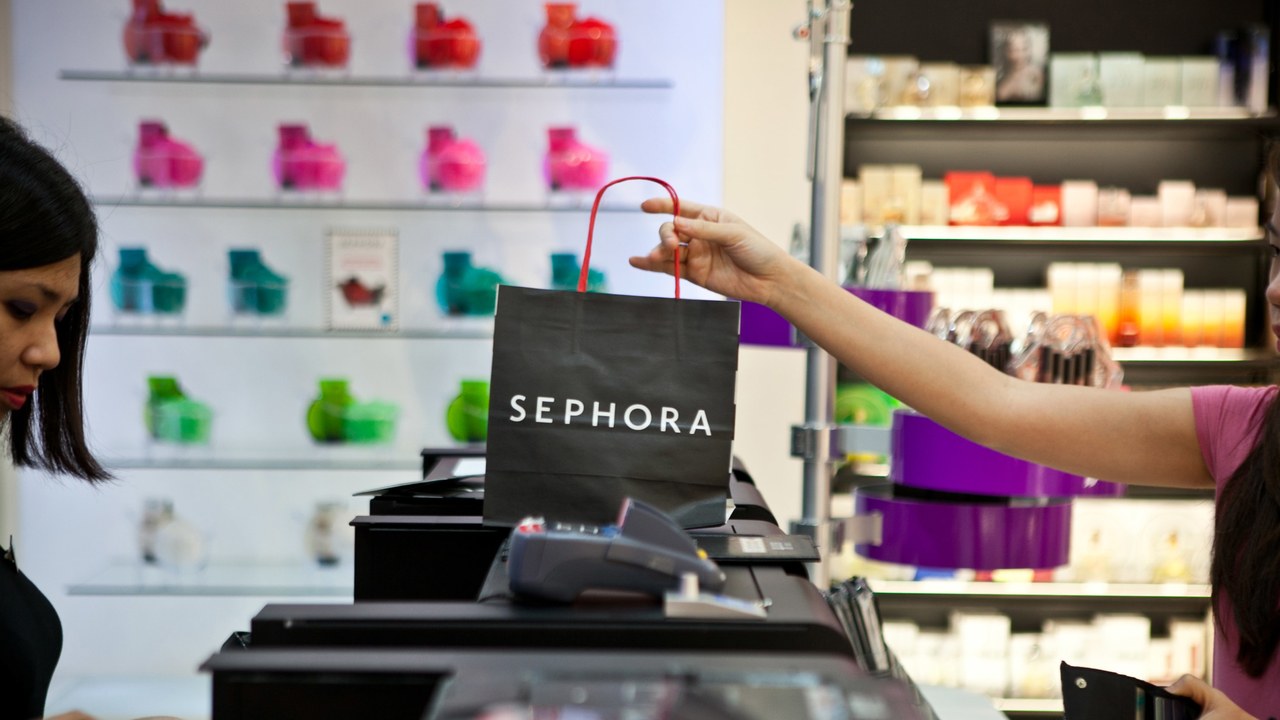
    Beauty retailer Sephora has entered the Vietnamese market with a dedicated ecommerce store after an initial trial period of five months.

    Local customers can now buy directly from Sephora online, but there is no word yet on whether the global brand will open a physical store.

    About 90% of Vietnam’s cosmetics market is filled with foreign brands, led by South Korean products and followed by European and Japanese names. Market revenue, on the other hand, is pegged at US$514 million.

    Sephora enhanced its Asian presence in 2019 with debuts in South Korea, Hong Kong, and New Zealand. It now has 200 stores in 16 Asian countries.

  • Singtel-owned ATN and AustralianSuper acquire Axicom

    Singtel-owned ATN and AustralianSuper acquire Axicom

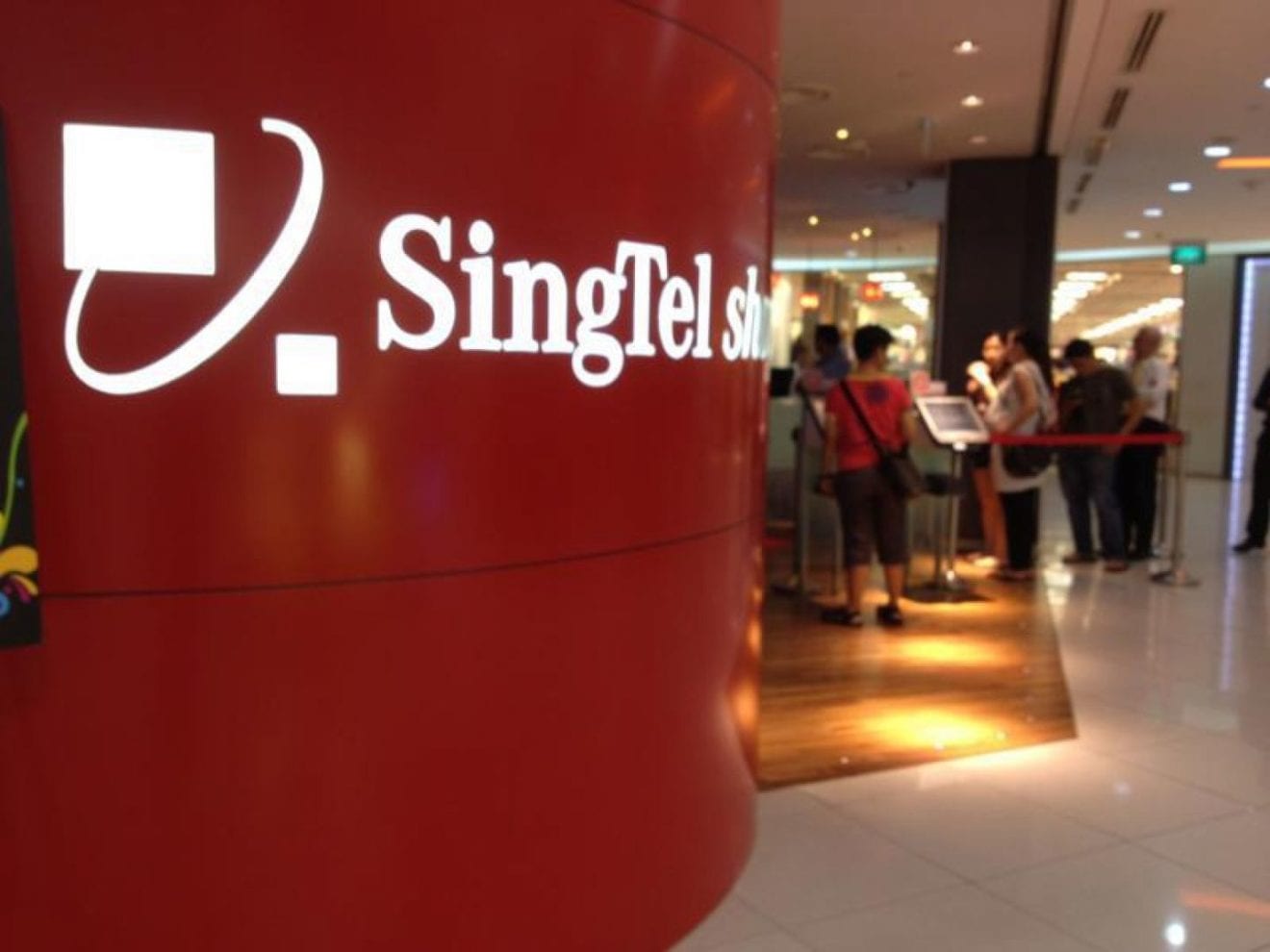
    Singtel-owned Australia Tower Network (ATN) and AustralianSuper have announced the acquisition of Axicom, one of Australia’s leading providers of telecommunications tower infrastructure, for A$3.58 billion.

    Axicom owns and operates approximately 2,000 telecommunication sites located in metro and outer-metro locations across all eight states and territories and major cities in Australia.

    As ATN’s shareholders, AustralianSuper and Singtel said the strong synergies between Axicom and ATN would provide exceptional growth opportunities which will benefit customers, employees, and the community in the long term.

    AustralianSuper head of infrastructure, Nik Kemp, said Axicom is a high-quality asset that will deliver long-term value to AustralianSuper members.

    “Axicom is complementary to our existing digital infrastructure portfolio and this acquisition will result in the creation of a provider with a truly national footprint that will connect the vast majority of Australian families and businesses,” Kemp said.

    “Axicom has all of the characteristics we are looking for in an infrastructure asset and there are strong synergies between the two organisations. We look forward to working with the great teams of both ATN and Axicom to bring these two strong businesses together and leverage the great opportunity we have to continue to deliver for customers and AustralianSuper members.”

    Singtel Group chief corporate officer, Lim Cheng Cheng said, “This acquisition is a unique opportunity to scale up ATN’s operations and expand its customer base. It also reinforces Singtel’s commitment as a long-term investor in the Australian telecoms space where our goal has always been to provide more options and build better communications for Australian consumers and businesses. In combining ATN and Axicom, AustralianSuper and Singtel will be working closely to realise the significant operational synergies created.”

    AustralianSuper acquired a 70% stake in ATN from Singtel in November last year. Following the Axicom acquisition, Singtel’s shareholding in the combined ATN/Axicom business will be 18%, with AustralianSuper at 82%.

    Kemp said AustralianSuper will continue to seek further opportunities in this sector both domestically and globally.

    “AustralianSuper is looking to double its infrastructure portfolio over the next five years from its current A$31 billion. We believe that there will be significant growth in demand for digital infrastructure and will actively consider future opportunities in this space.”

    ATN chief executive officer, Cameron Evans, said ATN was looking forward to broadening the relationship with Axicom’s customers and providing them with access to the over 2000 current ATN sites and more than 565 new sites under construction.

    “Bringing together Australia’s two largest independent wireless telecommunications infrastructure operators provides real strategic advantages and strong value creation opportunities. It will also provide greater support for our customers as they continue to deliver essential services to the community such as mobile coverage, internet services, broadcast and emergency services,” Evans said.

    “We look forward to working with the team at Axicom to bring our two businesses together and leverage the opportunities we have with our top-quality digital infrastructure to connect Australians for generations to come.”

  • Mobile money industry reached record $1 trillion in 2021

    Mobile money industry reached record $1 trillion in 2021

    Mobile money adoption and use saw continued growth in 2021, processing a record $1 trillion annually, according to the GSMA’s 10th annual “State of the industry report on mobile money”.

    The industry enjoyed a substantial increase in the number of registered accounts, up 18% since 2020 to reach 1.35 billion globally. The volume of person-to-person transactions were up to more than 1.5 million every hour. The report reveals that one of the most significant drivers of growth was merchant payments, which almost doubled year on year. It also highlights how mobile money continues to act as a core pillar of financial and economic inclusion, particularly for women.

    Providing significant growth in merchant payments

    Mobile money diversified its value proposition beyond person-to-person transfers and cash-in/cash-out transactions in 2021. It is now playing an important role in the daily lives of people and businesses, especially in low and middle-income countries (LMICs). The growth of ecosystem transactions such as merchant payments, international remittances, bill payments and bulk disbursements, together with interoperable transactions, are accounting for a more significant share of the global mobile money transaction mix.

    Merchant payments were instrumental in the growth of the mobile money industry in 2021. The value of merchant payments almost doubled, reaching an average of $5.5 billion in transactions per month. Providers are demonstrating that they can attract businesses to their platform with better incentives, such as efficient remote onboarding processes. For example, since Safaricom’s M-PESA began allowing companies to register for an account online in Kenya, more than 18% of new merchants are self-onboarding.

    “2021 was the year mobile money started to really diversify to B2B services. Beyond traditional person-to-person transactions, such as transferring money to family or friends, the industry is now central in helping small businesses operate more efficiently, and serve their customers better” said Max Cuvellier, head of mobile for development, GSMA.

    Increasing financial inclusion for women

    Mobile money has also been a driving force for financial inclusion for the world’s most vulnerable, particularly women. Mobile money is empowering women to take more control over their finances and purchase goods that they urgently need. Additionally, 44% of  providers responding to the GSMA Global Adoption Survey now offer credit, savings or insurance products, creating opportunities for underserved individuals to invest in their livelihoods and futures.

    With the gender gap in mobile money account ownership raging from 7% in Kenya to 71% in Pakistan – there remain some barriers to vulnerable people benefitting from mobile money. Owning a mobile phone is an obvious pre-requisite to using mobile money, and women across LMIC’s are 7% less likely than men to own a mobile phone. Overall, 143 million fewer women own a mobile than men. Additional barriers to mobile money access include a lack of awareness of mobile money and a deficit in perceived relevance, knowledge and skills.

    While some progress has been made, the report makes clear that more must be done to address the mobile money gender gap across LMICs. Concerted action is required from policymakers, the private sector, donors and other stakeholders to learn from success stories, address the issue and ensure that existing gender inequalities are not further entrenched, especially in light of the COVID-19 pandemic.

    Mobile money enables access to humanitarian aid, utilities and agricultural solutions

    As highlighted in the report, in 2022, the number of people needing humanitarian assistance is predicted to soar to 274 million. Mobile money is expected to play an increasingly important role in both donations – where it makes delivery systems more efficient and transparent for humanitarian actors and donors – and the receipt of aid.

    The UN Refugee Agency sent $700 million in cash and value assistance (CVA) to 8.5 million recipients in 100 countries in 2020. They have set up digital payment programmes in 47 countries,15 of which use mobile money. In many humanitarian settings, the digitisation of CVA via mobile money has the potential to promote agency and dignity, and foster financial inclusion.

    Mobile money also helps to enable access to basic utility services and agricultural solutions in LMICs. And to ensure this work continues, the mobile industry and humanitarian sector must keep working together to advance inclusive digital and financial inclusion even further for those who need it most.
  • World Bank lowers Vietnam growth forecast to 5.3 pct

    World Bank lowers Vietnam growth forecast to 5.3 pct

    The World Bank has cut its growth forecast for Vietnam this year to 5.3 percent, due to surging Covid-19 infection in Q1 and economic slowdown in its major export markets.

    This has been the second time the bank lowers its 2022 projection for the country. Last October it had expected a growth rate of 6.5 percent, lowered to 5.5 percent in January.

    Vietnam’s GDP is expected to grow by 5.3 percent this year and stabilize at around 6.5 percent in a scenario with eased mobility restrictions domestically and internationally, it added to a report released Tuesday.

    It forecasts the service sector to gradually recover during the year as consumer confidence is restored and tourism resumes from mid-2022 onward.

    But manufacturing will grow at a slower pace mirroring moderating growth in Vietnam’s main export markets of the U.S., the European Union and China.

    But it warned of the outlook of heightened risks from external economic shock, including the Russia-Ukraine conflict and new Covid-19 variants, slowing recovery of domestic demand, and labor shortage due to a surge in infections.

    “Additional shocks could lead to a low case scenario where GDP grows 4 percent in 2022, recovering to 6 percent and 6.5 percent in 2023 and 2024, respectively”.

    The World Bank recommended the Vietnamese government to deploy a strong fiscal policy support, and accommodative and prudent monetary policy.

    It was also cautious about economic and human capital consequences of inequality, which was driven up by the pandemic and lockdowns between last May and September.

    Vietnam’s economy grew by 2.6 percent last year, well below its pre-pandemic trend of 7 percent.

  • Seafood exports rise by 40 pct in Q1

    Seafood exports rise by 40 pct in Q1

    Vietnam’s seafood exports grew by 40 percent year-on-year in Q1 to US$2.4 billion despite direct impacts of the ongoing Russia-Ukraine crisis.

    The growth was led by shark catfish, whose exports increased by 88 percent to $646 million and accounted for 27 percent of overall exports, according to the Vietnam Association of Seafood Exporters and Producers (VASEP).

    Shrimp remained the top export item, accounting for 37.5 percent of the total at over $900 million, up 37 percent.

    VASEP said the conflict is having an impact on the industry, with the skyrocketing gasoline prices forcing fishermen not to go out to sea or even sell their boats.

    In March export growth slowed down to 25 percent from 44 percent in January and 62 percent in February.

    Tuna and octopus exports grew by 20 percent last month, but exports of other saltwater fishes slipped by 14 percent.

    Exports to Russia fell by 86 percent to $2.7 million, and exports to Ukraine came to a complete halt. Russia and Ukraine used to account for around 2 percent of Vietnam’s seafood exports.

    VASEP expects gasoline prices to continue to cast a shadow on the industry in the coming months, but growth to be driven by recovering demand in other markets like the U.S and the E.U.

    It forecast 25 percent growth in exports in April.

  • Shein overtakes Intidex, H&M with $100 billion valuation

    Shein overtakes Intidex, H&M with $100 billion valuation

    A Chinese fast-fashion company without a global network of physical stores of its own is seeking a valuation that could be more than the combined worth of high-street staples Hennes & Mauritz AB and Inditex SA’s Zara.

    Shein, an online-only retailer of inexpensive clothes, beauty and lifestyle products that pumps out over 6,000 new items daily, is in talks with potential investors including General Atlantic for a funding round that could value the company at about $100 billion, Bloomberg News reported Sunday.

    Should Shein succeed with the round, it would make the decade-old brand about twice as valuable as Tokyo-based Fast Retailing Co. — the owner of Uniqlo — which last year had more than 2,300 outlets in 25 countries and regions. It would also make Shein the world’s most valuable startup after ByteDance Ltd. and SpaceX, according to data provider CB Insights.

    While funding rounds indicate the value of a business broadly, initial public offerings offer a sharper peek into whether a wider base of investors shares the same enthusiasm, especially after the books are thrown open to the public for scrutiny. Most manage to get the valuation they seek, if not better, but some fail. Shein hasn’t unveiled any plans for an IPO.

    Since its launch in 2012, Shein has developed an extensive network of low-cost suppliers in southern China. During the pandemic, it worked with celebrities like Lil Nas X and Katy Perry to boost its profile among Gen Z shoppers outside China.

    Early in the pandemic, Shein benefited from changes in consumer behavior, as shoppers made even more of their purchases on phones or computers. Sales more than tripled in 2020 to $10 billion, making Shein the biggest web-only fashion brand in the world.

    The new investment round would reflect the impact of a surge in sales for Shein. At the time of a funding round in August 2020, Shein had a valuation of $15 billion, according to PitchBook.

    Shein’s potentially astonishing valuation also masks some of the adverse impacts the fast-fashion industry has on the environment. Though the closely held company hasn’t commented on its carbon footprint, the sector is often blamed for its heavy reliance on petrochemicals derived from oil. Fashion accounts for up to 10% of global carbon dioxide output, according to the United Nations Environment Programme. It also accounts for a fifth of the 300 million tons of plastic produced globally each year — a product that is the backbone of polyester, which has overtaken cotton as the primary material in textile production.

    In its 2021 “Sustainability and Social Impact Report,” Shein said fashion has an undeniable impact on the planet’s health and said it’s striving for zero waste and would announce its goal by the end of this year. In December, it announced a $10 million fund to support global non-profit organizations focused on empowering entrepreneurs, supporting underserved communities, ensuring animal health and welfare, and promoting recycling.

    The Chinese brand is also facing headwinds in the U.S., with lawmakers in Washington considering legislation that could hinder its sales in the world’s No. 1 economy. The House of Representatives in February approved the America Competes Act, which includes language that would prevent Chinese companies from using a current exemption that allows tariff-free imports of packages worth less than $800.

    The Senate passed a bill without that change, though, and lawmakers have yet to reveal the terms of the final version.

    In a sign that Shein expects to enjoy continued growth in the U.S., the company recently announced plans to open a distribution center in Indiana that will employ 850 workers. Last month, Shein also agreed to a new program with Indiana University to offer fellowships to students in the university’s business school.

  • WhatsApp limits the number of messages users can forward to prevent spread of misinformation

    WhatsApp limits the number of messages users can forward to prevent spread of misinformation

    Fake news remains a hot topic and three years ago WhatsApp tried to battle against it by limiting the number of already forwarded messages that users could forward to other groups at one time. WhatsApp’s restrictions were being enforced only in Brazil at that time, but the restrictions are now being rolled out worldwide. Starting with the WhatsApp for Android beta 2.22.7.2, WhatsApp users everywhere are not allowed to forward messages already forwarded to more than one group chat on Android.

    Late last week WhatsApp implemented the same restrictions on the iOS version of WhatsApp (beta 22.7.0.76). You can understand that by limiting how often messages are forwarded, WhatsApp is reducing the number of its subscribers receiving possible fake news. To make sure that misinformation is not being spread, messages that have already been forwarded are subject to these new rules.

    Let’s make something clear though, if you are the originator of a message, you have no limitations on how often you can forward your message. On the other hand, if you receive a message that has already been forwarded to you, it cannot be forwarded again to more than one group chat. Right now only certain beta testers have received the restrictions although it will be enabled for everyone over the next few days.

    Another new beta update is coming to WhatsApp for Android users, version 2.22.8.11 will allow users to employ certain shortcuts when selecting a phone number in a chat bubble. Previously, tapping on a phone number in a chat bubble would take you to your phone’s default dialer app. But now, instead, WhatsApp looks to see if the phone number you’ve tapped on is owned by someone with a WhatsApp account.

    If the phone number is on WhatsApp, you can immediately start a new chat, call the number, or add it to your contacts list.  If the number selected is not on WhatsApp, you’ll have the option to call the number or add it to your contacts list.

    To prevent spreading misinformation, iOS and Android WhatsApp users cannot forward already forwarded messages to more than one group chat.

    You can install the WhatsApp (beta) app from the Google Play Store for Android users, or the App Store for iOS users

  • iPhone 14 Pro Max detailed schematics and camera specs leaked

    iPhone 14 Pro Max detailed schematics and camera specs leaked

    Leaker ShrimpApplePro, who tweets from the account @VNchocoTaco and was the first to leak iPhone 14 Pro and Pro Max’s new front design, is now back with iPhone 14 Pro Max’s detailed schematics.

    The iPhone 14 Pro Max is expected to have pill and hole cutouts instead of a notch and per today’s leak, the pill will have a width of 7.15mm and the pinhole will have a diameter of 5.59mm. Accompanying images suggest there will also be a gap between the pill and hole cutouts. For comparison’s sake, the notch on the iPhone 13 Pro Max has a width of 26.83mm.

    In addition to that, the iPhone 14 Pro Max will allegedly flaunt smaller 1.95mm bezels, compared to 13 Pro Max’s 2.42mm bezels, which would further increase the screen to body ratio.

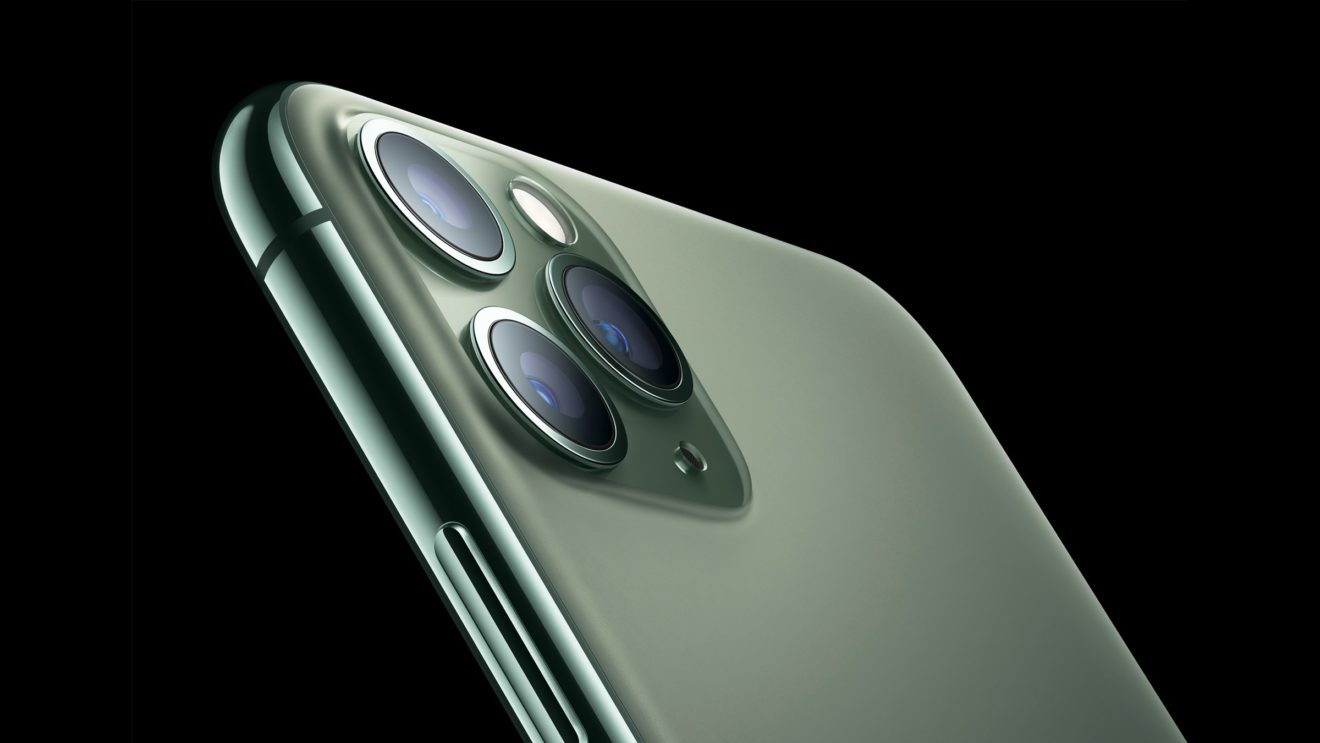
    The phone itself is expected to have a height of 160.71mm, width of 78.53mm (with the side button), and depth of 12.16mm (including the camera bump). That increase in depth can be attributed to the camera bump, which has seemingly increased in thickness from 3.60mm to 4.18mm.

    The bump has seemingly been made thicker because of the new 48MP primary sensor that will replace the 12MP camera. Analyst Ming-Chi Kuo had earlier said that the camera would be 25 to 35 percent bigger than the 12MP camera and the height of its 7P lens could increase by 5 to 10 percent.

    According to a new leak from a Weibo account called Fishing 8, which doesn’t have an established track record, it will be a 1/1.3 inches sensor with smaller 1.22µm pixels. The iPhone 13 Pro Max comes with a smaller 1/1.65-inches main sensor with larger 1.9µm pixels. Apple will likely employ a technology called pixel binning to combine data from multiple pixels when needed, such as during the nighttime.

    Back to the leaked schematics, Apple last year shrunk the size of the notch by combining the flood illuminator and dot protector into a single unit and moving the earpiece speaker to the top bezel. This year, the company may reduce the height of the earpiece speaker from 1.52mm to 0.57mm.

    The iPhone 14 Pro Max is expected to retain the 6.7-inches screen size of its predecessor and the iPhone 14 Pro will have a 6.1-inches screen. Both models will likely be powered by a new 4nm A16 Pro chip, which would presumably make them a lot faster than the best phones of today. The regular models aren’t expected to change too much. One thing worth mentioning though is that the iPhone 13 mini will be replaced by the 6.7-inches iPhone 14 Max.

    The iPhone 14 series will apparently be revealed in September.

  • Tesla and SpaceX billionaire Elon Musk buys a 9.2% stake in Twitter

    Tesla and SpaceX billionaire Elon Musk buys a 9.2% stake in Twitter

    Billionaire Elon Musk, CEO of SpaceX and Tesla, has recently acquired a three billion dollar Twitter stake, which equates to about 9.2% of the social media company, or 73,486,938 Twitter shares.

    The news comes from a US securities filing, and according to the BBC, the acquisition, which reportedly happened on March 14, has now resulted in Twitter’s shares jumping up 25% in pre-market trading. With his acquisition, Musk now owns a larger Twitter share than the site’s original co-founder and until recently CEO Jack Dorsey, who currently owns 2.25%.

    Being a regular and prolific Twitter user, Elon Musk’s official profile currently has over 80 million followers. He’s used the platform to not only share his views on current events and update people on what his companies are up to, but to interact with fans, often Tesla users, and has been known to regularly share witty memes.

    This has created an image of being a different and fun, relatable “kind of billionaire,” as opposed to the likes of Microsoft co-founder Bill Gates and Amazon founder Jeff Bezos.

    Notably, the billionaire has used Twitter to share his views on the subject of free speech, and has been critical of social media sites, Twitter included, in regards to it.

    The 50-year-old billionaire’s first breakthrough was through co-founding x.com, which was later renamed to PayPal and sold to eBay for $1.5 billion. Currently Musk is most well-known as the CEO of electric car company Tesla and aerospace manufacturer SpaceX.

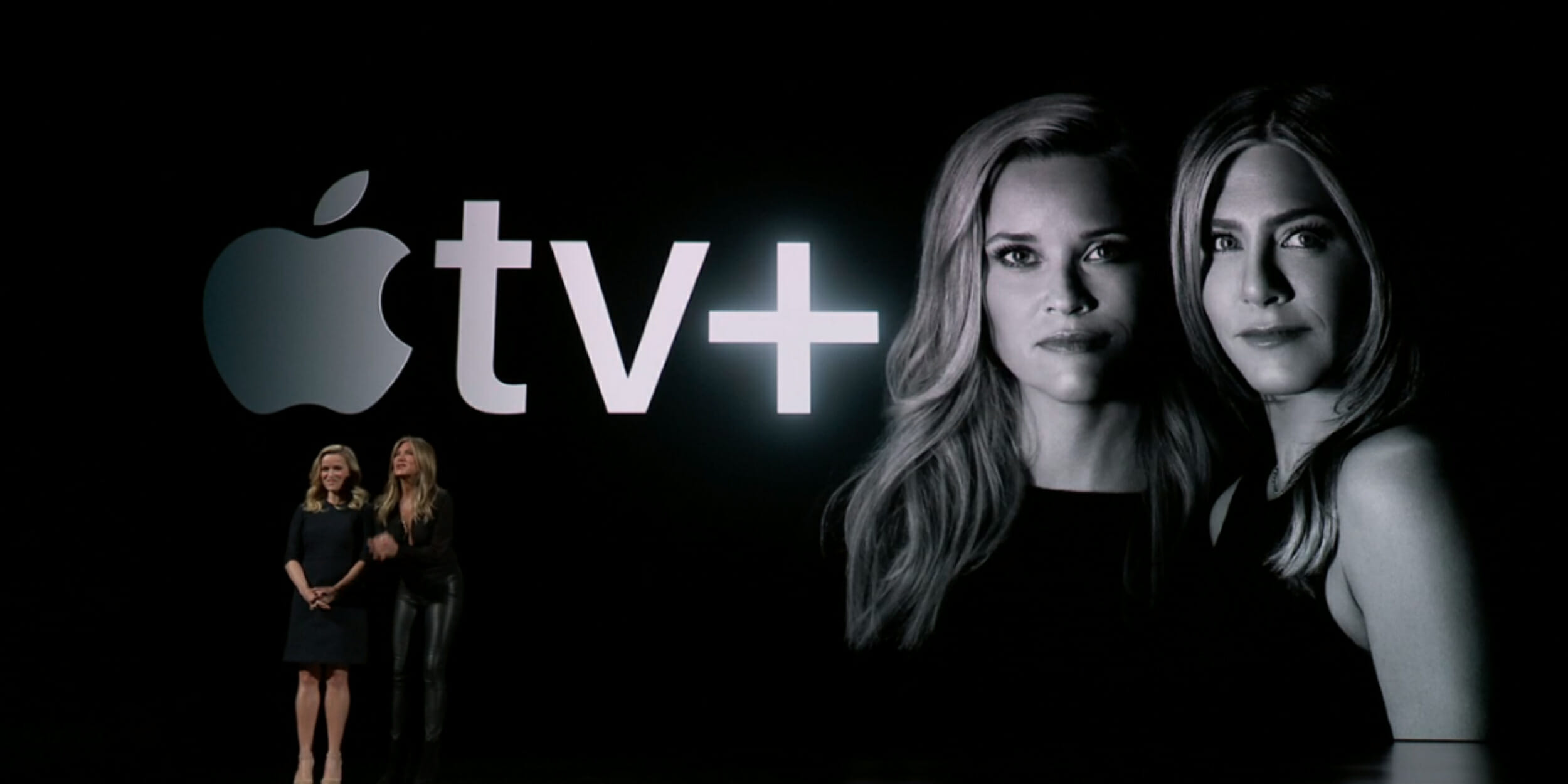
  • Apple TV+, Netflix drop out of bidding for rights to Will Smith’s biopic following “the slap”

    Apple TV+, Netflix drop out of bidding for rights to Will Smith’s biopic following “the slap”

    One of the most bankable and likable stars in Hollywood has seen his reputation shattered in the time it took Will Smith to rise out of his seat at the Academy Awards and slap Chris Rock in the face. Everyone knows the story now and since film and television aren’t part of our beat, there is no sense in taking a deep dive and analyzing the whole affair. However, Apple is on our beat and there is part of this story that has an impact on the tech titan.

    Apple TV+ and six other companies including Netflix have been bidding for the rights to a film version of Smith’s biography; the best-seller was published in 2021. A source said “Apple TV+ and Netflix have pulled out of the bidding for the project and are now planning to use the funds to develop original ideas pitched by new black actors. The source added that “Working with Will has become a risky business. They (including Apple) now plan on developing ideas with more family-friendly stars like Mike Epps and Michael B. Jordan.”

    Think about how strange this all sounds. We should point out that Smith was scheduled to star in a new original film for Apple TV+ called “Emancipation.” Production had been halted on the set because of Covid and it isn’t clear what the film’s status is at this time.

    After the slap, the awards show continued and Smith won the Best Actor Oscar for his part in “King Richard,” a film about Richard Williams, the father of tennis stars Venus and Serena Williams. In winning that award, he beat out Denzel Washington who was nominated for starring as Macbeth in the Apple TV+ movie “The Tragedy of Macbeth.”

    The slap heard around the world is going to hurt Will Smith as companies like Apple drop him like a bad habit. Apple has enough bad press thanks to its App Store policies without having to carry Smith’s baggage too.

    Eventually, the American people will forget, and Smith’s name will grace the “A” list once again. But right now, you can’t blame Apple for taking a hard pass on streaming a Will Smith Biopic. Speaking of streaming, Apple did become part of motion picture history on Oscar night as Apple TV+ became the first streaming service to take home a Best Picture Oscar as CODA took the victory in that category.

    Winning “Best Picture” has helped Apple TV+ subscriptions soar 25% in the aftermath of the televised awards show. At the same time, the number of Apple TV+ subscribers viewing CODA soared 300% week-over-week. The film was also the first with a mostly all-deaf cast to pick up the hardware for “Best Picture” at the event. Apple has never released subscription numbers for Apple TV+, but by one estimate it is believed to have 40 million accounts with 20 million paying customers.

    Apple secured the rights to the movie by paying a Sundance Film Festival record of $25 million. While it would seem that Apple made a smart investment in purchasing the movie rights, it isn’t clear whether many new subscribers were taking advantage of the seven-day free trial of the service that Apple offers just so they could view CODA and see what all of the excitement was about.

    Apple also gives away three free months of Apple TV+ to consumers who purchase an iPhone or other Apple products. Apple will have to see whether these subscribers stick around before it can make a final statement about its investment in CODA. With the huge jump in subscriptions thanks to CODA’s Best Picture victory, it does seem that the world famous “slap” didn’t completely grab all of the attention away from the actual winners during the 94th Academy Awards.”

  • Will Ethereum Replace Bitcoin?

    Will Ethereum Replace Bitcoin?

    Backed by Greenpeace USA, a group of environmentalists wants bitcoin to switch from its current method of mining to a more energy-efficient model.

    An upgrade of the cryptocurrency Ethereum is planned for next summer. The big question here is whether it will be possible to switch to a more environmentally friendly scheme for mining. The only thing stopping bitcoin from switching from its energy-intensive method of consensus known as Proof of Work (PoW) to the less energy-intensive Proof of Stake (PoS) procedure is the cost of transitioning, supporters of the campaign Change the Code Not the Climate, say.

    If only it were that simple.

    PoS is not a perfect substitute for PoW, Professor for distributed ledger technology & fintech at the University of Basel Fabian Schaer, says. PoS is an alternative way to reach a consensus, he says. But what does that actually mean?

    Unequal Consensus Methods

    Both PoW and PoS are so-called consensus protocols used to maintain Blockchains in a decentralized way. While efficiency is an important metric in this process, it’s certainly not the only one. Framing PoS and PoW as being equivalent, except for their energy consumption, is problematic, Schaer says.

    PoW has the disadvantage of requiring immense computational resources, yet it also has the benefits of being extremely simple and open to anyone who wants to join in the verification process. There is no need to get permissions, nor to hold specific assets to be able to start proposing blocks, Schaer says.

    The PoS method, where owners stake their digital assets as locked-in collateral for the consensus process, is extremely complex. Although there has been impressive progress in the past ten years, PoS is certainly more prone to unforeseen security issues than PoW,  Schaer says.

    Bitcoin vs Ethereum

    Since Bitcoin was launchged in 2009, all cryptocurrencies have been based on the PoW concept. Crypto miners operate and secure the network and in return are compensated with the fees paid by the users of the network. At the same time they receive new Bitcoins, but this dilutes supply.

    Ethereum is a cryptocurrency used on the blockchain. If the PoS method is used, the participants will also be compensated with fees and new digital assets, thus not diluting the supply of Etherum. The downside, is there are still many technical issues to be resolved with this system.

    Market-Driven

    There are indications that if Etherum succeeds in introducing the PoS method, Bitcoin would lose massive importance.

    In the end, the market will decide as bitcoin exists in an ecosystem where companies, users and developers choose the system which suits them best. More likely than a fully-fledged shift, the blockchain road will arrive at a fork on which both consensus methods continue to co-exist.

    VHS vs Betamax

    The current debate calls the mind the video cassette recorder (VCR) battle in the 1970s between Sony’s Betamax and VHS formats. Betamax was arguably the better system and was initially the leader. As prices for VCRs came down, the VHS format pulled ahead and eventually won, because they were more attuned to the market.

    In the end, it comes down to preferences and the question what is an open database worth? Schaer says.