Tag: asia

  • Australian Researchers To Study How Tesla Car Batteries Can Power Grid

    Australian Researchers To Study How Tesla Car Batteries Can Power Grid

    Australia’s University of Queensland (UQ) on Wednesday said it would recruit Tesla Inc car owners around the world to analyze if the vehicle’s spare battery capacity could support the energy grid and even power homes in the future. The university has partnered with analytics platform Teslascope for the research project, which it said would be a world-first trial that would check how owners of electric vehicles (EV) currently drive and charge their vehicles. For the first phase of the study, Tesla owners in Australia, the United States, Canada, Norway, Sweden, Germany, and Britain can apply. The program could be expanded later to include other electric vehicle companies.

    With increasing numbers of electric vehicles globally, scientists are looking to find how the batteries can provide other cleaner energy services besides helping lower emissions in the transport industry. Researchers at UQ said most EVs are driven only one-eighth of their daily driving range of 400 km (249 miles), providing opportunities to store energy and export power to the grid using vehicle-to-grid (V2G) chargers. “(The study) will not only help to inform EV policy internationally but importantly assess the feasibility of using EVs as batteries-on-wheels,” Jake Whitehead, Research Fellow at UQ, told Reuters.

    V2G technology is a connection between the EV and the grid through which power can flow from the grid to the vehicle and vice-versa. That potentially enables car owners to sell energy to the network, while utilities could use electric cars as a backstop during peak demand periods. The study, which aims to initially recruit 500 Tesla owners, will collect usage data through the vehicle’s software interface and in return users will be offered a free premium subscription to Teslascope for a year. Australia last week pledged A$178 million ($132 million) to ramp up the rollout of charging stations for electric vehicles but did not set targets to phase out petrol cars.
  • Geely Unit Lotus Tech Aims To Raise Up To $500 Million In Funds

    Geely Unit Lotus Tech Aims To Raise Up To $500 Million In Funds

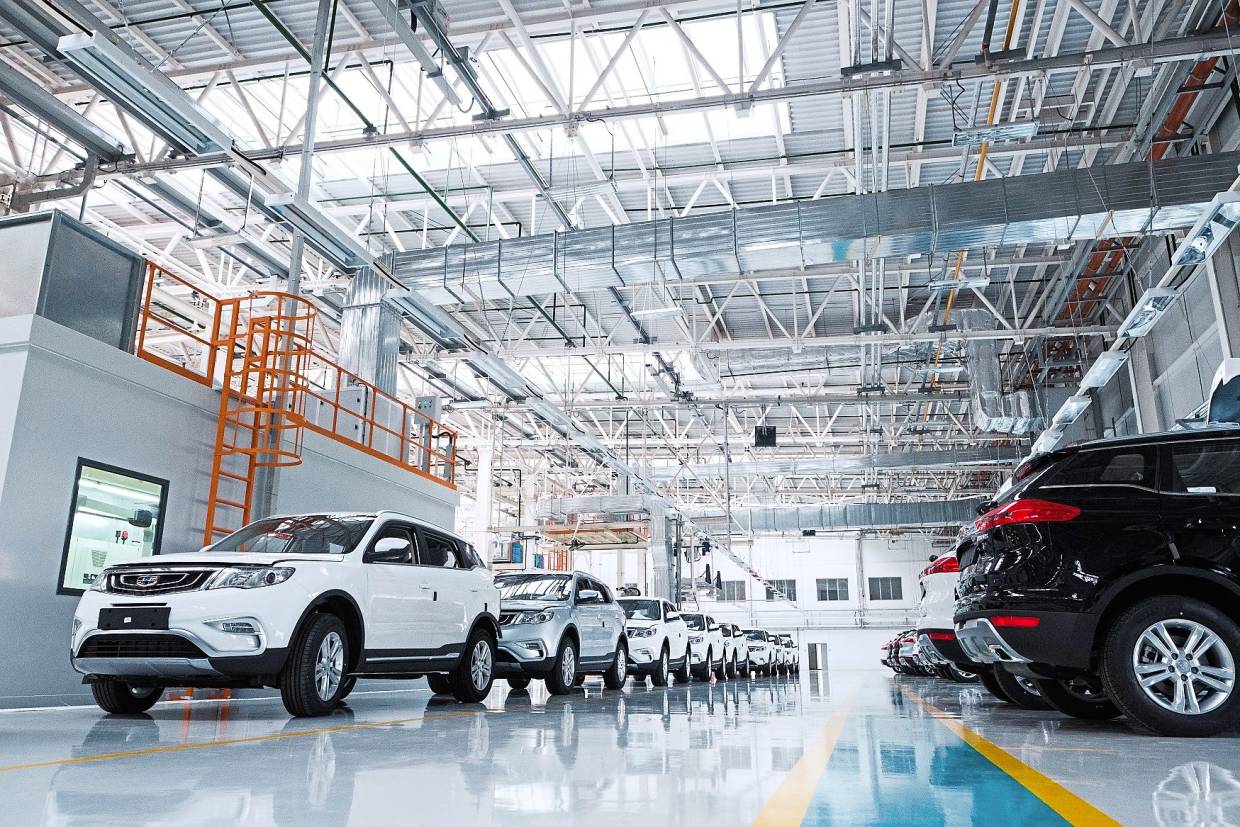
    Lotus Technology, a new unit of China’s Geely set up to develop the technology to power Lotus sports cars, is planning to raise $400 million to $500 million before the end of this year, its chief financial officer told Reuters.

    Lotus Technology, part of Group Lotus which is in turn owned jointly by the Chinese automaker and Malaysia’s Etika Automotive, intends to kick off the funding round before Christmas, Alexious Lee said in an interview.

    That will give Lotus Technology a post-money valuation – the value of a company after a round of financing from external investors – of $5 billion to $6 billion, Lee added. Lee said the firm will launch its first product – an electric sports utility vehicle – in the first quarter of next year and aims to have three models within the next five years.

    “We have gotten a lot of traction, especially from international investors, because wow, this is Lotus,” said Lee, adding that the company was looking to sell a 10% to 15% stake.

    The company will spend more than half the new funds on research, and 30%-40% on marketing with the remainder going to working capital. Lee said Lotus Technology remained on track for a potential initial public offering as soon as 2023, likely in New York or Hong Kong. Lotus Cars, the maker of the Lotus Esprit, famously driven by James Bond in 1977’s “The Spy Who Loved Me”, positions its vehicles in a segment similar to rival Porsche. It is set to open a new factory in Wuhan, China next year.

    “We are an asset light business because we don’t own our own manufacturing. It’s owned by our parents,” said Lee.

    Premium and luxury car sales are growing in China as coronavirus pandemic travel restrictions leave consumers in the world’s biggest car market with more money to spend. Lotus Tech’s investors include Nio Capital, an investment firm founded by the CEO of Chinese electric vehicle maker Nio Inc, which valued the unit at 15 billion yuan in September.

  • Swiss Set To Drop Criminal Probe Of VW Emissions Scandal

    Swiss Set To Drop Criminal Probe Of VW Emissions Scandal

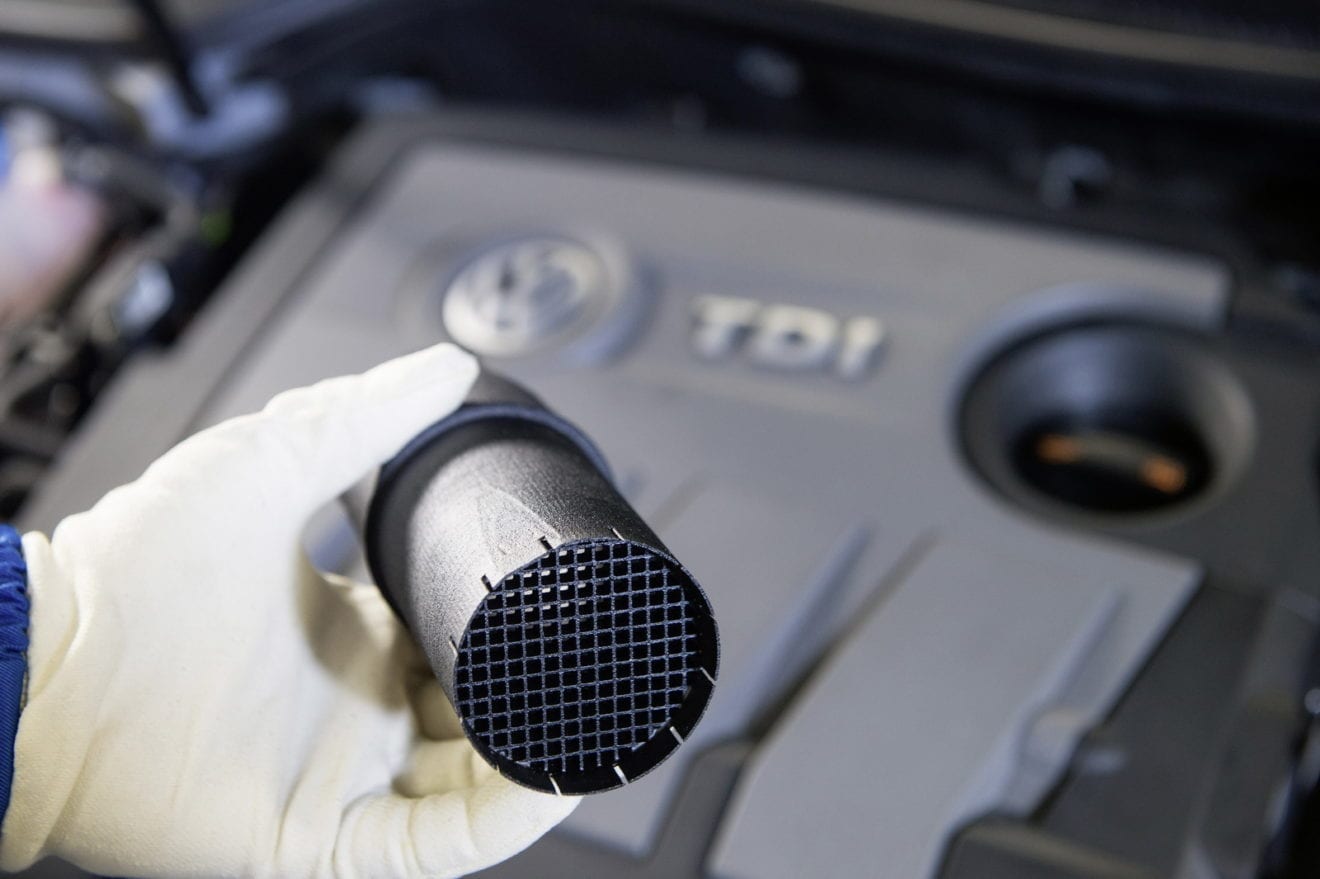
    Swiss federal prosecutors are set to drop a nearly five-year criminal investigation into Volkswagen’s diesel emissions scandal after concluding they did not have a strong enough case to file charges, they said on Tuesday.

    The Office of the Attorney General said it had informed the German carmaker and its Swiss dealership arm this month “that it considers the investigation to be complete and intends to drop the case,” it said in a statement, confirming a report by broadcaster SRF.

    The defendants and private plaintiffs can still review the case file and submit more evidence before the case is closed officially, it said.

    VW admitted in September 2015 it had installed secret software in hundreds of thousands of U.S. diesel cars to cheat exhaust emissions tests and make the cars appear cleaner than they were, and that as many as 11 million vehicles could have similar software installed worldwide.

    SRF said Swiss plaintiffs could still claim damages through civil law, noting VW has already paid out billions abroad.

    Swiss prosecutors opened criminal proceedings after a court ruled they must conduct their own investigation into hundreds of complaints lodged in Switzerland.

    The case centred on the potential damage to around 175,000 customers who bought or leased VW group vehicles with diesel motors that at least some VW officials must have known had been manipulated.

    SRF said Swiss plaintiffs could still claim damages through civil law, noting VW has already paid out billions abroad. “But without official culprits, such proceedings in Switzerland are very costly and difficult for individuals,” it added.

    Contacted by Reuters on Tuesday, VW had no immediate comment.

  • Domino’s Pizza China operator applies for Hong Kong listing

    Domino’s Pizza China operator applies for Hong Kong listing

    The operator of Domino’s Pizza in China, DPC Dash, has filed for Hong Kong stock exchange listing to expand its footprint in China.

    However, it was not clear how much the company was aiming to raise in its Hong Kong listing. The company is currently Domino’s Pizza master franchisee in Mainland China, operating 485 stores across 10 cities. More than half of the stores are located in Beijing and Shanghai.

    DPC Dash said it plans to increase its footprint in the country with 120 new stores slated to open this year followed by 180 stores next year.

    “Given the vast number of potential store locations in China, we expect we will continue to open new stores at a rapid pace in 2024 and 2025,” the company said in its online filing.

    DPC Dash recorded 45.9-per-cent year-on-year growth in revenue last year, reaching US$251.5 million. Despite an 18.7 per cent increase in same-store sales, the company has experienced a net loss for each of the past three years, which according to the filing, resulted from extensive store openings, marketing, staff training and technology.

    The company also said operations at some of its stores in Shanghai and Shenzhen have been adversely impacted since mid-March of this year as a result of local governments implementing temporary lockdowns and travel restrictions.

    According to The Frost & Sullivan Report, China pizza market was worth $1.6 billion in 2020 and is expected to reach $9.79 billion by 2025.

  • Central Retail becomes Reebok’s sole Thai distributor

    Central Retail becomes Reebok’s sole Thai distributor

    Sports brand Reebok has appointed CRC Sports, a subsidiary of Central Retail, as its sole distributor in Thailand.

    According to CRC Sports, it will take responsibility for e-commerce operations and the wholesale distribution of Reebok, pushing growth opportunities and aims to make Reebok one of the top five sports brands in Thailand.

    CRC Sports plans to expand Reebok’s network to more than 100 locations this year and enhance Reebok’s online presence through websites and e-commerce marketplaces like Lazada, Shopee and Central.

    “The heritage and potential of Reebok and its product portfolio support our efforts to offer even more of the best sporting trends to the new generation,” said Tony Morton, president of CRC Sports Company.

    “To have a world-renowned sports brand like Reebok in our portfolio helps to solidify our position as the go-to destination for sports apparel, shoes and sports equipment.”

    Other channels such as Click & Collect, Personal Shoppers, Call & Shop, Line Chat & Shop, and Facebook Live events are used to offer retail experiences for Reebok’s customers in Thailand.

  • Apple’s new iOS 15 privacy features have advertisers on edge

    Apple’s new iOS 15 privacy features have advertisers on edge

    After Apple created chaos in the advertising industry last year with the App Tracking Transparency (ATT) feature, experts in the field are concerned that Apple will continue offering more privacy features and put a larger crimp into the business of selling products to consumers who depend heavily on their mobile devices.

    Two recent features that advertisers are concerned about are Private Relay and Hide My Email, both released in iOS 15. The latter allows you to create a random email address that will automatically forward emails to your personal inbox. You can read and reply to those emails but your personal email address will be hidden by the randomly created address.

    Apple points out that it doesn’t read any of the content in emails that go through Hide My Email except to filter out spam. Apple says that it needs to do this to “maintain our status as a trusted email provider.” All email messages going through the Hide My Email platform are deleted from Apple’s relay servers after they are delivered to you, a process that usually takes only seconds.

    Hide My Email tricks advertisers who normally collect your email address from online forms you’ve filled out and then send spam to that address. However, with Hide My Email, the marketers no longer have access to your real email address.

    To enable Hide My Email, go to Settings > Tap your name at the top of the screen. From the new screen, go to iCloud > Hide My Email. From there, go to Create New Address. A random address that ends with @iCloud.com will be created which will forward to your personal inbox. If you’re not happy with the random address, you can press the button that says  “Use Different Address to see a new one.” If you’re happy with the address, tap on “Continue.”

    The next screen will allow you to create a note next to the new address so that you can remember what you used it for. Hit “Next” in the upper right corner and it’s all over; you’ve created your fake email address. To delete it, go to Settings > iCloud > Hide My Email to see a list of your randomly generated email addresses and where mail to that address is getting forwarded to.

    To delete any of those addresses, tap on Deactivate Email Address at the bottom of the screen. A pop-up screen will ask you to confirm which address you want to 86, Tap on it and press the “Deactivate” button. That’s it.

    What we should tell you is that for you to sign up for Hide My Email, you must subscribe to a premium iCloud tier of service. This doesn’t have to put you in the poorhouse as 50GB of additional cloud storage is only 99 cents a month. 200GB of iCloud storage is $2.99 per month, and a whopping 2TB of iCloud storage will cost you $9.99 monthly.

    Another feature scaring Ad executives is Private Relay which also requires an iCloud subscription. It acts like a VPN blocking your IP address while encrypting traffic on the web. To turn it on, go to Settings > Tap your name at the top of the screen > iCloud > Private Relay.

    Private Relay blocks workarounds developed by companies to get around ATT and Hide My Email prevents online marketing firms from knowing the real email addresses of their customers preventing them from being targeted for follow-up purchases. Both features are devastating to marketers who have been using IP addresses (blocked by Private Relay) and email addresses (hidden by Hide My Email) to workaround App Tracking Transparency.

    Grant Simmons, a vice president at ad performance tracking firm Kochava, says of Apple’s continued war against third-party marketers, “It’s got the industry holding their collective breath.”

  • TikTok is working on a ‘Watch History’ feature

    TikTok is working on a ‘Watch History’ feature

    You saw a video on TikTok that you really liked, but you didn’t save it and didn’t remember the name of the uploader. You want to watch the video again, but you can’t seem to find it. What do you do? Well, if TikTok releases this feature, you will be able to see what videos you have watched and then find the video in question.

    Hammod Oh, a Twitter user who discovers upcoming features on different social platforms, found out that TikTok is testing a new “Watch History” feature. The feature will allow users to easily see what videos they’ve already watched for up to seven days. So, the end of your never-ending search for that interesting video you saw could be close.

    In a tweet, later shared by social media consultant Matt Navarra, Hammod Oh shared a screenshot that shows a new option called “Watch History,” which was probably under the “content and activity” section in the settings menu of the TikTok app.

    Currently, TikTok’s new “Watch History” feature is only available to selected users who are part of the test program for the feature. There isn’t any information on when we could expect TikTok to officially release the feature for the rest of us. TikTok only told TechCrunch, “We’re always thinking about new ways to bring value to our community and enrich the TikTok experience.”

  • New Apple patents hint at a better pressure sensor technology

    New Apple patents hint at a better pressure sensor technology

    Force Touch, also called 3D Touch, was a technology that Apple used for some years but then suddenly replaced with Haptic Touch. With 3D Touch, iPhone users had the ability to access more menus by simply applying different pressures to their iPhone display.

    Although it’s a tiny possibility, it appears that Apple might again introduce a newer and improved version of its previous 3D Touch technology. The US Patent & Trademark Office published a few new patents from Apple for various future Apple devices, and all of them are for new force-pressure sensors.

    One of these patents is for force-pressure sensors built into the Apple Watch and small form factor devices such as the AirPods. According to the patent,  Apple’s new pressure-sensitive surface would utilize microelectromechanical fluid pressure sensors. These sensors would be smaller, have better force sensitivity, and be more durable than conventional pressure sensors.

    To get a better idea of how the new pressure sensor technology could be implemented into the Apple Watch, Apple has shown in its patent a picture of an Apple Watch with a pressure-sensitive side instead of a physical button.

    Another Apple patent shows how Apple’s new pressure sensor technology could be utilized in Apple Watch bands, creating so-called smart bands. Thanks to the new technology, these smart bands would be able to detect blood pressure, heart rate, and pulse wave velocity.

    Apple’s patents show that Apple’s new sensor tech could be utilized in the iPhone. The image below, for example, shows how Apple could put multiple small pressure sensor modules in the iPhone instead of a single component.

    Now, it should be noted that companies often patent technologies that they never implement into real consumer products. But if Apple decides to use this new pressure sensor technology, it could mean that we may just receive 3D Touch 2.0 in some future iPhone generation.

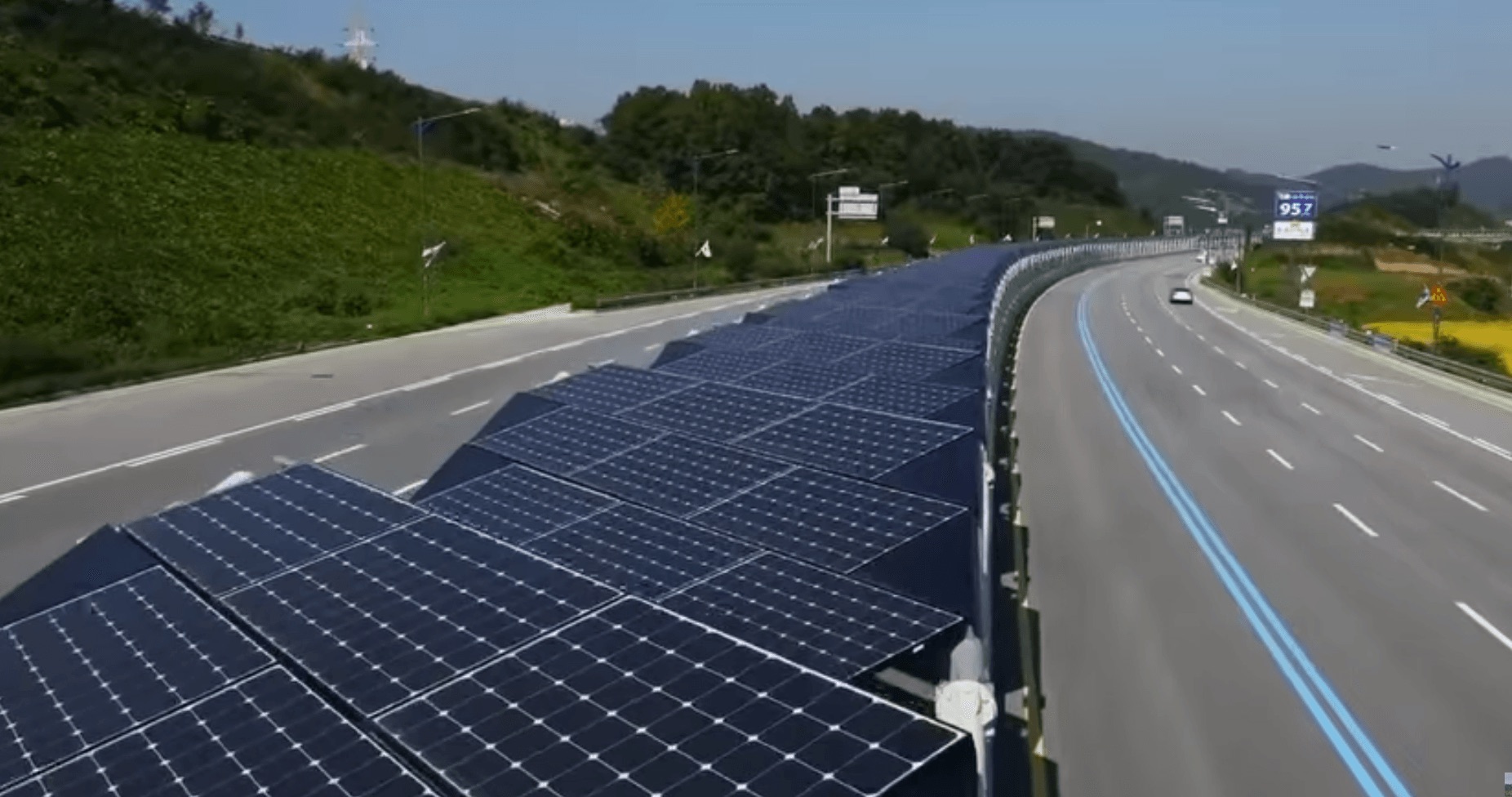
  • US to consider tariffs on solar panels made in Southeast Asia

    US to consider tariffs on solar panels made in Southeast Asia

    U.S. trade officials on Monday said they will launch an investigation that could result in tariffs on solar panels imported from four Southeast Asian nations, a blow to clean energy project developers that rely on cheap imports to keep costs down.

    The Commerce Department’s decision regarding imports from Malaysia, Thailand, Vietnam and Cambodia was a victory for Auxin Solar. The San Jose, California-based solar manufacturer this year requested the probe, arguing that Chinese manufacturers shifted production to those nations to avoid paying U.S. duties in place for nearly a decade on Chinese-made solar goods.

    Auxin’s petition is the latest in a string of efforts by U.S. solar producers to stem the flow of cheap Asian panels that they argue make their products unable to compete in the market.

    Solar industry trade groups said the investigation alone would immediately hamstring project development and harm U.S. progress in addressing climate change. President Joe Biden has set a goal of weaning the U.S. electricity sector off of fossil fuels by 2035, a target that could propel solar to supply up to 40% of the nation’s electricity needs – up from 3% currently.

    Imports from the four countries account for about 80% of the panels expected to be installed in the United States this year, according to the American Clean Power Association industry group.

    “This decision effectively freezes development in the U.S. solar industry,” association CEO Heather Zichal said on a conference call with reporters. “Frankly, the Commerce Department’s action to initiate this investigation is a disaster for our industry.”

    In a statement, a Commerce Department spokesperson said the department would “conduct an open and transparent investigation.”

    “This inquiry is just a first step – there has been no determination one way or the other on the merits, and no additional duties will be imposed at this time,” the spokesperson said.

    In a memo posted on a Commerce Department website earlier in the day, officials said Auxin had provided information indicating that solar companies operating in the four countries are subsidiaries of large Chinese producers and that products made there would be subject to U.S. countervailing and anti-dumping duties if made in China.

    “Auxin properly alleged the elements necessary for a circumvention determination,” the memo said.

    The Commerce Department said it will issue a preliminary determination within 150 days. Auxin welcomed the decision.

    “We are grateful Commerce officials recognized the need to investigate this pervasive backdoor dumping and how it continues to injure American solar producers,” Auxin Chief Executive Mamun Rashid said in a statement.

    U.S. solar trade groups lobbied heavily against the Commerce Department taking up the petition.

  • Billion-dollar projects stir hope of economic recovery

    Billion-dollar projects stir hope of economic recovery

    A number of billion-dollar projects are in the works, signaling a robust economic recovery. Last week Danish toy company Lego received a license for a $1-billion factory in the southern province of Binh Duong. The company’s second-largest factory in Asia and sixth largest in the world is among the fastest to be approved in Vietnam with all procedures being completed within six months.

    Local companies have also been launching billion-dollar projects.

    Steel giant Hoa Phat Group this month secured credit from eight banks for its Hoa Phat Dung Quat 2 plant, its biggest to date with a total investment of VND85 trillion.

    Diversified group T&T began work on a VND35-trillion resort and golf project in the northern province of Phu Tho at the end of last month, hoping to take advantage of the expected recovery in tourism in the next few years.

    Nguyen Van Toan, deputy chairman of the Vietnam Association of Financial Investors, said the country has the potential to attract $40 billion in FDI this year, a 27 percent increase from last year.

    It has shown resilience amid Covid-19 and focused on digital transformation during social distancing, and the government continues to prioritize FDI, he added.

    Nguyen Mai, chairman of the association, said the resumption of international travel on March 15 would allow more foreign investors to enter Vietnam without difficulty and therefore make business decisions quickly.

    American, European, and Japanese companies are looking to restructure supply chains and Vietnam could take this opportunity to attract their investments, he said.

    The key advantages for foreign companies here are the availability of land and human resources, he said.

    The government wants to make 2022 the year of recovery from Covid, and has set a GDP growth target of 6-6.5 percent compared to 2.58 percent last year.

  • Lendlease Singapore launches ‘You Won’t Believe It’s Trash’ exhibition

    Lendlease Singapore launches ‘You Won’t Believe It’s Trash’ exhibition

    Lendlease Singapore is promoting sustainable and zero-waste habits among shoppers and visitors through the recently launched exhibition dubbed ‘You Won’t Believe It’s Trash’ (YWBIT).

    The public artwork exhibition is being introduced across four Lendlease malls – Paya Lebar Quarter, Jem, Parkway Parade and 313@Somerset. The event will be held until May 18. YWBIT showcases creative work, such as movie props and models made from discarded items, including cardboard boxes, broom heads and other materials, by local artist Simon Tan.

    “Through my art, I want everyone to know that they should think carefully before throwing things away because by saving things for reuse, they are saving the Earth,” Tan said.

    The exhibition will also showcase illustrations designed by local environmentalist Woo Qiyun with support from designer Stacey Yip. The illustrations will portray how malls can be reimagined to enable low-waste shopping and encourage circularity.

    “Through these visual artworks created by local artists, we hope the exhibition will strike a chord with the public and urge everyone to be more conscious of our consumption, as well as the waste we generate,” said Joelle Chen, sustainability director at Lendlease Singapore.

    Meanwhile, an onsite vending machine is installed at the exhibition to collect empty and clean aluminum drink cans, plastic drink bottles, and papers for recycling. In addition to the sustainable exhibition, Lendlease also partnered with GreenSquare to place fabric recycling bins at each of the malls’ bin centers from next month to collect unwanted garments.

  • Ikea set to open in downtown Bangkok

    Ikea set to open in downtown Bangkok

    Swedish home furnishings retailer Ikea is expanding its footprint in Thailand with a new store slated to open at Bangkok’s latest shopping mall, Emsphere on Sukhumvit Road.

    The company announced on Facebook that Ikea Emsphere will mark the brand’s fourth store in the country after Bangna and Bang Yai in Bangkok and its third store in Phuket. The opening date has not yet been disclosed.

    “Ikea and partners will announce details of cooperation soon and look forward to a warm welcome from all customers as well,” Ikea said.

    Emsphere is part of The Mall Group’s EM District project which includes The Emporium and The EmQuatier opposite. Currently under construction, the new centre is expected to be completed later this year. The mix-used building will span more than 200,000sqm, and besides Ikea is set to become home to a series of luxury brands.

  • Google should have won a “Best use of technology” Oscar for this moving ad

    Google should have won a “Best use of technology” Oscar for this moving ad

    Besides Will Smith slapping comedian Chris Rock across the face for making a joke about Jada Pinkett Smith’s shaved head (she suffers from alopecia, an autoimmune disease that can lead to hair loss), another takeaway from last night’s Academy Awards telecast was Apple’s “CODA” becoming the first movie from a streaming service to win Best Picture.

    But Google had its moment too. During the show, it advertised an app called “Look to Speak.” The app, which was released in 2020, helps those with debilitating conditions, such as Lou Gehrig’s Disease, communicate. The app uses a phone’s front-facing selfie camera to track a user’s eyes as they move from left to right selecting words and phrases that the phone reads aloud.

    Google’s 60-second ad, titled “A Look Can Say A Lot,” starts by focusing on the eyes of various people including an infant. “A look can be honest and true,” Google says, adding that “A look can speak for you.”

    The ad then shows the app and how it works. There are two sentences on the display, one on the left and the other on the right. Looking to the left, the phone will say “It’s great to see you.” Looking to the right, the phone will say, “How are you?” Again, the user determines which of the two sentences are read by the phone by moving his eyes to the left or the right.

    The app is shown to a woman named Antoinette Fernandes who has speech and motor impairments due to ALS. The look on her face when she realizes that she can use the app and her eyes to communicate what she wants to say is priceless.

    You can download the app from the Google Play Store on any Android handset running Android 9 or later. For those who feel the need to put down technology or think that smartphones are a waste of time and money, just take another glimpse at the look on Antoinette’s face as she realizes that despite her physical condition, she can communicate with other people.

    Another video that had been released last November titled “Look To Speak” takes us through Antoinette’s story. In 2019 she was diagnosed with ALS. Unable to communicate, she was feeling suicidal according to her daughter who is her caregiver. The daughter used to say letters and when she hit upon the right one, Antoinette would confirm by making noise and this method allowed her to get her thoughts across albeit in a slow, time-consuming way.

    Apple might have won Best Picture, but Google takes the Oscar for best use of technology. If you know someone with ALS or has trouble communicating, tell them about the free “Look to Speak” app.

  • Instagram could let you react with a voice message to a Story

    Instagram could let you react with a voice message to a Story

    Instagram is allegedly working on a new Snapchat-like way for you to respond to your friends’ Stories. According to Alessandro Paluzzi (a developer who discovers upcoming new features by reverse engineering apps), Instagram is working on a feature that will allow users to create voice messages as another way to react to Instagram Stories.

    In a tweet, Alessandro Paluzzi shared an image coming from Instagram Stories. In Paluzzi’s screenshot, we can see that there is a new microphone icon located in the area where the Story replies are situated, which will most likely allow you to record a voice message and then send it as a reaction to an Instagram Story.

    It should be noted that although Alessandro Paluzzi has found the voice message reaction feature in the code of the Instagram app, this does not mean that Instagram will release the feature. Sometimes developers create a feature that, for some reason, they don’t implement into their application. There is also no word from Instagram about this potential feature.

    The new reply category that Instagram is developing is another proof that Instagram is trying to make its platform better. As we previously reported, Instagram no longer sends a direct message to a Story’s author when you like a Story. The change was made because Instagram wanted to make the DMs more focused on conversations between you and your loved ones.

  • WhatsApp testing a massive increase in file size limit for send and receive feature

    WhatsApp testing a massive increase in file size limit for send and receive feature

    If you’ve ever wanted to send a big file via WhatsApp and were greeted with the fact that the chat app can’t send it for you — well, this might be ending soon, as WhatsApp is testing a new 2GB file size limit. The company has been looking into ways to improve the WhatsApp experience for its user, and this change is the latest effort Meta is pouring into the end-to-end encrypted chat service.

    WABetaInfo discovered the new limit on files you can send via WhatsApp in the latest WhatsApp beta for Android and iOS. Currently, the new file size limit has only been rolled out to users in Argentina, but it will most likely be released globally soon too.

    Before this update, WhatsApp had a limit of 100MB for files you wanted to send or receive on the chat service. With this new change, this limit will be raised significantly to 2GB. As we already mentioned above, the feature has been rolled out to a small number of beta testers, currently located in Argentina.

    It is important to mention that this is a test feature, so it is still possible WhatsApp could decide to backtrack on it and not release it globally, but we do hope it will be able to work out any bugs that it might have and release it to everyone. There is no timeline as of yet on this test and a possible subsequent official release of the feature.

    This is just one of the many features that WhatsApp has currently been working on to make your experience on the app even better. One of the long-anticipated WhatsApp features that is about to become official is multi-device support.

    We reported recently on the fact that the long-awaited and very useful multi-device support is now finally coming to both Android and iOS (it will first be released on iOS by the end of this month, and Android users should get it sometime in April).

    Why is this WhatsApp feature so important? Well, for those of you who don’t know, currently you can use WhatsApp on PC or Mac to chat, but you need your iPhone or Android phone to be online at all times so that the chat will work. That is because WhatsApp is currently storing your identity key for the end-to-end encryption on your phone.

    However, this is about to change with the new WhatsApp update that is coming. With it, you will be able to have your WhatsApp account on up to four additional devices, which you can use at all times without having your phone online as each of them will have its own identity key.

    Another useful feature that WhatsApp introduced recently is the ability to react to messages sent on the chat app with emoji. Many of the existing instant messaging apps have this feature and WhatsApp is indeed a little bit late to it, but nevertheless, the feature was spotted in a recent beta of the app which means it can soon be officially released as well.

    Once it becomes official, you will have six reactions to messages sent to you on WhatsApp: Like, Love, Laugh, Surprised, Sad, and Thanks.

    And last but not least, another useful feature WhatsApp is working on is search shortcuts. Currently, you have a somewhat lengthy process to follow if you wish to search from your messages in WhatsApp, which includes locating a specific chat or group chat window, then tapping on the three-dots menu and searching. It seems that the app will be getting a simpler way to search for a message in a future update.

    WhatsApp beta for Android version 2.22.6.3 brings the new search shortcut. Although it sounds similar to WhatsApp’s current solution for searches, it is different in the way that it allows you to search right from the info page of personal contacts and groups, without having to go to a specific group or chat where you think the message was sent.