Tag: asia

  • Vietnam set to become Asia startup hub

    Vietnam set to become Asia startup hub

    Vietnam could be Asia’s next startup hub after local companies saw a funding surge over 40 times in the last five years, a venture capitalist said.

    Venture funding for startups in Vietnam reached $2.1 billion last year, up from just $48 million in 2017, Binh Tran, co-founder of Ascend Vietnam Ventures said.

    The sector is now attracting top-tier Silicon Valley venture capitalists, including Goodwater Capital LLC, Accel Partners LP and Altos Ventures Management Inc, he added.

    “Vietnam saw a tremendous amount of maturity and growth early on, which will help it become a very important hub for the region,” he said.

    The country is forecast to have the second-largest digital economy in Southeast Asia by 2030, according to a report by Google, Temasek Holdings Pte and Bain & Co.

  • Revolut Expands as a Bank

    Revolut Expands as a Bank

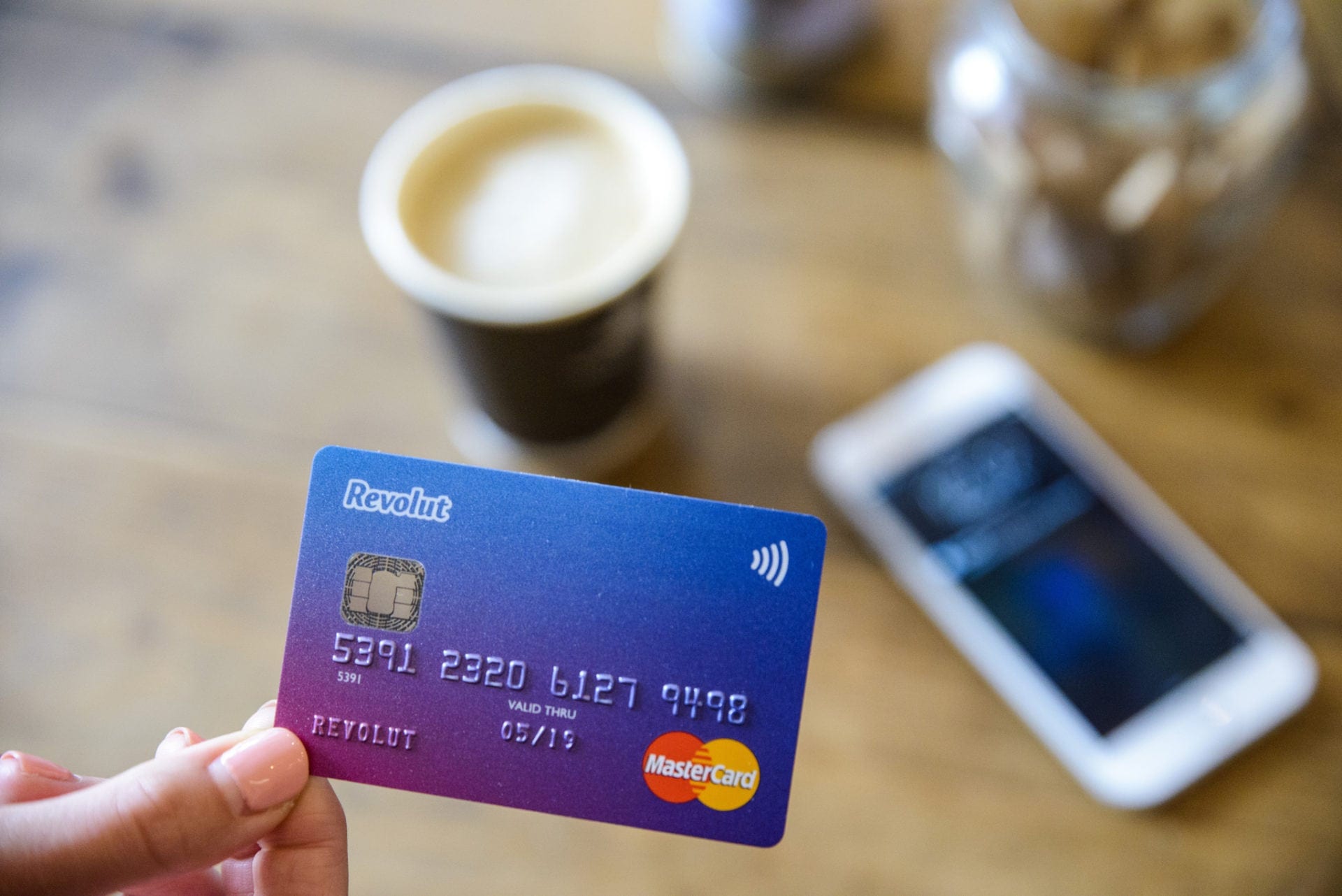
    Europe’s most valuable fintech has already amassed 18 million app users worldwide. Some of those are about to become bank customers.

    The London-headquartered neobank is launching as a bank in ten additional European markets, lifting the number of countries it operates in to 28, it said in a statement. The challenger bank can now protect client deposits up to 100,000 euros in Belgium, Denmark, Finland, Germany, Iceland, Lichtenstein, Luxembourg, Netherlands, Spain, and Sweden, using its European specialized banking license.

    In a few clicks clients from these countries will be able to upgrade to Revolut Bank from within the app, it said.

    Deposits will be secured by the Lithuanian State company deposit and investment insurance, it added.

    Over the past few years, Revolut’s rapid level of growth has added pressure on Swiss banks to boost their digital services. Since its inception in 2015 the company has attracted more than 18 million customers globally, it says on its website.

  • Crypto Bank Raises Money for Foreign Expansion

    Crypto Bank Raises Money for Foreign Expansion

    Seba is raising nearly $120 million, in a bid to fuel its expansion outside of Switzerland. Zug-based Seba raised 110 million Swiss francs ($118 million) from a host of new and existing investors, it said in a statement on Wednesday. The round was significantly oversubscribed, with demand far exceeding the initial funding target, the fledgling bank said. It didn’t disclose a valuation of itself, as rivals have done.

    Seba said it will use the funds to keep hiring and to expand into new markets. Investors in this round included Altive, Ordway Selections, Summer Capital, DeFi Technologies, Alameda Research, and Julius Baer.

    This comes just days after rival Sygnum raised $90 million in Asia-focused fundraising. The two banks were both granted licenses in Switzerland 28 months ago.

  • The Uber Apple Watch app is now discontinued

    The Uber Apple Watch app is now discontinued

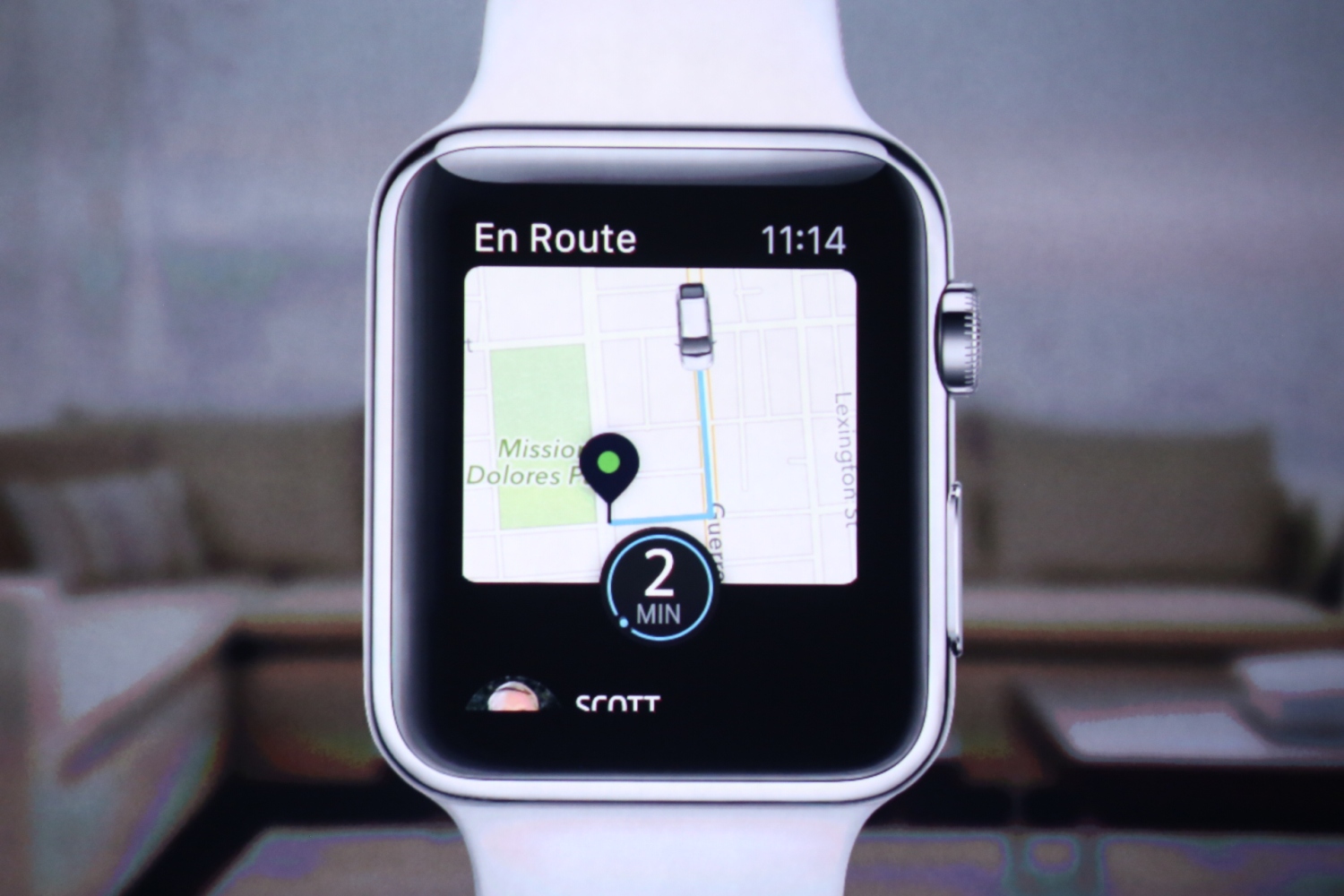
    It appears that Uber has ended support for its Apple Watch app. Many users noticed that they no longer have the ability to use Uber’s Apple Watch app to order a ride.

    When a user opens Uber’s Apple Watch app, the app displays a message that Uber no longer supports this app and suggests users use the mobile app instead.

    Confusingly, although Uber’s Apple Watch app doesn’t work anymore, it is still available in the App Store and can still be downloaded and installed. Uber also didn’t reflect the change on its support site. The support site still says that users can use Uber’s Apple Watch app to order a ride.

    In 2015, Uber launched its app for the Apple Watch, which always had a few limitations compared to the iPhone version. Uber’s Apple Watch app didn’t support uberPOOL for sharing a ride with someone headed in the same direction as you. Uber’s Apple Watch app also lacked the fare splitting option and the ETA sharing feature through which you can share your trip details with friends or family. You also couldn’t use your Apple Watch to contact the Uber driver.

    It appears that users were unhappy with the way Uber’s Apple Watch app worked. Users on Reddit have complained about the little information the Apple Watch version offered. A Reddit user also mentioned having “bad experiences” with Uber drivers owing to the inability to select a destination via their Apple watch when ordering an Uber.

    Uber is not the first to end support for its Apple Watch version of the app. Back in 2018, Uber’s competitor Lyft pulled out its Apple Watch app from the app store and ended its support.

    Around 2020, Uber also silently ended the support for its wearOS version of the app. Users then had reported the inability to log into the app. Many users had also complained about having various problems with the wearOS version. Some users even had said that Uber’s wearOS app never really worked for them. It is possible that due to the numerous issues the Uber wearOS app had, many users preferred using the mobile version instead. And if this is the case, there is no surprise why Uber decided to stop supporting the WearOS app.

  • KitKat collaborates with Byron Bay Cookies

    KitKat collaborates with Byron Bay Cookies

    KitKat has teamed up with Byron Bay cookies to create every dessert lover’s dream. Chocolate and cookies are two of the best sweet snacks in existence. We don’t make the rules.

    And clearly, KitKat is onto the same thing as us because they’ve launched two new flavors inspired by everyone’s favorite café treat, the Byron Bay cookie. It’s every cookie and chocolate lover’s dream.

    Dubbed the “sweet treat collab of the summer”, there are two flavors to choose from – KitKat inspired by Byron Bay Cookies – Milk Choc Chunk and KitKat inspired by Byron Bay Cookies – Triple Choc.

    For cookie lovers, the Milk Choc Chunk will be right up your street. With crisp wafer fingers covered in white chocolate, topped with cookie pieces on a milk chocolate base. For those wanting an extra hit of chocolate, the Triple Choc option has you sorted with milk chocolate-covered chocolate wafer fingers topped with crunchy cookie pieces.

    Upon announcing the launch, Nestlé’s head of marketing – confectionery, Joyce Tan said: “We’re so excited to introduce KitKat brand’s first Australian collaboration to the market, and thrilled that it’s with the iconic and beloved local cookie maker Byron Bay Cookies.

    “We know Aussies will love these tasty additions to the KitKat range, and each bite is sure to transport them to their own beachside Byron Bay break!”

    Meanwhile, Byron Bay Cookie company director, Bill Quayle said: “We are thrilled to be partnering with a global brand like KitKat to create such a delicious collaboration.”

    Both creations are available in a 170g block, selling for $5.00. The Milk Choc Chunk option is also available in a 45g bar ($2.00), and the Triple Choc in a 65g bar ($2.50).

    You can find the new creations in supermarkets and convenience retailers nationally, as well as online, in-store, and within a hamper from KitKat Chocolatory.

  • Kellogg partners with Bega in peanut-butter flavoured cereal

    Kellogg partners with Bega in peanut-butter flavoured cereal

    Australia’s iconic breakfast brand Nutri-Grain has delighted fans with the launch of a new flavor mash-up that’s set to take your cereal game to the next level. Nutri-Grain has joined forces with Bega Peanut Butter to create an epic flavor combination with a nutty twist. The limited-edition Nutri-Grain Bega Peanut Butter Flavor Cereal consists of the iconic malty crunch that we know and love, followed by a flavor hit of peanut buttery goodness.

    Serving up an “epic taste explosion”, shoppers can grab a box for just $6.95 at Woolworths.

    The new creation comes off the back of the Nutri-Grain x OAK Plus and Coco Pops x Golden Gaytime collabs.

    “Australia went mad for our collabs last year, so we’ve upped the ante with another unstoppable collab,” Dan Bitti, Kellogg’s breakfast lead, said.

    “We’ve brought together the malty-crunch and peanut pieces to bring Aussies something new, that up until now they could have only ever dreamed about.

    Jacqui Roth, marketing manager, Spreads at Bega said: “We’re thrilled to be teaming up with Nutri-Grain. We can’t think of a butter brand to partner with as Bega Peanut Butter makes its debut in the cereal aisle.”

    Meanwhile, KitKat has launched two new flavors inspired by the original café cookie; Byron Bay Cookies.

    With the sweet treat collaboration of the summer, Aussies can now enjoy KitKat Inspired by Byron Bay Cookies – Milk Choc Chunk and Triple Choc.

    Now on supermarket shelves across Australia, the new creation marks the confectionary brand’s exciting first collaboration with an Australian brand, paving the way in cookie creations with an iconic local player.

    The new flavors are set to be a hit, with two options available to satisfy any and all chocolatey cookie cravings.

    The Milk Choc Chunk will delight the biggest cookie lovers, with crisp wafer fingers covered in white choc, topped with cookie pieces on a milk chocolate base.

    For those looking for an extra chocolatey hit, the Triple Choc has you sorted with milk chocolate-covered chocolate wafer fingers topped with crunchy cookie pieces.

    “We’re so excited to introduce KitKat brand’s first Australian collaboration to the market, and thrilled that it’s with iconic and beloved local cookie maker Byron Bay Cookies,” Nestlé head of marketing – confectionery Joyce Tan said.

    “We know Aussies will love these tasty additions to the range, and each bite is sure to transport them to their own beachside Byron Bay break.”
  • New report hints at the potential power of Apple’s upcoming AR/VR headset

    New report hints at the potential power of Apple’s upcoming AR/VR headset

    Apple’s first genuinely new product in a while is expected to see the light of day in the second half of 2022, and it is the alleged AR/VR headset. The rumor mill has been spilling out all kinds of reports and rumors about the device, one of which reveals Apple’s intent for its implementation.

    More recently, a new report from the well-known and respected tech analyst Ming-Chi Kuo pulls the curtains yet even more. He claims that the headset will be powered by the same 96W USB-C power adapter that comes with the MacBook Pro.

    At first glance, this piece of information might seem boring or even unworthy of being mentioned. However, it could be a showing sign of the power that stands behind Apple’s mixed reality wearable product. Previous rumors say that it will be rocking a Mac-level computing power, which would explain the big power adapter.

    To be more precise, Kuo has stated that there will be two processors that will contribute to the headset’s capabilities: a 5nm chip and a 4nm one, supposedly manufactured by TSMC. He also says that one of the chips will be similar in performance to that of the M1 SoC, while the other will be responsible for all the sensors.

    Needless to say, this first iteration will likely be a very niche product, going for insane amounts of money and reserved for the early adopters and developers. That is why Apple is said to make only a small number of them for 2022.

    That being said, Kuo predicts that the next generation will enter the market with a more competitive price point and slowly become more affordable and available. Tim Cook, Apple’s current CEO, has expressed a tremendous interest in the technology. Significant amounts of investments are being made in both VR and AR, so both are probably here to stay and have some part to play in the future

  • Apple gives in to Korea’s law and allows outside payments to developers

    Apple gives in to Korea’s law and allows outside payments to developers

    The first of its kind, a law preventing app market operators—the likes of Apple and Google—from necessitating app developers to use specific payment systems were imposed by Korea’s National Assembly in September 2021. Today, on January 11, 2022, Apple has agreed to the regulation and will allow payment systems different from its own in the App Store.

    Apple did not say the exact fee it will be charging app developers for using an outside payment system, but it did say it will be lower than that for its own, which is 30 percent. The exact commission rate for outside payments and the date on which it will be implemented will be determined after discussions with Korea’s ICT regulator are finished, said the tech giant.

    Google agreed to the new regulation a bit earlier, back on December 18. It charges 26 percent for outside payments. It’s expected that Apple will decide on a similar percentage as well.

    While this might seem like a huge win for app developers, and it is a win, some industry officials are concerned about whether there will be any substantial effects. One such official said that, in actuality, it is much easier and more convenient for developers to use the payment systems that Apple or Google offer, for example, than to do that with outside ones.

    A good example of that is the payment system of Korea’s own One Store market operator. Even though it charges only 5 percent commission for using outside payment methods and 20 percent for its in-house one, developers choose to use the latter.

    The regulation, therefore, does not help app developers at all. It will only end up burdening app users because app developers will reflect commissions charged for payment systems at the prices of their apps. But this is the furthest a government can regulate, given that most countries operate under a capitalist system.

    No matter how effective things turn out to be, the successful implementation of the regulation itself is enough of a big step on its own. It is the first domino to be pushed and could likely be the one to set a chain reaction across other countries that will try and achieve the same goal in their way.

  • Apple has just killed off the last Beats-branded speaker

    Apple has just killed off the last Beats-branded speaker

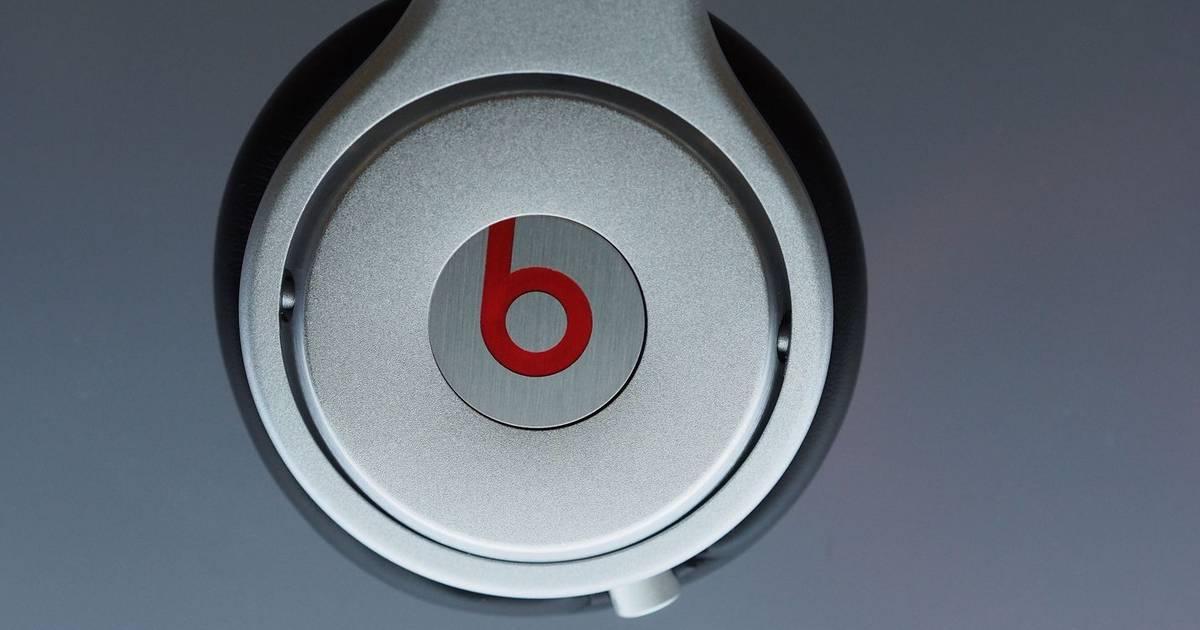
    After discontinuing the Beats Powerbeats wireless earbuds, Beats EP wired on-ear headphones, and high-end Beats Solo Pro wireless on-ear headphones just a couple of months ago, Apple appears to have also pulled the Beats Pill+ plug more recently.

    This was of course a long time coming, as the portable Bluetooth speaker made its commercial debut all the way back in 2015, but seeing the $229 product officially and permanently going away is still notable for a number of different reasons.

    First and foremost, as you can easily notice, the disappearance of the Pill Plus leaves both the official Beats website and Apple’s own US e-store without a single Beats-branded speaker option. This bad boy was also the first of its kind to see daylight after the Dre-founded company was acquired by the Cupertino-based tech giant in 2014 in exchange for a whopping $3 billion.

    That highlights the minimal attention Apple gave its audio-focused subsidiary all these years, at least on the surface. Of course, the Beats name was at one point rumored to go extinct altogether for marketing purposes, which hasn’t yet happened and is unlikely to happen anytime soon given that the true wireless Studio Buds and Fit Pro earbuds are still under a year old.

    The only speaker Apple is selling at the time of this writing is the in-house $99 HomePod Mini, which features significantly more advanced technology than the Beats Pill+ in a few key departments while forcing its users to hug a wall at all times.

    If that sounds too inconvenient, you might be happy to know the fully portable battery-powered Pill Plus is still available (in presumably limited numbers) from major US retailers like Walmart or Target at or around its original list price.

    Then again, our complete roundup of the best portable Bluetooth speakers money can buy includes several great alternatives at comparable or lower prices, all of which are alive, kicking, and younger than Apple’s Beats Pill+.

  • How Amazon’s retail battle with Reliance turned into a legal quagmire

    How Amazon’s retail battle with Reliance turned into a legal quagmire

    Amazon and Future Group have been stuck in a contentious business conflict for more than a year, which has stalled Futures $3.4 billion cash transfer to US rival Reliance Industries, with no end in sight. Here’s what the controversy is about, which is thought to be the driver of who has a say in one of the world’s fastest-growing retail markets. What caused the dispute In 2019, Amazon and Future, India’s second-largest retailer behind market leader Reliance, became business partners after the US corporation invested $200 million in an Indian group gift voucher unit. Amazon claims that the deal contained specific non-compete clauses that prohibited Future from selling retail assets to certain competitors, such as Reliance, which is managed by one of India’s richest men, Mukesh Ambani.

    However, Future, which was hit hard by the Covid-19 epidemic, decided to sell assets to Reliance in 2020. Amazon then approached Singapore arbitrators and successfully ended the transaction. Both parties have filed lawsuits in courts, including the Supreme Court, because the place of arbitration is in New Delhi, and Indian law governs the proceedings. What do Amazon and Future say about their partnership?

    Future claims that the agreements include: According to the US company, the thought of a Future-Reliance contract undermines the latter. Future admits to no wrongdoing, claiming that Amazon is illegally seeking to wrest control of Futures’ online market. Future Retail, the group’s flagship retail arm, has announced that it will be liquidated and that if the Reliance agreement fails, its more than 27,000 workers will become jobless. In this controversial controversy, both sides have deployed a team of lawyers and top law firms.

    What is the bigger picture assuming that Amazon will succeed in a $900 billion retail market with 1.3 billion consumers is the ultimate goal. Reliance, a conglomerate owned by Reliance, has 1,100 supermarkets, while Future has more than 1,500. Both are expanding rapidly into e-commerce, but the Future deal would also strengthen Reliance’s retail presence, which has attracted major foreign investors. Amazon has invested $6.5 billion in India, a key growth market for the company, which it considers to be a leading e-commerce market.

    Amazon’s efforts to stop billionaire Ambanis’ expansion plans coincide with Keeping Future away from Reliance. Amazon also stated that Reliances’ combined status with Future would further enhance competition in the Indian retail industry, according to a non-disclosure legal filing. What happened to CCI? Future reported to the Competition Commission of India (CCI) that Amazon was making inaccurate and contradictory submissions about the intentions of the 2019 deal.

    Although Amazon argues that the CCI acted beyond its power, Future maintains that the US corporation no longer has the right to assert its claims because the 2019 agreement itself lacks regulatory approval.In a blow to the US giant, the Delhi high court suspended the Singapore arbitration proceedings between the two sides earlier this month in reaction to the CCI decision.The case has since been postponed, but Amazon has appealed the court’s decisions which are yet to hear it.

  • AS Watson expanding online presence with Amazon Singapore

    AS Watson expanding online presence with Amazon Singapore

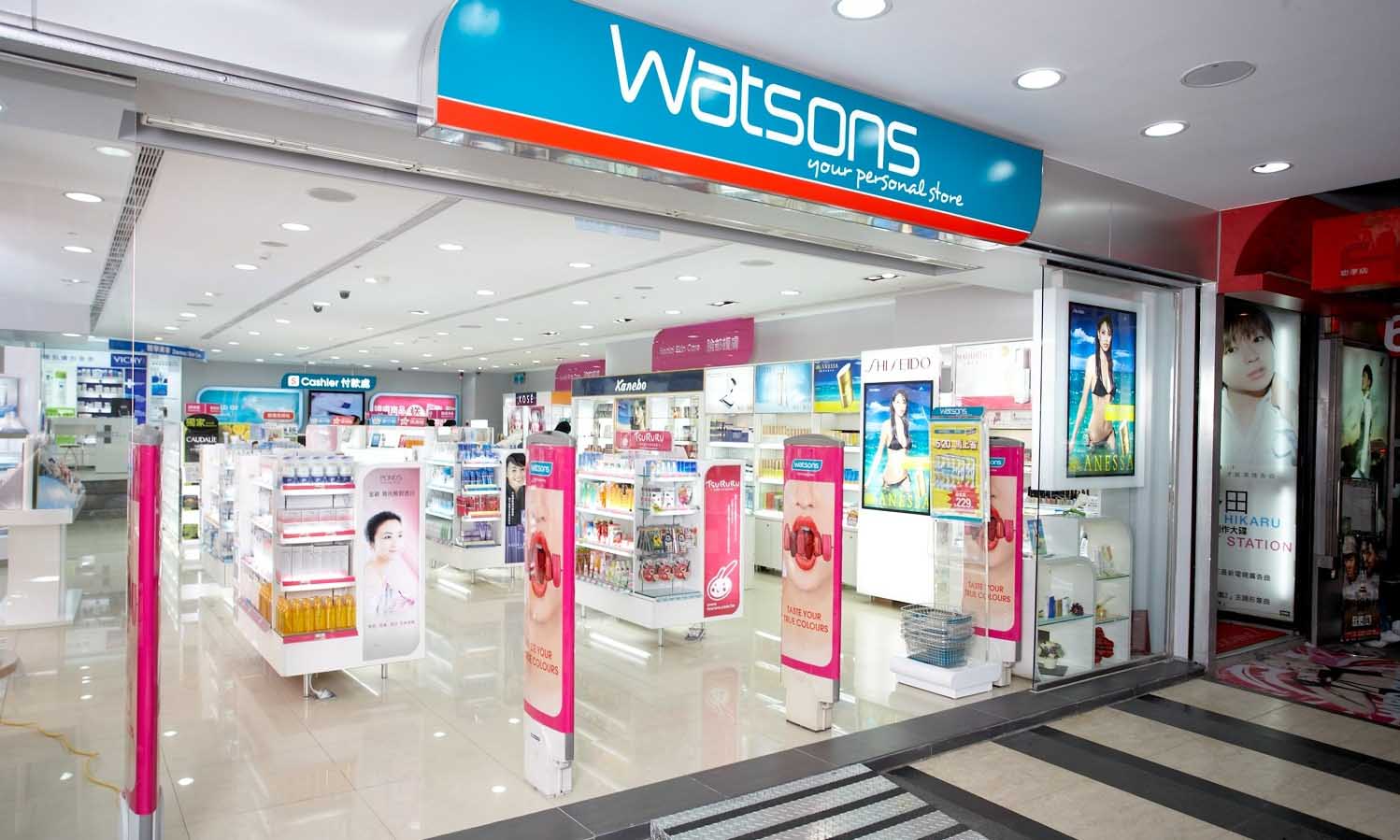
    This will launch an extensive product range and offer free scheduled delivery. Amazon Singapore and Watsons entered a partnership to launch a wider range of beauty, health, and personal care products on Amazon.sg through a dedicated storefront.

    According to Amazon, Prime members will find products available on Watson’s storefront from various brands such as as Aveeno, Bioré, Cetaphil, Bifesta, Wavertree & London, L’Oréal Paris, Oral-B, Anessa, Tsubaki, ZA, and other items ranging from facial care to health supplements.

    Customers are also given a free two-hour scheduled delivery of their items within the same day for orders over S$25 until 10 February. Prime members, meanwhile, will still receive free shipping on Watsons for orders above S$60 after the promotion period, Amazon said in a press release.

    This is Amazon Singapore’s first partnership with leading beauty and health retailers, creating a dedicated storefront on Amazon.sg.

    Henry Low, Amazon Singapore’s country manager, said the partnership is “the perfect next step to improve our offerings in Singapore.

    Irene Lau, Managing Director of Watsons Singapore, also noted the two-hour delivery offered by Amazon.sg to its prime members.

    “This is in line with our proactive customer-centric and Offline+Online strategies to offer our shoppers more convenient options to shop seamlessly, whenever and wherever, be it on watsons.com.sg or partner sites, like Amazon.sg,” she said.

    Special deals and promotions such as Weekend Specials and 1-for-1 Deals would also be available for Prime members until 6 February in line with the partnership.

  • Instagram testing a new “Edit Grid” feature

    Instagram testing a new “Edit Grid” feature

    Facebook is busy adding new features to its sweet child Instagram, as it seems. According to the app researcher Alessandro Paluzzi, the popular photo social network will be getting a cool new feature soon.

    Paluzzi posted a couple of images on Twitter, showing the new functionality in action. “Instagram is working on the ability to edit the profile grid allowing you to rearrange posts in any order you like,” wrote the researcher.

    The new “Edit Grid” option appears in the profile settings and allows users to re-arrange their profile gallery regardless of the date each photo was posted. This feature seems to be pretty useful, as it will allow people to choose what they want to show on their photo grid.

    Alessandro Paluzzi also shared some insight on new stickers Instagram has been working on lately. Among these is a new reaction emoji, although we’re not sure when will all these new features start rolling out.

    At the beginning of January, Instagram head Adam Mosseri announced three new feed changes coming to the platform. Since these are already rolling out, users now have three new ways to sort their home screen – Home, Favorites, and Following.

    Home shows your feed organized the way you’re used to seeing it, while Favorites shows posts from accounts you’ve put a Star on. The third option will display posts from people you follow.

  • WhatsApp voice messages may soon be playable anywhere in the app

    WhatsApp voice messages may soon be playable anywhere in the app

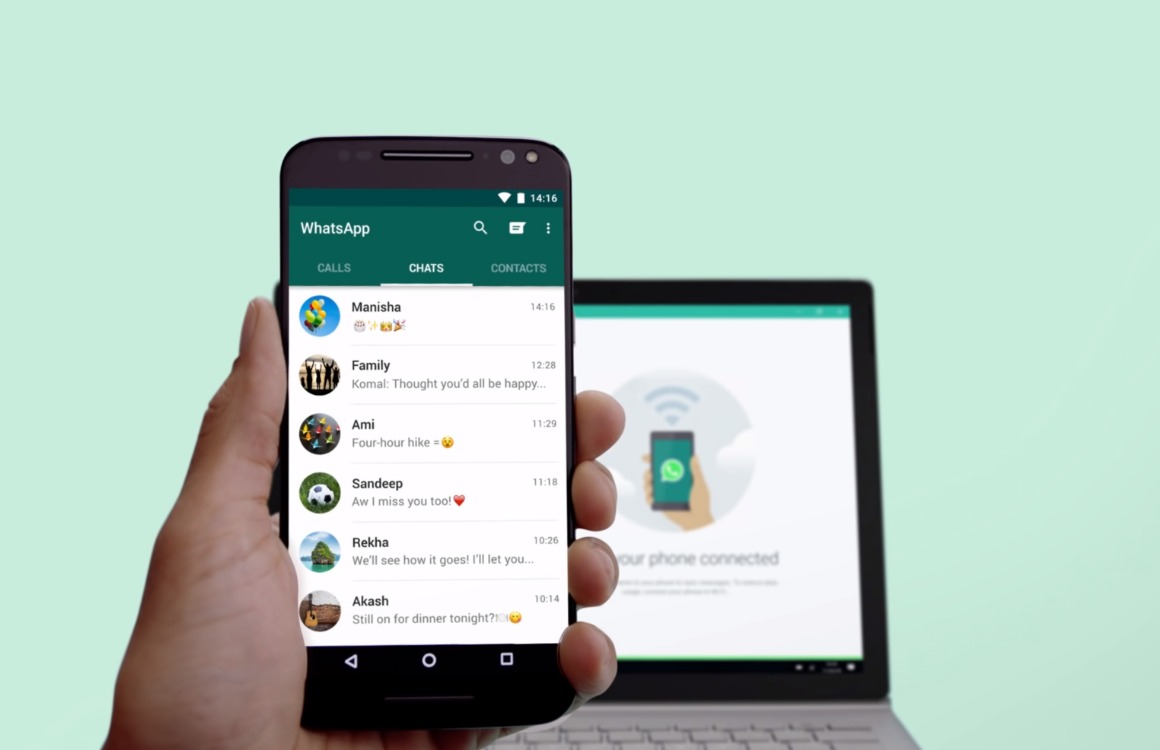
    A report by WABetainfo reveals how WhatsApp’s global voice message player might look like. The player will be able to play voice messages that you have already begun listening to anywhere within the app. The picture shows that the voice message player might be situated at the top of the WhatsApp app and might include a progress bar that shows how much you have left from the audio message. The picture also shows a button to pause and play the message and another button to dismiss it.

    According to the report, WhatsApp’s global voice message player will eliminate the need to stay inside the chatbox in order to listen to a voice message. The player will be constantly visible and will appear on every page of the WhatsApp app, hence the word “global.”

    Because of its global function, WhatsApp’s voice message player is supposed to become very useful for listening to long voice messages. By using the player, you will be able to listen to a long audio message while, at the same time, chatting with other contacts.

    WhatsApp’s global player for voice messages is still in its development stage. At the moment, there is no official information on when this new feature will be released to WhatsApp’s users.

  • Vietnam cut excise duty on battery electric car

    Vietnam cut excise duty on battery electric car

    The National Assembly Tuesday voted to cut excise on battery-run electric cars to 3 percent for a period of five years.

    With effect from March 1, the tax on various types of battery electric vehicles (BEVs) will be reduced by 3-12 percentage points from current levels and be valid until Feb. 28, 2027.

    In 2027, they will revert to current levels of 5-15 percent.

    The National Assembly’s Standing Committee said the introduction of incentives to attract investors earlier than other Southeast Asian countries would create great opportunities for Vietnamese companies to produce BEVs for both domestic and foreign markets.

    A number of companies are preparing to begin the production of BEVs.

    “Electric cars are both environment-friendly and suitable for practical use,” Vu Hong Thanh, chairman of the House Economic Committee, said.

    Automaker VinFast has tied up with a Chinese company to research and manufacture electric car batteries as part of its vision to become a global brand.

  • Vietnam operating costs among Asia’s lowest

    Vietnam operating costs among Asia’s lowest

    Vietnam has the second-lowest operating costs among nine countries in Asia and is assessed to have high logistics development potential, a report says.

    The monthly minimum operating cost for a manufacturing company in Vietnam is $79,280, compared to leader Singapore at $366,561 and second-placed Thailand at $142,344, according to a report by Singapore-based business transformation consultancy TMX.

    The report says the minimum operating cost in Vietnam is only higher than Cambodia’s at $65,313. The report calculated the average costs of doing business in nine popular potential manufacturing locations in Asia: Cambodia, India, Indonesia, Malaysia, Myanmar, the Philippines, Singapore, Thailand, and Vietnam.

    Vietnam, along with several other countries like Thailand and the Philippines, offers a sizable and relatively affordable pool of labor.

    While Vietnam offers abundant employment opportunities, it has fewer highly skilled talent in many sectors with talent competitiveness of around 35 points, compared to the 40 points for the Philippines and Thailand.

    Warehouse rentals in Vietnam is the same as others at eight other countries, the report said.

    The report also said that Vietnam was the only country in the “high potential” group in terms of logistics costs.

    In the overall country competitiveness scorecard, it ranks fifth behind Singapore, Malaysia, India, and Thailand.

    “Vietnam has a better score in a business environment. However, with a lower talent score, it indicates challenges for companies looking to find ready talent. Such businesses may consider investing in training and development,” the report said.