Tag: asia

  • My Foodie Box raises $6 million in IPO, plans expansion

    My Foodie Box raises $6 million in IPO, plans expansion

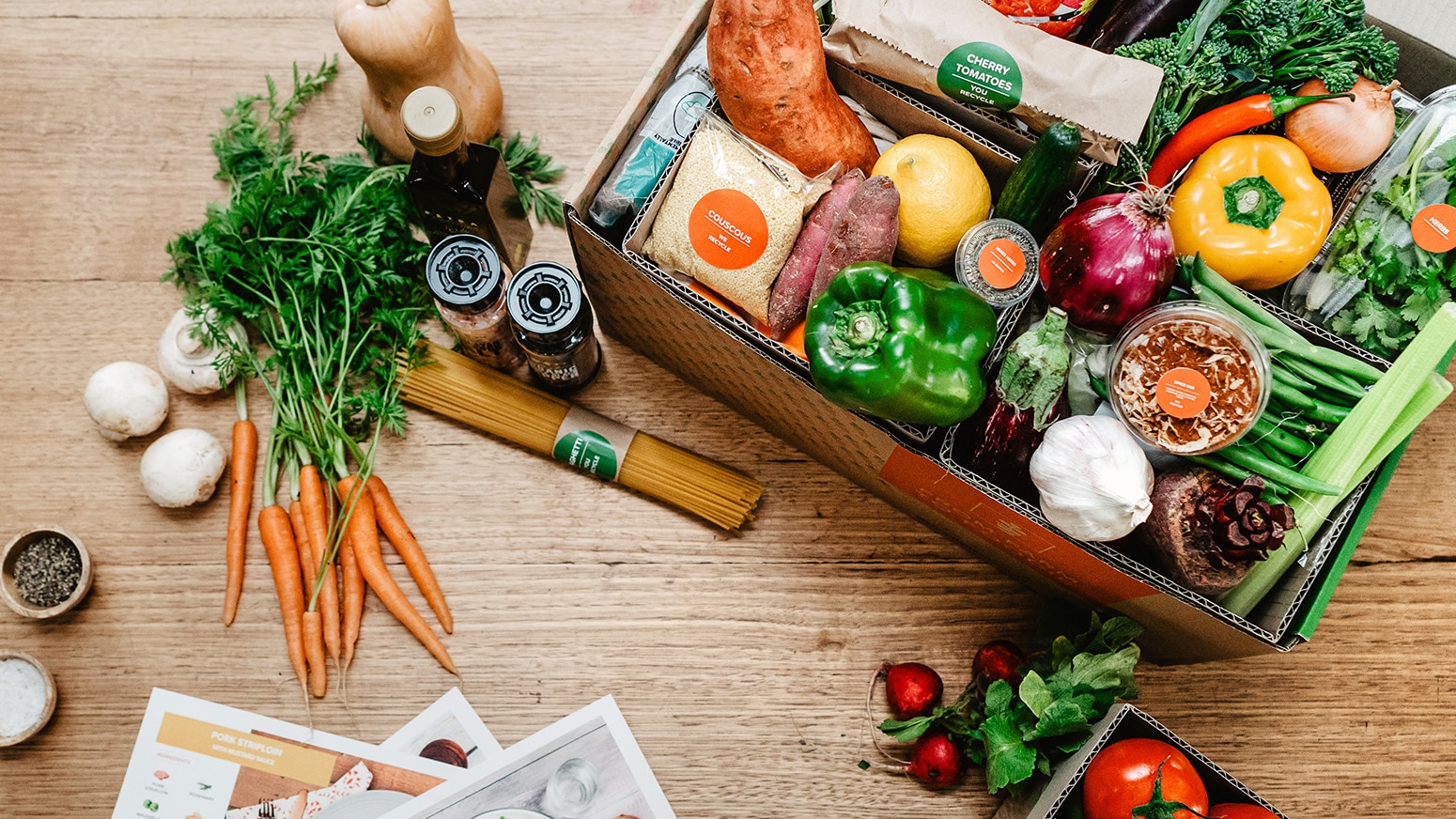
    Food production company My Foodie Box, is hungry for ASX funds. Brian Hughes, chair Pitcher Partners, with his wife, seek to take their fresh food box business to Australian investors through an AU$6 million IPO. The retail offer for IPO is still open and the proposed MBX shares will be available for trading on ASX from 7 January 2021.

    What is My Foodie Box’s business?

    • Based out of Perth My Foodie Box sources local ingredients to prepare and deliver quality food.
    • The Company wants to be a business supporting local community by only sourcing WA fresh produce.
    • My Foodie Box is currently running its retail offer for initial public offering (IPO) which will close on 21 December 2021.
    • It is to list on the ASX on 7 January 2021 and seeks to raise AU$6 million from its IPO closing today.

    How to invest in My Foodie Box shares?

    • Since retail offer is still going on, registering with a participating broker or lead manager is essential to be able to invest in the IPO.
    • Its IPO is being managed by lead manager Kaai Capital and Prenzler Group (JLMs), who wanted to raise AU$6,000,000 at AU$0.20 per share.
    • If unable to invest in the IPO’s retail offer investors can buy shares from ASX post 7 January 2021, when publicly available.
    • My Foodie Box shares can give investors an exposure to food industry which is mostly buoyant to market movements, being an essential.
    • However, before buying in, investors must prudently study My Foodie Box IPO prospectus and other media reports carefully to get deeper insights on its business.

    Food is essential and farm fresh, good quality food getting delivered at home is at present highly in demand. So, investors may choose to invest in such a business with MBX shares. However, how well My Foodie Box uses funds r

  • BMW Claims Outperforming Mercedes-Benz In Sales For The First Time In Six Years

    BMW Claims Outperforming Mercedes-Benz In Sales For The First Time In Six Years

    BMW AG is claiming that it outperformed Mercedes-Benz in terms of sales in 2021. The carmaker has beaten its German counterpart for the first time in the last six years as Mercedes-Benz had been the highest-selling luxury carmaker since 2015. Pieter Nota, Head Of Sales – BMW Group took to LinkedIn saying, “Proudly claiming number one position in the global premium automotive segment for the BMW brand in 2021,” Nota has credited the sales growth to the carmaker’s product range and operational performance.

    That said, BMW is yet to disclose the annual sales numbers of 2021 but has said that deliveries have been tracking ahead of the Daimler AG brand for much of this year. According to reports, the Bavarian carmaker has been comparatively less impacted by the semiconductor shortage crisis. In fact, there is a good chance that Mercedes-Benz’s sales have been impacted mainly due to the semiconductor issue that disrupted production. Mercedes on Monday said scarce supply of components will continue to grip the industry during the first half of the year.

    According to news reports, BMW will publish its full-year sales data on January 12 which is when we’ll get an idea of its sales. The carmaker delivered sold 1.7 million units in the first three quarters of 2021 and exceeded Mercedes-Benz’s by over 1.12 lakh units. Even in India, BMW Group recorded the highest ever sales growth in a decade this year at 35 percent selling 8,876 cars (BMW + MINI) and 5,191 motorcycles in 2021.

  • Amazon And Stellantis Partner To Deploy Smarter Cars, Cleaner Vans

    Amazon And Stellantis Partner To Deploy Smarter Cars, Cleaner Vans

    Amazon.com Inc and Stellantis NV said Wednesday they will collaborate to develop cars and trucks with Amazon software in the dashboards and deploy electric vans made by Stellantis on Amazon’s delivery network. The agreements expand Amazon’s efforts to get a bigger foothold in the transportation industry and could help Stellantis close the gap with Tesla Inc in developing vehicles with sophisticated, software-powered infotainment features that are connected to the data processing cloud. Stellantis shares were up more than 3 per cent in Milan.

    The agreements between Stellantis and Amazon, the online retailer and cloud computing power, announced in conjunction with the CES technology conference, are wide-ranging, involving software and hardware.

    Amazon and Stellantis said they will work together to develop software for the “digital cockpit” infotainment systems of Stellantis vehicles that will start launching in 2024. Stellantis said it will use Amazon’s Alexa technology for voice-controlled features, “navigation, vehicle maintenance, e-commerce marketplaces, and payment services.”

    Big e-commerce delivery fleet operators such as Amazon will be key to determining winners and losers as established automakers compete with startups to electrify the world’s package delivery system.

    Stellantis Chief Software Officer Yves Bonnefont said during a conference call Wednesday that the automaker’s use of Alphabet Inc’s Android software for vehicles will “evolve over time.”

    Amazon will also help Stellantis speed up the development of new digital products and “upskill Stellantis’ global workforce.” Stellantis and other established automakers are scrambling to match Tesla’s ability to rapidly deploy new vehicle features and revenue-generating subscription services using software delivered over the air.

    As part of the partnership, Stellantis will use Amazon as its “preferred cloud provider” to provide the mobile network and computing power future vehicles will need.

    Under what Stellantis said is a separate agreement, Amazon will be the first customer for Stellantis’ new line of electric delivery vans due to launch in 2023. The companies said they plan to put thousands of Stellantis Ram ProMaster electric vans on the road every year.

    Amazon has a previous agreement to buy up to 100,000 electric vans from startup Rivian Automotive.

    Stellantis in May had agreed with iPhone assembler Foxconn to create a joint venture to supply in-car and connected-car technologies across the auto industry.

  • Supply chain issues to worsen as virus impacts transport sector

    Supply chain issues to worsen as virus impacts transport sector

    Thanks to the rollout of coronavirus vaccines, the global economy is slowly starting to emerge from the pandemic.

    But Covid-19 has left one very destructive economic issue in its wake: disruption to global supply chains.

    The rapid spread of the virus in 2020 prompted shutdowns of industries around the world and, while most of us were in lockdown, there was lower consumer demand and reduced industrial activity.

    As lockdowns have lifted, demand has rocketed. And supply chains that were disrupted during the global health crisis are still facing huge challenges and are struggling to bounce back.

    This has led to chaos for the manufacturers and distributors of goods who cannot produce or supply as much as they did pre-pandemic for a variety of reasons, including worker shortages and a lack of key components and raw materials.

    Different parts of the world have experienced supply chain issues that have been exacerbated for different reasons, too. For instance, power shortages in China have affected production in recent months, while in the U.K., Brexit has been a big factor around a shortage of truck drivers. The U.S. is also battling a shortage of truckers, as is Germany, with the former also experiencing large backlogs at its ports.

    Unfortunately, experts like Tim Uy of Moody’s Analytics say that supply chain problems “will get worse before they get better.”

    “As the global economic recovery continues to gather steam, what is increasingly apparent is how it will be stymied by supply-chain disruptions that are now showing up at every corner,” Uy said in a report last Monday.

    “Border controls and mobility restrictions, unavailability of a global vaccine pass, and pent-up demand from being stuck at home have combined for a perfect storm where global production will be hampered because deliveries are not made in time, costs and prices will rise, and GDP growth worldwide will not be as robust as a result,” he said.

    “Supply will likely play catch up for some time, particularly as there are bottlenecks in every link of the supply chain—labor certainly, as mentioned above, but also containers, shipping, ports, trucks, railroads, air and warehouses.”

    Supply chain bottlenecks — congestion and blockages in the production system — have affected a variety of sectors, services and goods ranging from shortages of electronics and autos (with problems exacerbated by the well-known semiconductor chip shortage) to difficulties in the supplies of meat, medicines and household products.

    Amid higher consumer demand for goods that have been in short supply, freight rates for merchandise coming from China to the U.S. and Europe have soared, while a shortage of truck drivers across both the latter regions has exacerbated the problem of getting goods to their final destinations, and has led to high prices once those products hit store shelves.

    The pandemic has only served to highlight how interconnected, and how easily destabilized, global supply chains can be.

    At their best, global supply chains lower costs for businesses, often due to reduced labor and operating costs linked to the manufacturer of the products they want, and can spur innovation and competition.

    But the pandemic has highlighted deep fragilities in these networks, with disruption in one part of the chain having a ripple-down effect on all parts of the chain, from manufacturers to suppliers and distributors with disruptions ultimately affecting consumers and economic growth.

  • Walmart to hire over 3000 US drivers as it expands home delivery

    Walmart to hire over 3000 US drivers as it expands home delivery

    Walmart said on Tuesday it plans to hire more than 3,000 U.S. delivery drivers and build out a fleet of all-electric delivery vans to support its “in-home” grocery delivery service, its latest investment in its last-mile fulfillment network.

    The retailer, which said it has about 100 drivers at present, expects to be able to reach 30 million homes by the end of the year. It now services 6 million homes.

    Bentonville, Arkansas-based Walmart in 2019 launched its InHome delivery service through which workers deliver groceries directly into shoppers’ homes, sometimes placing items straight into kitchens or garage refrigerators when people are not in the house.

    The driver uses a one-time access code to unlock the customers’ doors or garages through an app that pairs with a “smart” entry lock.

    Fearing COVID-19, many shoppers have turned to online grocery delivery since the start of the pandemic, sparking aggressive competition in the industry from the likes of Amazon.com Inc’s Whole Foods, Instacart and Uber Technologies Inc.

    Walmart has experimented for years with last-mile delivery options. In 2017, for instance, Walmart established a program through which its own store employees would bring online orders directly to shoppers’ homes after completing their usual shifts on sales floors.

    In August, ahead of the U.S. holiday shopping season, Walmart launched a last-mile delivery service for other merchants. Last year, it also tested company-branded “last-mile” delivery vans, taking a page from Amazon’s playbook as online demand pressures United Parcel Service, FedEx Corp and the U.S. Postal Service.

  • BMW Group India Records Highest Ever Sales Growth In 2021

    BMW Group India Records Highest Ever Sales Growth In 2021

    BMW Group India has recorded the highest ever sales growth in a decade at 35 percent selling 8,876 cars (BMW + MINI) and 5,191 motorcycles in 2021. While the Bavarian carmaker sold 8,236 units of BMW cars, 640 units of MINI cars were sold in India. BMW India saw over 40 percent contribution from locally manufactured SUVs including the BMW X1, the BMW X3, and the BMW X5. The new models such as the BMW M 340i xDrive, BMW X7 and BMW 3 Series Gran Limousine which were quite a in demand were either completely sold out or had a long waiting period of several months.

    Vikram Pawah, President, BMW Group India said, “BMW Group India has remained strong and resilient with all its three brands – BMW, MINI and BMW Motorrad – posting stellar growth. Greater flexibility and farsighted planning in business processes ensured that we overcame unpredictable market situations and increased our market share. An attractive product portfolio specially designed keeping in mind the requirements of Indian customers and an unwavering emphasis on customer service has significantly propelled brand loyalty and drawn many new customers into our fold.”

    Coming to its sedan range, the BMW 3 Series and the BMW 5 Series continued to be strong performers for the brand. Even the MINI range saw a growth of 25 per cent compared to 2020 sales where the MINI Countryman remained the bestselling MINI contributing over 50 percent to overall sales. The MINI Hatch and the popular MINI Convertible contributed 18 percent each.

  • Zurich Sells Life Insurance Book in Italy

    Zurich Sells Life Insurance Book in Italy

    The Swiss insurer is disposing of a life insurance portfolio in Italy. The deal lowers credit risk and boost capital.

    Zurich Insurance is selling its life and pension business to Gamalife, a Lisbon-based insurer, it said in a statement on Monday. Neither party disclosed financial details of the transaction.

    The deal encompasses traditional and unit-linked policies and will see $9.5 billion in net reserves transferred to Gamalife. Zurich said this will lead to a result of roughly $1.2 billion of capital and add 11 percentage points to its solvency ratio.

    Zurich, which said the sale lowers its exposure to credit risk considerably, expects to benefit from a $200 million boost in liquidity as well.

  • Vietnam stock market 7th biggest gainer globally

    Vietnam stock market 7th biggest gainer globally

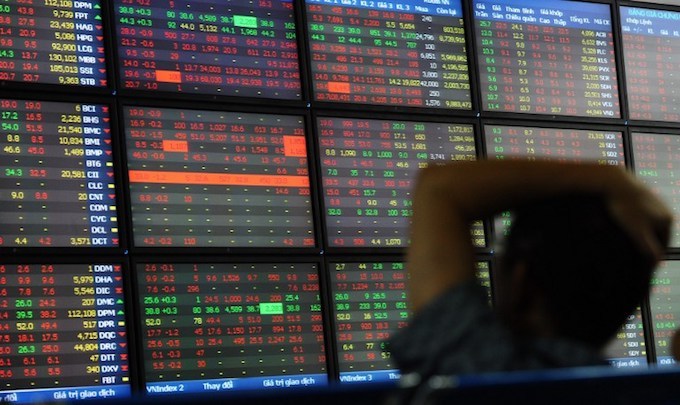
    Vietnam’s stock market was the seventh biggest gainer last year at 35.7 percent, outperforming regional peers, as new retail investors rushed to a new asset for profit.

    With the benchmark VN-Index rising 394 points to close the year at 1,498 points, Vietnam listed among the top 10 gaining stock markets in the world with Abu Dhabi, Argentina, and Iceland in the top 3.

    In Asia, Vietnam outperformed major markets like Taiwan (24 percent), Thailand (14 percent), and Indonesia (10 percent).

    Some markets like Malaysia and Hong Kong posted a decline.

    2021 was the third year in a row the VN-Index went up. Growth was 7.6 percent and 14.7 percent in the previous years.

    Growth exceeded forecasts of several brokerages at around 1,300 or 1,400 points.

    Several analysts said with a price-to-earnings ratio of 17.47, the Vietnam market is still “cheaper” than others in the region.

    The main bourse, Ho Chi Minh Stock Exchange (HoSE), closed the year with a market cap of VND5,830 trillion ($256.21 billion).

    Brokerage VNDirect has forecast the VN-Index could reach 1,700 points this year.

  • Bitmex Announces CEO for Swiss Business

    Bitmex Announces CEO for Swiss Business

    After announcing plans to expand in Switzerland, the trading crypto exchange has now found someone to lead its Swiss business.

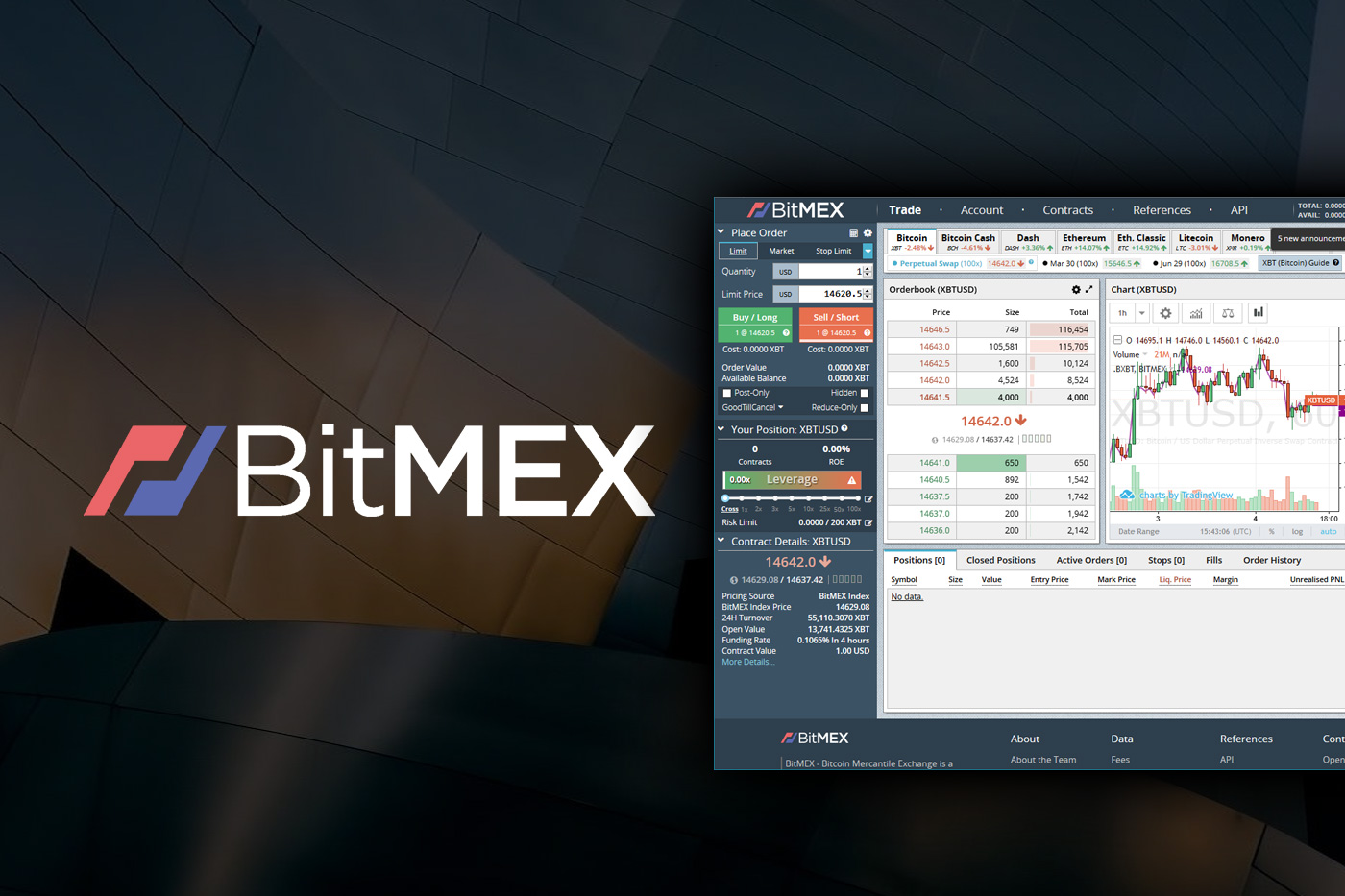
    Seychelles-based Bitmex is appointing Ivo Sauter as chief executive of Bitmex Link Switzerland, according to his Linkedin profile. Sauter joins the crypto trading exchange from Gazprombank where he worked as a chief digital, transformation, and strategy officer.

    Bitmex is a platform for crypto asset trading. Bitmex Link is the exchange’s digital trading asset service, which includes spot trading, brokerage, custody, information products and a so-called academy for digital asset and crypto trading training.

    The company announced its intention to launch a Swiss office last year, along with plans to apply for a Finma license.

  • Apple does it again, becomes first publicly traded U.S. firm to be valued at three trillion bucks

    Apple does it again, becomes first publicly traded U.S. firm to be valued at three trillion bucks

    For a short period of time today, Apple’s stock market valuation exceeded three trillion dollars. The tech company and iPhone manufacturer hit that valuation when it topped $182.856 a share on Monday, briefly reaching a new high at $182.88. By closing time, the stock had dropped back to $182.01. Apple’s shares rose $4.44 on the first trading day of the new year.
    Remember the early days of the pandemic when investors dumped big tech names like Apple? Since its pandemic low, Apple’s stock has tripled adding two trillion dollars in market capitalization. Apple’s shares are up 41% since the start of last year making it one of the best performers among the Dow Industrials.
    You might recall the race that Apple had with Amazon more than three years ago to see which firm would be the first U.S. publicly traded firm to reach $1 trillion in value. Apple hit that mark on August 2nd, 2018. After hitting that mark, Apple’s shares declined 30% as it cleared the decks in anticipation for its run to a two trillion dollar valuation which it hit on August 19th, 2020.
    Apple has all engines on “go” right now with the iPhone 13 series continuing to be red hot, and with iPads selling well thanks to the never-ending pandemic. The Apple Watch remains the world’s top-selling timepiece and next year Apple is expected to enter the mixed reality space with a new headset. Interestingly, the company has seen its valuation surge by a factor of nine since the death of co-founder and co-CEO Steve Jobs from pancreatic cancer in 2011.
    Ironically, at the time he passed, Jobs owned just a small amount of Apple shares. His fortune came from an 8 percent stake in Disney that he received from the $7.4 billion acquisition of Pixar by Disney in 2006. Based on the current valuation of Disney, Jobs would be worth $22 billion today which is well behind the $226 billion that Elon Musk is reportedly worth. Amazon founder Jeff Bezos is believed to be worth $202 billion (you don’t suppose that Bezos still uses an Amazon Fire Phone, do you?)
    Tech stocks, including Apple, played a big role in the 27% gain earned by the S&P 500 last year. Apple, Tesla, Microsoft, Nvidia, and Alphabet combined to produce a 31% increase.
    The Journal’s iconic “Heard On The Street” column noted that it has taken nine months for Apple to tack on its latest trillion bucks in valuation even though the prospects for the company haven’t changed during that time period. In fact, the Journal mentions research firm Visible Alpha and its forecast that iPhone unit sales will rise only 1% this year compared with 24% last year.
    This is not a short-term slowdown say analysts surveyed by FactSet. Over the next three years, Apple will grow its top line by only 5% a year putting Apple dead last among other tech giants including Amazon. The latter’s valuation is $1.3 trillion less than Apple’s even though the Echo manufacturer garnered 25% more revenue than Apple last year
    Amazon is also expected to see its revenue grow 16% a year over the next three years compared to the aforementioned 5% for Apple. Apple’s products and services are doing quite well but the iPhone still makes up half of its revenue and has benefited from deals offered by the carriers looking to get more 5G phones into customers’ hands.
    Apple certainly enjoyed a bountiful fiscal 2021 with revenue up 33% to $365.8 billion, meaning that the company took in one billion clams each and every day. That was a company record, by the way, and operating income soared 64% to $108.9 billion. This was the first time Apple produced a double-digit growth rate in three years.
    Once Apple’s shares stabilize over three trillion dollars, it will be time to watch out for the rise to four trillion. However, one day the growth just won’t be there and then it truly will be the time to see what Apple has under its sleeves as the next big thing.
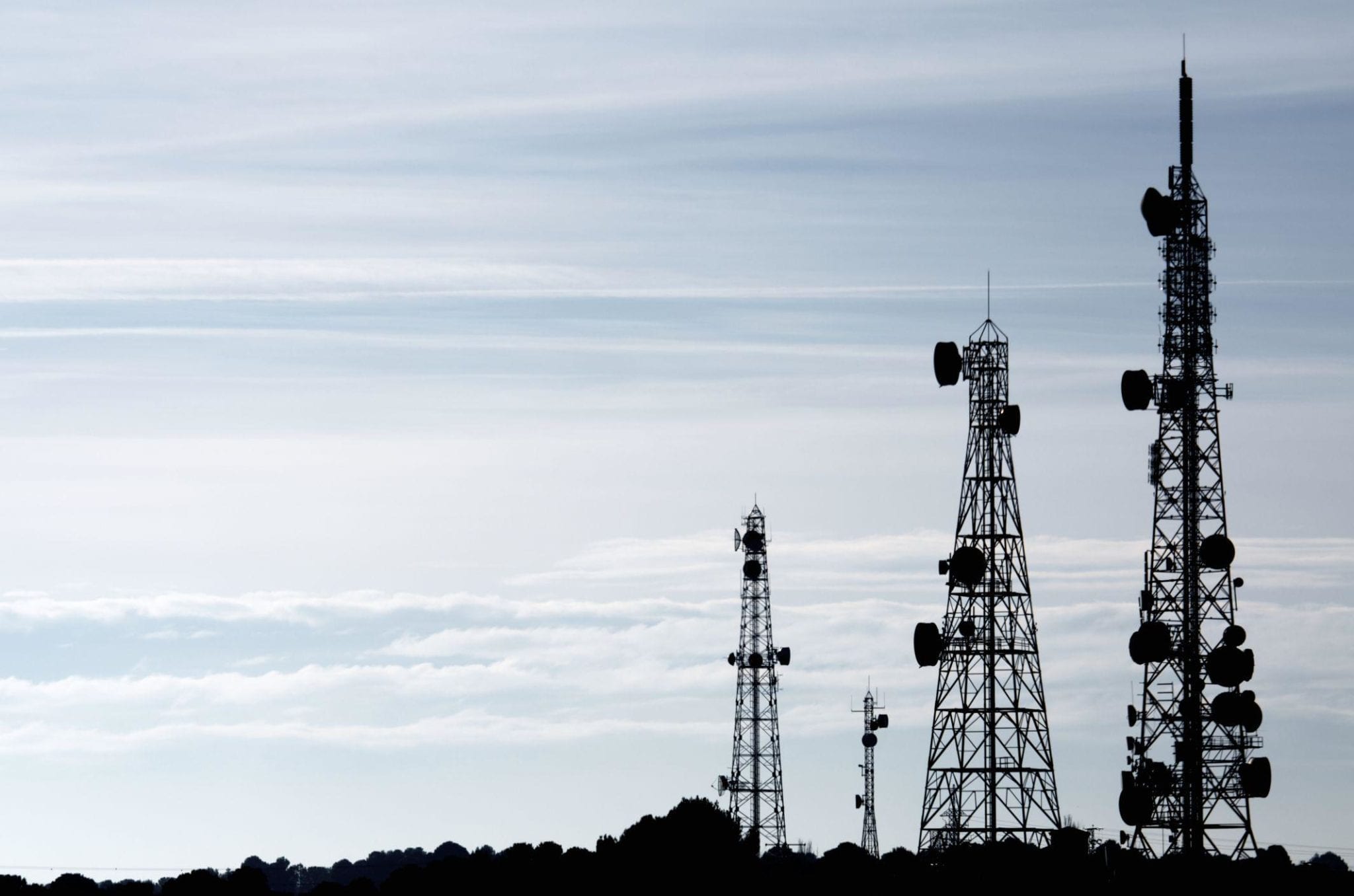
  • Higher telecommunications towers to counter Malaysia flood

    Higher telecommunications towers to counter Malaysia flood

    Minister Annuar Musa had commissioned the Malaysian Communications and Multimedia Commission (MCMC) to undertake the task of raising telecommunications towers to ensure that towers do not have equipment at the ground level for areas susceptible to flooding.

    This would ensure that towers are intact even when water levels rise to 10 feet so that residents trapped on the rooftops of their houses can call for help.

    Last week, Musa said that more than 800 telecommunications towers had been affected nationwide, of which more than half had been repaired. While some took a faster quicker to repair, others required a longer time as submerged equipment needed replacement.

    Selangor, Negeri Sembilan, and Pahang were severely affected by the floods. Telekom Malaysia (TM) resorted to shutting down the power supply and network equipment as a precautionary measure in some of these areas. TM set aside RM13 million to replace free, damaged customer premise equipment (CPE) and network components, on top of providing a 2-week waiver on subscription from customer bills amounting to approximately RM5 billion.

    Meanwhile, Celcom is offering free replacement of damaged broadband equipment for both fiber and wireless broadband services. The free replacement is available until the end of January.

    Maxis has also stepped up on relief efforts, mobilizing teams to mitigate network disruptions, as well as sending food boxes and SIM packs to flood relief centers. In addition, support is provided to dealers whose stores had been affected so that operations can resume earlier.

  • Tesla’s Bumper Delivery Numbers Charge Up Shares

    Tesla’s Bumper Delivery Numbers Charge Up Shares

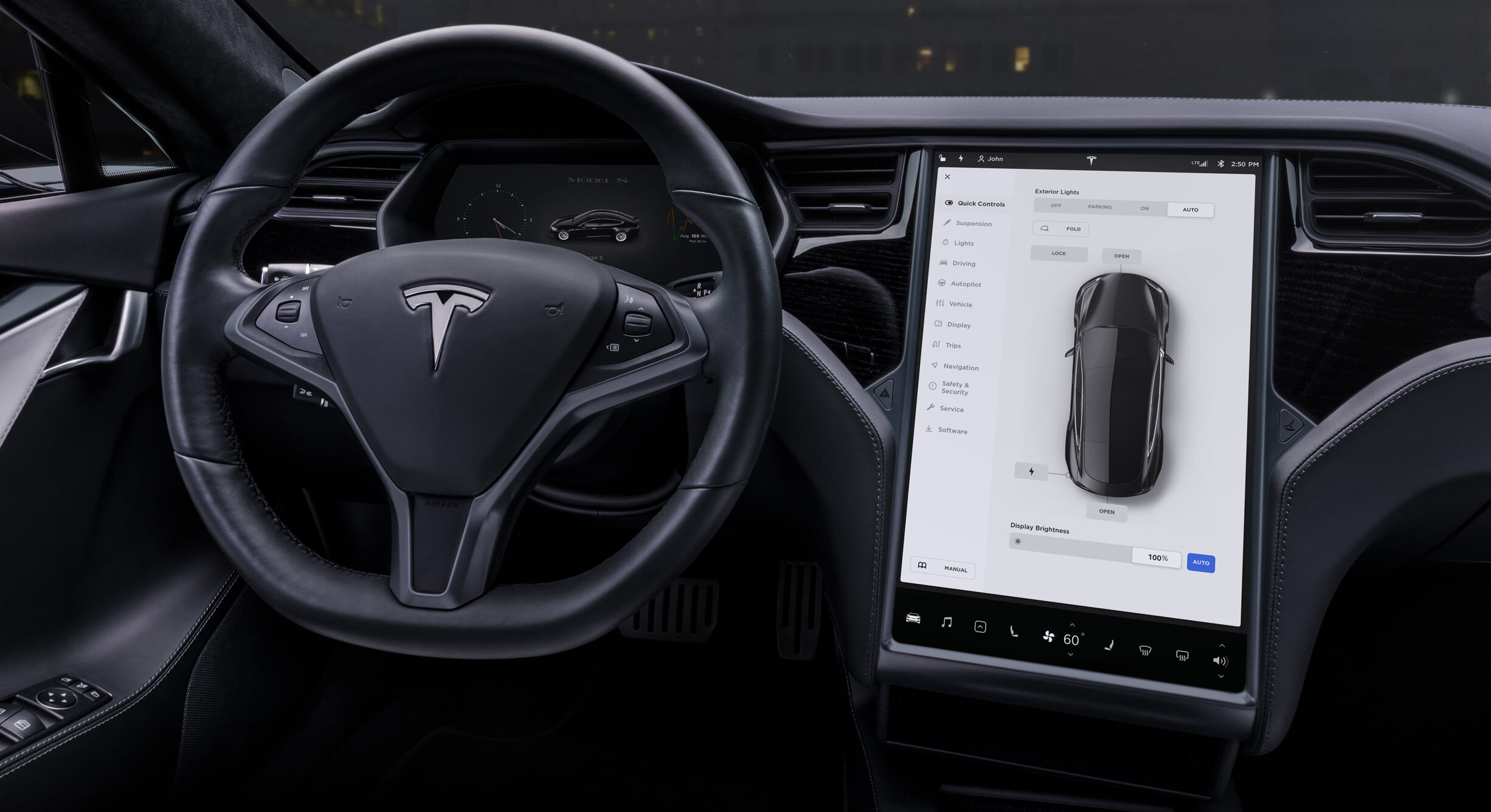
    Tesla Inc’s shares started the year with stellar gains after the electric carmaker reported record deliveries for the fourth quarter, allaying fears of supply chain woes that have hit automakers. Shares of the world’s most valuable carmaker ended up 13.5% at $1,199.78 each on Monday, marking the biggest daily percentage gain in nearly 10 months. Analysts expect the strong delivery numbers to bolster 2022 expectations and see the pace of expansion of its new factories in Berlin and Texas to be large determinants.

    “We expect a gradual ramp of Berlin and Austin and anticipate those ramps will lead to a deceleration of exports from Shanghai, many of which have been bound for Europe in 2021,” Cowen analyst Jeffrey Osborne said.

    The company, like others, faces component shortages as a global logistics crunch and factory closures due to the pandemic limited supply. But Tesla managed to overcome much of the problems by reprogramming software to use less scarce chips. Tesla delivered 308,600 vehicles in the fourth quarter, higher than analysts’ forecasts of 263,026 vehicles, which includes its Model 3 compact cars and Model Y sport-utility vehicles and flagship Model S and Model X vehicles, the company reported on Sunday.

    RBC Capital Markets revised its quarterly revenue estimate, bumping it up by $2.3 billion. J.P. Morgan boosted its profit estimates. Still, analysts said Tesla has a lot to watch out for in 2022 as competition heats up with several startup EV companies scheduled to launch their first cars on the road. Legacy automakers such as Ford and General Motors also are shifting focus to electric cars.

    “We see 2022 being a more challenging year than 2021 was in light of increasing competition, and we believe the design of the four vehicles on the road are getting long in the tooth which likely decelerates growth,” Osborne said.

    Some analysts also said Tesla’s stock is over-valued, given its relatively smaller production volume. Tesla, which produced some 930,000 vehicles last year, is about four times more valuable than Toyota Motor which aims to produce 9 million vehicles in the year that ends in March.

  • Product fraud could be costing Australia $3bn a year

    Product fraud could be costing Australia $3bn a year

    Fibre fraudulence involving the ‘high risk’ commodities of veal, wine, fish and mollusks fell between $700 million to $1.3 billion.

    According to the report, the cost of fraud in the sheep meat, wool, wheat, horticulture and dairy products sectors is believed to cost the industry up to another $700 million annually.

    Georgia Townsend, Agrifutures’ National Rural Issues Manager said producers’ pockets are at risk of being raided if the fraudulent activity isn’t addressed:

    “Farmers can’t combat this issue alone; a coordinated supply chain approach is needed if we are to overcome the billion-dollar problem and stamp out fraudulent practices.”

    “This work is important in quantifying the situation and gives producers, exporters and retailers market mechanisms and technologies to detect and mitigate fraudulent activity.”

    The report was conducted by Deakin University and Professor Rebecca Lester, Director of Deakin University’s Centre for Regional and Rural Futures said it is vital that the industry mitigates risks attached to high-level fraud:

    “Guaranteeing a product’s origins can be costly, but authenticity testing places emphasis on early detection and prevention, rather than responding to problems once they occur.”

    “Fortunately technology has come a long way and avenues now exist to guarantee product authenticity through analytical testing of the product itself. Technologies such as next-generation DNA sequencing, DNA chips, and lab-on-a-chip technology offer great potential for effective, low-cost and rapid onsite solutions for a broad range of authenticity testing of products.”

    aware of the risk of food fraud once their product leaves the farm or boat, but it may be costing them dearly. Industry must arm itself with better information about what to look for and strategies to respond if confronted by fraudulent activity. Getting on top of the problem could save the sector up to $3 billion annually.”

  • Aeon eyes 100 grocery stores in Vietnam

    Aeon eyes 100 grocery stores in Vietnam

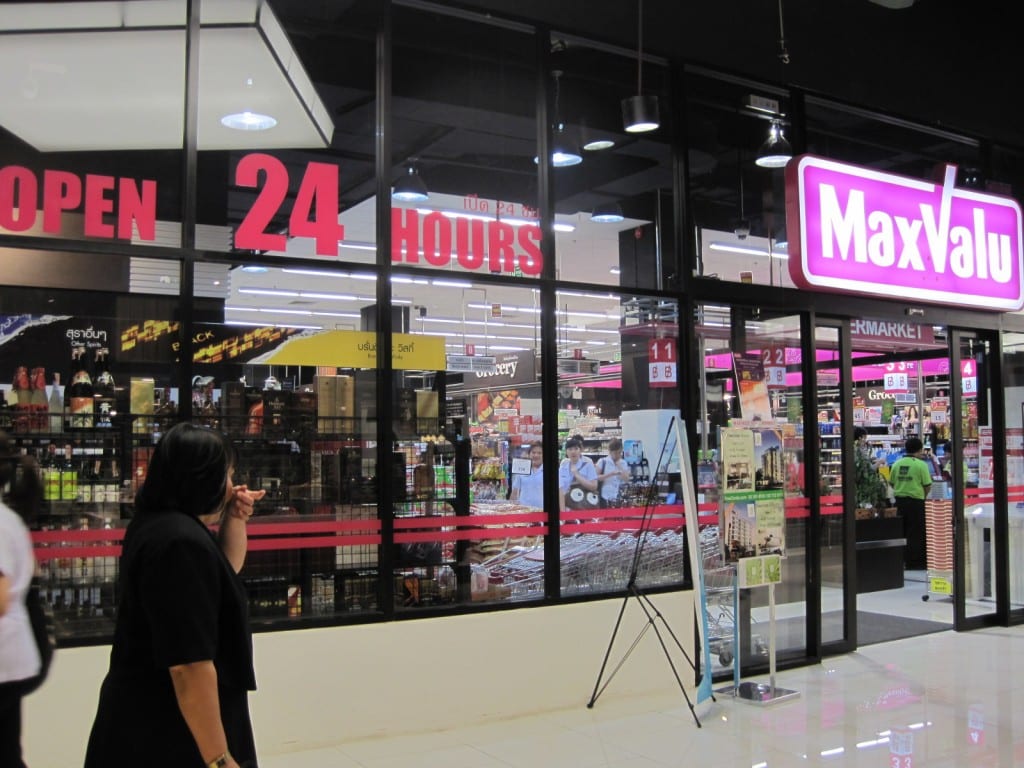
    Aeon has unveiled plans to expand its network of MaxValu compact supermarket stores in Vietnam, eyeing about 100 new locations across the country by 2025.

    According to Nikkei Asia, the expansion will include a larger store format with floor space spanning 500sqm or more. MaxValu currently operates four Vietnam stores, all in Hanoi. In addition, Aeon Group’s subsidiary, Aeon Mall, aims to expand its network of malls in Vietnam from six to 16 by 2025.

    Despite the challenges of the Delta-variant wave hitting the country, the group sees significant opportunity in the Southeast Asian market, where customers are gradually shifting from shopping at local markets to supermarkets due to hygiene concerns.

    “Next year, Aeon Vietnam will focus on opening more business locations with diverse retail models including shopping malls, department stores, supermarkets, convenience stores and specialized stores,” Furusawa Yasuyki, general director of Aeon Vietnam, told local press.

    The expansion plan also helps Aeon further strengthen its position in the market, where retail giants such as locally-owned Masan Group and Thailand’s Central Group are ramping up the competition.

    Last week, Masan Group unveiled an expansion plan for its mini-mall chain WinMart+, which will integrate a to-go cafe and mini bank offices including ATMs and customer-service reps. The group is set to have 20,000 franchised stores together with an addition of 10,000 outlets owned by the group by 2025. WinMart+ is expected to expand the multi-utilities concept in the future.

  • Retail sales in Hong Kong continue to recover slowly

    Retail sales in Hong Kong continue to recover slowly

    Hong Kong’s economy lost some momentum in the second quarter but still expanded by 7.5% from a year earlier, as domestic and global activity continued to recover from last year’s pandemic-induced slump.

    Despite some slowdown in robust export growth, the government said the city’s economic recovery remains on track as global demand picks up and local coronavirus fears ease.

    The preliminary gross domestic product (GDP) estimate released on Friday compares with a revised growth rate of 8% in the first quarter and forecasts of 8.4% by DBS and 8.5% by ING.

    On a quarterly basis, the economy contracted by a seasonally adjusted 1% in April-June, its first decline since the second quarter of 2020. That compared with a revised 5.5% growth in the previous quarter.

    “The global economic recovery should continue to support Hong Kong’s exports of goods in the near term, though there may be some moderation from the exceptionally strong performance in the first half of 2021,” a government spokesman said in a statement along with the GDP figures.

    “Exports of services should likewise sustain growth,” the spokesman said, adding that a stabilized pandemic situation locally and a consumption voucher scheme will help stimulate consumer demand.

    For the first half of 2021, the economy grew by 7.8% over a year earlier. The government maintained its full-year growth forecast at 3.5%-5.5%.

    Analysts caution, however, that the recovery will be uneven. While consumer spending is improving as coronavirus worries ebb, international travel restrictions will continue to weigh on tourism and related retail and services sectors.

    The trade-reliant city is also benefiting from mainland China’s swift recovery from the COVID-19 crisis, though China’s growth rates are slowly returning to more normal levels.

    Hong Kong’s economy fell into its longest recession on record in early 2019, weighed down by huge anti-government protests followed by the pandemic in 2020.

    Seasonally adjusted unemployment slipped to 5.5% in April-June, from 6% in March-May and 6.4% in February-April. Exports jumped 33% in June, their eighth straight month of growth.

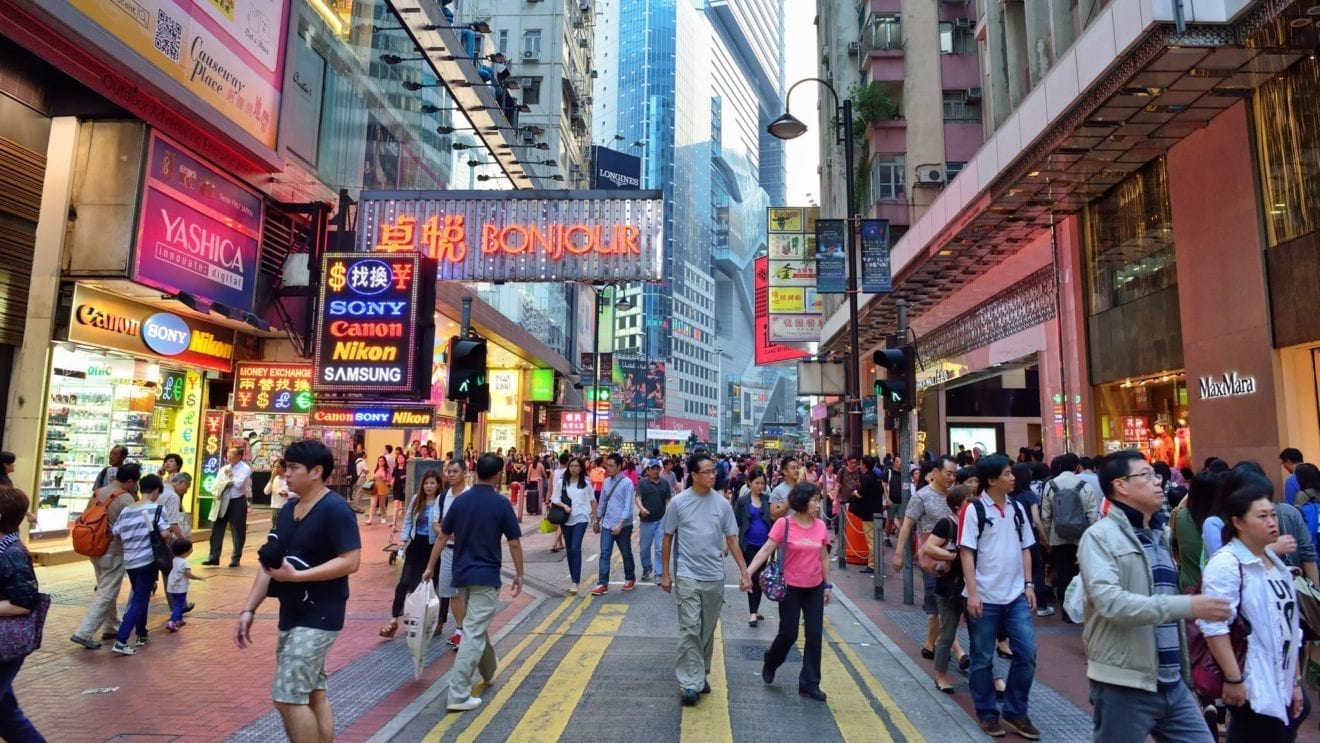
    Retail sales rose 10.5% in May from a year earlier, the fourth consecutive monthly gain, but growth lagged pre-pandemic levels as inbound tourism is virtually non-existent.

    Hong Kong reported two new imported COVID-19 cases on Friday, with no local community infections recorded in over 50 consecutive days.

    The government has urged more people to get vaccinated to pave the way for a reopening and broader based economic recovery. About 35% of the population has received the recommended two doses and 47% have had their first dose.