Tag: asia

  • Hong Kong Sends Bankers Home

    Hong Kong Sends Bankers Home

    Tighter government COVID-19 restrictions from Saturday already prompted UBS and other banks to re-impose workplace limits.

    The Hong Kong government yesterday announced a raft of new COVID-19 restrictions yesterday following a number of untraceable Omnicron variant cases, a step that is already prompting UBS and other banks to ask bankers to resume working from home.

    The government says on its website that the enhanced restrictions will take effect from January 7 and last for 14 days. Group gatherings of more than four people will be prohibited and restaurants will have to close at 6pm.

    All leisure and sports facilities, gyms and bars will be fully closed. It has also suspended all flights from Australia, Canada, France, India, Pakistan, the Philippines, the UK, and the U.S.

    UBS is splitting its 2,500 workforces into groups, with one working from home and the other in the office in an alternate fashion, according to a report, citing an internal memo.

    Employees have also been asked to curtail movement in the office and sharply limit socialization outside their direct teams, the memo indicates. Other banks taking similar steps include HSBC, Bank of America, and Standard Chartered, the news outlet said.

    Others are expected to follow as the restrictions come into effect.

  • Bitcoin Suisse Taps Ex-UBS Banker as CEO

    Bitcoin Suisse Taps Ex-UBS Banker as CEO

    The Swiss crypto broker’s CEO is stepping down after four years. His replacement is an ex-UBS banker well-known for his technology expertise.

    Arthur Vayloyan is stepping down as CEO of Bitcoin Suisse at the end of March, the Zug-based crypto firm said in a statement on Friday. He will be replaced by Dirk Klee, effective April 1. Vayloyan will remain one of five board members of the firm.

    Like Vayloyan, Klee comes from traditional financial services: he was the operating chief of UBS’ flagship wealth unit for five years before in 2018 taking the top job at Barclays for wealth management and investments in the U.K.

    Bitcoin Suisse didn’t provide a specific reason for the CEO change. The news comes one week after co-founder Niklas Nikolajsen relinquished the chair job to Luzius Meisser.

    The nine-year-old firm is coming off a turbulent 2021: it was forced to retreat on a Swiss banking license, after being told by regulator Finma that it hadn’t done enough to root out money laundering. This led Bitcoin Suisse to strengthen its ranks several months later.

    It remains wildly profitable: Niklajsen said Bitcoin Suisse is on its way to nearly doubling last year’s net profit of 24.1 million Swiss francs ($26.1 million), in a social media post last month.

    Klee, a German native, has made a career of innovating traditional financial services: he ran a large part of Blackrock’s exchange-traded funds business in Europe before moving to UBS in 2013.

    There, he was responsible for a $1 billion technology project to unify UBS’ disparate wealth platforms. Most recently, he oversaw the rollout of a digital tool for Barclays’ affluent U.K. clients.

  • Procter & Gamble buys Tula skincare

    Procter & Gamble buys Tula skincare

    Procter & Gamble is buying Tula Skincare for an undisclosed amount. According to industry observers, Tula had sales of $150 million last year. The acquisition is P&G’s third in just two months and underscores the CPG giant’s focus on prestige beauty. In November, P&G purchased Farmacy Beauty. Last month, P&G acquired Ouai, a haircare company.
    The three acquisitions bolster P&G’s existing prestige brand portfolio, which already includes SK-II and First Aid Beauty. Clearly, the maker of Olay is ready to take on competitors like L’Oréal, Estée Lauder , and Unilever in the prestige beauty space.

    Looking for more insights on the dynamic skincare market? Check out Efficacy Challenges and Anti-Aging & Wellness Corner. Our industry experts keep you up-to-date on the latest skincare innovations.

  • Arnott’s reveals this year’s new Tim Tam Deluxe flavours

    Arnott’s reveals this year’s new Tim Tam Deluxe flavours

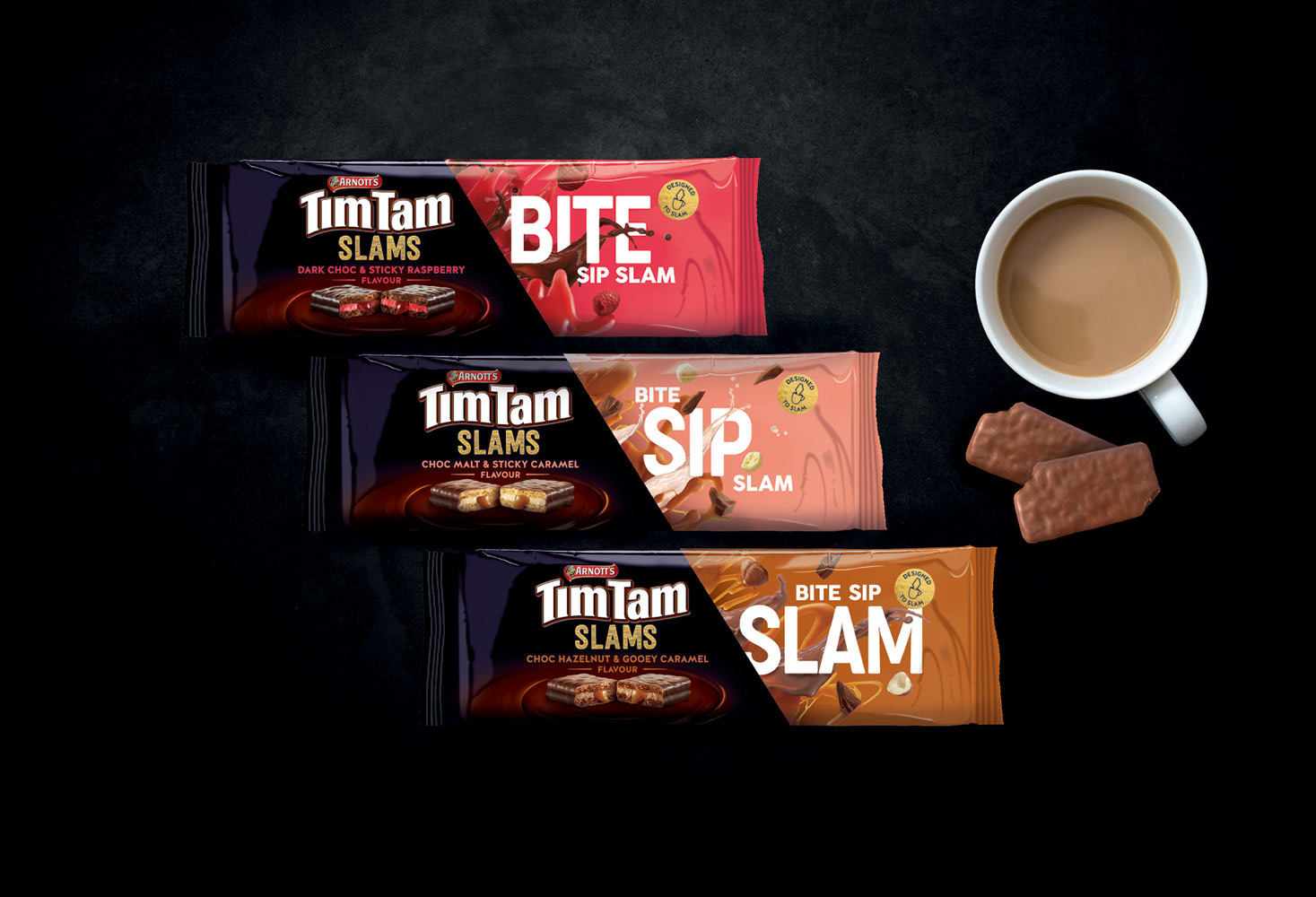
    If your new year’s resolution for 2022 is to eat cleaner, we suggest you hit pause for a couple of weeks because Tim Tam’s new range will be too good to miss. Arnott’s has just revealed that a brand new Tim Tam Deluxe range will be hitting supermarket shelves early next year, and is anticipated to be the most indulgent EVER. Even better, it has given us a teaser by introducing one of its six new flavors… Decadent Triple Choc!

    Tim Tam’s Decadent Triple Choc biscuit is the first of the Tim Tam Deluxe range to be released and, boyyyy is it a goodie. The new bikkie features an irresistible milk chocolate coating, with extra choc covering two crunchy biscuits, sandwiching a velvety choc cream and, wait for it… an EXTRA gooey centre. Did you get through that without salivating? Because we sure didn’t.

    The entire range won’t be revealed in full or on shelves until early 2022, so keep your eyes peeled and your appetites whet.

  • Inside Swarovski’s first Asian flagship store, at Shanghai

    Inside Swarovski’s first Asian flagship store, at Shanghai

    Swarovski has just opened its first Asian flagship store in HK Plaza, Shanghai. On the heels of the brand opening its Instant Wonder pop-up boutiques in 27 key locations around the world earlier this year, the Shanghai flagship will welcome customers into Swarovski’s world on a more permanent basis.

    “Throughout the journey of our transformation, we have been working towards a moment like this,” notes CEO Michele Molon, “The moment where guests can not only explore Swarovski products, but immerse themselves in our point of view, our personality, and the experience of intimately understanding the sense of joy and innovation from which each item is created.”

    As one of the key markets of Swarovski — and luxury as a whole — China, in particular the creative hub of Shanghai, feels like the natural place to open the brand’s first flagship in Asia. And this is no normal flagship. Creative Director Giovanna Engelbert sought to create in Wonderlab a place that transports customers into the imaginative world of Swarovski.

    Rooted in brand codes, colors, packaging, and heritage, the Swarovski Wonderlab does just that. “I am incredibly excited to unveil this beautiful space, inspired by the forward-moving landscape of China and her people. It’s the biggest, most ambitious store we’ve made, centimeter by centimeter thought through and brought into reality,” commented Englebert.

    Ambitious isn’t even half of it. Take in the metallic pink of the Wonder Room with a rotating central display and custom Swarovski Swan chairs or the Lucent stairwell which climbs to the Dream Room. Robotic arms nod to the innovation behind Swarovski’s developing offering, standing in stark contrast to the pastel pinks and mesmerizing crystals that define the rest of Wonderlab. The Swarovski Wonderlab is nothing short of a dreamscape in the heart of Shanghai.

    Swarovski’s Shanghai flagship opened on December 10, so be sure to visit for a taste of the future of retail if you’re in Shanghai.

  • The French data regulator fines Google and Facebook a total of $238 million

    The French data regulator fines Google and Facebook a total of $238 million

    Google and Meta, formerly known as Facebook, must now pay a $238 million combined fine to France. CNIL, France’s data regulator, fined both companies because they violated the EU’s privacy rules. Both tech giants have made it easier for users to accept cookies on their websites, but they have not made it as simple for users to reject the tracking cookies.

    CNIL stated that the sites: facebook.com, google.fr, and youtube.com offer immediate acceptance for tracking cookies only by tapping a button. However, these websites don’t offer a similar button for rejecting the cookies. Instead, they made it more difficult for users to refuse to be tracked by the websites.

    Making it easier to accept cookies than to refuse them, according to the CNIL’s restricted committee, affects the user’s freedom of consent. When a user visits a website, they want to find what they’re looking for as quickly as possible. By making the acceptance of the cookies easier than the refusal, Google and Meta influence the choice of the user in favor of consent.

    CNIL fined Google €150 million ($170 million) and Meta €60 million ($68 million). In addition to the fines, CNIL mandated that Google and Meta provide a way for French users to reject tracking cookies as easily as they would accept them. Both companies were given three months to comply with the mandate. If they do not comply with the order, both companies will have to pay 100 000 euros ($113 000) per day as a penalty.

    In a statement, Google said, “People trust us to respect their right to privacy and keep them safe. We understand our responsibility to protect that trust and are committing to further changes and active work with the CNIL in light of this decision under the ePrivacy Directive.”

    Meta also made a statement according to the CNIL’s decision, saying, “We are reviewing the authority’s decision and remain committed to working with relevant authorities. Our cookie consent controls provide people with greater control over their data, including a new settings menu on Facebook and Instagram where people can revisit and manage their decisions at any time, and we continue to develop and improve these controls.”

    The CNIL, France’s National Commission on Informatics and Liberty, is in charge of ensuring that the data privacy law is followed in the use of personal data in France.

  • An Entire Lamborghini Crafted From LEGO

    An Entire Lamborghini Crafted From LEGO

    The Lamborghini Sian hypercar has created ripples ever since it debuted globally. The huge prices and the exclusivity mean that few people will be able to get their hands on one of these rare beauties! However, in a fun alternative, LEGO Group has collaborated for a unique and engaging activity with Automobili Lamborghini. It has built a life-sized replica version of the fabulous Lamborghini Sian FKP 37 vehicle.

    A 15-member team worked for more than 8,660 hours in development and immaculate construction to build this veritable masterpiece of a LEGO creation! It makes use of more than 400,000 Technic and LEGO elements for its construction. The life-size model has proportions that are absolutely the same as the actual Lamborghini Sian hypercar. Every body panel has been built with the complex bespoke hexagonal LEGO Technic elements which interconnect.

    They also pay a special tribute to the iconic and signature six-sided Lamborghini design and shape. Interiors are also top-class for the LEGO model with signature touches like the brick steering wheel with the Lamborghini logo and the Italian flag as well. LEGO has also built special racing seats and dashboard controls for the replica. 154 unique elements from LEGO, which included 20 molded pieces, were created for building this replica. This indicates the design of the Lamborghini Sian right down to the very last detail and mirrors the dimensions perfectly.

    The replica also gets a neat paint-based finish with a special UV color coated effect and this was put by the paint shop of Lamborghini. The LEGO model for the Lamborghini Sian weighs around 2200 kilograms which is just as heavy as a regular full-sized SUV! Booking the LEGO scale model is even rarer and almost impossible! It may be actually easier to get your hands on the real-life Lamborghini Sian hypercar than getting the LEGO version for home! This is a one-off development for LEGO’s own museum and will not be sold anywhere. All in all, it is certainly one of the most unique things you will ever see in this lifetime at least! LEGO fans will certainly rejoice at the sheer ingenuity and jaw-dropping scale of this latest creation! Now that both the hypercar and its replica are out of reach, why not plan a trip to the LEGO museum instead?

  • Send Read Receipts can’t be turned off in Messages for some users

    Send Read Receipts can’t be turned off in Messages for some users

    It’s sometimes useful to see whether someone has read your message or not but then again some people find this functionality a bit much. And it’s true, waiting to see if your precious message has reached its recipient can encourage obsessive and stalking behavior.

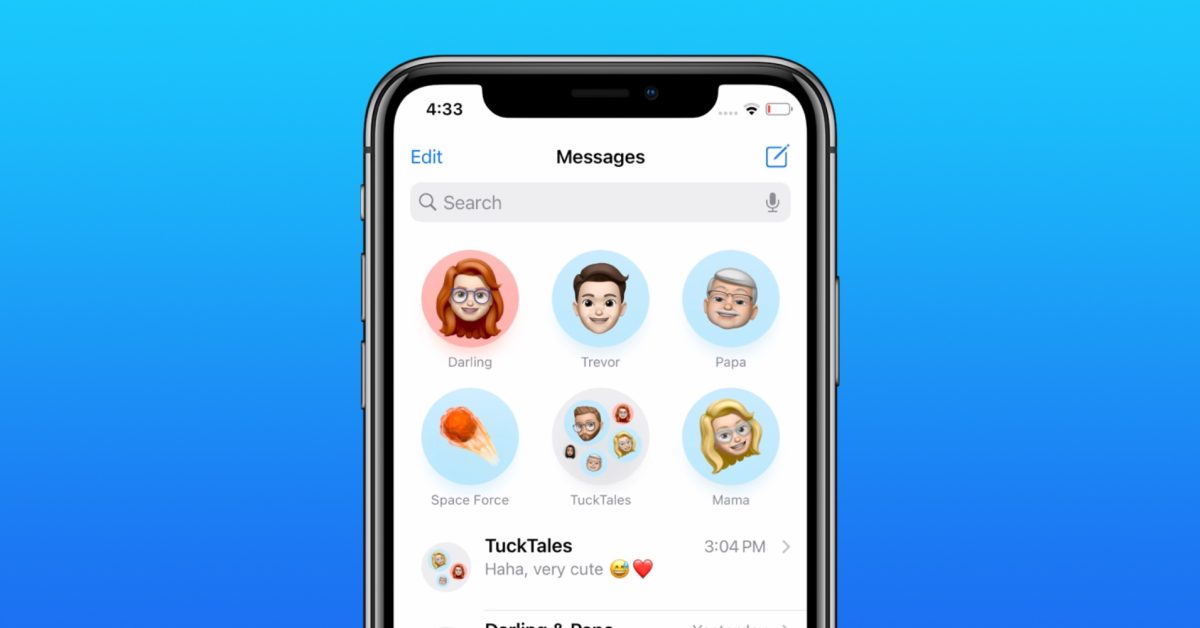
    Now, it seems that a nasty bug is preventing some users from turning this feature off on their iPhones and iPads. Apple offers the option to turn on and off Send Read Receipts in Messages in iOS, iPadOS, and macOS, and if your devices are synced to the same iCloud ID, this feature will be toggled on or off on all of them.

    This can be done by going to Settings > Messages and then toggling the Send Read Receipts switch (iOS and iPadOS), or going to Settings > Preferences > iMessage and checking or unchecking “Send read receipts” for Mac users.

    However, toggling Send Read Receipts on or off does nothing for some users, and people can still see when they read messages. The same issue was present briefly on previous iOS and iPadOS releases but now the problem can be seen in the latest software releases.

    Apparently, there’s no resolution at this time, although there’s a workaround. Some people found that restarting their iPhone or iPad does the trick temporarily. And while we wait for a fix to be released, share your experience with Messages. Can you turn off Send Read Receipts?

  • Spotify starts serving interactive ads to podcast listeners

    Spotify starts serving interactive ads to podcast listeners

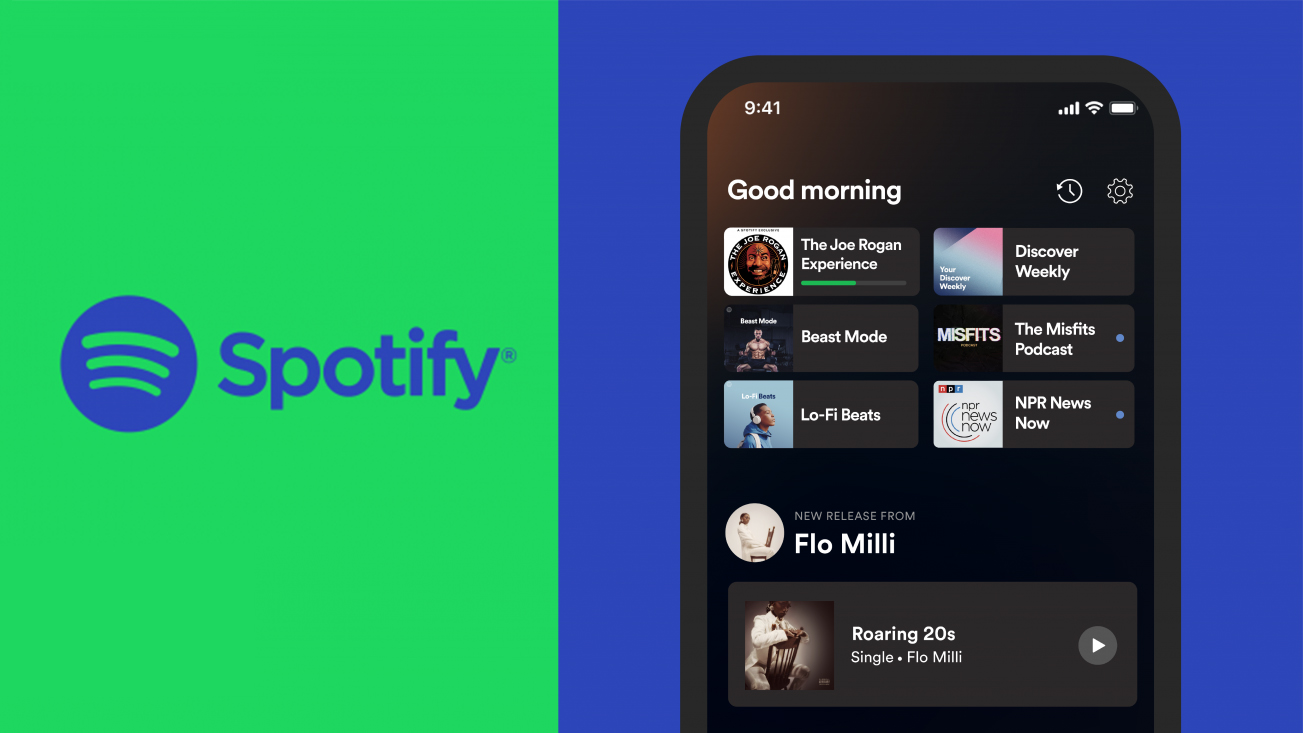
    After investing big in podcasts, Spotify is trying to recoup some of that investment through ads. Starting this week, Spotify users listening to podcasts will be getting interactive ads that the streaming service refers to as CTA cards.

    These CTA cards are “the latest step in Spotify’s vision for the future of audio as an interactive, multi-way experience.” They will appear in the Spotify app when a podcast ad begins playing and will reappear later on while the user explores the Spotify app.

    According to Spotify, its CTA cards are supposed to make it easier for users to directly discover the products and services they’re interested in “without having a hard-to-remember promo code or vanity URL.”

    After running some tests, Spotify claims that advertisers with clickable ads have shown twice as many site visits compared to non-clickable podcast ads. CTA cards will be available across select Spotify Original & Exclusive podcasts in the United States.

  • Top-class Upgrade for Porsche’s Iconic Museum

    Top-class Upgrade for Porsche’s Iconic Museum

    The Porsche Museum at Stuttgart-Zuffenhausen is a big attraction for automobile lovers worldwide.  Porsche has confirmed a stunning new upgrade to this iconic museum with lasting changes. The latest additions to the museum commemorate Porsche’s work in the electric car category that dates back quite a few years. The museum now pays tribute to a lot more than Porsche’s racing models, road cars, and engines.

    A lobby sits at the museum entrance, which is Porsche’s prologue. An escalator goes up to the top, and this is where visitors can journey back into the history of the chequered global brand. The Head of the Porsche Heritage and Museum, Achim Stejskal, has already stated that the prologue has been revamped and upgraded after more than one year of planning, research, and execution. He has also confirmed the installation of several interactive and brand new touchpoints for visitors along with 20+ stations, unique exhibits, and three models which are fully functional.

    The first car here is the oldest surviving car that Ferdinand Porsche worked with. This Egger-Lohner C 2 model dating back to 1898 and is a whopping 123 years old! It has an octagonal electric motor rear-mounted and gets front-axle steering! The very first Porsche was an electric car which is astounding! You will then view the Ferry Porsche and the 356 No 1 Roadster, the first vehicle with the Porsche brand name. Ferdinand Porsche did not limit himself to only electric cars but also designed the first full-hybrid vehicle and wheel hub motors. Curator of the museum, Iris Haker, has also stated that the shift towards hybrid is a critical milestone in the history of Porsche, especially since the iconic founder started not with combustion engines but with electric motors instead. According to him, the wheel hub motor is an innovative exhibit and it also made the motor more steerable as per his opinion.

    The Lohner-Porsche model had a couple of generators paired to gas engines that enabled power supply to the batteries, which drove the wheel hub motors at Porsche. The key objective of this museum remains more awareness about Porsche and its history. Many connoisseurs automatically equate the beginning of the brand with the iconic 911 but it goes back a lot earlier than this model.

  • Android Auto is getting a trusty new companion and a bunch of exciting new features

    Android Auto is getting a trusty new companion and a bunch of exciting new features

    Despite technically skipping this year’s Omicron-infected Consumer Electronics Show, Google absolutely bombarded the tech world yesterday with exciting announcements originally designed for a large Las Vegas audience.

    We could even go so far as to say the search giant had one of its strongest CES presences ever… in its physical absence, unveiling (or rather teasing) a whole bunch of potentially groundbreaking, decidedly life-changing, or simply extremely useful features scheduled to hit every platform from Android to Wear OS, Chrome OS, Google TV, and Windows by the end of 2022.

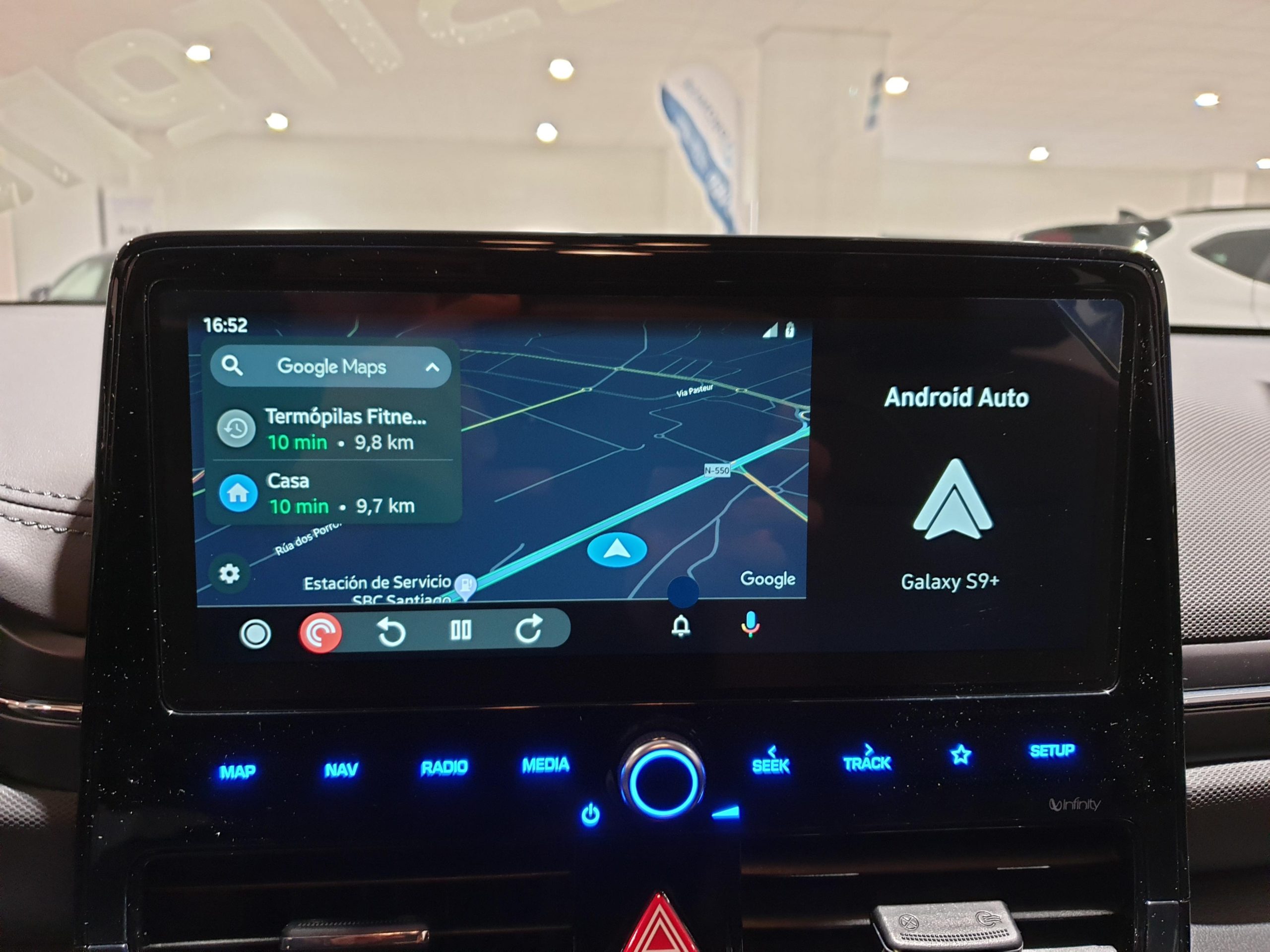
    While we already covered a large part of the company’s bold software plans for this year in fairly extensive detail, several big changes headed to Android Auto managed to escape our radar at first. Arguably the most important thing coming to Big G’s Apple CarPlay rival this very month is actually not developed or manufactured by Google itself, instead hailing from Motorola… licensee SGW Global.

    Although Android Auto can technically facilitate a wireless connection between your (Android 11 and up) phone and your car, the list of vehicles natively supporting the technology remains depressingly short, which means many drivers looking to get valuable assistance (and some much-needed entertainment) behind the wheel have to rely on a good old fashioned USB cable… in 2022.

    Starting January 30, however, you will be able to score a handy and seemingly easy-to-use alternative for this barbaric connection process at just $89.95.

    Enter the Motorola MA1 wireless car adapter, which aims to do exactly what you think and nothing more. Namely, “adapt” your USB-enabled Android Auto vehicle to wirelessly connect to your phone using Bluetooth every time you get into your car.

    Obviously, you will still need to rely on a USB port to activate wireless Android Auto functionality, but you can say goodbye to your trusty cables and maximize the in-vehicle freedom of your handset.

    Just remember to keep your eyes on the road and register your interest in the non-Motorola-made MA1 dongle on the Motorola website to ensure your place at the front of the line. Naturally, it’s unclear how many units that little-known SGW company will manage to manufacture and deliver to early adopters around the world, and you might not want to miss your chance here.

    As for exactly what Google is preparing to deliver on the auto front this year, we should probably kick off our little roundup today with Android Auto’s upcoming Lyft and Kakao Mobility driver apps aiming to make life easier for, well, everybody who uses the two services.

    Then you have a bunch of extremely cool stuff coming (relatively) soon to vehicles with built-in Google technology, starting with “select” Volvo cars. Among other things, those bad boys will allow you to download a multitude of popular apps ranging from Sygic and Flitsmeister to ChargePoint, PlugShare, SpotHero, and ParkWhiz from a special version of the Play Store baked into the infotainment systems of said cars right from the factory.

    Even more… unusually, the same vehicles will be capable of playing YouTube content without you having to lift a finger while also letting you adjust and activate various settings and features like lane keeping assist sans pressing any buttons or doing anything that doesn’t involve your voice.

    Speaking of voice assistance, Google is also partnering with Volvo to make it easy to remotely control your car directly from your smart home. While you obviously won’t be able to drive your vehicle from a distance, your voice will be enough to lock, unlock, warm up, and cool down your car without getting anywhere close to it.

    Pretty much like everything else, these game-changing remote actions are set for a limited launch in the foreseeable future and an expansion to more cars and car brands at some point down the line.


  • TikTok videos coming to screens in gyms, bars, and restaurants

    TikTok videos coming to screens in gyms, bars, and restaurants

    Atmosphere, a streaming TV service for businesses like restaurants and gyms, announced its partnership with TikTok. The new collaboration will bring carefully selected TikTok videos to businesses around the world in the form of a new channel on Atmosphere’s platform.

    Dan Page, TikTok’s Head of Global Business Development and New Screens, said about the new partnership, “By partnering with Atmosphere, we’re excited to make it easy for people to experience TikTok together by bringing the joy and creativity of our platform to new screens, venues, and audiences.”

    Atmosphere’s ad-supported streaming platform provides entertainment content to over 19,000 businesses worldwide. Some of these businesses are restaurants, bars, gyms, and doctors’ offices. Atmosphere also works with Westin, Taco Bell, and Texas Roadhouse, so if you are a customer of these restaurants, you will also be able to watch Atmosphere’s carefully curated TikTok videos during your meal.

    Leo Resig, CEO and co-founder of Atmosphere, said in a statement, “Everyone is constantly on the go and on their phones, so we developed a hyper-entertaining streaming TV platform with Atmosphere, which elevates the vibe of any business. This is a win-win for the business and their customers as well as advertisers, who are having a harder time connecting with an unreachable TV audience. ”

    Atmosphere offers a streaming TV platform for businesses worldwide that has more than 64 TV channels. Atmosphere’s platform gives access to various entertainment content like video compilations, sports, lifestyle, and art. More than 20 million unique visitors every month, according to Atmosphere, watch its TV platform.

  • China Mobile shares rise marginally in Shanghai debut

    China Mobile shares rise marginally in Shanghai debut

    China Mobile Ltd shares debuted on the Shanghai Stock Exchange on Wednesday, soaring to 63 yuan, 9.4% higher than the offer price of 57.58 yuan in early trading, before closing at about 0.52% higher at 57.88 yuan.

    The carrier’s Shanghai shares traded more than 40% higher compared to its Hong Kong-listed shares, which closed 3.33% higher on the same day, boosted by an earlier announcement to buy back up to 2.05 billion shares worth about US$13 billion.

    Raising US$7.64 billion, China Mobile’s public share offering is also China’s largest in a decade.

    China Mobile’s homecoming listing is closely watched. In May 2020, China Mobile exited the New York Stock Exchange when it was added to a growing list of Chinese companies blacklisted by the US. China Telecom and China Unicom were also ousted from the US exchange.

    China Mobile said that proceeds from the offering will be used to expand 5G capabilities, cloud infrastructure, and intelligent ecosystems.

  • Gojek drives car service into Hanoi

    Gojek drives car service into Hanoi

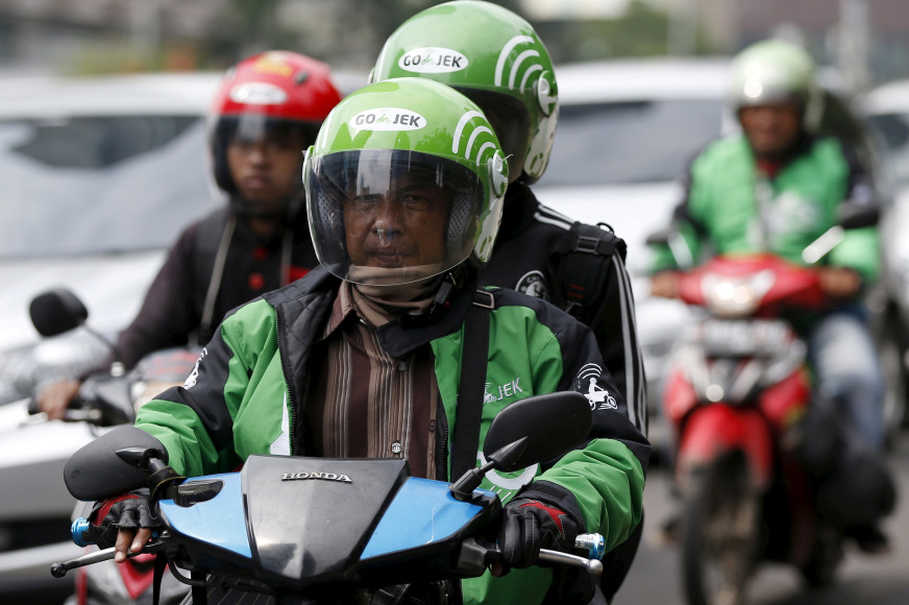
    Ride-haling platform Gojek has launched its GoCar Protect service in Hanoi a month after introducing it in HCMC.

    The Indonesia-headquartered company guarantees that all its drivers have got two doses of Covid-19 vaccines and all cars are equipped with an air purifier and a transparent protective shield to separate drivers and passengers.

    Drivers must take a selfie to prove they have a mask on at the start of the day.

    Gojek Vietnam general manager Duc Phung called the launch in HCMC a success after seeing a “multifold increase” in the number of bookings.

    “The risk of infection continues to be our users’ top concern when considering mobility options,” and that this is why the company continues to adopt stringent safety practices, he said.

    The launch adds a third car ride-hailing option in Hanoi after GrabCar and beCar.

    Gojek, which entered Vietnam in 2018, introduced its car services much later than its competitors, who have been at it for years.

    Ride-hailing and food delivery revenues rose by 35 percent in 2021 to $2.4 billion, according to a report by Google, Temasek and Bain & Company.

  • Google to add spatial audio, auto-switching, and more to Android this year

    Google to add spatial audio, auto-switching, and more to Android this year

    Google is going to be making some changes to Android this year that according to the tech giant in a blog post, will allow the operating system to pick up some audio features that iPhone and AirPods users already have on their devices. This will reportedly be done by updating its Fast Pair technology to allow for auto-switching and spatial audio. The addition of these features and some others are expected to take place in the coming weeks and months.

    Fast Pair is Google’s system for pairing Bluetooth devices together using a pop-up window instead of forcing users to take a deep dive into the settings menu. With Fast Pair, Android users are able to sync their headphones to multiple devices that are under their account. Whereas Apple’s system for quick Bluetooth pairing is complete and works fine, Google still has some work to do on its version.

    Still, over 100 million users have already used Fast Pair in order to connect their Android phones with Bluetooth accessories. Google says that it wants to “extend Fast Pair’s functionality beyond audio connectivity with wearables, headphones, speakers, and cars by extending it to TVs and smart home devices.

    While you can now unlock your Chromebook with your Android phone, Google will bring this feature to paired Wear OS smartwatches allowing those with such a device on their wrist to unlock and access their Android handsets, Android tablets, and Chromebooks.

    What Google wants to do is put a skin on Bluetooth to make it easier for users to manage their Bluetooth devices. Google says that your Bluetooth devices should instinctively know which of them you want to use and when. The company says that it is building technology for Bluetooth-enabled headphones that will enable them to automatically switch the audio to whatever device you’re listening to.

    For example, let’s say you’re streaming the latest episode of Dexter: New Blood (which has topped all expectations, we might add) on your Android tablet using a headphone and a call comes in on your Android phone. With Auto-Switching, the television show will pause and the headphone audio will switch to your Android phone and switch back to the movie when done.

    To reiterate, when the call comes in, the streaming will pause and the audio from the phone call will be heard over the headphones. When the call ends, the streaming video picks up from where it left off and audio the television show will be heard once again over the headphones.

    Google will also offer spatial audio on Android with sound heard over compatible headphones based on users’ head movements. Which streaming music services, headphones, and versions of Android will support spatial audio is not yet clear. With this feature, audio sounds like it is coming from all of the spaces that surround you.

    Auto-switching and spatial audio will be available sometime in the next few months on supported headsets.

    A digital car key will soon allow you to use your Pixel or Samsung handset to open the door and start your compatible BMW car using your phone. And on Android handsets with Ultra Wideband (UWB) technology, you won’t have to take your phone out of your pocket to use it as a car key. In addition, when your friends and family members need to borrow your car,  the key can be shared remotely.

    Google says that it is working to bring digital car keys to more Android phones and vehicles later this year. The company is also working on developing applications for other platforms including a way to connect Android phones to Windows PCs using Fast Pair allowing users to “quickly setup Bluetooth accessories, sync text messages and share files using Nearby Share.”

    Google has partnered with Acer, HP, and Intel to have the aforementioned features available on select PCs sometime later this year.