Tag: asia

  • China’s telecom sector grows 8.1%

    China’s telecom sector grows 8.1%

    China’s telecom sector recorded a strong 8.1% year-on-year growth in the first 11 months of this year.

    According to official figures released by China’s Ministry of Industry and Information Technology, the combined industrial revenue grew by over RMB 1.35 trillion. This represents a decline of 0.1 percentage points for the period from January to October.

    The number of 5G mobile subscribers has reached 497 million by the end of November, representing an increment of 298 million from the end of last year. Of which, China Mobile, China Telecom, China Unicom added over 35 million 5G mobile subscribers in November alone.

    The world’s largest operator in term of subscribers, China Mobile has added a total of 209.38 million 5G subscribers since the start of 2021.

  • Vietnam trade ministry asks China to reopen border gates

    Vietnam trade ministry asks China to reopen border gates

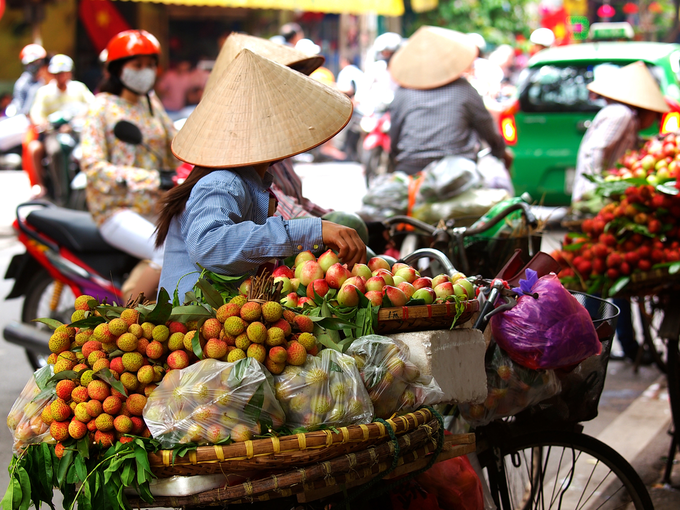
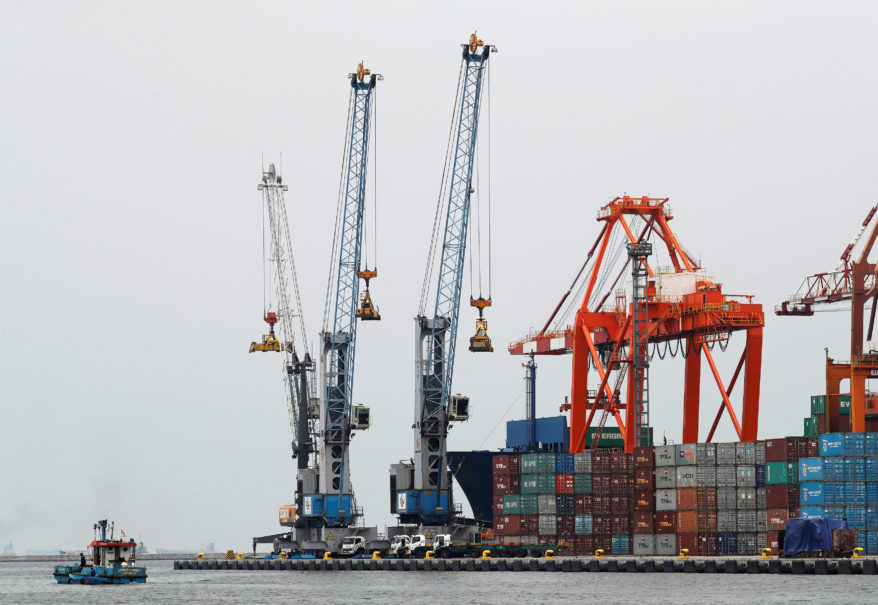
    Vietnam’s Ministry of Industry and Trade has requested China’s Guangxi region to reopen its border gates with Vietnam and extend customs clearance hours to resolve the container congestion.

    Guangxi’s “zero Covid” measures, including shutting the border and suspending the imports of certain fruits, were unnecessary, senior trade ministry officials told Guangxi trade officials Friday. The policy has disrupted the supply chain and caused negative impacts on bilateral trade development, resulting in big losses for businesses and people of both countries, the Vietnamese officials said.

    The ministry proposed that Guangxi recruits more drivers and workers on its side to deal with the staff shortage. It also suggested that fully vaccinated Vietnamese be sent across the border to work. It wants Guangxi to facilitate shipment via trains and ships; as also resume importing Vietnamese dragon fruits.

    Guangxi trade officials said that they would increase the duration of customs clearance based on the agreement between the local authorities of the border gates. They will forward other proposals to higher authorities, Guangxi officials said. Thousands of container trucks have been stuck at the border for over a month after China tightened its Covid-19 preventive measures.

    On Friday 2,945 container trucks were stuck at the border in Vietnam’s Lang Son Province, down 191 from a day earlier.

    Many trucks have had to turn around and distribute their products locally for a loss as the fruits were beginning to rot.

    Of the three major borders gates in Lang Son, two are operating with limited capacity while one is still shut.

    Lang Son authorities estimate that it would take more than a month to resolve the container jam at the current speed.

    Minister of Industry and Trade Nguyen Hong Dien has sent four letters to China’s Ministry of Commerce, China Customs and secretaries of the two localities – GuangXi and Yunnan – requesting the agencies’ intervention in resolving the issues.

  • Amid pandemic, e-commerce reigns supreme

    Amid pandemic, e-commerce reigns supreme

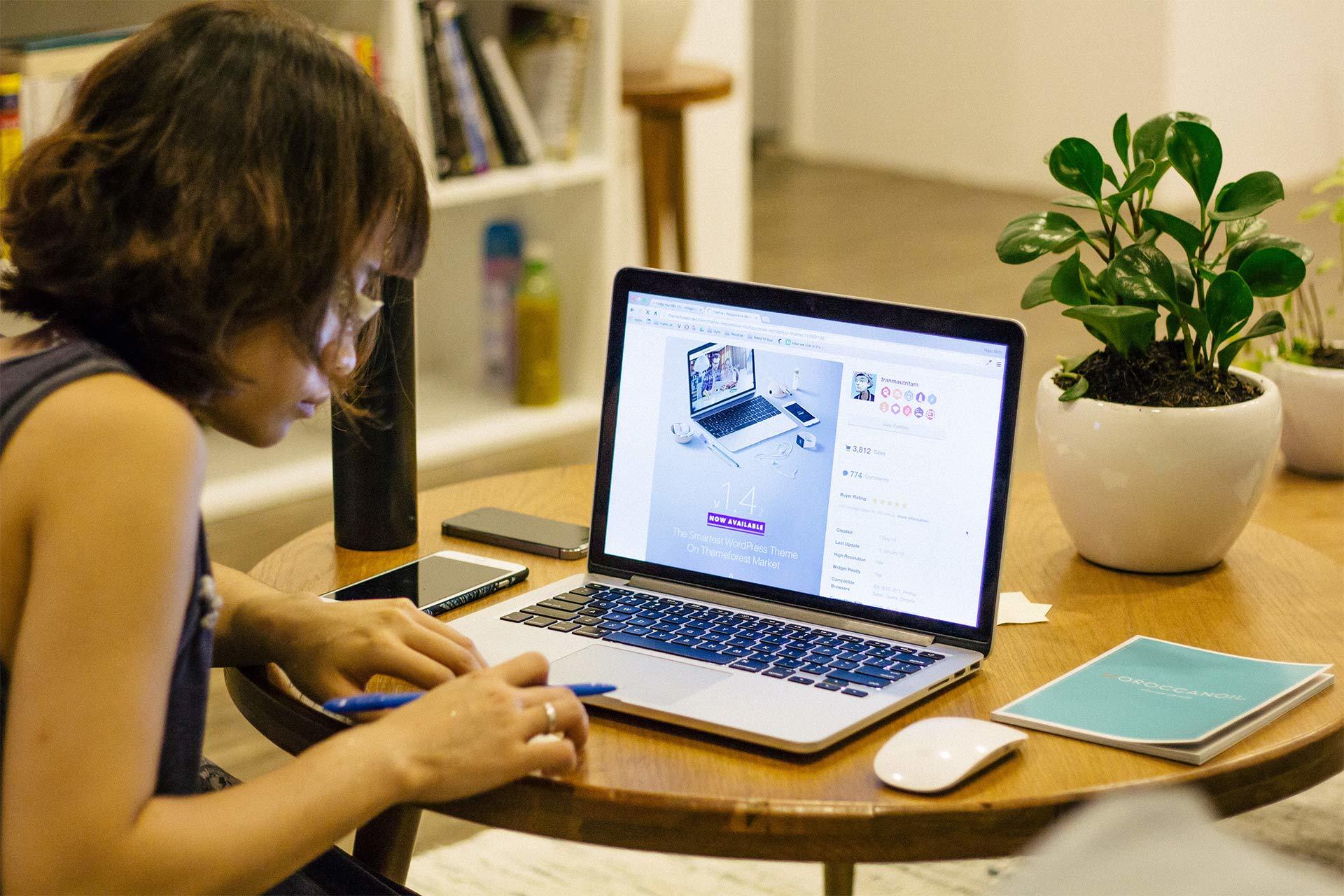
    With Covid-19 forcing people to stay at home and spend time online, e-commerce has been thriving.

    When Tet, the Lunar New Year, was a month and a half away e-commerce platforms had already achieved a strong increase in revenues during their December-12 promotion program. Lazada said sales doubled from the same period in 2020, while the number of sellers was up by 2.5 times. Shopee also reported a strong rise in sales during the event, with most of the orders being for skincare products and house decorative items.

    But Dec. 12 was not the only occasion when e-commerce sites recorded such strong sales: In 2021 they also had major promotions for Oct. 10, Nov. 11, Black Friday, and Cyber Friday.

    Tiki saw sales soar nine times from normal days on Nov. 11.

    According to the ‘e-Conomy Southeast Asia’ report released last November by Google, Temasek and Bain & Co., Vietnam’s Internet economy is expected to grow by 31 percent to $21 billion in 2022.

    Tran Tuan Anh, executive director of Shopee Vietnam, said, “the digital transformation process has been shortened thanks to the pandemic.”

    The report said eight million new digital consumers had been added between the start of the pandemic and the first half of this year, 55 percent of them living in non-metropolitan areas.

    “Stickiness of adoption remains high as digital consumption has become a way of life,” it said, pointing out that 97 percent of new consumers are still using online services and 99 percent said they intend to continue using them in future.

    Some 30 percent of digital sellers believe they cannot make it through the pandemic without digital platforms.

    Lazada Vietnam CEO James Dong said at an event held recently that the pandemic has stimulated millions of new customers to experience online shopping for the first time.

    “E-commerce has really transformed from a side channel to a core part of the growth strategy of brands and sellers”.

    Because of the pandemic, e-commerce sites started to sell food and groceries during the social distancing period.

    According to a study by Malaysia’s iPrice Group last September, online groceries are the only category to achieve steady and consistent growth since the beginning of the pandemic.

    Google searches related to online grocery stores increased by 223 percent in the second quarter of 2021 and 11 times in July compared to May, when stringent social distancing restrictions were in place in some provinces and cities.

    What next?

    iPrice points out three trends in its forecast for Vietnam’s e-commerce market this year.

    The first is the personalization of the shopper experience, with consumers needing e-commerce businesses to help them find the products they need, offer coupons and streamline the supply chain to shorten delivery times and ensure product quality.

    The ‘Personalization Pulse Check’ report in 2018 by Accenture Interactive, an Irish multinational professional services company, had found that 91 percent of consumers were more likely to shop with brands that recognize, remember and provide them with relevant offers and recommendations.

    The second trend is the rise of cashless payments.

    For the first time in 2021 cash payments saw the risk of being dethroned as the most common method of payment in Vietnam after decreasing to only 42 percent of payments from 60 percent in 2020, the ‘Southeast Asia, the Home for Digital Transformation’ report by Facebook and U.S. consulting firm Bain & Company said in November.

    The final trend is that of environment-friendly consumption.

    Consumers have become aware that the products they use not only need to be of good quality but also safe for health and do not leave negative impacts on the environment.

    The report by Facebook and Bain said environmental, social and governance (ESG) factors now count as among the top reasons for consumers to switch brands in Southeast Asia.

    “People are willing to pay more for a product that is sustainably and responsibly sourced, although some product categories are more sensitive to ESG factors than others,” it said.

    According to iPrice, it is hard to predict if sustainability and eco-friendliness will become the main trend in 2022, but it certainly has importance in e-commerce in the future.

  • Vietnam set for robust rebound in 2022

    Vietnam set for robust rebound in 2022

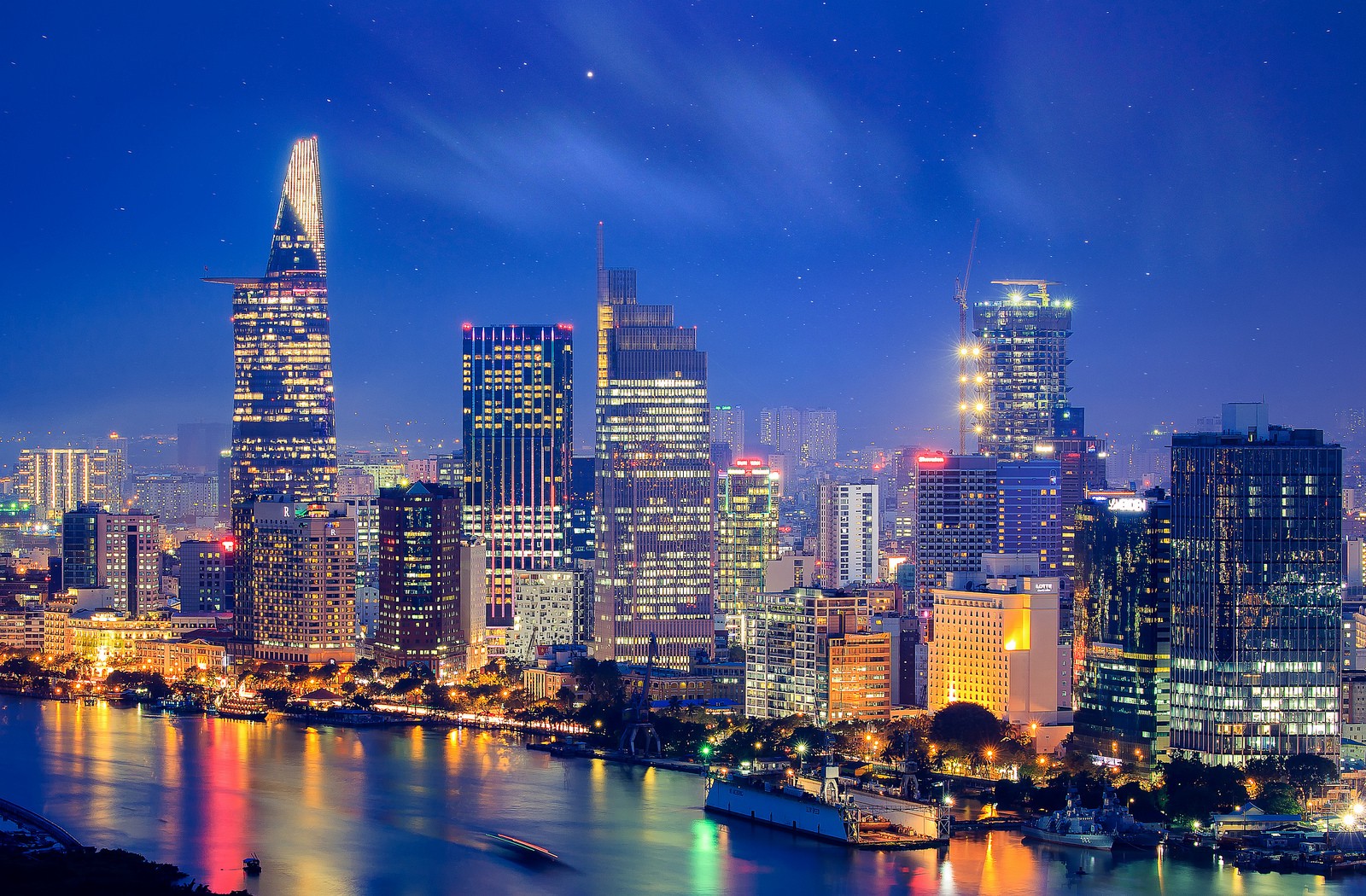
    Organizations have pegged Vietnam’s GDP growth at 6.5-7.5 percent in 2022, citing solid recovery potentials in manufacturing and domestic demand.

    The World Bank has forecasted Vietnam’s growth at 6.5-7 percent from 2022 onward as it expects a sustained global recovery will ensure strong demand for Vietnamese products in its main export markets of the U.S, the E.U. and China.

    “The rebound will also be supported by the vaccination of at least 70 percent of the adult population by mid-2022, preventing severe new outbreaks,” it said in a report.

    Vietnam has achieved this vaccination target by the end of 2021 and is focused on giving the booster shot to deal with the new Omicron variant.

    The World Bank also announced this week it would finance a $221.5 million loan to support Vietnam’s recovery from the pandemic, with a focus on several policy reforms, including easing tax burden on businesses and improving access to financial assistance among vulnerable groups.

    The Asian Development Bank (ADB) pegs Vietnam’s growth at 6.5 percent in 2022, driven by expanding vaccination coverage and other factors, while brokerage VNDirect has an even more optimistic growth forecast at 7.5 percent.

    The brokerage sees growth-driven manufacturing and exports regaining momentum, strong foreign direct investment, and increased domestic demand triggered by stimulus packages.

    One of the key supporting factors for growth is that the country will likely achieve its target to fully vaccinate 70 percent of the population this year, it said.

    Services are likely to recover with the resumption of tourism and entertainment in the second quarter if the Covid-19 situation remains under control.

    Revenue from retail and services therefore could grow 10-12 percent in 2022.

    Several companies are drawing up roadmaps to boost recovery.

    The Thanh Cong Textile Garment Company plans to increase its number of employees by 20 percent as it has secured several major orders that will ensure jobs for the first half of the year.

    “In addition to the main export markets like Asia and America, we plan to expand to more European and African countries this year,” said deputy general director Tran Nhu Tung.

    Phan Phuc Son, deputy director of the Saigon – Ha Long Hotel Tourism Jsc in the northern province of Quang Ninh, is hopeful that the tourism industry will rebound this year.

    “Quang Ninh Province is expected to welcome the first international tourist group in January 2022, giving us more of recovery.”

    The hotel is working with state agencies as well as businesses in the Quang Ninh Tourism Association to establish a “green corridor” for package tours, meeting the needs of international guests coming to Vietnam.

    Targets achievable

    2021 was another challenging year for Vietnam as the Delta variant forcing many economic activities to shut down in the third quarter.

    GDP growth dropped for the second year in a row to 2.58 percent.

    But the National Assembly expects growth to rebound in 2022 and has set a target of 6-6.5 percent for the year.

    Tran Hoang Ngan, head of the Ho Chi Minh City Institute for Development Studies, said that the growth target is feasible and actual rate could even exceed it thanks to the recovery of major export markets such as the U.S. and Europe, and the many free trade agreements Vietnam has signed, including 14 that have taken effect.

    To ensure growth, the government needs to focus on disbursing VND526 trillion ($23.25 billion) worth of public investment, which is “both an opportunity and a challenge,” he said.

    Other experts said that the size of the stimulus package will determine how fast and effective economic recovery will be.

    “Without special support programs, without fiscal and monetary stimulus packages, Vietnam will miss opportunities, be left behind, and not realize its five-year economic development targets,” said economist Can Van Luc.

    Bui Quang Tuan, director of the Vietnam Institute of Economics, said that overall economic recovery program, to be implemented from 2022 to 2023, could amount to some VND666 trillion, or 8 percent of the 2020 GDP.

    The aid package needs to be large and strong enough to support both supply and demand, and growth-supporting solutions should be associated with digital transformation and green growth, he said.

    The scale of the stimulus package is set to be decided at an eight-day extraordinary session of the National Assembly in January.

    The World Bank has advised the government to improve the implementation of its cash relief programs to reach more households, informal workers, and those unregistered in existing social assistance registries who have been affected.

    Cash support should last for several months instead of a one-time transfer, it has said

    Obstacles remain

    But some lawmakers have expressed concerns that the public debt ratio could rise as the government plans stimulus packages, posing financial risks.

    The estimated public debt ratio of 44 percent of GDP this year looks low, but this has come about after adjusting some data, which caused GDP to increase by VND1,000 trillion, said Nguyen Huu Toan, deputy chairman of the National Assembly’s Finance and Budget Committee.

    “The ratio looks low but it is actually a matter of serious concern.”

    Another concern is inflation, which is set to be very high in 2022, said Nguyen Thi Huong, head of the General Statistics Office.

    As Covid-19 is expected to remain under control, demand for manufacturing and consumption will rise, and so will prices of materials, fuels and transportation, she said.

    Other factors that will push up inflation are rising prices of animal feed, construction and education, she added.

    Although Vietnam’s inflation hit a six-year low of 1.84 percent in 2021, the ADB has forecast it could reach 3.8 percent next year on the volatility of global price movements and pressure coming from a weaker dong against the U.S. dollar if capital outflows happen due to a more front-loaded response of advanced economies to curb inflation.

    Regardless of these challenges, CEO of HSBC Vietnam Tim Evans has expressed optimism that the country will reach new heights in 2022.

    “So as 2021 draws to a close, it is time to take a deep breath, believe that the worst is really behind us this time and that Vietnam will resume its economic cadence from 2019,” he said.

    HSBC forecasts that growth will hit 6.8 percent, driven by a return to strong FDI investment with a clear focus on the manufacturing sector which should further drive the Vietnamese export sector.

    Continued middle class growth and the rising affluent sector in particular will further drive the consumer story in Vietnam, which will lead changes in consumption as Vietnamese start spending more and more on leisure and travel, he added.
  • Understaffed businesses need 300,000 plus workers in HCMC

    Understaffed businesses need 300,000 plus workers in HCMC

    Facing labor shortages, businesses and factories in HCMC need around 310,000 workers this year should Covid be controlled.

    According to a recent survey by the HCMC Center of Forecasting Manpower Needs and Labor Market Information (Falmi), the city’s labor market faces two scenarios depending on future Covid development.

    If Covid-19 is brought under control, businesses need to recruit 280,000-310,000 workers. The demand for human resources in the first quarter would be nearly 87,000, second quarter over 72,000, third quarter 74,000, and fourth quarter, 77,000.

    Should the pandemic situation remain complex, the city’s labor demand would be about 255,000-280,000 staff. The highest would be in the first three months of the year at over 78,000.

    The trade and service sector has shown the sharpest increase in recruitment demand this year, accounting for nearly 66 percent and including commerce, transportation and warehousing, accommodation, catering and others.

    Recruitment demand for the industry and construction group accounts for over 33 percent, including mechanical engineering, electronics production, food processing, beverage, and pharmaceuticals.

    The report found up to 86 percent of recruitment demand does not require workers to have a college degree.

    Regarding market response, Falmi stated that on average, the city produces about 500,000 students and graduates each year, including from university, college, intermediate, elementary and vocational training levels.

    Therefore, it is expected the city’s labor force would meet recruitment demand among enterprises this year.

    The agency noted that this year the city’s labor force would reach nearly 5 million employees, of which more than 3 million work in enterprises and factories.

    Last year, according to a Falmi survey, nearly 65,000 businesses across HCMC had to recruit more than 174,000 workers, though the number of job seekers was only around 135,000.

  • How to Choose a Sports Car?

    How to Choose a Sports Car?

    Sports cars have always been and still are the object of lust of a true car enthusiast, regardless of his nationality, age, and financial situation. Beautiful, powerful, and high-speed cars look extremely spectacular on the screens and on the glossy pages. But how practical are they in real life?

    Is it worth buying such a masterpiece of design, if you have the necessary sum in your pocket, or is it better to spend them on more practical SUVs?

    General information about sports cars

    It is known that a sports car can provide fast driving, and it is worth noting that the concept “sports car” covers quite a large set of the most effective qualities of cars in general. But there are fundamental differences between sports cars and “ordinary mortal” passenger cars. Here are these differences:

    • An extremely powerful engine, giving you the ability to develop high speed immediately after starting;

    • a typical sports car has just two doors;

    • low landing; a light body, the weight of which is much less than in conventional cars.

    It must be said, however, that today’s market has advanced so much that these attributes are not always respected today. Some famous companies already make sports cars with four doors.

    Manufacturers producing sports cars can be divided into three categories:

    • The first category includes those concerns that produce sports cars in the most sought-after price range. These firms produce sports cars in limited numbers: Bugatti, Pagani, AC Cobra, MG.

    • The second category includes manufacturers who are exclusively engaged in the production of sports cars and racing cars: Alfa Romeo, Ferrari, Porsche, Jaguar, Martin, McLaren, Maserati.

    • And the third category is those manufacturers who produce both sports and simple cars. These are world-famous Mazda, Nissan, BMW, Bentley, Mercedes-Benz, Nissan, and others.

    How to choose a worthy sports car and not to make a mistake

    If you decide to buy a sports car, you should, first of all, get rid of a very common false public opinion: sports cars and sports racing cars are not the same.

    Sports cars are mass-produced for sale to the public, so they require state registration. And, like any other car, it is possible to carry passengers in the sports car. Although there is a popular opinion, that the car is not a luxury, a means of transport, this truth almost does not apply to the sports car. The matter is that the automobile is really luxurious because it indicates refined taste, a certain style of life, and the high financial position of its owner.

    A sports car is a rather expensive purchase, and in order not to make up your mind, you should thoroughly analyze to what extent you need exactly such a car, and what you would like to expect from it. These are quite serious issues that need to be addressed. In this respect, your expectations may not be met because real sports cars have much less comfort compared to conventional cars. So the main advice in our article will be to get used to the character of sports cars. To rent a car sports will be a great solution to this issue.

    Conclusion

    At the end of the article, I would like to add that everything depends only on your preferences. The final decision in the choice of a sports car, in any case, remains for you. And in this case, we would like to hope that our small review will be useful to you. We wish you a successful choice and a safe road!


  • Retail News Asia Wishes you a Fantastic 2022

    Retail News Asia Wishes you a Fantastic 2022

    Wishing you a very joyful New Year despite these difficult times. We really wish things were different and that we could visit you! We hope that the new year brings your family much happiness and prosperity, and that in time the world will be a safe place again. Take care of yourselves and see you online soon!

    The entire Retail News Asia team wishes you, your family and friends all the best.

  • Inmarsat successfully launched new commercial communications satellite

    Inmarsat successfully launched new commercial communications satellite

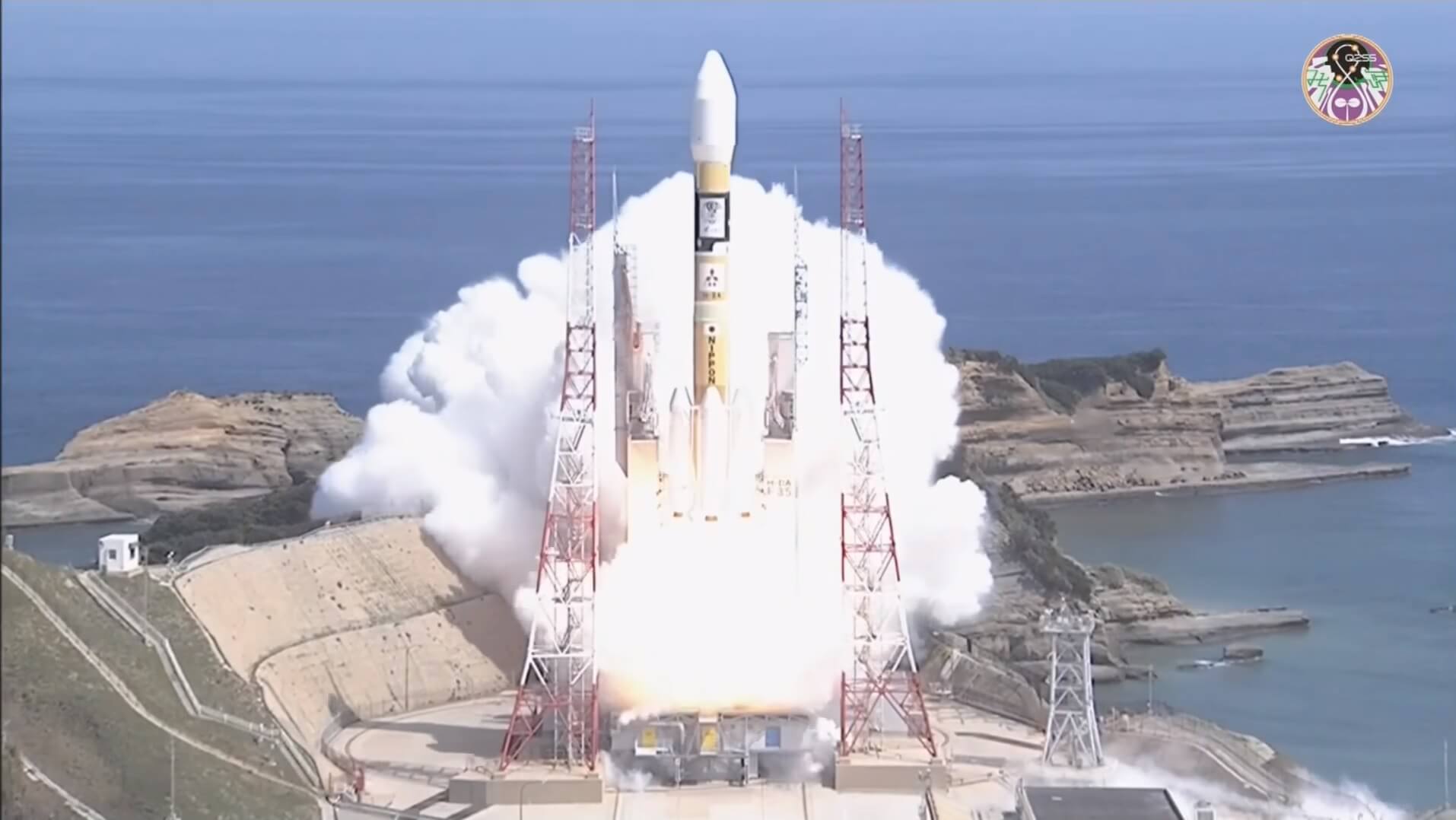
    Inmarsat has successfully launched its first Inmarsat-6 satellite, I-6 F1, by Mitsubishi Heavy Industries (MHI) from the JAXA Tanegashima Space Center in Japan.

    The Inmarsat-6s (I-6) are Inmarsat’s first-ever hybrid L- and Ka-band satellites, incorporating increased capacity and new technological advances for ELERA’s transformational L-band services alongside additional Global Xpress (GX) high-speed broadband capacity. Adding to an existing global fleet of 14 geostationary satellites they extend Inmarsat’s commitment to mission-critical services while enabling a new generation of pioneering technologies to connect and sustain the world.

    This launch is the first of seven planned for Inmarsat by 2024 in the company’s fully-funded technology roadmap. Launch success was confirmed by MHI at 15:59 UK time on 22 December following satellite separation from the H-IIA launch vehicle, with successful signal acquisition soon afterward.

    The most sophisticated commercial communications satellite ever launched, I-6 F1 is comparable in size to a London double-decker bus, with a deployed solar arrays ‘wingspan’ similar to a Boeing 767 and a 9 meter wide L-band reflector that will be deployed over the coming days. The satellite will then be raised to geostationary orbit (GEO) approximately 36,000km (~22,500 miles) above the Earth via its all-electric propulsion system and then undergo a thorough and extensive testing program. I-6 F1 will enter service in 2023. Ground stations in Western Australia will support I-6 F1.

    Rajeev Suri, CEO of Inmarsat, said, “This launch marks Inmarsat’s newest technological leap forward as we maintain our strong commercial momentum and sector leadership. It gives me great pleasure and pride to confirm the successful launch of I-6 F1. This satellite extends our world-leading mobile satellite communications services for our customers and partners, especially in the Indo Pacific region. My warmest thanks and congratulations go to the Inmarsat team that delivered flawlessly on this project as well as our launch provider Mitsubishi Heavy Industries and our satellite manufacturing partner Airbus Defence and Space.”

    The I-6 satellites demonstrate Inmarsat’s ongoing investment and commitment to its global leadership in L-band satellite services to 2040 and beyond for the benefit of mobility customers worldwide. They deliver an enhanced platform for those looking to embrace the next wave of world-changing technologies that ELERA enables, including the rapidly growing Industrial Internet of Things (Industrial IoT) satellite connectivity market segment, by providing dramatically increased network capacity and resilience.

    These new capabilities from the I-6s mean greater capacity and coverage, greater speeds and a greater portfolio of innovative connectivity solutions for ELERA and Global Xpress (GX) networks. The I-6 satellites, like all Inmarsat ELERA and GX spacecraft, are backward-compatible with existing terminals, ensuring that current and future customers will continue to benefit from new advances.

    The I-6s also substantially increase the effective capacity of the network available to ELERA customers with double the beams, 50% more spectrum per beam and double the power of the I-4s, matching customer demand as and where it is needed. They also add further depth in Inmarsat’s global coverage for even greater assurance to customers of the redundancy and resilience of Inmarsat’s L-band network.

  • Young Vietnamese look to cryptocurrencies to get rich quick

    Young Vietnamese look to cryptocurrencies to get rich quick

    Cryptocurrencies are becoming a new investment favorite in the country, but many are learning what goes up rapidly could come down at the same speed. This year Minh Quan of Hanoi started to study the cryptocurrency market for the first time after a friend urged him to invest in it. The real estate broker started with a $1,000 investment in a startup he barely knew.

    “I invested because the founders have good physiognomy,” he says.

    The startup picked up and the founders were able to secure funding from foreign funds, and Quan’s investment appreciated five-fold within a month.

    Young Vietnamese like Quan are becoming increasingly interested in cryptocurrencies, hoping to get rich quick despite a lack of legal support for them and high risk.

    Vietnam is among the top 15 countries in the world by number of cryptocurrency investors, with most being under 35 years old, Lynn Hoang, Vietnam country director for trading platform Binance, said.

    Though the government does not recognize Bitcoin and other cryptocurrencies, it still led globally in cryptocurrency adoption with 41 percent of respondents claiming to have bought Bitcoin and others, according to a survey in August by U.S. financial consultancy Finder.

    Minh Anh, who is in his 20s, has found that while predicting the market is nearly impossible, a thoughtful and safe investment strategy could help him navigate the cryptocurrency world.

    He only invests a small amount in it and only in cryptocurrencies managed by experienced people, he says.

    “I only invest 25 percent of my total assets into crypto. After placing an order I turn off the app to not be distracted by the volatility”.

    This year he made profits of hundreds of millions of dong (VND100 million = $4,380).

    But with great profit potential come great risks.

    With bank deposit interest rates sharply down, Hanh, a bank teller, withdrew money from stocks to invest in cryptocurrency futures, which allow investors to predict the market future and bet on it.

    However, lacking sufficient knowledge of the market, she lost all her money and decided to stop investing in futures altogether.

    Le Trong and his wife invested all their savings into cryptocurrencies in 2017 when the market was booming. They even borrowed to invest.

    But then the market fell, hurling them into a crisis as debt collectors began to call constantly. Trong’s wife went into a depression, and it took the couple several years to repay their debts.

    “I’ll never get involved with crypto again,” he says.

    Lynn Hoang of Binance says the two basic rules for cryptocurrency investment are knowing how to protect your investment and not using leverage.

    New investors should opt for cryptos with a large market cap, she says, likening it to buying blue chips in the stock market.

    Whether one’s strategy is to invest for the long term or short term, it is important not to be greedy, she warns.

    Thuong, an investor in Hanoi, has learned that lesson.

    When Bitcoin dropped to around $54,000 on December 4, she poured most of her savings into it, thinking she had found the bottom.

    But the fall continued down to $43,000, and, without cash, she has been unable to buy more to average the price.

    “Controlling your greed sounds easy, but it is not,” she says.

  • Apple may enable iPhones and iPads to charge accessories through their screens

    Apple may enable iPhones and iPads to charge accessories through their screens

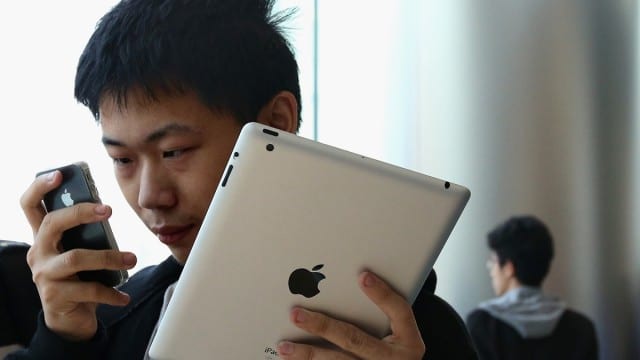
    A new Apple patent, published by the US Patent & Trademark Office, may enable iPhones to charge accessories through their screen glass.

    According to the patent drawings, wireless charging may be functional on one section of the screen while the other stays usable. However, it is unknown whether the charging area of the screen would display anything while the accessories are being charged. The applicable accessories must also support wireless charging in order to charge through the wireless charging screen.

    The “Through-Display Wireless Charging” patent may only support accessory charging. So, if Apple incorporates this patent into its iPhones and iPads, they may be able to charge such as earphones, smartwatches, or styluses, for example through their screens, rather than other smart devices.

    The wireless charging screen may be especially useful when using the Apple Pencil. When a user finishes working with the Apple Pencil, they may simply place the pencil on the screen of their iPhone or iPad to begin charging it.

    Currently, you can charge your second-generation Apple Pencil wirelessly, but in order to do that, you need to attach it to the right side of your iPad.

  • Thanks to Cook’s secret payment to China, Taiwan’s Foxconn lost some of its iPhone business

    Thanks to Cook’s secret payment to China, Taiwan’s Foxconn lost some of its iPhone business

    Earlier this month we told you that Apple and the Chinese government signed a secret deal valued at $275 billion. Apple reportedly made the payment to prevent the Communist Chinese government from taking regulatory actions against the company. And as we noted in our story about the payment, Apple is now receiving favored treatment in the country.

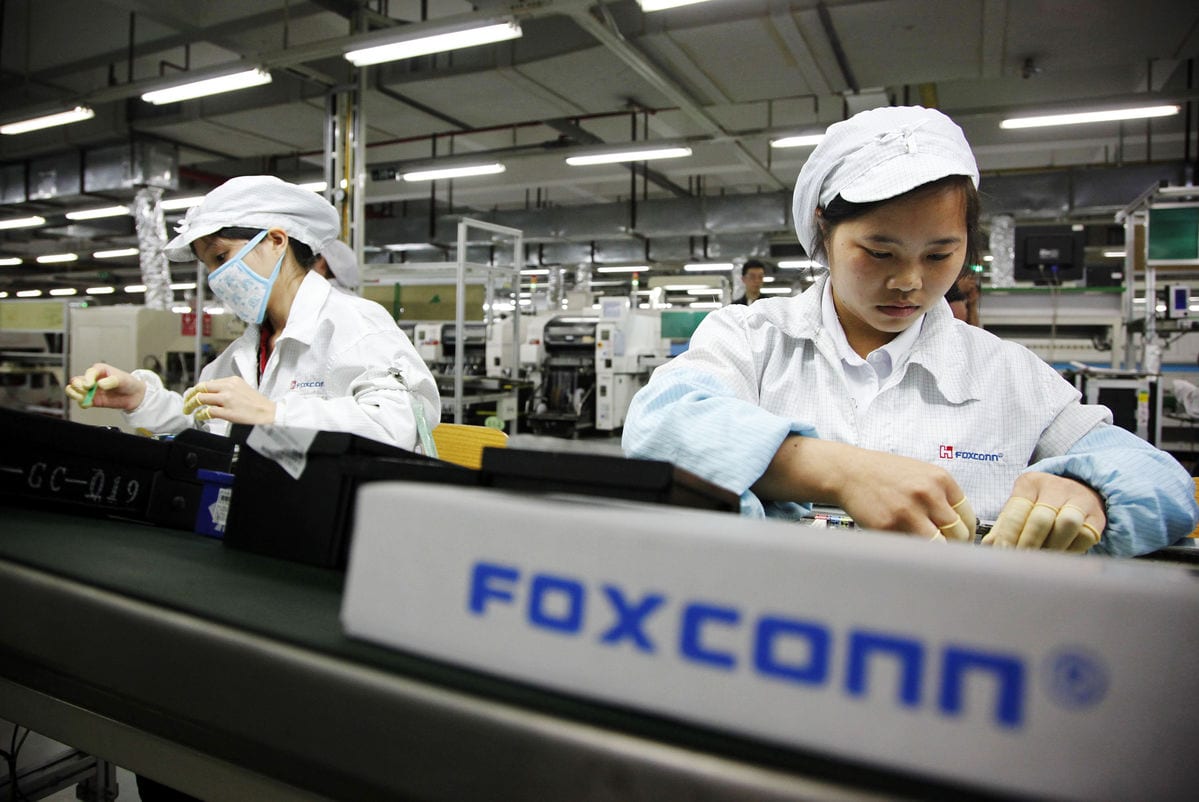
    According to The Information, since the deal was made, Apple has turned to more supply chain partners from China in order to keep up the end of the deal it made with the country. For example, a year after the $275 billion deal was made, Apple had China’s Luxshare assemble AirPods and it has pulled orders from long-time iPhone assembler Foxconn and gave them to Luxshare. The report notes that Apple’s deal with Luxshare raises the latter’s status placing it among Apple suppliers who assemble a finished product and also handle the packaging.

    With Luxshare’s star on the rise, Foxconn is understandably getting nervous about the possibility of losing Apple’s business. So, it has assembled a team to study the company which we told you about over two years ago.

    Over the last 10 years, Apple has been sending its engineers to work with Chinese companies to help them learn how to build its products. Apple is acutely aware that it needs to maintain a certain reputation in China, especially since the country is responsible for 20% of its business. It also is the largest market in the world for smartphones followed by India and the U.S.

    In a way, replacing Foxconn with Luxshare for iPhone production is a risky move by Apple since U.S.-Chinese trade relations remain volatile and you never know when the Commerce Department might decide to punish more companies in the country outside of Huawei. Currently, Luxshare manufactures some iPhone 13 models, AirPods, and the Apple Watch.

    If there is one country that Apple is heavily relying on, it is Taiwan. In addition to having Taiwan-based firms like Foxconn, Wistron, and Pegatron build its important devices, Apple is the largest customer of Taiwan Semiconductor Manufacturing Company (TSMC), the foundry that builds the chips used in Apple products. There is some concern that China might seek to “takeover” Taiwan.

    But does Apple have anything to worry about here? After all, $275 billion goes a long way and that payment seems to have provided Apple with special favors and could protect the company even in the unlikely event that China attempts to take control of Taiwan and the country’s tech manufacturers.

    When the deal with China was made, Apple CEO Cook signed a 1,250-word “memorandum of understanding” between Apple and a Chinese government agency called the National Development and Reform Commission. Apple received some exemptions from regulations in the country while it helped the Chinese develop “the most advanced manufacturing technologies.”

    Apple also agreed to use more components from Chinese suppliers, sign deals with software firms in the country, make direct investments in Chinese tech companies, work on research with universities based in China, train the country’s most talented tech workers, and more. And this is where Luxshare comes in. As far back as October 2020, Beijing felt that Luxshare was an up-and-coming company that could help China’s standing in the global tech industry and it wanted Apple to help prop up the firm.

    At the time that Reuters made its report in 2020, one of its sources said, “Luxshare is set to rise … it’s just a matter of how fast it could be. It makes sense for China to build up its own supply chain and Luxshare is in line with that state policy.”

  • Financial Times Names Elon Musk As Its ‘Person Of The Year’

    Financial Times Names Elon Musk As Its ‘Person Of The Year’

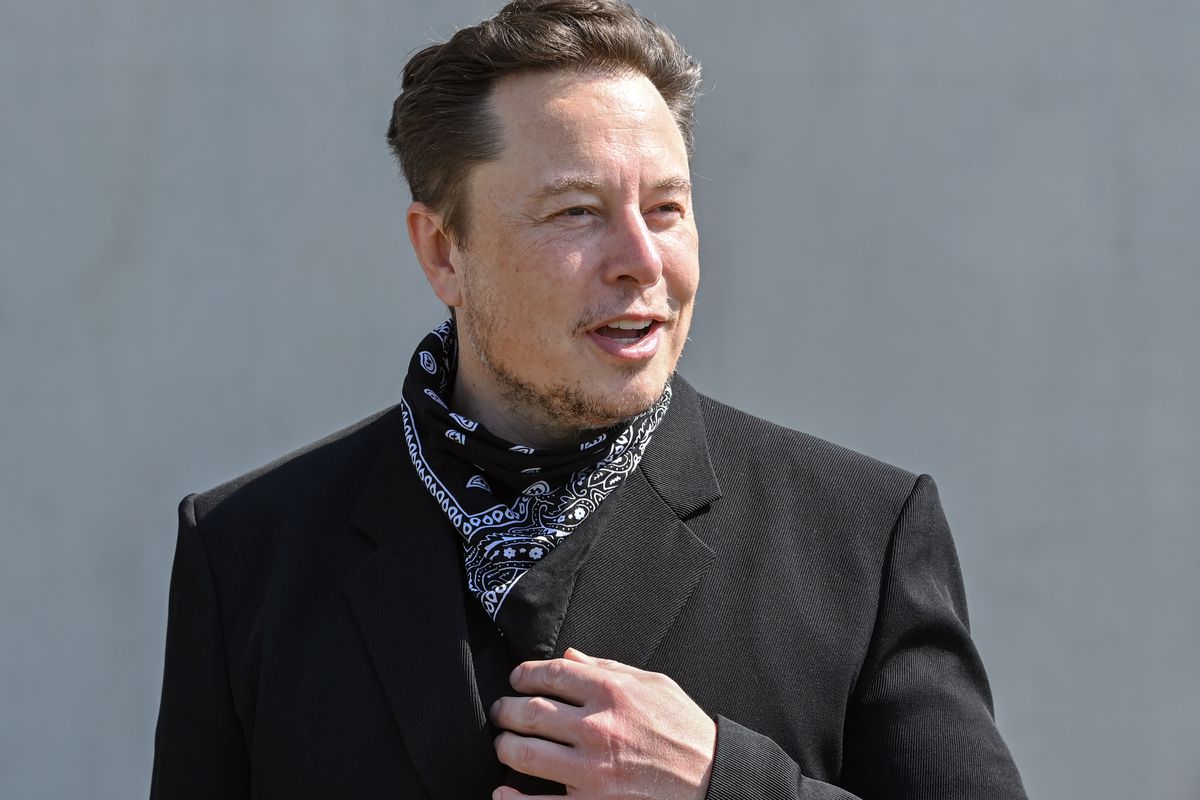
    The Financial Times newspaper has followed the Time magazine in naming Elon Musk, the chief of Tesla Inc, as its “person of the year”, commending him for the work done in transforming the electric vehicle industry. Tesla, the global EV leader, has pushed many young consumers and legacy automakers to shift focus to electric vehicles. In a column, the FT’s editor, Roula Khalaf, credited Musk for demonstrating that EVs could replace cars fueled by gasoline, and called him a revolutionary in the industry.

    “For a long time, the rest of the auto industry was basically calling Tesla and me fools and frauds,” the newspaper quoted Musk as saying in an interview. “They were saying electric cars wouldn’t work, you can’t achieve the range and performance. And even if you did that, nobody would buy them.”

    Musk is the world’s richest person and his company Tesla is worth about $1 trillion, making it more valuable than automakers Ford Motor and General Motors combined. Over the last few weeks, Musk has sold nearly $13 billion worth of Tesla shares.

    U.S. Senate Democrats have demanded that stocks and tradeable assets of billionaires be taxed as majority of their wealth lies there.

    Earlier this week, Democratic U.S. Senator Elizabeth Warren took to Twitter to say that Musk should pay taxes and stop “freeloading off everyone else” after Time magazine named him its “person of the year”.

    “And if you opened your eyes for 2 seconds, you would realize I will pay more taxes than any American in history this year,” Musk responded.

    From hosting NBC sketch comedy show “Saturday Night Live” to dropping tweets on cryptocurrencies and meme stocks that have triggered massive movements in their value, Musk has dominated the headlines and amassed over 66 million followers on Twitter.

  • Exynos 2200 finally has a reveal date

    Exynos 2200 finally has a reveal date

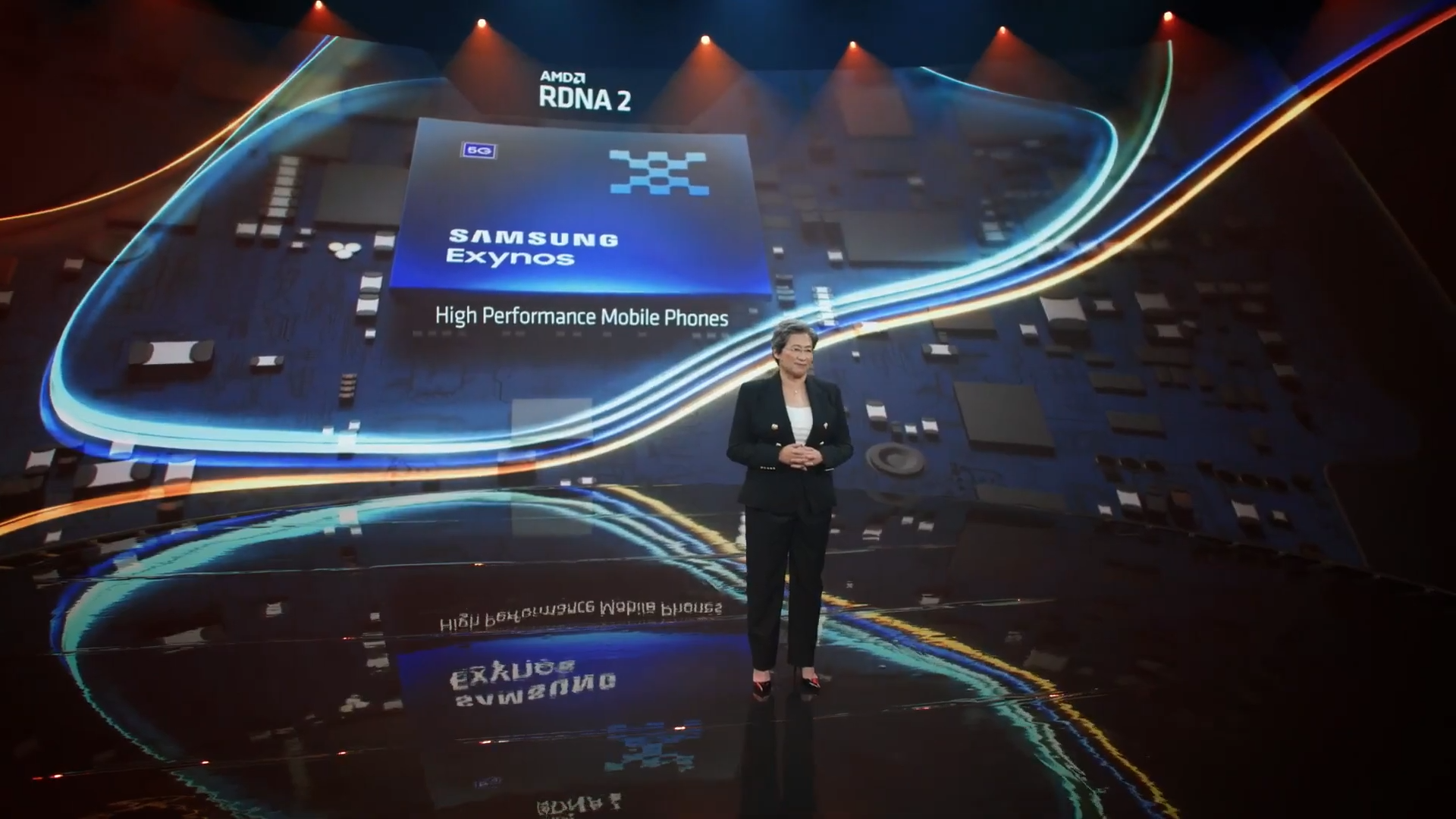
    Samsung has finally announced a date for the reveal of the in-house Exynos 2200 chip that will likely power the Galaxy S22 series.

    Samsung and AMD have been working on a GPU for quite some time and it will be integrated into the South Korean giant’s next flagship chip. According to a new rumor, the GPU itself will be called the Xclipse 920.

    The company has confirmed that the RDNA 2-powered chip will be unveiled on January 11, which is also when the Galaxy S21 FE is rumored to go on sale.

    Samsung has steadily been upping its chip game. Last year, it embraced Arm’s CPU designs, and now, the AMD-made GPU will take care of the graphics. Whether the new Exynos chip will live up to the hype is a whole different question.

    Qualcomm claims that its new chip offers 20 percent faster CPU capabilities and 30 percent better graphics when compared to the Snapdragon 888. Although the Exynos 2200 is expected to have the same core architecture as the Snapdragon 8 Gen 1 which will fuel the American variants of the Galaxy S22, it may lag behind in performance.

    Per a recent leak, Samsung’s new SoC will offer a 5 percent improvement in CPU performance and a 17 percent increase in graphics when compared to the Exynos 2100 that powers the Galaxy S21 range. That’s not necessarily a cause for concern, because the same leak says that artificial intelligence performance will improve by a staggering 117 percent.

    Although today’s premium phones are plenty fast already, we are still curious to see how the Exynos 2200 will stack up against the flagship chips that power the top phones of 2021. Samsung will allegedly announce the Galaxy S22 series in February.

  • Trade rises to new high

    Trade rises to new high

    Foreign trade surged 22.6 percent in 2021 to a new high of $668.5 billion despite the supply chain disruptions caused by Covid-19.

    Exports were up 19 percent at over $336 billion, but domestic companies only accounted for 26.4 percent of it.

    Over 35 categories of goods saw exports of over $1 billion.

    Imports grew by 26.5 percent to $332 billion, with domestic companies accounting for 34 percent.

    The U.S. was the biggest market buying goods worth $95.6 billion, while China was the biggest source of imports ($109.9 billion).

    There was a trade surplus of $4 billion, the sixth straight year in which exports have exceeded imports.

    But the trade deficit with China not only continued but increased by 53 percent to $54 billion.

  • Trace Media International now officially an ITU associate

    Trace Media International now officially an ITU associate

    Trace Media International, mother company for Telecom Review Group, a leading global media platform for the ICT industry, achieved a major milestone by joining the International Telecommunication Union, (ITU) as a prestigious ITU-T associate.

    Toni Eid, CEO of Trace Media International and founder of Telecom Review Group has received the special certification from Dr. Chaesub Lee, director of ITU telecommunication standardization bureau (TSB) as esteemed member of ITU-T during the International Telecommunication Union (ITU) CxO meeting hosted by Telecom Review, in collaboration with du on December 7.

    The participating organizations were:

    In Dubai: APTelecom; Benya Group; Catronic Enterprise; CommScope; du; Etisalat; Huawei Technologies; Nokia Bell Labs; Ookla; Organisation Arabe des TIC; Rohde & Schwarz; Sofrecom (Orange); Telecom Review; Trace Media; umlaut; Zenaciti.

    Online: AT&T; Alliance for Telecommunications Industry Solutions (ATIS); Autonomous Drivers Alliance (ADA); China Telecom; Cisco Systems; Citibeats; Ericsson; Fujitsu; Futurewei; Hewlett Packard Enterprise; IBM; Insikt Intelligence; JSC “Kryptonite”; Juniper Networks; NBN Co; Nokia; Orange; pureLiFi; SAMA PARTNERS; Samsung Electronics; Sumitomo Electric Industries., Spark NZ; TDRA UAE; Telecommunication Technology Committee (TTC) Japan; Telecommunication Industry Association (TIA) ; Tunisie Télécom; Türk Telekom; ZTE Corporation.

    The membership opens up a whole lot of opportunities for the company to grow its global reach in the ICT sector. As a member, Trace Media can engage in real-time standardization updates and stay ahead of technological trends. It can participate in driving new standards and setting agendas for new technologies by participating in ITU-T Study Groups. ITU’s internationally recognized standards help new companies enter new markets as ITU-T Recommendations have the approval of 193 governments. Members get the exposure to increase their brand awareness through participating in ITU events in front of a large international audience; these events being an excellent platform for networking and gaining new customers.

    The inclusion as an ITU member greatly strengthens Trace Media and Telecom Review Group’s influence and reputation as the biggest platform in bringing the ICT industry leaders together through its up-to-date printed and digital magazines, monthly virtual webinars, and annual Telecom Review Leaders’ Summit.

    Currently, 900 companies are now ITU members and various study groups are now conducting relevant studies on traditional telecom, machine learning, AI, financial services, and eSports, among others.

    ITU membership has three sectors – Radiocommunication (ITU-R); Telecommunication Standardization (ITU-T); and Telecommunication Development (ITU-D). Each sector offers its unique features and activities. Companies or organizations can become a member of one or more sectors of ITU and may join as a sector member or associate.