Tag: asia

  • PayPal preparing US$45 billion bid for Pinterest

    PayPal preparing US$45 billion bid for Pinterest

    PayPal has made an offer to buy digital pinboard site Pinterest for US$45-billion, people familiar with the matter said on Wednesday, a combination that could herald more tie-ups between fintech and social media companies in e-ecommerce.

    The per-share price would represent a 26% premium to Pinterest’s closing price of $55.58 on Tuesday.

    PayPal plans to finance the acquisition mostly through stock, the sources said.

    The payments behemoth was among the big winners of the pandemic as more people used its services to shop online and pay bills to avoid stepping out. The pandemic boost over the past 12 months have driven up its shares by about 36%, giving it a market capitalization of nearly $320-billion.

    PayPal’s shares were down about 3.5% on Wednesday, while Pinterest was up over 10% at $61.55. Pinterest’s shares, which had jumped over 13% earlier in the day forcing trading to be halted briefly, have shed about 16% of their value this year.

    San Jose, California-based PayPal, and Pinterest did not immediately respond to requests for comment. The sources requested anonymity as the discussions are confidential.

    News of the potential deal comes less than a week after Pinterest co-founder Evan Sharp announced plans to leave the company to join LoveFrom, a firm led by Jony Ive, the designer of many iconic Apple products.

    Sharp founded the San Francisco, California-based online scrapbook and photo-sharing platform along with Ben Silbermann, who is the company’s CEO, and Paul Sciarra, who left in 2012.

    Over the past few years, PayPal has displayed growing ambitions to increase its footprint in online shopping through a series of acquisitions, including a $4-billion deal to buy online coupon finder Honey Science in 2019, a $2.7-billion deal to buy Japanese buy-now-pay-later firm Paidy in September this year, and a deal to buy return-service provider Happy Returns in May.

  • Deutsche Bank Adds Greater China Wealth Vet from HSBC

    Deutsche Bank Adds Greater China Wealth Vet from HSBC

    Deutsche Bank has hired a former HSBC executive as a managing director in its wealth management unit.

    Tse Yi-Mun joins Deutsche Bank Wealth Management as a managing director and group head for North Asia, according to a statement.

    Based in Singapore, she reports to North Asia head of wealth management Kanas Chan.

    Tse has 23 years of private banking experience, most recently with HSBC Private Banking where she was its market head for Hong Kong. Previously, she also worked for DBS and ABN AMRO covering the Greater China market.

  • Vietnam Airlines to resume all domestic flights

    Vietnam Airlines to resume all domestic flights

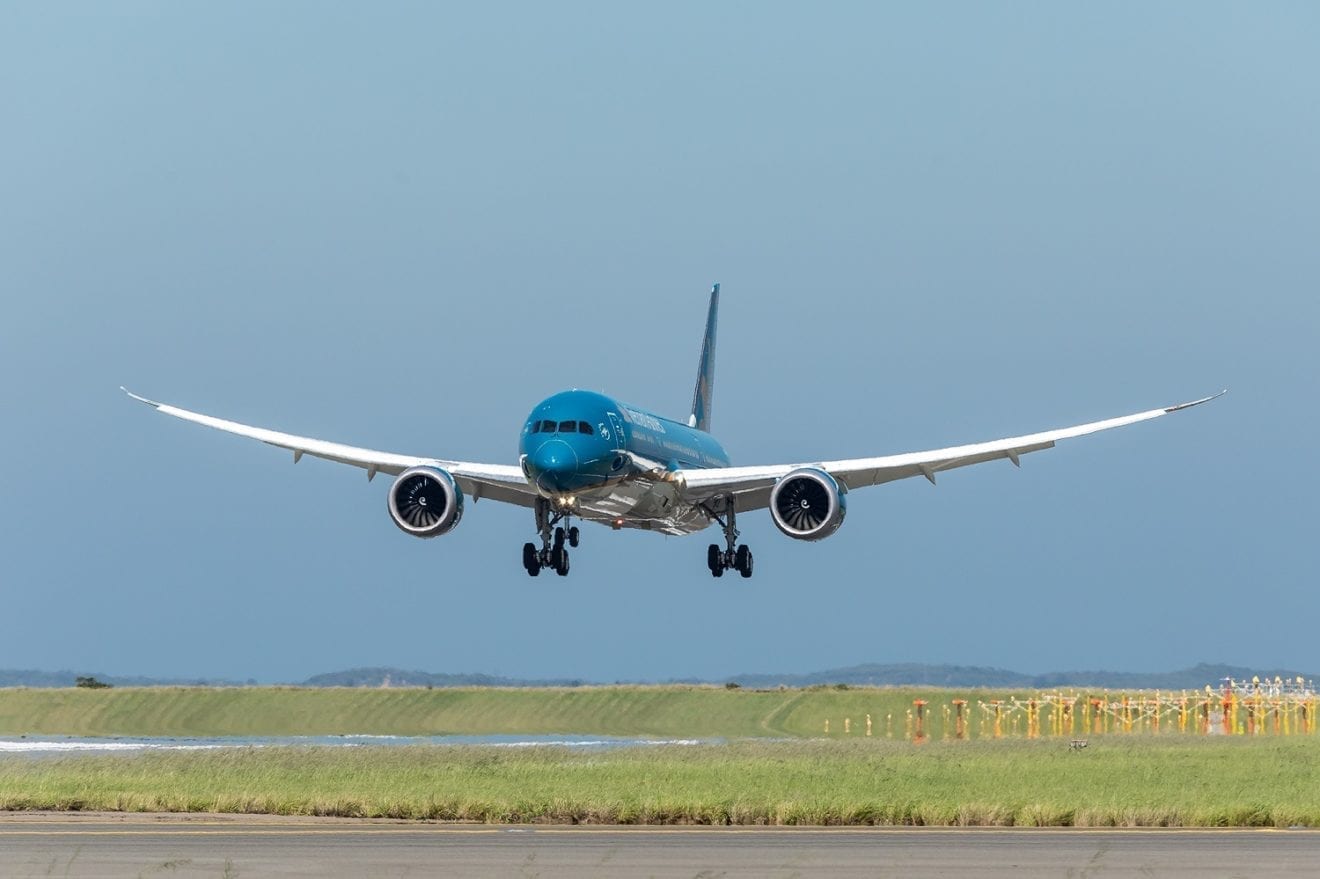
    Vietnam Airlines is set to gradually resume flying on 40 routes, or nearly its entire domestic network, by next month, prioritizing Hanoi, HCMC and Da Nang.

    Several flights are set to be resumed to the southern archipelago Con Dao Island, the central highlands province of Buon Ma Thuot and the northern province of Dien Bien from Thursday to Nov. 30.

    The group, which comprises low-cost carrier Pacific Airlines and Vietnam Air Services Company (VASCO), will start conducting 90 routes a day from Thursday and will increase the figure to 120 from the end of this month.

    There will be three flights a day between Hanoi, HCMC, and Da Nang City. For the other locations, the group will try to have at least one route a day, which could rise to two depending on demand.

    Passengers can fly if they have been fully vaccinated for at least 14 days, or to have recovered from Covid-19, or to test negative within 72 hours.

    Vietnam Airlines Group started resuming its domestic flights on Oct. 10. As of Tuesday, it had conducted around 150 flights carrying nearly 12,000 passengers on 16 flight routes.

  • UBS Strengthens Australasian Equities and Research Unit

    UBS Strengthens Australasian Equities and Research Unit

    UBS has hired four new executives and promoted two others for its equities and research team in Australia and New Zealand. John Storey joins as a banks analyst from J.P. Morgan in South Africa and Richard Schellbach joins from Citi in London as an equity strategist, according to UBS.

    Storey and Schellbach were hired to replace Jonathan Mott who left to join startup bank Barrenjoey Capital Partners and Pieter Stoltz, current head of quantitative strategies at fund manager Eley Griffiths, respectively.

    In the global markets division, UBS also hired Tom Tepaa, who joins the block trading desk from Goldman Sachs in Singapore, and David Nicholson who joins the Australian equity sales team from Citi in Boston.

    In addition to new hires, UBS has also announced two promotions for its New Zealand business.

    Thomas Buchanan will relocate from Hong Kong to become New Zealand head of distribution and Will Becker was named New Zealand head of sales trading for global markets.

    The latest hires follow the exodus from UBS’ investment banking unit dubbed bloody Monday after a flurry of executives left to join Barrenjoey Capital Partners in March.

    After the poaching spree, UBS Australasia co-chief executive Anthony Sweetman vowed to offer top dollar to rebuild the team, boasting that the bank was consistently the higher payer in the industry in an interview and that this would not change for the regional market.

  • Ripple and Tranglo Expand Partnership

    Ripple and Tranglo Expand Partnership

    Its growing cooperation follows Ripple’s acquisition of a 40 percent stake in Tranglo to scale the footprint of RippleNet in APAC and beyond.

    Tranglo has launched its first live On-Demand Liquidity (ODL) service on RippleNet to enable instant and low-cost cross-border payments in the Philippines, with plans to introduce more ODL corridors in the months to come, Ripple said in a statement on Thursday.

    Tranglo has also established multiple fiat connections with existing RippleNet customers, including BKK Forex, DeeMoney and Siam Commercial Bank, which will allow it to process multiple currencies in Asia Pacific, including Philippines Peso and Thai Baht.

    Founded in Malaysia in 2008, Tranglo operates a cross-border payment hub that provides smart services for mobile airtime top-ups, as well as foreign remittance and business payments.

    The strong traction with Tranglo in the past 6 months alone is testament to how we’re executing well on our shared mission to transform the cross-border payments experience in Asia Pacific, a region which is often tricky to navigate, Brooks Entwistle, RippleNet managing director in APAC and MENA, said in the statement.

    Ripple noted that APAC is one of the fastest-growing regions for RippleNet, with transactions growing 130 percent year-over-year.

  • Singapore Banks Joins China’s Wealth Management Connect

    Singapore Banks Joins China’s Wealth Management Connect

    DBS and OCBC have announced partnerships as part of the cross-border wealth management scheme between Hong Kong and China.

    DBS Bank (Hong Kong) will be working with the Postal Savings Bank of China (PSBC), while OCBC Wing Hang Bank, OCBC’s Hong Kong subsidiary has tied up with China’s Ping An Bank to provide wealth-management services in the Greater Bay Area under the Wealth Management Connect scheme.

    The link, which was announced in September, residents of special administrative regions Hong Kong and Macau will be allowed to buy investment products from the remaining nine Greater Bay Area cities, and vice-versa.

    A total of 300 billion yuan ($46.5 billion) has been set as the aggregate quota for the two-way channel – 150 billion yuan each – with a limit of 1 million yuan per individual investor.

    DBS Hong Kong is the group’s largest franchise outside Singapore, while PSBC is one of the largest state-owned banks in China, targeting agriculture, rural areas and farmers, urban and rural residents, as well as small and medium-sized enterprises.

    Greater China is the second-largest market for OCBC after Singapore, while Ping An is among the top banks in China.

    However, DBS is currently only allowed to sell products via the southbound route, while OCBC can provide two-way services under the scheme.

  • Microsoft’s LinkedIn to exit China amid censorship woes

    Microsoft’s LinkedIn to exit China amid censorship woes

    Microsoft’s professional social network, LinkedIn is exiting China by the end of the year. LinkedIn attributed its decision to harsher internet censorship imposed by the Chinese government.

    “While we’ve found success in helping Chinese members find jobs and economic opportunity, we have not found that same level of success in the more social aspects of sharing and staying informed. We’re also facing a significantly more challenging operating environment and greater compliance requirements in China,” LinkedIn released in a statement.

    LinkedIn has amassed over 54 million users in China, its second-largest market after the US. Launched in China in 2014, LinkedIn is the only major foreign social media platform operating in China. To adhere to the Chinese government’s requirements on Internet platforms, LinkedIn has a localized version in China. Previously, LinkedIn had expressed that “While we strongly support freedom of expression, we took this approach in order to create value for our members in China and around the world.”

    With the sunset of the localized version of LinkedIn, a new jobs-only China-specific site, called InJobs, will be launched.

    “Our new strategy for China is to put our focus on helping China-based professionals find jobs in China and Chinese companies find quality candidates. Later this year, we will launch InJobs, a new, standalone jobs application for China. InJobs will not include a social feed or the ability to share posts or articles. We will also continue to work with Chinese businesses to help them create economic opportunity.”

    This decision is made following a series of events. In March 2021, LinkedIn paused new member sign-ups in China to ensure that the platform was compliant with the Chinese government. In recent weeks, LinkedIn had been in the spotlight for blacklisting the accounts of three US journalists who had written content that was labelled prohibited by the Chinese government.

  • Xiaomi CEO Says It Will Be Mass Producing Its EV By 2024

    Xiaomi CEO Says It Will Be Mass Producing Its EV By 2024

    Xiaomi’s CEO Lei Jun has revealed that the world’s third-largest smartphone maker is ahead of schedule for making its foray into the automotive sector and will start mass-producing its EVs in the first half of 2024. These comments were made at an investor event. But then the Chinese billionaire tweeted his thoughts as well. “Xiaomi EV is ahead of schedule. Aiming for mass production in 2024 H1,” he said on the social media platform. His executives also went to Chinese social media platforms to confirm the news. Zang Ziyuan who is a director for marketing at Xiaomi also posted this news on his verified Weibo account.

    In March, Xiaomi had announced that it would be investing $10 billion in the new electric car division over the next 10 years. The company finished the registration of its electric car business in August and already it has ramped up hiring for the unit – though it hasn’t revealed whether it is going to make the car or will partner with someone.

    Its close partner for the manufacturing of smartphones, Foxconn, has already announced its own electric car venture, and considering manufacturing isn’t Xiaomi’s forte, this would be a partnership that’s likely to happen.

  • Land Rover Range Rover Teased Ahead Of Debut

    Land Rover Range Rover Teased Ahead Of Debut

    The Land Rover Range Rover is no ordinary SUV and the arrival of the new-generation model is always special. It’s one of the oldest brands in the full-size luxury SUV segment and the next-generation model will rival the likes of the Mercedes-Maybach GLS and BMW X7 and other premium SUVs like the Aston Martin DBX, Porsche Cayenne, and even the Lamborghini Urus gave its pricing. Land Rover has released the first teaser of the 2022 Range Rover which is a new-generation model and is all set to make its official debut on October 26, 2021.

    Now the teaser image doesn’t give us much insight of the design but we get a sense that the overall silhouette has been retained. That said, expect to see some significant updates made to the front end and even at the rear. The bronze color SUV in the teaser image also gives us an idea that Land Rover might introduce some new body colors on the new Range Rover. Then, it is also expected to be an all-new model by transitioning to Jaguar Land Rover’s new MLA platform. Then, the 2022 Range Rover will be offered with a variety of powertrain options which will include plug-in hybrid (PHEV) as well, and of course in both configurations. The latter is probably scheduled to arrive later in the model’s life cycle. And finally, expect a performance version as well with the 4.4-liter, twin-turbo V8 engine sourced from BMW.

    Switching to the new platform should bring some significant updates as well like more room on the inside where a potential increase in the vehicle’s size is expected. Land Rover’s latest Pivi Pro infotainment system is one of the safest guesses on the inside, given its flagship status and some variants are also rumored to get rear-wheel steering offering tighter turning radius at lower speeds and better agility at higher speeds

  • Tesla Q3 2021 Results Out; Meets Expectations After Sublime Quarter

    Tesla Q3 2021 Results Out; Meets Expectations After Sublime Quarter

    Tesla has delivered the goods in its Q3 2021 earning report with it reporting revenues of $13.76 billion which is slightly below the lofty expectations of the analysts at Wall Street which expected revenues of $14 billion.

    “The third quarter of 2021 was a record quarter in many respects. We achieved our best-ever net income, operating profit, and gross profit. Additionally, we reached an operating margin of 14.6%, exceeding our medium-term guidance of “operating margin in low-teens,” said the electric car maker in its announcement.

    Notably, Tesla’s automotive gross margins improved by 30 percent in this quarter despite cost pressure from the supply chain as the world continues to suffer from a global semiconductor crisis. Tesla’s engineers were swift to rewrite code for new parts which helped the company navigate the crisis well.

    But despite these improving margins, Tesla’s cash in hand actually went down due to debt repayment.

    “Quarter-end cash and cash equivalents decreased to $16.1B in Q3, driven mainly by net debt and finance lease repayments of $1.5B, partially offset by the free cash flow of $1.3B. Our total debt excluding vehicle and energy product financing has fallen to just $2.1B at the end of Q3,” said the company in its shareholder letter.

    This quarter Tesla has started sales of the Model S Plaid which has been a success, apart from it opening its Berlin Gigafactory which has started rolling out Tesla Model Y units. Earlier in the year, the Model 3 became the best-selling executive sedan in the world, but Tesla estimates, the Model Y will overtake its sales at some point.

  • 5 Eco-Friendly Bulk Packaging Options For Your Business

    5 Eco-Friendly Bulk Packaging Options For Your Business

    As a business owner, the way you treat the environment can have serious consequences in the future. For instance, careless waste disposal can contaminate the water, air, and soil. In turn, this can affect the health of humans, animals, and plants. That’s why businesses need to be environmentally conscious to reduce their effect on different ecosystems. One way businesses could help save the environment is by choosing eco-friendly packaging options for their products.

    If you also want to protect the environment by choosing the correct packaging option for your products, read on to learn some eco-friendly bulk packaging options for your business.

    What Is Eco-Friendly Packaging?

    Eco-friendly packaging is any form of environment friendly packaging made of recyclable or reusable materials. In other words, any packaging is considered eco-friendly if it’s made of recyclable materials. In addition, these materials should be safe and sustainable for the environment. However, to ensure you get the right packaging that can take you closer toward becoming more environment friendly, you must work with experienced industrial bulk bag suppliers to provide you with eco-friendly bulk packaging options.

    What Are The Best Eco-friendly Packaging Options For Your Business

    Though plastic is the common packaging option adopted by most businesses, it can seriously affect the environment. Plastic can take several decades to disintegrate, and therefore, it’s one of the world’s major pollutants. The good news is that businesses can avoid plastic packaging by adopting other available eco-friendly packaging options. Here are some options you could adopt for your business:

    1. Biodegradable Plastic

    Biodegradable plastic is one popular eco-friendly packaging option these days. They work like plastic, but unlike non-biodegradable plastic which can take centuries to break down, biodegradable plastic can melt in sunlight. This type of packaging degrades faster because it’s made of plant byproducts rather than petroleum. Though biodegradable plastic can attract a higher cost than its cheaper cousin, it can significantly reduce your business’ carbon footprint.

    1. Mushroom Packaging

    Mushroom packaging is another eco-friendly packaging option you should consider for your business. These packages are made from agricultural waste products and mushrooms and are used for packaging small items.

    When manufacturing mushroom packaging, agricultural waste materials are disinfected, then fused together by a matrix of mushroom roots. After which, this compound is then molded to the desired shape and size and left to dry. Because these packages are made from agricultural products, they take the least possible time to break down. So if one of your business goals is to become more conscious about the environment, then mushroom packaging could be your best bet.

    1. Natural Fabrics

    In some cases, some items might not require much protection, especially if they’re not fragile. That’s where natural packaging comes in. Natural fabric packaging is a type of packaging that can protect non-fragile items from scratches and bumps.

    Natural fabric packaging comes in different types. For instance, they could be made from organic materials such as hemp, palm leaves, recycled cotton, and tapioca. All these types are made from materials that can take less than three months to decompose, which helps preserve the environment. Apart from taking a shorter time to break down, natural fabric packaging is cost effective, especially when purchased in bulk.

    1. Recyclable Paper And Cardboard

    Another best way to help save the environment is the use of recyclable paper and cardboard packaging, which is one of the most adopted packaging options by businesses that want to reduce their use of plastics. One benefit of this packaging option is that it’s recyclable. This means that customers can send them back to you after receiving their products or they could use it for their own purposes. In addition, when these materials find their way into the ocean and other bodies of water, they won’t cause much damage to the ecosystem, compared to non-biodegradable plastics.

    1. Starch-Based Packing Peanuts

    If you want to protect your fragile products while still helping the environment, starch-based packing peanuts is another ideal option. This type of packing peanut is made from agricultural waste materials that can easily dissolve in water. As such, many companies have turned to starch-based packaging option instead of conventional Styrofoam packing peanuts that takes ages to decompose.

    How Can You Choose The Best Packaging Supplier For Your Business?

    Partnering with the right packaging supplier is essential not only for the success of your business but also in taking the right steps toward turning into a more environment-conscious enterprise. So when choosing your bulk packaging options, you’ll want to partner with a supplier who can provide you with quality services. With that said, here are some critical factors to consider when finding the right packaging supplier for your business:

    • Experience

    Experience should be your top of your list when choosing your packaging supplier. It’s the only way to ensure you meet your business packaging needs. Consequently, the supplier you choose should be experienced to customize your packaging according to your business needs. Before contracting any packaging supplier, it’d be a good idea to research and find out about their experience and the number of years they’ve been in the industry.

    • Quality Of Packaging

    The quality of the packaging is another crucial factor you need to consider when finding your supplier. Note that even if your products are of high quality, packing them in substandard materials could discourage your customers.

    So if you want to improve customer experience and satisfaction, be sure to pack your products with high-quality packaging. This can be possible by working with a supplier that produces high-quality packaging.

    • Packaging Prices

    Pricing is another critical factor you must consider when choosing your packaging supplier. So it’s vital to get quotes from different suppliers, then create a shortlist of the suppliers who made the cut to help you make the right decision.

    Though different suppliers will quote different packaging prices, be sure you negotiated prices with them, since high prices don’t always mean high quality in business. On the other hand, a low price isn’t always an indication of the best deal in the market. Finally, you must be certain you’re getting the best value for your money.


    • Delivery Times


    Last but not least, you must consider the time it takes for your supplier to deliver your order. Any delays could have a huge impact on your business. As such, make sure you’re partnering with a supplier who can deliver your packaging on time. This ensures you don’t take on unnecessary financial loss or, worse still, lose customers to your competitors.


    Takeaway


    Today, businesses play a significant role in helping preserve the environment through the ways they do businesses, including their choice of packaging. Most have avoided plastics by adopting eco-friendly packaging options. As discussed here, some eco-friendly packaging options include biodegradable plastic, mushroom packaging, natural fabrics, recyclable paper and cardboard, and starch-based packing peanuts. Choose the perfect fit for your business, and start saving the planet.



  • Alibaba makes Taobao app more user-friendly for elderly shoppers

    Alibaba makes Taobao app more user-friendly for elderly shoppers

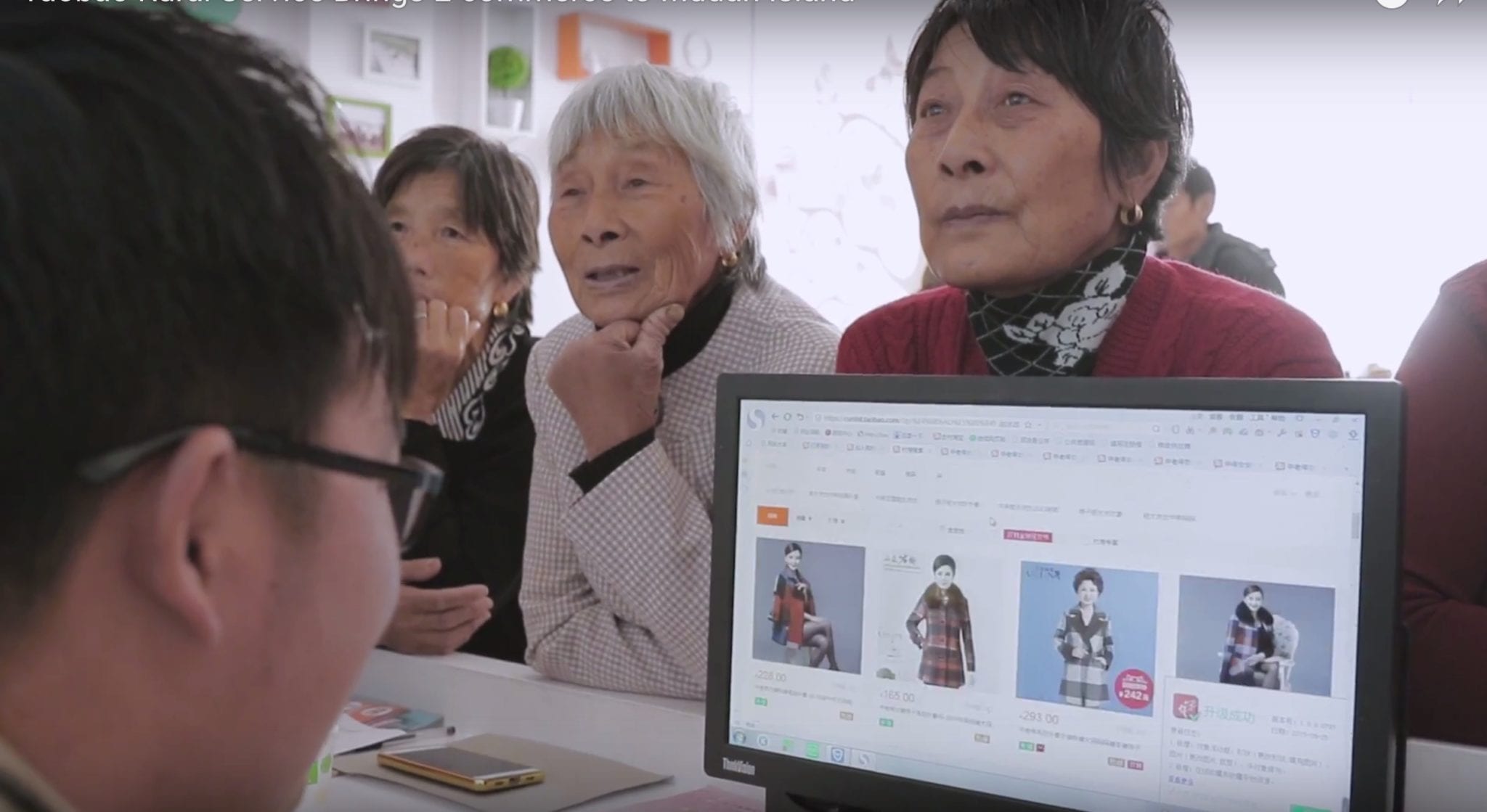
    Alibaba Group’s online marketplace Taobao this week rolled out a new version of the shopping app that’s more accessible for senior users.

    Piloted ahead of China’s 11.11 Global Shopping Festival, Taobao’s “senior mode” features larger text and icons, simplified navigation and voice-assisted technology, which allows senior citizens to search for products using voice commands.

    The homepage highlights games that have been popular among elderly users, including the Baba Farm program where users tend virtual crops to unlock discounts for agricultural produce.

    “In the future, we will explore new ways to make online shopping easier for seniors, such as functions that allow their children to help them browse and select products,” said Shao Xi, the project manager overseeing the new service.

    China has the world’s largest elderly population. Per China’s latest census published in May this year, the country had more than 264 million people aged 60 or over in 2020 – making up 18.7% of the population.

    Alibaba’s digital tools became an integral part of everyday life for seniors during the coronavirus pandemic. Orders made by users over the age of 51 increased by 125% on delivery platform Ele. me last year, while Alipay’s elder-oriented “care version” recorded a 6.6-times jump in visits year-on-year in the first half of 2020.

    Covid-19 concerns may now be fading in China, but elderly users remain a priority across the Alibaba ecosystem. Last month, Ele.me introduced an elder-friendly mode within its app featuring a simple homepage with large fonts and buttons to make ordering food and grocery easy.

    This isn’t the first time that Alibaba has enhanced its platforms and services for the silver market, which was estimated to be worth RMB3.79 trillion (US$588 billion) in 2020 by the China National Committee on Ageing.

    In 2018, Alibaba launched the “Taobao for Elders” channel to make account registration and app navigation more accessible to seniors. It includes a peer-to-peer chat function allowing family members and friends to easily share products and consult each other, as well as a “pay-for-me” option to pay for another’s purchases.

    Within the Taobao app, senior users can find how-to guides and training programs for everything from online shopping and payments to ride-hailing and booking online doctor’s appointments, as well as a dedicated customer service hotline.

    Improved accessibility features benefit a range of people. In 2018, Taobao debuted an advanced artificial intelligence that reads text written on images, improving the shopping experience for blind and partially sighted users. The shopping platform estimates that roughly 300,000 visually impaired shoppers use the AI tool to browse 2 million products each day

  • Haidilao slows rollout as Covid-19 curbs consumer appetite

    Haidilao slows rollout as Covid-19 curbs consumer appetite

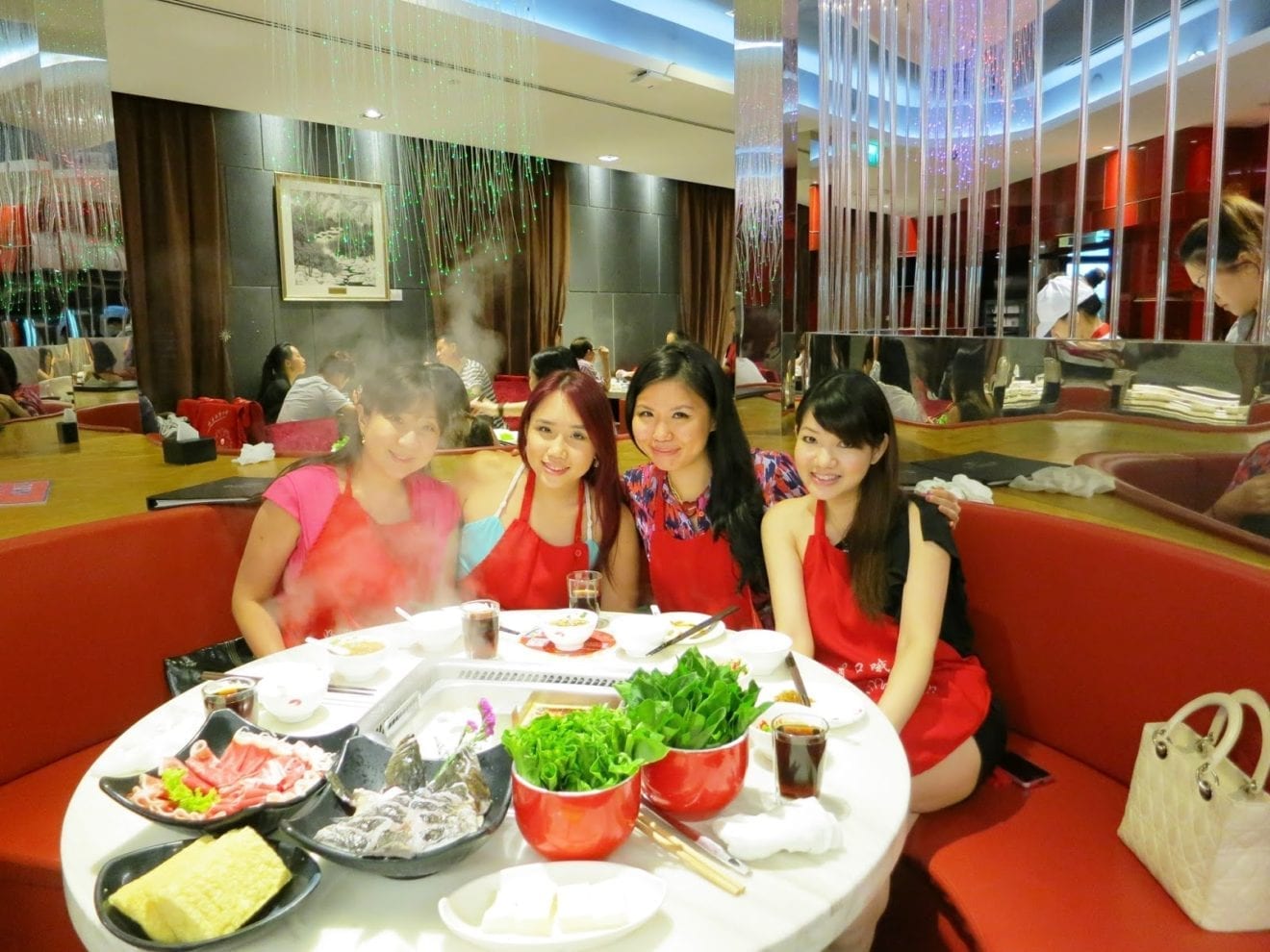
    China’s biggest hot pot chain Haidilao is slowing its rollout of new restaurants and increasing diversification of its fare, tempering its rapid expansion during the coronavirus pandemic to cope with a subsequent slump in consumer spending.

    Haidilao, which became so popular in recent years that it appeased customers in hours-long queues for its soups by providing free manicures, snacks and shoe shines, is at the forefront of reckoning in China’s restaurant industry post-pandemic.

    The chain has seen falling table turnover rates and profits as consumers dine out less and new stores cannibalize business at older locations.

    “We will open stores based on market demand, and compared to before, will appropriately slow down our opening pace,” the company said in a written response’ questions about its strategy.

    China’s catering industry shrank 4.5% in August, before recovering for growth of 3.1% last month. Analysts said it will likely remain volatile for some time amid the country’s broader patchy economic recovery.

    “This year, fresh waves of the epidemic happened repeatedly, and passenger flow in commercial areas is volatile, affecting the recovery of core business indicators,” Tianfeng Securities wrote in a research note last month.

    Haidilao was initially undeterred by the pandemic, embarking on an expansion drive in early 2020 that has doubled its outlets since then to almost 1,600 currently. It did so by snapping up sites left behind by vacating weaker players, often helped by deep discounts offered by landlords.

    But that expansion pushed Haidilao’s table turnover rate down to 3.0 – or three sets of customers per day on average – in the first half of this year, from 4.8 in 2019.

    Xiabu Xiabu, another Hong Kong-listed Chinese hot pot chain, has said it plans to shut 200 of its 1,010 stores after losing 50 million yuan ($7.76 million) in the first half of 2021.

    Haidilao’s share price has fallen to around HK$30 from a record high of HK$86 in February.

    “The company will need to create demand going forward, which is more challenging than fulfilling demand,” China Renaissance analysts wrote in an August note.

    DELIVERY AND DRINKS

    To turn its fortunes around, Haidilao has opened more than 10 outlets specializing in fast food such as noodles and dumplings, moving beyond the hot pot, the signature dish of southwestern Sichuan province where the company was founded 27 years ago.

    However, with a maximum of just five stores each and an average spending per guest of 10 to 20 yuan – versus 107.3 yuan for the Haidilao restaurants – the sub-brands contributed just 0.5% to the first-half revenue.

    Haidilao last month closed a potato noodle restaurant less than a year after opening it in the central city of Zhengzhou, without publicly citing a reason.

    In other diversification attempts, the company has opened bars in three of its Beijing restaurants and is promoting its delivery service, a unit where revenue initially rose during the pandemic.

    However, delivery revenue dropped from 409.6 million yuan, or 4.2% of total revenue, in the first half of 2020 to 345.7 yuan, or 1.7% of total revenue, in the first half of 2021.

    “(Eating) hot pot has a strong social feature so people are less likely to order hot pot at home,” said Zhu Danpeng, an independent food industry analyst.

    Haidilao opened a store on Alibaba’s marketplace Tmall several months ago to sell items including lipsticks inspired by its soup bases with names such as “capsicum rouge” and “summer tomato”.

    Zhu said Haidilao’s multi-brands strategy was the right move but the company did not have a lot of room for growth: “Haidilao has reached a certain phase with its development, as a man has reached his middle age.”

  • ​​Eco-startup Zero Co crashes crowdfunding servers as shares go on sale

    ​​Eco-startup Zero Co crashes crowdfunding servers as shares go on sale

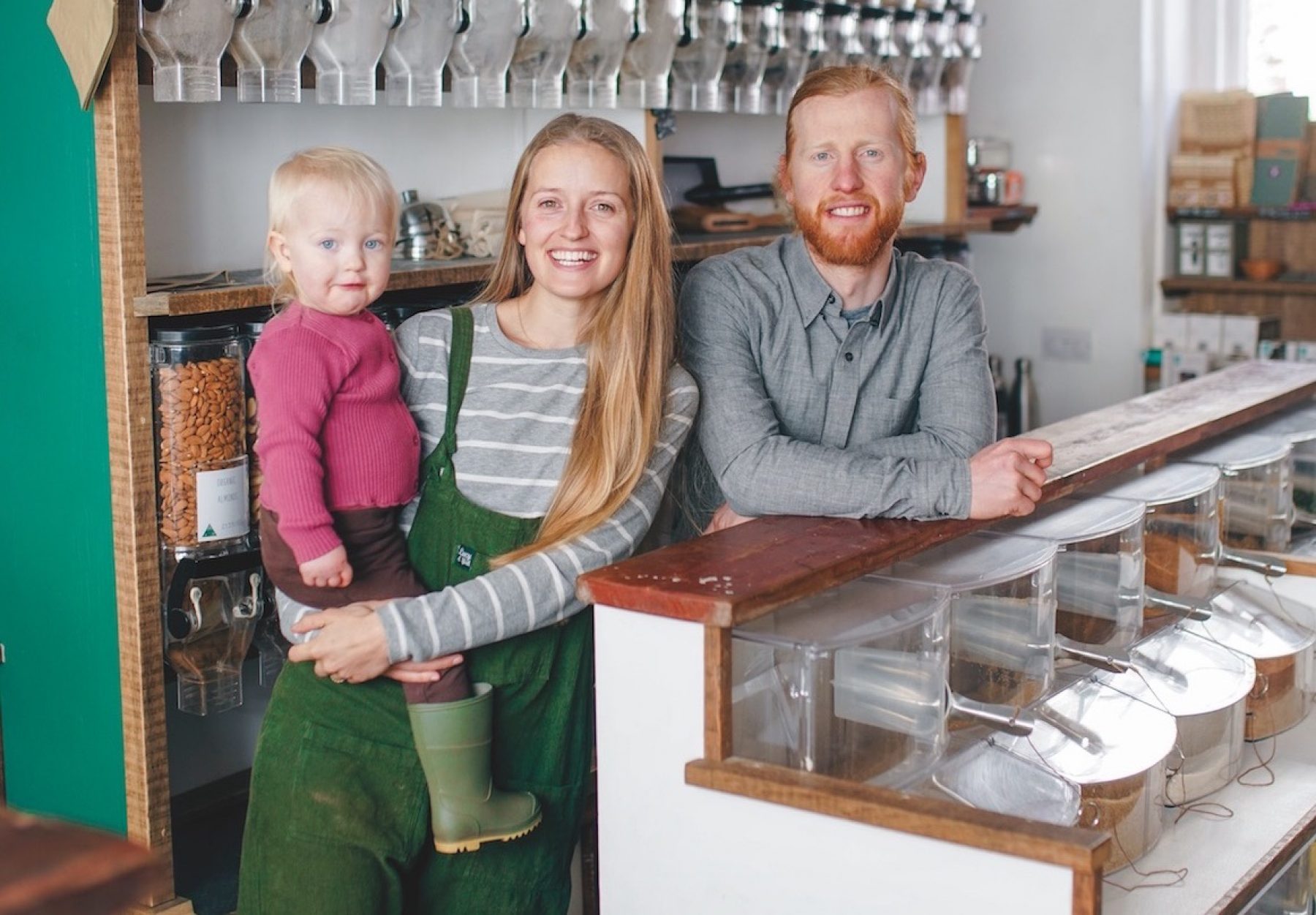
    Eco-startup ZeroCo broke Australia’s record with the largest crowdfunding in Australia’s history, raising $ 5 million in the recorded time of 6 hours.

    Unprecedented heavy traffic – 2500 out of 3082 investors are pre-registered Crowdsourcing funding platform Birchal. Five minutes after the raise, Zero Co successfully raised $ 1 million, the fastest raise in the country. In less than 50 minutes, the emerging startup was the fastest in Australia, raising $ 3 million.

    Mike Smith, the founder of Zero, said:

    “We want to grow this business by expanding our product range, expanding our business, launching globally and eliminating disposable plastics from all kitchens, laundry, and bathrooms. I am. “

    Prior to the Crown Funding campaign, the company also secured a $ 6 million investment from global investment firm SquarePeg.

  • Mekong Delta fruit prices surge as travel restrictions ease

    Mekong Delta fruit prices surge as travel restrictions ease

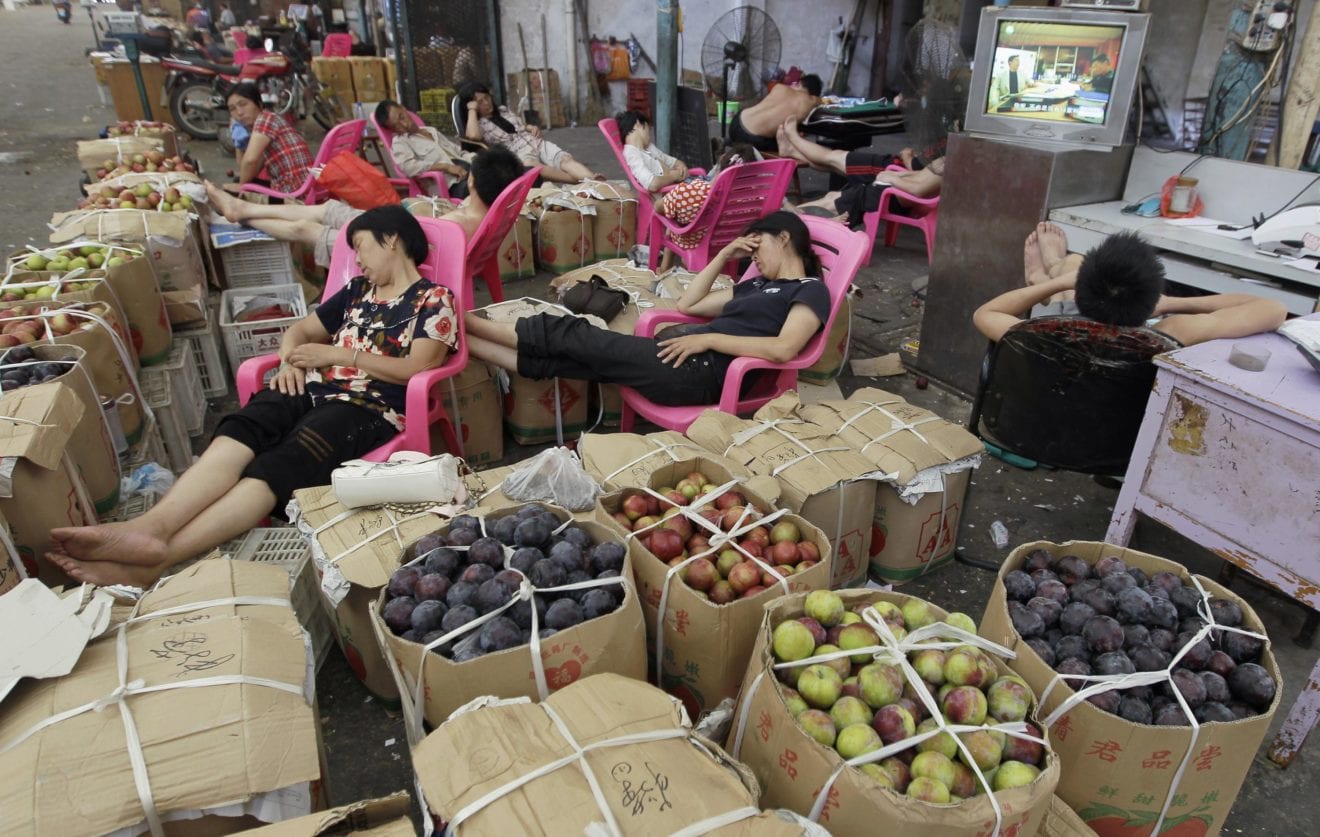
    Jackfruit, longan, and lemon cultivated in the Mekong Delta are fetching two to four times the prices that prevailed when Covid-19 related transport restrictions were in force before Oct. 1.

    Lemons bought directly at gardens are priced VND7,000-8,000 ($0.31-0.35) per kilogram these days, while they were selling for just VND2,000 per kilogram earlier.

    Prices of Thai jackfruit have also surged to VND19,000-30,000 per kilogram. These prices are four times more than the previous four months when travel was restricted.

    Similarly, longan prices have doubled to VND12,000-14,000 per kilogram.

    “Farmers hope to a lot of longan and make a profit when Chau Thanh District (Dong Thap Province) harvests the fruit in about a month,” said Nguyen Van Thuan, a farmer from the district.

    In July, fruit from the Mekong Delta, Vietnam’s agriculture hub, was sold poorly at lower prices as wholesales markets across HCMC close due to Covid-19.

    Mekong Delta contributes 90 percent of the country’s rice exports, 65 percent of seafood exports, and 70 percent of fruit exports.