Tag: asia

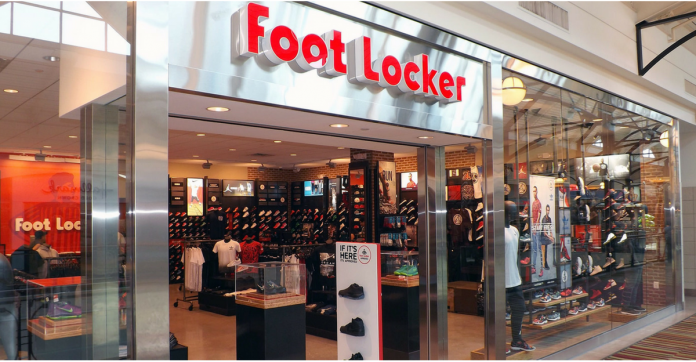
  • Foot Locker looking at Indonesia with stores and online platform

    Foot Locker looking at Indonesia with stores and online platform

    New York-based specialty athletic retailer, Foot Locker will be opening two stores and a localized webstore in Indonesia. Signing an exclusive licensing agreement with sports and leisure retailer PT Map Aktif Adiperkasa (MAP Active), the stores are scheduled to open in the fourth quarter of this year. There will be more stores to come in 2022.

    With plans to venture into the Southeast Asia market, Foot Locker acquired Text Trading Company, K.K (atmos) for US$360 million last month. Text Trading Company, K.K owns and licenses the atmos brand, a digitally-led, premium, global retailer headquartered in Japan. The acquisition of atmos will accelerate Foot Locker’s global reach with a highly strategic foothold in Japan, the third-largest economy globally while extending the company’s premium and top-tier offering.

    Noting that atmos is uniquely positioned, chairman and CEO of Foot Locker, Richard A. Johnson said that its innovative retail stores, high digital penetration, and distinctive products have made it a key influencer of youth and sneaker culture. With atmos, the company would be executing against its expansion initiative in the “rapidly growing Asia Pacific market”. Johnson added that this would establish a critical entry point in Japan and the company would benefit from it well.

    Johnson also expressed his excitement to bring atmos into the company’s portfolio brands and build on the strong foundation of this differentiated business. Welcoming atmo’s founder, Hidefumi Hommyo, Johnson said that he is considered as “one of the most influential people in streetwear and sneaker culture.”

    “Our passion for sneaker culture and ability to connect with our customers have been the driving forces of our growth ever since,” said Hommyo. He then emphasised that he was excited to join forces with Foot Locker to propel atmos into the next phase of growth as the company shares the same passion.

  • Index Living Mall opens again in Indonesia

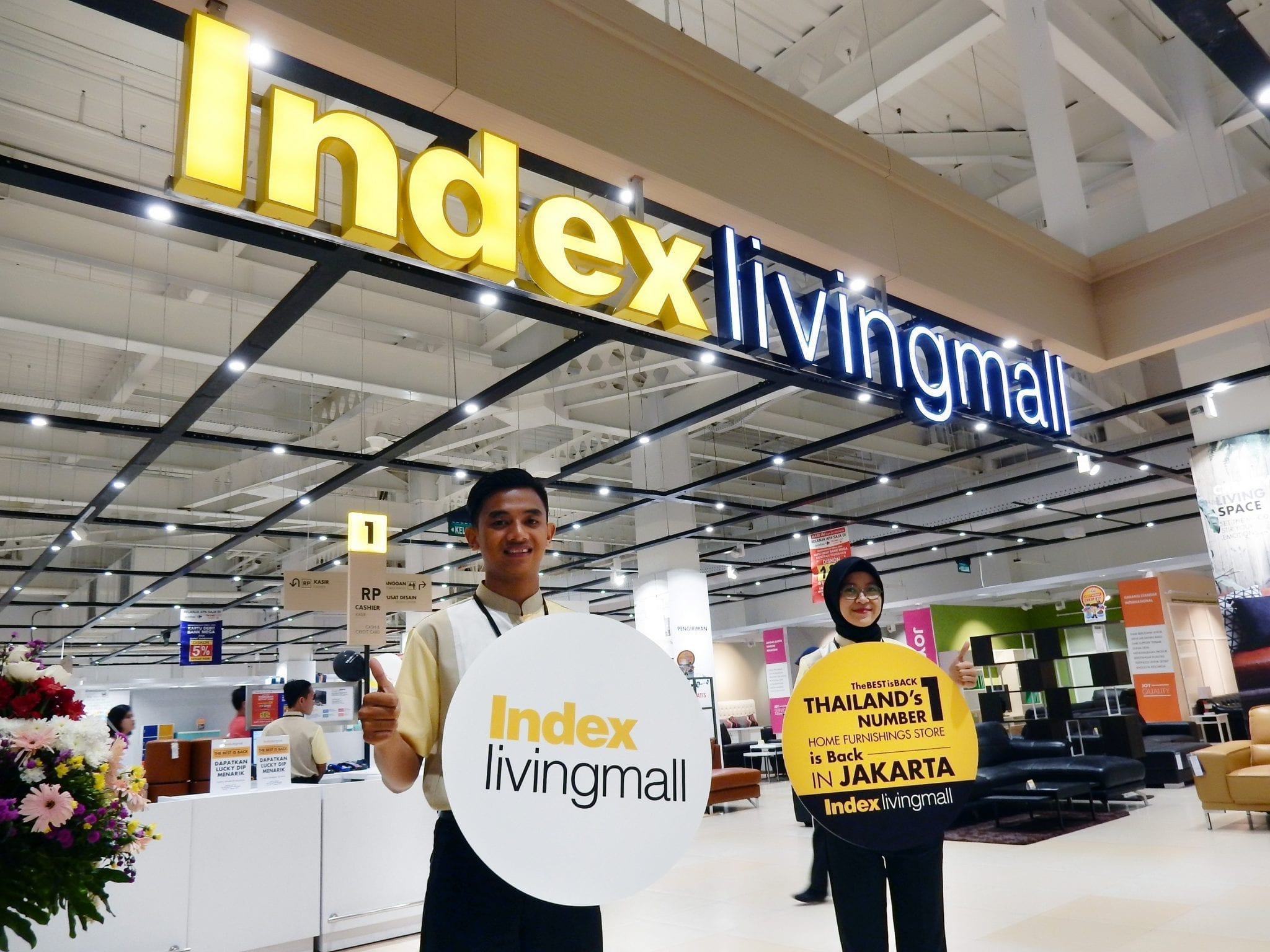
    Index Living Mall opens again in Indonesia

    Thai home furnishings retailer Index Living Mall Co Ltd has opened a new store under a partnership with Indonesian-based CT Corp in Jakarta.

    s in PT Retail’s Transmart Carrefour complex in the city’s CempakaPutih district. It covers 2,500 square metres of retail space.
    The company’s president and CEO Pisith Patamasatayasonthi said that the company expects to open as many as five to 10 stores next year and annually until 2020 in Indonesia.

    Shafie Shamsuddin, president director and CEO of PT Trans Retail Indonesia, said: “This strategic partnership is expected to provide added value for Indonesian consumers with more and more sophisticated choices of furniture products at Index Living Mall that are integrated in one area with Transmart Carrefour.

    “Surely this will provide a trend of positive and complementary consumer spending needs between Transmart Carrefour and Index Living Mall as well as we help to provide place and space for local products to partner with us.”

  • E-pharmacy startup Medigo raises $1 million

    E-pharmacy startup Medigo raises $1 million

    E-pharmacy startup Medigo has received a $1 million investment from venture capital firm Touchstone Partners.

    The med-tech company, which helps users order medicine from pharmacies in the comfort of their homes, plans to expand its offerings to telemedicine and other healthcare services amid growing healthcare spending in Vietnam.

    Medigo, launched in July 2019, has partnered with over 200 medical institutions in Ho Chi Minh City, Hanoi, and Da Nang.

    In the past six months, it saw gross merchandise value increase eight times. Medigo currently has over 200,000 users on its platform.

    Touchstone Partners is an early-stage Vietnamese venture capital firm that launched its inaugural $50 million fund earlier this year.

    Speaking of the investment, co-founder of the firm Ngo Thuy Ngoc Tu said that amid the pandemic, Medigo has offered sustainable solutions to help Vietnamese access healthcare services at reasonable costs.

  • Vingroup launches Big Data research company

    Vingroup launches Big Data research company

    The Vingroup Corporation (VIC), Vietnam’s largest private conglomerate, has set up a new firm – VinBigData Jsc – with a chartered capital of VND470.8 billion ($20.29 million).

    The group will hold a 99 percent stake in the new company. The formation of VinBigData is based on the separation of a part of science and technology functions (scientific and technological services) of the Big Data Research Institute – under the Vintech Technology Jsc.

    This new company has registered to function in 25 fields, focusing mainly on scientific research and technological development.

    Vingroup had established last month an artificial intelligence research and application company, VinAI.

  • Vietnam goes past Thailand, becomes Israel’s biggest tuna supplier

    Vietnam goes past Thailand, becomes Israel’s biggest tuna supplier

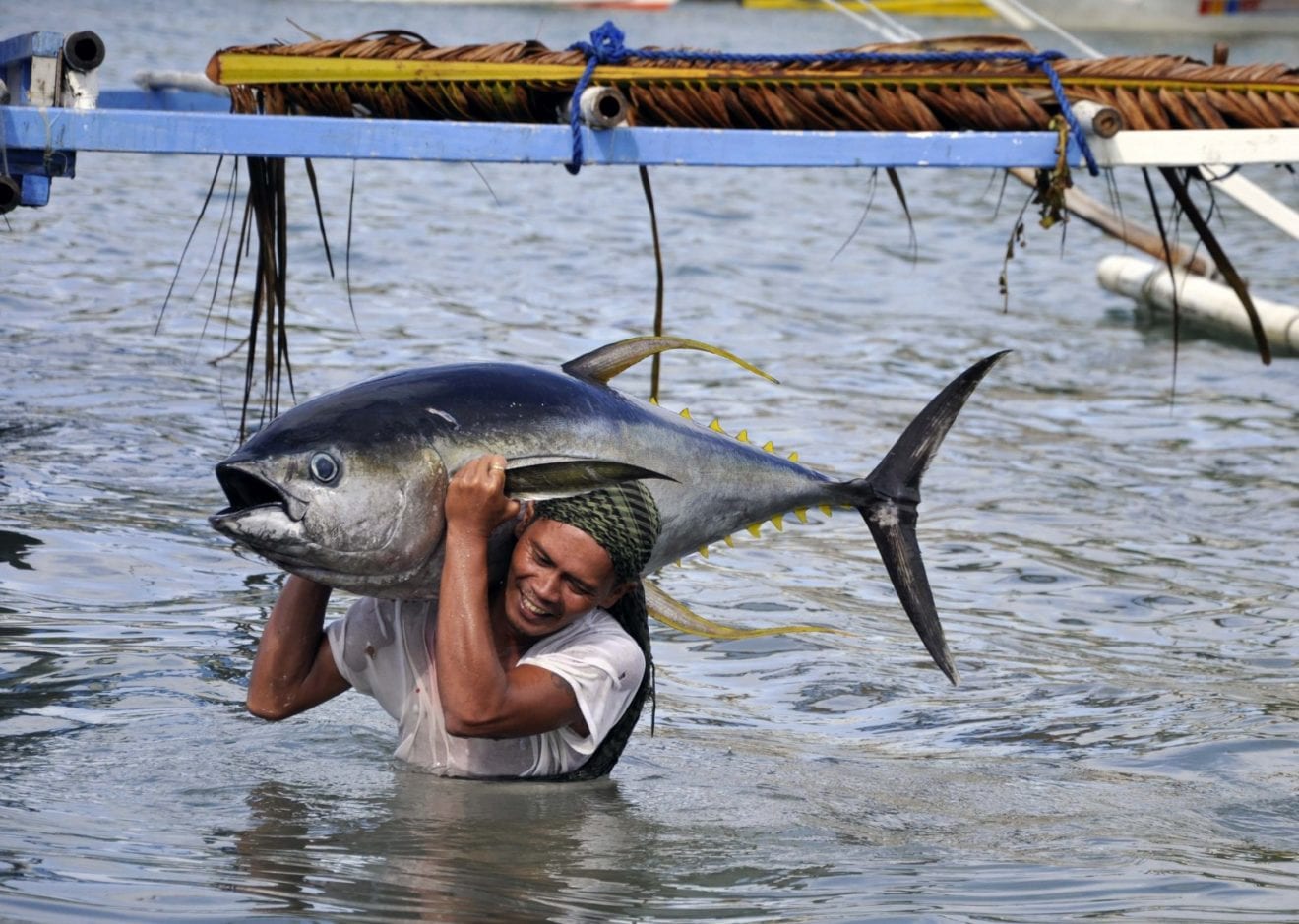
    Vietnam surpassed Thailand in the first half of this year to become the biggest exporter of tuna to Israel.

    It accounted for 31 percent of Israel’s imports while that country became Vietnam’s third largest market behind the U.S. and Italy.

    Israel bought less tuna from most countries amid the Covid-19 pandemic, but increased its imports from Vietnam, the Vietnam Association of Seafood Exporters and Producers (VASEP) said.

    Latest data from VASEP shows that Vietnam’s exports to Israel jumped by 34 percent during the year until Aug. 15 to nearly $25 million.

    Eight companies ship tuna fish to Israel, but have all complained about Covid-related restrictions hurting their production in recent months.

    VASEP has repeatedly been petitioning the government to quickly vaccinate workers in the fisheries sector to ensure the supply chain is not disrupted.

  • Facebook has always known how toxic Instagram can be

    Facebook has always known how toxic Instagram can be

    Most of us social media users are aware it’s not a good idea to be drawn in too much by the “perfect lifestyle,” “perfect body” illusions that Instagram throws at us on a daily basis. Doing so often leads to a lack of satisfaction and disappointment in ourselves, so it’s always a good idea to know when to time out from the platform.

    However, there is one group of users that is particularly vulnerable to Instagram’s deceptions, and that is young teenage girls, who are often prone to body image issues triggered by the bombardment of such unrealistic figures. And Facebook has known about it all along, according to recently discovered documents.

    A detailed report by Wall Street Journal elaborates on these details. Apparently, Facebook has been very well aware of this damage caused to young girls at least for the last three years, with researchers constantly bringing up very worrying statistics—which have been kept secret and seemingly ignored.

    Facebook’s internal findings were discovered by WSJ , and they show that Facebook was in on everything, even while downplaying the harsh reality in public, and refusing to share any of its research openly.

    Various slides from multiple presentations from past research laid bare the harm done. “We make body image issues worse for one in three teen girls,” openly declared one 2019 slide.

    Putting this harm into solid numbers, another slide from a 2020 presentation revealed that “thirty-two percent of teen girls said that when they felt bad about their bodies, Instagram made them feel worse. Comparisons on Instagram can change how young women view and describe themselves.”

    “Teens blame Instagram for increases in the rate of anxiety and depression,” the presentation posted to Facebook’s internal message board continued. “This reaction was unprompted and consistent across all groups.”

    If this doesn’t sound bad enough, the findings get worse. According to a different presentation, Facebook’s researchers had discovered that among young people who struggle with suicidal thoughts, 13% of British teens and 6% of American teens felt that the source of these thoughts of self-destruction was none other than Instagram.

    WSJ’s story is accompanied by the testimony of one Anastasia Vlasova from Virginia, who signed up to the social media platform at 13. Not long after, she found herself consuming unrealistic body images and ideals a full three hours a day. By 18, Anastasia was in therapy struggling with an eating disorder.

    While back in May, Adam Mosseri (head of Instagram) had reported that Instagram’s negative effects on young teens was actually “quite small,” he seems to have turned over a new leaf after these new findings became public.

    “In no way do I mean to diminish these issue Some of the issues mentioned in this story aren’t necessarily widespread, but their impact on people may be huge.”

    “I’ve been pushing very hard for us to embrace our responsibilities more broadly,” Mosseri insisted recently. “For me, this isn’t dirty laundry. I’m actually very proud of this research,”

    It remains to be seen whether or not initiatives will be taken in the coming future to actually change these statistics. Making these findings public about the reality of Instagram’s effect on young people would be a start, for certain.

  • Covid causes first monthly loss for garment giant Thanh Cong

    Covid causes first monthly loss for garment giant Thanh Cong

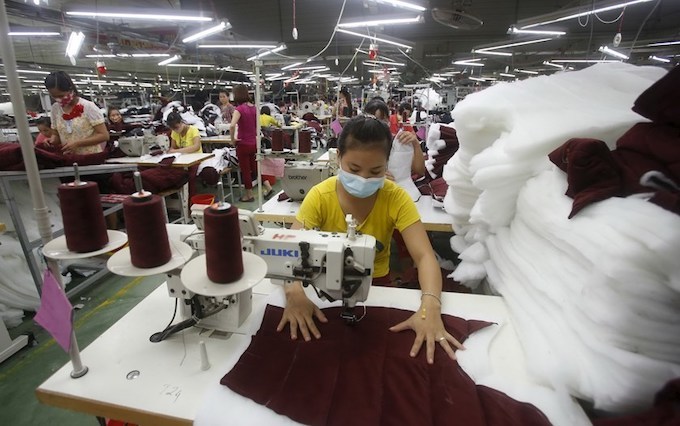
    Major garment company Thanh Cong has reported its first monthly loss this year in August as housing workers at its plants as a precaution against Covid-19 spread increased costs.

    The company, formally known as Thanh Cong Textile Garment Investment, also saw revenues plummet by 26 percent year-on-year to $10 million, and, together with the ballooning expenses, this caused a loss of $282,000 for the month.

    The company said production fell due to a shortage of workers amid the tightened social distancing requirements in HCMC despite having many of them stay on-site.

    Its monthly net profit has not dipped below $600,000 this year. Its year-to-date profit is $5.48 million, only 44 percent of the full-year target.

    Thanh Cong’s biggest export markets are the U.S., South Korea, Japan, and China.

    It is looking for new buyers in Europe and countries that have signed the Comprehensive and Progressive Agreement for Trans-Pacific Partnership.

    It is also pushing head with e-commerce sales after tying up with U.S. e-commerce giant Amazon last year.

  • Nokia partners Uniti Group for first commercial launch of WiFi Beacon in Australia

    Nokia partners Uniti Group for first commercial launch of WiFi Beacon in Australia

    Nokia and Uniti Group’s retail brands including FuzeNet, HarbourISP and UnitiBroadband, have announced the first commercial launch in Australia of Nokia’s WiFi Beacon.

    Utilizing mesh technology, Nokia’s Beacon 1.1 solution will allow Fuzenet and HarbourISP to provide residential customers with superfast and reliable Wi-Fi coverage throughout the home.

    Kurt Magner, Chief, Consumer & Small Business at Uniti Group, said: “As the digital revolution enters our living rooms, kitchens and offices, so must our Wi-Fi networks. Nokia’s WiFi solution ensures uninterrupted connectivity and high speeds into every corner of our subscribers’ homes, transforming them into true digital homes. We are thrilled to be the first service provider to offer a Nokia WiFi Beacon solution in the country.”

    Anna Wills, Managing Director of Australia and New Zealand at Nokia, said: “Service providers often have no visibility of poor in-home network issues. A sub-standard Wi-Fi experience inside the home negates the benefits of excellent broadband service promised by providers and is increasingly the leading cause of consumer complaints. Consumers who are seeking uniform in-home coverage with no disruptions. The Nokia solution, which is a combination of local and cloud-based Wi-Fi optimization, helps achieve the best overall Wi-Fi performance for residential customers.”

  • Singapore and India to Link Real-Time Payment Systems

    Singapore and India to Link Real-Time Payment Systems

    The link will facilitate instant, low-cost fund transfers directly from one bank account to another between Singapore and India.

    Singapore will be linking its national e-payments system PayNow to India’s Unified Payments Interface (UPI) by mind-2022, according to an announcement by the Monetary Authority of Singapore on Tuesday.

    This means that users in Singapore will be able to make fund transfers to users in India using a UPI virtual payment address. Transfers from India to Singapore can be made using the user’s mobile phone number.

    The linkage will provide for increased volumes of remittance traffic, multi-entity participation, automation of capital control rules, and enriched message formats to accommodate future innovation by linkage participants, the announcement said.

    As the cost and inefficiencies of remittances between Singapore and India is expected to be substantially reduced, MAS said the link will further anchor the substantial trade, travel and remittance flows between the two countries.

    Earlier this year, Singapore and Thailand connected their payments infrastructures to enable cross-border peer-to-peer transactions of up to S$1,000 or THB25,000 using just their mobile numbers.

  • DBS Stalwart Joins OCBC to Head Wholesale Banking

    DBS Stalwart Joins OCBC to Head Wholesale Banking

    A DBS veteran will take on a new key position at OCBC, which is part of the bank’s plans to grow and expand across its key markets.

    OCBC has appointed Tan Teck Long as group head of wholesale banking, according to a filing with Singapore Exchange (SGX) on Wednesday.

    Tan joins from DBS Bank, where he has been group chief risk officer since 2018. His previous roles at the bank, which he joined in 2003, include group head of corporate investment banking, China head of institutional banking group based in Shanghai and group head of real estate, building and construction industry.

    In his new role, Tan will have global responsibilities for global corporate banking, global commercial banking, global transaction banking, emerging business, global financial institutions, group investment banking and mezzanine capital unit, the announcement said.

  • Deutsche Bank Wealth Management Hires Ex-DBS Duo

    Deutsche Bank Wealth Management Hires Ex-DBS Duo

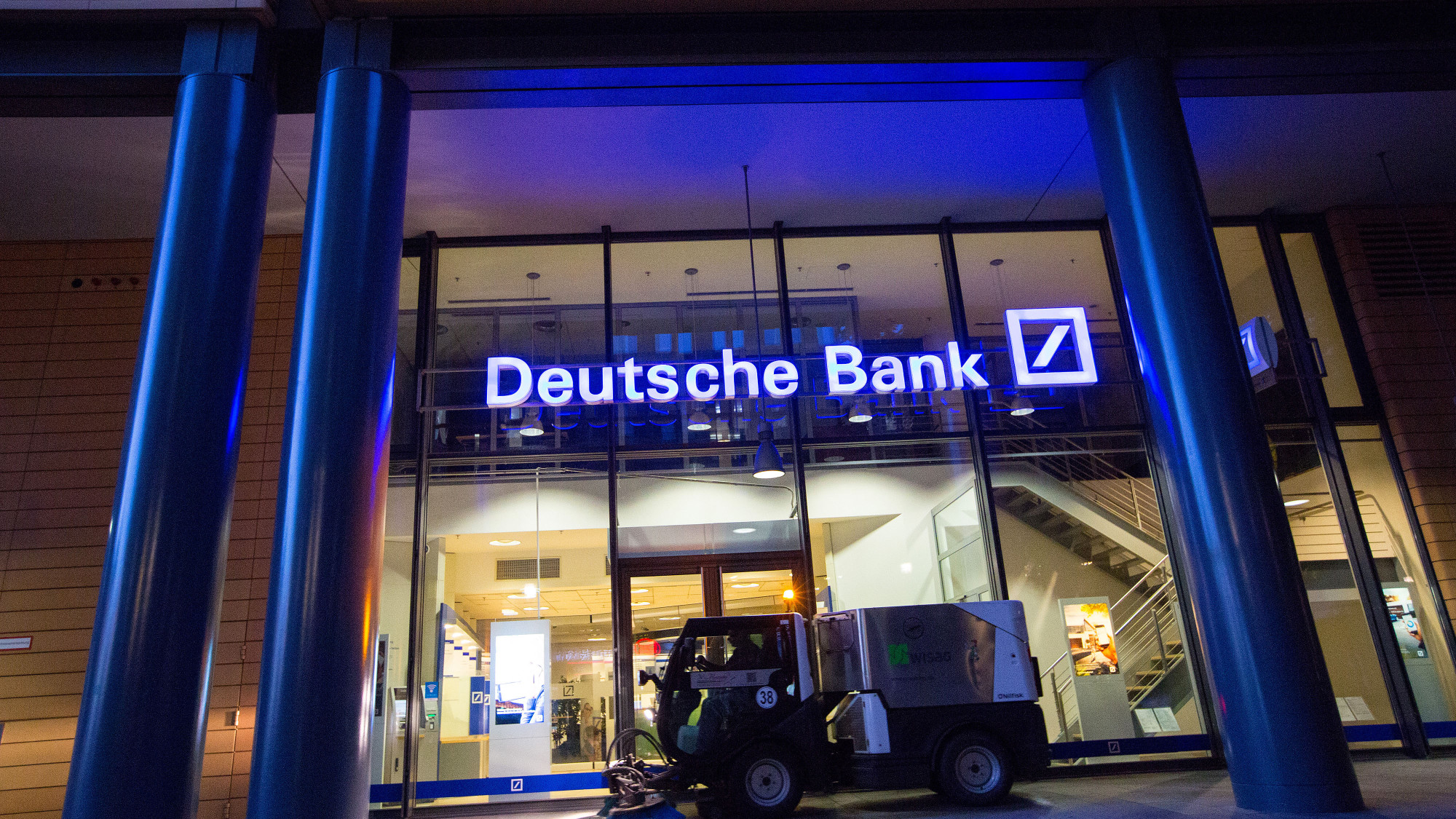
    Deutsche Bank Wealth Management has hired two former executives from DBS Private Bank to bolster its South Asia business.  Shankar Jha joins the German private bank’s global South Asia (GSA) team in Singapore as a managing director and group head, according to a statement, reporting to global South Asia head Amrit Singh.

    Jha has over 20 years of private banking experience, most recently with DBS Private Bank where he spent six years, last as a senior director and team leader. Previously, he also worked for UBS Wealth Management and Citi Private Bank.

    Deutsche Bank Wealth Management also hired Sachin Thussu as a director and senior investment advisor.

    Based in Singapore, he will be part of the investment management team and report to head of investment management global GSA Ritesh Goenka.

    Thussu has over 20 years of experience across financial markets – most notably, FX and precious metals – and cross-asset advisory. Prior to joining Deutsche Bank, he worked for DBS Private Bank, Credit Suisse, Standard Chartered Private Bank and Citi covering private wealth and quasi institutional clients from London, Zurich and Singapore.

    Year-to-date, Deutsche Bank’s GSA unit has hired 14 relationship managers across Dubai, Geneva and Singapore.

    Notable additions include ex-Julius Baer bankers Dhananjay Rathore as a managing director and Rajasekar Ayyalu as a director based in India where four relationship managers have been hired thus far this year. Other newly hired directors include Richard Van-Dirmen, Hervé Alykhan Ladak, Randeep Singh and Harshin Shah.

    The GSA unit also added three investment advisors in Dubai and Singapore.

    At Deutsche Bank Wealth Management, we value the importance of the GSA market to the Bank’s Asia strategy, and will continue investing, said Singh in the statement.

  • Fresh soup brand DariKay rebrands as Dari’s

    Fresh soup brand DariKay rebrands as Dari’s

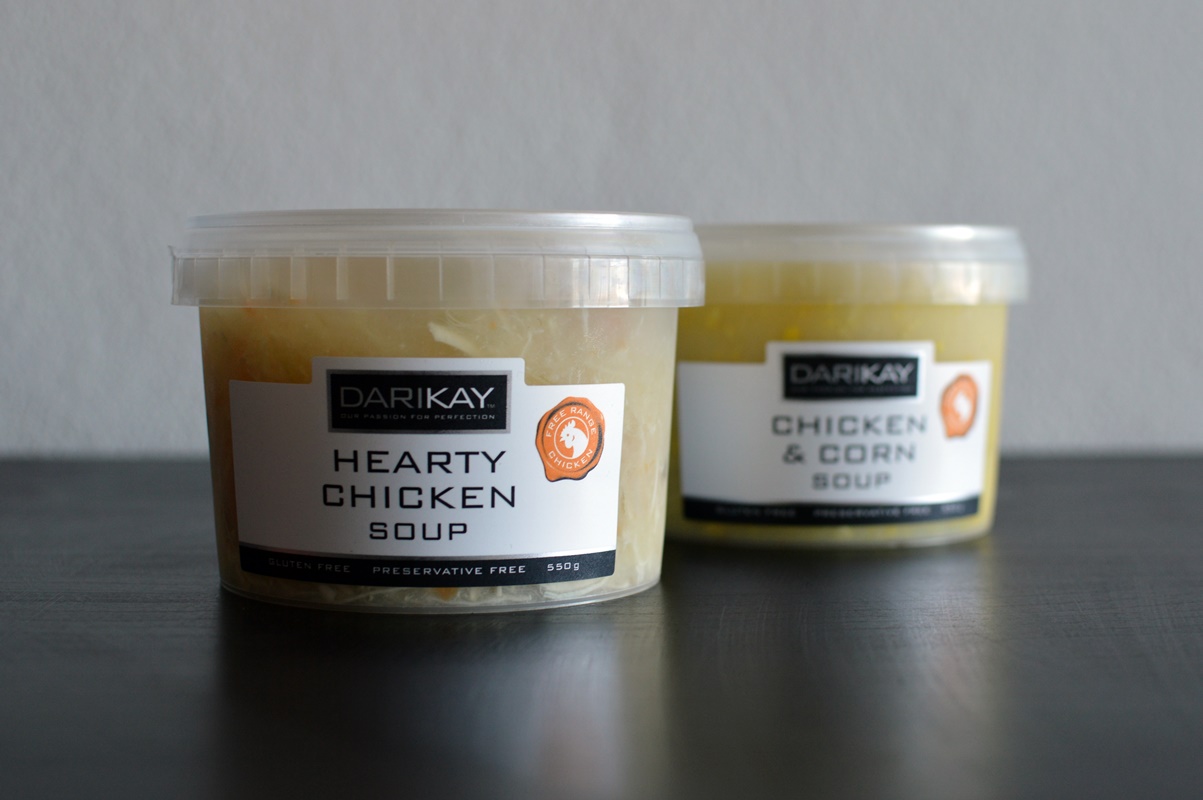
    Australia’s leading freshly made soup brand DariKay is changing its name to DARI’S, with a brand-new look including a new logo, colours, and new ‘Feel at Home’ tagline. 

    The rebranded DARI’S Soups will start to appear in Woolworth’s chillers in September, followed by Coles and independent retailers from November, phasing out the old DariKay packaging through a gradual roll-out. 

    The rebrand from DariKay to DARI’S celebrates the real people behind the soups – Dari and Yehiel Kaplan and family. The couple started their Dari’s Kitchen food business in their home kitchen in 2004, beginning with Pilpel dips, followed by DariKay fresh, small-batch soups in 2007, which has grown to become Australia’s top chilled soup brand.

    All soup recipes are developed, tried, and tested by Yehiel, using his skills as a chef to create a range of flavors to suit different taste preferences and dietary needs. The soups are stocked by major supermarkets and independent retailers across Australia.

    Dari Kaplan, co-founder, says: “Our soup rebrand to DARI’S is a big change but a very exciting one. We felt that DARI’S better connects us to our consumers, it lets people know that a real family is making these soups, to our recipes, just like we do at home.

    “It’s the same DariKay soup that people know and love – the flavors, size, and ingredients are exactly the same – but with a new look and a new name, that reflects who we are.”

    A major part of the rebrand is the launch of a new website, www.darissoups.com.au, which has photographs from the Kaplan family albums and tells the story of how Dari and Yehiel’s business began

    Dari adds: “People can now get a glimpse into our family and how we started all those years ago, with our children as our taste testers, and our little kitchen blender. We’re very proud of how we started because that is how we got here. We hope that when people share a DARI’S soup, they feel the love and care of our family, because that’s what we’re all about, and that will never change.”

    The flavors of the new rebranded DARI’S Soups will remain the same as the current DariKay soup line-up. There are 13 fresh soups in the range including vegetarian, poultry, meat, and seafood varieties, with gluten-free, dairy-free, and preservative-free options.

    The soups are made in small batches at the family’s kitchen HQ in Marrickville, New South Wales, using carefully selected quality ingredients such as free-range chicken and aged beef brisket. Flavors in the range include Chicken Noodle, Chicken & Corn, Beef & Barley, Mushroom, Lentil, and Spicy Prawn.

  • Beijing Seeks Alipay App Break-Up

    Beijing Seeks Alipay App Break-Up

    There is more restructuring underway for Jack Ma’s Ant Group with Chinese authorities reportedly seeking to break up Alipay, its super app with over 1 billion users.

    Chinese officials want Ant to make its traditional credit card and small unsecured loans business – Huabei and Jiebei, respectively – into two separate apps, breaking up what used to be a single Alipay app.

    The plans also require Ant to turn over user data to a new partly state-owned credit scoring joint venture.

    The government believes big tech’s monopoly power comes from their control of data, said one source. It wants to end that.

    The reported deal that will make Zhejiang Tourism Investment a majority shareholder is considered favorable for Ant due to its relationship with its home province.

    Given the mutual trust between Ant and Zhejiang, the fintech group will have a big say on how the new JV operates, said an unnamed former Chinese central banking official. But the new set-up will also make sure that Ant listens to the party when it comes to critical decision-making.

    What does Zhejiang Tourism Investment Group know about credit scoring – nothing, said another source who noted while Ma’s team would lead the venture, there was concern about future loss of control.

    The Huabei and Jiebei businesses fall under a ‘CreditTech’ unit and is a leading revenue generator for the fintech giant.

    Last year, it issued about one-tenth of the non-montage consumer loans in the second-largest economy in the world.

  • Covid restrictions put the brakes on car sales

    Covid restrictions put the brakes on car sales

    The Vietnam Automobile Manufacturers Association said its members sold only 7,714 vehicles in August, the lowest number in seven years.

    Their sales were down 68 percent year-on-year for the month and 47 percent from July.

    The Vietnam Automobile Manufacturers Association said its members sold only 7,714 vehicles in August, the lowest number in seven years.Their sales were down 68 percent year-on-year for the month and 47 percent from July.

    It marked the fifth consecutive month of decline for the industry, which attributed the slump to social distancing amid Covid-19 in many provinces and cities, especially Hanoi and Ho Chi Minh City.

    The country’s largest automaker and non-member TC Motor, which assembles Huyndaicars, saw sales plummet by 60 percent year-on-year in August to 2,182.

    VAMA members have sold 157,777 vehicles so far this year, up 8 percent from 2020.

    Car sales increased sharply in the second half of 2020 after a 50 percent cut was made to registration fees, which are substantial at 10-12 percent of the vehicle price. There have been no rate cuts this year.

    TC Motor’s sales for the year were down 2 percent to 40,248 units, the first time ever its sales have declined.

  • Inmarsat launches Velaris for unmanned aviation industry

    Inmarsat launches Velaris for unmanned aviation industry

    Inmarsat announced the launch of its advanced new Velaris connectivity solution, which is uniquely positioned to serve as a catalyst for the safe and rapid growth of the unmanned aerial vehicles (UAVs) industry.

    Powered by the Inmarsat ELERA global satellite network, Velaris will provide secure communications for commercial UAVs – commonly known as drones – to fly beyond visual line of sight (BVLOS) and seamlessly integrate with aircraft in commercial airspace. Backed by military-grade cybersecurity, it allows operators to send their UAVs on long distance flights and access various applications, such as real-time monitoring, to ensure safe integration with other air traffic. In addition, Velaris allows a single pilot to remotely operate multiple UAVs at scale, making operations more commercially viable.

    Over the next seven years, the commercial UAV market is projected to increase from $2.32 billion in 2021 to $11.29 billion in 2028, marking a compound annual growth rate (CAGR) of 25.39% during this period. This will have a far-reaching impact on various aspects of business and society, ranging from cargo delivery, urban transport and surveillance to emergency services and disaster relief, including the supply of critical items such as medicine, test kits and food for remote communities.

    To support this fast-paced growth, Velaris will unlock unprecedented new digital automation capabilities within the UAV industry, leading to significant advances in safety, productivity, customer service, location access and accuracy, while also reducing the overall cost of operations. Importantly, it will also support the transport of people and goods in an environmentally friendly manner.

    Anthony Spouncer, Inmarsat’s Senior Director of UAVs and Unmanned Traffic Management, said: “Commercial UAVs have the potential to revolutionise a vast array of different industries throughout the world. However, to truly unlock their potential on a commercial scale, it is imperative that autonomous vehicles and unmanned aviation are safely and securely integrated into managed commercial airspace. That’s exactly what Velaris, as Inmarsat’s first global UAV connectivity solution, will deliver.

    “Inmarsat’s unparalleled experience in air traffic management and aviation safety, combined with our established track record in civil and military UAV communications, ensures that we can support global regulators, air navigation service providers and UAV operators with seamless airspace integration. In addition, thanks to our ambitious and fully-funded technology roadmap, including our brand new ORCHESTRA communications network of the future, Velaris will continue to develop and evolve alongside the UAV industry, remaining its gold standard connectivity solution for decades to come.”

    Inmarsat was recently crowned winner at the prestigious Air Traffic Management (ATM) Magazine Awards for its Pop-Up Unmanned Traffic Management (UTM) Platform, developed with Altitude Angel. Furthermore, Inmarsat is well-integrated in the air traffic management industry as a consortium member of Cranfield University’s recently opened Digital Aviation Research and Technology Centre (DARTeC). The company participates in several projects that aim to revolutionise the future of flight, including the UK Government funded Project HEART (Hydrogen Electric and Automated Regional Transportation) – which is developing the country’s first automated, zero carbon regional air transportation network – and Airspace of the Future (AoF) – which focuses on integrating UAV services with the wider UK transport ecosystem.

    “We work with our global partner ecosystem to develop UAV terminals that deliver smaller, more cost effective multi datalink solutions,” added Spouncer. “These are optimised for a wide range of use cases so that our customers can always have the highest possible standard of connectivity. I’m pleased to launch Velaris today. Coming soon after the launch of Inmarsat ORCHESTRA and ELERA, this truly emphasises Inmarsat’s long-term commitment to the commercial UAV market.”