Tag: asia

  • Vietnam considers lifting Boeing 737 Max ban

    Vietnam considers lifting Boeing 737 Max ban

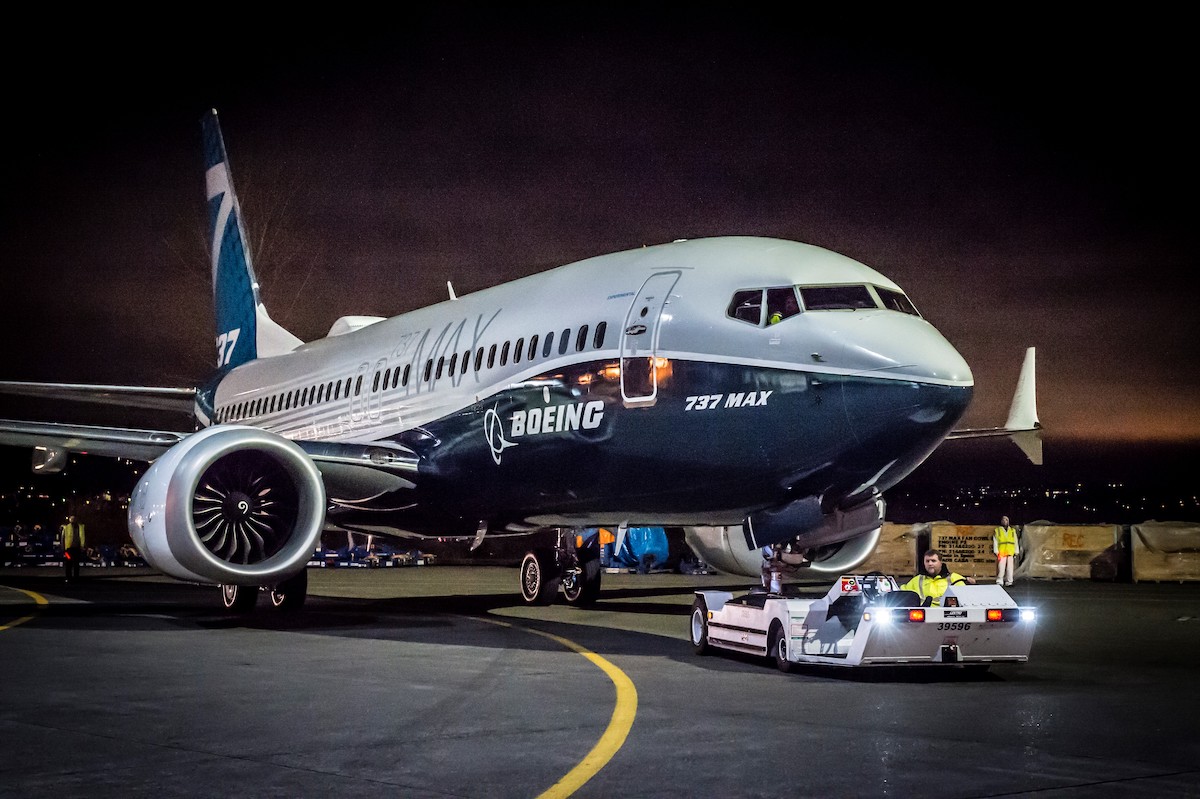
    The Civil Aviation Authority of Vietnam has proposed that the Boeing 737 Max aircraft be allowed to operate and imported to the country after a ban of over two years.

    The CAAV petitioned the Ministry of Transport to consider greenlighting the aircraft after 178 out of 195 global aviation authorities had lifted the ban on the jet.

    Over 360 Boeing 737 Max aircraft of 35 airlines have resumed service, it said.

    As of Sept.15, the aircraft has operated over 150,000 flights with over 370,000 hours of safe performance.

    Vietnam in April allowed the Boeing 737 Max to pass through its airspace, two years after it was grounded worldwide in March 2019 after 346 people were killed in two crashes in the space of a few months in Indonesia and Ethiopia.

  • Vietnam Airlines ready for US direct route

    Vietnam Airlines ready for US direct route

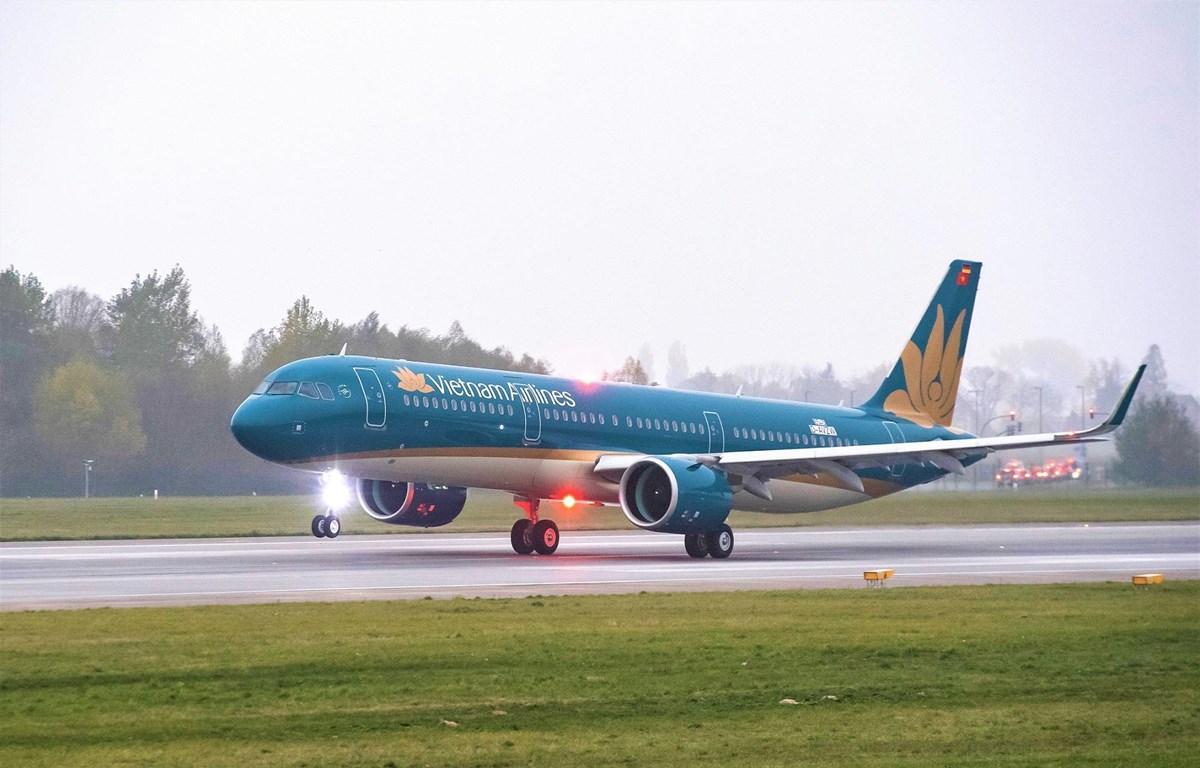
    Vietnam Airlines is set to receive its final permit from U.S. authorities to conduct regular direct flights to the U.S. after nearly two decades of preparation.

    The national flag carrier has completed all necessary documents to be approved by the U.S. Transportation Security Administration (TSA), it stated.

    It is set to receive the permit from Federal Aviation Administration (FAA) soon. The airline did not specify a date.

    Vietnam Airlines said the permit is different from that given earlier for international special charter flights between Vietnam and the U.S.

    The carrier had earlier received permits to conduct 12 charter flights last year and another 12 this year.

    Bamboo Airways had also received a permit to fly 12 charter flights to the U.S. from this month to November.

    Last month, Vietnam Airlines was planning to operate regular flights between Vietnam and the U.S. starting October.

    The airline in 2003 was ordered by the Ministry of Transport to begin direct services to the U.S. by 2005. However, concerns about profitability kept the carrier from realizing the goal until now.

  • Royal Enfield To Witness Exit Of Key Management Personnel

    Royal Enfield To Witness Exit Of Key Management Personnel

    Royal Enfield is witnessing a shakedown in its top management, after Chief Executive Officer Vinod Dasari stepped down from his position in August 2021. The company’s COO B. Govindrajan has been appointed Executive Director to lead the company, and replace Dasari. Now, according to the latest reports, the company will likely see a fresh round of exits from its senior management. According to reports, Lalit Malik, the Chief Commercial Officer of Royal Enfield has already put in his papers, and Shubhranshu Singh, Global Head of Marketing is already serving his notice period.

    The resignations and shakedown in Royal Enfield’s senior management comes at a crucial time when the brand is expanding in overseas markets, to grab a leadership position in the mid-size motorcycle segment. With the launch of the Royal Enfield 650 Twins three years ago, Royal Enfield has been on the product offensive and has recently launched the all-new Classic 350, built around an all-new platform with the J-Series engine also shared with the Meteor 350. The shakedown in the top management couldn’t have come at a worse time, when multiple new products are being planned, with Royal Enfield planning to introduce a new product every quarter.

    In fact, other reports suggest that Royal Enfield has let go of nearly 100 employees as part of its annual performance review. The measures are being described as “right-sizing” the workforce as part of the brand’s Project Restore initiative. The initiative intends to attain a 25 percent operating margin for the brand, and average sales volumes of 50,000 units a month. In August 2021, Royal Enfield reported a 9 percent decline in monthly sales, with domestic sales slipping by 18 percent. The only silver lining is the 164 percent jump in exports, but overseas sales volumes are a meagre 6,790 units in August 2021, compared to domestic sales volumes of 39,070 units in the same month.

    The coming months will be critical for Royal Enfield, as the brand struggles to find replacements for its senior management, and at the same time, go forward with its new product offensive, as well as stabilize sales volumes.

  • Vietnam’s Bamboo Airways to sign $2 bln deal with GE for engines on Boeing jets

    Vietnam’s Bamboo Airways to sign $2 bln deal with GE for engines on Boeing jets

    Vietnam’s Bamboo Airways will sign a deal valued at nearly $2 billion with General Electric to purchase GEnx engines to power Boeing 787-9 Dreamliner aircraft, the airline said on Tuesday.

    The GEnx engines, due to be delivered in 2022, will be used on the airline’s wide-body Dreamliner fleet to operate planned non-stop routes between Vietnam and the United States, the company said.

    “This new signing agreement will be an important milestone for the airline to expand its transcontinental flight network, connecting Vietnam with medium- and long-range markets,” the statement said.

    The airline said it will open a representative office in the United States and sign agreements with San Francisco International Airport and Los Angeles International Airport this week, paving the way for its first test of a non-stop flight between the countries on Thursday.

    Bamboo said it aims to finalise procedures for non-stop commercial flights to the United Sates early next year, pending government approvals.

    Bamboo said it is also seeking to expand its international flight network and open more routes to Australia, the United Kingdom and Germany, using its Boeing 787-9 Dreamliner aircraft.

  • Thai packaging firm eyes $353-mln expansion in Vietnam

    Thai packaging firm eyes $353-mln expansion in Vietnam

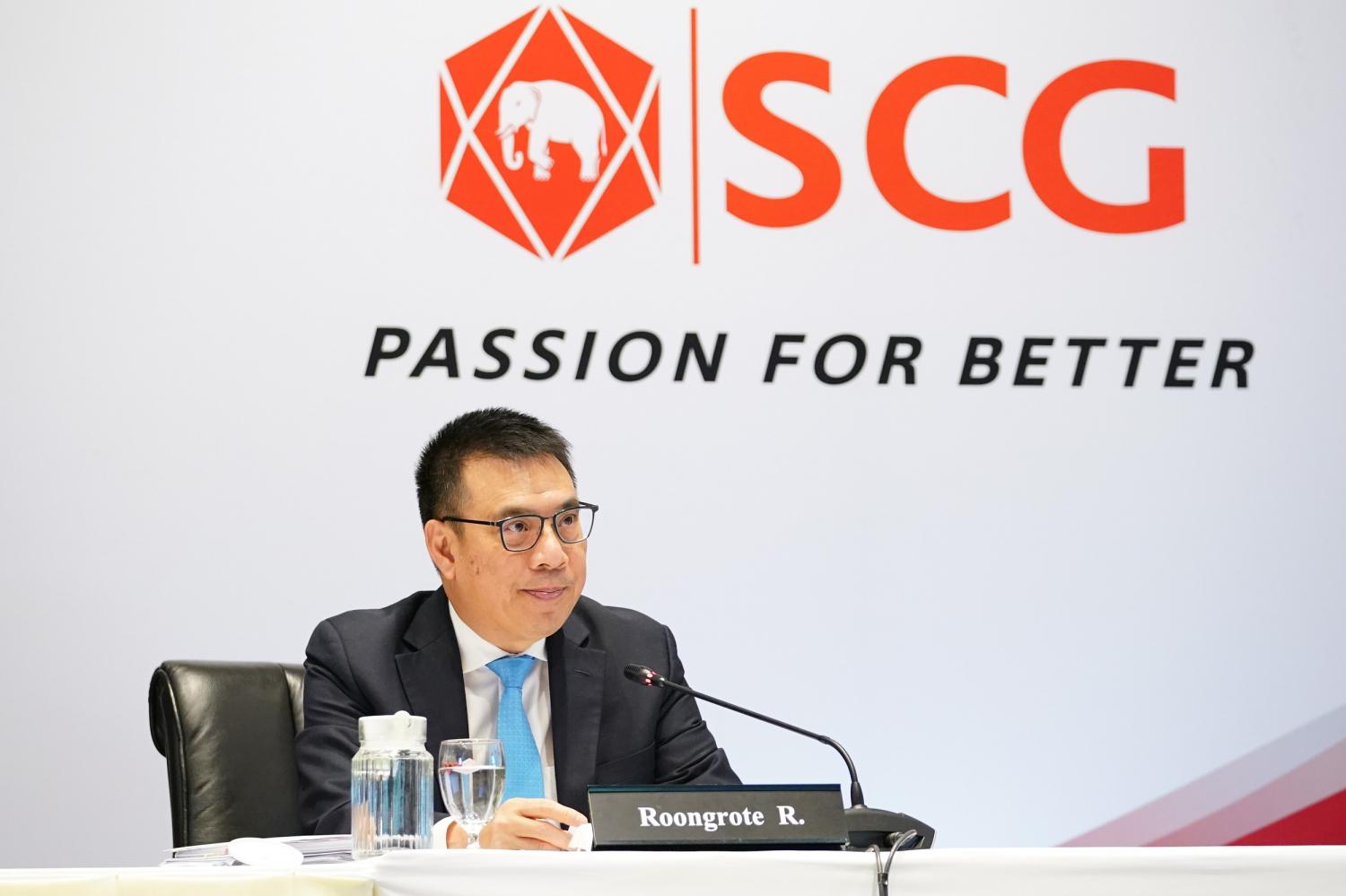
    Thai company SCG Packaging has announced plans to invest $353 million to expand in Vietnam.

    It will build a new plant in the northern province of Vinh Phuc, which will increase its capacity by 74 percent to 870,000 tons of packaging paper a year when it goes on stream in 2024.

    It will be operated by Vina Kraft Paper, a joint venture with Japan’s Rengo Company in which SCGP holds 70 percent.

    Vietnam is both a big consumer and exporter in the region, making it a big draw for multinational investors, CSGP’s chief executive, Wichan Jitpukdee, said.

    The country’s demand for packaging paper and related products is expected to grow at 6-7 percent a year in 2021-24, SCG Packaging estimates.

  • Evergrande’s Lenders Prepare Loan Loss Provisions and Rollovers

    Evergrande’s Lenders Prepare Loan Loss Provisions and Rollovers

    Several of China’s largest banks that issued loans to Evergrande are now reportedly considering taking on loan loss provisions and rolling over near-term obligations.

    Agricultural Bank of China – the nation’s third-largest lender by assets – has made some loan loss provisions for Evergrande-related exposure, according to a report citing unnamed sources.

    Separately, China Minsheng Banking Corp and China CITIC Bank Corp are prepared to roll over some of Evergrande’s near-term debt obligations.

    According to the report, Chinese bank exposure to Evergrande has decreased in the past year, such as a 10 billion yuan ($1.55 billion) reduction of Evergrande loan exposure to 30 billion yuan at Minsheng.

    There is a possibility that the government may intervene to manage an orderly collapse of Evergande, the report said, adding that regulators have completed related risk assessments.

    In a leaked 2020 document, Evergrande was believed to have liabilities with over 128 banks and 121 non-banking institutions. Although the document was written off as a fabrication by Evergrande, it is reportedly viewed with credibility amongst analysts.

  • DBS Announces More Tech Job Openings

    DBS Announces More Tech Job Openings

    DBS continues to add tech talent with plans to hire around 150 related positions via a virtual hackathon.

    DBS will hire for around 150 technology positions through a virtual hackathon, Hack2Hire, an annual program in its fourth edition, according to a statement.

    The positions will be for 14 developer and engineering roles across artificial intelligence (AI), machine learning, and blockchain technologies.

    Successful candidates from the hackathon will be invited for a final interview during the event.

    The latest expansion follows 140 tech job openings previously announced in May during the bank’s female-focused virtual career fair.

    With Covid-19 greatly accelerating the pace of digital adoption, it is now more important than ever to ensure that our digital offerings continue to stay ahead of our customers’ needs, said DBS’ group head of big data/AI and consumer banking technology Soh Siew Choo.

  • Five Guys opens first Australian outlet

    Five Guys opens first Australian outlet

    US burger sensation Five Guys opens its first Australian restaurant, for takeaway only, on 20 September in Sydney’s Penrith.

    Master franchisee Seagrass Hospitality is opening the long-awaited fast-food brand at the Penrith Panthers Leagues Club on the busy Mulgoa Road.

    Robby Andronikos, brand manager of Five Guys Australia, said “It’s been an incredibly fun journey to bring the Five Guys opening to this point. A massive team effort from Five Guys, Seagrass BHG, and the multiple Australian producers and businesses working in partnership to launch this brand with the exacting standards required.

    “I’m excited to finally be able to open the doors to our first store in Penrith with many more Australian restaurants on the horizon already planned.”

    Seagrass BHG has five brands in its portfolio, including Ribs&Burgers, Italian Street Kitchen and The Meat & Wine Co.

    What started as a family-run burgers and fries restaurant in 1986 is now a global franchise with sites across North America, Europe, the Middle East and Asia.

    The next planned expansion beyond the Australian market will be into New Zealand.

    The Murrell brothers who founded the business has a no freezer, no microwave policy – all burgers and fries are made fresh every day.

    Lean mean patties are made every day on site, while the bread is baked fresh five days a week in a locally contracted bakery.

    Chad Murrell said “From the beginning, we wanted our customers to know that we put all our money into the food. That’s why the décor is so simple; only red and white tiles. We don’t spend money on décor, or guys in chicken suits. We’ll go overboard on food.

    “By maintaining a simple ethos, coupled with highest quality ingredients, we continue to follow through on the vision since 1986.”

  • DoorDash bets big on liquor deliveries

    DoorDash bets big on liquor deliveries

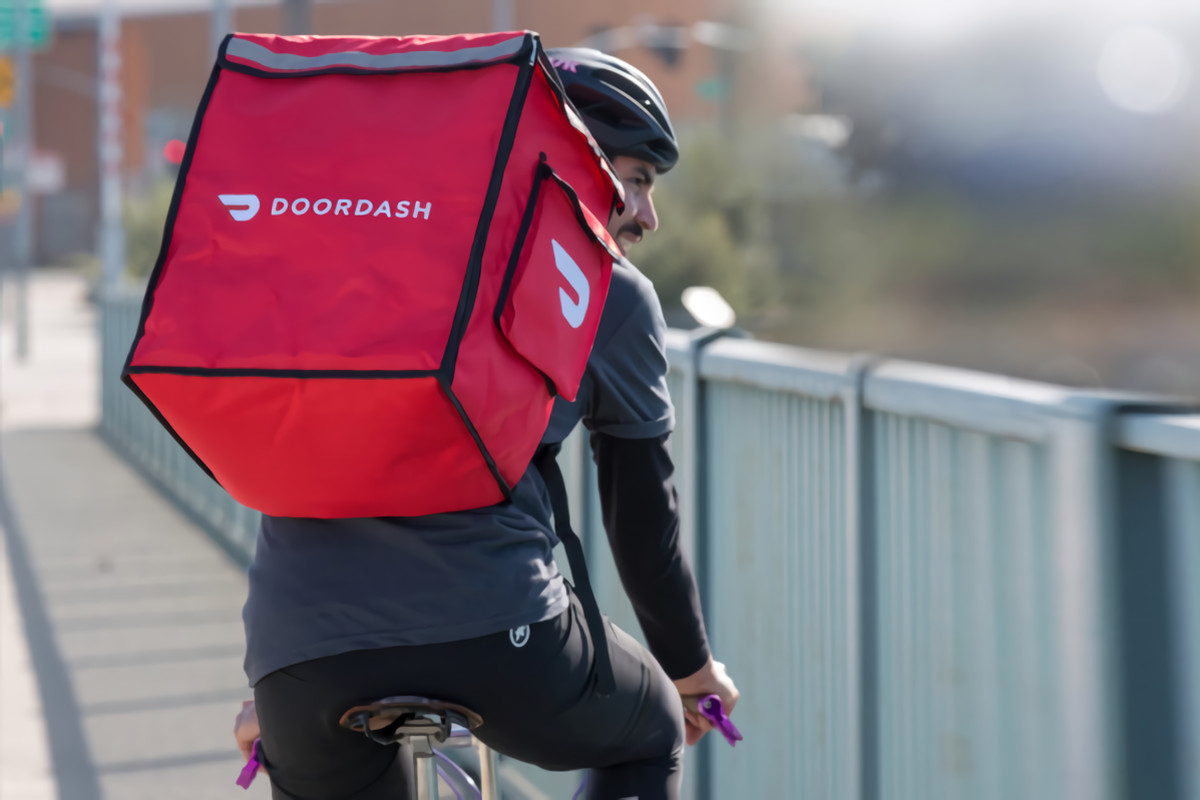
    DoorDash will offer beer, wine, and spirits through the DoorDash Marketplace in 20 U.S. states and Washington, D.C., as well as Canada and Australia, the company announced on Monday. Customers will be able to order alcohol offerings from grocery stores, restaurants and other local merchants through a new “Alcohol” tab in the DoorDash app.

    Alcohol delivery exploded during the pandemic as COVID-19 restrictions shifted happy hour from bars and restaurants to people’s homes. Lawmakers in many states temporarily relaxed regulations to make alcohol available for home delivery and pickup. E-commerce made up just 1% of U.S. alcohol sales by retailers in 2019 by volume but is expected to grow to 7% by 2024, according the Wine & Spirits Wholesalers of America, an industry trade group.

    The boom has created an opportunity for delivery giants like DoorDash and Uber Eats to capitalize on the higher-margin category. It’s also a boom for restaurants as adding alcohol could increase average order values by as much as 30%, according to DoorDash Chief Operating Officer Christopher Payne. “It’s a win-win for everyone. Customers have a wider selection, restaurants can achieve greater sales and Dashers can earn more,” he said.

    The San Francisco-based company commanded 57% of the food-delivery market as of August and has seen sustained growth across segments even as indoor dining has resumed. The dedicated alcohol operation, which counts more than 10,000 retailers, will also benefit from DoubleDash, a feature that lets customers shop from multiple stores and bundle them into a single order. DoorDash’s move heats up the competition with Uber, which purchased on-demand alcohol delivery app Drizly for $1.1 billion in February.

    Because regulations around alcohol delivery differ city-to-city, the new offering will be available only in select markets. DoorDash has ramped up its lobbying efforts alongside the restaurant industry and have seen “great traction” as legislators have been keen to help businesses that were battered when the pandemic shuttered eateries, Payne said.

    DoorDash will employ ID verification prior to checkout and by couriers before delivery to ensure customers are 21 years old or older, the company said in a statement.

    The company has been delivering alcohol from restaurants and through its Drive service, which handles orders from a merchant’s website rather than through the regular DoorDash Marketplace app.

  • UBS China Fund Caught in Tech Maelstrom

    UBS China Fund Caught in Tech Maelstrom

    UBS’s $10 billion China Opportunity fund caught in the downdraft of the country’s harsh tech crackdown.

    It was only last April that Bin Shi gave a fireside chat on a UBS asset management hosted website. The bank’s head of China equities appeared optimistic about the outlook for Chinese equities, saying it was likely the tech sector had seen the worst in terms of anti-trust penalties.

    As a result, he felt confident buying high-quality A-share titles listed in Shanghai and Shenzhen.

    And when Shi talks, investors tend to listen – given he currently manages four different vehicles focusing on Chinese equities, the largest being the China Opportunity Fund.

    It is one of the most important equity funds at UBS. It has a highly successful track record, and assets under management were $14.4 billion at the end of 2020. Over the past five years, it posted an annualized return of more than 12 percent.

    Until this year, Morningstar ranked it as a five-star fund while Citywire has long rated Shi highly.

    What that means is that Shi gets talked about. In Switzerland, the fund seemed to attract new money almost by magnetic force, envious market competitors say.

    But over the past few months that force has likely weakened significantly. Things have not turned out as Shi expected. A-shares continue to tank, as do Chinese securities listed overseas. In summer, the fund recorded double-digit declines and it lost a Morningstar star in July. As of right now, the fund is down almost 22 percent this year.

    That means that it trails the MSCI China Index and many of its peer funds. It still managed $10.4 billion in assets in June with the first half report recording redemptions of about $3.8 billion, although that was still more than offset by inflows of $4.2 billion. But if you factor in market performance, the current shortfall is more likely to be about $1.2 billion.

    That is more than likely to be a big hit for Shi. When asked by finews.com, UBS said that it takes the long-term view when it comes to identifying market prospects and it invests in companies with strong management and a long-term vision that allow them to ably manage geopolitical, regulatory and other external events.

    China is more volatile than other markets, and such an environment creates opportunities for active managers to create value,, a spokesperson said.

    It appears that the fund bet billions of dollars on the Chinese companies bearing the brunt of the anti-cartel and regulatory crackdown. Its holdings of Tencent comprise 9.76 percent of the portfolio, Alibaba and other Jack Ma companies, including Ant, which is being split up, make up 5.74 percent. In comparison to peers, it appears to be overweight in financials.

    In the meantime, the Chinese government seems to be ramping up scrutiny of the insurance sector. One of the largest insurers is Ping An, which is 5.29 percent of the portfolio. Authorities are also taking steps against video games, which is likely to impact major games producer Netease (4.97 percent of the portfolio).

    The brutal decline in Chinese equities has proven controversial, given that it has become mixed up in the U.S.-China trade war, the pandemic and violations of human rights in China. Market legend George Soros has called Blackrock’s recent move into China a «tragic mistake». He warned that the world’s largest asset manager was likely to lose money as a result, warning that the recent steps against the tech sector are a symbol that Chinese President Xi Jinping will do anything to remain in power.

    One of the world’s mostly closely watched investors, Cathie Woods, recently sold off a sizeable chunk of her funds holdings in China tech.

    Blackrock and UBS have no choice but to grin and bear it. The Chinese investment market is a long-term gamble and one in which UBS managed to position itself before other competitors. UBS is also intent on making more investments there. That also holds for the funds business. It is expanding its palette of products and it is shortly expected to launch a new China Healthcare fund.

    But if UBS China funds continue to bleed, that could change. It is mostly investors outside the mainland that have been burned by the tech crash and they make most of their money from them.

    They seem to have had enough of the way Chinese authorities have been acting, which they see as unpredictable and overly draconian.
  • Korean firms to use petrol stations as logistics hubs

    Korean firms to use petrol stations as logistics hubs

    With the expansion of the ‘quick commerce market’, which offers guaranteed delivery within an hour, South Korean firms are employing gas stations as warehouses and logistics hubs.

    It has become a new alignment of interest between the quick commerce industry that needs logistics hubs in the heart of the city, and gas stations in search of a breakthrough as they struggle from dwindling sales with the emergence of eco-friendly cars.

    Shinsegae Property, property development unit of retail giant Shinsegae Group, signed an agreement with Koramco Energy Plus REITs to begin the development of gas station sites. The plan is to turn idle spaces at 187 gas stations owned by REITs into logistics hubs.

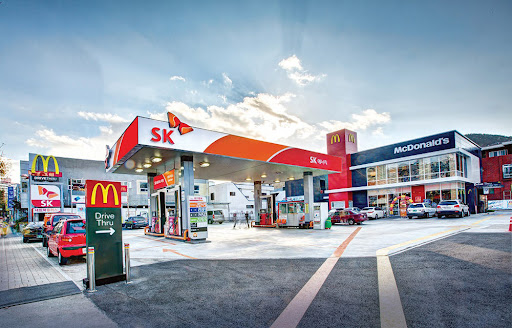
    Major logistics company CJ Logistics also signed an agreement with oil refinery and gas station operator SK Energy late last month to use their gas stations as logistics hubs.

    The plan is to set up small to medium-sized warehouses at these gas stations to keep stock of popular consumer goods to ship them out as soon as an order is placed.

    GS Caltex, South Korea’s second-largest refiner by sales, teamed up with local food delivery firm Mesh Korea last year to come up with plans for establishing logistics hubs at gas stations nationwide that will focus on short-range deliveries.

    This trend is partially the result of gas stations struggling to remain profitable. There were 11,290 gas stations in South Korea as of May and 109 gas stations had closed down in the first five months of the year, according to the Korea Oil Station Association.

    The Korea Energy Economics Institute said in a report published in January that number of gas stations in the country has been shrinking by an average of 1.3 per cent annually in the last 10 years, claiming that only 3,000 gas stations will be operational by 2040.

  • Cult British water brand Dash heads Down Under

    Cult British water brand Dash heads Down Under

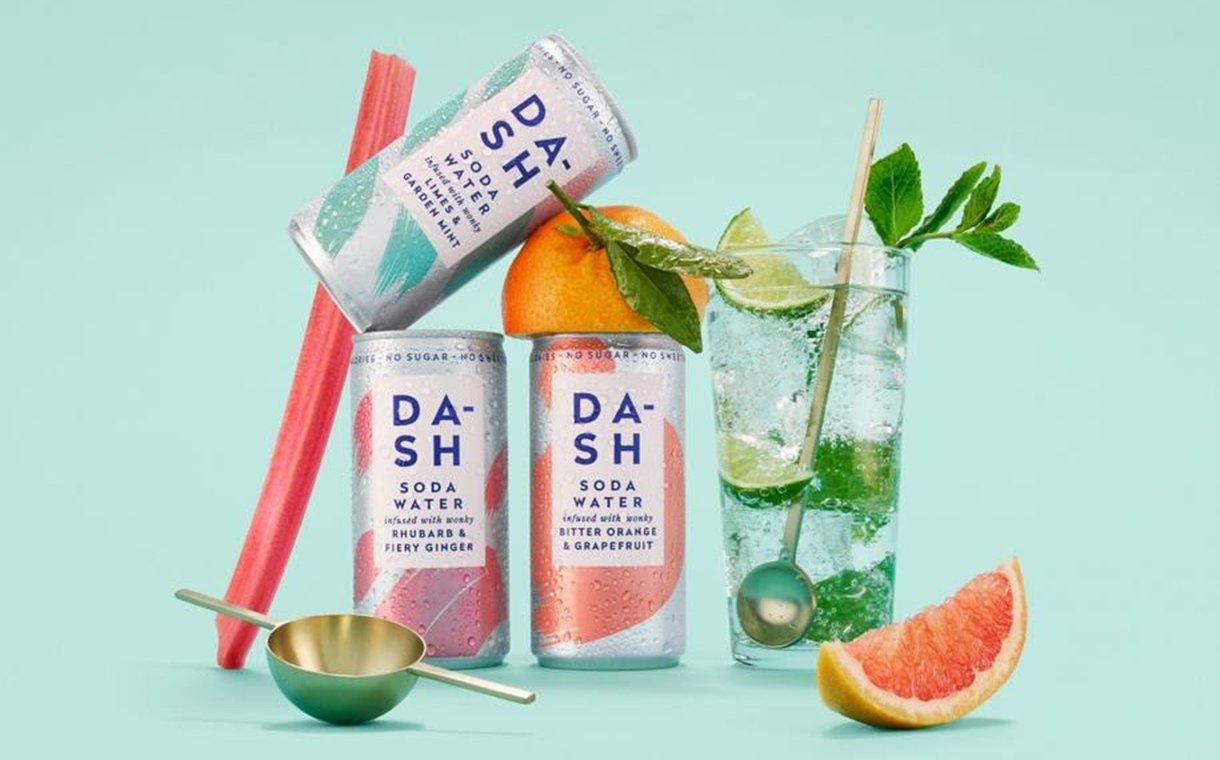
    Dash, the UK drink brand, is making a foray into the Australian soft-drink market with the launch of its renowned ‘wonky fruit’ infused sparkling water.

    Featuring just three ingredients – water, bubbles and wonky fruit – the drinks are sugar-free, zero-calorie and no sweetening is added. As part of the plan to reduce food waste, Dash uses fruits and vegetables that are wonky, bent, curved, knobbly, misshapen, and imperfect – but still delicious.

    Created by Jack Scott and Alex Wright in 2017, the idea came from when the two founders – who have farming backgrounds – saw produce that didn’t meet “beauty standards” going to waste. Dash also says it is on a mission to create a ready-to-use and sustainable drink to encourage people to have a greener lifestyle.

    This expansion of Dash marks the first time the company has produced locally outside the UK. The sparkling water is available at 700 Woolworths stores, and at 800 independent retailers across the country.

    “We noticed that the Australian market is backing the seltzer category in a similar way to the US and UK,” said Jack Scott, co-founder of Dash Water. “Many independent retailers, and Australian supermarkets, are focused on sustainable practices that align with our values as a B-Corporation. We wanted to bring a fresh perspective to the market by continuing to infuse local spring water with delicious wonky fruit, just as we do in the UK. Expanding Dash in Australia gives us the opportunity to expand the business and enter into new and exciting markets.”

    With the slogan “Dash judges on taste, not looks”, the water range can be found in different flavors – raspberry, lemon and cucumber – with an RRP of $8 for a box of four 300ml cans.

  • Singapore’s Yacht 21 rebrands with a new label and purpose

    Singapore’s Yacht 21 rebrands with a new label and purpose

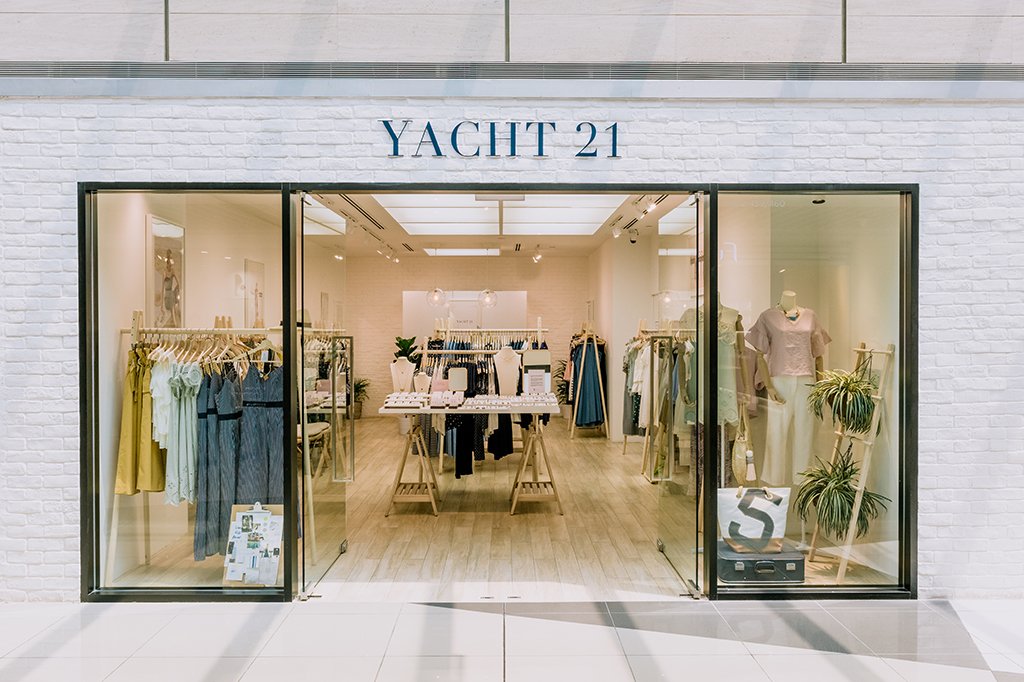
    Singapore fashion label Yacht 21 has been renamed Y21, changing its logo and purpose in response to the change in fashion after the pandemic.

    Founded in 2009, Yacht 21 was known for its travel-friendly and resort collection inspired by Scandinavian designs. As international travel has been put on hold and will not be possible for a while since Covid-19, Yacht 21 has decided to shift its focus to functional, fuss-free and seasonless pieces for women to adapt to the new normal.

    “We believe it is for the better as we learn to embrace the importance of versatility, comfort and quality in our designs to align with the new lifestyles women are leading,” said Jarenis Ho, founder of Y21.

    “Where women used to have different pieces for work, parties and vacations, we now have a more blended existence and need outfits that can be worn anywhere while maintaining a strong sense of purposeful style.”

    Y21 brand colour palette features three colours – grey, beige and orange. The tagline has also been changed from ‘Everyday’s A Holiday’ to ‘Wear Anywhere’.

    Y21 will feature its new image on its website this Thursday.

  • Shanghai encourages ‘duty-free economy’ as part of consumer push

    Shanghai encourages ‘duty-free economy’ as part of consumer push

    The Shanghai government will support companies applying for approval to sell duty-free goods, and encourage duty-free shops to be set up at airports, hotels, malls and other commercial venues, municipal authorities said.

    The development of a “duty-free economy”, which will encourage spending on imported products, including heavily-taxed luxury goods, was outlined in a 2021-2025 consumption plan released on Saturday.

    Presently, duty-free spending in China is largely concentrated in the southern island province of Hainan, where the annual limit on individual duty-free spending was hiked to 100,000 yuan (US$15,467) last year from 30,000 yuan previously.

    Tariffs on imported consumer goods vary in China, with taxes on some luxury items such as perfumes and watches exceeding 30 per cent.

    Lured by the substantially lower prices, millions of domestic tourists flock to Hainan’s malls each year, and the numbers have been boosted by restrictions on overseas travel resulting from the Covid-19 pandemic.

    Otherwise, there are more than 300 duty-free shops across the country selling products from fragrances and cosmetics to clothing and shoes. China Tourism Group Duty Free Corp is the dominant player, with nearly 200 stores.

    Annual duty-free spending is in the tens of billions of yuan.

  • JD opens E-space store in Indonesia

    JD opens E-space store in Indonesia

    JD has introduced its first overseas E-space store through JD.ID – its e-commerce joint venture in Indonesia.

    Dudded JD.ID Electronic Store, the E-space store features an omnichannel model which offers technology and home appliance products from a list of electronics brands, including Huawei, Vivo and Oppo.

    Situated in Aeon Mall Sentul City, West Java, the 1300sqm store also provides experiential zones such as a gaming area and smart home area.

    “The launch of the E-space store in Indonesia proves our commitment to excellent service by offering various shopping platform options to our customers,” said Zhang Li, CEO of JD.ID.

    “We hope that through the inauguration of this newest offline outlet, JD.ID can more closely connect with consumers, especially providing them with convenience, comfort, and freedom in choosing the shopping platform that best suits their needs.”

    The E-space store model was first introduced by JD in 2019 in Chongqing, China, before being brought into other cities.

    Since launching its first omnichannel outlet in 2018, JD.ID has opened five physical stores in Indonesia that focus on omnichannel services.