Tag: asia

  • JD appoints president, freeing founder to focus on strategy

    JD appoints president, freeing founder to focus on strategy

    China’s JD.com said on Monday Xu Lei will become the e-commerce giant’s first ever president, making way for chief executive and founder Richard Liu to devote more time to formulating long-term strategies.

    Lei, previously the CEO of JD Retail, will fill the new position and lead the day-to-day operation and development of JD.com’s various business units, the company said in a statement.

    Liu, who started the company that would become JD.com in 1998, will also spend more time mentoring younger management and contributing to the revitalisation of rural areas, it said.

    Xin Lijun, who had previously headed up JD Health, will take over from Xu as JD Retail’s chief while Jin Enlin will become JD Health’s new CEO.

    “Looking to the future, the correct long-term strategic design, the growth and development of young talents, and the healthy and coordinated development of various business units will continue to be the driving force for JD in doing the hardest and most challenging, but right and most valuable things for the industry,” Liu said.

  • Australia opens application for low band 5G spectrum auction

    Australia opens application for low band 5G spectrum auction

    The Australian Communications and Media Authority (ACMA) has opened applications for the upcoming 2021 auction of 5G spectrum in the 850/900 MHz band.

    Low band spectrum forms the backbone of 5G connectivity in Australia. Spectrum in the sub‑1 GHz bands can carry signals across longer distances and is essential to the deployment of wide-area networks, such as mobile services and fixed wireless internet.

    ACMA Chair Nerida O’Loughlin said the allocation of 5G-optimised spectrum in the 850/900 MHz band will support new and existing operators to better deliver services across regional, rural and remote areas of Australia, as well as to major population centres.

    “The spectrum available in this auction will facilitate a wide range of new services that will benefit businesses and consumers across Australia,” Ms O’Loughlin said.

    The ACMA will auction 70 MHz of paired spectrum in the 850/900 MHz band across all of Australia. The application period runs from 1 September 2021 to 21 September 2021 with the spectrum auction scheduled to commence in late November/early December 2021.

    “We encourage all interested parties to apply during this window so they can participate in the auction in late 2021,” Ms O’Loughlin said.

    The spectrum auction is an opportunity for interested parties to bid for spectrum that will accommodate the deployment of 5G services in Australia.

    The ACMA has prepared an applicant information package (AIP) for interested parties, which provides a detailed auction guide, information on the spectrum available and starting prices.

    The auction forms part of the Australian Government’s plan to make 2021 the   Year of 5G. The ACMA auctioned high-band spectrum in the 26 GHz band in April this year for a total revenue of $647 million.

  • Hanoi to restrict motorbike shipper timings

    Hanoi to restrict motorbike shipper timings

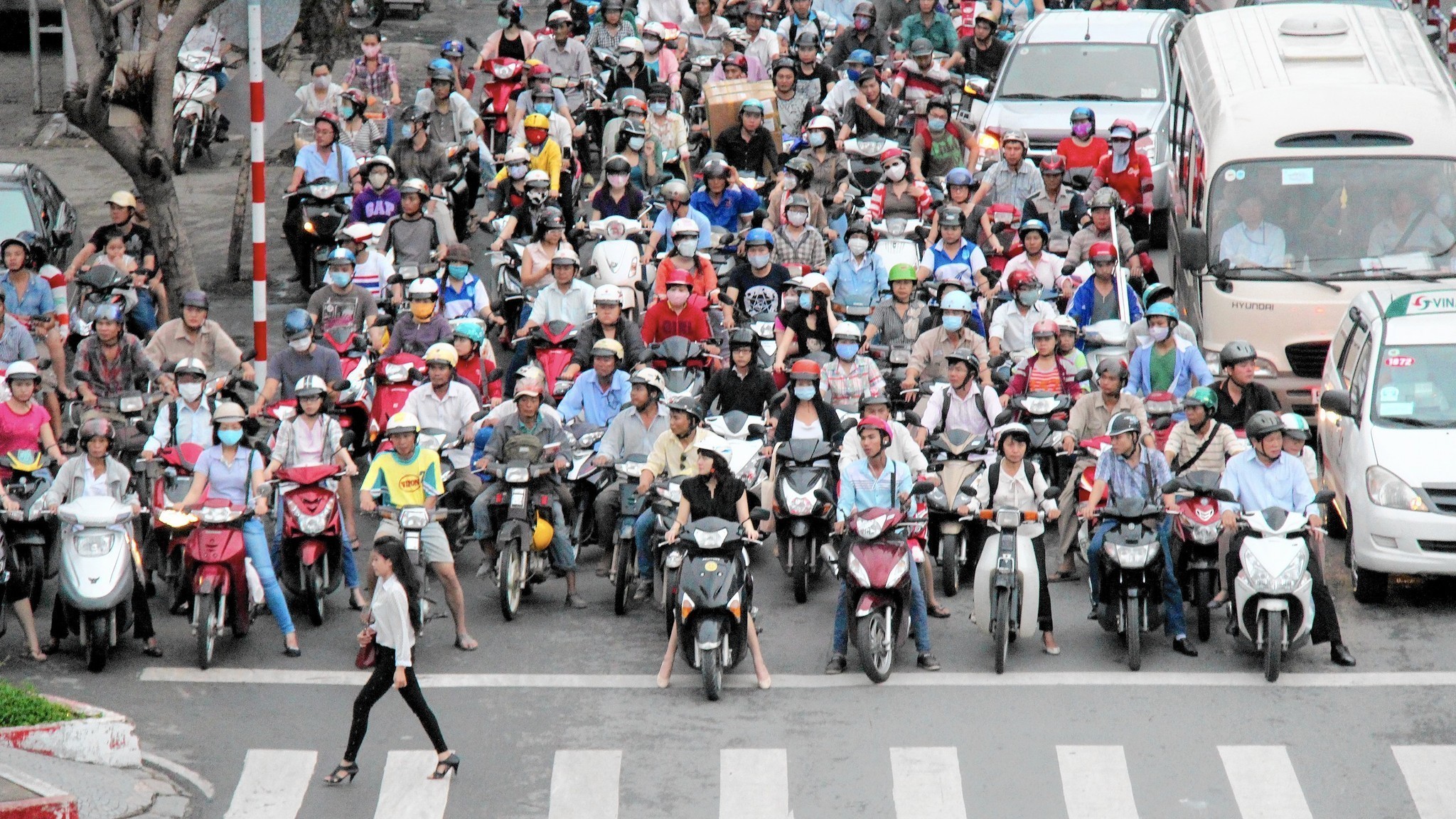
    Hanoi will restrict motorbike shippers’ timings to between 9 a.m. to 8 p.m. every day, starting Monday, while requiring continued compliance with all pandemic prevention and safety measures.

    All shippers, accordingly, will have to furnish a certificate with negative PCR or rapid antigen test results in line with health ministry regulations.

    The timing restrictions are needed because the motorbike delivery service is hard to control and carries the risk of further spreading the coronavirus, officials said.

    Hanoi has allowed delivery people from supermarkets, e-commerce platforms and postal services but not from ride-hailing companies like Grab, Be and Gojek since July 24.

    Hanoi has undergone several social distancing orders since late July. It has recorded over 3,700 infections in the ongoing outbreak that hit the nation late April.

    City authorities have said that they would extend strict lockdown orders in most parts of the city after September 6.

  • Telkomsel chooses Infinet Wireless to provide connectivity in challenging terrain

    Telkomsel chooses Infinet Wireless to provide connectivity in challenging terrain

    Infinet Wireless, the global leader in fixed wireless broadband connectivity, provided its solutions to Telekomunikasi Selular, known by the trade name Telkomsel, one of the biggest cellular telecommunication operators in Indonesia and the sixth largest operator in the world.

    Having most of their Base Transceiver Stations (BTS) with IP microwave technology-enabled, as well as VSAT and optical cable, Telkomsel came to need large bandwidth using more cost-efficient technological solutions at the same time. The telecommunication operator selected Infinet Wireless solutions, such as Quanta 5, among others. It resulted in building up a radio link of 180 km to provide connectivity despite different obstacles, such as obstructive hills in the area, the ocean and the islands.

    Telkomsel selected Infinet Wireless’ orthogonal frequency-division multiplexing (OFDM) radio equipment, ticking the box for the most cost-efficient way for a wireless carrier that provides coverage in rural areas. The company’s technological partner, KISEL Group, a telecommunications services infrastructure provider, supplied the equipment, designed deployment of the links, and carried out support for the deployment of OFDM backhaul. KISEL Group planned to rely on a more cost-efficient solution by taking advantage of the unlicensed 5 GHz frequency band — a steady, carrier-class product, providing high-throughput performance and capable of working in nearLOS / NonLOS conditions.

    KISEL Group turned to Wirakom Sistem, the largest Indonesian Infinet Wireless solutions provider, who contributed to the successful design of a network that delivered the aggregated 108 Mbps service with the longest link ever, which at 180 km is a record-breaking length.

    When comparing vendors’ solutions, KISEL Group representatives spotted Infinet Wireless products’ top-notch technology and necessary resilience to work in extreme weather conditions. Added to this was a high level of user-friendliness when it came to engineers’ work, and the fact that Infinet Wireless solutions are highly cost-effective.

    “We were impressed with Infinet OFDM as one of our rural transmission solutions, especially the new Quanta range, which covers nLOS terrestrial transmission in hilly terrain with good quality and at an affordable price. Thanks also to the Kisel & Wirakom team, which has been supporting us as an intermediary company. It has delivered the service in several projects in Telkomsel, especially related to reducing satellite cost and special area development projects. Infinet has made the impossible propagation possible, delivering sufficient capacity and good quality,” said Teddy Indira Permana, General Manager Transport, Passive & Power Planning Division, PT Telkomsel.

    “The project was challenging due to the remote locations and long-distance of the area we wanted to cover – more than 180 kilometers; but we are more than happy with the Infinet solution deployed. We managed to provide regular and terrestrial areas with the required bandwidth capability needed for the telco systems to run smoothly with high availability performance. In addition, we have also future-proofed the whole wireless infrastructure network for further expansion,” Umar Syatri, Chief Operation Officer / Deputy Chairman of KISEL Group, concluded.

    “We are proud to introduce the best point-to-point solutions to our partner and customer, which have met the requirements. We have delivered a hundred links of Infinet Wireless products, and anticipate Quanta 5 will exceed expectations,” Wiwit Ratno Ongko, CEO of Wirakom Sistem, a distributor of Infinet Wireless solutions in Indonesia, summed up.

    In Indonesia’s diverse landscape, Infinet Wireless technology, especially that of OFDM radio, is proving to be a truly valuable solution, which is why Telkomsel, together with KISEL Group, is planning to expand the current framework. Considering the fact that Infinet Wireless solutions have already proven their productivity, the evolution promises to be even more exciting and profitable.

  • Vietnam considers tightening import tax on e-commerce deliveries

    Vietnam considers tightening import tax on e-commerce deliveries

    The Ministry of Finance is considering limiting the import of low-value packages through e-commerce platforms to close a suspected loophole.

    It wants to issue a new decree to limit each organization or individual buyer to be free of import tax on four orders at most each month.

    The proposal came amid the rising popularity of shopping on e-commerce platforms in Vietnam, with many products delivered directly from China.

    Vietnam currently does not apply an import tax on packages with a value of VND1 million ($44) or lower delivered via postal and delivery services.

    However, because there is no limit on the number of packages being sent, many buyers take advantage of this policy and split their goods into small packages to avoid tax, according to the Ministry of Finance.

    In the first six months last year, Hanoi alone imported $1 billion worth of products via postal and delivery services. The value in June was five times that of January, according to the latest data from the Ministry of Finance.

    A Hanoi company that imports products for Shopee and Lazada saw its value of imported products surging 50 times year-on-year to $70 million in the first quarter of 2021, the ministry said.

    Vietnam’s e-commerce market has seen an average annual growth rate of 25-30 percent in the last five years, according to Vietnam E-commerce Association (VECOM).

    Should the growth rate be maintained, Vietnam would rank third in e-commerce market size in Southeast Asia by 2025, behind Indonesia and Thailand.

  • HSBC Plans for Permanent Hybrid Work Model

    HSBC Plans for Permanent Hybrid Work Model

    HSBC is the latest to embrace hybrid working with plans to make it a permanent model for the bank worldwide.

    My own view on the return to office is it would be a waste if we didn’t learn from the last 18 months, said HSBC group chief executive Noel Quinn.

    The bank’s work-from-home embracement is part of broader plans to cut costs including a 40 percent reduction in property footprint in the coming years. It also changed its office policy to include two employees per desk, excluding branches, and scrapped the executive floor of its London-based headquarter.

    We’ve learned to live and operate in a very different way, Quinn said, though he noted that he didn’t want to be overly prescriptive.

    Despite the plans, Quinn highlighted some of the advantages of the physical workspace such as social relationships or spontaneity.

    I don’t want to lose that DNA and that teamwork, he said. I’m really glad to be back in the office, seeing colleagues and having conversations in the corridor or in getting stuff done on the spur of the moment, rather than having to book a VC call or a telephone call.

    Quinn also highlighted traveling in the pandemic era, with the bank expecting budget in this area to shrink by 50 percent.

    I remember one day sitting at home, I traveled the world in a day, talking to clients in different parts of the world, he said. You can’t do that forever. You still want to have face-to-face interaction.

    Global banks remain divided on work-from-home measures with some like Citi and Standard Chartered signaling or planning a permanent shift while others like Goldman Sachs and Morgan Stanley preferring a return to the office.

  • Hyundai’s Global Sales Down By 7.6 Percent In August 2021

    Hyundai’s Global Sales Down By 7.6 Percent In August 2021

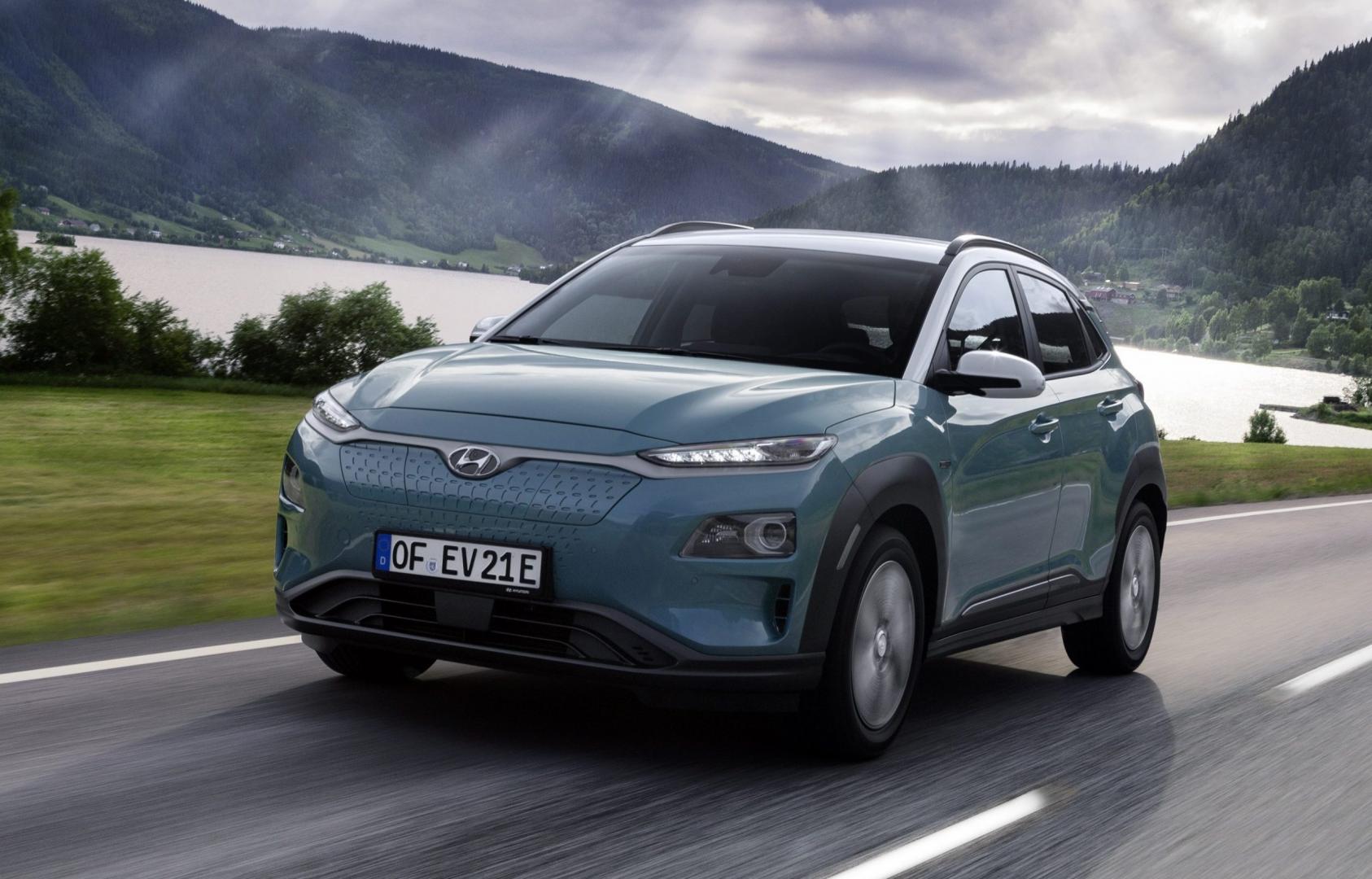
    Hyundai Motor Company has announced its global sales for the month of August 2021. Compared to 318,700 units sold in August 2020, the automaker recorded a decline in sales of 7.6 percent as it sold 294,591 units in the last month. On a month-on-month (MoM) basis, Hyundai recorded a de-growth of 6 percent selling 313,451 units in August 2021. The automaker expects the sales could drop further for the rest of this year amid adverse business conditions caused by issues like global chip shortage and COVID-19 resurgence.

    Sales at Hyundai’s home market, Korea, slipped by 6.5 per cent year on year to 51,034 units. Compared to 59,856 units sold in July 2021, the carmaker has registered a Month-on-Month (M-o-M) de-growth of over 14 per cent. The carmaker says the sales were mainly affected due to the COVID-19 resurgence and the disruption of the semiconductor supply chain.

    For markets other than Korea, sales declined 7.8 percent to 243,557 units compared with 264,110 units a year earlier. On a month-on-month (MoM) basis, the automaker witnessed a drop of 4 per cent selling 253,595 units in July 2021.

    Last month, Hyundai has recorded a 2.3 percent growth in India.

    However, there was good news emerging out of India as the carmaker saw a growth of 2.3 percent last month. The South Korean automaker sold 46,866 units last month compared to 45,809 units sold in the corresponding month in 2020.

  • Vietnamese Seafood export falls in August

    Vietnamese Seafood export falls in August

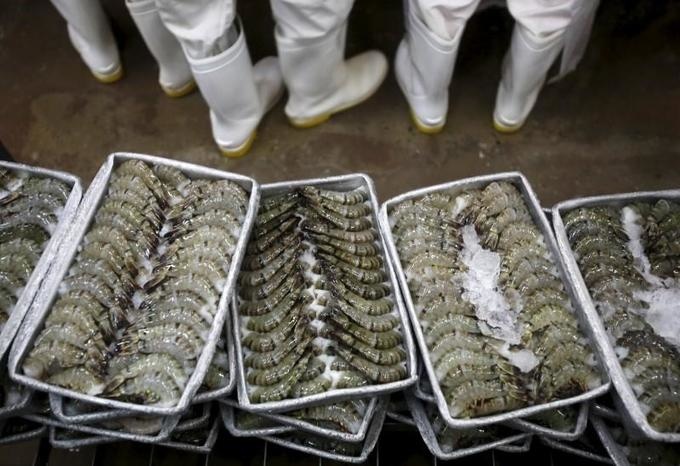
    Vietnam’s seafood export turnovers stood at $520 million in August, down 36 percent against the same month last year due to Covid-19 outbreaks.

    Last month, only 30-40 percent of seafood enterprises in the south ensured the stay-at-work mode, mobilizing 40-40 percent of employees to work, eat and sleep at factories, so their production capacity dropped 50-60 percent, said the Vietnam Association of Seafood Exporters & Processors (VASEP).

    Meanwhile, material supply chains were broken or met with difficulty in transport. Seafood firms saw higher input costs and freight ones, and some exporters failed to deliver goods on time, losing clients to their foreign rivals.

    However, seafood export turnovers in the first eight months of this year rose 6 percent on-year to $5.5 billion.

    The VASEP forecast seafood export turnovers will decrease at least 20 percent on-year to $660 million in September, because the pandemic is still progressing complexly in the South, while vaccination among workers in industrial parks and export processing zones is limited.

    Some southern provinces, including Soc Trang, Cau Mau, Bac Lieu and Kien Giang, which are major prawn producers and exporters, have contained the pandemic fairly well, so they are expected to export more prawns and shrimps in the remaining months of this year.

    Major catfish producing and exporting provinces are still being hit hard by the pandemic, with over half of factories having to close down, so tra fish export is unlikely to bounce back in September.

    HCMC and localities in the Mekong Delta, home to many squid, octopus, tuna processing plants, are still experiencing complex Covid-19 situations, so their seafood production and export are predicted to continue to be sluggish this month.

    In the fourth quarter, when most of seafood processing workers will have been vaccinated against Covid-19, seafood export can recover slightly, reaching turnovers of $8.5-8.6 billion, the VASEP forecast.

  • Binance Halts Singapore Products

    Binance Halts Singapore Products

    Cryptocurrency exchange Binance has responded to a warning by Singapore’s regulator by removing some of its offerings in the city-state.

    Binance will cease Singapore dollar trading pairs and payment options, according to a blog post over the weekend, alongside the removal of its app from Singapore’s online stores.

    The halt will begin as of Friday and users have been advised to complete all related peer-to-peer trades and remove related trade ads by Thursday to avoid disputes.

    Consumer protection is important to all of us, Binance.com said in a statement. We are ready to assist regulators from around the world and together find the optimal way to set a fair playing field.

    The latest move only relates to Binance.com with no services changes on Binance.sg, Binance’s Singapore entity, according to a spokesperson.

    Binance Asia Services, which operates Binance.sg, recently submitted a license application to the Monetary Authority of Singapore. It is currently exempt from holding a license for the provision of digital payment token services until the review of its license application is completed.

  • German Decision On Tesla Subsidies Expected By End Of Year

    German Decision On Tesla Subsidies Expected By End Of Year

    Germany will probably decide by the end of the year how much state aid U.S. electric vehicle maker Tesla will receive for its planned battery cell factory near Berlin, an economy ministry spokesperson said on Sunday. The European Union in January approved a plan that includes giving state aid to Tesla, BMW and others to support the production of electric vehicle batteries and help the bloc to reduce imports from industry leader China.

    The EU’s approval of the 2.9 billion euro ($3.45 billion) European Battery Innovation project, which includes more than 40 companies, follows the launch in 2017 of the European Battery Alliance to support the industry during the shift away from fossil fuels.

    The European Union in January approved a plan that includes giving state aid to Tesla, BMW and others to support the production of electric vehicle batteries.

    Tesla plans to invest 5 billion euros in its battery cell factory at Gruenheide near Berlin to complement its nearly finished electric car factory at the same location, according to estimates from the German economy ministry.

    The unusually high investment volume means that the U.S. car manufacturer can count on German state subsidies of 1.14 billion euros, Tagesspiegel newspaper reported on Sunday.

    This chimes with a February report by Business Insider, which said Tesla stands to receive at least 1 billion euros in public funding from Germany for setting up its battery cell factory near Berlin.

    The economy ministry spokesperson said there was no final sum yet because talks with the carmaker and the European Commission are ongoing, adding that a final decision is likely before the end of the year.

    Tesla Chief Executive Elon Musk last month said he hoped the first cars at its planned gigafactory in Gruenheide could be built in October or soon afterward.

    Tesla CEO Elon Musk last month said he hoped the first cars at its planned gigafactory in Gruenheide could be built in October or soon afterward.

    Tesla has pushed back the expected opening of the gigafactory to late 2021, blaming German bureaucratic hurdles. The plant has also faced local resistance because of environmental concerns.

    Economy Minister Peter Altmaer last Thursday said that carmaker Opel will receive a 437 million euro government grant for its battery cell factory in Kaiserslautern as part of the wider European initiative to create a homegrown battery industry.

  • Germany’s Metro chain withdrawing from Japan

    Germany’s Metro chain withdrawing from Japan

    Metro aims to cease the operative business by the end of October 2021, whereby all 10 stores and the delivery business will be closed. The company has thoroughly analysed alternative options but sees no path to profitable growth and a leading wholesale position in the Japanese market. The exit of METRO Japan business will lead to one-off costs in Q4 2020/21 and one-time free cash flow gains through asset sales over the next 2 years. The recurring annual impact is positive on both P&L and cash flow. METRO Japan will make every effort to assist its employees through the transition in a fair manner and act fully in line with employer practice standards.

    “In each market it is operating in, METRO aims to achieve a leading market position as food wholesaler. METRO Japan has been under pressure for quite some time. We finally made the decision that we do not see the opportunity to achieve the necessary scale in Japan and thus to reach our profitability targets and sustainable growth in sales. Hence, we have concluded that METRO Japan is not a strategic fit for the company’s long-term objectives,” explains Dr Steffen Greubel, CEO of METRO AG. “On behalf of our Management Board I want to extend my sincere appreciation to our Japanese colleagues for their diligent work, enduring passion and commitment in serving our customer over the past 20 years.”

    With 10 wholesale stores all situated in the Greater Tokyo area, METRO Japan has been serving predominantly professional customers in the hospitality sector for the last 20 years. However, an unfavorable market position coupled with increasingly competitive landscape limited the company’s growth potential and weighted on profitability. METRO Japan has undertaken numerous attempts such as adjusting store formats, improving the assortment and expanding the delivery business to reposition the business. These attempts didn’t show reasonable results due to lack of scale and highly competitive market characteristics.

    METRO Japan will cease its business operations by October 2021, while the real estate portfolio in Japan will be sold. The portfolio includes 6 owned land plots with stores and 3 locations with long-term leases. As the result of this transaction, METRO expects a recurring uplift of approx. €15 million in FCF1 and up to €5 million in EBITDA. The company expects a negative one-off impact of between €30 million and €50 million on EBITDA in Q4 FY20/21. Overall, the proceeds from selling the real estate are expected to clearly surpass the one-off cash-outs for the wind-down, making the transaction cash-positive.

    The Japanese operations of Classic Fine Foods (CFF), the foodservice distribution specialist of METRO, are not affected by this decision, CFF will continue to operate in Japan.

  • Apple set to open newest China store in Changsha

    Apple set to open newest China store in Changsha

    Apple today previewed Apple Changsha, the first Apple Store in Hunan province. Situated in the heart of the provincial capital city, Apple Changsha’s location provides easy access for customers across central China.

    “We are thrilled to be opening in Changsha, a community filled with creativity and profound cultural heritage,” said Deirdre O’Brien, Apple’s senior vice president of Retail + People. “So many of our team members already call Hunan province home, and they are ready to welcome and support their neighborhood at Apple Changsha.”

    The new store is located in the popular Changsha IFS shopping mall and faces the bustling Huangxing Road, one of the top urban attractions in the city. Visitors entering the store from outside will encounter the uniquely designed double-height façade, which features a completely new gradient frit and mirrored coating treatment that blurs the transition from top to bottom and shifts in appearance during different times of day or seasons. The all-new glass façade was sustainably manufactured in Tianjin, China, and is the first Apple Store in the world to utilize this façade technique.

    From the interior mall entrance, customers will immediately come across the Forum and the freestanding video wall, home to Today at Apple sessions. Led by Apple Creative Pros, free daily sessions provide creative inspiration, teach practical skills, and help customers learn how to go further with their Apple products. To celebrate the grand opening, Creative Pros will host the exclusively tailored Today at Apple session “Art Walk: Discover the Colors of Changsha” beginning September 5, giving customers an opportunity to explore the city and capture its vibrant colors on iPad Pro. Visitors are able to register for the session today at apple.com.cn/today/event/art-walk-discover-the-colors-of-changsha.

    Surrounding the Forum are display tables and avenues, where customers can explore curated Apple products and accessories or receive personal technical support from Geniuses. Throughout the store, customers can get shopping help from Apple Specialists and learn more about monthly financing options, Apple’s trade-in program, or try the newly launched Apple Pickup service.

    The new store includes nearly 100 highly trained retail team members, who collectively speak many languages including Chinese, English, Japanese, Korean, and French.

    Apple Changsha opens Saturday, September 4, at 10 a.m. CST in China. The store will open with the same health measures for both retail team members and visitors as seen in all Apple Store locations across China, including a mask requirement, temperature checks, and social distancing.

  • India’s online retailer Cars24 enters Australia

    India’s online retailer Cars24 enters Australia

    A $1 billion online car seller has just launched in Australia, with the retailer confident the US and UK trend of buying a car online will take off across the country.

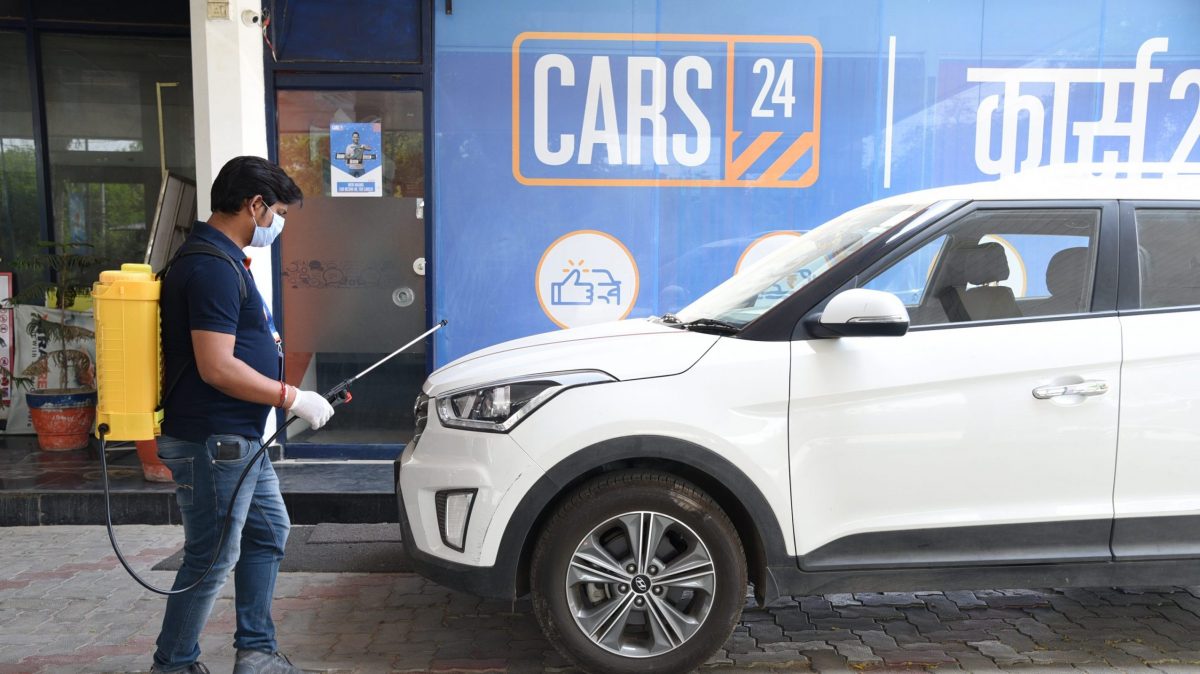
    Indian start-up CARS24 now allows Australians to buy used cars from home in under five minutes, with the car then delivered to their door.

    CARS24 Australia CEO Olga Rudenko said she believed Australians would jump on the “new way of buying used cars” very quickly.

    “Being able to order a car in under five minutes with all the financing taken care of and the ability to return within seven days at no cost is an absolute no-brainer,” she said.

    “We buy everything online these days. Groceries, clothes, appliances. Why? It’s super easy – buy when it’s right for you, no need to leave home. You trust that you’ll have a good experience, with customer reviews and return policies if things don’t work out.”

    CARS24 owns every car it sells and works to ensure quality control from sourcing through to delivery and warranty.

    The retailer also offers seven-day returns with 100 percent money-back guarantee while each car also comes with a six-month unlimited warranty and free at-home delivery – making it as easy and convenient as any other online purchase.

    Melbourne’s 20-year-old Nathaniel Chanter was one of the first Australians to use the service, buying a $23,000 Jeep he’d never seen before.

    Mr Chanter said he was “a little bit nervous” buying the car when he realized he couldn’t even look at the car first, but loved his purchase and thought he’d got it for a very good price.

    “I’d definitely do it again,” he said.

    Publisher of Drive.com.au James Ward said he thought times were changing when it came to buying cars.

    “It’s a funny thing. The old adage of going to the dealer on a Saturday morning and taking it for a run around the block… I think those days have changed,” he said.

    Mr Ward said while every buyer should do their own research, he thought test-driving was becoming less important.

    “It’s very hard to produce a bad car these days. So you’re basically buying a solid prospect, regardless of test driving or not.”

  • MAS Orders Binance Halt

    MAS Orders Binance Halt

    The Monetary Authority of Singapore has ordered crypto giant Binance to halt its services in the city-state over a potential breach of local payment rules.

    Binance must stop offering services in Singapore, according to a report citing a MAS statement, over a potential breach of the Payment Services Act.

    According to the regulator, Binance provided payment services to and solicited business from Singapore residents without an appropriate license.

    In response, Binance said its Singapore operations are conducted via Binance Asia Services (BAS) which is a separate legal entity from Binance.com.

    BAS operates Binance.sg, does not offer any products or services via Binance.com, and has its own local executive and management team.

    BAS has submitted a license application and is currently exempt from holding one for digital payment token services, MAS said, adding that the application remains under review and is subject to the firm demonstrating that it is able to meet requirements.

    On the other hand, Binance didn’t apply for a license under local law and the regulator has added the crypto firm to its investor alert list.

    MAS has been engaging BAS and expects an immediate it to begin an orderly suspension of its facilitation of transfers of digital payment token assets between BAS and Binance, the regulator added.

  • BNP Paribas in Talks to Form China Wealth Management JV

    BNP Paribas in Talks to Form China Wealth Management JV

    BNP Paribas’ asset management arm is reportedly in talks with a Chinese «big four» bank to form a wealth management joint venture in the mainland.

    BNP Paribas is in talks with Agricultural Bank of China’s (AgBank) wealth unit to form a wealth management joint venture, according to a report citing unnamed sources.

    BNP Paribas is expected to hold majority stakes in the joint venture.

    BNP Paribas joins the likes of Blackrock, Goldman Sachs and other global financial institutions seeking to tap into China’s $19 trillion wealth management market.

    French rival Amundi had initially discussed venture plans with AgBank but ultimately chose Bank of China as its partner.

    AgBank and other major state banks face political pressure to form wealth management joint ventures, the report added, indicating China’s willingness to open up.

    Within mainland China, BNP Paribas Asset Management already owns a Chinese mutual fund venture.