Tag: asia

  • Reopening Economy: Preparing Offices for Onsite Work in Singapore

    Reopening Economy: Preparing Offices for Onsite Work in Singapore

    For the majority of 2020, most people have been stuck at home in the midst of the Covid-19 pandemic. Work from home setups have been utilized, and after a year, we’ve gotten used to the blend of work and home life.

    However, with the reopening of many offices around Singapore in 2021, workers are now dealing with the shift back to onsite office work.

    Despite the Pandemic

    While the pandemic is still ongoing, offices have started to reopen alongside reopening the economy. Workers are now coming back to work in offices, albeit in intervals and with a skeletal workforce. The current state of the pandemic has made full workforce operations difficult, as many businesses continue to shift around pandemic regulations.

    Pandemic regulations are confusing, as expert recommendations change as the virus advances. However, some regulations are set in stone for all virus variants, such as wearing of masks, disinfecting surfaces, and social distancing rules.

    Back to Work

    Workers going back to work in a physical office can start preparing themselves for the physical and mental challenges of working in an office setting during a pandemic. Keep in mind that the current pandemic situation has eliminated casual office settings wherein employees can freely work together in small areas.

    Back to work means it is safe to assume that offices will start preparations for working under the new normal, especially as the virus continues to spread from person to person. Office managers and business owners are starting to put new normal regulations in place, considering the recommendations of infectious diseases experts, the CDC, and the local health department.

    Preparing the Office Amidst the Pandemic

    Disinfection and thorough cleaning is a standard practice in preparing the office for onsite operations; but as the virus continues to shake the country, business managers will need to prepare their workforce for working under the new normal.

    Social Distancing Rules

    The CDC continues to recommend a circumference of 6 feet around each individual for the best chances of preventing the virus from spreading. Social distancing is still a standard practice for any individual, and offices will need to prepare for this new set up.

    Office cubicles, break room tables, and workforce density will need to keep in line with new social distancing rules. Employees will no longer be allowed to freely loiter around the office, and water cooler conversations are discouraged in efforts to prevent the virus from spreading.

    Mask Mandates

    Masks continue to be staples in protective garb. Masks are as required as any other piece of clothing, especially in commercial spaces where different people gather. Double masking is the new recommendation of the CDC, as virus particles are less likely to pass through two layers.

    Employees will need to be trained for proper mask usage, as well as for identifying personal levels of exposure with and without masks. Double masking should now be standard practice for all offices, as workers prepare to return to their commercial workspace.

    Vaccination Requirements and Regular Testing

    By the 1st of October 2021, the Singaporean government has announced that selected sectors will have vaccination requirements in their onsite workforce, as well as regular testing for Covid-19 infected individuals. Majority of these sectors deal with commercial and onsite public services.

    Private businesses may opt to have vaccination requirements for employees upon return to onsite working, and provide regular Covid-19 testing to any individuals they assume has been exposed to the virus.

    Office Cleaning Services in Singapore

    Regular office cleaning and disinfection is a must in returning to work during the pandemic, as these services will get rid of any traces of harmful bacteria and viruses that may spread from one individual to another.

    In Singapore, Luce Office is one of the reputable office cleaning companies that offer disinfection services for commercial spaces on top of general cleaning and deep cleaning. Their cleaners will arrive in protective gear and sterilize your office for the next shift, ensuring that every nook and cranny has been cleaned and cleared of virus particles.

    Luce Office

    Office Address: 100D Pasir Panjang Rd #05-03A, Singapore 118520

    Services: General Cleaning, Deep Cleaning, Regular Office Cleaner, One-time Cleaning, Carpet Cleaning, Air Conditioner Repairs, Organizing, etc.

    Website: https://www.luceoffice.sg/

    Contact Number: 6872 1224


    https://www.pexels.com/photo/woman-having-a-video-call-4031818/

  • AusPost secures record revenue

    AusPost secures record revenue

    Australia Post has announced its group revenue of $7.499 million, a new record up seven percent, and a profit before tax of $53.6 million. The Group credits its revenue was boosted by further eCommerce growth during COVID-19.

    Growth in e-commerce has been a strong driver behind Australia’s Post 2020 financial result that was released on Thursday, August 27.

    While total revenue grew by more than $500 million during the period, boosted by a boom in e-commerce, growing losses in the letters business and increased network costs resulted in a profit before tax result up only $13 million compared to FY19.

    Australia Post’s parcel and services revenue at $5.503 million was up 15 percent, adding $729 million to the full-year result, highlighting that 73 percent of total revenue is now generated from highly competitive markets.

    Domestic Australia Post branded parcels rose 25 percent to $2,456 million. In the second half of the year parcel revenues were boosted by the continued growth of eCommerce as consumer demand grew as families adapted to lockdown restrictions and more businesses went online as their physical stores hibernated.

    Costs increased over the period by $477 million including higher operational network costs to support growth in parcels and AP Global, additional processing facilities and chartered air freight to meet customer demands, as well as personal protective equipment for workers.

    Australia Post Group Chief Executive Officer and Managing Director Christine Holgate said the result highlighted the critical need for temporary regulatory relief announced by the Federal Government in April this year, as the business quickly adapts to changes in consumer behavior accelerated by COVID-19.

    “We understand the important role our Posties and Post Offices play in serving Australia.  Protecting their roles, whilst meeting new community and business expectations, is critical as our business adapts to significant market changes,” Christine stated.

    “And while the growth in eCommerce has been a strong driver behind this year’s financial result, we have had to make changes to ensure our workforce and network can operate as efficiently and safely as possible.”

    Christine said the pandemic has also severely impacted the Group’s ability to deliver across the country on time.

    “We had to make temporary changes, including new parcel pop-up facilities and chartering planes for air freight, to continue to serve the country during what has been a very uncertain year,” she said.

    Letter revenues were $2.0 billion for the period, down $220 million or 10 percent for the full year.

    “Although traditional services such as letters, passports and Billpay fell in the period, due to travel restrictions and as businesses switched to digital communications, parcel revenues grew and have become their most important income source.  Over-the-counter parcel transactions have increased as people looked to send care packages and parcels to stay connected with loved ones through the COVID-19 crisis.”

    Christine said international business has been impacted by global conditions, due to a significant fall in air freight capacity to and from Australia, as well as many countries closing their borders in the second half of the financial year.

    “Although international letters and packets volumes were down 16 percent year on year, the strong performance of AP Global, our cross-border eCommerce business, saw revenue grow by $146 million to $225 million, ensuring our total international portfolio remained strong,” she said.

    Christine highlighted that domestically, the Group’s focus on investment in growing capacity in the parcels network has “served us well”.

    Australia Post opened the largest parcel processing facility in the Southern Hemisphere opening last October in Brisbane.

    “This facility, along with 16 temporary smaller sites, has ensured we were able to support small and large businesses in connecting them with their customers, proudly contributing $2.4 billion in eCommerce economic activity in the fourth quarter,” she said.

    “Of course, this result would not have been possible without the continued hard work and dedication of our people – particularly our posties, delivery drivers, parcel and mail processors, contact center and both corporate and licensed Post Offices teams. They continued to show up for work each and every day through uncertain times and worked hard to ensure the community had sustained access to essential goods and services.”

    The 2020 Annual Report will be tabled in Federal Parliament in October 2020.

  • Another Vietnamese noodles product recalled in Europe

    Another Vietnamese noodles product recalled in Europe

    An instant noodles product of Thien Huong has been recalled in Norway due to the presence of a banned substance, the second such incident in Europe this month.

    The “dried noodles with chicken – and beef spices” of Ho Chi Minh City-based Thien Huong has been found to contain ethylene oxide, which is banned from food products in the country.

    Vietnamese authorities have ordered Thien Huong to provide relevant samples to examine the claim.

    A spokesperson for Thien Huong said Monday the recalled product is sold exclusively in Norway and not in Vietnam.

    It has been sold for four months in “small” volume, the spokesperson said, adding there is no ethylene oxide in any part of the production.

    Thien Huong exports to the E.U., the U.S., Africa, Japan and South Korea.

    On Aug. 20, the Food Safety Authority of Ireland (FSAI) announced batches of Hao Hao and Good branded noodles were being recalled after they were also found to contain ethylene oxide.

    Kajiwara Junichi, general director of Acecook Vietnam that produced the products, said the firm has abided by all the rules in Vietnam and in all the countries that it exports noodles to.

    The firm has contacted its suppliers who have asserted they do not use ethylene oxide during production, he said, stressing Acecook Vietnam does not allow the use of ethylene oxide in any production process.

  • Vietcombank gets new chairman

    Vietcombank gets new chairman

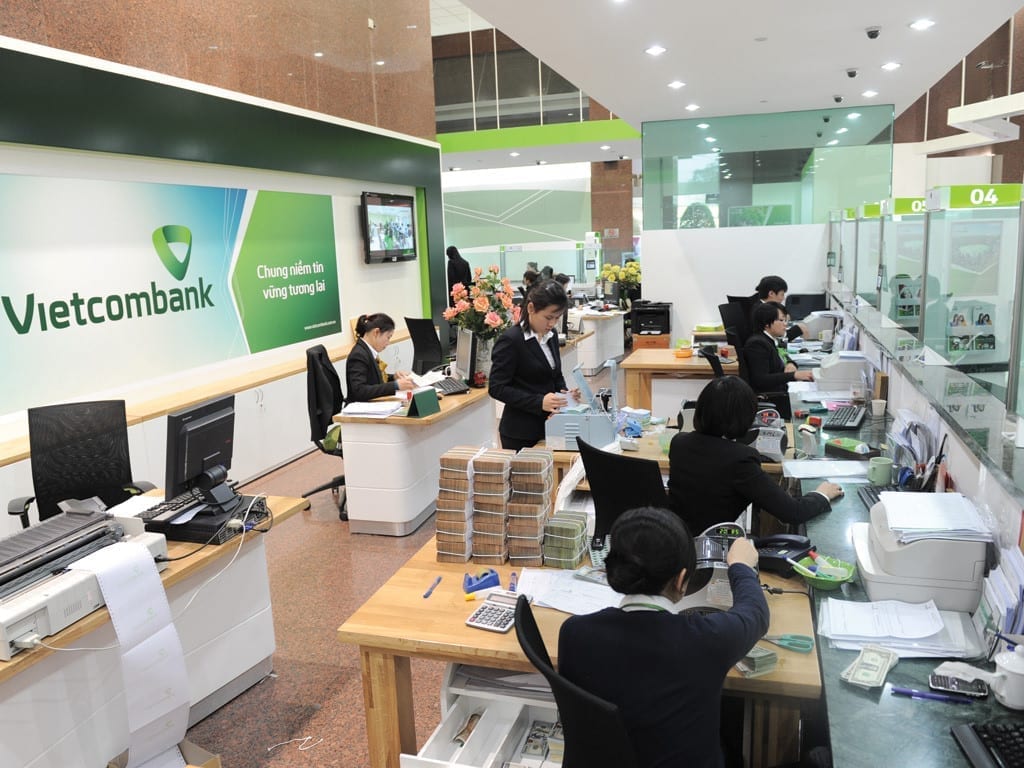
    Vietnam’s biggest state-owned lender, Vietcombank, has named Pham Quang Dung as its new chairman until 2023.

    Dung, 48, has been its CEO and a member of the board since 2014.

    Nguyen Thanh Tung, deputy director, temporarily takes over as CEO until a new person is appointed.

    Dung has 27 years’ experience in the financial and banking industry.

    He joined Vietcombank in 1994, and has served in various positions including deputy director of a financial division in Hong Kong and deputy director of the bank.

    The previous chairman of the bank, Nghiem Xuan Thanh, was appointed the Secretary of the Party Committee of Hau Giang Province in early July.

    Vietcombank is 74.8 percent owned by the government, 15 percent by Japan’s Mizuho Corporate Bank and the rest by other shareholders.

  • Indonesia fintech startup Kredivo launches in Vietnam

    Indonesia fintech startup Kredivo launches in Vietnam

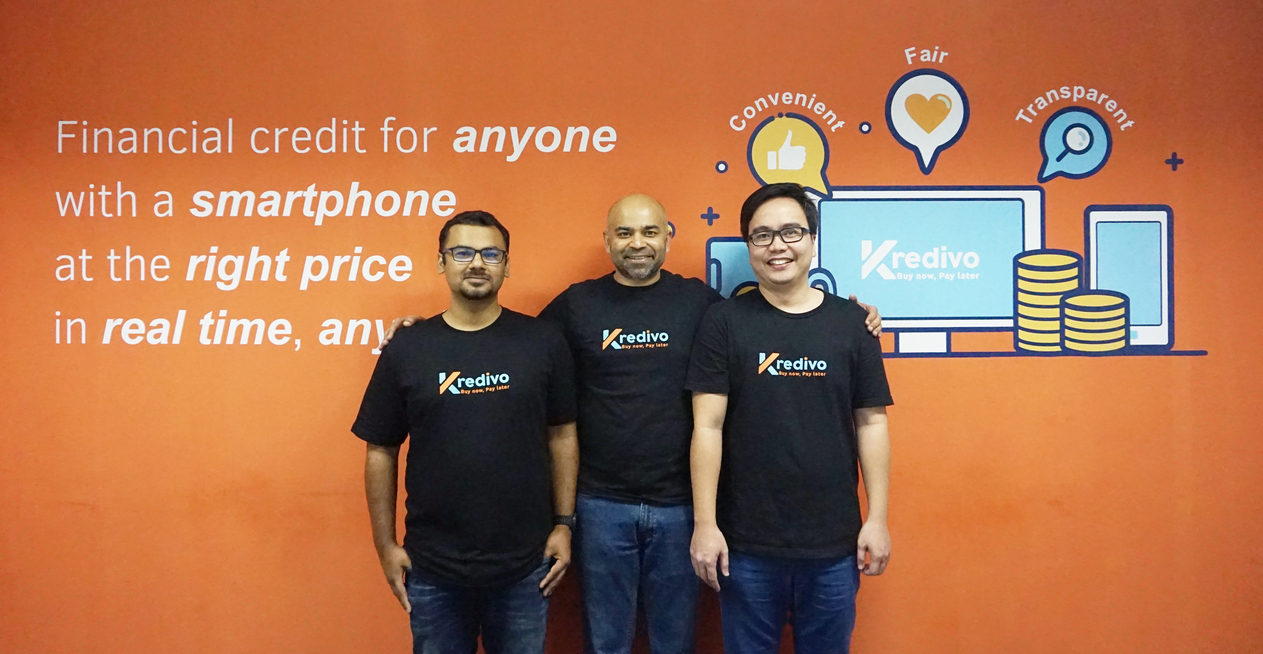
    Indonesian fintech platform Kredivo has announced a Vietnam launch through a joint venture, seeking to offer “buy now, pay later” services.

    It has partnered with Phoenix Holdings, a company with a diversified portfolio in consumer, financial services, retail and technology sectors, to form Kerdivo Vietnam JSC, according to a statement from the Indonesian company.

    “The launch of Kredivo in Vietnam, our first market outside Indonesia, is another key achievement and milestone for the business this year,” said its COO Valery Crottaz.

    This is because the country has low penetration of credit cards and a rapidly growing middle class, together with the fast-growing e-commerce market, he said.

    Kredivo will offer “buy now, pay later” services amid rising demand for consumer loans and a large ratio of cash used in purchases.

    It plans to reach Thailand and the Philippines next year. The company also wants to list in the U.S. by the first quarter of 2022.

    Vietnam’s fintech industry is seeing rising competition from both domestic and foreign players.

    Startup Infina had recently raised $2 million in seed funding from five global venture capitalists, while in June, Mfast raised $1.5 million in its Pre-Series A funding from a group of investors.

  • Coca Cola Australia ways into first alcoholic beverage

    Coca Cola Australia ways into first alcoholic beverage

    Coca-Cola Australia has launched a drink unlike any other it has produced before.

    For the first time, the company will enter the alcohol market with its Topo Chico Hard Seltzer which blends sparkling water with alcohol and natural flavor.

    The hard seltzer category has seen huge growth over the last 12 months and the soft drink giant also wanted to jump on the bandwagon.

    Coca-Cola South Pacific vice president Robert Priest said their beverage will have a great appeal to those drinkers looking for something new and refreshing to enjoy.

    “We have a fantastic product in Topo Chico Hard Seltzer which is backed by fans in Latin America and Europe and we’re confident Australians will love the light, refreshing taste,” Mr. Priest said.

    He said the company is “very good at finding drinks” and finding a new direction, and understanding what people want to drink as well.

    The hard seltzer category has blown up in recent time with the IRI predicting sales in Australia could be as high as $300 million by 2025.

    The publication explained its appeal comes from its reported health and wellness profile and how it usually contains less than 100 calories and generally has a lower ABV at around 4-5 percent.

    Seltzer water is carbonated water, and a replacement for soda and other sugary drinks that can increase the chances of conditions such as obesity and type 2 diabetes.

    The new alcoholic beverage will be available in three flavors: Tangy Lemon Lime, Pineapple Twist, and Strawberry Guava — with each can containing 4.7 percent alcohol by volume (ABV) and under 104 calories.

    Its description reads that its also gluten-free with no artificial sweeteners.

    Dietitian Leanne Elliston said at the end of the day consumers need to be made aware it’s still alcohol.

    “There is absolutely no nutritional value in hard seltzers and as such, they do not contribute to a healthy diet whatsoever,” she said.

    “It would be a concern if younger Australians thought it was a healthier way to drink.

  • Suzuki Expects 60% Drop In September Production Due To Chip Shortage

    Suzuki Expects 60% Drop In September Production Due To Chip Shortage

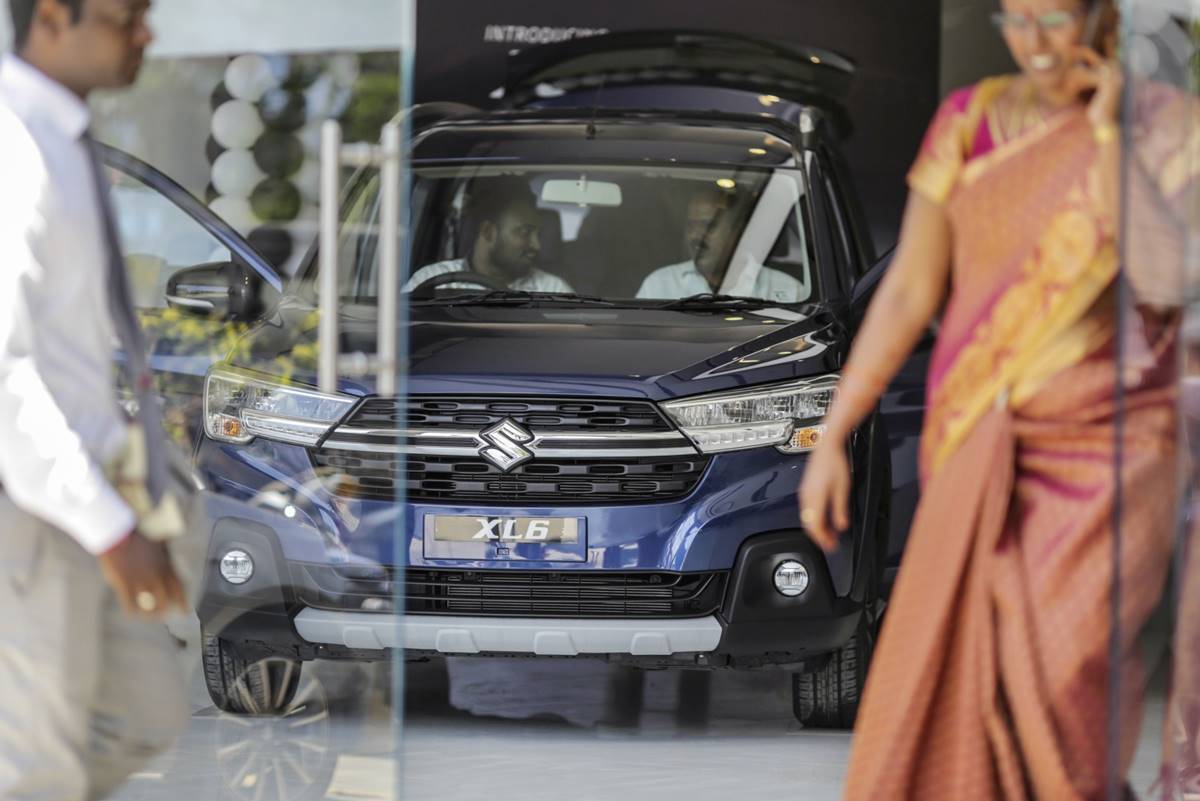
    India’s top carmaker Maruti Suzuki said on Tuesday that the global chip shortage will hurt production at its plants in the states of Haryana and Gujarat in September. Total production volume across both locations could be around 40% of normal output, it said in a regulatory filing.

    Top Indian carmakers, like their global peers, have been hit by semiconductor supply chain disruptions during the pandemic, which drove up demand for chips used in electronics like computers as people worked from home, and hit output at many automakers.

    Tata Motors and Mahindra and Mahindra Ltd have already warned of the impact from rising commodity prices and a global shortage of semiconductors, combined with pandemic uncertainty.

    In July, Tata Motors said it expected the chip supply crunch in the second quarter to be greater than in the first, likely resulting in wholesale volumes for its Jaguar Land Rover to be about 50% lower than planned.

    Analysts earlier said Maruti was better positioned than rivals as it was not dependent on a single vendor for chips.

    However, Maruti Chairman RC Bhargava has indicated the semiconductor crisis was not over and that it is difficult to predict what happens next.

  • Inside Blue Bottle Coffee’s trendy new Osaka store

    Inside Blue Bottle Coffee’s trendy new Osaka store

    lue Bottle Coffee, the Nestle-owned American coffee chain, has entered Osaka with a trendy look designed by Tokyo-based studio, I In.

    Customers entering the store are welcomed by an open space filled with the essence of warm wood and bright light through floor-to-ceiling glass windows. In contrast with the wooden floor, the barista’s drip station is made of hairline polished stainless steel, resembling a stage.

    “I thought it would be great if the store could make the series of things that the barista makes and give to customers the most shining, so I lit up the area of ​​the drip station where the barista stands and made it shine like a stage,” said Yohei Terui, founding partner at I In, who is also in charge of designing the store.

    Throughout the cafe, special blue glass, inspired by Blue Bottle’s signature colour, is used to highlight the brand’s message. A coffee-coloured spherical glass chandelier is installed throughout the atrium at the staircase area leading to the second floor.

    Different from the ground floor, the upper floor is dominated by white-coloured materials. Centrestage is a special area stimulating the five senses of visitors. Customers sitting in this area will encounter a sensory experience where music and images, created in collaboration with Panoramatiks, ‘fall’ from the ceiling.

    “It is not just a concept, but a place that really stimulates the five senses of humans,” the design studio described.

  • Covid impact sees Vietnam retail sales drop

    Covid impact sees Vietnam retail sales drop

    Vietnam retail sales plunged 33.7 percent year-on-year in August as the country faced stricter restrictions due to the ongoing Covid-19 pandemic.

    According to the General Statistics Office, August’s retail sales plunged 10.5 percent compared to July. In the first eight months of this year, revenue from retail trade and service declined 4.7 percent year on year, reaching US$133.43 billion.

    The Covid-19 situation in the country has seen varying degrees of lockdown in Vietnam’s major cities including Hanoi and HCMC since June.

    In HCMC, retail revenue is estimated to reach US$1.5 billion, falling 15.9 percent month on month. The e-commerce sector, which had been expected to flourish as demand soared, recorded negative growth due to the restriction of delivery services under the Prime Minister’s Directive No.16.

    Restaurants – including online ordering with delivery or pickup – have been banned from trading for nearly two months in Ho Chi Minh City.

  • UBS Replaces Veteran Intermediaries Head

    UBS Replaces Veteran Intermediaries Head

    The Swiss wealth manager is replacing the head of its business with financial intermediaries, after a 40-year veteran of the bank retires.

    Zurich-based UBS is appointing Thomas Frauenlob as the head of its business with other financial institutions such as independent asset managers, effective October 1, according to a memo seen by finews.com. The Swiss banker replaces Stefano Veri, who has overseen the so-called FIM business globally since 2015 and is retiring.

    Veri is uniquely heavyweight: he is a 40-year veteran of UBS’ private bank and part of a cadre of elite managing directors. A UBS spokesman confirmed the Ticino native’s retirement. Late last year, Veri was forced to postpone a push in Miami with intermediaries which is led by Mariana Gregori, who is responsible for international business.

    Frauenlob, Veri’s successor, is a former equities banker who moved into the wealth arm in 2016 when he was tasked with UBS’ business with Switzerland’s wealthy and family offices. The role was reduced to family office responsibilities in a restructuring 20 months ago. Frauenlob will be replaced by Josef «Joe» Stadler in this role, a spokesman said.

    In the wider FIM team, Andreas Moser last September replaced Severin Rupp in overseeing institutional intermediaries. Rupp defected to Vontobel, where he runs business with external asset managers.

    UBS’ remaining FIM management team besides Gregori is Claudio Scarfone for Switzerland, Beat Bachmann for Europe, and Hugo Kattendijke for Asia-Pacific.

    Frauenlob, who moves to the FIM business on Wednesday before taking over fully in October, will report to Anton Simonet, UBS head of wealth management in Switzerland as well as the FIM business, and to Iqbal Khan, who co-runs the wider wealth management unit together with Tom Naratil.

  • Kia Workers Accept Wage Deal Without Strike For The First Time In A Decade

    Kia Workers Accept Wage Deal Without Strike For The First Time In A Decade

    Workers’ Union at Kia Motors has voted to accept the company’s wage proposals without a strike for the first time in 10 years. According to a report from IANS, the carmaker said that 68 percent of 26,945 workers have voted in favor of the wage, which includes an increase of 75,000 won ($64.30) in monthly basic pay, two months of wages in performance-based pay, and cash bonuses worth 5.8 million won. The report also mentioned that over 1,600 out of the 28,604-member union abstained.

    The company has rejected the Union’s demand to extend the retirement age from current 60 to 65, however, the company reinstated fired workers.

    The automaker and the workers’ Union reached a tentative wage deal early this week without staging a strike amid the ongoing COVID-19 pandemic. This is the first time that Kia will sign a wage deal without industrial actions. They will sign the wage agreement on Monday.

    Last month, Hyundai Motor Company and its union signed this year’s wage deal without strikes for the third consecutive year.

  • Central Group takes control of Bangkok’s Mega Bangna parent

    Central Group takes control of Bangkok’s Mega Bangna parent

    When Vietnamese Prime Minister Nguyen Xuan Phuc visited Thailand in August, a red carpet was rolled out for him at Central Group’s Central Ladprao, a shopping complex in downtown Bangkok.

    The premier had been invited to attend the opening ceremony of a Vietnamese trade fair. He was greeted by members of Central Group’s founding Chirathivat family, including Chief Executive Tos Chirathivat, who reminded his guest that he wanted to invest more in Vietnam, the group’s biggest market outside Thailand.

    Tos introduced the premier to his youngest son, who had just graduated from a U.S. university and will join the family business in the group’s online operations.

    “He doesn’t know anything about retail,” Tos, laughing, said. “But the young generation, they know a lot about digital technology.”

    International expansion and e-commerce are two challenges that Tos, a grandson of group founder Tiang Chirathivat, has been tackling as the traditional retail business faces slowing growth.

    Like many other family businesses in Thailand, the Chirathivats are ethnic Chinese.

    Founder Tiang emigrated from Hainan Island to Bangkok in 1925. While many other Chinese immigrants chose to start businesses in the city’s Chinatown, he set up his first shop in the Thonburi district on the outskirts of Bangkok and across the Chao Phraya River from the city center.

    His shop was close to a large temple built by the royal family, so Tiang sold refreshments and provided a boat parking service for visitors.

    He moved across the Chao Phraya River to a location near the grand Oriental Hotel (now the Mandarin Oriental), where he opened a store with his eldest son, Samrit, in 1947. In 1956, the family opened Thailand’s first department store in Chinatown.

    Today, the 70-year-old group has become a dominant player in Thailand’s retail sector, with more than 60 department stores and shopping malls. It also operates hotels and restaurants, with a total of 5,000 outlets.

    In 2016, annual sales amounted to 332.7 billion baht ($9.98 billion), up 17% from a year earlier, confirming its status as the largest retailer in Thailand. Its closest rival is The Mall Group, which operates such major Bangkok shopping malls as Siam Paragon and Emporium, with estimated annual revenue of 50 billion baht. Central Group is also larger than other major regional peers, such as the retail operations of SM Investments in the Philippines.

    The Chirathivat family is the third-richest family in Thailand, with an estimated worth of $12.3 billion, according to Forbes.

    Central’s growth has been supported by an expanding economy, a rising middle class and demand for new goods and services. It built malls and stores in competitive locations offering a wide range of products. But Thailand’s population is starting to age at a more rapid rate than neighboring countries, while they are spending more abroad. This is causing domestic demand to stagnate as competition intensifies and becomes more diversified.

    “There are so many things that are happening now that affect department stores,” which account for about 40% of group revenue, Tos said in a recent interview. “The retail market is so much bigger than just department stores,” referring to various forms of retail operations from malls to discount stores and specialty stores.

    The 52-year-old Tos said it is “pretty simple” for him to grasp industry trends given his long experience in the family business. “I’m good at looking at the big picture, investing and expert at finding money.”

    Tos, the youngest of Samrit’s eight children, studied finance at Columbia University in New York and initially wanted to be an investment banker. He worked for a year at Citibank in Thailand. But he decided to return to the family business and launched a hypermarket chain, Big C, in 1994.

    He also oversaw an expansion into rural areas, which now account for around half of the group’s retail sales, although a similar venture in China proved less successful.

    Because of his largely successful track record in leading the group’s diversification, the board of directors strongly backed the appointment of Tos as chief executive in 2013, although he said he was reluctant to take up the post because he was already “personally satisfied” with retail. “He had outstanding talent and everyone in the family knew that,” one family member said.

    He has since then spearheaded an international expansion drive by buying several European department stores, including Italy’s La Rinascente and Germany’s KaDeWe, as well as the local arm of Big C in Vietnam. International operations now account for roughly 30% of group revenue.

    ONLINE AMBITIONS

    But Tos expresses less confidence about his ability to keep up with online operations, in contrast to his deep knowledge about traditional brick-and-mortar businesses.

    “Digital and e-commerce is the only unknown for me, but it is also the future,” he admitted. “I’m not sure in terms of execution and how to bring in growth. But you can see everywhere now that if it works, the value is incredible and crazy.”

    Pressure is mounting. Although Southeast Asia’s e-commerce market is still relatively small with no dominant player, like Alibaba Group Holding in China or Amazon in the West, the market is growing rapidly. Amazon recently entered Singapore, while Alibaba has invested in Lazada, the largest e-retailer in Southeast Asia, and is planning to build a large logistics center in Thailand.

    Tos has responded by bringing in outside experts to help. Last year, the group started recruiting non-family executives into top management posts that resulted in a team dominated by outsiders for the first time. The new team, which reports directly to Tos, is aimed at strengthening the group’s shift to online operations.

    Nicolo Galante, an Italian and former McKinsey consultant who has revamped online operations and created new marketing channels for European retailers, became the group’s chief operating officer. He is initiating reforms by adding online shopping channels for each retail business from department stores to sports specialty outlets and attracting talent to new posts, such as chief technology officer.

    “In the next two to three years, the picture of e-commerce in Thailand will change dramatically,” Galante said. Unlike Europe, where the traditional retailers found themselves far behind Amazon by the time they decided to shift online, the developing e-commerce market in Southeast Asia means that “we are not yet late,” he said. “We have the unique opportunity to write the history for ourselves. But it is going to happen very fast and very soon.”

    Former bankers have also joined the group to provide financial expertise essential for supporting e-commerce. Yol Phokasub, former head of Siam Commercial Bank, was appointed to the newly created post of president. Prasarn Trairatvorakul, a former Bank of Thailand governor, is serving as a senior advisor.

    “Central has been aggressively adopting experts and foreigners as executives under Tos,” said Natenapha Wailerdsak, a lecturer at Thammasat Business School. This is a positive move, she said, since relying heavily on insiders could “restrict the businesses from expanding beyond the abilities of its family members.”

    FAMILY DOMINANCE

    Nonetheless, Central is often seen as one of the most family-dominated conglomerates in Thailand compared with other groups, such as Charoen Pokphand Group, the agribusiness-to-retail-to-telecoms empire led by Dhanin Chearavanont.

    Family members fill all of Central’s 15-member board of directors and seven-seat executive committee. Most of its group companies are private, with a few exceptions like development unit Central Pattana.

    In contrast, most of CP’s major assets are listed and its management includes non-family executives who head core listed subsidiaries such as Charoen Pokphand Foods and 7-Eleven operator CP All.

    “My grandfather and father, we wanted all the family members to be in the company if they wished,” Tos said. “But CP, they say they don’t want family members in the group. They are more aggressive and want the best professional people to run the business.”

    Dhanin said in his autobiography last year that just before he became president of CP Group when he was 30, he asked his relatives, including his older sisters and the wives of his brothers, to leave the company and he replaced them with young professionals.

    He also forbade hiring the children of family members for CP core businesses. “Bringing a son on board could also jeopardize the company’s future,” Dhanin said. “Not only would the company lose valuable [outsider] executives [who feel they will not be able to get a promotion], it would have trouble ensuring a smooth transition from one leadership to the next.”

    The Chirathivats share “a different philosophy,” Tos said. The group has a “stricter” management selection process that requires at least 75% approval from the family-dominant board. “They must have a trust in you, think that you are capable and good for the family,” he explained.

    The extensive Chirathivat family provides plenty of potential candidates. Founder Tiang had 26 children with three wives that resulted in roughly 220 Chirathivat offspring, of which 51 are involved in the business.

    To keep the family bonds strong and avoid disputes, Samrit Chirathivat, the founder’s son who built the foundation of the retail business, insisted that the family should live together. He built a house in Bangkok’s central Sala Daeng district that housed nearly 50 Chirathivats across three generations.

    “We were brought up together and interacted with each other a lot,” said Suthiphand Chirathivat, another of the founder’s sons and a group executive. The children worked in the group’s shops as clerks during school holidays.

    Although the central Chirathivat residence is now old and too small to hold many family members, some of them still live together in three main compounds in Bangkok.

    Family members also keep in touch through an online messaging group. Every year on July 10, the anniversary of the founder’s death, the family gathers at a temple near where the group had its first shop.

    A family council headed by Suthichai Chirathivat, another son of the founder who was the group’s first CEO and current chairman of the board, discusses issues such as marriage, education and the family budget that is financed by income from unlisted group companies. “We provide funds for those that aren’t involved in the business, too,” said Suthiphand Chirathivat.

    Central Group has put in place a succession plan to avoid internal disputes, which includes family and outside candidates. “The more pressing challenge for the Central Group when it comes to top management is how to transform it from a tightly family-dominated group to a more open and professional one,” said Pavida Pananond, associate professor at Thammasat Business School. “They need to address the strategic need to become a more regional and global player in retail.”

    Tos certainly recognizes that. “The company is growing faster than our babies,” he said. “To keep growing, we will need outsiders to take care of the group.”

  • Melbourne baker brings back in-store kitchen at revitalised flagship

    Melbourne baker brings back in-store kitchen at revitalised flagship

    Baker Bleu has had a busy few years. After outgrowing its original 60-square-metre home in Elsternwick, which opened in 2016, and moving to a grand 400-square-metre space in Caulfield North in 2018, owners Mike and Mia Russell have just announced they’re upsizing – again.

    The pair is opening a new location in Hawksburn Village in Prahran, just off Malvern Road, in May.

    Just as exciting is who they’ve recruited to join the team. Carlton Wine Room head chef John Paul Twomey is leaving his current role to head up product and recipe development for Baker Bleu. He’s a veteran chef who spent a decade working for Andrew McConnell, including five years as head development chef.

    Baker Bleu, one of Melbourne’s best bakeries, is known for its long-fermented sourdough with beautiful caramel-hued crusts. And its dinner rolls, in 2019 he wrote, “To deny yourself the Baker Bleu dinner roll with good butter is to miss a moment of pure joy”.

    The new location will serve as both a pastry-production space (with controlled-temperature rooms and proofing cabinets “to allow for more control when creating sourdough croissants”) and a retail shopfront.

    The already exceptional offering will expand to include filled ficelles, granola pots, grab-and-go drinks and Market Lane filter coffee.

  • Macau retail sales surge after Covid-19 lockdown

    Macau retail sales surge after Covid-19 lockdown

    The value of Macao’s retail sales for the second quarter of 2021 totaled 20.70 billion patacas (about 2.58 billion U.S. dollars), up 200 percent year on year, the special administrative region’s statistic department said on Tuesday.

    The latest report from the Statistics and Census Service (DSEC) showed that among the major retail trade activities, sales values of watches, clocks and jewelry, leather goods, and communication equipment witnessed a notable year-on-year growth of 957.9 percent, 504.0 percent, and 460.4 percent respectively, whereas sales value of supermarkets dropped by 11.3 percent.

    As regards the sales volume index, the indices of watches, clocks and jewelry, leather goods, and communication equipment registered a significant rise, while the index of supermarkets decreased.

    For the first half-year of 2021, the value of retail sales reached 39.46 billion patacas, an uplift of 118.4 percent year on year. Besides, the sales volume index jumped by 130.4 percent.

    The value of retail sales in the second quarter of 2021 rose by 10.3 percent as compared with the revised figure of 18.76 billion patacas in the first quarter. Sales values of department stores and watches, clocks, and jewelry increased markedly, whereas sales values of communication equipment declined.

    Moreover, the sales volume index grew by 9.9 percent quarter on quarter.

    In respect of retailers’ comments, 40.9 percent of the retailers expected the sales volume to stay stable year on year in the third quarter of 2021, 42.9 percent anticipated a decrease, and 16.2 percent forecast an increase. Meanwhile, 78.0 percent of the retailers predicted that the retail prices would remain steady year on year in the third quarter, 15.3 percent foresaw a decrease and 6.7 percent expected an increase.

    As compared with the second quarter of 2021, about 44.7 percent of the retailers envisaged sluggish business in the third quarter, whereas retailers expecting stable performance and those anticipating a favorable outlook together accounted for 55.3 percent of the total.

  • PayPal Launches Singapore Hiring Spree

    PayPal Launches Singapore Hiring Spree

    The U.S. online payments giant is expanding the Singapore-based workforce by 25 percent to support the region’s growing demand for digital solutions.

    Some 150 job openings are on offer at PayPal’s its international headquarters in Singapore, under the Infocomm Media Development Authority of Singapore’s TechSkills Accelerator (TeSA) program and supported by Digital Industry Singapore (DISG), according to an announcement on Tuesday.

    PayPal said it will provide opportunities over the next three years for Singaporeans in areas such as product management, software engineering, cybersecurity, and data science, according to a statement.

    The new hires will work on projects that cover SME digitalization, PayPal’s e-wallet and commerce platform, as well as risk, compliance, trust and security, the announcement said.

    Singapore is a strategic market for the online payments platform, and is home to the only international PayPal Innovation Lab, which has contributed to over 140 patents.

    PayPal is determined to support Singapore’s continued digital transformation into a global technology and fintech hub, Aaron Wong, chief executive officer of PayPal Pte Ltd, said.

    According to the company’s recent earnings report, PayPal processed a total payment volume of $311 billion during in second quarter of 2021, up 36 percent year-on-year. There are 403 million active accounts, including 32 million merchant accounts, on the platform.

    PayPal operates in over 200 markets, with 44 percent of active accounts located outside of the United States.

    Earlier this week, PayPal announced the first international roll-out of its crypto product that first launched in the U.S. in October last year, which lets customers buy or sell bitcoin, bitcoin cash, ethereum or litecoin. It said it hopes to open this functionality to other global markets in the coming years.