Tag: asia

  • Indonesia’s Bank Central Asia Targets Digital Growth

    Indonesia’s Bank Central Asia Targets Digital Growth

    Banks are playing catch-up to technology players in one of the world’s largest unbanked markets.

    Bank Central Asia (BCA) is boosting its digital capabilities amid increased competition from tech players in the banking space, according to a report on Wednesday.

    Indonesia’s biggest lender by market value will be investing $200 million to help its month-old digital unit Blu to increase market share ahead of an initial public offering in two years’ time. Blu currently has about 110,000 customers.

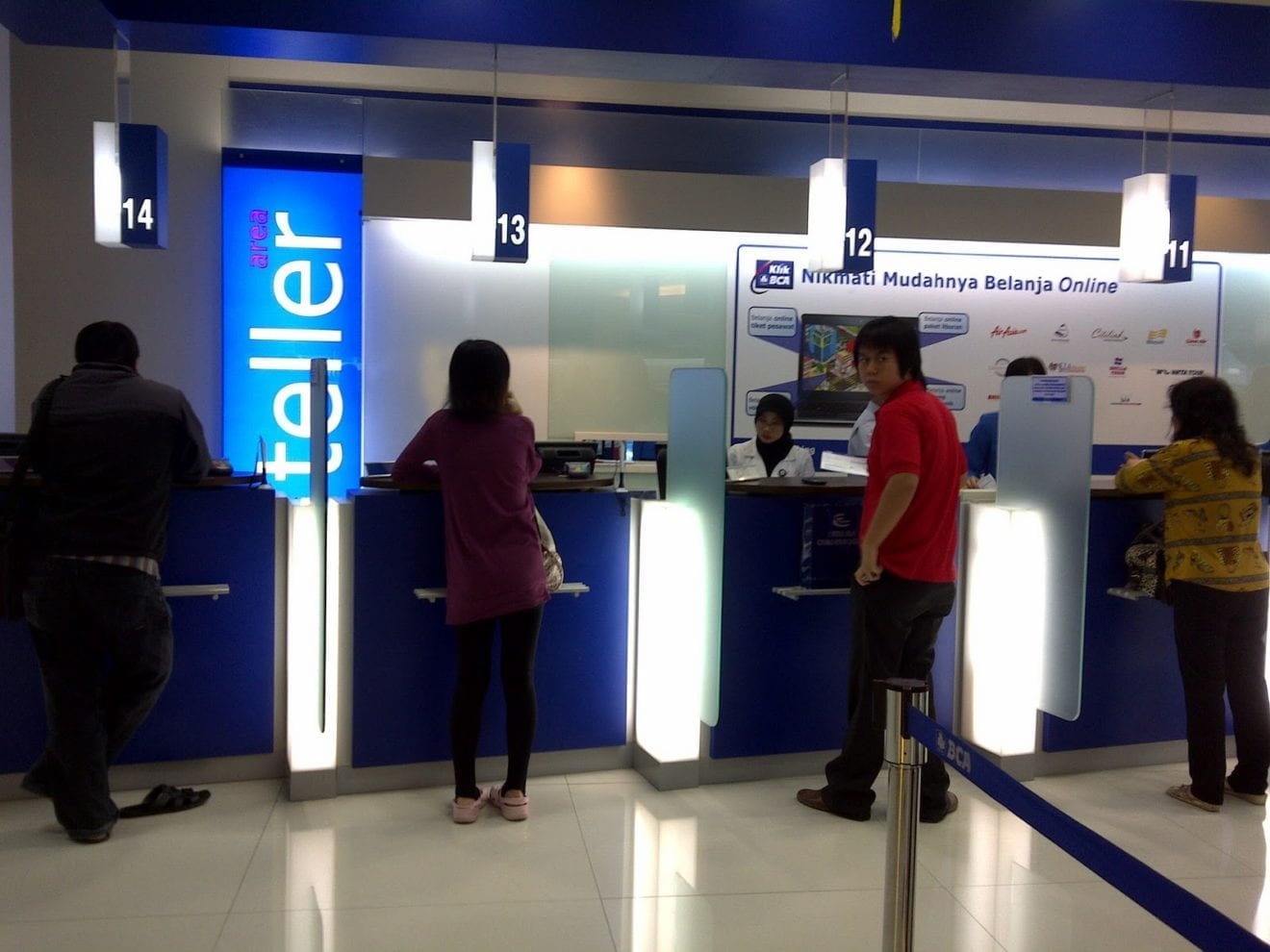
    BCA is targeting a fourfold increase in its capital, to four trillion rupiah (S$376.5 million), and is focused on gaining more customers, partners and merchants on its digital platform before the IPO, BCA president director Jahja Setiaatmadja told the publication.

    The country has an unbanked market of 83 million people, or about one-third of the population, and while traditional players have found it tough to expand across the archipelago nation, technology players have an advantage in their ease of scaling operations to meet this demand.

    Indonesia-headquartered super-app Gojek increased its stake in Bank Jago in December 2020 as part of its bid to accelerate financial inclusion in Asia, while Singapore-based e-commerce and gaming company Sea, which recently won a licence to run a digital bank in Singapore, bought unlisted lender Bank Kesejahteraan Ekonomi in January.

  • Expats Pay Packages Fall in Singapore, Hong Kong

    Expats Pay Packages Fall in Singapore, Hong Kong

    Expat packages have taken a hit as a result of lower cost of benefits and a dip in salaries.

    The average pay package for a mid-level expatriate in Singapore fell by $7,284 a year, and now stands at $225,171 annually – the 17th highest in the world, ECA International said.

    However, cash salaries in the republic stand at the fifth-highest globally, and the city holds the title of the location offering the best quality of living, the global mobility specialist said in its annual MyExpatriate Market Pay report, published this week.

    Expatriate packages comprise three main components: the cash salary, benefits such as accommodation, international schools, utilities, or cars, and tax.

    While expats take home less, the latest rankings are expected to increase the country’s attractiveness to expatriates and companies looking to set up regional hubs in the country, given the cheaper cost of employing expatriate staff, Lee Quane, Regional Director – Asia at ECA International, said.

    Elsewhere, expatriate pay packages in rival regional financial hub Hong Kong dropped by over $5,000 over the last year, to a new average total of $279,399, despite an average salary increase of $265, largely due to falling accommodation costs.

    Globally, Japan was the most expensive location to send workers to, overtaking the United Kingdom, with the average expatriate package there costing $405,685.

  • Aldi tops Australia supermarket rankings

    Aldi tops Australia supermarket rankings

    For another year in a row, ALDI has rated best in Canstar Blue’s 2020 supermarket ratings – taking the top spot in Canstar Blue’s Most Satisfied Customers Award for 2020.

    In Canstar Blue’s latest supermarket review, the survey asked more than 2,600 shoppers about their experiences of buying groceries from a retail supermarket in the last month.

    This year, ALDI stocked up its seventh win in nine years. It rated best for the freshness of its fruit, vegetables and meat, the quality of private label products, store layout, deals and specials available, value for money and overall satisfaction.

    “We are thrilled to be rated as Australia’s best supermarket! Winning the hearts of our customers is what we strive for every day. Our commitment to providing the highest quality products at incredibly low prices is clearly being noticed by Australian shoppers. This is a proud moment for ALDI and our many Australian business partners,” said ALDI Australia Group Director – Buying Simon Padovani-Ginies.

  • StanChart Exec Joins Blockchain Startup

    StanChart Exec Joins Blockchain Startup

    Taipei-headquartered XREX has named a managing director in Singapore as it sets its sights on expanding its platform in the region.

    Taipei-headquartered XREX has appointed Christopher Chye as managing director of XREX Singapore and director of product. In this dual role, he will oversee XREX’s businesses and operations in Singapore and play an instrumental role in bringing new value propositions to XREX’s clients, the startup said on Tuesday.

    Chye joins from Standard Chartered Bank, where he held roles in commercial banking, consumer banking, wealth management, and financial crime compliance. He was also a pioneer of Standard Chartered’s digital bank venture in Singapore, where he led the bancassurance, rewards, and loyalty, and brand and marketing pillars, and was executive director at its regional CEO office. He was previously a  management consultant with KPMG.

    In a separate announcement, XREX said it raised $17 million in pre-Series A funding led by CDIB Capital Group. The funds will be used to apply for financial licenses in Singapore, Hong Kong, and South Africa, and partner with banks and financial institutions, like payment gateways.

    Many of our team members are from or have lived in the markets where we serve. We keenly understand the struggles faced by many cross-border merchants who lack safe access to US dollar liquidity,» XREX CEO and cofounder Wayne Huang, said.

    XREX was launched in 2018 to drive financial inclusion in emerging markets by leveraging blockchain technology.

    The company uses blockchain technology to solve dollar liquidity shortage issues in emerging markets and has products like a payment escrow service and crypto-fiat exchange platform.

  • Online market places for neighborhoods in Hanoi become popular

    Online market places for neighborhoods in Hanoi become popular

    With shops closed and delivery services facing restrictions due to the Covid-19 outbreak in Hanoi, apartment dwellers have stepped infill the supply gap by selling online.

    Thu, a clerk at a media company, who is working from home amid the social distancing, said: “I orders goods online for home delivery and pay through bank transfer. The goods are hung on my apartment door.”

    The online market, which serves Thu’s apartment block and others nearby, has over 2,000 members who buy and sell items like fish sauce, salt, cooking oil, rice, vegetables, fruits, meat, eggs, and processed foodstuffs, she said.

    Prices are slightly higher than at traditional markets, but people like Thu accept that because “we don’t have to go outside, minimizing contact and the risk of contracting the disease.”

    In the beginning many sold goods online for a little bit of extra income and even just for fun, but later, when their jobs were severely affected by the pandemic, it became their main source of income.

    “I order fresh pork from my hometown in the countryside, pack and deliver the meat to people in my residential area,” she said.Thai, a kindergarten teacher in Hanoi’s Ha Dong District, started selling foodstuff on an online market for residents of her apartment block when her kindergarten closed down.

    “Within 30 minutes of advertising pork online I often get orders for 50 kilograms.”

    Quang, an administrator of an online market of an apartment block in Cau Giay District, said the market sells essential goods with clear regulations on product quality and non-cash payment, and so has recently become busier, especially amid the Covid outbreak.

    Hanoi has gone over a month under a citywide social distancing order starting July 24, the longest such period since the novel coronavirus first appeared in the country. It has extended its social distancing order until September 6 as the novel coronavirus threat persists.

    The capital has recorded 2,909 local Covid-19 cases since the fourth coronavirus wave hit the country late April.

  • Standard Chartered Adds ASEAN Private Banker

    Standard Chartered Adds ASEAN Private Banker

    Standard Chartered added a private banker focused on the south and southeast Asia market, joining most recently from Bank of Singapore.

    Standard Chartered Private Bank appoints Lawrence Goh as managing director and deputy market head for ASEAN and South Asia, according to a statement.

    Based in Singapore, Goh reports to Cedric Lizin, regional head, private banking ASEAN & South Asia and global head of global South Asian community.

    Goh has 20 years of experience in the financial sector including five in asset management and the last fifteen in private wealth management, specifically in the ASEAN region. He was most recently at Bank of Singapore where he spent 12 years covering various southeast Asia markets. Previously, he also worked for Citi Private Bank covering ultra-high net worth individuals and families in Singapore, Malaysia, Brunei and Australia.

  • Thai Central Bank to Trial Retail Digital Currency

    Thai Central Bank to Trial Retail Digital Currency

    The pilot will initially be conducted on a limited group under the BOT before it is expanded to the public, retail stores, banks and non-banking facilities.

    The Bank of Thailand is set to begin testing a retail central bank digital currency (CBDC) in the second quarter of 2022, the central bank said in a statement on Thursday.

    The BOT will assess all results and associated risks from the Pilot Test, to ensure that Retail CBDC is beneficial to the public, business sector, and country as a whole, and does not undermine economic and financial stability in the future, Vachira Arromdee, BOT assistant governor, said in the statement.

    BOT said public demand for retail CBDC will gradually rise over time and that CBDC could become an alternative payment option in the future.

    It cited a public survey and focus group discussions conducted in April 2021, in which most respondents agreed with the BOT’s approach to retail CBDC development and viewed the currency as a beneficial infrastructure open to access and competition, with the potential to foster greater development of a safe financial innovation in the future.

    Respondents also agreed that the CBDC design guidelines can help mitigate any negative impacts on the Thai financial sector.

  • Hong Kong Anti-Sanctions Law Details Begin Surfacing

    Hong Kong Anti-Sanctions Law Details Begin Surfacing

    China’s top parliament is in the last of its four-day meeting on draft bills with some broad indications unveiled about Hong Kong’s anti-sanctions law, including a rough timeline and government entities to be involved.

    China’s National People’s Congress (NPC) Standing Committee is expected to formally approve the anti-sanctions law today, marking an end to its four-day closed-door talks on various draft bills.

    Although approval of the law is a foregone conclusion – Hong Kong’s sole delegate to the NPC Standing Committee Tam Yiu-chung had already flagged Friday as the day the legislation will be officially introduced – the financial industry is still closely watching for signs on how and when implementation will occur.

    While the NPC Standing Committee is expected to approve the law’s insertion into the Basic Law – Hong Kong’s own constitution – the city will draft its own version locally, according to a report citing unnamed government insiders.

    The government had no choice but to address growing corporate concerns due to the critical importance of upholding’s Hong Kong’s status as a global financial hub, the source explained.

    The mainland’s version is a bit too broad, which has caused great fear among international businesses in the city, the source said. Some suggested the local version should be more specific so as to alleviate worries, while others also think a vague law could give the government flexibility. The government, therefore, has to get a green light from the central government on how much it can do.

    According to the report, entities to be involved with drafting the local legislation include chief executive Carrie Lam, Financial Secretary Paul Chan, the Hong Kong Monetary Authority as well as the bureaus for financial services, security and constitutional and mainland affairs.

    Separately, Chan was scheduled to meet lawmakers over the matter this week but the discussions were abruptly canceled.

    The government has not decided which bureau should take the lead, while the financial secretary has been listening to views in society, one of the sources said.

    And in order to obtain sufficient feedback from key stakeholders, Hong Kong lawmakers will be working on a local draft of the anti-sanctions at least until next year.

    Lam had previously said that she did not have an explicit deadline for implementation but added that completion within the current term, which ends in October before the next session opens in early 2022, would be an extremely tight timetable to rush a piece of legislation with the necessary consultation with stakeholders.

    In addition to the NPC Standing Committee meeting this week, the industry will also look for more clarity from a delegation led by Huang Liuquan, a deputy director of the State Council’s Hong Kong and Macau Affairs Office, when they visit the city next week to brief lawmakers on the nation’s 14th five-year plan.
  • Singapore Relaxes Border Restrictions for Travellers

    Singapore Relaxes Border Restrictions for Travellers

    The city-state will reopen its borders to fully vaccinated travelers from certain countries and is removing stay-home requirements for short-term visitors from several countries.

    Fully vaccinated travelers from Germany and Brunei will be able to come to Singapore without serving a stay-home notice, under a new Vaccinated Travel Lane arrangement announced on Thursday.

    At the same time, all travelers from Hong Kong and Macau, Mainland China, New Zealand and Taiwan, regardless of vaccination status, can enter without serving a stay-home notice, the Civil Aviation Authority of Singapore (CAAS) said.

    Vaccinated Travel Lane visitors will have to meet a set of criteria that includes taking designated flights that serve only vaccinated travelers, not transiting elsewhere, and undergoing PCR tests while in Singapore. Those who arrive on flights not under the Vaccinated Travel Lane will be subject to prevailing quarantine measures upon arrival, CAAS said.

    In response to the relaxed border measures, Singapore Airlines will operate five weekly Vaccinated Travel Lane flights from Frankfurt and Munich beginning September 7.

    Lufthansa, will also increase its flights to Singapore to three weekly, up from one currently – two of these will be for the designated Vaccinated Travel Lane.

    Separately, the Ministry of Transport announced that Singapore and Hong Kong have agreed not to pursue further discussions on the air travel bubble, owing to differences between the two cities in their strategy for managing the Covid-19 pandemic.

    «Both parties agreed that it would not be possible to launch or sustain the air travel bubble in its present form,» the announcement said.

  • Toyota Slashes September Output Amid Chip Crunch, COVID Resurgence

    Toyota Slashes September Output Amid Chip Crunch, COVID Resurgence

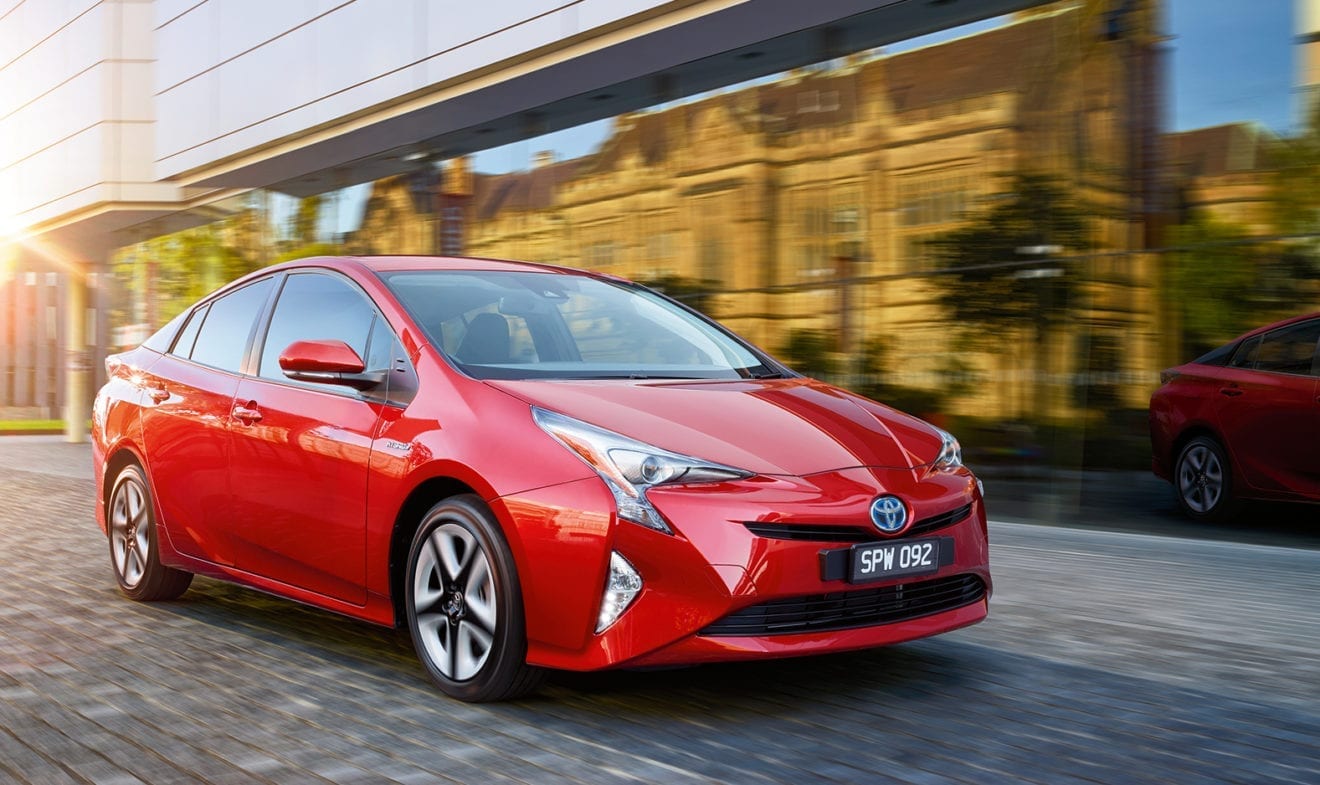
    Toyota said it will slash global production for September by 40% from its previous plan, becoming the last major automaker to cut output due to a global chip crunch, but it maintained its annual sales and production targets. Toyota’s success in navigating the chip shortage better than rivals has come down to its larger stockpile of chips under a business continuity plan adopted after the 2011 earthquake and the Fukushima nuclear disaster. The world’s largest automaker by sales volumes reiterated on Thursday its global production target of 9.3 million vehicles for the year ending in March, as well as its plan to sell 8.7 million cars in the period.

    “The 9.3 million global production plan takes into account certain risks,” executive Kazunari Kumakura told reporters. “We want to achieve the numbers.”

    Toyota said the September cuts included 14 factories in Japan and overseas plants, and that the company would reduce its planned global production that month by around 360,000 vehicles.

    Of these, 140,000 will be at Japanese plants, with the rest in the United States, China, Europe and other Asian countries.

    Car makers worldwide have been cutting production due to the months-long chip shortage, but a resurgence in COVID-19 cases in Japan, Philippines, Thailand, Vietnam and Malaysia – home to auto factories and chip plants – have led to stricter curbs and compounded the crisis.

    Germany’s Volkswagen said on Thursday it may need to cut production further and that it expected the supply of chips in the third quarter to be “very volatile and tight.”

    Ford Motor Co said Wednesday it will temporarily shut its Kansas City assembly plant that builds its best-selling F-150 pickup truck due to a semiconductor-related part shortage as a result of rising cases in Malaysia.

    Earlier this month, Toyota had flagged an unpredictable business environment due to fresh COVID-19 cases in emerging economies, the semiconductor shortage and soaring material prices.

    The carmaker had already halted assembly lines at some Japanese factories between late July and early August, including its Tahara plant, due to a surge in infections in Vietnam which had constrained the supply of parts, the Nikkei reported earlier.

    A person familiar with the matter told Reuters this month that Toyota had also suspended production at one assembly line in Guangzhou, China, which it operates with its Chinese joint-venture partner Guangzhou Automobile Group Co Ltd.

    In Thailand too, Toyota suspended production last month at three factories due to a pandemic-related parts shortage.

  • Twitter users can now report misleading tweets

    Twitter users can now report misleading tweets

    Twitter’s Twitter Safety account sprung to life on Tuesday to announce that starting yesterday, Twitter users in the U.S., South Korea, and Australia can flag a tweet as misleading. To do so, you need to click on “Report Tweet.” That can be found by tapping on the three-dot menu found to the right of the screen in the Twitter app.

    After tapping on “Report Tweet,” you’ll be asked to explain what is wrong with the tweet. You’ll select “It’s misleading.” You’ll then be asked if the misleading tweet is about one of three subjects: Politics, Health, or Something else.” When you pick one of the three, Twitter will ask you to take a deeper dive into the subject.

    For example, choose Politics and Twitter will ask you whether the tweet you find misleading contains Election information or Other political information. You will be able to report the tweet to Twitter and choose to unfollow, mute, or block the author of the tweet that you deem misleading.

    While the new feature is currently being tested, Twitter said that it might not respond and take action against all tweets reported as misleading. However, even if it doesn’t take action, reporting a tweet as misleading will help Twitter identify trends that are taking place on the social media app. “We’re assessing if this is an effective approach so we’re starting small,” Twitter wrote in a tweet. “We may not take action on and cannot respond to each report in the experiment, but your input will help us identify trends so that we can improve the speed and scale of our broader misinformation work.”

  • Samsonite pivots more backpack

    Samsonite pivots more backpack

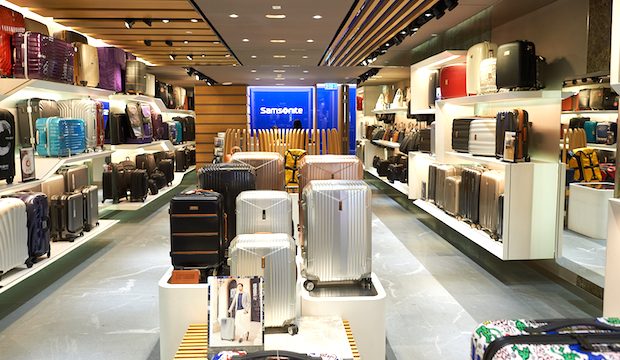
    Samsonite International SA said it’s speeding up its shift toward the emerging non-travel segment as the coronavirus pandemic devastates the global luggage business.

    With expectations that travel won’t return to normal levels for more than a year, the world’s top luggage maker is relying on backpacks, business cases and women’s bags to cushion the blow. The segment now makes up close to half of the company’s sales, up from 40% a year ago.

    “What has Covid done? It has accelerated our portion of ‘Beyond Travel,’” Paul Melkebeke, the company’s newly appointed president for APAC & Middle East, said in an interview Monday. “These were old trends that were already underlying, but with Covid it just has gone a lot faster.”

    Samsonite, based in Mansfield, Massachusetts, is facing its worst year since listing on the Hong Kong exchange in 2011, as the pandemic has hit retailers and the airline industry particularly hard. The owner of brands ranging from Tumi to American Tourister saw revenue drop 58% for the first nine months of the year. Its shares have tumbled 28% in 2020.

    Samsonite has taken aggressive steps to streamline the organization. It has closed more than 10% of its company-owned stores this year through September, according to its quarterly statement.

    “We have been obliged to say goodbye to some of our people,” Melkebeke said. “But everything was there to focus on our management and make sure that we are strong enough to bring it to the other side.”

    While he remains “bullish” on the future of travel, Melkebeke said he’s “100% certain” the industry can’t return to normal levels by the end of next year. That will likely need to wait for the widespread deployment of vaccines to bring Covid-19 under control.

    In the quarter ended September, Samsonite’s core travel brands were down 67% compared with the previous year, while its non-travel brands such as Gregory, Speck, and eBags fell a more moderate 27%.

    With the social distancing restrictions in place, people are turning to more outdoor activities, benefiting Samsonite’s backpacking brands such as Gregory and High Sierra, Melkebeke said. Samsonite is also developing antiviral technologies for its products to address consumers’ concerns about the virus.

    “Don’t forget when you travel with the plane, there’s a moment when you give your luggage away, you collect it on the other side, and you have no idea what has happened with that,” said Melkebeke. “The hygiene factor might be something that will be there forever.”

  • Google Maps faces a new Russian rival on Android Auto

    Google Maps faces a new Russian rival on Android Auto

    Earlier this spring, Google made the smart move to permit its Android Auto app-mirroring dashboard display software to become compatible with third-party apps. This was after it was fined $123 million in Italy, for its monopolistic actions in refusing to allow Italian navigation app JuicePass (which directs electric vehicle drivers to the nearest charging station) access in favor of Google’s own Maps app.

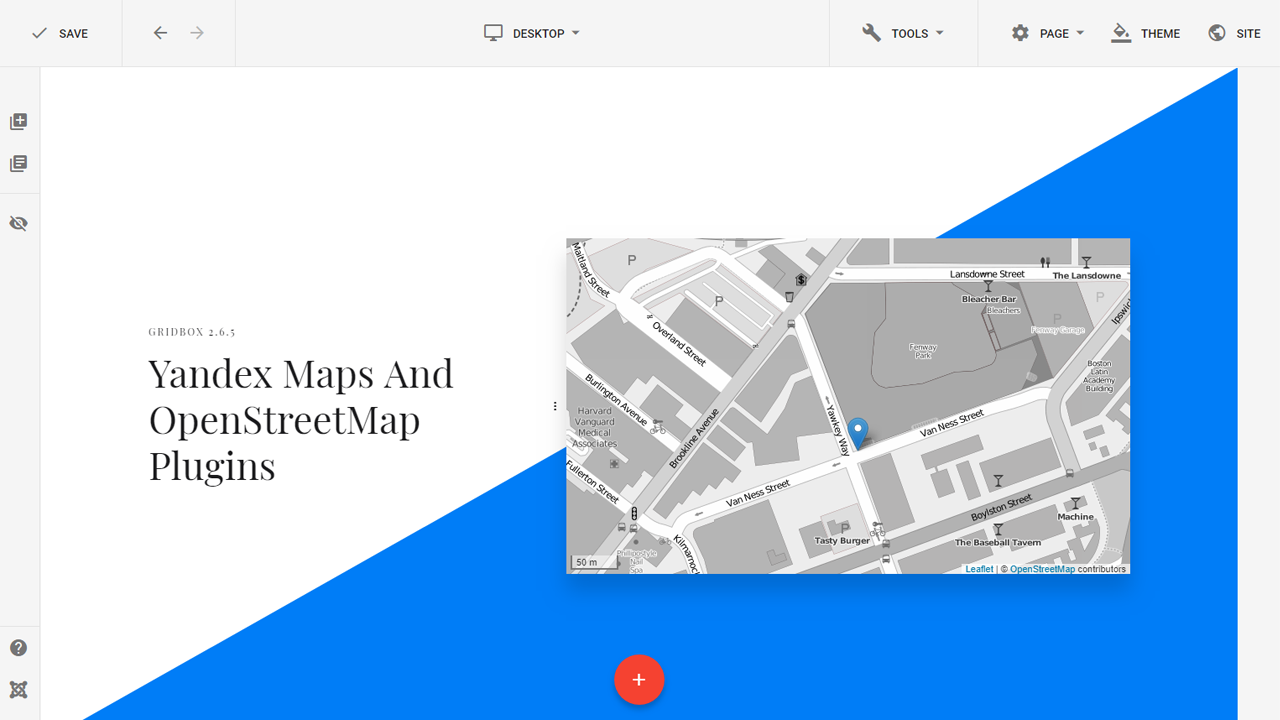
    Once the gates were open, naturally, there was an influx of navigational and other car experience-enhancing apps rushing in to compete with Google’s native navigational offerings. It was finally all healthy, fair competition, and Russia has joined the fray with one particular recent candidate: Yandex.Maps.

    Yandex is a Russian machine-learning navigational tech company, which seems to have created a perfect alternative to Google Maps, with its 10 years of experience in navigation and transportation services. Yandex.Maps offers it all to rival Google Maps, including voice prompts, alerts for upcoming speed limits and traffic cameras, and traffic congestion info updated in real-time.

    The new software even has the option to download directions into an offline mode, for when you run out of data or venture out on an off-road adventure in the bush somewhere.

    Yandex.Maps is currently only available in Russia, and requires a paid “Yandex Plus” subscription if drivers want to make use of the novel dashboard-navigation experience.

    The company does offer Russians a three-month free trial to test it out before buying, though. And for all we know, the $2.30 equivalent of the 169 Russian rubles that are charged as a monthly usage fee may just be worth it if it outperforms Google Maps in precise road mapping and route calculation.

    Google Maps isn’t always updated to reflect the opening up or blocking off of smaller streets, or acknowledge the existence of some legitimate off-road routes, for example, especially outside the USA—so it’s possible Yandex.Maps could be a truly worthy alternative.

    Even if it’s only a Russian breakthrough at the moment, it’s also a breakthrough in the sense that more developers are showing an interest in taking advantage of the free Android Auto app market and looking for ways to compete with Google in the car-optimized navigational software sphere.

  • AirAsia Super App launches Bangkok food service as it expands across ASEAN

    AirAsia Super App launches Bangkok food service as it expands across ASEAN

    AirAsia Group’s digital arm has launched a food-delivery service in Thailand as it ramps up its non-airline business operations to mitigate falling demand for travel during the Covid crisis.

    AirAsia Digital operates Super App that has already been downloaded more than 50 million times and the company says it now has 75 million people using it across Singapore, Malaysia and Thailand.

    Last month, the company bought the Thai operations of Indonesian ride-hailing app Go-Jek which gave it instant market share in passenger transport and delivery services in the market.

    At that time, Air Asia CEO Tony Fernandes said the company had already created a complete digital economy ecosystem. “We have successfully established over 15 different non-airline products and lifestyle services on our digital e-commerce platform in Malaysia. Now it’s time to take it to the next level. In response to overwhelming regional demand, we are setting our sights on bringing our Super App offerings to all of our key markets, following the successful rollout in Thailand.”

    Other features of the app include digital motor vehicle insurance, financial services, travel, lifestyle and rewards, flight and accommodation bookings, beauty, health, and content services.

    With the Thai launch this month, the Super App is offering 30,000 free meals for 30 days for users in four parts of Bangkok: Din Daeng, Chatuchak, Lat Phrao, and Huai Khwang. Partners in that program include McDonald’s, Flash Coffee and Cafe Amazon.

    The app plans to expand service delivery across more areas of Bangkok during the coming weeks.

    “AirAsia food marks the beginning of our digital revolution in Thailand, and we are currently preparing for courier, grocery, ride-hailing and beauty services, which will be launched in coming weeks,” said Amanda Woo, AirAsia Super App CEO.

    “The Covid-19 pandemic has permanently reshaped our everyday lives, food delivery and take-outs have undeniably become an integral part of our consumption behaviour. The key goal of AirAsia Super App is to be the best value one-stop travel and lifestyle application for everyone and every need.

    “AirAsia Super App aims to rise as the e-commerce marketplace of choice for everyone in ASEAN, be it for travel, food delivery or logistics.”

  • Pandora jewellery sales top pre-pandemic levels as US shoppers splash out

    Pandora jewellery sales top pre-pandemic levels as US shoppers splash out

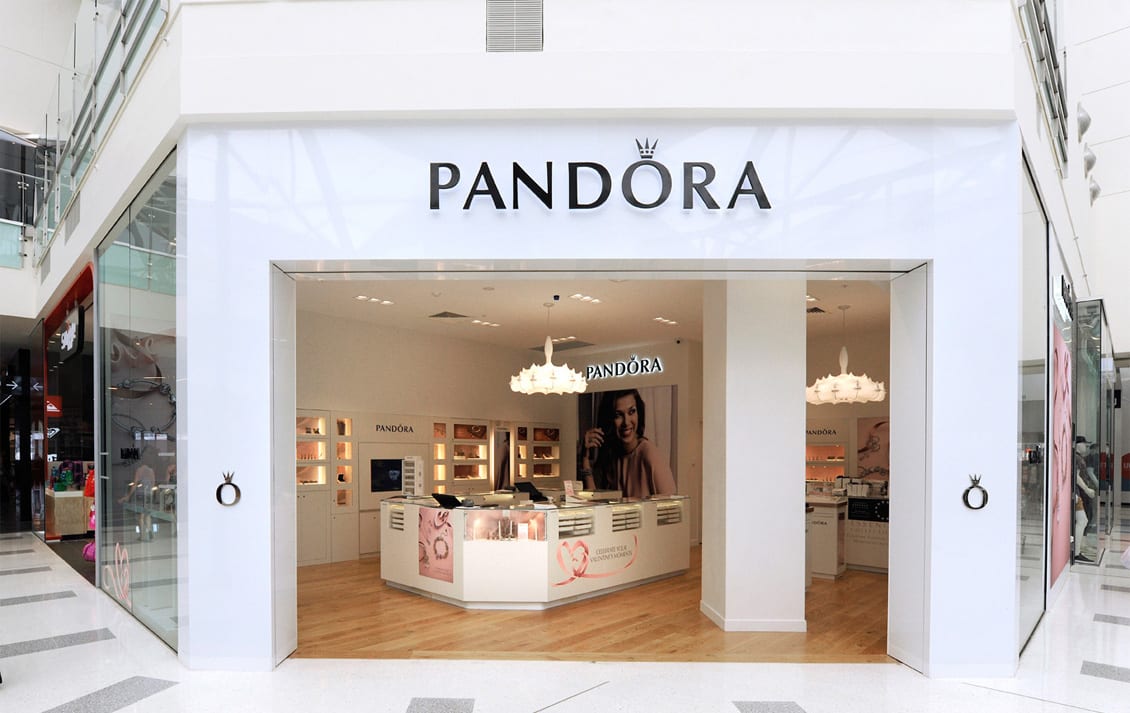
    Danish jewelry maker Pandora said on Tuesday that a strong performance in the United States spurred rapid sales growth in the second quarter but sales in China fell. Pandora, which aims to strengthen its brand in the world’s two biggest economies, said its total comparable sales in April-June jumped 7 percent compared to the same quarter of 2019 before the pandemic.

    In the United States quarterly sales more than doubled from a year earlier and were up 63 percent compared to 2019 as massive government stimulus and vaccinations against Covid-19 fuelled spending on goods and services.

    Pandora said it saw indications that it was gaining more market share in the United States, its biggest market, but cautioned that the high growth would come down in the second half of the year.

    “We have dampened the expectations on the US growth versus the first half and then we have raised expectations in Europe when the stores reopen and we are seeing that play out,” Chief Executive Alexander Lacik told Reuters in an interview.

    Pandora’s shares, which have gained around 25 percent this year, fell around 1 percent in early trade.

    “The questions arise for how long growth in the US operation can offset continued weakness elsewhere, and can Pandora stabilize its European operations to coincide with slower US growth?” Handelsbanken said in a research note.

    Sales in China, the world’s largest jewelry market, fell 13 percent in the second quarter compared to 2019.

    “It will take time so this is not a quick fix. The first attempt to try to turn this around is going to happen later this year,” Lacik said, adding that Pandora would announce further details on its brand repositioning in China at its capital markets day in September.

    Pandora earlier this month raised its full-year sales and profit margin forecasts as fewer stores would have to close due to Covid-19 than initially assumed.

    On Tuesday, Pandora also announced a new share buyback programme, the latest European company to repurchase stock in the wake of a strong earnings season.