Tag: asia

  • Adidas hit by China boycott, Vietnam factory closures

    Adidas hit by China boycott, Vietnam factory closures

    Adidas felt the impact of a Chinese boycott of Western brands on its second-quarter results and is also suffering from the closure of factories in Vietnam due to Covid-19 infections.

    The German sportswear company still raised its outlook for full-year sales and profitability as it said it has seen demand recover in China since calls for a boycott in late March, and said it hopes to restore production in Vietnam soon.

    But Adidas shares were down 4.1 percent by 9:50 GMT as analysts noted that its growth was lagging rivals Nike and Puma, which both reported that sales nearly doubled in recent earnings releases.

    Second-quarter sales at Adidas rose 52 percent to 5.077 billion euros ($6 billion), while operating profit came in at 543 million euros, ahead of analysts’ average forecasts.

    Adidas raised its 2021 outlook to predict sales will grow up to 20 percent, and net income from continuing operations will reach 1.4-1.5 billion euros. That compared to Puma’s forecast for sales to rise at least 20 percent for 2021.

    Adidas already saw online sales return to growth in China in June, Chief Executive Kasper Rorsted told journalists, adding he expects the country to record strong growth for the full year and he welcomed a government drive to promote youth sport.

    The company hopes to be able to restart production in Vietnam after the scheduled end of a coronavirus lockdown on Aug. 15 and is working on reallocating production to other centres in the meantime.

    Vietnam usually accounts for 28 percent of Adidas sourcing and its factories mostly make shoes for the company, with a lag of three to four months before products hit the shelves.

    The combined impact of supply chain problems, new Covid-19 lockdowns in Asia and tensions with China could amount to more than 500 million euros in lost sales in the second half, said finance chief Harm Ohlmeyer.

    Ohlmeyer added he expects Adidas to seal a deal to divest the underperforming Reebok brand by the end of the summer.


  • Car dealers’ profits soar

    Car dealers’ profits soar

    Auto dealers reported three- and even four-digit growth in net profits year-on-year in the first half of the year amid a surge in demand.

    Saigon General Service Corporation (Savico) reported profits of more than VND140 billion, a 487-percent rise, on consolidated revenues of over VND7 trillion ($304.3 million).

    Hang Xanh Motors Service Joint Stock Company (Haxaco), a major dealer for Mercedes-Benz, merely said profits grew in triple digits to VND61.5 billion.

    Truong Long Auto & Technology Joint Stock Company reported growth of 650 percent.

    Ford dealer City Auto Corporation said profits were up 3,300 percent at VND17 billion.

    TMT Motors Corporation reported profits of VND21 billion, up 1,650 percent.

    The strong profit growth somewhat reflected a recovery in the market, with Hang Xanh saying sales in the second quarter rose by 20 percent year-on-year.

    According to the Vietnam Automobile Manufacturers’ Association, its members sold over 135,600 vehicles in the first half, up 32 percent. The numbers do not include the sales of Audi, Jaguar Land Rover, Subaru, Volkswagen, Volvo and some others, who did not reveal their numbers.

    According to the General Department of Vietnam Customs, the country imported over 81,100 complete built-up vehicles in the six-month period, a 100.5 percent increase.

    But dealers expect a gloomy market in the second half, mainly due to the impact of Covid-19.

    Saigon General Service Corporation said the pandemic would have a strong impact on sales in the third quarter.

  • Spotify no longer plans to add AirPlay 2 support

    Spotify no longer plans to add AirPlay 2 support

    Spotify backtracked on its initial statement and now claims it will eventually add AirPlay 2 support for its iOS app. Spotify says that it’s already working on AirPlay 2, but does not offer any ETA: “A post on one of Spotify’s Community pages contained incomplete information regarding our plans for AirPlay2. Spotify will support AirPlay2 and we’re working to make that a reality.”

    In an unfortunate turn of events, Spotify has decided against adding AirPlay 2 support to its music streaming service. The reason behind the decision is purely technical and has nothing to do with any possible rivalries between Apple Music and Spotify.

    A Spotify rep says that while the company has discussed the idea of adding AirPlay 2, it decided against implementing it because of audio driver compatibility issues.

    We’ve discussed this idea internally and while we are working on supporting AirPlay 2 in a proper way, we have decided to close it for now. The reason for this is that due to audio driver compatibility issues, this seems like a bigger project that we won’t be able to complete in the foreseeable future.

    Although the wording might suggest that adding AirPlay 2 support is possible with a bigger budget, it looks like that won’t happen any time soon. We can’t help but wonder if Spotify completely shelved the project or it will come back to it at a later time.

    AirPlay allows streaming between devices of audio, video, device screens, and photos. It was originally launched as AirTunes and only used for audio. AirPlay 2 made its debut three years ago and added more improvements like multi-room audio, Siri support, and better buffering.

  • Binance Shuts Futures Accounts in Hong Kong

    Binance Shuts Futures Accounts in Hong Kong

    The world’s largest crypto exchange Binance said it would no longer allow new users to open futures accounts in Hong Kong, following warnings issued by the city’s regulators.

    Existing users will have a 90-day period to close their positions, Binance said, and no new positions thereafter can be opened.

    As the market leader, Binance constantly evaluates its product and service offerings,» the firm said in an announcement, adding that it was the first major firm to proactively restrict access to crypto-linked derivatives. We will be restricting Hong Kong users in respect of derivatives products (including all futures, options, margin products and leveraged tokens) in line with our commitment to compliance.

    The latest move follows a warning issued by the Securities and Futures Commission in July stating that the cryptocurrency exchange was not licensed or registered to offer securities.

  • TikTok is now the world’s most downloaded app

    TikTok is now the world’s most downloaded app

    According to a global analysis compiled by Nikkei, TikTok has officially overtaken Facebook, Instagram, WhatsApp, and every other messaging platform to become the most downloaded social media app in the world.

    Until 2021, Facebook had held that title—unsurprisingly, as it has somehow managed to keep growing over the years up to a current accumulated net worth of over one thousand billion. TikTok has proven to be something of a dark horse behind the scenes, however, growing around the world at an unprecedented rate until it’s taken over social media—and most of Gen Z’s free time.

    While YouTube has also been changing the video scene over time, with the most popular videos currently stretching around ten minutes—miles shorter than traditional TV or video entertainment—TikTok has been paving the way for something completely new: very quick, snappy videos averaging between nine to fifteen seconds.

    In the beginning, most TikToks were quick, funny clips aimed at making you smile or laugh, something akin to Vine when it peaked in 2014 before it passed into oblivion. TikTok isn’t showing signs of dying anytime soon, though, and its style has expanded to include educational clips, life hacks, mini cooking tutorials, and much more.

    The possibilities have become endless, and thousands of businesses have taken advantage to advertise their products or services as well as provide entertainment.

    TikTok has even been inspiring other platforms to mimic its style, after seeing its popularity boom—such as Instagram Reels, or YouTube Shorts. Both of these have been pushed as additional short-video platforms alongside the main platform, which provide a refreshing alternative to the regular content most established influencers or YouTubers are used to posting and consuming.

    Instagram Reels is different from Instagram Stories, shown in their very own niche corner in the app, and YouTube Shorts can be found on the Shorts Shelf right near the top of the home page.

    For a while last year, we didn’t really think TikTok was going to make it in the US, after Trump had threatened to eradicate the app from the United States due to a claimed national security risk. Things didn’t quite work out the way Trump had hoped, though, and although new app downloads were banned for a while, Biden signed an executive order this year revoking all bans on both Tiktok and WeChat (another Chinese messaging app targeted by Trump).

    The pandemic served to provide a massive boost to TikTok’s popularity, as not only were most people stuck at home with limited means of entertainment, but also because many famous artists were forced to cancel shows and tours, and decided to take to this platform (and others) instead.

    I enjoy videos by artists who aren’t performing live anymore because of the pandemic. —Nina, 37, from Portland

    Interestingly, TikTok has never touted any particular safety features, and many still harbor concerns that their data may be compromised. However, that doesn’t seem to have impacted the app’s fame in the least, in spite of other apps like WhatsApp working hard to stay above competing platforms in terms of maximal data encryption and privacy. Apparently, if an app is entertaining enough, privacy concerns take a back seat for many users.

  • Qualcomm Tops Magna’s Bid With $4.6 Billion Offer For Veoneer

    Qualcomm Tops Magna’s Bid With $4.6 Billion Offer For Veoneer

    Chipmaker Qualcomm Inc said on Thursday it had offered to buy Swedish auto parts maker Veoneer Inc for $4.6 billion, an 18.4% premium to a bid by Canada’s Magna International Inc that was accepted by Veoneer’s board. U.S.-listed shares of Veoneer rose 21.7% in premarket trading as the stage was set for a bidding war. Neither Magna or Veoneer made any immediate comment. Demand has been on the rise for advanced driver assistance systems, known in the industry as ADAS, that add features ranging from collision warning to parking assist. Some systems collect data from cameras and radar to monitor surroundings, interpret the situation and take action.

    Qualcomm, apart from powering mobile phones, has been a chip supplier to carmakers for a decade and last year started its own line of ADAS systems called Snapdragon Ride. Earlier this year it signed a signed a collaboration deal with Veoneer to develop a software and chip platform for driver-assistance systems. While fully self-driving vehicles are years away, assisted-driving features, such as adaptive cruise control, are being fitted into new cars by most manufacturers.

    Qualcomm hopes to grow its automotive chips business by creating open and competitive platforms for automakers along with Veoneer. “As the automotive industry continues to transform, it is becoming increasingly important for automakers to have a partner who develops horizontal platforms that drive innovation and enable competition,” said Qualcomm CEO Cristiano Amon.

    Magna has a similar interest in buying Veoneer as it tries to compete with ADAS makers such as Aptiv, Bosch and Continental to capture a larger share of the booming business. The Canadian company had offered to buy rival Veoneer in July for about $3.8 billion in cash.

  • Delivery companies miss out on demand surge amid stay-at-home orders

    Delivery companies miss out on demand surge amid stay-at-home orders

    Delivery companies are unable to capitalize on rising demand since drivers are not keen amid mobility restrictions and delayed vaccination. Hung, a shipper in Hanoi, has shut down his driver’s app for over a week now after the city imposed travel restrictions.

    Through his company, AhaMove, does provide paperwork for the 22-year-old to pass through checkpoints set up to discourage people from coming out into the streets, he is concerned about contracting Covid and spreading it at home.

    “It is difficult financially, but since I do not know when I’ll be vaccinated, I’d rather stay at home for safety,” he said.

    Nghia, who works for Grab, does not have the liberty to make that choice since the city does not allow his company to operate.

    Hanoi allows delivery people from supermarkets, e-commerce platforms and postal services but not from ride-hailing companies like Grab, Be Gojek, MyGo, and FastGo.

    “It is unfair. Three or four trips a day would help me earn enough for food, but we cannot do anything but wait.”

    The shortage of drivers and ambiguous and inequitable regulations mean delivery companies are unable to take advantage of the surging demand amid the lockdowns in Hanoi and HCMC.

    AhaMove reported a tenfold rise in the number of orders after the lockdown began, but it cannot accept much of them since its drivers are not allowed past checkpoints. Hanoi does not allow delivery of “non-essential” goods.

    “Many shippers refrain from working since they have to pay for their own Covid-19 tests,” Tuoi Tre newspaper quoted Phan Tuong Bach, operating director of AhaMove, as saying.

    In HCMC, there are times when the number of orders is triple the normal rate, but a driver shortage means they could not be accepted, he said.

    There is also confusion occasionally as authorities in Hanoi and HCMC abruptly change regulations catching delivery companies unawares.

    AhaMove last week had to apologize to its drivers and customers in HCMC after some of its drivers were fined for delivering goods after 6 p.m. amid a ban on people leaving their homes at night.

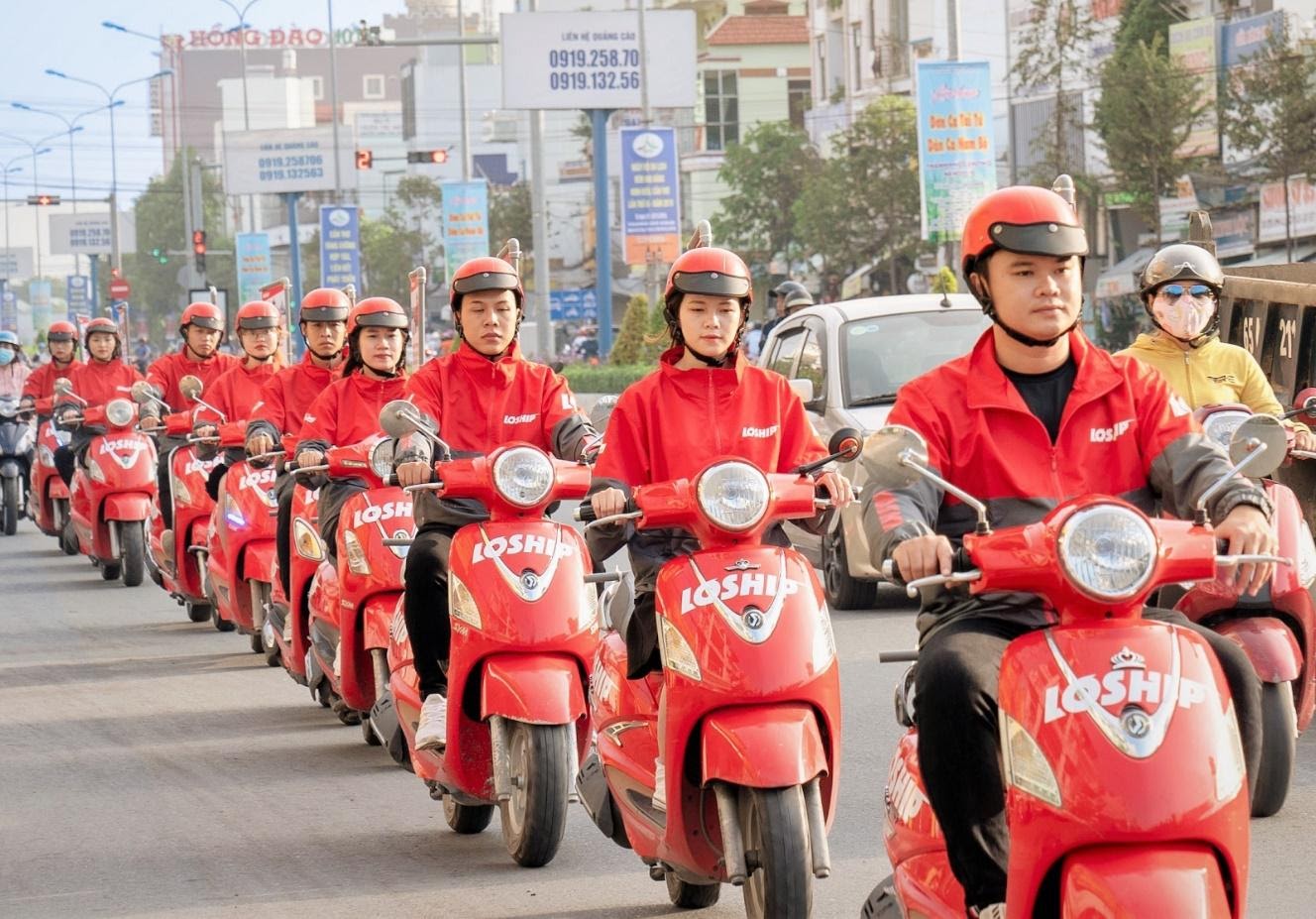
    Startup Loship is facing similar difficulties as many of its drivers had stopped working.

    CEO Nguyen Hoang Trung said working conditions have become extremely difficult for delivery people because of lack of clarity on what constitute essential goods.

    The company has doubled the minimum income in the hope of attracting more drivers back to work.

    Be Group saw orders rise tenfold in mid-July but had to suspend operations two weeks later to keep its drivers safe.

    Ride-hailing giant Grab asked to be allowed to deliver food, saying Hanoi’s suspension of its services while allowing other delivery companies to operate goes against its policy on fair competition. But its demand has yet to be approved.

    HCMC has had strict social distancing regulations since July 9, and they will continue until August 16. Its Covid-19 tally now is more than 112,000.

    Hanoi is in the 14th day of a 15-day social distancing campaign. The city has had nearly 1,800 cases.

  • Microsoft Teams will be getting a helpful search feature named ‘Top Hits’ soon

    Microsoft Teams will be getting a helpful search feature named ‘Top Hits’ soon

    Microsoft has been working hard on improving its chat and collaboration app Teams since last year when many people were forced to work from home. Alongside many improvements and new features, there’s one improvement set to make users’ lives way easier. Microsoft Teams will be updating its search.

    A new entry to the Microsoft 365 Roadmap has now been published regarding the Microsoft Teams search functionality. According to the entry, the search experience on Teams will be improved by ‘Top Hits’ results that would be automatically generated.

    Microsoft stated that the new section will autosuggest the most relevant results across people, chats, files, and other content stored or shared in the app.

    The new feature is still under development, but it is expected to roll out to users by the end of this month.

    Microsoft has been investing a lot of effort into bringing new features to the Teams platform since the start of the pandemic. It has brought together video conferencing, file sharing, project management, and other features to Teams, further expanding its range of functionality.

    This expansion necessitates a better search functionality, though. Currently, the autosuggest in search provides a few possible results by type, and users can apply filters to them for a more specific search. However, the Top Hits section is expected to bring another layer of intelligence to the existing search options. This will make it easier to find exactly what you’re searching for on the first try, therefore reducing your search time and boosting your productivity.

  • DBS Reports Progress on Digital Exchange

    DBS Reports Progress on Digital Exchange

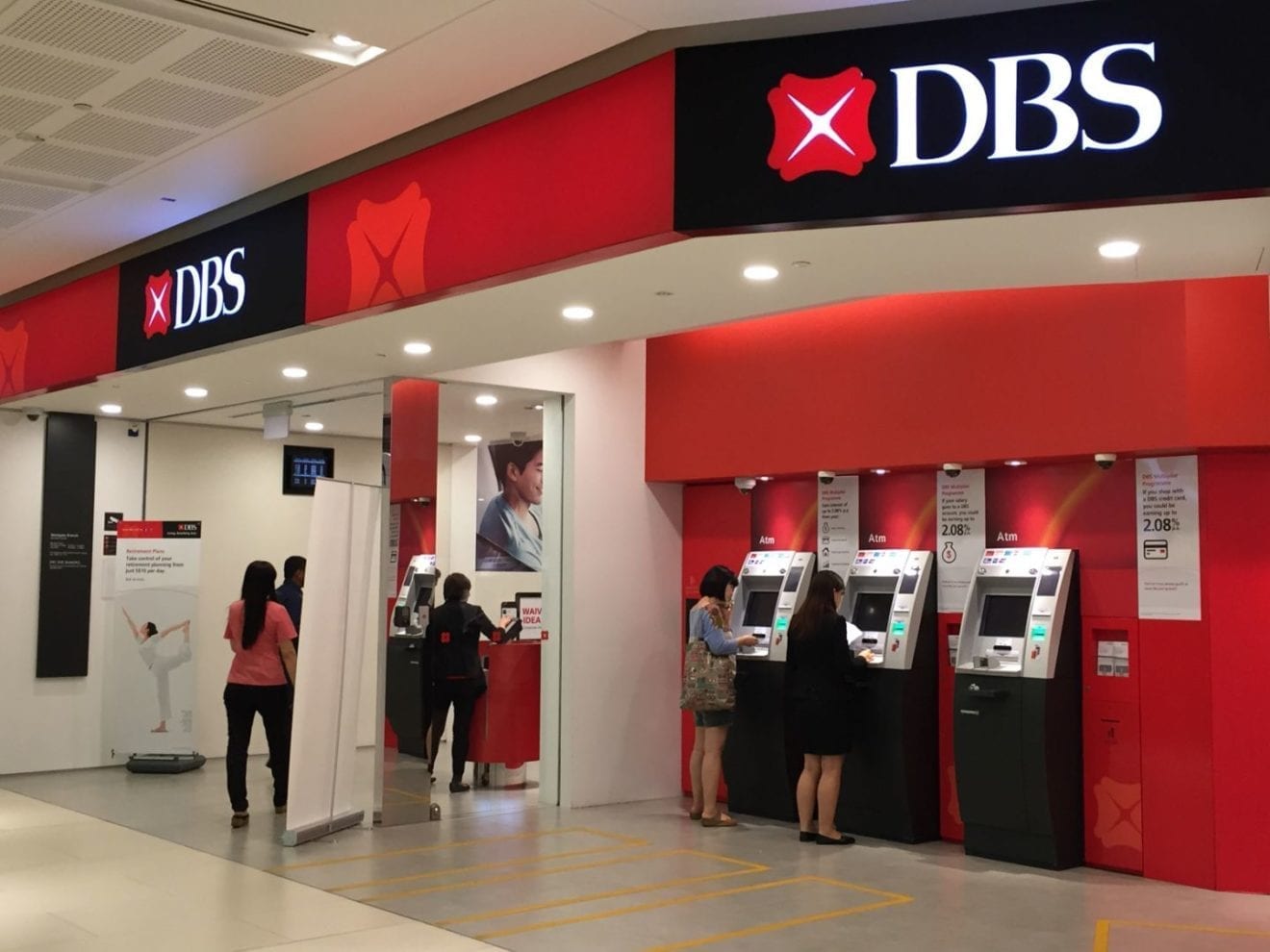
    The Singapore bank, one of the first traditional lenders in the region to launch its own digital exchange, now has S$100 million in digital assets in custody.

    I’m quite pleased, it is going quite well,» chief executive Piyush Gupta said on Tuesday during a briefing with analysts after presenting the bank’s second-quarter 2021 financial results, Blockworks reported.

    The exchange – DDEx – now has around 400 clients and did around $133 million in transactions during the quarter, Gupta said. Its assets under custody are also up 60 percent since May, when it had an investor base of 120 clients and some S$80 million in digital assets under custody.

    At the same time, Gupta said his target was to grow the digital exchange’s investor base to about 1,000 customers this year, adding that he expects the volume to pick up once the exchange extends its trading hours past the Singapore business day.

    DDEx launched in December 2020 with an initial offering that covered cryptocurrency trading of bitcoin, ether, bitcoin cash and XRP, now expanded to include digital stocks and bonds. In May 2021, the bank launched a crypto trust offering that combined wealth planning services with emerging digital currencies.

    Overall, the bank posted a record-high profit of S$3.71 billion ($2.75 billion) for the first half of 2021, marking 54 percent year-on-year growth.

  • Boutique Tasmanian distillery Battery Point releases first whisky

    Boutique Tasmanian distillery Battery Point releases first whisky

    For head distiller Jack Lark Whisky distilling runs in the blood but it’s the Battery Point Distillery teams’ patience, creativity and vision that he believes sets them apart, “We’re a small team and so we’re not rushing to get things out. Everything is by-hand and we refuse to cut corners – we will only release the best quality barrels and the best quality spirits.”

    Achieving this, however, has not been left to chance, “With whisky you aren’t reinventing the wheel – it’s still all made with the same three ingredients, but we really took our time over selecting the best of those ingredients.” Made using a specifically selected premium Tasmanian malt mash, a unique combination of yeast cultures and of course the purest 100% Tasmanian water, Battery Point whisky is combining traditional Scottish double-distillation methods with small cask and barrel finishing.

    This first release brings together port, sherry and bourbon small cask whiskies in a unique blend. It is then aged in an apple brandy barrel before being finished in a muscatel. It’s this creativity with flavour and barrel influence that sets Battery Point Distillery apart. Delivering a bold, full-bodied and rich drop this whisky promises layers of complexity without being overly demanding or complicated.

    As is intended with all future Battery Point offerings, this is a limited release of 200 bottles. Future small volume releases will be available when they are at their peak and ready – “we aren’t in a hurry and want to bottle the best quality we can” says Jack.

    The bottled look was designed to reflect the bold sophistication of the product. The packaging inspired by the detailing of the barrels that characterise the whisky, offers a confident and contemporary take on the traditional category, much like the whisky itself.

  • Delivery platform Now resumes Hanoi service

    Delivery platform Now resumes Hanoi service

    Delivery platform Now is resuming delivery of groceries and other essential goods in five Hanoi districts starting Wednesday.

    The firm announced the resumption of NowFresh and NowShip in the districts of Cau Giay, Dong Da, Hai Ba Trung, Ba Dinh and Thanh Xuan under strict supervision following advice from the municipal Department of Transport and the Department of Information and Communication.

    NowFood, the food delivery service that accounts for majority of its users, remains suspended.

    All the drivers will complete daily health declarations and temperature checks before beginning to work and follow Covid-19 safety measures including wearing masks, keeping distance, avoiding crowds, and disinfecting delivery packages regularly.Only drivers approved by the Hanoi Department of Transport are allowed to deliver.

    Now had temporarily suspended all of its services from July 28, following Grab, Gojek and Be. Among these platforms, it is the first to announce resumption of operations in Hanoi.

    Hanoi is implementing a 15-day social distancing period starting July 24. The city has recorded 1,668 cases since the fourth wave began late April.

  • SGX Profits Fall on Higher Expenses

    SGX Profits Fall on Higher Expenses

    The bourse attributed its weaker performance to higher expenses increased and declining treasury income amid a low-interest rate environment.

    Singapore Exchange’s fiscal full-year net profit fell 6 percent year-on-year to S$445.4 million ($329.5 million), despite operating revenue growing by 0.3 percent to S$1.06 billion, according to financial statements released on Thursday.

    Operating revenue fell 6.8 percent year-on-year for the six months ending 30 June 2021 to S$535.1 million, with the decline coming from its equities segment, SGX said. Its net profit for this period totalled S$205.6 million, down 20.5 percent from S$258.6 million the previous year.

    FICC revenue, comprising Fixed Income as well as Currencies and Commodities – Derivatives revenues, increased 24 percent to S$211.8 million, or 20 percent of total revenue. Equities revenue, comprising Equities – Cash as well as Equities – Derivatives revenues, declined 8 percent to S$701.1 million, or 66 percent of total revenue.

    Data, Connectivity and Indices revenue increased 18 percent to S$143.1 million, or for 14 percent of total revenue.

    Scientific Beta and BidFX contributed 7 percent to the group’s total revenues in FY2021. Along with recently acquired FX trading platform MaxxTrader, total revenue contribution from SGX’s recently acquired subsidiaries would exceed 9 percent, SGX said.

    While the low-interest rate environment will continue to impact our treasury income, we believe it will also spur demand for our multi-asset offerings as investors seek enhanced returns, CEO Loh Boon Chye said.

    The Board of Directors proposed a final quarterly dividend of 8 cents per share, payable on 22 October 2021, which would bring total dividends in FY2021 to 32 cents per share, up from 30.5 cents in FY2020.

  • DBS Registers Record First-Half Profits

    DBS Registers Record First-Half Profits

    DBS maintained profit momentum in the second quarter, resulting in all-time high performance for the first half.

    DBS registered a record-high profit of S$3.71 billion ($2.75 billion), according to the latest results, marking 54 percent year-on-year growth.

    Total income slipped slightly by 4 percent to S$7.44 billion and expenses inched 3 percent higher to S$3.13 billion but allowances for credit and other losses fell by 95 percent to S$89 million.

    The bank also declared a dividend of S$0.33 per share for the second quarter, bringing the first-half dividend to S$0.51 per share.

    DBS’ strong performance in the first half was also driven by all-time high figures across the board including fee income (20 percent increase to S$1.82 billion), fixed income fees and trading income.

    The second quarter alone was also a strong showing with S$868 million in fee income – the second-highest on record behind the last quarter – resulting in a net profit of S$1.7 billion, a 37 percent increase.

    «We achieved an exceptional first half with the first and second quarters the two highest on record,» said DBS chief executive Piyush Gupta. «Business momentum and asset quality have both been better than expected as the economic recovery from the pandemic takes hold. While risks remain, our pipeline remains healthy and we expect business momentum to be sustained in the coming quarters.»

  • Foot Locker is breaking into Japan’s sneakerhead culture

    Foot Locker is breaking into Japan’s sneakerhead culture

    Hidefumi Hommyo got an unusual start in the sneaker business. A native of Japan who became acquainted with the US while studying at Temple University in Philadelphia, Hommyo realized sneakers that were rare in Japan could be found easily, and cheaply, in the US. He made trips up and down the east coast in the mid-1990s, scouring basements and garages for shoes such as the original Nike Air Jordan 1 from 1985 or the Nike Air Force 1 from 1982. He would buy them for just $15 or $20 a pair, he recalled on a podcast last year, and sell them for $400 at his stores in Japan, where streetwear and sneaker fandom were starting to take off.

    Hommyo caught Nike’s notice, and when he opened his next shop, atmos, as a traditional retailer in the backstreets of Tokyo’s Harajuku neighborhood in 2000, Nike was his first vendor. Since, atmos has built a global profile among sneaker fans, largely with its sought-after collaborations with sneaker makers. It now has 49 stores, including 10 outside Japan in cities such as New York, and a substantial digital business.

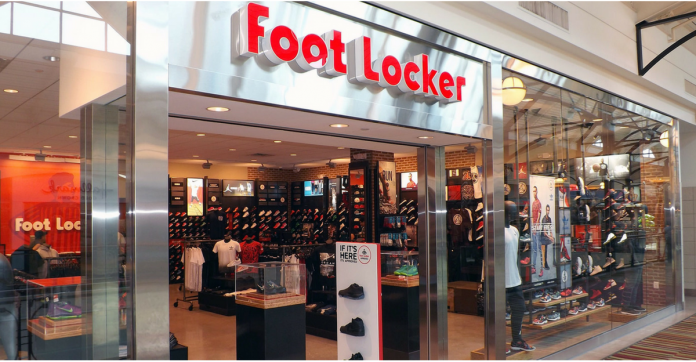
    Its success has attracted another big name in sneakers: Foot Locker today announced it is acquiring atmos for $360 million.

    The purchase gives Foot Locker a “strategic foothold in Japan,” the company said, a market it estimates to be worth $6 billion. Atmos, focused on a niche of young, discerning shoppers, owns just a slice of that. Its sales last year were approximately $175 million, according to the announcement. But the deal still helps Foot Locker expand in the fast-growing Asian market, and further into the premium end of sneakers and streetwear.

    While Foot Locker has a global footprint, it’s still primarily a US business. As of Jan. 30, 2021, it had nearly 2,000 stores in the US and its territories across its various store brands, which include Foot Locker as well as offshoots such as Kids Foot Locker and chains such as Champs and Footaction. Foot Locker specifically had 848 US stores. Foot Locker Asia, on the other hand, had just 20 stores.

    Atmos immediately increases Foot Locker’s presence in the world’s third-largest economy. Foot Locker will also benefit from atmos’s digital channels, which generated more than 60% of its sales last year.

    At the same time, Foot Locker pointed to atmos’s distinct brand and “potential for Foot Locker, Inc. collaborations” as strategic benefits in a presentation about the deal prepared for analysts. Atmos is known in the world of sneakers and streetwear for its taste and for co-producing some of the most sought-after collaborations on the market. Foot Locker is more a mass retailer, though one that’s made itself a destination for sneakerheads through its releases of sneakers such as Jordans and Yeezys. By acquiring atmos, Foot Locker gets its cultural credibility in sneakers and streetwear, while Foot Locker also apparently sees potential to use atmos’s expertise to launch its own collaborations.

    Foot Locker announced another purchase, too. It’s buying WSS, a regional retailer with 93 off-mall stores around the southwestern US, where Foot Locker says it has room to grow. Those stores are generally not in malls, too, which could help at a moment when malls, where Foot Locker has many of its US stores, are seeing traffic declines. Importantly, WSS also has a strong following among Latino shoppers, a demographic group with growing spending power.

    Foot Locker paid $750 million for the company, which generated $425 million in sales in its 2020 fiscal year.

  • OCBC Profits Surge from Reduced Allowance

    OCBC Profits Surge from Reduced Allowance

    OCBC’s net profit for the second quarter surged due to an economic recovery that enabled substantially reduced allowances.

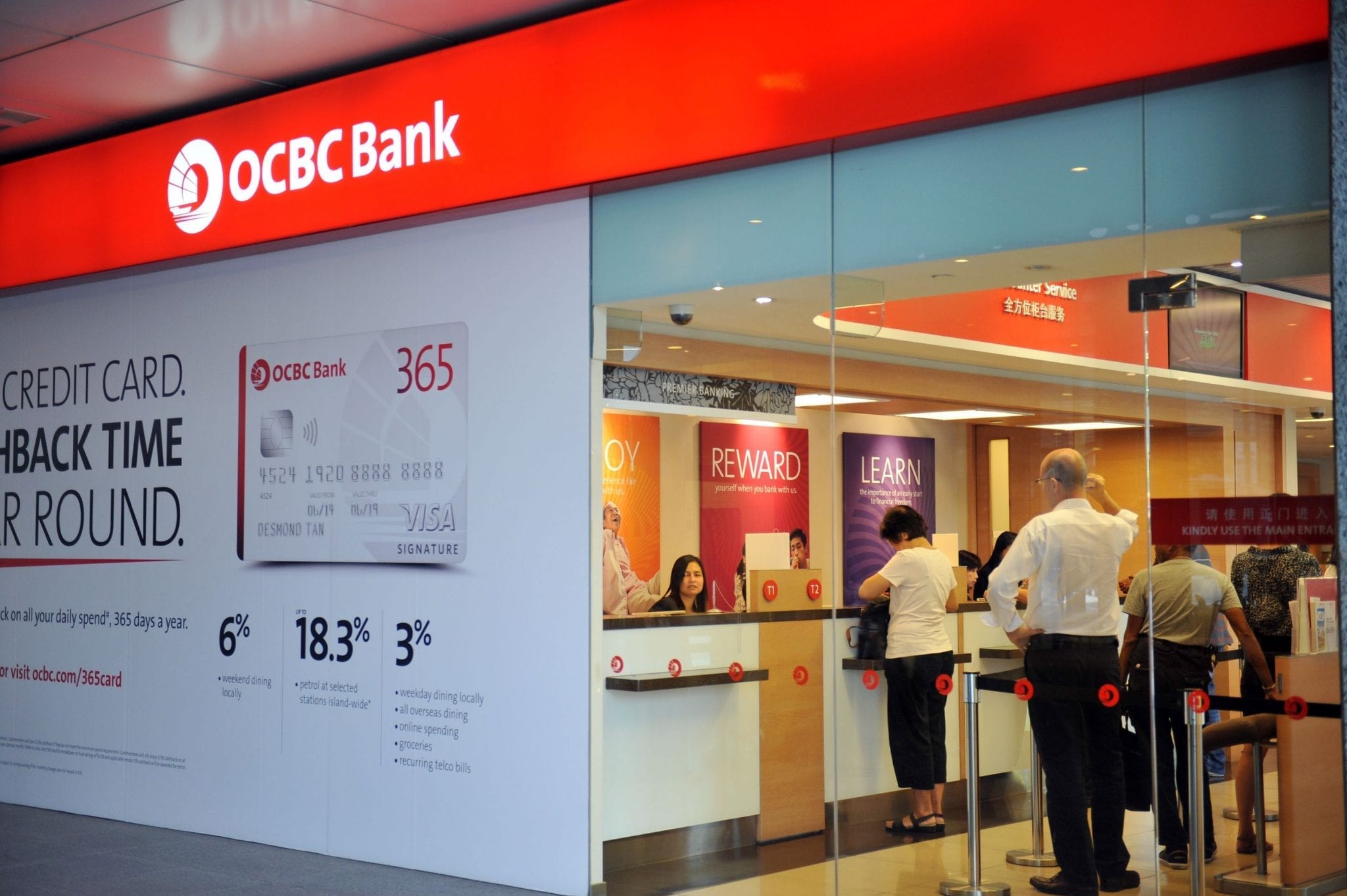
    OCBC’s posted a net profit of S$1.16 billion ($860 million) in the second quarter, according to its latest results, marking a 59 percent surge from S$730 million in the same period last year.

    The bank’s quarterly performance was in line with the S$1.14 billion consensus forecast from a Bloomberg survey of five analysts.

    OCBC registered S$2.66 billion of net profit in the first half, up 86 percent year-on-year.

    Like many other peers in the banking industry, OCBC has benefitted from an economic recovery that has enabled a reduction of reserves linked to bad assets.

    It posted S$393 million in total allowances compared to S$1.41 billion last year.

    The reduction was driven in no small part by lower allowances for impaired assets (from S$793 million to S$283 million) driven last year largely by exposures to «a number of corporate customers in the oil trading and offshore support vessels sectors».

    In addition to reduced allowances, the bank also benefitted from strong wealth management income which grew 25 percent in the first half to S$2.14 billion which represents 39 perfect of OCBC Group’s total income.

    OCBC’s private banking arm, Bank of Singapore, saw assets under management grow 11 percent to S$169 billion, driven by continued net new money inflows and positive market valuations.

    OCBC also declared a dividend of 25 Singapore cents per share compared to 15.9 Singapore cents a year ago.

    At a ratio of 42 percent, this marks the first dividend payout since the Monetary Authority of Singapore lifted its cap on locally incorporated banks and financial firms in the city-state, originally set at 50 percent of 2019’s dividends per share.

    While the long-term trajectory of global economic recovery is positive, we remain watchful on the current operating environment in view of the recent virus resurgence and heightened safety measures in our key markets,» said OCBC group chief executive Helen Wong. We stay firmly committed to supporting our customers during this difficult period.