Tag: asia

  • Oculus Quest 2 sales paused due to skin irritation issue

    Oculus Quest 2 sales paused due to skin irritation issue

    The Facebook-owned Oculus Quest 2—one of the leading headsets in the world of virtual reality—has been enjoying gargantuan sales this year, with Facebook reporting that this particular model “outsold not just its predecessor, but all of its predecessors combined” in 2021. However, that figure is about to take a hit as all sales of the Oculus Quest 2 have been put on hold for a few weeks due to a safety concern.

    Reportedly, only 0.01% of customers have been experiencing such irritation, with even these cases being very mild in their vast majority. However, a select few of them have been reported as quite severe, and for this reason, Facebook has chosen to pull the entire product and prevent further cases and perhaps a lawsuit in the future.

    This didn’t come out of the blue, however. The Oculus Quest 2 VR headset has been in the stores since last October, and people have been speaking up every so often for a very long time, posting pictures of their reddened skin on social media such as Reddit and Facebook.

    In April, Facebook suddenly addressed the issue, claiming they looked into the matter and found no real concern:

    “After conducting a comprehensive investigation into this issue, we did not find any contamination or unexpected substances in our manufacturing process. We identified a few trace substances that are normally present in the manufacturing process which could contribute to skin discomfort, and while these were already at levels below the industry standard, out of an abundance of caution we changed our process to reduce them even further. We’ve confirmed with expert dermatologists and toxicologists that these levels are considered extremely low. While this issue has only been reported by a very small percentage of Quest 2 users, with these changes, we believe that users are even less likely to experience irritation resulting from any substances in the foam facial interface. We encourage any customer who experiences irritation from using Quest 2 to contact Oculus Support for a facial interface replacement.”

    Somehow, this announcement didn’t fix the very real problem (surprise, surprise!) and many users continued to experience the blistering that whatever chemical was used in the foam seemed to be causing. Finally, a few days ago, Facebook apparently finally decided to face the problem and fix it for users once and for all.

    The company has paused sales of the Oculus Quest 2 on a global level, and the hold will last for a full month—resuming on August 24—while Facebook fits every single Quest 2 box around the world with a protective silicone cover that goes over the problematic foam (which, by the way, is also removable).

    Today, we’re introducing a new silicone cover for all customers globally, including as part of a joint voluntary recall of the Quest 2 removable foam facial interface with the U.S. Consumer Product Safety Commission (CPSC) and Health Canada. In addition, we’ve been communicating with global regulators and are taking the extra step of temporarily pausing sales of Quest 2 globally while we work to include the new silicone covers in all Quest 2 packages. The new silicone cover fits over the Quest 2 removable foam facial interface and starting on August 24, all Quest 2 headsets will come with a silicone cover included in every box. For more information, please visit the Oculus blog.

    Anybody who already owns the Oculus Quest 2 and wishes to get one of the protective silicone covers for free, can simply contact the company by following these instructions published on the official page.
  • Singapore Crypto Startups Join Mastercard Engagement Program

    Singapore Crypto Startups Join Mastercard Engagement Program

    Two Singapore startups will help the payment giant accelerate innovation around digital asset technology. Singapore-based Mintable, a non-fungible token (NFT) marketplace; and Stacs, which provides a blockchain infrastructure for the financial industry to unlock value and enable effective sustainable financing, are among of a new cohort of seven startups at Mastercard’s «Start Path» global startup engagement program.

    The program supports fast-growing digital assets, blockchain, and cryptocurrency companies by providing access to strategic partnership opportunities, insights, and tools to grow. Companies participating in the new program aim to address pain points including asset tokenization, data accuracy, digital security, and seamless access between the traditional and digital economy.

    The announcement comes amid increased enthusiasm for a broader range of payment technologies in the Asia Pacific region as a result of the pandemic, and growing awareness of cryptocurrencies among the general public. Mastercard also said consumers are increasingly showing interest in being able to spend crypto assets for everyday purchases.

    We believe we can play a key role in digital assets, helping to shape the industry and provide consumer protection and security. Part of our role is to forge the future of cryptocurrency, and we’re doing that by bridging mainstream financial principles with digital assets innovations, Jess Turner, Executive Vice President of New Digital Infrastructure and Fintech, Mastercard, commented.

    Mastercard announced last week that it was looking to simplify for its partners the conversion from cryptocurrency to traditional fiat currency, and would be leveraging partnerships to help crypto companies offer card programs.

    Earlier this month, rival Visa reported that consumers spent more than $1 billion worth of cryptocurrency on goods and services through Visa’s crypto-linked cards in the first half of 2021.

  • First Victorian Ampol Woolworths Metro store opens in Melbourne

    First Victorian Ampol Woolworths Metro store opens in Melbourne

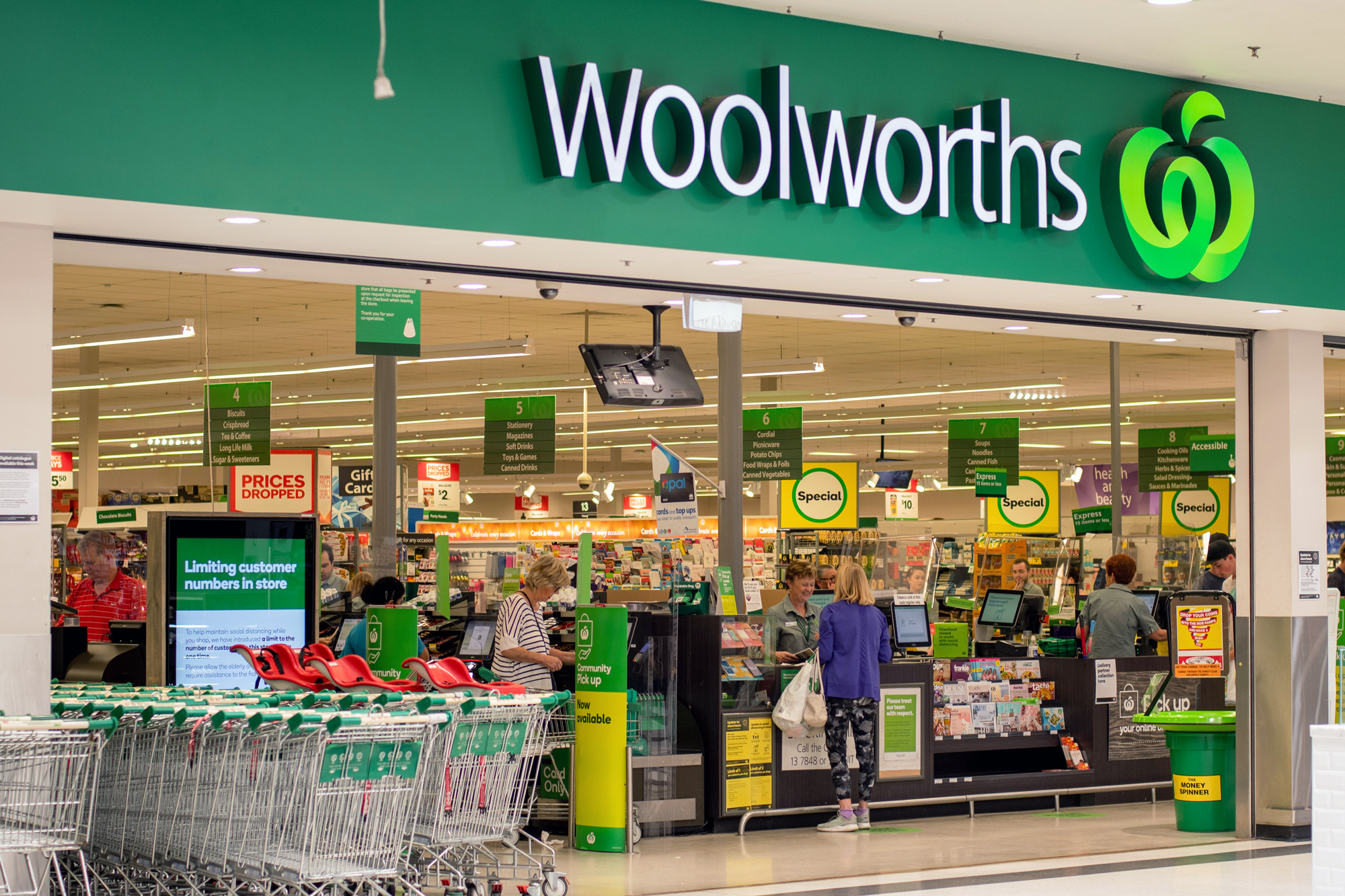
    The opening of Victoria’s first Ampol Woolworths Metro store in Sandringham has set a new benchmark for retail shopping in Melbourne.

    Owned and operated by Ampol, the new store brings together Ampol’s great service and world-class quality fuels with an inspiring range of quality fresh food and top-up essentials from Woolworths, to help on-the-go customers in Melbourne make the most out of every journey.

    The new Ampol Woolworths Metro Sandringham store will offer more than 1,400 grocery items, including more than 200 Woolworths Own brand products.

    With a focus on freshness and convenience, Ampol Woolworths Metro stores feature a curated product range perfect for customers looking to top-up on their groceries, along with fresh, quality food they can eat now, on the go, or grab for later. This offer is supported by Ampol’s quick-service restaurant partner, Boost. Customers will also benefit from the ability to earn points through Woolworth’s Everyday Rewards.

    Bringing the latest in convenience technology to Melbourne consumers, the shop features self-serve checkouts and access to the Ampol App, where consumers can pay from the convenience of their phone and access special offers. Consumers are also provided the ability to access the store’s broad range of products through Uber Eats.

    Ampol’s Executive General Manager, Retail, Brand and Culture, Jo Taylor said: “We know Australians are increasingly looking to shop local, in a safe and convenient way. Together with Woolworths, we’re making it easier for customers to pick up quality fresh food and grocery essentials in one place, along with our great quality coffee and premium fuels.

    “Our award-winning Ampol Woolworths Metro format has set a new standard of service, product quality and range, and we are thrilled to bring this outstanding offer to Melbourne.

    “We look forward to rolling out more sites across Victoria in the months ahead.”

    Woolworths General Manager – Metro Partnerships, Michelle White said: “At Woolworths, we’re always looking for new ways to make it easier to shop for your everyday needs.

    “Our Melbourne customers lead busy lives and are increasingly looking for convenient local food stores with the fresh and healthy foods they want.

    “This partnership brings the best of both brands together and delivers a whole new level of convenience for the benefit of our mutual customers.”

    The first Ampol Woolworths Metro store was launched in North Ryde, Sydney in 2019. Today, the retail format has presence in 13 locations strategically positioned around major arterials in key suburban areas of Sydney.

    Thirteen more sites are expected to open before Christmas, including three new stores in Melbourne in Mount Waverley, Elsternwick, and Kew.

  • Apple recruits more Vietnamese staff

    Apple recruits more Vietnamese staff

    Apple is recruiting 25 people in Vietnam, mostly for posts pertaining to operations and supply chain.

    Most of the job opportunities had been posted on Apple’s career website this month. On July 23 and 29, the U.S. tech giant posted information for the three posts of new product introduction-operation program manager (NPI OPM).

    Most of the 25 posts are for operations and supply chain workers in Hanoi, and sales and business development staff in Ho Chi Minh City. Some posts are for hardware engineers in charge of camera development working in both cities.

    For managerial posts, Apple requires candidates to have five to 10 years’ experience in hi-tech industries and a good command of English.

    Since early 2020, Apple has recruited some engineers and managers for software, screen quality, operation and product management units in Hanoi and HCMC.

    Apple recruitment started when it shifted production of new products to Vietnam, which currently hosts 21 suppliers of the U.S. giant, up 1.5 times against 2018. These suppliers include Samsung, LG Display, Intel, Biel Crystal, Foxconn, Luxshare, Goertek and Compal.

    Many big assembling partners of Apple have factories in the three northern provinces of Bac Ninh, Bac Giang and Vinh Phuc. Many factories assemble AirPod headphones, Apple watches and Homepod Mini speakers.

    Early this year, Foxconn signed a $270-million project on producing laptops and tables in Bac Giang. According to many sources, Foxconn’s new facility would assemble iPads and MacBooks for Apple.

  • Tesla Hikes Electric Car Prices In U.S.

    Tesla Hikes Electric Car Prices In U.S.

    Tesla Inc showed signs of divergent strategies in the world’s two biggest automotive markets, raising prices to boost profit margins in the United States while keeping prices steady in China and hoping to grow sales there. Tesla raised prices for the most affordable versions of Model 3 and Model Y about a dozen times this year in the United States, according to data tracked by Reuters. At the same time, Tesla recently introduced an affordable Model Y version in China, where it refrained from price hikes. Tesla posted record vehicle deliveries in the second quarter, and the price increases in North America boosted quarterly profits to a record.

    But in China, the world’s biggest electric vehicle (EV) market, Tesla faces competition from local rivals and problems that include product recalls, high-profile protests by consumers and pressure from regulators. Bernstein analyst Toni Sacconaghi said introduction of the lower-priced Model Y in China “may make sustained margin improvement difficult” for Tesla and raises questions about “the health of Chinese demand.” A study by Bernstein analysts found Tesla owners in China were less enthusiastic and had lower repurchase intentions than owners in the United States and Europe.

    Tesla raised prices for Model Y Long Range at least six times in the United States this year, bumping by $5,500 to $53,990. In China, the world’s most valuable carmaker raised prices of the Model Y SUV and Model 3 sedan only once this year. The Model Y version has a price tag of 276,000 yuan ($42,394). The company also has launched promotional campaigns in China such as loan offers.

    “I think Tesla is looking to be as competitive as it can be in China. Lower prices will be a part of that aggressive market positioning,” Roth Capital Partners analyst Craig Irwin said. “There is a very large difference in battery prices in the U.S. and China, as well as local vehicle manufacturing costs.”

    Tesla started production at its Shanghai factory in late 2019. It has boosted sourcing of cheaper local components, including batteries from China’s CATL and LG’s Chinese factory. “It wasn’t so long ago that the group was trimming prices in the U.S. to gain scale and maximize profitability, and it feels like we’re now seeing that in China too,” Hargreaves Lansdown analyst Nicholas Hyett said. The low cost of producing local EVs in China would have a lasting effect for Tesla, said Gene Munster at Loup Ventures.

    “Teslas are on average 3x the cost of a typical EV made in China so they have to be priced less than the U.S. to compete,” Munster said. “Prices of Teslas in China will be below (the) rest of the world for the next decade.” Tesla also cut costs and boosted margins in the U.S. market by getting rid of some parts like a radar sensor and lumbar support. Tesla shares closed up 0.3% on Wednesday after falling the previous session.

    In China, Tesla’s share slipped to 11% in the battery electric vehicle market, which excludes plug-in hybrid cars, in the second quarter from 18% a year earlier, according to GLJ research. But data from Morgan Stanley showed Tesla still held a U.S. battery-electric market share of nearly 70% as of February, although that was down from 81% a year earlier.

    China accounts for 44% of the global EV market, a much bigger share than the 17% held by the United States.

    In China, Tesla faces competition from electric vehicle makers like Nio Inc and Xpeng Inc. In the United States, Tesla’s brand is stronger and its main rivals are legacy automakers like Ford and General Motors, which generate only a fraction of their sales from EVs.

    Tesla CEO Elon Musk has reiterated that the company’s mission is to make electric cars affordable and has blamed vehicle price increases on a shortage of chips and raw materials.

    Tesla is coping with the chip shortage by using alternative chips and rewriting software, Musk said.

    He provided a cautious outlook for chip shortage. “It does seem like it’s getting better,” he said on the second-quarter earnings call, but added: “it’s hard to predict.”

  • Nike and Adidas face supply-chain disruption after Vietnam factory closure

    Nike and Adidas face supply-chain disruption after Vietnam factory closure

    Taiwan’s Pou Chen, which makes footwear for companies such as Nike and Adidas, suspended operations at its plant in Ho Chi Minh City on Wednesday as COVID-19 curbs hit factories in the country’s business hub.

    Vietnam’s health ministry said in a statement that production at Pou Chen’s Pouyuen Vietnam factory would be suspended for 10 days.

    State media said 49 infections had been detected at the plant in Ho Chi Minh City, which is at the epicenter of the country’s worst coronavirus outbreak.

    The company did not immediately respond to an email seeking comment.

    Shares in Pou Chen, the world’s largest manufacturer of branded athletic and casual footwear, closed down 1.3% on Wednesday.

    After successfully containing the disease for much of the pandemic, Vietnam has faced a more stubborn outbreak since late April.

    Record infections and strict curbs on movement have left plants operating below capacity in northern provinces where suppliers for Apple, Samsung Electronics and other global tech firms are located, sources have said.

    Pouyuen Vietnam, the largest employer in the city with 56,000 workers, was unable to arrange for its workers to sleep at the site as required by authorities to allow the business to remain open, the health ministry said on Wednesday.

    Last year, Pouyuen Vietnam was ordered to suspend its production for two days after failing to meet local social distancing rules.

    Earlier this week, state media said authorities also ordered 29 companies in the Tan Thuan Export Processing Zone, an industrial park, to suspend production due to the outbreak.

    In the neighboring Saigon Hi-Tech Park, which houses international companies, more than 700 infections were detected in recent days and authorities ordered companies to shut units with infected workers, state media reported.

    Despite the latest outbreak, Vietnam has recorded far lower caseloads than many other countries with 36,605 infections in total and 130 deaths.

  • Nokia secures first 5G contract in China

    Nokia secures first 5G contract in China

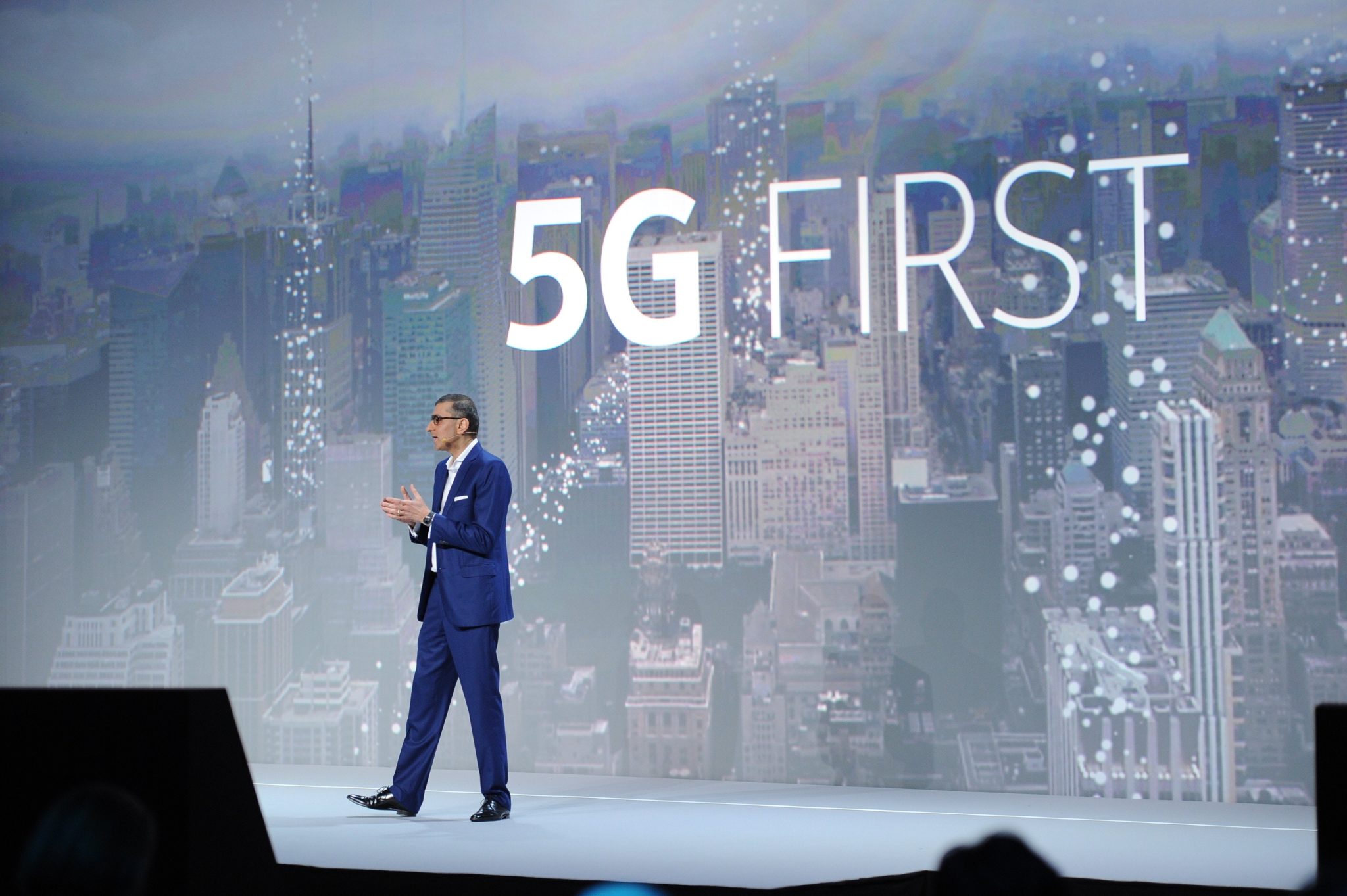
    Nokia secured a 5G RAN contract for China Mobile on Monday, making this the company’s first 5G contract in the country.

    Nokia was awarded a 10% share in one of three contracts tendered by China Mobile, while Ericsson obtained 9.6% of another contract. The total tender for all three contracts reached about $6 billion, with Nokia being awarded 4% of the overall tender. Comparatively, Ericsson was awarded 2%, dropping from about 11% last year.

    Together, Huawei and ZTE won the majority share in all three contracts to build 5G 700 MHz base stations for China Mobile and China Broadcasting Network. This is followed by a smaller local company Datang Corporation.

    China Telecom and China Unicom will also be disclosing awards of their respective 5G contracts.

    Currently, China is ahead of other countries in 5G deployments. According to data from the Ministry of Industry and Information Technology, China had deployed 820,000 5G base stations by the end of March.

  • Toyota Extends Battery Warranty On Camry, Vellfire To 8 Years In India

    Toyota Extends Battery Warranty On Camry, Vellfire To 8 Years In India

    In line with its commitment to encourage the adoption of electrified vehicles, Toyota Kirloskar Motor today announced the extension of battery warranty for its Self-charging Hybrid Electric Vehicles (SHEVs) in India. Currently, the company offers only two cars with hybrid technology and that’s the Camry and the Vellfire. The warranty is extended from the existing three years or 100,000 kilometres to eight years or 160,000 kilometres (whichever comes first). Both cars sold with effect from August 1, 2021, will come with this warranty.

    Toyota was the first carmaker to bring hybrid electric vehicles to the Indian market with products such as the Prius and Camry. The Camry has been a very successful car for the company in India, so much so that the new model which was launched a couple of years ago, was brought to India in a hybrid-only avatar.

    V. Wiseline Sigamani, Associate General Manager (AGM), Sales and Strategic Marketing, Toyota Kirloskar Motor said, “Hybrids can run 40% of the distance and 60% of the time as an electric vehicle with a petrol engine shut off, as proven in a study by iCAT, a Government testing agency. This gives hybrids tremendous fuel efficiency improvements of 35 to 50% and much lower carbon emissions. In India, over the years (cumulative), sale of Toyota Camry Hybrid vehicles alone has resulted in CO2 emission reduction of over 18 million kilograms and fossil fuel savings of over 7.6 million litres.”

  • Travel Tips And Checklist For First-Timers In Dubai

    Travel Tips And Checklist For First-Timers In Dubai

    Dubai is an authentic place with interesting culture, traditions, attractions, and heritage. According to the annual Best Cities report, Dubai was ranked in sixth place, behind London, NY, Paris, Moscow, and Tokyo and ahead of Los Angeles and Barcelona.

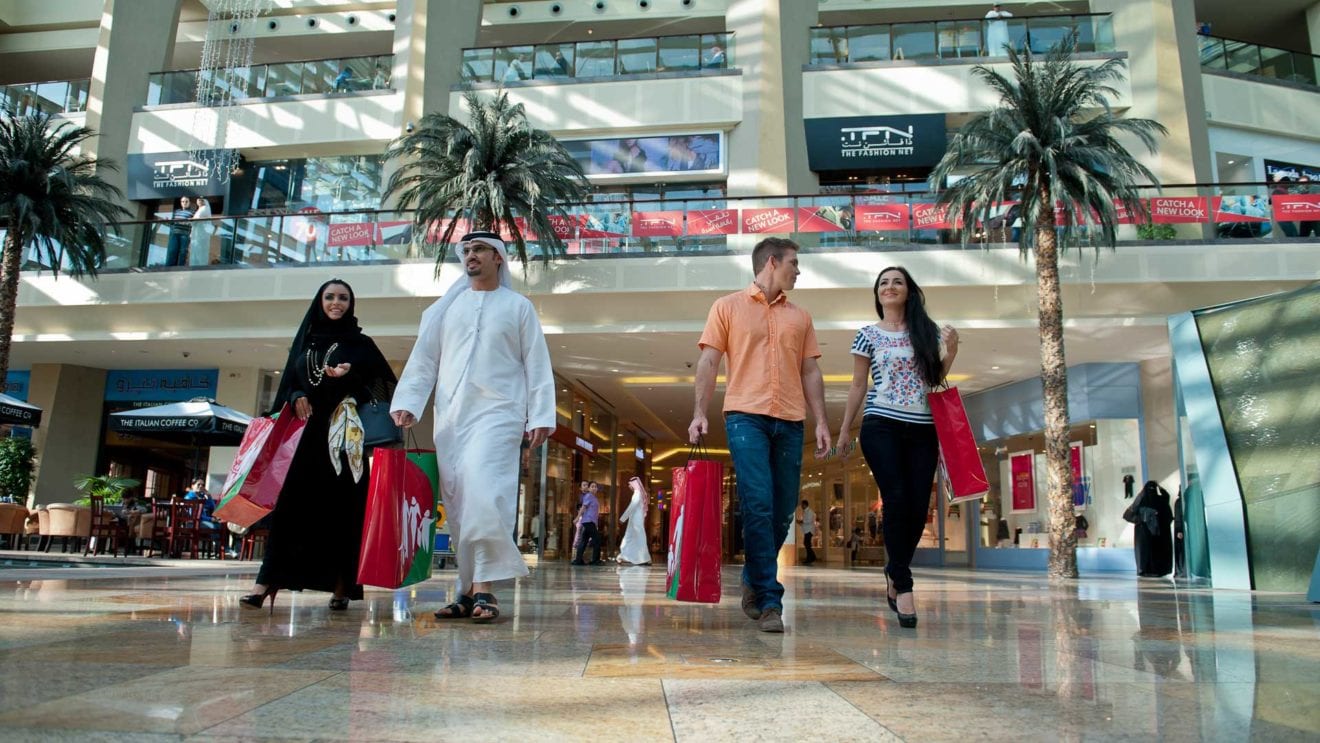
    There is a wide range of activities to do in Dubai – from sandboarding to hot air ballooning to visiting shopping malls.

    However, before traveling to Dubai, it’s worth exploring all essential information – from basic customs to hotels, restaurants, public transports, and hotels – so that your trip will be more exciting and budget-friendly.

    In this post, I will walk through all the things you need to know before visiting Dubai….especially if you are a first-timer in the Middle East. For a better trip experience, rent Suzuki cars to enjoy your trip in your way.

    • When to visit Dubai

    The best time to go to Dubai is the winter months, from November to April. While much of the Northern Hemisphere is covered in snow, the city continues to offer bright skies and balmy temperatures. Temperatures rise from May to August, so hotel prices fall and tourists disperse.

    • What to wear in Dubai

    There is a dress code in Dubai that it’s worth following. Otherwise, you might have trouble with the police. The rules require modesty and derive from Muslim cultural traditions. Women should cover their cleavage and shoulders and avoid short shorts at all costs. Men are expected to wear long trousers, shirts, and T-shirts.

    • Where to stay in Dubai

     It depends on what you want to do as a tourist and, of course, your budget. There is a wide range of offers, including everything from five-star hotels to budget-friendly hostels. For best recommendations, you can visit many online travel agencies such as Booking.com or Expedia to select a hotel within your budget and the facilities you need.

    • How to get around in Dubai

    Taxi is the most convenient and simplest mode of transport in Dubai. Although high prices are common throughout Dubai, a taxi won’t break the bank.

    However, when you are using a public transportation system, the presence of strangers in the vehicle can make the trip uncomfortable for you. That’s where you may think about renting a car. It gives you the freedom to move at your own pace and allows you to travel long distances.

    • What to do in Dubai

    When we think of Dubai, the first pictures that come to mind are modern architecture and glossy beaches. But before it, Dubai was only sand.

    So, no journey to Dubai is complete without a trip into the desert. A desert trip is one of the greatest ways to better understand what culture was like before the city flourished.

    Besides that, don’t forget to visit top-rated tourist attractions like Burj Khalifa, Dubai Mall, Dubai mountain, Burj Al Arab, Jumeirah beach and resorts, and much more.

    • Where to eat in Dubai

    Dubai has a variety of locations where foodie dreams come true. The best restaurants in Dubai prepare almost all national dishes around the world, including many specializing in Dubai’s own Arabic delights.

    Along with restaurants, you can enjoy a variety of street foods on your way towards any attraction in Dubai.

    • Which Dubai event are a must-visit

     Dubai celebrates various festivals and events throughout the year.

    Ramadan, the ninth month of the lunar-based Islamic calendar, is when all people, whether Muslim or not, experience the essence of the UAE’s core values of geniality, generosity and unity. During Ramadan, Muslims reflect on the purpose of life and grow closer to God. They fast and abstain from food, drink, smoking and sexual affairs.

    Eid Al Fitr (also known as ‘Feast of Breaking the Fast’)  lasts for 3 days and commemorates the end of the fasting month of Ramadan.

    The celebration marks the experience faced by Prophet Abraham when was commanded by God to sacrifice his son, Ismael. The holiday lasts for 4 days and a sacrifice is made of a cow, camel, and ram.

    5 Thing To Know Before Going To Dubai

    Here is 5 tips for safe travel and good times in Dubai:

    1. Visit From October to April.
    2. Plan and book in advance.
    3. Dress modestly.
    4. Show respect during Ramadan.
    5. Ask permission before taking pictures.

    Just keep these Dubai tips for travelers in mind and enjoy your trip to Dubai.


  • Avaloq Names New Regional Directors

    Avaloq Names New Regional Directors

    The Swiss-based banking software provider has announced a pair of senior promotions at its Asia-Pacific business.

    Avaloq has appointed Gery Dachlan as managing director for South Asia and Australia, and Pascal Wengi as managing director for the North Asia region, according to an announcement on Wednesday.

    Based in Singapore, Dachlan joined Avaloq in 2013 and was previously its market head of South Asia and Japan, responsible for driving business development and expanding key relationships in the region.

    Wengi, based in Hong Kong, joined Avaloq in 2020 as head of sales for Greater China.

    The appointments reflect the region’s growing prominence in its growth strategy, Avaloq said in the announcement.

    The moves follow the firm’s acquisition by Japanese tech giant NEC in December 2020. In March 2021, Juerg Hunziker stepped down as CEO, with product chief Martin Greweldinger and technology boss Thomas Beck (below, right) taking over from him as co-CEOs.

  • Hyundai Pitches For Import Duty Cut On Electric Vehicles

    Hyundai Pitches For Import Duty Cut On Electric Vehicles

    Any duty rate cut by the government on imported electric vehicles would be very beneficial as it would help automakers generate much-needed volumes and reach some viable scale, South Korean auto major Hyundai said on Tuesday. The automaker, which inaugurated its new corporate headquarters here, supported the demand of the American electric car major Tesla which has sought to lower of duties on imported EVs. Hyundai noted that support from the government in terms of taxation and the creation of country-wide charging infrastructure were the two most critical factors to grow the EV segment in India.

    “We have heard that Tesla is seeking some duty cuts on imports of CBUs. So, that would be very helpful for the OEMs to reach some economy of scale in this very price competitive segment,” Hyundai Motor India MD and CEO S S Kim told reporters here. Till the time companies are able to localize EV components and other infrastructure, EV imports could help generate some market in the country, he added.

    “It will take OEMs time to localize EVs by 100 pc. We are developing Made in India affordable mass-market EV but at the same time if the government allows some reduction in the duty on imported CBUs that would be very helpful for all of us to create some market demand and reach some scale,” Kim noted.

    At present, cars imported as completely built units (CBUs) attract customs duty ranging from 60 percent to 100 percent, depending on engine size and cost, insurance and freight (CIF) value less or above USD 40,000. Last week Tesla Chief Executive Officer Elon Musk had said that the company may set up a manufacturing unit in India if it first succeeds with imported vehicles in the country. He, however, said at present import duties in India are ”the highest in the world” and is hoping for ”at least a temporary tariff relief for electric vehicles”.

    Interacting on Twitter with followers who asked him to launch Tesla cars in India, Musk said, “We want to do so, but import duties are the highest in the world by far of any large country!” Musk further said, “Clean energy vehicles are treated the same as diesel or petrol, which does not seem entirely consistent with the climate goals of India.” He, however, said, “We are hopeful that there will be at least a temporary tariff relief for electric vehicles. That would be much appreciated.”

    Asked by a follower if Tesla could start with local assembly in India, Musk said, “If Tesla is able to succeed with imported vehicles, then a factory in India is quite likely.” Kim noted that the domestic market is ready for electric two- and three-wheelers but it may take some time before four-wheelers gain a foothold. “We need some more support from the government in terms of tax and some incentives. From our experience in various global markets, such as South Korea, China and some European countries, we know that in India there still remains the anxiety related to charging infrastructure and the pricing of EVs,” he stated.

    Range anxiety is a very serious matter from a customer viewpoint, he said. Kim noted that in order to make EVs affordable, the government can offer subsidies under the FAME scheme to private customers as well. He added that with government support the industry can reach some level of scale in two years.

    “If we have some meaningful support, even for the private customer, that would be very helpful. Also the tax reduction will be great for the customer. If the demand is there and the market is starting to grow, I think that in two years we can reach a meaningful point in terms of scale and from that point we can manage,” Kim noted. “Until we reach that point we need support from the government and that would be very critical for the segment,” he added. He said that the company can look at two options for rolling out EVs in India.

    “Either we can find some local partner here or we can bring some global partner here. When we entered India 25 years ago we brought 50 tier 1 vendors with us. Now they operate on a global basis from here. We want to set up this kind of ecosystem here. So we are studying various options,” Kim said.

    On developing charging infrastructure in the country, he noted that the company could take some measures but it would be very limited in scale. “Not only reduction in duties but more investment on charging infrastructure from the government would be critical for the future of EV market in the country. The customer is most concerned about the range and charging options. In this regard we need some very strong support from the government,” he added. On introducing the EV model Ioniq in the country, Kim said, “Ioniq is a great looking and performance vehicle. We are studying the feasibility of the model. If the market and the customer want that vehicle we can try to bring it.”

    The company currently sells only Kona Electric SUV in the country. It is said to be working to locally develop its second EV model which would be on the affordable side. On new corporate headquarters, Kim said the company has invested over Rs 1,000 crore on the project till date. “This new building stands as a symbol of the company”s journey of togetherness with the people of India,” he noted.

    When asked if the company would also consider Haryana to set up its next factory in the country, Kim said: “In the coming two years we have no issues in meeting the demand (from Chennai plant) so after that, if we need some more capacity we will work out some strategy at that time. Any place could be a good candidate but it would be based on things like procurement, supplier chain and availability of labor force etc.”

    The new corporate office, with a built-up area of over 28,000 square meters, was inaugurated by Haryana Chief Minister Manohar Lal. Interestingly, Maruti Suzuki India Managing director Kenichi Ayukawa, who is also the SIAM President currently, also attended the inauguration ceremony. Speaking at the occasion, the chief minister said the state government is providing all kinds of support to corporates willing to invest in the state.

    Hyundai Motor India Director (Sales, Marketing and Service) Tarun Garg noted that there has been a shift towards personal mobility due to the ongoing pandemic. “We are witnessing good traction right now…it seems that July this year probably the industry would be somewhere around July 2018 which is a positive sign. At the same time there are concerns like fuel prices, a third wave of COVID, there are issues regarding supply chain. There are still various challenges. So we are taking it month by month and let”s see how it goes,”he noted when asked about the demand scenario in the domestic market.

    Since its entry into Indian market in 1998, Hyundai has invested over Rs USD 4 billion in the country. From selling one model in 1998, it now sells 12 models in the country with a market share of 17 percent in the passenger vehicle segment.

    0Comments
  • Bank of China to Open Geneva Branch

    Bank of China to Open Geneva Branch

    Bank of China, the country’s most globalized bank, is giving Geneva a second chance and opening a branch there again, but this time the focus will be different.

    Bank of China Geneva Branch was registered on the Commercial Register on June 15 and listed as an authorized bank by Swiss financial regulator Finma on July 9, the bank said in a press release Monday.

    Bank of China is the most globalized and integrated Chinese bank. The bank is ranked among the «Fortune Global 500» for 31 consecutive years and among the global systemically important banks for nine consecutive years. Its overseas service network covers 62 countries and regions, the press release said.

    It added that with the establishment of its bank in Switzerland, the Bank of China would work to build a bridge for Sino-Swiss trade and investment, providing comprehensive trade finance products and commodity trade financial services to Swiss enterprises doing business with China and Chinese enterprises in Switzerland.

    The bank previously opened a branch in Geneva in 2008 and intended to operate a classic wealth management model. It was unsuccessful and closed eight years ago, with the business sold to Julius Bär. The new branch’s focus, by contrast, will be on corporate clients. Bank of China employs around 300,000 people globally.

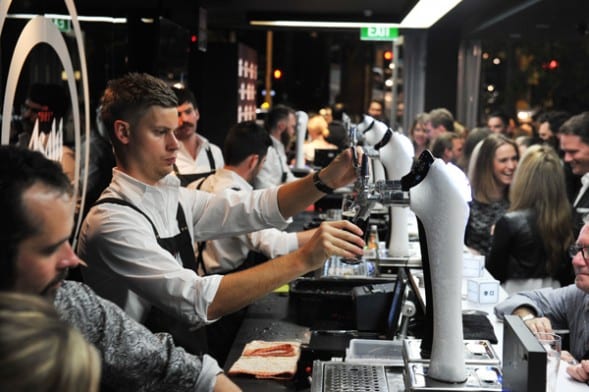
  • CUB, Asahi alcohol division CEO to retire

    CUB, Asahi alcohol division CEO to retire

    Asahi Beverages is announcing that Peter Filipovic will be retiring as CEO of Carlton & United Breweries (CUB), our Australian alcohol business division.

    Mr Filipovic will shortly achieve 25 years of service with the business, and following the successful integration of CUB in June 2020, Asahi Beverages and Mr Filipovic decided that now was the right time for the announcement of his intention to retire from the business.

    Mr Robert Iervasi, Group CEO of Asahi Beverages, commented: “Peter has played an important role in the smooth integration of CUB and the continued growth of our business. He has given great service to CUB and Asahi Beverages.

    “Asahi Beverages plans to announce the new CEO of the CUB business division in Q3 2021.

    That person will also join our Asahi Beverages Executive Leadership Team. They will play an important role in helping deliver on our multi-beverage strategy and leading our very
    experienced CUB Leadership Team.”

    Mr Filipovic, CEO of CUB, commented: “It’s been a privilege to have served as CEO of CUB and a member of the Asahi Beverages Executive Leadership Team. It’s a phenomenal business, with exceptional people and an unrivalled portfolio. I’m leaving the business knowing that it’s in great hands and well set-up for long-term success.”

    Peter will step down as CUB CEO once a new CEO for the business has been appointed.

    Mr Roland van Bommel, Chairman of Asahi Holdings Australia, is also pleased to announce that Natalie Toohey has been appointed to join the Board of Asahi Holdings Australia.

    Natalie is a seasoned corporate affairs specialist with senior leadership and advisory experience across a range of sectors including FMCG, particularly alcohol and beverages.

    She will advise on supporting the implementation of business strategy through communication, reputation management, sustainability and government & industry strategy.

  • Coles revamps health foods aisle, boosting sports and diet range

    Coles revamps health foods aisle, boosting sports and diet range

    Coles has transformed its health foods section, moving products traditionally found in the category, such as fodmap-friendly soups, gluten-free cereals, oils and nut spreads to their respective mainstream aisles.

    The revamp has provided space for more than 150 sports-performance and health products from brands like Amazonia Raw, Muscle Nation, and Botanika Blends, which join Coles’ shelves for the first time.

    These products include protein bars and custards from Muscle Nation, 20 new protein products and pure creatine from Body Science (BSC), Macro Mike’s powdered peanut butter and brownies mix, Dose & Co Marine Collagen and 180 Nutrition protein powder and bars. New health ingredients include Superfood Protein Ball Mixes from Mount Elephant and Melrose Superfood Powders and MCT Oils.

    According to Coles, the expansion of the health aisle comes as “Sports & Diet” was identified as the fastest-growing segment of the supermarket’s health food aisle between 2014 to 2019. Earlier this month, Coles revealed it had moved cereal products from the health-foods aisle into the breakfasts area.

    “Our transformed health foods aisle is a giant leap towards delivering Coles’ purpose to sustainably feed all Australians to help them lead happier and healthier lives,” said Leanne White, GM, Coles.

    “We’re seeing more and more customers look for healthier options or specific dietary requirements in the main grocery aisles – they no longer expect to go down one dedicated aisle to find these options.”

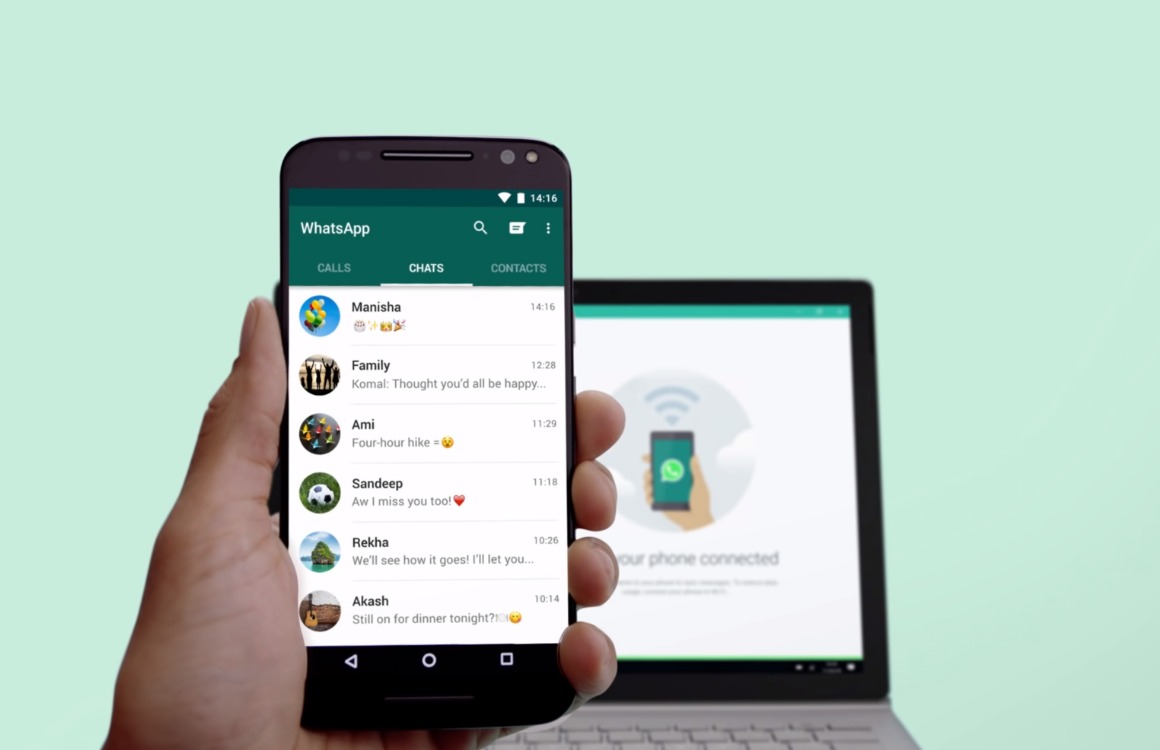
  • WhatsApp makes it possible to move chats from iOS to Android using Android’s Data Restore Tool

    WhatsApp makes it possible to move chats from iOS to Android using Android’s Data Restore Tool

    The standard Android tool for transferring data from one device to another, Google’s Data Restore Tool, is preparing a nice addition to its transferring arsenal. The Tool might soon be getting the capability to transfer WhatsApp chats from iOS to Android.

    WhatsApp has a sometimes inconvenient limitation that it can be installed on only one smartphone per account. Despite the multi-device support that got recently introduced in a beta version of the app, the limitation for only one smartphone still stayed. This means there is no easy way for you to transfer your WhatsApp messages from iPhone to Android.

    However, Android’s built-in transfer app Data Restore Tool is getting ready to obtain the capability to do just that. The Data Restore Tool app’s version 1.0.382048734, available on the Google Play Store, will soon be able to transfer WhatsApp chats and history from iOS to Android.

    This feature does not currently work because WhatsApp first needs to launch the needed migration settings. This might happen sooner than later as WhatsApp has been spotted to be working on transfer options.

    When WhatsApp introduces the needed changes, in order to start the WhatsApp chats’ transfer between iOS and Android using the Tool, you need to follow these steps from the app itself:

    Transfer WhatsApp Chats > Scan the QR code with your iPhone to open WhatsApp > Start > Keep your iPhone unlocked and WhatsApp open.