Tag: asia

  • Dragon fruit suffers pandemic troubles

    Dragon fruit suffers pandemic troubles

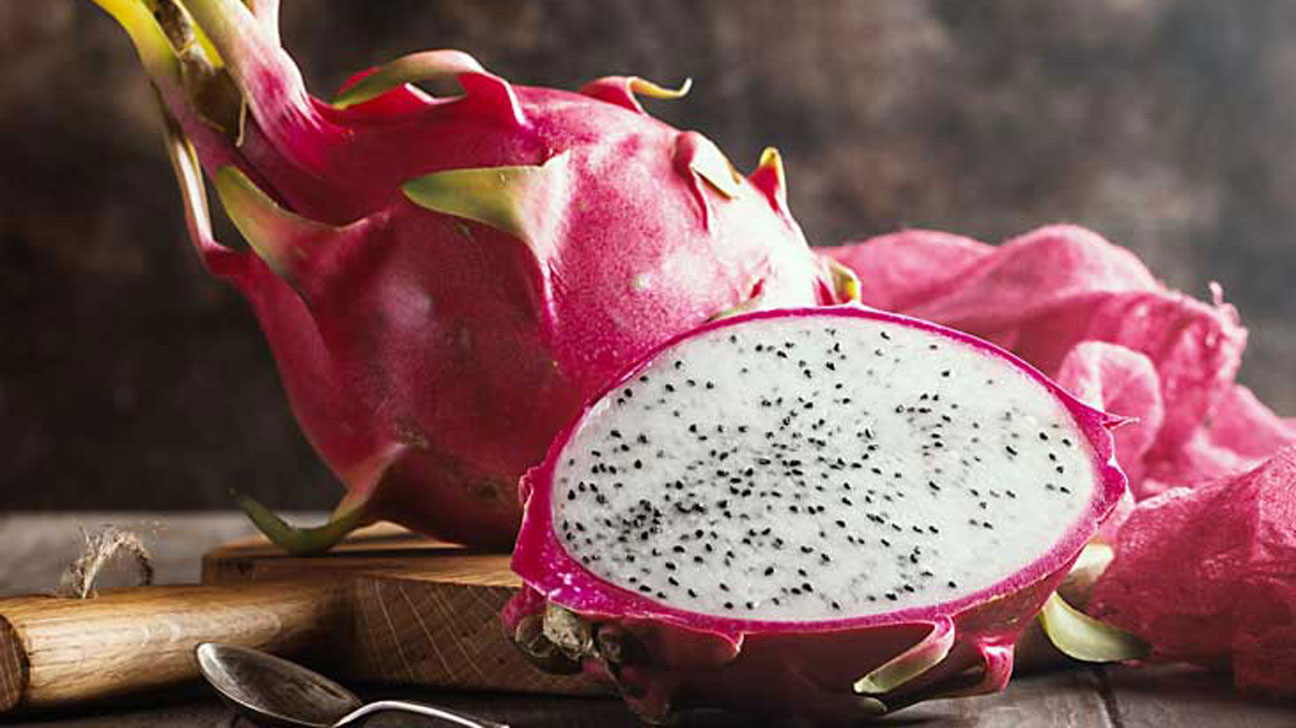
    The Covid-19 pandemic has made it difficult for Vietnamese dragon fruits, in season now, to be exported.

    China, which accounts for some 80 percent of Vietnam’s total dragon fruit exports, has restricted the flow of goods at some border gates as part of its pandemic safety precautions.

    Meanwhile, for markets like the European Union, the U.S. and some Asian countries, the pandemic has caused an increase in logistics cost, and traders are facing fiercer competition from Taiwan, Thailand and Malaysia.

    To expand markets for its dragon fruit, Vietnam is seeking ways to penetrate new markets, including Australia and Japan.

    Ta Duc Minh, the commercial counselor at the Vietnamese embassy in Japan, said Vietnamese farmers and firms should ensure synchronous cycles from cultivation, harvest and preservation to transport and export to maintain the freshness and taste of dragon fruits.

    They should also intensify the application of advanced post-harvest technology to ensure product quality, he said.

    Phu proposed the central province of Binh Thuan and the southern province of Long An, the two country’s largest dragon fruit producers, should speed up processing and export of dried fruit as well as other products made from dragon fruits like wine and syrup.

    Binh Thuan has 33,750 hectares of dragon fruits with an average annual output of 650,000 tons. It currently has 240 dragon fruit collecting, semi-processing and packaging facilities, and six processing facilities that make different products with the fruit.

    According to the Long An Department of Industry and Trade, the province produces some 330,000 tons of dragon fruit each year.

  • Twitter launches Super Follows and Safety Mode

    Twitter launches Super Follows and Safety Mode

    After a few months in beta, Twitter announced that it’s making Super Follows available to select users in the United States. Super Follows allows Twitter users to earn monthly revenue by sharing subscriber-only content with their followers on the social network.

    Those interested can set a monthly subscription of $2.99, $4.99, or $9.99 a month to monetize bonus content for their followers on Twitter. Creators can interact with their Super Followers by looking for the Super Followers badge. The public badges will be highlighted under their Super Followers name whenever they reply to a creator’s tweet.

    For the time being, Super Follows is only available to a small group within the United States. However, those interested can apply to join the waitlist to set up a Super Follows subscription by swiping open the sidebar on the Home timeline, tapping on Monetization, then selecting Super Follows.

    It’s important to mention that you need to have 10,000 or more followers, be at least 18 years old, and have tweeted 25 times within the last 30 days to be eligible for the waitlist. Obviously, you need to be in the United States too.

    Currently, users in the United States and Canada on iOS can Super Follow select accounts, but Twitter says it will be rolling out the option to people using iOS globally in the next few weeks.

    Additionally, Twitter announced that starting today, it’s rolling out Safety Mode, a new feature that promises to reduce disruptive interactions. Safety Mode is only pushed out to a small group of Twitter users on iOS, Android, and desktop, which have English-language settings enabled.

    Safety Mode is meant to temporarily block accounts for seven days for using potentially harmful language or sending repetitive and uninvited replies or mentions. Those who get the feature must enable it from the Settings so that Twitter’s systems can assess any potential negative engagement.

    Those who are found guilty of using harmful language in their tweets will be auto blocked, which means they’ll be temporarily unable to follow your account, see your tweets, or send you Direct Messages.

  • Shrimp processing giant posts large revenue increase

    Shrimp processing giant posts large revenue increase

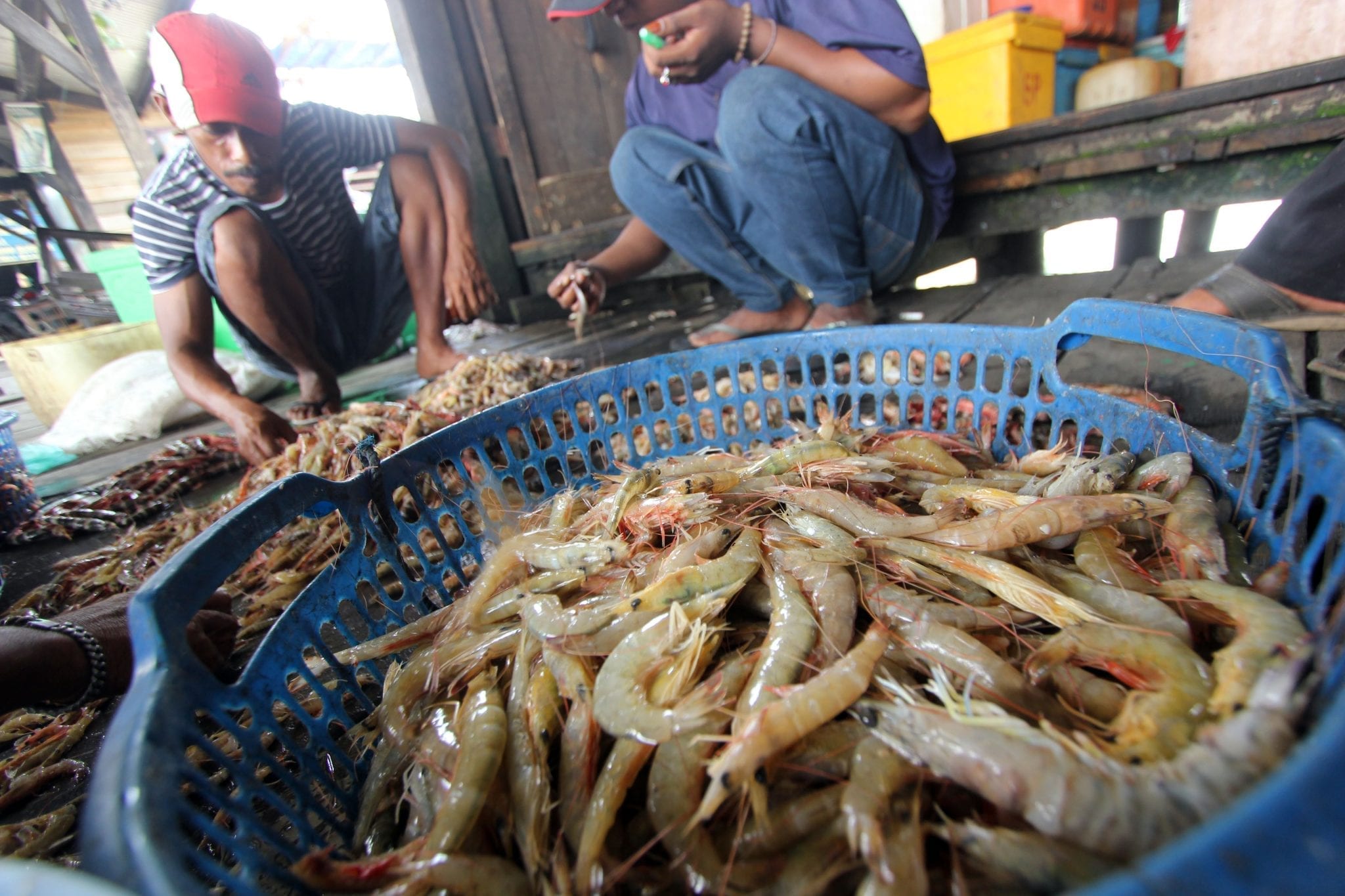
    Minh Phu Seafood, one of the country’s biggest shrimp processors, reported a 9 percent rise in revenues to over VND6.1 trillion ($269 million) in the first half of the year.

    The HCMC company said however the pandemic is causing disruption in sales, especially in North America, its biggest market.

    Its net profit rose nearly 20 percent to VND276 billion.

    It received a VND336-billion import tariff refund after the U.S. in February withdrew an accusation that one of its subsidiaries, Mseafood, had violated anti-dumping regulations.

    The company had to deposit the sum while it disputed the case.

  • China’s Xiaomi Completes Business Registration Of Electric Vehicle Unit

    China’s Xiaomi Completes Business Registration Of Electric Vehicle Unit

    Chinese smartphone giant Xiaomi Corp said on Wednesday it has completed the official business registration of its electric vehicle unit, marking the latest milestone in its push into the automotive sector. The new unit, to be called Xiaomi EV Inc, opened with registered capital of 10 billion yuan ($1.55 billion) and Xiaomi CEO Lei Jun as its legal representative, Xiaomi said in a statement. Some 300 staff have so far been employed to join the EV unit and it continues to recruit talent, it said.

    The smartphone maker, which became the world’s second top-selling brand behind Samsung in the second quarter, confirmed its foray into electric cars in March, pledging to invest $10 billion over the next 10 years.

    Lei said at the time the push into electric vehicles would mark his “last major entrepreneurial project.”

    Xaiomi said it purchased autonomous driving technology startup Deepmotion for over $77 million.

    Xiaomi said on Wednesday it has since conducted more than 2,000 interview surveys and visited over 10 industry peers and partners. However, it has revealed few details of its strategy for the automotive sector or vehicle types it intends to launch.

    Last week, the company said it purchased autonomous driving technology startup Deepmotion for over $77 million, in an effort to boost research and development.

    Earlier in August, Reuters reported that Xiaomi had entered talks with beleaguered real estate giant Evergrande Group to purchase a stake in the latter’s automotive unit.

    In response to the news, a Xiaomi spokesperson wrote on the company’s social media account that it is in touch with several automakers but has yet to decide which one to work with.

    Xiaomi’s second-quarter earnings last week beat analyst estimates, with revenues and net profits increasing 64% and 87.4% respectively. The company’s share of the global smartphone market has surged following the retreat of its chief rival, Huawei Technologies Co Ltd in the face of U.S. government sanctions.

  • H&M fined for misleading Chinese consumers

    H&M fined for misleading Chinese consumers

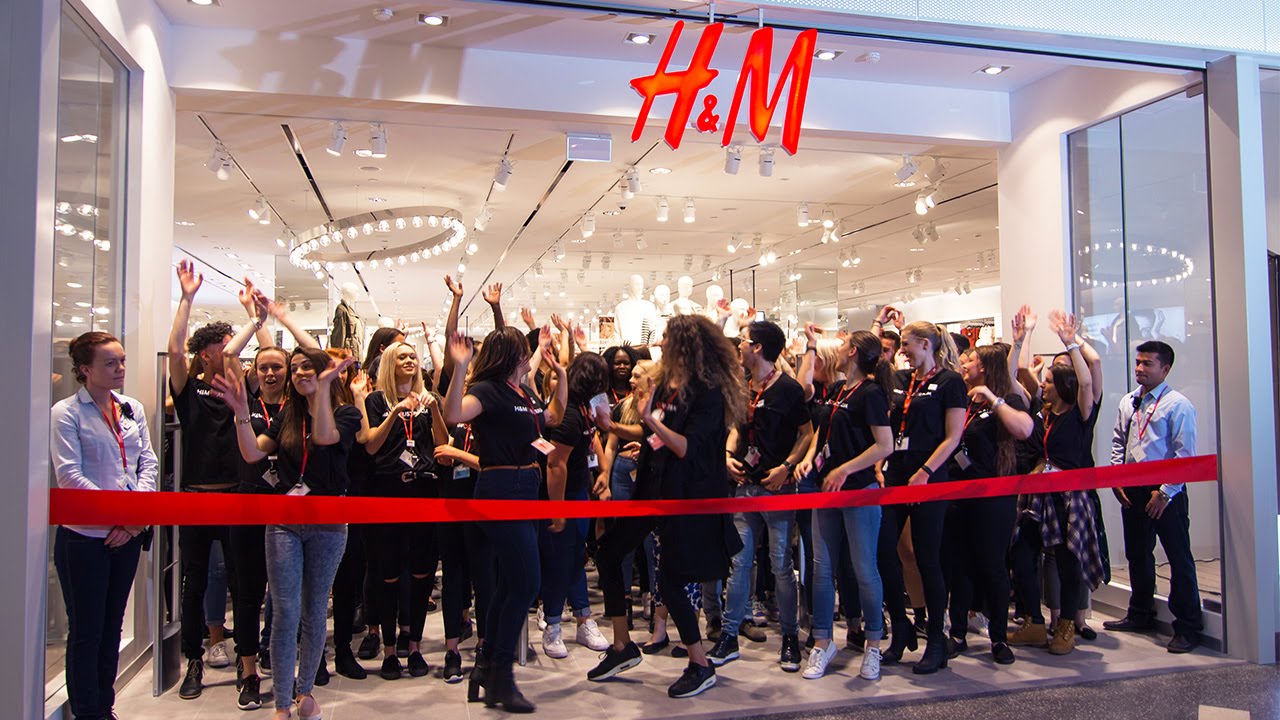
    The fashion giant H&M China has been fined 260,000 yuan (US $ 40,200) for “misleading consumers” in its advertising.

    According to the market control regime in Shanghai, the Swedish multinational apparel retailer tricked its customers with advertising that claimed that the featured products were only available in China.

    Officials revealed that the investigation into the case began in February 2021.

    Authorities have confiscated “illicit earnings from selling substandard products” worth 30,000 yuan ($ 4,638).

    Regulators ordered the company to stop creating and selling items that do not meet quality guidelines.

    This is not the first time the fast-fashion company has been criticized in China this year. In April, H&M agreed to change the “problematic map” online after criticism from the government in China.

    After the US, the European Union, Britain and Canada imposed travel and economic sanctions on authorities over allegations of abuse in Xinjiang in the northwest of China, the ruling Communist Party held a barrage against H&M, Nike and other shoe and clothing brands.

    The city government said: “Internet users report that H & M’s website has a ‘problematic map of China’ and the Shanghai Municipal Bureau of Planning and Natural Resources has ordered it to be fixed quickly.”

    The company’s social media account stated that H&M managers “corrected the error as soon as possible” after calling to meet with regulators.

  • Pernod confident on sales momentum as US, China lift profits

    Pernod confident on sales momentum as US, China lift profits

    French spirits maker Pernod Ricard said on Wednesday it was confident its sales momentum would continue this year after a rebound in demand in China and the United States helped it to deliver stronger-than-expected annual profits.

    With recurring cash flow at a historical high of 1.745 billion euros at end-June, Pernod, which bought a minority stake in U.S. wines and spirits company Sovereign Brands, also said it would resume its 500 million euros ($590.60 million) buyback programme for the fiscal year 2021/22.

    Its shares were up 3% by 0830 GMT, making it the biggest gainer on the Paris CAC 40, which rose 1%.

    The owner of Mumm champagne, Absolut vodka and Martell cognac, did not provide specific operating profit guidance for the year 2021/22 that started on July 1, but said its first-quarter would be “very dynamic”.

    “We are giving a qualitative guidance for the full year, good sales momentum supported by on-trade recovery, resilient off-trade, dynamism in e-commerce,” Finance Chief Helene de Tissot told Reuters.

    However, she said Pernod Ricard remained “very cautious” concerning travel retail prospects over the next 10 months because of ongoing pandemic restrictions.

    Over the twelve months to June 30, profit from recurring operations reached 2.423 billion euros ($2.86 billion), an organic rise of 18.3%.

    This exceeded the company’s guidance for a profit rise of as much as 17%.

    “Pernod Ricard FY 2021 reflects a strong recovery despite residual COVID weakness in travel retail and in India,” Berstein analysts said in a note.

    Sales reached 8.824 billion euros, an organic rise of 9.7%, reflecting a 16% jump in sales in the United States and a 14% rise in China.

    In the fourth quarter alone sales rose 57% from a year-earlier, as bars and restaurants reopened in the United States and in Europe as COVID restrictions eased.

    Asked whether Pernod Ricard could be at risk from China’s possible plans for wealth redistribution and clamp down on high incomes, Chairman and CEO Alexandre Ricard told a news conference: “If indeed there is an increase in the purchasing power of the (Chinese) middle class, it could be a positive for Pernod,”

    The world’s second-biggest spirits group after Britain’s Diageo had raised its organic profit growth guidance for 2020/21 to 16% from 10%.

    And last month, Pernod said a U.S. court ruling that it could claim a refund on spirits exported from the United States would add a further 1% to its organic profit growth.

    The group reiterated what Alexandre Ricard called a “framework” of 4-7% sales growth and 50-60 basis points operating leverage per year for the medium-term. It will hold a capital market day “probably in spring”.

  • Amazon Global Store launches in Korea

    Amazon Global Store launches in Korea

    Global online retailer Amazon and South Korean e-commerce platform 11st launched the Amazon Global Store on 11st on Tuesday.

    The move has made it easier to buy tens of millions of products available on Amazon’s US website, ranging from PCs, toys and fashion to electronics, with free shipping on orders over 28,000 won ($24).

    Though the service has been in operation in 12 other countries, it marks the first time Amazon is working with a local company for the launch. It also makes 11st the country’s “most extensive bookstore,” with millions of books now available.

    “Starting today, customers in Korea will be able to enjoy the most convenient way to shop global products, with free international shipping from the US,” said Somana Konganda, director of Amazon Global.

    Lee Sang-ho, CEO of 11st, said, “The launch of Amazon Global Store on 11st brings together the best of 11st’s local know-how and Amazon’s global retailing experience.”

    How does it work?

    Amazon Global Store was launched jointly with 11st, which means you have to sign up for 11st to place an order.

    You also need a personal customs clearance code, a 13-digit number starting with a P, for online international shopping. But foreign nationals living in South Korea can use either their passport number or alien registration number instead.

    After signing on to the platform, you can either search for a product you saw on Amazon’s US website or go to the main page for the Amazon Global Store to check out special deals and recommended items.

    Before your selected item goes into the basket, the website will show the price in Korean won and estimate how long it will take to be delivered, as well as how much the total cost will be including a customs clearance fee — which occurs when your order is worth more than $200, or $150 if certain items such as health supplements are included, for instance.

    ‘Universe Pass’

    On the same day the Amazon Global Store was launched, SK Telecom, which operates 11st, also unveiled the “Universe Pass Mini” and “Universe Pass All”

    Priced at 4,900 won, the more affordable version of the monthly subscription-based service offers free shipping to members regardless of the product’s price, though benefits are subject to change in the future, according to 11st.

    It also gives access to South Korea streaming platform Wavve, while the premium plan offers access to a wide range of subscription-based services including music streaming service FLO.

  • Amazon launches in South Korea on local platform 11st

    Amazon launches in South Korea on local platform 11st

    Global online retailer Amazon and South Korean e-commerce platform 11st launched the Amazon Global Store on 11st on Tuesday.

    The move has made it easier to buy tens of millions of products available on Amazon’s US website, ranging from PCs, toys and fashion to electronics, with free shipping on orders over 28,000 won ($24).

    Though the service has been in operation in 12 other countries, it marks the first time Amazon is working with a local company for the launch. It also makes 11st the country’s “most extensive bookstore,” with millions of books now available.

    “Starting today, customers in Korea will be able to enjoy the most convenient way to shop global products, with free international shipping from the US,” said Somana Konganda, director of Amazon Global.

    Lee Sang-ho, CEO of 11st, said, “The launch of Amazon Global Store on 11st brings together the best of 11st’s local know-how and Amazon’s global retailing experience.”

    How does it work?

    Amazon Global Store was launched jointly with 11st, which means you have to sign up for 11st to place an order.

    You also need a personal customs clearance code, a 13-digit number starting with a P, for online international shopping. But foreign nationals living in South Korea can use either their passport number or alien registration number instead.

    After signing on to the platform, you can either search for a product you saw on Amazon’s US website or go to the main page for the Amazon Global Store to check out special deals and recommended items.

    Before your selected item goes into the basket, the website will show the price in Korean won and estimate how long it will take to be delivered, as well as how much the total cost will be including a customs clearance fee — which occurs when your order is worth more than $200, or $150 if certain items such as health supplements are included, for instance.

    ‘Universe Pass’

    On the same day the Amazon Global Store was launched, SK Telecom, which operates 11st, also unveiled the “Universe Pass Mini” and “Universe Pass All”

    Priced at 4,900 won, the more affordable version of the monthly subscription-based service offers free shipping to members regardless of the product’s price, though benefits are subject to change in the future, according to 11st.

    It also gives access to South Korea streaming platform Wavve, while the premium plan offers access to a wide range of subscription-based services including music streaming service FLO.

  • Hair cuts and dining in as Thai malls reopen after virus cases ease

    Hair cuts and dining in as Thai malls reopen after virus cases ease

    Thailand allowed shopping malls in the capital Bangkok to reopen on Wednesday and restaurants to operate at half capacity, after nearly three months of tough restrictions aimed at containing the country’s worst coronavirus outbreak.

    The move comes after infections numbers started falling in the middle of last month and with the government under pressure to ease lockdown measures due to the impact on the economy.

    “Thai citizens like me…will come back to normal life,” said Wanvipa Luepromchian, who was getting her hair cut in a salon in the Siam Paragon mall in Bangkok.

    The government in July started imposing strict measures including closing malls and prohibiting restaurant dining as the number of new infections surged due to the Delta variant.

    At its peak, authorities reported over 23,000 new cases in a single day in mid-August.

    On Wednesday, the health ministry reported 14,802 new cases and 252 additional deaths. Thailand has overall reported 1.2 million cases and 11,841 fatalities.

    “If you (the government) lockdown everything that’s so dangerous for the economy in Thailand,” Wanvipa said.

    Last week, the government also allowed some domestic flights to resume.

    Restaurants dining can also restart, but at half the capacity to allow for social distancing.

    “Customers need to get temperatures checked before entering and keep social distancing with only two people on one table, but if they are family, they can be seated together,” said restaurant manager Nichapha Jiwvaganont.

    While a nighttime curfew remains in place in Bangkok, the partial reopening will be supportive for Thailand’s struggling economy.

    A joint business group on Wednesday raised its 2021 economic forecast from between a 0.5% contraction to 1% growth from a contraction of 1.5% to 0% growth as curbs were relaxed.

  • Nordea AM to Open ESG Hub in Singapore

    Nordea AM to Open ESG Hub in Singapore

    The hub will enable Nordea to to enhance its local servicing, ESG capabilities, investment platform and distribution reach in the region.

    The asset management arm of financial services group Nordea is planning to open an ESG hub – its first outside its Nordic headquarters – in Singapore, in response to its growth and successes in the region, the firm announced on Wednesday.

    The hub will allow NAM to be closer to clients in the Asia-Pacific region and better understand how companies are embracing sustainability in the region, Nordea Asset Management said in the statement.

    Sustainability issues have gained significant interest in Asia in recent years, and investors are increasingly asking for ESG solutions. The time is right to meet that demand, Nils Bolmstrand, CEO of Nordea Asset Management, said.

    NAM’s local Singapore distribution office was established in 2013, and will be fully integrated with NAM’s ESG-focused internal investment boutiques as well as NAM’s Responsible Investments team.

    The hub is slated to be launched in the latter part of 2021.

  • AirAsia Thailand returns with 11 domestic routes from Sept 3

    AirAsia Thailand returns with 11 domestic routes from Sept 3

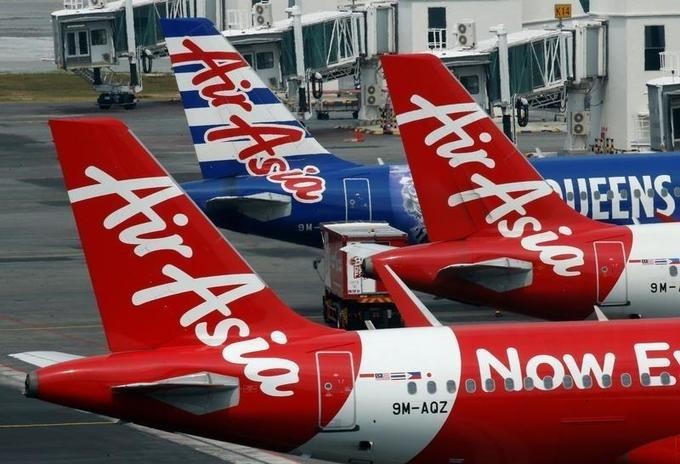
    AirAsia Thailand will return to the skies starting with domestic flights beginning Sept 3, 2021 following an announcement by the Civil Aviation Authority of Thailand allowing the operation of regulated flights.

    The reinstatement of flights by AirAsia Thailand will kickstart with 11 domestic routes from Don Mueang Airport to Chiang Mai, Phuket, Hat Yai, Nakhon Si Thammarat, Chiang Rai, Khon Kaen, Udon Thani, Ubon Ratchathani, Nakhon Panom, Roi Et and Narathiwat.

    AirAsia Thailand is offering a 30% discount on all seats for all flights including weekends and public holidays to celebrate the restart of its domestic operations. Book from Aug 28- Sept 5, 2021 and travel from Sept 3 Dec 31, 2021 at the airasia super app or visit airasia.com.

    All bookings come with an unlimited free flight change option while all flights will be operated under stringent adherence to health and safety protocols set by the government to ensure the comfort and safety of all guests.

    AirAsia Thailand Chief Executive Officer, Santisuk Klongchaiya, stated that while AirAsia Thailand hibernated all its flights throughout August in accordance with government announcements, it remained busy at work, preparing to return to service.

    All aircraft undergo regular maintenance during hibernation to ensure they are in top performance. The carrier has been working very closely with the Civil Aviation Authority of Thailand, Thai Airlines Association and other relevant public health agencies to ensure only the highest of safety and hygiene standards are in place when it resumes operations.

    From September 2021, guests will be required to meet Civil Aviation Authority of Thailand conditions in accordance with the criteria specified in the travel conditions of the destination provinces, such as to present the documents indicated of having complete cycle of vaccination and/or have documents showing results of testing for Covid-19 by RT-PCR or Antigen Test Kit (ATK), or are exempt from other measures in the destination province (such as having a document certifying that they have been naturally recovered from the infection for no more than 90 days, or have a document certifying that they have passed the quarantine requirement, or have documents for the implementation related to the country’s initiative Sandbox Project).

    Passengers are also mandated to declare their essential travel information via https://covid-19.in.th/ prior departure.

    The airline will also be maintaining stringent health and safety measures, including regular disinfection of all contact surfaces, limiting flights capacity to a maximum of 75% passengers on each flight, onboard food and beverage consumption is yet not allowed throughout the journey, and not more than 50 passengers allowed to be in the transfer bus each round to maintain social distancing and limiting contact.

    All AirAsia aircraft are equipped with hospital-grade HEPA filters that are able to filter out 99.99% of viral and bacterial particles in the air.

    The measures are including service personnel, that all staff on duties must be fully vaccinated against Covid-19 and be tested for Covid-19 according to the regulations. Pilots go through regular recurrent training and aircraft are well maintained.

    Flight and ground crew have been strictly trained to ensure the safety and wellbeing of guests at all times.

    In September 2021, AirAsia will begin its return to service with 11 routes before considering further flights.

    The flights are being introduced with a promotion of 30% off all seats on all flights, every day including weekdays and holidays. Bookings will come with unlimited flight change option that can be done conveniently through the Booking Management Menu or AVA Live Chat at no charge.

    Safety of staff and guests is always the top priority for AirAsia Group, which was one of the first airlines worldwide to achieve the top 7/7 rating for being Covid-19 safe by the aviation experts at Airlineratings.com.

    All of the airlines in the Group are IOSA accredited which is the global benchmark for upholding the highest safety standards at all times. Furthermore, the airline has used the downtime in flying to implement robust procedures and innovations to make flying even safer and more hygienic than ever.
  • SeABank offers shares below half the market price

    SeABank offers shares below half the market price

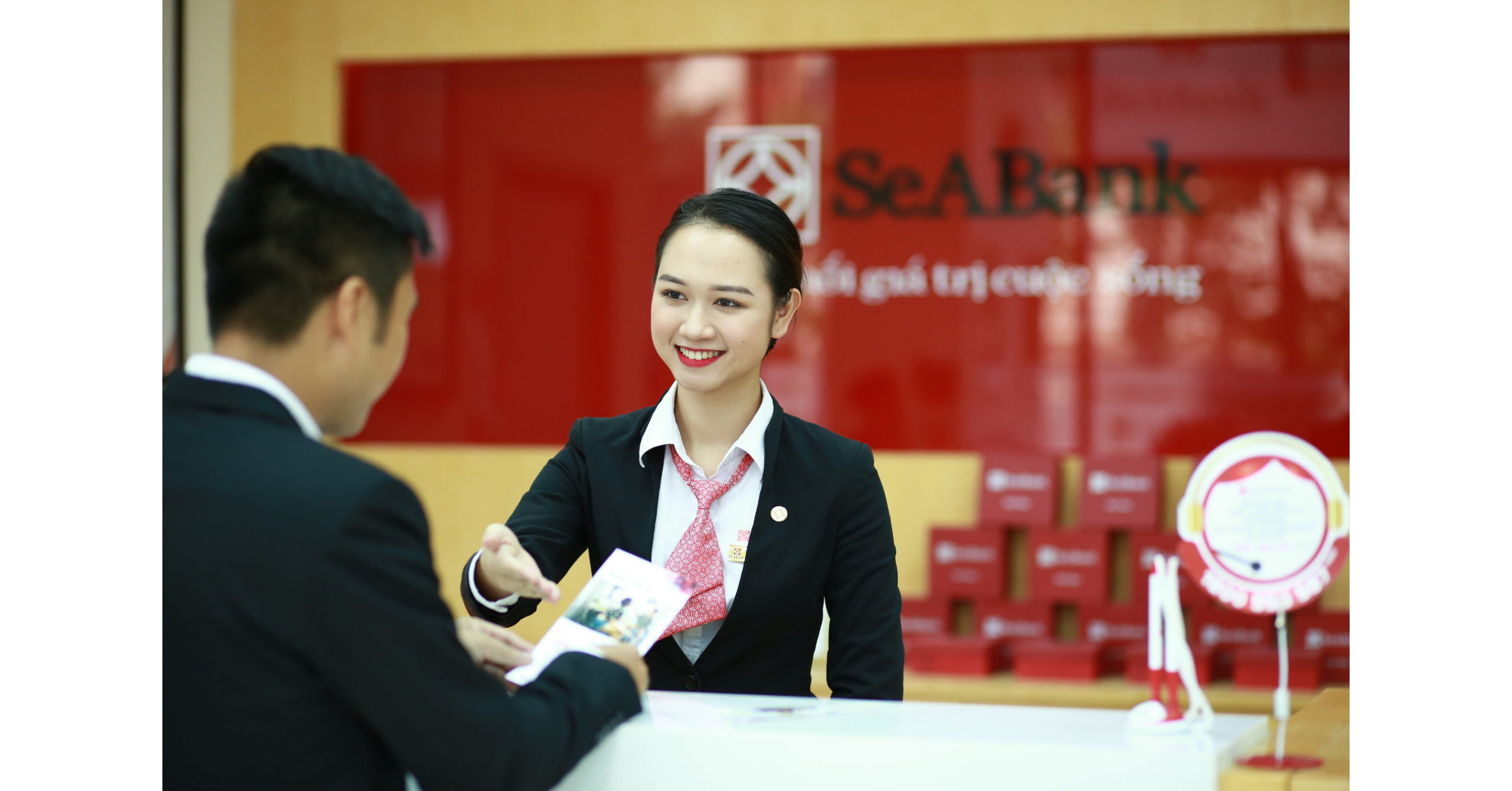
    Private lender SeABank is offering 136 million shares to existing shareholders at the price of VND15,000 (over $0.6), lower than market value in late August by 58 percent.

    New share transactions are expected to take place in the last two quarters of this year, lifting SeABank’s chartered capital to VND14.784 trillion.

    Foreign shareholders also have the right to buy more shares, though their total rate of share ownership in SeABank remains capped at 5 percent.

    SeABank plans to raise VND2.040 trillion through this share issuance, of which VND1.540 trillion would be lent to corporate and individual clients and replace capital mobilized from other sources. The rest would be invested in government and credit institution bonds.

    By the end of June, SeABank assets stood at over VND186.930 trillion, while its bad debt ratio dropped to 1.76 percent. It made before-tax profits of nearly VND1.560 trillion in the first half of this year, compared with VND1.729 trillion in the whole of last year.

  • Chinese State Firms to Take Stakes in Ant’s Credit Scoring JV

    Chinese State Firms to Take Stakes in Ant’s Credit Scoring JV

    Plans are reportedly underway for Ant to establish a personal credit scoring joint venture with state-backed companies set to take major stakes in the new firm.

    The ownership plans include Ant and Zhejiang Tourism Investment Group Co Ltd each owning 35 percent in the credit scoring joint venture, according to a Reuters report citing unnamed sources.

    Other state-backed parents include Hangzhou Finance and Investment Group and Zhejiang Electronic Port, with each expected to hold slightly more than 5 percent

    Transfar Group, parent of logistics and financial services firm Transfar Zhilian Co Ltd, will be the only non-state investor with a total stake of 7 percent.

    The proposed credit scoring joint venture will collect, manage and analyze consumer data to score people’s credit.

    Shareholders will invest about 500 million yuan ($77.4 million) in the entity as registered capital.

    The plan is for the firm to be launched as soon as October.

    According to the report, the establishment of the new firm and its ownership structure are part of restructuring orders by regulators who halted Ant’s blockbuster IPO in November last year.

    The credit scoring joint venture will consolidate Ant’s main business data operations and make regulatory oversight easier.

    The joint venture’s establishment will mark the third licensed personal credit-scoring firm alongside Baihang Credit Scoring and Pudao Credit Rating Co Ltd.

  • SGX to Ease Rules for SPAC Listings

    SGX to Ease Rules for SPAC Listings

    Singapore Exchange is reportedly readying to issue easier rules for the listing of special purpose acquisition companies in the city-state.

    SGX is preparing to be the first major Asian bourse to accept SPAC listings, according to a Reuters report citing unnamed sources.

    The exchange’s regulatory arm is now considering easing a minimum S$300 million ($223.2 million) market value proposal for SPACs and a proposal that warrants cannot be detached from underlying shares.

    SGX is expected to introduce other measures to safeguard investor interests but would simplify proposed guidelines to maintain attractiveness for SPACs.

    The latest report of looser listings rules follows market feedback that some of SGX’s earlier proposals were too strict.

    Singapore is attempting to improve its profile as an IPO destination of choice while Southeast Asian startups have been listing in their home markets or the U.S.Funds raised at SGX fell to a six-year low of $239 million, according to Refiniv data, representing less than 3 percent of Southeast Asia’s total $8.4 billion.

    Within the region, Singapore ranked behind Malaysia, the Philippines, Indonesia, and Thailand in terms of funds raised.

  • UBS Misses Mark With Coffee-Coded Survey

    UBS Misses Mark With Coffee-Coded Survey

    The Swiss bank wants its domestic employees to talk about their ethnicity – coming uncomfortably close to long-held stereotypes in the process.

    Zurich-based UBS asked its 21,598 Swiss-based employees to fill out a survey describing their ethnicity, telling them ethnic diversity is a key pillar in achieving its strategic goals.

    The survey – ethnic diversity is important to us – is illustrated with eight espresso cups of varying shades from black to milky white. UBS is asking its employees to categorize their ethnicity as Asian, Black, Hispanic, or White.

    Other options include two or more ethnic groups and other ethnic groups. Employees also have the option of demurring on disclosing their ethnic heritage or presumably not filling out the survey at all.

    UBS’ intentions in the survey are commendable: it can only reach its diversity goals if it tackles the issue of discrimination internally. And of course, to do so, it needs data.

    The way UBS – which employs 73,000 people in more than 50 countries – is gathering this data is inept and eerily reminiscent of colonial-era stereotypes. The bank’s human resources officers seem to believe that the global population can be grouped into four ethnicities. Modern ethnology has identified more than 1,300 ethnicities worldwide.

    UBS has chosen to group ethnicities along geographies – Asia, Latin America – and along with race: white, black. It avoided stumbling identifying all four of the survey’s ethnicities with a race, but it isn’t clear why it views white and black alone as ethnicities.

    The link between ethnic identity and skin color is rooted in a racially tinged stereotype popularized by Carl Linnaeus, a Swedish botanist. In the 18th century, Linnaeus divided humans according to race: white, black, red, and yellow.

    He also baked in how he perceived social and emotional features, a view that favored white Europeans like him. Linnaeus’ views took root during the Enlightenment and established themselves for some years afterward. Immanuel Kant and other enlightenment thinkers viewed dark skin as inferior to white.

    UBS’ likening race to espresso cups also leans hard into stereotypes prevalent in advertising, where black skin was frequently used to sell products like chocolate or coffee. Using imagery of black people, advertisers attempted to portray these consumer goods as something exotic or wild.

    The advertising industry has largely abandoned this practice. One would have wished for a similar light-bulb moment of age-old stereotypes from UBS’ diversity team.