Tag: asia

  • Kiwi mixer brand East Imperial lists on London exchange

    Kiwi mixer brand East Imperial lists on London exchange

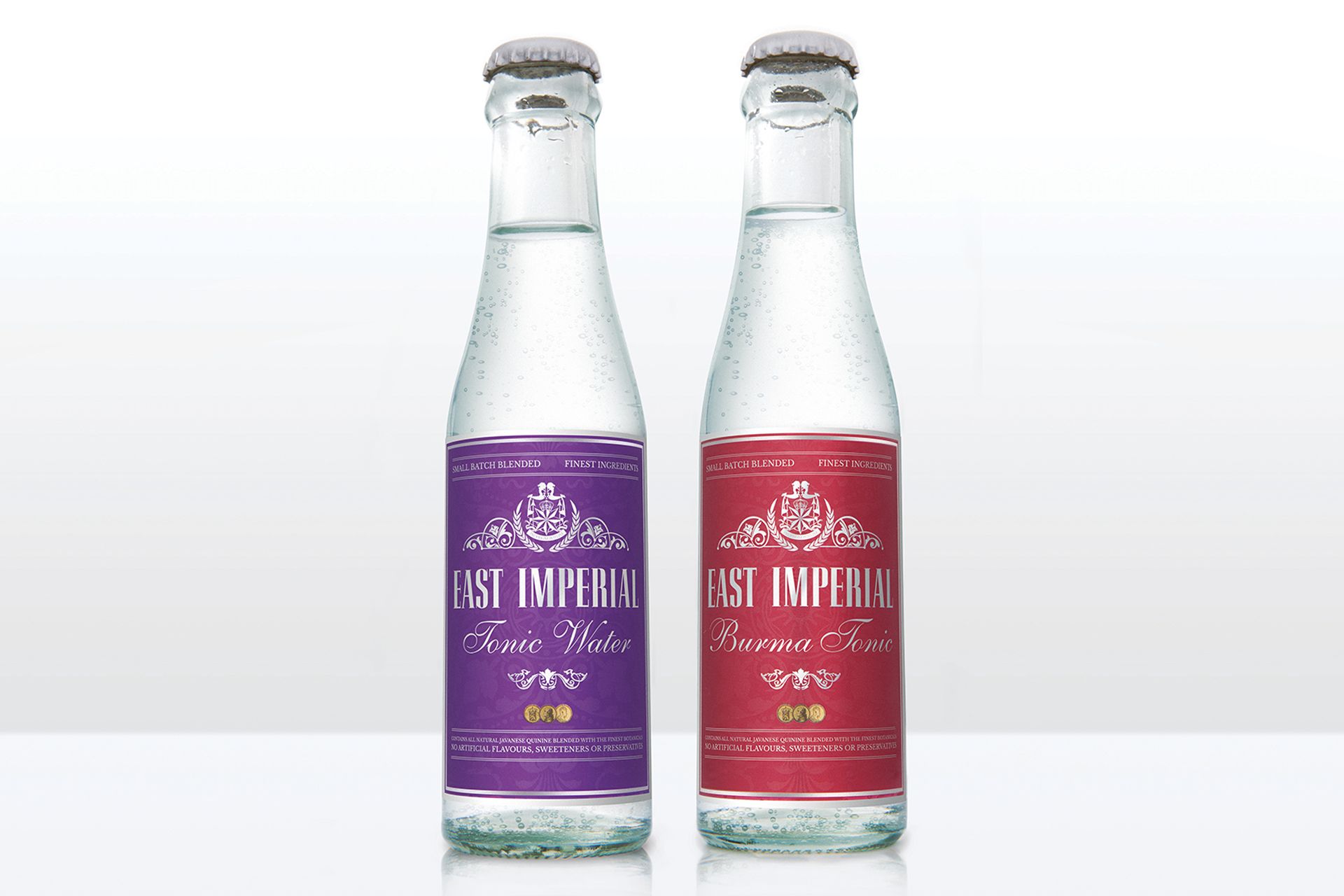
    New Zealand mixer brand East Imperial Company has listed on the London Stock Exchange in a reverse takeover valuing the company at NZ$59.1 million.

    Founder and CEO Tony Burt said the listing marks a significant milestone as the premium mixer brand is set to become one of the global leaders in the mixer category.

    “The team has done an incredible job, and the support we’ve had from all New Zealanders over the past five years or so has laid the foundation for the next chapter in our story. We’re all tremendously proud and excited to be waving the New Zealand flag on the global stage,” said Burt.

    The mixer brand also raised an additional $5.91 million in new funds by placing 30 million shares at 10p each.

    The new funding, said the company, will be used for expansion plans – including building sales teams in the US and China, product development, and maintaining partnerships with liquor brands.

  • Details of new upper mid-range Samsung chip emerge

    Details of new upper mid-range Samsung chip emerge

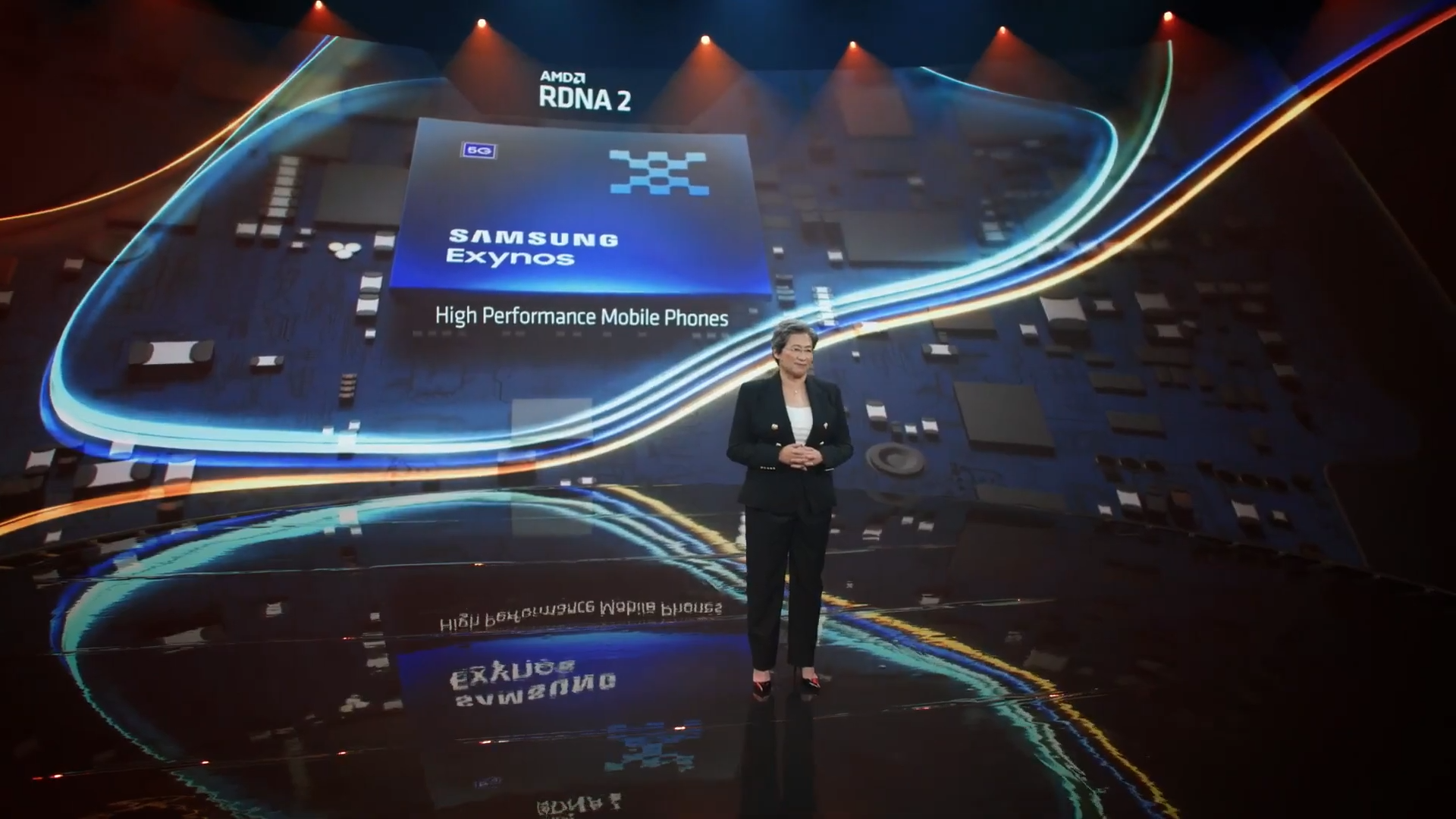
    Samsung appears to be testing a midrange Exynos chipset. Dutch website Galaxy Club has reported the existence of a new chip with the model number S5E8825.

    The Exynos 2100 that fuels the Galaxy S21 is known by the model number S5E9840 and its successor, colloquially being referred to as the Exynos 2200, is apparently the S5E9925.

    Previously, leaker Ice Universe had said that Samsung would release three chips this year: a flagship Exynos 22xx SoC, a mid-tier 12xx processor, and an entry-level 8xx silicone. Judging by the model name, it seems that the newly discovered S5E8825 is a midrange chip that Samsung might call Exynos 1200. It looks like it will slot below the Exynos 2100.

    In the past, it was relatively easy to differentiate between premium and mid-range chips. The Exynos 990, which powered the Galaxy S20 series, was known as the S5E9830, and the Exynos 9820 that underpinned the Galaxy S10 series had the model number S5E9820. Mid-tier Galaxy A50’s Exynos 9610 had the model number S5E9610.

    Starting last year, Samsung stopped using its proprietary Mongoose cores and adopted Arm’s designs instead. That could be why it has slightly changed the model name nomenclature too as the models seem more aligned now.

    The Exynos 1200 will presumably succeed the Exynos 1080 – a 5nm mid-tier chip that was announced late last year. It seems to be in the advanced stages of development as it is allegedly undergoing extensive testing.

    The chip reportedly has a built-in 5G modem and per a separate report, it may come with an AMD GPU. If a recent report that doesn’t come from a verifiable source is to go by, this new processor could use Arm’s Cortex X1 as the main core.

    As good as that sounds, Samsung may not use the Exynos 1200 for its phones and instead sell it to Chinese smartphone makers, as was the case with the Exynos 1080.

  • Volvo Cars To Harness Real-Time Data From Customer Cars To Set New Safety Standards

    Volvo Cars To Harness Real-Time Data From Customer Cars To Set New Safety Standards

    The next generation of Volvo cars are set to be the company’s safest ever, thanks to cutting-edge software and hardware levels, coupled with continuous and more rapid improvements to safety features with the help of real-time data. Volvo Cars has always taken a data-driven approach to safety, using traffic data from real-life situations to develop new safety technologies and make its cars even safer. For its next generation of cars, Volvo Cars is now looking towards processing data from customer cars in real-time, if customers choose to share data and help Volvo Cars make its cars safer.

    Volvo Cars and Zenseact are investing in a data factory that will contain over 200 PebiBytes (225 million gigabytes) of data within the next few years.

    By allowing customers to choose and be a part of improving safety levels and traffic safety in this way, Volvo Cars can make continuous and much faster improvements to its cars, constantly improving safety levels. This data would include continuous inputs on the car’s environment from sensors like the high-resolution LiDAR delivered by technology company Luminar.

    Volvo Cars engineers would be able to validate and verify autonomous drive (AD) features quicker, to promote a safe roll-out of AD technology. Thanks to the data generated from millions of kilometers driven by tens of thousands of Volvo drivers around the globe, engineers would be able to validate AD features for specific geographic locations much quicker than with a limited number of cars on a test track.

    Verified updates to existing systems and new features can be rolled out rapidly through over-the-air updates, increasing the safety of Volvo cars step by step. The first car to benefit from this new approach to safety development is the company’s first SUV on a completely new electric-only technology base.

    To process the real-time traffic data they will collect, Volvo Cars and Zenseact are investing in a data factory that will contain over 200 PebiBytes (225 million gigabytes) of data within the next few years. By using artificial intelligence (AI) capabilities, data can be crunched at record times. Customers will be able to choose whether this data is collected about them, and all collected data will be aggregated with adequate safeguards for customer privacy.

    Volvo Cars engineers would be able to validate and verify autonomous drive (AD) features quicker, to promote a safe roll-out of AD technology.

    The use of real-time data is part of Volvo Cars’ longer-term vision for a future where collisions simply no longer happen, by equipping its cars with some of the best sensors available and advanced, continuously improving safety and autonomous drive systems.

    Volvo Cars’ forthcoming fully electric flagship SUV will have industry-leading safety technology as standard, helping the company to save even more lives as it sets a new standard for automotive safety. It will come with state-of-the-art sensors, including a LiDAR developed by Luminar and an autonomous driving computer powered by the NVIDIA DRIVE Orin system-on-a-chip, as standard.

    By combining this state-of-the-art hardware with software by Volvo Cars, Zenseact and Luminar for the next generation of its well-established collision avoidance technology, Volvo Cars expect its new safety package to reduce fatalities and accidents as a whole.

    Over time the car will improve and have the hardware and software capabilities to allow the car to take over on its own, in case the driver does not respond in life-threatening situations after repeated warnings. So while the driver always remains in ultimate control, the car and its safety technology can both support and watch over the driver like an extra pair of eyes and brains.

  • Instagram is getting an Exclusive Stories feature

    Instagram is getting an Exclusive Stories feature

    Instagram has been busy with a string of initiatives lately to boost its social media platform and capitalize on monetization techniques. The latest of these is a new “Exclusive Stories” feature, which was discovered by reverse engineer and full-stack Android developer Alessandro Paluzzi. The code Paluzzi found shows the layout of the future option to post paywalled content, much like Twitter’s upcoming Super Follows feature. This will allow certain Instagram users to deliver paid content to fans who are paying a regular fee for access to it.

    Although Instagram hasn’t made any official announcements regarding Exclusive Stories, they’ve acknowledged that it is something they’re working on after news of Paluzzi’s discovery spread. Public testing hasn’t started yet, nor have any details been released, as Instagram still seems to be preparing for an effective launch.

    Тhe leaked screenshots of the “Exclusive Stories” feature show an advanced stage of development, which means that it’s sure to arrive to the platform sometime in the near future.

    As per the screenshots, these paywalled posts will be set apart from regular stories by a marked purple color. And if you haven’t paid your dues to the creator yet, you will see a message across the story stating that “Only members of x can see this story.” Naturally, these exclusive stories will not be able to be screenshotted even by paid members.

    Creators of Exclusive Stories will be prompted to share their story as a Highlight as well, so that “fans always have something to see when they join.”

    There is currently no other information on Exclusive Stories circulating beyond this.

    Alessandro Paluzzi has also caught on to a “collectibles” NFT feature, the details around which are even less clear as of yet. Essentially, it’s another way to allow Instagram users to sell certain virtual goods (NFTs, or non-fungible tokens) in exchange for money, increasing Instagram’s revenue as well.

  • Fintechs Challenge Traditional FIs in Malaysia Digital Bank Race

    Fintechs Challenge Traditional FIs in Malaysia Digital Bank Race

    A crowded field of contenders are vying for the five licenses on offer by Bank Negara Malaysia. The race for digital banking licenses digital banking license is heating up, with more than a dozen applications involving over 50 companies submitted before the closing date on Wednesday.

    With the exception of a few players, most of the digital banking aspirants have not publicized their aspirations. However, a Grab-Singtel joint venture and Singapore-based investment solutions firm iFAST Corporation confirmed their applications on Thursday.

    The notification on the grant of the license will be made by the first quarter of 2020, Bank Negara Malaysia said.

    Among the contenders are also Malaysian conglomerate Sunway, which teamed up with Tencent-backed Chinese firm Linklogis and Bangkok Bank. Likely applications also include e-commerce giant Sea Group, gaming company Razer Fintech and telco Axiata, which previously expressed an interest in the license.

    At least five banks — CIMB Group Holdings, Affin Bank, Hong Leong Bank, AMMB Holdings and Standard Chartered Bank Malaysia — had signaled their interest in pursuing a digital banking licence in Malaysia.

    AirAsia’s fintech unit BigPay also announced its bid for a license on Thursday. The company is partnering with Malaysian Industrial Development Finance – a unit of the country’s largest asset manager Permodalan Nasional – and Singapore-based private equity firm Ikhlas Capital.

    BigPay was launched in 2018 by AirAsia as an e-wallet, hoping to leverage the low-cost carrier’s dominance in regional air travel in Southeast Asia.

    BigPay Bank will allow us to execute deeper on our mission to build a connected financial future for Malaysian consumers and entrepreneurs, Salim Dhanani, CEO and founder of BigPay, said in the announcement.

  • ACCC finds Brownes Dairy in breach of Dairy Code

    ACCC finds Brownes Dairy in breach of Dairy Code

    Brownes Dairy has been penalised $22,200 by the ACCC over two breaches of the Dairy Code of Conduct last year. Last year, the WA dairy producer published two standard form milk supply agreements on its website which failed to specify key terms such as a definite end date of the supply period, and allowing the company to unilaterally vary the terms of the agreement.

    “It is critical that processors take active steps to ensure compliance with the Dairy Code so that farmers have the certainty and transparency in relation to milk supply agreements that the Code is intended to provide,” said ACCC deputy chair Mick Keogh.

    “One of the requirements of the Dairy Code is that processors ensure their milk supply agreements are compliant before publishing them on their websites, and in this instance, Brownes Dairy published two supply agreements that were allegedly non-compliant with the code.”

    Under the code, most dairy processors are required to publish on their websites, every June 1 a standard-form milk-supply agreement to cover all the circumstances in which they intend to purchase milk in the coming financial year. This allows farmers to compare processors’ minimum prices and contract terms.

    According to a statement from the ACCC, Brownes Dairy addressed its breaches in the 2021-22 agreements published last month and has undertaken to write to farmers that it had contracts with, advising that it will only exercise its rights under existing agreements to the extent they are consistent with the terms of these new agreements.

    “Ensuring compliance with the Dairy Code remains an ACCC priority. We are continuing to assess agreements published on June 1 this year, and any identified breaches may result in the ACCC taking enforcement action where appropriate,” said Keogh.

  • Twitter shows off a trio of design concepts that might be added to the app some day

    Twitter shows off a trio of design concepts that might be added to the app some day

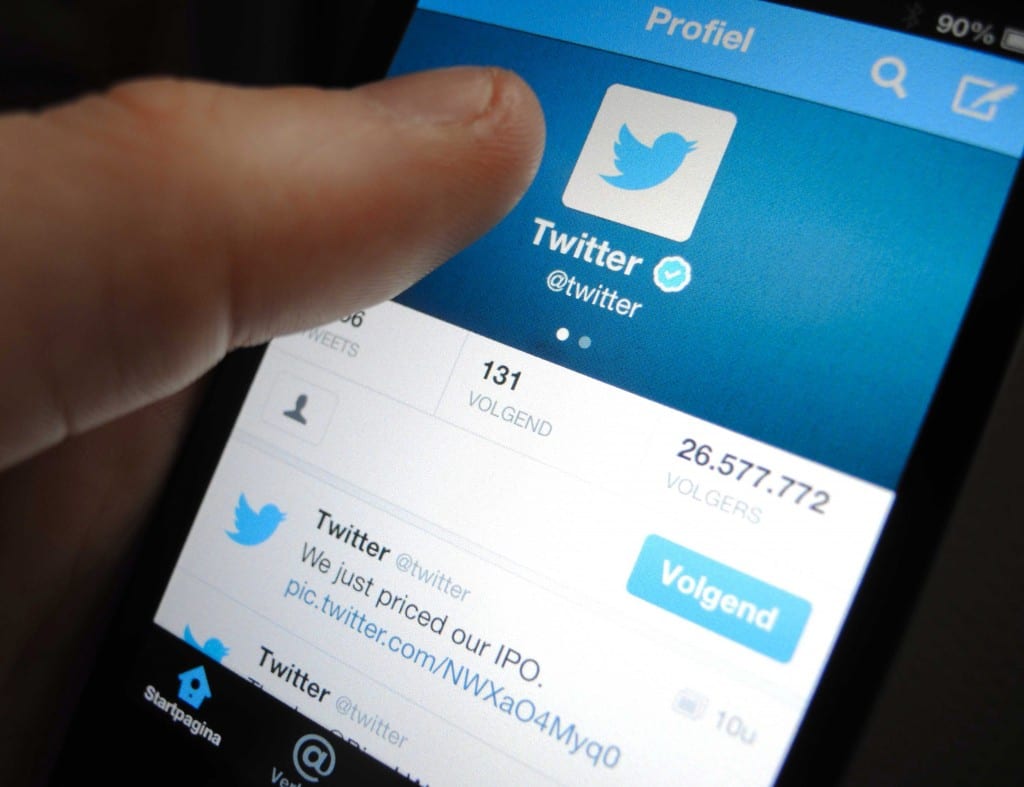
    Twitter has revealed three different design concepts that it is thinking about adding to its regular social media service. One is called “Trusted Friends” and would allow a Twitter subscriber to limit the number of people that can access a particular tweet to a small group of buddies and relatives. “Facets” would allow users to categorize the tweets that they are interested in, and the third feature allows users to choose which phrases they would prefer not to see in their replies.

    None of the three features are considered to be inactive development which means that they are not available to Twitter users at the moment. With “Trusted Friends,” users can choose via a toggle switch whether a tweet they send is for public consumption or just for friends and family. Facets will allow a Twitter subscriber to separate tweets into different categories such as “professional” tweets, “personal” tweets, and tweets divided up by hobbies or other interests.

    With Facets, Twitter says that you’ll be able to choose to follow tweets from Twitter users only when they are related to a specific topic that you’re following; this way you won’t have to follow every tweet disseminated by someone you’re following. Think about how much time you might save by restricting the tweets you receive to only those of interest to you.

    The last feature, as we noted in the first paragraph, allows a Twitter subscriber to block certain phrases. In an example released by Twitter, the author of a tweet has asked Twitter to block profanities from the responses he receives from his tweets including the phrase “asshole.” Twitter says that profanity can be harmful and following the requests of the user, tweets including profanities are moved to the bottom of the conversation, out of view for most people.

    Twitter is hoping that by releasing this information about potential new design concepts well before they are being actively considered, feedback from Twitter uses can be generated to help the social media firm determine whether they are on the right track when it comes to improving the app. Note that the images released by Twitter say “Concept only” on the top.

  • New Recycling Techniques Set To Make Electric Vehicles Greener

    New Recycling Techniques Set To Make Electric Vehicles Greener

    Researchers in Britain and the United States have found ways to recycle electric vehicle batteries that can drastically cut costs and carbon emissions, shoring up sustainable supplies for an expected surge in demand.

    The techniques, which involve retrieving parts of the battery so they can be reused, would help the auto industry tackle criticism that even though EVs reduce emissions over their lifetime, they start out with a heavy carbon footprint of mined materials.

    As national governments and regions race to secure supplies for an expected acceleration in EV demand, the breakthroughs could make valuable supplies of materials such as cobalt and nickel go further. They would also reduce dependence on China and difficult mining jurisdictions.

    “We can’t recycle complex products like batteries the way we recycle other metals. Shredding, mixing up the components of a battery and pyrometallurgy destroy value,” Gavin Harper, a research fellow at the government-backed Faraday Institution in Britain, said.

    Pyrometallurgy refers to the extraction of metals using high heat in blast furnaces, which analysts say is not economic.

    Current recycling methods also rely on shredding the batteries into very small pieces, known as black mass, which is then processed into metals such as cobalt and nickel.

    A switch to a practice known as direct recycling, which would preserve components such as the cathode and anode, could drastically reduce energy waste and manufacturing costs.

    Researchers from the University of Leicester and the University of Birmingham working on the Faraday Institution’s ReLib project have found a way to use ultrasonic waves to recycle the cathode and anode without shredding and have applied for a patent.

    The technology recovers the cathode powder made up of cobalt, nickel and manganese from the aluminium sheet, to which it is glued in the battery manufacture. The anode powder, which would typically be graphite, is separated from the copper sheet.

    Andy Abbott, a professor of physical chemistry at the University of Leicester said separation using ultrasonic waves would result in cost savings of 60% compared with the cost of virgin material.

    Compared with more conventional technology, based on hydrometallurgy, which uses liquids, such as sulphuric acid and water to extract materials, he said ultrasonic technology can process 100 times more battery material over the same period.

    A switch to a practice known as direct recycling, which would preserve components such as the cathode and anode, could drastically reduce energy waste and manufacturing costs.

    Abbott’s team has separated battery cells manually to test the process, but ReLib is working on a project to use robots to separate batteries and packs more efficiently.

    As supplies and scrap levels take time to accrue, Abbott said he expected the technology to initially use scrap from battery manufacturing facilities as the feedstock and the recycled material would be fed back into battery production.

    In the United States, a government-sponsored project at the Department of Energy called ReCell is in the final stages of demonstrating different but also promising recycling technologies that refurbish battery cathode to make it into new cathode.

    ReCell, headed by Jeff Spangenberger, has studied many different methods, including ultrasonics, but focused on thermal and solvent-based methods.

    “The U.S. doesn’t make much cathode domestically, so if we use hydrometallurgy or pyrometallurgy we have to send the recycled materials to other countries to be turned into cathode and shipped back to us,” Spangenberger said.

    “To make lithium-ion battery recycling profitable, without requiring a disposal fee to consumers, and to encourage growth in the recycling industry, new methods that generate higher profit margins for recyclers need to be developed.”

    There are challenges for direct recycling, including continuously evolving chemistries, Spangenberger said. “ReCell is working on separating different cathode chemistries.”

    Early electric vehicle battery cells typically used a cathode with equal amounts of nickel, manganese, cobalt or 1-1-1. This has changed in recent years as manufacturers seek to reduce costs and cathode chemistries can be 5-3-2, 6-2-2 or 8-1-1.

    The approach at Faraday’s ReLib project is to blend recycled with virgin material to get the required ratios of nickel, manganese and cobalt.

  • Nissan Bets On UK ‘Renaissance’ With Battery Plant And New Vehicle

    Nissan Bets On UK ‘Renaissance’ With Battery Plant And New Vehicle

    Nissan Motor Co bet on Britain to supercharge its European electric future on Thursday, pledging $1.4 billion with its Chinese partner to build a giant battery plant that will power 100,000 vehicles a year including a new crossover model.

    Facing the most profound technological shift in a century, the titans of the auto industry are racing to secure battery supply close to the factories where they will make the new cleaner electric vehicles of the future.

    Nissan cast its backing for the 9 gigawatt-hour (GWh) plant as illustrative of rejuvenation of Britain’s automotive industry, which has for five years grappled with the fear that Brexit could cut off the rest of the European market.

    “This project is the demonstration of the renaissance of the British car industry,” Ashwani Gupta, Nissan’s chief operating officer, told reporters at the Sunderland plant, which exports 70% of its vehicles to the European Union.

    British Prime Minister Boris Johnson said Nissan’s move was “a major vote of confidence in the UK and our highly skilled workers in the North East”. Nissan said Britain had backed the plan, but did not detail any guarantees or incentives.

    The 1 billion-pound ($1.4 billion) investment by Nissan, its Chinese partner Envision AESC and local government in northeast England will create 6,200 jobs at the Sunderland plant and in British supply chains.

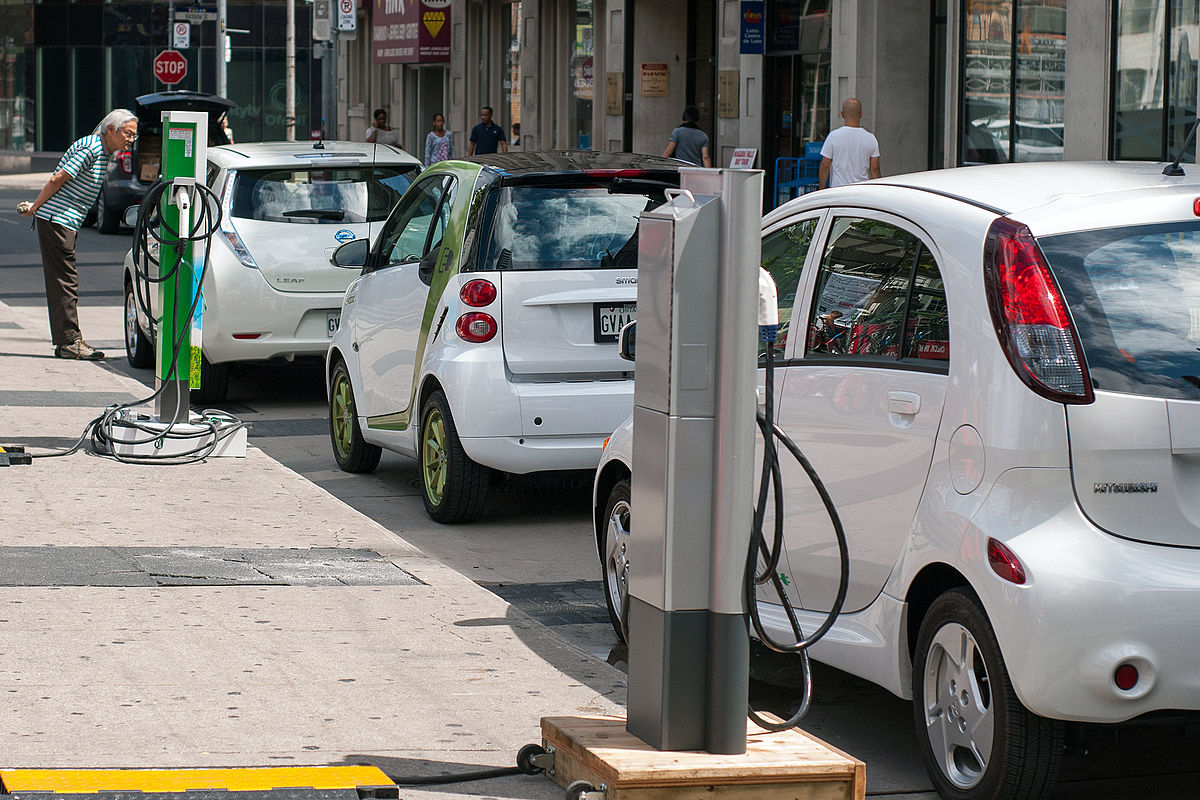
    Nissan will spend up to 423 million pounds to produce a new-generation all-electric crossover vehicle at the plant, where it already produces the LEAF electric vehicle and the Qashqai crossover SUV. The new vehicle has yet to be named and there is no launch date.

    As world powers try to slash carbon emissions by scrapping the fossil-fuel guzzling internal combustion engine, Britain has pledged to ban the sale of new diesel and petrol cars from 2030.

    Going electric, though, is hard.

    China dominates the production of electric vehicle batteries and the processing of the minerals used to make them, though the United States and Europe are trying to catch up.

    Western leaders, including Johnson, are loath to sacrifice hundreds of thousands of automotive jobs – often in politically sensitive constituencies – by importing batteries from China, rather than manufacturing domestically.

    And unless Britain can build both battery production and supply chains, it risks losing its four-decade reputation as the investor-friendly gateway for top companies seeking to export to the rest of Europe.

    Envision could invest an additional 1.8 billion pounds in the battery plant to expand generating capacity to up to 25GWh and create 4,500 new jobs in the region by 2030. There is potential on-site for up to 35GWh.

    “We also want to build the supply ecosystem in the country – but you do need critical mass,” Zhang Lei, Envision Group founder and chief executive, told Reuters.

    Zhang said the battery plant could supply other manufacturers and hoped that, once it expanded capacity, it would be able to export, including to Europe.

    Still, Britain is far short of the installed battery capacity it will need to power electric cars in the long term and there are risks the technology will be superseded.

    “Battery development and production is currently in a complete state of flux – chaos even,” said Bob Hancké, associate professor of political economy at the London School of Economics. “Any investment now runs the risk of closing of technologically more advanced options a few years from now.”

    Nissan said the new crossover, to be built on the Alliance CMF-EV platform shared by partners Renault and Mitsubishi, would be exported to European markets.

    Japan’s capital has used Britain as a gateway to Europe since the early 1980s, when then Prime Minister Margaret Thatcher persuaded Nissan to build a plant in Sunderland on an old airfield.

    Japanese investors worried the Brexit vote – which was particularly strong in Sunderland – would scupper their bets.

    A new trade deal agreed with the EU last year allows the free trade of cars but with a dangerous twist about rules of origin – at least 40% of the value of a car has to be produced in the United Kingdom or EU to be sold in the bloc.

    That requirement rises to 55% from 2027 – a crucial detail that would mean an imported battery, which can make up half the vehicle’s sale price, would close off the European market to British-based car factories.

    The new model takes Nissan’s total capital investment in the Sunderland plant past 5 billion pounds.
  • Deutsche Bank Expands Wealth Unit with HSBC Trio

    Deutsche Bank Expands Wealth Unit with HSBC Trio

    Deutsche Bank has hired three former HSBC executives to join its wealth management arm in Southeast Asia. Terence Leong joins Deutsche Bank as group head for Southeast Asia, according to a statement, reporting to head of Southeast Asia wealth management Shang-Wei Chow.

    Leong joins from HSBC where he was most recently its ultra-high net worth market lead and Singapore-based desk head.

    He has 15 years of wealth management experience and previously also worked with UOB Private bank and DBS Treasures Private Client.

    Deutsche Bank has also hired 20-year veteran and ex-HSBC senior director Lynn Aw as team head alongside banker Derek Teo.

    Both Aw and Teo have been team members with Leong since UOB Private Bank, the statement added.

    Southeast Asia is a growing region and the fundamentals underpinning wealth creation remain positive, said Chow. We will continue to hire the best people in the industry to serve clients across the region, and to provide world-class services to which the bank has committed.

    The trio of hires follows several senior departures at Deutsche Bank’s wealth management unit this year.

    Last month, the German private bank lost ex-managing director and global co-head of advisory and investment solutions Wei Mei Tan who joined Singapore-based digital wealth platform Endowus as its chief advisory officer.

    And last week, we reported the reemergence of former Southeast Asia group head and 18-year Deutsche banker Malcolm Tay at Credit Suisse where he was named deputy market group head and market leader for Indonesia.

  • StanChart Names Chief Information Officer for Retail Banking

    StanChart Names Chief Information Officer for Retail Banking

    She takes over Paul Macpherson, Chief Information Officer, CPBB since 2018, who will be leaving to pursue opportunities outside the bank.

    Standard Chartered has appointed Anshu Sharma Raja as chief information officer, Consumer, Private & Business Banking (CPBB), the bank announced on Friday.

    Raja joined the bank in 2018 as managing director, global head of Retail Banking Technology and head of Global Business Services and Technology & Innovation Centers, based in Bengaluru, India. She previously worked for Vodaphone, AIG, Goldman Sachs, and consulted with investment banks for technology solutions, according to her LinkedIn profile.

    Raja is based in Singapore and reports to Michael Gorriz, group chief information officer.

    Our ambitious growth plans for our affluent, mass and wealth management business rely on a modern, cloud-based architecture that delivers superior client products and experiences digitally, Gorriz said in the announcement.

  • Tokyo 2020 Olympics Updates: Spectators May Not Be Allowed

    Tokyo 2020 Olympics Updates: Spectators May Not Be Allowed

    The 2020 Tokyo Olympics was set to take place in July of last year but the pandemic has caused the postponement of this major sports event. This year, however, Tokyo 2020 president Seiko Hashimoto said that he is 100 percent certain that the Games will be able to push through even if a state of emergency is raised in the city.

    The 2020 Olympics is scheduled to take place in the capital of Japan from July 23 until August 8. The Paralympic Games will then take place from August 24 until September 5. While there are people who are looking forward to these sports events and are already checking sites like 10CRIC India to check where they can place their bets, many are questioning why the Olympics is still taking place despite the pandemic risks.

    Well, many are sure that the Olympics proceeding has something to do with how much money the IOC will lose for another postponement. Based on reports, there are billions of dollars at stake here. Japan has declared that they have spent over 15.4 billion USD on the said sports events but government audits suggest it’s even bigger than that.

    It is estimated that if the Olympics will be canceled once again, the IOC could lose as around 3 to 4 billion USD in broadcast rights and income which is already 91 percent of their total income. Reports also suggest that at least 40 percent of the IOC’s total income is coming from the American network, NBCUniversal.

    And so, there is a lot at stake here and it will be hard to once again cancel the sports events. A political scientist from Sophia University spoke about the situation and said, “It’s a bit like a gambler who already has lost too much. Pulling out of it now will only confirm the huge losses made, but carrying on you can still cling to the hope of winning big and taking it all back. Public opinion is indeed unlikely to be kind even if Suga decides to cancel at the last minute.

    He might as well take the chance and hope for the best by going ahead with it. At least there is some chance that he can claim the games to be a success — just by doing it — and saturating the media with pride and glory might help him turn the negative opinion around.”

    Many are questioning this including The Lancet, a medical journal, and The New England Journal of Medicine. The second-largest selling newspaper in Japan is also saying that the Olympics should be canceled instead and this is supported by the other regional newspapers.

    Will Spectators Be Allowed?

    Despite the criticism, the Olympics is still pushing through and no official announcements are announced just yet about the banning of live audiences. However, the Japanese medical experts led by top health adviser Shigeru Omi issued a statement last week that the least risky option and desirable one regarding this matter are to hold the Games without spectators.

    This is something that Hashimoto is agreeing with. She said, ”Earlier today, chairman Omi gave us his opinion about the risk of novel coronavirus infection in the Games. Based on Chairman Omi’s proposal, I’d like you to actively discuss how to realize ‘security and safety from the expert’s point of view.”

    She also explained how the Tokyo Games will be managed and said, “The Prime Minister announced the lifting of the state of emergency and the government’s basic policy on holding events from now on. As we have been saying, the Tokyo Games will be managed under these government policies.”

    She did say that the approach of allowing no fans in the stadium would reduce the infections. However, she still said that they would like to explore ways to allow spectators. What’s sure right now is that international spectators will be banned and only the locals will be able to watch the games live if they will be allowed. The final decision regarding this matter is set to be released this week.

    If spectators will be allowed to watch the games live, experts advise that they should go straight to the venues and straight home after watching the live events. They are also urged to keep a safe distance away from everyone except, of course, from their family members and close friends. No group drinking and eating shall be allowed in the venues too.


  • With 3D printed ‘steaks’, Spanish startup eyes the mass market

    With 3D printed ‘steaks’, Spanish startup eyes the mass market

    As demand for plant-based alternatives to meat rises, Barcelona-based startup Novameat is using its 3D printing technology to manufacture vegetarian “steaks” that it hopes will reach the mass market next year.

    Novameat plans to sell its “steaks” directly to consumers and to businesses such as restaurants interested in producing plant-based meat, business development manager Alexandre Campos said.

    The Spanish company, which developed its technology in 2018, was showing how its latest 3D printer produced food at Barcelona’s Mobile World Congress (MWC).

    “It didn’t have the feeling of a traditional steak but I was positively surprised because I did not expect that the texture would be so well achieved,” said Ferran Gregori, after trying one of the “steaks” printed at Novameat’s stand at the world’s largest telecoms gathering.

    The company uses 3D technology to test recipes, introducing ingredients through capsules because it is a cheaper process than mass-producing, Campos said.

    Once a model is considered successful, it could then be produced on a larger scale in bigger machines not using 3D technology, manufacturing up to 500 kg of fake meat per hour, he added.

    Campos said the startup’s aim had been to recreate the muscle fibers of animal meat but using 100% plant-based ingredients. He forecast the plant-based industry would keep growing at double-digit rates in the foreseeable future.

    The company also said it was producing fake meat for environmental reasons.

    “We seek to replace animal meat for something that is better for the planet, ourselves and animals,” Campos said.

  • Malaysia’s AirAsia applies for digital banking license

    Malaysia’s AirAsia applies for digital banking license

    Malaysian budget airline AirAsia Group Bhd said on Thursday its fintech unit has bid for a digital banking license in the country as part of a consortium.

    BigPay, the unit, has partnered with Malaysian Industrial Development Finance Berhad – a unit of the country’s largest asset manager Permodalan Nasional Bhd – and private equity firm Ikhlas Capital.

    Singapore-based Ikhlas was founded by Nazir Razak, the former chairman of CIMB Group Holdings.

    The consortium also includes a foreign conglomerate with fintech expertise, AirAsia said in a statement.

    Citing sources, Reuters reported earlier on Thursday that AirAsia and its partners were among the bidders for up to five digital banking licences that the Malaysian central bank has said it will issue by early 2022.

    Other bidders include a joint venture between ride-hailing-to-fintech group Grab and Singtel, telecoms operator Axiata and a consortium backed by Chinese tech firm Tencent.

  • Gluten-free version of Coco Pops launched Australia wide

    Gluten-free version of Coco Pops launched Australia wide

    Kellog’s has unveiled a gluten-free version of its Coco Pops, allowing coeliacs and gluten-sensitive individuals to enjoy the chocolate-flavored puffed rice cereal.

    Endorsed by Coeliac Australia, Coco Pops has joined the cereal giant’s gluten-free portfolio, which includes gluten-free versions of Corn Flakes, Special K, Breakfast Biscuits, and Sultana Bran launched earlier this year.

    Dan Bitti, senior marketing at Kellog’s, said the range is designed to meet the needs of the increasing number of Australians looking for gluten-free alternatives without compromising on taste.

    “Whether you’re looking for a high-fiber cereal or simply want to enjoy a chocolatey taste, both Sultana Bran and Coco Pops Gluten-Free cereals are sure to deliver that great taste you expect,” he added.

    The entire Kellog’s gluten-free range is available at Coles supermarkets nationwide.