Tag: asia

  • Nestle launches protein shots for US weight-loss drug users

    Nestle launches protein shots for US weight-loss drug users

    Nestle is launching protein shots in the United States which it says help suppress appetite for people looking to shed pounds, the latest effort by the world’s biggest packaged food maker to tap the booming market for weight-loss products.

    The manufacturer of Kit Kat chocolate bars and Nesquik shakes says its drink sparks a natural reaction in the body which is similar to, but far less powerful than, highly in-demand drugs for weight loss like Novo Nordisk’s Wegovy and Eli Lilly’s Zepbound.

    The weekly weight-loss injections mimic an intestinal hormone called GLP-1 and curb people’s appetite, promoting a feeling of fullness.

    The shake, called Boost Pre-Meal Hunger Support, is to be consumed up to 30 minutes before a meal and is aimed at people taking GLP-1 drugs or other weight-loss medications. The roll-out started last month.

    “You get an increase in natural GLP-1 which helps in controlling the feeling of hunger. So this dose has a significant effect on satiety,” Stefan Palzer, chief technology officer at Nestle, told Reuters.

    The shots, sold for US$10.99 for a pack of four on Amazon.com and at some CVS stores, contain 10 grams of whey protein, 45 calories, 1 gram of sugar, and are fat-free. They are advertised as promoting a “Natural GLP-1 response to a meal.”

    Palzer said they could also help people maintain their reduced weight.

    Lora Heisler, chair in human nutrition and director of research at the Rowett Institute, said it was unclear if the shot could make a real long-term difference for people trying to lose weight.

    “I believe that this protein shot can help release a bit more GLP-1, but you can also possibly have a similar sort of release with a glass of milk,” she said.

    Earlier this year, Nestle started selling a new, $5 line of frozen pizzas and protein-enriched pastas in the United States designed for people taking weight-loss drugs.

    Analysts estimate the obesity drug market could be worth as much as $150 billion per year globally within a decade.

    When US retail giant Walmart said last year it saw a slight pullback in food consumption when people took the medication, it sparked a selloff in shares of companies including Nestle.

    The shot, whose formula Nestle has patented, is not intended to replace weight loss drugs and is less powerful than them, Palzer said.

    Nestle says the product is based on a mix of peptides which are digested quickly, giving the consumer an amino acid spike that then controls hunger.

    Whey protein micro-gels help people digest more slowly, meaning they interact much longer with receptors in the intestine that are releasing the GLP-1 hormone.

    In 2021, Nestle said 26 people with type-2 diabetes participated in a randomised study, consuming either a low-dose whey protein microgel or a placebo of water, followed by a meal designed to produce an adequate spike in glucose.

    One week into the study, participants who had been taking the whey protein were given the placebo, and those who had been taking the placebo were given the whey protein.

    Results showed that during the two hours after the meal, glucose levels were reduced by 22 percent in the whey-protein group compared with the placebo group. There was also a positive effect on the hormone GLP-1.

  • Globe Telecom Accelerates Connectivity through PPPs

    Globe Telecom Accelerates Connectivity through PPPs

    Engr. Emmanuel Estrada, Vice President, Globe Telecom, stressed the significance of collaboration between the government and private sector, addressing the evolving digital needs of Filipinos.

    Globe Telecom noted its active participation in initiatives, such as the Connectivity Plan Task Force, spearheaded by the Private Sector Advisory Council.

    The initiative, comprising mobile network operators, tower companies, and government stakeholders, aims to maximize the capacity of the existing networks by constructing more than 150 new sites and exploring cutting-edge technologies, including satellite services, for geographically isolated and disadvantaged areas (GIDA).

    Estrada highlighted the significance of government policies in effectively driving PPPs and the need to revise outdated regulations.

    These strategies focus on creating transparent, consistent, and stable policy frameworks to attract private sector investment and foster mutually beneficial long-term partnerships.

    Estrada accentuated, “The old, antiquated policies are no longer effective and relevant in today’s digital economy. Once that is addressed, let’s streamline all the processes.”

    Estrada also noted Globe Telecom’s progress, particularly EO (Executive Order) 32, which has accelerated the company’s network developments over the last three years.

    “Those antiquated polices, some dating back to 1931, are the ones that we need to really work on together with the government,” he added.

    Globe Telecom reported a 20% improvement in processing permits from 2022 to 2024, thanks to simplified procedures introduced by various local government units. This progress is credited to Executive Order (EO) 32, which streamlined the permitting process for telecommunications infrastructure.

    Underscoring the importance of the synergy between technology and valuable real-world applications, Estrada stressed that PPPs must provide innovative solutions to meet the digital needs of the public.

    While 96% of the Philippines’s total population is covered by at least 3G or 4G, only 63% have active subscriptions.

    The Globe Telecom VP emphasized the importance of enhancing network usability beyond social media platforms, prioritizing applications that add value to areas, including education, healthcare, and finance.

    “First, let’s fix connectivity, and once that’s done, let’s improve usability,” Estrada stressed. “It’s one thing to have the connection but us

  • IT salaries for managers economy-leading in 2024

    IT salaries for managers economy-leading in 2024

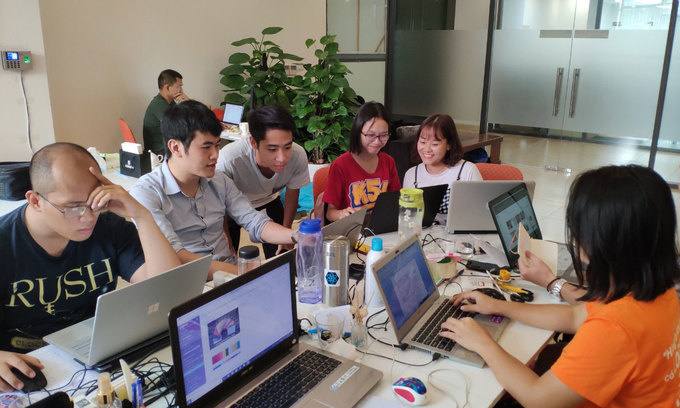
    IT managers in Vietnam earn a median salary of VND52 million (US$2,048), the highest in any sector, while pay for employees with less than a year’s experience has declined.

    Recruitment platform TopCV released its 2024 annual labor market report, highlighting that while demand in the IT industry shows “signs of slowing,” it remains a critical sector and with a talent shortage offering significantly higher salaries than others.

    The report, based on a survey of 3,000 businesses and workers and analyses of 300,000 job postings as of late October, revealed a 1% drop in demand for IT professionals from last year. But experienced and highly skilled candidates remained highly sought after.

    This trend was reflected in salaries. Employees with less than one year of experience earned a median salary of VND11 million, down from VND15 million in 2023, while team leaders and those with four or more years of experience earned VND35 million. For managers and department heads, salaries surged to VND52 million, a nearly 30% increase.

    The salary figures are based on median values, which represent the midpoint in a range and offer a clearer picture than averages when salaries vary significantly.

    The IT and software industry reclaimed the top spot in this year’s salary rankings. In 2023 the insurance industry had led with a median managerial salary of VND50 million, VND10 million higher than in the IT industry. This year managerial salaries in most other sectors were VND26-39 million, significantly lower than in IT.

    But despite the high salaries, TopCV noted, there were challenges in the IT recruitment market primarily due to the limited candidate pool. Around 55% of surveyed businesses reported a shortage of highly skilled professionals, while 49.7% expressed readiness for intense talent competition and willingness to offer attractive benefits to secure top employees.

    On the employee side, “job-hopping” remains prevalent, with 34.1% of IT workers citing lower pay compared to competitors as the main reason for leaving. Another 29.5% pointed to a lack of career advancement opportunities, and 19.5% said their values no longer aligned with those of the company leadership.

    But the report found that “changing jobs no longer guarantees higher income for IT professionals,” with fewer than 10% reporting salary increases of 3-5% after switching roles. Job seekers also faced new challenges like requirements to know a second language, multitask and acquire new skill sets.

  • Singapore-based fintech startup Tyme raises $250M

    Singapore-based fintech startup Tyme raises $250M

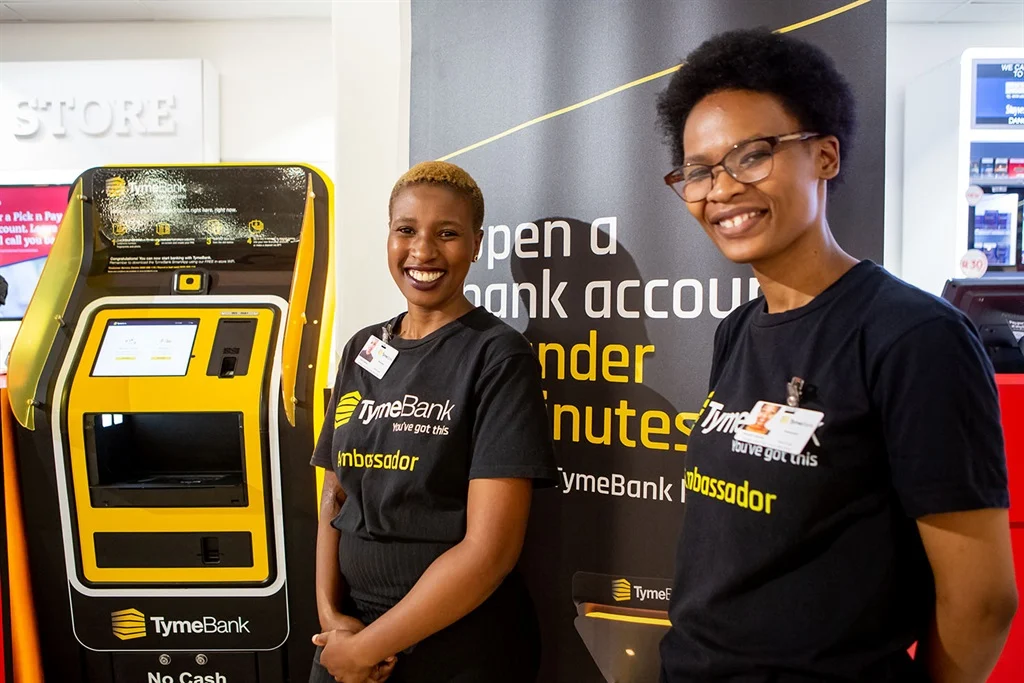
    Singapore fintech startup Tyme Group has secured a US$250 million investment, which it calls the “largest fintech raise this year in Southeast Asia,” giving it a valuation of $1.5 billion.

    The company received the investment from Brazil-headquartered lender Nubank and other investors, it said in a news release Tuesday

    With established operations in South Africa and Philippines, Tyme now gears up for expansion into Vietnam and Indonesia as it eyes to expand its presence in Southeast Asia.

    Tyme, backed by South African billionaire Patrice Motsepe’s African Rainbow Capital Investments, has been developing and operating digital banks since 2019.

    The company entered the Philippines in 2022 in a joint venture with a local company.

    Southeast Asia’s loan book balance is expected to reach up to $300 billion by 2030, quadrupling from an estimated $71 billion this year.

    Startup investment in Southeast Asia remains weak this year, with 474 equity deals taking place in the first three quarters, the lowest level since 2020.

  • Vietnamese investors turn to Bitcoin as it crosses psychological $100,000 mark

    Vietnamese investors turn to Bitcoin as it crosses psychological $100,000 mark

    As Bitcoin hovers around the US$100,000 mark, many investors are embracing cryptocurrency to diversify their portfolios.

    Lam Vu, inspired by a friend’s success in Bitcoin investments, recently sought his advice. The friend had bought Bitcoin at US$36,000 in June 2021, sold at over US$60,000 four months later to earn a profit of VND33 million (US$1,299). Vu was encouraged to act before Bitcoin’s “big wave” of growth. However, his friend suggested waiting for a potential correction to below US$95,000.

    Ngoc Anh is also exploring Bitcoin. An investor for the past year she is diversifying her portfolio and sees cryptocurrency as a promising option. “I believe Bitcoin will soon become a primary and widely accepted global currency,” she says. She plans to adopt a systematic investment plan (SIP) strategy, investing consistently each month, to average out costs in the long term.

    She says this approach, which she has applied to mutual fund investments over the past two years, will suit her by reducing the stress caused by Bitcoin’s price volatility. She believes Bitcoin will recover from any dips and steadily increase in value over time.

    Bitcoin’s value has surged by 130% this year to around US$100,000, with a market capitalization of US$2 trillion. It is now the seventh largest global asset by market cap, trailing gold and tech giants Apple, Nvidia, Microsoft, Amazon, and Alphabet.

    In an interview with VnExpress, Le Sy Nguyen, Vietnam country manager at the cryptocurrency exchange Bitget, says Bitcoin’s milestone has boosted trading volumes for both Bitcoin and altcoins on the world’s third largest derivatives exchange.

    Nguyen advises investors to proceed cautiously and do thorough research, citing risks such as market volatility, regulatory uncertainty and management challenges. He adds that an SIP is a practical way to accumulate Bitcoin while mitigating volatility. He also advises new investors to focus on consistent investments, avoid emotional trading and regularly monitor market developments.

    Global asset manager BlackRock Investment Institute recommends allocating 1-2% of portfolios to Bitcoin, likening its risk profile to that of the “Magnificent Seven,” which includes major tech stocks like Alphabet, Amazon, Apple, Meta, Microsoft, Nvidia, and Tesla. However, BlackRock warns that allocations exceeding 2% significantly increase risk, noting Bitcoin’s history of steep declines, including losses of 70-80% since its inception in 2009.

    Many investors have faced severe losses during Bitcoin’s downturns. Trung Tin, initially a casual cryptocurrency investor during the pandemic, became addicted to trading as his profits surged. At his peak, he invested over VND1 billion, depleting his savings and borrowing from friends. The November 2021 market crash wiped out his funds.

    Refusing to accept the reality of his losses, the HCMC-based startup owner borrowed more from family, friends, colleagues, and business partners in a desperate attempt to recover his investments. “I dug my own grave when I borrowed money to trade derivatives with 125x leverage,” he laments. “Within two weeks I had to sell my car and land to repay debts. It was a horrifying experience, especially as it happened just weeks before Lunar New Year.” He says to this day he feels anxious whenever cryptocurrency is mentioned.

    According to The Washington Post, therapist Aaron Sternlicht observes that crypto trading can be more addictive than gambling, largely because of its 24/7 market access. While cryptocurrency addiction is not officially recognized as a mental health disorder, researchers at Rutgers University in New Jersey have noted a rise in addicted traders. Excessive trading, driven by the prospect of massive returns, often mirrors gambling behavior.

    A 2024 survey by Coin68 platform involving over 2,700 Vietnamese found that nearly 44% reported losses in cryptocurrency investments. Of the 56% making a profit, those avoiding derivatives and focusing on long-term strategies earned 10% more on average than their counterparts.

    The derivatives market remains a source of significant losses. This trading method allows investors to speculate on cryptocurrency price movements without owning the asset, and incorrect bets often lead to a wipeout. During the recent Bitcoin price peaks hundreds of millions of dollars were lost. Experts strongly advise new investors to avoid derivatives trading.

    Cryptocurrencies remain unregulated in Vietnam, which experts say hampers sustainable growth and transparency. The lack of a clear legal framework, and the resultant absence of adequate protections unlike in traditional financial markets, exposes investors to risks such as fraud and market instability, complicating the development of this asset class.

  • Indonesia offers 3% tax incentive to hybrid car makers

    Indonesia offers 3% tax incentive to hybrid car makers

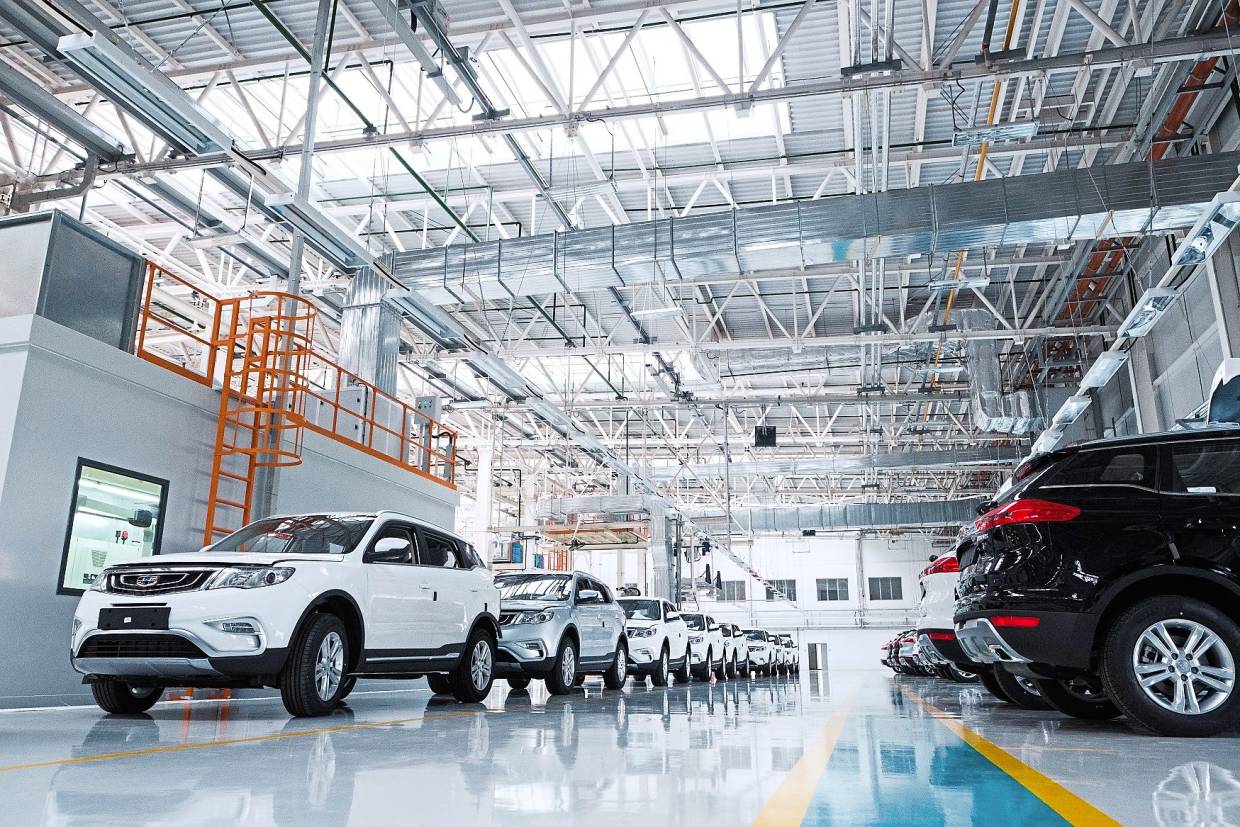
    Indonesia will offer a sales tax incentive on Government-borne Luxury Goods (PPnBM DTP) of 3% for hybrid cars from next year.

    Minister of Industry (Menperin) Agus Gumiwang Kartasasmita said at a press conference on December 16 that the Indonesian government asks hybrid car makers to register their hybrid car models with the government to get the PPnBM incentive.

    To provide the sales tax incentive for hybrid motor vehicles, the cabinet estimates a budget requirement of IDR840 billion (US$52.5 million). Agus stated that under Regulation No. 36 of 2021 concerning low-carbon four-wheeled vehicles, the government mandates a local component value (TKDN) for hybrid car manufacturers participating in the programme.

    In addition to hybrid vehicles, the government offers several incentives, including a 10% reduction in value-added tax (VAT) on imported fully built battery-operated vehicles (including passenger and electric cars, and electric buses) with a local content (TKDN) rate of 40%, and 5% for electric buses with a TKDN rate of 20-40%.

    There is also a 15% sales tax on fully imported or completely knocked-down vehicles and a 0% import tax on fully built battery-operated vehicles. A 100% sales tax exemption applies to certain electric vehicles imported as fully built or completely knocked down. The total budget needed for these incentives is estimated at around IDR2.52 trillion ($157.4 million).

  • Stasko Drives Telstra’s AI-Optimized Infrastructure and Partnerships

    Stasko Drives Telstra’s AI-Optimized Infrastructure and Partnerships

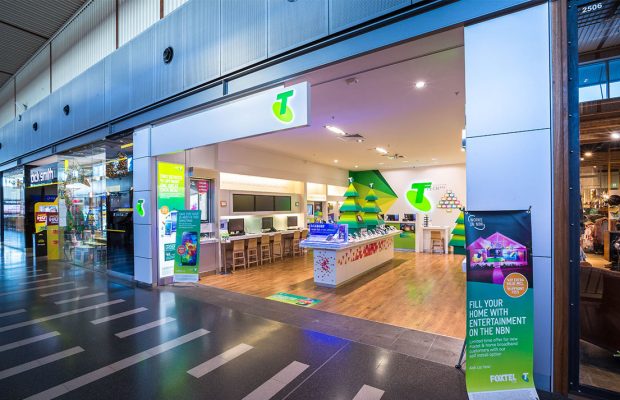
    In a recent interview with Telecom Review Asia, conducted at ITW Asia 2024, in Singapore, Stasko discussed Telstra’s role in enhancing international connectivity through its submarine cable network by leveraging artificial intelligence (AI) to optimize infrastructure and foster key partnerships with hyperscalers and other industry leaders. His vision for Telstra International focuses on expanding its presence in the Asia Pacific by continuing to innovate and serve as a critical enabler of the digital economy. Through strategic partnerships and cutting-edge technological integration, Stasko is guiding Telstra to new heights in the global telecommunications landscape.

    How does Telstra’s submarine cable network contribute to enhancing international connectivity, and what role does it play in supporting the digital economy globally?

    Telstra’s submarine cable network significantly enhances international connectivity by operating at-scale and providing a comprehensive range of services. With over 50 years of experience in the subsea market, Telstra strengthened its position in 2016 by acquiring Pacnet, making it the largest commercial digital infrastructure provider for trans-pacific integration. Currently, it manages about 20% of the internet traffic between the U.S. and Asia, and a third of intra-Asia traffic.

    Telstra manages 400,000 kilometers of subsea fiber. This extensive network allows Telstra to offer not only point-to-point connectivity but also broader solutions that include diversity, resilience, and terrestrial backhaul integration, from cable landing stations to data centers. This comprehensive approach supports customers by handling their capacity end-to-end rather than providing isolated segments.

    Globally, Telstra’s digital infrastructure, which includes Telstra International and Australia-based InfraCo, connects markets and supports the digital economy by ensuring reliable and scalable connectivity solutions across multiple regions.

    As AI becomes more integral, how is Telstra leveraging artificial intelligence to optimize its global infrastructure and improve service offerings?

    As AI becomes more integral, Telstra is leveraging artificial intelligence in two main areas: optimizing internal operations and enhancing its international network infrastructure.

    Within Telstra, including its international business, AI is being used extensively to improve efficiency and support employees. For example, Telstra boasts the largest deployment of Microsoft’s Copilot in Australia, which is integrated with Microsoft 365 tools and allows employees to use AI for tasks like writing emails, preparing documents, and managing data. This foundational deployment helps employees understand and adopt AI in their daily workflows.

    Additionally, Al and automation are used to optimize internal processes, particularly in the consumer business segment. Leveraging the capabilities of Microsoft Azure OpenAl Service and Azure Al Search, Ask Telstra provides Al-driven answers to employee inquiries through a simple search interface. Another tool. ‘One Sentence Summary, condenses customer issues into clear, actionable summaries, improving the speed and accuracy of responses. The focus is not on replacing human interaction but on empowering agents to provide fast, accurate, and effective support.

    On the international side, Telstra is applying AI to achieve automation and an autonomous network. AI-driven tools are being used to digitize data such as inventory, capacity, locations, and sensor inputs. This enables Telstra to build a virtual model of its network to test, predict, and automate operations. For instance, AI helps reroute traffic dynamically, optimizing the network and ensuring reliable connectivity. These AI applications enhance both Telstra’s operational efficiency and its ability to deliver high-quality service globally.

    Can you share key AI-driven initiatives or innovations that Telstra is working on, and elaborate on some of the partnerships that have been forged?

    Telstra is advancing several key AI-driven initiatives and forging strategic partnerships to enhance its capabilities. One of our largest partnerships is with Microsoft, which spans AI tools, digital infrastructure investment, and connectivity across both the international and Australian components. This collaboration underscores Telstra’s commitment to integrating advanced AI capabilities with robust infrastructure solutions.

    In Australia, Telstra has created a joint venture with Quantium, an AI-driven company; the result of which is Quantium Telstra. This partnership focuses on developing AI tools, building skill sets, and fostering innovation in an AI-first framework. Additionally, Telstra collaborates with traditional infrastructure vendors, working closely with them to embed AI into tools and systems that optimize operations.

    On the international front, Telstra is partnering with customers to address the evolving network needs being driven by AI. This involves rethinking network topology to better accommodate AI traffic, which differs significantly from the demands of traditional cloud traffic. Telstra’s approach includes both enabling partner solutions and collaborating with customers to anticipate the future connectivity requirements being shaped by AI.

    Telstra also maintains strong ties with the Australian government. While AI-specific collaborations are less prominent, past initiatives, such as our acquisition of Digicel Pacific, highlights our successful public-private partnerships. This endeavor involved funding from the Australian, U.S., and Japanese governments and demonstrated how commercial and government interests can align effectively.

    In the cybersecurity sector, Telstra is working closely with security agencies in Australia and globally, employing both AI-driven and traditional approaches to ensure its network remains secure, sovereign, and reliable. These initiatives illustrate Telstra’s comprehensive strategy, which prioritizes leveraging AI and partnerships across various domains.

    What is Telstra International’s vision? And what strategies are you employing to grow its presence in the region?

    Telstra International’s vision is to remain the leading digital infrastructure provider in the Asia Pacific. To achieve this, Telstra is focusing on three strategies: offering layer-zero services, including cable landing stations and network operations; partnering with hyperscalers and other investment partners to operate and enable new systems; and becoming the ‘carrier of carriers’ by creating CapEx-light models to support telcos’ subsea and connectivity needs.

    Partnerships are key to success. Hyperscalers, once skeptical about working with Telstra, now see value in these collaborations, recognizing that, in some markets, they benefit from a partner’s expertise. As Telstra adapts, the focus shifts from doing everything in-house to being a good partner, leveraging engineering strengths and operational excellence. This approach ensures continued growth and scalability.

  • Google TV continues to expand its home screen banner ads

    Google TV continues to expand its home screen banner ads

    Google TV is rolling out a new ad format on its home screen, and it’s got some users raising their eyebrows. This isn’t exactly a surprise, as Google has been increasingly incorporating ads into the platform. They’ve even been surveying users about the number of ads shown, which hinted that more might be on the way.

    This new ad format is a banner that shows up underneath the “Continue Watching” row. It can be used to show different types of content, like ads for games. One example of how this new section is being used is an ad for the recently released Bethesda game, Indiana Jones and the Great Circle. This game, available on Xbox and through streaming services, is being heavily promoted across the Google TV platform. It’s featured in the “For You” row, has its own sponsored row with related content recommendations, and now, it’s showing up in this new banner section. The banner ad includes a brief description of the game, a link to watch gameplay on YouTube, and a QR code that users can scan for more details.

    This new banner is in addition to the ads that are already shown in the “For You” slider and in recommendation rows. It seems like Google is trying to find new ways to show ads, even though users already been asked about how many ads they want to see. While this new banner ad format isn’t immediately visible, it does contribute to the overall ad load on the platform. And let’s not forget that Google TV also recently started using those giant QR codes in ads.

    The new ad format is just one of the many changes that Google has been making to its TV platform. Recently, they also started using giant QR codes in ads. I’m not sure how I feel about all these changes. On one hand, I understand that Google needs to make money from its products. But on the other hand, I don’t want to see too many ads when I’m just trying to watch TV. I hope that Google finds a way to balance its need for revenue with its users’ desire for a good experience.

  • Thailand’s average employee salary to grow 5% in 2025

    Thailand’s average employee salary to grow 5% in 2025

    Thai employees’ average salary is expected to rise by 5% in 2025, maintaining the same growth rate as this year, according to a recent survey.

    Key factors that affect salary hikes are performances of individuals and organizations, salary range and the organization’s competitiveness in the job market, the Total Remuneration Survey 2024 by professional services company Mercer shows.

    Some 91% of the organizations polled reported having short-term incentive plans such as bonuses, said the survey, which was cited by The Bangkok Post.

    The ratio of businesses offering long-term incentives (such as stock options) grew by 1.8 percentage points to 80.7% this year.

    The auto industry is expected to award its employees with the highest short-term incentives which accounts for 23% of total remuneration packages.

    The highest paying sector is the life sciences industry which compensates 20% more than the average for annual base salaries.

    “The average salary increase of 5% in 2025 reflects an ongoing commitment by Thai organisations to invest in their workforces,” said Thira Laulathaphol, career principal at Mercer’s Thailand, as reported by The Nation.

    “With 100% of surveyed companies planning salary increases, it is clear that Thailand has a competitive job market.”

  • Vietnam becomes top banana supplier to China

    Vietnam becomes top banana supplier to China

    Vietnam has surpassed the Philippines to become the largest banana supplier to China with a 40.7% market share in the first eight months.

    China increased its imports from Vietnam by 19.6%, according to data from its customs department, while cutting its imports from the Philippines by 39.2%. Unfavorable weather and diseases reduced the Philippines’ banana output this year and pushed up prices, according to its Ministry of Industry and Trade.

    This allowed Vietnamese exporters to claim a bigger share.

    Aeon supermarkets in China earlier this year began selling only Vietnamese bananas and stopped stocking imports from the Philippines and Taiwan.

    Some other retailers have also followed suit.

    Exporters say Vietnamese bananas have reliable quality and quantity and competitive prices, with the country’s proximity to China helping reduce logistics costs.

    Vietnamese companies have been trying to meet China’s strict quarantine standards, resulting in higher exports.

    But there are also challenges in selling in China.

    Vo Quan Huy, CEO of agriculture export firm Huy Long An, said banana prices there sometimes fluctuate hugely, with local produce flooding the market during harvest season and sending prices tumbling.

  • Thailand expects to collect global minimum corporate tax from Jan 2025

    Thailand expects to collect global minimum corporate tax from Jan 2025

    Thailand expects to implement a global minimum corporate tax of 15% on multinational companies from January 2025, its finance minister said on Friday.

    The government will urgently issue a law on the tax collection, Pichai Chunhavajira said on a local television program. Pichai’s comments came after a Reuters report that the cabinet on Wednesday approved draft legislation to collect the global minimum corporate tax.

    Under new rules being shepherded by the Organization for Economic Cooperation and Development (OECD), a minimum 15% tax will be charged on multinationals with an annual global turnover of more than 750 million euros (US$784.58 million), regardless of their location.

    Thailand’s corporate tax is currently set at 20%, but companies receiving incentives from the Thailand Board of Investment can get an exemption of up to 13 years.

    Vietnam’s parliament approved the minimum global tax rate last year.

    Indonesia, Southeast Asia’s largest economy, Malaysia and Singapore have also said they will implement the minimum tax rate in 2025.

  • Chinese kiwi prices in Vietnam start at $0.8/kg

    Chinese kiwi prices in Vietnam start at $0.8/kg

    Chinese green kiwi is being sold at VND20,000 (US$0.79) per kilogram onwards by wholesalers in Vietnam, a third of the prices of imports from Australia and New Zealand.

    Australian and New Zealand wholesale prices start at VND60,000 and go up to VND120,000. But the VND20,000 price is unusually low for a fruit considered an upmarket item in Vietnam.

    Thanh Hoa, a fruit wholesaler in HCMC, said these are the lowest prices in years. “I import thousands of boxes at a time to get the best prices.”

    Retailers are selling the fruit at VND50,000-80,000 per kilogram. In China, green kiwi is primarily grown in provinces with a temperate climate such as Sichuan, Shaanxi and Henan.

    Thanks to advanced breeding technologies and large scale of production, China is able to produce large quantities of the fruit and maintain low prices.

    Vietnamese importers say Chinese kiwi is able to enter Vietnam at current rates because logistic costs have been optimized.

    Dang Phuc Nguyen, general secretary of the Vietnam Fruits & Vegetables Association, said China has acquired kiwi varieties from other countries and breeds them with low labor costs.

    Vietnam’s imports of Chinese agriculture produce in the first 10 months were worth $800 million, a 24% increase year-on-year, according to the customs department. The main fruits it imported were apple, grape, persimmon, and kiwi.

  • 45% of Singapore workers fear admitting to AI use

    45% of Singapore workers fear admitting to AI use

    Nearly half of employees in Singapore feel uncomfortable admitting to their managers that they use artificial intelligence (AI) in their jobs, a survey has found.

    The top concerns among these workers include the fear of being perceived as incompetent, lazy, or cheating, The Independent Singapore reported, citing AI-powered work management tool Slack’s Workforce Index report, which in August surveyed more than 17,000 workers across 15 countries, 1,008 of which are from Singapore.

    The report noted that workers, lacking clear guidance, are uncertain about when it is appropriate to use AI at work, leading many to hide their usage.

    Hence, employers should establish clear guidelines on which AI tools are considered “approved and trusted” for use in their organizations, as well as the specific tasks these tools are intended for, Christina Janzer, senior vice president of research and analytics at Slack.

    Too much of the burden today has been put on workers to figure out AI. It is important that leaders not only train workers to use AI, but encourage employees to talk about it and experiment with AI out in the open,” she said.

    Despite their concerns, 88% of employees in Singapore are keen to develop their AI skills and feel a pressing need to become experts in the field. However, 63% of them have spent fewer than five hours total learning how to use AI.

    Workers in the city-state are also prioritizing AI-enabled workplaces, with 87% viewing a company’s ability to provide and implement AI tools as a key consideration when searching for jobs.

    As a result, employers there must invest in AI training to attract and retain top talent.

    Globally, 30% of workers worldwide have not received any AI training, including self-guided learning or experimentation, according to Slack.

    Among those who did receive guidance on AI usage, adoption has increased by 13% since January, compared to just 2% for those without such training.

  • Gold price gains in Vietnam, drops globally

    Gold price gains in Vietnam, drops globally

    Gold price went up marginally in Vietnam but fell globally as investors took profit Tuesday morning.

    Saigon Jewelry Company gold bar increased by 0.23% to VND87.1 million (US$3,430.49) per tael.

    Gold ring price went up 0.23% to VND85.9 million per tael.

    Globally gold slipped as investors booked profits after prices hit more than one-month high earlier in the day on increased expectations of an interest rate cut by the Federal Reserve next week.

    Spot gold shed 0.5% to $2,704.41 per ounce. It hit the highest since Nov. 6 earlier in the session.

    U.S. gold futures fell 0.5% to $2,744.60.

    “It’s just profit booking because we’ve seen a good rally in gold due to various factors this week, including geopolitical tensions, China resuming gold purchases and the inflation number yesterday being in line with expectation,” said Ajay Kedia, director at Kedia Commodities, Mumbai.

  • WhatsApp adds new calling features for the holidays

    WhatsApp adds new calling features for the holidays

    WhatsApp is making it easier to connect with loved ones this holiday season with new calling features for desktop and mobile. You can now select specific participants when starting a call from a group chat, so you can call exactly who you want without disrupting the rest. This is ideal for planning surprise parties or presents.

    Video calls are also getting a makeover with ten new effects that can transform your calls into even more fun conversations. You can add puppy ears, take yourself underwater, or even hand yourself a microphone for karaoke. Additionally, video calls are getting a boost in quality. Whether you’re calling from desktop or mobile, calls are now more reliable, and you can enjoy higher resolution video with a clearer picture on both 1:1 and group calls.

    Calling on desktop is also getting an upgrade. When you click the calls tab on the WhatsApp desktop app, you’ll easily find everything you need to start a call, create a call link, or dial a number directly.

    WhatsApp has been around since 2009 and has quickly become one of the most popular messaging apps in the world. It’s known for its simplicity and reliability, and it’s used by people of all ages and backgrounds. In recent years, WhatsApp has been adding more and more features to its app, including voice and video calling. Unlike in the United States, where protocols like SMS, MMS, RCS, and iMessage dominate messaging across the country, WhatsApp has remained extremely popular globally. Additionally, it has always been a popular backup option for Americans to use when the other existing options fail.

    I think these new calling features are a great addition to WhatsApp. I especially like the ability to select specific participants when starting a call from a group chat. This is a really useful feature that I can see myself using all the time. I also like the new video call effects. They look like a lot of fun, and they can help to make video calls more engaging. I think these new features will make WhatsApp even more popular, and I’m excited to see what the future holds for the app.