Tag: asia

  • Zara launching beauty range

    Zara launching beauty range

    Soon, you’ll be able to wear Zara from head to toe and from face to toenails. Yesterday, the retailer unveiled Zara Beauty, the company’s first-ever comprehensive beauty collection. It will be launching online and in select stores on May 12.

    To help create a line of cosmetics that felt playful, innovative, and fresh, the brand tapped world-renowned makeup artist Diane Kendal, who regularly dreams up editorial and international runway looks we inevitably end up thinking about a lot.

    “When Zara approached me to lead the creative direction of Zara Beauty, I saw an opportunity to make something that everyone would want to use. Zara has always reached such a diverse audience, and I wanted to bring that same big vision to beauty with a collection that is clean, refillable, and accessible to all,” Kendal said in a release. “I am really proud of what we have created: an expansive array of consciously unique formulas for eyes, lips, face, and nails.”

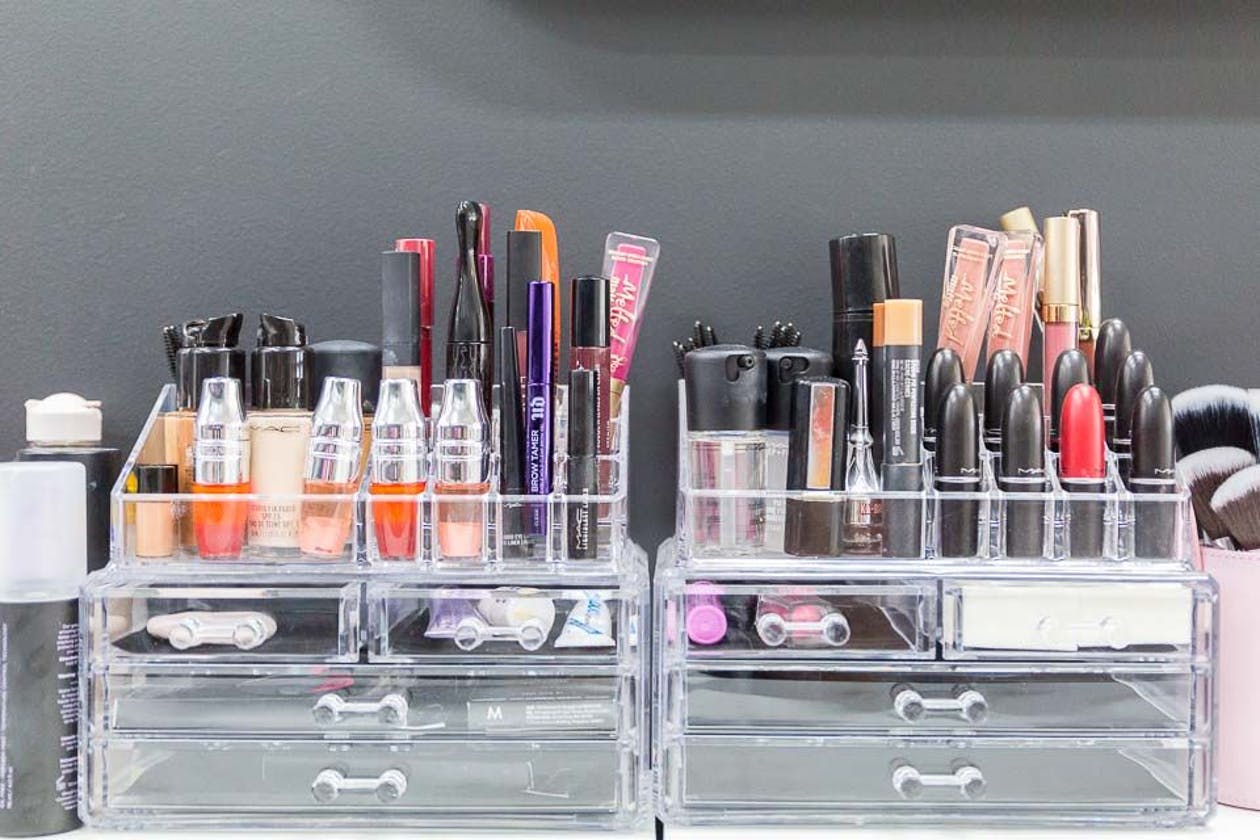
    When Kendal says “an expansive array,” she isn’t exaggerating in the slightest. The collection is launching with over 130 colors, six lip products (matte lipstick, satin lipstick, demi-matte lipstick, tinted balm, lip oil, lip gloss), six-shade eye-shadow palettes, smaller shadow duos, a matte-black eyeliner, loose metallic pigment, bronzer, blush palettes, highlighter, 39 nail polishes, and six makeup brushes — and that’s just to start.

    To showcase the endless possibilities and combinations you can make within the world of Zara Beauty, Kendal created a series of different looks that were captured by nine different talents —Steven Meisel, David Sims, Marilyn Minter, Oliver Hadlee Pearch, Zoë Ghertner, Craig McDean, Nadine Ijewere, Mario Sorrenti, and Fabien Baron — who each shot and shared their own personal vision of beauty for the campaign.

    Scroll through to get a taste of what will be in store next week and start plotting what you’re going to add to your cart — prices will range from $8 to $26, with refills starting at $5, so you should be able to cram in a good amount.

  • Vodka-based drinks lead 40 per cent surge in RTD sales

    Vodka-based drinks lead 40 per cent surge in RTD sales

    Ready-to-drink sales have recorded double-digit growth over the past year, primarily driven by vodka-based drinks, according to Liquor Marketing Group (LMG).

    In a 12-month period starting from March 2020, the RTD category achieved 40.2 percent growth in dollar sales across the group’s stores, which include Bottlemart, SipnSave, Harry Brown, and Thirsty Camel. RTD sales in this year’s first quarter across the stores surged 39.3 percent compared to the previous quarter.

    Meanwhile, the vodka subcategory saw the strongest demand with a 72.3-per-cent increase, followed by bourbon and seltzer.

    “LMG’s dollar sales growth for the category has continued to be higher than the total market average,” said Scot Hayman, national merchandise manager for beer, spirits, and RTDs at LMG.

    “This trend has been consistent in each state and for all RTD segments.”

    The strong performance of RTDs sales was recorded in WA, with more than 50-per-cent growth, followed by NSW with 44.7 percent.

    According to Hayman, the strong performance of RTDs sales can be attributed to the increasing demand for healthier options.

    “RTDs with low and zero sugar, light RTDs – particularly in vodka and gin, and Seltzer align with this trend and have given shoppers a reason to rediscover and re-engage with RTDs, while simultaneously attracting new buyers across different demographics and life stages,” said Hayman.

  • Instagram gains new captions sticker for Stories in latest update

    Instagram gains new captions sticker for Stories in latest update

    Instagram users will be happy to know that the captions feature has been expanded to Stories. Previously only available in IGTV and the Threads app, captions have now been added to Stories and Reels to provide users with a better experience.

    You may not always be somewhere where you want your sound on, yet you still want to see what your friends and creators are posting. With captions, people can now express themselves in a more effortless yet still meaningful way, and their audience can watch and still engage.

    A new captions sticker is now rolling out to Instagram users on both Android and iOS users. The captions sticker automatically transcribes speech in videos, but it’s only available in “English and English-speaking countries” for the time being. However, the plan is to make captions available to other languages and countries, Instagram confirmed, although the social network didn’t offer an ETA.

    The text displayed in Stories can be customized by adjusting various aspects, such as the style and color. Users can even edit words if they find any spelling or punctuation mistakes. Unfortunately, the size of the captions can’t be adjusted at this time, but you switch to a different background sticker to make the text easier to see.

  • Samsung Vietnam proposes direct purchase of renewable energy

    Samsung Vietnam proposes direct purchase of renewable energy

    Electronics giant Samsung Vietnam has proposed that it joins a trial program to purchase power directly from renewable power plants instead of monopoly distributor Vietnam Electricity.

    Choi Joo Ho, CEO of Samsung Vietnam, submitted the proposal to the Ministry of Industry and Trade last week. He asked that the company participates in the Direct Power Purchase Agreements (DPPA) policy that is being studied for a three-year trial.

    Three to four other big companies also want to join the program, a person familiar with the matter told VnExpress.

    The program will allow manufacturing companies with a minimum of 22-kilovolts power lines to negotiate and buy directly from solar and wind power plants.

    In the first three years, when the policy will be trialed, the customer needs to buy at least 80 percent of the agreed amount of power.

    Solar and wind farms with a capacity of 30 megawatts or more can sign these agreements and need to begin commercial operation within nine months of joining the pilot program.

    The program with a total capacity of around 1,000 megawatts is set to start this year and run until 2023. At the end of the trial period, the ministry will review it and take a decision on making the arrangement permanent.

    The program is being considered amid the challenges solar power plants face in running at full capacity due to the limited capacity of the country’s transmission lines. Vietnam is set to cut up to 1.74 billion kilowatt-hours of renewable energy in the second half this year to deal with national grid overload, Vietnam Electricity, has announced.

  • Startup scene reviving, says expert

    Startup scene reviving, says expert

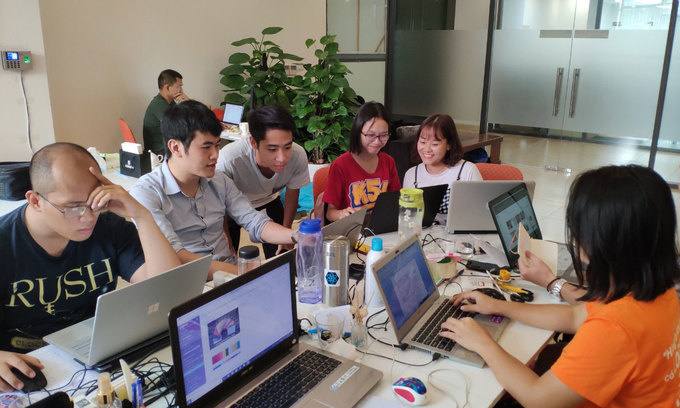
    Vietnamese startups are attracting increasing attention from foreign funds, and there have been at least seven million-dollar investment deals in Q1.

    The biggest deals include a $100-million funding round by U.S. investor Warburg Pincus in payment app MoMo, a $15-million investment in English learning app ELSA by Vietnam Investments Group and U.S-based Susquehanna International Group, and $6 million into gifting platform Got It by local digital gaming group VNG.

    The other four investments, in hotel booking platform Go2Joy, med-tech startup Genetica, online real estate platform Citics, and live streaming platform GoStream, were all worth less than $3 million. According to Thai Van Linh, CEO of consulting firm TVL Group and senior advisor to venture capital fund Openspace Ventures, the startup ecosystem in Vietnam is making exciting progress.

    Vietnamese tech firms have been thriving mainly thanks to the advance of digitization and consumers moving online, buying and selling on social networks or simply communicating online, Linh said in an interview with VnExpress.

    “In the first quarter’s major deals, the role and impact of foreign funds have been quite evident, despite fears that the pandemic would deter their involvement.”

    Last year, was a time of reflection and creativity, with many businesses having to conduct comprehensive reassessments of their operations, products, and services to look for new ways to bring value to the customer, she said.

    “Venture capital funds have also undergone a similar process. They looked from different perspectives to find potential in each startup notwithstanding the obstacles ahead. To that end, many funds have invested in businesses with a large customer base or consistently growing revenues.”

    Long-term growth has also been also an important factor, she said. With more than 55 percent of its population aged below 35, Vietnam not only has a young population but is also very open to change and willing to try new products and adopt new technologies.

    There have also been a number of major events that are creating the foundation for the development of startups and confidence among foreign funds to participate.

    Vietnam has entered into several foreign trade agreements that make it easier for startups to expand their customer base to overseas markets, while the consistent development of infrastructure would help increase the productivity of logistics operations and improve people’s living standards, she added.

    The Vietnamese diaspora abroad has been moving back to the country, bringing with it the experience acquired by working for global companies. More Vietnamese students are choosing to return home, bringing with them international perspectives on innovation and growth. This demographic is being utilized by large corporations to create an abundant supply of human resources for startups, Linh said.

    Interest in Vietnam among foreign venture capital funds has steadily increased over the last 10 years though many still have their main offices elsewhere in the region, Linh said.

    “Their headquarters may be in Singapore and they only fly to Vietnam once a month or once a quarter to explore. Some major investment funds in established markets such as the U.S. have established regional offices focusing on the Asian market.”

    Singapore-headquartered Openspace, which manages more than $425 million, has opened a representative office in Vietnam. “We believe the next unicorn startup will come from Vietnam, the Philippines, or Thailand,” Linh said.

    “If a founder tries to build a startup based on an ongoing trend, it is already too late compared to incumbents in that market.”

    Instead, they have to have a product ready, build a customer base, and run it smoothly before a trend emerges, she said.

    Asked about imminent startup trends, she said that does not matter and now should be considered a time to explore and experiment.

    “I meet many business owners who are doing this. Covid-19 may have adversely affected their business, but then they come up with new ways to change. And now, they are setting on a new path.”

    Linh, who is also a judge on the business reality TV series Shark Tank Vietnam, said startups should not only think about money when tying up with investors but also consider other ways in which the latter could contribute, such as with strategic guidance and introduction to partners.

  • Vietnam replaces China as largest furniture exporter to US

    Vietnam replaces China as largest furniture exporter to US

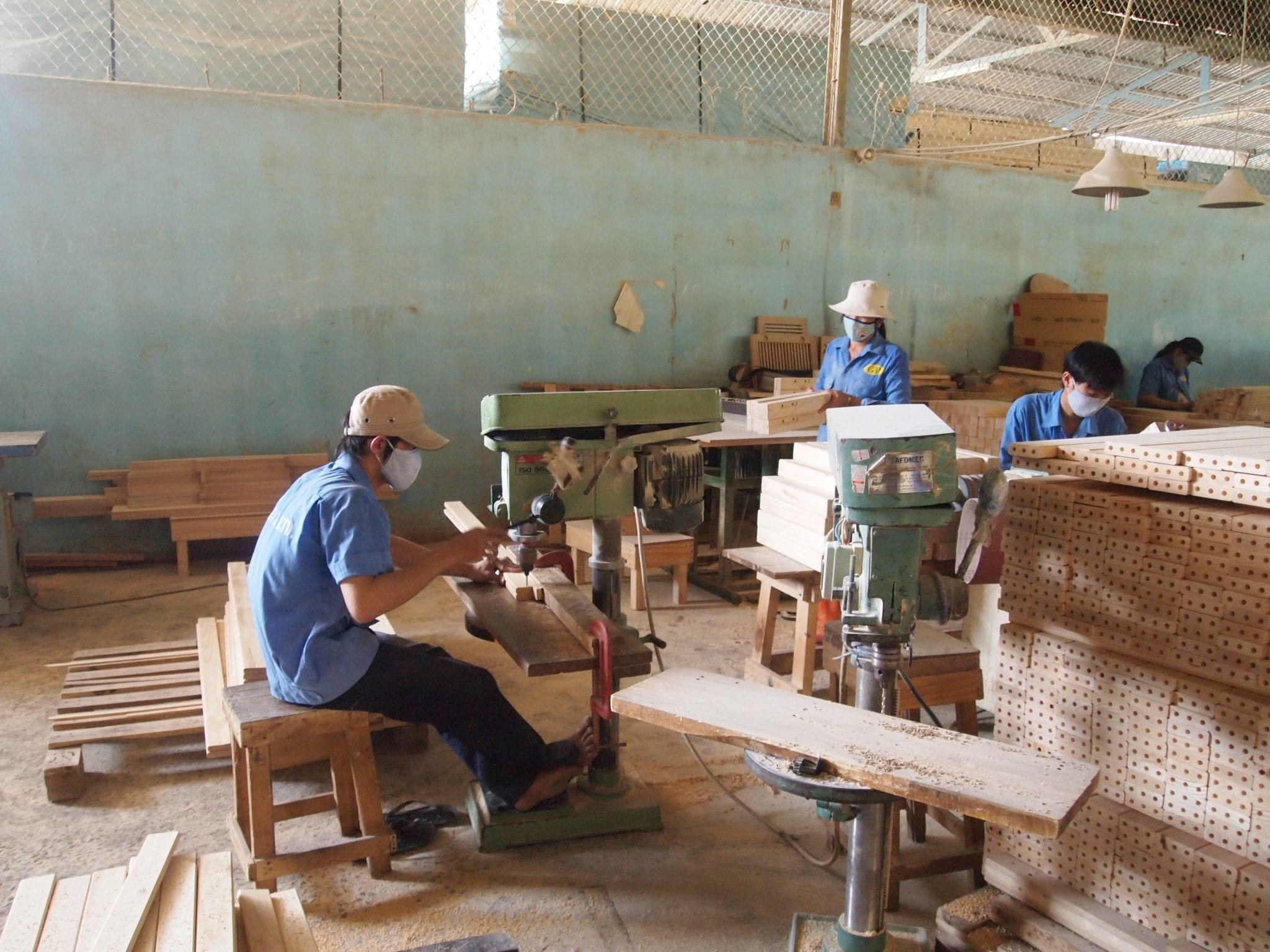
    Vietnam has overtaken China as the largest furniture exporter to the U.S. as tariffs drive manufacturers out of the world’s second-largest economy.

    Vietnam exported $7.4 billion worth of furniture to the U.S. last year, compared to China’s $7.33 billion. This marked a 31 percent year-on-year surge for Vietnam, while that of China fell 25 percent.

    The shift has happened over the past two and a half years with the U.S. imposing tariffs as high as 25 percent on almost all furniture categories from China, pushing manufacturers to move out.

    In 2018 and 2019, Vietnam’s furniture shipments to the U.S. rose by double digits each year, while that of China fell by double digits.

    “That doesn’t surprise me at all,” said Fred Henjes, CEO of Riverside Furniture Corp. “We are no longer buying products out of China, and I know there are many others besides us.”

    Strong import categories of this company from Vietnam include bedroom, dining room, and home office furniture, Furniture Today quoted him as saying.

    Another company, Klaussner Home Furnishings, sources all of its wood furniture from Vietnam now. Its sales in the wood segment from Vietnam were up 10 percent last year.

    The U.S. was Vietnam’s largest export market in the first four months at $30.3 billion, up 50 percent, followed by China at $16.8 billion, up 32.4 percent.

  • Disputes keep pace with e-commerce growth

    Disputes keep pace with e-commerce growth

    As Vietnam’s digital economy grows, so does the incidence of disputes between online sellers and buyers. The e-commerce market grew by 16 percent to $14 billion in 2020 and is expected to be worth $52 billion by 2025, according to a report by Google. The number of disputes is also growing rapidly, with 24.4 percent of sellers embroiled in disputes last year,a survey by the Central Institute for Economic Management (CIEM) found.

    The Vietnam E-Commerce and Digital Economy Agency said it handled over 250 cases of e-commerce violations last year like unregistered websites, selling low-quality products, and assuming false business identities to cheat consumers.

    Besides, e-commerce platforms took down over 17,400 online stores and 34,600 products in the first five months of 2020, according to the agency.

    Nguyen Anh Duong, head of the general research department at CIEM, said though e-commerce platforms have procedures for receiving customer complaints and settling disputes, they can only handle sellers’ violations by closing the stores and cannot to make them compensate customers they cheated.

    Experts said the demand for an online dispute resolution (ODR) system in e-commerce is growing since many enterprises and individuals do business online.

    But Vietnam lacks a clear legal framework for the ODR, and experts said it is needed immediately so that an ODR system could be deployed.

  • Tech Roles Dominate Singapore Job Outlook in Finance

    Tech Roles Dominate Singapore Job Outlook in Finance

    Technology continues to play a dominant role in the development of financial services in Singapore with related functions accounting for more than a quarter of job opportunities in the sector. Technology will continue to lead hiring demand in 2021, according to the Monetary Authority of Singapore (MAS), with 1,700 hiring opportunities such opportunities within the financial sector.

    This accounts for more than a quarter of the total 6,500 newly created positions for the year by financial institutions.

    Technology has become central to how financial services are produced, distributed, and consumed, said MAS managing director Ravi Menon in a published statement. The Singapore financial sector has harnessed technology across a wide range of functions – from risk management, business analytics to customer service.

    Within the fintech job market, software engineers were the highly demanded role by employers. Net job growth for software engineers in 2019 was 200, 10 times more than UI or UX designers. These jobs require strong programming skills and in-depth business domain and system knowledge, Menon said, noting that local citizens landed less than one-fifth of such jobs. There are not enough Singaporeans applying for these jobs in the first place, let alone qualifying for them.

    Despite the tech focus, non-tech roles remained in demand especially in areas like relationship management, product sales, compliance, and risk management.

    Relationship managers are will account for 1,300 jobs or 28 percent of hiring

    Menon noted that demand will be underpinned by wealth management growth, highlighting expansion plans by major banks like Citi and DBS.

    Overall, the financial sector posted net job growth of 2,200 in 2020 compared to a 180,000 net loss in the broader economy.

    MAS expects momentum to continue with the sector expected to add 2,500 to 3,500 tech jobs each year over the medium term.

    The size of the tech workforce within the sector is estimated to be 25,000, a 30 percent increase compared to 2014.

  • Singapore-Hong Kong Travel Bubble Hits Snag

    Singapore-Hong Kong Travel Bubble Hits Snag

    The arrangement for quarantine-free travel between the two cities was due to begin on May 26, following two previous postponements. Singapore is reassessing plans for a travel bubble with Hong Kong after the city-state moved to reintroduce tighter social distancing measures amid a growing cluster of Covid-19 cases tied to a large public hospital. The number of cases in the cluster stands at 40 and is linked to the India variant.

    We will monitor the situation and we will review and assess whether or not there will be any changes,» Lawrence Wong, the minister who co-chairs the Singapore government’s virus taskforce, said.

    The travel bubble has already been delayed several times from its scheduled start in November 2020, as a result of infection outbreaks.

    According to the terms of the agreement, the travel bubble will be closed for two weeks if the seven-day moving average of the daily number of unlinked local cases is more than five in either Singapore or Hong Kong.

    On Tuesday, Singapore authorities announced stricter rules on social gatherings, to last till May 30, to stem the spread of Covid-19 in the community. Gatherings are now limited to groups of five, down from eight previously.

    Offices are also to implement a flexible working and more people are to work from home – only 50 percent of staff are allowed at the workplace at any one time, down from 75 percent at present.

  • SGX Restores Services After Outage

    SGX Restores Services After Outage

    The bourse’s web pages were discovered to be progressively inaccessible across different network providers from 4:30 p.m. SGT on Tuesday.

    Singapore Exchange’s website and web-based applications were restored on Tuesday night, following an outage that took place in the afternoon.

    Its case was a domain name system (DNS) issue, SGX said on Twitter, noting that it’s trading and clearing systems are separate from the website. It also said that there is no indication that its systems were compromised.

    While it did not affect trading, the outage limited access to SGX price information and SGX-listed company announcements.

    Several mainboard companies were due to release their financial results on Tuesday evening. Users were urged to visit their brokers’ websites or alternative sources during the outage.

  • ANZ Seeks Growth Opportunities at Home

    ANZ Seeks Growth Opportunities at Home

    Australian & New Zealand Banking Group is open to potential acquisitions for domestic growth, including retail assets from Citigroup’s retreat. Chief executive Shayne Elliot said that ANZ was in a really strong position to seek growth opportunities, according to a report. Elliot did not rule out potential acquisitions like retail assets from Citi, which recently exited 13 consumer banking markets.

    If opportunities come along, we have the capacity managerially, which is really important, because it’s not just about the money, and we certainly have the financials to take those things seriously. We will take the opportunity when it comes, he explained.

    Capital for growth at the Australasian lender was boosted by its recent performance after profits for the six months ended March 31 surged to A$2.99 billion ($2.3 billion) compared to A$1.41 billion in the previous year.

    This was driven in part by money set aside for bad debt provisions but were no longer required.

    Other banks with reported interest in Citi’s retail assets in Australia include ING Bank, Macquarie, Bank of Queensland, and local insurer Suncorp.

    Citi recently announced a major consumer banking pullout from 13 markets, including Australia and India.

    In India, Citi’s retail exit is also drawing interest from the likes of DBS, Standard Chartered, and local lenders Kotak Mahindra and Axis Bank.

  • Online share of retail sales jumps to 19% amid lockdowns

    Online share of retail sales jumps to 19% amid lockdowns

    Online sales accounted for nearly a fifth of total retail turnover last year as lockdowns to combat the spread of the coronavirus pandemic fuelled a boom in e-commerce, a United Nations study released on Monday showed.

    Online sales accounted for 19 percent of overall retail sales in 2020, up from 16 percent a year earlier, according to estimates from the UN Conference on Trade and Development (UNCTAD) based on national statistical offices in major economies.

    South Korea reported the highest share at 25.9 percent, up from 20.8 percent the year before. China had a 24.9 percent share, Britain 23.3 percent, and the United States 14.0 percent.

    Global e-commerce sales rose 4 percent to US$26.7 trillion in 2019, according to the latest estimates available, UNCTAD said. This included business-to-business (B2B) and business-to-consumer (B2C) sales, and was equivalent to 30 percent of global economic output that year.

    The pandemic led to mixed fortunes for leading B2C e-commerce companies in 2020, according to the report.

  • Mastercard Eyes Digital Yuan Opportunities

    Mastercard Eyes Digital Yuan Opportunities

    Global payments giant Mastercard is in talks with various central banks with an eye on opportunities in central bank digital currencies.

    Amongst the central banks in discussion with Mastercard is the People’s Bank of China, according to a report citing APAC co-president Ling Hai.

    Circulation of central bank digital currencies (CBDC) outside of their home country could be converted into foreign currencies with a card clearing network acting as the conversion agent, Ling explained.

    While central banks can address their domestic issues associated with digital sovereign currencies, the role we can always play is on interoperability when the payment goes beyond a country’s borders, he said. For us, supporting a central bank digital currency is similar to adding another fiat currency onto our network.

    Mastercard is already increasingly establishing its digital currency capabilities with an existing partnership with the Bahamas where it provides prepaid card services to help travelers convert their CBDC – the Bahamas Sand dollar – into other fiat currencies.

    Centralized digital currencies aside, Mastercard also announced plans to increase support for select decentralized cryptocurrencies.

    Within China, it is also awaiting final approval for a license to conduct its card business onshore.

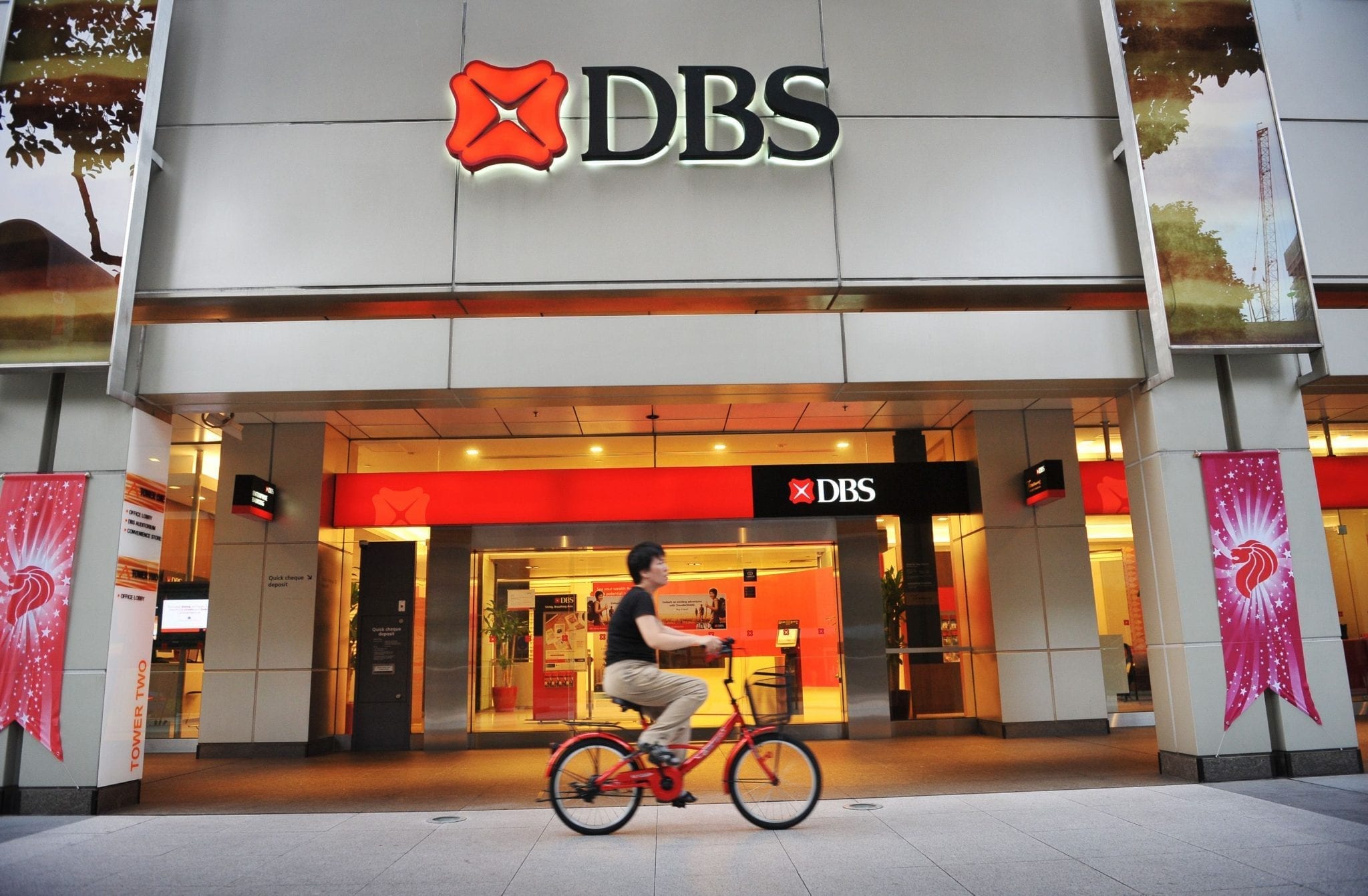
  • DBS in Advanced Talks for Citi’s India Consumer Unit

    DBS in Advanced Talks for Citi’s India Consumer Unit

    Citi is keen to exit its India consumer banking operations soon and would like to sell the entire set-up in one go, sources told India media.

    Talks with DBS Bank are at an advanced stage and they are keen to take up the entire consumer banking operation,» a person familiar with the matter said.

    DBS was one of the first foreign lenders to operate a wholly-owned subsidiary in India, and has been keen to expand operations in the country. Last year, it took control of loss-making Lakshi Vilas Bank and merged it with its India entity.

    DBS chief executive Piyush Gupta said,the bank is always looking at assets that could be beneficial to the franchise, but we do want to get caught in a bidding frenzy, when asked about the bank’s interest in Citi’s retail assets in Asia at a media briefing last week on DBS’ first-quarter results.

    Standard Chartered and local lenders Kotak Mahindra Bank and Axis Bank are also said to be interested, while SBI Cards and Payment Services is eyeing Citi’s credit card portfolio there. Private lender Yes Bank also joined the list of interested parties.

    In February, Citi announced its intention to exit its consumer banking business in 13 markets, 10 of which are in Asia, in a move to double down on wealth.

    Citibank India has 35 branches and employs 19,000 people,  serving 2.9 million retail customers, including 1.2 million bank accounts and 2.2 million credit card accounts, according to «Mint.» It has a 6 percent market share of retail credit card spends in India.

  • Honda Vietnam to recall cars over fuel pump issue

    Honda Vietnam to recall cars over fuel pump issue

    Honda Vietnam has announced it would recall 27,640 locally assembled and imported vehicles to resolve a fuel pump malfunction.

    The affected models are City (8,626 units), Civic (3,624 units), CR-V (10,687 units), HR-V (3,630 units), Jazz (630 units) and Accord (442 units) made in 2019. Out of nearly 28,000 defective vehicles, 19,014 were locally assembled, with the rest imported from Thailand. The recall will start this Wednesday.

    Faults related to the fuel pump installed in these vehicles may involve defective impellers. Over time, the pump may crack, deform and prevent the engine from starting or stalling.

    At present, there is no record of safety threats due to the fuel pump error in the Vietnamese market. Vehicle owners are advised to visit authorized dealerships to have their engines checked.

    Replacements will be made when spare parts become available. Spare parts and related services would be completely free of charge. For vehicles imported through non-genuine import dealerships, in case customers request, Honda Vietnam would still provide relevant information.

    Honda was the fourth best-selling auto brand in Vietnam in the first quarter of this year with 6,782 units sold, up 24.7 percent year-on-year.