Tag: asia

  • Clubhouse for Android beta now in the Play Store

    Clubhouse for Android beta now in the Play Store

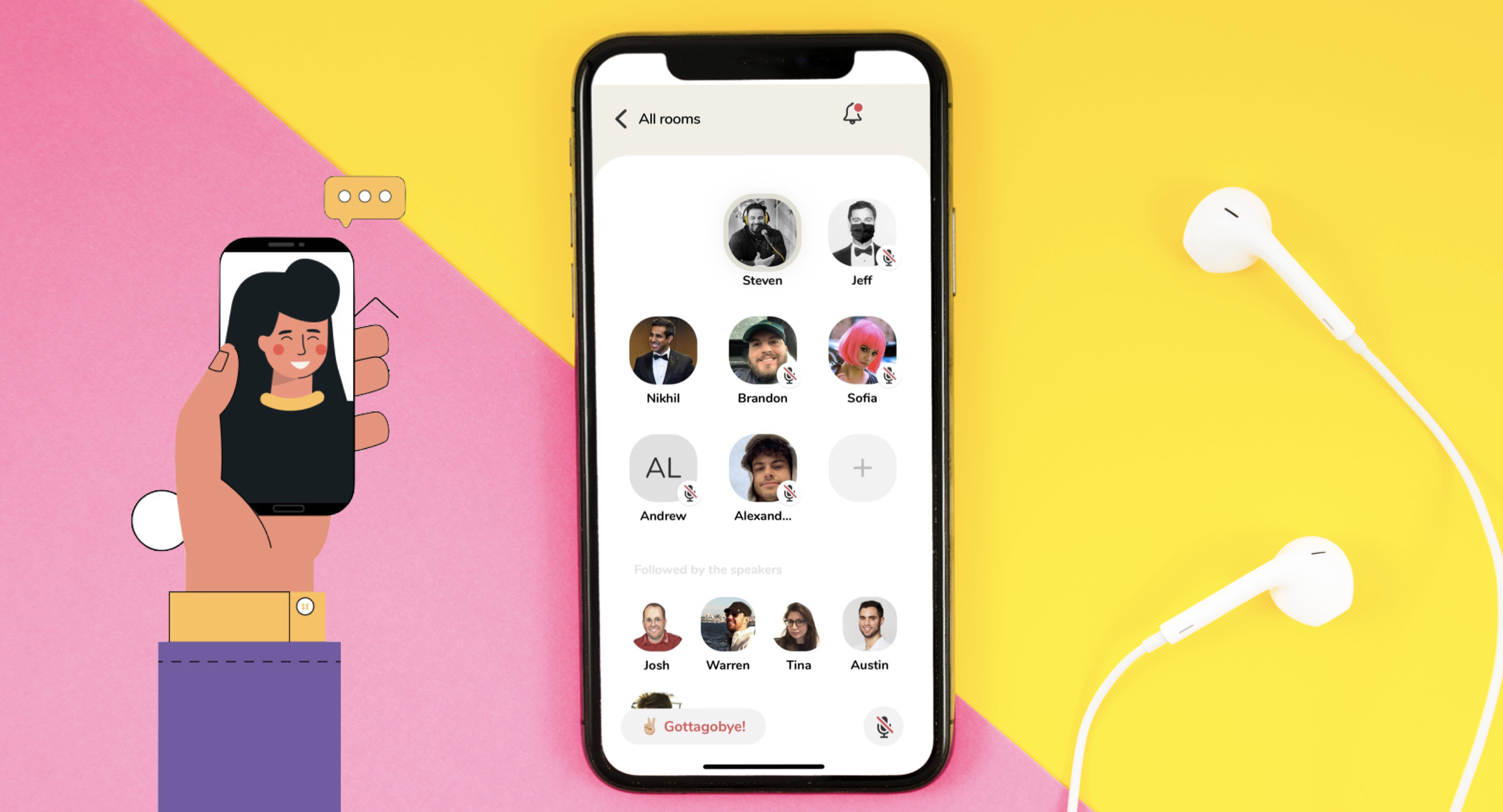
    Audio-only group chat app Clubhouse was extremely popular at the beginning of the year. At the time, the app, which requires an invitation to join, was only available in the Apple App Store. In late March, Clubhouse founder Paul Davison said that an Android version of the app was still months away, but today Clubhouse announced that a beta version of its Android app has become available on the Google Play Store.

    The app certainly needs the boost that will occur from being available on the platform that the vast majority of smartphone users around the world have installed on their devices. Consider that in February, the app was installed 9.6 million times worldwide with 2.7 million installs rung up during the following month. But in April, that number dropped to 922,000 downloads globally.

    Without the necessary invitation, all you can do with the Android app is reserve your username and get put on a waiting list. Eventually, the invitations will disappear and Clubhouse will be open for anyone to join. But at the moment, without an invite, you are not getting into the clubhouse regardless of the platform you are using.

    “With Android, we believe that Clubhouse will feel more complete. We are so grateful to all of the Android users out there for their patience,” co-founders Davison and Rohan Seth wrote in a company blog post. “Whether you are a creator, a club organizer, or someone who just wants to explore, we are so excited to welcome you to the community.”

    The early success of Clubhouse has spawned a number of copycats including Twitter’s Spaces. It seems that all of the big social media names want to have a presence in this space so the competition is going to continue to pick up. Clubhouse still has the advantage of being first although its invitation system might feel like a big turn-off to those who would love to be using the app right away.

    Still, this has been Clubhouse’s plan from the beginning. As it pointed out in today’s blog post, “We’ve always taken a measured approach to growth, keeping the team small, building in public, and getting feedback from the community along the way. When you scale communities too quickly, things can break. So we started Clubhouse on a single platform and have expanded gradually through an invite model.”

    Being placed on the waiting list can help you snag an invite, or if you know an existing user, you can ask him or her for one. The app is launching today in the U.S. followed by other English-speaking countries, and then the rest of the world. Clubhouse says that over the next few weeks, it plans to ask for feedback from the community, fix issues, and add new features such as “payments and club creation.”

    As for the invitations, Clubhouse says that it will keep “growth measured” by continuing the current system although it will open up some more during the summer. It expects millions of of more iOS users to join the more than 10 million iOS users who have already installed the app.

    You can now install the Clubhouse for Android beta from the Google Play Store, but be careful. There is already an app called Clubhouse that has nothing to do with the one we are looking for. So make sure that you search for Clubhouse: Drop-in Audio Chat. To save you some time, simply tap right here. The iOS version of Clubhouse, also using the title Clubhouse: Drop-in Audio Chat, can be installed from the Apple App Store.

    It will be interesting to see what the future holds for Clubhouse and for the format of audio-only group chat.

  • Moncler unveils Enfant boutique in Hong Kong

    Moncler unveils Enfant boutique in Hong Kong

    Moncler announces the opening of its new boutique entirely dedicated to the Moncler Enfant collection in Ocean Terminal, further strengthening its brand presence in the luxury shopping mall through the already existing flagship store opened in 2017.

    The store spans over 140 square meters, of which nearly 100 square meters dedicated to sales. The store will be divided into two areas. The front room will be finished with a mix of fine materials such as chêne fume paneling, walls covered with wooden boiserie in red, orange, yellow, and beige red colorways, smoked oak parquet, and handmade red carpets with polka dots in dark red and yellow that adorn the floor. The second room will be finished with polka dots wallpaper and handmade yellow carpets.

    Inspired by the Moncler heritage, a brand born in the mountains, a small cable car from Italy will be displayed in the store to create a more playful area, taking a step closer to the children’s world. The new premises reflect the iconic and unique Moncler aesthetics, creating the distinctive warm and welcoming atmosphere peculiar to House’s stores worldwide.

    The Moncler Enfant collection features the mini-me version of the Moncler collections, the hallmarks of which are adapted to children’s needs for practicality and flexibility as well as re-interpreted with a playful and exciting exploration of new styles and colorway

    Moncler has delved into a brighter world for the imagining of its Spring-Summer 21 Enfant Collection. The season’scolorful universe – inspired by soft spring afternoons and the joy of sport – is heightened by technical innovations and advanced fabrications that bestride the most transient of seasons with ease. Higher featherweights for the early season give way to airy layers for later in spring, with particular care given to the development of categories such as T-Shirts and trousers for a modular approach to dressing that’s totally in tune with children’s energy.

  • Hollister teams with social media stars to launch new brand Social Tourist

    Hollister teams with social media stars to launch new brand Social Tourist

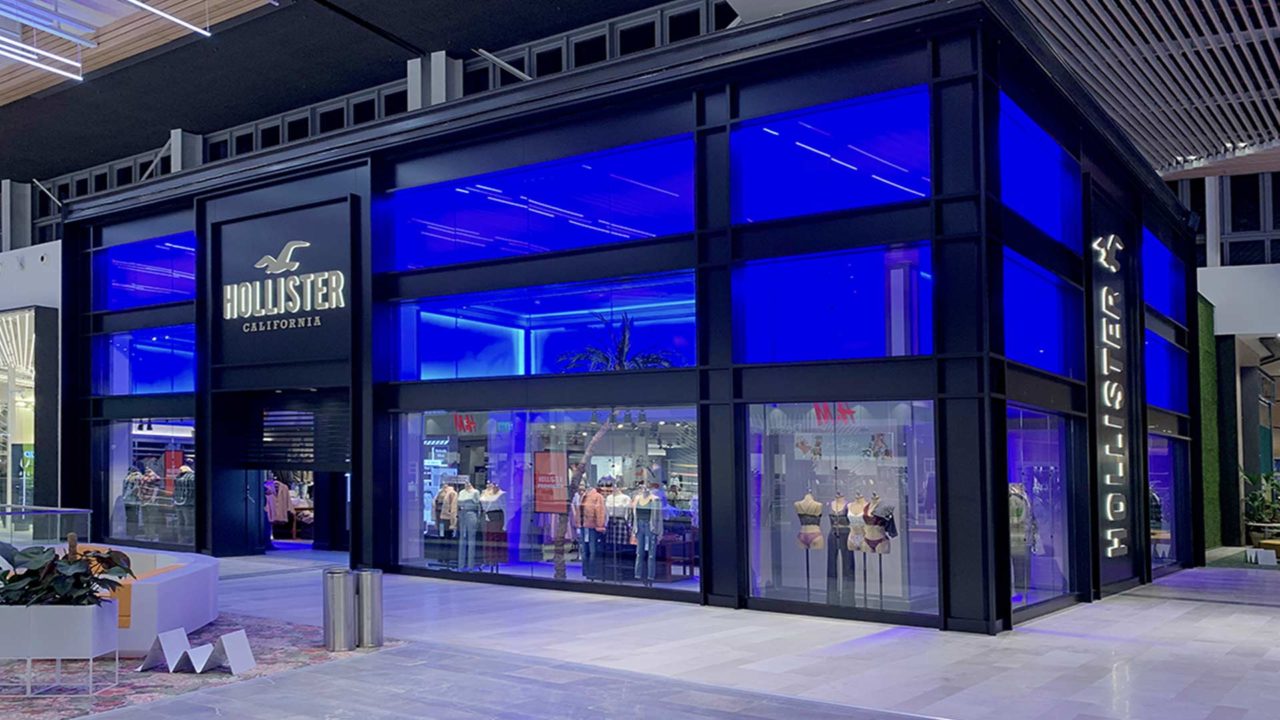
    Hollister Co., a division of Abercrombie and Fitch is building upon its successful relationship with leading social media personalities Charli and Dixie D’Amelio to launch Social Tourist, a new trend-forward apparel brand within the Abercrombie & Fitch Co. portfolio. For its initial May 20 launch, Social Tourist will be available exclusively in Hollister stores and online.

    The launch of Social Tourist marks the beginning of an exclusive, multi-year apparel agreement between Abercrombie & Fitch Co. and the D’Amelio sisters. The new brand has been imagined and inspired by Charli and Dixie’s experiences at the epicenter of social media, and also reflects Gen Z’s unique lens of living in a digitally native environment. Hollister has leveraged its pool of talent, resources, and global reach, as well as its connection to the global teen customer, to authentically bring Charli and Dixie’s vision to life.

    Working together with Hollister, Charli and Dixie have been involved in every aspect of Social Tourist, including product selection, design, branding, positioning and marketing. The family has a strong background in the apparel industry with their father, Marc D’Amelio, having over 30 years of experience in sales and design. Marc will serve as a consultant for Social Tourist.

    Social Tourist will have four distinct apparel lines: gender-inclusive items, trend pieces such as dresses and skirts, everyday essentials featuring premium basics, and swim. Each collection will include limited-edition items, with new products dropping approximately every month.

    “We’ve always loved fashion, and it’s been amazing to be so involved in this process. We feel like Social Tourist really represents both of us and explores how our generation is balancing who they are on social media with real life,” said Dixie D’Amelio. “The first product drop is all about introducing the brand to our fans, and the second drop in June reflects our individual personalities – designs that reflect Dixie’s personality are a bit edgier, with dark color palettes and patterns, where my vibe is shown through super feminine and cute styles. We can’t wait to put our vision out into the world!” added Charli D’Amelio.

    “Charli and Dixie are the quintessential example of what it’s like to grow up in the digital world, and we’ve always believed they authentically represent our teen customers’ mindset both online and in real life. We’re thrilled to unlock new opportunities for all of us beyond our co-created products, which strongly resonated with our global customers. Given the high demand, we knew we could take our relationship further,” said Kristin Scott, Global Brand President at Abercrombie & Fitch Co. “Creating a new brand virtually was no small feat, but the excitement and energy of the D’Amelio family, combined with the talent and experience of the Hollister family, has allowed us to push boundaries and make this a reality.”

    In working with Hollister since 2020, the social media stars have served as “Chief Jeanealogists,” where they tested and approved every aspect of Hollister’s denim; launched the #MoreHappyDenimDance TikTok challenge, which garnered over 5.4 billion views worldwide; and dropped a series of limited-edition, co-created collections. The sisters currently have a combined 250 million followers across their social media handles and in November 2020, Charli became the first TikTok user to surpass 100 million followers on the platform.

    Abercrombie & Fitch Co. is represented by Philip Daniels of Ginsburg Daniels Kallis and Bruce Paige of Vorys, Sater, Seymour and Pease. The D’Amelios are represented by UTA and Gary Stiffelman, Robert Kahan, and Kevin Yorn.

    Safe Harbor Statement under the Private Securities Litigation Reform Act of 1995

    A&F cautions that any forward-looking statements (as such term is defined in the Private Securities Litigation Reform Act of 1995) contained herein or made by management or spokespeople of A&F involve risks and uncertainties and are subject to change based on various important factors, many of which may be beyond the Company’s control. Words such as “estimate,” “project,” “plan,” “believe,” “expect,” “anticipate,” “intend,” and similar expressions may identify forward-looking statements. Except as may be required by applicable law, we assume no obligation to publicly update or revise our forward-looking statements.

    Risks and uncertainties related to the duration and impact of the COVID-19 pandemic on the Company and the factors disclosed in “ITEM 1A. RISK FACTORS” of A&F’s Annual Report on Form 10-K for the fiscal year ended January 30, 2021, in some cases have affected, and in the future could affect, the company’s financial performance and could cause actual results for fiscal 2021 and beyond to differ materially from those expressed or implied in any of the forward-looking statements included in this press release or otherwise made by management.

  • Korean convenience stores start selling Covid-19 self-testing kits

    Korean convenience stores start selling Covid-19 self-testing kits

    Coronavirus self-test kits became available in supermarkets and convenience stores across the country Thursday as South Korea is seeking to step up its testing capacity with no letup of new virus cases insight.

    Self-test kits by two local drugmakers – Humasis Inc. and SD Biosensor Co. – have been sold at local pharmacies after receiving approval for emergency use last month, and they have hit shelves of supermarkets and convenience stores to provide easier access to the public.

    GS25, a convenience store chain, on Wednesday, started sales of test kits by Humasis and SD Biosensor at some of its stores, and its rival 7-Eleven said it will begin sales Friday.

    E-Mart, the nation’s largest discount store chain, said its major outlets in Seoul began to offer Humasis’ test kits earlier in the day and will distribute more in other stores.

    CJ Olive Young, a major health and beauty store chain, said it will sell Humasis’ kits starting Friday at offline stores and on its online channel, with a parcel delivery service available.

    A growing number of new cases has prompted the nation’s health authority to approve the use of at-home virus tests to detect patients at an early stage.

    Users can collect samples from their noses on their own for testing, and the results come out within 15-30 minutes.

    If users receive a positive result from the self-test, they are required to visit screening stations to undergo preemptive polymerase chain reaction (PCR) tests to get a more accurate result.

    On Thursday, the country reported 574 more COVID-19 cases, raising the total caseload to 125,519, the Korea Disease Control and Prevention Agency said.

  • Havaianas has best quarter in a decade as China sales surge

    Havaianas has best quarter in a decade as China sales surge

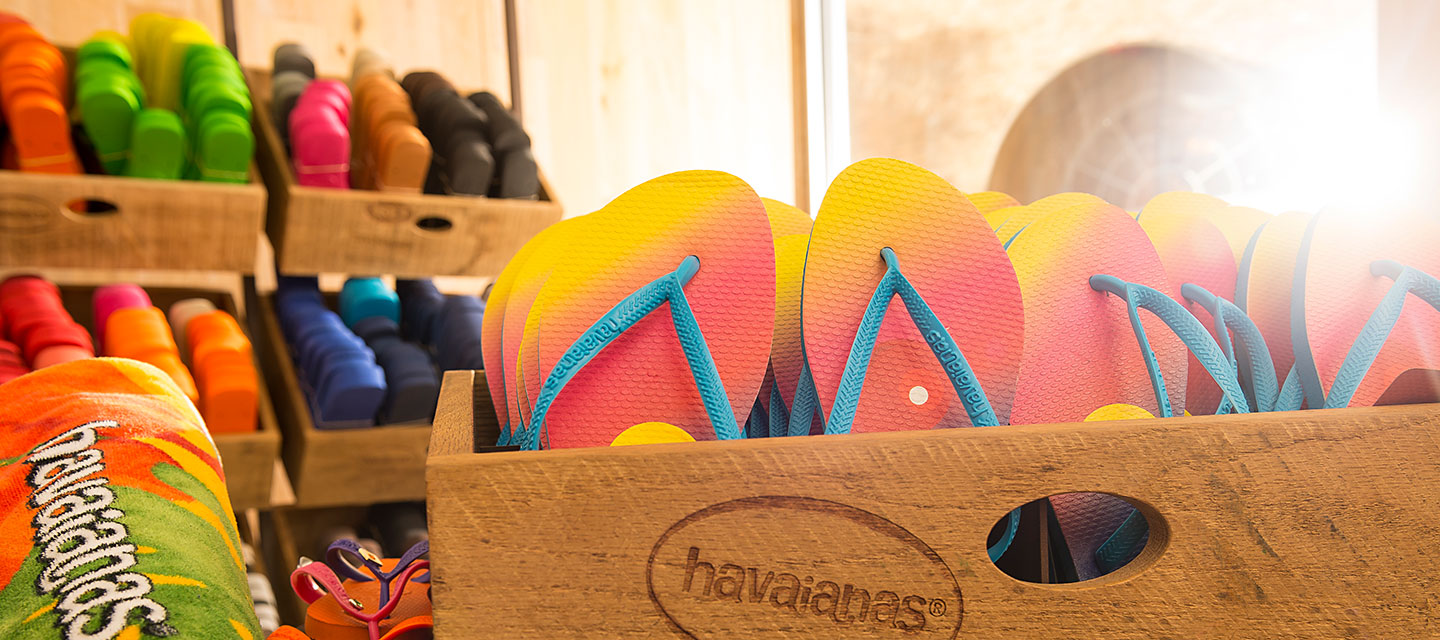
    Havaianas’ global expansion — prioritizing Europe, China, and the U.S., in addition to Brazil — remains on a strong path. The world market leader in open footwear delivered revenue growth in all regions, including distributors. Outside Brazil, net revenues in constant currency reached R$317.9 million (~US$59.2 million) in 1Q21, climbing 27% year-over-year. Volume increased 34.3% in the period to 7.9 million pairs/pieces. At 24%, EBITDA was 16 p.p. higher than a year earlier.

    On May 3, Havaianas brand owner Alpargatas announced the acquisition of technology startup company ioasys to boost the Havaianas brand growth, with global expansion, acceleration of online sales, and extension of the product portfolio as its pillars. Acquired company ioasys has a proven track record of success in end-to-end digital solutions and a strong culture centered on user experience.

    In the so-called Big Bets, or priority markets, year-over-year growth in net revenues in constant currency reached 26% in Europe, 13% in the U.S., and 736% in China in 1Q21. All these markets also saw margin gains.

    “Havaianas is stronger than ever, inspired by people in Brazil and around the world. The brand has expanded globally, accelerated online sales, and broadened its portfolio with innovation and sustainable technologies. We take pride not only in our ability to expand revenues and profits, but also to support society in the fight against the pandemic and in socio-environmental causes. We are on the right track to capture the full potential of Havaianas,” says Beto Funari, CEO of Alpargatas, owner of Havaianas, a brand that is present in more than 130 countries. The Brazilian multinational disclosed earnings on Monday, May 3.

    After a solid performance in 2020, the company had its best first quarter in a decade, delivering expanding revenues, margins, and EBITDA. Consolidated net revenues climbed 32.7% year-over-year to R$901.3 million (~US$168 million). Recurring EBITDA totaled R$158.7 million (~US$ 29.6 million), almost double the figure seen in 1Q20. Recurring net income increased 73.3% year-over-year to R$135 million (~US$25.1 million). These results supported cash generation of R$237 million (~US$44 million), and the company ended the quarter with a financial position of R$698 million (~US$130 million).

  • eSIM and its impact in an hyperconnected world

    eSIM and its impact in an hyperconnected world

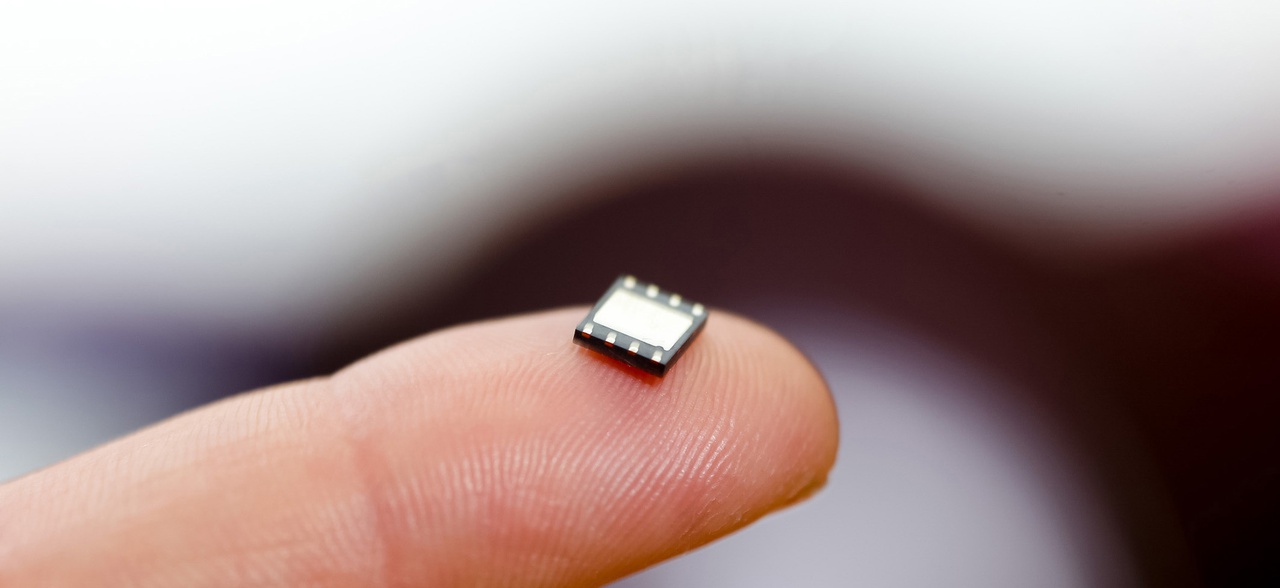
    Powered by 5G, eSIM or embedded subscriber identity module is a rising technology that is threatening to replace traditional SIM cards. With 5G revolutionizing connectivity, eSIM emerges as a seamless way to harness greater connectivity between a future of billions of IoT devices. Instead of relying on physical SIM cards, eSIM is the embedded alternative that uses remote SIM provisioning (RSP) to download a user’s profile onto a device, to provide users full control of connectivity management and the ability to switch networks as desired.

    Last year, eSIM adoption grew in the wake of the pandemic. In the coming years, this trend will continue to persist. According to recent findings from Juniper Research, the number of eSIMs embedded in connected devices will more than double from 1.2 billion this year to 3.4 billion in 2025. Of which, 94% of global eSIM installations in 2025 can be attributed to the consumer sector.

    In the consumer market, eSIM is deployed in tablets, smartphones, laptops, and wearables. Some smartphones from Apple, Google, Huawei, and Samsung are already supporting eSIM, though they continue to allow for physical SIM. Last year, Motorola released the world’s first eSIM-only smartphone.

    With IoT on the rise, connectivity is one of the important considerations when developing future-proof tech solutions. Across industries, automotive is one of the areas that fuel eSIM deployment. For instance, Tesla’s electric vehicles use eSIM to power in-car connectivity. Juniper Research predicts that other industries such as oil and gas, manufacturing, and logistics industries will also experience a hike in eSIM adoption to power connectivity, with eSIM installations growing from 28 million to 116 million by 2025.

    For many, it is becoming clear that eSIM is the future for IoT connectivity as it offers a level of flexibility not provided by traditional SIM. Since all IoT subscriptions and connectivity can be carried out through a single embedded source, this significantly simplifies SIM management for as many devices across geographies. For enterprises or governments, eSIMs can also be used for asset tracking, with each IoT device being remotely and automatically provisioned to an optimal carrier profile.

    For consumers, eSIM is the seamless management of subscriptions whereby they no longer need multiple SIM cards for different connections. In this pandemic, eSIM offers the advantage of subscribing to a connectivity service without having to physically purchase a SIM.

    For MVNOs, tech giants, and device manufacturers, eSIM is the ideal avenue to generate new revenue streams. For device manufacturers, for instance, it means the ability to create smaller products without a SIM card and an opportunity to optimize supply chain processes.

    Of course, more entrants into the mobile market is unsettling for network operators that fear disruption and stiffer competition in addition to having to build costly cellphone towers to support 5G networks. At the same time, telecom operators cannot ignore the fact that future IoT devices will be better served with eSIMs. With brands like Apple and Google, which have massive followings offering eSIM, operators are pressured to catch onto the eSIM fad to avoid being displaced.

    According to GSMA, about 175 mobile operators launched eSIM for smartphones across 69 countries by the end of last year. Amongst these operators, Vodafone Group leads in eSIM roll-out.

    In Asia, Singtel and China Unicom launched an eSIM network swap service last December to allow devices equipped with China Unicom eSIM to automatically switch profiles to Singtel’s in Singapore. In India, the three largest telecom operators Airtel, Jio, and Vi have started to offer eSIM functionality for supported devices. For operators, eSIM roll-out achieves customer churn, creating opportunities for up-selling and cross-selling services and packages.

    To stay ahead, Tata Communications is going beyond connectivity to expand competency in mobility and IoT. Last October, Tata Communications partnered with Micron for a cloud-based eSIM business. In December, the company acquired a majority equity stake in a France-headquartered eSIM technology provider. The acquisition was motivated by enterprises’ heavy reliance on mobile devices to operate and access data in the cloud and an upward trend in machine-to-machine (M2M) connections worldwide.

    According to Ecosystem, Asia-Pacific is poised to lead in IoT by 2023. With connectivity becoming more pervasive in our everyday lives, there is no doubt that eSIM will play a pivotal role in ushering in a new era in consumer and enterprise applications.

  • DBS has Strong Interest in Cryptocurrencies

    DBS has Strong Interest in Cryptocurrencies

    The bank is seeing more traction for its crypto assets business, which provides cryptocurrency trading and digital custody for accredited investors.

    Daily trading value on DBS’ digital exchange has grown tenfold since its launch to reach $30-40 million, with an investor base of 120 accredited investors and some S$80 million in digital assets under custody, DBS chief Piyush Gupta said at a media briefing last week as it announced its first-quarter results.

    I do think given the amount of interest in all the four cryptos that we trade now, that interest is quite high. And therefore, I do think it will pick up. But whether it picks up to tens of millions, or hundreds of millions of income over the next few years, it’s hard to say. So my thinking is, we should get in there, figure it out and grow and then we’ll get a better sense for how big this could be in time,» Gupta said, adding that the bank has a pipeline of hundreds of customers.

    The DBS Digital Exchange offers exchange services between SGD, USD, HKD, JPY, and four of the most established cryptocurrencies: bitcoin, ether, bitcoin cash, and XRP. Gupta said the bank would be scaling the business in subsequent quarters by issuing security tokens and extending the exchange’s trading hours, which currently works during Asian trading hours, to round-the-clock.

    Earlier this month, the bank also announced the development of Partior – an open industry platform with Temasek and J.P. Morgan that aims to reimagine and accelerate value movements for payments, trade, and foreign exchange settlement.

  • Gojek shifts gears to introduce car rides in Vietnam

    Gojek shifts gears to introduce car rides in Vietnam

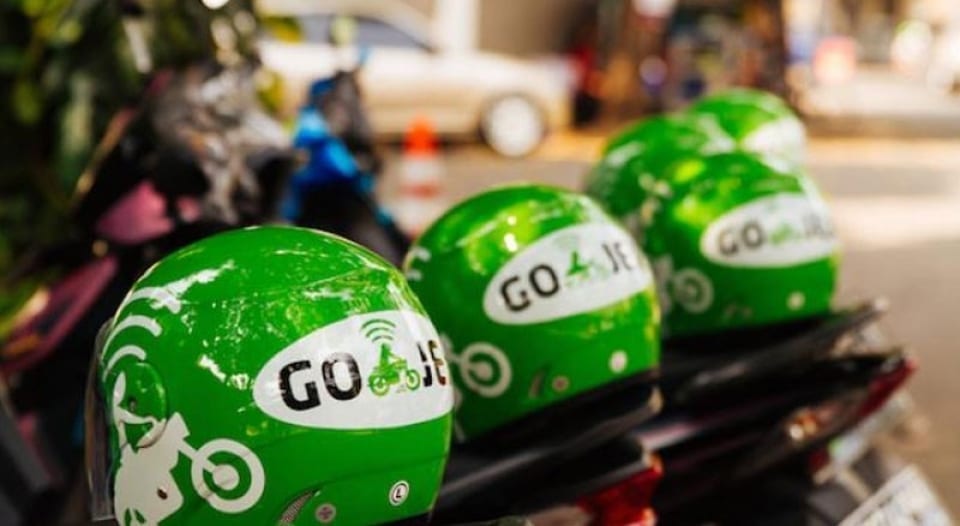
    Indonesia-based ride-hailing company Gojek will start offering car rides service in Vietnam in the next few weeks and allow cashless payments later this year.

    Gojek Vietnam CEO Phung Tuan Duc said Wednesday that the new service will be called GoCar.

    He did not mention a specific date for the launch but said the service will comply with all pandemic prevention measures.

    Duc said that although Gojek is a latecomer for its GoCar service, “the ride-hailing market and on-demand services will continue to flourish, with lots of space for other ride-hailing players to develop. So we have confidence in expanding the business.”

    Administrators of Gojek drivers’ official group on Facebook announced that car drivers introduced to Gojek by transport cooperatives can become the riders for the GoCar service. A total of 17 transport cooperatives have been working with Gojek.

    Gojek entered Vietnam in August 2018 as GoViet. The company became Gojek Vietnam last year. It offers three services at present – motorbike rides (Gojek), delivery of goods (GoSend), and food delivery (GoFood). Other ride-hailing companies like Singapore’s Grab and Vietnam’s Be have all these three services plus car rides.

  • Ferrari Vietnam recalls cars over faulty airbags

    Ferrari Vietnam recalls cars over faulty airbags

    Ferrari Vietnam is recalling 24 cars for airbag faults that can cause severe damage in the event of a crash.

    The recall covers five models: 458 Speciale, 488 GTB, 488 Spider, California T, and F12 Berlinetta. The recalled cars were produced between March 2014 and July 2017, according to a statement submitted by the automaker to the Vietnam Register.

    The front passenger airbags in these vehicles are produced by Japanese auto parts producer Takata Corporation. It has been found that humidity can penetrate and damage them. In some crashes, activation of the airbag can break the inflator inside into pieces and push them through the inflated airbag, causing serious damage to users

    Customers can bring their vehicles for a free replacement of the faulty parts at Ferrari’s only showroom and service center in HCMC. The replacement should take one to three hours. The recall will run in one year from May 7, 2021.

    Ferrari opened its first showroom in HCMC’s District 7 in 2019 to sell old cars and provide maintenance service. Recently, it started to sell new Ferraris in Vietnam, but is yet to make a sale.

  • Rice exports cross $1 bln on higher prices

    Rice exports cross $1 bln on higher prices

    Vietnam has exported $1.01 billion worth of rice in the first four months of 2021, up 1.2 percent year-on-year, thanks to higher rice prices.

    The volume of rice exports during the period dropped 11 percent year-on-year to 1.9 million tons, according to the Ministry of Industry and Trade.

    However, as the average export price rose 13.4 percent year-on-year to $534 per ton, its value topped that of last year.

    The Vietnam Food Association has forecast that the nation’s rice export value will continue to rise because of higher selling prices.

    Vietnam plans to produce 43 million tons of paddy and targets exporting 6.5 million tons of rice this year, according to the Ministry of Agriculture and Rural Development.

    The nation was the world’s second-largest rice exporter last year at 6.25 million tons.

  • Petrolimex reports $44 mln profit

    Petrolimex reports $44 mln profit

    Petrolimex has reported pre-tax profits of over VND1 trillion ($44 million) in the first quarter thanks to the Covid-19 pandemic being contained and rising global oil prices.

    It has made a loss of VND1.7 trillion in the same period last year.

    The management of the country’s top fuel retailer said oil prices had risen 24 percent from last year to over $59 per barrel by the end of March.

    In the same period last year, they had plummeted 66 percent to around $22 per barrel.

    Revenues in the first quarter remained virtually unchanged from a year earlier, at VND38.2 trillion.

    It has targets of VND135.2 trillion in revenues and VND3.3 trillion in pre-tax profits, up 9 percent and 138 percent respectively, for the full year.

  • OCBC Posts Record High Quarterly Net Profit

    OCBC Posts Record High Quarterly Net Profit

    The quarter’s earnings were driven by broad-based income growth and lower allowances. OCBC Bank recorded a net profit of S$1.5 billion ($1.13 billion) for the January-March period, a jump of 115 percent from the same period last year (S$698 million), and 33 percent higher than the preceding quarter (S$1.13 billion), according to financial results posted on Friday.

    The bank said the record quarterly profit was driven by broad-based income growth and lower allowances. OCBC hit a new high in fee income (S$585 million), while making a far smaller allowance compared with the year-ago period (S$161 million vs. $657 million). Performance was also boosted by its insurance arm Great Eastern, which reported a twelvefold increase in profits this quarter.

    Income from wealth management, comprising insurance, premier and private banking, asset management and stockbroking, rose 40 percent to S$1.21 billion – 41 percent of the group’s total income.

    Assets under management at Bank of Singapore, its private banking arm, rose 1 percent from the previous quarter to reach $123 billion as at 31 March 2021.

    OCBC highlighted growing momentum from renewed market optimism across its businesses, as well as improved quarterly earnings from its overseas banking subsidiaries.

    While we remain watchful of the prevailing risks in the operating environment, our strong balance sheet and capital position will enable us to capitalize on opportunities arising from improved economic conditions, particularly in ASEAN and Greater China,» OCBC chief Helen Wong said.

    Earnings at Singapore’s «big three» local banks all beat analyst estimates (DBS: S$1.44 billion, OCBC: S$1.13 billion, UOB: S$891.4 million, according to Refinitiv).

    DBS, which announced its first-quarter results last week, also experienced a strong quarter, doubling its income from the quarter before to reach S$2.01 billion and posting record wealth management fees.

    UOB’s earnings grew to S$1 billion for the same period – up 46 percent on the back of strong fees, trading and investment income.

  • Arnott’s buys Kiwi biscuit maker 180 Degrees

    Arnott’s buys Kiwi biscuit maker 180 Degrees

    Arnott’s has bought New Zealand artisan biscuit maker 180 Degrees to add to its stable of sweet and savory crackers.

    The FMCG company bought the business from private equity investor KKR, for an undisclosed sum.

    Founded in 2001 by Frank Lawton, his partner Jill Seton, and Nigel Cranston, 180 Degrees has steadily built a distribution network across New Zealand and into Australia, where its products are stocked by Coles.

    Seton told the National Business Review the business was founded on passion and grew into a premium business. She said Arnott’s shared the founders’ appreciation for legacy and would continue to build the brand.

    Seton and Lawton describe themselves as “massive foodies” who used to travel the world as a butler and chef duo.

    “After years of experiencing the best of international food we settled back into New Zealand life,” she explains on the company’s website. “Our passion for entertainment and good food inspired us to make a beautiful selection of crackers and biscuits to be enjoyed on all social occasions.”

  • Samsung Internet gets a bucketload of new features after latest beta update

    Samsung Internet gets a bucketload of new features after latest beta update

    Samsung Internet has become a very decent mobile browser thanks to the many updates Samsung released in the last year or so. Less than a month ago, the South Korean giant released Samsung Internet 14.0, but work on the next version of the browser has already begun.

    Those of you who don’t mind installing beta apps can now download Samsung Internet 14.2 beta, a new version of the browser that brings a wide range of new features and improvements.

    An important new feature involves site permission. This beta version of Samsung Internet lets users customize individual site permission, as they can now activate or deactivate permissions by switching on/off at the sites list. For the time being, permissions are available for Location, Camera, and Mic.

    A Bookmark Bar now shows up in the upper toolbar area in DeX mode and on tablets. You’ll need to enable the “Show bookmark bar” menu so that the bookmark bar is shown. Context menus like “Open in new tab” and “Edit bookmark” are supported too.

    The “Continue Apps on other devices” feature is getting a couple of improvements. For example, you can now use Samsung Internet on a different Samsung device and automatically sync clipboards across devices for copying and pasting text and images. However, for the feature to work, devices will need to be on the same Wi-Fi network with Bluetooth enabled to use Continue Apps.

    Several other features and enhancements have been included in Samsung Internet beta 14.2, such as S Pen Air Action, tab bar GUI enhancement, update popup for new password fill, quick access page at fresh launch, and tip card for desktop view setting.

    The new beta version of Samsung Internet Browser is available for download via Galaxy Store and Google Play Store.

  • Vietnam stock market daily trading value closes in on Singapore

    Vietnam stock market daily trading value closes in on Singapore

    The average daily securities trading value surged 5.6 times year-on-year in April to $725 million, nearly equivalent to that of Singapore, according to HSBC.

    The lender said in a recent report that the figure, which far exceeds those of Malaysia and Indonesia, was due to the increase in new investors and recovery of the economy.

    In March, the number of new trading accounts hit a record 113,900, taking the total to over 3.02 million.

    The economic recovery is underpinned by strong FDI flows, improvements in the manufacturing segment, and increased consumption, the report said.

    The benchmark VN-Index has risen 12.9 percent in the year-to-date compared to 4.2 percent for Asia ex-Japan.

    The index has repeatedly scaled new peaks this year after surpassing the psychological barrier of 1,204 points first reached in 2018.

    HSBC expected the market to continue to rise in the absence of alternative asset classes and bank deposit rates in decline.

    Though foreign investors have been pulling out of the stock market, HSBC said they would not be able to ignore Vietnam for much longer since it has proved to be one of the most resilient growth economies and 24 out of the 30 blue chips have still not reached the foreign cap.

    Besides, despite rising to record levels, the VN-Index remains 5 percent lower than its five-year average level with a price-to-earnings ratio of 15.1.