Tag: asia

  • Banks dominate Vietnam’s profit makers list

    Banks dominate Vietnam’s profit makers list

    Seven banks are in the list of Top 10 most profitable listed companies in Q1, recording increases in pre-tax profits.

    Topping the list are two state-owned lenders Vietcombank and VietinBank. The former recorded VND8.6 trillion ($373.9 million) in pre-tax profits, up 65 percent year-on-year, while the latter posted VND8 trillion, up 171 percent.

    Another state-owned bank, BIDV, made it to the list at eighth place, with pre-tax profit surging 87 percent to VND3.4 trillion.

    The surge for the three state-owned banks follows very low figures recorded in the same period last year as a result of the onset of the Covid-19 pandemic.

    Of the four private banks in the top 10 list, Techcombank ranked fifth with a 77 percent surge in pre-tax profits to VND5.5 trillion. It was followed by MBBank and VPBank, posting 108 percent and 38 percent rises in pre-tax profits to VND4.58 trillion and VND4 trillion, respectively.

    Private lender ABC was in tenth place with pre-tax profits rising 61 percent to VND3.1 trillion.

    Like the state-owned lenders, the four private banks experienced an increase in net interest income as well as non-interest income well above the growth in operating costs and provision for doubtful debts.

    Brokerage Rong Viet Securities Corporation (VDSC) has forecast the banks will continue to see profit growth in the next three quarters. However, growth would not be as high as the 50 to 100 percent-plus rates of Q1.

    Steelmaker Hoa Phat Group was the most profitable non-bank enterprise on the list, ranking third, up from the eighth place in the same period last year.

    It was the only non-bank enterprise in the top 10 that saw a growth in pre-tax profit, which tripled to VND7.7 trillion.

    The steel giant has benefited from surging steel prices that have lifted its revenue for the period by 60 percent year-on-year to VND31 trillion.

    The other two non-bank enterprises in the list, real estate giant Vinhomes and diary giant Vinamilk, both experienced a drop in profits.

    Vinhomes reported VND7 trillion in pre-tax profits, down 30 percent, to rank fourth on the list.

    Vinamilk’s pre-tax profits fell 6 percent to VND3.15 trillion as it finished Q1 as the ninth most profitable listed firm.

    Two enterprises in Q1 2020 top 10 list, have fallen out – the state-owned Petrovietnam Gas Corp (PV Gas) and main airport operator Airports Corporation of Vietnam (ACV).

    PV Gas saw its pre-tax profits fall 10 percent due to surging selling expenses and operation costs. The ACV, meanwhile, saw its pre-tax profits fall to half that of the same period las year as the pandemic hit the aviation industry particularly hard, slashing deeply the number of flights and passengers.


  • Vietravel eyes stake sale in new airline

    Vietravel eyes stake sale in new airline

    Vietravel is seeking to sell an unspecified stake in its new airline which began flying earlier this year.

    The travel giant will seek shareholders’ approval at the annual general meeting at the end of this month to sell the stake. Vietravel Airlines is wholly owned by Vietravel.

    It began operating on several domestic routes amid the Covid-19 pandemic with three aircraft and is not expected to break even for at least a few years.

    Last year Vietravel reported a loss of VND90 billion ($3.9 million), twice the profit it earned in 2019.

    It made a loss of VND70 billion in the first quarter of this year.

    But it targets a pre-tax profit of VND10 billion this year.

  • Arnott’s teams with Krispy Kreme to create doughnut-inspired biscuits

    Arnott’s teams with Krispy Kreme to create doughnut-inspired biscuits

    Australian biscuit maker Arnott’s has teamed up with Krispy Kreme doughnuts to create a new range of doughnut-inspired Teevee snack biscuits called “dough-scuits”.

    The mini doughnut-shaped snacks come in five different flavors inspired by the doughnut brand – Original Glazed, Caramel Delight, Choc Iced, Strawberry Sprinkle, and Kookies & Kreme.

    The biscuit line is the second collaboration between these two snack food brands: last April, Krispy Kreme released a chocolate glazed doughnut topped with an Arnott’s Mint Slice biscuit.

    “Teevee snacks are a classic, well-loved Australian biscuit, and we’re thrilled to partner with Krispy Kreme to add a new twist to this iconic treat,” said Krishma Sood, brand manager at Arnott’s.

    “With a range inspired by some of Australia’s most popular doughnuts, this new generation of ‘dough-scuits’ is the collaboration Teevee snacks fans have been waiting for!”

    The new Teevee dough-scuits is available at major grocery stores starting this May at RRP $4.00 for a 165g pack.

  • Digital Dominates Wealth Sales for HSBC

    Digital Dominates Wealth Sales for HSBC

    Digital channels dominated HSBC’s retail wealth management business in Asia, making up a dominant majority of sales in the unit.

    Nearly 80 percent of HSBC’s retail wealth sales were conducted through its digital channels, according to a statement from the bank.

    The strong adoption is driven by a multi-billion dollar push to expand HSBC’s wealth management ambitions in the region.

    Our $3.5 billion investments are underway, enabling us to deliver a robust start in Asia this year across the full spectrum of our wealth clients, said Asia head of wealth and personal banking Greg Hingston.

    The bank also posted strong regional inflows with $6.6 billion of net new money for the private banking arm and $3.3 billion for the asset management arm – a whopping 89 percent and over 400 percent increase.

    In the quarter, the two units made up 50 percent and 29 percent of the global private banking and asset management businesses, respectively.

    The bank will also maintain its hiring plans to add more than 5,000 client-facing wealth roles over the next five years, including relationship managers.

    According to the statement, it is on track to hiring 1,000 of those roles in 2021.

  • UBS Bows to Client Demand on Crypto

    UBS Bows to Client Demand on Crypto

    The world’s largest private bank is reportedly tiptoeing into crypto for wealthy clients. UBS is the latest traditional bank to be backed into the nascent asset class.

    Zurich-based UBS is exploring several alternatives for offering digital currency investments to the wealthy private clients of its $4.31 trillion private banking arm, citing sources familiar with the Swiss bank’s plans. In doing so, UBS is acquiescing to demand from its clients, the agency reported.

    Other banks have moved more quickly into space than UBS has. In February, BNY Mellon flagged a digital custody unit for cryptocurrencies planned for later this year and then in March bought a crypto-security start-up. Morgan Stanley began offering its wealthy clients exposure to crypto via funds, and Goldman Sachs recently opened a crypto trading desk.

    The move is hugely symbolic given UBS’ stature in wealth management, as traditional banks have been reticent to outright hostile to the crypto industry. «We are monitoring the developments in the field of digital assets closely,» the bank said. It emphasized its long-held stance that it is mainly interested in the technology which underpins cryptocurrencies.

    A crop of crypto players including banks like Seba and Sygnum have popped up in Switzerland alongside traditional wealth managers. Bitcoin Suisse, an eight-year-old crypto trading start-up, withdrew its application for a banking license after Swiss regulator Finma signaled it would be denied, amid concerns it isn’t well enough equipped to combat money laundering.

  • Former UBS Boss to Head Banker Lobby

    Former UBS Boss to Head Banker Lobby

    The weighty trade group is tapping Marcel Rohner, who ran UBS during the financial crisis, as its next chairman.

    Marcel Rohner will succeed long-standing Swiss Bankers Association Chairman Herbert Scheidt, effective mid-September, the Basel-based lobby said in a statement on Tuesday. The 57-year-old Rohner has sat on the SBA’s board for the past three years.

    He is better known as the man thrust into the CEO job at UBS 16 months before the Swiss wealth manager was forced to take a government bailout in October of 2008. After stepping down four months later, he has taken jobs including deputy chair of Geneva’s Union Bancaire Privée and overseer at property firm Warteck Invest and in firms controlled by Swiss investors Daniel Aegerter.

    Rohner will lead a lobby where interests are drifting apart. Cooperative Raiffeisen left six months ago, disillusioned over the influence of weightier actors like UBS and Credit Suisse at the traditionally conservative and influential business association.

    I am familiar with the highs and lows of the banking business and with large, medium-sized and small institutions, Rohner said in a statement by the SBA. The most important lesson I have learned is that for the banks, shared interests are the norm and diverging interests the exception.

  • OCBC Posts Record High Quarterly Net Profit

    OCBC Posts Record High Quarterly Net Profit

    The quarter’s earnings were driven by broad-based income growth and lower allowances. OCBC Bank recorded a net profit of S$1.5 billion ($1.13 billion) for the January-March period, a jump of 115 percent from the same period last year (S$698 million), and 33 percent higher than the preceding quarter (S$1.13 billion), according to financial results posted on Friday.

    The bank said the record quarterly profit was driven by broad-based income growth and lower allowances. OCBC hit a new high in fee income (S$585 million), while making a far smaller allowance compared with the year-ago period (S$161 million vs. $657 million). Performance was also boosted by its insurance arm Great Eastern, which reported a twelvefold increase in profits this quarter.

    Income from wealth management, comprising insurance, premier and private banking, asset management, and stockbroking, rose 40 percent to S$1.21 billion – 41 percent of the group’s total income.

    Assets under management at Bank of Singapore, its private banking arm, rose 1 percent from the previous quarter to reach $123 billion as of 31 March 2021.

    OCBC highlighted growing momentum from renewed market optimism across its businesses, as well as improved quarterly earnings from its overseas banking subsidiaries.

    While we remain watchful of the prevailing risks in the operating environment, our strong balance sheet and capital position will enable us to capitalize on opportunities arising from improved economic conditions, particularly in ASEAN and Greater China,» OCBC chief Helen Wong said.

    Earnings at Singapore’s «big three» local banks all beat analyst estimates (DBS: S$1.44 billion, OCBC: S$1.13 billion, UOB: S$891.4 million, according to Refinitiv).

    DBS, which announced its first-quarter results last week, also experienced a strong quarter, doubling its income from the quarter before to reach S$2.01 billion and posting record wealth management fees.

    UOB’s earnings grew to S$1 billion for the same period – up 46 percent on the back of strong fees, trading, and investment income.

  • UOB Mulls Citi Asset Hunt in Asia

    UOB Mulls Citi Asset Hunt in Asia

    UOB is the latest bank to express interest in potentially acquiring Citi’s retail assets in the Asia Pacific region.

    UOB chief executive Wee Ee Cheong said that the Singapore lender would provide more clarity on acquisition plans after Citi release more details later this month.

    As long as it’s a strategic fit, is at the right price and makes sense for the long term, we will look at it.

    Numerous banks – both global and local – have reportedly expressed interest in potentially acquiring assets from Citi’s 13-market consumer banking exit in Australia, Bahrain, Indonesia, South Korea, Malaysia, the Philippines, Poland, Russia, Taiwan, Thailand, Vietnam, India, and China.

    DBS, Standard Chartered, Kotak Mahindra Bank and Axis Bank are reportedly eyeing the opportunities in India.

    And Citi’s retail assets in Australia reportedly drew interest from ANZ, ING Bank, Macquarie, Bank of Queensland, and local insurer Suncorp.

    Other banks that are also reportedly in the APAC hunt include Singapore’s OCBC and Japan’s Mitsubishi UFJ Financial Group.

  • Digital Dominates Wealth Sales for HSBC

    Digital Dominates Wealth Sales for HSBC

    Digital channels dominated HSBC’s retail wealth management business in Asia, making up a dominant majority of sales in the unit.

    Nearly 80 percent of HSBC’s retail wealth sales were conducted through its digital channels, according to a statement from the bank.

    The strong adoption is driven by a multi-billion dollar push to expand HSBC’s wealth management ambitions in the region.

    Our $3.5 billion investments are underway, enabling us to deliver a robust start in Asia this year across the full spectrum of our wealth clients, said Asia head of wealth and personal banking Greg Hingston.

    The bank also posted strong regional inflows with $6.6 billion of net new money for the private banking arm and $3.3 billion for the asset management arm – a whopping 89 percent and over 400 percent increase.

    In the quarter, the two units made up 50 percent and 29 percent of the global private banking and asset management businesses, respectively.

    The bank will also maintain its hiring plans to add more than 5,000 client-facing wealth roles over the next five years, including relationship managers.

    According to the statement, it is on track to hiring 1,000 of those roles in 2021.

  • Vietnam rejects five new airport proposals

    Vietnam rejects five new airport proposals

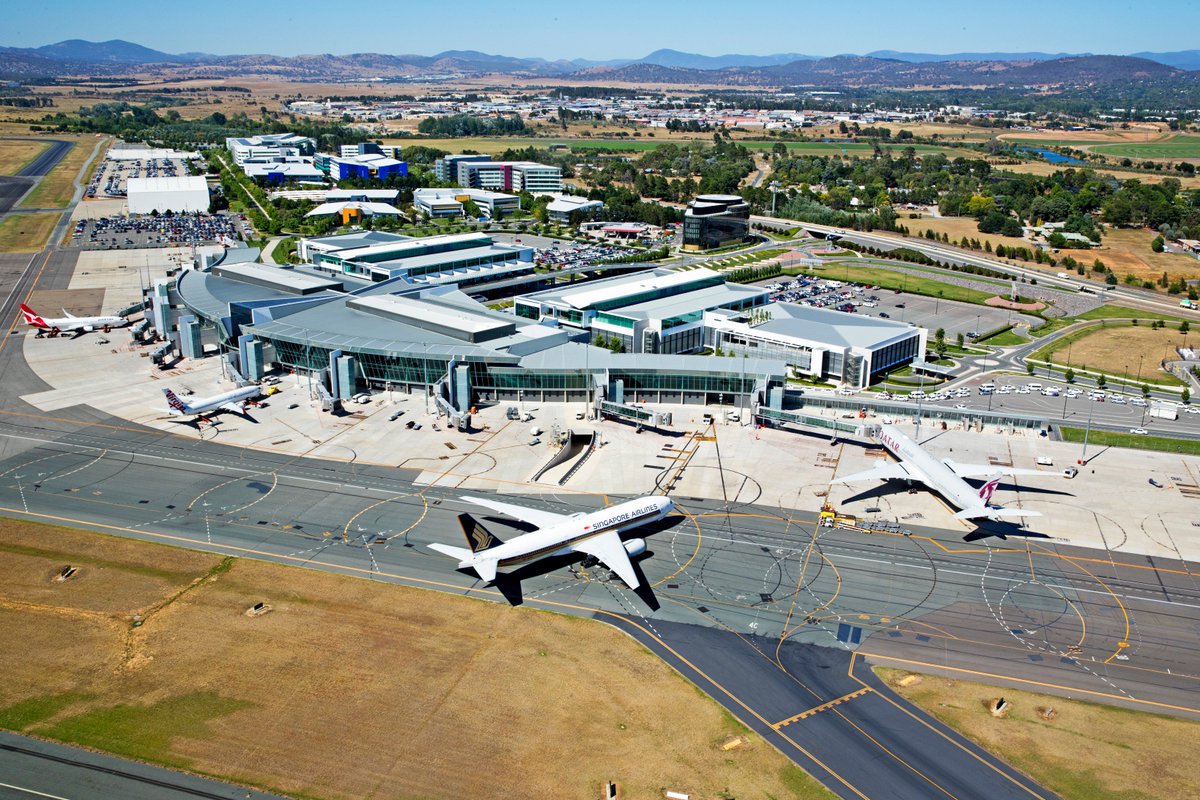
    Aviation authorities have rejected the proposal of five localities to build their own airports and suggested that only one be added to the current master plan.

    Airport proposals by the northern provinces of Ha Giang, Bac Giang and Ninh Binh as well as the central provinces of Binh Phuoc and Ha Tinh have been rejected by the Civil Aviation Authority of Vietnam (CAAV).

    The CAAV has proposed to the Ministry of Transport that the number of airports in the country stays at 28 by 2030, and just one more airport in the northern province of Cao Bang be built by 2050, bringing the total nationwide to 29.

    Vietnam has 22 airports operating at present and six more approved for construction by 2030, including the Long Thanh International Airport in the southern province of Dong Nai and Sa Pa Airport in the northern province of Lao Cai.

    Officials and experts have expressed concern over an airport glut in the country.

    Nguyen Anh Dung, deputy head of the Department of Planning and Investment under the Transport Ministry, said that all airports with annual traffic of under two million passengers a year are recording losses.

    Airports built within 100 kilometers of each other are likely to result in low efficiency, according to case studies done in other countries, he added.

    Aviation expert Nguyen Bach Tung said that some of the proposals have been rejected because of unsuitable topography, like the mountainous terrain in Ha Giang and the vast rice fields in Ninh Binh that are the main source of livelihood for the locals.

    Other proposals have been rejected because the airports would be too close to existing ones. For instance, residents of Ha Tinh and Ninh Binh can use the Vinh International Airport or the Tho Xuan Airport, respectively, because these two are within 100 kilometers of the localities.

    Pham Van Toi, deputy chairman of the Vietnam Association on Aviation Science and Technology, said that many proposals have been made without a thorough examination of their merits and demerits.

    Ha Giang, for example, proposed an airport for both military and civilian purposes, even though it has limited land and airspace, he said.

    The CAAV has also identified a possible land area for a second international airport in the northern city of Hai Phong, which had been planned by the government in 2011.

    The airport is set to be located in Tien Lang District, around 120 kilometers to the southeast of Noi Bai International Airport, and will serve to absorb overflow at the Hanoi’s airport and the existing Cat Bi International Airport in Hai Phong.

    Tung said that Tien Lang has a land fund of 4,000-6,000 hectares available for building an airport with a capacity of up to 100 million passengers a year, which is four times that of the Noi Bai airport in Hanoi.

    This location is also within 100 kilometers from four other northern provinces – Ha Nam, Thai Binh, Nam Dinh and Hai Duong, he said.

    Toi also said that Tien Lang was a suitable location because it has good road connectivity with Hanoi, while the existing Cat Bi airport cannot be expanded as it is located near a river.

    A spokesperson for construction company Tedi, which is advising authorities on the construction of the Tien Lang airport, said existing airports in the north can still meet demand from now until 2040, and authorities should take a call on whether the airport is needed later.

  • Vingroup shuts down smartphone, TV manufacturing

    Vingroup shuts down smartphone, TV manufacturing

    Vietnam’s biggest private conglomerate, Vingroup, will stop manufacturing smartphones and televisions, focusing instead on producing equipment for VinFast cars.

    Its VinSmart unit, established nearly three years ago, will start making “infotainment” features for VinFast cars to make them more competitive in the global market, Vingroup said in a statement Sunday.

    VinSmart will also research, design, and manufacture electric engines, electronic parts and batteries for electric vehicles to increase the localization ratio of its products.

    The unit will also push research on devices for smart cities and smart homes.

    “The production of smartphones or smart TVs no longer brings breakthroughs and creates unique values for users,” said Nguyen Viet Quang, vice president and CEO of Vingroup.

    But developing smart cars, smart homes and smart cities will bring many “outstanding” benefits to humanity, therefore, the company wants to devote all its resources towards doing this, he added.

    VinSmart will continue to produce TVs and smartphones to complete the products’ lifecycle.

    Later, a part of VinSmart facility will be used to manufacture products for partners and the remaining part will be expanded to make its own new products.

    Since its establishment in June 2018, VinSmart has introduced 19 smartphone models and five TV models to the market.

  • Vietnamese lychee to be sold online for first time

    Vietnamese lychee to be sold online for first time

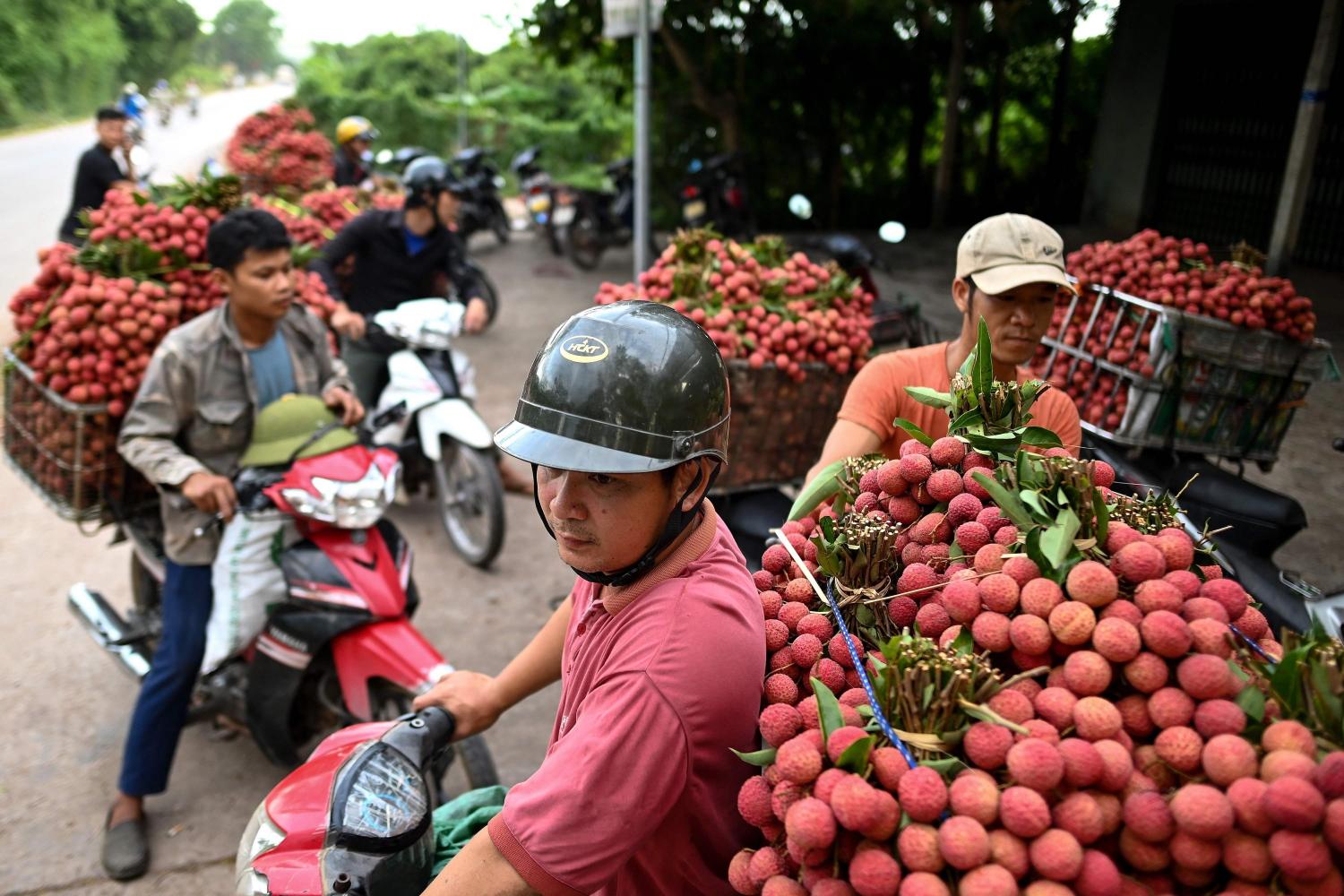
    Lychees grown in Hai Duong Province will be sold on e-commerce platforms Voso, Sendo, Lazada, and China’s Alibaba on Saturday, according to the Vietnam Trade Promotion Agency.

    It would be the first time that the fruits are sold online, and the agency said the biggest hurdle to this is farmers’ lack of knowledge of e-commerce, online marketing, selling and customer support, and quality control.

    It has collaborated with the northern province’s Departments of Agriculture and Rural Development and Industry and Trade to provide training to lychee farmers and traders in setting up and operating stores on the four e-commerce platforms.

    Hai Duong harvested 43,000 tons of lychee last year and exported half of it, including 1,600 tons to Japan, Australia, and the U.S. It expects to harvest 55,000 tons this year, and export half to China.

    In nearby Bac Giang Province, the director of the Department of Industry and Trade, Tran Quang Tan, estimated 180,000 tons of lychees would be harvested this year, with half of it exported to China, 10 percent to Japan, and another 10 percent to the U.S., the EU, and Australia.

    The harvest will take two months starting May end.

    Around 300 Chinese merchants have registered to visit Vietnam to buy lychees in Bac Giang.

    Local authorities will arrange transportation for them at the border, test them for Covid-19 and quarantine them for 14 days.

    The northern provinces of Bac Giang and Hai Duong are Vietnam’s lychee growing hubs, with the former having the largest area for lychee cultivation, which was 28,000 hectares last year, according to Bac Giang Portal. Hai Duong province came in second with 10,000 hectares.

  • Starhub reports $30.5 million net profit in 1Q2021

    Starhub reports $30.5 million net profit in 1Q2021

    StarHub announced its business performance update for the quarter ended 31 March 2021. Total revenue for 1Q2021 was $487.1 million, service EBITDA was $115.4 million while net profit attributable to shareholders (“Net Profit”) was $30.5 million.

    Total revenue declined 3.8% in 1Q2021 compared to the equivalent period a year ago due mainly to COVID-19 impact. Service EBITDA declined 8.2% lower year-on-year to $115.4 million in tandem with lower revenues, offset by lower operating expenses and higher other income. net profit for the quarter declined 24.0% YoY.

    StarHub’s balance sheet remains healthy with 1Q2021 free cash flow of $97.4 million and a lower net debt to EBITDA ratio of 1.29x as at 31 March 2021 compared to 1.41x as at 31 December 2020.

    Commenting on the results, StarHub’s Chief Executive, Nikhil Eapen, said, “While the first quarter of 2021 remains challenging with ongoing travel restrictions and headwinds from the global pandemic, we remained focused on our strategic and transformation objectives.”

    “We are pleased to see stabilization on a quarter-on-quarter basis for our Pay-TV and Broadband segments, while competition remained intense in the Mobile segment. Strategically, we remain focused on driving differentiation with rich content and entertainment experiences delivered over our superior network to bring unique value to customers. This has resulted in growth over the last quarter for our 5G Mobile+ plans and enhanced OTT content offerings.”

    “Our Enterprise business has observed increased business activity in 1Q2021 as deferred projects in 2020 are re-committed for 2021 and beyond. Concurrently, we continue to position for growth in the areas of 5G, IoT, and Cloud with the launch of our 5G IoT partnership with Software AG during the quarter and our award of the Microsoft Gold certification that will bolster our capabilities to offer innovative digital solutions to customers.”

    “Meanwhile, we continue to execute on our cost transformation program, optimizing discretionary operating expenditures, driving greater internal efficiencies, and evolving our business models. The 5G standalone network rollout that commenced in 4Q2020, as well as our multi-year IT and Digital Transformation program that started in 3Q2020 are both progressing well. We actively seek opportunities to capitalize on these investments and build an agile digital platform to secure StarHub’s sustainable growth and competitiveness.”

  • Woolworths to launch 150 products through Philippine grocer Robinsons

    Woolworths to launch 150 products through Philippine grocer Robinsons

    Woolworths has partnered with the Philippines retail group Robinsons to launch a range of more than 150 products in the Southeast Asian country.

    Filipinos now can buy products from popular Australian brands, including milk, wine, honey, cereals, and baby food at Shopwise, The Marketplace, and selected Robinsons Supermarket branches.

    “It has always been our thrust to continue offering new products that will excite our shoppers every time they visit our stores,” said Jody Gadia, MD of supermarket segment at Robinsons Retail.

    “Woolworths’ values are consistent with the Robinsons Supermarket Group’s focus on health and wellness.”

    According to Gadia, Philippines consumers can find Australian products at Robinsons physical stores about 10 to 15 percent cheaper than other imported goods sold in the Philippines.

    International sales head at Woolworths, Brian Newton, the group’s expansion in the Philippines results from the growing demand for healthier options during the pandemic.

  • Kinder releases Happy Hippo biscuits in Australia

    Kinder releases Happy Hippo biscuits in Australia

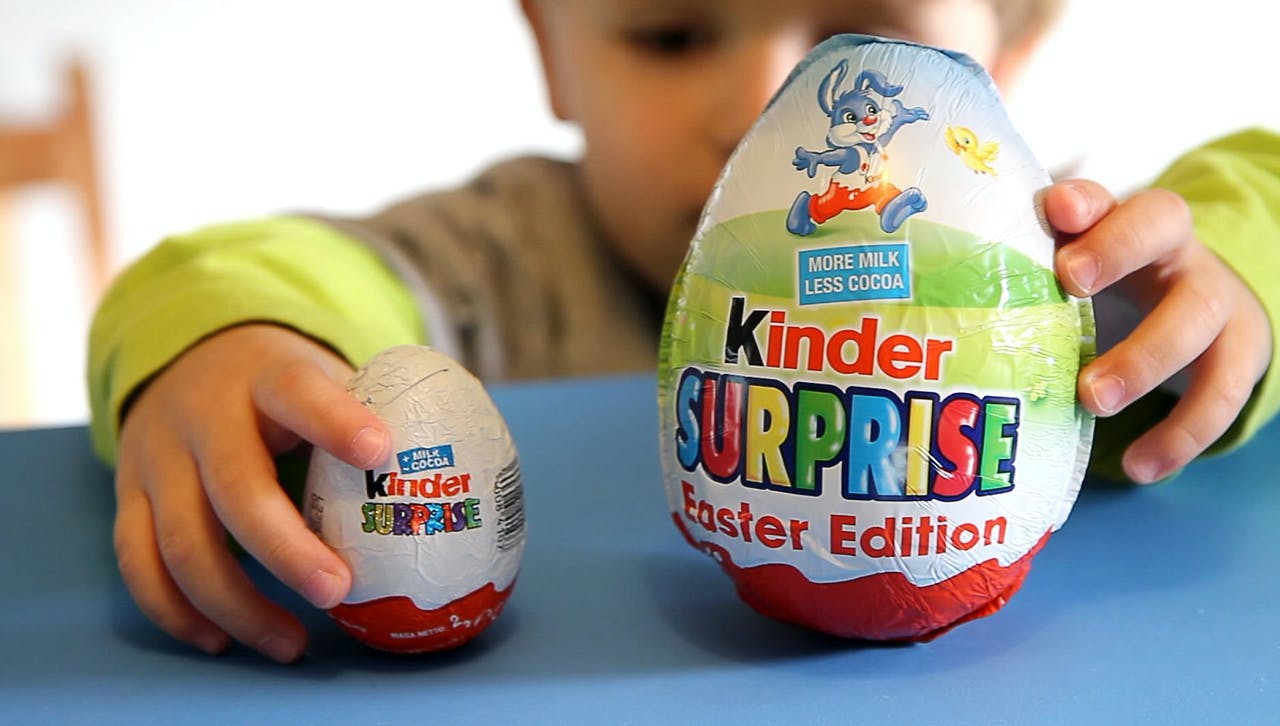
    Confectionery brand Kinder has rolled out Kinder Happy Hippo biscuits in Australian supermarkets. The hippo-shaped biscuits have a crispy wafer shell with a creamy filling and coated in meringue sprinkles.

    Kinder Happy Hippo comes in two flavors – Cocoa and Hazelnut – in bite-sized snack packaging.

    “Happy Hippo delivers the signature Kinder taste and quality ingredients in delicious, crispy biscuit form – free from artificial colors or preservatives,” said Gina Yuwana, senior brand manager at Kinder.

    Kinder Happy Hippo is sold at RRP $1 for a single pack and $4.50 for a five-pack in supermarkets and convenience stores nationwide.