Tag: asia

  • Natures Organics launches new plant-based, sustainable haircare brand

    Natures Organics launches new plant-based, sustainable haircare brand

    Stepping up its sustainability commitment, home and personal-care brand Natures Organics has launched My Soda, the first haircare brand to offer sustainable refill solutions in supermarkets.

    Exclusively available at Woolworths, My Soda’s cruelty-free and vegan Shampoo and Conditioner uses refillable bottles crafted from recycled plastic and is available in three variants – Smooth, Hydrate, and Cleanse.

    According to the brand, the refill packs are designed to help reduce plastic waste by 80 percent and inspire consumers to keep, reuse, and refill their haircare bottles instead of throwing them away.

    The haircare brand has also partnered with RedCycle to ensure refill pouches are upcycled through the return-to-store program at Woolworths, allowing soft plastics to be converted into items such as furniture or playground equipment.

    On average, each Australian uses 130kg of plastic annually. Of this, only 9 percent of plastic is recycled, and up to 130,000 tonnes find their way into waterways and oceans.

    “With sustainability at the forefront of consumerism right now, we’re so proud to bring a natural plant-based, affordable, and trend-inspired haircare brand to Australian consumers, aimed at helping to reduce the environmental impact on our planet,” said Elise Synnot, marketing manager at Natures Organics.

    Launching this May, My Soda’s Shamp

  • Raise your glass to a good cause

    Raise your glass to a good cause

    Being located along South Australia’s Limestone Coast, the vineyards of winemaker The Hidden Sea were once covered by a vast ocean and home to a thriving marine ecosystem. “Ancient mineralized relics, including an extraordinary 26 million-year-old whale fossil, and an extensive museum of marine life, now lay buried beneath the alluvial soils of this World Heritage wine region,” the venture’s co-founder, Justin Moran, says.

    This marine heritage is one of the key factors that drove Justin and fellow co-founder Richie Vandenberg to launch The Hidden Sea with a very specific mission – to remove plastic from the oceans.

    Richie and I are not only good friends, but we also share very similar values and the drive that our business should have a higher purpose,” Justin says. “So, yes, The Hidden Sea is a commercial business, and we need to make a profit, but a profit from work that benefits humanity.”

    Although best known for a ten-year career in the AFL with Hawthorn – he captained the club from 2005 to 2007 – Richie grew up amongst the vineyards and has over 12 years’ experience as a grower, and more than 25 years’ association with the wine industry through his family enterprise. Serial entrepreneur Justin has successfully built and sold businesses in the retail, restaurant, nightclub, FMCG, entertainment, and technology sectors. “Our wines are soft and round, approachable and true to variety,” Richie enthuses. “We make wines for people that care, so when someone buys our wine, they’re not just satisfying their own immediate needs but also contributing to something much larger than themselves, and our wines must therefore reflect this trust.” The origin of the ‘terroir’ on which the wines age grown is celebrated through the depiction of the ancient fossil on the labels of the Hidden Sea range.

    “Of the 6.3 billion tonnes of plastic produced since its invention in the 1930s, only nine percent has ever been recycled.”

    The pair believe that consumers are looking to be a part of something bigger than themselves. “We enable them to achieve this through the simple purchase of wine,” Richie explains. “For every bottle sold, we remove 10 plastic bottles from our oceans and recycle them through our partner, ReSea Project.” Every collection the business makes is audited and traced through an on-bottle QR code system. The ReSea project supports coastal communities, with local fishermen supplementing their income by removing plastic from rivers and the ocean, and in so doing improving their earning potential from their primary role by helping marine life flourish in a plastic-free environment.

    “Since the 1 July 2020, we have removed and recycled over 1.2 million single-use plastic bottles from our world’s oceans,” Justin says, adding that that figure equates to 21,000 kilograms of plastic being removed. “What we are proud of at The Hidden Sea is that this result is not a percentage, or case sales, or profit – it’s a tangible impact on our ocean that is quantifiable.”

    Justin and Richie have a specific long-term goal for the business. By 2030 they aim – with the help of their customers, market partners and retailers – to remove a billion plastic bottles from the oceans and recycle them.

    Ultimately, Justin says that industry around the world needs to build a circular economy for plastics, so that plastic bottles and packaging is constantly recycled and reused, rather than being discarded and going to landfill. “Of the 6.3 billion tonnes of plastic produced since its invention in the 1930s, only nine per cent has ever been recycled,” Justin laments. “This alarming statistic means that every human now consumes enough plastic each week to make a credit card through their normal diet, according to research by the WWF.”


  • Fry’s launches alt-meat product Pea Protein Mince

    Fry’s launches alt-meat product Pea Protein Mince

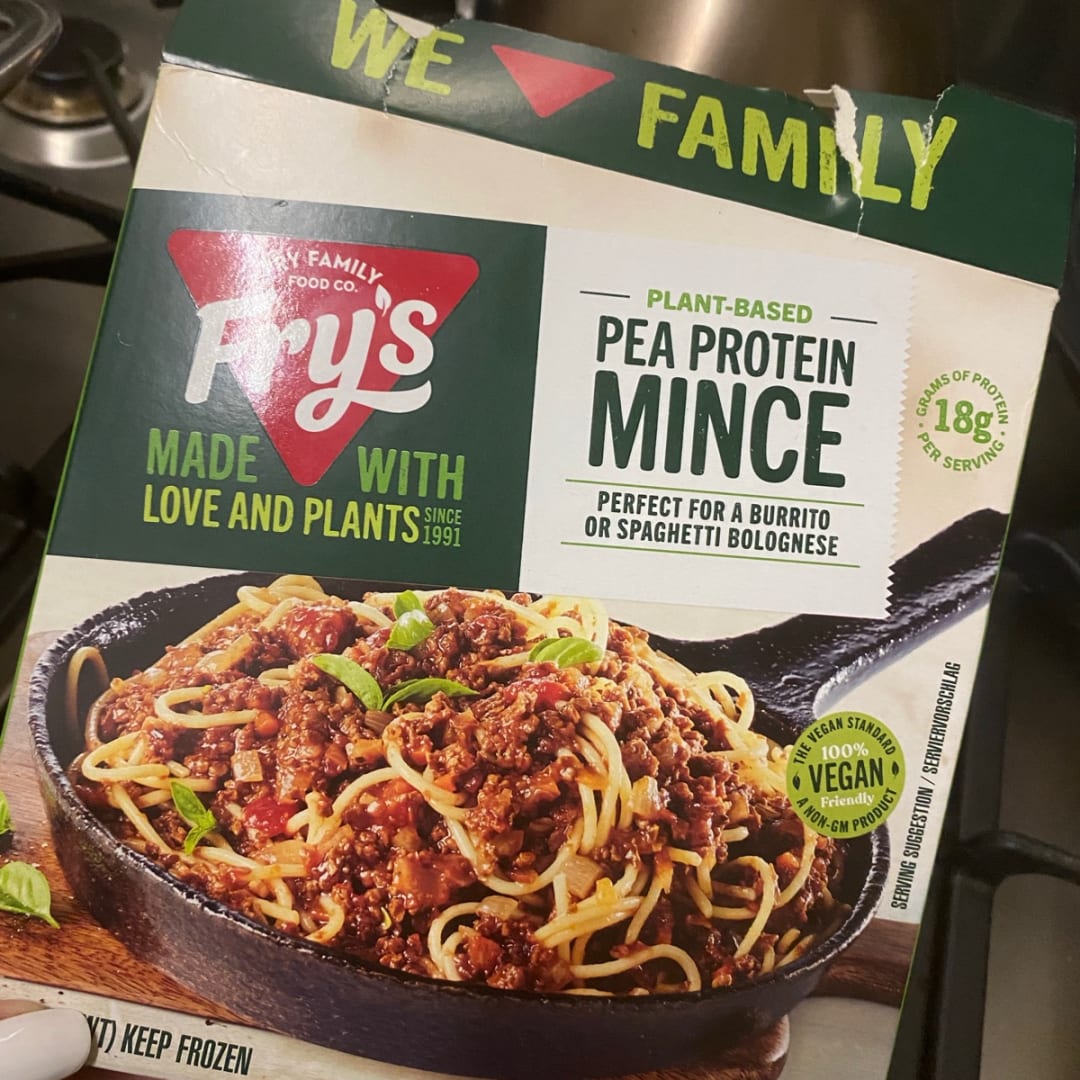
    Plant-based food maker The Fry Family Food Co has rolled out meat alternative Pea Protein Mince. The new plant-based meat is made from non-genetically modified ingredients and plant proteins, without onion and garlic.

    According to ANZ marketing director of The Livekindly Collective Tammy Fry, the business wanted to offer a kinder twist on a modern ingredient and to help Aussies reduce meat consumption while still being able to enjoy their favorite meals.

    “Our Pea Protein Mince is just that and, even better, it’s actually easier to cook than traditional mince, cooking from frozen in just five minutes,” said Fry.

    “Pea Protein Mince is another way that Fry’s is helping Aussies change the world from their kitchen table.”

    Fry’s Pea Protein Mince is available in Coles and independent retailers across Australia.

  • JustKitchen to open first facility in Hong Kong

    JustKitchen to open first facility in Hong Kong

    Ghost kitchens operator JustKitchen will expand into Hong Kong opening its first facility in the territory.

    Located at North Point in the Eastern District, Hong Kong’s first JustKitchen facility is scheduled to launch in mid-June. A selection of food menus will be initially introduced, including Body Fit, Craftsman’s Soul-Made Ramen, Boba Mania, and BIT Beef Noodle, along with Formosa Chang.

    The company also aims to create mixology-based items and menus after its launch, given alcohol delivery is allowed in Hong Kong. JustKitchen’s delivery partners will be Foodpanda and Uber Eats.

    “[The Hong Kong expansion] marks an inflection point in the global element of our competitive strategy,” said Jason Chen, co-founder, and CEO of JustKitchen.

    Hong Kong is JustKitchen’s second international market after Taiwan. The company believes Hong Kong can support six to eight of its ghost kitchen locations.

    “Based on the solid foundation that we’ve established for the company in Taiwan, we are now ready to execute on the international expansion promised to shareholders and take our proven brands, technologies, and standard operating procedures to new markets from this point forward.”

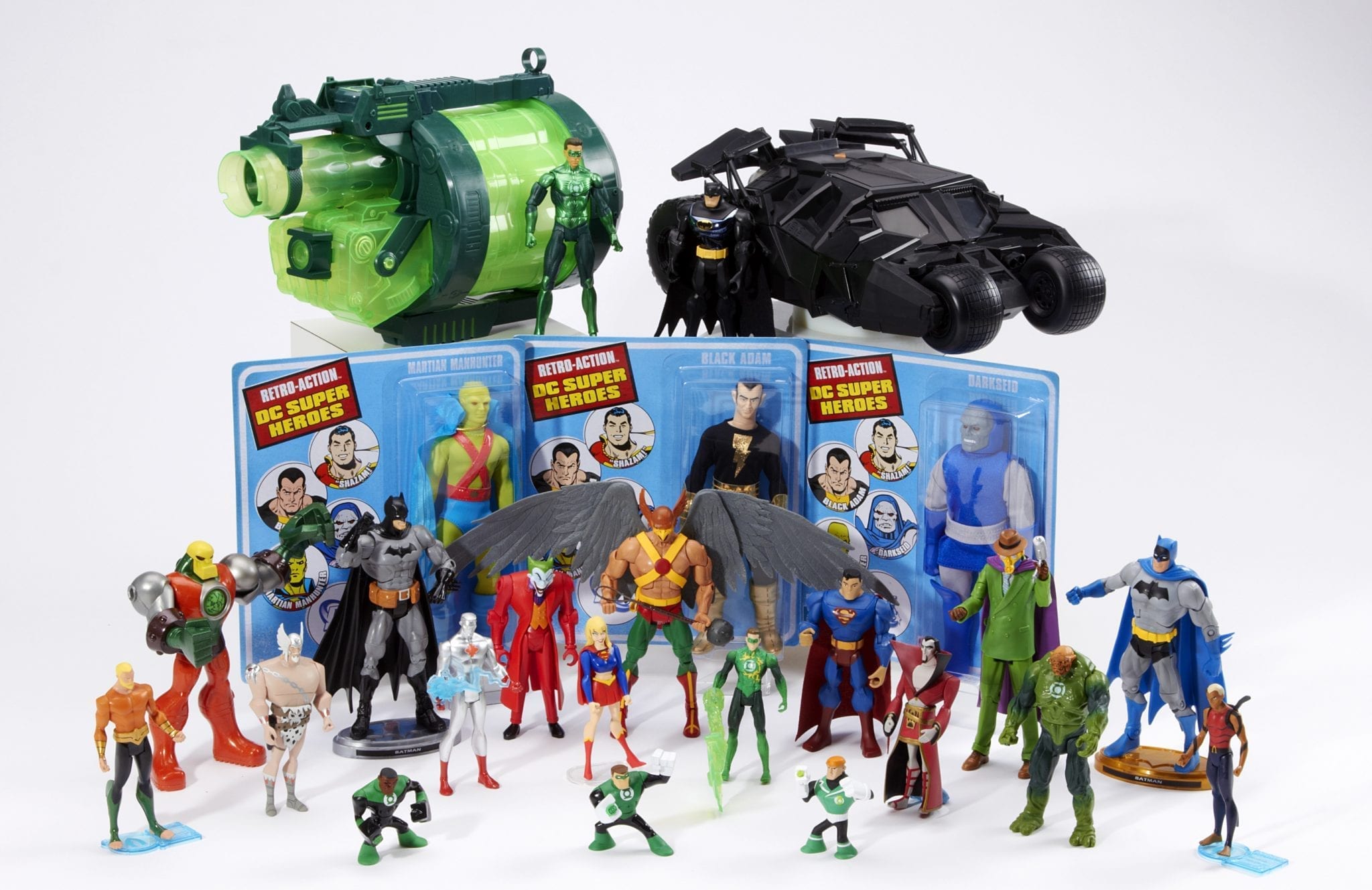
  • Mattel turning old Barbies, Matchbox cars and Mega Bloks into new toys

    Mattel turning old Barbies, Matchbox cars and Mega Bloks into new toys

    Toymaker Mattel is encouraging kids to return Barbies, Matchbox cars and MEGA Bloks they no longer play with to the company for recycling into new toys.

    The goal of the company’s new ‘Playback’ program is to recover and reuse materials across all products and packaging by 2030, Mattel said as it announced the program this week.

    “Mattel’s Playback program is a great step,” said Jim Silver, CEO of TTPM, a toy industry research firm. “The consumer is becoming more and more concerned about the future and becoming more eco-friendly; manufacturers are starting to step up and start to try and make the environment better.”

    The company is encouraging consumers to ship their old toys back to Mattel, where they are sorted and separated by material type, processed, and recycled. Materials that cannot be recycled will be either “downcycled” or “converted to energy.”

    Last month, Mattel unveiled the Matchbox Tesla Roadster, its first vehicle made from 99% recycled materials and carbon.

    Mattel is aiming to make all Matchbox die-cast cars, playsets and packaging with 100% recycled, recyclable or bio-based plastic materials by 2030.

    “More and more manufacturers are going to be going down this road,” Silver said. “I think Mattel, being one of the large companies in the industry, to start this recycling program, I think you can see others follow suit.”

    To participate in the program, consumers can visit Mattel.com/PlayBack, print a free shipping label, and pack and mail their outgrown Mattel toys back to Mattel.

  • Lazada to play key role in the next Great Singapore Sale

    Lazada to play key role in the next Great Singapore Sale

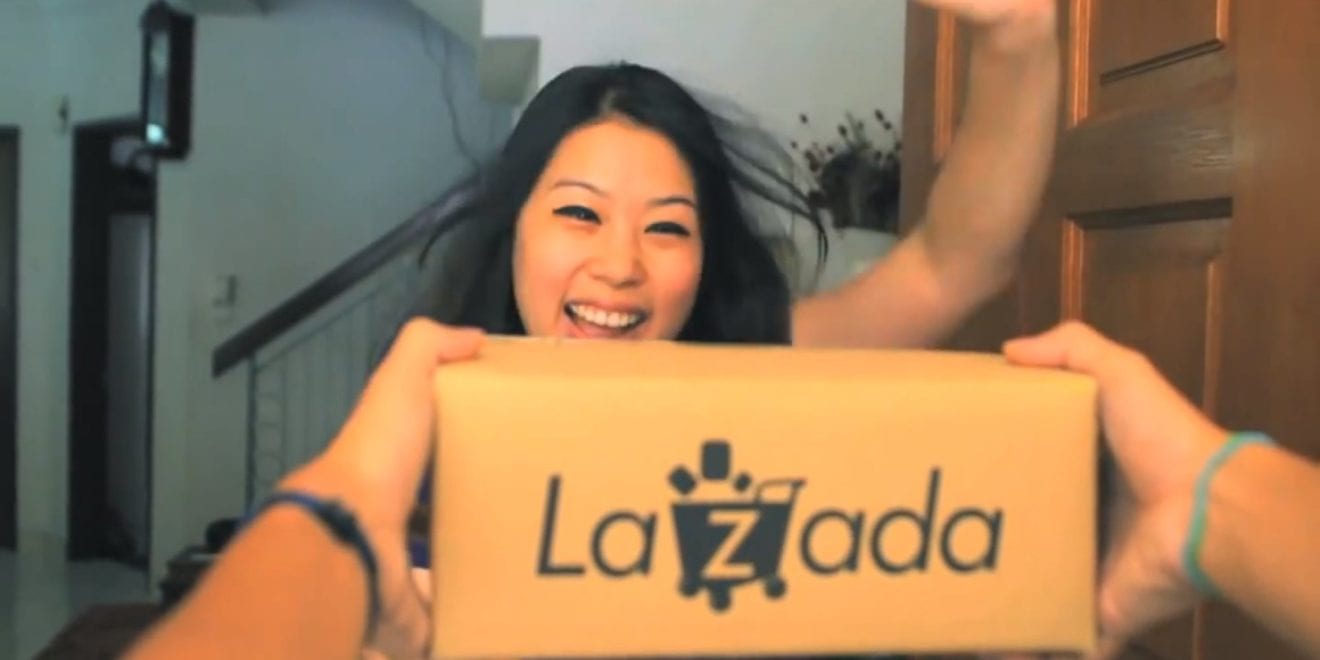
    The Great Singapore Sale (GSS) will take an omnichannel format this year, with Lazada as its official e-commerce platform – a move that its organizers said is timely as the country returns to stricter Covid-19 measures and shoppers are encouraged to stay home.

    The GSS will run from June 6 to July 7 and will showcase products across different categories such as groceries, technology, health and beauty, and sporting goods.

    According to the Singapore Retailers Association (SRA), small and medium-sized enterprises (SME) can benefit from Lazada’s technology infrastructure, payments gateway, and delivery solutions from its logistics partners, eliminating costly challenges retailers face when selling online.

    In addition, a new key feature will let shoppers will be able to pick up their purchases at the Lazada seller’s physical store, allowing retailers to utilize a “hybrid” model with both online and offline outlets.

    Each retailer will also have a dedicated account manager to help them navigate features such as live streams, games, and flash sales.

    SRA President, R Dhinakaran, said that as an incentive for trying out the platform, retailers do not have to pay commission for the first three months of using Lazada.

    “The attractive ‘0% commission’ offer for the first three months extended by Lazada for all new LazMall sellers is our way to incentivize retailers, especially SMEs, to go online and try out the Lazada e-commerce platform to generate sales, build on their brand awareness and learn new marketing tools, such as LazLive to engage shoppers online interactively,” said Dhinakaran.

    “The Great Singapore Sale is a national institution and sentimental for Singaporeans and those who remember flying into the country to enjoy the sales,” said James Chang, CEO at Lazada Singapore.

    “By supporting sellers with the tools they need to move their businesses online, we’re helping them be prepared for the future – both during the pandemic and beyond.”

    The 27-year-old shopping affair first went online last year as one of the main events in the Singapore Tourism Board’s SingapoRediscovers campaign. SRA’s eGSS GoSpree platform hosted the eGSS 2020, which combined retailers’ products and guided shoppers to the merchants’ e-commerce sites to make purchases.

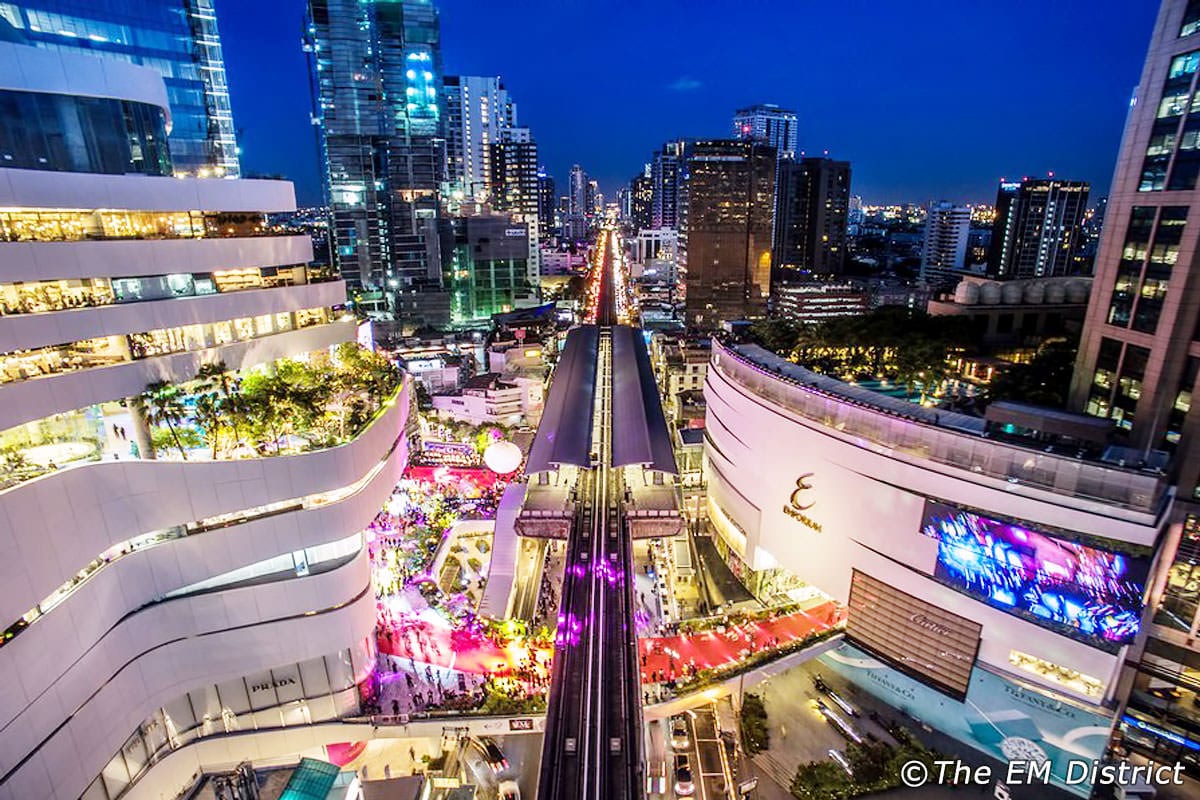
  • Tod’s unveils revamped Marina Bay Sands boutique

    Tod’s unveils revamped Marina Bay Sands boutique

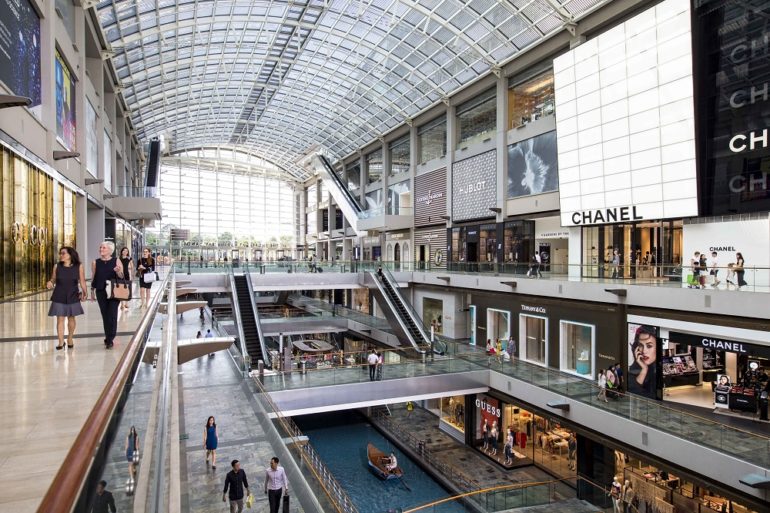
    Italian fashion brand Tod’s has unveiled the new look of its boutique at The Shoppes at Marina Bay Sands, Singapore.

    Spanning about 135sqm, the Tod’s Marina Bay Sands follows the brand’s store concept with signature elements that can be found in other stores, such as silver and taupe saddle-stitched leather paneled steel vitrines and marble.

    “The boutique is linear, modern, and in line with the brand’s image worldwide,” the company said in a statement.

    Floor-to-ceiling glass doors at the entrance allow Tod’s to display its latest products with different setups. The storehouses a full selection of Tod’s bags, shoes, and accessories, including its Full Summer Collection which will be sold exclusively at the Marina Bay Sands outlet.

    Founded in 1920, Tod’s operates more than 200 stores, including large flagship stores in Europe, the US, China, Japan, Malaysia, Singapore, Hong Kong, Indonesia, and Australia.

  • Central Retail sales rebound to 90 per cent of pre-Covid levels

    Central Retail sales rebound to 90 per cent of pre-Covid levels

    Thai group Central Retail says it achieved 90 percent of its pre-Covid sales performance in the March quarter, the result of what CEO Yol Phokasub described as “thriving on steadily regaining balance” during a time of challenges and uncertainties”.

    First-quarter sales were down 9.7 percent to US$1.56 billion, however, net profit was down 48.4 percent to $14.65 million.

    In a statement, the company said that considering the semi-lockdown situation resulting from the second and third waves of the pandemic – when most businesses stopped trading – the impact on the retail market was more severe than the previous year.

    Phokasub said the company was able to take advantage of a broad portfolio of retail brands which enabled business agility during the Covid crisis, including synergy between the Central and Robinson department stores. It also benefited from the expansion of the Tops Market both within Thailand and in Vietnam, its Go! Malls concept in Vietnam and the recent acquisition of the B2B omnichannel books and stationery business.

    He said that during the year ahead Central Retail plans to increase work efficiency and productivity through technological development and strong cash flow while looking for new business ventures to diversify its portfolio.

    “Central Retail’s long-term vision and business plan before the Covid-19 pandemic remain unchanged, and that is to achieve sustainable and profitable growth.”

  • Twitter DM search feature expands from iOS to Android after almost two years

    Twitter DM search feature expands from iOS to Android after almost two years

    Given Twitter’s massive global popularity (yes, even after Donald Trump’s permanent suspension), you might expect the social networking service to at least support the same basic features as the competition if not offer something extra.

    But as if still not allowing users to edit their tweets after they’re published was not bad enough, Twitter also lacked a DM search functionality on Android until today. While that may not sound like such a big deal, it’s easy to understand if some of you were frustrated at having to wait nearly two years (!!!) for the iOS and web-exclusive feature to spread its wings.

    What’s happening at long last, according to a hot new Twitter Support announcement, and perhaps more importantly, the DM search option is set to expand to actual message content at some point “later this year.”

    That means you can only search your direct messages using the name of a person you remember having a private conversation with at the moment rather than the topic or certain words from said conversations.

    In other words, the feature is still nowhere near as convenient as its Facebook Messenger or WhatsApp counterpart (on either Android or iOS), but at least we know Twitter is working on making it better… a whopping 21 months after initially rolling it out to select mobile and desktop users.

    Naturally, it might take a little while for Android users around the world to see the DM search bar enabled on their handsets, but once that happens, we expect everything to be as simple and as hassle-free as the iPhone process demonstrated above.

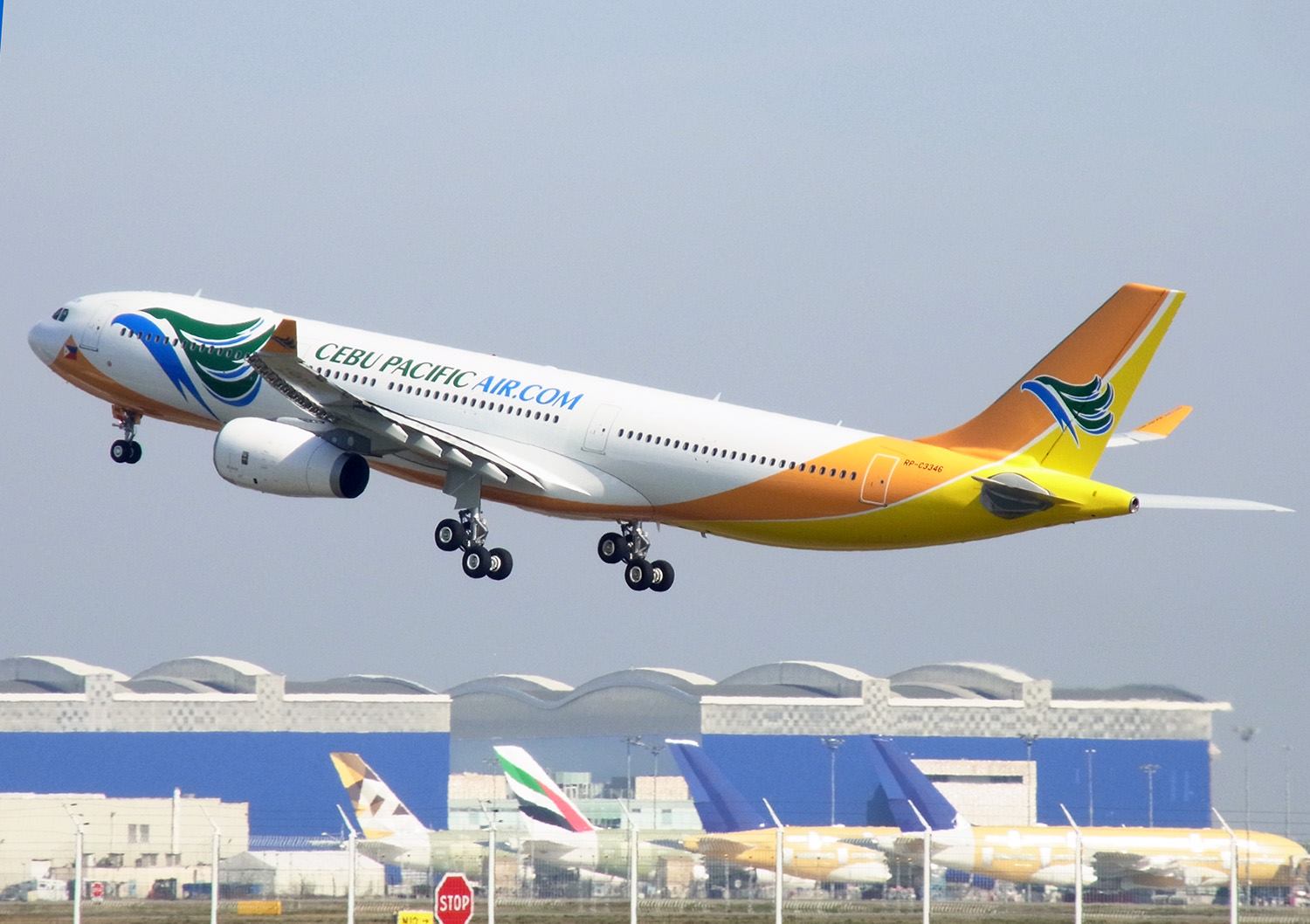
  • Cebu Pacific’s US$250 Million convertible Bonds Private Placement

    Cebu Pacific’s US$250 Million convertible Bonds Private Placement

    Clifford Chance has advised the investors involved in the placement. International Finance Corporation, IFC Emerging Asia Fund, LP and Indigo Philippines LLC, an affiliate of private equity firm Indigo Partners LLC, were the investors inolved in the private placement of US$250 million convertible bonds due 2027 by low-cost carrier Cebu Air, Inc. (Cebu Pacific) listed on the Philippines Stock Exchange. The bonds are convertible into common shares of Cebu Pacific. The shares issued as a result of the conversion of the convertible bonds will be listed on the Philippines Stock Exchange.

    The private placement was part of a broader business transformation exercise that was launched by Cebu Pacific in response to the Covid-19 pandemic. The proceeds will be used to fund working capital requirements, repayment of debt and lease obligations, and critical capital expenditures of Cebu Pacific and its subsidiaries.

    The project involved a cross-border team of Clifford Chance experts in international corporate, debt, and capital markets transactions, led by partners Johannes Juette (Picture – Singapore), Virginia Lee (Hong Kong) and Gareth Deiner (Singapore), senior associates Claire Neo (Singapore) and Ryan Wong (Hong Kong) and associate Anson Wong (Hong Kong), with specialist advice provided by partner Fergus Evans (Singapore) and senior associate Nattawat Vilasdechanon (Singapore) for their expertise in aircraft financing.

  • Honda PCX Electric Scooter Patented In India

    Honda PCX Electric Scooter Patented In India

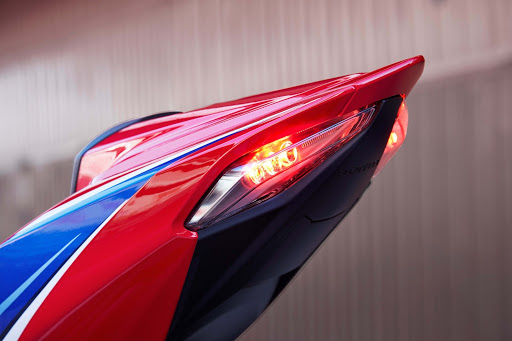
    Honda has filed patent registrations for the PCX electric scooter in India, and rumors are abuzz about the possibility of the PCX electric scooter being considered for an India launch. Now, Honda did showcase the PCX electric scooter at the Auto Expo 2018, but filing a patent doesn’t necessarily mean the product is being considered for launch. What is of importance is perhaps the content of the patent filings, which shows a removable battery, which can be taken off the scooter and plugged conveniently at home, or at the workplace.

    The scooter comes with a 4.2 kW motor and a removable 50.4 V lithium-ion battery pack. And the battery can be charged without removing it as well, through a charging cable, but being removable just offers the added convenience. The Honda PCX offered in global markets, come with an internal combustion engine hybrid, as well as full-electric powertrains. In India though, reports suggest that the PCX electric is the one being patented.

    The PCX has an aggressive design, with neat lines, with twin-pod headlamps up front, and a tall windscreen, giving it a mini-maxi look. The scooter comes with a split floorboard, black alloy wheels, telescopic front forks, twin rear shocks, and disc brakes, with single-channel ABS. On the feature list, there’s a full digital LCD panel, remote start key, and others. Under the seat are twin battery packs, which offer a range of 40 km, while the controller unit is positioned under the floorboard.

    While the filing of the patent for the PCX electric may sound like exciting news, it’s not certain that Honda will go on to launch it. In the past, HMSI has patented several models, including the Honda Grom and others, and according to sources, sometimes these patents are used for Honda’s ongoing R&D efforts for future products in India, rather than indicate that the patented product will be launched in India. It’s early days yet to predict anything, or if HMSI is indeed working on an electric project, or planning to start working on an electric two-wheeler project for India. And that may not be the PCX electric scooter as we know it in its current form.

  • Porsche Expands Customisation Project Division For One-Off Model Requests

    Porsche Expands Customisation Project Division For One-Off Model Requests

    It’s not the first time we are seeing Porsche offering customization options and it’s also a common trend among premium car buyers. But now Porsche is expanding its Exclusive Manufaktur program along with the Tequipment and Classic divisions. Now this will give the chance to its customers who want to make their Porsches exclusive and one-off. This service will be offered across range and not just for sports cars or SUVs or any specific model. And there is something for classic Porsches as well, but we’ll come to it in a bit.

    Porsche has extended the range of products and services in the divisions in a way that customers can modify their vehicles to bespoke one-off units. This is an interpretation of the Sonderwunsch program, which literally translates to “special request,” Porsche’s customization from the 1970s. To be precise, it is offering exterior wrap options, individual starting numbers, prints on the floor mats, illuminated door entry guards, and logo projectors in the vehicle doors among others. The unique part about this program is that the option is not limited to just new models. Yes! The personalization also extends to used vehicles and also on the table is customizations for off-road use.

    The Tequipment division in Porsche’s gallery also offers a range of accessories and retrofit options for individual customer vehicles. Now coming to classic vehicles, Porsche is currently focusing on spare parts supply and factory restorations in a bid to keep them in working condition. Now obviously, handling projects which are too radical are best for aftermarket, but the carmaker will be accepting all those projects that it finds sensible and feasible. Also, Porsche will archive every one-off request and keep them in the database.

  • Australians open to subscription services, Deliveroo study finds

    Australians open to subscription services, Deliveroo study finds

    Australia has experienced an unprecedented rise in demand for subscription services across the country, according to research by food-delivery company Deliveroo.

    The study found that 62 percent of Australians are currently using more than six subscription services. The most popular type of subscription service is TV streaming services, followed by food subscriptions.

    Growth of subscription services mostly resulted from customers’ need for convenience, variety, and cost savings, the survey concluded.

    To keep up with the trend, Deliveroo has launched its own subscription service ‘Plus’, offering Aussies access to unlimited deliveries for a monthly fee. The launch follows the trial of the service in 2019 where more than 45,000 customers signed up in the first month.

    “This is primarily aimed at supporting families and couples who are ordering larger baskets as a group,” the company said in a statement. “Deliveroo has seen a surge in people ordering for multiple numbers and wants to make delivery more affordable and accessible for them.”

  • Nestle buys Nuun as it continues to boost its nutritional portfolio

    Nestle buys Nuun as it continues to boost its nutritional portfolio

    Nestle’s Health Science division has bought US nutritional products maker Nuun as it continues to build its portfolio of health and nutrition products.

    Founded in Washington, Seattle in 2004, Nuun is considered a pioneer in the separation of electrolyte replacement from carbohydrates. Its core product is a low-sugar electrolyte tablet for the sports beverage market and its portfolio has expanded into a range of effervescent tablets and powders containing additional minerals and vitamins for energy, relaxation and overall well-being.

    Nuun is the top-selling sports drink supplement brand in running, cycling, outdoor and natural foods stores in the US.

    This is Nestle Health Science’s second such acquisition in less than a month, following the significantly larger-scale purchase of The Bountiful Company’s core brands including Nature’s Bounty, Solgar, Osteo Bi-Flex and Puritan’s Pride. With more than 7000 employees worldwide, Nestle Health Science is a global business unit of Nestle with products distributed in more than 140 countries.

    Nestle Health Science CEO Greg Baher described Nuun as a leader in the fast-growing functional hydration category with quality, clean, plant-based products.

    “Everyday, health-conscious consumers are becoming more aware of how functional hydration products can add to their overall well being as well as support them during exercise by replacing the minerals that the body loses. That growing awareness is reflected in the steady growth of the category,” he said.

    Nuun CEO Kevin Rutherford said his company and Nestle shared the philosophy that nothing is more important than health and well-being.

    “In joining Nestle Health Science, Nuun will further its mission of ‘hydration that empowers the world to move more.’ The Nuun team has built an incredible business and now with the reach, expertise and capabilities of Nestle, I’m confident that together we will grow even more.”

    Terms of the deal were not disclosed, and the sale will be settled in the third quarter of this year, shortly after the Bountiful Company’s deal.

  • Xiaomi Wins Ban Reversal

    Xiaomi Wins Ban Reversal

    Xiaomi and the U.S. government have come to an agreement to remove the Chinese smartphone giant from a blacklist of military-linked companies.

    The U.S. Defense Department agreed in a final order to remove the «Communist Chinese Military Company» designation for Xiaomi, according to a court filing.

    The Parties have agreed upon a path forward that would resolve this litigation without the need for contested briefing, according to the filing.

    Negotiations over specific terms are underway and a separate joint proposal will be filed before May 20.

    Earlier this year, Xiaomi sued the U.S. government over the bans, calling the designations «factually incorrect» with no evidence to back the claims.

    In March, U.S. District Judge Rudolph Contreras said Xiaomi was likely to win a reversal to declare the designation as illegal and issued a ban halt to prevent irreparable harm at the smartphone firm.

    Still, the U.S. government said it remained concerned about investments into military-linked firms in China.

    The Biden Administration is deeply concerned about potential U.S. investments in companies linked to the Chinese military and fully committed to keeping up the pressure on such companies, said White House National Security Council spokesperson Emily Horne.

    Xiaomi’s removal from the blacklist occurs less than one week after the Biden administration was reportedly maintaining pressure on China by preserving some restrictions issued by the Donald Trump administration with preliminary discussions underway about military-linked bans.