Tag: asia

  • JD.com first-quarter revenue exceeds expectation

    JD.com first-quarter revenue exceeds expectation

    China’s JD.com’s first-quarter revenue beat Wall Street estimates as growth remained robust in the domestic e-commerce sector following the Covid-19 pandemic.

    The Beijing-based company has joined rivals Pinduoduo and Alibaba Group in racking up double-digit sales growth during the pandemic, as people flocked to e-commerce websites to shop for everything from groceries to luxury goods.

    Net revenue at JD.com, China’s largest e-commerce company by revenue, rose 39 percent to US$31.57 billion in the quarter ended March 31, topping analysts average estimate of $29.8 billion, according to IBES data from Refinitiv.

    Sales in its product segment, which includes online retail sales, rose nearly 35 percent to $27.2 billion in the quarter.

    Popular brands like Starbucks and sports-retailer Decathlon, along with luxury fashion brands such as Marni and John Lobb, launched flagship stores in the quarter on JD.com’s e-commerce platform, which, along with those of rivals, has seen strong demand during and after the pandemic.

    JD.com’s earnings beat comes on the heels of a major regulatory crackdown on Alibaba Group.

    In April, Chinese anti-monopoly authorities fined the e-commerce giant a record $2.75 billion for engaging in a practice known as “choose one from two,” wherein platforms penalize merchants for listing products on multiple sites.

    Despite how that penalty targeted a rival, the uncertain regulatory environment has dampened investor sentiment across China’s internet sector.

    US-listed shares of JD have dropped about 13 percent since news of the fine on Alibaba was announced.

    Concurrent with the fine on Alibaba, JD withdrew its initial public offering application for its fintech subsidiary JD Digits from the Shanghai Stock exchange.

    However, the company’s logistics division is set to raise up to $3.4 billion in an upcoming Hong Kong IPO.


  • Vietnam sees 480 pct surge in cars imported from China

    Vietnam sees 480 pct surge in cars imported from China

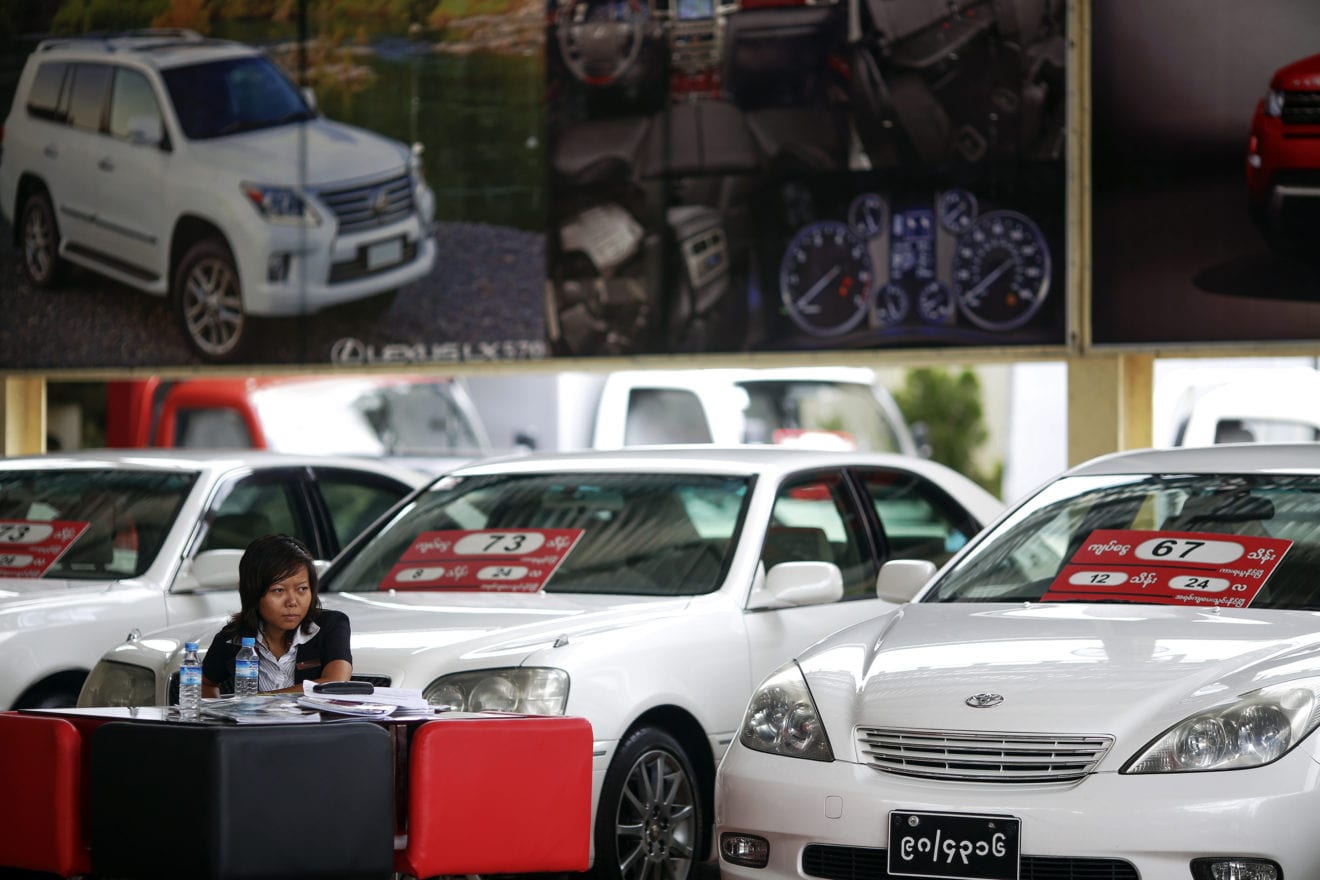
    Vietnam imported 6,633 completely built-up (CBU) cars from China in the first four months, a 480 percent surge over the same period last year.

    Industry insiders explain the increasing popularity of cars imported from China to good designs and modern features.

    Despite the major increase, however, China remained the third-largest CBU car supplier for Vietnam in the first four months behind Thailand and Indonesia.

    Thailand dominated auto imports with 25,732 vehicles, a 74 percent year-on-year increase, according to the General Department of Vietnam Customs. It was followed by Indonesia with 13,873 units, up 4.7 percent.

    The two countries together accounted for 79 percent of April’s CBU imports.

    Thailand and Indonesia have led the list of Vietnam’s car suppliers ever since the ASEAN Trade in Goods Agreement (ATIGA) took effect in 2018, owing to the zero import tariffs.

    Vietnam’s total car imports in the first four months marked a 56.5 percent year-on-year growth at 50,161 vehicles.

    The nation’s auto sales in the first four months surged 58 percent year-on-year to 101,309 units, signaling a recovery from last year’s pandemic blows.

  • Vincom Retail sets conservative business targets

    Vincom Retail sets conservative business targets

    Vincom Retail targets a post-tax profit of VND2.5 trillion this year, up 5 percent from 2020 but lower than in 2019.

    The mall developer and subsidiary of conglomerate Vingroup eyes revenues of VND9 trillion, up 8 percent from last year but marginally below the 2019 figure.

    It has set these conservative targets after a challenging 2020 caused revenues from leasing fall by 14 percent as social distancing kept people away from malls.

    This year, it plans to focus on developing mega malls at Vinhomes’ urban complexes. Its Vincom Mega Mall Smart City in Hanoi is set to open in the third quarter.

    It also plans to open two Vincom Plaza malls in the southern localities of My Tho and Bac Lieu.

    Vincom Retail currently operates 80 malls.

  • Shopee parent Sea to scale up digital financial services as revenues double

    Shopee parent Sea to scale up digital financial services as revenues double

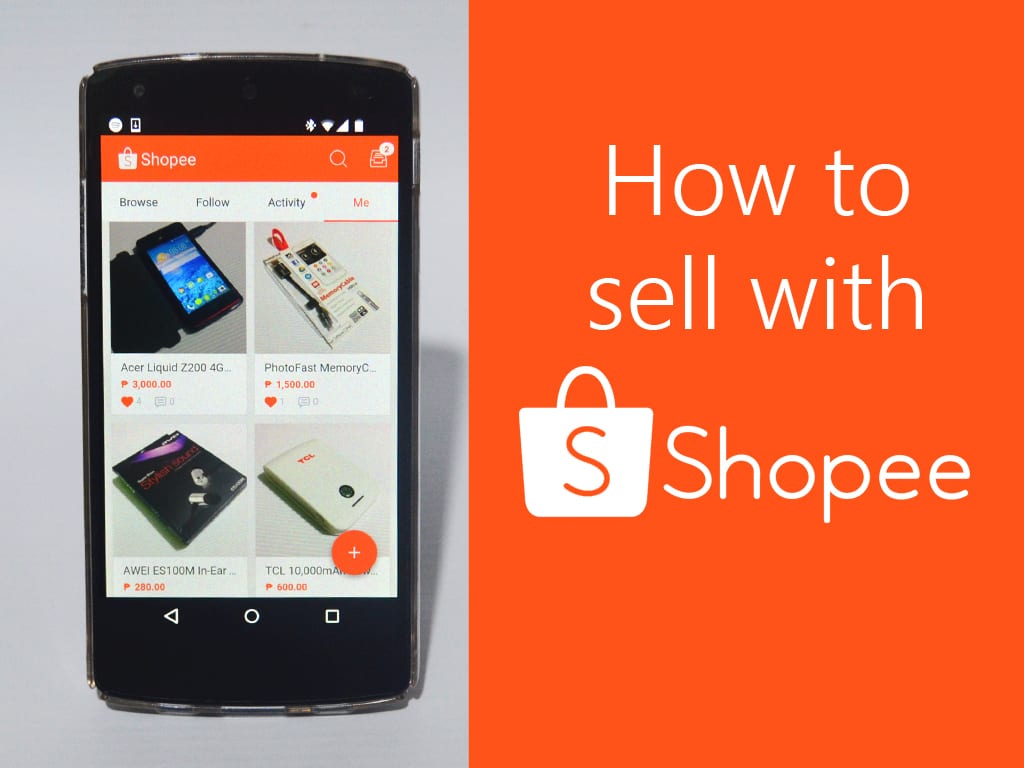
    Singaporean technology group Sea – parent of e-commerce marketplace Shopee – more than doubled its revenues in 2021 thanks to growth in e-commerce and entertainment.

    Chairman Forrest Li said today the firm would now scale up its fintech offerings in Southeast Asia.

    “Digital financial services in our region are at early stages and we expect use cases to grow,” the executive told an investor call.

    Sea, which claimed US$3.4 billion in payments for its mobile wallet for the first quarter of 2021, won a digital banking license in Singapore in December and purchased last year Indonesian lender Bank BKE ( Bank Kesejahteraan Ekonomi) to turn into a digital bank.

    The New York-listed firm announced on Tuesday it had booked revenue of $1.8 billion for the first quarter of 2021, up 147 percent year on year.

    Its net loss widened from $281 million to $422 million as the company more than doubled sales and marketing expenses.

    Sea’s e-commerce arm Shopee brought in $922 million in revenue, up 250 percent year on year, while its gaming arm Garena raked in $781 million in revenue, up 111 percent.

    Li told reporters that Shopee was seeing growth in Brazil due to a nascent regional expansion. Reuters reported earlier in 2021 that the firm was launching in Mexico and was eying a possible wider expansion in Latin America.

    Analysts said they believe the jump in marketing costs was also due to Shopee’s launch of a food delivery arm segment in Indonesia this year, where it now competes with ride-hailers Grab and Gojek.

    The group has seen meteoric growth on the stock markets during the coronavirus pandemic as shoppers turned to the internet, with its market cap now at $113 billion.

    But it is expected to face increased competition in Southeast Asia.

    Indonesian ride-hailing and payments firm Gojek and e-commerce leader Tokopedia announced on Monday they are merging to create a multi-billion dollar tech company called GoTo in the country’s largest-ever deal.

  • Yet another streaming service beats Spotify to the Apple Watch offline listening punch

    Yet another streaming service beats Spotify to the Apple Watch offline listening punch

    Apple, Amazon, and even Google’s music streaming platforms have been in the limelight of late for a couple of different reasons, and now it’s Deezer’s turn to make headlines as it (ineffectively) tries to keep up with the world heavyweight champion of the thriving industry.

    Unfortunately for audiophiles, the French service, which is mainly popular on the old continent and less so stateside, is not ready for an Apple and Amazon Music-rivaling discount of its existing HiFi tier… just yet.

    While you still need to pay $19.95 a month (in the US) to access a library of around 36 million tracks in FLAC quality, the latest killer feature added to Deezer’s Spotify-challenging arsenal is available completely free of charge… for “premium” subscribers.

    We’re talking about offline listening functionality delivered straight to your wrist by the Apple Watch Series 6, and in case that doesn’t sound like such a big deal, you may want to know the world’s most popular smartwatch is actually not in the same boat as far as Spotify integration is concerned.

    Of course, Deezer is not breaking entirely new ground here either, following in the footsteps of Apple Music (duh) and Pandora while beating the likes of YouTube Music and Tidal in addition to Spotify to the offline punch (the latter of which doesn’t even have an official Apple Watch app to begin with).

    As long as you own the newest high-end edition of the immensely successful Apple Watch and are already paying Deezer for a Premium, Student, Family, or HiFi subscription, it should be extremely easy to start using the feature.

    All you have to do is choose the playlist you want to download to your intelligent timepiece, and depending on its amount of free storage space, you can then listen to your favorite tunes on the fly without keeping your iPhone nearby or staying connected to the internet.

    The Apple Watch Deezer app was obviously already capable of controlling your iPhone’s music streaming action, and on top of everything else, each member of a paid Family account can now download playlists and favorites from their own individual profiles.

    In case you’re wondering, Deezer also allows offline listening on select Tizen-powered Samsung Galaxy Watches while lacking the functionality on Google’s Wear OS platform, which could well change in the very near future.

  • Alibaba invests in VinMart operator The CrownX

    Alibaba invests in VinMart operator The CrownX

    A consortium led by Chinese e-commerce giant Alibaba will invest $400 million in the subsidiary of conglomerate Masan Group that operates retail chain VinMart.

    The consortium, including Baring Private Equity Asia, one of the largest private equity firms in Asia, has signed an agreement to acquire a 5.5 percent stake in The CrownX, a deal that values the company at $6.9 billion.

    Masan will own an 80.2 percent stake in the company after the deal.

    With Alibaba on board, The CrownX will partner with its Southeast Asian e-commerce company Lazada to accelerate the offline to online market in Vietnam.

    VinCommerce, the subsidiary of The CrownX that operates the VinMart supermarket and VinMart+ convenience store chains, will be the preferred grocery retailer on Lazada in Vietnam, and its outlets will be used as pick-up points for online orders.

    “The transaction marks a shared vision … that The CrownX has the potential to establish Vietnam’s first tech-enabled consumer ecosystem and expand its reach to serve consumers nationwide,” Masan said in a statement.

    It is also in discussions with other investors for a further strategic investment of $300 – 400 million in The CrownX, and they are expected to close this year.

  • Citizens, businesses hurt as rising prices raise inflation concerns

    Citizens, businesses hurt as rising prices raise inflation concerns

    Experts say the government will find it difficult to rein in inflation this year as surging food and materials prices hurt citizens and businesses.

    Loan and her husband in HCMC’s District 5 spent around VND120,000- 200,000 ($5.22-8.70) per day last month on feeding their family of three, almost double that of the same time last year. They say the prices of vegetables and meat have been increasing since the beginning of the year.

    Hoa, another HCMC resident, has seen her spending on family meals increased by 65 percent to VND5 million per month. She says the prices of cooking gas and many ingredients she needs have been rising.

    “The prices of some products have doubled since the beginning of the year. I’m spending out of my savings.”

    Ngoc Chau, head accountant for a construction company in Tan Binh District, has seen prices of a bowl of noodle soup rising nearly 20 percent to VND65,000 the past few months.

    “I have been reluctant to eat out these days.”

    In the first four months of this year, the prices of materials and ingredients have risen by 4.64 percent year-on-year, with the surge strongest in the agriculture, forestry and fisheries sector, up 6.77 percent, according to the General Statistics Office.

    The GSO has cautioned that although inflation was 0.29 percent in the first quarter, the lowest in 20 years, keeping it under the targeted 4 percent this year won’t be easy as many economies including the U.S. have introduced economic stimuli to boost recovery.

    The Ministry of Agriculture and Rural Development said that animal feed prices have surged 30 percent since the beginning of the year and is set to rise further in the second quarter.

    Fuel prices, meanwhile, have increased by 19 percent since the beginning of the year.

    Do Van Khuoi, director of supplies at Saigon Food, said that prices have been rising due to the limited supply of goods domestically and shortage of materials globally.

    There are signs that some suppliers are increasing their reserves to indulge in speculative pricing, he added.

    “Disrupted supply chains due to difficulties in transporting goods amid the pandemic have also pushed up prices.”

    Khuoi said that in recent months, the prices of spices have risen by 5-10 percent, rice and seafood by 5-20 percent and material for plastic production by 15-70 percent.

    A spokesperson for food processor Vissan also said that many food companies were facing “headaches” because of rising material prices. Some suppliers have requested a 15 percent increase starting this month.

    Most businesses say they are trying to look for alternative sources of materials and ingredients to lower prices.

    Authorities have also been working to stabilize prices.

    Pham The Anh, head economist of the Vietnam Institute for Economic and Policy Research (VEPR), said that Vietnam and many other economies face high risks of rising inflation this year as prices of some products like steel and fuel have been surging at around 20-30 percent.

    Economist Nguyen Duc Thanh said that authorities are facing difficulties in controlling inflation, as keeping prices low will hurt businesses that are already hit by the Covid-19 pandemic, while allowing prices to rise will hurt low-income people.

    The domestic department market under the Ministry of Industry and Trade said it has been working with businesses to ensure adequate supply to keep prices from surging suddenly.

    It has also been working with customs and agriculture authorities to ensure the stable delivery of goods, especially between localities with a high number of Covid-19 cases.

    Deputy Prime Minister Le Minh Khai has also ordered relevant government bodies to take keep fuel prices stable.

  • Vietnamese automaker acquires South Korean retail chain

    Vietnamese automaker acquires South Korean retail chain

    A THACO spokesperson said that the agreement will be signed this week. South Korean retail giant E-mart, owned by the Shinsegae Group, will stop operating its outlets in the country. Under the buyout deal, THACO will operate the chain as a franchisee and pay a royalty to E-mart.

    The South Korean established the E-mart Vietnam Co. in 2014 after three years of doing market research in the country.

    It opened its first megamarket in HCMC’s Go Vap District at the end of 2015, covering an area of 12,000 square meters. The megamarket consists of a shopping area, restaurants and a kids’ playground.

    It hiked its charter capital by 62.5 percent to VND2.7 trillion ($117.8 million) in 2018.

    The E-mart Vietnam management board said 95 percent of products it sold were domestically produced.

    Rumors had surfaced at the end of last year that E-mart will exit the Vietnam retail market, but the company denied them.

    South Korean newspaper The Korea Times cited the retail giant as saying it was selling its Vietnam operations due to difficulties in expanding the business. It had planned to open a second megamarket in HCMC’s Tan Phu District in mid-2018, but the plan was not realized.

    THACO has announced plans to open 10 supermarkets in Vietnam by 2025.

  • Global smartphone shipments forecast to fall during the current quarter

    Global smartphone shipments forecast to fall during the current quarter

    Global smartphone shipments will decline during the current quarter (which is the calendar second quarter and runs from April through the end of June). The report said that top brands in the industry including Xiaomi, Oppo, and Vivo, are being impacted by the global chip shortage. As for the first quarter, Digitimes said that the consumer recovery from the start of the pandemic helped smartphone deliveries recover 47% on a year-over-year basis.

    The top three phone shippers during the opening three months of this year were Samsung, Apple, and Xiaomi. Sammy shipped 75 million units, an annual gain of 15.9%, and recaptured the top spot from Apple. Shipments of iPhone handsets rose 49.5% during the first quarter to reach 56 million units.

    With Huawei no longer the big factor that it once was, several Chinese firms are battling it out to replace the one-time dominating Chinese phone manufacturer. U.S. restrictions preventing the firm from accessing its U.S. supply chain (including Google Mobile Services), and blocking it from obtaining cutting-edge chips, led Huawei to sell its Honor sub-brand. But as it ran out of parts and components during the first quarter of 2021, Huawei saw the number of handsets it shipped during the period declined nearly in half on an annual basis.

    But even Xiaomi and Oppo have had to drop their shipment estimates for this year because of the chip shortage and shortages of other parts. Shipments from first-tier smartphone brands are expected to decline in the current three-month period before business picks up with the launch of new models during the second half of the year. Digitimes Research expects shipments of 1.35-1.4 billion units for all of 2021 which is the approximate number of phones delivered globally in 2019.

  • Google lets you delete last 15 minutes of search history with two clicks

    Google lets you delete last 15 minutes of search history with two clicks

    In today’s Google I/O Livestream, the search giant announced a new little Google feature that was very briefly skimmed over, but it certainly caught our attention.

    Along with announcements about the upcoming Android 12 and many new features Google is bringing to its platforms, the company has said it will be adding the new ability to instantly delete the last 15 minutes of your search history, leaving no trace.

    This is now as simple as two clicks, with no hassle on your part whatsoever, and could likely save you many an uncomfortable moment in the future. (Otherwise, how would you keep your awesome secret Christmas gift ideas away from prying eyes, am I right?)

    The way to do this on a smartphone device is as easy as it gets: you simply need to click on your profile image on the top right of the Google home page, scroll down a little, and—voilà! The last 15 minutes of browsing on the website will be gone forever.

    This is only one of plenty of new additions Google is making to its platforms, such as a hidden “locked folder” for Google Photos, password security enhancements, vastly improved shopping functions—some of which were only teased at today’s Livestream—and more. We’ll keep you informed on any juicy new tidbits, we promise!

  • Spotify updates Android and iPhone apps to improve accessibility

    Spotify updates Android and iPhone apps to improve accessibility

    With 365 million users around the world, Spotify is now one of the biggest music streaming services. Such a title always comes with certain responsibilities, especially when it comes to accessibility.

    Spotify introduced many changes to improve the experience of its users while they’re enjoying their favorite songs and podcasts. The most recent updates for Spotify on iOS and Android introduce three accessibility improvements to the user experience: buttons with increased readability features, options for text resizing, and a beta for podcast transcripts.

    Once the update makes it to your phone, you should notice changes to buttons in terms of color, text formatting, and size. These are meant to make it easier for low-vision and visually impaired users to take advantage of various features like shuffling playlists or start listening to a session. Moreover, the update will also help users in situations where there’s low lighting or high screen reflections.

    The next major change introduced today is the option to resize Spotify’s text inside Android and iOS apps. This can be done from the Settings menu on your iPhone:

    • On your phone, head to Settings > Accessibility, then select “Display & Text Size.”
    • Tap “Larger Text” for larger font options.
    • Drag the slider to select the font size you want.

    Last but not least, Spotify is rolling out auto-generated podcast transcripts, which will automatically generate transcripts for Spotify Original and Exclusive podcasts across iOS and Android. The new feature will make it easier for users to read text of the specific podcasts on their phones either with or without sound.

  • Australian startup ends single-use plastics in cleaning products

    Australian startup ends single-use plastics in cleaning products

    A new Victoria-based company Tea Trees Eco Ware has launched a cleaning products range that uses dissolving tablets and long-life bottles, bringing an end to single-use plastic bottles.

    Founders Saskia Angel and Stu Atkins were inspired after seeing beaches in Asia covered in waste plastic while traveling and last year conceived a solution.

    “With a large family and a lot of plastic waste being generated, we knew our habits had to change,” says Angel. “We set about reviewing our own waste footprint and found there was a completely unnecessary amount of single-use plastic being generated.”

    “The cleaning aisle of a supermarket is riddled with single-use plastic cleaning products, which are rarely refilled or recycled,” adds Atkins. “Most homes (ours included) have many bottles of cleaning products cluttering cupboards which ultimately get thrown away and end up in landfill or worse.”

    Tea Trees Eco Ware’s solution is to create 8gm concentrated tablets which consumers can drop into a reused 500ml plastic container to create ready-to-use cleaning solutions. The initial range includes Heavy Lifter Kitchen Cleaner, The General Multipurpose (a heavy-duty degreaser and cleaner), Glimmer Glass Cleaner, The Bomb Bathroom cleaner and Fomo – a foaming hand soap dispenser and dissolving tablet. The company also produces 100-per-cent plant-based bamboo and cotton cleaning cloths which it says can be rewashed hundreds of times.

    The tablets cost $3.75 each, delivered to the consumer’s door.  During test marketing, consumers reported the products were effective and confirmed a reduction in their volume of household waste.

    Angel says she is amazed at how Australian consumers appear comfortable paying cleaning companies for full bottles of solutions which comprise 95-per-cent water.

    “There is little to no opportunity to reuse the plastic bottles and at around half a kilo each bottle, the shipping generates millions of tonnes of C02 each year. Not only this, but many products are not environmentally friendly, are harsh on our senses, and don’t clean very well,” she says.

    “Too often the eco-friendly options are more expensive,” adds Atkins. “Our focus is to not only be completely focussed on improving environmental outcomes but to be more cost-effective.”

    Tea Trees Eco Ware – whose philosophy is ‘One Bottle, One Tablet, Dissolve, Clean, Repeat’ – wants to “shake up” the major players by launching a business that actively impacts the amount of plastic waste being saved from landfill.

  • Aussie supermarkets back pact to eliminate plastic waste by 2025

    Aussie supermarkets back pact to eliminate plastic waste by 2025

    Businesses, NGOs, and governments from across Australia, New Zealand, and the Pacific Islands are uniting today to take an ambitious pledge to eliminate plastic waste from supply chains by 2025.

    The ANZPAC Plastics Pact seeks to deal with one of the “most pressing environmental issues facing the planet”, with a lack of action expected to lead to a quadrupling of the number of plastics in the ocean by 2040.

    The new pact commits partners to four clear, actionable targets by 2025: eliminate unnecessary and problematic plastic packaging; ensure 100 percent of plastic packaging is recyclable, reusable or compostable; increase the current volume of plastic packaging and effectively recycled by at least 25 percent, and ensure an average of 25 percent recycled content in plastic packaging across the APAC region.

    And it has a number of founding retail partners: namely, Aldi, Coles, and Woolworths.

    “We recognize the importance of acting now and our pledge to support the ANZPAC Plastics Pact ensures we strive to continually improve in the plastics space and going the extra mile with our goals,” said Aldi Australia director of corporate responsibility Daniel Baker.

    Coles’ chief executive of commercial and express Greg Davis said the partnership will help deliver Coles’ Together to Zero sustainable strategies, in which is hopes to hit net-zero greenhouse gas emissions by 2050.

    “As one of Australia’s largest retailers, Coles understands the importance of working collaboratively to find a more sustainable future for plastic packaging,” Davis said.

    “We now have an opportunity to build and shape meaningful change through plastic packaging and move towards a circular plastic economy as a global community.”

    The pact has also attracted a number of FMCG and manufacturing partners, such as Arnott’s Group, Asahi Beverages, Coca-Cola South Pacific, Colgate Palmolive, Mondelez, Nestle, PepsiCo, and Unilever.

  • Android Automotive Will Be In 10 Cars By End Of 2021

    Android Automotive Will Be In 10 Cars By End Of 2021

    Google has already announced at wireless Android Auto is soon going to be going to a legion of cars by mainstream manufacturers. At Google IO 2021, it also announced a new digital car key feature that works via NFC and ultra-wideband. It is also saying that we will see 10 new models based on its Android Automotive operating system by the end of the year. Android Auto and Automotive are different. Android Auto is a technology that basically allows the user to beam and mirror the smartphone interface and features using the infotainment system onto the car, while Android Automotive is a full car operating system based on Android.

    Google has partnered with GM and Renault in addition to its existing partnership with Volvo and its electric subsidiary Polestar. It has also added Nissan and Ford to the list. Overall there will be more than 10 car models. This means the new GM Hummer EV — yes, it will be based on Google’s new car operating system.

    After facing a strict fine in Italy, Google is also making it easier for third-party app developers to bring their navigation, EV charging, parking and media apps directly to the car interface. Android for Cars App Library is being extended to support the Automotive OS. This way developers can make one app that works both with the core Android OS for gadgets like phones and tablets and Android Auto. It also means that one app can work across different makes and models. This wasn’t possible earlier which added friction to the process of bringing new apps to Android Automotive.

    Google is working with a bunch of  Early Access Partners — Parkwhiz, Plugshare, Sygic, Chargepoint, Flitsmeister, SpotHero and many more to bring their apps to Android Automotive. Already third-party apps like Spotify support Cars App Library for Android Auto, now with that being extended to Automotive, that app should be presumably coming to cars using Android Automotive.

    Android itself is based on Linux and 2 years ago, Google modified it further to work on cars as an alternative and more scalable option to Android Auto which was running on the phone but the interface of the phone was being beamed on to the car using a USB connection or a combination of wifi and Bluetooth. This mean core Google features like Maps, and Assistant were embedded inside the car on a system level.

    The first cars based on this system were the Polestar 2 and the Volvo XC40 Recharge which is also coming to India later this year.

  • Spar sales soar in Australia as lockdown keeps customers local

    Spar sales soar in Australia as lockdown keeps customers local

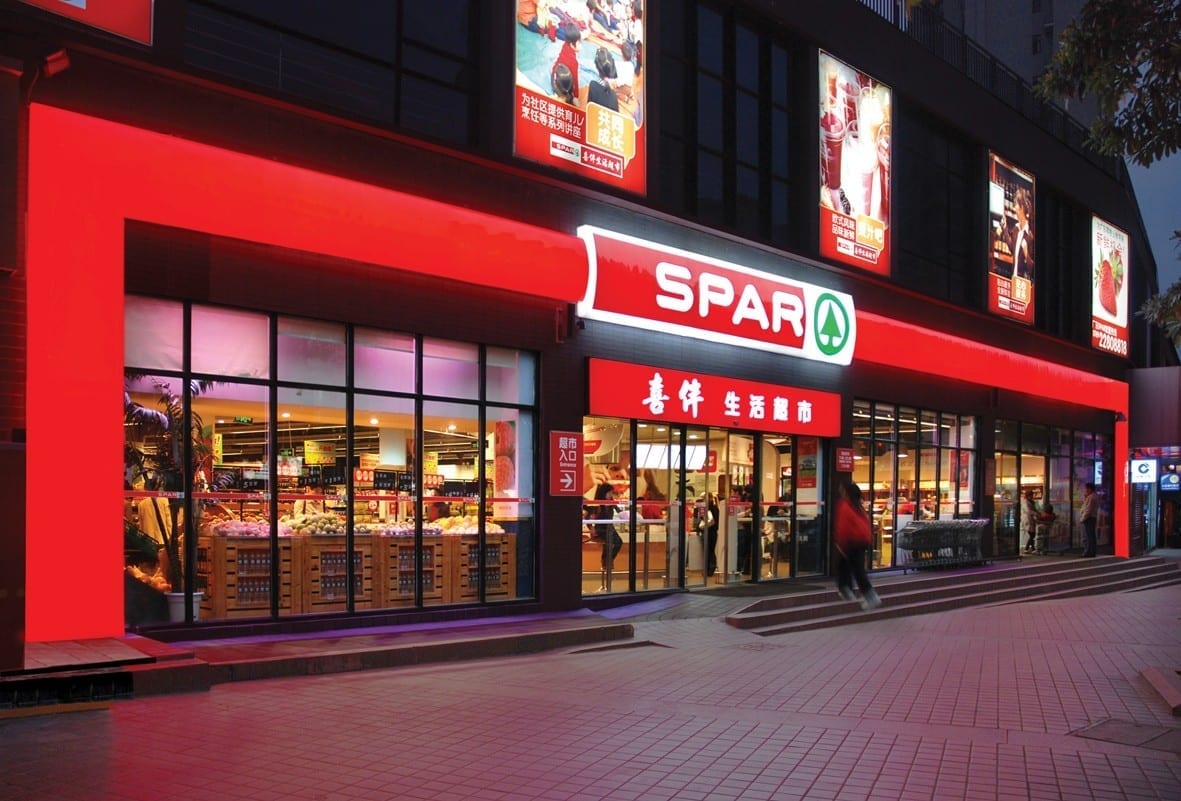
    Netherlands-based supermarket chain Spar saw sales increase 7.4 percent for the year to December 2020, hitting $62.5 billion (€39.8 billion).

    And growth was highest in its Australian business, which saw strong revenue growth of 16.5 percent off the back of its proximity and neighborhood format, as communities increasingly shopped locally due to the onset of the Covid-19 pandemic.

    Spar currently has around 120 supermarkets across Australia.

    Sales in the wider Asia-Pacific region grew by 1.5 percent, with $2.9 billion (€1.88 billion) in retail turnover driven by the strong result in Australia and China, which recorded retail sales growth of $2.4 billion (€1.55 billion).

    “Last year was very much characterized by the impact of the global Covid-19 pandemic and its severe consequences, but it was also a year that saw accelerated growth as a result of the dedication and focus of our highly committed SPAR colleagues across all parts of our global SPAR network,” said Spar International chief executive Tobias Wasmuht.

    “Crisis situations do invariably bring out the best in people and we at Spar can be proud of the astoundingly selfless and brave response of the Spar worldwide organization.”

    According to Wasmuht, the resilience shown by the Spar format has given the group confidence for the future, with developments accelerated across its retail and supply chain throughout the year despite the disruptions.

    “A key positive factor of the last year has been the benefits of close international cooperation wrought by new, remote ways of working,” Wasmuht.

    “The advantages of this intensity of cooperation are beneficial to all in Spar as we increasingly reap the benefits of our international presence and scale, whilst adding purposeful value to the local communities we serve.”