Tag: asia

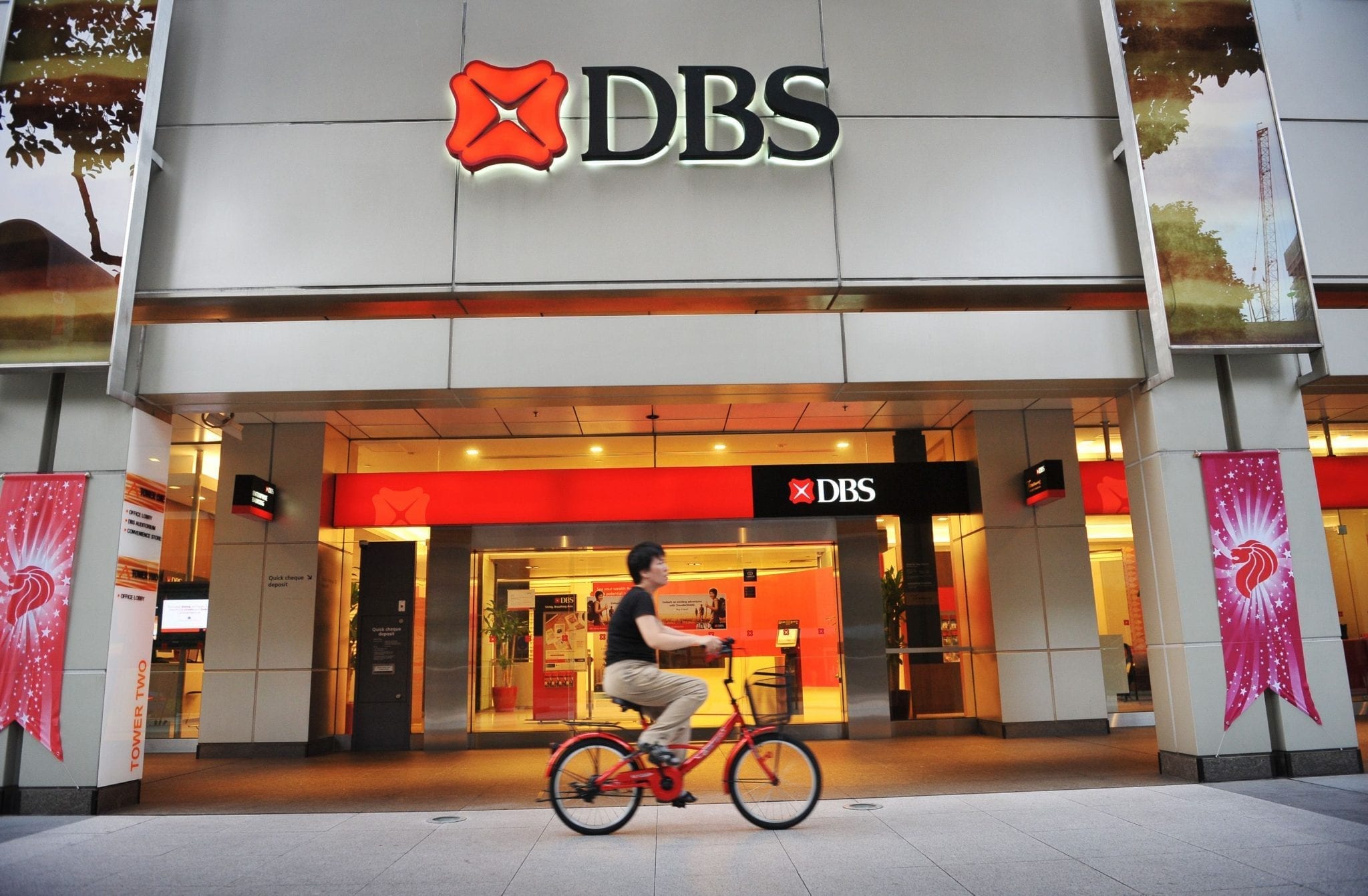
  • Singlife Poaches From DBS

    Singlife Poaches From DBS

    A veteran in the financial services industry and longtime DBS manager joins Singapore’s Aviva Singlife as its new group CEO.

    Pearlyn Phau Yee Meng will join Singapore’s Aviva Singlife as Executive Director and group CEO, the firm announced in a media release on Monday.

    Subject to regulatory approval, Phau Yee Meng’s appointment as group CEO will be effective on 18 August 2021. Also subject to regulatory approval, she will take on additional roles as executive director and CEO of both of the Group’s two Singapore licensed insurers, Singlife and Aviva Singapore. The scheme of transfer that will combine the two entities has been approved by the Monetary Authority of Singapore (MAS). It is now subject to the approval of Singapore courts and is expected to complete later this year.

    Following Phau Yee Meng’s appointment in August, Nishit Majmudar, currently CEO of Aviva Singapore, will step down from his executive and board roles and become a senior advisor to the board. Walter de Oude, who has acted as group CEO prior to Phau Yee Meng’s appointment, will continue on the board as deputy chairman, Aviva Singlife Holdings. Both will therefore be well placed in their respective roles to assist Phau Yee Meng and ensure a smooth transition into her new role, the release states.

    A veteran in the financial services industry, Phau Yee Meng has held various senior leadership roles within DBS Group, both in Singapore and Hong Kong. She is currently the group head of consumer products, marketing and ecosystem partnerships with oversight across the product lines in the region and a mandate to scale growth exponentially via strategic partnerships. Prior to this, Phau Yee Meng was the deputy group head of consumer banking & wealth management and has also spent four years in Hong Kong as the head of consumer banking & wealth management, DBS Bank Hong Kong.

    Phau Yee Meng, a Singaporean, has an exceptional track record of executing key strategies and business transformation initiatives across regional retail and wealth franchises, including being a key driver of emerging digital banking strategies. She was also instrumental in the negotiation, construction, management and delivery of DBS’ principal bancassurance partnerships and has built a deep network within the wider insurance community in Singapore and the region.

  • Australia looks into delays to 20 per cent of grape exports to China

    Australia looks into delays to 20 per cent of grape exports to China

    Australia is looking into delays in table grape exports to China, with Trade Minister Dan Tehan saying about 20 percent of fruit shipped to the mainland is stuck at the border in yet another sign of deteriorating relations.

    “We’re trying to work out what is the cause of the hold-up,” Tehan told the Australian Broadcasting Corp in an interview published on Thursday.

    “I’ve been in discussions with the industry around what they’re seeing and what they’re hearing and we also have our post talking to Chinese officials about this.”

    Bilateral ties have sunk to their lowest point in decades after Prime Minister Scott Morrison led calls for a global inquiry into the origins of Covid-19, angering China which has since restricted imports of Australian products such as barley, cotton, wine, and lobsters.

    China was Australia’s largest customer for table grapes last year, taking about 60,000 tonnes worth around A$240 million ($186 million), or about 40 percent of total exports.

    Reuters reported last month that shipments of Australian table grapes were struggling to enter Chinese ports, leaving some exporters thousands of dollars out of pocket.

    Australian grape exporters said the majority of custom delays were across southern Chinese ports, most notably the Port of Shenzhen.

    “About 80 percent of table grape exports seem to have got in seamlessly. It seems to be the last 20 percent where there are some issues,” Tehan said.

    “We don’t want to jump to any conclusions,” he added when asked if table grapes were the latest target of the trade spat.

    “We’re trying to work through all of this and we’ll keep assessing it,” Tehan added.

    Despite the row, the value of Australia’s overall exports to China has held up due to strong prices for iron ore, its single biggest trade item. In the 12 months to March, Australia exported A$149 billion ($116 billion) of goods to China.

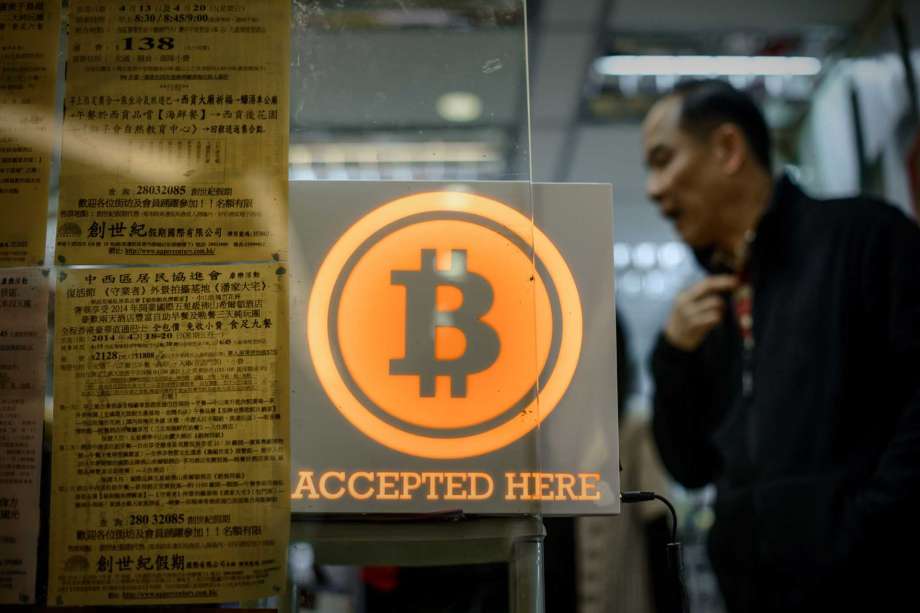
  • Beijing’s Crypto Crackdown Sends Mining Abroad

    Beijing’s Crypto Crackdown Sends Mining Abroad

    Cryptocurrency miners in China are shifting their operations to other markets abroad following Beijing’s latest crackdown.

    A committee from China’s State Council announced on Friday that it would crack down on crypto, specifically naming Bitcoin as a major concern.

    The government will crackdown on bitcoin mining and trading behavior, and resolutely prevent the transfer of individual risks to the society, said the committee led by Vice Premier Liu He.

    Although the statement stopped short of communicating or signaling an outright ban, miners in China – estimated to account for as much as 70 percent of global crypto supply – are already planning to shift their operations abroad.

    Huobi Mall, an arm of major cryptocurrency exchange Huobi, said over the weekend that it had suspended its custody business and is now contacting overseas service providers to export mini rigs in the future.

    Crypto mining pool BTC.TOP also announced the suspension of its China business over regulatory risks and its founder Jiang Zhuoer said that the firm will mainly conduct its crypto mining operations in North America in the future.

  • Beer Cartel launching crowdfunding campaign

    Beer Cartel launching crowdfunding campaign

    Beer Cartel is poised to be the next online retailer to convert the successes of Covid-19 into capital, with the alcohol delivery business announcing it will be performing a crowdfunding round soon.

    While little details have been shared, co-founder Richard Kelsey said he wants to open up investment opportunities for Beer Cartel’s customers and allow them to own a stake in the business.

    “We had a really successful 2020 and see that buying craft beer online is only going to grow from strength to strength over the next five years,” Kelsey wrote on Facebook.

    “We’re going to be doing a crowdfunding raise in the coming weeks.”

    The business was founded in 2009 by Kelsey and Geoff Huens out of an interest in good beer, and a seeming lack of it in Australian pubs and brewhouses.

    A number of large-scale e-commerce companies have stepped up their operations in the last year, from Adore Beauty launching its $270 million IPO in October, to Outland Denim’s successful $1.3 million crowdfunding effort.

  • Thai AirAsia eyes year-end international restart amid worsening financial results

    Thai AirAsia eyes year-end international restart amid worsening financial results

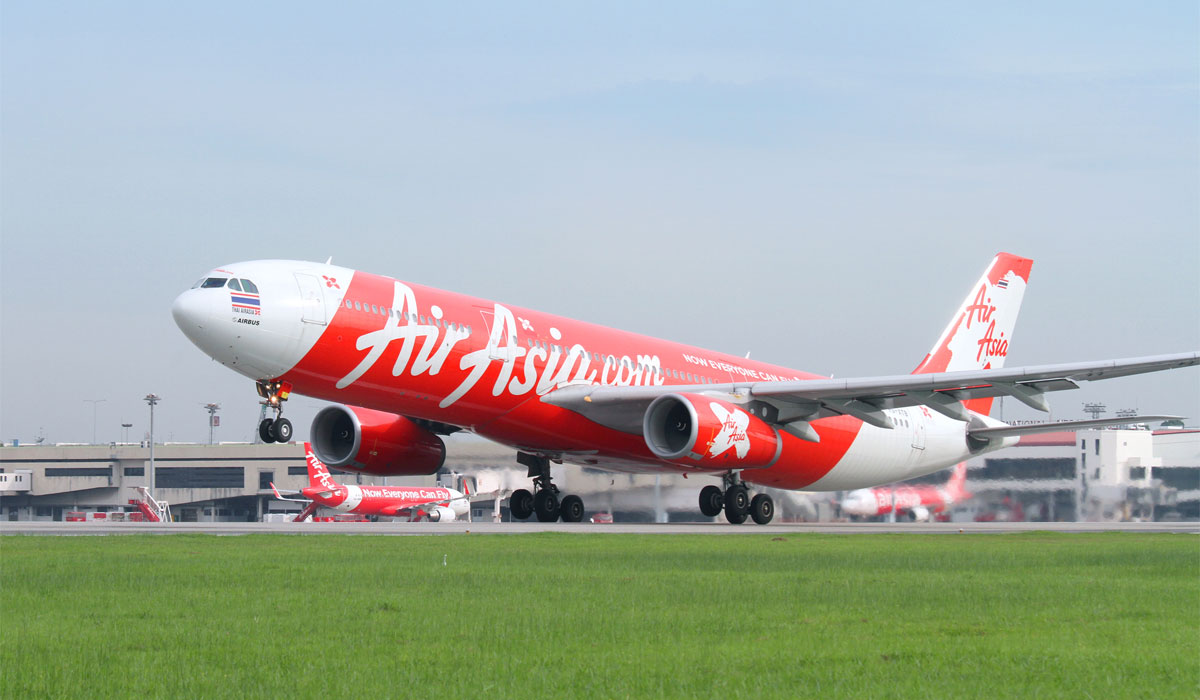
    Thai low-cost carrier Thai AirAsia has warned that the third wave of coronavirus infections in April will impact its profitability, as it sank deeper in the red amid plunging revenue.

  • UBS Fined for Rigging European Bond Trading

    UBS Fined for Rigging European Bond Trading

    The European Commission censured seven investment banks for maintaining a cartel on European government bond-trading. The Swiss bank was hit with the largest fine, despite cooperating.

    Brussels extracted a total of 371 million euros ($453 million) on UBS, UniCredit, and Nomura for a seven-bank ring which colluded between 2007 and 2011 on prices and volumes of European government bonds, the commission said in a statement on Thursday.

    The other banks censured in the cartel were not fined: Natwest had blown the whistle on it, while Bank of America and Natixis escaped because their wrong-doing fell outside of a time period for which fines could be levied. Lastly, WestLB, now Portigon, generated zero revenue from the scheme in the last business year, capping its potential fine at nil.

    UBS, which racked up the biggest fine (174.2 million euros), told domestic agency AWP that it is considering an appeal. The fine will take roughly $100 million out of UBS’ second-quarter results, it said.

    The Swiss bank’s fine would have been 45 percent higher had it not cooperated with the commission, overseen by Brussels’ anti-trust chief Margrethe Vestager. The commission fined Nomura 130 million euros and Italy’s Unicredit, now run by UBS’ former top investment banker Andrea Orcel, 69 million euros.

  • Nigella Lawson fronts launch of Whittaker’s Hokey Pokey Crunch

    Nigella Lawson fronts launch of Whittaker’s Hokey Pokey Crunch

    New Zealand chocolate brand Whittaker’s has introduced Hokey Pokey Crunch flavor, with English food writer Nigella Lawson fronting the launch.

    Although the brand already has a hokey pokey flavor, the new recipe is expected to deliver a lot more ‘crunch’ and “take it to a whole new level”, according to Holly Whittaker, COO at Whittaker’s.

    Whittaker’s Hokey Pokey Crunch combines extra-aerated honeycomb pieces with 33 percent cocoa Five Roll Refined Creamy Milk chocolate.

    “Hokey Pokey is such an iconic flavor that we’ve been looking for ways to improve on our original product because we believe ‘best is always better,” said Whittaker.

    As part of the launch campaign, Nigella Lawson will feature in a promotional video which will be shared across digital platforms.

    “As always, Nigella has been a delight to work with on this campaign. As well as her genuine passion for Whittaker’s Chocolate she always brings absolute professionalism,” Whittaker added.

    The new product is available nationwide in Woolworths and Coles stores in Australia, as well as in New Zealand, of course.

  • Coopers says stout sales are nudging levels not seen since the 1950s

    Coopers says stout sales are nudging levels not seen since the 1950s

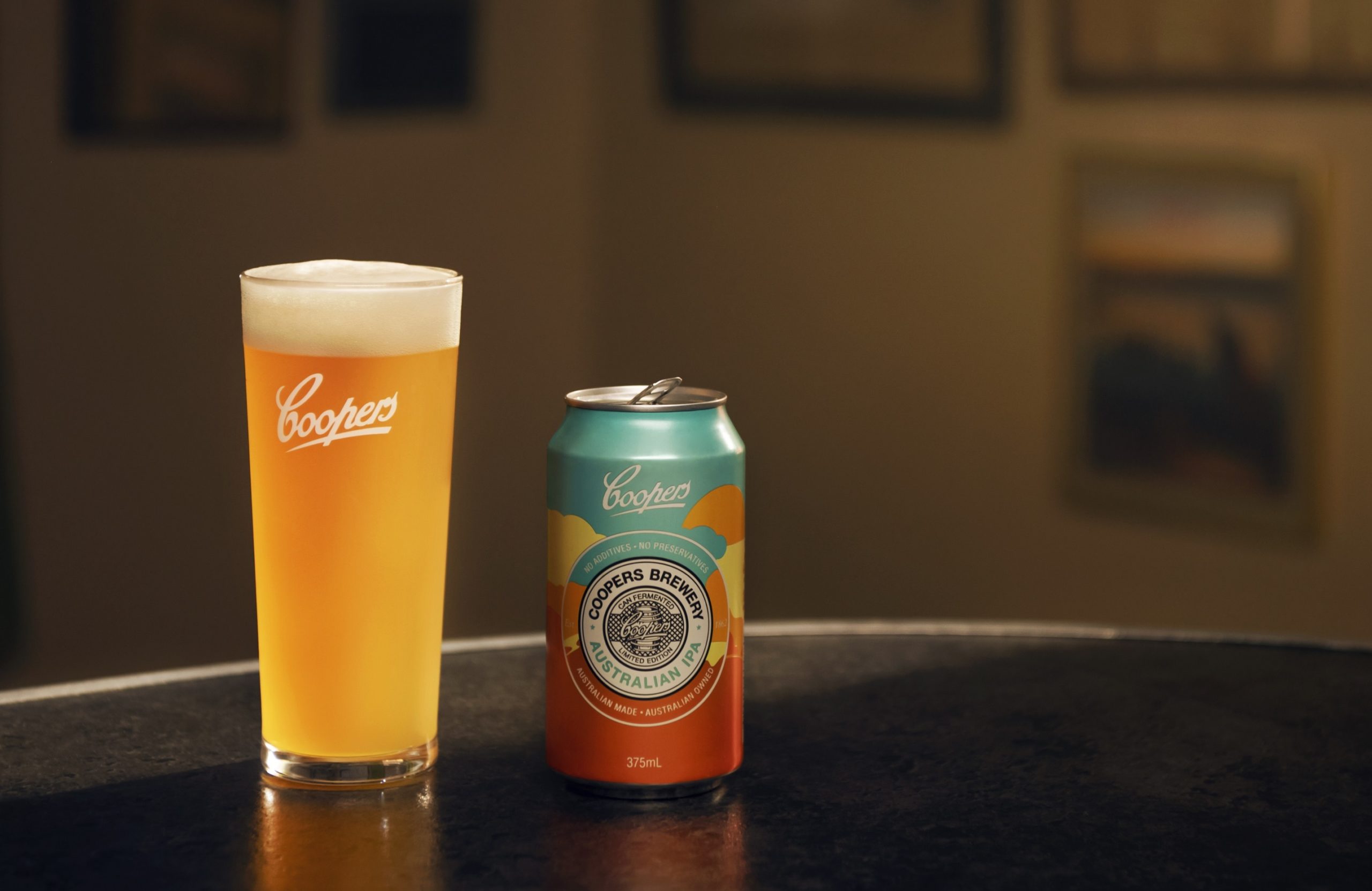
    Australian independent brewery, Coopers, reports the sales of its stout are the best in around 70 years. 

    Despite a pandemic-led drop in keg sales, figures released by the brewery show it sold 3.7 million liters of its Best Extra Stout last year, an increase of 10 percent from 2019.

    Coopers is releasing Best Extra Stout in 440ml cans next month, in time for an expected winter surge, joining the line of Coopers beers moving to a canned format during recent years.

    Coopers MD Dr Tim Cooper said the company expects the new can format would help build Stout’s resurgence and edge sales closer to 4 million for the first time in 70 years.

    “While our Stout has been in constant production since 1879, sales hit their peak in the 1950s when we were selling over 4 million liters annually,” said Cooper.

    “Demand for Stout declined after 1975, with sales dipping to below 2 million liters in the early 1990s. However, we’re now back amid a Stout revival, and the popularity of beer in cans is rising markedly,”

    Best Extra Stout is brewed using roasted malt with fruit and hints of chocolate, which the company says makes the beer taste great on its own or versatile enough to use as a mixer. 

    “We feel that releasing Best Extra Stout in a can format will make it even more appealing to new and seasoned lovers of this hearty brew,” said Cam Pierce, marketing and innovation director at Coopers.

    Coopers Best Extra Stout in matte black cans will be available in liquor outlets from June in four-packs and cartons. It is still available in bottle format and on tap.

  • Spotify promises to completely overhaul its Wear app

    Spotify promises to completely overhaul its Wear app

    Google announced this week it has teamed up with Samsung to revamp Wear OS. Along with the complete redesign of its wearable platform, Google promised to bring even more of its apps to Wear and update those that are already available.

    Due to the radical changes that Wear will be going through in the coming weeks, third-party apps like Spotify will be updated too. The good news is the Spotify app for Wear will also get a handful of new features, not just some much-needed visual changes.

    During Google I/O’s keynote, Spotify confirmed that it’s working on the option to download music and podcasts directly to your Wear smartwatch, which will allow users to leave their phones home they’re going for a run.

    Up until now, the Spotify app for Wear only allows users to control music played on other devices. The upcoming update will allow users to control playback from their Wear smartwatches if Spotify is playing on other devices, such as PC, smartphone, or smart speaker.

    Although we don’t know when exactly the new Spotify app will roll out to Wear smartwatch users, we doubt that will happen before Google releases the new version of its wearable platform later this year.

  • BYD Rolls Out 1 Millionth Electric Passenger Car In China

    BYD Rolls Out 1 Millionth Electric Passenger Car In China

    Chinese automaker BYD is celebrating the rollout of its one-millionth electric passenger car, becoming the first automaker globally to do so. The one-millionth car is the Han EV that rolled off the production line at BYD’s headquarters and manufacturing facility in Shenzhen, in China. The occasion marked the presence of officials from the Chinese government, industry heads, media guests, and about 100 BYD vehicle owners. With no Covid cases reported, China is able to host public events.

    Speaking about the rollout, Wang Chuanfu, Chairman and President of BYD Co., Ltd. said, “BYD shoulders the responsibility and mission of upward development for China’s new energy vehicle brands. From zero to one million vehicles, this is BYD’s response to the call for global auto industry transformation. It also sets a benchmark in the journey of the new energy vehicle industry in China starting from nothing, alongside the greater national journey for a country dominated by traditional automobiles to one that is a leader in the field of sustainability.”

    He added, “The journey to one million vehicles would not be possible without the support of car owners every step of the way, and BYD recognizes that the ‘green dream’ can only be achieved hand-in-hand with all our customers.”

    Beginning operations in China in 2003, BYD’s new energy vehicle (NEV) journey commenced in 2004 with the ET electric concept car at the Beijing Auto Show. This was followed up with the F3DM – the world’s first mass-produced plug-in hybrid NEV model unveiled in 2008. The BYD Han was launched in 2020 and the automaker says it’s a top-selling model in China, competing with the German luxury sedans.

    Rolf Petter Almklov, Commercial Counsellor, Royal Norwegian Embassy in Beijing, and Wang Chuanfu, Chairman & President – BYD at the rollout ceremony

    BYD says the one million EV production milestone coincides with the first batch of 100 fully-electric BYD Tang SUVs being readied for Norway. The Scandinavian country will be at the center of the automaker’s ambitious plans for the European market, it says. A total of 1500 Tang SUVs will be delivered to Norway before the end of the year as part of BYD’s European and global strategy. The first batch will be delivered to customers in Norway in the third quarter of the year.

    The BYD Tang SUV promises a range of 505 km (NEDC) and can sprint from 0-100 kmph in 4.6 seconds. The battery capacity stands at 86.4 kWh. BYD will be bringing only electric cars to the European market and the company already retails its electric bus product range in Europe.

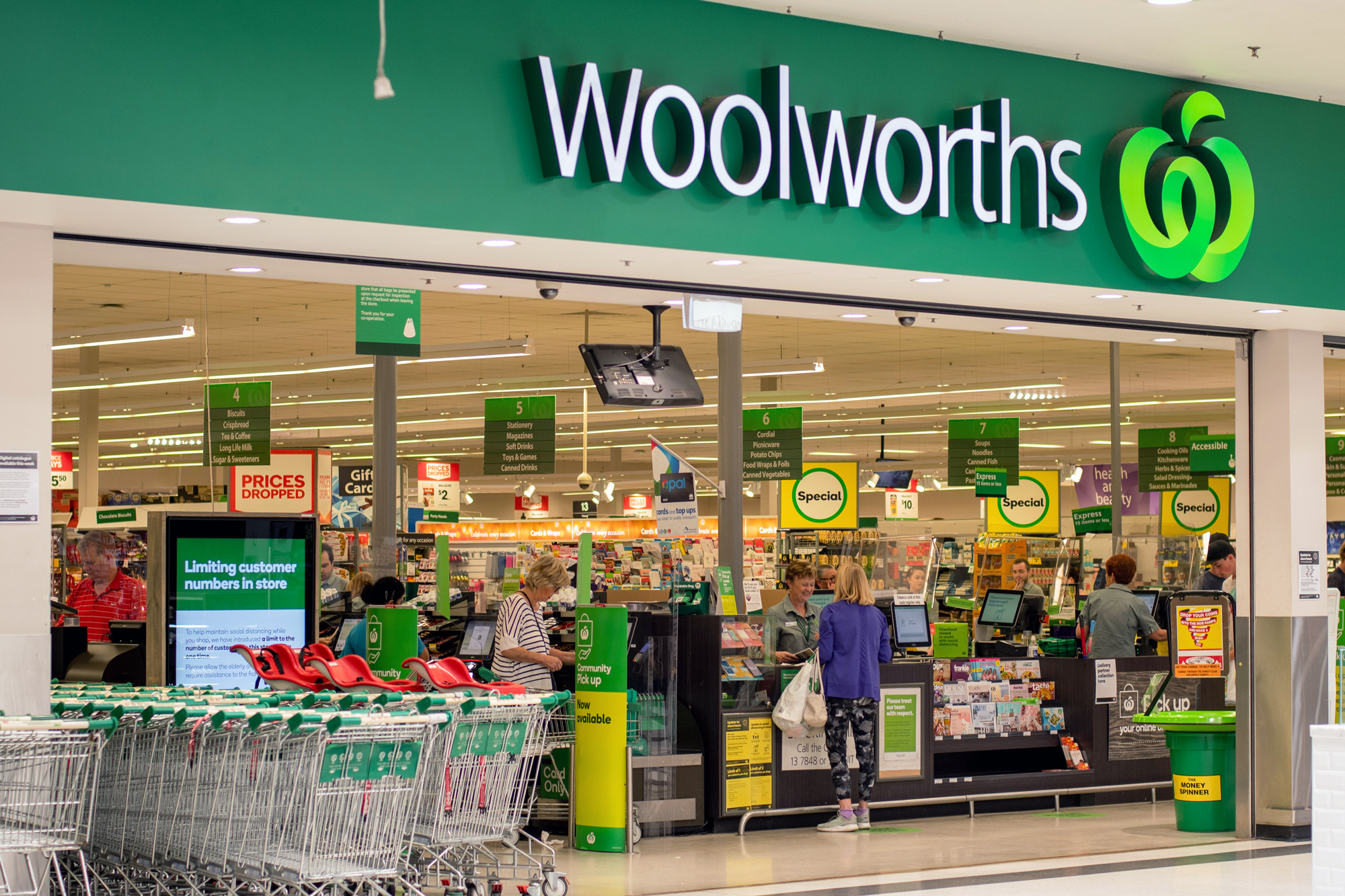
  • Woolworths starts construction at “next generation” Moorebank DC

    Woolworths starts construction at “next generation” Moorebank DC

    Woolworths Group’s supply chain arm, Primary Connect, has started construction on the supermarket giant’s “next generation” $780 million distribution centre in Moorebank, Western Sydney.

    The DC promises 75,000 sqm of floor space and will be built with automation in mind, and will sit adjacent to a regional DC which will see construction start later.

    “The challenges of this last year have put a spotlight on the critical role our distribution centres play in providing the essential food and everyday needs Australian communities rely on,” said Woolies’ group chief executive Brad Banducci.

    “We have ambitions to offer a more tailored range of products in our stores, [but] this has traditionally been constrained by what we can hold in our distribution centres.

    “Once both centres are up and running, we’ll be able to carry up to 8,000 additional products in our range than we can in our existing facilities.”

    And according to the grocery group, Moorebank is just the beginning: Woolworths Group has a $2.3 billion investment program set to create thousands of jobs across NSW over the next five years, though didn’t specify what projects it would be working on beyond the two DCs at Moorebank.

  • Chip delays reach crisis territory; Apple, Qualcomm and others are affected

    Chip delays reach crisis territory; Apple, Qualcomm and others are affected

    The worldwide chip shortage is about to hit a benchmark indicative of more serious problems ahead for tech companies. This benchmark measures the lead times for chip orders, or the time it takes between ordering semiconductors and actually receiving the shipment. Bloomberg reports that this measure hit 17 weeks last month according to Susquehanna Financial Group which says that it is a sign that users are getting desperate to obtain the needed components

    Su.squehanna Financial notes that the 17 weeks is the longest period of time it has recorded for this measure since it started tracking it in 2017. Based on that figure, the research firm says that when it comes to purchasing sufficient chips, consumer electronic firms and automobile outfits are in “the danger zone.” Last year at this time, the lead time was 12.53 weeks.

    Susquehanna analyst Chris Rolland disseminated a note to clients yesterday in which he wrote about lead times for analog chips, power management chips, and others. “All major product categories up considerably. These were some of the largest increases since we started tracking the data,” he stated. Apple has said that it could lose up to $4 billion in revenue during the current quarter thanks to shortages of chips and other components, while automakers are on track to report a revenue shortfall of $110 billion this year.

    Rolland wrote that demand for chips might be overstated by actions taken by customers afraid of missing out on supplies. “Elevated lead times often compel ‘bad behavior’ at customers, including inventory accumulation, safety stock building and double ordering. These trends may have spurred a semiconductor industry in the early stages of over-shipment above true customer demand.”

    The analyst said that the 17 week lead time expanded from the previous 16 week lead time and marks the fourth consecutive month that lead time has risen by a “sizeable” amount. Power Management chips lead time weighs in at 23.7 weeks, up about four weeks over the last month. Industrial microcontroller’s order lead times have recently risen by three weeks.

    Susquehanna says that delays are longer for smaller manufacturers; for example, headphone manufacturers have lead times longer than 52 weeks! The expanded lead times has forced firms to redesign, and even drop projects. Rolland says that 70% of the companies he tracks in the chip industry are reporting expanding lead times while 20% have seen lead times drop.

    NXP Semiconductors NV, a company that supplies chips to automakers, has seen lead times rise from 12 weeks late last year to 22 weeks. And STMicroelectronics, another chip supplier for the auto industry, had its lead times rise by 4 weeks in April to 28 weeks.

    Taiwan, the home of the world’s largest independent foundry TSMC, has been dealing with a couple of issues that could impact chip production in the country. The number of COVID-19 cases in the country has been rising and in addition, drought has impacted the country. Water is an important ingredient when it comes to chip making and TSMC has ordered huge deliveries of the ultra-pure water required to run its assembly lines.

    TSMC has plenty of important customers that rely on it to turn chip designs into chips. Among those firms are Apple, Qualcomm and MediaTek. Today, Taiwan’s Centers for Disease Control raised the island’s alert level which spreads COVID-containment measures to the whole country.

    Also today, Taiwan’s Water Resources Agency said that the country needed to use more aggressive water-saving methods thanks to the low amount of rain that has fallen in the country. TSMC responded by saying that it will continue to tighten up its water usage, although it doesn’t believe that it will have to make any changes to its operations even with the countries’ new measures announced today.

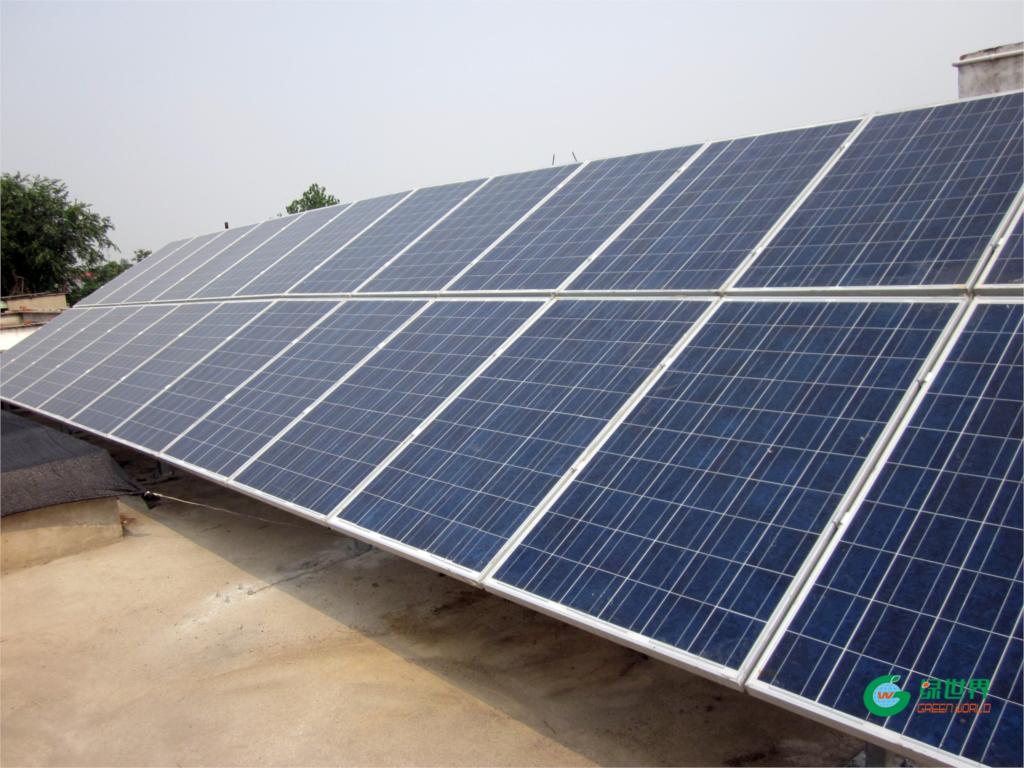
  • India starts anti-dumping investigation of solar cells from Vietnam

    India starts anti-dumping investigation of solar cells from Vietnam

    The Indian Ministry of Commerce and Industry has launched an anti-dumping probe into solar cells originating from China, Thailand and Vietnam.

    It follows a petition by the Indian Solar Manufacturers Association.

    The dumping margins related to the products under investigation have not been disclosed, with the ministry merely saying they exceed the 2 percent threshold.

    The Trade Remedies Authority of Vietnam said producers and exporters should contact the Indian ministry to register for questionnaires and keep breast of relevant information emanating from India.

    Any action deemed uncooperative can lead to India imposing anti-dumping duties, it warned.

    “High taxes will result in Vietnamese producers losing their competitive advantage and lose part or even all of the market share in India.”

  • Buy2Sell Vietnam joins with CJ Logistics to boost innovation

    Buy2Sell Vietnam joins with CJ Logistics to boost innovation

    Buy2Sell Vietnam has signed a memorandum of understanding on cooperation with CJ Logistics to support imports and exports in Vietnam.

    Under the partnership, CJ Logistics will provide logistics services to e-commerce merchants and buyers of Buy2Sell Vietnam nationwide, importing goods from foreign countries into Vietnam and vice versa.

    Entering Vietnam in 1996, CJ Logistics Vietnam belongs to CJ Group, one of the largest companies in South Korea covering a wide range of services like entertainment, food, agriculture, and logistics.

    CJ Logistics Vietnam oversees logistics including Sea FF, Air FF, and W/L. CJ Korea Express Freight Vietnam is the first company in the country to receive the level one certificate from Transported Asset Protection Association in Vietnam. The company offers first-class logistics services in food, FMCG, electronics, steel, textile, and tire industries.

    The company maintains close links with all major airlines, ports, shipping lines, terminals and serves as a global agent for international freight from Vietnam.

    CJ logistics’ services include import and export of cargo, special cargo, cargo insurance, IATA services, and door-to-door shipping, optional trucking services, bulk cargo, oversized cargo services, and heavy-lift cargo.

    Buy2Sell Vietnam is a leading B2B e-commerce platform with the largest source of imported goods in the country since 2015.

    It is distributing more than 200,000 goods from more than 60 countries around the world and has over 120,000 wholesalers in Vietnam. Buy2Sell is in partnership with UOB Bank (Financial lending BizMerchant) and large retailers like Lotte Mart and SC Vivo City.

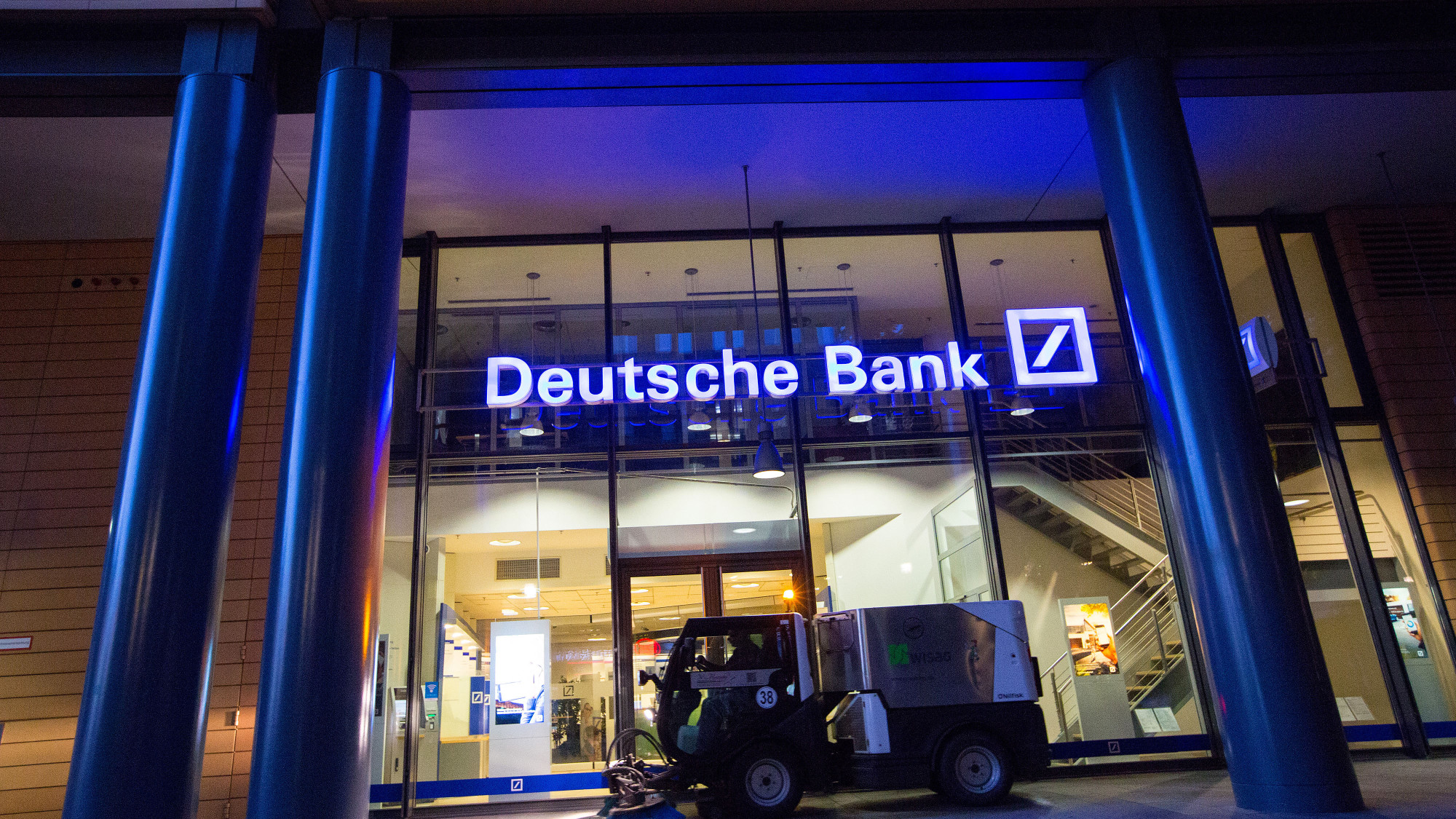
  • Deutsche Bank Sets Up ESG Center in Singapore

    Deutsche Bank Sets Up ESG Center in Singapore

    Deutsche Bank has set up a Singapore-based center focused on developing environmental, social and governance-related solutions.

    Deutsche Bank’s center will focus on innovation in ESG and fintech to develop new products to address market gaps, according to a statement.

    In addition to internal activities, the center will also share global best practices with regulators and regional bodies in Asia, such as Asean and Asia Pacific Economic Cooperation.

    The center will house a sizeable team that will work across all business divisions, developing solutions across impact monitoring, data management and payments to unbanked communities.

    The transition of Asia towards sustainable practices requires ESG transaction models, products, solutions and regulatory measures which meet international standards while supporting on-the-ground realities in Asia, said Deutsche Bank’s APAC head of ESG Kamran Khan.