Tag: asia

  • Hanoi Stock Exchange earns record profit in 2020

    Hanoi Stock Exchange earns record profit in 2020

    The Hanoi Stock Exchange (HNX) posted VND399 billion ($17.3 million) in 2020 post-tax profit, a year-on-year increase of 28 percent.

    Its revenue rose 32 percent year-on-year to VND733 billion, 87 percent of which was from transaction charges.

    The exchange attributes its highest-ever revenue and post-tax profit earnings to the rise in corporate bonds issuance.

    According to HNX data, 2,408 corporate bond issues were registered last year, 92.5 percent of them successful. The value of bonds successfully issued by corporates in 2020 jumped 36 percent year-on-year to VND403.4 trillion.

    The exchange’s total assets were valued at VND1.35 trillion at end of 2020, up 6 percent year-on-year.

  • Elon Musk’s tweets send Vietnamese crypto investors into spiral of anxiety

    Elon Musk’s tweets send Vietnamese crypto investors into spiral of anxiety

    Elon Musk’s recent tweets have partly contributed to sending Bitcoin and other cryptocurrencies tumbling, and Vietnamese investors into losses and diminishing their hope in the future of digital currencies.

    Thien Tuan from the northern town of Mong Cai has seen his VND30 million ($1,300) investment in several cryptocurrencies depreciate by nearly 40 percent in the last few days.

    The 28-year-old had entered the crypto market in early April with no prior investment experience. Half of his savings is now in XRP, which has fallen 36 percent since mid-April, and Dogecoin, which has lost half its value in two weeks.

    He says: “Some of my friends have advised me to exit the market and look for other reliable assets like gold. I’m worried my losses will rise to 80-90 percent in the coming weeks.”

    On several Facebook groups of which he is a member, hundreds of people are expressing similar concerns about Bitcoin, Dogecoin and other cryptocurrencies after their prices plunged due to the remarks made by Musk and other reasons.

    In March Mush had announced that customers could buy Tesla cars using bitcoin, but on May 13 he said in a tweet the company had suspended the plan. Bitcoin lost 12 percent almost immediately.

    In another Twitter comment on May 17 Musk seemed to imply Tesla could sell its Bitcoin holdings, which sent the cryptocurrency down another 8 percent.

    The world’s most popular coin has lost 47 percent from its peak in mid-April, while other cryptocurrencies too are down by double digits.

    Other factors that contributed to the falls are China further cracking down on digital currencies and Binance Holdings, the largest cryptocurrency exchange, being investigated by U.S. authorities for money laundering and tax offenses.

    Tran Cuong, 22, of Hanoi invested $700 in Bitcoin and Dogecoin, and says “I have lost nearly $500 due to Elon Musk’s tweets.”

    The sharp falls have raised concerns among coin miners in Vietnam.

    Viet Hung of the southern province of Dong Nai only started mining a month ago and was expecting to recoup his investment by the end of the year.

    “Now that the market has plunged, I don’t know whether to continue mining or sell the equipment and cut my losses,” he says.

    Minh Huy, a seller of mining rigs in HCMC, says many prospective buyers have suspended purchase plans to watch how the market moves before making a final decision.

    Some of these deals are potentially worth billions of dong (VND1 billion = $43,500).

    “The plunging market not only hurts investors but also hardware suppliers,” Huy says.

    Hoang Bao of Hanoi, who has years of experience in coin mining, says he has yet to see people sell off equipment, but feared that if prices keep falling the market could soon turn “chaotic.”

    “The worst-case scenario is that rigs will be left to gather dust like last time, but this time it will be on a much bigger scale,” he says, referring to the 2018 Bitcoin selloff.

    Bitcoin and other cryptocurrencies are not recognized as a legitimate means of payment in Vietnam. The State Bank of Vietnam has warned that owning, trading and using cryptocurrencies are risky and not protected by law.

  • Masan acquires 20 pct stake in Phuc Long tea chain

    Masan acquires 20 pct stake in Phuc Long tea chain

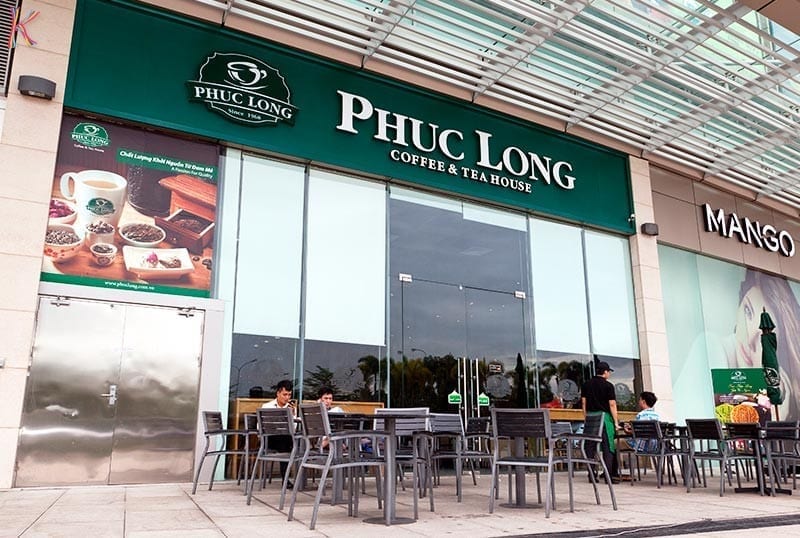
    A subsidiary of the Masan Group conglomerate has signed an agreement to acquire a 20 percent stake in tea shop chain Phuc Long Heritage Jsc.

    Masan’s The Sherpa Company Ltd will pour $15 million into the company, established last week to own the Phuc Long brand, which is among the most popular beverage brands in Vietnam with 82 stores nationwide.

    The deal puts Phuc Long Heritage’s valuation at $75 million.

    It will help establish Phuc Long kiosks in over 2,200 VinMart+ convenience stores to provide tea and coffee to consumers.

    In the last three months, four pilot kiosks have been opened in Ho Chi Minh City and another 1,000 will be set up in the next 18-24 months.

    “I believe that in combining the Phuc Long products and VinMart+ network of more than 2,200 stores today and 10,000 stores in the next five years, we will provide 100 million Vietnamese consumers with the opportunity to enjoy the freshest, most delicious tea and coffee,” said Truong Cong Thang, CEO of VinCommerce.

    Each kiosk will share 20 percent of its revenue with VinMart+, adding 4 percentage points to the profit margin of the retail chain.

    Vietnam’s tea and coffee market is valued at $2.3 billion and is expected to grow more than 10 percent per year, according to data from Masan, which also estimates that popular brands like Highlands Coffee, The Coffee House and Starbucks account for 25 percent of the market.

  • Tuna exports soar

    Tuna exports soar

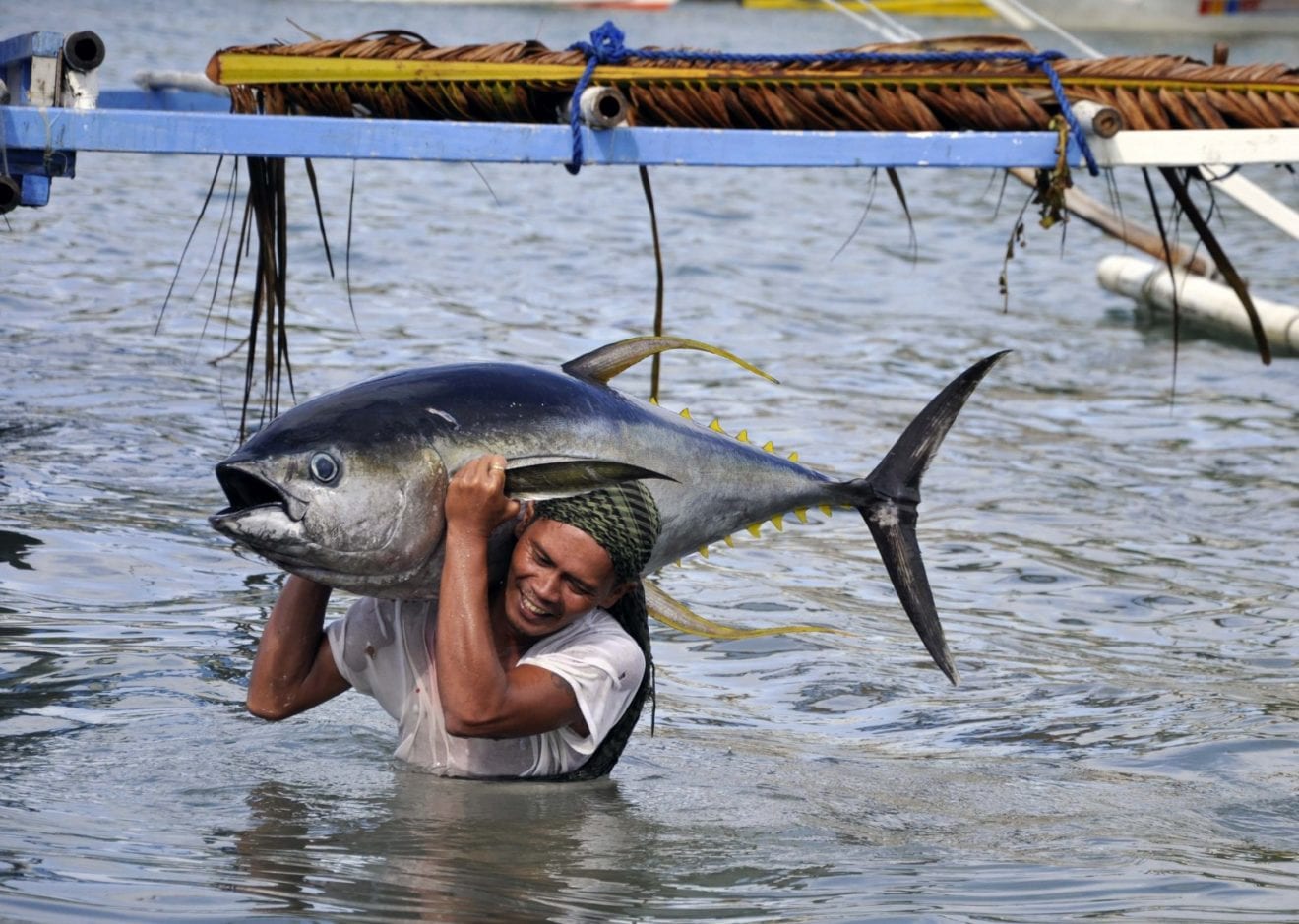
    Vietnam exported $74 million worth of tuna in April, a 50 percent year-on-year surge, with the U.S. and E.U. buying more.

    According to the Vietnam Association of Seafood Exporters and Producers (VASEP), tuna exports to the U.S. saw the highest growth with a 56 percent year-on-year surge in April.

    The association also reported a change in the export structure with the export of fresh and frozen tuna to the U.S. rising in April, while that of canned products decreased. Exports to the E.U. and members of the Comprehensive and Progressive Agreement for Trans-Pacific Partnership (CPTTP) trade pact also saw increases of 31 percent and 42 percent in April, respectively.

    The association said tuna exports to these major markets will continue to rise because preferential tariffs under free trade agreements are attracting foreign importers.

    Vietnam has exported $226 million worth of tuna by the end of April this year, up 15 percent year-on-year, even as the number of importing markets reduced to 63 from 90 last year.

  • The role of telecoms in a growing big data analytics market

    The role of telecoms in a growing big data analytics market

    In today’s data-driven world, more organizations are investing in big data analytics to improve business performance and build business resiliency as the world experiences unprecedented digitalization.

    According to IDC, big data and analytics (BDA) spending in the Asia-Pacific region, has been on the rise. In 2020, revenue for BDA solutions reached US$22.6 billion, representing a growth of 12% from the preceding year. IDC predicts that this revenue will grow with a five-year CAGR of 15.6% for the period from 2019 to 2024.

    Banking is the top vertical leading the overall BDA market, followed by the telecommunications sector, where big data analytics has been applied to predictive customer churn analysis, for instance.

    Since telecom operators handle billions of records every day, the use of big data converts raw data into meaningful insights that are valuable to enterprises and the government.

    In the region, China accounts for the largest share of the BDA solutions market, driven by banking and state and local government. Even Chinese factories have turned to big data to focus on the domestic market when exports were disrupted last year. When overseas demand dropped and China was at the height of the pandemic, factories turned to e-commerce giants like Alibaba and JD.com to track consumer behaviors. Within just three months, Alibaba successfully helped 300,000 Chinese export factories to focus on local consumers.

    To secure tech supremacy, China is investing heavily in emerging innovations. Last month, China’s state media announced a US$3 billion plan to build a supercomputing center to analyze data obtained from space by the end of the year. The center will provide big data services for industries such as the aerospace and marine sectors as early as next year.

    Taking cues from the central government, companies are also investing in big data. Last month, tech giant Tencent and venture capital firm Sequoia China led a US$25 million funding round in a Chinese big data startup to capitalize on global digitalization efforts.

    In Malaysia, where big data analysis is still in its early stages, IDC has forecasted that the BDA market will grow from US$1.1 billion in 2021 to US$1.9 billion in 2025. In this research commissioned by Malaysia Digital Economy Corporation (MDEC), findings show that the services sector will dominate the BDA market, contributing 64% of total spending, followed by banking and telecommunications, with both contributing to a third.

    Malaysia has plans to become a regional data hub leader, with capabilities such as big data, IoT and AI. Last month, Microsoft announced that it is establishing its first data center in Malaysia’s Greater Kuala Lumpur area. Estimated to cost US$1 billion, this investment is expected to create 19,000 jobs and generate US$4.6 billion in revenue for Malaysia.

    New revenue sources across sectors
    Amid big data growth and advances in big data analytics, global telecom operators are well-positioned to take advantage to compete. Apart from transforming customer experiences within to reduce customer churn and improve operational efficiency, the telecommunications industry is in a unique position to mine the sheer volume of data for other sectors as data becomes a key differentiator to stand out among competition.

    Insights into big data present telecom operators monetization opportunities when offered to organizations across increasing industries that are recognizing its perks. Such industries include logistics and shipping, as well as the retail industry.

    In the logistics industry, for instance, historic data and pattern analysis that take into consideration seasons and cycles can be used for predictive analytics. Insights from data can be used to predict future volumes, route planning using real-time analytics on weather and traffic conditions for route optimization, and more efficient dispatch of transportation vehicles to prevent delays. Predictive analysis also enables robotic systems to scale inventory management in warehouses as needed. Essentially, big data analytics offers visibility and transparency throughout the supply chain so that firms can better respond to immediate real-time information for smoother operations.

    Big data also promotes client segmentation and target marketing to attract and retain existing clients in the retail sector. For example, telecom operators can run analytics on consumer data that are sought after by retailers to enhance existing targeted marketing campaigns. More specifically, behavior analytics carried out by telecom operators can help retailers connect with their buyers both online and offline and decide if it is worthwhile opening a store or franchise in a particular precinct.

    Given that the telecommunications industry is inextricably linked to organizations in today’s digital age, data-driven insights are an important driver for the continued relevance and prosperity of organizations across diverse sectors. The onus is on telecommunications operators to tap on this growth area.


  • Inmarsat joins effort for telecommunications and navigation systems for lunar missions

    Inmarsat joins effort for telecommunications and navigation systems for lunar missions

    Inmarsat, the world leader in global, mobile satellite communications, will be a key member of a new consortium led by Telespazio to study the development of a satellite navigation and communications network that supports future missions to the Moon. Funded by the European Space Agency (ESA), this project will explore creating a single system that would serve all lunar missions, drastically reducing the cost of each trip that would no longer need its own infrastructure to be developed. The system would provide connectivity and navigation to both crewed and uncrewed missions.

    Project Moonlight is ESA’s program to explore, with industry, how to develop telecommunications and navigation systems to support future planned lunar missions. An industry consortium will study how a future Lunar Communications and Navigation Satellite (LCNS) constellation could work. This study will research demand from potential users and build a business case for future development of the system. The study will also provide a technical concept for the LCNS that fits within this overall business case.

    Within the consortium, Inmarsat will be responsible for researching and collating the requirements from potential users of the system, in both the public and private sectors, who have lunar ambitions. In addition, Inmarsat will design the LCNS ground segment.

    “Providing communication and navigation capabilities around the Moon is a major challenge, both technically and commercially,” said Yasrine Ibnyahya, Senior Director, Advanced Concepts and Technologies at Inmarsat. “But I strongly believe that the expertise and assets from Inmarsat and our partners can solve this challenge in the most efficient and cost-effective way. Communications and navigation are both core capabilities of Inmarsat’s Earth operations in orbit and on the ground, so it is only natural that we expand our reach and leverage our know-how beyond our planet to the Moon.

    “This lunar project is only the first step to unlock future opportunities. It can become the hub to facilitate human space exploration, further technology developments and perhaps access to new resources.”

    Because missions could rely on this dedicated telecommunications and navigation service, they would also be lighter. This would create space to allow more scientific instruments or other cargo to be carried.

    Science Minister Amanda Solloway said: “People all over the world will be hugely excited by the upcoming missions to the Moon – and I’m proud that it is UK space companies who are leading the way in making these become a reality. Britain’s expertise in navigation and telecommunications is second to none and this first of its kind commercial service – spearheaded by some of the UK’s most innovative businesses – demonstrates our ambition for the UK to become a world- leading space nation.”

    An accurate and reliable telecommunications and navigation service would also enable missions to land anywhere on the Moon. Rovers and other lunar installations could be operated from Earth. Radio astronomers could set up observatories on the far side of the Moon.

    Nick Shave, Vice President of Strategic Programmes for Inmarsat Global Government, said: “Project Moonlight opens up multiple possibilities to accelerate and diversify lunar exploration. It’s not inconceivable that, alongside vital operational uses, this satellite network could also provide a critical welfare service, such as allowing astronauts to relax by sending WhatsApp messages home from the Moon or even catching up on Netflix in orbit. The Inmarsat team is very excited to get to work engaging with potential users of the system, to use their insights and our expertise to deliver a strong recommendation to ESA so that this once in a lifetime opportunity can be delivered for all humankind.”

    ESA has awarded funding to the consortium to cover the next stage of project development over 17 months and industry has also contributed to the project.

    Large mission integrator Telespazio is the prime for this project with TAS the nominated satellite manufacturer.

    Inmarsat participated in the initial phase 0 of this project in 2018 and 2019, performing a preliminary feasibility analysis of a Lunar Communication and Navigation System with ESA and partners. The company is now involved in the deeper analysis as part of the Moonlight initiative.

    Upon completion of this 17 month study phase, ESA will then review the study to inform how to implement the next stage, including satellite and ground segment procurement, in late 2022.

  • DBS Triples Vacancies at Female-Focused Job Fair

    DBS Triples Vacancies at Female-Focused Job Fair

    The second edition of the bank’s virtual career fair sees vacancies for women technologists almost treble to 140.

    The bank is focusing its outreach efforts on filling five engineering roles: Engineering Lead; Solution Architect; ReactJS Developer; Full Stack Developer; and Software Development Engineering in Test, at its Women in Tech» career fair, which is returning in June 2021.

    We believe that by driving diversity in our engineering roles we will be able to incorporate a multiplicity of views and perspectives upstream so as to deliver outstanding digital experiences for our customers, Soh Siew Choo, DBS head of big data/AI and consumer banking technology, said in an announcement on Tuesday.

    Candidates must complete an online assessment by June 8, and shortlisted applicants will be invited to an online hiring day on 12 June 2021.

    According to DBS. there is a strong pipeline for of women for technology roles. The bank received more than 500 applications for 50 job opportunities at its inaugural virtual career fair, held amid the pandemic in October 2020.

    Among the new hires from last year’s edition was Lo Man Ling, vice president of consumer banking digital platform, who joined the bank after more than nine years in the public sector.

    DBS said the share of applications from women rose to over 30 percent, as compared to 5 percent in previous years, and the number of offers made to women also increased about five times, as a result of its efforts to reach out to women.

  • OCBC to Grow Transaction Banking Division

    OCBC to Grow Transaction Banking Division

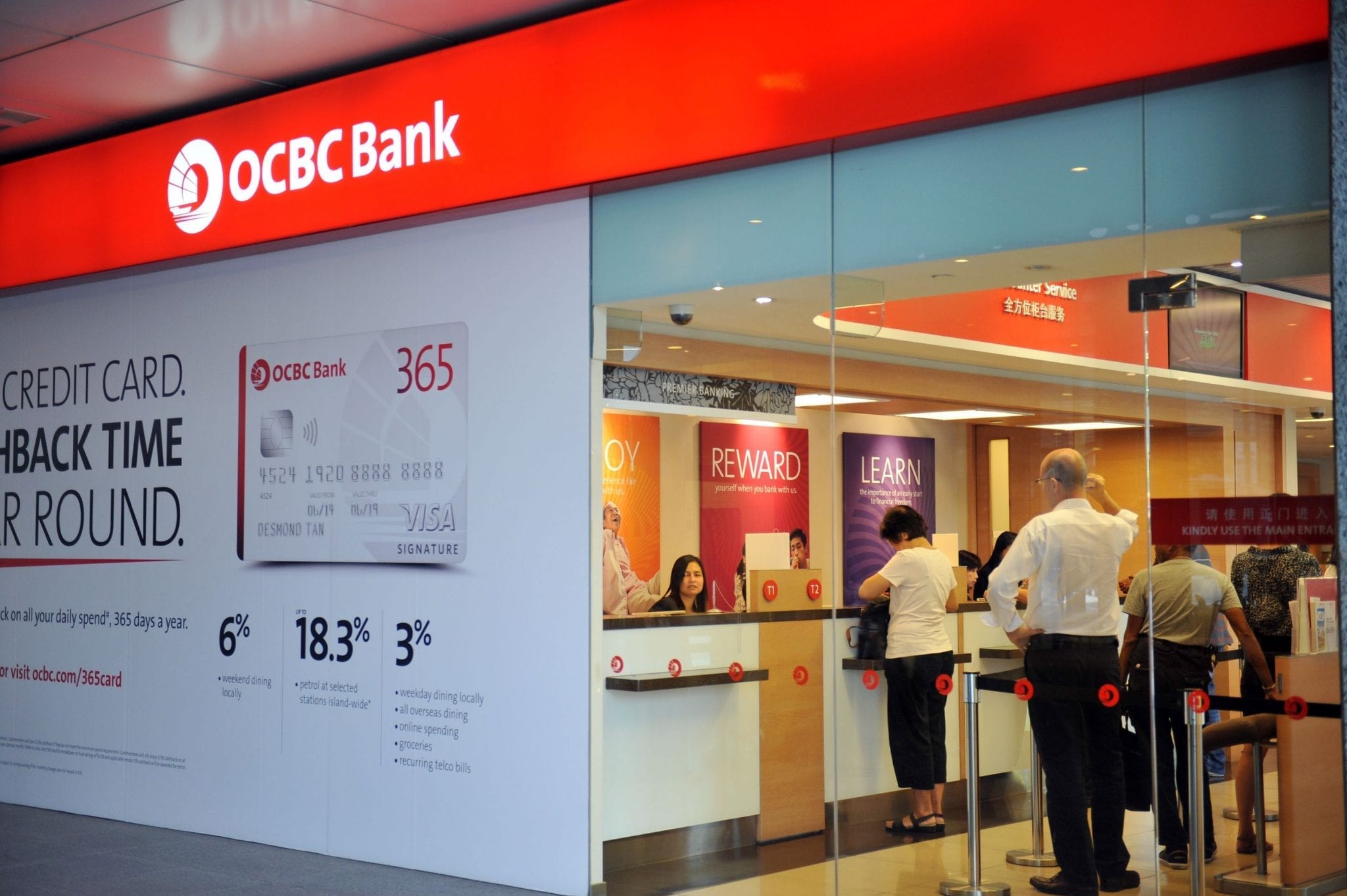
    The bank aims to grow the division by another 50 headcounts to 150 in total by the end of the year. The bank is looking to boost its transaction banking workforce with specialized staff who can help it to develop products and services, and in particular, those with regional skill sets that can support clients in its key markets, OCBC’s Melvyn Low told «The Straits Times.»

    The bank’s head of global transaction banking said the rise of mobile and internet banking, as well as application programming interfaces (APIs) that connect various platforms, are prompting a shift in the skills in demand.

    The division provides corporate banking solutions, including cash management, APIs, trade and supply chain finance solutions, and also serves the bank’s overseas markets in Malaysia, Indonesia, and Greater China.

    I need a very deep appreciation of new technologies like APIs, blockchain, and for data, Low said about the desired candidates. It’s not just about knowing how to look at and consume data, but how to use it to target clients, identify their flows and capture them with solutions using new technologies, Low added.

    He also cited mobile payments, platform connectivity, and cross-border instant payments as areas with the potential to grow.

    In its recent quarterly trading update, the bank highlighted growing momentum from renewed market optimism across its businesses, as well as improved quarterly earnings from its overseas banking subsidiaries.

  • Lovekins commits to helping end period poverty

    Lovekins commits to helping end period poverty

    Lovekins has partnered with women’s charity Share the Dignity to help end period poverty and the social stigma associated with periods in the run-up to World Menstrual Health Day.

    Every dollar spent on sanitary pads purchased from the Lovekins website will be matched with a donation to Share the Dignity.

    Once the brand reaches $10,000 in donations, a digital vending machine that dispenses free sanitary napkins will be installed within a disadvantaged community, ensuring accessibility of pads and tampons to those who need them.

    In addition, the brand will give away 100 packs of sanitary pads to every school in Australia via a social-media campaign in hopes of reducing the number of girls missing their class in school because of inaccessibility to period care resources.

    “World Menstrual Health Day is the perfect opportunity to start a conversation about period poverty and reduce the stigma,” said Amanda Essery, founder and CEO of Lovekins.

    “The more we talk about periods, the less taboo they will be. By working together, we can make a significant change for generations to come.”

    Period poverty is a global problem that affects women fleeing domestic violence, homelessness, or low socio-economic backgrounds. The inaccessibility to period products often interrupts the education of girls who are forced to miss their school.

    “Our brand mission is to nurture and protect women, mothers and babies with products they can trust. Through this partnership, we want to carry the message on by supporting women in need and empowering them, so their periods don’t limit their opportunity to access education, employment or live a happy and fulfilled life,” she added.

    Founder and MD of Share the Dignity, Rochelle Courtenay, said she’s excited to have such a progressive brand as Lovekins support their mission.

    “When we work together, we amplify our voices to make a difference for those in need,” said Courtenay.

    “I’m excited to work together to ensure that every woman, every girl, everywhere has access to period products to manage their period with the dignity they deserve.”

  • Coles ramps up safety for online delivery of alcohol

    Coles ramps up safety for online delivery of alcohol

    Supermarket giant Coles has joined a coalition of some of the world’s largest liquor companies to promote better standards of alcohol sale and prevent underage consumption through online purchasing.

    The International Alliance for Responsible Drinking (IARD) aims to address the harm of overconsumption of alcohol on a worldwide scale, and promote the understanding of responsible drinking behaviors.

    “Most people consume alcohol in a sensible and responsible manner, however, we are committed to harm minimization initiatives that reduce excessive consumption,” said Coles Liquor chief executive Darren Blackhurst.

    “We saw a change in customer behavior during Covid-19 and continue to see strong performance in eCommerce, so we have worked to adopt best practice safety protocols online and are pleased to join the IARD to share information on global initiatives and drive further improvement across the industry.”

    In an effort to cut down on underage drinking made possible by the increase in online delivery of goods throughout the pandemic, Coles is introducing a number of new safety measures to its delivery practices.

    These measures include no unattended same-day delivery, or standard delivery for new or guest customers; no deliveries to be made to a public place in an alcohol-free zone; delivery agents will not be penalized for failing to complete delivery if they believe the recipient is under 18 years of age, or is intoxicated; as well as a ‘self-exclusion program’ where customers can opt-out of delivery services.

    Coles is also a signatory on the Alcohol Beverages Advertising Code and is a founding member of the not-for-profit organization DrinkWise.

  • How is the Worldwide Industrial Production Faring?

    How is the Worldwide Industrial Production Faring?

    According to the IMF’s World Economic outlook, the global economic climate is becoming increasingly brighter. For example, global growth of 6% is now projected for 2021, with this incrementally higher than the previous forecast offered in October last year,

    However, the nature of the global coronavirus recovery is a little more complex, with some sectors of the economy faring considerably better than others across the globe.

    In this post, we’ll take a look at the world’s industrial production output, casting our eyes over the dominant Eurozone and US regions.

    Appraising Disappointing Production in the Eurozone

    We’ll start in the Eurozone, where industrial production in Germany showcased a lesser-than-expected rebound in March.

    This is according to the official data published by Eurostat, which suggests that the recovery within the region’s manufacturing sector remains mired in doubt and negative growth.

    Broker analysts noted that the industrial output for the bloc was measured at just 0.1% month-on-month in March, against an expected 0.7% increase that was forecast for the same period.

    On an annualised basis, the industrial output soared by 10.9%, although once again this was pitted directly against a four-week forecast of 11.7%. So, although the green shoots of growth can be seen in the most recent monthly data, it’s fair to say production in the Eurozone remains lower than even the most conservative forecasts.

    Unsurprisingly, Germany’s disappointing production figures impacted directly on the bloc’s single currency, with the EUR/USD dropping by 0.13% to just 1.2130.

    This price was further underpinned by broad-based and relative dollar strength and the upcoming US CPI data, which may reinforce recent losses in the near-term.

    So, is the Global Recovery in Doubt? 

    Of course, the Eurozone figures should be viewed in the correct context, both in terms of the wider global perspective and the fact that growth is prevalent in Germany’s production figures.

    After all, American industry appeared to rebound in March as the US recovered from its own unusually uncertain February. During this time, industrial production stateside (including output at factories, mines and utilities) increased by 1.4% overall, reversing a 2.6% decline in the previous month.

    This casts the world’s manufacturing niche in a far more positive light, as does the fact that some individual stocks and sectors are expected to outperform global production rates in the wake of the coronavirus pandemic.

    For example, the Spirax-Sarco group has projected growth rates above the increased forecast for global IP expansion, thanks largely to increased demand triggered by the Covid-19 pandemic.

    More specifically, the group’s Watson-Marlow fluid technology subsidiary is expected to see 55% organic sales growth due to coronavirus-related demand, while the Electric Thermal Solutions brand ended 2020 with a much higher than normal order book.

    This type of bullish trend is prevalent in various sectors and regions across the globe, and there’s no doubt that this will help to support worldwide industrial output through 2021 and beyond.


  • Gaming on cloud nine

    Gaming on cloud nine

    Console and game developers constantly have to reinvent themselves in order to stay ahead of the competition, and it would appear that cloud gaming is the next big thing in playing online games. According to gaming experts, the year 2021 is shaping up to be a significant year for cloud gaming. According to experts, Microsoft will be a substantial source of cloud gaming sales in 2021. Several companies have been attempting to create “cloud gaming” for a few years now. This is similar to how Apple Music or Spotify download music, except for video games.

    Let’s look at some of the platforms that will be offering these services and how they differ.

    Google Stadia 

    Google is constantly trying to improve their user experiences. Google Stadia is the first actual long-term forecast for cloud gaming. Gamers are about to get a welcome reprieve after spending years bound to the console update cycle. Stadia gives you access to an ever-expanding digital game library that works on any computer. We’ve finally put it to the test in our own house, and we can confidently claim that it’s a genuine console alternative and, in time, a possible platform killer. It does a lot of things correctly. The service offers on-the-go streaming via phones and tablets, as well as at home on PCs and Chromecast, in addition to remarkably enjoyable output with little to no latency on our home network. Furthermore, Stadia includes built-in YouTube Gaming live-streaming and, if you purchase the Premiere Edition, an ergonomic Wi-Fi controller that decreases latency, demonstrating Google’s thorough examination of Stadia.

    Like every other streaming service, your experience would be drastically different depending on your distance from Google’s servers and your communication speed. Unlike consoles, which work about the same from one place to the next, there’s no guarantee that we’ll all have the same experience when it comes to game-streaming. There are a few minor issues with the service that will be resolved over time, but if Google can clear up the mystery surrounding Pro and turn on all of the functionality it promised, it might be the end-all game-streaming site.

    Project X-Cloud 

    Microsoft’s Xbox Game Pass Ultimate is simply a monthly subscription that includes various providers. Subscribers get Xbox Game Pass for consoles, PC, Xbox Live Gold, EA Play, and access to Xbox Cloud Gaming (Beta) on Android devices all in one package. That means you’ll be able to choose from a wide range of games on console or PC, all of which you’ll be able to play online, and you might never have to buy a game on the Xbox One or one of the recent Xbox Series S / Xbox Series X consoles again. You won’t need an Xbox or a PC to play your favourite games for the first time because you can stream them from the cloud to your computer.

    Link problems and video latency remind you that this isn’t a 1 to 1 experience, but we’re getting closer to making the ‘on the go’ console gaming experience. Combining Game Pass with XCloud is a very appealing prospect, mainly because Game Pass is still one of the best deals in gaming. Since everybody has a phone and lots of people have controllers, the ability to throw your controller in your pocket and access your Xbox library from anywhere might be a big selling point for Microsoft.

    Nvidia GeForce

    Nvidia has been working on its GeForce Now subscription service for a few years, and it has now graduated from beta to a fully commercially available subscription service. Though it isn’t ideal, it is a convenient and user-friendly service for playing PC games on non-gaming computers. Free and Founders membership tiers are eligible for GeForce Now. The Founders membership gives you preferential access to Nvidia’s systems, as well as streaming with RTX ray-tracing allowed and six-hour gaming sessions. The free membership disables RTX and only allows you to play for an hour at a time before having to wait in line to use Nvidia’s computers again.

    GeForce Now, like all other game streaming services, demands a lot of internet bandwidth and speed. For 720p60 game streaming, you’ll need at least a 15Mbps link, and for 1080p60 game streaming, you’ll need at least a 25Mbps connection. To link to your router, you’ll need either a wired or a 5GHz Wi-Fi connection. Although there are a lot of games available, you might have trouble finding them because the user interface for selecting games isn’t very good.

    Conclusion

    Although each of the three platforms has advantages and disadvantages, it appears that the cloud gaming industry is waiting for most people’s internet speeds to improve. The technology exists and performs admirably under ideal conditions. However, the inconsistency of options for playing games you already own on the go means that none of these services will be as familiar or reliable as console gaming for a long time. Regardless of this, the future appears very exciting, and this new technology could attract new gamers.


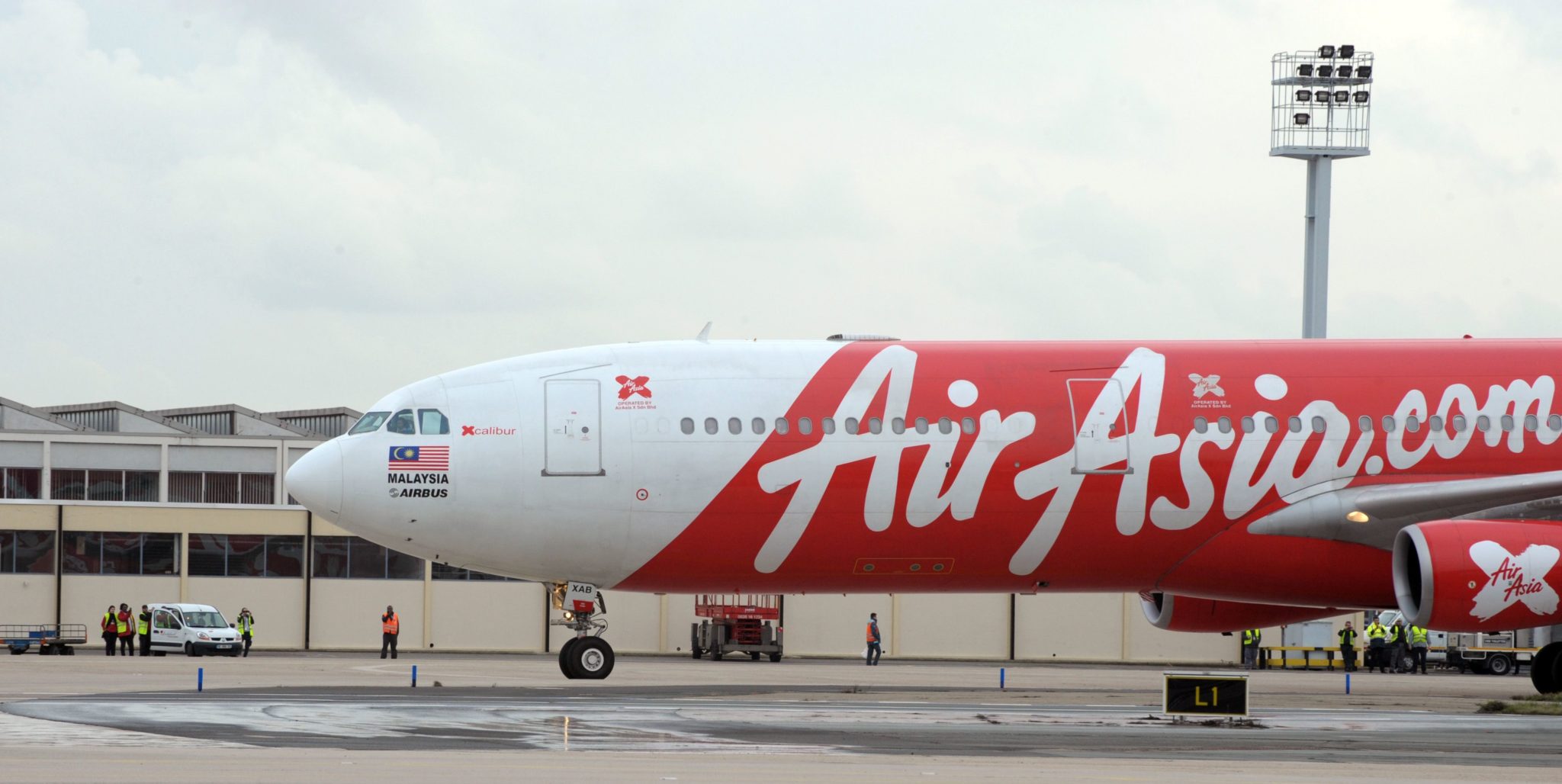
  • Malaysia’s AirAsia X posts record quarterly loss, eighth in a row

    Malaysia’s AirAsia X posts record quarterly loss, eighth in a row

    Malaysian long-haul budget airline AirAsia X Bhd reported a record loss for the first three months of the year and its eighth quarterly loss in a row as the coronavirus pandemic devastated demand for air travel.

    The airline, an affiliate of AirAsia Group Bhd on Thursday reported a net loss of 5.67 billion ringgit ($1.37 billion) in January-March, more than 10 times the loss of 549.7 million ringgit seen in the same period last year.

    The loss was primarily attributable to the impairment of assets, it said in a statement.

    AirAsia said it has assessed the recoverability of its assets in light of the COVID-19 pandemic and its restructuring process and impaired those assets by 5.28 billion ringgit.

    The airline has been looking to reconstitute 64.15 billion in debt, and said the asset impairment does not impact the restructuring.

    “Appropriate accounting entries will be made on a successful restructuring that will reflect more appropriately the assets and liabilities based on the final agreed restructuring terms,” it said.

    It also said it remains committed to resuming commercial operations as soon as possible on the successful completion of the restructuring plan and the opening of international borders.

    The airline has changed its financial year-end from Dec. 31 to June 30, expecting the outcome of the restructuring to be known then. It said the basis of preparation for its audited financial statements will clear and be of more value to shareholders at that point.

  • Renault-Nissan Workers In India To Strike Over COVID Fears

    Renault-Nissan Workers In India To Strike Over COVID Fears

    Workers at Renault-Nissan’s car plant in southern India will go on strike on Wednesday as their COVID-related safety demands have not been met, a union representing the workers told the company in a letter on Monday. The strike threat at the plant in Tamil Nadu, jointly owned by Nissan Motor and alliance partner Renault, comes ahead of a court hearing over allegations from workers that social distancing norms were being flouted and factory health policies did not sufficiently address the risk to lives.

    “Due to unsafe working conditions and as the union demands have not been met … members of this union will not report to work from the first shift on Wednesday,” the union said in a letter dated May 24. The letter added that workers would not return until they felt safe.

    The union represents around 3,500 workers at the plant.

    Nissan, which owns a majority stake in the plant, declined to comment, saying the matter was in court.

    Renault-Nissan told an Indian court last week it rejected claims that COVID-19 safety protocols were being ignored at the factory, adding it needed to continue production to meet orders.

    The legal battle highlights the challenges companies face in India amid a huge wave of COVID-19 infections.

    Several Hyundai Motor Co employees, fearing for their health, have halted work at the automaker’s plant in Tamil Nadu state and are staging a sit-in protest, two sources at the Hyundai Motor India Employees Union told Reuters.

    Hyundai Motor India did not immediately respond to a request for comment.

    The legal battle highlights the challenges companies face in India amid a huge wave of COVID-19 infections.

    It was not immediately clear how long the protest would continue and the extent of production disruption for Hyundai.

    Tamil Nadu is one of the worst-hit states of India’s surge in COVID-19 infections, with more than 30,000 cases a day.

    The state, an auto hub known as India’s Detroit, has imposed a lockdown until May 31 but has allowed some factories, including auto plants, to continue operating.

    Hyundai’s union told the company on May 15 its workers feared for their lives and should be given fully paid leave while the state lockdown is in place.

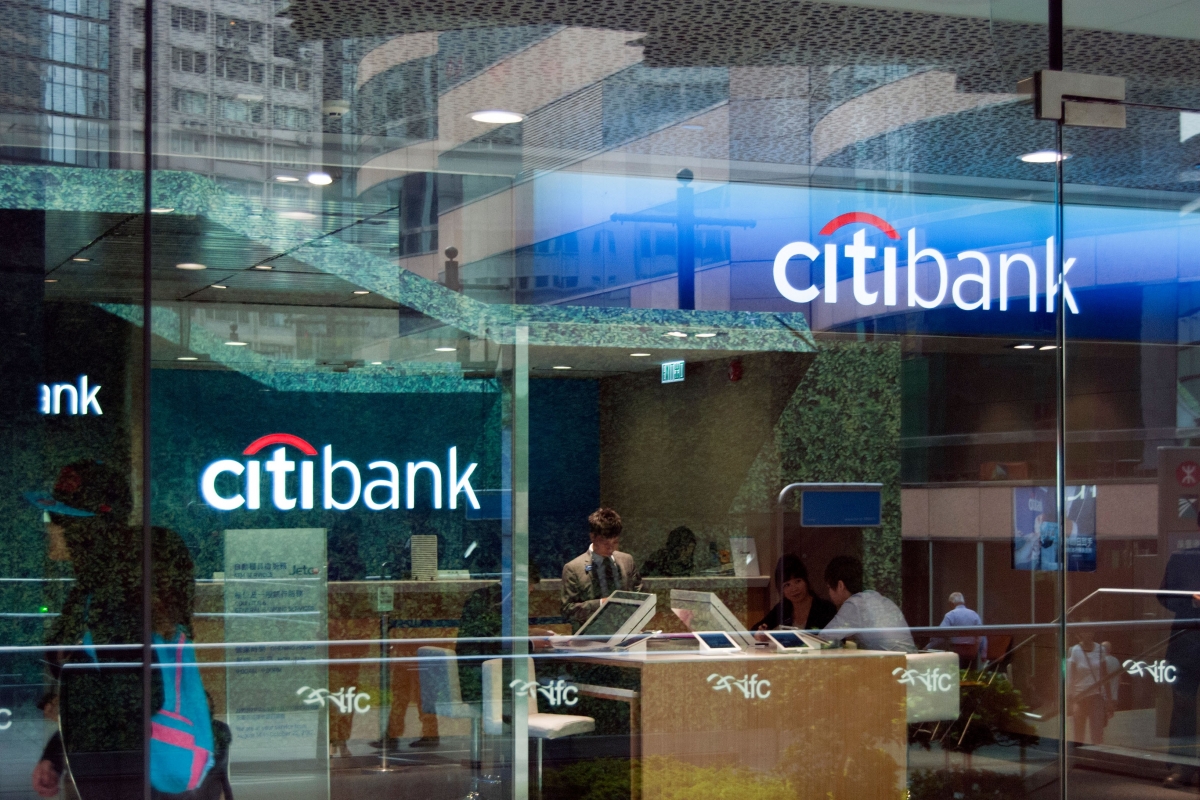
  • Citi Appoints Credit Card Head in Singapore

    Citi Appoints Credit Card Head in Singapore

    Citi names a new Singapore head of credit cards and personal loans for its global consumer banking business.

    Citi appointed Serene Gay to the new role, according to a statement, to oversee customer growth, portfolio management, product management, and customer retention for credit cards and ready credit.

    Gay succeeds Vikas Kumar who will join Citi’s U.S. consumer unsecured leading team as head of personal installment after leading the Singapore credit card and personal loans unit for over four years.

    Gay has 16 years of experience at Citi across Singapore, Thailand and China, and was most recently the head of client growth, cards, and loans for APAC and EMEA.

    Singapore is one of four key markets – alongside Hong Kong, UAE, and London – for Citi after it made a major strategic overhaul to exit 13 other consumer banking markets, citing a lack of scale to be competitive.

    Our consumer business in Singapore is strategically important and a critical source of innovation and growth, said head of APAC and EMEA consumer bank Kartik Mani.