Tag: asia

  • Royal Enfield’s Parent Company Eicher Motors’ Net Profit Skids In FY2021

    Royal Enfield’s Parent Company Eicher Motors’ Net Profit Skids In FY2021

    Eicher Motors Limited (EML), the parent company of iconic motorcycle brand Royal Enfield has announced its consolidated financial results for the quarter and for the financial year ended March 31, 2021. For FY 2020-21, Eicher Motors’ total revenue from operations down by 5 percent to ₹ 8,720 crore, compared to ₹ 9,154 crore recorded for FY 2019-20. Net profit for the period was recorded at ₹ 1,347 crore, down 26 percent as compared to ₹ 1,827 crore for the same period last year. Royal Enfield sold 6,09,403 motorcycles during the year, down 13 percent from 6,97,582 motorcycles sold in FY 2019-20.

    For the quarter ended March 2021, Eicher Motors’ total revenue from operations was at an all-time high at ₹ 2,940 crore, up 33 percent, compared to ₹ 2,208 crores in the same quarter a year ago. Net profit in Q4 of FY 2020-21 was ₹ 526 crore, up 73 percent, compared to ₹ 304 crore during the same period last year. From January to March, 2021, Royal Enfield sold 2,03,343 motorcycles, an increase of 25 percent from 1,63,083 motorcycles sold over the same period in FY 2019-20.

    Commenting on Eicher Motors’ performance, Siddhartha Lal, Managing Director of Eicher Motors Ltd., said, “It has been a challenging year for the industry with the COVID-19 pandemic leading to disruption in production, supply chain, and retail operations. We remained agile and responded swiftly by reworking our immediate priorities and providing relief to communities as well as ensuring the safety and well-being of our employees, partners, and customers. During the year, there were challenges also on account of factors such as supply chain constraints and commodity price increase. However, demand continues to be good.

    “Royal Enfield witnessed very good pick up in the second half of the year, and registered a strong performance in Q4. We have seen encouraging demand coming from rural as well as urban segments. The launch of the Meteor has been well received by consumers and has witnessed excellent response. We have also been able to significantly increase our retail market presence in India and globally through this year. The commercial vehicle industry also showed equal resilience and saw good recovery in the latter half of the year. VECV gained market share across segments. In the heavy-duty segment, VECV volume grew by 6% in FY21 compared to last year against a decline of 21% in industry volume. Overall, both at Royal Enfield and at VECV, we have managed to tide over a tough year, and despite imminent challenges that persist, we remain steadfast on our strategic long term goals.”

  • Vietnam exports 20 tons of lychees to Japan

    Vietnam exports 20 tons of lychees to Japan

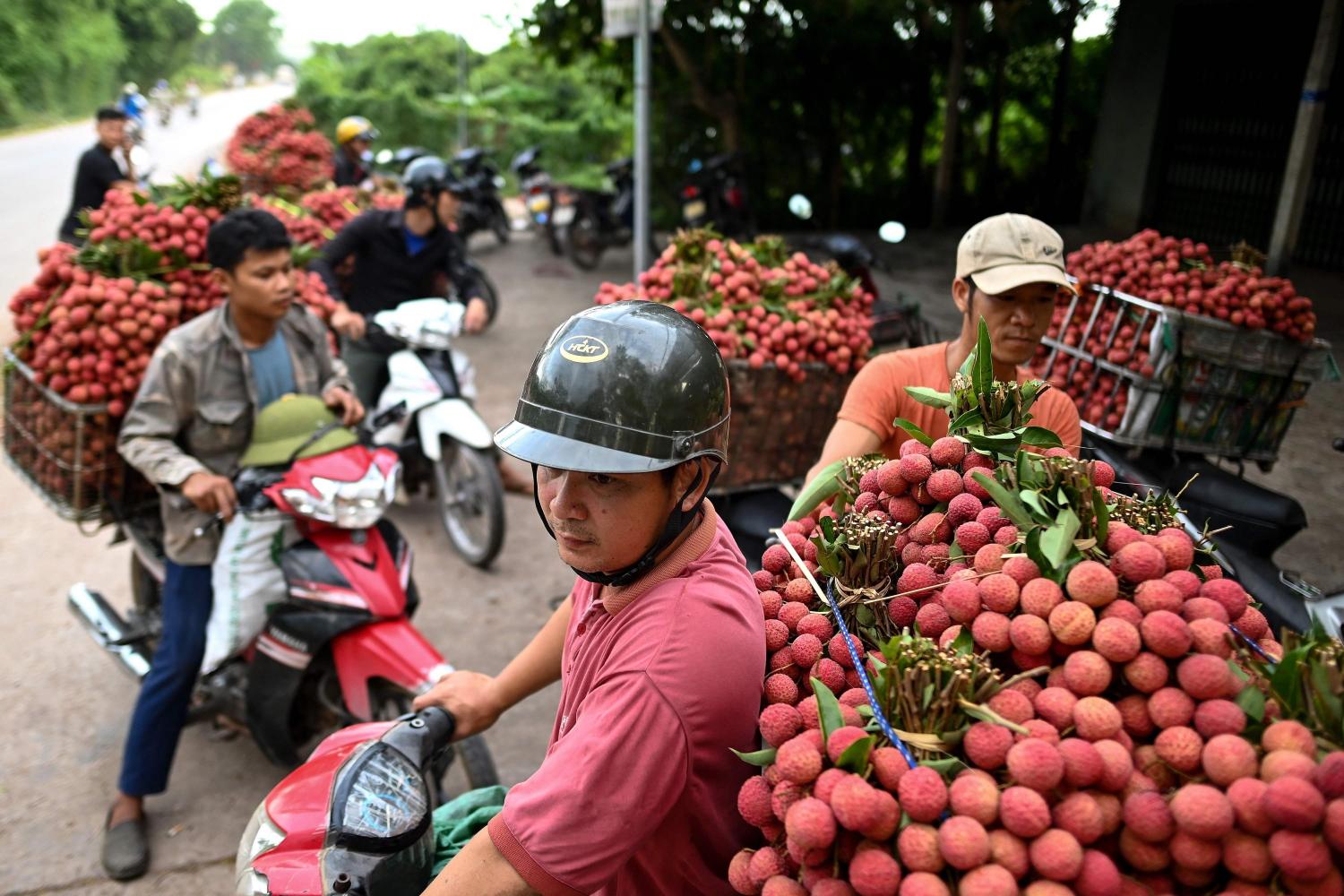
    Twenty tons of lychees from the first batch of the 2021 season harvested in the northern province of Bac Giang have been shipped to Japan.

    This is the second year that the fruit has been exported to far east economic giant from Bac Giang, the premier lychee growing province in the country.

    The lychees were grown in the province’s Tan Yen District and shipped by the Global Export and Import Foodstuff JSC and Chanh Thu Export and Import Fruit Company.

    The two companies said that they would export more Bac Giang lychees to Japan by air and sea this year.

    Tan Yen District cultivates lychees on 1,300 hectares and expects to harvest 14,000 tons of the fruit this year. Its early harvest season will last until mid-June.

    Nguyen Viet Toan, chairman of the district People’s Committee, said they have quarantined everyone who’s come into contact with Covid-19 patients, set up checkpoints on roads leading to lychee cultivation areas, and are checking the health of every visitor to ensure the orchards are unaffected by the pandemic.

    Under regulations set by Japan’s Ministry of Agriculture, Forestry and Fisheries, Japanese experts have to directly supervise phytosanitary certification of exported produce in Vietnam. However, during the pandemic, Japan has authorized Vietnam’s Plant Protection Department to do it because Japanese experts cannot come to the country now.

    Bac Giang has so far harvested 2,000 tons of lychees in the early harvest season, half of which has been exported. China is the largest buyer of lychees from Vietnam.

    Vietnam aims to export 20,000 tons of lychees this year to China, Japan, Australia, the E.U., and the U.S.

  • Singapore Fintech Partners BNP for Impact Investment

    Singapore Fintech Partners BNP for Impact Investment

    AI-driven fintech GreenArc Capital and BNP Paribas have been awarded a proof of concept grant by the Monetary Authority of Singapore’s Financial Sector Development Fund.

    The partners will collaborate on impact measurement and audit project, which will be led by Rony J Palathinkal, COO of GreenArc Capital, according to an announcement.

    The POC is an extension of their previous work to develop the GreenArc platform – an impact investment solution with an embedded impact measurement module that connects investors with impact opportunities focused on financial inclusion and climate action.

    GreenArc uses advanced machine learning techniques to provide assurance of the stated impact objectives of financial products, as well as facilitate investor capital towards true sustainable investments to avoid impact washing. It has been deployed successfully by financial institutions to measure their debt portfolio’s impact.

    We aim to bring transparency to investors and liquidity to select last-mile lenders and microfinance lenders, Joris Dierckx, BNP Paribas regional head of Southeast Asia and CEO, Singapore, said, noting the growing interest among institutional and retail investors to have a positive impact climate change and economic inequality.

  • E-commerce boom triggers cold storage shortage

    E-commerce boom triggers cold storage shortage

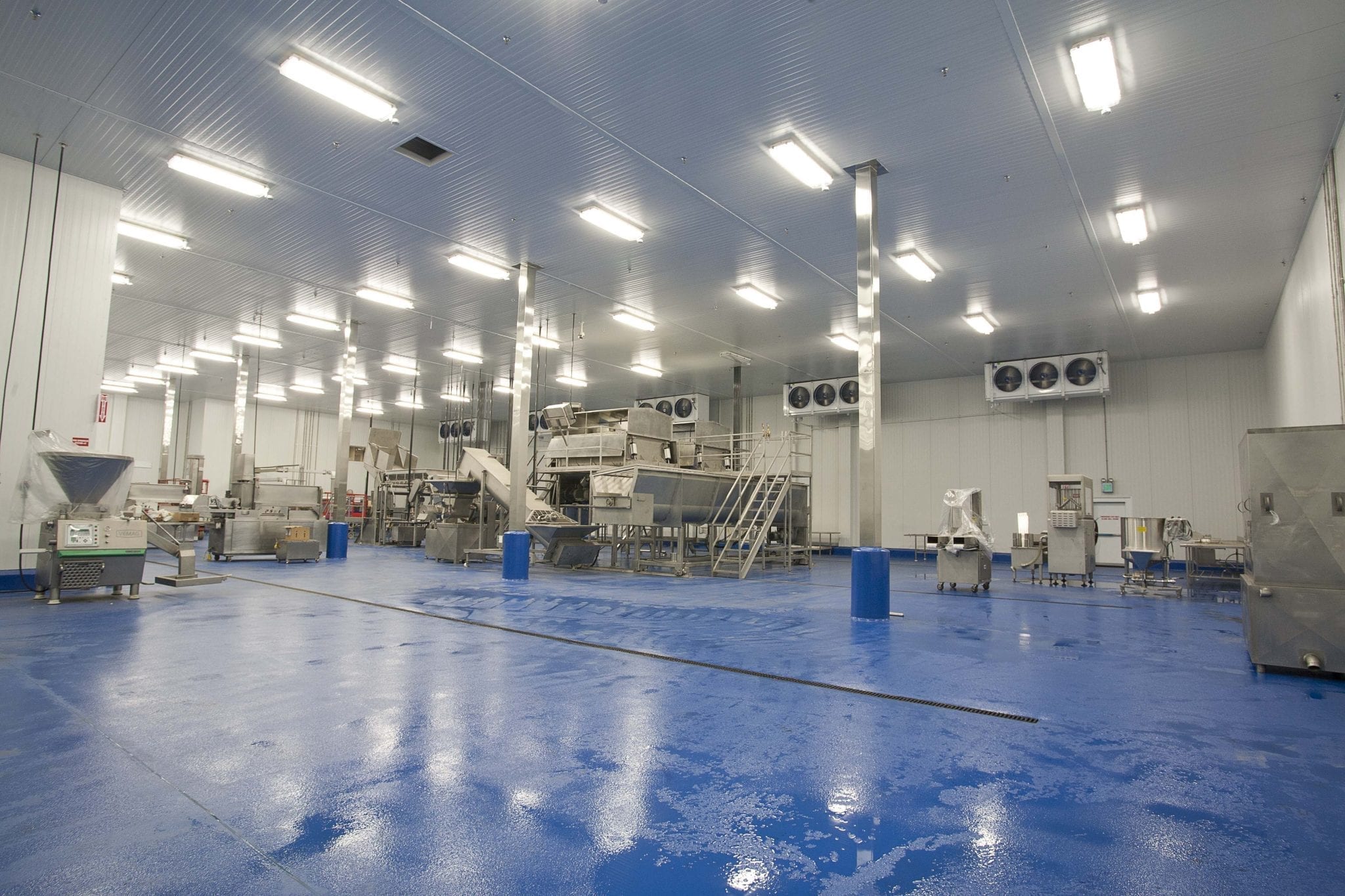
    Vietnam is facing a shortage of cold storage facilities as demand for fresh food preservation rises with the ongoing e-commerce boom.

    The nation’s cold storage facilities had to operate at maximum capacity during the Covid-19 period last year after 30-50 percent of seafood orders were canceled, said Trang Bui, head of markets at real estate consultancy JLL Vietnam.

    Vietnam is the world’s third-largest seafood exporter.

    The country’s cold storage facilities are mostly located in the southern region because of the large demand there, and 60 percent of the market share is owned by foreign investors, according to JLL.

    One reason for the limited supply of such facilities is that their construction takes more time and costs more than that of other asset types.

    A cold storage investment is two to three times that of a normal storage facility and construction takes up to six months longer.

    The leasing period for such facilities typically ranges from 15-20 years, which makes supply even lower, Trang said.

    Michael Ignatiadis, JLL Asia Pacific’s head of supply chain and logistics solutions, said the fast-expanding middle class in Asian countries is pushing up demand for fresh food delivery and therefore the need for cold storage.

    Demand for grocery deliveries is set to rise 30 percent annually in the Asia Pacific region until 2024, according to market research company Forrester.

    Despite the surging demand there are very few companies participating in Vietnam’s cold storage market, and none has provided a complete supply chain, Trang said.

    “As Vietnam’s cold supply chain is decentralized and mostly operated by small and medium suppliers, cold storage facilities are major investment opportunities,” he added.

  • New fund to support startups in Vietnam

    New fund to support startups in Vietnam

    Two partners at U.S. venture capital fund 500 Startups have founded Ascend Vietnam Ventures with plans to invest in 25 local companies.

    Their early-stage investments will range from $500,000 to $2 million and be in tech startups in areas like finance, education, healthcare, productivity, and future of work, according to a statement.

    Around a third of the startups will receive follow-up investments of $4 million, it added.

    The fund was set up by Binh Tran and Eddie Thai, general partners at 500 Startups Vietnam, which was launched in 2016 by the Silicon Valley startup accelerator and VC fund to capitalize on Vietnam’s growing market.

    500 Startups Vietnam raised $14 million in 2018, which has been fully invested in more than 70 companies.

    Some of its notable investments have been in language learning app ELSA, Base.vn, which was acquired by IT giant FPT Corporation, and Axie Infinity, whose latest round includes Mark Cuban as an investor.

    Investment in startups in Vietnam jumped by 34 percent year-on-year in the first quarter to $100 million, according to a report by South Korean venture fund Nextrans.

  • Yum! Brands buys Australian tech startup Dragontail

    Yum! Brands buys Australian tech startup Dragontail

    Fast food corporation Yum! Brands, the US parent of KFC, Pizza Hut, and Taco Bell, has purchased Australian tech startup Dragontail for US$93.5 million.

    Yum! Brands’ acquisition of Dragontail will take the startup’s emerging technologies in-house in addition to its kitchen order management and delivery software.

    According to CFO Chris Turner, the move would allow the US company to scale Dragontail’s artificial intelligence (AI) technology globally across its operations.

    “With Dragontail, we expect to tap into the power of AI to accelerate and further enhance our delivery technology capabilities, especially at Pizza Hut, and optimize the end-to-end food preparation process,” said Turner.

    Dragontail’s AI-based solution automates the kitchen workflow and incorporates it with the process of dispatching drivers, it also allows customers to track their orders. In addition, this technology can also operate with external food-delivery vendors.

    “Yum! Brands and Dragontail have been working in a fruitful collaboration for years,” said Ido Levanon, MD of Dragontail.

    “Dragontail’s board fully supports this transaction, which it considers to be an attractive opportunity for its shareholders. It will also provide Yum! Brands with innovative technology.”

  • Apple’s job search hints at a possible involvement with cryptocurrency

    Apple’s job search hints at a possible involvement with cryptocurrency

    Will you eventually be able to pay for a new Apple iPhone with Bitcoin? That is one of the conclusions that you might come to following a peak at the “Jobs at Apple” website where Apple posted a listing for a Business Development Manager for Alternative Payments. The job posting says that the Apple Wallets, Payments, and Commerce (WPC) team is looking for someone to hold up Apple’s end in Alternative Payments Partnerships.

    The new employee will be working at Apple’s headquarters in Cupertino, California and will be given the task of negotiating with potential partners, signing and executing commercial contracts, and developing new programs. The person that Apple is looking for should have five or more years working for an alternative payment provider with expertise in digital wallets, BNPL (buy now, pay later), fast payments, and cryptocurrency.

    Apple CEO Tim Cook has talked about a future in which all payments are made digitally, and the iPhone, iPod touch and the Apple Watch have a digital Wallet app that comes with the devices. Apple says that with the app “you can keep your credit, debit, and prepaid cards, store cards, boarding passes, movie tickets, coupons, rewards cards, student ID cards, and more in one place.” And through the Messages app, Apple device owners can make peer-to-peer payments.

    Some analysts have suggested that Apple invest some of its cash in cryptocurrency following in the footsteps of Tesla. A couple of years ago, an Apple Pay executive said that the company saw “long-term potential” in cryptocurrency technology, but has no plans to use it at the moment. Back in February, RBC Capital Markets Analyst Mitch Steves suggested that Apple create a crypto-exchange and invest in alternative currencies.

    Steves’ analysis said that if Apple were to get heavily involved in cryptocurrency, it will help the U.S. become the technological leader in this market for as long as 10-20 years. The analyst also forecast that if Apple were to develop a wallet-based crypto exchange, it could generate as much as $40 billion in revenue for Apple.

  • Ford Boosts EV Spending, Aims To Have 40% Of Volume All-Electric By 2030

    Ford Boosts EV Spending, Aims To Have 40% Of Volume All-Electric By 2030

    Ford Motor Co on Wednesday outlined plans to boost spending on its electrification efforts by more than a third and said it aims to have 40% of its global volume be all-electric by 2030 in a move to have investors value it more like a technology company.

    Under a plan dubbed “Ford+,” the No. 2 U.S. automaker said it now expects to spend more than $30 billion on electrification, including battery development, by 2030, up from its prior target of $22 billion. It has launched the all-electric Mustang Mach-E crossover and plans to introduce electric versions of the Transit van and F-150 pickup.

    In premarket trading, Ford shares were up about 2%.

    “This is our biggest opportunity for growth and value creation since Henry Ford started to scale the Model T,” Ford Chief Executive Jim Farley said in a statement.

    Ford plans to develop two dedicated EV platforms, one for full-size trucks and SUVs, the other for cars and smaller SUVs.

    Ford and other global automakers are racing to shift their gasoline-powered lineups to all-electric power under pressure from regions like Europe and China to cut vehicle emissions. U.S. President Joe Biden has called for $174 billion to boost U.S. EV production, sales and infrastructure.

    Ford rival General Motors Co has said it aspires to halt U.S. sales of gasoline-powered passenger vehicles by 2035. The Detroit automaker said last year it was investing $27 billion in electric and autonomous vehicles over the next five years.

    Some analysts see Ford as trailing its rivals in the electrification race, but Ford officials disagree with that view, pointing to the Mach-E rollout and its other plans.

    Ahead of an investor meeting, Ford said it expects to deliver an 8% operating margin in 2023.

    The Dearborn, Michigan-based company also said it is forming a new unit, called Ford Pro, to focus exclusively on commercial and government customers, a segment Farley sees as a huge growth opportunity for the company.

    The company is targeting increasing revenue for the commercial market for hardware and related services addressable by Ford to $45 billion by 2025, up from $27 billion in 2019.

    Ford said it will also aim to develop EV batteries, from lithium-ion versions to lithium-ion phosphate for commercial vehicles and eventually low-cost solid-state batteries in partnership with startup Solid Power, in which the automaker has invested.

    Last week, the automaker announced a memorandum of understanding to form a battery joint venture with South Korea’s SK Innovation, to make battery cells at two U.S. plants.

    Ford also said it expects to have 1 million vehicles capable of receiving over-the-air software updates on the road by the end of the year, and scaling that to 33 million by 2028.

    It sees the overall market for connected functions like driver-assist technologies, new features and upgraded software content, and EV charging hitting a projected $20 billion by 2030.

    Sources previously told Reuters Ford plans to develop two dedicated EV platforms, one for full-size trucks and SUVs, the other for cars and smaller SUVs.

    The sources said Ford is planning to launch at least nine all-electric cars and car-based SUVs and at least three electric trucks, vans and larger SUVs, including second-generation editions of the Ford F-150 Lightning and Mach-E at mid-decade.

  • Australia’s Zip looks to drive deeper in Asia, may consider US listing

    Australia’s Zip looks to drive deeper in Asia, may consider US listing

    Australia’s second-biggest buy now, pay later (BNPL) firm Zip Co Ltd is exploring a bigger push into Asia and a potential U.S. listing, the company told Reuters on Tuesday.

    After gaining a toehold in Southeast Asia last month through a stake in Philippine firm TendoPay, Zip Chief Executive Larry Diamond said the company is now “actively looking at Singapore, Malaysia, Thailand, Philippines and India”.

    Zip’s big focus remains the United States, the biggest market in BNPL space where its unit Quadpay is driving the growth.

    As their home turf matures and race heats up in a sector where customers pay in installments without any interest for their online purchases, Zip and its Australia-listed rivals Afterpay and Sezzle are rushing to tap new growth markets and add investors.

    “The consideration to list on the Nasdaq or have some form of dual listing makes sense and ticks quite a few boxes,” a Zip spokesperson said. However, the idea is “only at a very early stage” and there are “no hard or firm plans”.

    Rivals Afterpay and Sezzle too have been keen on a U.S. debut. Swedish rival and Europe’s most valuable startup Klarna, which has also expanded beyond the continent, is also rumored to be eyeing the US equity market.

    The rapid growth of these loss-making companies in a largely unregulated market has also attracted traditional financial firms, with PayPal Holdings launching its BNPL service last year and Australia’s largest bank set to enter this summer.

    While the business is an attractive alternative to credit cards, concerns have been raised by consumer protection groups and some investors over the lack of regulation with many BNPLs opting for “soft” credit checks.

    BNPLs in Australia, where adoption is high, are not bound by consumer lending laws since they do not charge interest in most cases. Britain is currently forming a framework around BNPL.

    Zip’s plan to expand in Asia follows its decision on Monday to take full ownership of a BNPL firm each in Europe and the Middle East.

  • McDonald’s Japan brings back Speedee

    McDonald’s Japan brings back Speedee

    Going retro, McDonald’s Japan is bringing back the fast-food chain’s first mascot Speedee on a range of vintage packaging.

    Part of its 50th-anniversary celebrations, the return honors the opening of the nation’s first McDonald’s located on the first floor of the Ginza Mitsukoshi department store in Tokyo back in July 1971. Long before the introduction of Ronald McDonald in 1967, Speedee was used by original founders Richard and Maurice McDonald at their burger restaurant in California in 1940.

    Speedee, inspired by Richard and Maurice McDonald’s innovative “Speedee Service System,” will appear on a selection of packaging at McDonald’s locations throughout Japan. Available for a limited time only are retro designs for Chicken McNuggets, fries, hashbrowns, apple pie, cold drinks and takeout paper bags

  • Sydney startup wins seed funding to expand ‘bagged’ cocktail range

    Sydney startup wins seed funding to expand ‘bagged’ cocktail range

    Ready-to-drink cocktail startup Sophisticated Cocktail Co has successfully completed another seed funding round.

    According to the company, the funds will be used to drive a greater retail presence nationwide and in three international markets by the end of this year.

    The startup has also recorded strong growth in its first six months via its online e-commerce platform as well as a number of independent liquor stores across NSW, the company reports.

    Launched late last year, the cocktails are packaged in sustainable stand-up pouches with a range of premium Cosmopolitans, Margaritas, Espresso Martinis, and Pina Coladas.

    Online alcohol sales spiked last year, and with an increase in people who prefer to drink their cocktails at home, founder and CEO of Sophisticated Cocktail Co, Vicky Lyon, said she identified a gap in the market for large-scale premium batched cocktails that could be served anytime and anywhere.

    “Everyone loves a cocktail, but not everyone has the know-how or means to make one,” said Lyon.

    “We have noticed that our customers tend to serve our cocktails at events such as dinner parties, picnics, boats, camping, or on weekend trips away. At $7.50 

  • Macro launches eco-friendly household cleaning products range

    Macro launches eco-friendly household cleaning products range

    Macro Wholefoods, Woolworths’ health, and food brand, has expanded into the home category with the launch of “Macro Whole Living”, a range of eco-friendly household cleaning products.

    Products include laundry powders, kitchen liquids and tablets, and multipurpose sprays, which the brand says will help customers keep their homes fresh and clean without harsh chemicals.

    The product range is not tested on animals, contains no synthetic fragrance or dyes, is greywater and septic tank safe, and independently certified by Good Environmental Choice Australia (GECA) under their Cleaning Products and Machine Dishwashing Standards.

    Each Kitchen and Multipurpose bottle from Macro Whole Living is made from 100-per-cent recycled material. In contrast, the Laundry bottle is made from 75-per-cent recycled material and uses a paper scoop instead of the traditional plastic.

    Woolworths is also introducing its first cleaning product refill station, trialed at Burwood Brickworks in Melbourne, where customers can refill their bottles with three products from the Macro Whole Living Range – laundry liquid, multipurpose surface cleaner, and dishwashing liquid.

    The refill stations aim to reduce plastic waste by allowing customers to re-use their existing bottles.

    Pether Hathaway, GM of Macro Wholefoods, said that as more customers look for eco-friendly cleaning products, introducing a cleaning line was a natural extension for the brand to help them make better choices.

    “We’ve put the entire range of Macro Whole Living products through independent tests to ensure they’re not only tough on dirt, grease, and stains but equally as gentle on the environment.”

  • Greater China drives profit growth for Fonterra

    Greater China drives profit growth for Fonterra

    Dairy giant Fonterra says a 61-per-cent boost in normalized profit for the nine months to April shows its restructuring program is paying dividends.

    The New Zealand-headquartered company recorded a net profit after tax of NZ$603 million, up 2 percent – or $587 million ‘normalized’ after extraordinary items were factored in.

    CEO Miles Hurrell said the company achieved higher margins and reduced its operating expenditure, despite the challenges of the Covid-19 pandemic, which remains very much part of life for the co-op’s employees and customers around the world.

    “It’s too easy to forget this if you’re sitting here in New Zealand – but today’s results show that despite these challenges we’ve lifted our financial performance. Over the last three months, we have also committed to getting out of coal by 2037 and made some promising progress in a trial using seaweed in cows’ feed to reduce emissions,” said Hurrell.

    Fonterra’s results illustrate the importance of Greater China to the company’s overall fortunes, delivering year-to-date EBIT up 30 percent year on year to $106 million.

    Foodservice continued to be the big driver behind the result, contributing $93 million of that growth. The year-to-date margin in China increased from 21.5 percent to 28.6 percent.

    In Asia Pacific, normalized EBIT of $224 million was down 10 percent, or by $24 million. Consumer sales improved by 29 percent and foodservice by 89 percent, offset by falling sales in the ingredients segment.

    And Africa, Middle East, and North America sector saw EBIT fall by 11 percent, or $40 million, to $322 million, largely due to lower Ingredients sales. Consumer and food service sales in those regions continued to perform well.

    Hurrell said Fonterra’s operating expenses were down by 5 percent year-to-date but the company will incur some additional expenditure in the final quarter to support its brands and product initiatives for the next year.

    Looking ahead, Hurrell says the improving global economic environment and strong demand for dairy – relative to supply – should lead to an increase in the Farmgate Milk Price range to its $8 projected midpoint.

    “Global demand for dairy, especially New Zealand dairy, is continuing to grow. China is leading the charge as its economy continues to recover strongly. Prompted by Covid-19, people are seeking the health benefits of milk and customers are wanting to secure their supply of New Zealand dairy products and ingredients,” he said.

    “Growth in global milk supply seems muted and the global supply of whole milk powder is looking constrained.

    “Based on these supply and demand dynamics, along with where the New Zealand dollar is sitting relative to the US dollar, we’re expecting whole milk prices to remain at current levels for the near future.”

    However, Hurrell flagged “a number of risks” including the unpredictable nature of the Covid-19 pandemic, the impacts of governments winding back their economic stimulus packages, foreign-exchange volatility, changes in the supply and demand patterns that can enter dairy markets when prices are high, and – as always – potential impacts of any geopolitical issues around the world.

  • Coles launches own-brand premium pet food range

    Coles launches own-brand premium pet food range

    Supermarket chain Coles has launched a new premium pet food range called ‘Elevate’, recognizing Australians’ growing pet ownership.

    Coles said the new range, which features 19 products, was scientifically developed to cater to dietary requirements and health concerns, from digestive support for dogs to hairball and urinary care for cats.

    “We worked closely with pet nutritionists to develop a range that featured vital nutrients and health benefits typically found in top brands without compromising on price,” said Jonathan Torr, GM at Coles.

    Pet nutritionist, treasurer of the Pet Food Industry Association of Australia, and a member of the Australian Pet Food Standards Working Group, Scott Williams also helped to develop Elevate.

    “Food safety was paramount in everything we made for Elevate,” Williams said. “We tested all ingredients to understand their nutritional properties and meet the requirements set by the American Association of Feed Control Officials”.

    According to Coles, more than two-thirds of Australian households own a pet and the number is growing substantially each year. The supermarket also recorded more than 80 percent of pet owners purchasing pet food from its stores, showing the rising demand to this sector.

    “Research showed pet owners are spending $3.6 billion on dog and cat food per year,” Torr said. “In fact, the top two things our customers are looking for when purchasing pet food at Coles is health followed by budget.”

  • Thai startup Pomelo to launch fashion tech platform Prism

    Thai startup Pomelo to launch fashion tech platform Prism

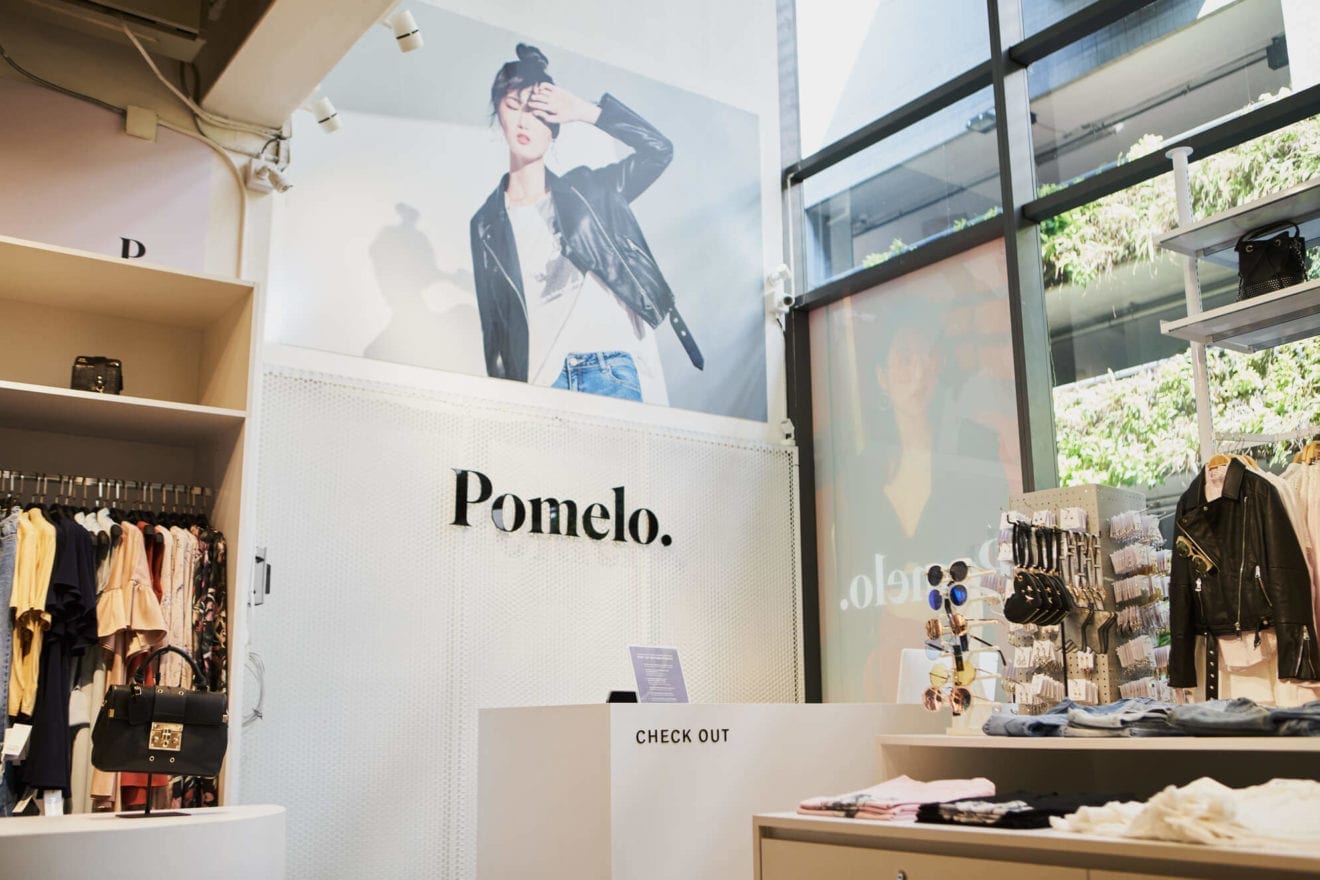
    JD-backed Thai fashion e-commerce startup Pomelo plans to boost revenue by offering its own technology in analytics and demand forecasting to other fashion brands in the region, its CEO David Jou says, amid slowing offline sales.

    The women’s fashion firm, which started as an online business in 2013, plans to launch its business-to-business (B2B) unit, Prism, next month to offer services like demand planning and logistics for other fashion and lifestyle brands.

    The plan comes as physical store sales and traffic have dropped.

    Store traffic in Thailand plummeted 71 percent in the first quarter of this year and about 20 percent in its other markets, said Jou in an interview with Reuters, adding that e-commerce was strong.

    Its B2B service has drawn brands like Levi’s as customers.

    The startup has raised a total of $83 million from investors including Thailand’s largest retailer Central Group and competes with companies like Japan’s Uniqlo.

    Retailers are accelerating digitization due to the pandemic, creating demand for the service, he said.

    Local brands, which already know their customers, can get support in product development, textile sourcing, and supply chain management, Jou said.

    Pomelo would continue to sell its own apparel brand and is planning to add 44 more physical stores on top of its 25 existing locations.

    The company is also experimenting with having customers try on clothes at home in a partnership with ride-hailer, Grab.