Tag: asia

  • Twitter’s newest creator-friendly feature is now official and rolling out to select accounts

    Twitter’s newest creator-friendly feature is now official and rolling out to select accounts

    Twitter is having a pretty big week in terms of adding highly requested features, and even though the social media platform’s hundreds of millions of active users around the world remain unable to edit their tweets after publishing them, we’re sure many of you will find the two latest changes almost as convenient as that.

    Just one day after ditching its annoying image cropping habit to finally display “bigger and better” (and especially taller) pics on both iPhones and Android handsets, Twitter is officially launching a functionality that first made the rounds a couple of weeks ago.

    The aptly named “Tip Jar” option is bound to put a big smile on the faces of all sorts of “creators, journalists, experts, and nonprofits”, and hopefully, make it easier for these people and organizations to find the time to keep us all entertained and informed on Twitter.

    For the time being, only a “limited group” of such accounts from “around the world” can be (easily) set up to allow followers to directly send them money using one of a variety of payment services. Said services, by the way, include PayPal, Venmo, Patreon, Bandcamp, and Cash App, although availability naturally differs from region to region.

    If you want to send a “tip” to an “applicable” account on iOS or Android, the good news is you can start doing that with no restrictions… as long as you use the English-language version of Twitter. Eventually, the plan is obviously to expand the feature to “more languages” and “soon” allow more people to receive tips.

    Before sending any of your hard-earned money to your favorite amateur entertainer, freelance journalist, political pundit, or mobile tech leaker, you might be happy to hear Twitter will not intervene in the tipping process in any way, directing you to your financial app of choice when making a donation and taking no “cut” from the sender or the receiver of tips.

    The Tip Jar icon can be easily located next to the Follow button on an “applicable account’s” profile page, and to make everything even more effortless and hassle-free, Twitter is letting Android users send money within Spaces conversations as well.

  • Renault Introduces New Nouvelle Vague Brand Strategy

    Renault Introduces New Nouvelle Vague Brand Strategy

    Renault is gearing up to give it’s brand a new direction. The French carmaker has adopted “Nouvelle Vague” strategy targeting to maximize its number of electrified vehicles by 2030 in a bid to move towards sustainable development. More than 2000 engineers from five companies will work on cybersecurity, artificial intelligence, data processing, software, and microelectronics. Then, Renault’s Re factory in Europe will recycle or upcycle up to 1.20 lakh units every year. Nearly 80 percent of those recycled materials will be reused in new batteries.

    By 2030, Renault is targeting to become world’s best automotive manufacturer when it comes to the percentage of recycled materials in new vehicles. The company will also introduce seven electrified models in C and D segments. It has also unveiled the new Arkana coupe SUV that marks and the new-generation Megane E-TECH Electric. The company has also announced that the E-TECH Hybrid technology will continue to power upcoming C and D segment vehicles. Renault has been leading in the EV segment in Europe with almost 4 lakh vehicles sold to date. In Europe, France, Spain, Italy, Germany, and the United Kingdom – will continue to be its key markets. The company will also try and increase local dominance in Brazil, Russia, Turkey, and India.

    The brand has also unveiled its new logo and the Megane will be the first model to wear it. The latest iteration was created in 1992 and Renault felt that it began to look a little dated, even though it was reworked in 2015. The new brand logo adores a streamlined design, with neither typogram nor brand signature. The new logo is an open-ended shape and Renault says that it reflects the brand’s openness and transparency. It was co-designed with Landor & Fitch consultants and will be phased in on all Renault brand vehicles and across the Renault network. By 2024, the entire Renault range will sport the new logo.

  • Stride launches four new chewing gum flavours in Australia

    Stride launches four new chewing gum flavours in Australia

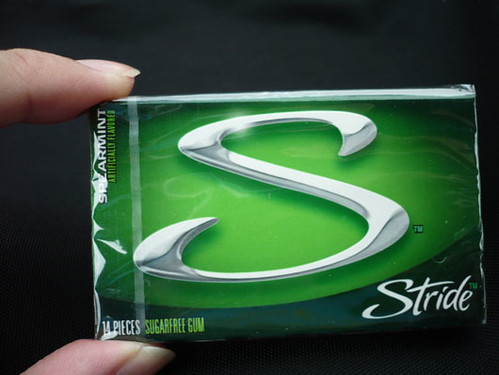
    Sugar-free chewing gum brand Stride is to add four new flavors to its range in Australia this month.

    The four new options are Mango Peach, Lim Passionfruit, Lemonade, and Cool Peppermint. Stride’s new range will be available exclusively at Coles and Coles Express stores from tomorrow (May 10) at RRP $3 per bottle.

    “We’re eager to unleash Stride chewing gum in Australia, delivering an enjoyable chewing experience via four delicious long-lasting flavors,” said Paul Chatfield, senior marketing director at Mondelez International ANZ.

    Launched in 2007, Stride was created by Mondelez International-owned Cadbury. The chewing gum range now consists of 20 flavors, including its Stride 2.0 line.

  • Thai AirAsia plans IPO for capital injection by new investor

    Thai AirAsia plans IPO for capital injection by new investor

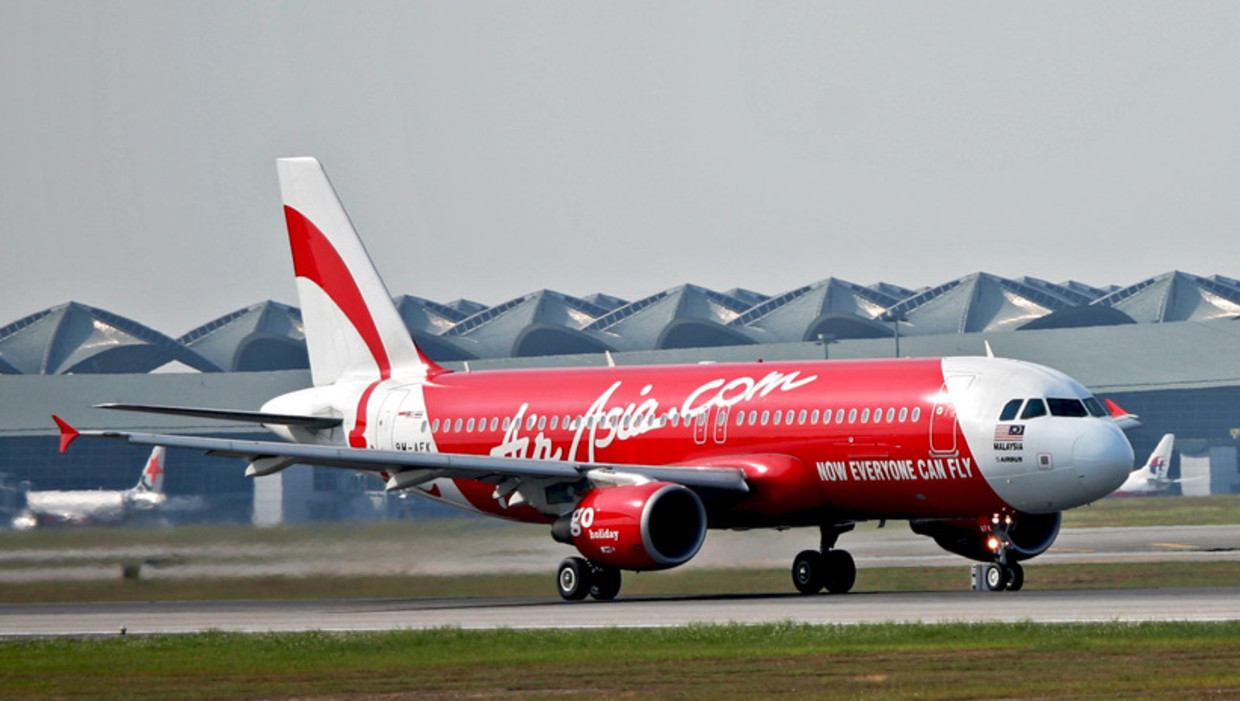
    Thai AirAsia’s parent company has disclosed a corporate and capital restructuring plan for the airline, which involves listing it on the Stock Exchange of Thailand (SET) to accept a Bt3.15 billion ($100 million) loan from a new investor.

    Asia Aviation’s board approved the plan on 26 April, it says in a 27 April SET filing.

    The new investor is not connected to Asia Aviation or Thai AirAsia and will provide the funds in the form of a convertible loan agreement or convertible bonds with zero-coupon issued at par, with an approximately three-year term.

    This will be convertible to ordinary shares in Thai AirAsia at an agreed conversion price of about Bt20.4 per share. The conversion period is expected to be after Thai AirAsia receives approval for an initial public offering.

    Should the investor opt not to convert the loan or bonds into shares, it will hold the investment, which bears 3% interest, until maturity as a creditor.

    Asia Aviation says the investor is currently conducting due diligence and expects to complete the process in mid-May.

    It states that the investor wishes to invest directly in Thai AirAsia rather than through holding shares in Asia Aviation. Taking the airline public would also “increase the opportunities for Thai AirAsia to raise funds by itself rather than being dependent on [Asia Aviation] for fundraising”.

    Concurrently, Asia Aviation plans to convert its shareholders into direct shareholders of Thai AirAsia. This entails dissolving and liquidating Asia Aviation and the company says its board has yet to approve this.

    Asia Aviation holds shares equivalent to 55% of Thai AirAsia’s paid-up capital while AirAsia Investment, which is also the airline’s major creditor, holds shares representing 45%.

    Asia Aviation expects the new investor to hold 11.4% of Thai AirAsia X’s expanded shares issued after it goes public.

  • Net Profits Rebound at UOB

    Net Profits Rebound at UOB

    The bank’s quarterly earnings surged on the back of strong fees, trading, and investment income as business momentum improved.

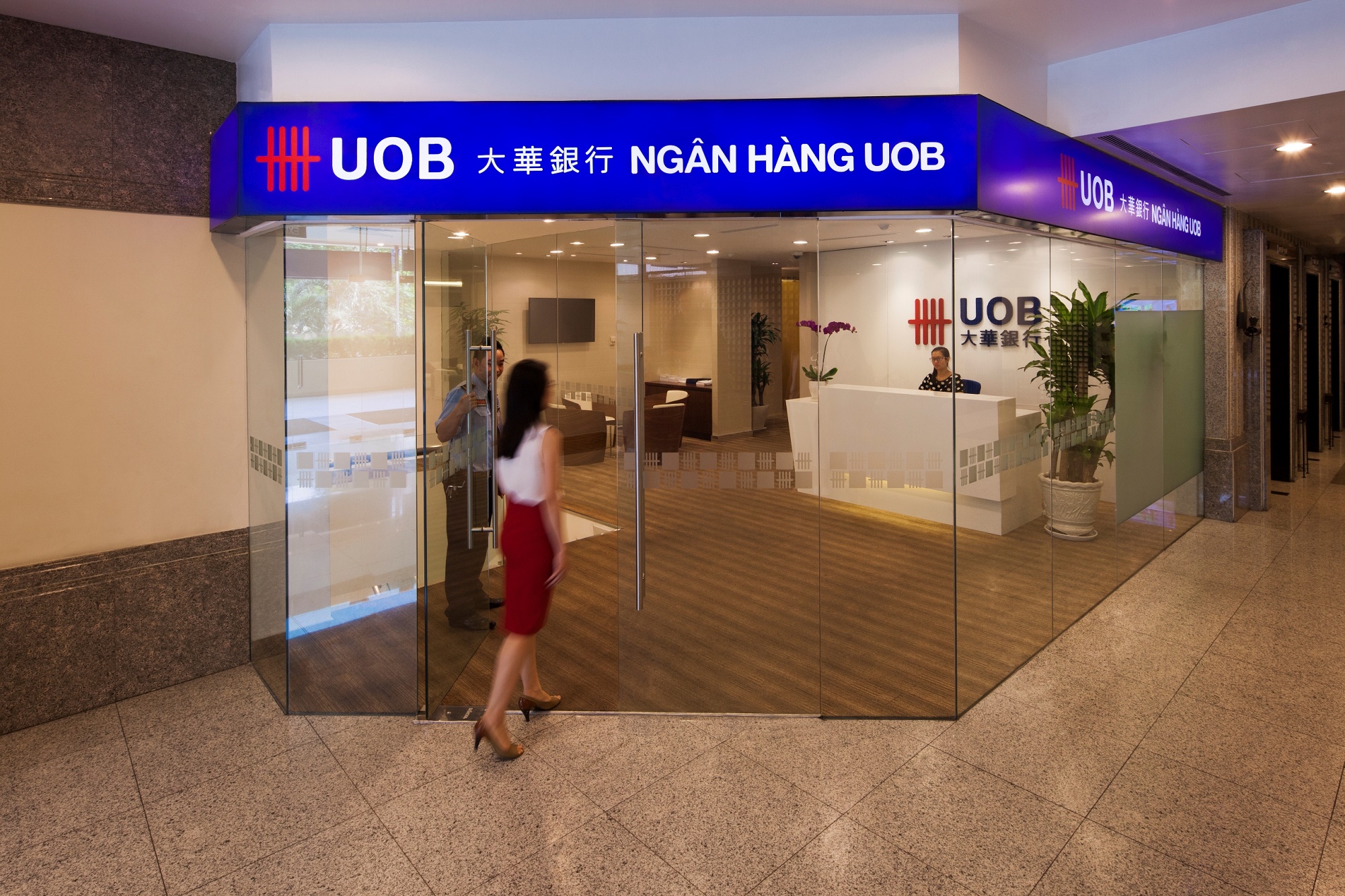
    UOB’s earnings grew to S$1 billion ($750 million) in the first quarter of 2021 – up 46 percent from the previous quarter’s S$688 million and up 18 percent from the same period last year, according to financial results posted on Thursday.

    Income grew 11 percent to reach pre-Covid levels at S$2.5 billion, while fee income reached a new high to reach S$638 million (+22 percent), led by wealth management fees from investments and bancassurance. The bank also saw stronger activity in loans and investment banking, as well as treasury income. Its wealth management assets grew 10 percent to S$136 billion, of which 60 percent was from customers abroad.

    The bank highlighted growth across its key markets in Singapore, North Asia, and its Asean franchise. It expressed optimism as sentiment and business activities pick up and trade flows resume between Asean and Greater China.

    Across our key markets, we are seeing robust credit demand from our large corporate and institutional clients, Wee Ee Cheong, UOB deputy chairman, and CEO, said.

    Sustainability was a key theme for UOB, as total sustainable financing reached $12 billion during the quarter. During this period, the bank also issued Singapore’s first sustainability bond and global first dual-tranche sustainability bond.

    The bank’s AUM in ESG-focused investments also reached S$2.2 billion at the end of the quarter.

    DBS, which announced its first-quarter results last week, also experienced a strong quarter, doubling its income from the quarter before to reach S$2.01 billion and posting record wealth management fees.

    OCBC is due to release its quarterly results tomorrow, but its insurance arm Great Eastern has already reported a twelvefold increase in profits this quarter.

  • Innisfree closes all Canadian stores

    Innisfree closes all Canadian stores

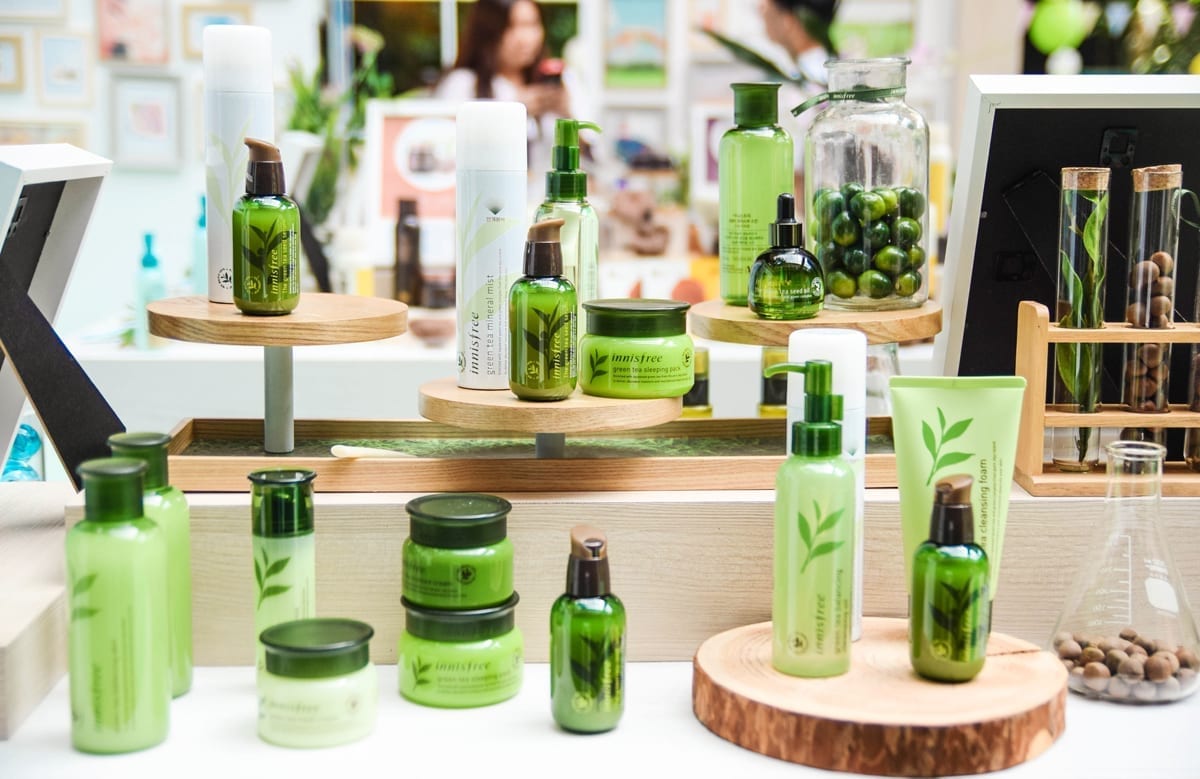
    South Korean ‘naturalism-oriented’ cosmetic brand Innisfree is closing all of its Canadian stores and the company is blaming the COVID-19 pandemic. Innisfree opened its first Canadian store almost two years ago and plans were in place for a cross-Canada expansion.

    “Circumstances have changed over the past year and we anticipate that the health and safety risks of COVID-19 will be impacting our ability to deliver the right experience for the remainder of 2021 and beyond,” said Innisfree in a statement on social media. “In that challenging context, we, unfortunately, had to make the difficult decision to close all Innisfree retail stores in Canada.”

    Innisfree said its stores at the Yorkdale Shopping Centre and the Scarborough Town Centre in Toronto will both shut forever on May 8. The same statement noted that the CF Toronto Eaton Centre and CF Markville stores had already been shut. Ontario is currently in an extended retail lockdown until at least May 20.

    The Yorkdale Innisfree location was the first in Canada when it opened in August of 2019. The CF Toronto Eaton Centre location came soon after as part of the beginning of a cross-Canada expansion that never came to fruition.

    In 2020, Innisfree had planned to expand its Canadian operations by adding more stores to the Greater Toronto Area as well as markets including Vancouver. Brokers in CBRE’s Vancouver office had said that they were working with the brand on a multi-location expansion including at the Metropolis at Metrotown, and industry chatter noted that West Edmonton Mall was in line to possibly get a store as well. The mall-based expansion could have seen Innisfree open stores in most of Canada’s leading shopping centers coast-to-coast over the course of several years.

    The pandemic took the wind out of the sails for many brands expanding in the Canadian market, and Innisfree is a surprising one to announce its Canadian exit. The beautiful bright Innisfree stores were often busy with customers seeking out the brand’s popular beauty products that quickly became highly coveted as they gained consumer awareness.

    Innisfree announced in February that the brand would be available at Sephora stores in Canada as well as online. It hasn’t been confirmed if the announcement was made in anticipation of Innisfree shutting its own standalone stores. The standalone direct-to-consumer brand store model was a trend that picking up speed across the country prior to the pandemic.

    Innisfree, which operates hundreds of stores globally, is part of the Seoul-based AmorePacific Corporation, which features 33 health, beauty, and personal brands under its corporate umbrella. AmorePacific launched the Innisfree brand in 2002. The brand had several stores in the United States and had shut all of them by late 2020. The brand is carried at Sephora in the US according to Innisfree’s website.

    Innisfree’s slogan is “Clean Island, where clean nature and healthy beauty coexist happily,” and the brand is known to be eco-friendly — something sought by many consumers lately. Particularly targeting women aged in their 20’s and 30’s, Innisfree is said to be South Korea’s first all-natural brand with many of its ingredients being sourced from Jeju Island. Its products include a wide range of products for both women and men including skincare, makeup, hair and body products, fragrances, beauty tools, and sun care.

    About 80% of Innisfree’s ingredients are natural and the company says that its products are “plant-to-bottle”. The company also promotes its “green life” with activities such as reforestation efforts, recycling programs, and even an ‘eco-hankie’ to replace disposable paper products. The company donates 1% of its profits to eco-initiatives.

    Innisfree is the latest international retailer to pull out of the Canadian market, and the second beauty brand to shut since the start of the pandemic last year. We reported in November of 2020 that L’Oréal-owned NYX Cosmetics was also in the process of shutting its Canadian stores after entering the market in 2015. At the same time, we’re getting word from industry insiders that several new international brands will be entering the Canadian market by opening stores this year, and we’ll be reporting on several of these in the coming days.

  • Marley Spoon commits to 100pc renewable power by end of 2022

    Marley Spoon commits to 100pc renewable power by end of 2022

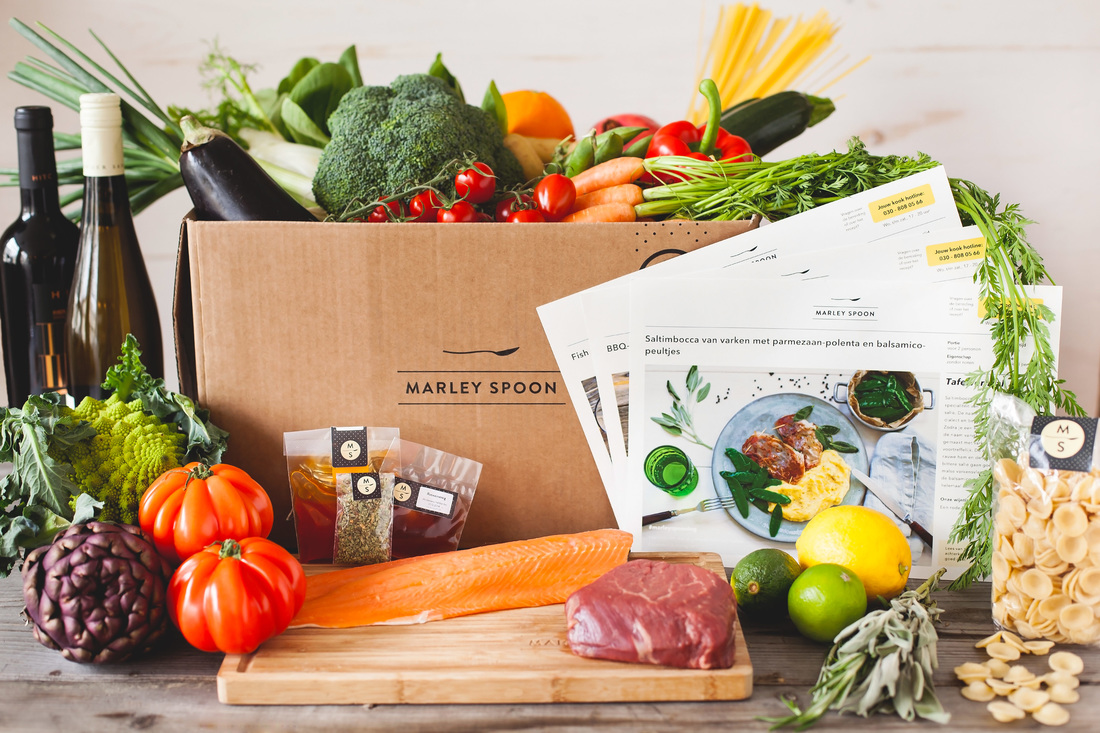
    Marley Spoon Australia is joining the growing number of businesses committing to power their operations entirely by renewables, with the meal delivery kit aiming to make the switch by the end of 2022.

    The business achieved carbon neutrality earlier this year, and aims for the next five years to be focused on further reducing its carbon impact, as well as rethinking its packaging, sustainable sourcing, and food waste.

    “Taking action to minimize our impact on the planet cannot be delayed any longer,” said Marley Spoon Australia chief executive Rolf Weber.

    “At Marley Spoon, we are committed to significantly decreasing our carbon impact across our operations. Since our launch, we’ve tried to consciously grow without further increasing our footprint and are continuously implementing actions to measure, reduce and, where necessary, offset that footprint.”

    Moving forward, Marley Spoon will work with climate offset specialist ClimatePartner to further its sustainability efforts through projects such as planting trees in Venezuela and Uruguay, and that provide families in Zambia with clean-burning cookstoves. To date, the business has planted 44,000 trees and redistributed 4,000 cooktops.

    Marley Spoon is also working to ensure all of its packaging is ‘curbside recyclable’ by the end of 2025, in order to ensure all Australians have an equal opportunity to do the right thing when it comes to properly dispose of soft plastics.

    And, the business will instigate a ‘local first’ policy in regards to food sourcing, looking to work closer with local farmers and suppliers to ensure any new ingredients added are Australian-made or grown.

    “Being a sustainably conscious company is more than just recycling and reducing waste; being a sustainable business or organization is all about consistently improving,” Weber said.

    “Our business model already helps customers easily act sustainably through reducing food waste and working with sustainably-focused suppliers [but] as we grow we need to continue to ensure we’re delivering a product that not only fills a need in their lifestyle, but also allows them to easily live their lives sustainably.”

  • Pepsi virtual restaurant matches fizz with foods

    Pepsi virtual restaurant matches fizz with foods

    PepsiCo in the US has launched a digital kitchen called Pep’s Place to encourage consumers to experiment with matching foods with various Pepsi beverages.

    From this week, consumers can visit a dedicated website to select from eight Pepsi drinks and match them with renowned American dishes like cheeseburgers, buffalo wings, Cajun chicken sandwiches, chopped pork sandwiches, spare ribs, and chicken caesar salads. Orders will be fulfilled by major food-delivery services Uber Eats, Door Dash, and Grub Hub, or by Pepsi itself.

    Customers order by first choosing a drink – Pepsi, Diet Pepsi, Pepsi Zero Sugar, Pepsi Real Sugar, Pepsi Wild Cherry, Pepsi Zero Sugar Wild Cherry, Pepsi Mango, and Pepsi Zero Sugar Mango. After that, they are prompted with a selection of food items Pepsi believes complements the drink.

    “For years we have known that Pepsi is the perfect complement to a variety of foods,” said Todd Kaplan, VP of marketing at Pepsi. “But even though consumers know that food tastes Better With Pepsi, they often still forget to order a beverage with their favorite meals.

    “With the launch of Pep’s Place, we have designed a new ‘fast beverage’ restaurant delivery concept that features a menu and experience literally built around the idea of what foods go best with Pepsi, allowing consumers at home to fully optimize their meals,” he said.

    Pep’s Place will trade for a month, supported by eight television commercials broadcast nationwide. The company says the ads were filmed without “unrealistic, idealistic perfection” of food, instead depicting “the celebration of unapologetic love of foods like juicy, drippy cheeseburgers, topping-heavy hot dogs, and pizzas with the extra-long cheese pull”.

    As the example below shows, some are amusing…

  • Julian Thomson Steps Down As Jaguar’s Director Of Design

    Julian Thomson Steps Down As Jaguar’s Director Of Design

    Julian Thomson, Design Director at Jaguar, has resigned and will be leaving the company at the end of this month. An internal memo revealed that he will leave Jaguar for exploring other exciting opportunities. He took over the reins at Jaguar Design after Ian Callum’s departure in 2019 and was tasked with establishing the future strategic design direction for the brand. He worked on production models, updated models and concepts cars as well. He was responsible for the design of various cars from Jaguar such as XK, XF, XJ, F-TYPE, XE, F-Pace, E-Pace, and Jaguar’s first-ever electric vehicle – the I-Pace as well. We have reached out to Jaguar Land Rover for a comment on the same, and the company is yet to respond.

    Thomson also served as the head of design at Lotus and was the brains behind the design of the famous Lotus Elise. He was appointed as Chief of Exteriors at the Volkswagen Group’s Concept Design Centre in Barcelona in 1998 and worked on production and concept vehicle design for various brands under the Volkswagen umbrella such as Audi, Bentley, Seat, and VW itself. Julian joined Jaguar in 2000 as Advanced Design Director and also served as Advanced Design Director for Land Rover between 2006 and 2008.

    Thomson studied Mechanical Engineering at Hatfield University before completing an MA in Automotive Design at the Royal College of Art. He began his automotive industry career in 1984 as a designer at Ford in Dunton, England, before moving to Lotus Design in Norwich in 1986. In the recent past, Former JLR CEO, Professor Ralf Speth moved to TVS Motor Company as the chairman while Wayne Burgess, yet another designer who had worked with Jaguar before was appointed as the Head of Vehicle Design at Ola Electric.

  • Vietnam to reduce thermal power production

    Vietnam to reduce thermal power production

    Vietnam targets reducing coal-fired power production by 6 percent this year to prioritize solar and wind energy even as it grapples with limited transmission capacity.

    This means a cut of 8 billion kilowatt-hours from a projected 126 billion kilowatt-hours of coal-fired power this year. National utility Vietnam Electricity (EVN) estimates total production from all sources at 260 billion kilowatt-hours.

    EVN has also suspended around 8,000 megawatts of hydropower plant capacity from 11 a.m. to 12 p.m. every day in the first four months of this year to prioritize solar power intake, which peaks at noon.

    However, reducing the intake from coal-fired and hydropower plants comes with consequences, with the rising frequency of turbine restarts increasing the risk of system failures.

    The number of restarts due to oversupply last year surged 2.6 times over 2019 to 192. In the first four months this year alone, there were 334 restarts.

    With these cuts, EVN seeks to prioritize solar and wind power intake and also wants to double their production from last year to 32 kilowatt-hours this year.

    Solar and wind power capacity is set to hit 20,000 megawatts this year, accounting for 30 percent of the total supply.

    But due to the limited capacity of the transmission lines, renewable energy only accounts for 12 percent of total production. The figure is set to rise to 17 percent in the next five years.

    The rest of the production comes from traditional sources like thermal power and hydropower.

    EVN has earlier said it will also cut 15-20 percent of solar and wind power capacity to reduce pressure on the national grid.

    “Cutting down renewable energy is something EVN does not desire because it hurts developers,” Nguyen Duc Ninh, director of the National Load Dispatch Center under EVN, said at a meeting Tuesday.

    The dilemma that Vietnam faces now, having an oversupply of renewable energy but limited transmission capacity, has happened because of poor management and planning, experts say.

    Tran Dinh Long, deputy chairman of the Vietnam Electrical Engineering Association (VEEA), said that the boom in solar power in recent years shows a lack of anticipation of the burden they would place on the national grid.

  • Singapore retail sales growth eased up in March

    Singapore retail sales growth eased up in March

    Retail sales continued to recover in March as the Singapore economy rebounded, though the figures were boosted by the comparison with the situation a year ago when Covid-19 safe distancing measures began and border restrictions were in place.

    Takings at the till grew by 6.2 percent in March on a year-on-year basis, compared with the revised 5.3 percent increase recorded in February, according to data out on Wednesday (May 5).

    This made for a second consecutive month of retail sales growth after a 24-month-long year-on-year slide. Excluding motor vehicles, sales increased 4.4 percent in March. Almost all segments registered jumps in turnover, with the sales of watches and jewelry jumping the most, by 60.2 percent. This was followed by the sales of apparel and footwear, which increased by 35.6 percent. This was due to the lower base in March 2020 when there were low tourism receipts arising from tightened border restrictions, said the Department of Statistics (SingStat).

    Sales of recreational goods grew by 28.3 percent, while takings by retailers of computer and telecommunications equipment increased by 19.9 percent.

    Petrol service stations registered an increase of 18.6 percent, while vehicle sales went up by 15.6 percent.

    But sales at supermarkets and hypermarkets reversed their growth streak from last year and dropped by 14 percent.

    This was in comparison with March 2020 when there were higher sales as more people stayed home after safe distancing measures were introduced, SingStat noted.

    Sales of cosmetics, toiletries, and medical goods also fell, by 13.2 percent.

    On a seasonally adjusted month-on-month basis, SingStat observed that most retail industries recorded growths in sales.

    “Discretionary industries such as motor vehicles, watches, and jewelry, wearing apparel and footwear and department stores recorded growths in sales of between 5.2 percent and 7.8 percent, attributed to higher domestic spending given overseas travel restrictions,” it said.

    But sales of furniture and household equipment declined during this period, as demand for furniture slowed down, with more people returning to the workplace, it added.

    Meanwhile, sales of food and beverage services grew by 8 percent year on year in March, a reversal from the 3.4 percent decline in February.

    This growth was mainly attributed to the lower sales in March 2020 when safe distancing measures were first introduced to contain the Covid-19 outbreak, SingStat said.

    Restaurant sales grew by 17.9 percent, while cafes, food courts, and other eating places saw takings rise by 5.6 percent. But food caterers continued to suffer a slide in sales, of 25 percent. The total sales value of food and beverage services in March was estimated at $730 million, with online sales making up an estimated 23.5 percent. The estimated total retail sales value in March was about $3.5 billion. Of this, online retail sales made up an estimated 11.8 percent.

  • Vinamilk leaps six notches in Top 50 global dairy companies

    Vinamilk leaps six notches in Top 50 global dairy companies

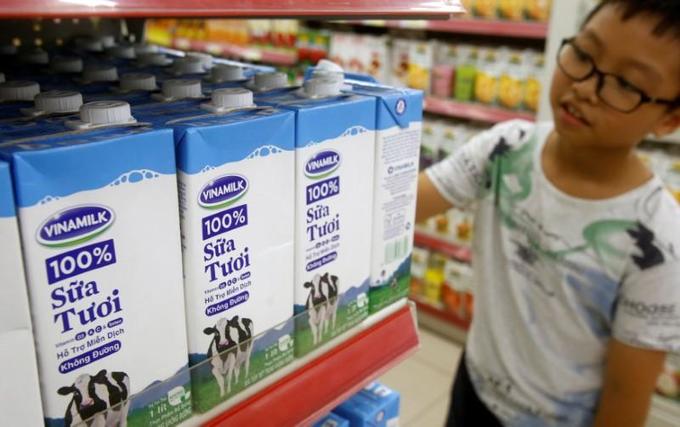
    Vinamilk has climbed six ranks to 36th in the top 50 world dairy producers with the highest turnovers, according to Plimsoll, a British financial analysis agency.

    With revenue of $2.6 billion in 2020,Vinamilk is the only representative in Southeast Asia to be listed among the Top 50 leading dairy companies in the world. The top 10 include firms from the U.S., New Zealand, Europe, and China.

    In 2017, Vinamilk made the list for the first time. After four years, the company’s revenue has continuously improved in the chart rankings. In 2020, despite Covid-19 impacts, Vinamilk still posted a 5.9 percent increase in revenue over the same period in 2019 and 17 percent compared to 2017, rising six ranks on the world dairy industry map.

    A report from Nielsen also shows Vinamilk is leading the domestic dairy market in key segments, including liquid milk, powdered milk, and condensed milk. Vinamilk has recently introduced new products to consumers, including Vinamilk Green Farm fresh milk, fresh milk with bird’s nest, premium juice Fruit Love, and Hero fruit milk. With a wide variety of new and quality products that meet diverse nutritional needs, the Vinamilk brand has been the most chosen by Vietnamese consumers for eight consecutive years, according to Kantar Worldpanel’s Asia Brand Footprint 2020.

    Vinamilk currently owns 13 factories, 13 farms, with a herd of about 150,000 cows, producing more than 250 types of products.

    The company has exported its products to 56 countries and territories, with a total turnover of more than $2.4 billion. Since 2017, Vinamilk’s export revenue has grown continuously along with the expansion of new export markets.

    In the first quarter of 2021, Vinamilk’s export revenue increased by 7.9 percent over the same period last year.

    To rank higher on the world dairy industry map, Vinamilk has promoted corporate governance and sustainable development as its focal points in the future direction.

    A sustainable development strategy aims at ensuring sustainable values for the economy, society, and environment.

    Mai Kieu Lien, general director of Vinamilk, said the company would maintain stability in production and business and further promote cohesion and value sharing with stakeholders.

    “At Vinamilk, sustainable development will be oriented towards advanced models of the world dairy industry. Specific action plans and initiatives would be implemented along all parts of the value chain, from research and development, farm systems, factories to supply,” Lien maintained.

  • Apple practically begged Netflix to allow new subscribers to pay using the App Store’s platform

    Apple practically begged Netflix to allow new subscribers to pay using the App Store’s platform

    As game developer Epic continues its legal battle against Apple, some emails, documents and other internal communications have appeared in the courtroom. Among this treasure trove is evidence that demonstrates how Apple tried to convince video streamer Netflix to continue using Apple’s App Store In-App Payment (IAP) system. As many of you know, Apple takes a 15%-30% cut of transactions that are rung up through this platform and doesn’t allow developers to use their own IAP system (which is what Epic did).

    You might recall that in December 2018, Netflix no longer allowed new users to sign up for service via the App Store. An internal Apple email thread has come to light revealing discussions that were taking place as Netflix rolled out an A/B test to determine whether it should stop offering new subscriptions via the App Store.

    An email thread that ran from February through April of 2018 kicked off with a missive from Carson Oliver, the Director of App Store Business Management who said that subscribers paying for a Netflix subscription using Apple’s In-App Payment system were more likely to cancel their subscription than those who signed up using other platforms. Apple blamed this on those who received Netflix gift cards which forced them to pay using the Netflix website.

    Oliver wrote in one email, “Do we want to take any punitive measures in response to the test (for example, pulling all global featuring during the test period). If so, how should those punitive measures be communicated to Netflix?” Both companies tried to get together to talk things over and Apple Services Chief Eddy Cue tried to meet with Netflix CEO Reed Hastings.

    Five months before Netflix dropped support for Apple’s IAP, Apple created a presentation to show to Netflix trying to get the streamer to commit to Apple’s App Store payment platform. Apple also tried to show Netflix why it deserves the cut it takes from in-app payments run through its platform. Apple also pointed out the things that it was doing to help promote Netflix in the App Store such as featuring it more than any other partner.

    Another presentation showed how Apple and Netflix could work together if the latter would agree to use Apple’s IAP. Among the suggestions, Apple said that it would allow Netflix to determine which shows Apple would feature in Netflix promos. Apple also pointed out other things that the two firms could do together including the bundling of Netflix with an Apple service and more.

    The bottom line is that Apple could not convince Netflix to use the App Store IAP. In late 2018, Netflix said, “We no longer support iTunes as a method of payment for new members.”

  • Twitter users will no longer see cropped images on Android and iOS

    Twitter users will no longer see cropped images on Android and iOS

    After adding support for 4K quality images, Twitter announced earlier today that Android and iOS users will no longer see cropped images posted on its social network. Starting today, Twitter features support for full-sized images, an important upgrade that many users asked for a long time.

    Up until now, Twitter users had to crop pictures they wished to tweet to a 16:9 format, otherwise, the system would do it for them so it could preserve the timeline uniformity. Last month, Twitter confirmed that it has started to test a new feature that would no longer require users to crop their images before tweeting them online.

    It looks like the testing process was fruitful, as Twitter revealed today that it’s now introducing “bigger and better images on iOS and Android,” a feature that’s now available to every one according to the company.

    Long story short, images with 2:1 and 3:4 aspect ratios will now show in full on Twitter, so you won’t need to crop them yourself before posting them. Here is hoping the quality of the videos posted on Twitter will be improved too, although we doubt that will happen any time soon.

  • Fiji Kava names new CEO

    Fiji Kava names new CEO

    Health and wellness company Fiji Kava has appointed Dr. Anthony Noble as its new CEO effective May 31.

    Noble is currently the MD and CEO of Australian Biotherapeutics and has experiences in natural product development, sales and operations management.

    “Anthony’s experience and background in the natural products and biotechnology industries are directly transferable to Fiji Kava, including operational supply chain excellence and in growing the availability of our Fijian Noble Kava across key international markets with new and existing partners,” said Fiji Kava chairman, Dr. Andrew Kelly.

    “We were extremely impressed by the success of Australian Biotherapeutics under the leadership of Anthony including the role he played in securing investment and commissioning their $10m greenfield production facility in Queensland.” Prior to Australian Biotherapeutics, Noble spent 10 years at SFI Health, SFI Research as global head of innovation, and head of North Asia, GM of the company’s Chinese joint venture, and global head of business to business.

    Nicholas Simms, who has been acting as interim CEO, will continue as a non-executive director with founder Zane Yoshida on the Fiji Kava Board.