Tag: asia

  • Bamboo Airways hikes capital yet again

    Bamboo Airways hikes capital yet again

    Private carrier Bamboo Airways has increased its charter capital by 28 percent to VND16 trillion ($695 million), the highest in the industry.

    Since it was set up in May 2017 with a capital of VND700 billion, this is the airline’s seventh hike.

    Its chairman, Trinh Van Quyet, said this month the airline is considering an initial public offering of shares in the U.S. this year to raise $200 million.

    It is expected in the third quarter, with the company likely to offer a 5-7 percent stake.

    It also plans to expand its fleet from 30 aircraft to 40.

    Last year, Bamboo Airways carried over seven million passengers to account for a 20 percent market share, and hopes to increase it to 30 percent this year.

  • Habeco chairman blames low profit target on Covid-19

    Habeco chairman blames low profit target on Covid-19

    The chief of the company that produces Hanoi Beer, Habeco, expects sales to be hit badly by Covid-19 this year and profits to plummet to a decade low.

    The brewery targets post-tax profits of VND255 billion ($11 million), down 64 percent from last year.

    Its chairman Tran Dinh Thanh said a fresh outbreak of Covid-19 in January means tourism companies, hotels and restaurants continue to languish, directly causing a decrease in the sales of alcoholic beverages.

    The company’s revenues in the first quarter of this year were down 39.6 percent from the previous quarter to VND1.1 trillion ($48.5 million).

    Rising competition with many brewers introducing new products in the mid-priced market segment in which Habeco mainly operates is also a reason for falling sales, he said.

    “If the pandemic is contained this year, the company will definitely surpass the profit target.”

    It is striving to maintain its position as one of the biggest brewers in the northern and central regions, and working to expand its business in the south, he added.

    Last year, beer consumption fell 22.6 percent because of Covid-19 impacts as well as the impact of a law increasing fines for driving under the influence.

  • China Widens Regulatory Net for Fintech Crackdown

    China Widens Regulatory Net for Fintech Crackdown

    More than a dozen major technology firms in China are set to face similar restrictions imposed on Jack Ma’s Ant Group as Beijing widens its fintech crackdown.

    13 tech titans – including Tencent, ByteDance, JD.com, Meituan and Didi Chuxing – were summoned to a meeting over a series of new requirements for their financial units, according to a joint statement by Chinese regulators.

    State representatives at the meeting included the central bank, the banking and insurance regulator, the securities regulator and the foreign exchange watchdog. The 13 tech firms will face similar requirements previously imposed on Jack Ma’s Ant Group including the restructuring of financial units into holding companies for regulatory supervision.

    Restrictions will be tightened in numerous areas such as payment links to financial products, collection of customer data, credit scoring services and overseas listings.

    The latest regulatory push against the broader fintech sector follows the headline crackdown against Ant Group with the latest move being a probe against its IPO backers and considerations for the divestment of Ma’s stake.

  • Asian Gaming Giant Adds Bitcoin to Balance Sheet

    Asian Gaming Giant Adds Bitcoin to Balance Sheet

    Nexon has joined other publicly listed companies such as Microstrategy and Tesla in holding the cryptocurrency as a hedge against inflation.

    The South Korean-Japanese video game publisher purchased some 1,707 bitcoin for about $100 million, equivalent to less than 2 percent of the company’s total cash and cash equivalents on hand, it said in an announcement this week.

    Nexon owns major gaming franchises including Maple Story, Kart Rider and Dungeon & Fighter. It is listed in Tokyo and is part of the Nikkei 225.

    Our purchase of bitcoin reflects a disciplined strategy for protecting shareholder value and for maintaining the purchasing power of our cash assets, Owen Mahoney, president and CEO of Nexon, explained in the statement, saying the company needs to think seriously about the future purchasing power of our cash in a world of potential currency debasement.

    In the current economic environment, we believe bitcoin offers long-term stability and liquidity while maintaining the value of our cash for future investments, he added.

  • Singapore and Thailand Link National Payment Infrastructures

    Singapore and Thailand Link National Payment Infrastructures

    In a world-first, the two countries have established a link between Singapore’s PayNow and Thailand’s equivalent PromptPay.

    Customers in Singapore with DBS, OCBC, and UOB accounts, and customers of Bangkok Bank, Kasikorn Bank, Krung Thai Bank, and Siam Commercial Bank in Thailand will be able to securely perform cross-border peer-to-peer transactions of up to S$1,000 or THB25,000 using just their mobile numbers.

    The transactions will take place at the near real-time speed at a fee that is competitive to remittance services. Over time, participating banks and use cases will be scaled up and expanded, the Association of Banks in Singapore said in an announcement on Thursday.

    Monetary Authority of Singapore (MAS) and the Bank of Thailand first mooted the possibility of a link between their respective countries’ networks in 2017.  The announcement said the two sides spent the past few years working to align their target operating model, business rules, technical connectivity as well as legal framework.

    Wee Ee Cheong, ABS chairman, deputy chairman and CEO of UOB, said the initiative is also «an important step to connecting payment systems across ASEAN at scale in the future.

    MAS managing director Ravi Menon previously said MAS is keen to help other central banks in the region to expand the linkage, so that more people across Southeast Asia can benefit.

  • DBS Doubles Quarterly Earnings

    DBS Doubles Quarterly Earnings

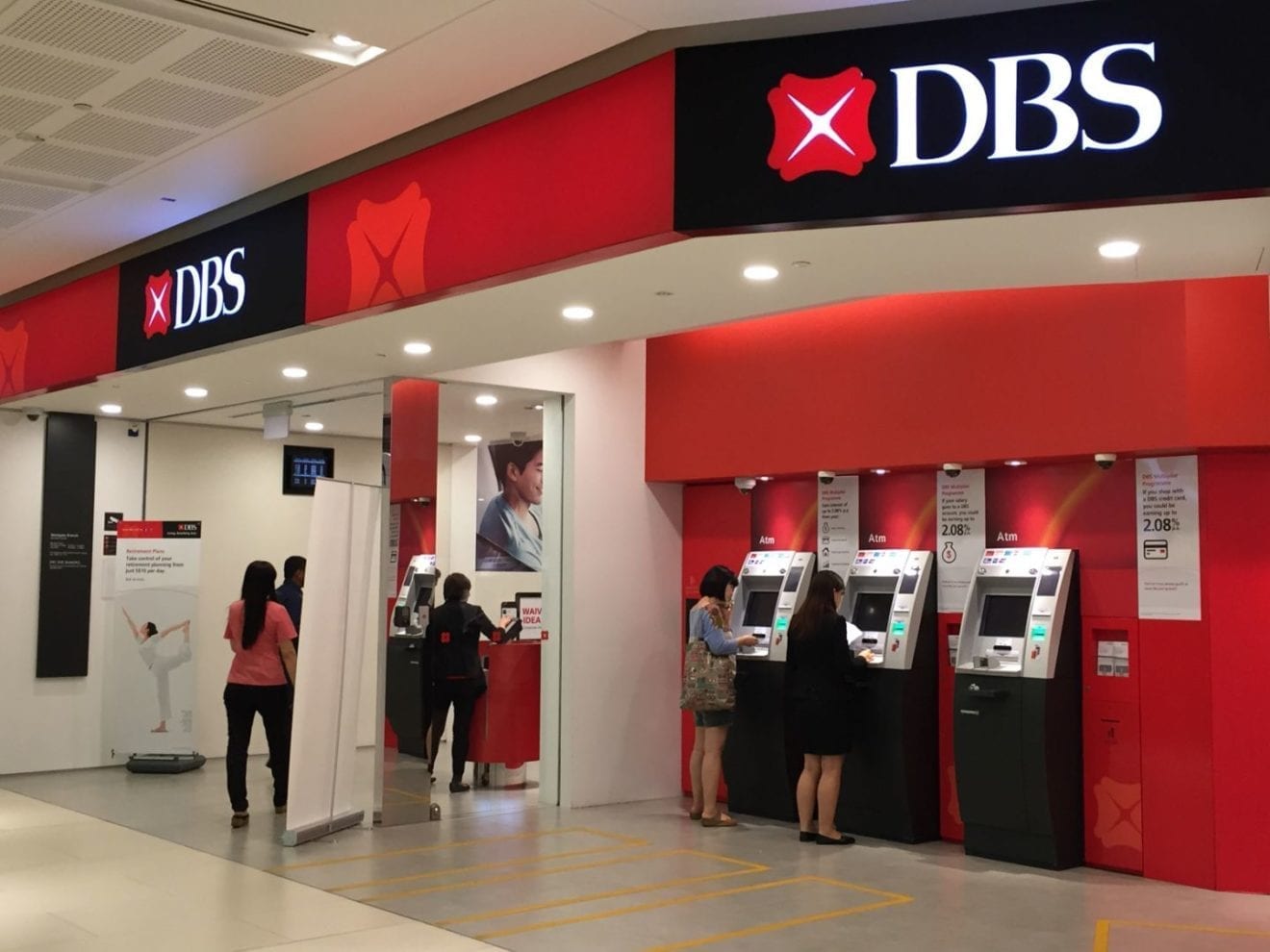
    The board is recommending an interim dividend of 18 cents per share, to which the scrip dividend scheme will be applied. Net profit at DBS grew to S$2.01 billion ($1.52 billion) for the January-March period, up from S$1.01 in the previous quarter and 72 percent higher year-on-year, according to first-quarter earnings posted on Friday.

    It cited strong business momentum and stabilizing asset quality as behind the record quarter – loans grew 3 percent and deposits increased 2 percent from the previous quarter, while fee income rose 28 percent on-quarter to a record S$953 million and Treasury Markets income reached a new high. Bad loans were also at pre-pandemic levels.

    Wealth management fees also grew 24 percent to a record S$519 million on the back of strong investor demand across a wide range of investment products in a low-interest rate environment, DBS said.

    This has been an extraordinary quarter for our business as we fired on all cylinders, Piyush Gupta, DBS chief executive, said in a statement.

    During the quarter, DBS grew its franchise in the Greater Bay Area with a stake in Shenzhen Rural Commercial Bank, and announced the development of Partior – an open industry platform with Temasek and J.P. Morgan that aims to reimagine and accelerate value movements for payments, trade, and foreign exchange settlement.

    The global economic rebound is strengthening and we are bullish about prospects for the coming year, Gupta added.

  • HSBC AM Names Asia Head of Credit Research

    HSBC AM Names Asia Head of Credit Research

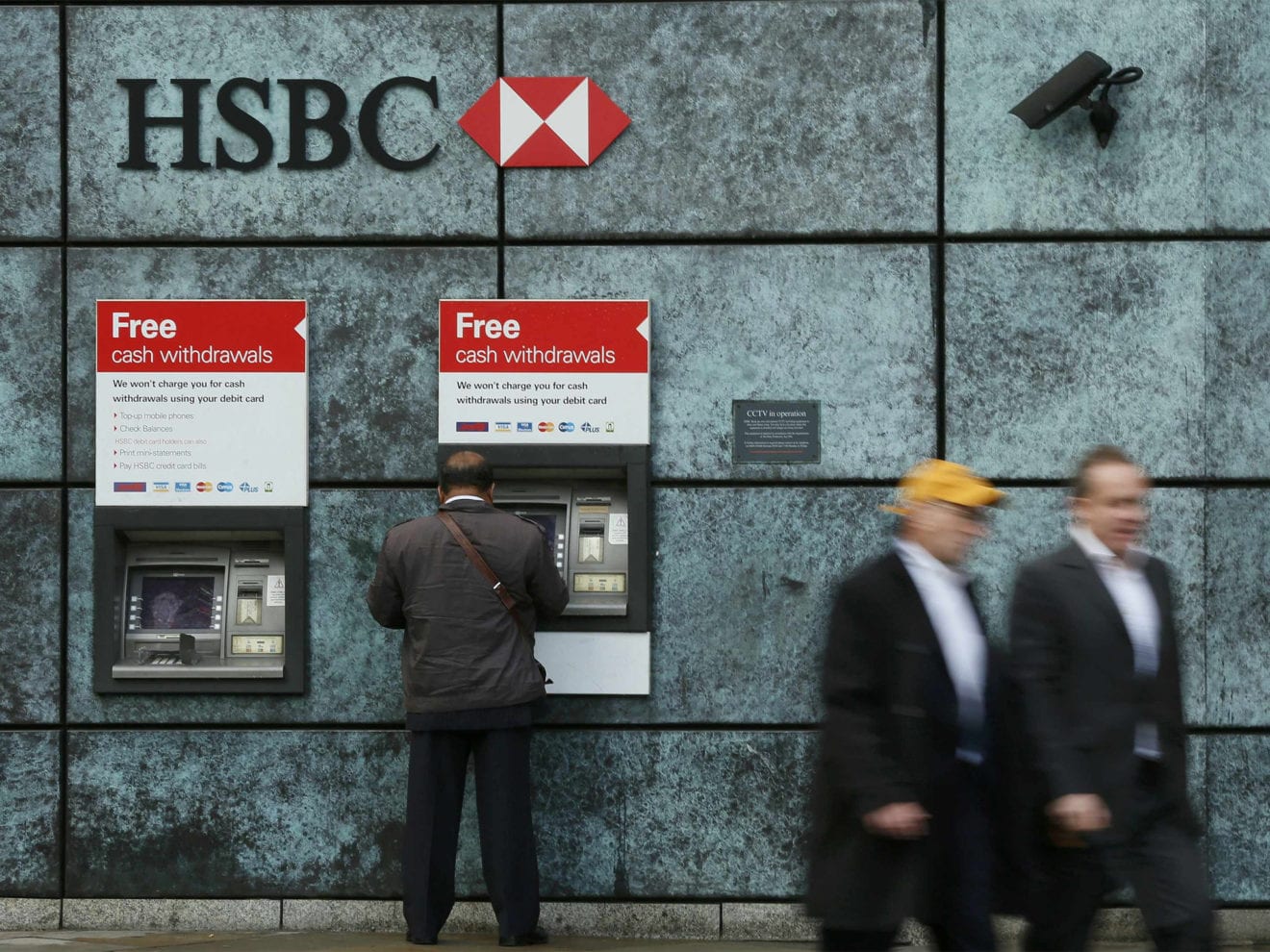
    HSBC’s asset management arm appoints a new head of credit research in Asia amid an ongoing expansion across its product range and distribution capabilities in the region.

    HSBC Asset Management appoints Seok Poh Yeoh as head of credit research for Asia, according to a statement, effective immediately.

    In her Hong Kong-based role, Yeoh reports locally to head of Asian fixed income Elizabeth Allen as well as Paris-based global head of credit research Tina Radovic.

    Yeoh has 16 years of industry experience and was most recently a financial and corporate credit research analyst at Credit Suisse. She rejoins HSBC Asset Management after first joining in 2012 as a financial analyst.

    The latest hire follows announced ambitions by HSBC Asset Management to enhance its platform in mainland China, India, and Southeast Asia, most notably for the high net worth product range across alternatives, sustainability, and thematic equities.

    According to the bank, HSBC Asset Management has Asian fixed income assets under management totaling nearly $73 billion as of March 31 this year.

  • Coles embraces AI for fresh produce management

    Coles embraces AI for fresh produce management

    Coles has partnered up with Finnish tech provider RELEX, to replace manual ordering systems for fresh fruit and veg with AI-enabled, cloud-based tech designed to improve efficiency and reduce waste.

    The technology will be rolled out in all 850 Coles stores throughout the country, and in seven fresh produce distribution centers.

    The RELEX platform will integrate with Coles’ existing in-house analytics system, which has already been rolled out to provide forecasting for other non-fresh categories, chief information officer Roger Sniezek said in a statement.

    “This will enable an improved customer offer by not only taking into account past purchases but also factoring weather and local community events into the forecasting algorithms,” he said.

    This move from Coles is just the latest example of Australia’s grocery behemoths embracing a new, tech-enabled future of retail.

    Last week, Woolworths announced it has paid $223 million to increase its stake in data analytics business Quantium from 47% to 75%, while also ramping up its use of the technology to help shape its strategy and interact with customers.

    Woolies has also recently made a multimillion-dollar investment into Melbourne startup Marketplacer, through its venture capital firm W23. And, Marketplacer is set to build its new online empire.

    This is all part of a broader shift in the sector, exacerbated by the COVID-19 pandemic. Speaking to SmartCompany last week, Marketplacer co-founder and chief Jason Wyatt said the pandemic was a “catastrophic event that forced behaviors to change overnight”.

    For retailers, that meant perfecting — or even creating from scratch — their e-commerce offerings overnight. And, as the economic impact continues, it’s never been more important to know your customer and remain competitive.

    However, Kevin Gunn, Coles’ executive general manager for central operations and transformation, said centralizing the supermarket chain’s replenishment model has been on the cards for more than a decade.

    Fresh produce is one of Coles’ “most complex supply chains”, he explained in a statement, with short shelf life, seasonality, price elasticity, and diverse growing seasons presenting a suite of unique challenges.

    Using AI technology is intended to help the grocery giant expand the range and availability of produce, and simplify processes for both internal teams and suppliers.

    But, Gunn also pointed to the environmental benefits. Centralised ordering should reduce waste on existing products, and minimize waste on new ranges, “which is important to us as Coles aims to become Australia’s most sustainable supermarket.”

  • AirTag order arrives two days before the release date

    AirTag order arrives two days before the release date

    Apple opened pre-orders for its new AirTag item tracking system on April 23rd with shipments slated to start this Friday, April 30th. But a lucky customer said that his order for a 4-pack placed with Best Buy on Friday has already arrived. The product was shipped on Monday, April 26th, and arrived on Wednesday April 28th.

    Most likely, those who ordered from Best Buy have a better shot at receiving their order early as Apple would be least likely of the two to ship the product early. In addition, it would seem highly probable that there are more AirTag purchasers who received their order early than just one person. The product can help you find a missing item using the new items tab in the Find My app or by asking Siri to find it.

    If the missing item is close by, you will hear a sound from the AirTag’s speaker that you can follow until you are reunited with the missing item. If the item you’ve “AirTagged” is nearby and you have an iPhone 11, iPhone 11 Pro, an iPhone 11 Pro Max, an iPhone 12, iPhone 12 Mini, iPhone 12 Pro and an iPhone 12 Pro Max, you can use Precision Finding to receive precise directions to the item. That’s because those models contain the U1 Ultra Wideband chip.

    If you’ve left an item far behind, nearby Apple devices in the Find My network will receive a secure Bluetooth signal sent out by the AirTag you’ve attached to your item. These devices send the location of your AirTag to iCloud allowing you to find the location on a map in the Find My app.

    Now if you put your AirTag into Lost Mode, you’ll get a notification if it has been discovered by a device in the network. And you can also set your AirTag to cough up your contact information when it is placed alongside any handset that is NFC capable. Yes folks, that means both iOS and Android handsets, as long as they support NFC, can help you get in touch with someone who finds your missing or lost item.

    Information is encrypted and the AirTag will even alert you if someone is trying to stalk you with their AirTag. A 1-pack is priced at $29, and a 4-pack will cost you $99. The AirTags are water-resistant and have a replaceable battery.

  • HBO Max cheaper ad-supported plan reportedly coming in June

    HBO Max cheaper ad-supported plan reportedly coming in June

    HBO Max is already one of the most expensive streaming services in the United States, and that gave WarnerMedia an idea. Last month, the media giant confirmed plans to introduce a cheaper ad-supported plan for those who can’t afford to pay $15 per month for the regular plan.

    However, WarnerMedia did not say when the plan will be launched and how much it will cost. CBNC claims sources close to the company say HBO Max will introduce a cheaper service in June that will cost just $9.99.

    The new ad-supported plan will be available via AT&T at first, but pay-TV distributors might be willing to accept the cheaper service too, even though they would get a lower revenue percentage per user.

    It’s also important to mention that HBO Max will not run ads during original shows, but everything else will be peppered with commercials; that’s something that WarnerMedia has already confirmed last month.

    Initially, WarnerMedia considered a much cheaper $4.99 ad-supported plan that would offer just HBO Max content, but the company decided to go for a more varied product in the end.

  • Uber App In U.S. To Enable Users To Book COVID-19 Vaccines And Rental cars

    Uber App In U.S. To Enable Users To Book COVID-19 Vaccines And Rental cars

    Uber Technologies Inc said on Wednesday it was launching new features in its app to allow U.S. customers to book COVID-19 vaccine appointments and reserve rental cars. Customers would be able book an appointment at a Walgreens pharmacy to receive a vaccine and an Uber ride to travel there, the company said in a product presentation.

    The feature, which expands an Uber and Walgreens partnership announced in February, reflects the wider availability of COVID-19 vaccines in the United States, where every state has opened up vaccinations to all adults.

    For Uber, more vaccinations mean a quicker return to pre-pandemic travel and higher revenue, which has tumbled during the health crisis. Business has already begun to improve with March the best month since the pandemic’s full force was felt.

    Sundeep Jain, Uber’s chief product officer, said the company was “evaluating opportunities” to expand the vaccine program to other countries.

    The company also announced partnerships with Avis Budget Group Inc, Hertz and other vehicle rental agencies.

    From Wednesday, U.S. customers can book rental cars through the Uber app, with Uber offering up to 10% of the rental cost as a credit to the user to spend on other Uber services.

    In May, users in Washington D.C. can have their rental car delivered to and collected from their home, after paying a fee to Uber, which will rollout the service nationwide this year.

    Jain said users will be able to handle most rental car paperwork digitally, but declined to comment on the financial details of the partnerships.

    Uber’s smaller rival Lyft Inc already offers car rentals in partnership with Sixt SE.

    Uber also said it would expand an option to reserve rides in advance to more U.S. and European cities and allow customers to book and collect food delivery orders during a ride-hail trip.

  • Honda Motorcycle And Scooter India To Halt Production Temporarily

    Honda Motorcycle And Scooter India To Halt Production Temporarily

    Honda Motorcycle and Scooter India (HMSI) will temporarily halt manufacturing at its four plants in India, from May 1, 2021 to May 15, 2021 keeping in mind the current COVID-19 scenario in the country. The company said it will utilize these days to carry out maintenance activities at all its plants. Keeping an eye on the fluid COVID-19 situation, HMSI will review its production plan accordingly, in the coming months. The company also said that all Honda office associates will continue to work from home and extend all possible support to customers and business partners. Only essential staff will be working at its plants and offices across the country. Honda has four manufacturing facilities in India in Manesar in Haryana, Tapukara in Rajasthan, Narsapura in Karnataka, and Vithalapur in Gujarat.

    Other automotive manufacturers such as Hero MotoCorp have decided to temporarily halt manufacturing operations in view of the escalating COVID-19 situation in India. In a press statement, Hero MotoCorp said that the company has decided to proactively halt operations temporarily at all of its manufacturing facilities across the country, including its Global Parts Centre (GPC).

    Maruti Suzuki India too announced that it has advanced its annual maintenance shut down from June to May 2021. This coincides with the Government of India’s call for companies to free up industrial oxygen consumption, which could instead be used for medical purposes. The carmaker will shut both its Gurugram and Manesar plants, in Haryana, from May 1 to May 9, 2021. In fact, the company has also said that Suzuki Motor Gujarat, the wholly-owned plant of Maruti’s parent company Suzuki Motor Corporation has also taken the same decision for its factory.

  • How operators can accelerate industry transformation in an e-commerce cloud-network era

    How operators can accelerate industry transformation in an e-commerce cloud-network era

    The fourth industrial revolution, led by enabling technologies such as IoT, AI, cloud computing, and big data, serves as the impetus for enterprises to migrate their services to the cloud. Fueled by countries’ tech imperative and national strategy to digitalize economies and societies, enterprise cloud adoption is poised to grow, with IDC predicting that 85% of enterprises will have deployed new digital infrastructure in the cloud by 2025.

    As cloud applications evolve and become increasingly distributed, enterprises will strategically upgrade from single cloud to multi-cloud and hybrid cloud (private cloud + public cloud). Consequently, enterprise network requirements will have to change, evolving from traditional “fast cloud, slow network” to intelligent cloud-networks with integrated cloud-network scheduling to facilitate e-commerce. In addition, enterprises will have to move away from “good cloud, poor network” to deliver consistent experience to users.

    Faced with increased competition from OTT cloud providers, operators must upgrade existing cloud network operation systems and leverage network advantages to chart growth in the cloud era.

    Key challenges operators face when upgrading to cloud-network operation

    Compared with OTT cloud providers, operators face greater challenges when upgrading to cloud-network operations. For a start, the current experience offered by the operator’s private line products leaves much to be desired when matched against user-centric products offered by OTT cloud providers. While OTT cloud providers offer cloud features such as real-time provisioning, pay-per-use, online subscription, and network visualization, network-centric operators must evolve from manual processing based on tickets to automate processing to reduce long service provisioning, amongst other upgrades.

    Given their larger and more complex network layers, operators also tend to encounter more technical issues when ensuring quality-guaranteed virtual networks. Finally, operators have to overcome a lack of integrating standards and specifications, interface customization among systems, and excessive BSS, OSS, and controller vendors – all of which add complexity to system integrations and delay service rollouts.

    Recommendations for operators to build competitive cloud-networks

    COVID-19 has fast-tracked enterprise cloud adoption by two to three years and accelerated digtialization across industries. China’s online education industry, for instance, has reported growth as online learning products garnered more than 300 million users when schools shuttered for months. In the wake of COVID-19, many provinces started to embrace a digital-first approach, with cloudification leading change across industries.

    For instance, China Telecom Ningxia became the first operator to adopt an intelligent cloud-network to achieve multi-cloud interoperability in the healthcare sector. Tapping on this capability, many small and medium-sized hospitals in Ningxia now rely on technologies such as medical imaging cloud to leverage resources in larger-sized hospitals to provide telemedicine consultations.

    For operators to seize growth in a rapidly-evolving cloud environment, Guo Dazheng, president of NCE Data Communication Domain at Huawei recommends the following:

    1. Improve cloud-network operations in three areas

    Firstly, operators seeking to develop cloud-network services should deliver integrated cloud-network scheduling capable of producing networks as responsive as clouds. Secondly, operators should fully exploit the wide coverage of operator networks to provide cloud access connections with guaranteed SLAs and deliver consistent cloud and network experience. Thirdly, operators can offer enterprise users one-stop subscription of cloud-network products and comprehensive e-commerce service experience.

    1. Upgrade cloud-network IT architecture across three layers

    To drive comprehensive service automation and e-commerce operations on the cloud-network, while also maximizing the network operation and localization service advantages of operators, systematic technology transformation must occur at three layers: the network infrastructure layer; network management and control layer; and network operation layer.

    At the network infrastructure layer, protocols should be simplified. As such, complex protocols in traditional network should be replaced by an intelligent cloud-network that offers two simplified alternatives – the EVPN and SRv6. As a next-generation SDN network enabling protocol, SRv6 helps intelligent management and control systems achieve centralized path computation and cross-domain one-hop through while avoiding VPN concatenation.

    At the intelligent management and control layer, network-as-a-service (NaaS) should be deployed to counter complex integration in conventional NMSs. Utilizing NaaS technology, the intelligent cloud-network provides tenant-level service-oriented interfaces for the OSS, while shielding technical details relating to the network. As a result, tenant network provisioning and adjustment can be completed with fewer parameters to significantly simplify OSS integration.

    Finally, the network operation layer should integrate conventional OSS and BSS functions, as well as multi-cloud integration aggregation, cloud access connection, and other tenant portals related to cloud-network products. This architecture invokes the network service capabilities of the intelligent management and control layer through service-oriented interfaces, while one-stop subscriptions to cloud-network products provide tenants with an ideal e-commerce shopping experience. Long service provisioning timelines characteristic of traditional operations that are ticket-driven and laden with manual workloads will also be significantly reduced.

    1. Integrate cloud-network operation systems as a collective industry effort

    In the absence of unified architectural standards, the industry currently faces complicated OSS/BSS integrations and long integration testing times. To address this, Huawei is committed to building an integration lab capable of connecting OSS/BSS vendors, operators, and scientific research institutes. This integration lab is a one-stop portal where all users can gain OSS/BSS integration experience, study the intelligent cloud-network solution and OSS/BSS success cases, or apply for resources for interconnection testing to achieve win-win for all stakeholders in the OSS/BSS value chain. With an OSS/BSS integration ecosystem and streamlined OSS/BSS service processes, more operators can replicate China Telecom Ningxia’s success in efficiently developing network convergence capabilities for intelligent cloud-network projects.

    Toward next-generation intelligent cloud-networks

    Though still in its infancy stage, intelligent cloud-network IT architecture is an important enabler as operators look to power emerging technologies across industries.

    Moving forward, Huawei looks forward to working closely with operators, OSS/BSS partners, and industry alliances to deliver integrated cloud-network scheduling and consistent cloud-network experience. Doing so will not only drive meaningful change across thousands of industries but also ease operators’ transition from traditional ICT services to future-proof DICT services.

     

  • Colt brings IP-based ISDN phone service to Japan with VoiceLINE(v)

    Colt brings IP-based ISDN phone service to Japan with VoiceLINE(v)

    Colt Technology Services has announced an expansion of its VoiceLINE(v) service to Japan, making this offering now available in 14 countries globally.

    Colt VoiceLINE(v) delivers direct ISDN to a customer’s TDM-based PBX alongside enhanced geographic coverage via Next Generation IP technology, utilising SIP Trunking to be delivered over a variety of IP-based access points.

    VoiceLINE(v) will replace Colt’s existing VoiceLINE ISDN, with customers now being able to continue to use their TDM or hybrid IP-TDM PBX.

    For more than 20 years, Colt has offered high-quality voice services underpinned by the most comprehensive network, with its ISDN and SIP interfaced voice offering serving thousands of customers throughout Europe and Japan. With the launch of VoiceLINE (v) in Japan, customers can now benefit from traditional ISDN infrastructure with modern SIP trunking delivered over the Colt IQ Network – ensuring they are able to meet the challenging demands of the modern workplace.

    Masato Hoshino, Colt Technology Services President and Head of Asia, says: “Last year, many companies around the world activated their business continuity plans, triggering dramatic growth in voice traffic. As new work styles were adopted, the demand for voice traffic among call centres, conference service providers and large enterprises continued to grow. We are proud to support our customers with market-leading voice services that can be delivered under any circumstances.

    “We are excited to expand our VoiceLINE(v) into Japan, putting us in the best possible position to support our customers’ business objectives in Asia.”

    While delivering ISDN services over SIP, Colt provides the opportunity to transition easily, from both a commercial and technical perspective, to SIP Trunking whenever enterprises are ready. Delivering a futureproofed VoIP-based ISDN telephony service, which offers more features than traditional TDM voice, allows enterprises to continue using their current PBX and telephone devices without having to invest in their own IP network. This gives enterprises flexibility in planning the evolution of their IP and voice infrastructure and prepare for a simple transition to cloud-based telephony or pure SIP Trunking.

    In addition to Japan, Colt’s VoiceLINE(v) is already available in 13 European countries. They are Austria, Belgium, Denmark, France, Germany, Ireland, Italy, Netherlands, Portugal, Spain, Sweden, Switzerland and the United Kingdom. With this, Colt can offer similar services to global players across the world.

    Colt’s VoiceLINE (v) became available in Japan from April 1st.

  • How can telecom operators overcome cyber threats in a 5G world

    How can telecom operators overcome cyber threats in a 5G world

    While 5G promises endless possibilities with low-latency and high-speed connectivity, an increased number of IoT and smart devices open doors to new vulnerabilities. Not only will there be more entry points for cyberattacks, 5G can also lead to faster spread of botnet activities.

    In fact, such threats have amplified in the past year, with pandemic-driven remote work and learning aggravating the cybersecurity threatscape worldwide. According to cybersecurity company Atlas, one of the most common attacks is a DDoS attack. In 2020, there were more than 10 million such attacks, representing a 1.6 million hike from the previous year.

    Cyber threats in the telecom industry

    In recent years, the telecommunications industry has fallen prey to increased cyber threats, with DNS and DDoS being the most common types of attacks. Often, attackers infiltrate telecom networks through vendors, service providers or e-mail providers. Not only are telecom operators more frequently attacked, but they are also experiencing costlier attacks, with repercussions such as revenue losses from downtime, disruption to business functions, compromised customer data and impact to brand image. Often, the effects are far-reaching, affecting customers from across sectors relying on their networks.

    To counter these imminent threats, telecom operators are challenged to adopt a holistic and risk-based 5G security strategy and ensure security across 5G applications and devices. Strategies have to be adapted to take into consideration traditional networks that have been replaced by virtualised, decentralised and software-driven networks that are operated by multiple vendors across different geographical locations. Adding complexity to this is a technology still in its infancy, where boundaries are broadening and discoveries are still being made.

    For instance, Adaptive Mobile recently disclosed that mobile network slicing reveals a vulnerability that can potentially lead to leaks of sensitive user data and DDoS attacks between different network slices on 5G networks. While this finding has since been submitted to GSMA for countermeasures to be recommended, it highlights an evolving tech environment and the need for adaptive, flexible solutions. It also highlights the need for telecom operators to constantly assess network resilience and develop secure networks across regulatory bodies, operators and other stakeholders. As the 5G ecosystem becomes more developed and complicated, the industry as a whole cannot afford to treat cybersecurity as an afterthought.

    Enhancing security with widespread 5G adoption

    On the one hand, telecom operators have to build a more robust and secure infrastructure to keep cyber threats at bay for its networks. On the other hand, this presents an opportunity for telecom operators to generate a new revenue stream.

    Across industries, accelerated digital transformation is accompanied by heightened cybersecurity risks and vulnerabilities. To counter these threats, spending on security products and services is estimated to reach US$23.1 billion in the Asia Pacific region this year. According to IDC, this represents a compound annual growth rate (CAGR) of 13.3% over the period from 2019 to 2024, with spending totaling US$35 billion by 2024. Of which, 40% of security services spending will be on managed security services.

    As connections between the physical and virtual proliferate with widespread 5G adoption, this spending is poised to grow when enterprises recognise they have limited cybersecurity skills to navigate a more complicated and diverse IT environment.

    To bridge this gap, telecom operators can leverage network advantages and authentication capabilities, adding to its architecture automation mechanisms to support zero-trust security, using threat intelligence analytics to monitor and detect dynamic behaviors across a hybrid cloud environment to capture threats and trigger real-time responses. As 5G use cases grow across industries, telecom operators also need to adopt cloud networking with flexible security levels to suit the varied needs of customers.

    To do this, telecom operators can deliver managed security services via strategic alliances with tech partners or other operators. For instance, TM ONE, the business-to-business arm of Telekom Malaysia recently partnered Telefónica Tech, a cybersecurity firm to provide cybersecurity solutions for its customers.

    As 5G infiltrates more industries, a sound security strategy becomes critical to mitigating business losses and building customer confidence. Essentially, cybersecurity should be a driving factor as the telecommunications industry transforms their network infrastructure in the early stages of 5G adoption. This would help telecom operators better anticipate evolving and more complex demands in a hyperconnected world.