Tag: asia

  • Leverage for Vietnam agricultural products to take off

    Leverage for Vietnam agricultural products to take off

    International integration offers Vietnam agri-products opportunities to scale the value chain, though with strict requirements. Vietnam typically exports eight types of agricultural, forestry, and aquatic products with an annual turnover of over $1 billion, many of which have achieved high positions in the global market.

    However, experts say Vietnam’s agricultural sector has yet to develop modern production methods due to its small scale and lack of technological applications. As a result, agricultural production has low productivity, competitiveness, and added value.

    To optimize the stages of the agri-product value chain, one solution is to remove bottlenecks in production and preservation. Also, food loss needs to be reduced, transportation costs optimized, and stable output markets found for agri-products.

    Economic experts say to boost the sustainable development of Vietnam’s agri-products, priority policies are needed for Mekong Delta, the nation’s rice basket.

    Government’s resolution No. 120 on the sustainable development of the Mekong Delta in response to climate change has a hundred-year vision with several distinct investment phases. Accordingly, priority must be given to investment in logistics and transport infrastructure, seen as the lifeblood of the economy.

    The government has approved a five-year $2 billion allotment for infrastructural development in the area.

    Nguyen Phuong Lam, director of the Can Tho branch of Vietnam Chamber of Commerce and Industry, said Mekong Delta has recently made heavy investments in infrastructure and diversified transportation means to improve the trade flow of agri-products.

    Once opened for traffic, Trung Luong-My Thuan Expressway is expected to significantly speed up product delivery.

    With regards to logistics, Lam said that for a long time, localities across the Mekong Delta have only focused on stages from the field to factory but paid little attention to those from the factory to port, shipping, packaging, and inspection despite their decisive role in the competitiveness of agri-products.

    “That is the reason why it is very important to develop logistics centers that are capable of handling all stages of agri-production from Mekong Delta to ports and consumption markets. This would reduce waiting times and cumbersome procedures.”

    Logistics companies are urged to resolve this pressing problem. Most recently, the first phase of Hanh Nguyen Logistics Center, a self-contained logistics hub for all agricultural export procedures, entered operation in southern Hau Giang Province. Situated in a prime location, the logistics center provides convenient access to the Mekong Delta and southeast region.

    Pham Tien Hoai, Hanh Nguyen Logistics CEO and board chairman of Tien Thinh Group, said, “After many years of supporting farmers, we want to create a breakthrough for them so their work is less strenuous and they achieve greater results.”

    The opening of a logistics center will connect all stages in the agricultural supply chain and open more markets.

    “Customers and farmers need only bring their products to the center, we will take care of the rest, from cleaning to preserving and irradiating. We also handle the transportation, customs clearance, exports, and financial procedures to find suitable markets for products,” Hoai added.

    The workshop titled “Logistics Leverage for Mekong Delta Agri-products” will take place by the end of March, with the participation of economic and logistics experts, along with representatives of leading agricultural enterprises.

    The initiative will raise many issues that hinder the resilience of Mekong Delta agri-products, offering comprehensive solutions to reach foreign markets.

  • Google Drive update adds new ways to view and manage notifications on mobile

    Google Drive update adds new ways to view and manage notifications on mobile

    Google Drive is slowly becoming an excellent app and it’s not just the desktop version that it’s getting improvements. Google announced earlier today that it’s now rolling out new features to the Android version of Drive.

    The new update is meant to allow Google Drive users on Android devices to keep track of important notifications easier than before. For that to happen, Google added new ways to view and manage notifications in the Google Drive app for Android.

    That being said, with the latest version of Google Drive, Android users will be able to see all their notifications in one place, and that doesn’t require you to enable notifications. On top of that, Android users can now choose filters to control the types of notifications they receive.

    Also, the updated app will show more file information directly from the notification and will allow users to take actions such as share files directly from the notifications they receive. Last but not least, you’ll be able to delete and dismiss any notification that you don’t want on your phone.

    The new features are rolling out to all Google Drive users on Android as we speak, although it will take up to two weeks for these improvements to become visible to everyone. Simply open the app, head to Priority, and find the Notifications tab on the top part of the screen to browse through your notifications.

  • PG Bank merger plans collapse… again

    PG Bank merger plans collapse… again

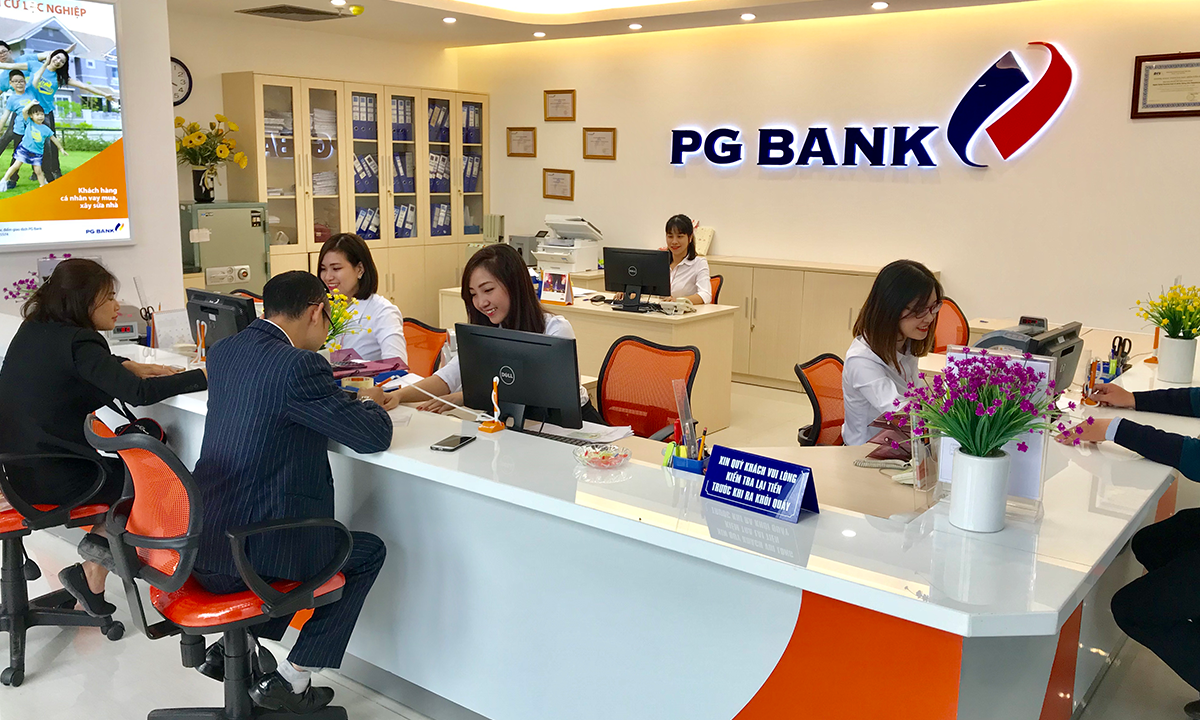
    The proposed merger between PG Bank and HDBank is set to be called off, making it the former’s third failed merger bid in the last six years.

    The management of fuel distributor Petrolimex, which owns a 40 percent stake in PG Bank, has expressed disappointment in the delay in merging at the bank’s last two annual general meetings. Its earlier aborted merger bids were with state-owned VietinBank and Military Bank (MB).

    PG Bank announced in 2014 plans to merge with VietinBank. Bank mergers usually mean a larger bank acquiring a smaller one or two banks merging into one and acquiring a common identity.

    Vietnam saw its share of such deals at that time like SCB acquiring Tin Nghia Bank and De Nhat Bank, SHB acquiring Habubank and Western Bank merging with PVFC to form PVcomBank.

    But PG Bank wanted to keep its own brand and operate as “a bank within a bank,” something without precedence, and predictably the deal collapsed despite four years of talks.

    MB announced the same year that it was looking for potential acquisitions and PG Bank was one of its targets. The two held negotiations but no deal was signed.

    HDBank immediately came up with a merger proposal, but three years on the two have not been able to finalize a deal.

    The repeated failures have taken a toll on the bank. It has not been able to expand since 2014 since an expansion would affect the valuation.

    Its charter capital remains unchanged at VND3 trillion ($130 million).

    In 2019, it had said the delay in merging with HDBank was affecting its business and caused employee turnover to increase.

  • Grab Co-Founder Among New Pair of Directors at Wise

    Grab Co-Founder Among New Pair of Directors at Wise

    The London-headquartered online money transfer service plans to expand its product globally over the next few years to lower the cost of international transactions.

    Wise has appointed Tan Hooi Ling, co-founder of super app Grab, and Clare Gilmartin, former CEO of digital rail ticketing platform Trainline, to its board as director designates, the company announced in a blog post on Tuesday.

    The appointments will help the company with its next stage of growth, particularly in Asia Pacific, where the company operates in seven markets, co-founder and CEO Kristo Käärmann said in a the post. They will also help the board create a more inclusive work environment and more diverse and inclusive products, he said.

    The company, which recently rebranded from Transferwise to Wise, opened a new office in Singapore in February 2021, which will be used as a base for regional growth, while announcing major hiring plans.

    Wise was founded in 2011 by Estonians Taavet Hinrikus and Kristo Käärmann. Today, it boasts 10 million users which process over 4.5 billion British pounds ($6.3 billion) in cross-border transactions every month.

  • Volkswagen Plans Six European Battery Cell Plants By 2030

    Volkswagen Plans Six European Battery Cell Plants By 2030

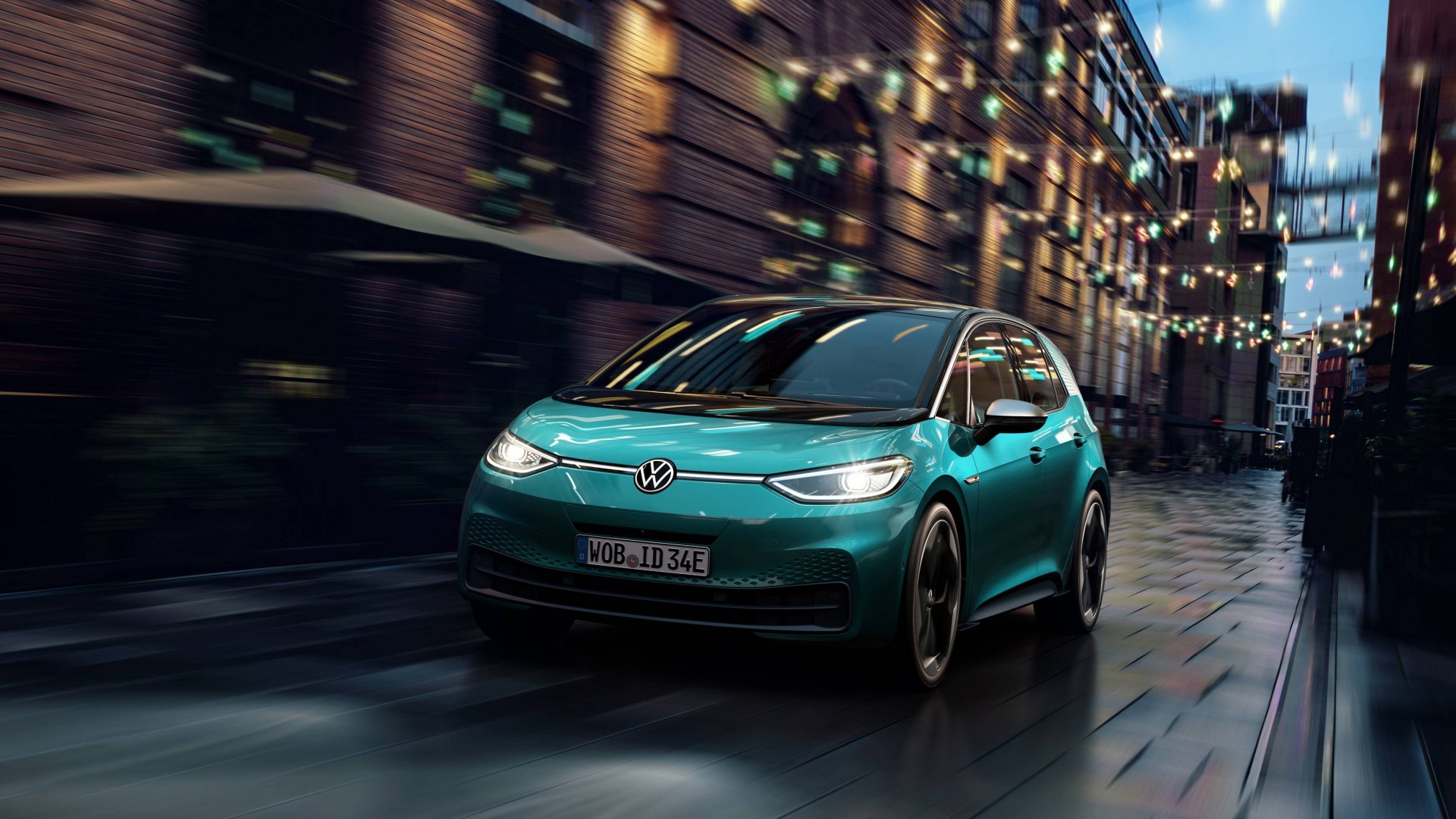
    Volkswagen plans to have six battery cell production plants operating in Europe by 2030 to secure supply for the world’s No.2 carmaker’s electric vehicle ambitions. The plants, to be built in partnerships, will have a production capacity of 240-gigawatt hours a year, VW said.

    “E-mobility has become core business for us. We are now systematically integrating additional stages in the value chain,” Chief Executive Herbert Diess told VW’s Power Day.

    “We secure a long-term pole position in the race for the best battery and best customer experience in the age of zero-emission mobility,” Diess added on Monday.

    The group also said it would enter partnerships with oil major BP and top European utilities Enel and Iberdrola to expand electric vehicle charging infrastructure, still seen as a major hurdle to the mass adoption of battery-powered cars.

  • ACB expects profits to top $460 mln

    ACB expects profits to top $460 mln

    Asia Commercial Bank has set itself a profit target of VND10.6 trillion ($460.8 million) for 2021, up 10 percent from last year.

    If it manages to achieve the target, it will join a select group of lenders to surpass the VND10 trillion mark comprising state-owned lenders Vietcombank, VietinBank, MBBank, Vietnam’s largest private bank Techcombank, and VPBank.

    It also targets growing its assets by 10 percent and credit by 9 percent and keeping non-performing loans under 2 percent.

    ACB plans to pay 25 percent dividends for 2020 and 2021 in the stocks.

    Its profit target is lower than forecasts by some securities companies. Vietcombank Securities expects ACB to achieve a profit of VND11.7 trillion, while KIS Vietnam, owned by Korea Investment & Securities Co., Ltd, said it is likely to top VND11.3 trillion.

    The expectations are based on its high credit growth in 2020 of 15.7 percent against 11 percent for the banking industry and a bancassurance deal it recently struck with Canadian insurance company Sun Life with an upfront fee of VND8.5 trillion.

    ACB’s profits rose by 27.7 percent last year to VND9.6 trillion.

  • Lazada Marketing Specialist Joins DBS

    Lazada Marketing Specialist Joins DBS

    In her new role, she will help the bank drive sustainability efforts, create social impact, and democratize banking services with digital innovation.

    Michelle Yip has joined DBS as executive director, group strategic marketing and communications, as per a report by Marketing Interactive.

    The marketing specialist was most recently the regional marketing EVP at e-commerce giant Lazada, which she joined in 2015 as a regional category director, later becoming senior vice president of customer experience and chief marketing officer. She was previously a senior marketing manager at Philips and held lead marketing roles at Samsung Electronics.

    At Lazada, Yip led the Alibaba-owned company’s marketing team across branding, social, public relations, online performance marketing, CRM, customer lifecycle management, and strategic partnerships.

    She also led COVID-19 related consumer engagement to support the community as an essential service provider and
    anchored Lazada’s position as a thought leader in the e-commerce space through identification and shaping of industry trends and directions, according to her LinkedIn profile.

  • GM Builds Pickups Without Certain Modules Due To Global Chip Shortage

    GM Builds Pickups Without Certain Modules Due To Global Chip Shortage

    General Motors Co said on Monday that due to the global semiconductor chip shortage the U.S. automaker is building certain 2021 light-duty full-size pickup trucks without a fuel management module, hurting those vehicles’ fuel economy performance. The lack of the active fuel management/dynamic fuel management module means affected models, equipped with the 5.3-litre EcoTec3 V8 engine with both six-speed and eight-speed automatic transmission, will have lower fuel economy by one mile per gallon, spokeswoman Michelle Malcho said.

    Malcho emphasized all trucks are still being built, something GM has repeatedly stressed it would try to protect as pickups are among GM’s most profitable models. She declined to say the volume of vehicles affected. “By taking this measure, we are better able to meet the strong customer and dealer demand for our full-size trucks as the industry continues to rebound and strengthen,” Malcho wrote in an email.

    The change runs through the 2021 model year, which typically ends in late summer or early fall, she said. Malcho said it would not have a major impact on the Detroit automaker’s U.S. corporate average fuel economy (CAFE) numbers.

    “We routinely monitor our fleet for compliance in the U.S. and Canada, and we balance our portfolio in a way that enables us to manage unforeseeable circumstances like this without compromising our overall (greenhouse gas) and fuel economy compliance,” she said.

    GM’s fleetwide fuel economy in the 2018 model year was 22.5 miles per gallon and was projected to rise to 22.8 mpg for 2019, according to a report by the Environmental Protection Agency. To meet federal CAFE requirements, automakers like GM often use credits from either earlier years where they faced less stringent rules and performed better than the requirements or buy credits from other automakers.

    GM said last month the chip shortage could shave up to $2 billion from this year’s earnings. It subsequently said it expected global chip supplies to return to normal rates by the second half of the year. The shortage, which has hit automakers globally, stems from a confluence of factors as carmakers, which shut plants for two months during the COVID-19 pandemic last year, compete with the sprawling consumer electronics industry for chip supplies.

  • Honda Confirms Participation At EICMA 2021

    Honda Confirms Participation At EICMA 2021

    Honda has become one of the first motorcycle brands to confirm participation in the 2021 edition event of one of the world’s most well-known motorcycle trade shows. The EICMA event, held every year in Milan, Italy, is scheduled to take place between November 23-28, 2021. But this year’s event may not see participation from many brands, and it’s still some time away to actually see which way the COVID-19 situation blows, in Europe, as well as across the world. BMW Motorrad has already announced that it won’t be attending any motorcycle shows going forward, and the confirmation from Honda is actually a strong statement, considering the EICMA is possibly the most important two-wheeler event around the world.

    “It is a concrete and conscious approach to protect the value of the event, the public and the whole sector of reference involved, with the structure of EICMA S.p.A. and the manufacturers committed to facing up to the complexity of the organization of the event in a context in continuous development,” Honda said in a statement.

    “The path towards EICMA 2021 is distinguished by a reasonable expectation and a more flexible vision compared to the past. Sharing this new orientation therefore implies a surplus of compactness by all the players involved and the positive confirmation of Honda, together with the other significant names which have already assured their presence, go in exactly this direction. We hope that we can soon communicate other confirmations.”

    “The common objective is that we can once again gather around our passion for the products of this industry and re-conquer the freedom to do what EICMA has been doing for over one hundred years: creating opportunities for companies and offering the public visitor experiences which are increasingly exciting and thrilling.”

    The 2020 edition of the EICMA had to be canceled due to the COVID-19 pandemic. BMW Motorrad has announced that it will focus on its own small motorcycle events and customer events, and will not participate at the EICMA show. With the global economy under pressure, it’s still a matter of speculation of how many brands will eventually turn up at the 2021 EICMA show. But this year’s event is likely to be smaller than before, and it’s still uncertain how the COVID-19 situation pans out over the next few months. Even though vaccination drives are going on around the world, audience participation at the EICMA 2021 is likely to be significantly lower than in previous years.

  • Huawei Pushes for HSBC Disclosure in Hong Kong

    Huawei Pushes for HSBC Disclosure in Hong Kong

    After being rejected in the U.K., Huawei lawyers seek to make a similar push to pressure HSBC to unveil documents they claim will disprove accusations of fraud against chief financial officer Meng Wanzhou.

    After a 30-minute hearing at Hong Kong High Court, no ruling was deliberated on whether or not HSBC must provide specific documents related to accusations that Meng misled the British lender about business dealings with Iran during a 2013 meeting.

    If proven true, this could help prevent the Huawei CFO and daughter of founder Ren Zhengfei from being extradited to the U.S. to face trial.

    The information that Meng is seeking will «go to the heart of her ability to demonstrate that there were material omissions and misstatements» made in the attempt to extradite her to the U.S., according to a report citing a Huawei spokesperson, and that she has no other means to obtain them other than through court approval.

    The legal pressure against HSBC to disclose the allegedly revealing documents follow similar attempts made in the U.K. by Huawei lawyers which were rejected by a high court judge.

    Another one-day hearing for the case in Hong Kong is scheduled for April 12.

  • Vietnam posts $665 million trade surplus with the UAE

    Vietnam posts $665 million trade surplus with the UAE

    Vietnam posted a $665 million trade surplus with the United Arab Emirates (UAE) in the first two months of 2021, alongside an increase in both exports and imports.

    Vietnam’s exports to the UAE rose 60 percent year-on-year $737 million, while imports increased 44 percent to $72 million, according to the General Department of Vietnam Customs.

    Total Vietnam-UAE trade value surged 58 percent year-on-year during this period.

    Phones and components were Vietnam’s foremost exports to the UAE with a value of $551 million, up 108 percent year-on-year. Exports of agriculture and aquaculture products also experienced robust growth. Cashew exports hit $10.3 million, a year-on-year rise of 600 percent.

    Vietnam’s main import from the UAE is the plastic raw material, reaching $41.8 million, a year-on-year increase of 66 percent. Among the products imported from the UAE, only petroleum products saw a 42 percent year-on-year decline to $2.5 million.

  • 35 pct of businesses lay off workers due to pandemic

    35 pct of businesses lay off workers due to pandemic

    Thirty-five percent of businesses had to let staff go after being hit by the effects of the Covid-19 pandemic, which disrupted supply chains, a survey has found.

    The dwindling number of workers was one of the four major difficulties businesses faced during the pandemic, the others being difficulties in approaching customers and disruptions in cash flows and supply chains, the survey, done by the Vietnam Chamber of Commerce and Industry (VCCI) and the World Bank, said.

    Textile and garment was the sector with the highest number of companies reporting negative impacts (97 percent), followed by information and communications (96 percent) and electrical equipment (94 percent), the survey, which polled nearly 10,200 businesses, said.

    Overall, 87 percent of companies reported negative impacts.

    Small and micro businesses established less than three years ago were most affected by the Covid-19 pandemic, Dau Anh Tuan, head of the VCCI’s legal department, said.

    But the government’s support policies were helpful, 70 percent of respondents said.

    Businesses called for more long-term solutions such as increasing public investment, completing ongoing infrastructure works, and providing stimulus packages.

    The VCCI has called on the government to provide financial support to companies that maintain a high employment rate and subsidize the cost of training to improve workers’ skills.

    Vietnamese businesses should take the opportunities thrown up by the pandemic as major Japanese, U.S., E.U., and Australian companies are looking to shift their supply chains out of China, it added.

    The VCCI also did a survey of 1,564 foreign companies in Vietnam and found 87.9 percent were affected by the pandemic and 22 percent had to lay off workers.

  • Auto sales up 21 pct in 2021

    Auto sales up 21 pct in 2021

    Auto sales in the first two months of the year jumped by 21 percent to 40,017 units.

    Passenger vehicles dominated sales at 71 percent, according to the Vietnam Automobile Manufacturers Association.

    Local company Truong Hai Auto (Thaco) led the market with 14,964 units representing a 39 percent year-on-year increase.

    It was followed by Toyota (6,848), and Mitsubishi (4,605).

    Honda and Ford rounded off the top five.

    Last year sales had fallen by 8 percent to 296,634 units as the Covid-19 pandemic badly affected the economy, hitting people’s incomes and discretionary spending.

  • Nokia and LG Uplus to test 5G B2B digital platform in South Korea

    Nokia and LG Uplus to test 5G B2B digital platform in South Korea

    Nokia has today announced that it will conduct a 5G Business-to-Business (B2B) digital platform trial for LG Uplus. Once deployed, the platform will allow LG Uplus to reduce time-to-market for launching 5G-powered services to its enterprise and business vertical customers. The platform will also enable LG Uplus to address new business segments, including Industry 4.0, and smart factory. After deployment, the solution will promote the use of 5G by enterprises and verticals to grow their business, aligning with the Korean Government’s Digital New Deal initiative.

    The proof-of-concept test of the 5G B2B digital platform will be completed in two phases starting in February. While the first phase involves a demonstration in the Nokia Lab, the second phase with a field trial is planned in the LG Uplus Regional Operation Center in KyungNam.

    Nokia’s solution is based on multi-domain technology and ensures full automation and near real-time delivery of services. The solution includes a service platform powered by Nokia’s Digital Operations software, Cloud Operations Manager, Network Exposure Function, Registers, Cloud Packet Core, Software Defined Networking, and gNB (5G version of eNodeB), across Nokia’s cloud platform.

    LG Uplus will use the platform to cost-efficiently automate the design and deployment of 5G network slices for the delivery of new services. In addition, LG Uplus’ enterprise customers will be able to leverage 5G capabilities to enhance their business and operational efficiency leading to overall economic gain.

    The service will give LG Uplus customers the flexibility to directly control and manage the platform to meet their needs. Further, it will help LG Uplus offer newer use cases such as Smart Factory and Smart Harbor with 5G wireless connectivity and associated services like network slicing.

    Jaeyong Seo, Vice President of Smart Infrastructure Business Unit, LG Uplus, said: “We are committed to providing best-in-class and innovative services to our customers and this trial is a crucial step in this direction. Once deployed, Nokia’s 5G B2B digital platform will help us expand our enterprise business by allowing us to provide new use cases rapidly. Nokia is our trusted partner and we look forward to working with them on this important trial.”

    Kevin Ahn, Head of Korea, Nokia, said: “We are excited to conduct this pathbreaking trial for LG Uplus to enable its enterprise customers to improve business processes with 5G. Nokia’s 5G B2B digital platform will allow LG Uplus to transform its B2B service creation with agility and automation and delight its enterprise customers with new use cases and operational excellence.”

  • IT engineers’ salaries soar as supply cannot meet demand

    IT engineers’ salaries soar as supply cannot meet demand

    IT engineers with five years’ experience are getting paid salaries of VND120 million ($5,200) a month amid rising demand for their skills.

    A software/solutions architect in Ho Chi Minh City earns up to VND160 million while a software engineer gets VND120 million, according to recruitment company Adecco Vietnam.

    A DevOps engineer, who is responsible for software development and IT operations, can get VND90 million and a data engineer, VND80 million.

    As corporations focus on digital transformation, demand for IT personnel is rising, but Vietnam’s pool of qualified candidates is small, it said.

    “With the huge rise in demand for digital media, cloud and security solutions, IT infrastructure roles are highly sought after.”

    IT professionals with good communication skills who adapt quickly to new technology trends have huge opportunities, especially with the rise of artificial intelligence and big data, it said.

    For senior positions such as chief information officer and chief technology officer, the salary could go up to VND400 million.