Tag: asia

  • Starbucks opens giant Reserve store in Malaysia

    Starbucks opens giant Reserve store in Malaysia

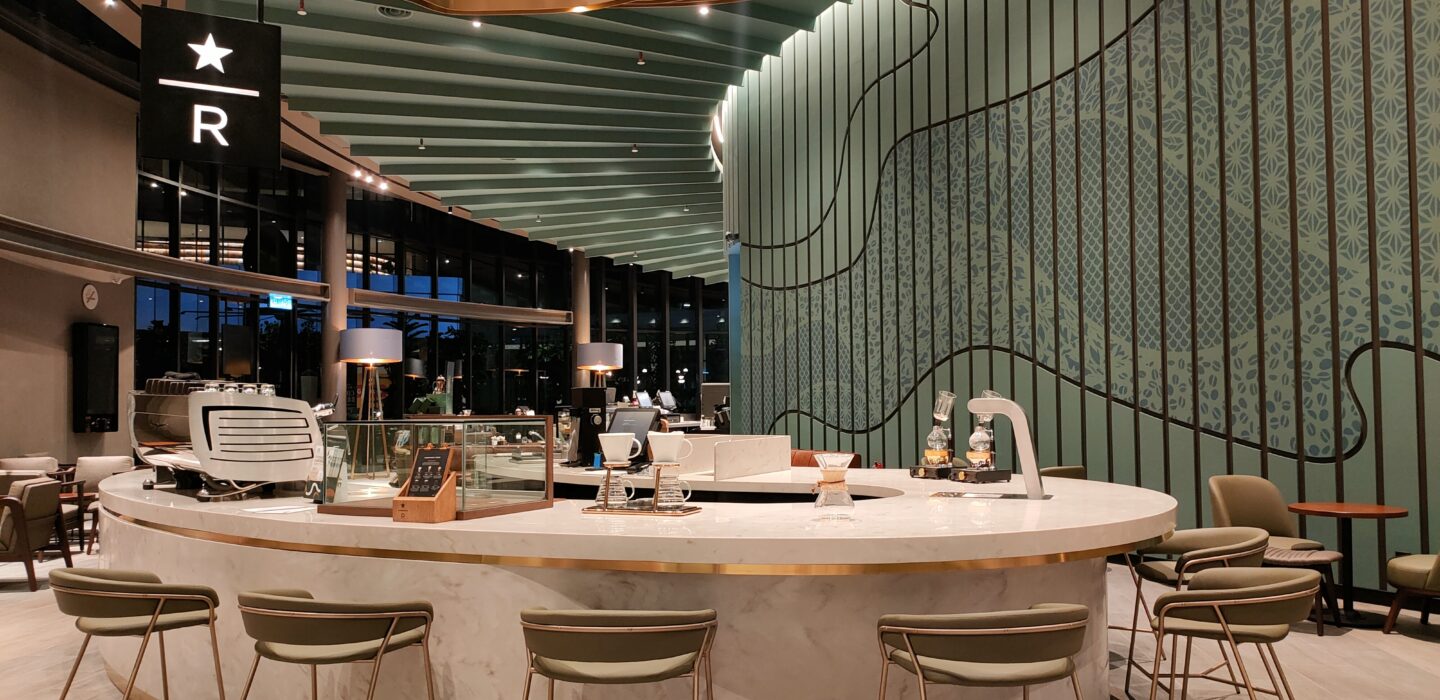
    Starbucks Malaysia today unveiled Starbucks Reserve Tropicana Gardens, the largest in the market. Located in the heart of the bustling community between Kota Damansara and Tropicana Indah, the store features two bars: the main bar offering all core and seasonal handcrafted Starbucks beverages, as well as a coffee bar that offers six different brewing methods, including pour-over, Chemex, siphon, Black Eagle espresso, and Nitro Cold Brew.

    The immersive coffee experience – spanning nearly 6,000 square-foot of retail space – celebrates all-things coffee. The layout of the store itself is similar to that of a coffee bean, with a large curvature and floor-to-ceiling windows that connect to a small garden and rapid transit station. The main highlight of the store is a 50-foot wide ‘Wall of Gratitude’, which features photos of more than 200 frontliners medical workers, and Starbucks baristas. The mural serves as both a way to pay tribute to the people who have been fighting together against the COIVD-19 pandemic and also as a physical reminder of the events of the past year that have made Malaysians stronger and more resilient than ever.

    “Over the past five years, the Starbucks Reserve concept has brought about a catalyst of growth in the industry focusing on customer experience and passion for coffee in Malaysia. With the opening of Starbucks Reserve Tropicana Gardens, customers can expect the same human connection and immersive coffee experience that will continue to inspire coffee passion to the community,” said Sydney Quays, Group CEO of Berjaya Food Berhad and managing director of Starbucks Malaysia & Brunei. “We are delighted to be able to open this store and celebrate the commitment, resiliency, and creativity of our partners and customers in these unique times.”

  • Google makes small but useful change to Gmail

    Google makes small but useful change to Gmail

    Google’s Gmail app is the leading email app in the world. But that doesn’t mean that the app is perfect. A change made to the Android version of Gmail makes it easier to copy and paste an email address. With the change being made by Google, Android users will tap on an email address in the To, Cc, or Bcc Compose text fields, and that email address will appear along with two new options: “Copy” and “Remove.” The former will copy the text and the latter will remove the address from the field.

    The old way to do this required that the user long-press on an email address which in turn delivered a pop-up that included a copy button. Sure, the new method is not going to save you a lot of time, but if you do copy and paste email addresses often when using Gmail, this new process might be a little more streamlined. And it also won’t cover up the text of the email as the old method did. The email address you’ve copied ends up on the clipboard from where it can be pasted to other fields outside of Gmail on your phone.

    Google appears to be pushing out this change to devices with Gmail for Android v2021.02.05.357775197 installed. Not everyone with this version of the Gmail app has the new feature which suggests that Google is disseminating it using the A-B process it is known for. It did show up on our Pixel 2 XL running Android 11, which is the source of the screenshots above.

  • Judge rules that Google secretly collects personal data even in ‘Incognito Mode”

    Judge rules that Google secretly collects personal data even in ‘Incognito Mode”

    Google is facing a class-action lawsuit filed by consumers who claim that the company continues to collect personal data from users even when the users browse using the incognito mode designed to keep their personal data private. The plaintiffs allege that even with data collection turned off in Chrome, Google has other options that can be used to collect information. Google asked that the court throw out the case, but a federal judge on Friday denied that request.

    The judge was none other than Lucy Koh, who became known for her handling of the original Apple vs. Samsung patent infringement case in which she originally awarded Apple close to a billion dollars. That amount was eventually reduced to $539 million and eventually, a settlement between the two firms was announced. In Koh’s ruling on Friday, she wrote that “The court concludes that Google did not notify users that Google engages in the alleged data collection while the user is in private browsing mode.” Google spokesperson Jose Castaneda said in an emailed statement that “We strongly dispute these claims and we will defend ourselves vigorously against them. Incognito mode in Chrome gives you the choice to browse the internet without your activity being saved to your browser or device. As we clearly state each time you open a new incognito tab, websites might be able to collect information about your browsing activity during your session.”

    Back in June, three Google users filed a complaint claiming that the firm runs a “pervasive data tracking business.” In that complaint, the plaintiffs said that Google collects data like a user’s browsing history and other activity on the web even after using “safeguards” to block their personal data from being used such as the Incognito private browsing mode. Google says that the plaintiffs agreed to Google’s privacy policy which explains explicitly how it collects personal data.

    The court filing (aka the “complaint”) says, “Google knows who your friends are, what your hobbies are, what you like to eat, what movies you watch, where and when you like to shop, what your favorite vacation destinations are, what your favorite color is, and even the most intimate and potentially embarrassing things you browse on the internet — regardless of whether you follow Google’s advice to keep your activities “private.”

    “Google also makes clear that ‘Incognito’ does not mean ‘invisible,’ and that the user’s activity during that session may be visible to websites they visit, and any third-party analytics or ads services the visited websites use,” according to a court filing submitted by Google. For your legal eagle types (you know who you are), the case is called Brown v. Google LLC, 20-3664, U.S. District Court, Northern District of California (San Jose).

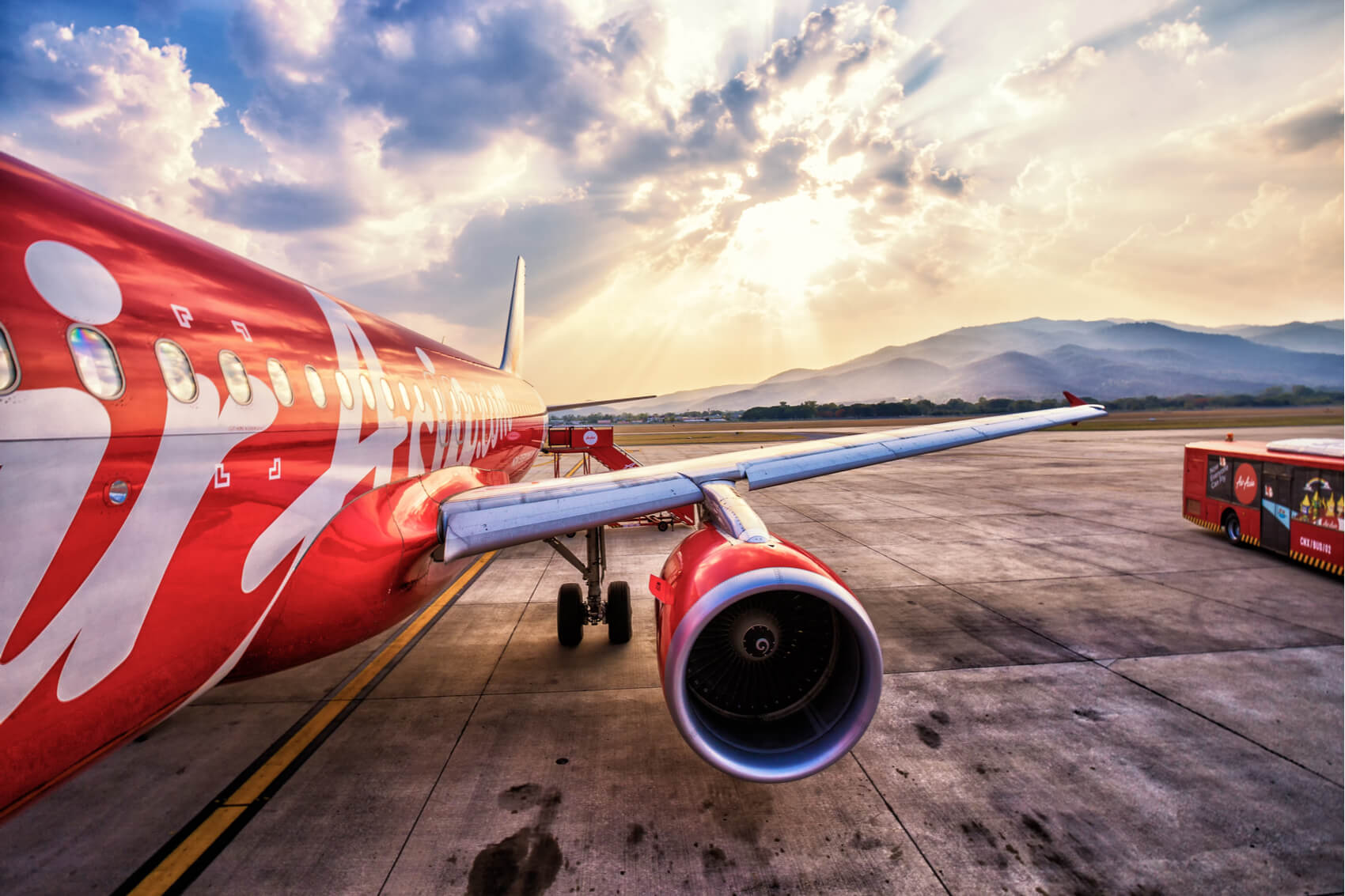
  • Nine Singaporeans struggling to leave Macau secure seats on AirAsia flight

    Nine Singaporeans struggling to leave Macau secure seats on AirAsia flight

    At least nine Singaporeans have been struggling to leave Macau after they were unable to secure a direct flight home due to the pandemic. One is desperate to return after losing his job in the Chinese city, whose economy has been hit hard by Covid-19. Another needs surgery for a spinal condition and wants to return home.

    The group of Singaporeans and Malaysians will finally board a special AirAsia flight to Kuala Lumpur on April 8, arranged and confirmed by the consulate-general of Malaysia in Hong Kong on Thursday (March 11).

    Many had spent more than three weeks waiting for the decision, with some unemployed, unwell or pregnant.

    While some people in Macau have flown home on commercial flights via Hong Kong, it is understood that those who have medical conditions or are pregnant did not want to do so for fear of becoming infected with the coronavirus while quarantined in the territory.

    One among the group being repatriated, a Singaporean who works in the events industry, suffered a heart attack at the end of last year and has been trying to return home for treatment ever since.

    The man, who did not want to be named, said that his doctor advised him to have another stent fitted after the emergency operation but he did not have full insurance coverage in Macau.

    He added: “It’s good that we can join our neighbors in returning home since there are very few Singaporeans compared with Malaysians here in Macau.”

    The flight was coordinated by fellow Singaporean Agnes Goh, who has lived in Hong Kong and Macau for around 30 years.

    “Before the confirmation on Thursday, we faced tremendous pressure to secure a flight because quite a number of healthy passengers were thinking of backing out and flying from Hong Kong instead,” she said. “This made the mission increasingly impossible.”

    In response to queries from The Straits Times on Friday, the Ministry of Foreign Affairs (MFA) said that it had been “working with all relevant parties involved to bring them home safely via a special flight”.

    Ms Celia Lao, chief executive of AirAsia Hong Kong and Macau, said the flight was initiated by the Malaysian consulate last month. She added: “Other transit passengers are also welcome to take advantage of this flight once it is confirmed. We are looking to achieve a minimum of 60 passengers.”

    As at 9.30pm on Friday, there were 41 Malaysians and nine Singaporeans confirmed for the flight. “Singaporeans in Macau may also return to Singapore via Hong Kong by commercial flights, after serving their 14-day compulsory quarantine in Hong Kong,” the MFA added.

  • Ant Group Issues Financial Self-Discipline Rules

    Ant Group Issues Financial Self-Discipline Rules

    The internal guidelines come amid increased scrutiny by Chinese regulators of the country’s financial technology sector.

    In a statement, Ant said it will stop issuing loans to minors on its consumer loan platforms and will prevent small business loans from flowing into stock and property markets. The group’s credit-rating service Zhima Credit will also not be available to financial institutions including microloan lenders.

    The publication of the rules on Friday comes four months after the technology giant’s scrapped $37 billion IPO. The group has since agreed with Chinese regulators to restructure itself into a financial holding company, which will make it subject to capital requirements similar to those for banks in mainland China.

    Last month, the governor of the People’s Bank of China Yi Gang suggested a listing revival was possible for Ant, saying that you just follow the standard of legal structure and you will have the result.

    However, no timeline was specified, and the restructuring is expected to take some time with the listing revival not within the scope of the high-level government agenda right now, according to a report which highlighted greater focus by Beijing on Ant’s shareholders.

  • Allianz Partners Hong Kong Fintech Expansion

    Allianz Partners Hong Kong Fintech Expansion

    The investment will be used to finance WeLab’s further expansion and, in particular, enable the ongoing development of its technological platform.

    Allianz X, the digital investment unit of Allianz, has joined the Series C funding round for WeLab, with a $75 million investment, it announced in a statement this week.

    The investment aims to enable business expansion and tech platform development, as WeLab has close to 50 million private and business clients in Hong Kong and China, which are key growth markets for Allianz.

    The German insurance and asset management firm will cooperate with the unicorn on insurance and investment products, including digital wealth management solutions in Hong Kong. An expansion of the partnership is planned for the Greater Bay Area, and to Indonesia and Southeast Asia at a later stage, the announcement said.

    Asia is home to some of the most dynamic wealth management and banking markets of the world. Hong Kong, in particular, is a significant market for us, Desmond Ng, Allianz Global Investors head of Asia Pacific, said in the statement.

    Allianz X has already made several other investments in the region, including telemedicine company Halodoc, digital real estate brokerage 99.co, ride-hailing and lifestyle services platform GoJek, and BIMA, which provides digital insurance in emerging and developing markets.

    Established in 2013, WeLab provides digital banking services and loans for private customers, a digital lending platform to connect lenders and borrowers, as well as a number of technology-driven services. It has close to 50 million retail customers and 600 corporate customers in China, Hong Kong and Indonesia.

    In July 2020, WeLab Bank became the third of eight licensed virtual banks to launch in Hong Kong

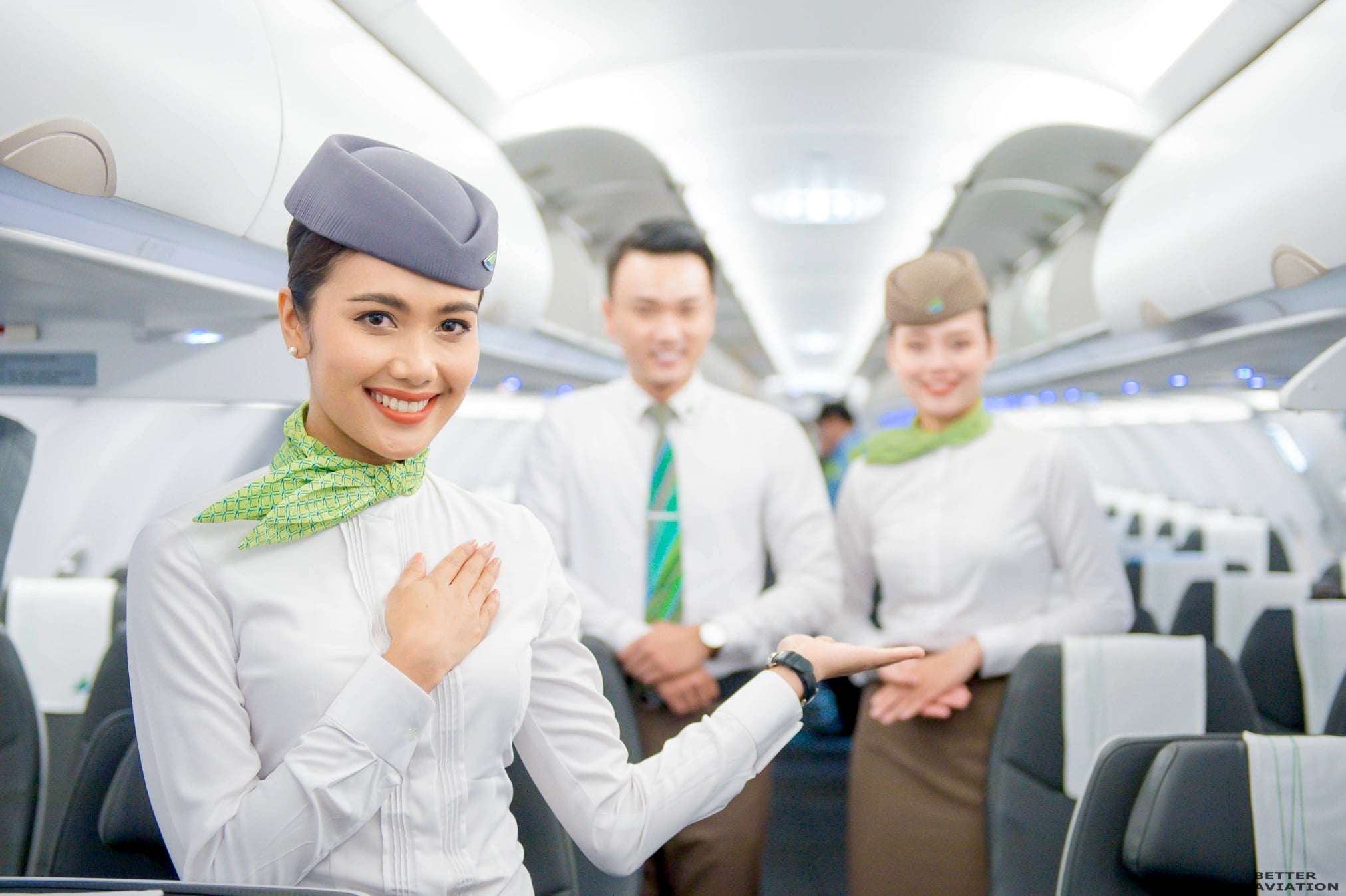
  • FLC Group’s Bamboo Airways shares drops

    FLC Group’s Bamboo Airways shares drops

    After Bamboo Airways hiked charter capital to VND10.5 trillion ($458 million) in February, Vietnamese conglomerate FLC Group’s shares in the airline has reduced from 51.29 percent to 39.4 percent.

    The airline was founded in May 2017 with a total charter capital of VND700 billion. In less than four years, it has increased its charter capital five times.

    In February 2021, the airlines increased its charter capital for the fifth time to VND10.5 trillion, all of it contributed by private investors. With this adjustment, Bamboo Airways ranks second in terms of charter capital among six domestic airlines, only behind flag carrier Vietnam Airlines with VND14.2 trillion.

    In 2020, the airline reported a 34 percent year-on-year increase in pre-tax profits to VND400 billion. It was among the few airlines which made a profit during the pandemic year.

    It also had the best on-time performance in 2020, with an on-time performance rate of 96 percent. In the first two months of 2021, the rate has increased to 97 percent.

    Property developer FLC, which currently owns 39.4 percent stake of Bamboo Airways, posted VND421 billion in pre-tax profit in 2020, a year-on-year increase of 43 percent.

  • Mary Kay names new Asia Pacific regional president

    Mary Kay names new Asia Pacific regional president

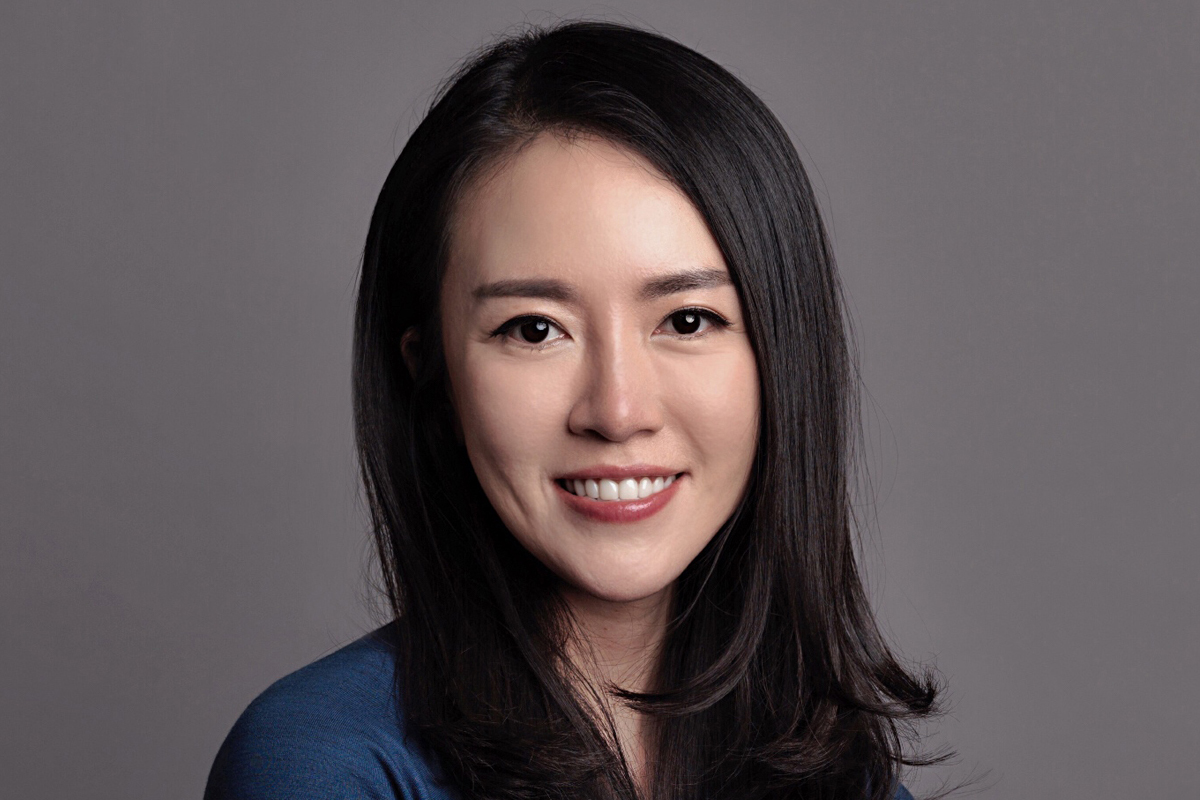
    Mary Kay announced Wendy Wang will be appointed President of the company’s Asia Pacific Region. In her new role, Wang will provide strategic vision and leadership and drive growth in the region and beyond.

    “We want to congratulate Wendy as she transitions into her new role as President of Mary Kay Asia Pacific,” said David Holl, Mary Kay Chairman and Chief Executive Officer. “Wendy is passionate for the Mary Kay independent sales force and is a proven leader within Mary Kay. During her tenure, she has tirelessly built a strong and talented legal team that created a culture of compliance and compassion for China and the entire Asia Pacific Region. We are thrilled to welcome her as a member of the executive committee as we build on our efforts to enrich women’s lives around the globe.”

    Wang joined the company’s legal department in 2002 as Counsel for the Asia Pacific region and worked in China until 2012, when she was promoted to Vice President and Associate General Counsel over all four regions. In 2019, she returned to China and was promoted to Chief Commercial Officer for the Asia Pacific Region in 2020.

    “I am committed to empowering women and their families in the Asia Pacific region,” Wang says. “Supporting Mary Kay’s independent sales force is my greatest honor and always brings me hope, love, and confidence in our future. We are a people business with a mission to enrich women’s lives and a vision to empower the Independent Beauty Consultant. My team and I are committed to delivering the very best business opportunity, building upon the values Mary Kay upholds as cornerstones of our corporate culture and mission.”

    This promotion is a continuation of Mary Kay’s commitment to empowering women leaders. As of March 2021, the company’s global executive team is more than 50 percent female.

  • JD.com cashes in on steady online demand, beats market expectations

    JD.com cashes in on steady online demand, beats market expectations

    JD.com Inc’s fourth-quarter revenue beat expectations on Thursday as more shoppers flocked to its website on the back of a broader shift to online shopping triggered by the COVID-19 pandemic.

    While China has largely emerged from coronavirus lockdowns with most businesses resuming production, JD.com’s domestic consumers continue to shop online for everything from daily groceries to luxury products.

    The Beijing-based company posted revenue of 745.8 billion yuan ($114.97 billion) for the year, beating analysts’ estimate of 740.81 billion yuan.

    In a pandemic-struck year, during which retail sales fell 3.9% in China, JD.com’s strategy of ramping up its in-house delivery network enabled faster deliveries.

    The company has also been working to expand into price-sensitive lower-tier cities through its shopping platform Jingxi in a bid to stave off stiff competition from rivals like Alibaba and Pinduoduo that are equally popular.

    As a result, JD.com raked in 110 million new active customer accounts during the year. Meanwhile, Jack Ma’s Alibaba added about 68 million active buyers in the same period.

    U.S.-listed shares of the company, which have been volatile as China looks to tighten scrutiny on its tech giants, were up 3% at $91.98 in early trading.

    The world’s second-largest economy has vowed to strengthen oversight of its big tech firms, which rank among the world’s largest and most valuable, citing concerns they have built market power that stifles competition, misused consumer data, and violated consumer rights.

    The long-term impact of this on JD.com’s business, though unclear, remains a threat. In late December, regulators fined the company, along with Alibaba and other e-commerce sites, 500,000 yuan for engaging in irregular pricing.

    The company’s net revenue rose 31.4% to 224.3 billion yuan in the quarter ended Dec. 31, beating analysts’ estimate of 219.73 billion yuan, according to IBES data from Refinitiv.

  • Firmware update kills bug draining Apple AirPods Max battery

    Firmware update kills bug draining Apple AirPods Max battery

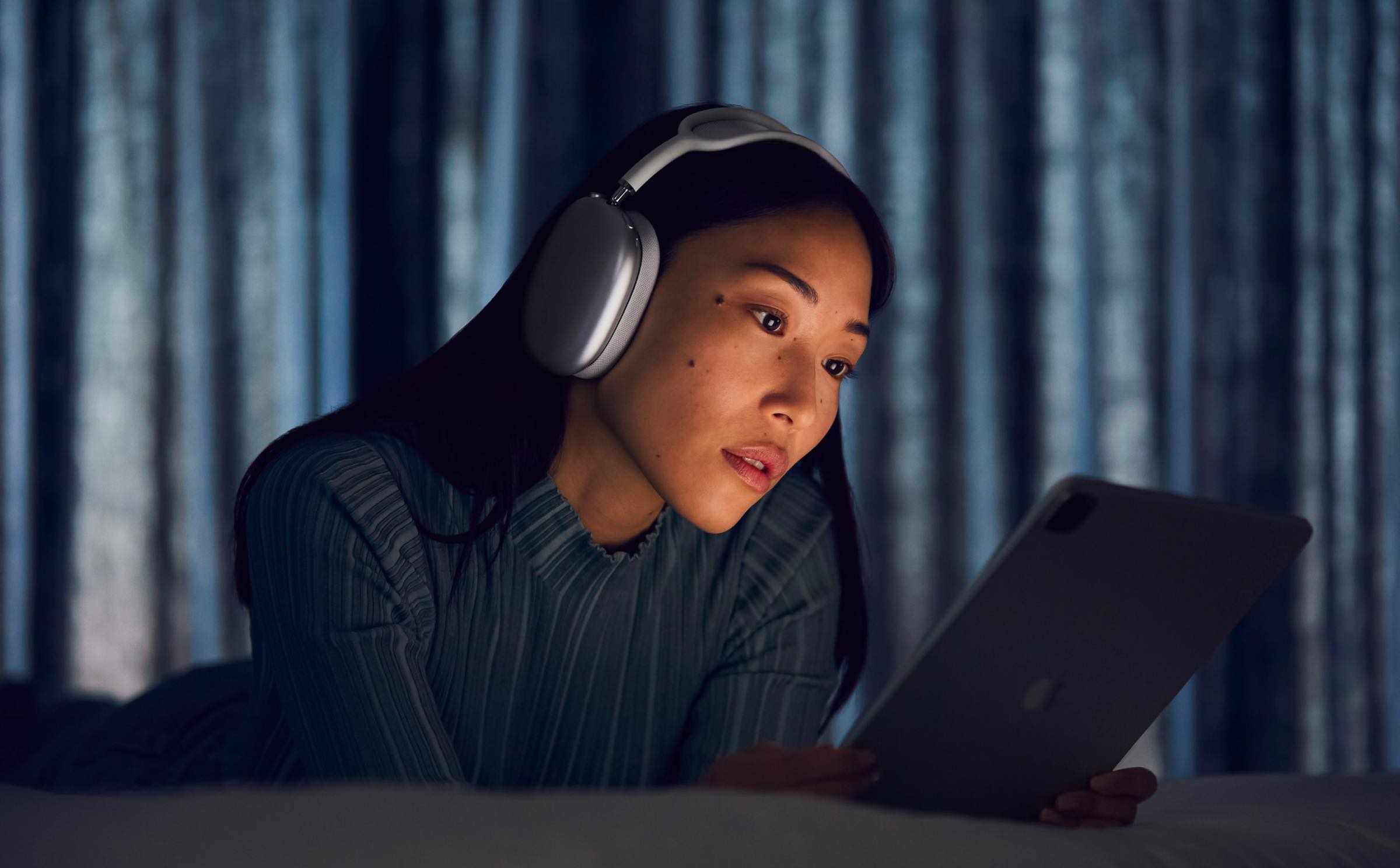
    The Apple AirPods Max is an over-ear headphone that turns on automatically when it detects that they are over the user’s ears. Each ear cushion uses memory foam to create a seal that Apple calls an important factor in creating immersive sound. The AirPods Max also borrows the Digital Crown from the Apple Watch to allow for precise volume control, to activate Siri, play or pause music tracks, and answer or end phone calls.

    This past Tuesday Apple released firmware version 3C39 for the AirPods Max. Since Apple did not include any release notes with the update, many were forced to blow the dust off of their Magic 8 Ball to find out what good the update did for their AirPods Max. Some believe that the update exterminated a bug that causes the battery to drain rapidly whenever the device is placed in its Smart Case.

    When the AirPods Max is placed in their Smart Case, they are supposed to go immediately into “low power mode” followed18 hours later by moving into “ultra-low-power mode.” But since the wearable was released in December, some users have complained that the battery life on their AirPods Max drops from 100% to 1%-or even down to 0%-overnight even when the device was sitting in the Smart Case all night. A pair of graphs depicting battery usage on the AirPods Max prior to and then after the update to 3C39 reveals that before the update, the AirPods Max battery was draining every 30-minutes. The graph covering the battery drain following the update showed a very little drop in battery life for the over-ear headphone every half-an-hour.

    The reason for the improvement can be traced back to one big adjustment. Prior to the update, with the AirPods Max in their Smart Case, it would take 18 hours for the “ultra-low-power mode” to kick in. However, after installing the firmware update, it takes only 30-minutes for the “ultra-low power mode” to start working. That means that the battery stops draining too fast 17 and a half hours earlier than before. The update also exterminates a bug that causes the AirPods Max to crash when connected to a device running iOS 14.5.

    So how can you install the firmware update on your AirPods Max. What would you say if we told you that it is not possible to do it manually? The headphones update automatically when connected to a power source while located right near your iPhone.

    It is always good to know exactly which firmware version your AirPods Max are running. To find out, open the Settings app on your iPhone and go to your Bluetooth menu. In the list of your Bluetooth-connected devices, look for the listing for the AirPods Max and tap on the i next to that listing. You will then see the firmware version of the Apple AirPods Max that your headphones are running. The most current version is 3C39. If this is the firmware version that shows up after following the above steps, you have nothing to change as your AirPods Max is completely up to date.

    The Apple AirPods Max are available in Space Gray, Silver, Green, Sky Blue, and Pink. If purchased from Apple, you can have the device engraved for free with a combination of emoji, text, and numbers. The price of the device is $549 or six monthly payments of $91.50.

    If you feel as though the battery is draining too rapidly on your AirPods Max, make sure that you install the new update. Allowing the “ultra-low-power mode” to kick in earlier could be the difference between having enough battery life to use the over-ear headphone with your iPhone and enjoying its Active Noise Cancellation.

  • Ted Baker appoints new Indonesian distributor

    Ted Baker appoints new Indonesian distributor

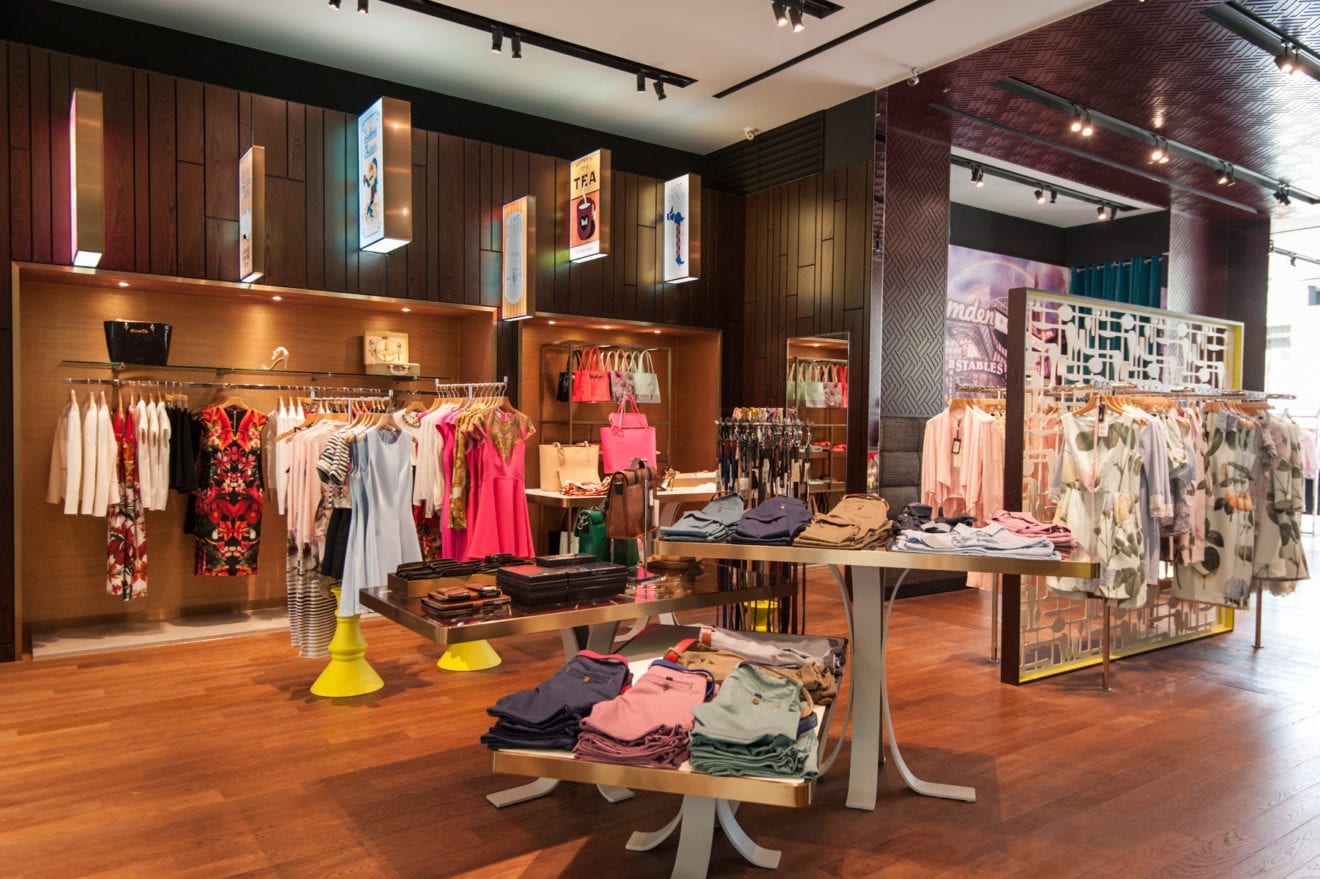
    The MENA deal is actually an extension to the current retail agreement Ted Baker has with Al-Futtaim Group but adds in new e-commerce and wholesale rights for the region. The all-new 10-year Indonesia dealx has been signed with PT Mitra Adiperkasa (MAP) for the retail license.

    The fellow-10-year Al-Futtaim agreement now means MENA will be Ted Baker’s first full omnichannel territory operated by a license partner. The complete integrated package across retail, digital and wholesale channels “is a key pillar of the group’s three-year transformation plan… which is designed to deliver a more profitable, more cash generative and higher return on capital employed business”, Ted Baker said.

    Al-Futtaim currently operates 24 Ted Baker stores and concessions across Bahrain, Egypt, Qatar, Saudi Arabia, and UAE. The addition of e-commerce and wholesale rights will aim to further strengthen the customer experience of the brand in the region, they said. Specific benefits to customers will include alignment of pricing and promotions across channels, and an improved e-commerce proposition with shorter delivery times, and ship-from-store and click-and-collect services.

    Meanwhile, under the terms of its retail and selective digital rights agreement, MAP has “committed to an ambitious store and concession opening plan and will sell via selective online platforms in Indonesia”. This expanded distribution will build brand awareness in the Asian region alongside the five other license partners and the group’s China JV, Ted Baker noted.

    Following these new license agreements, Ted Baker will have 17 retail license partners and 20 product license partners across the globe.

    Helen Costello, Group Commercial and Business Development Director at Ted Baker, said: “Having worked with the Al-Futtaim team for many years, we know they have an excellent understanding of Ted Baker and our customers. Al-Futtaim’s experience also means that they are particularly well-placed to fully realize the significant growth potential from the accelerating consumer shift to online channels in the region”.

    She added: “MAP is the leading retail expert in Indonesia, and they have the right team and experience in place to build on the strong foundations that are already in place. It is a testament to the strength of our brand that we continue to partner with the leading experts in their relevant categories across the world”.

  • Nissan Appoints Guillaume Cartier Chairperson Of The AMIEO Region

    Nissan Appoints Guillaume Cartier Chairperson Of The AMIEO Region

    Nissan Motor announced Guillaume Cartier as its new Chairperson for the Africa, Middle East, India, Europe and Oceania (AMIEO) region. Effective April 1st, Cartier will lead all Nissan operations in the region, which covers more than 140 markets across four continents with a population of around 3.8 billion people, representing more than 30 percent of global vehicle sales.

    With over 25 years’ experience at Nissan and in the Alliance in global and regional leadership positions, Cartier will lead the new region as the Nissan NEXT transformation plan continues to gather pace and with key models in Europe including Qashqai and Ariya launching soon, and as the brand continues to grow in the AMIO markets, thanks to a powerful vehicle line-up ranging from the iconic Patrol to the recently launched Magnite in India.

    Cartier said: “I am thrilled to be leading this culturally rich and diverse region into a period of unprecedented change for the automotive industry and with a refreshed range of Nissan models and technologies coming to the market.”

    Currently Vice-Chairperson of the AMIEO region and AMI President, Cartier first joined Nissan in 1995 as after-sales manager and went on to hold a number of senior management positions in the Alliance, including AMI Chairperson, head of the Global Datsun Business Unit, Executive Officer and Senior Vice President for Mitsubishi Motors, and Senior Vice President for Sales and Marketing in Europe. Cartier will report to the vice-chief performance officer and chief quality officer, Christian Vandenhende. Cartier will replace Gianluca De Ficchy, who served for three years as Chairperson of Nissan Europe and latterly of the expanded AMIEO region.

  • Former Nike innovation chief joins speaker lineup for MarketingPulse 2021

    Former Nike innovation chief joins speaker lineup for MarketingPulse 2021

    A former senior Nike executive once named by Fast Company magazine as one of the most creative people in business, has been confirmed as a headline speaker at this month’s MarketingPulse 2021 virtual conference in Hong Kong.

    Greg Hoffman, global chief marketing officer at Nike from 2016-2018 before moving into the role of VP of global brand innovation until last year, now leads Modern Arena, a brand advisory group he founded for Fortune 500 brands, startups, and non-profit organizations.

    At MarketingPulse 2021, Asia’s premier marketing and branding conference, Hoffman will be drawing on his 27-year career with Nike to explain how innovation drives consumer experiences, envisioning the future of storytelling and the role of tomorrow’s CMOs.  Hoffman was a major strategic and creative influence for Nike at every major global sporting event, overseeing the launches of signature Nike products and innovations, and building the brands of its contracted athletes.

    A major part of Nike’s global marketing success was the strength of its experiential-anchored strategies which helped establish the iconic sportswear brand as one of the world’s pre-eminent storytellers. Hoffman was seen as a leading innovator in digital and physical brand experiences and broadly recognized for his role in the rise of marketing and design through that period.

    Under Hoffman’s leadership, Nike drove themes of equality, sustainability, and empowerment through sport. He was a member of the advisory board of the Nike Black Employee Network and as a member of the charitable Nike Foundation’s board.

    Another drawcard at MarketingPulse 2021 is Alves Huang, CEO, Qianxun (Hangzhou) Holdings, considered the current leading live-streaming e-commerce company in Mainland China.

    Huang founded Qianxun E-commerce in 2017 and in just four years his team has built the company into the country’s largest e-commerce live-streaming broadcasters. Among Qianxun’s successes was being recognized by Taobao Live as its number one e-commerce live-broadcasting agency, as manager of popular Taobao anchor Weiya Viya, who has more than 130 million fans on Chinese platforms.

    The company has long-term cooperative relations with more than 20,000 domestic and foreign brands and has already trained close to 40 anchors. At MarketingPulse 2021, Huang will explain the reasons why live-streaming e-commerce and short-video marketing is proving so successful in Mainland China.

    Putting purpose at the core

    Another high-profile speaker at MarketingPulse 2021 is Bryan Meehan, executive chair and CEO at Blue Bottle Coffee.

    A recent arrival to Hong Kong, Blue Bottle is a specialty coffee roaster and retailer headquartered in Oakland, California with cafes throughout the US, Japan and South Korea.

    Besides his passion for coffee, Meehan has always pursued a personal mission to do good for the environment. Both of his previous companies placed a premium on eco-consciousness – Fresh & Wild was one of the first organic food chains in the UK and Nude Skincare was an all-natural cosmetics business. While Blue Bottle maintains meticulous standards for roasting and brewing coffee (its Oakland location has a full lab to train new baristas), it is equally committed to sustainable business practices.

    At MarketingPulse 2021, Meehan will explain how to put purpose at the core of a business to connect brand values with today’s consumers, and share his success in marketing a globally renowned lifestyle coffee brand disrupting the industry.

    Register now to enjoy the privilege offer 55 percent discount (discount code: MPR02K5P) for Inside Retail readers.

  • BMW Group Invests In Innovative Method For CO2-Free Steel Production

    BMW Group Invests In Innovative Method For CO2-Free Steel Production

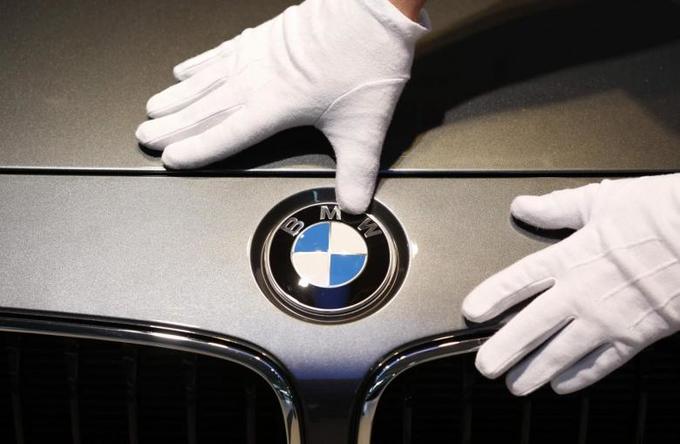
    The BMW Group announced that it is investing in an innovative method for CO2-free steel production developed by American startup Boston Metal, through its venture capital fund, BMW i Ventures. Over the coming years, Boston Metal plans to expand the new method for steel production on an industrial scale. The investment is part of the BMW Group’s far-reaching sustainability activities aimed at significantly reducing CO2 emissions across the supplier network.

    With its versatile properties, steel is one of the most important materials in car production and will be no less important for future vehicle generations. Even with the dynamic ramp-up of electromobility, steel will remain an important building material for car bodies and many components. BMW Group press plants in Europe process more than half a million tonnes of steel per year.

    The blast furnaces used in conventional steel production generate carbon dioxide. The startup Boston Metal uses electricity for its new technology, which, by means of an electrolysis cell, produces molten iron that is later processed into steel. If electricity from renewable energies is used for this process, then steel production is carbon-free. The young company will build demonstration facilities for this process over the next few years and further develop it for use on an industrial scale.

    The BMW Group established close contact with Boston Metal already last year in the context of its own research activities and through the BMW Startup Garage. The company is now investing in the startup as part of its i Ventures activities.

    To safeguard reserves of raw materials, the BMW Group has set itself the goal of further increasing its percentage of recycled raw materials, so-called secondary material, by 2030 and using raw materials multiple times in a circular economy.

    All steel waste produced at the press plants – for example, when doors are punched out – is either reused through a direct material cycle or sent back to the steel producer via steel traders and processed into new steel. The use of secondary material reduces CO2 emissions substantially compared to primary material, conserves natural resources and also reduces the amount of energy needed for production.

  • Shell’s 2020 Carbon Emissions Fall On The Back Of Fuel Sales Drop

    Shell’s 2020 Carbon Emissions Fall On The Back Of Fuel Sales Drop

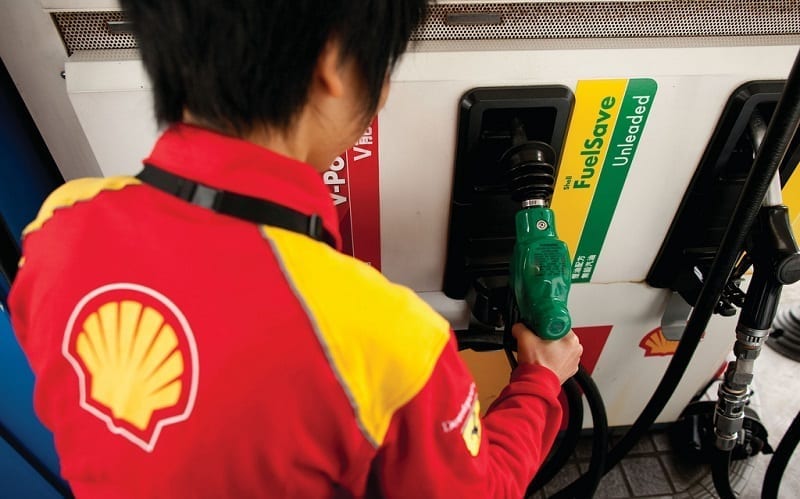
    Royal Dutch Shell, owner of the world’s largest fuel retail network, said on Thursday its total greenhouse gas emissions dropped 16% in 2020 as oil and gas sales fell sharply due to the coronavirus pandemic. Shell said in its annual report that total emissions from its oil wells to forecourt fuel sales fell to 1.38 billion tonnes of carbon dioxide equivalent last year, from 1.65 billion in 2019.

    “One of the major causes of this larger than expected reduction in 2020 was lower demand for energy, especially for oil and gas,” it said.

    Shell said its total greenhouse gas emissions dropped 16% in 2020 as oil and gas sales fell sharply due to the coronavirus pandemic.

    Energy majors’ climate reporting differs in that some emissions data, for example, the data Shell released on Thursday, includes planet-warming gases from the combustion of fuels they produce themselves plus the oil products they sell but are produced by another company. Others, like BP, only cover the former: emissions from the combustion of fuels made from crude oil they produce themselves.

    Net carbon intensity, the main measure the Anglo-Dutch focuses on in its energy transition strategy, dropped last year to 75 grams of CO2 equivalent per megajoules, a 4% reduction from 2019, Shell said. Carbon energy intensity means a company can increase its fossil fuel output while offsetting its carbon emissions or adding renewable energy to its product mix.

    Shell has begun a major overhaul to shift away from oil and gas to low-carbon energy, power trading and retail in order to reduce its greenhouse gas emissions to net-zero by mid-century, including the use of offsets for residual emissions. Shell runs around 46,000 retail fuel stations. Its executives’ pay is linked to its success in reaching its climate targets.