Tag: asia

  • Kia Teases Its First Dedicated Electric Vehicle The EV6

    Kia Teases Its First Dedicated Electric Vehicle The EV6

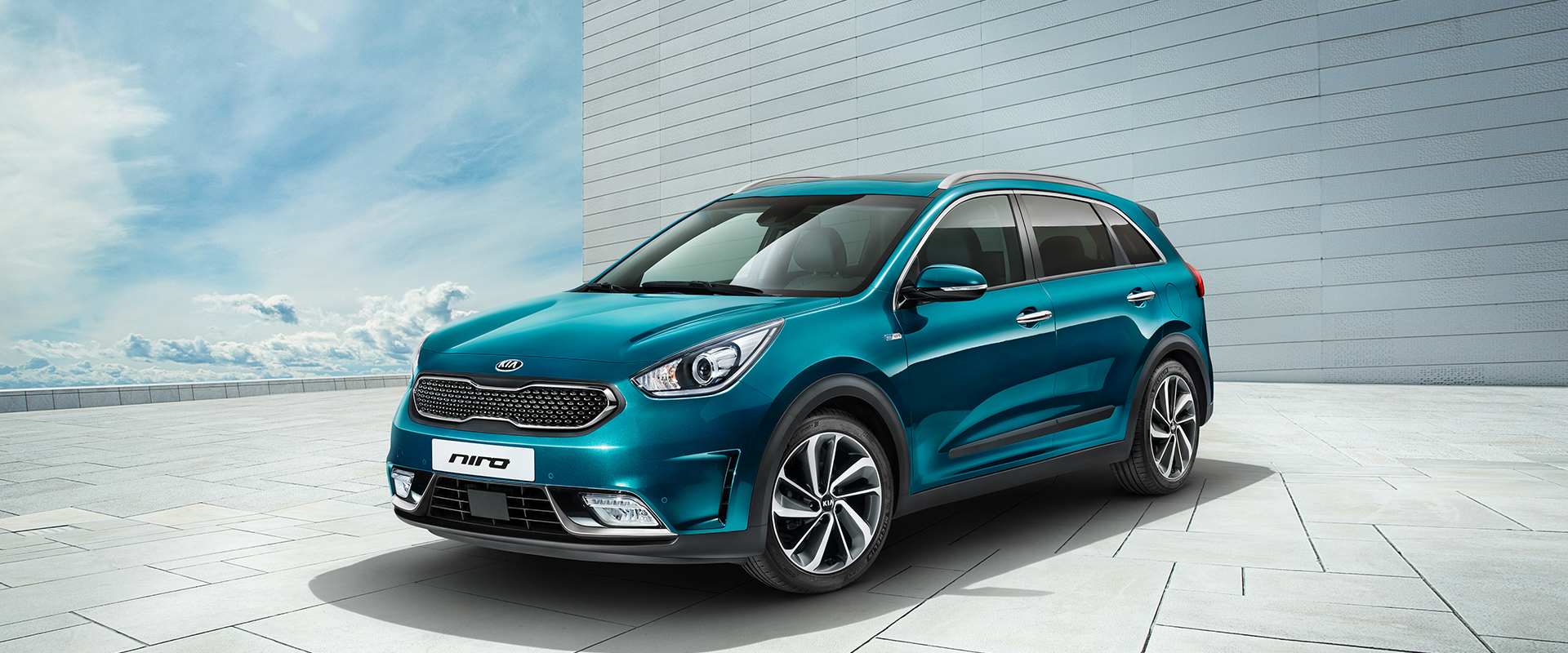
    Kia has revealed the first official images of the EV6 – its first dedicated battery electric vehicle. Now, we have to tell you here that it’s not the company’s first EV, because if you remember, it already has the e-Niro and the Soul EV in its all-electric portfolio. The EV6, however, is built on a platform that has been developed specifically for electric vehicles. The new platform Electric-Global Modular Platform, or E-GMP, will see Kia build next-generation electric cars under a new design philosophy that embodies Kia’s shifting focus towards electrification.

    The teaser images give us an idea of what to expect in terms of design. It is sleek and the coupe-like roofline integrates well into the rear spoiler. The silhouette also points out at a slight ducktail too. The front end is sleek and modern and it looks like the EV6 has a short overhang. The headlights are slim and the LED pattern gives it a unique look.

    Karim Habib, Senior Vice President and Head of Kia Global Design Centre said, “EV6 is the embodiment of both our brand purpose, ‘Movement that inspires’, and our new design philosophy. It has been designed to inspire every journey by offering an instinctive and natural experience that improves the daily lives of our customers, and provide user ownership that is simple, intuitive, and integrated.”

    As part of the company’s brand transition, Kia’s new dedicated battery electric vehicles will be named according to a new naming strategy. All of Kia’s new dedicated BEVs will start with the prefix ‘EV’ which makes it easy for consumers to understand which of Kia’s products are fully electric. This is followed by a number that corresponds to the car’s position in the line-up.

  • Vietjet to sell 17.7 mln treasury shares

    Vietjet to sell 17.7 mln treasury shares

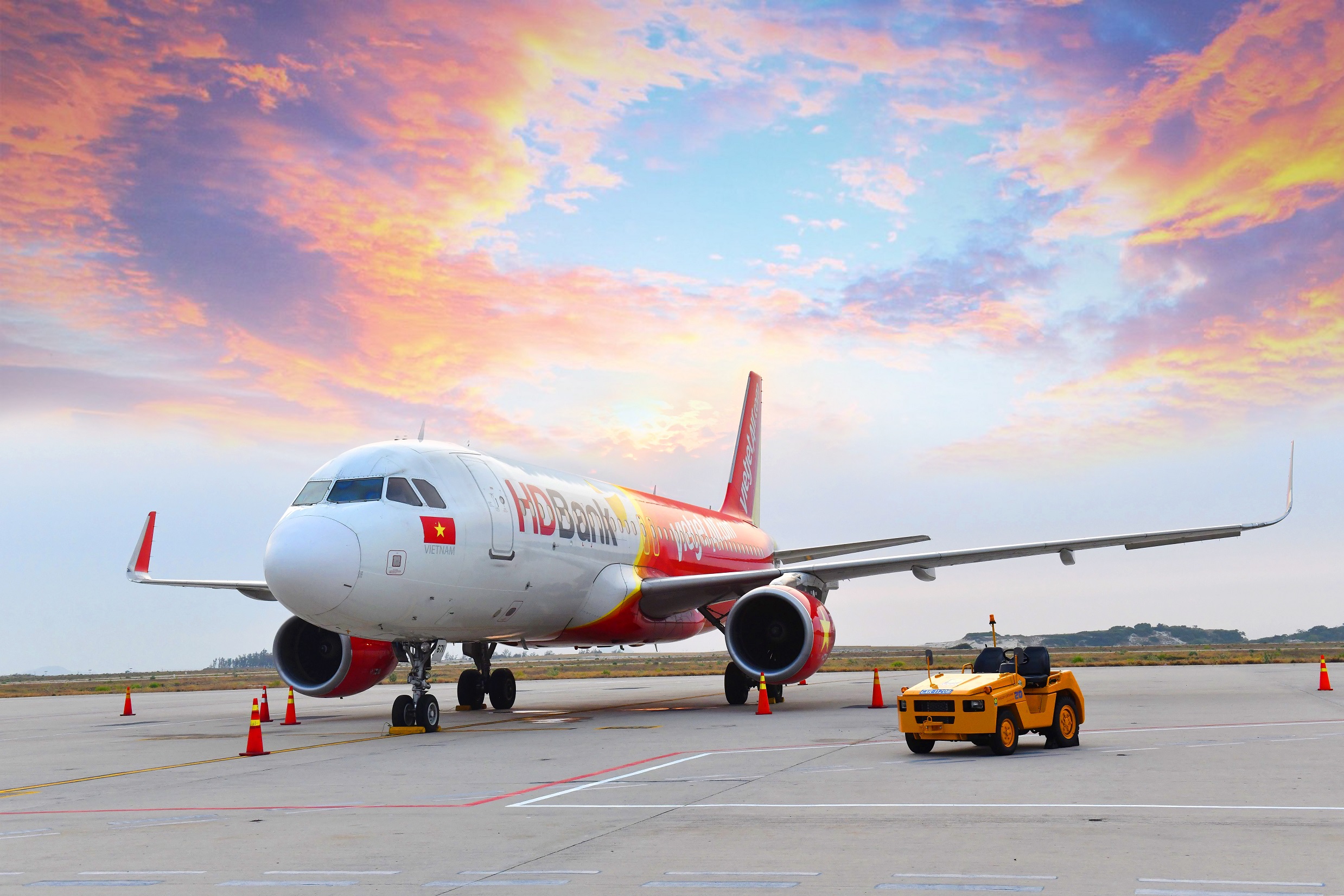
    The board of budget carrier Vietjet has approved a proposal to sell 17.7 million treasury shares equivalent to 3.28 percent of its charter capital.

    It would help fund expansion and preparations for recovery after the pandemic this year, the airline said.

    Vietjet’s VJC shares closed at VND136,000 ($5.89) on March 8, and at this price the carrier will earn over VND2.4 trillion from the deal.

    It plans to complete the transaction in the first half of this year.

    Vietjet had bought the shares in August 2019 for VND132,063 each. In June 2020, the carrier announced it was seeking to sell them to a strategic investor.

    Vietjet was among the few airlines to make a profit and not fire any employee amid the Covid-19 pandemic last year. It recorded a consolidated after-tax profit of VND70 billion in 2020.

  • Chubb Names Australia and New Zealand President

    Chubb Names Australia and New Zealand President

    Zurich-headquartered insurer Chubb has appointed a new president for Australia and New Zealand.

    Chubb names Peter Kelaher country president for Australia and New Zealand, according to a statement, succeeding Jarrod Hill who is leaving the firm. Kelaher reports to Paul McNamee, senior vice president of Chubb Group and APAC regional president.

    Kelaher has 20 years of insurance experience and he joined Chubb in 2008 as a financial lines underwriter before being promoted to product manager for directors and officers, and P&C business lead for Australia and New Zealand in 2016.

    Chub has had a presence in Australia and New Zealand for over a century with seven branches and more than 800 staff.

  • WhatsApp is working on encrypted chat backups, disappearing photo feature

    WhatsApp is working on encrypted chat backups, disappearing photo feature

    We’ve got a bit of welcome news from a WhatsApp leak today, especially in this era of constant bombardment with news about data spills and app security breaches all over the place.

    “WhatsApp is working on cloud backups encryption,” the independent but reliable source WABetaInfo claims in the Twitter leak. Apparently, WhatsApp is introducing a new password-protected chat backup feature on their messaging app. You can choose to lock any of your chats behind a password, and not even WhatsApp will have access to these private passwords. Upon reinstallation of WhatsApp, or installation on a new device, you will receive a password prompt to unlock your protected messages.

    Although the chat database is already encrypted, the encryption does not extend to shared media, and according to WABetaInfo, the algorithm is reversible and not end-to-end encrypted.

    The cloud-backup encryption feature should become available on a future update for both Android and iOS.

    This is not the only security update news we’ve got from WhatsApp, however. A few days ago, it was revealed WhatsApp is also testing a function for sending messages which disappear after 24 hours, as well as self-destructing photos—Snapchat-style.

    In order to use any of these features, though, you will have to agree to WhatsApp’s new privacy policy before the May 15 deadline. Failing to do so will make you lose the functionality of the app and all upcoming features.

  • Harley-Davidson To Follow Used-Car Model To Woo Young Riders

    Harley-Davidson To Follow Used-Car Model To Woo Young Riders

    Harley-Davidson is looking to increase focus on the used motorcycle market in the United States, in the brand’s latest efforts to increase customer base. And to do this, Harley-Davidson plans to roll out a certified pre-owned bike program, known as H-D Certified, to position well-tended bikes as a substitute for entry-level models.

    The strategy is similar to what carmakers have been following to position well-maintained used vehicles as a substitute for low-margin, “entry-level” new models. The used bikes program is part of a new five-year turnaround strategy outlined by new Harley-Davidson CEO Jochen Zeitz, part of the latest efforts to expand the brand’s appeal beyond middle-aged and affluent riders.

    The 118-year-old American brand has been steadily losing market share in the brand’s domestic US market amid declining retail sales for six years. Harley-Davidson’s latest five-year plan has been dubbed “The Hardwire” and under the new plan, Harley is following a “70-20-10” structure, with 70 percent of its efforts going to the core business, 20 percent into expansion into new segments that offer clear potential for more profit, and 10 percent for testing ideas for long-term growth, including plans for smaller displacement models in new markets, like in China, with the Qianjiang Group, and in India, with Hero MotoCorp.

  • Apple is moving up to 10% of iPhone 12 5G production to India

    Apple is moving up to 10% of iPhone 12 5G production to India

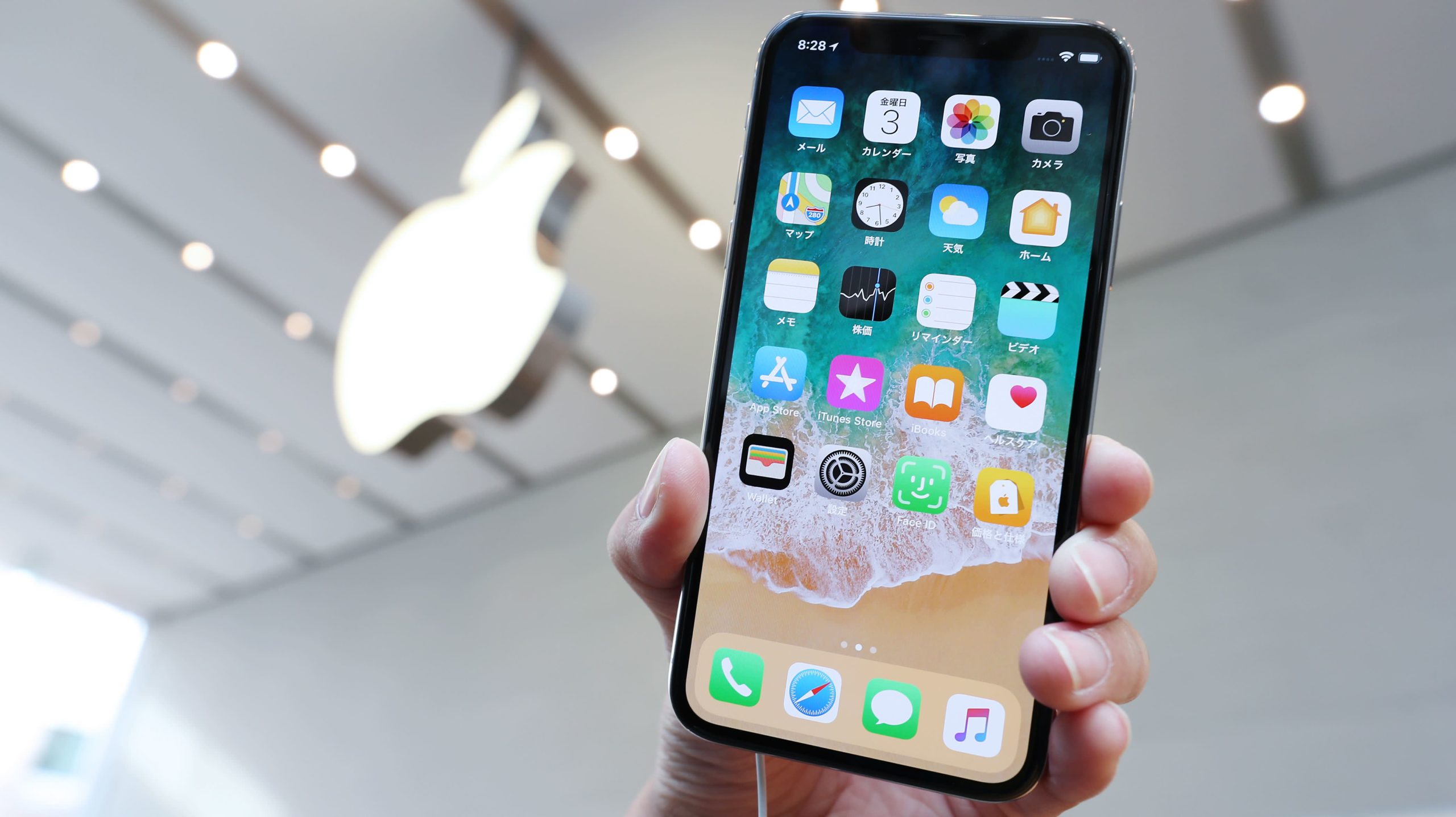
    Apple and its partners have already moved some iPhone 11 and iPhone XR production to India, and the iPhone 12 could too be manufactured in the region as the company looks to further reduce its dependence on China.

    iPhone 12 production is soon going to start in India, where devices for both the domestic market and export will be manufactured.

    The move means Apple will be able to avoid India’s hefty smartphone import tariffs. It might be able to lower the starting price of its flagship iPhone 12 in India as well, in turn providing a much-needed boost to its business.

    Apple doubled the size of its Indian business in the final quarter of 2020, but Tim Cook himself admitted that the company’s presence in the market is still very small considering its overall size.

    Apple’s initial goal is to shift between 7-10% of total iPhone 12 production to India from China. The Silicon Valley-based giant has discussed moving iPhone 12 mini production to India too, but a final decision is yet to be made.

    Foxconn is leading these local efforts and is planning an expansion to its factory in Tamil Nadu, where two of the best cheap iPhones — iPhone 11 and iPhone XR — are assembled, to accommodate for Apple’s iPhone 12.

    Later in 2021, Pegatron is expected to start manufacturing the iPhone 12 in India too. However, partner Wistron doesn’t seem to be involved at this stage, likely due to recent riots at an Indian factory that led to it being put on probation by Apple.

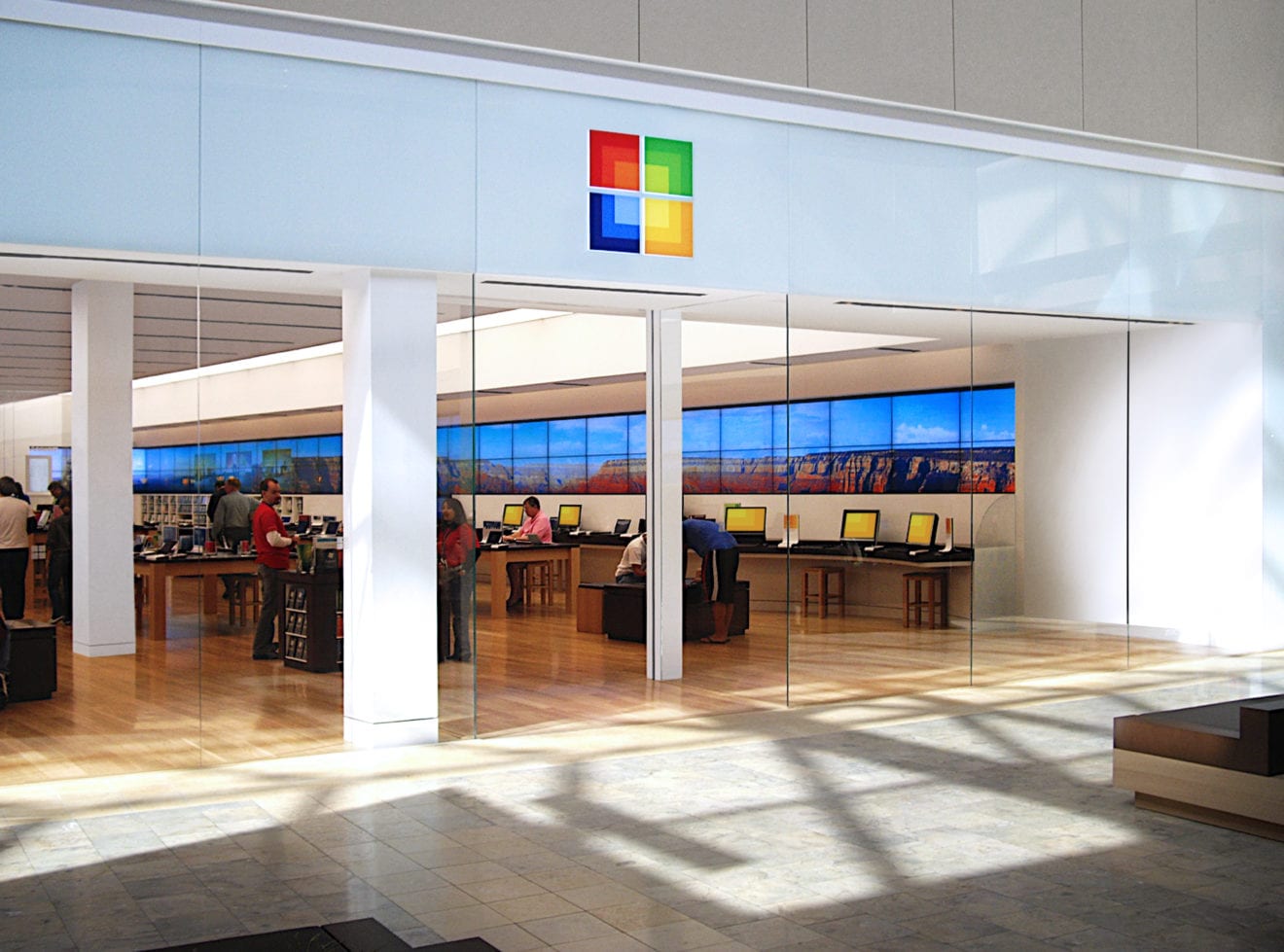
  • Microsoft appears ready to add Dark Theme to its Office suite apps for Android

    Microsoft appears ready to add Dark Theme to its Office suite apps for Android

    Microsoft is adding Dark Theme to its Microsoft Office suite apps for Android. Dark Theme replaces the standard black text on a white background with white text on a black background. This reduces the strain on the user’s eyes, especially at night or in a dark room. And Dark Theme also can help save some battery life on a phone using an AMOLED panel. That’s because unlike LCD displays, AMOLED does not use a backlight and each pixel can be controlled individually.

    The color black is created on an AMOLED screen by turning off a pixel and such pixels don’t draw power from the battery. So with a black background, enough pixels are shut down to make a difference in how much power is being used by the screen.

    Paluzzi disseminated a tweet that included screenshots of Microsoft Word in Dark Theme. The tipster said that the same look will be used for PowerPoint and Excel. There will be three options for users to select, Light theme, Dark theme or System Default. The Light theme is the traditional white background with black text, Dark theme is the inverse, and System Default uses whichever theme you have set for your phone. A blank sheet in Word is white, even in Dark Theme. But Paluzzi says that this might change to black when the feature is rolled out.

    Microsoft had already added Dark Theme to several of its Android apps including OneDrive, Edge, Outlook, OneNote, and Remote Desktop, so it is no surprise that this capability is being rolled out for its Office suite app.

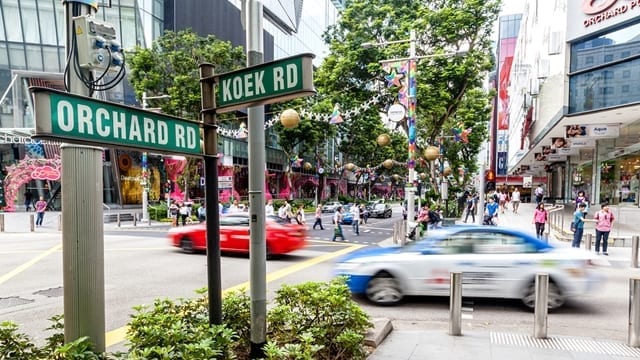
  • Chinese New Year timing impacts Singapore retail sales in January

    Chinese New Year timing impacts Singapore retail sales in January

    Shops in Singapore had a quieter-than-usual January ahead of muted Chinese New Year celebrations, with official data showing retail sales down 6.1 percent year-on-year.

    “The larger decline in January 2021 was due partly to higher sales in January 2020, when the Chinese New Year was celebrated,” the Department of Statistics said in a Friday statement.

    Although Singapore has lifted most domestic pandemic-related restrictions on business and socializing, the usual street pageantry did not take place during this year’s holiday, which was celebrated in mid-February.

    The usual big and boisterous family parties, during which gifts are handed out, were limited to eight visitors or two households.

    January sales of food and beverages were down by around 25 percent, the department reported, as families did not stock up as usual ahead of the holiday.

    The annual Chinese or Lunar New Year is one of the main public holidays in Singapore, where around 70 percent of the population is of Chinese descent.

    With Singapore closed to almost all visitors and business travel limited to a handful of countries, tourist-dependent sectors such as department stores and cosmetics also saw huge declines, the department said, falling by around 30 percent compared to January 2020 “as they continue to remain affected by low visitor arrivals.”

    Singapore’s economy shrank by a record 5.4 percent in 2020, though the government expects a rebound this year and is projecting growth of around the same percentage as last year’s contraction.

  • Farfetch launches flagship on Tmall Luxury Pavilion

    Farfetch launches flagship on Tmall Luxury Pavilion

    Farfetch is launching a Tmall Luxury Pavilion flagship store to enable thousands of luxury brands to reach Chinese consumers as part of its localization strategy in the region.

    The integration of Farfetch on Tmall means that Alibaba Group’s 779 million consumers will have access to products from more than 3,500 luxury brands, 90 percent of which did not previously have a presence on Tmall.

    Judy Liu, managing director of Farfetch Greater China, said in a statement: “This is an important and exciting milestone in our partnership with Alibaba and creates an incredible opportunity for luxury brands to expand into the China market at a time when international travel has been curtailed and luxury customers are unable to travel to their most loved brands’ boutiques in Europe.

    “This launch is just the beginning in our partnership as we work together to help brands and retailers fully digitize their businesses online and offline through our Luxury New Retail strategy, both in China and globally.”

    The new storefront occupies a premier position on the Tmall Luxury Pavilion’s homepage with one of the five main navigation buttons and a premium permanent banner, explained Alibaba.

    To celebrate the launch, Farfetch has partnered with well-known celebrities and influencers in China to promote the storefront. There will also be social engagement campaigns and an advertising campaign across key social media platforms.

    Janet Wang, general manager of Tmall Luxury, added: “The launch of the Farfetch Tmall flagship is a very exciting moment for China’s booming online luxury market. Underpinned by Alibaba’s digital ecosystem, the Farfetch flagship store is greatly expanding the luxury product offerings to more than 779 million Chinese consumers on our platform.

    “In partnership with Farfetch, we will continually enhance our product selection, marketing strategies, and membership services for our consumers. We aim to set the standard in the industry and lead the digitization of luxury shopping.”

    The launch follows the strategic partnership between Alibaba Group, Farfetch, and Richemont announced in November 2020 to accelerate the digitization of the luxury fashion industry. The Luxury New Retail initiative aims to leverage Farfetch’s and Alibaba’s state-of-the-art omnichannel retail technologies, including a full suite of enterprise solutions powered by the two companies, to serve the needs of luxury businesses.

    These solutions will serve both mono-brand and multi-brand distribution strategies for luxury brands, including fully-connected e-commerce websites and apps, omnichannel retail technology, and access to the Farfetch and Tmall Luxury Pavilion marketplaces via a single integration.

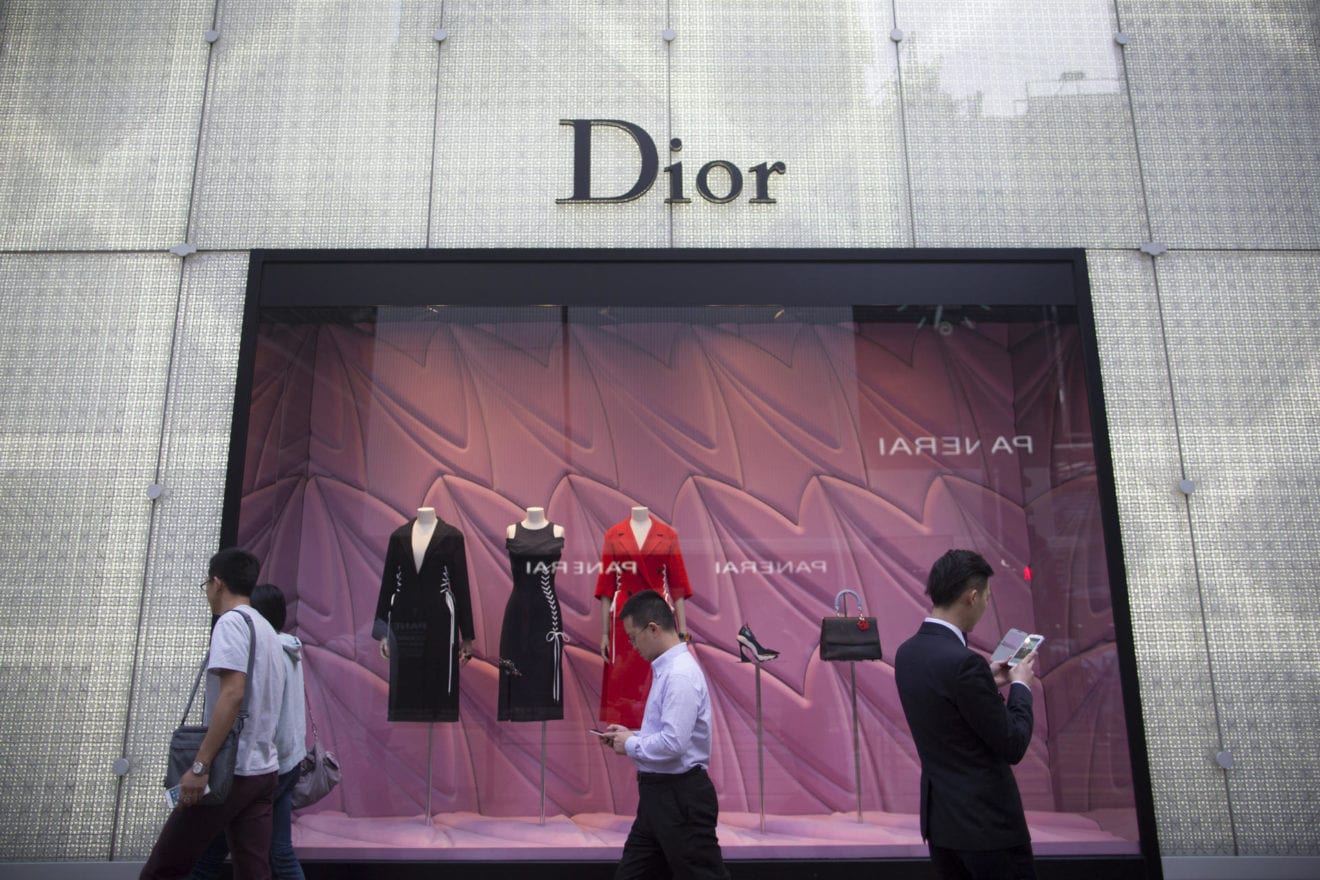
  • BlackPink’s Jisoo appointed as global ambassador for Dior

    BlackPink’s Jisoo appointed as global ambassador for Dior

    French luxury giant Dior has appointed Kim Ji-soo, better known to Blackpink fans mononymously as Jisoo, its new global ambassador for both fashion and beauty, the brand has announced on its social media channels.

    As part of the announcement, Dior said Jisoo was a key inspiration for designer Maria Grazia Chiuri’s autumn-winter collection, which is due to be shown online today.

    European luxury brands have been increasingly turned to Asian stars for ambassador roles, with K-pop idols proving popular with brands from Givenchy to Gucci.

    With 37 million Instagram followers, as well as an existing role working with Dior Beauty, Dior is obviously hoping the incredibly popular singer and actress will be useful in amplifying its online fashion activities in an era in which brands are forced to compete fiercely for social media attention and traction for online fashion shows.

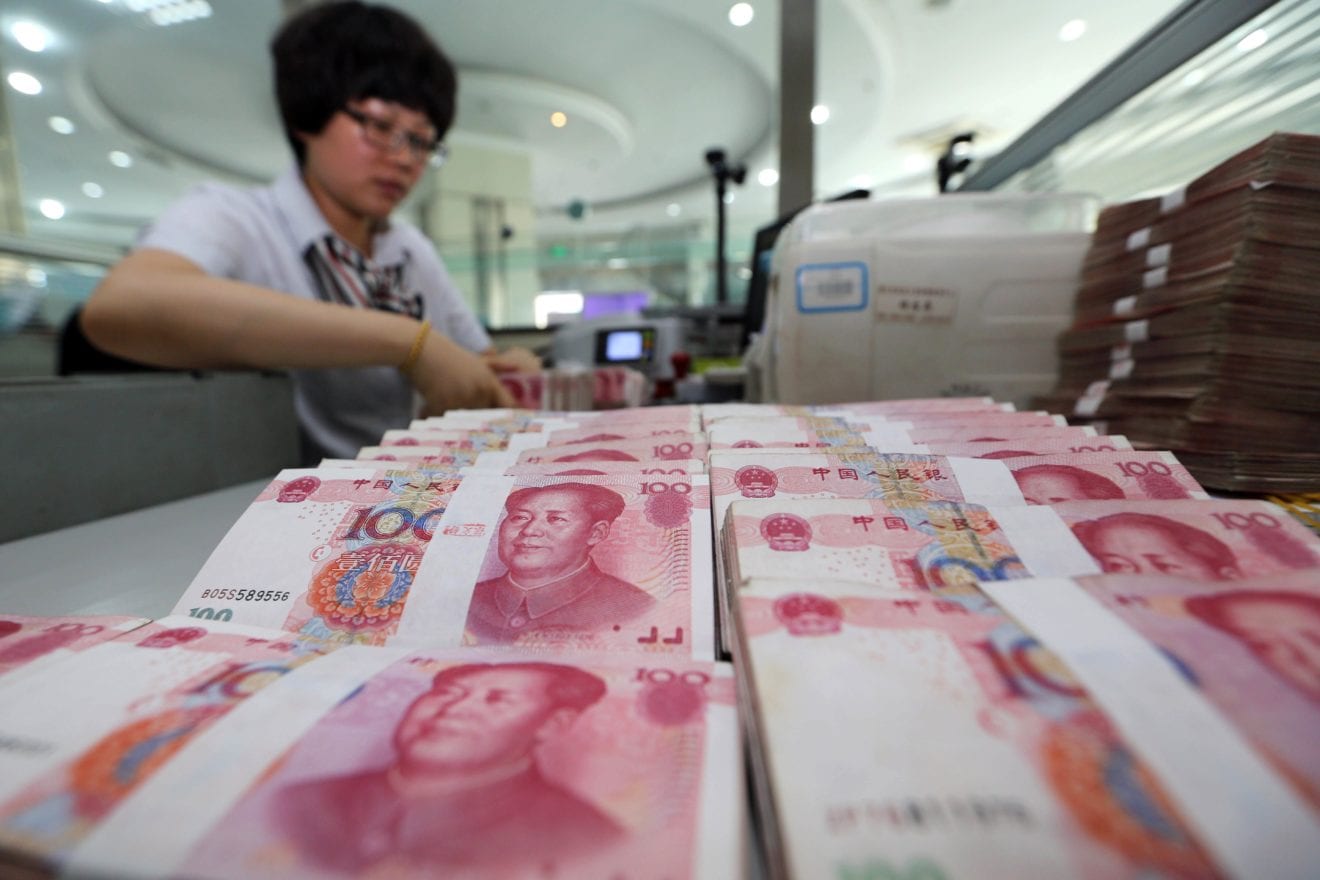
  • China Banking Regulator Appoints Vice Chairman

    China Banking Regulator Appoints Vice Chairman

    China’s banking and insurance watchdog has made an internal promotion for the appointment of a new vice-chairman.

    Xiao Yuanqi has been promoted to the new role, according to a Caixin report citing unnamed sources.

    Xiao was most recently the China Banking and Insurance Regulatory Commission’s (CBIRC) chief risk officer.

    In addition to banking supervision experience, Xiao previously worked for Bank of China and the People’s Bank of China. He authors dozens of academic articles and publications while also serving as a part-time professor at Tsinghua University.

  • DBS Cuts CEO Payout

    DBS Cuts CEO Payout

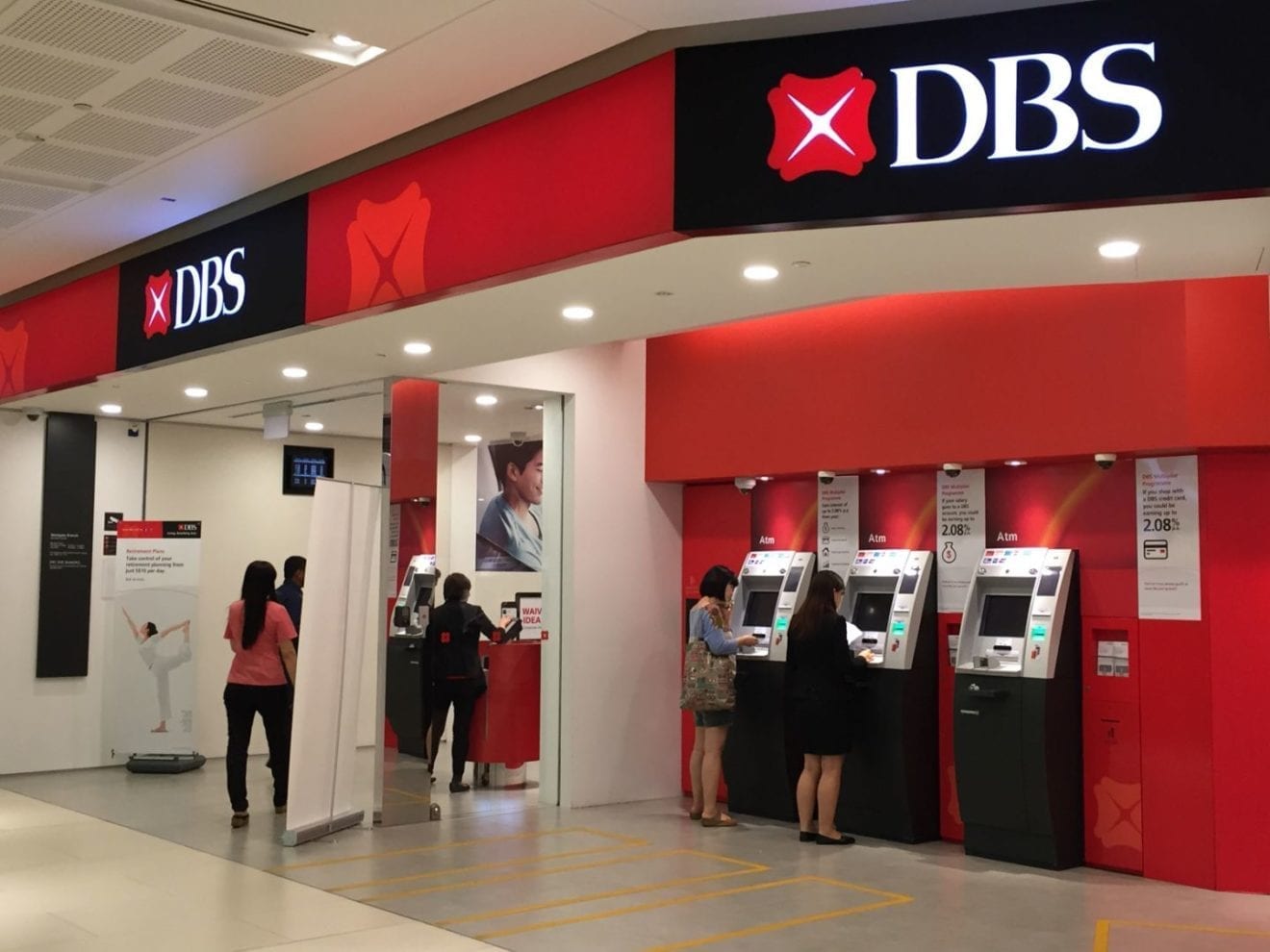
    DBS group chief executive Piyush Gupta’s total pay slid nearly a quarter after the Singapore lender saw profits fall in a similar fashion last year.

    Piyush Gupta’s compensation totaled S$9.18 million ($6.82 million) in 2020, according to the bank’s annual report, down 24 percent from 2019’s S$12.13 million.

    Gupta’s compensation included an unchanged base salary of S$1.2 million, S$4.51 million in shares and a cash bonus of S$3.41 million. The report noted that the bonus drop was attributed to the difficult operating environment which saw profits slide 26 percent and provisions quadruple.

    Last year, Gupta secured the title of Asia’s highest-paid banker after celebrating his tenth anniversary with DBS which granted him a one-time reward of 80,000 shares to recognize his «outstanding contributions» over the past decade of his leadership which saw major growth in income, profit and market capitalization.

    According to Gupta, 2020 was an «inflection point» from three key perspectives that will have future implications for the bank: accelerated digital adoption, work transformation and sustainability.

    On digitalization, Gupta highlighted opportunities from its crypto exchange launched last year. And on work transformation, he underlined the unforeseen risk of concentrating employees in a single location due to the varying lockdown rules in different markets and the bank’s location review of engineering resources.

    And despite the difficult low rate environment, he believes DBS will be able to offset the headwinds with fee

  • Here is where cities worldwide are hiding 5G towers

    Here is where cities worldwide are hiding 5G towers

    If you’re driving through some cities in Arizona, you might have noticed some large cactuses (or cacti) approximately 2-feet tall, along the sides of the road. But these are not real plants. They were constructed in order to cover up 4G LTE antennas; inside the fake cactuses you’ll find radio equipment. The idea is to make the gear blend in by disguising them with regionally-based plants and structures. Many think that cell towers look ugly and ruin the look of the environment (frankly, yours truly likes the look of cell towers but that puts me in the minority).

    4G towers are disguised as palm trees down south, evergreens in the Northeast, and cactuses in the West. Some 4G sites are disguised as church bell towers, historic landmarks, and water towers. CNN says that with the use of 5G towers, cities have to find another method of subterfuge. That’s because high-band mmWave 5G signals, as you’ve often seen us write, are easily blocked by structures. Wooden objects, certain materials, and yes-even leaves (T-Mobile wasn’t kidding) can block the progress of high-band mmWave 5G signals. And since high-band 5G signals can only travel short distances (something else we’ve mentioned often), 5G towers must be placed a couple hundred feet apart and even closer. And the antennas have to be exposed for 5G signals to be accessed by the public. With this in mind, some of the illusions used, like the cactuses, won’t be as effective. So for 5G sites, some cities are hiding the gear in street lights. Keith Niederer, telecom policy coordinator for Scottsdale says, “Design will be just as important moving forward with the 5G installations, but we will have a greater focus on street lights than the cacti. In Scottsdale, aesthetics are pretty important. Every street has a different theme and streetlights vary. We want them to blend in as much as possible and not stand out.” With 5G, the technology needs to be out in the open as opposed to 4G LTE.

    A company named Valmont Industries is one of the leading firms in the business of hiding 4G and 5G equipment. It recently finished delivering street lights to San Antonia, Texas that contain 5G gear. The outfit’s general manager of communication concealment, Mark Schmidt, said, “There’s no form factor we won’t consider using. Our goal is to bridge the gap between the aesthetics in a community, what a jurisdiction would like to see and what the wireless carrier requires as a form factor. … But the most natural fit here will be traffic lights and street lights.” With street lights sporting access to a power supply, and with a decent elevation, they can be used to house multiple technologies. Besides trying to hide the looks of a 5G tower, there is a security factor as well. You might recall that last April, thugs believing a conspiracy theory that 5G towers were the cause of coronavirus tried to knock down these towers in the U.K. and China.

    Tom Kuklo, a global product manager for Radio Frequency Systems (RFS), a firm that makes components for smart street lights, says that these lights are already rolling out in some areas. He states, “We’re already seeing this in China and some other locations where smart poles are very predominant. They’re becoming part of the landscaping; you walk right past them and don’t even know that’s what’s giving you a 5G signal unless you’re looking for it.”

    5G is expected to bring $17 trillion to economic growth by 2035 based on data from ABI Research. Eventually, data speeds will be 10 to 100 times 4G data speeds bringing a number of new technologies like self-driving cars to the public. Remote operations performed with the surgeon hundreds of miles away from the patient will be performed. Right now though, we are very early in the 5G era and many more towers need to be constructed throughout the world.

  • Future Nokia smartphones could adopt a new naming scheme

    Future Nokia smartphones could adopt a new naming scheme

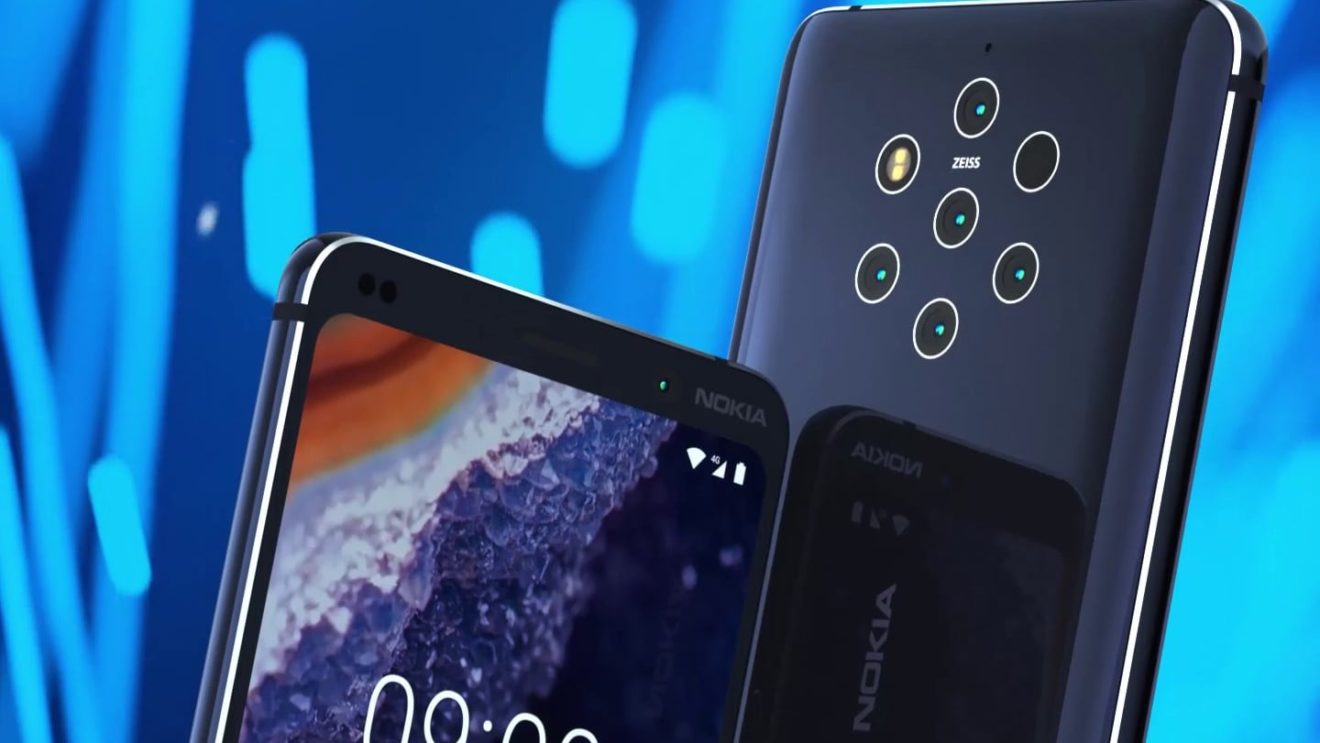
    A numerical branding scheme has been used for Nokia smartphones ever since the brand re-entered the market in 2017. This worked well in the early years but has become quite confusing in recent times, and soon it could be replaced.

    According to a trusted source starting this year HMD Global will shift Nokia smartphones over to a revised branding scheme that involves both letters and numbers.

    The end result should be similar to what Samsung and Motorola do with their devices. In fact, a leaked retail listing from Russia indicates that the first new model could be the Nokia G10, not to be confused with Motorola’s Moto G10.

    With subsequent model generations, HMD Global has two clear options. The most obvious one involves increasing the number, starting with Nokia G11 in 2022 and continuing that pattern for the rest of the decade.

    However, the source of this info seems to suggest that HMD might instead follow the branding pattern used by Nokia between 2009 and 2011. That could lead to models like the Nokia G10-01 in 2022 and Nokia G10-02 in 2023.

    Whether Nokia’s new branding scheme is going to be clearer than the current one will remain to be seen, but it certainly won’t be hard to achieve.

    At the moment, the latest model is known as the Nokia 5.4 But at the same time, the company is selling the Nokia 8.3 5G and Nokia 7.2, in addition to carrier variants like the Nokia C2 Tava and Nokia 2 V Tella, making it quite hard to determine when each model was launched.

  • Deliveroo announces strong 2020 results as part of an Expected Intention to Float on the London Stock Exchange

    Deliveroo announces strong 2020 results as part of an Expected Intention to Float on the London Stock Exchange

    Deliveroo has revealed a strong financial and operating performance for 2020 ahead of its intended listing on the London Stock Exchange, which was formally announced this morning.

    Over the course of the year, the company grew gross transaction value – the total amount of transactions it processes on its platform – by 64%, from £2.5bn in 2019 to £4.1bn. Fourth quarter 2020 run-rate GTV amounts to over £5 billion. Strong GTV growth was driven by an increase in monthly active customers as well as greater engagement from its existing consumer base.

    While 2020 has seen strong engagement from Deliveroo’s user base of more than 6 million monthly consumers, the company’s consumer cohorts have increased their spend on the platform year-on-year, acting as a growing, recurring revenue stream.

    Deliveroo has seen strong market share gains in 2020 that have driven it to leading positions across many of its markets. When markets have opened for dine-in following lockdowns Deliveroo has continued to see very strong consumer engagement and order frequency.

    Despite this significant growth, online food delivery is still at an early stage, presenting enormous growth potential. The restaurant and grocery sectors represent an addressable market of £1.2 trillion in Deliveroo’s 12 markets, of which just 3% of sales are estimated to be online – equivalent to less than 1 out of the 21 weekly meal occasions being online.

    Proven profitability at scale and best-in-class and improving unit economics 

    Deliveroo demonstrated that it could operate profitability at scale in 2020, having been profitable on an Adjusted EBITDA basis over two quarters. Furthermore, underlying gross profit was up 89.5% to £358m from £189m the previous year.

    Deliveroo’s profitability is a validation of the fact that it is the leading operator of the logistics food delivery model. Through a combination of its leading technology, operations and quality of customer cohorts, Deliveroo has achieved best in class unit economics. Gross profit margin as a percentage of GTV has grown from 5.8% in 2018 to 8.8% in 2020, with all markets experiencing an improvement over this period. In several key markets that are more mature, Deliveroo has achieved a gross profit margin of 12% or more.

    These best in class unit economics come after accounting for the major investments Deliveroo has made in its Editions, Signature, Plus and on-demand grocery businesses, delivering an outstanding customer experience in every neighbourhood it operates.

    As a result of this strong performance, Deliveroo narrowed underlying losses for the year to £223.7m, compared to £317m in 2019. The company remains focused on investing in driving growth in a nascent online food market.

    Leading from the front on innovation 

    Deliveroo plans to invest in its long-term proposition by developing its core marketplace, enhancing its superior consumer experience, providing restaurant and grocery partners with unique tools to help them grow their businesses, and providing riders with the flexible work they value alongside security.

    Deliveroo will also invest to further develop its innovative growth businesses: Editions delivery-only kitchens; Signature, enabling restaurants to offer delivery via their own online channels; Plus subscription service, removing delivery fees for a flat monthly charge; and on-demand grocery.

    Strong operational execution 

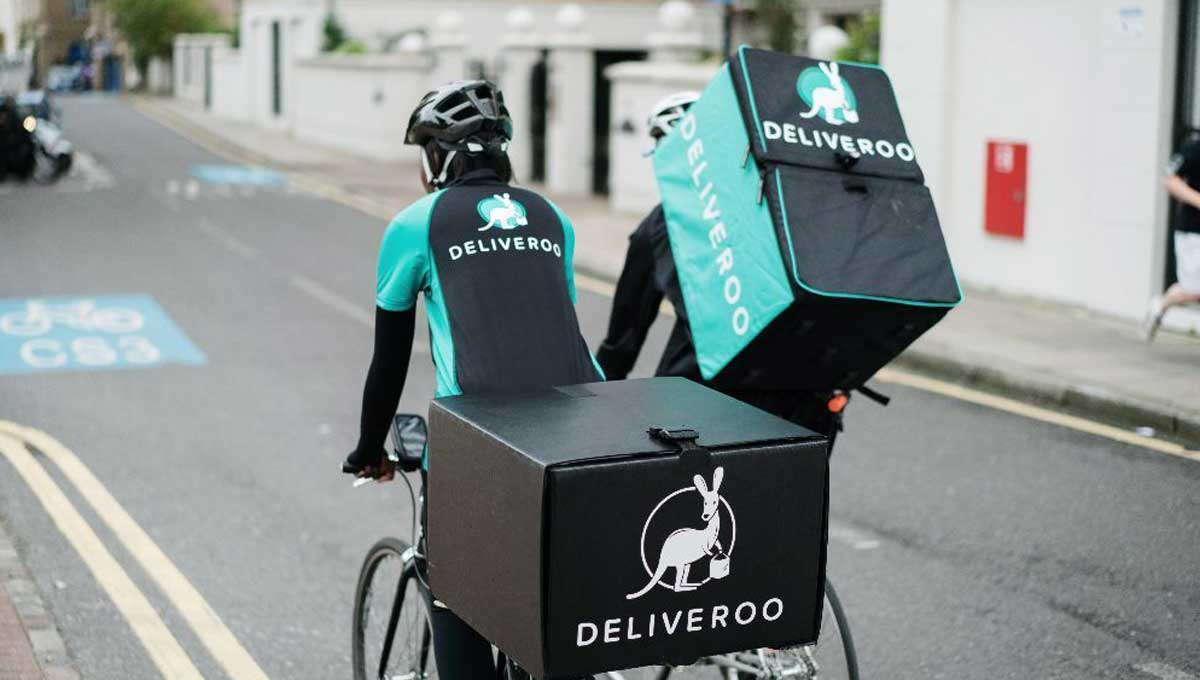
    Deliveroo pioneered the logistics delivery model in the UK, which is now the winning model in food delivery globally. The company works with over 115,000 best loved restaurants, takeaways and grocery stores globally and provides work to over 100,000 riders across 800 locations across12 markets.

    Deliveroo’s leading technology, driven by machine learning, ensures that all three sides of its marketplace continue to interact seamlessly, strengthening the interests of each constituent part, with restaurants maximising online sales, riders maximising earning potential, and consumers receiving a wider selection of desired food on time.

    Supporting all three sides of our marketplace with an unprecedented £50m Community Offer for consumers

    Alongside its EITF announcement, Deliveroo has ensured that all sides of its marketplace will benefit from any future floatation. The company announced that it will make an unprecedented 50 million in shares available to its UK customers in an expected forthcoming IPO and once listed will create a new £16 million Thank You Fund for riders, providing cash payments to the riders who have completed the most orders. Deliveroo has also announced a £50 million Communities Fund to support the local communities in which it operates. In 2018 Deliveroo announced that all permanent employees would be option-holders in the company, and so the company’s workforce will also benefit from any future floatation. These moves reflect Deliveroo’s desire to give back to those that have contributed to the company’s growth to date and to ensure they can share in its future.

    In an introductory letter to the company’s Expected Intention to Float, Deliveroo founder and CEO, Will Shu, writes:

    Today, Deliveroo is so much bigger than I ever would have thought possible. We are building delivery-only kitchens, delivering groceries, building tools for restaurants to take them into the digital age – things I never contemplated when we launched. Yet we truly believe we are still getting started. Our ambitions have increased as we start to truly understand and execute on the opportunity in front of us in online food. 

    A lot has changed since we launched eight years ago, but two very important things haven’t. First, we are customer-obsessed. And second, we are all about food. And if there are two principles that govern us here, it’s these. Serving our restaurants, our grocery partners, our riders and of course our end consumers is what we’re all about. All working together in the service of great food. That will never change.”