Tag: asia

  • Hong Kong’s Green Common expands into Singapore

    Hong Kong’s Green Common expands into Singapore

    OmniFoods creator, Green Monday Group, has launched Southeast Asia’s first Green Common outlet at VivoCity, in Singapore.

    Spanning 3000sqft, the Green Common Singapore venue houses a dedicated area for retail and a wider cafe area with indoor capacity of 112 people, as well as outdoor seating for 36. Green Common cafe serves a curated menu of plant-based dishes helmed by Chef Louie Moong.

    The Singapore branch of the Hong Kong-based company also offers OmniEat’s ready-made vegan meal range, which features Asian dishes such as Truffle Gyoza, Siu Mai and Crystal Dumpling.

    Beside the OmniMeat range, the storehouses a selection of 50 products from international plant-based brands, including Beyond Meat, Daiya, Califia Farms, Bite Society, Moving Mountains, Vegan Robs, and Heura.

    “Over the years we have seen great interest from Singaporeans looking to have access to more plant-based alternatives,” said David Yeung, founder and CEO of Green Monday Group. “Our one-stop shop is designed to make it easy to go green and make thoughtful (and delicious) lifestyle choices.”

    The Green Common store is also the brand’s second international location after Shanghai. Launched in 2015, plant-based concept store Green Common now operates 11 outlets across Hong Kong, Singapore, and China.

  • Acer opened first flagship store in the Philippines

    Acer opened first flagship store in the Philippines

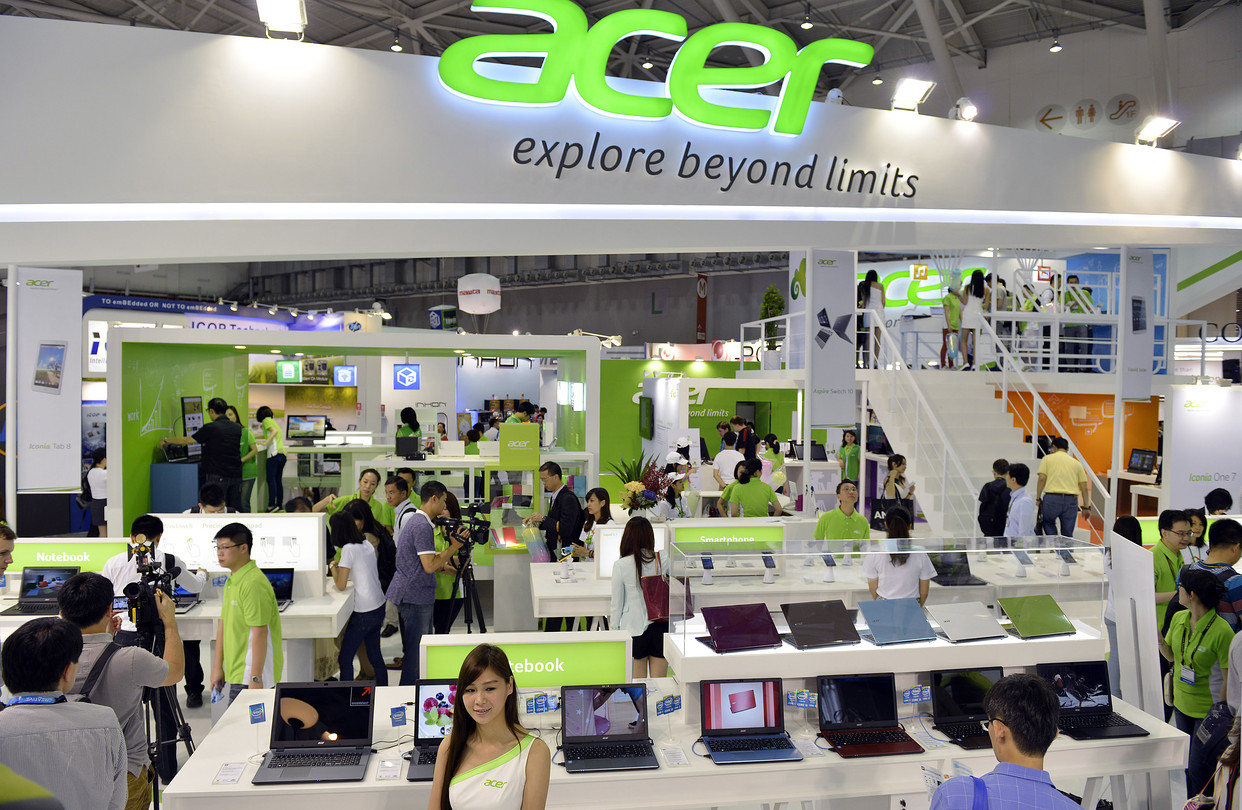
    The first Acer flagship store in the Philippines has finally opened its doors to consumers on January 15. It is the largest in the country to date and is located at the SM Megamall Cyberzone.

    This new tech haven will house the best products from Acer and Predator brands, intricately displayed for an elevated shopping experience. It is interactive and much more customer-friendly.

    A sure eye-catcher for gamers and tech enthusiasts alike, the store is divided into two sections, dedicated for Acer and Predator products. Acer sticks to its minimalistic personality and is designed with light earthy tones with a long table and shelves where the products are displayed. On the other hand, the Predator comes in a striking sleek black interior all throughout.

    In observance of the existing health protocols in the country, Acer requires each customer to wear a face mask and face shield, undergo a temperature check upon entrance, and fill up a health declaration form. Appropriate social distancing will be strictly followed as well.

    “We are very excited for gamers and tech enthusiasts to come and experience what the Acer flagship store has in store for them. It’s our first opening this 2021, and definitely not the last. We are optimistic that it will allow consumers to get to know our products better and eventually find the perfect device fit for their needs,” said Acer Philippines Managing Director Manuel Wong.

    The event was a success, attended by executives from the ICT giant and its esteemed partners. Following the grand launch, Acer will throw in premium items to the first 10 customers who will purchase an Acer or Predator laptop. But it doesn’t stop there! Watch out for huge discounts and freebies across both brands from January 15 to 24, 2021!

  • BHG teams with Raffles City in new curated brands marketplace

    BHG teams with Raffles City in new curated brands marketplace

    BHG Singapore will take over two floors at Raffles City Shopping Centre formerly occupied by Robinsons, which closed its last outlet there last Saturday.

    In partnership with Raffles City Singapore, the department store will open a new concept store showcasing its best beauty, fashion, and home and living products.

    The store, called One Assembly, will open by the end of the month, BHG Singapore and Raffles City Singapore said in a joint statement yesterday.

    “As established players in the retail industry, BHG Singapore and Raffles City Singapore are dra-wing on their combined industry insights to explore fresh ways of collaboration and inject new life into the local retail scene,” said the statement.

    While the concept store is a short-term pop-up, it will remain open for the foreseeable future, BHG Singapore told The Straits Times.

    The department store is happy to explore a long-term partnership with CapitaLand, which manages Raffles City Shopping Centre, said BHG’s spokesman. The concept store is expected to go big on digital payments. Shoppers will have the choice of paying for their purchases using eCapitaVouchers, or payment platforms Hoolah and FavePay. In the future, the store intends to make some of its products available on eCapitaMall, CapitaLand’s online shopping website.

    “As part of our reinvention strategy, we aim to integrate both physical and digital shopping journeys to create a seamless shopping experience,” said BHG Singapore.

    Associate Professor Lawrence Loh of the National University of Singapore Business School agreed that the future of retail lies in the integration of online and offline shopping.

    “But on-site stores are still important because they let customers touch and feel the product,” he said.

    Department stores here have been shifting some of their business online amid the coronavirus pandemic.

    Last November, BHG Singapore told The Straits Times that it had launched its own shopping site a few months before in June. The retailer also participated in Singles’ Day and Black Friday sales last year.

    To enhance the shopping experience, the One Assembly store will feature two spa cabins for shoppers wishing to relax.

    “One Assembly will provide new experiences to shoppers. Combined with its prime location, we are confident that it will become a favoured destination for our shoppers,” BHG Singapore managing director Udai Kunzru said yesterday.

    Offering customers memorable experiences is one way the department store has remained relevant amid the changing retail landscape.

    It introduced five spa cabins at the beauty hall in its Bugis Junction outlet as part of an extensive revamp completed last October.

    “We are heartened that our reinvention efforts have been well-received,” said BHG Singapore.

    When it opens, the concept store at Raffles City will feature brands such as La Mer and La Prairie, which are not currently available at existing BHG stores.

    “Having a new brand close to their existing store at Bugis allows them to reach a different segment of consumers without alienating their existing ones,” said Ms Esther Ho, director of Nanyang Polytechnic’s School of Business Management.

    CapitaLand Singapore’s managing director of retail Chris Chong said the mall is delighted to partner with BHG Singapore.

    “By joining hands to present One Assembly, we set out to enhance Raffles City’s shopping experience with a plethora of offerings that are thoughtfully curated for this collaborative space,” said Mr Chong.

    Before Robinsons moved out of Raffles City, the outlet had occupied three floors.

    As for who will occupy the third-floor space left by Robinsons, a Raffles City spokesman said talks with various brands are ongoing and more details will be shared in due course.

    Robinsons announced on Oct 30 last year that it was closing its last two outlets here, and said then that the decision to liquidate was prompted by a range of factors, including changing consumer tastes and cost pressures such as rent.

  • Nomura Hires More Than 20 Private Bankers

    Nomura Hires More Than 20 Private Bankers

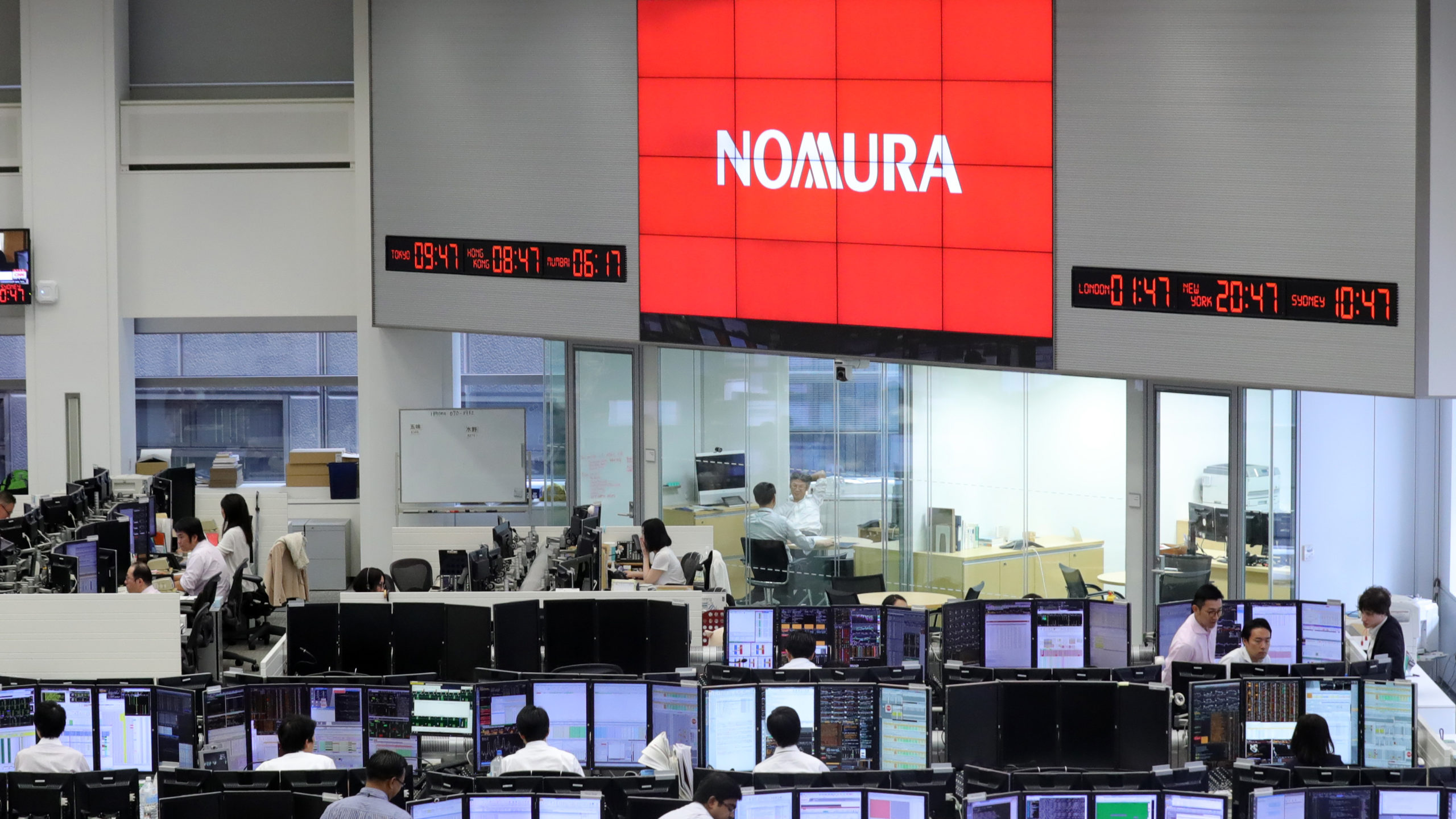
    Japanese bank Nomura aims to more than triple assets under management in its International Wealth Management business by March 2025, through an accelerated expansion of the client franchise and enhancement of the wealth management product and services platform.

    All these individuals have been hired in Hong Kong and Singapore following the integration of International Wealth Management into Nomura’s Wholesale business, and the appointment of Ravi Raju as Head of International Wealth Management in September 2020, the firm said in a media release on Tuesday.

    Our ability to attract top talent from the industry is an acknowledgment by the market that we are serious about our ambitions to build a leading wealth management business and are well-positioned as a platform of choice for aspiring relationship managers in the region. The initial focus of the recruitment drive has been to strengthen our presence across Greater China, Southeast Asia and the Global South Asia market,» he said. Some of the senior hires include:

    Client Coverage

    Wayne Yang has joined as Managing Director and Group Head, Greater China, from Baxian Private and Investment Bank, where he was CEO. He started his career more than 30 years ago and has held multiple senior-level positions at private banks including two stints spanning two decades at Citi’s private bank. He has also held leadership roles at the Asia Pacific private banking teams of Merrill Lynch and Deutsche Bank.

    Trevor Mak has been hired as Managing Director and Relationship Manager for Hong Kong. He joined from UOB Kay Hian where he was Managing Director, Private Wealth Management, since March 2020. Before that, he was a Managing Director at Citigroup’s private bank, covering Hong Kong HNW clients for over 12 years. He started his banking career with Standard Chartered in 1984 in Hong Kong, and has worked in private banking at UBS, Coutts, Standard Chartered and Julius Baer.

    Johnny Liu was appointed Managing Director focused on family office coverage for Greater China. He joined from Aldworth Management, a family office, where he was a partner. Before that he was Managing Director and Head of Global UHNW Advisors, Greater China, at UBS’s private bank. He has also worked at HSBC, Credit Suisse and Deutsche Bank in wealth management and investment banking roles.

    Kitty Chen joined as Managing Director and Team Lead for China. She moved after a short stint as Managing Director with Union Bancaire Privee in their Hong Kong office. Before that, she was an Executive Director at Credit Suisse’s private bank, where she spent eight years covering mainland China-based clients. She has also worked in the private banking divisions of Merrill Lynch, ING and HSBC.

    Adil Khan has been appointed Managing Director and Group Head, Southeast Asia, focusing on the NRI market in the Middle East and Southeast Asia as well as the Middle East market. He joined from Citi Private Bank where he was Managing Director and Team Head for the Global India business, and was responsible for the Middle East desk in Asia, working with bankers from the Middle East booking business into Asia. Prior to that, he was Middle East CEO for EFG Bank, based in Dubai.

    Brajesh Jha has been appointed Managing Director and Group Head, Southeast Asia. He joined from BNP Paribas Wealth Management where he was Managing Director and Head for Southeast Asia markets that included Thailand and Vietnam for three years. Prior to BNP, he spent over 10 years with UBS, both in wealth management and investment banking in multiple senior roles.

    Mohit Gupta has joined as Managing Director and Team Lead for Southeast Asia NRI from BNP Paribas Wealth Management where he was Managing Director and Team Head, Indian Markets, covering family offices and UHNW clients from Singapore. Prior to this, he was in various investment advisory roles with Credit Suisse and Standard Chartered for 12 years.

    Charly Madan has been appointed Managing Director and Team Lead, Southeast Asia, focusing on Thailand and Vietnam. He joined from BNP Paribas where he was also Managing Director and Team Leader responsible for UHNW clients in Thailand and Vietnam. He has over 30 years of experience in financial services and has held several senior roles in Thailand including Chairman of CNP REIT, CFO & CRO of Pruksa Real Estate, Country Executive, Thailand, and Asia Pacific Head of Capital and Portfolio Management at Royal Bank of Scotland, Head of Corporate Banking at Bank of Ayudhya and Country Officer at Citibank.

    Nini Rojanavanich has been appointed Executive Director and Relationship Manager, Southeast Asia, covering Thailand and Vietnam. She joined from BNP Paribas Wealth Management in Singapore where she was a Director in the UHNW client segment for Thailand. Prior to that, she was with Sumitomo Mitsui Banking Corporation in charge of its Financial Institutions Group in Thailand, and has held other leadership roles with institutions including Royal Bank of Scotland, Citibank, Bangkok Bank and ABN AMRO.

    Umesh Pandey has been appointed Executive Director and Relationship Manager, Southeast Asia, covering Thailand and Vietnam. He joined from BNP Paribas Wealth Management which he joined in October 2019. Prior to that, he was in the media industry, having spent 16 years over two stints at the Bangkok Post where his last role was as Editor-in-Chief. He has also worked as a Thailand correspondent for Reuters and The Wall Street Journal.

    Kripa Bathija has joined as Executive Director and Relationship Manager covering family offices and UHNW clients in Southeast Asia. She was at Bank of Singapore where she was a Director covering a similar demographic of clients for over seven years. She has also worked with Citibank across various geographies for seven years, with the majority of that time spent with the firm’s Singapore wealth management unit focused on the NRI business.

    Investment Products & Advisory Solutions

    Akshay Prasad has joined as Managing Director and Head of Investment Products & Advisory Solutions, Asia Pacific, from Deutsche Bank’s wealth unit where he worked for nearly 14 years. His last role there was as Managing Director and Head of Investment Advisory, Global South Asia, where he managed a sales team delivering cross-asset advisory and discretionary solutions for clients across Asia and Europe. He started his career with Citi’s wealth management unit.

    Sooraj Arur has joined as Executive Director and Head of Lending & Credit Solutions, Asia Pacific. He joined from Deutsche Bank where he was a Director in structured lending, originating financing deals, structuring credit solutions and negotiating bespoke loan documentation for Asia Pacific wealth management clients in markets including Singapore, Hong Kong, Indonesia, Thailand, India and the Middle East. Before Deutsche, he was a credit specialist at Citibank.

    Aditya Sehgal joined as Executive Director to help drive transformation and business development for Investment Products & Advisory Solutions. He came from Deutsche Bank Wealth Management, where he was a Director and cross-asset investment specialist. There, he provided bespoke multi-asset structured solutions for clients’ investment and hedging needs by partnering with coverage teams in Singapore, Hong Kong and Dubai. He worked at Deutsche for 11 years.

    Infrastructure and Platform

    Mohan Kuppuswamy joined as Executive Director and Head of Architecture & Technology, Asia Pacific, from HSBC where he was Program Head for Platform, implementing Avaloq for Singapore and Hong Kong. Prior to that, he worked for eight years in multiple roles at Deutsche Bank in Asia and Europe, and for over a decade at Citibank including at its private bank in treasury, operations and technology.

    TS Murali has been appointed Executive Director and Head of Front Office Risk and Supervision, Asia Pacific. He joins from Citi Private Bank where he was Business Unit Manager, South Asia, for seven years. In this role, he directly managed the sales support team, ensuring the business operated within applicable regulatory frameworks with appropriate operational and control infrastructure. He has worked at Citigroup and its affiliates since 1993 in various roles across business and operations.

  • HSBC’s Noel Quinn Apologizes to Self-Exiled Hong Konger

    HSBC’s Noel Quinn Apologizes to Self-Exiled Hong Konger

    Self-exiled lawmaker Ted Hui publicly shared and criticized HSBC CEO Noel Quinn’s apology over frozen accounts which claimed that the bank was done on orders by the Hong Kong police.

    I regret that HSBC is not able to operate your bank and credit card accounts, said Quinn in an email dated January 11 and sent to Hui who has shared an image on his Facebook account.

    Quinn explained that the bank had no choice but to take action after being instructed by the Hong Kong police, Hui said, and he also apologized over communications with HSBC.

    The ex-Democratic Party member and his family’s accounts were allegedly frozen by HSBC alongside Hang Seng Bank and Bank of China after police said they were probing for a money laundering linked to a crowdfunding campaign.

    According to Hui, there is no legal basis for freezing his nor his family’s accounts, underlining a specific concern that he had not received questions regarding any suspicious transactions prior to the move.

    Hui has since said his family accounts were unfrozen and his personal accounts were partially released. He also noted that HK$200,000 ($25,800) had been frozen, less than the initial HK$850,000 ($110,000) claimed by local police.

    HSBC said it would not comment on specific accounts and maintains its stance that it must comply with the jurisdictions in which it operates.

    Hui also said that the bank had initially chosen to cancel his account before changing its decision to just freezing it.

    I can hardly accept the nearly laughable U-turn explanation given by HSBC regarding my credit cards, from ‘a commercial decision to cancel’ to ‘frozen only’ after enormous public criticisms, he said. This is not so much a mistake made by a frontline staff member.

  • VinaCapital invests further in live video streaming startup

    VinaCapital invests further in live video streaming startup

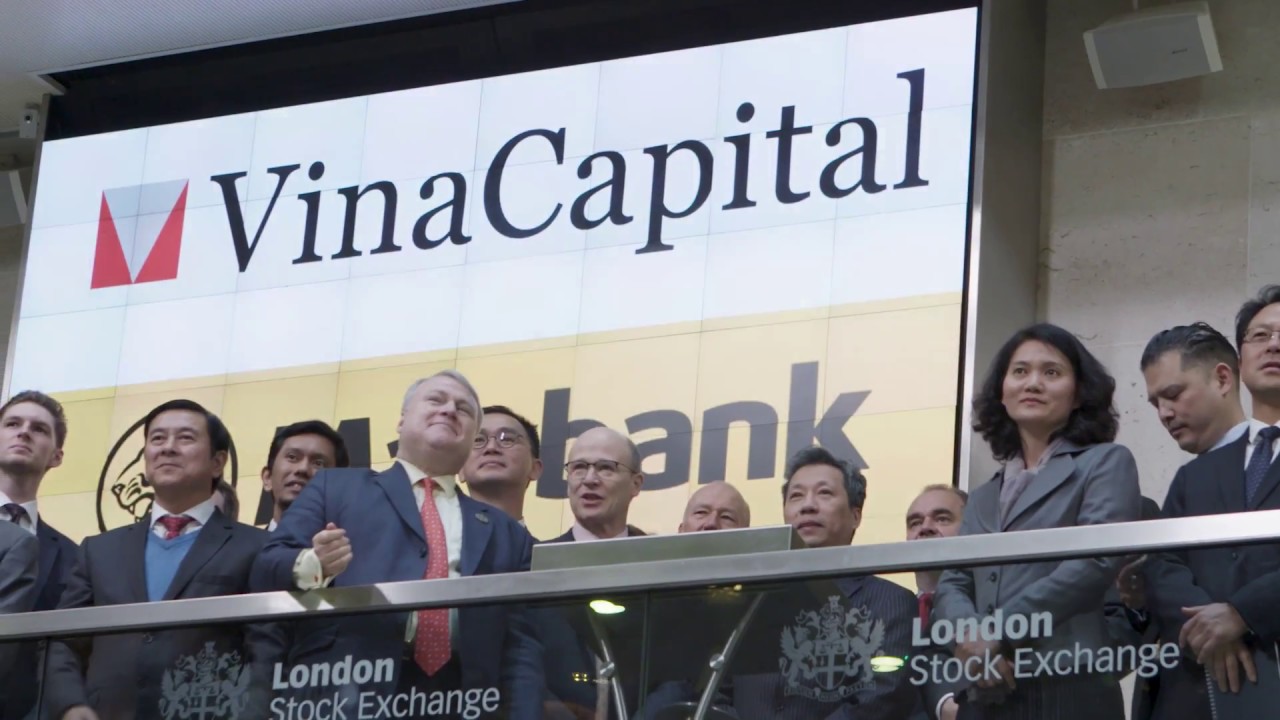
    A Vietnamese startup that provides multi-platform Livestream service for social sellers, GoStream, has received a second round of investment from venture capital firm VinaCapital Ventures.

    But it has not disclosed the value of the investment.

    GoStream has completed its series A funding worth $1 million, co-founder Nghiem Tien Vien said last November at the 2020 TechFest Vietnam, a national festival for innovative startups.

    VinaCapital Ventures CEO Hoang Duc Trung said GoStream is the leading company in integrating live streaming across a number of sectors.

    “Their innovative streaming technology is helping more businesses reach more viewers and customers, and we look forward to working with them as they further expand their capabilities and play an even greater role in Vietnam’s growing digitization.”

    Founded in 2017, GoStream is a simulcasting live video streaming platform serving multiple corporate clients and facilitating over 100,000 live streaming sessions daily.

    Its product, GoStudio, won the first prize at the Vietnam TechFest and will represent the country at the 2021 Startup World Cup contest in the U.S.

    In 2019, GoStream made it to the top 30 most used live broadcasting applications on Facebook.

    It received $200,000 in seed funding from VinaCapital and the startup accelerator program Zone Startups Vietnam.

  • Government to invest $345 million to bail out Vietnam Airlines

    Government to invest $345 million to bail out Vietnam Airlines

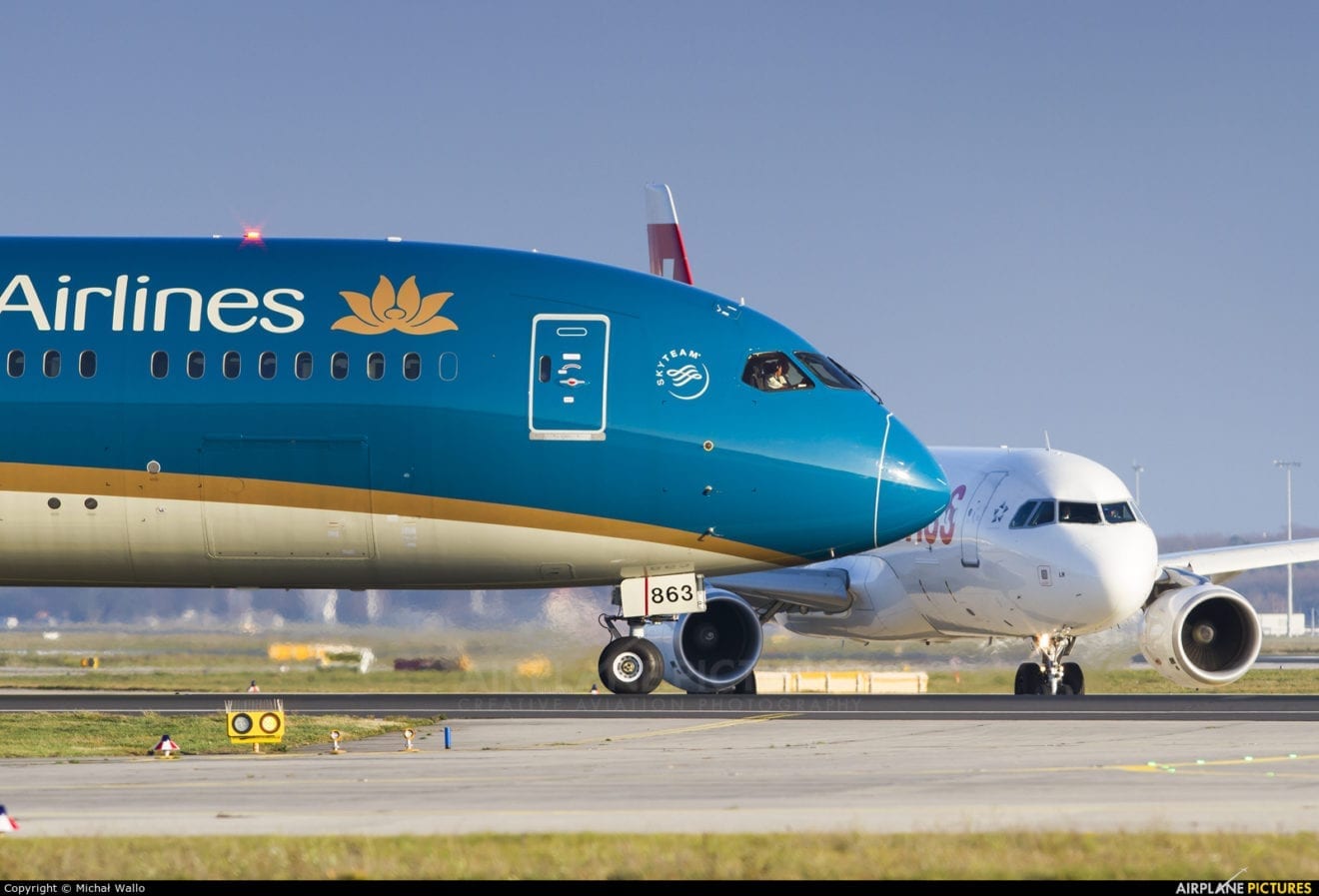
    The State Capital Investment Corporation said it is in discussions with Vietnam Airlines to invest VND8 trillion ($345.49 million) in the carrier through a rights issue.

    It follows a government resolution to resolve the difficulties faced by the airline due to the impact of the Covid-19 pandemic, Nguyen Chi Thanh, general director of the sovereign fund, said at a press conference late last week.

    The resolution requires the State Bank of Vietnam to reimburse loans of up to VND4 trillion to credit institutions that have lent to Vietnam Airlines and allow the carrier to make rights issues to existing shareholders to supplement its capital.

    Thanh said: “Vietnam Airlines will issue shares worth VND8 trillion to existing shareholders, accounting for 25 percent of the carrier’s charter capital. SCIC, acting on behalf of the Government, plans to buy these shares.”

    The government-owned 86.16 percent in Vietnam Airlines on December 31, 2019.

    Thanh said the airline is making plans for a rights issue, and SCIC’s task is to determine a reasonable issue price close to the market price and is working with Vietnam Airlines on this.

    “In order to do that, Vietnam Airlines must be valued, and this requires at least a five-year business plan if we use the discounted cash flow method.”

    The SCIC would appoint a “globally reputed auditing company,” and the latter would identify the most appropriate valuation method possibly within a month, he said.

    Vietnam Airlines expects losses of VND12 trillion for 2020 compared to a VND3.37 trillion profit in 2019.

    It presently flies an average of 300 flights a day on more than 60 domestic routes. It has resumed flights to Japan, though not from that country, and plans to resume flights soon to mainland China, Taiwan, Laos, and Cambodia.

    In November, the National Assembly approved a bailout that could see the carrier get VND12 trillion and allows it to sell more shares to existing shareholders to boost cash reserves.

  • Foxconn unit receives business license for $270 mln Vietnam plant

    Foxconn unit receives business license for $270 mln Vietnam plant

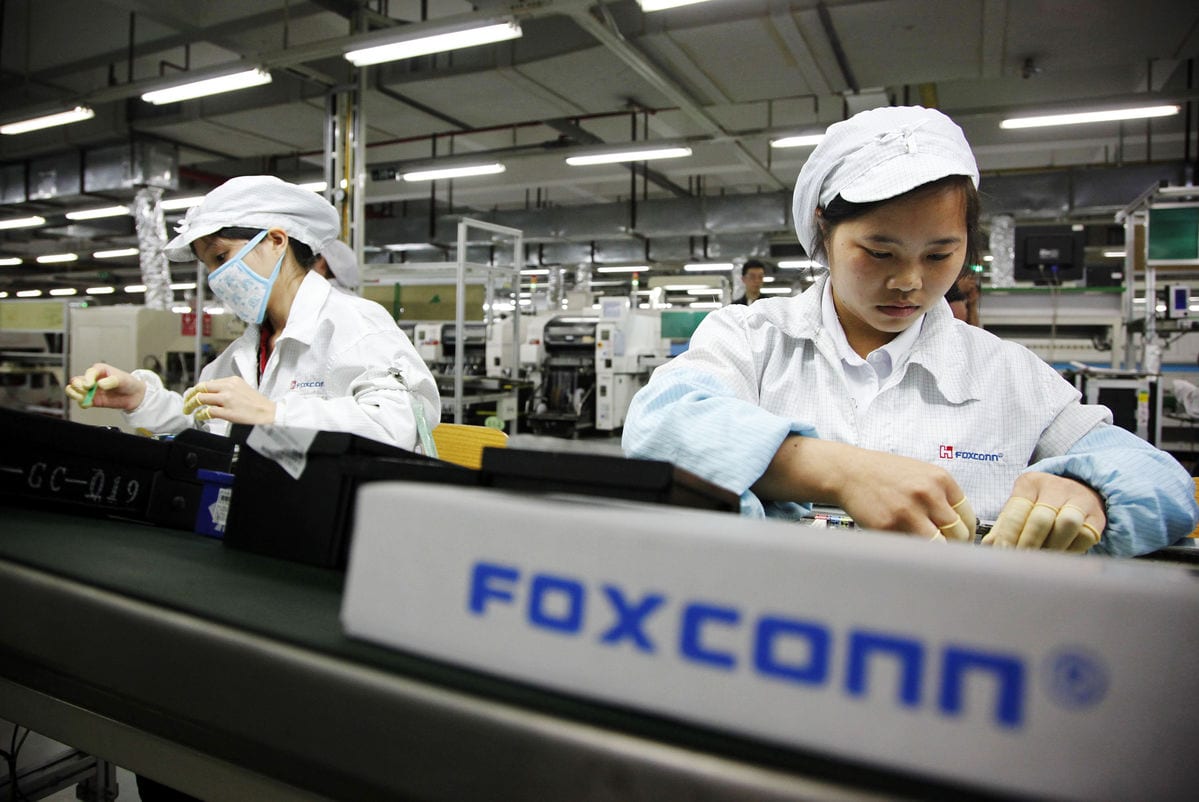
    The FuKang Technology Company, a Foxconn unit, received a business license Monday to build a plant to produce laptops and tablets in northern Vietnam.

    The plant will be located in the Quang Chau Industrial Park in the northern province of Bac Giang and will annually produce eight million units, the government said in a statement on its website.

    The Taiwanese electronics contract manufacturer has so far invested $1.5 billion in Vietnam and created jobs for more than 35,000 workers and the company, formally known as the Hon Hai Precision Industry Co., plans to raise its investment by $700 million and recruit 10,000 more local workers this year, the government said.

    Last week Foxconn was also looking into investing $1.3 billion in Thanh Hoa Province, 160 km south of Hanoi.

    Last year, the company produced the first batch of display screens at its $26-million factory in the northern Quang Ninh Province.

    Foxconn, a major assembler of Apple products, including the iPhone, and the world’s largest contract manufacturer, came to Vietnam in 2007, and has been operating mainly in the northern provinces of Bac Ninh, Bac Giang and Vinh Phuc, making computers and other electronic products and car parts.

    It has said that Vietnam is its largest manufacturing hub in Southeast Asia.

  • Mitsubishi Vietnam recalls over 9,000 cars to replace fuel pumps

    Mitsubishi Vietnam recalls over 9,000 cars to replace fuel pumps

    Mitsubishi Motors Vietnam is recalling 9,066 Outlander and Xpander cars to fix a fuel pump issue that could cause the vehicle to stall.

    They include 5,370 Outlanders manufactured in Vietnam between January 15, 2018, and July 21, 2019, and 3,696 Xpanders imported from Indonesia and assembled between August 21, 2018, and September 20, 2019.

    The company said the inflated impeller inside of the pump “might have caused it to touch the surrounding parts of the pump body and stop the pump from spinning” which could result in “the engine not starting or stalling.”

    Car owners can take their vehicles to an authorized dealership for a free fuel pump replacement which will take around one hour.

    Mitsubishi uses gas pumps supplied by Japanese company Denso, which caused similar problems in many other cars including Toyota and Honda.

    But it said this error would not occur in its other cars.

    According to data from the Vietnam Automobile Manufacturers Association, auto sales fell 8 percent in 2020 to 296,634 units.

  • HSBC Advocates for More Asian Say in Climate Change

    HSBC Advocates for More Asian Say in Climate Change

    HSBC chairman Mark Tucker lauded the efforts of global governments in creating standards and definitions for sustainability but expressed concerns that they could potentially leave out Asian economies.

    According to Tucker, Asia is increasingly where global leadership is coming from» with regards to sustainability, citing China and Japan’s rise to drive global agendas in the recent G20 forum alongside the greening of Hong Kong and Singapore’s financial markets.

    Asia is arguably where the fight against climate change will be won or lost, he said during a virtual session at this year’s Asian Financial Forum (AFF).

    Although Tucker applauded industry efforts to set standards in the fight against climate change, he underlined his concerns that this could occur at the expense of capital flows for Asian emerging economies.

    Setting international standards and definitions for sustainability is essential to making progress and the EU has done very good work on this,» he said. «But there’s a danger that these standards may not drive investments into the emerging markets in Asia where it’s needed most for sustainable infrastructure.

    He also underlined this year’s Scotland-based COP26 (United Nations Climate Change Conference) conference as a key moment to lock in the ambitious, low carbon policy goals, adding that Asian economies need to play a big part in those discussions» on issues such as establishing carbon prices.

    Tucker expressed greater optimism in the global fight against climate change, highlighting better prospects without the Donald Trump administration.

    If you look at the three economic blocks – U.S., China, E.U. – there’s plenty they don’t find agreement on, he explained. But I think where they are absolutely united today is their commitment, certainly under the new U.S. administration, to tackle climate change.

    Last October, we announced a new commitment to reset our ambitions, which were significant in the first place, but to reset them to a higher level, Tucker said, reiterating the bank’s goal to achieve net-zero carbon emission across its business by 2050.

    Aligning our own emissions and those of our portfolios and customers to the Paris Agreement goals. This is not insignificant when you think of this: our portfolio is largely Asian based and other banks are clearly in much more established marketplaces.

    The bank has committed up to $1 trillion of financing for this transition over the next ten years though it has yet to share details about its exact strategy.

    On HSBC’s business plans, Tucker said that with interest rates expected to stay low and an ongoing pandemic, the bank has changed its plans to further accelerate growth.

    He highlighted South Asia and, in particular, wealth management opportunities in China’s Greater Bay Area. He separately noted that HSBC was not looking into emerging non-traditional areas of finance like cryptocurrencies, despite related moves by competitors like Standard Chartered’s inroad into crypto custody or DBS’s recent launch of a digital exchange.

  • Skoda Auto Opens New Manufacturing Facility For Test Vehicles & Prototypes At Mlada Boleslav Site

    Skoda Auto Opens New Manufacturing Facility For Test Vehicles & Prototypes At Mlada Boleslav Site

    The technical department of Skoda Auto recently opened a new facility to manufacture test vehicles and prototypes at its Mlada Boleslav site. This new facility will ensure the development of these vehicles under one roof. The carmaker uses state-of-the-art technologies, such as robot stations and virtual reality solutions, throughout the entire production process. The Czech automaker produced some of the test vehicles for the all-electric ENYAQ iV at the new facility. The entire warehousing is incorporated into vehicle manufacture results in further savings, reducing logistics costs by more than 150,000 euros annually.

    Johannes Neft, Skoda Auto Board Member for Technical Development said, “The use of test cars allows us to draw conclusions about numerous technical parameters at an early stage of development and make the necessary adjustments long before serial production of a new model commences. We are now taking the next step. In the future, we will build 300 test vehicles and 120 prototypes per year with maximum efficiency under one roof in our new, state-of-the-art facility at the Mlada Boleslav site. We have created the ideal conditions here to develop vehicles at the highest level and that will shape the future of our brand.”

    David Vanek, Head of Model and Prototype Manufacture said, “Our new facility has three floors and houses the parts warehouse, body shop, final assembly, and paint shop, all within the smallest of footprints ensuring short distances. At the same time, the facility’s high degree of automation allows for more agile processes and a significant increase in production capacity for test vehicles and prototypes. Furthermore, the building features state-of-the-art virtual reality technologies as well as 168 workplaces in open-space offices and 13 meeting rooms. A large part of the complex 14,000 square meter is used for vehicle manufacture.”

    The ground floor at the center accommodates parts warehouse that includes a covered yard for unloading trucks. While car bodies are manufactured on the second floor, the third floor contains a paint shop and final assembly. The material is transported between floors through a freight elevator. Moreover, the proportion of automation in the body shop has increased to 45 percent from 15 percent because of two robot stations. The production capacity is now doubled to ten car bodies per week while requiring 20 percent less space.

    Additionally, weight-saving designs can be developed at the center as the carmaker has expanded its body shop to include an innovation center for testing joining techniques. It includes clinching, riveting, flow drill screw (FDS) fastening, laser welding, and composite construction.

    Workstations at the facility can be preconfigured and customized with the help of virtual reality technologies, and state-of-the-art IT systems are used in logistics. Quality control will be integrated into the production process and run parallel to the respective manufacturing steps. From an ecological point-of-view, the production facility for the new model and prototype models is very advanced. The short distances save around 1,800-litre of fuel per year, enabling a decrease in CO2 emissions of roughly five tonnes.

  • Ministry wants social networks used to sell goods treated as online marketplaces

    Ministry wants social networks used to sell goods treated as online marketplaces

    Social networks that enable trading of goods should be regulated like e-commerce trading platforms, a draft decree by the Ministry of Industry and Trade proposes.

    It seeks to expand the scope of online marketplace regulations to include social media that allows people to create pages to sell goods, enter into contracts with customers or post articles offering goods or services for sale.

    But Nguyen Quang Dong, director of the Institute for Policy Studies and Media Development, said there is no basis to treat social networks as e-commerce platforms.

    They do not have physical stores or goods, or an obligation to provide support in cases of complaints or fraud, and charge fees for advertising as opposed to sales, he pointed out.

    “Viewing social networks as e-commerce trading sites would be incorrect, they are closer to advertising services. It is necessary to clarify the nature of social networks, instead of trying to have overarching regulations governing everything.”

    Some European countries treat social networks as digital services, a concept with a wider scope than e-commerce platforms, and allows them to collect taxes based on this definition, he added.

    Another provision in this draft that raises concern among analysts is that only foreign investors considered by the ministry to be “reputable global technology companies in the field of e-commerce” will be allowed to enter the Vietnamese e-commerce market.

    It will periodically publish a list of eligible companies, according to the draft decree.

    Nguyen Thanh Ha, chairman of law firm SB Law, warned this would limit the entry of foreign capital.

    “The definition of ‘reputable global tech company’ is ambiguous and subjective, and it is difficult to identify the standards of that qualify a company, and makes it difficult for businesses to interpret.”

    Dong too said this provision is not feasible and should be deleted.

    Global data firm Statista estimated Vietnam’s e-commerce market to be worth $6 billion last year and projected it to grow to around $9 billion by 2025.

  • Maruti Suzuki Hikes Prices Due To Higher Costs

    Maruti Suzuki Hikes Prices Due To Higher Costs

    Maruti Suzuki India Ltd will raise prices for some car models to mitigate the impact of rising costs, the country’s largest automaker by market value said on Monday.

    The move comes after rival Mahindra and Mahindra Ltd increased prices of its personal and commercial vehicles by 1.9% this month due to higher commodity prices and input costs.

    Indian automakers were already under pressure due to costs and weak demand when the pandemic dealt a blow last March.

    Since then, carmakers have resumed operations and seen demand return during India’s festive season in October-November, but have warned of demand uncertainties ahead.

  • AirAsia founder Tony Fernandes claims governments ’ Covid-19 coordination ‘horrific’

    AirAsia founder Tony Fernandes claims governments ’ Covid-19 coordination ‘horrific’

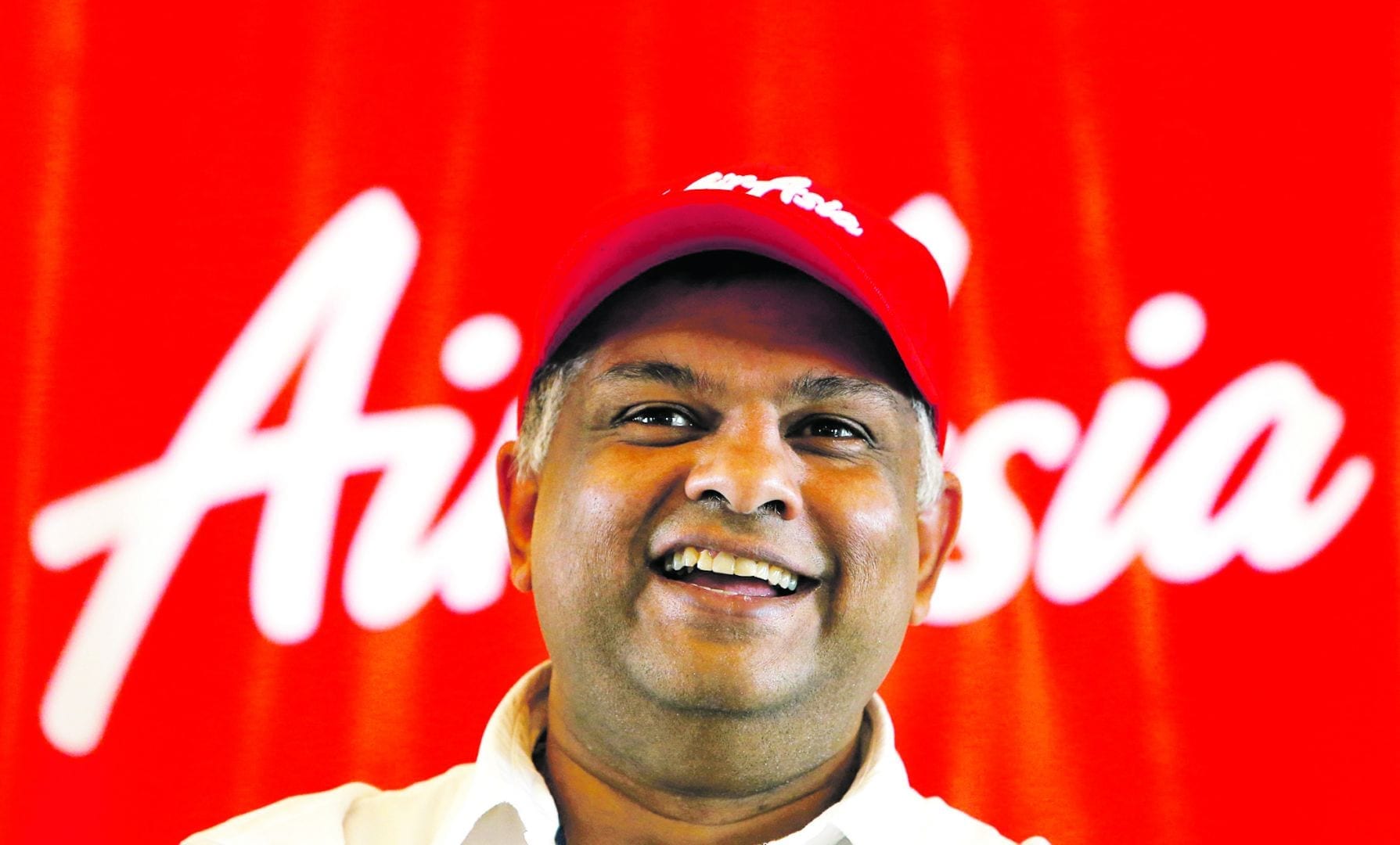
    “The coordination on Covid-19 is horrific,” AirAsia Group Bhd founder and group chief executive officer Tan Sri Tony Fernandes laments and claims in a direct swipe at world governments’ on how the global pandemic has been managed and its impact on the travel and aviation industries.

    BBC has today quoted Fernandes as saying that in his history of running an aviation business, he has never seen something so poorly coordinated.

    “It’s like nothing I’ve ever heard,” he said. “The United Nations, with the travel industry, should have come up with some standard protocols” earlier in the pandemic, but politics had got in the way, according to him.

    “Governments are petrified of their people, and they’re taking a very, very, very conservative view. They all want to be in control.

    “I just think that everyone’s… scared and just reacting in a very jingoistic and nationalistic way. I think countries are going to say, unless you’re vaccinated they’re not going to let you in without quarantine,” Fernandes said.

    The BBC report, which also quoted International Air Transport Association (IATA) director-general Alexandre de Juniac, said the world’s airlines need another US$70 billion (about RM283.5 billion) to US$80 billion of government support to get through the crisis caused by the coronavirus pandemic.

    de Juniac was quoted as saying the figures were “on top of the US$170 billion already granted”.

    It was reported that June 2021 is when he expects the first significant easing of travel restrictions, as the impact of vaccines begins to be felt.

    “Government travel restrictions and a huge fall in passenger confidence meant global demand for flights fell about 60% last year, according to IATA figures.

    “That means 2020 saw about 1.8 billion passengers fly, instead of the 4.5 billion in 2019. In an industry where profit margins were already thin it means airlines are estimated to have already lost US$118 billion, with worse set to come,” BBC reported.

  • Hong Kong’s Fashionally and ITC Store launch new collaboration

    Hong Kong’s Fashionally and ITC Store launch new collaboration

    FASHIONALLY.com, a non-profit local fashion platform pioneered by the Hong Kong Trade Development Council (HKTDC), has launched a debut collaboration with the ITC STORE of The Hong Kong Polytechnic University (PolyU).

    The store showcases seven fashion brands from the Hong Kong Young Fashion Designers’ Contest (YDC), creating a brand-new online-to-offline (O2O) marketing and promotion channel to nurture business opportunities for local fashion designers at the start of the year.From now to 11 April, the ITC STORE X FASHIONALLY online store will feature a series of local fashion brand items including fabric face masks, women’s knitwear, leather clothing and accessories, and much more.

    Participating brands include ARTO. (designs by Arto Wong), Charlotte Ng Studio (Charlotte Ng), FromClothingOf (Shirley Wong), KURT HO (Kurt Ho), Lapeewee (Yannes Wong), Mum’s Design (Bicy Yeung) and PHENOTYPSETTER (Jane Ng). From now through April, ITC STORE’s physical showroom will showcase exclusive fashion items from selected brands on a monthly basis, providing a new O2O shopping experience for fashion lovers.

    The YDC aims to discover and nurture the next generation of young fashion talents in Hong Kong, providing a launch pad for them to showcase their designs. YDC 2021 is now open for entry with an enrolment deadline of 28 April. For details please visit: www.fashionally.com/ydc_application/