Tag: asia

  • Viettel profits grow despite pandemic

    Viettel profits grow despite pandemic

    Telecom giant Viettel managed to shrug off the effects of the Covid-19 pandemic and achieve its revenue and profit targets in 2020.

    The military-owned firm reported revenues of VND264 trillion ($11.47 billion), up 4.4 percent from 2019, and pre-tax profit of VND39.8 trillion, up 4.1 percent.

    Viettel attributed the results to its digital transformation and switch from being a telecom services provider to a digital services provider. In 2020, the platforms it developed included digital infrastructure, solutions, content, and finance, and cybersecurity.

    Its 10 overseas markets reported a 25 percent increase in profits to VND5.6 trillion in the first nine months of 2020, while at home it remained the leader in mobile services and fixed broadband with a 54.2 percent market share.

    By manufacturing 5G equipment and trialing 5G services, the company made Vietnam one of only six countries in the world to master the technology.

  • Think tank forecasts some growth for Vietnam

    Think tank forecasts some growth for Vietnam

    A government think tank has pegged economic growth at 6.46 percent this year thanks to the country’s success in containing the Covid-19 outbreak and maintaining stability.

    Vietnam is one of the fastest recovering economies in Asia, the Central Institute for Economic Management (CIEM) said in a report.

    In the best-case scenario, credit growth would be 13 percent against 10.1 percent last year, it said.

    But it also warned of risks that could hamper growth, like the unpredictable global economic situation as the pandemic situation remains severe in many countries and possible anti-dumping and countervailing investigations by the U.S. and other countries.

    Several international organizations have forecast a strong recovery for Vietnam this year, with lender HSBC forecasting growth of 7.6 percent. The International Monetary Fund and Asian Development Bank have forecast 6.5 percent and 6.1 percent growth.

    The government has set a target of 6.5 percent.

  • Mango waiting with store rollouts in China

    Mango waiting with store rollouts in China

    Never before has one seen bricks-and-mortar stores in such a bad shape as it has been this year – all thanks to the pandemic.

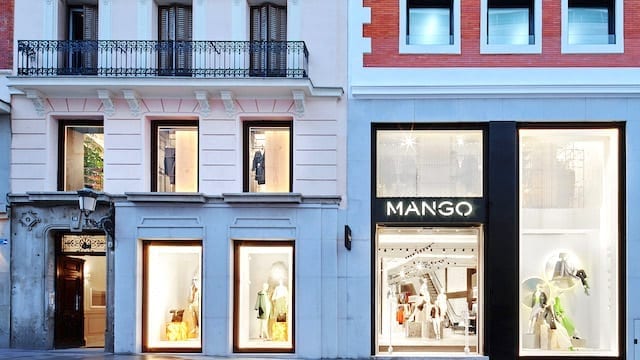
    Amidst all this, Spanish fashion retailer Mango is all set to enhance its bricks-and-mortar presence in the US.

    The clothing retail giant has expressed its plans to roll out 3 stores in the first quarter of next year.

    Notably, the new stores will be opened in 3 major US shopping centres that are run by the renowned Simon Property Group.

    The Spanish retailer strategically picked the 3 locations – Menlo Park Mall, Edison, New Jersey; Dadeland Mall, Kendall, Florida and Roosevelt Field, Garden City, New York – to jumpstart the expansion of its ‘Mediterranean’ label to US consumers.

    The retailer has been continuously putting efforts to improve its brand recognition in the US through digital and wholesale network and now the focus is on enhancing the presence of its physical stores.

    Excited over introducing Mango to American fashion consumers, Zachary Beloff, National Director of Business Development, Simon, said that Mango is a world famous brand and Simon believes the brand has a strong bricks-and-mortar future in the US.

  • Thai department stores must revise business models to stay relevant

    Thai department stores must revise business models to stay relevant

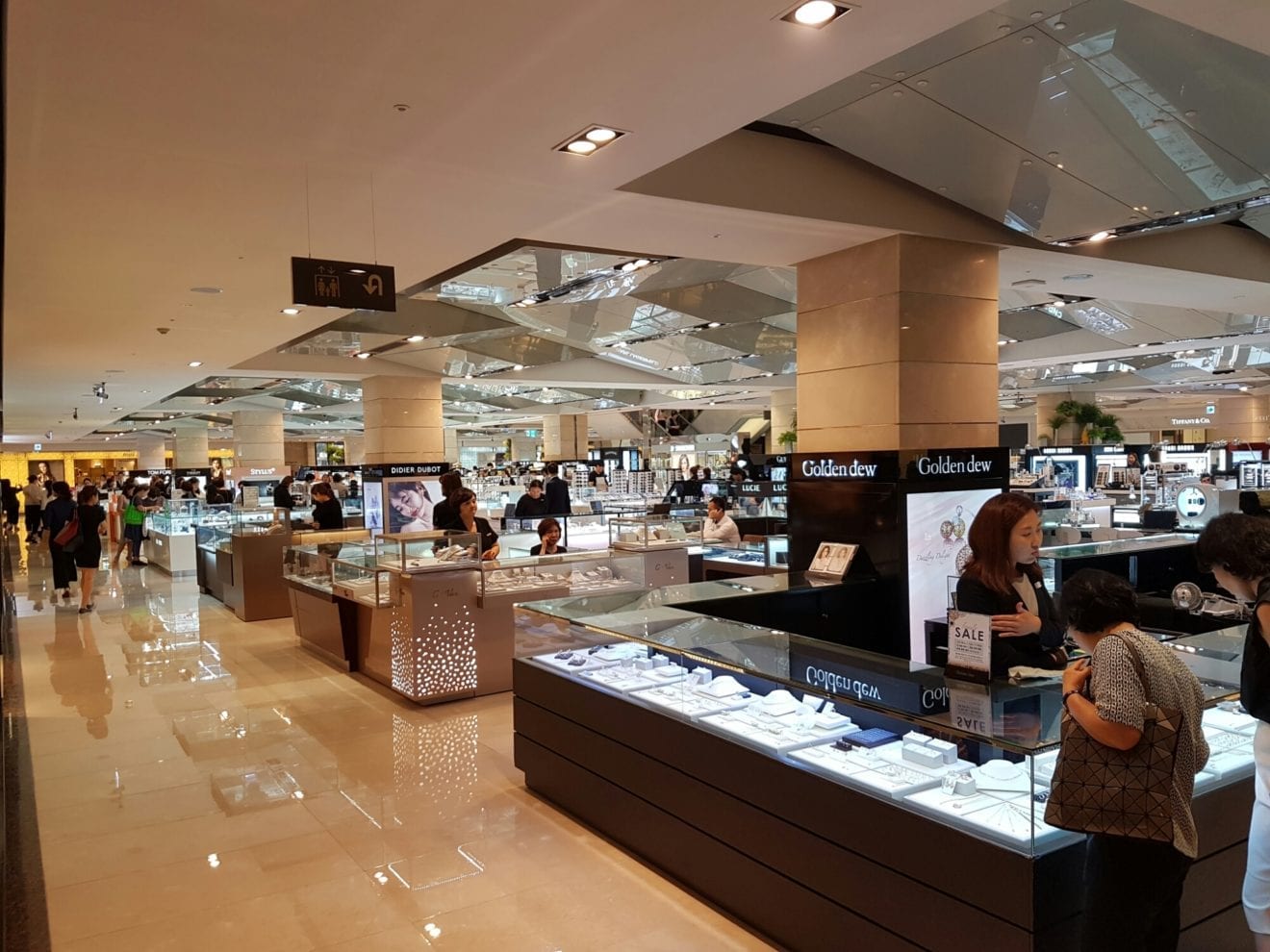
    While department stores have been a familiar destination for Thai people for many decades, CBRE, an international property consultant, is witnessing a decline in popularity and stunted growth, particularly in 2020 when Covid-19 adversely impacted the sector. CBRE believes that to adapt to e-commerce disruption and the changing consumer behaviour, department stores in 2021 (and beyond) will have to fine-tune their business model in terms of customer shopping experience, inventive activities and value-added programmes to continue their status as the second home for Thai shoppers.

    Jariya Thumtrongkitkul, Head of Advisory and Transaction Services – Retail, CBRE Thailand explained… “While department stores offer shoppers convenience, saving them time with many varieties of goods grouped in different departments and allowing the shoppers to find and compare products and choose what they want, the traditional department store model does not fit the needs, lifestyle and behaviour of its shoppers anymore, especially the new generations.”

    According to CBRE Research, the total retail supply in Bangkok as of Q4 2020 increased to 7.8 million square metres, a 1.16% increase year-on-year. Out of this, only approximately 3% was reported within the department store format. The department store market in Thailand is mainly dominated by two domestic retail giants, with Central Group and The Mall Group holding the largest market shares. They do not only concentrate in Bangkok, but have also opened department stores in many major cities throughout the country which allowed them to build bigger networks and grow their customer base.

    In the past few decades, Japanese investors had also shown interest in entering the Thai market and offered local features that are well-known in Japanese department stores: simplicity, premium quality and services. However, with strong competition many Japanese department store operators have ceased their expansion plans. Some have exited the country due to the fierce competition against the local players, their performance in Thailand and the shrinking Japanese department store business, especially in overseas countries.

    “The department store concept as a one stop shopping place is still in demand for certain groups of customers. However, with the e-commerce disruption and changing consumer behaviour, department store operators need to adapt their models, offerings and value-added services to their customers to cope with the challenging economic and market conditions.”

    Adaptability of department stores can be highlighted into 3 main parts: customer shopping experience, inventive sales and marketing activities, and value-added programmes. While more and more younger generations prefer to shop online to save time and money, the brick-and-mortar store is still believed to be the second home for Thai shoppers. Department stores should be more agile in the era of e-commerce and adopt some technological innovations such as in-store automation and mobile payment solutions to reach the younger crowds.

    Design is another aspect that plays an important part in customer shopping experience. Department stores can be more creative in remodelling traditional department store space into some ingenious and interactive space with a great design and right product portfolio mix for their customers.

    The Mall Group, for example, has launched its first “Lifestore” concept at The Mall Ngamwongwan at the end of 2020 by redesigning and renovating its traditional department store space to enhance customer shopping experience and enjoyment.

    The second part to be considered for the adaptability comprises inventive activities related to sales and marketing. The prices of products being sold in a department store are normally set high to cover the higher establishment and operating costs by operators, narrowing their target to only upper- to high-income customers.

    Brand offerings may also no longer meet fast-changing customer needs since today’s shoppers have more choices in buying products online, not to mention the declining footfall due to the growth of e-commerce. CBRE Research has seen domestic players pushing hard to drive sales growth via numerous promotions, marketing campaigns and activities and collaboration with credit card companies during seasonal sales.

    The third part consists of value-added programmes such as personal shopper, customer loyalty programme, on-demand solution and service personalisation, which have become a new trend as customers, including the aging population, are now more sophisticated and demanding.

    The retail landscape has changed drastically in the past few years from various factors like technological advancement, consumer behaviour and preference as well as Covid-19. Cookie-cutter strategy will be a thing of the past, especially for department stores where the format and offerings have remained the same for decades.

  • HSBC Hires Ex-SSGA ETF Capital Markets Head for Asia

    HSBC Hires Ex-SSGA ETF Capital Markets Head for Asia

    HSBC’s asset management arm the former Asia Pacific head of ETF capital markets from State Street Global Advisors.

    HSBC Global Asset Management hired Jacqueline Pang in the newly created Hong Kong-based role of APAC head of exchange-traded fund sales, according to a statement, reporting to global head of ETF sales Olga De Tapia. She will be tasked with expanding HSBC Global Asset Management’s ETF business, including sales and distribution.

    Pang is a 20-year investment management veteran and was previously with SSGA for eight years. Prior to that, she was with Amundi Asset Management for five years where she ran its capital markets business and overseeing ETFs covering brokers and market makers across Europe.

    «ETFs are one of the fastest-growing investment products in Asia and we’re expanding our sales team to continue to meet the investment needs of our Asian clients,» said de Tapia. «[Pang] extensive client-facing and ETF market experience will be invaluable to help grow our ETF platform in the region.»

  • Courts Singapore to open giant flagship where Robinsons vacated The Heeren

    Courts Singapore to open giant flagship where Robinsons vacated The Heeren

    Home appliance megastore Courts will take over the prime retail space at The Heeren which was recently vacated by retail stalwart Robinsons and make the outlet its new flagship store.

    The flagship store will occupy all six storeys of The Heeren’s retail space, making it Courts’ largest outlet in Singapore when it opens in the first quarter of 2022.

    When completed, the Heeren store will span 189,000 sq ft and replace the Tampines megastore as the chain’s flagship outlet.

    Swee Cheng Holdings, which owns The Heeren, said Courts fitted into its long-term plans for the mall but added that it has also been approached by other parties.

    “In view of the uncertainties arising from a prolonged Covid situation, we are confident that Courts’ proposed retail plans will do well at The Heeren,” it said.

    Echoing similar sentiment, Ms Esther Ho, director of Nanyang Polytechnic’s School of Business Management, said: “With customers not traveling, many are likely to dress up their homes and invest in consumer electronics. It’s good that Courts is moving quickly to capture this segment of customers during this period.”

    Its opening will also mark Nojima Corporation’s first overseas venture into a large-format store concept in a central location of Singapore.

    The Japanese consumer electronics giant had acquired Courts in 2019.

    On Courts’ choice of The Heeren as its newest location, Courts Singapore chief executive Hoang Duc Thanh Matthew said: “The Heeren is still a symbolic landmark located right in the heart of Orchard Road and we believe it holds great potential as a central location within the shopping belt.”

    “Coupled with the Urban Redevelopment Authority (URA)’s long-term plans to rejuvenate Orchard Road as a lifestyle destination, we envision that the new flagship store will contribute to the vibrancy of the retail sector.”

    Currently, Courts has one outlet in Orchard, at 228 Orchard Road. A Courts spokesman told The Straits Times that the outlet has been performing well and will remain in operation for now.

    “We will review our plans again once the flagship store is up and running,” said Courts.

    The Orchard shopping belt was also home to its first store here, which opened in 1974.

    “We are looking forward to expanding our presence in Orchard Road to where it all began and raise the bar further in offering Singaporeans innovative and experiential retail experiences while shopping for electronics and home furnishings,” said Courts.

    In 2017, the URA said in a joint statement with Singapore Tourism Board that they are looking into implementing an “actionable Orchard Road Blueprint”.

    The authorities said the blueprint was to guide the precinct’s development over the next 15 to 20 years.

    Courts’ announcement comes after Robinsons closed its flagship store at The Heeren on Dec 16.

    This was followed shortly after by the closure of its last outlet at Raffles City last Saturday.

    The department store announced on Oct 30 the closure of its last two outlets here, saying the decision to liquidate was prompted by a range of factors, including changing consumer tastes and cost pressures such as rent.

  • Uniqlo owner Fast Retailing’s operating profit beats pre-pandemic level

    Uniqlo owner Fast Retailing’s operating profit beats pre-pandemic level

    The owner of Japanese clothing chain Uniqlo said on Thursday its quarterly operating profit beat pre-pandemic levels with the help of China’s resurgence and solid demand for comfortable roomwear such as stretchy jogging pants.

    Fast Retailing’s quarterly profit rose to 113.1 billion yen (S$1.44 billion), up 23 percent from a year earlier when the novel coronavirus outbreak had yet to emerge.

    The market’s consensus forecast was for 104.7 billion yen, although its quarterly sales of 619.8 billion yen missed the market’s view of 640 billion yen, according to the average of analysts’ forecasts from Refinitiv.

  • Porsche Sold More Than 20,000 Taycans In 2020

    Porsche Sold More Than 20,000 Taycans In 2020

    Porsche announced that it has sold 20,015 units of the Taycan all-electric car in 2020. The company has been able to achieve this feat even after the disruption caused due to the coronavirus pandemic. The company had shut down all production activities for 6 weeks and this, when the company was ramping up production as many markets globally, were planning premieres in the coming months.

    It needs to be noted here that Porsche sold a total of 4480 Taycans from January to June 2020, and 6464 units were sold in the next 3 months. Therefore in the first 9 months of 2020, the company had sold more than 10,000 units of the car and the next 10,000 took just about 3 months, showing how strong the demand is for the all-electric sedan.

    Detlev von Platen, Member of the Executive Board for Sales and Marketing at Porsche AG said, “The coronavirus crisis posed a great challenge from spring 2020 onwards. Nevertheless, we were able to keep deliveries comparatively stable for the year as a whole. Our fresh, attractive product range, the successful start of the Taycan as the first all-electric Porsche and the charisma of our brand – all this contributed to this positive result despite the difficult times.”

    The Porsche Taycan is scheduled to hit the Indian shores as well very soon. We know that it’s good because we’ve driven the car and told you all about it. The Porsche Taycan sports two permanently excited synchronous electric motors that can churn out a maximum of 600 bhp and will a range of over 500 km thanks to its high voltage lithium-ion batteries. The electric car will get 800-volt chargers with fast charging capability, which can offer a 400 km range in 15 minutes of charge time. It can go from 0-100 kmph in under 3.5 seconds.

  • UBS Poised for Indian Fintech Deal

    UBS Poised for Indian Fintech Deal

    Swiss bank UBS is reportedly poised to pour several hundred million into a payments start-up in India. The investment is alongside some of the Swiss wealth manager’s ultra-rich clients.

    Zurich-based UBS is negotiating a $400 million investment in Paytm, an Indian e-commerce payment system reported on Thursday, citing people close to the talks. The bank’s asset management arm wants to co-invest with UBS’ wealthy clients, the outlet reported – which would mark one of the largest such deals.

    The ten-year-old fintech was valued at $16 billion in its last round of financing two years ago. It competes with services like Google Pay or WhatsApp’s payment service, as well as regional start-ups.

    UBS is attempting to buy shares from Paytm employees, the news service reported. It doesn’t appear to be a done deal yet: «UBS aims to finalize an agreement as soon as this month, though talks could still be delayed or fall apart,» «Bloomberg» reported from sources.

    Paytm counts Softbank, Ant Financial, Berkshire Hathaway, and asset manager T. Rowe Price, among its investors. Its CEO, Vijay Shekhar Sharma, said this week Paytm could turn a profit as soon as this year.

  • Kawai Malaysia, The Japanese Zen Style Flagship Store, Opens in Malaysia

    Kawai Malaysia, The Japanese Zen Style Flagship Store, Opens in Malaysia

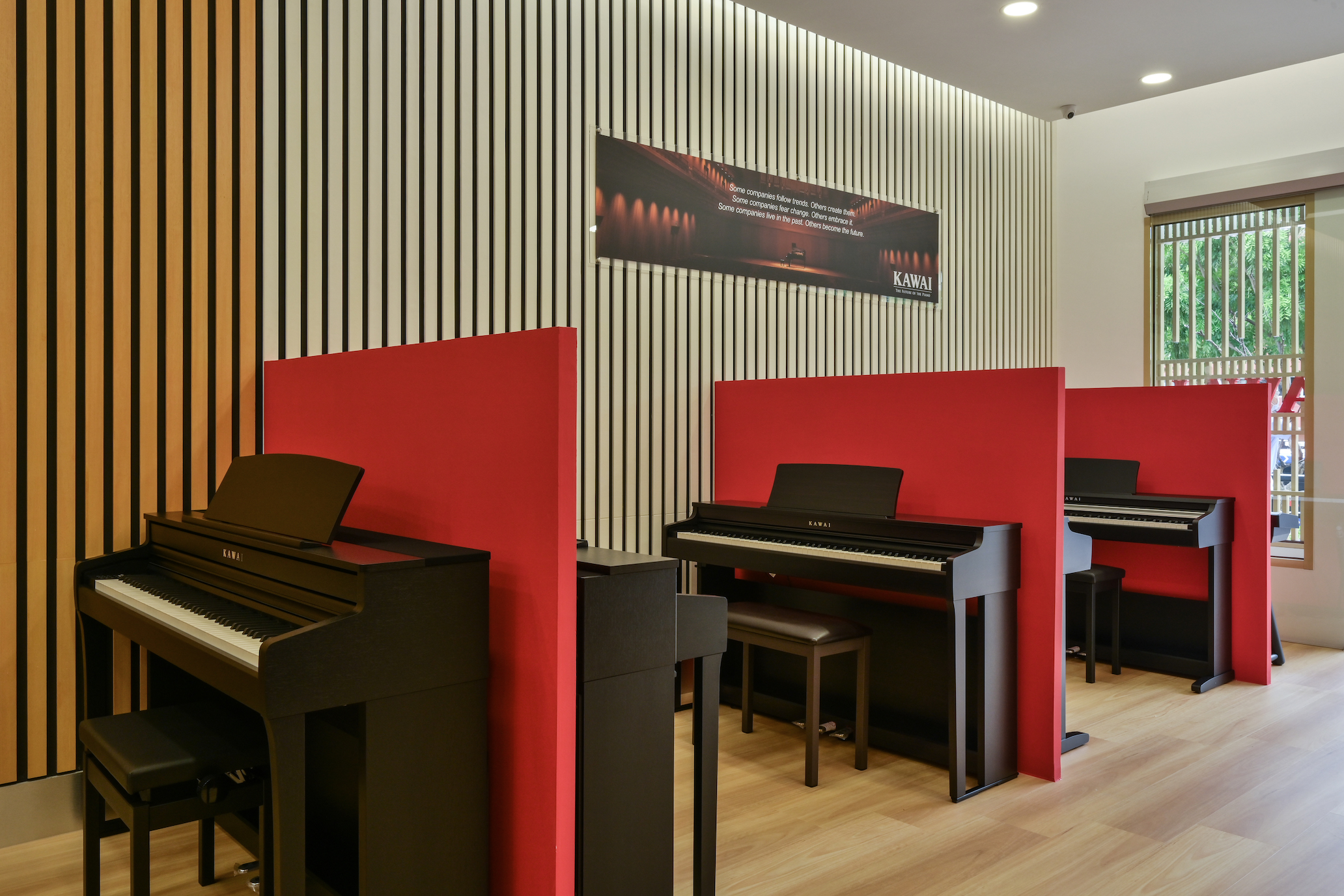
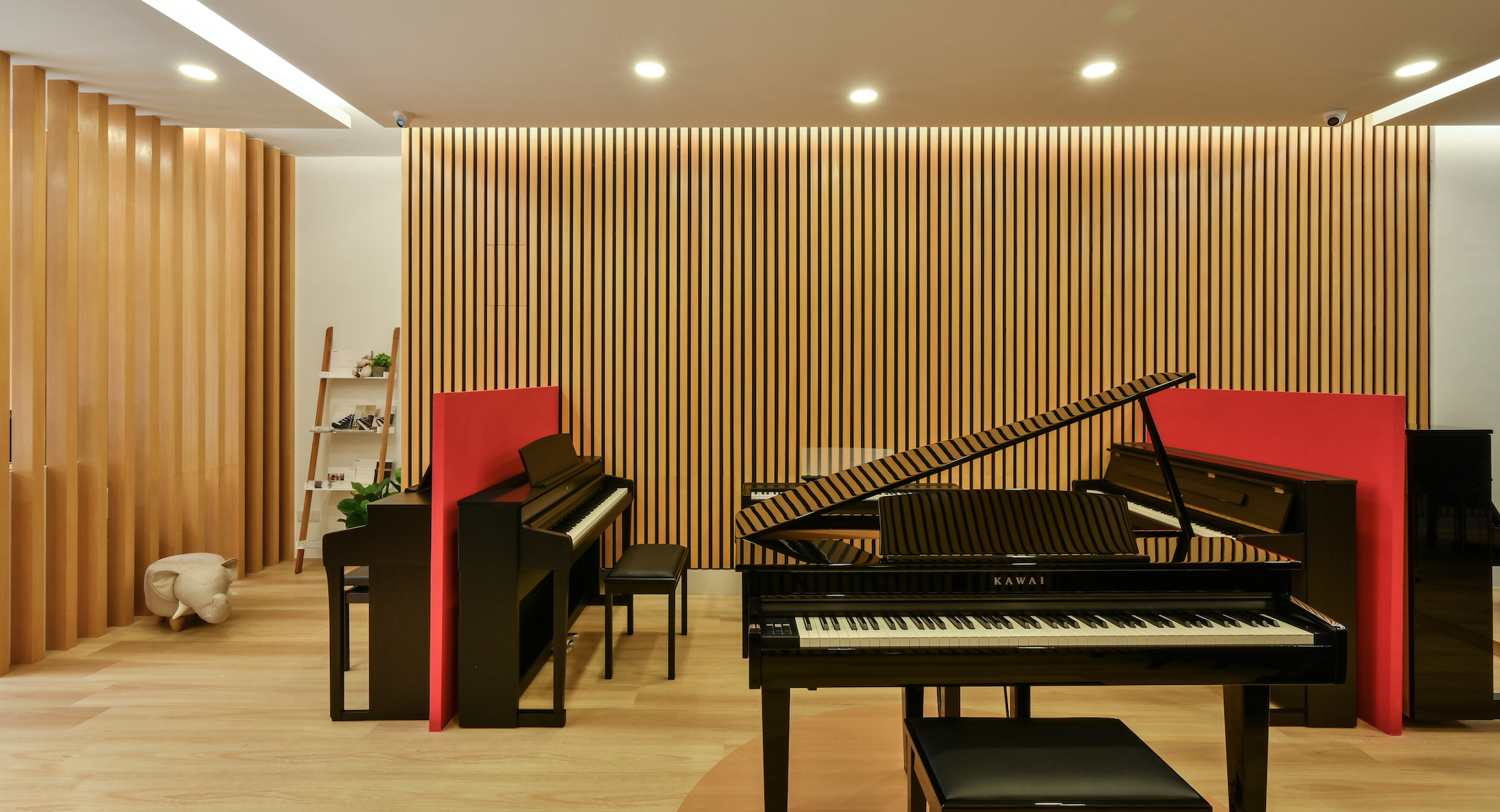
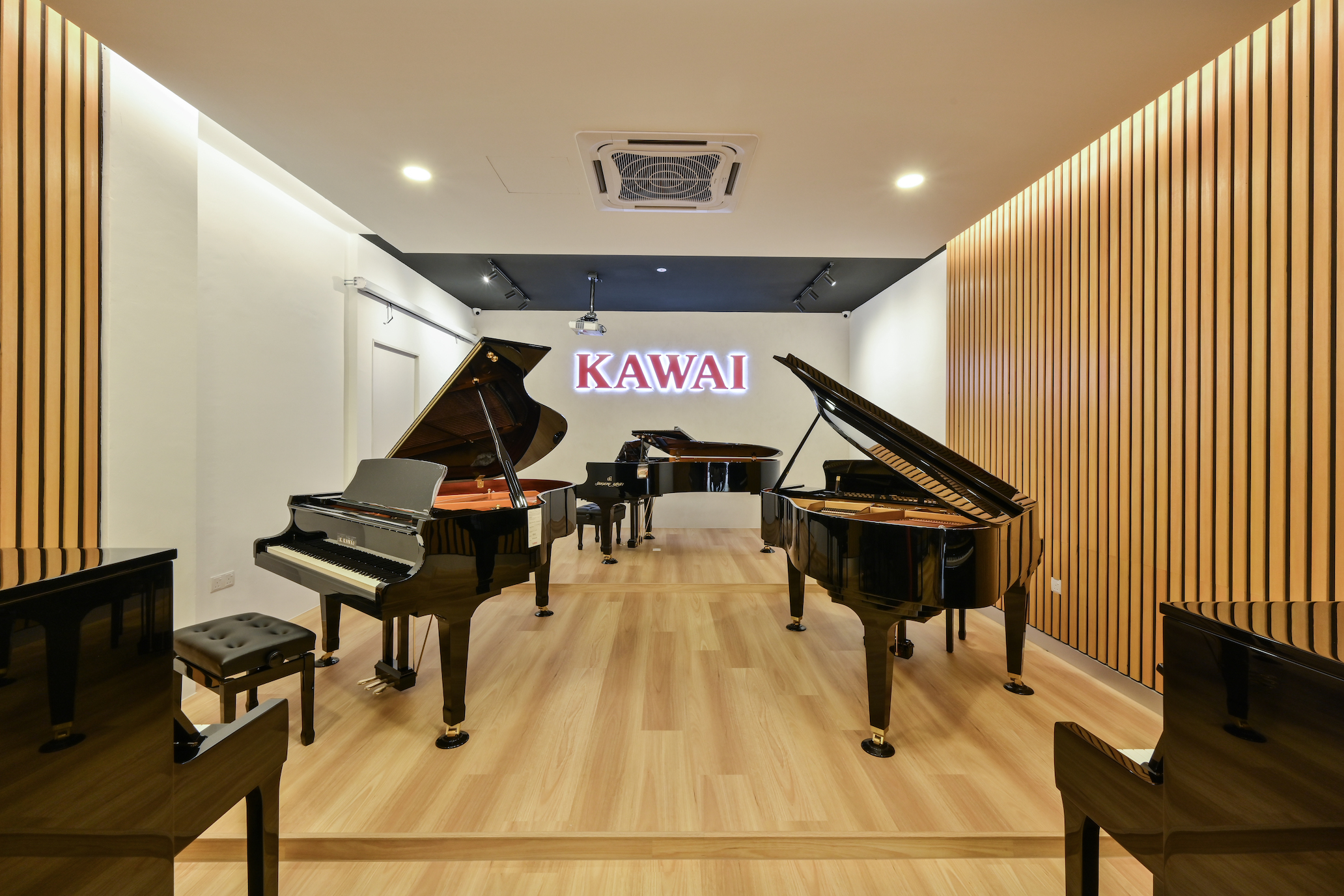
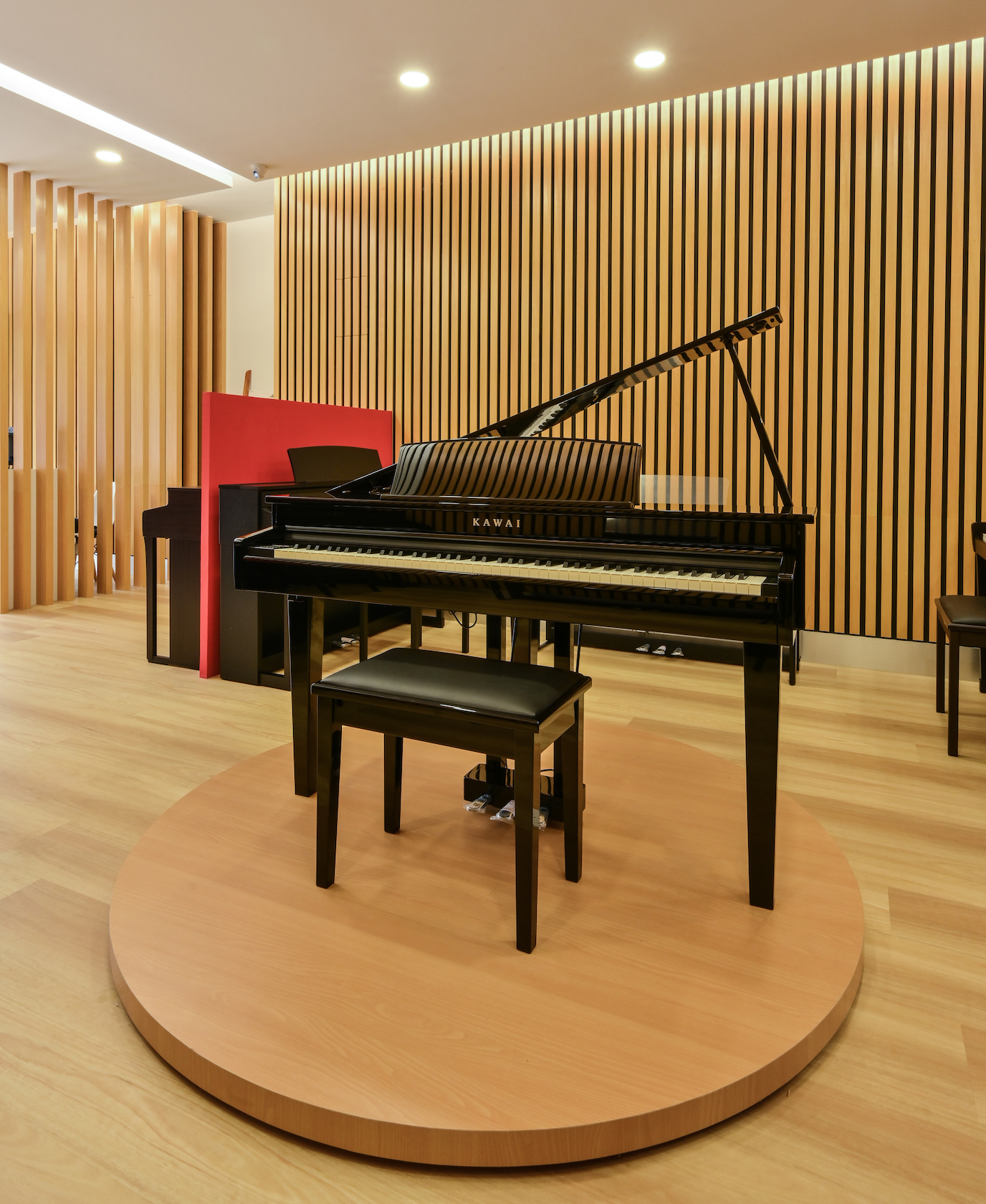
    The founder of the Kawai Malaysia showroom has announced the opening of his flagship store in Malaysia. Kawai Malaysia is an amazing showroom built to showcase a large variety of musical instruments and their accessories. The store comprises a Japanese Zen style interior design concept store, the first one of its kind in Malaysia. With the goal of perfecting the art of the pianos, Kawai’s master craftsmen strive to get the best patterns, designs, and new materials to adhere to the latest piano standards. The piano models on display combine the very latest digital sound technology with the most advanced key action designs to beautifully capture the essence of playing a fine concert grand piano.

    A spokesperson for Kawai Malaysia said, “The future of the piano lies in the fact that the imaginative spirit of Koichi Kawai, our founder, laid an ambitious foundation for all who would follow and is the primary reason why the name Kawai has been synonymous with our innovations since 1927”

     Perfecting the art of pianos, a brand-new showroom for musical instruments is now open to the public

    Over the last 30 years, Kawai digital piano designers have worked side-by-side with their acoustic piano counterparts to create an extraordinary range of digital instruments. It is this hard-earned synergy of complementary skills that has made Kawai digital pianos some of the most highly praised instruments in global music products industry. Indeed, Kawai is one of the most celebrated companies in the category, having received over 50 major international awards for product and service excellence.

    Kawai Malaysia features a beautiful showroom at the ground level. The second floor houses Kawai’s service center headquarters. From digital to acoustics, all varieties of the latest models of pianos are also available at the showroom. Kawai Malaysia has initiated many of the piano industry’s most captivating and useful innovations, including the aluminum action rails, slow-close fallboards, hard finish music desks, and revolutionary use of ABS. The three main types of Kawai pianos, upright, digital, and hybrid are all found at the Kawai showroom.

    Kawai Malaysia follows the unique designs and patterns of the Zen philosophy. Using soft tones and neutral colors like shades of greys and whites which are meant to be relaxing, contemporary, and appealing. The founder of Kawai Malaysia has used natural materials and innovative ideas for structuring magnificent interior designs. Using simple furniture and grandeur decorations induces the power of serenity and purity in the customers.

    Always searching for new materials and technologies, Kawai Malaysia improves the tone, touch, stability, and durability of a piano and enhances the piano actions. The company’s passion for innovation also extends to electronics, where Kawai created some of the industry’s earliest digital pianos with real wooden keys. Kawai was also among the first to offer built-in recorders and affordable digital pianos with real wooden soundboards.

    For more information on Kawai Malaysia, visit:

    Website :           www.kawaipiano.com.my

    YouTube:         www.youtube.com/channel/UCXuWrOXAJuo6auhTuKUS8GA

    Facebook:        www.facebook.com/kawaimalaysiaofficial

    Instagram:        www.instagram.com/kawaimalaysia/

  • Korean startup translates dog barks using AI

    Korean startup translates dog barks using AI

    A South Korean startup has developed an AI-powered dog collar that can detect five emotions in canines by monitoring their barks using voice recognition technology.

    The Petpuls collar can tell pet owners through a smartphone application if their dogs are happy, relaxed, anxious, angry or sad. It also tracks dogs’ physical activity and rest.

    “This device gives a dog a voice so that humans can understand,” Andrew Gil, director of global marketing at Petpuls Lab said.

    The company began gathering different types of barks to analyse dogs’ emotions in 2017. Three years later, they developed a proprietary algorithm based on a database of more than 10,000 samples from 50 breeds of dogs.

    “I thought she was just happy when she played and felt sad and anxious when I wasn’t home…actually she felt angry when she lost a game she played with me, like how humans feel,” said Moon Sae-mi, who has a six-year-old Border Collie.

    The collar has a 90 percent average accuracy rate of emotional recognition, according to Seoul National University, which tested the device the company says is the first of its kind to be powered by AI voice recognition technology.

    Petpuls Lab started marketing the collar online in October last year at $99.

    The global pet care market was worth $138 billion in 2020, up 34 percent, Euromonitor data showed, as more people spent time at home with their pets or adopted pets during the COVID-19 pandemic. The global dog population also grew 18% the same year to 489 million.

    “More people began to adopt dogs, but unfortunately some of them abandoned their dogs due to miscommunication,” Gil said. “Petpuls can have an important role in the pandemic…it helps owners understand how dogs feel and increase their bonding.”

  • Coach launches Disney Mickey Mouse x Keith Haring Line

    Coach launches Disney Mickey Mouse x Keith Haring Line

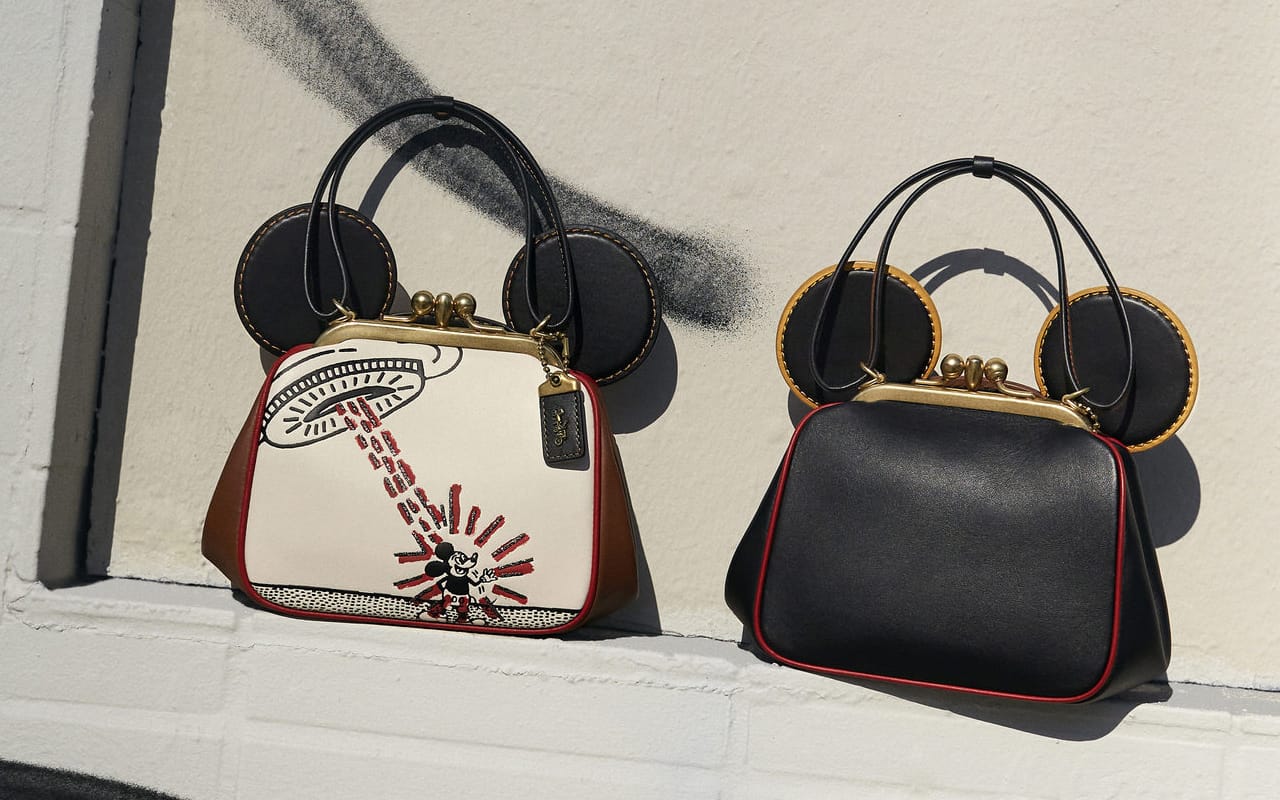
    What happens when two American icons get together? A new collection that paints Disney’s Mickey Mouse in a whole new light. Stuart Vevers isn’t the only one who was inspired by the art of Walt Disney. Artist Keith Haring learned to draw Mickey Mouse from a Disney “how-to-draw” book at his grandmother’s house, and considered following in Disney’s footsteps by becoming a cartoonist. Although that didn’t come to pass, it did pave a path that ultimately led Haring to study fine art. Those initial references never left him and became a part of his now-famous style.

    Now Vevers, creative director of Coach, has created the Disney Mickey Mouse x Keith Haring collection of apparel and accessories. A campaign, created in collaboration with photographer Alessandro Simonetti features Kaia Gerber, Cole Sprouse, Koki, Xiao Wen Ju and Myles O’Neal and was shot in the streets in Vancouver, Los Angeles, Guangzhou and Tokyo, in scenes intended to be reminiscent of New York in the Eighties, where Haring lived and worked.

    The collection of glove-tanned leather bags topped with Mickey Mouse ears, along with shearling jackets, totes and sweatshirts, is printed with Haring’s illustrations of the famous rodent from the Eighties. The special-edition collection celebrates Pop Art and is intended to reflect Haring’s belief that art should be for everyone. The illustrations used on the line include Andy Mouse, Haring’s interpretation of his hero, Andy Warhol, drawn as Mickey Mouse.

    “Sometimes the best design comes from the most unlikely juxtapositions, and I can’t think of a cultural clash that brings me more joy than Mickey Mouse and Keith Haring,” Vevers said. “Ahead of its time when it was first made, this art feels so timely today as we can celebrate and appreciate the diverse work of great creators whoever they may be, without social boundaries. As my collections over the years have shown, I love Disney and I love Keith Haring, so this collaboration makes for my ultimate treat.”

  • Tata Motors’ Global Wholesales Grew 1% In Q3 FY2021

    Tata Motors’ Global Wholesales Grew 1% In Q3 FY2021

    Tata Motors has released the Group’s global wholesales numbers for the third quarter of Financial Year 2020-21. In the quarter that ended on December 31, 2020, Tata Motors Group’s global wholesales stood at 2,78,915 units (including Jaguar Land Rover), registering a marginal 1 percent growth as compared to what the company sold during the October-December period in 2019. However, compared to the second quarter that ended on September 30, 2020 (Q2 FY2021), when the company’s total wholesales were 2,02,873 units, Tata has witnessed a 37 percent growth.

    Between October and December 2020, the Tata Motors Groups passenger car wholesales stood at 1,88,550 units, witnessing a growth of 4 percent compared to Q3 FY2020. Out of this, global wholesales from Jaguar Land Rover alone accounted for 1,19,658 vehicles, which includes the 17,078 vehicles sold by CJLR the joint venture between JLR and Chery Automobiles, in Q3 FY21. Jaguar’s wholesales for the quarter were 22,466 vehicles, while Land Rover’s wholesales for the quarter were 97,192 units.

    Tata Motors vehicle sales in the domestic market have also been quite impressive in the previous quarter. Between October and December 2020, the company’s total Passenger Vehicle (PV) sales stood at 68,803 units, registering a massive 89 percent growth as compared to Q3 FY2020, when it sold 36,354 units. It was Tata’s highest-ever quarterly results for passenger vehicles in 33 quarters or over eight years.

    At the same time, the Group’s global wholesales from commercial vehicles, including, the Tata Daewoo range in Q3 FY21 were at 90,365 units, witnessing a decline of 4 percent, compared to what to company sold in Q3 FY20.

  • Tesla To Set-up Operations In Bengaluru, Registers Indian Subsidiary

    Tesla To Set-up Operations In Bengaluru, Registers Indian Subsidiary

    The wait is nearly over as American electric carmaker Tesla is all set to set-up operations in India and zeroed down on Karnataka, as its preferred state to set-up its headquarters. The electric auto giant has registered its Indian subsidiary under the name ‘Tesla India Motors and Energy Private Ltd’, which was incorporated in Bengaluru on January 8, 2021. The company is expected to commence operations by June this year and the first product to be made available will be the Model 3 sedan, according to reports.

    According to the document filed with the Ministry of Corporate Affairs, Vaibhav Taneja, Venkatrangam Sreeram, and David Jon Feinstein have been named as directors. The company has been registered as a private unlisted company with an authorized capital of ₹ 15,00,000 and a paid-up capital of ₹ 100,000. The document also reiterates Tesla co-founder and CEO, Elon Musk’s tweet last year that said the automaker would enter India “next year for sure.

    India has been on Tesla’s radar since 2016 but plans did not materialize despite a number of speculations. It was also reported recently that state governments including Maharashtra, Andhra Pradesh, Tamil Nadu, and Karnataka had talks with the automaker to set-up operations in their region, while the company is also considering local partnerships. Reportedly, the Karnataka government has already offered a land parcel to Tesla in Tumkur, on the outskirts of Bengaluru, to set-up a manufacturing facility.

  • General Motors Unveils Futuristic Flying Cadillac Concept Vehicle

    General Motors Unveils Futuristic Flying Cadillac Concept Vehicle

    General Motor on Tuesday presented a futuristic flying Cadillac – a self-driving vehicle that takes off and lands vertically and carries the passenger above the streets and through the air. A senior GM executive described the concept as “reimagining the future of personal transportation”. The single-passenger Cadillac – technically, a vertical take-off and landing (VTOL) drone – will be able to travel from urban rooftop to urban rooftop at speeds up to 55 miles per hour.

    It is fully autonomous and all-electric, with a 90kW motor, a GM Ultium battery pack and an ultra-lightweight body with four pairs of rotors.

    The flying Cadillac was presented in a video as part of a virtual keynote presentation by Chief Executive Mary Barra, along with a family-friendly Cadillac electric shuttle.

    Barra last year revealed the automaker was exploring such alternative transportation modes as aerial taxis.

    The concepts in the CES video were introduced by GM design chief Mike Simcoe, who described the VTOL as “the Cadillac of urban air mobility”.

    “VTOL is key to GM’s vision for a multimodal future,” he said.

    The autonomous Cadillac shuttle, described in the video as “arriving soon,” features a boxy silhouette that recalls the Cruise Origin, also designed by Simcoe’s team. It features fore and aft sliding doors and a panoramic glass roof.

    The cabin has wraparound lounge-like seating, plus biometric sensors, voice control and hand gesture recognition.

    GM declined to disclose further details.

    Other automakers, including Toyota Motor, Hyundai Motor and Geely Automobile, have previously have shown concept aerial vehicles as part of their future planning.