Tag: asia

  • MediaTek teases unveiling of new flagship chip

    MediaTek teases unveiling of new flagship chip

    Last month, we might have surprised you by passing along Counterpoint Research’s third-quarter report on the top suppliers of chips to the smartphone industry. Instead of seeing Qualcomm’s name at the top, MediaTek led the way by supplying manufacturers with 31% of the smartphone chips sent to manufacturers during the quarter. And now the chip designer has put up a teaser on its official Weibo account calling for a January 20th announcement of new Dimensity chipsets.

    The company wrote on Weibo “On January 20, the new products of the Dimensity series will meet with you. Brand new products, superior technology, and upgraded experience. While MediaTek didn’t reveal much information about the component, sources are saying that one of the new chips will be the MT689X. The latter could be MediaTek’s next flagship chip manufactured using the 6nm process node.

    The 5nm A14 Bionic chipset used on the Apple iPhone 12 series is the most cutting-edge chip used on a smartphone at the moment. Soon, the 5nm Exynos 2100 and Snapdragon 888 will be employed on the Samsung Galaxy S21 line. The lower the process number, the higher a chip’s transistor density and the more powerful and energy-efficient a chip is.

    MediaTek’s 6nm chip, the MT689X, will feature the Mali G-77 GPU. ARM’s high-performance Cortex-A78 core will also be included. And based on an Antutu benchmark test, the new chip will be similar in performance to Qualcomm’s top-of-the-line 2020 chip, the Snapdragon 865+. The new 6nm chip is expected to be employed in smartphones that are priced in the neighborhood of $300.

    The fact that the chip designer’s components find favor with manufacturers producing lower-priced devices is one of the reasons why MediaTek’s Dimensity line has been so successful. In the middle of a global pandemic that has destroyed consumers’ finances, many are settling for lower-priced handsets and tablets, especially in developing countries.


  • Millions of WhatsApp users join Telegram as Facebook forces them to give up their data

    Millions of WhatsApp users join Telegram as Facebook forces them to give up their data

    Facebook informed WhatsApp users last week that in order to continue to use the app, they will have to agree with the company’s updated privacy policy. That wouldn’t be unusual unless the new policy requires WhatsApp users to allow the company to share their information with Facebook and its associated firms.

    About three years ago, WhatsApp introduced this option with the promise that it will “help operate, provide, improve, understand, customize, support and market it services and offerings,” but users could opt-out from this trial.

    Unfortunately, this has become mandatory this year, so those who don’t comply won’t be able to use WhatsApp starting February 8. Well, it looks like Facebook’s decision had drastic repercussions for its customer database.

    Telegram, a similar messenger service with a lot less users, has just announced a surge in the number of active users immediately after Facebook’s announcement. First, the founder of the company, Pavel Durov, pointed out that Telegram surpassed 500 million monthly in the first week of January 2021.

    More importantly, soon after WhatsApp announced the new changes, Telegram reported a massive surge in a number of users. No less than 25 million users joined Telegram in the last 72 hours. According to him, most of them are coming from Asia (38%), Europe (27%), and Latin America (21%).

    Apparently, this is an important increase compared to last year, when “just” 1.5 million users signed up every day. Durov went on to say that while Telegram had surges of downloads before, “this time is different.”

  • Dr. Martens set for London IPO, valuing shoe brand at US$2.7 billion

    Dr. Martens set for London IPO, valuing shoe brand at US$2.7 billion

    The British footwear brand Dr. Martens is planning a £3bn flotation, more than 60 years after its first pair of boots were stitched together in Northamptonshire.

    Best known for its 1460 boot featuring its trademark yellow stitching and chunky soles, the company expects to float at least 25% of the business on the London stock market.

    It comes nearly seven years after Dr Martens was bought for £300m by the private equity group Permira. Sales under its ownership have surged, rising from £160m in 2013 to £672m in the year to March 2020. Sources close to the plans said the shoe company expects to seek a valuation of about £3bn.

    The brand, which sells 11m pairs of shoes and boots a year across more than 60 countries, managed to grow throughout the pandemic, despite lockdowns that forced its 130 high street stores to close. Dr Martens reported an 18% rise in sales to £318m in the six months to September, while profits grew by a third to £86.3m. The majority of sales come from the wholesale business, which sells to third-party retailers.

    The first pair of Dr. Martens made in the UK was in 1960 at its original factory in Northamptonshire, where one of its two main offices is still based. The boots grew in popularity over the following decades, first adopted by skinheads in the 1960s, and later becoming fashion staples among punks, goths, and schoolgirls.

    However, Russ Mould, the investment director at broker AJ Bell, said there were some “red flags”, including consumer complaints about the quality of Dr. Martens footwear.

    “Could it be that the business has suffered under private equity ownership? Many investors are skeptical about backing companies that are being sold by private equity, for fear they might have suffered from underinvestment and subjected to a ‘quantity over quality’ approach for production,” Mould said.

    However, some critics have said the alleged deterioration came after it shifted the bulk of its production from the UK to Asia nearly 20 years ago, he said.

    Dr. Martens said it rejected allegations of declining standards and said Permira had continued to invest in the business since its takeover.

    The footwear firm also said on Monday it had diversified its supply chain, and reduced the proportion of shoes made in China from 46% to 32% between 2019 and 2020, but did not link the changes to quality concerns.

    Mould said Dr Martens’ IPO was coming at an interesting time for UK markets, hot on the heels of a Brexit deal and the best-ever start to a calendar year for the FTSE 100. “If ever there was a good time to market a well-known British name to investors, it is now,” he said.

  • VF Corp to relocate business operations out of Hong Kong

    VF Corp to relocate business operations out of Hong Kong

    VF Corp. (VFC), a provider of branded lifestyle apparel, footwear and accessories, announced a transformation plan for its Asia Pacific operations, with relocations over the next 12 to 18 months with the first moves expected in April 2021.

    VF plans to move the center of its brand operations from Hong Kong to Shanghai where the company currently employs approximately 900 office and retail associates.

    In addition, VF also plans to relocate its Asia Product Supply Hub from Hong Kong to Singapore.

    The company also plans to establish an additional shared services center for the region in Kuala Lumpur, Malaysia.

    VF noted that Hong Kong will remain a key retail market for the company and its brands.

    “Today’s announcement reinforces our commitment to investing in our business across the Asia Pacific region, while also supporting VF’s overall transformation plan to become a more consumer-minded, retail-centric, and hyper-digital enterprise,” said Steve Rendle, VF’s Chairman, President and Chief Executive Officer.

  • Versace Macau boutique reopens at Four Seasons

    Versace Macau boutique reopens at Four Seasons

    Versace announced the re-opening of its boutique in Macau. Situated in the upscale Shoppes at Four Seasons, the store is located at the city’s premier luxury destination. Inspired by Medusa’s hypnotic gaze, the boutique has been renovated following a new concept created by renowned architect Gwenael Nicolas.

    An impressive ceiling embellished with concentric golden louvers surrounding a three- dimensional Medusa dominates the space. Visible from every corner of the store, the mythical woman acts as an anchor, a central figure that incorporates the iconic Versace aesthetic into the interior design.

    The imposing ceiling is contrasted with neutral flooring and walls, crafted from luxurious white marble. Envisioned as exclusive, private salons, showcase areas are enriched with plush carpets and cozy blue velvet armchairs. The muted colors of the space highlight the graphic prints and exceptional fabrication of the latest Versace creations. In a further nod to brand heritage, the golden metal display constructions are enriched with Barocco-infused acanthus leaves

    The 369 square meter boutique features a curated selection of women’s and men’s ready-to-wear and accessories.

  • Staples makes US$2.1 billion bid for rival Office Depot

    Staples makes US$2.1 billion bid for rival Office Depot

    Office supplies retailer Staples has made an offer to buy Office Depot owner ODP Corp for US$2.1 billion in cash, nearly five years after its second takeover effort was rejected.

    The US Federal Trade Commission blocked Staple’s $6.3 billion offer in 2016, saying a merger between the two could reduce competition for nationwide contracts for office supplies.

    At the time, the Australian Competition and Consumer Commission (ACCC) gave its tick of the approval of Staples’ proposed acquisition of Office Depot, which trades locally as OfficeMax.

    The two companies agreed to merge in 1996, but the deal was put to rest as a government lawsuit argued the move would have meant higher prices for pens, paper, and other office supplies.

    Staples was a public company when it attempted the acquisition. It went private in 2017.

    Staples said it is prepared to take “all necessary measures” to divest ODP’s B2B Business to a FTC-approved and qualified buyer.

    USR Parent, or Staples, said it would offer $40 per for each ODP share, a premium of 8.2 percent to Friday’s close.

    ODP’s shares rose about 11 percent to $41 before the opening bell.

  • HSBC Becomes First Foreign Fintech in China

    HSBC Becomes First Foreign Fintech in China

    HSBC furthers its expansion in mainland China with the latest launch of a fintech subsidiary based in Shanghai. The British lender announces the opening of the HSBC Fintech Services (Shanghai) Company Limited, according to a media statement, with an eye to scale up its wealth management business in the mainland.

    We believe technology can help provide better customer services, which can spur the growth of the real economy,» said Mark Wang, president, and chief executive officer for China.

    The opening of HSBC Fintech reflects HSBC’s commitment to investing in mainland China and also our support to developing technology and innovation in the financial world.

    The new entity will initially provide centralized technology and data services to the bank’s mobile financial planning offering in the mainland – HSBC Pinnacle Venture – to target customers outside the branch network. Digital tools introduced will cover financial planning, employee benefits, and wellbeing platforms for through a one-stop platform focused on corporates.

    In the future, HSBC Fintech will gradually expand the scope of its services to cover other HSBC entities.

    Through this corporate platform, we hope to provide dedicated financial services traditionally available only to high net worth customers to corporate employees on a broader basis, creating positive commercial value for companies, and bringing mutual benefits to both companies and employees, added Trista Sun, vice chair of HSBC Insurance Asia Pacific and execute director of HSBC Fintech Company.

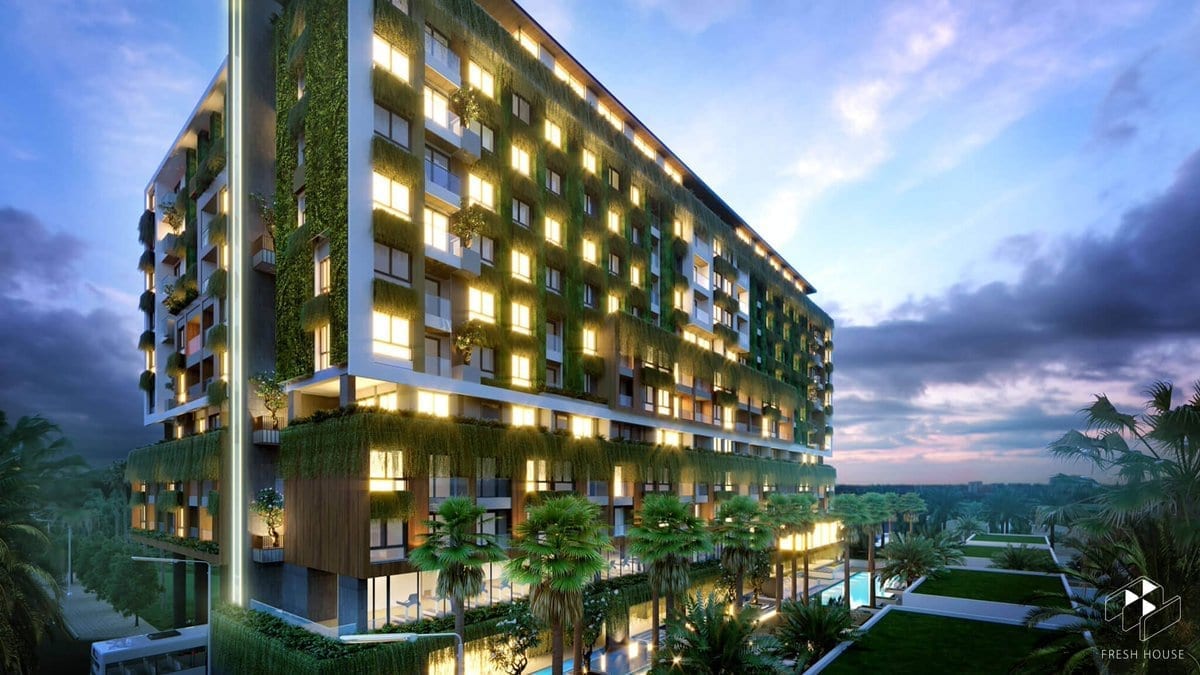
  • Condotel, beachfront villa market slump

    Condotel, beachfront villa market slump

    Resort real estate supply and sales fell to a five-year low last year, according to real estate consulting company DKRA Vietnam.

    Supply of villas fell by 79 percent to 541, and only 239 were sold, an 88 percent decline, it said.

    There were only three new condotel projects with a total of 525 units last year, a 95 percent fall. Sales fell by 96 percent.

    The leading condotel markets like Khanh Hoa, Da Nang, Phu Quoc did not have any new projects.

    Leisure travel fell into the severest crisis in decades. The market is not expected to make a revival in 2021.

    According to some experts, the situation in the resort real estate market in 2020 was partly caused by the changing investor sentiment due to the Covid-19 pandemic.

    However, even before the pandemic, the level of investor interest in resort real estate remained low because of the incomplete legal status for these types of assets and the dispute that broke out over reneged promises of regular returns on investment.

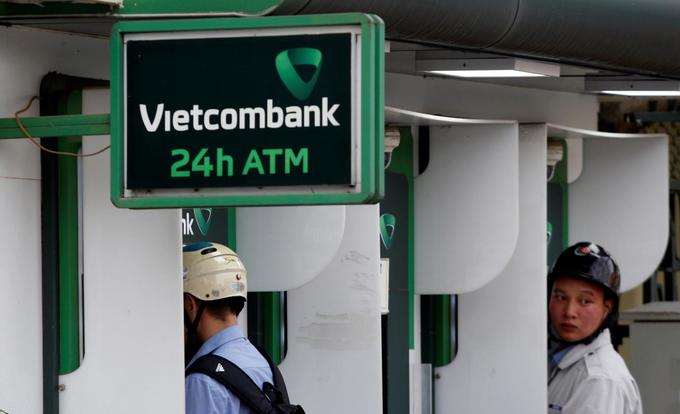
  • Vietcombank targets 12 procent profit growth

    Vietcombank targets 12 procent profit growth

    State-owned lender Vietcombank has announced credit growth and pre-tax profit targets of 12 percent and VND25.2 trillion ($1.09 billion) for 2021.

    The 12 percent credit growth target matches the target set for the banking industry as a whole, the lender said.

    In 2020 Vietcombank’s profit was VND23 trillion, the same as the previous year. It also targets keeping non-performing loans at under 1 percent and achieving a net profit margin of 3.1 percent.

    Last year, non-interest income accounted for 50 percent of total income, up 10.7 percentage points from 2019. Income from treasury operations and investment accounted for 21 percent.

    In April 2020, Vietcombank became an exclusive bancassurance partner of FWD, the insurance arm of Hong Kong billionaire Richard Li’s investment firm Pacific Century.

    Its income from bancassurance was VND1.87 trillion, or 18 percent of non-interest income.

  • International Driving Permits Can Now Be Renewed While Abroad

    International Driving Permits Can Now Be Renewed While Abroad

    The Ministry of Road Transport and Highway (MoRTH) issued a notification about a week ago to the effect that Indian citizens can now renew their International Driving Permit (IDP) while they are abroad, in case their IDP expires. The new amendment allows Indian citizens to apply for renewal of their IDP through Indian embassies and Missions abroad. The said applications will then be moved to the VAHAN portal in India and will be considered for renewal by respective RTOs. After renewal, the IDPs will be couriered by the RTOs to Indian citizens at their respective addresses abroad.

    The amendment also removes the requirement of providing a medical certificate and a valid visa at the time of applying for IDP in India. MoRTH believes that a citizen who has a valid driving license should not have a requirement for another medical certificate. Plus, there are countries that offer a visa on arrival or cases where visas have been issued at the very last moment. Keeping these conditions in mind, the government will now allow IDP applications without a visa.

    The Ministry of Road Transport and Highways (MoRTH) has extended the validity of vehicular documents till March 31, 2021. The Ministry decided to take this step to prevent the spread of COVID-19. MoRTH has also issued a directory to the States and Union Territory administrations regarding the extension for the validity of documents. As per the notification, vehicular documents like fitness certificates, permits, driving license, registration certificates, and others will remain valid till the end of March 2021.

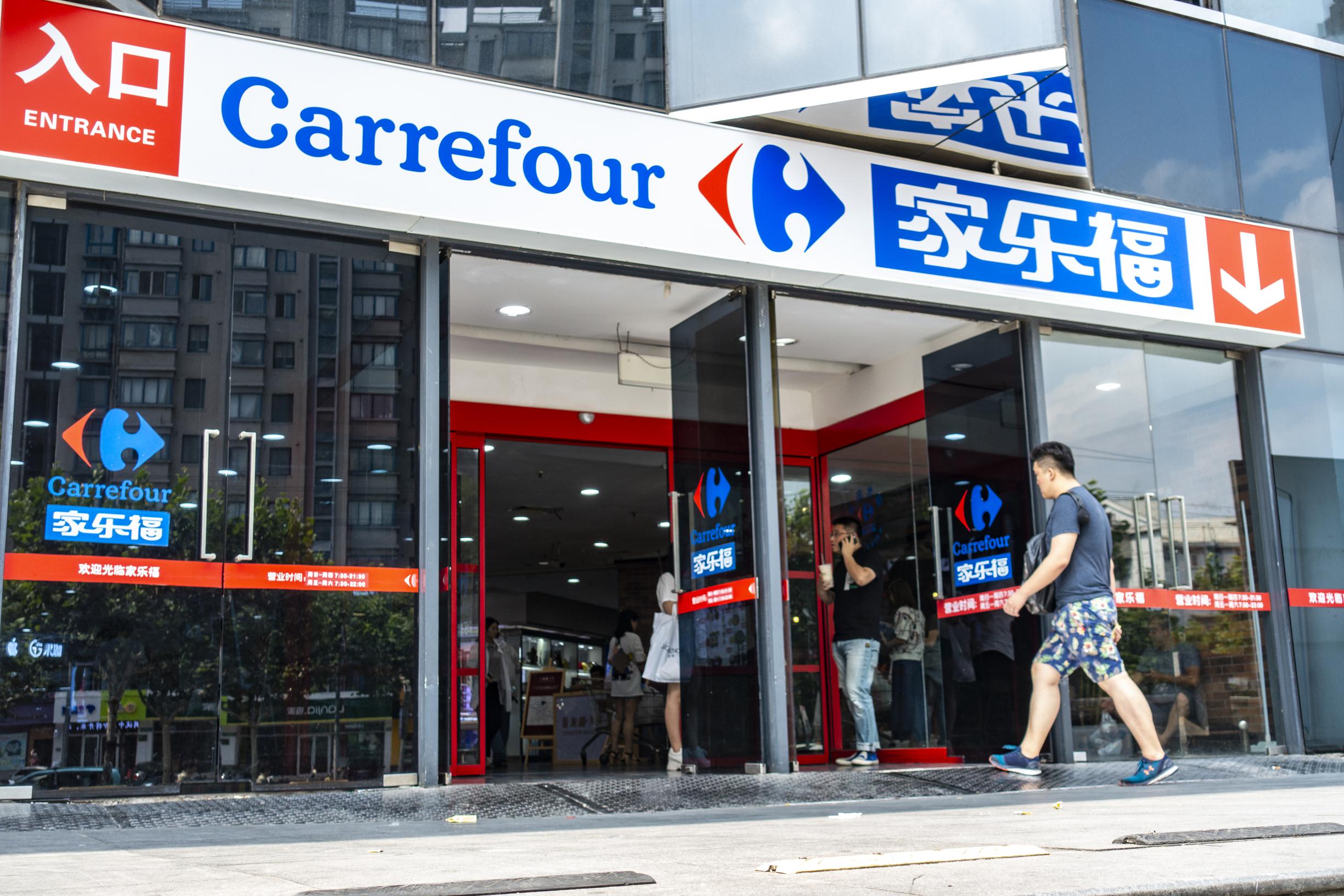
  • Carrefour starts rebranding Wellcome stores in Taiwan

    Carrefour starts rebranding Wellcome stores in Taiwan

    Carrefour SA said Tuesday they have agreed to buy Wellcome Taiwan from Dairy Farm International Holdings Ltd. to accelerate its expansion.

    The deal includes 224 proximity stores as well as a warehouse and its overall enterprise value is EUR97 million (US$107.9 million), the supermarket group said.

    The company expects the transaction to close by the end of the year and its plans for the stores include cost-structure optimization and rebranding.

    Wellcome Taiwan had net sales of around EUR390 million in 2019, according to Carrefour.

    The French company said it currently owns 137 stores in Taiwan, where it generated net sales of EUR1.97 billion, earnings before interest, taxes, depreciation, and amortization of EUR209 million and recurring operating income of EUR83 million in 2019.

  • Don Don Donki confirms Taiwanese introduction date

    Don Don Donki confirms Taiwanese introduction date

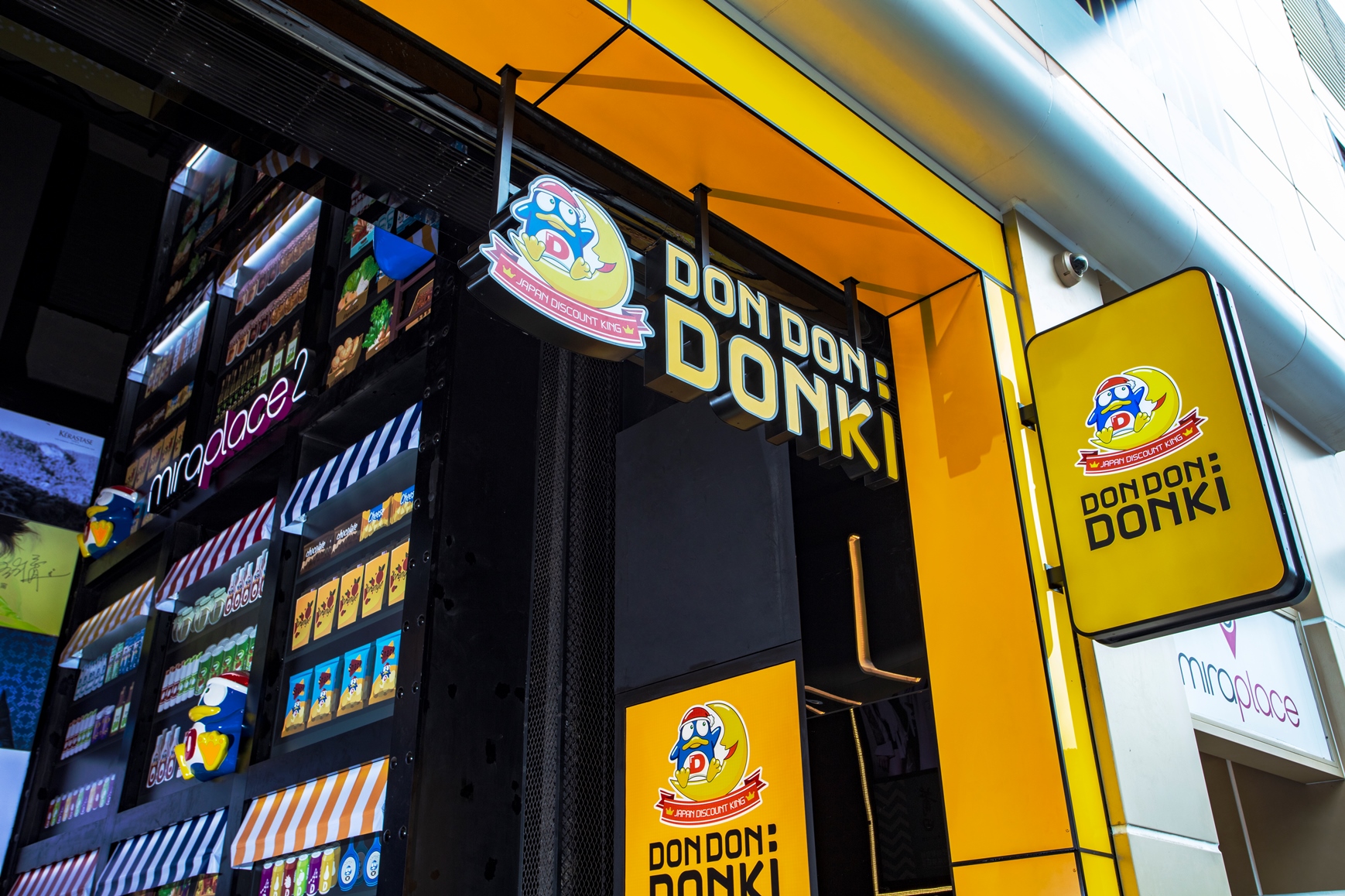
    Japanese discount retailer Don Don Donki, known as Donki, looks on course to make its Taiwan debut, with a new 24/7 store rumored to be opening in the popular shopping destination of Ximendeng in Taipei.

    The company is yet to reveal the location or the opening date of the store, however, job advertisements seeking up to 400 employees have all but confirmed the company’s expansion plans.

    Don Don Donki is a discount chain store that carries a wide range of products, from basic groceries to electronics and clothing. It has over 160 branches in Japan, Hong Kong, Singapore, Thailand, and Hawaii (US) and is said to be a popular store for Taiwan residents to visit when traveling.

    The retailer launched a free international shipping promotion on its e-commerce platform last year, which has helped build the brand’s appeal among Taiwanese consumers.

    Meanwhile, Don Don Donki’s fifth Hong Kong outlet of 2020 is expected to open in Central by October. Its owner, the Japanese group Pan Pacific, has been aggressively expanding within the Asian region in the past year.

  • Bauhaus sales tumble as store network shrinks more and faster

    Bauhaus sales tumble as store network shrinks more and faster

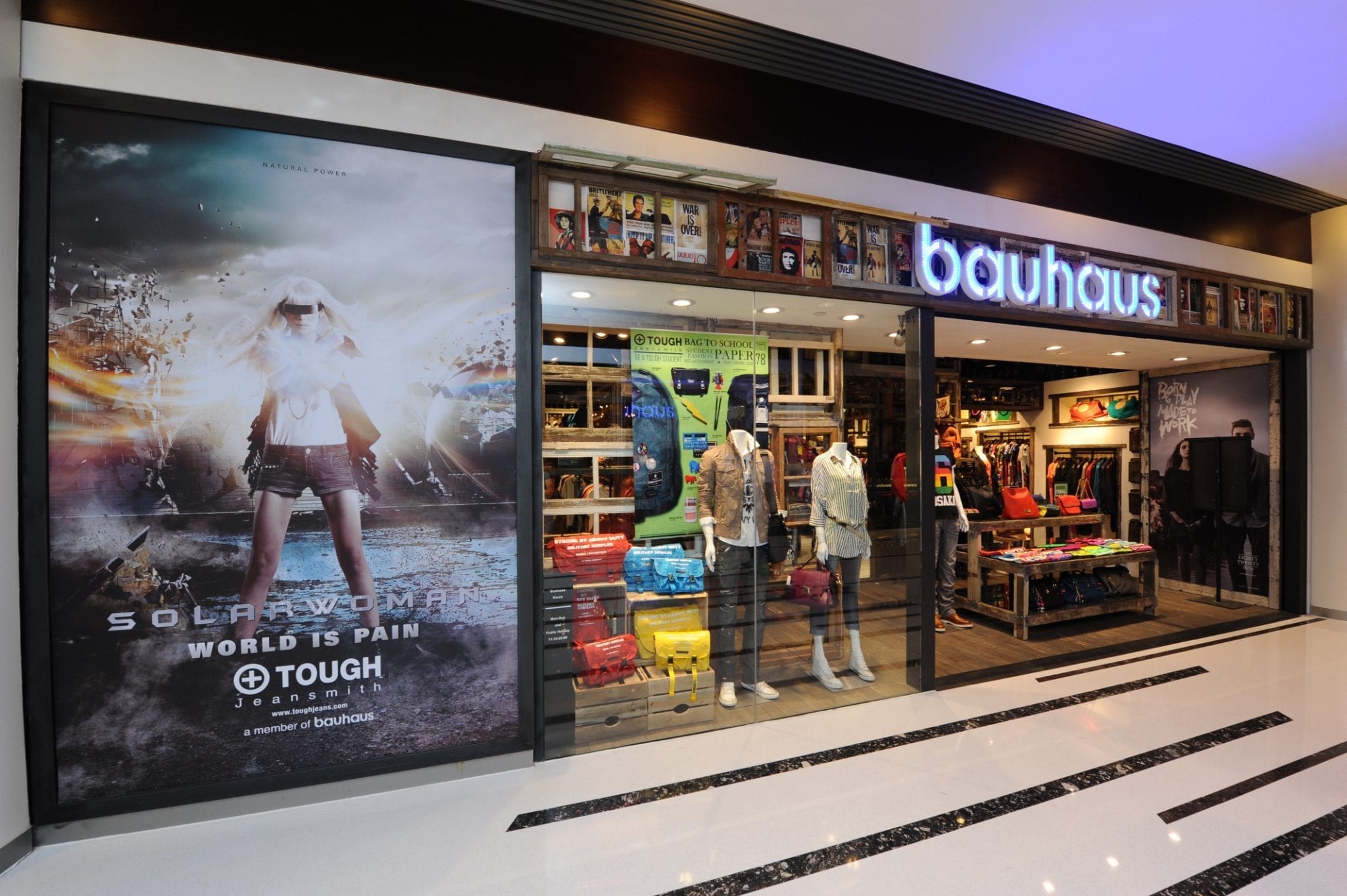
    Bauhaus International (0483) said same-store sales growth of its self-managed offline shops fell by 38 percent year-on-year for the three months ended December last year.

    In Hong Kong and Macau, the same-store sales performance of its self-managed retail business fell by 36 percent year-on-year.

    In non-Hong Kong and Macau, same-store sales of self-managed retail businesses fell 68 percent year-on-year.

    For the nine months ended December 2020, Hong Kong and Macau same-store sales fell by 42 percent, and non-Hong Kong and Macau fell by 40 percent from a year ago.

  • Heytea unveils convenience-store-like concept in Singapore

    Heytea unveils convenience-store-like concept in Singapore

    Chinese milk-tea brand Heytea has launched a retail concept resembling a convenience store in Singapore.

    The store, which is also the brand’s first outlet in the city’s south, is located at VivoCity and features bright orange and grey striped frontage, illustrating “the fun and quirky store concept”.

    The store also has large glass windows so customers can see how staff are making their orders. Besides teas, Heytea VivoCity also offers pastries, croissants and muffins.

    An “Order On The Go” service is available for customers to avoid queues.

    Founded in 2012 in China, Heytea operates more than 260 outlets in China and four outlets in Singapore. Three other outlets are located at Ion Orchard and The Shoppes at Marina Bay Sands.

  • Baidu Plans Smart EV Company, To Make Cars At Geely Plant

    Baidu Plans Smart EV Company, To Make Cars At Geely Plant

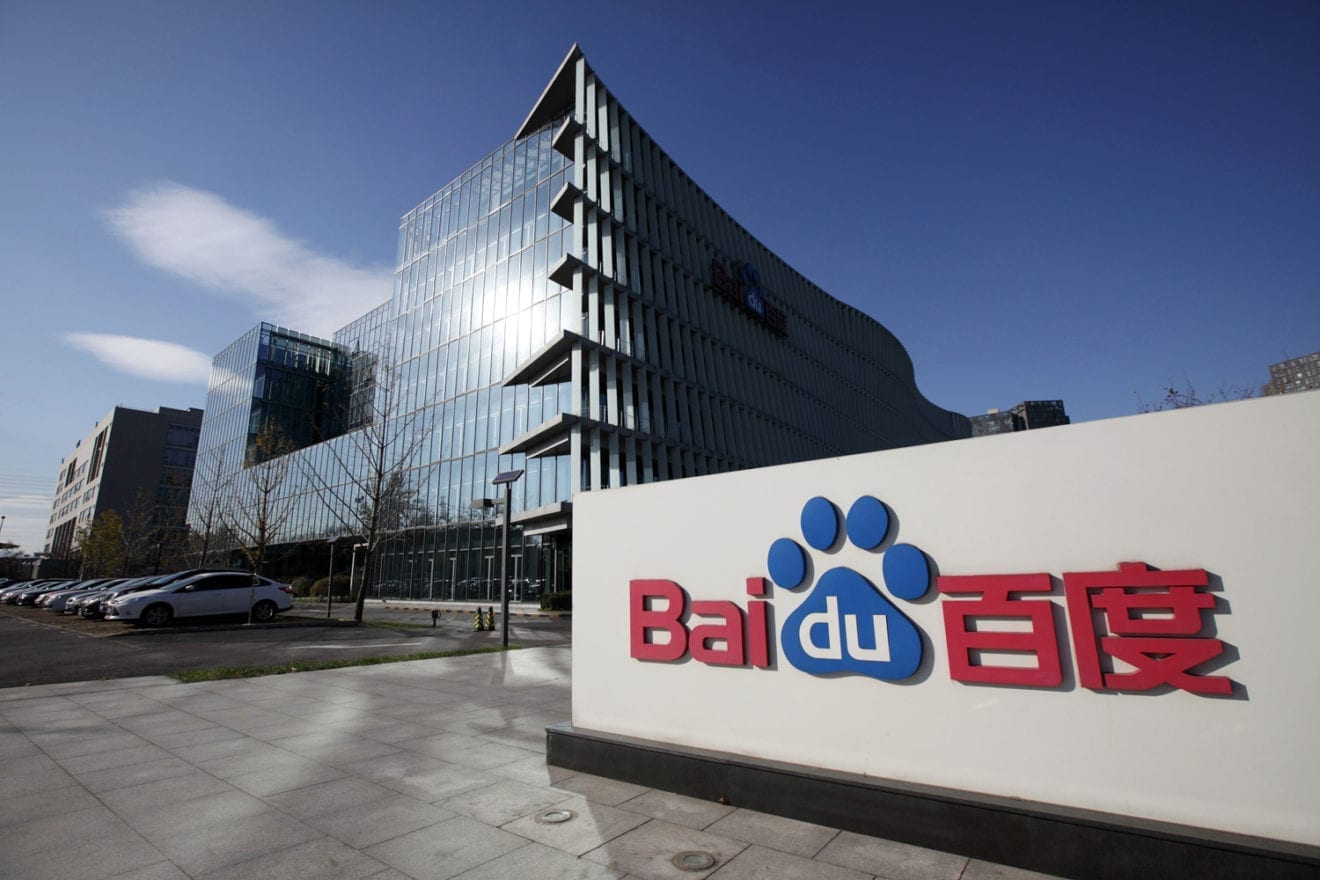
    China’s Baidu Inc plans to form a company to make smart electric vehicles (EV), two sources familiar with the matter said, with manufacturing to be carried out at plants owned by automaker Geely. Baidu, the leading search engine company in China, will take a majority stake and absolute voting power in the new company. The venture will revamp some of Geely’s existing car manufacturing facilities to make the vehicles, with in-car software input from Baidu and engineering know-how from Geely, sources told Reuters.

    The companies are in talks to use Geely’s EV-focused platform, Sustainable Experience Architecture (SEA), for future product development, one of the sources, who declined to be identified as the plan was private, said.

    Baidu, which is developing autonomous driving technology and internet connectivity infrastructure, did not immediately respond to a request for comment. Geely declined to comment.

    Baidu’s Nasdaq-listed shares jumped more than 4% after Reuters reported the plan.

    Reuters had already reported last month that Baidu was contemplating making its own EVs and had held talks with Geely, Guangzhou Automobile Group Co Ltd (GAC) and China FAW Group Corp Ltd’s Hongqi on a possible venture.

    Baidu’s rival Alibaba has formed an EV joint venture with China’s biggest automaker SAIC Motor Corp while China’s Didi Chuxing is making EVs designed for ride-hailing services with BYD. Cheered by Tesla Inc’s success in the commercialization of EVs, internet giants including Tencent Holdings Ltd, Amazon.com Inc and Alphabet Inc, have also developed auto-related technology or invested in smart-car startups. People familiar with the matter said last month Apple is pushing to design an electric vehicle and batteries, aiming at a possible 2024 launch.

    Hangzhou-based Geely, China’s highest-profile automaker due to group investments in Volvo Cars, Daimler AG and Malaysia’s Proton, is expanding EV production. Shares of its main listed company, Geely Automobile, which aims to sell 1.53 million vehicles this year, jumped over 10% on Friday.