Tag: asia

  • Shiseido plans sale of consumer product lines for over $1.45 billion

    Shiseido plans sale of consumer product lines for over $1.45 billion

    Japanese cosmetics firm Shiseido Co Ltd said on Friday it was in talks to sell its lower-priced skincare and shampoo lines to private equity firm CVC Capital Partners in a deal reported to be valued at over $1.45 billion.

    Shiseido said it was in talks to sell its “personal care” business in the first half of the year to CVC but that no decision had been made.

    The business includes its Tsubaki shampoo and Sea Breeze deodorant brands which are sold at drugstores and convenience stores throughout Asia.

    The talks were first reported by Bloomberg News, which put the value of the deal at between 150 billion to 200 billion yen ($1.45 billion-$1.93 billion).

    Shiseido said it was considering taking a stake in the business and remaining involved in its development.

    The talks come as Shiseido has been eyeing possible asset sales to focus on premium cosmetics, including its namesake line and brands such as Cle de Peau and NARS sold at department store counters.

    Global private equity firms such as CVC and Carlyle Group have recently been looking to expand in Japan, taking advantage of large Japanese companies coming under pressure to sell non-core assets and improve returns to shareholders.

    CVC last year raised $4.5 billion for its fifth Asia Pacific fund.

    Like other companies in the luxury sector, Shiseido was hit hard by the coronavirus as people shopped less and wore less make-up. A halt in tourism has been particularly painful as the company depended heavily on Chinese visitors.

    The company said in November that it expects a net loss of 30 billion yen in 2020, worse than a previous forecast loss of 22 billion yen.

    Shiseido shares rose 4% in morning trade on the Tokyo Stock Exchange. A CVC representative declined to comment.

  • Harmay launches wet market-inspired store in China

    Harmay launches wet market-inspired store in China

    New-generation retail brand Harmay released its latest fashion collaboration collection with Chinese fashion designer Masha Ma on Tuesday as part of the brand’s continuing expansion despite the COVID-19 pandemic.

    The new fashion collection includes T-shirts, trousers and bags. The retail philosophy is focused on creating a beautiful life through sensuous experiences.

    The brand emerged online in 2008. In recent years, it has started to open more brick-and-mortar stores while maintaining and expanding its online territory with an experiential shopping journey.

    “Harmay was born in the golden age of China’s cosmetics and beauty retail industry, and now we have grown and expanded to become a unique retail brand that pursues beauty and a beautiful life,” said Jason Ju, Harmay HK co-founder and general manager, as well as a Harmay partner. “Bringing consumers a high-quality and innovative shopping experience and becoming a new benchmark for retail are goals we have been aiming for.”

    As a retailer of premium cosmetics and beauty products in China, the company offers a variety of well-known international cosmetics and skincare brands as well as self-developed personal skincare products, providing high-quality, contemporary makeup and cosmetics for consumers. Harmay sells exclusive brands, such as SG79|STHLM, Balmain Hair, Tangent GC, ICONIC London, Graine de Pastel, and many others.

    According to the retailer, Harmay acts as an agent for more than 50 international brands and has more than 200 licensed brands in its portfolio. Besides the top brands, the company explores overseas niche brands that haven’t entered the Chinese market.

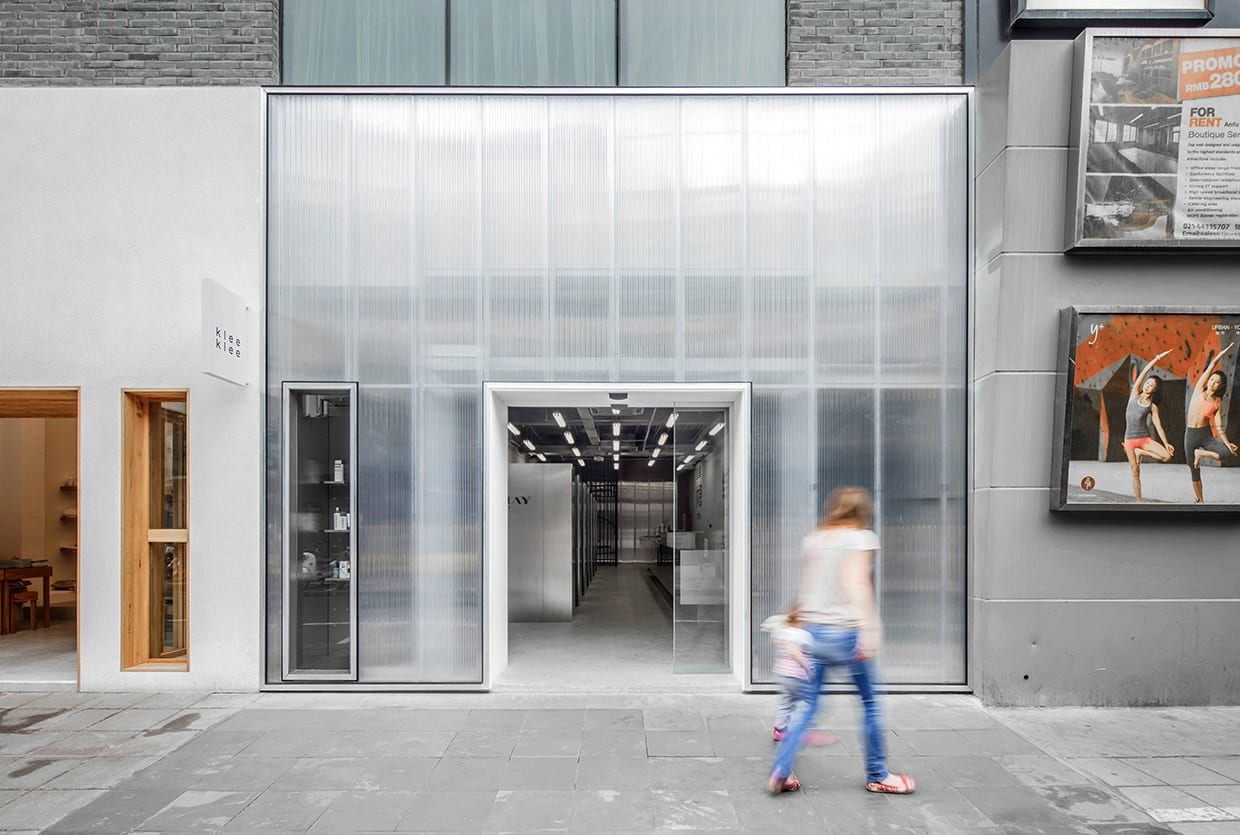
    In 2017, it opened its first brick-and-mortar store in Shanghai. Just last year, it opened stores in Hong Kong and Beijing. AIM Architecture, one of China’s leading award-winning architecture companies based in Shanghai, designed the interior of Harmay stores, featuring neat, orderly displays, clean lines, and wide and free spaces inspired by industrial warehouses, assembly lines, kitchens, and lockers. The design makes the stores look more peculiar, fashionable and international.

    Harmay will open two new stores in Chengdu and Shanghai this year.

    Facing the challenges brought by the sudden outbreak of the COVID-19 pandemic this year, Harmay maintained its stable customer flow and sales through its online and offline integrated operation model to resist risks, the company said. This proves that its solid e-commerce foundation and mature physical store development, as well as unique store design, diversified product selections, and customer-centric quality service, have won a large number of loyal followers.

  • Paris Baguette opens its largest Singapore store

    Paris Baguette opens its largest Singapore store

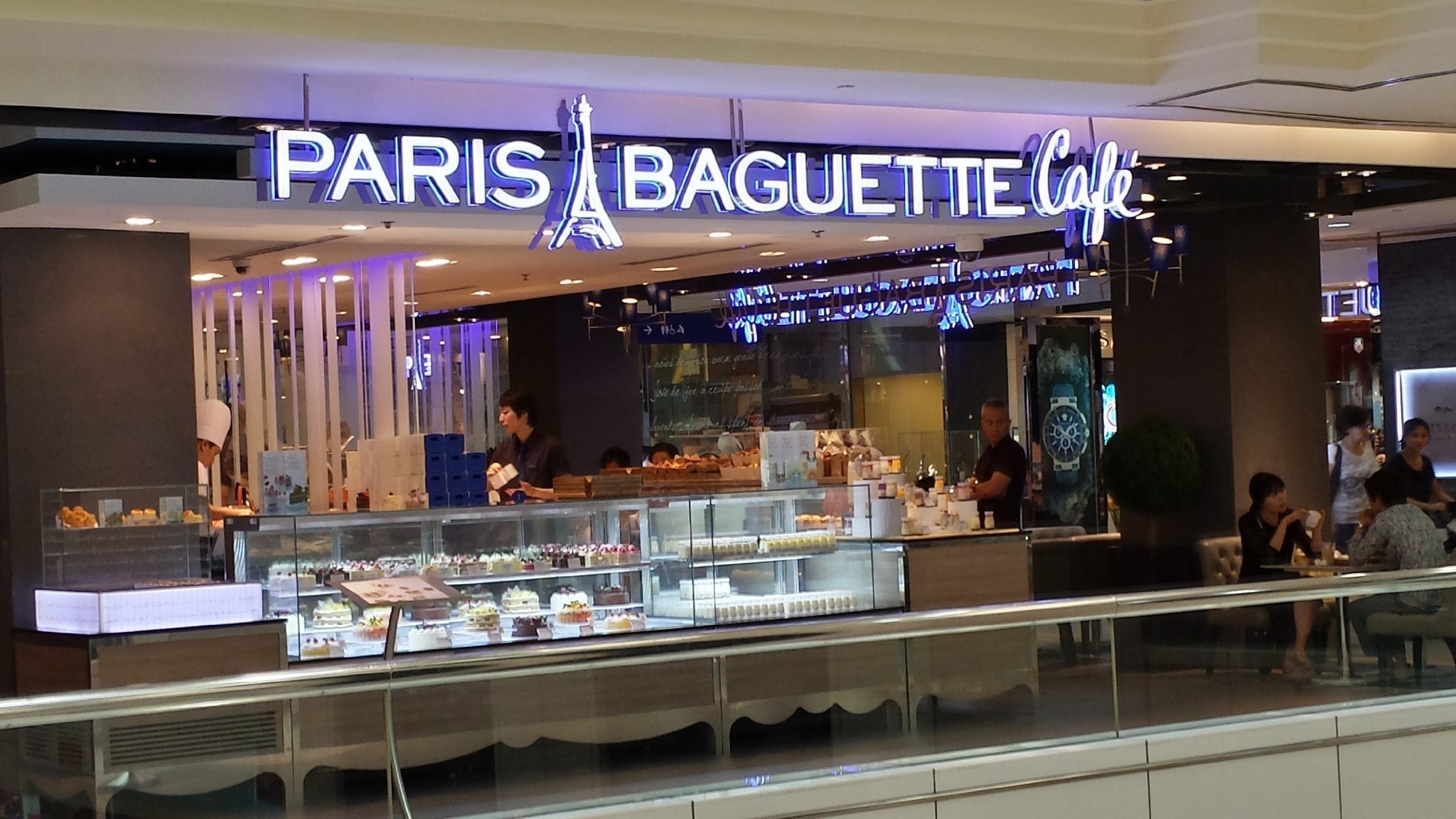
    Best known for its Paris Baguette bakery franchise, SPC Group has opened four food brand stores in Singapore. The group is planning to make Singapore as its third axis of global growth after China and the United States.

    The group opened the new stores at Jewel Changi, a commercial complex connected to Changi Airport in Singapore, on April 17. The four food brands include Maison de PB, the first high-end brand of Paris Baguette; Coffee@Works, a special tea and coffee brand; and Shake Shack, a burger brand.

    Jewel Changi is a seven-story lifestyle complex built as part of the Singaporean government’s Chingi Airport development projects.

    Maison de PB serves not only bakery products but also various meals that go well with bread such as “Beef On The Stone” and “Signature Seafood Pasta.”

    Coffee@Works has opened its first overseas store at Jewel Changi. Currently, it operates a total of 12 stores in South Korea. Shake Shack has also opened the first store at the complex after it obtained a license for business operation in Singapore in October last year. Singapore is the third-largest market in SPC Group’s global operations.

    Paris Baguette has 12 stores in Singapore, including the one at Jewel Changi. Although the number of stores in Singapore is less than the 14 in Vietnam, sales in Singapore, which came to 14.90 billion won (US$13.13 million) last year, are nearly three times higher than those in Vietnam.SPC Group is seeking to establish a holding firm in Singapore. It is planning to build a base in Singapore, which is considered a hub of logistics, finance, and business in Asia, and expand its business to neighboring Southeast Asian countries.

    The group is also seeking to build a Halal certified production facility to target Muslims and the global Halal food market. It will establish the facility in the Southeast Asian region in order to target Muslim countries, including Indonesia and Malaysia, and will set the exact time and place in the future.

  • China’s Central Bank Signals Break-Up Risk for Non-Bank Players

    China’s Central Bank Signals Break-Up Risk for Non-Bank Players

    The latest draft rules proposed by the People’s Bank of China signals even more regulatory tightening against the mainland fintech sector including the potential to even break up non-bank institutions deemed to hinder payment development.

    The People’s Bank of China (PBoC) proposed this week that it could advise the state council’s antitrust committee to take action should non-bank institutions severely hinder the healthy development of the payment service market.

    Actions suggested include the ability to break-up non-bank financial institutions that are deemed to be too dominant and abusive of their leading market positions.

    This spells more tightening for the likes of payment giants like Ant’s Alipay or Tencent’s Tenpay which own the majority of mainland China’s digital payment market share.

    According to guidelines released earlier this month, the PBoC defines a digital payments monopoly as any non-bank service provider with at least half of the market share for online transactions.

    Two non-bank providers with a combined market share of two-thirds or three providers with three-quarters will also qualify for antitrust investigations.

    Two or three firms having less than a 10 percent market share will not trigger investigations, the PBoC added.

    The new rules spell headwinds for China’s leading fintech giants whose dominance could at the very least potentially face supervision over capital adequacy requirements especially if they offer deposit products with interest rate payments, if not a full break up.

    While onlookers remain cautious, some have expressed optimism about limited intervention due the risk of such actions resulting in curbed innovation.

    Globally, regulations have actually intensified to rein in the dominance of big tech. In our view, this is meant to prevent market abuse, said UBS Global Wealth Management’s APAC CIO Min Lan Tan in a recent virtual roundtable. Regulators will be careful not to stifle innovation. Significant changes in business models or the breakup of companies, we think, is unlikely.

  • E-payment startup Gpay bags funding from South Korean investor

    E-payment startup Gpay bags funding from South Korean investor

    Vietnamese e-wallet provider Gpay has received an undisclosed amount in Series A funding from South Korean listed bank KB Financial Group.

    The Series A round values the digital payment business at VND425 billion ($18.46 million), and the fresh funds will be used to expand its team and user base, as also upgrade its technology, Gpay said in a statement.

    G-Group Technology Corporation, Gpay’s parent, has also joined hands with KB Financial to launch a VND300 billion fintech joint venture, called KB Fina, which will provide financial services to unbanked or underbanked consumers, Gpay said.

    G-Group general director Phung Anh Tu said they expect the fintech platform, which incorporates financial and investment advisory products already provided by KB Financial Group in its home country, to come online in the second quarter this year.

    Established in 2018, Gpay obtained its e-payment license in April 2020. However, it faces fierce competition in the Vietnamese digital payment market, where there are currently 39 other licensed e-wallet service providers.

    Gpay said it will not be “burning cash” to fight for a higher market share, but will serve G-Group’s 30 million users currently using various services on its digital ecosystem, which includes peer-to-peer lending firm Tima, digital media firm Beat.vn, and social networking app Gapo.

    Last week, Momo, another payments app in Vietnam, raised an undisclosed amount in Series D financing from U.S.-based investment funds Warburg Princus and Goodwater Capital.

  • Vietnam a global bright spot in electronics production

    Vietnam a global bright spot in electronics production

    Vietnam stands to benefit from its emergence as a global bright spot in electronics production with some index scores exceeding China and India.

    Experts attribute this to lower labor costs and better policy incentives.

    Jason Yek, Asia country risk senior analyst at market research company Fitch Solutions, said that the increased presence of large electronic manufacturers in Vietnam would generate jobs, support exports and improve the country’s electronics supply chain,

    The country started 2021 off by awarding a license to a unit of Taiwan’s Foxconn on January 18 to build a $270 million plant capable of producing eight million laptops and tablets annually in the northern province of Bac Giang.

    Foxconn, a key supplier for Apple, has so far invested $1.5 billion in Vietnam and plans to raise its investment by $700 million and recruit 10,000 more local workers this year, the government said.

    The company, which is said to be moving some iPad and MacBook assembly to Vietnam from China at the request of Apple, is also looking into investing $1.3 billion in the central province of Thanh Hoa.

    This was followed by a recent decision of Japanese electronics giant Panasonic to end the production of washing machines and refrigerators in Thailand to consolidate appliance assembly in Vietnam.

    Data from U.K. research company Euromonitor International shows 2.8 million refrigerators and 2.27 million washing machines were sold in Vietnam during 2019, compared with 1.92 million and 1.75 million, respectively, in Thailand.

    “As urbanization has advanced everywhere in Asia, regional product preferences have grown similar. The Thai market has little room for growth, but labor costs are high, so it was natural to consolidate production,” Akio Ota, former president of Panasonic Appliances Vietnam.

    Higher scores.

    In a recent report, the Economist Intelligence Unit (EIU), a division of the U.K.-based Economist Group, gave Vietnam higher index scores than China and India in some categories, highlighting the country as a potential manufacturing hub.

    On a scale of 10, Vietnam scored 6 in FDI policy, while both India and China scored 5.5 each.

    Vietnam also exceeded both countries in the score of foreign trade and exchange controls and surpassed India in the labor market.

    EIU explained that Vietnam’s incentives for international firms for setting up units to manufacture hi-tech products, its pool of low-cost workers and the spate of free trade agreements it has signed place it in an enviable position among Asian peers.

    Vietnam’s membership of free trade agreements represents a strong point in its trade relations, reducing export costs, and the country’s low-skilled manufacturing wages will remain competitive for years to come, it added.

    Yek of Fitch Solutions also said that favorable labor demographics, relatively low labour costs, and a strong business environment will continue to aid Vietnam’s bid to attract FDI over the medium term.

    “Vietnam, not being embroiled in trade disputes with major economies such as the U.S. or Europe, also positions it favorably for exporters seeking to use it as an exports manufacturing hub or in some cases, another manufacturing hub in addition to their Chinese operations so as to diversify their supply chains.”

    Nguyen Mai, chairman of Vietnam’s Association of Foreign Invested Enterprises, said the expansion of Foxconn in Vietnam is similar to what South Korean giant Samsung has been doing for nearly 15 years.

    Government data shows that Samsung had poured over $17 billion into Vietnam as of mid-2020 to become the largest FDI company in the country. It has two smartphone factories in the northern region and a TV screen production facility in Ho Chi Minh City.

    The company is also building its largest mobile research and development center in Southeast Asia in Hanoi.

    The expansion of Foxconn in Vietnam increases the possibility that a wave of hi-tech projects will find its way to the country in upcoming years, Mai said.

    However, experts have also listed several disadvantages that are slowing down the country’s efforts to attract investment.

    Yek said that to achieve the government’s goal of moving up the manufacturing value chain, further improvements are needed in the education and skill levels of the labor force, which is a long-term task.

    And while there are ongoing projects to develop the country’s transport and logistics infrastructure, progress has been slow, Yek said. In fact, bottlenecks can appear as the country’s infrastructure capacity fails to keep pace with trade volumes, he added.
  • Chinese Telcom Giants Review New York Delisting

    Chinese Telcom Giants Review New York Delisting

    In the latest on U.S. delistings of Chinese firms, the three largest mainland telecommunications firms have requested for a review of the New York Stock Exchange’s decision to remove their shares from the bourse.

    In a filing to the Hong Kong Stock Exchange yesterday where they are also listed, China Mobile, China Unicom and China Telecom said that written requests have been filed with NYSE. The three telecom giants said they also asked for trading suspensions to be maintained during the review.

    The review will be scheduled at least 25 days from when the request was filed, the statement added, with no assurance for success.

    Near the end of the Trump administration, the New York bourse had already once reversed a decision to delist the stocks, deemed by the U.S. to be linked to China’s military, only to ultimately comply following an alleged phone call from U.S. Treasury Secretary Steve Mnuchin.

    But now, the three telecom giants will seek to push for a second reversal under a Joe Biden administration. Biden recently nominated ex-Fed chair Janet Yellen as the new incoming Treasury secretary.

  • Uncertified Android phones will lose support for an important app in March

    Uncertified Android phones will lose support for an important app in March

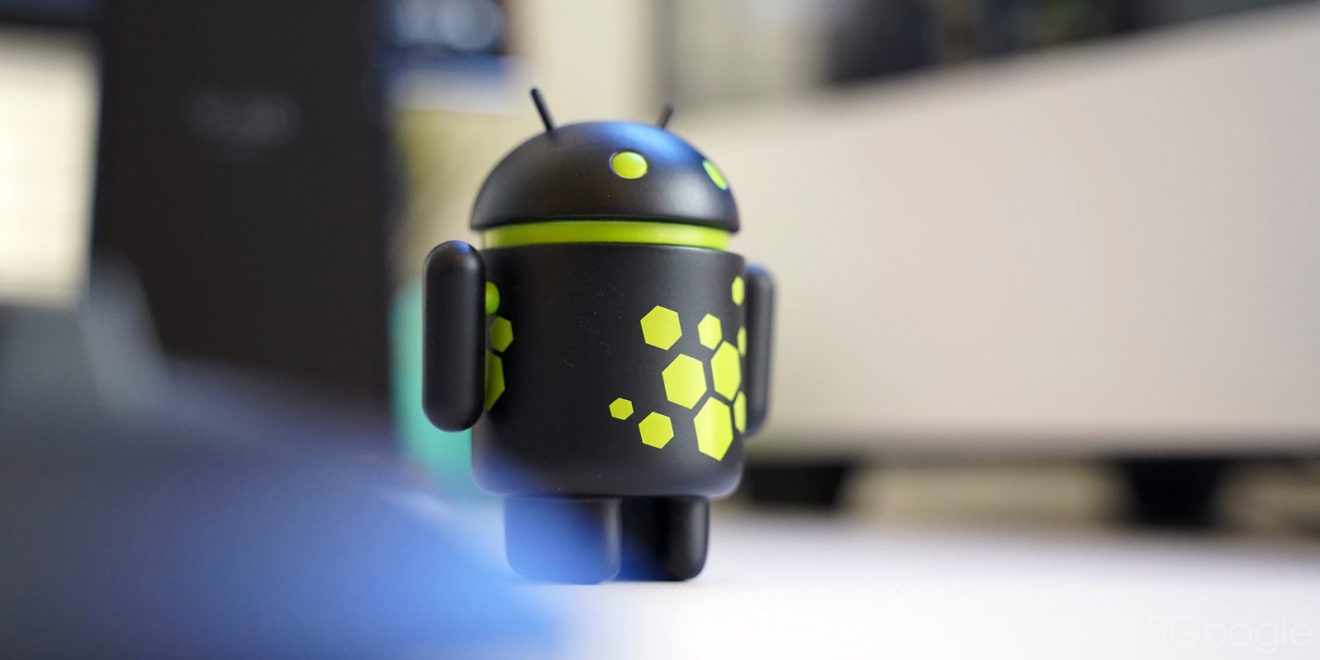
    The latter is making changes to its Messages app that will prevent some devices from receiving texts. One group of Android users that won’t be able to receive new texts will be those who own one of the latest Huawei models. Starting this coming March, Android phones considered to be “uncertified” will not be allowed to install and use the Messages app; this will affect millions.<

    Because of its placement on the U.S. Commerce Department's Entity List (due to its alleged ties to the Communist Chinese government), Huawei is not allowed to access its U.S. supply chain. That means that its phones cannot use Google software including the licensed version of Android. Because recent Huawei models like the P40 series and the Mate 40 series no longer feature security permissions from Google, the latter considers those Huawei models to be uncertified. Certified Android models are allowed to have Google's Android apps installed along with the Google Play Services ecosystem.

    Uncertified Android handsets are hard to find. But in the case of Huawei, the manufacturer's newer models are impacted by the firm's placement on the Entity List. If you install the latest listing of Google Messages from the Play Store (which is version 7.2, by the way) on an uncertified device, a message will appear that reads, "On March 31, Messages will stop working on uncertified devices, including this one." The warning is intended to prevent Huawei owners from sideloading Google Play Services onto their device which could allow them to install Google Messages on it despite any ban. The Messages app is not preinstalled on most Android phones and must be downloaded from the Play Store.

    Google might have decided to make this change because of the end-to-end encryption that has recently been added to the Messages app. Android phones without certification, including newer Huawei devices that have Play Services sideloaded, have not been able to have their security vetted. Thus, users who think that messages they are sending to friends, family members, co-workers and others using an "uncertified" device are protected by encryption, could actually be disseminating secrets that strangers are viewing.

    While there has been some hope that the punishments received by Huawei might be reversed under the Biden administration, so far there has been no word from the new president about his intentions vis-a-vis Huawei.

  • Leading taxi firm posts first ever annual loss

    Leading taxi firm posts first ever annual loss

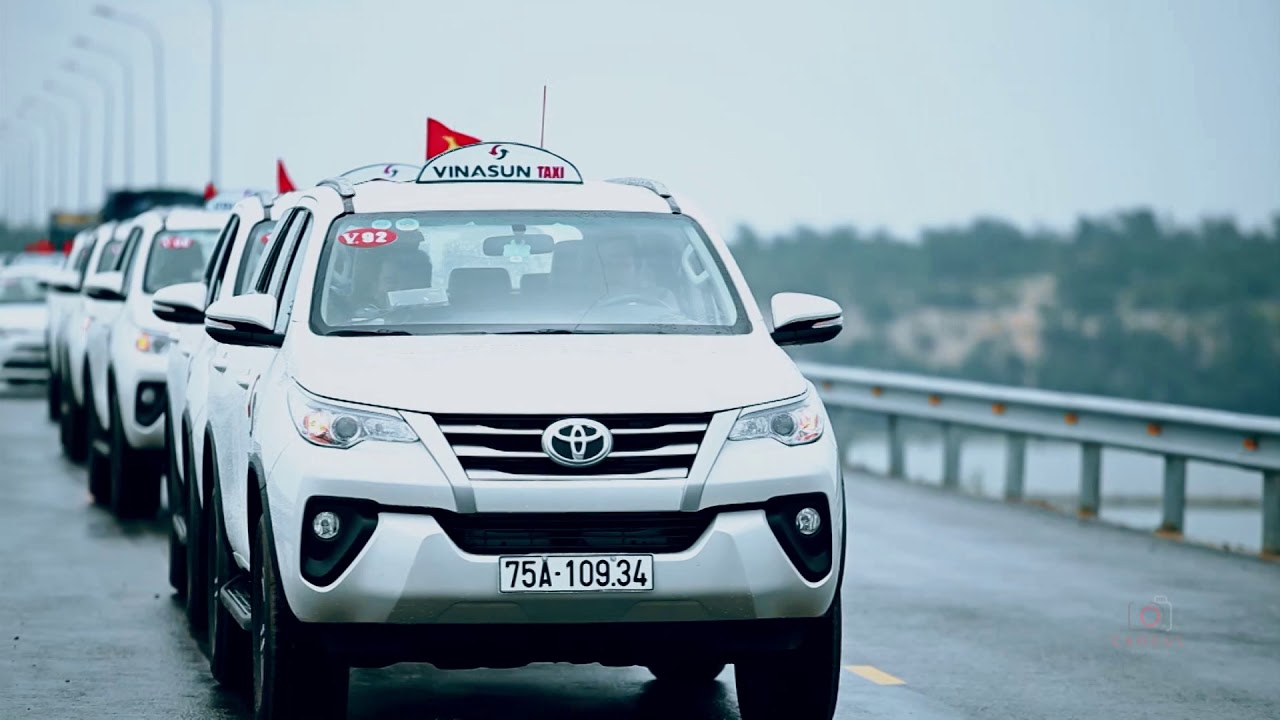
    Vinasun, Vietnam’s second-largest taxi firm, reported its first-ever accumulated loss of VND211 billion ($9.15 million) last year.

    The figure far exceeded the firm’s earlier loss forecast for 2020 at VND115 billion. Vinasun leaders have blamed the loss on the long-lasting impacts of the Covid-19 pandemic.

    The company has already laid off over 1,300 employees and taken other earlier measures to reduce operating costs.

    Vietnam’s second-largest taxi firm after the Mai Linh Group, Vinasun reported that its revenues plunged 49 percent year-on-year to VND1 trillion last year.

    The company leadership had said at an annual general meeting in June that 2020 was the most challenging year for the company since its establishment.

    The company shut down most of its operations in April last year when the country began a social distancing campaign to curb the spread of the novel coronavirus.

    As of December 31, it had total assets of over VND2.05 trillion.

  • How to Choose a Holiday Camp

    How to Choose a Holiday Camp

    When schools are on a break, holiday camps offer the perfect opportunity for kids to gain independence, try new things, make friends, build confidence and, most of all, have fun while learning. But with many different camps on offer, how do you know which one will be the best fit for your child?

    Is your child ready for camp?

    Many camps accept children from age 3 up to 14, but for younger children their level of independence can be key in deciding if they’re ready for camp. 

    What should you look for in a camp?

    Good camps offer a balance of enrichment, games, and recreational activities with regular breaks for snacks and meals. They should employ experienced teachers, offer transportation options, and cater for different dietary requirements (eg vegetarian, halal). 

    What type of camp will your child enjoy most?

    Kids should see holiday camps as a benefit, not a chore, so see if you can find a camp that will cater for their special interests, such as Space or Harry Potter. Some companies also offer themed camps for e.g. Chinese New Year and Halloween.


    How much do camps cost?

    Prices for camps range from 80 SGD to 126 SGD  per day. Check whether camps include snacks and meals in their prices.

    Should you force your child to join a camp?

    Kids are often uncertain about new experiences but after one or two days at camp this anxiety normally disappears, and children are too busy having fun to worry about anything else.


    How do camps deal with misbehaving children?

    Established camps should have guidelines for acceptable conduct. Experienced teachers should be able to minimize any disruptive behaviour and allow one-on-one discussions to help children understand the impacts of their actions.

    How do I prepare my child for camp?

    Talking to them in advance about what the camp will entail – interesting topics, games, recreational activities, making new friends – can help settle pre-camp nerves. On a practical note, most camps will expect children to bring a bag packed with a reusable water bottle.


  • Citroen To Launch One New Model In India Every Year

    Citroen To Launch One New Model In India Every Year

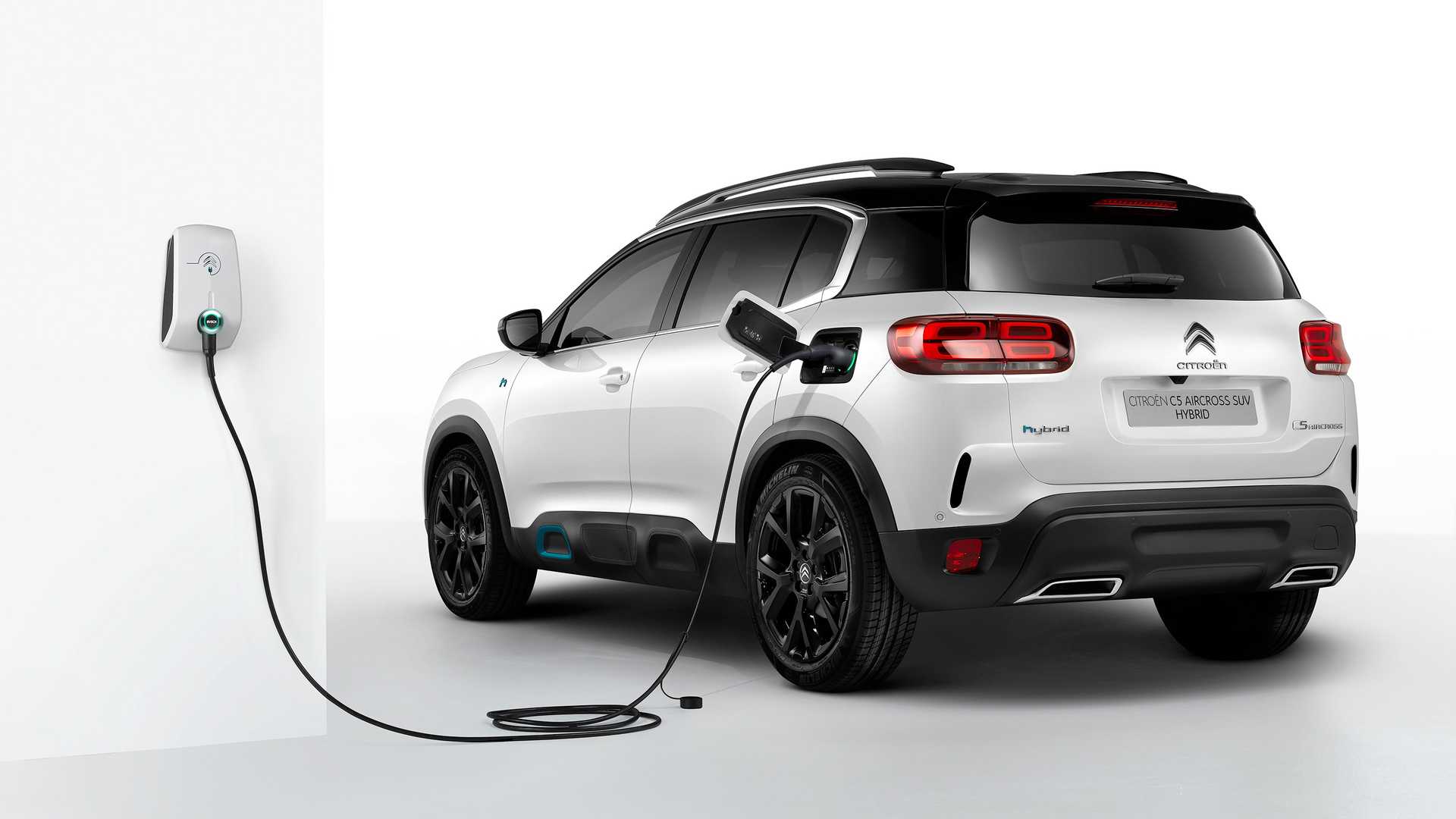
    Citroen is all set to begin sales operations in India next month which is when it will take the wrap off its first model- the Citroen C5 Aircross and it’s just the beginning of the Journey for the French carmaker in India. Citroen has inaugurated it ‘La Maison’ showroom in Ahmedabad, Gujarat, and is promising that it will keep introducing at least one new model every year, in a bid to gradually build up its product line-up in our market.

    Now a couple of models other than the Citroen C5 Aircross which will be a Jeep Compass and Tata Harrier rival, have been spotted doing rounds in India last year. The next model which most likely will hit our market by the end of 2021 or early next year will be the C3 Aircross which is a smaller subcompact SUV, taking on the likes of the Maruti Suzuki Vitara Brezza and Hyundai Venue among others. Then, the Citroen Berlingo MPV was also spotted testing in India last month, and if on its arrival, it will enter a segment where Renault had launched the Lodgy five years ago. However, we don’t have any final word from the company on its launch yet.

    Roland Bouchara, Vice President – Sales & Marketing, Citroen India, “We have a clear intention which not many manufacturers had when they entered the country. We have created an ecosystem in India. We have engineering, R&D facilities already here and we are already manufacturing the diesel engine at the Hosur plant. We are looking at localization levels of 90 percent -100 percent in our cars for India.”

    The company has also confirmed that all upcoming models will be underpinned by the C-Cubed platform and will have both petrol and diesel engine options. The Citroen C5 Aircross will also be powered by a 2.0-liter, four-cylinder diesel engine that puts out 177 bhp and 400 Nm of peak torque and will be mated to an eight-speed torque-converter automatic unit. The petrol version will be added later to the line-up. Citroen will open 10 dealerships in different cities before the launch of the C5 Aircross.

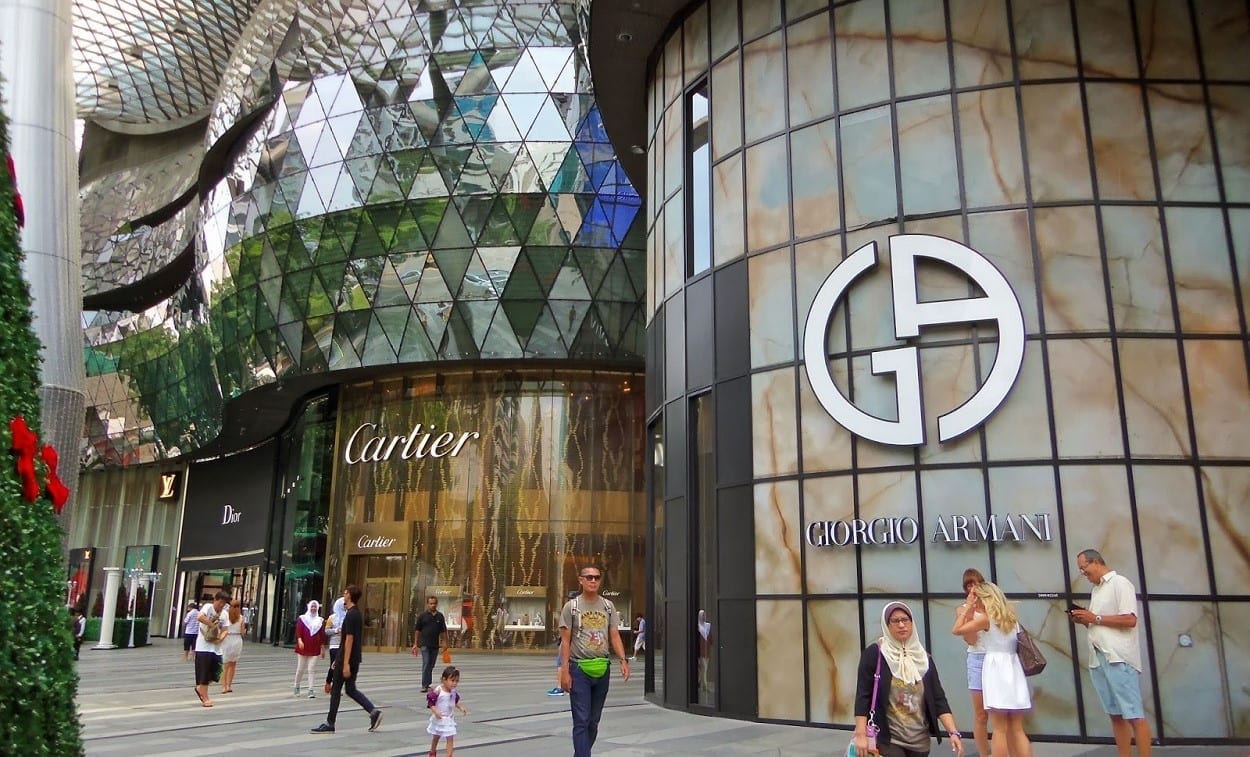
  • Cartier and Asia help Richemont quarterly sales rise 5 per cent

    Cartier and Asia help Richemont quarterly sales rise 5 per cent

    Richemont, maker of brands Cartier and Van Cleef & Arpels, on Wednesday posted a 5% increase in quarterly sales led by strong growth at its jewelry brands in Asia Pacific and the Middle East.

    Luxury watch sales have contracted sharply during the COVID-19 pandemic, but the jewelry category led by Richemont’s Cartier brand has fared better, motivating LVMH’s recent acquisition of U.S. jeweler Tiffany.

    Richemont, the world’s second-biggest luxury group behind LVMH, said sales at constant exchange rates grew 5% in the company’s third-quarter, while sales at current rates rose 1% to 4.19 billion euros ($5.09 billion).

    The Geneva-based group did not give an outlook.

    Shares were indicated to open 3.2% higher, according to pre-market data by bank Julius Baer.

    It said it had seen strong growth in Asia Pacific with China up 80%, while Dubai in the Middle East had benefited from resumed tourist spending. Europe declined 20%, hit by the absence of tourism and store closures, and the Americas stagnated.

    Jewelry brands Cartier and Van Cleef & Arpels posted 14% growth, while watch brands were down 4%.

    “Richemont’s Xmas quarter was clearly ahead of expectations, which was mainly due to strong growth in Jewellery Maisons, which is also the main earnings contributor,” Vontobel analyst Rene Weber said, recommending to buy the stock.

    Kepler Cheuvreux’s Jon Cox said declines in Europe were also less than feared. “There is clearly an appetite for luxury given pent-up demand,” he said.

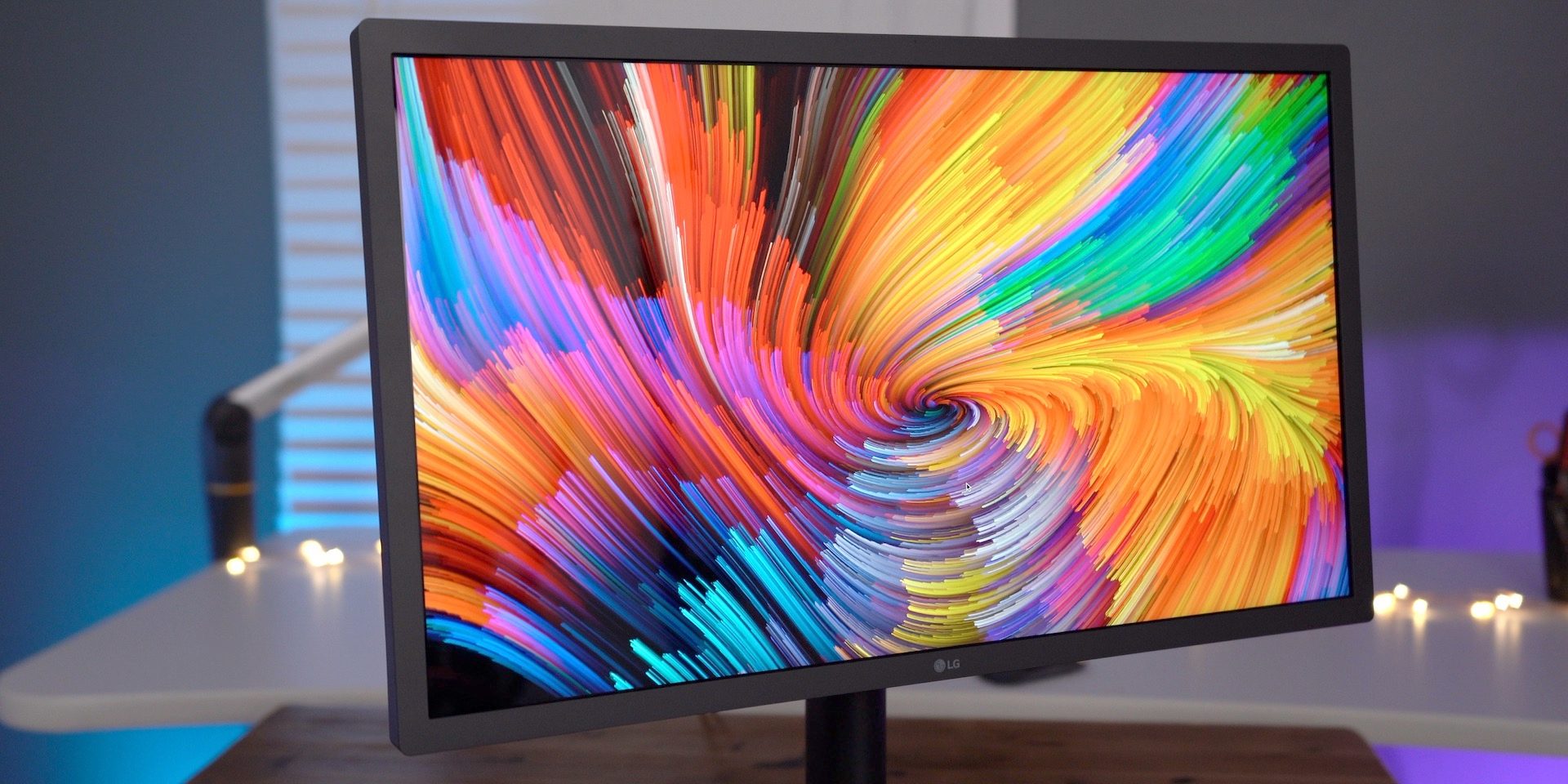
  • LG Display will no longer supply Apple with LCD panels for certain iPhone models

    LG Display will no longer supply Apple with LCD panels for certain iPhone models

    A new report from Korea’s The Elec says that LG Display will no longer be supplying LCD panels to Apple for the low-priced iPhone SE model. The company will continue to sell a small amount of OLED to Apple for the Apple iPhone 12 series. The factories that LG Display used to manufacture LCD for Apple will now make in-vehicle displays.

    The reason for LG Display’s decision to back out of producing LCD panels for Apple might have to do with its inability to make a profit from the business. Starting with last year’s iPhone 12 series, Apple’s new high-end models use OLED only which reduces the demand for LCD from the tech giant. LG Display reportedly stopped producing LCD panels for the iPhone during the third quarter of 2020 and by the end of the following quarter, it also stopped supplying other smartphone firms with LCD displays.

    Apple CEO Tim Cook has made the long trek to the pitcher’s mound where he has signaled to the bullpen for replacements to LG Display; Sharp and JDI will take over the job of supplying LCD screens for the iPhone. The factories that LG Display used to make LCD panels for Apple will now be used to manufacture low-temperature polycrystalline silicon (LTPS) thin-film transistors (TFT). The latter is used for touchscreen displays used in vehicles.

    This year’s iPhone 13 Pro models are rumored to be equipped with ProMotion panels that update the screen 120 times per second (120Hz). At that rate, battery life takes a hit.

    But with low-temperature polycrystalline oxide (LTPO) displays, the screen can adjust the refresh rate to run at 120Hz when needed to make an animation (such as the kind you’d find on mobile games) run and look smoother. At the same time, when the content on the display is more static (like when you’re viewing an email or text), the refresh rate changes to a lower number in order to prevent the phone’s battery from draining to quickly.

    At this point, it isn’t clear whether LG will be involved in the production of the LTPO panels alongside Samsung and BOE. The latter has tried to find a place among Apple’s display suppliers but has had problems with its output passing Apple’s Quality Control.

  • Burberry delivers growth in APAC, most coming from E-commerce

    Burberry delivers growth in APAC, most coming from E-commerce

    Global luxury fashion brand Burberry saw comparable retail sales decline 9 percent during its third-quarter period, as tourist traffic slowed amid the continuing Covid-19 pandemic.

    However, full-price sales jumped due to a decline in markdowns, and the business performed well in Asia-Pacific with comparable sales up 11 percent from strong growth in Mainland China and Korea.

    Japan and the South Asia Pacific, however, continue to be affected by limited tourist traffic and store closures.

    Full-priced sales increased by “double digits” in China, Korea, and the Americas, driven by Christmas and Lunar New Year campaigns, as well as a bigger focus on online pop-ups and activations supporting a 50 percent increase in full-priced sales in Burberry’s digital channel.

    Europe, the Middle East, India, and Africa saw comparable sales fall 37 percent, due to falling tourist numbers, while the Americas fell 8 percent.

    “The brand is pushing full-steam ahead with a full-price strategy to strengthen its gross margins as it continues to focus on driving online demand, particularly from new, younger customers,” said GlobalData’s Gemma Boothroyd.

    “Burberry’s online capabilities will prove vital for its ability to navigate the uncertainty of Covid-19.”

    And, with 15 percent of the business’ stores closed and 36 percent operating with reduced hours or restrictions, the business warned that uncertainty is leading to an uncertain trajectory moving into the fourth quarter.

    “We expect trading will remain susceptible to regional disruptions as we close the financial year,” Burberry said.

    “Notwithstanding any incremental lockdowns, we expect gross margins to benefit from positive full-price, regional and channel mix and lower stock provisions.”

    According to Boothroyd, Burberry’s digital focus has set the standard for other players in the luxury industry, due to the introduction of features such as AR shopping and virtual try-on capabilities.

    “The brand is also harnessing digital platforms to drive engagement through influencer partnerships,” Boothroyd said.

    “Such initiatives will continue to be crucial in Burberry’s attempts to strengthen its appeal amongst a younger demographic.”

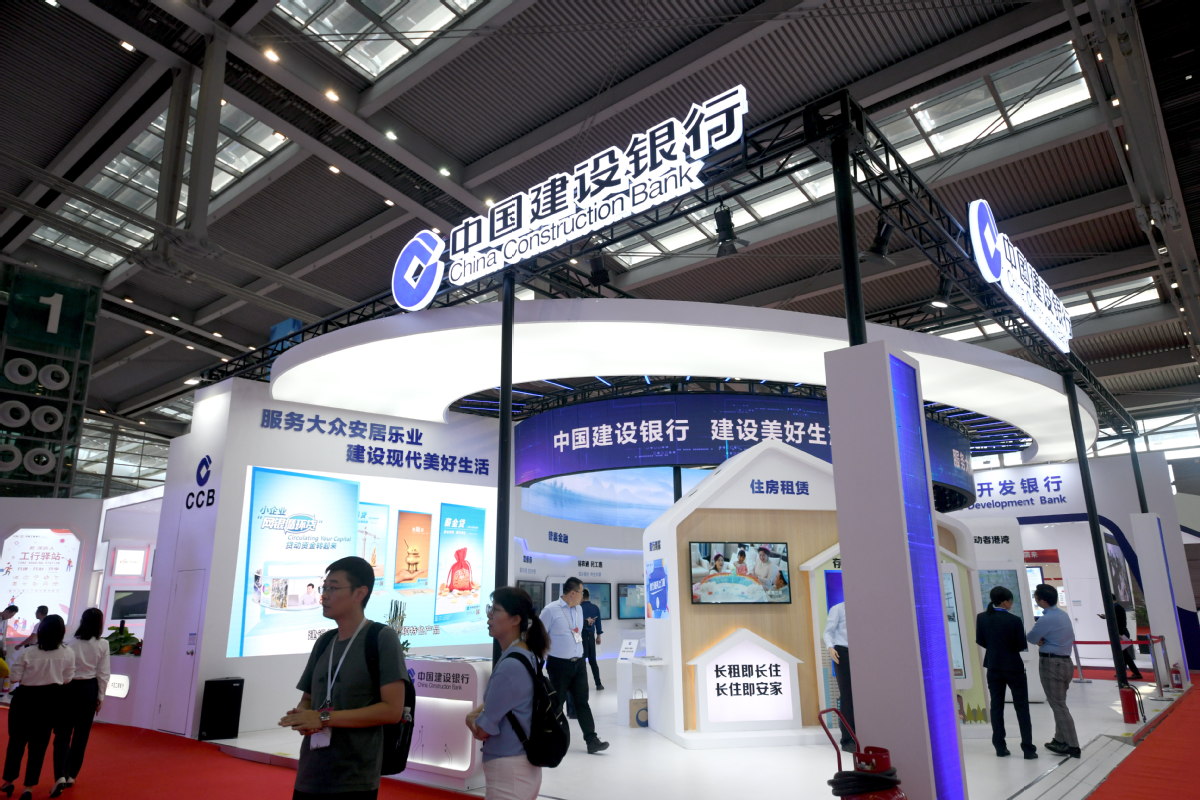
  • CCB Nabs Bank of China President

    CCB Nabs Bank of China President

    China Construction Bank, the world’s second-largest commercial lender, hires from rival Bank of China to appoint a new president.

    Wang Jiang was named president of CCB, according to a Caixin report citing unnamed sources, filing a position that has been vacant for two months.

    Wang will also serve as vice chairman for the Shanghai and Hong Kong-listed CCB.

    Wang, 57, will be returning to CCB where he worked for many years including as its the general manager of its Hubei and Shanghai branches.

    At Bank of China, he was a vice-chairman since January 2020 and president since December 2019. He was also named vice chairman and non-executive director of Bank of China’s Hong Kong subsidiary in March 2020.

    Wang graduated from Shandong Economics College in 1984 and obtained his Doctoral Degree in economics from Xiamen University in 1999.