Tag: asia

  • Cebu Pacific now offers antigen tests to passengers

    Cebu Pacific now offers antigen tests to passengers

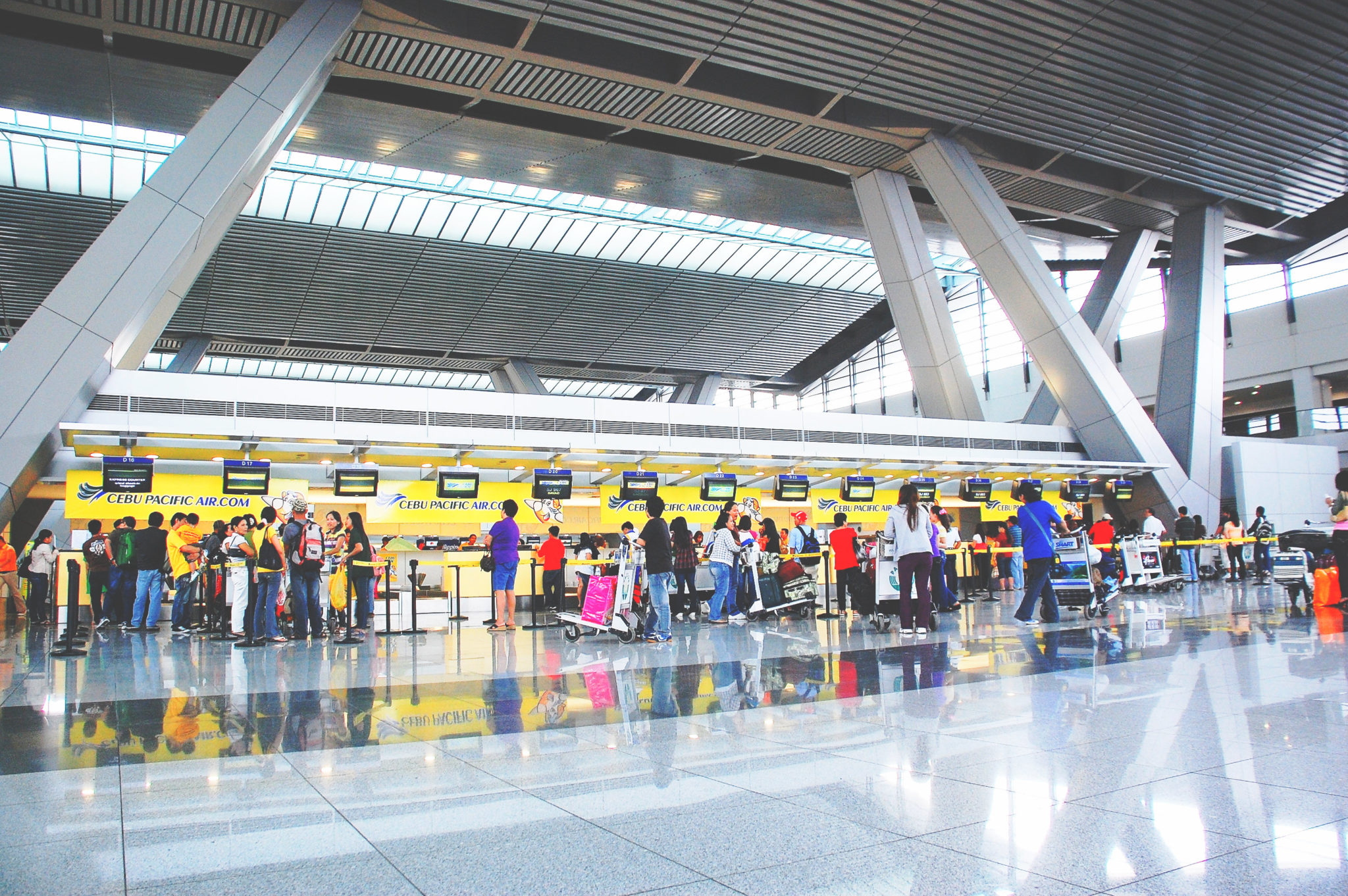
    The Philippines’ largest carrier, Cebu Pacific (CEB), commercially launches its Test Before Boarding (TBB) process for passengers flying from Manila, after its successful pilot run with the local government of General Santos. This process makes use of an antigen test taken just hours before the scheduled time of departure, with results released within 30 minutes.

    The TBB testing facility at the NAIA Terminal 3 is now open for walk-ins from 2AM to 2PM daily. CEB passengers will only have to register onsite and pay the fee directly to CEB’s diagnostic partner, Philippine Airport Diagnostic Laboratory (PADL).

    Throughout the pilot run from 3-14 December 2020, CEB tested a total of 1,143 passengers, three of whom tested positive and were not allowed to proceed with their flight. Only those who tested negative were allowed to board the aircraft. Subsequently, based on the data provided by the local government of General Santos, CEB passengers were retested after their 7-day quarantine and results were still negative, showing consistency with the earlier results of the TBB process.

    “Following the successful TBB pilot, Cebu Pacific is ready to offer this option to all their passengers. We are urging everyone to take advantage of this convenient alternative, especially since the testing site is strategically located at the airport, making the whole process easy and hassle-free for our residents,” said Mayor Ronnel Rivera of General Santos City.

    Apart from General Santos, the local governments of Butuan, Dipolog, and Pagadian also accept negative antigen test results as a pre-travel requirement. CEB passengers going to these destinations may also conveniently avail of the TBB beginning December 17, 2020.

    As a number of local and international destinations require negative RT-PCR test results prior to entry, CEB is offering RT-PCR tests for only PHP 3,300 (approx. USD68)viaits three partner laboratories, namely PADL, Health Metrics, Inc. (HMI), and Safeguard DNA Diagnostics Inc. (SDDI).

    Passengers booked on Cebu Pacific and Cebgo can easily choose and book appointments online. One will simply have to click on the “Testing Options” tab and choose from any of those in the list. From there, they will be redirected to each laboratory’s page to finalize their schedule online.

    “We remain committed to making flights affordable for everyone and seeing that testing is required by a number of destinations at the moment, we have partnered with accredited laboratories that may offer affordable testing options. We look forward to the day trust and confidence in air travel have been restored, but until then, let us all work together towards that,” said Candice Iyog, CEB vice president for Marketing and Customer Experience.

    Testing is just one out of the three key steps CEB strictly implements to regain passenger confidence. Other approaches include safety and sanitation, as well as track and trace. CEB continues to implement a multi-layered approach to safety and has been rated 7/7 stars by airlineratings.com for its COVID-19 compliance. Passengers are also constantly reminded to register in the Department of Transportation’s Traze App for a more efficient contact tracing process.

  • Volkswagen Taigun Teased Ahead of Launch

    Volkswagen Taigun Teased Ahead of Launch

    Volkswagen India has officially teased the upcoming Taigun compact SUV, suggesting the launch is around the corner. The carmaker released a teaser video of the Taigun on its official social media account. The SUV has been listed on VW’s official India website for collecting online enquiries. Specifically designed for the Indian market, the SUV was showcased at the 2020 Auto Expo in February. It will be based on the company’s MQB A0 IN platform, which will also be used on VW Group’s upcoming models, such as the production version of Skoda’s Vision-IN concept.

    This all-new product from Volkswagen will be slightly inspired by the T-Cross that is already on sale in the international markets. It will flaunt elements like wider grille with horizontal chrome slats and logo in the center, horizontally positioned LED headlights with LED DRLs, muscular bonnet, neatly designed bumper, large intakes, fog lamps. The production version is expected to get sporty alloys, wheel arch cladding, roof rails and LED taillamps connected by a reflective strip and smoked details similar to the concept model. The rear profile will be underlined by a muscular rear bumper, faux diffuser, heavy chrome/silver details, and matching side skirts.

    On the inside, the SUV will feature dual-tone black and grey upholstery along with a premium interior with body-colored panels on the dashboard, centre console and doors. The SUV is expected to come equipped with an all-digital instrument console, bigger touchscreen infotainment system, fast-charging USB slots, and app-based connected features, flat-bottom steering wheel, rear AC vents, automatic climate control and more.

    Mechanically, the soon-to-be-launched Taigun compact SUV will be powered by a 1.0-liter three-cylinder turbocharged TSI petrol engine. The unit is likely to develop 113 bhp and 200 Nm of peak torque. Transmission options could include a 6-speed manual gearbox as standard along with an optional 7-speed DSG automatic. The company will not offer an all-wheel-drive (AWD) variant of the SUV. When launched, it will rival the Hyundai Creta, Kia Seltos, Renault Duster and the MG Hector.

  • Vietnam’s sixth carrier making plans to take of by mid-January

    Vietnam’s sixth carrier making plans to take of by mid-January

    Vietravel Airlines, Vietnam’s sixth carrier, has received permission to fly aircraft for commercial purposes, and plans to begin operations in mid-January.

    It received the aircraft operator certificate from the Civil Aviation Authority of Vietnam (CAAV) last week, the last permit it needed to fly.

    Vietravel would start selling tickets in January, Vu Duc Bien, its general director, said. It targets breaking even in its second year of operations, he said

    Starting amid the turbulence created by the pandemic has helped the carrier acquire good aircraft and pilots and engineers at competitive rates besides benefiting from low fuel costs and a stimulus package from the government, he added.

    It recently took delivery of its first 220-seat Airbus A321CEO plane and is due to get two more soon to meet the increased travel demand during the Lunar New Year Tet in Februrary, 2021.

    Based at Phu Bai International Airport near Hue, Vietnam’s former imperial capital, it will start with services to Hanoi and HCMC before expanding to major tourist destinations like Nha Trang, Da Nang and Da Lat.

    It has hired some 200 pilots and flight attendants, and is looking to expand its fleet to 30 to prepare for international operations.

    It plans to fly to Southeast Asia, especially Thailand, the Middle East and Northeast Asia, markets that Vietravel services.

    The airline enters a fiercely competitive aviation market which already has five players, Vietnam Airlines, Vietjet, Jetstar Pacific, Vietnam Air Services Company, and Bamboo Airways, at a time when the industry has gone through one of its most challenging years ever due to Covid-19 restrictions, which have caused airlines huge losses.

  • Goldman Sachs Proffers Affluent Wealth App

    Goldman Sachs Proffers Affluent Wealth App

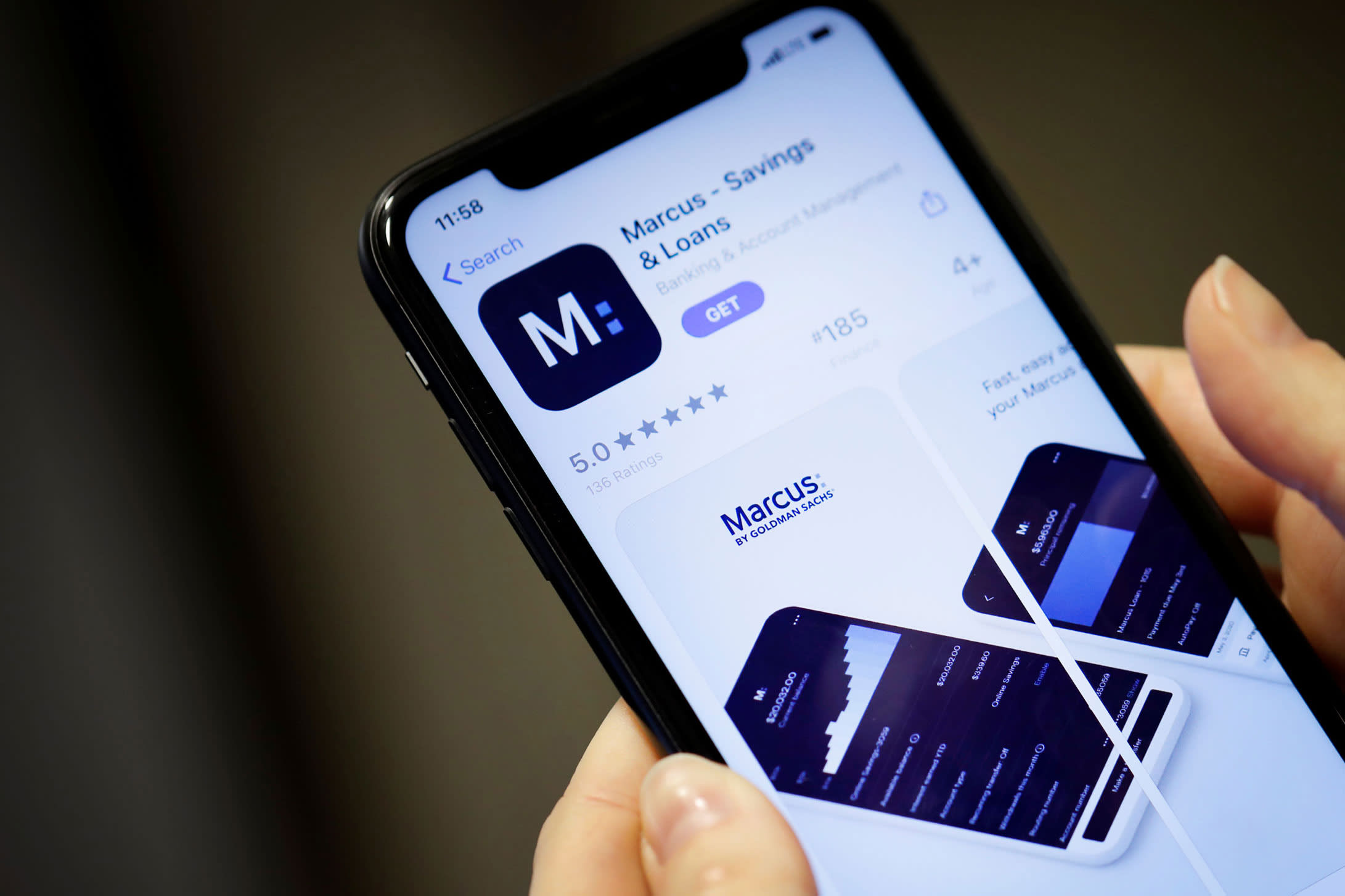
    The U.S. investment bank plans to expand its wealth offering to affluent clients. The move represents a further departure from its Wall Street roots.

    Goldman Sachs, the best-known investment bank in the world, is pushing deeper into mass-market banking. Four years after launching Marcus for retail clients, the New York-based company is now releasing an app for affluent clients to invest, according to a report by CNBC which cites an internal memo.

    A beta version of the app – Marcus Invest – has already started and a wider launch is planned for the first quarter. Employees are the first to test Marcus Invest, which charges an annual fee of 0.15 percent of assets.

    The move is emblematic of how Goldman, known as Wall Street’s most voracious trading house, is quietly seeking a reinvention as a trusted wealth manager under CEO David Solomon. Though still minute in comparison to its investment banking activities, the wealth arm has steadily expanded in recent years – including returning to the world’s largest offshore center.

    Goldman’s entrance into the mass affluent market was foreshadowed by Marcus, which it launched in 2016 in the U.S. and expanded to the U.K. two years ago. Marcus was so successful in hoovering up British money that Goldman reportedly shut it to new clients this year. The app was meant to be launched in Germany as well, a move which was pushed back due to Brexit as well as the pandemic.

    Until recently, Goldman’s wealth managers catered only to the wealthiest of clients and those who also commanded investment banking-grade services (generally from $25 million in assets and up).

    Unlike traditional wealth managers, Goldman is making technology a backbone of its efforts to court the wealthy – plowing billions into its own development as well as into deals. It bought United Capital, a tech-backed wealth manager, last May, but has been quietly acquiring consumer banks and wealth managers since 2016.

  • Qualcomm is no longer the top supplier of chipsets for smartphones

    Qualcomm is no longer the top supplier of chipsets for smartphones

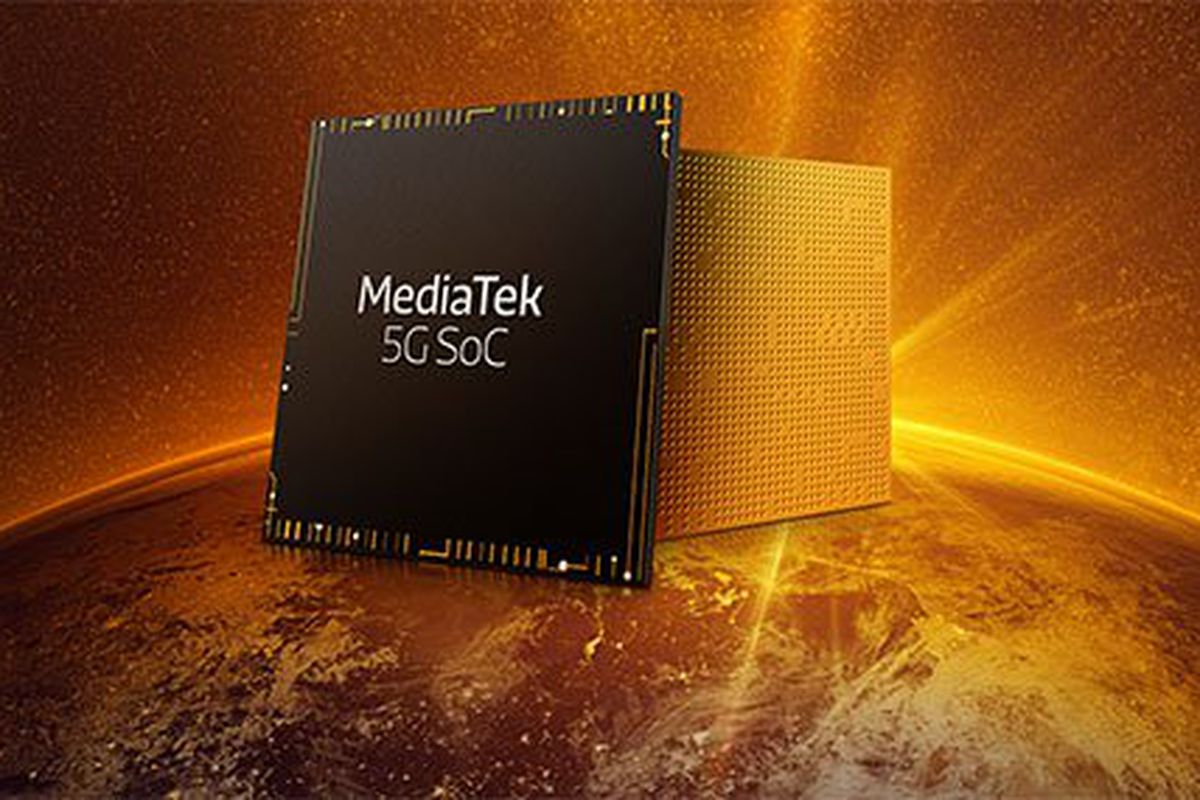
    There has been a change in the smartphone industry. During the third quarter of this year covering July through September, MediaTek overtook Qualcomm to become the top provider of chipsets for the smartphone industry with a 31% share of the market. Counterpoint attributes MediaTek’s success to strong sales of phones in the $100-$250 price range amid strong growth in the top two smartphone markets in the world; that would be China (#1) and India (#2). As a developing country, Indian consumers prefer value brands many of which use MediaTek chips instead of Qualcomm’s pricier Snapdragon silicon.

    This is not to say that Qualcomm couldn’t find a sweet spot for growth in Q3. With 39% of the market, the chip maker is the leading provider of 5G chipsets for phones and this is a market that doubled during the third quarter. Counterpoint says that 17% of  all phones sold during the third quarter supported 5G. That figure is expected to rise to 33% for the current quarter that started in October and concludes at the end of the year. With strong growth in 5G shipments for the fourth quarter, Qualcomm does have a chance to take back the crown that MediaTek took away from it.

    MediaTek’s leading 31% share of the smartphone chipset market was a 19% percent gain from the 25% share that the Taiwan based firm had last year. During the same time period, Qualcomm’s slice of the chipset pie for handsets declined from a leading 31% to the current 29%. Apple was third as its A-series chips, built exclusively for its phones and tablets, garnered 12% of the market. That put Apple in a three-way tie with Samsung and Huawei’s HiSilicon unit.

    Counterpoint Research Director Dale Gai pointed out that “MediaTek’s strong market share gain in Q3 2020 happened due to three reasons – strong performance in the mid-end smartphone price segment ($100-$250) and emerging markets like LATAM (Latin America) and MEA (Middle East and Asia), the US ban on Huawei and finally wins in leading OEMs like Samsung, Xiaomi and Honor. The share of MediaTek chipsets in Xiaomi has increased by more than three times since the same period last year. MediaTek was also able to leverage the gap created due to the US ban on Huawei. Affordable MediaTek chips fabricated by TSMC became the first option for many OEMs to quickly fill the gap left by Huawei’s absence. Huawei had also previously purchased a significant amount of chipsets ahead of the ban.”

    Gai also noted that, “On the other hand, Qualcomm also posted strong share gains (from a year ago) in the high-end segment in Q3 2020, again thanks to HiSilicon’s supply issues. However, Qualcomm faced competition from MediaTek in the mid-end segment. We believe both will continue to compete intensively through aggressive pricing, and mainstream 5G SoC products into 2021.”

    Counterpoint Research Analyst Ankit Malhotra added, “Qualcomm and MediaTek have both reshuffled their portfolios, and consumer focus has played a key role here. Last year, MediaTek launched a new gaming-based G-series, while Dimensity chipsets have helped in bringing 5G to affordable categories. The world’s cheapest 5G device, the realme V3, is powered by MediaTek. Using his crystal ball to look into the future, Malhotra said, “The immediate focus of chipset vendors will be to bring 5G to the masses, which will then unlock the potential of consumer 5G use cases like cloud gaming, which in turn will lead to higher demand for higher clocked GPUs and more powerful processors. Qualcomm and MediaTek will continue to contend for the top position.”

  • The entire Retail News Editorial team wishes you a Joyful and Merry Christmas

    The entire Retail News Editorial team wishes you a Joyful and Merry Christmas

    It’s been a difficult year; we better say the most difficult year in decades with Covid-19 and all social restrictions that were put in place. But we were resilient, and prepare ourselves for a better year.

    Hopefully with more and more retail events and summits; cause that’s what we retailers live from. Showcase and demo products, networking, and meeting up with customers and vendors. It’s not that far ahead of us… we already prepare ourselves in order to get ready when the markets are ready again to shift gears.

    Thanks for being part of the largest retail community covering Asia this year. The entire Retail News Editorial team is wishing you a Happy Holiday season. We wish you joy and peace in the upcoming year. Wishing you all the joys of the season and happiness throughout the coming year.

    Thanks for support us; thanks for reading us and stay close in the new year!


  • Asia is Ready for a Digital Banking Revolution

    Asia is Ready for a Digital Banking Revolution

    In the next three years, Asia will see more than fifty new digital banks that will completely change the financial services landscape. That’s just the beginning, GFT’s Christopher Ortiz says. The region will also see broader adoption of blockchain technology with new private exchanges, multi-currency e-wallets and digital assets.

    Some of the incumbent banks understand that a technological revolution is inevitable and are working on a digital reshaping of their offering, with broader cloud adoption, end-to-end digitalization of processes and a revamped user experience. What’s interesting is the focus remains predominantly on the retail offering, while the institutional and wealth businesses are trailing behind, weighed by the concept of personalized relationships.

    While this remains true for the current core client base of the top wealth managers, some wealth players are underestimating the impact of the transfer of wealth to the next generation, who despite not being digital natives have already adopted a complete digital lifestyle.

    Some of the most prestigious Swiss private banks understand the impending evolution and have already started a deep transformation of their offering and services with a digital mindset, to smoothly transition to a real personal digital experience. Asian wealth institutions are poised to start this process and revisit the impact of these new services on their current revenue streams.

    This is no longer about providing digital channels; that was the goal of the past ten years. The challenge is to reshape business models and create revenue-generating digital processes and services. It is estimated that cloud migration can help financial institutions reduce 80 percent of their mainframe costs, but this is not a short migration process it could take several years. As such, our recommendation to CIOs is to start embracing the cloud and initiate the migration as soon as possible.

    By 2025, most banking services will be completely digitalized. Multi-currency e-wallets with multiple central bank digital currencies and stable coins will replace physical currency, and the broad tokenization of investment assets and real state will be a reality, while most cross-border transactions will be booked on DLT technology. Financial intermediaries will also have reinvented themselves.

    Banks, as we know them today, are undergoing a fundamental change to become IT platforms with a banking license. However, the overall readiness of current financial services incumbents is under par. With some exceptions, the risk-aversion mindset is likely to prevail, and the lack of a transformational change mindset will stretch the profitability and long-term survival of key incumbents.

    The median age in Asia is around 30 years old, and about 70 percent of the region’s population is underbanked. The scale and challenges are unprecedented.

    In addition, If we look at the amount of unserved retail wealth in Asia, the opportunities are limitless. Yes, Asia will witness a revolution. Now it’s up to the incumbents to jump on the wagon and help drive it.

  • Gojek Makes Financial Push in Indonesia

    Gojek Makes Financial Push in Indonesia

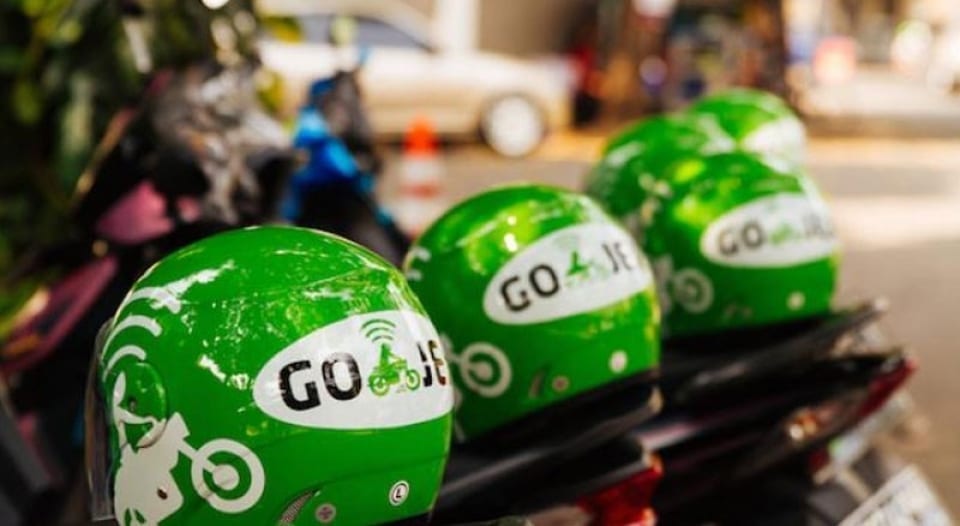
    The Indonesia-headquartered super-app is increasing its stake in Bank Jago as part of its bid to accelerate financial inclusion in Asia.

    Gojek’s payments and financial services arm GoPay will own 22.2 percent of Indonesia’s Bank Jago, up from 4.1 percent, as part of a deal worth $159 million. Controlling shareholders Metamorfosis Ekosistem Indonesia and Wealth Track Technology will continue to own a combined 51 percent of the bank.

    The deal is a key part of our strategy and will underpin the growth and sustainability of our business in the long term,» Andre Soelistyo, Gojek Co-CEO, said in an announcement on Tuesday.

    The partnership will allow Gojek users to access digital banking services through its platform, as well as to instantly open a bank account with Jago and manage their finances via the super-app.

    Bank Jago is a technology-based bank that delivers digital banking services for the SME, consumer and mass-market segments in Indonesia, home to the fourth-largest unbanked population globally.

    Some 52 percent of adults (95 million people) do not own a bank account and a further 47 million adults are underbanked or have insufficient access to credit, investment and insurance, Gojek noted.

    As a bank designed with an open API, we will go on to work with multiple digital ecosystems to reach a wider audience and drive our aspiration to enhance the finances of millions of people through digital financial solutions, Kharim Siregar, Bank Jago’s president director, said.

  • More Japanese firms opt for Vietnam after China

    More Japanese firms opt for Vietnam after China

    Twenty-two more Japanese firms have registered Vietnam as their next investment destination under a scheme in which the Japanese government will fund a production shift from China.

    With the latest additions, 37 out of 81 Japanese firms receiving the government’s subsidies to move factories out of China and set them up in Southeast Asian markets have opted for Vietnam, Japanese ambassador to Vietnam Yamada Takio said at a conference between Japanese firms and the Vietnamese government Monday.

    In July, the Japan External Trade Organization (Jetro) released an official list of 15 Japanese firms that had chosen to move to Vietnam. Most of these firms make medical equipment while the rest produce semiconductors, phone components, air conditioners or power modules.

    “Vietnam currently tops the list of potential investment destinations among Japanese firms choosing to diversify their supply chains,” Yamada said, adding that Thailand came second with 19 firms.

    He said while many economies around the world were struggling to fight against the Covid-19 pandemic, Vietnam has successfully contained outbreaks and is one of the few economies posting positive growth in 2020, estimated at 2.48 percent.

    In the first 11 months of this year, Vietnam’s total export value reached $489 billion, up 3.5 percent year-on-year.

    “In the world, only Vietnam has achieved such great success,” Yamada said. As a result, Vietnam has become more attractive for foreign investors, including Japanese enterprises, he said.

    The Japanese government had earlier announced a 243.5-billion-yen ($2.3 billion) stimulus package to help Japanese companies move production out of China. Jetro said the Japanese government will give each company 0.1-5 billion yen for the move.

    Though Vietnam has emerged as an attractive destination for Japanese investors, there are investment environment problems that need to be resolved, it added.

    Many Japanese firms have complained to the Vietnamese government about complicated administrative procedures.

    Nakagawa Tetsuyuki, general director of Aeon Mall Vietnam, said their projects often take a long time to complete admin procedures. Some projects have to wait more than one year to receive the investment registration and land use right certificate.

    For projects that need approval under the Prime Minister’s licensing authority, it takes even longer, Tetsuyuki added.

    Therefore, Japanese businesses expected the government to shorten and speed up administrative procedures to improve business environment.

    Japanese firms are also concerned about tax incentives, equitization and entry and quarantine policies, infrastructure, and human resources.

    Japan was the fourth-largest foreign direct investor in Vietnam in the first eight months of this year with a total registered capital of $1.64 billion, behind Singapore, South Korea and mainland China.

  • South Korea Gets New Solar Panel Covered Bike Lane

    South Korea Gets New Solar Panel Covered Bike Lane

    Last year, we got to know about the SolaRoad in the Netherlands where the road was replaced by solar panels and its infrastructure was self-sufficient to power the lighting system of the highway. Now there’s a new highway in South Korea that runs between Daejon and Sejong and its entire bike lane on the 32 km stretch is covered with solar roof panels. These panels not only generate electricity but also protect cyclists from the sun and other vehicles on the highway.

    The two-way bike lane runs between both cities and is constructed right in the middle of the lanes, while there are three lanes for vehicles to travel on both sides. Furthermore, the lane is divided by the side barriers that block the view of the surrounding road and also obstructs high beam lights of oncoming vehicles. The vehicles are still visible on the medium strip but you don’t get the entire view of the opposite lane.

    These lanes generate more than enough electricity to power the lighting and the charging sockets for electric cars. The stretch is a new innovation in civil engineering and while it connects Daejon and Sejong like any other highway, it does so in a much efficient and safer manner.

  • ZA Tech Partners to Launch Insurtech in Indonesia

    ZA Tech Partners to Launch Insurtech in Indonesia

    Chinese firm ZA Tech Global is partnering Indonesian payments giant Ovo to offer Indonesian insurance companies access to its proprietary insurtech capabilities and applications.

    BCP, the holding company of Indonesia’s leading e-wallet Ovo, and ZA Tech Global, a technology venture for overseas markets of ZhongAn Online P&C Insurance, have announced a strategic joint venture to create an insurtech platform in Indonesia, towards fast-tracking digitalization of Indonesia’s insurance industry and improving financial inclusion.

    The joint venture will help Indonesian insurance companies rapidly digitize their products and offer fractionalized digital insurance products to the masses, in turn driving and improving financial inclusion in Indonesia’s vastly underserved market, the announcement said.

    The announcment noted that only 1.7 percent of Indonesia’s population of 265 million are currently covered by private insurance. It is also the fastest-growing market in Southeast Asia, with economic growth averaging over 5 percent in the past three years.

    The low awareness of the benefits and role of insurance as a tool for protection, savings and wealth creation in Indonesia is something we seek to address. The current pandemic has further highlighted the need for insurance to safeguard people’s health and welfare,» Bill Song, CEO of ZA Tech, said.

    ZA Tech Global previously inked micro-insurance partnerships with Grab and NTUC Income in Singapore, and regionally with AIA.

  • BMW 3 Series Gran Limousine India Launch Date Revealed

    BMW 3 Series Gran Limousine India Launch Date Revealed

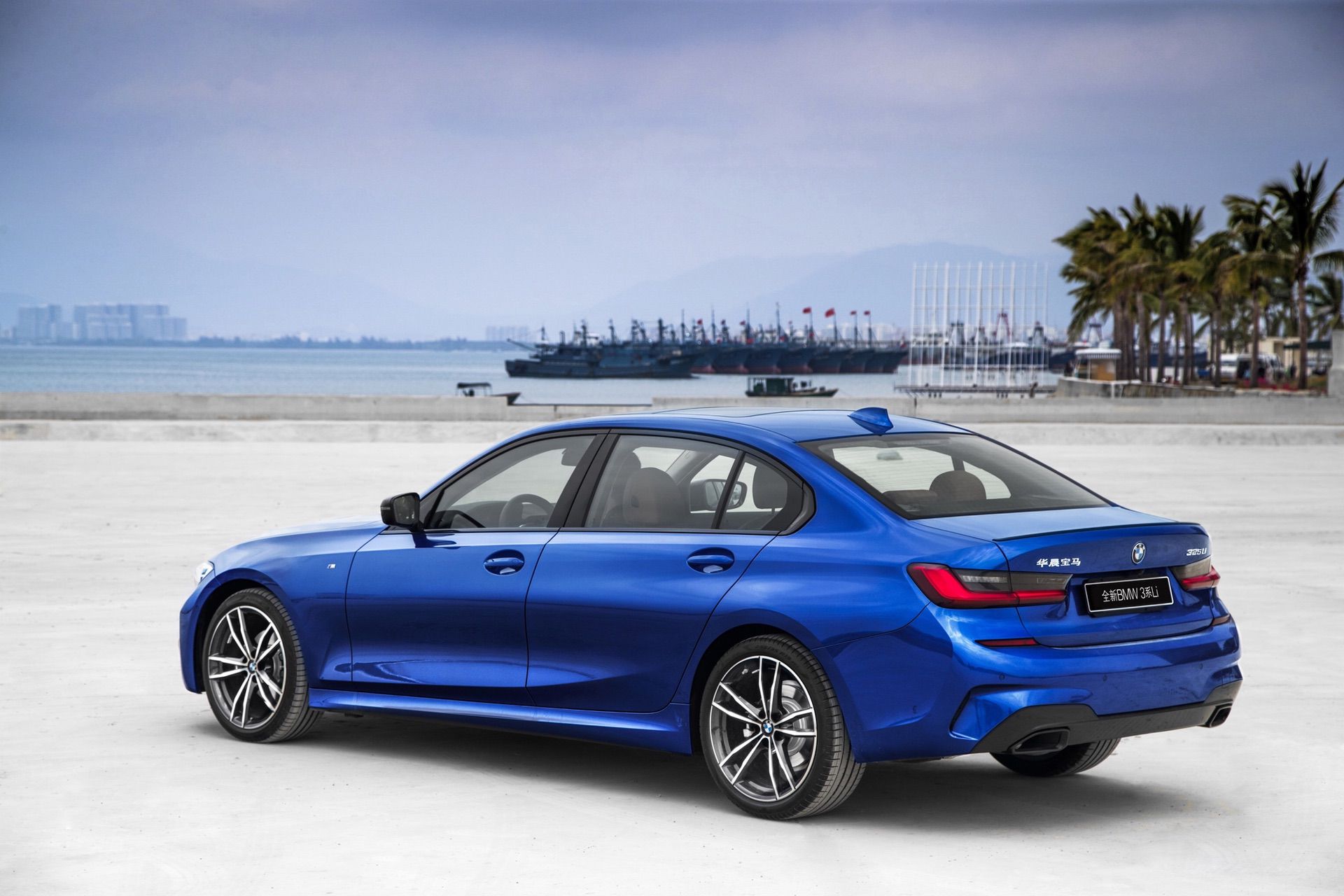
    BMW is set to launch its largest product offensive in India in 2021 and it’s starting with the all-new BMW 3 Series Gran Limousine (GL). The BMW 3 Series Gran Limousine will be launched in India on January 21, 2021 and it will be the longer wheelbase version of the standard 3 Series leveraging more legroom on the inside. It will be the longest and most spacious entry-level luxury sedan in India while will share the mechanicals and overall design with the standard car, save for the long profile.

    It is likely to share its underpinning with the standard car as well, being spawned by the CLAR platform and while the interior layout is likely to remain similar too. You can also expect it to get all the features that we have already seen in the new BMW 3 Series like the Hey BMW connected car tech, wireless charging, wireless Apple CarPlay, BMW live cockpit professional, 3D navigation, rear park assist, a 12.3-inch digital instrument cluster and a 10.25-inch infotainment screen among others.

    It’s also likely to share its engine line-up with the BMW 3 Series sedan. Under the hood, it is likely to get the 2.0-litre, four-cylinder, turbocharged petrol motor tuned to churn out 255 bhp and 400 Nm of peak torque. If BMW decides to bring the diesel iteration as well, it will be the 2.0-litre, four-cylinder, turbocharged engine that produces 188 bhp and 400 Nm of peak torque. Both engines are expected to be paired with an eight-speed automatic gearbox as standard. BMW will also launch the 2 Series Gran Coupe Petrol, 5 Series Facelift and the 6 Series GT Facelift late in 2021.

  • Apple ties up much of TSMC’s 5nm chip production for next year

    Apple ties up much of TSMC’s 5nm chip production for next year

    These are the Golden days for Apple’s in-house chipsets. For example, benchmark tests reveal that the A14 Bionic used to power the iPhone 12 series outperforms the upcoming Snapdragon 888 chipset (which will be found in 2021 Android flagship phones). Even more interesting, last year’s A13 Bionic, which drives the iPhone 11 family, also produced a better score than the Snapdragon 888. Both A-series chips are designed by Apple and are produced by TSMC, the largest independent foundry in the world. The Snapdragon 888 is designed by Qualcomm and will be manufactured by Samsung using its new 5LPE process node.

    Apple happens to be TSMC’s largest customer; Huawei was second until the U.S. changed an export rule that now blocks foundries using American-made tech from shipping chips to the Chinese based manufacturer. TSMC’s advanced 5nm production capabilities for 2021 have been “booked out.” Apple has reserved much of this production (80% according to the report) for 5nm A14 Bionic and A15 Bionic Application Processors for the 2020 and 2021 iPhone models. Apple also has booked 5nm production for its ARM related M1 computer processor. Apple replaced some Intel processors for new MacBook models with the home-grown M1; the latter contains a whopping 16 billion transistors inside. The higher a chip’s transistor density (number of transistors packed inside a dense square mm space), the more powerful and energy-efficient the component is.

    TSMC’s revenue is expected to hit an all-time high this year with another record high due for 2021. The company also plans to begin Risk Production of 3nm chips next year. Part of the process of designing and manufacturing new chips includes Risk Production. These are cutting-edge chips that are sold to manufacturers willing to buy them without having to go through testing. That puts the risk squarely on the buyer. The foundry says to expect a performance boost of 10% to 15% with its 3nm chips along with a 20% to 25% increase in energy-efficiency.

    Last month, a report stated that the A16 Bionic chip for the 2022 iPhone 14 will reportedly be manufactured using the 4nm process node. However, this past summer another report said that the A16 Bionic would be manufactured using the 3nm process node. Next year’s iPhone 13 line will be powered by the A15 Bionic and produced once again by TSMC using the 5nm process node.

    To show you how far this technology has advanced over the last decade, consider the Apple A4 chip. Designed in-house for the very first time, the A4 was manufactured for 2010’s iPhone 4 by Samsung using the latter’s 45nm process node. Speaking of Samsung, the company and TSMC are the only foundries currently capable of producing 5nm chipsets.

  • Delhi High Court rejects Amazon challenge to $3.4 billion Reliance deal

    Delhi High Court rejects Amazon challenge to $3.4 billion Reliance deal

    The Delhi High Court on Monday refused to restrain Jeff Bezos-led Amazon from interfering in Kishore Biyani-headed Future Retail’s $3.4 billion deal with Mukesh Ambani-owned Reliance Retail by writing to statutory authorities.

    The order was pronounced by a Single Judge Bench of Justice Mukta Gupta in the suit by Future Retail Ltd after an Emergency Arbitrator of the Singapore International Arbitration Centre (SIAC) restrained Future Group from taking any steps in furtherance of the transaction with Reliance Retail, according to the information available on law platform Bar & Bench.

    “However, the court passed a neutral observation that the balance of convenience lay both in favor of FRL and Amazon and also observed that the statutory authorities were free to form their own opinion as per law,” said Salman Waris, managing partner at technology law firm TechLegis Advocates and Solicitors, after doing an analysis of the development. “The Court opined that it was ‘a matter of trial’ to determine whether Amazon’s case outweighed FRL’s claim and for now, it was for the statutory authorities (or) regulators to come to their own right conclusion.”

    In August, retail conglomerate Future Group struck a $3.4 billion asset sale deal with Reliance Industries Ltd (RIL). Amazon then sent a legal notice to Future, alleging the retailer’s deal breached an agreement with the American e-commerce giant. This was because last year, Amazon had bought a 49 percent stake in one of Future’s unlisted firms Future Coupons Pvt Ltd (FCPL) for Rs 1,430 crore. As per the conditions of the deal the disputes was arbitrated under SIAC rules and Amazon won a favorable ruling. Future Retail then approached the Delhi High Court seeking relief against the arbitration order passed by the SIAC with regard to its deal with Reliance.

    The Delhi High Court, prima facie, found that the suit filed by Future Retail was maintainable, the Emergency Award was valid, and that Future Retail’s resolution approving the transaction with Reliance was also valid, according to Bar & Bench.

    Waris of TechLegis said for Amazon, the court held that the ‘control’ as per the conflation of 3 agreements is not permitted under FEMA (Foreign Exchange Management Act) FDI (Foreign direct investment) rules, without the government’s approval. Thus, prima facie Amazon’s plea is void. However, Waris said the breach of the agreement by FRL would make a strong case for Amazon since it owns a stake in Future Coupons Pvt Ltd, which is, in turn, has a 9.82 percent shareholder in FRL.

    Without challenging the Emergency Award before the High Court, FRL had prayed Amazon be prevented from writing to statutory authorities such as the Securities and Exchange Board of India (Sebi) in an attempt to stall the deal, according to Bar & Bench.

    Also, FRL had asserted that the Emergency Award was of no consequence as it was not enforceable in the Indian regime.

    Earlier Future Retail’s representative had told the arbitration panel that if the deal with Reliance Retail fails, then the company would go into liquidation. The closure of the company would lead to over 29,000 job losses. Also, the company lost Rs 7,000 crore in revenue in the first three to four months of the pandemic phase.

    “(As) For Future, FRL does not want Amazon to interfere in the $3.4 Billion asset sale deal,” said Waris. “Moreover, it also contended that being an investor in Future Coupons Pvt Ltd and not FRL, Amazon had no say in a transaction between FRL and Reliance.”

    Waris said Reliance supported FRL’s case before the High Court, arguing that Amazon was “playing mischief” by stalling the deal that would save FRL from going under. “The said deal would get the benefit of economies of scale as Reliance Retail is India’s largest, most profitable retail business and is the fastest-growing retailer in the world thus far,” said Waris.

    Last month the court witnessed a lot of drama in this case. Future Retail which was represented by senior advocate Harish Salve likened Amazon to the “East India Company’” and told the court that its interference in the Future-Reliance deal would result in thousands of job losses and make FRL bankrupt. Amazon, represented by senior advocate Gopal Subramanium, told the court that it has invested $6.5 billion all over India and created 900,000 jobs. He had said some comments were made which were misplaced and said that the rhetoric should be kept aside on Amazon being called “East India Company.”

    Meanwhile, in November, the Competition Commission of India (CCI) cleared Reliance Industries’ (RIL) bid to buy Future group’s retail, wholesale and logistics assets even as Amazon had sought to block the transaction, alleging contractual violations by Future.

  • Thai occupancy rates holding up despite Covid-19 crunch

    Thai occupancy rates holding up despite Covid-19 crunch

    Thailand’s Accommodation Occupancy Rate (AOR): Whole Kingdom data was reported at 30.400 % in Oct 2020. This records an increase from the previous number of 27.930 % for Sep 2020. Thailand’s Accommodation Occupancy Rate (AOR): Whole Kingdom data is updated monthly, averaging 66.030 % from Jan 2015 to Oct 2020, with 70 observations. The data reached an all-time high of 81.260 % in Jan 2019 and a record low of 2.260 % in Apr 2020.

    Thailand’s Accommodation Occupancy Rate (AOR): Whole Kingdom data remains active status in CEIC and is reported by Bank of Thailand. The data is categorized under Global Database’s Thailand – Table TH.Q004: Hotel Occupancy Rate and Average Room Rate (Monthly).