Tag: asia

  • Vietnam Airlines seeks shareholder loans

    Vietnam Airlines seeks shareholder loans

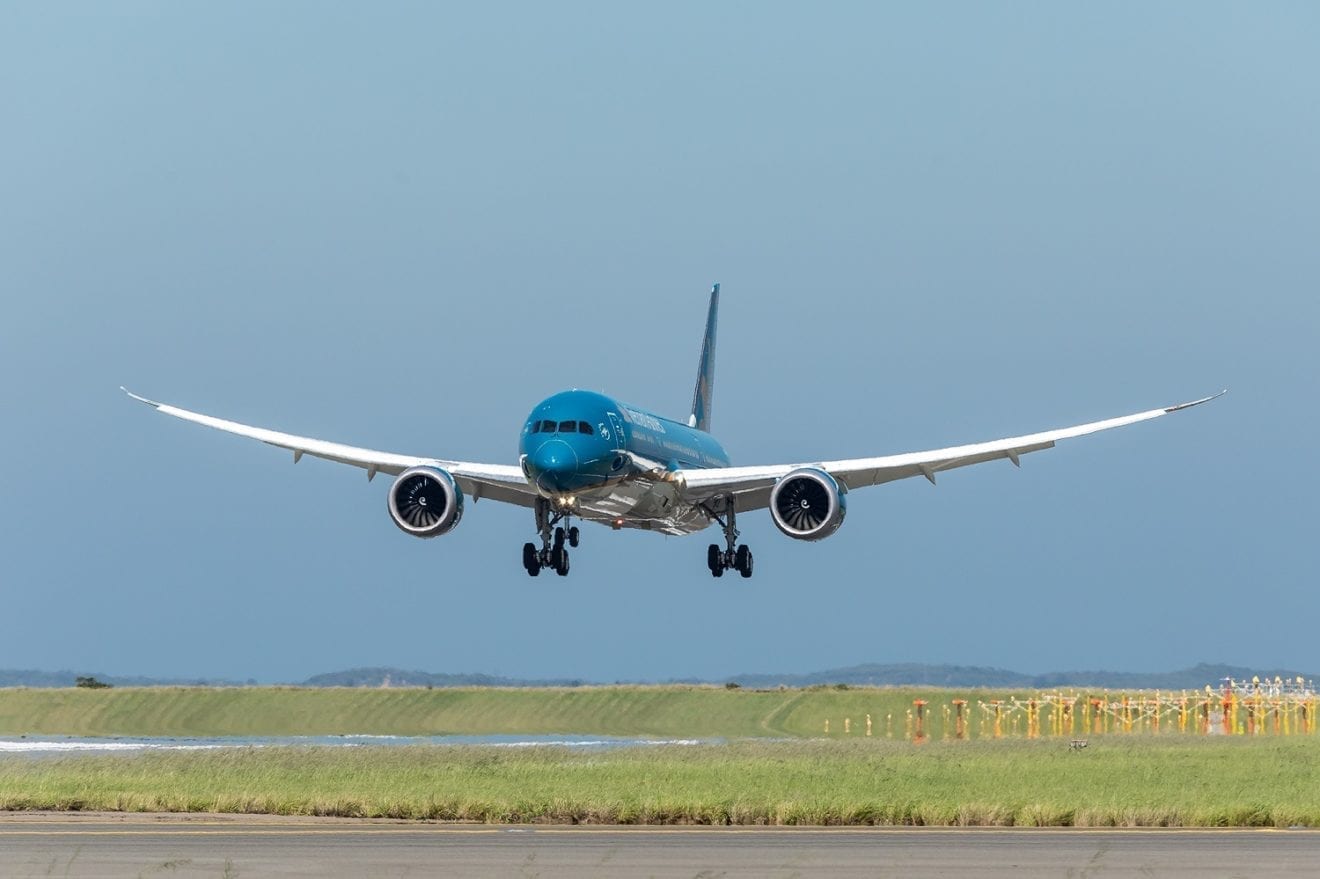
    Vietnam Airlines Group has called an extraordinary shareholders’ meeting next week to source low-interest loans to accelerate Covid-19 recovery.

    At the meeting, to be held on Dec. 29, the flag carrier will seek loans from its shareholders that comprise the government with an over 86 percent stake, Japanese aviation company ANA Holdings with 8.7 percent, and other organizations and individuals.

    The National Assembly in November approved a plan for the central bank to refinance Vietnam Airlines and rollover loans. The airline had earlier asked for a relief package of VND12 trillion.

    The group will also seek shareholder approval to issue more shares to existing stakeholders and so increase its capital.

    Vietnam Airlines Group, consisting of the carrier and subsidiaries Pacific Airlines and Vietnam Air Services Company (VASCO), posted a loss of VND10.75 trillion ($464 million) for January-September as the Covid-19 pandemic slashed its number of flights.

    It has forecast the figure would rise to VND15.2 trillion for the whole year.

    All Vietnamese airlines have fallen victim to Covid-19 this year with the number of flights plunging 36 percent year-on-year to 19.

  • What Volkswagen India’s SUVW Strategy Entails

    What Volkswagen India’s SUVW Strategy Entails

    How many times have you seen a Volkswagen Beetle and not given it another look? Well, the answer is zero and that’s because its design is timeless, ageless. That’s also why we can’t help but look at the new-gen models from Volkswagen India like the Jetta, Polo, Vento, Polo GTI or now even the Tiguan, T-Roc, and even the Tiguan AllSpace. It’s the design of all these cars evoke the same reaction – wow!

    And it’s because these cars have a strong lineage. They all are a culmination of what the company has been able to learn in so many years of being part of the global automotive fraternity. That’s why you see the technology funnel down to cars like the Polo GT TSI making it one of the best hot hatches in the country. In fact, it was the car that started the hot hatch trend in India and remains to date one of the most loved driver’s car in the country.

    But with SUVs fast becoming a trend in global markets, VW had to go back to the drawing board and figure out what it could do. It’s not as if the company had no SUV in the market earlier. Remember the Touareg? Yes, the one with the V6 engine. But it was ahead of its time, in fact, Indian buyers weren’t looking at buying SUVs back then, they were more into sedans. But as the market matured, VW India adapted to the change. The big step then in the SUV direction was in 2017, when the company introduced customers to the 5-seater Tiguan.

    With the Tiguan, Volkswagen tested the shores to understand the response and yes, it was a good one. The fact that you get German engineering, precision driving capabilities and of course great build quality, customers knew exactly what to expect from these products. And that was one reason why there’s a more strong focus on bringing in SUVs to India under the India 2.0 Project.

    With the Group investing ₹ 8000 for the India 2.0 project, there was going to be a strong focus on three aspects a) building cars with a high amount of localization content, b) align the business to make sure that service costs come down, and finally, make cars in India for the world!

    The company has already inaugurated a tech center in Pune in 2019 which will look into the development of these upcoming products but the attention is more on the new localized MQB-A0-IN platform. Just like the modular architecture of the MQB platform, where a number of body styles are made on a single platform, the A0-IN will also serve a similar purpose but given the high level of local content on the cars, all the products based on it will be price competitive. To put things into perspective, currently, the localized content in VW cars like the Polo and Vento is around 82 percent that will go up to 95 percent and that’s a massive leap.

    The Volkswagen Taigun will be one of the first SUVs to be built on the new localised MQB-A0-IN platform.

    The first car to be based on this platform is going to be the Taigun which was showcased just ahead of the Auto Expo 2020 and you got to see the car in the flesh back then. And this car will lead the charge for everything that comes post it. Now, the Tiguan AllSpace and the T-Roc have already had their fair share of success, so yes, it’s perfect timing for the Taigun to enter the market. The SUVW strategy then is falling into place and in 2021, we’ll see the Taigun and one more product coming to India. We can’t wait to drive everything that comes our way!

  • Bauhaus leaves all markets except Hong Kong, Macau

    Bauhaus leaves all markets except Hong Kong, Macau

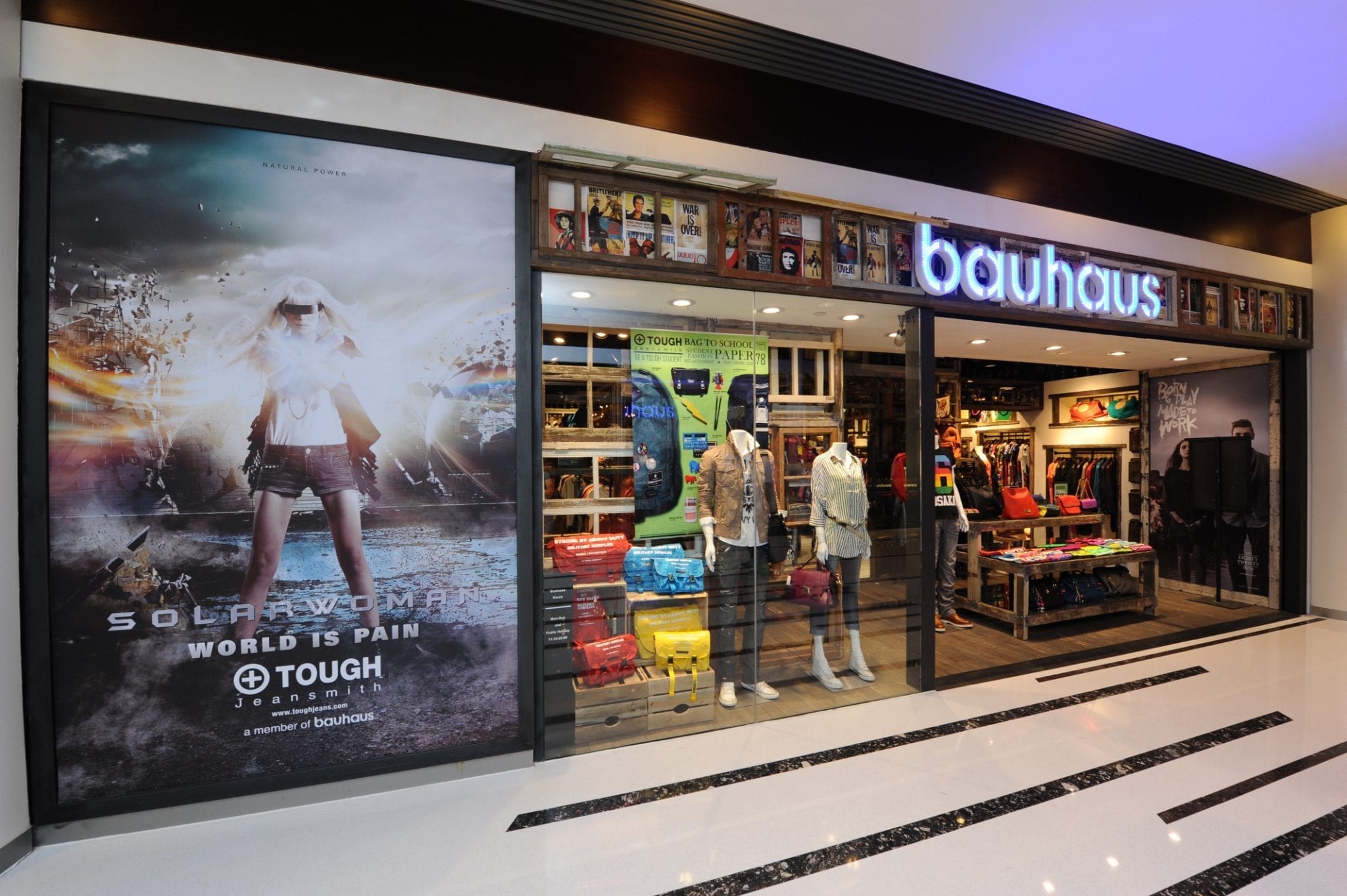
    Local apparel retailer Bauhaus International (0483) has revealed an intention to close all its retail stores outside Hong Kong and Macau by the end of March.

    The group’s loss outside Hong Kong and Macau expanded more than 13 times to HK$78.4 million in 2019 over 2018 before it narrowed to HK$68.6 million this year.

    Most of the Bauhau offline retailing operations beyond Hong Kong and Macau are in the mainland and Taiwan.

    It suffered an annual loss of HK$142.8 million this year compared with a profit of HK$2.76 million in 2019.

    The company will negotiate with landlords of the 14 stores its intends to shut down, and the precise timing of each closure will depend on how the talks go.

    About 50 employees will be laid off as a result of the closing program.

    The retailer is still looking at the possibilities of accessing the non-Hong Kong and Macau markets through centrally-managed online operations run from its Hong Kong headquarters.

    Bauhaus says more realistic economies of scope will result from the closures, which are also seen to be in the best interests of the company and its shareholders.

  • Esprit loses CEO, CFO as board moves head office function back to Hong Kong

    Esprit loses CEO, CFO as board moves head office function back to Hong Kong

    Esprit Group has announced that its CEO Anders Kristiansen and chief financial officer (CFO) Johannes Schmidt-Schultes are both exiting the company next year.

    Kristiansen, who was formerly managing director of New Look, has been at the helm of Esprit since June 2018 and has led the group’s restructuring process during what the company describes as an “extremely difficult” period. He has resigned with immediate effect as an executive director and will remain group CEO until 28 February.

    Similarly, Schmidt-Schultes, who joined in October 2019, has stepped down with immediate effect as an executive director and will also stay on as CFO until 28 February.

    It comes after Esprit’s major shareholder, North Point Talent Limited, in July called for Kristiansen and Johannes Schmidt-Schultes to step down.

    Esprit said Friday that both Kristiansen and Schmidt-Schultes were exiting the company to pursue other business commitments and that they left having “no disagreement with the board”.

    Additionally, Christin Su Yi Chiu has been appointed as a member of the Risk Management Committee of the board, with immediate effect.

    “The board would like to take this opportunity to express its sincere gratitude to Mr. Kristiansen and Dr. Schmidt-Schultes for their valuable contribution to the company during their tenure of office,” Esprit said.

    Esprit Group, which is listed on the Hong Kong stock exchange, said it now plans to relocate its management to Hong Kong.

    Esprit applied for Protective Shield Proceedings for its German subsidiaries back in March after taking a hit from Covid-19 and temporary store closures in Europe and Asia.

    Fast forward to July, and the company announced it would cut 1,100 jobs in Germany as it looked to close around half of its stores in the country.

  • Vietnam child labor rate lower than regional average

    Vietnam child labor rate lower than regional average

    Vietnam’s rate of child labor, 5.3 percent, is around 2 percentage points lower than the average in Asia and the Pacific, a study has found.

    This equates to more than one million children in the ages of 5-17 engaged in labor, the survey was done in 2018 by the Ministry of Labor, Invalids and Social Affairs, the General Statistics Office, and the International Labour Organization and released recently, said.

    They undertake work that is prohibited because of their age, the number of working hours or the nature of the tasks involved.

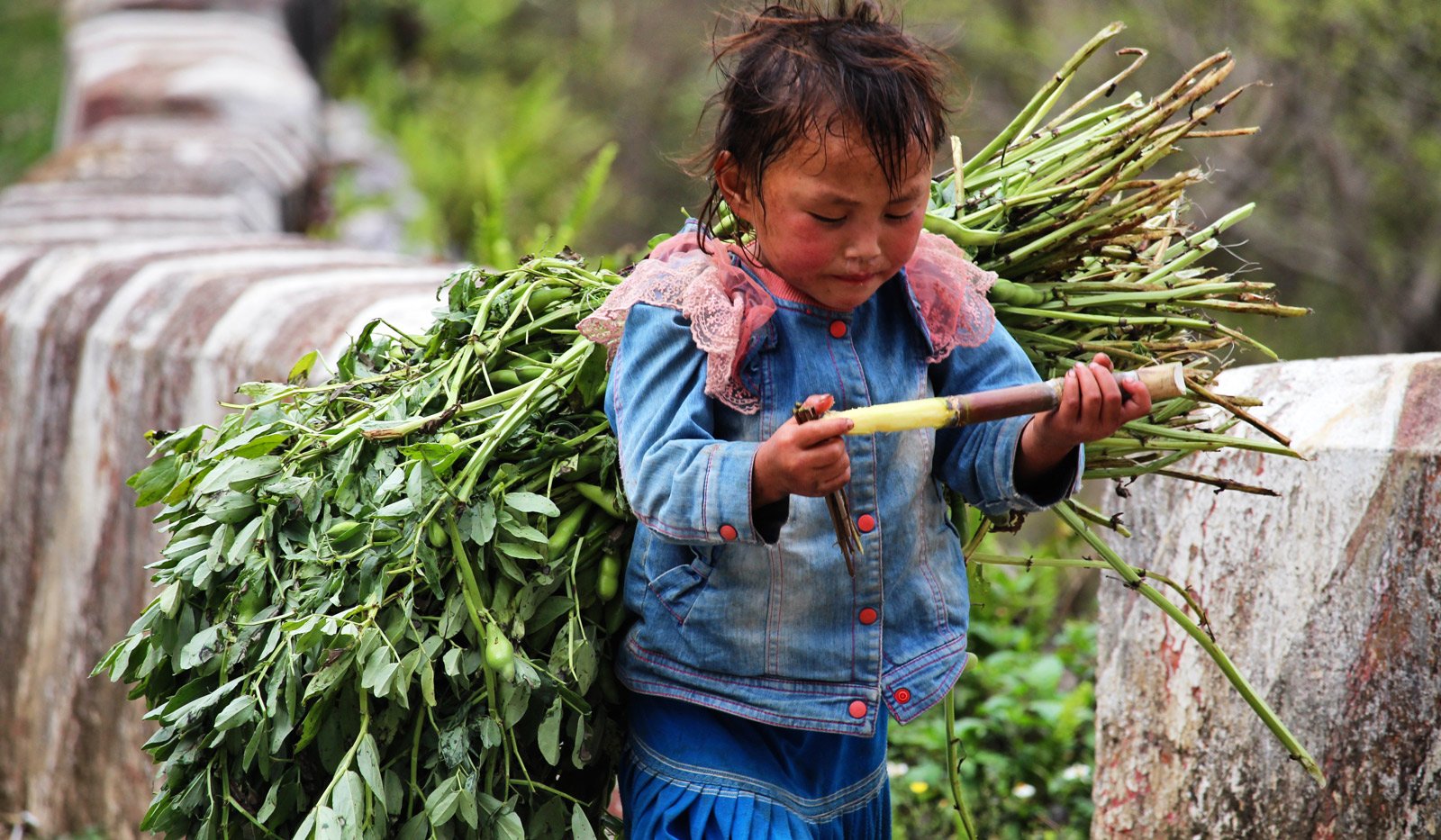
    In line with global trends, 84 percent of child laborers in Vietnam are in rural areas, over half working in agriculture, forestry or fisheries.

    Other sectors where child labor is prevalent include services, industry, and construction. More than 40 percent are unpaid.

    “Child labor tends to take place in informal household enterprises down the manufacturing and production supply chains, which makes it difficult to detect,” ILO Vietnam director Chang Hee Lee said.

    The survey estimates that nearly 520,000 children in Vietnam are engaged in hazardous work or work which poses significant risks to a child’s health, safety or morals. Many of them work in industry and construction.

    The number of hours children in hazardous jobs work tends to be high, with 40.6 percent working over 40 hours a week.
    Only half of child laborers attend school, compared to the national average of 94.4 percent.

    Efforts must be speeded up immediately to end child labor in all its forms, the ILO said.

  • Julian Dunkerton made permanent Superdry CEO amid board reshuffle

    Julian Dunkerton made permanent Superdry CEO amid board reshuffle

    Superdry has undergone a boardroom reshuffle that entailed the appointment of a new chief operating officer, the resignation of its chairman, and making co-founder Julian Dunkerton chief executive on a permanent basis.

    Dunkerton, who also holds a 20 percent stake in the fashion retailer, was first appointed interim chief executive after a boardroom battle last year that saw Euan Sutherland being ousted from the business.

    Dunkerton’s return as chief executive on a permanent basis comes as his interim contract was due to expire in April next year.

    His remit includes delivering the strategic plan across Superdry’s product, brand, and distribution channels, focusing on sustainability.

    Superdry also hired Silvana Bonello as a chief operating officer, effective from March 1 next year. She will report directly to Dunkerton.

    Bonello’s previous roles include 18 years spent at Nike in numerous senior operational and strategic positions in the US and The Netherlands, and most recently she was operations vice-president for Vans EMEA.

    As Superdry’s new chief operating officer, she will be responsible for enhancing operations and planning processes, covering merchandising, logistics, IT, business transformation, sourcing processes, and corporate strategy.

    Meanwhile, the fashion retailer confirmed that Peter Williams has decided to step down from the board and his role as chairman next year once a replacement is found.

    Williams was first appointed to the role in April 2019 to aid Dunkerton’s return to Superdry.

    The retailer added that the search for a new chief financial officer was still underway.

    “Since rejoining the business last year, Julian has been driving forward the transformation of the business and resetting the Superdry brand with the launch of the AW20 range in the most challenging of times,” Williams said.

    “There remains much to do – particularly against this current backdrop – and so we are also pleased to strengthen the team further with the appointment of Silvana as COO. She brings a wealth of relevant operational and strategic experience to Superdry.

    “I joined Superdry as chairman with a clear goal of ensuring a smooth transition following the change of management last year.

    “I am proud of the progress we are making to stabilize the business and reset the Superdry brand since last April.

    “Julian and Silvana’s appointments are among the last steps in putting the right team together to secure the turnaround of the business.

    “With the search for a new CFO well advanced, the completed executive team will be in place early next year and so 2021 is an appropriate time for me to step down.”

    Dunkerton said: “With Silvana joining the executive team, we now have the right operational leadership to steer the business through these most uncertain times and drive the brand reset as we seek to inspire our customers with design-led, sustainable product and engage with them through our digital channels.

    “Peter has been a key figure in getting Superdry back on track, and a great support to me and colleagues in the business over the past 18 months.

  • Ginza shoppers clean hands, phones with high-tech wash stations

    Ginza shoppers clean hands, phones with high-tech wash stations

    Shoppers washed their hands and sterilized their smartphones in the streets of Tokyo’s posh Ginza district on Saturday using handwashing stations that a Japanese start-up hopes will revolutionize access to clean water and better hygiene.

    WOTA Corp set up 20 of its WOSH machines near popular Ginza stores in an initiative with a district association aimed at encouraging shoppers to wash their hands to prevent the spread of the coronavirus.

    The machines don’t require connection to running water and don’t use fresh and wastewater tanks. Instead, they recycle the water through a three-stage process of membrane filtration, chlorine, and deep ultraviolet irradiation.

    They also have a device that cleans smartphones through 20-30 seconds of ultraviolet light exposure while users are washing their hands since touching a dirty smartphone would otherwise negate their handwashing efforts.

    The firm had already been developing the machine in part to alleviate long lines at restrooms when the COVID-19 crisis hit early this year, Chief Executive Yosuke Maeda said.

    “Amid the impact of COVID-19 we thought we had to implement this as soon as possible,” Maeda said. “So we sped up development and got things moving to have it in December in time for the third wave of the coronavirus.”

    On average 20 liters of water provides around 500 washes, while the filters should be changed after about 2,000, he said.

    The machine, however, needs a connection to a power supply.

    WOTA has now begun shipments within Japan of roughly 4,000 units. It aims to expand internationally next year, with many inquiries coming from the United States.

    Maeda hopes the smartphone feature in particular will transform hygiene habits.

    “We thought if it had the smartphone sterilization function, maybe people who never wash their hands will start doing so,” he said.

  • Maserati Grows Presence In APAC and Enters Cambodia

    Maserati Grows Presence In APAC and Enters Cambodia

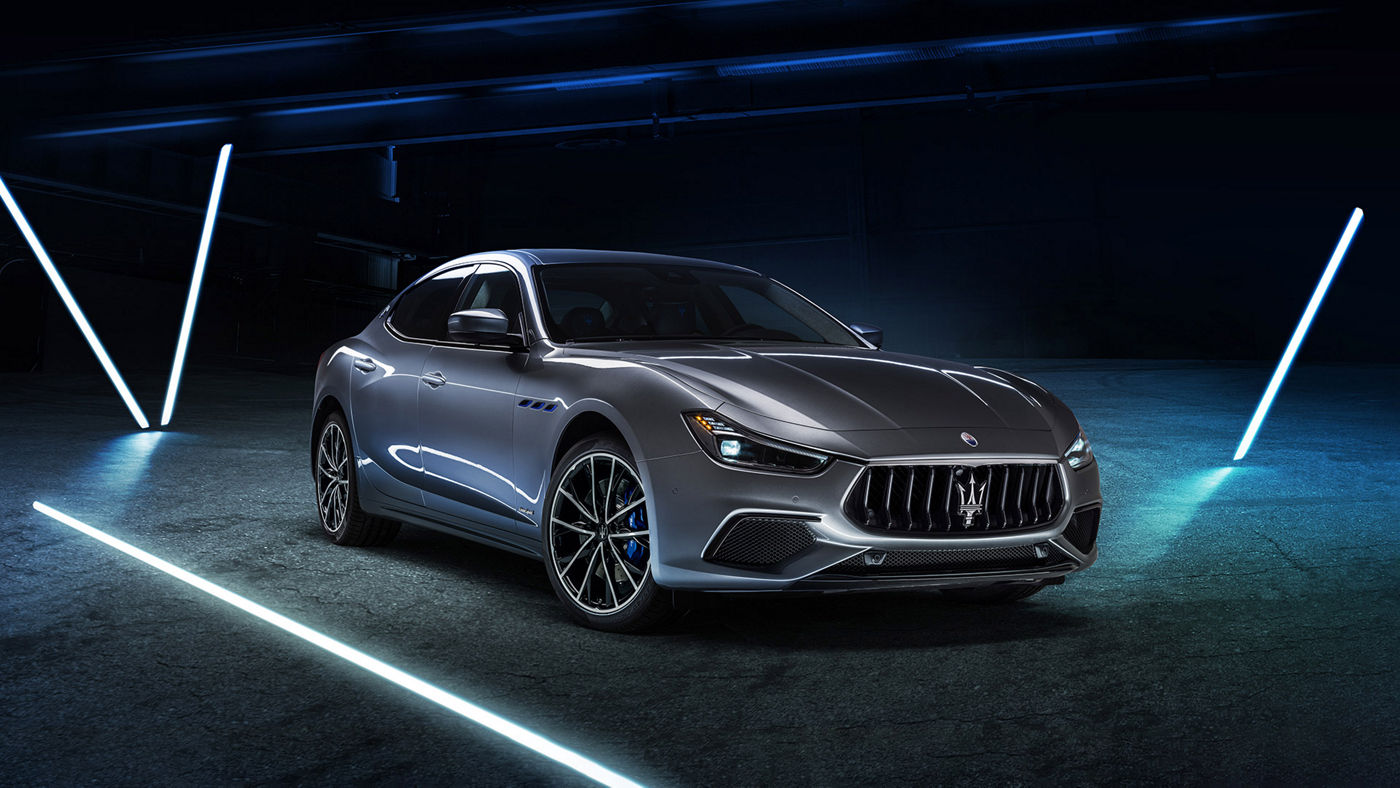
    Maserati has announced the opening of a new market in Asia Pacific as the brand enters Cambodia. Maserati is represented in Cambodia by HGB Group. The showroom is situated in Cambodia’s capital Phnom Penh. The facility includes a showroom of 610 sqm displaying the Maserati product line-up and a workshop of 1.760 sqm equipped with 3 work bays.

    Bernard Loire, Chief Commercial Officer Maserati, said, “Selecting the right partner and having great products are the foundations for success across the region. Maserati is entering in a period of intense changes with revolutionary new cars, innovations, and projects. Now for us, the focus is strongly on the future, including hybrid and electric models.”

    Maserati’s complete range will now be available in Cambodia in addition to more than seventy markets internationally. The company already has partners in Singapore, Malaysia, Thailand, Vietnam, and Indonesia in the South Asian market.

    Cambodia is a very promising market for Maserati as the luxury car market is estimated to grow at a Compound Annual Growth Rate of 14 percent from 2017 to 2020.

  • Denim brand Wrangler set the open stores in China

    Denim brand Wrangler set the open stores in China

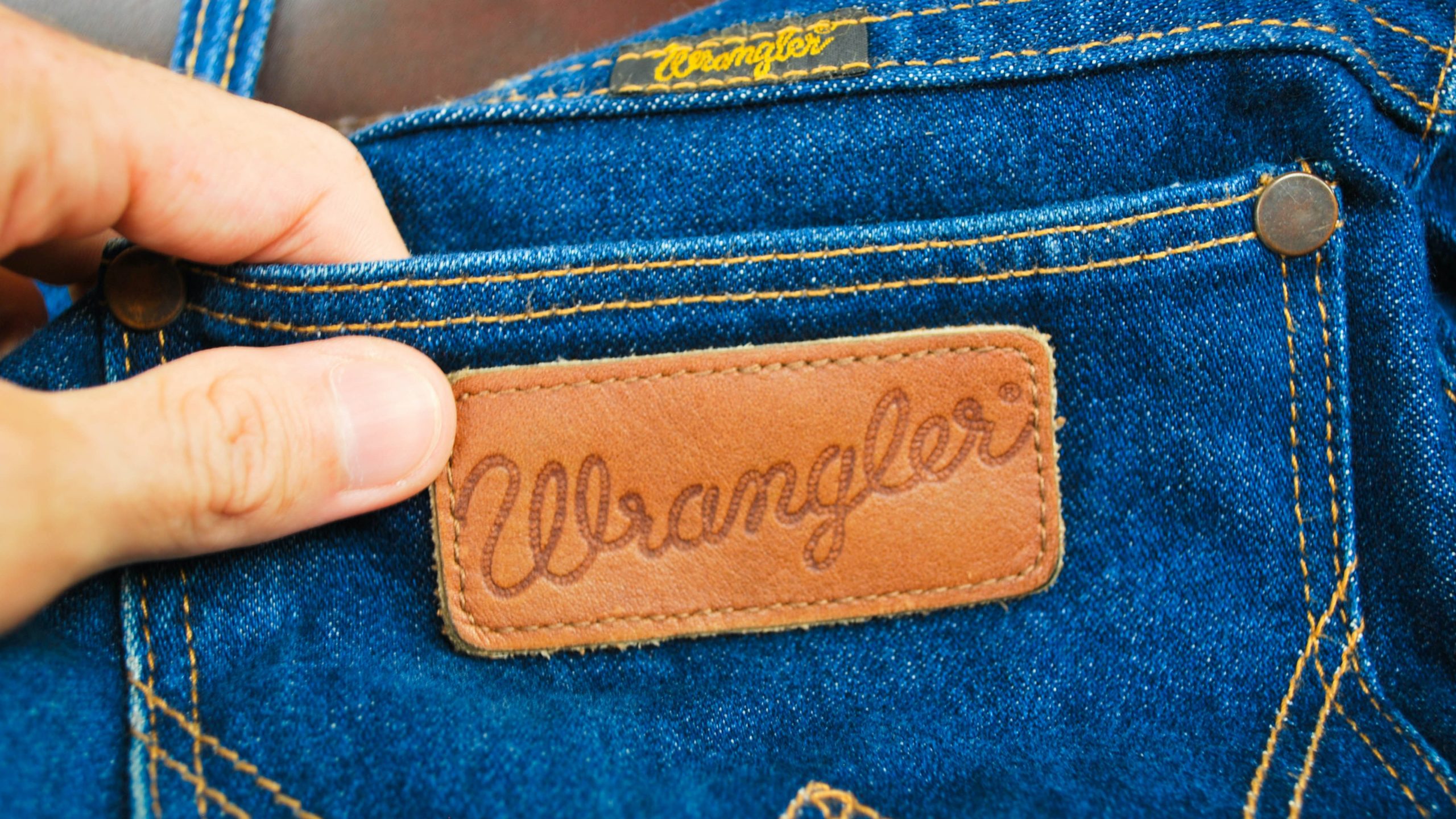
    The global pandemic led Kontoor Brands to delay its initial plans to launch Wrangler in China earlier this year, but the day has finally come for the heritage brand.

    Kontoor announced Thursday that it has expanded Wrangler’s international reach to China by taking a digital-first approach. The initial product offering is available for consumers through Alibaba Group’s Tmall e-commerce site.

    Since becoming an independent, publicly-traded company in May last year, Kontoor has identified China as a key area of focus for its international expansion strategy. The company’s other heritage brand, Lee, has been in the region for 25 years, according to Bloomberg.

    Last fall, Kontoor Brands president and CEO Scott Baxter said Wrangler’s debut in China was on track for Q1 2020. The launch, however, was postponed shortly after Covid-19 began to spread around the world. At the time, Baxter pinpointed Fall 2020 as a time “we can more effectively optimize our go-to-market strategies, our interactive consumer engagement and better leverage our demand creation spent.”

    “One of Kontoor’s core strategic priorities includes expanding to new markets and geographies. Launching our iconic Wrangler brand in China, one of the fastest-growing consumer markets in the world is a key step toward that effort,” Baxter said. “As part of Kontoor Brands, the Wrangler brand is leveraging the collective experience that helped establish Lee as one of the leading denim brands in the Chinese market. This announcement marks an exciting milestone in the brand’s 70-plus year history.”

    Wrangler celebrated the launch with activation at Innersect, a multi-day consumer streetwear event in Shanghai. The event choice is indicative of where Kontoor sees an opportunity for Wrangler in China: among tech and pop-culture-savvy young consumers.

    “We’ve reimagined the adventurous optimism of Wrangler’s cowboy spirit for the Chinese market, developing a brand platform designed to resonate with China’s youth and young at heart,” said John Gearing, Kontoor Asia Pacific vice president and general manager.

    Kontoor plans to expand the product selection in Spring 2021 and launch additional consumer activations.

    “We are building awareness and demand for the brand through our initial digital product offerings,” Gearing added. “In the coming months, we will accelerate our focus on creating engaging and innovative experiences designed to introduce Wrangler’s best-in-class apparel products to the Chinese consumer.”

  • Razer Fintech Partners Singapore-Based Rely

    Razer Fintech Partners Singapore-Based Rely

    The two sides will collaborate to enable a Buy-Now-Pay-Later solution for merchants in Southeast Asia.

    Razer Fintech, the financial technology arm of Singapore gaming and technology brand Razer, is expanding its fintech offerings and its payments ecosystem for customers with access to a buy-now-pay-later (BNPL) solution provided by Rely, it announced in a statement.

    The service will be offered in Southeast Asia to merchants registered under Razer Merchant Services (RMS), its B2B (business-to-business) solution. RMS includes online payments and a card processing gateway, and the region’s largest offline payment network of over 1 million physical acceptance points.

    This collaboration is also aligned to our longstanding commitment to continue using our know-how in fintech to build new and innovative ways to meet the needs of a burgeoning and digital-savvy youth and millennial segment in Southeast Asia,» Lee Li Meng, CEO, Razer Fintech, said in the announcement.

    The announcement noted the growing popularity of BNPL, citing a Finder survey from October 2020 that said almost 1.1 million Singaporeans have used a BNPL service.

    Founded in 2017, Singapore-based Rely works with brands and enterprise clients such as Qoo10 Singapore, to offer deferred and installment payments for online and offline purchases.

    Rely’s strategic partnership with Razer follows the company’s recent announcement to expand its services in Singapore, Malaysia and South Korea after securing capital from Goldbell Financial Services to process up to S$100 million in buy-now-pay-later transactions.

  • British retailer Next, US investor plan joint bid for Arcadia

    British retailer Next, US investor plan joint bid for Arcadia

    Fashion retailer Next is in talks with American investment firm Davidson Kempner Capital Management for a joint bid to gain control of Arcadia fashion group, which collapsed into administration last month, Sky News reported on Friday.

    The two companies were “likely, but not certain” to bid for Arcadia ahead of a revised deadline next Monday, the Sky News report added, citing sources.

    Under the plans being discussed, Davidson Kempner would provide the majority of the funding required to complete a takeover, Sky News reported.

    Next and Davidson Kempner Capital Management did not immediately respond to requests for comment.

    Arcadia’s collapse into administration in November put over 13,000 jobs at risk, with the company becoming one of the UK’s biggest corporate casualties of the COVID-19 pandemic.

    The fashion group, whose brands include Topshop, Topman, Dorothy Perkins, Wallis and Miss Selfridge, trades from 444 leased sites in the United Kingdom and 22 overseas.

    The Daily Telegraph earlier this month reported Authentic Brands was planning a takeover of Arcadia Group, which had declined sportswear group Frasers’ offer of a “lifeline” loan of up to 50 million pounds.

  • Central Food Hall features robots and stores in Thai stores

    Central Food Hall features robots and stores in Thai stores

    The Central Food Hall supermarket chain has turned to robots to disinfect stores as part of its fight against the coronavirus. The robots use UV-C to sterilize stores.

    The UV-C light reaches 360 degrees and destroys more than 99.99% of all pathogens nearly instantaneously. The robot currently is only disinfecting the Central Food Hall location in the central Chidlom area of Bangkok while the store is closed. The chain indicated it would be employing the robots at other Central Food Hall and Tops Market locations soon.

    The technology has been used for more than three years at Thai factories, companies, hotels, schools and hospitals. Testing indicates the light doesn’t have any harmful side effects on products or food.

    UV-C light has been approved by the Food Standards Agency in the United Kingdom, the U.S. Food and Drug Administration and the Soil Association (Organic Lobby) as an effective method of disinfection.

  • Vietnam gives second electricity discount as Covid-19 relief

    Vietnam gives second electricity discount as Covid-19 relief

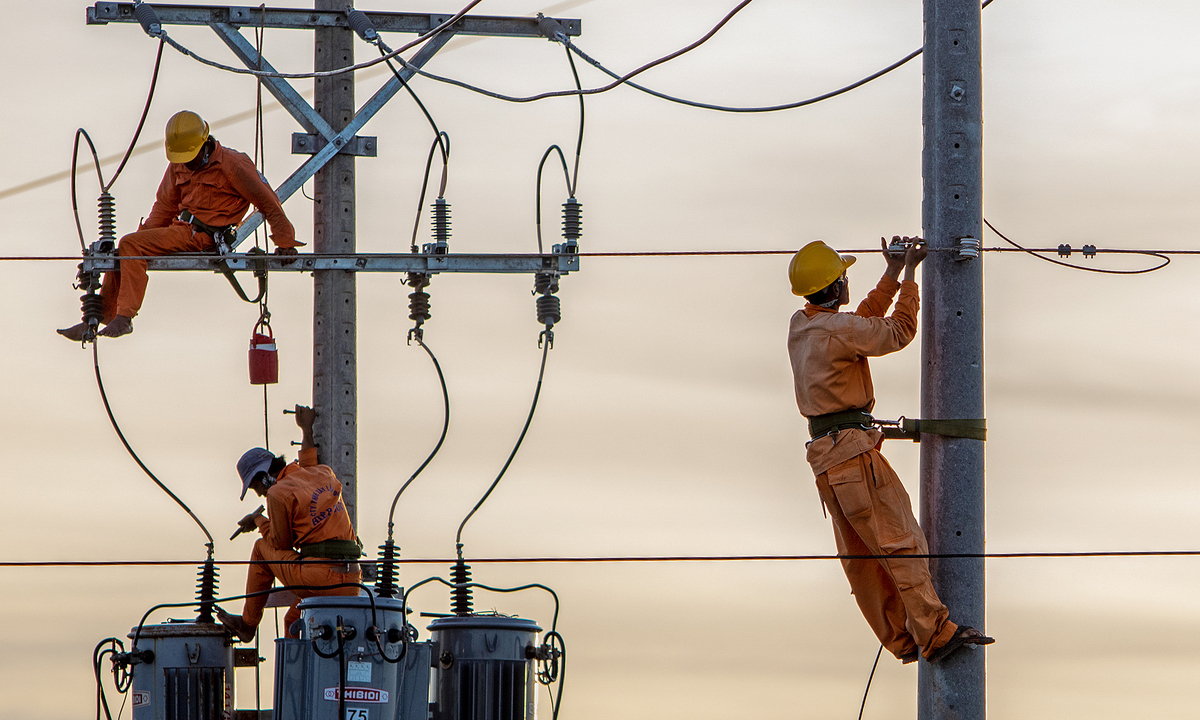
    The government has cut electricity prices by 10 percent for the year’s last quarter to support economic recovery from Covid-19 impacts.

    The discount applies to businesses and households for a maximum of 300-kilowatt-hour consumption per month from October to December. Consumption above this limit will attract normal prices.

    Covid-19 quarantine centers will get a 100 percent discount on their electricity bills, while medical facilities that test and treat Covid-19 patients can enjoy getting a 20 percent discount.

    The government had already given a 10 percent discount in the second quarter, which was estimated to cost the state coffers nearly VND11 trillion ($476 million).

    The discounts came as Vietnam’s economy was badly hurt by the Covid-19 pandemic, with key sectors posted drastically reduced or even negative growth.

    In the first nine months, 31.8 million workers were affected by the pandemic, losing their jobs or having their working hours reduced, according to the General Statistics Office.

  • Melorra set to revolutionize shopping for gold with its brick-and-mortar store launch

    Melorra set to revolutionize shopping for gold with its brick-and-mortar store launch

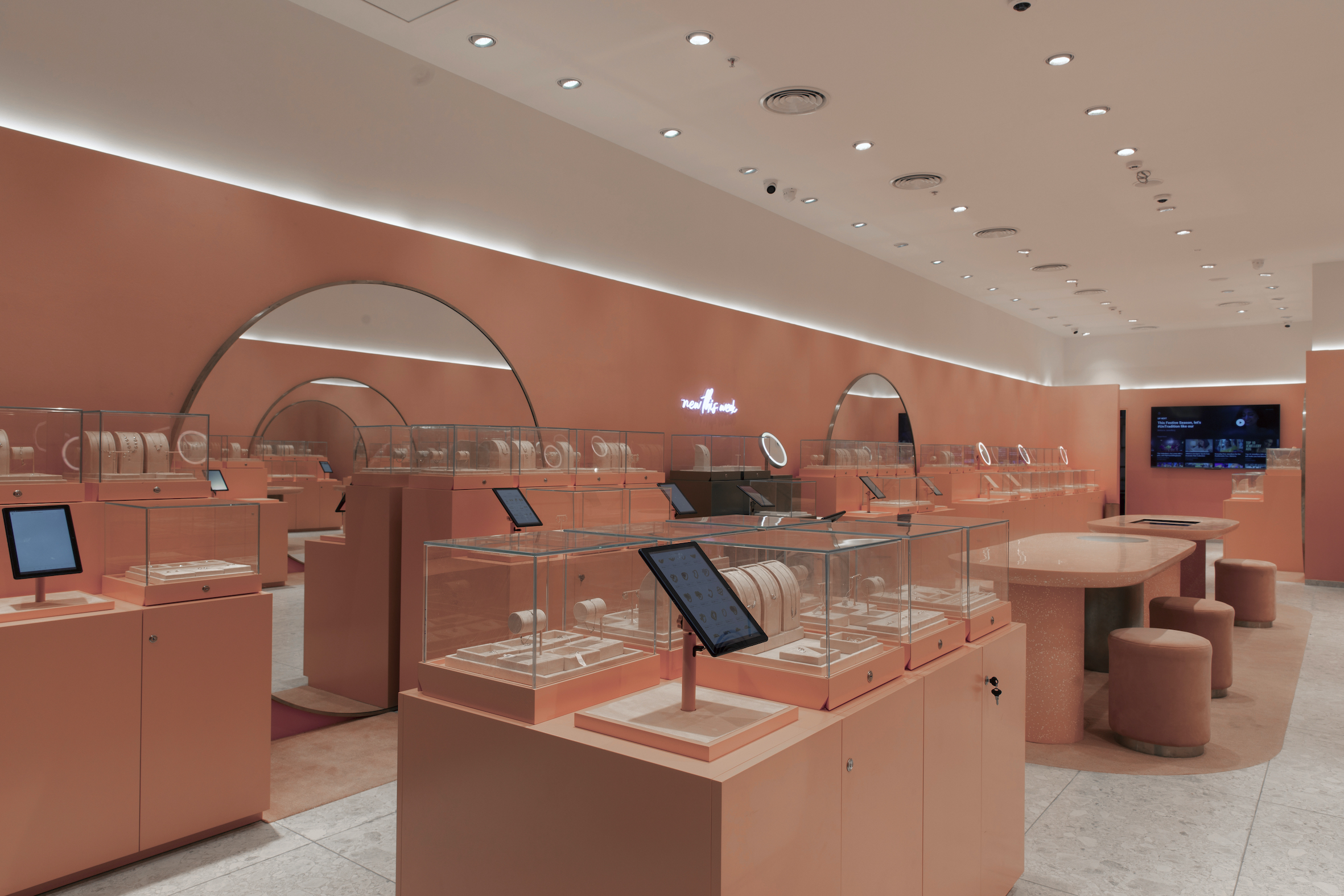
    India’s fastest growing lightweight fine jewellery brand designing affordable jewellery for everyday wear, recently launched its first brick-and-mortar store in Orion Mall, Rajajinagar Bangalore on 21st December 2020.

    The women-centric jewellery ‘experience centre’ for millennials is fresh and fun, driven by Melorra’s three pillars — fashion, technology and variety. The launch was attended by Siddharth Talwar, Co-Founder and Partner at Lightbox, Sandeep Murthy, Partner at Lightbox and Nirupa Shankar, Executive Director, Brigade Group.

    Built in line with the online experience that Melorra currently offers, the physical outlets are unique, fresh, and iconic. The brand aims to enhance a customer’s sense of touch, feel and trial of Melorra jewellery, through the experience centre.

    Speaking about this, Saroja Yeramilli, Founder and CEO, Melorra, said, “Melorra’s journey in the jewellery world has been completely unique in every respect. From online to offline, the launch of the retail stores will provide a seamless, customer-in-control experience. We are a brand taking inspiration from global fashion trends, and launch a new collection every week. Melorra is known for its design innovation offering customers easy to wear, comfortable everyday jewellery. We offer the largest range of over 10000 unique, contemporary, lightweight gold and diamond jewellery designs.”

    Adding further, Saroja Yeramilli said, “At our physical stores, customers can shop worry free with the option of a digital checkout. They walk in not just to buy jewellery, but also to get informed about global fashion trends. There is a Bliss Bar wherein women can get along their friends, have fun trying Melorra’s latest jewellery or just go through the recent trends.”

    Functionally, the stores are designed for any of the many journeys a customer may choose to adopt: shop online pick up in store; shop in store ship to home and everything in between.

    Melorra warmly welcomes their customers with beautiful full-length mirrors and in-store stylists available as advisors and consultants, enabling the woman to build her fashionable fine jewellery wardrobe. The brand aims to give its customers a high-energy and high-fashion experience – with the physical stores becoming a super happy place to be!

    Melorra has been a disruptor in the jewellery industry since it started operations in 2016. The brand is redefining the way fine jewellery is being perceived and worn. So far, Melorra has delivered to over 1900 towns in the country and made its mark everywhere – from villages with a population of less than 10,000 to cities with population above 1 million.

    Melorra recently raised US $12.50 mn in an oversubscribed funding round led by Symphony Asia (one of Asia’s first private equity firms), Lightbox Ventures, Alteria Capital and other leading family offices. The brand has been recording accelerated growth in order value and numbers ever since the lockdown was lifted.

  • Kerry Logistics wins The Asset Jade Award at The Asset ESG Corporate Awards 2020

    Kerry Logistics wins The Asset Jade Award at The Asset ESG Corporate Awards 2020

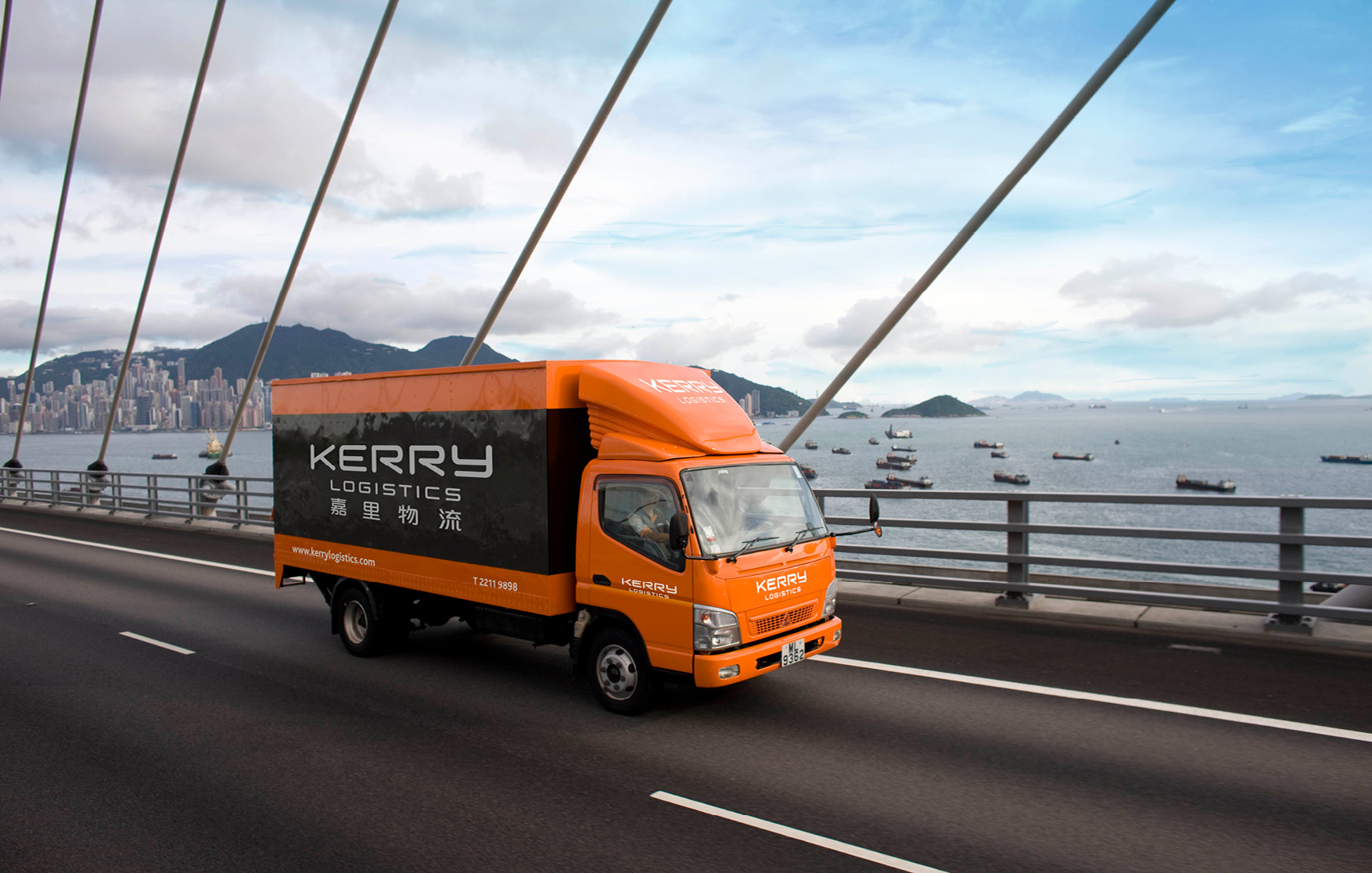
    Kerry Logistics Network Limited (‘Kerry Logistics Network’; Stock Code 0636.HK) is pleased to win the newly-established The Asset Jade Award, the highest award category, at The Asset ESG Corporate Awards 2020 (the ‘Awards’), for its outstanding environmental, social and governance (‘ESG’) performance and transparency. Kerry Logistics Network was previously the winner of The Asset Platinum Award for two years in a row. In addition, it has received the Best Investor Relations Team Award for the second consecutive year.

    Apart from being commended for its excellence in ESG standards, commitment and practices, Kerry Logistics Network was lauded for its commitment to safeguarding the environment, employees’ health and safety while fulfilling their social responsibility to the community at large during the COVID-19 pandemic. Its investor relations team was recognised for its excellent day-to-day achievements as well as successful troubleshooting and initiatives in newer arenas such as social media and web-delivered services.

    William Ma, Group Managing Director of Kerry Logistics Network, said, “We are honoured to be distinguished and promoted to the top Jade Award category in its debut year. Despite the disruptions caused by the pandemic, this year we have remained ever committed to protecting our employees’ health and safety and contributing to the communities where we served. The Asset Jade Award is a much-appreciated recognition and encouragement that drives us to redouble our efforts in ESG performance and transparency in our operations going forward.”

    Organised annually by the regional financial magazine The Asset since 2000, the Awards are conferred based on criteria such as financial performance, management, corporate governance, social and environmental responsibility and investor relations. The Awards are the longest running and the most prestigious ESG awards programme in Asia. The Asset Jade Award made its debut this year specifically to recognise ESG performance and transparency over and above that normally accorded to Platinum Award winners.