Tag: asia

  • H&M sales dampened by second Covid-19 wave

    H&M sales dampened by second Covid-19 wave

    H&M said its net sales were down by 10% year-on-year in the fourth quarter, as a direct result of the coronavirus pandemic’s second wave. Shares ticked 0.14% lower on Tuesday morning in Stockholm.

    The world’s second-largest global clothing retailer said the first wave of the pandemic hit it the hardest, impacting its Q2 results due to “extensive social restrictions involving temporary store closures and large drops in customer footfall to physical stores.”

    It managed to gain some momentum in the third quarter, but “the recovery transitioned into a new slowdown as a result of the pandemic’s second wave.”

    For the 2020 financial year, net sales decreased by 18%.

    The group’s net sales were 52.5bn Swedish crowns ($6.2bn, £4.7bn) in Q4, down from 61.7bn Swedish crowns a year earlier.

    Its full-year report for the 2020 financial year will be published 29 January 2021.

    Meanwhile, rival Inditex, owner of Zara, posted a 14% fall in sales in the three months from August to October.

  • Singapore Exchange Makes Sustainability Push

    Singapore Exchange Makes Sustainability Push

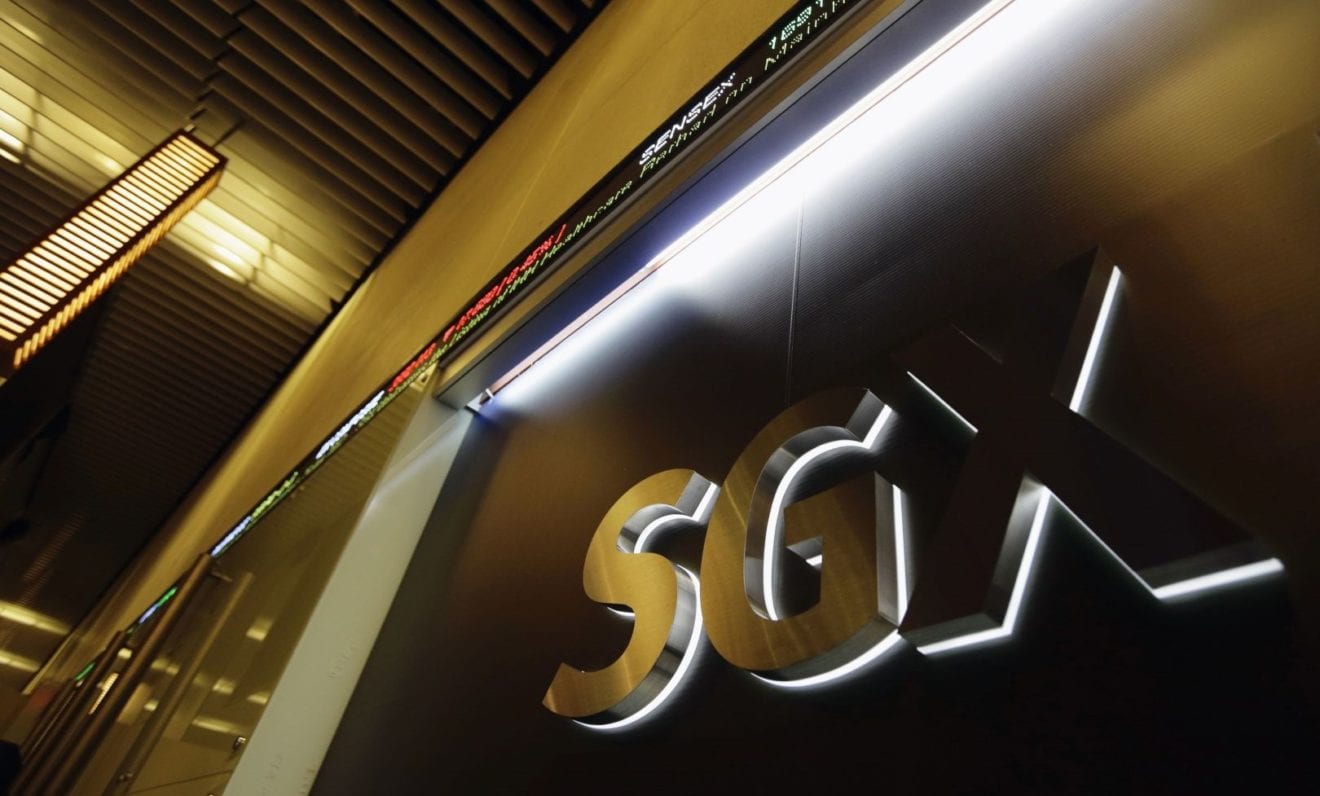
    Singapore Exchange (SGX) is growing its sustainability capabilities and initiatives with a $20 million ($15 million) plan. SGX is allocating half of the budget towards new ESG-focused products, services and platforms, while the other half will be used for capacity building for the financial ecosystem, strengthening internal capabilities and increasing CSR commitments, the bourse announced in a statement on Tuesday.

    We want to and can push the sustainability agenda further. As a market operator and regulator, we can influence and drive greater commitment to sustainability and greener financial markets, Loh Boon Chye, CEO of SGX, said.

    All sustainability initiatives, which span across asset classes including fixed income, equities, commodities and indices, will be housed under SGX FIRST (Future in Reshaping Sustainability Together) – a multi-partner, multi-asset exchange-led sustainability platform.

    The platform also aims to equip investors and issuers in this region with greater ESG knowledge and provide them with better access to a wider range of ESG-related information

    Given its role in regional capital and financial markets, SGX can help facilitate collaboration within the ecosystem to catalyze change, SGX said in the statement.

    For fixed income, SGX is currently working with Nasdaq on the Sustainable Bond Network Initiative. While it currently covers more than 4,500 bonds, largely from the U.S. and Europe, SGX plans to enhance data access and transparency of sustainable bonds in Asia Pacific by bringing regional issuers onto the network.

    In terms of equities, more ESG-focused investment and risk management products will be rolled out in the next three years.

    SGX has expanded its existing indexing partnership with FTSE Russell, Morningstar Sustainalytics and MSCI to provide ESG ratings on companies listed on SGX. Over 30 of the most recognizable SGX-listed companies are initially covered, with plans to expand coverage in 2021. SGX is also expected to launch four futures contracts in partnership with FTSE Russell in January 2021, based on the FTSE Emerging Markets, FTSE Asia ex-Japan, FTSE Emerging Markets Asia and FTSE Blossom Japan ESG-themed indices.

    New sustainability benchmarks and ESG-related indices will also be layered alongside existing flagship multi-factor indices offered by SGX, including Scientific Beta and Index Edge products.  Scientific Beta will develop new solutions for institutional investors in the next 12 month for responsible investing that aligns to Paris agreement climate change goals.

  • Citi Registers Record-High Wealth Inflows in APAC

    Citi Registers Record-High Wealth Inflows in APAC

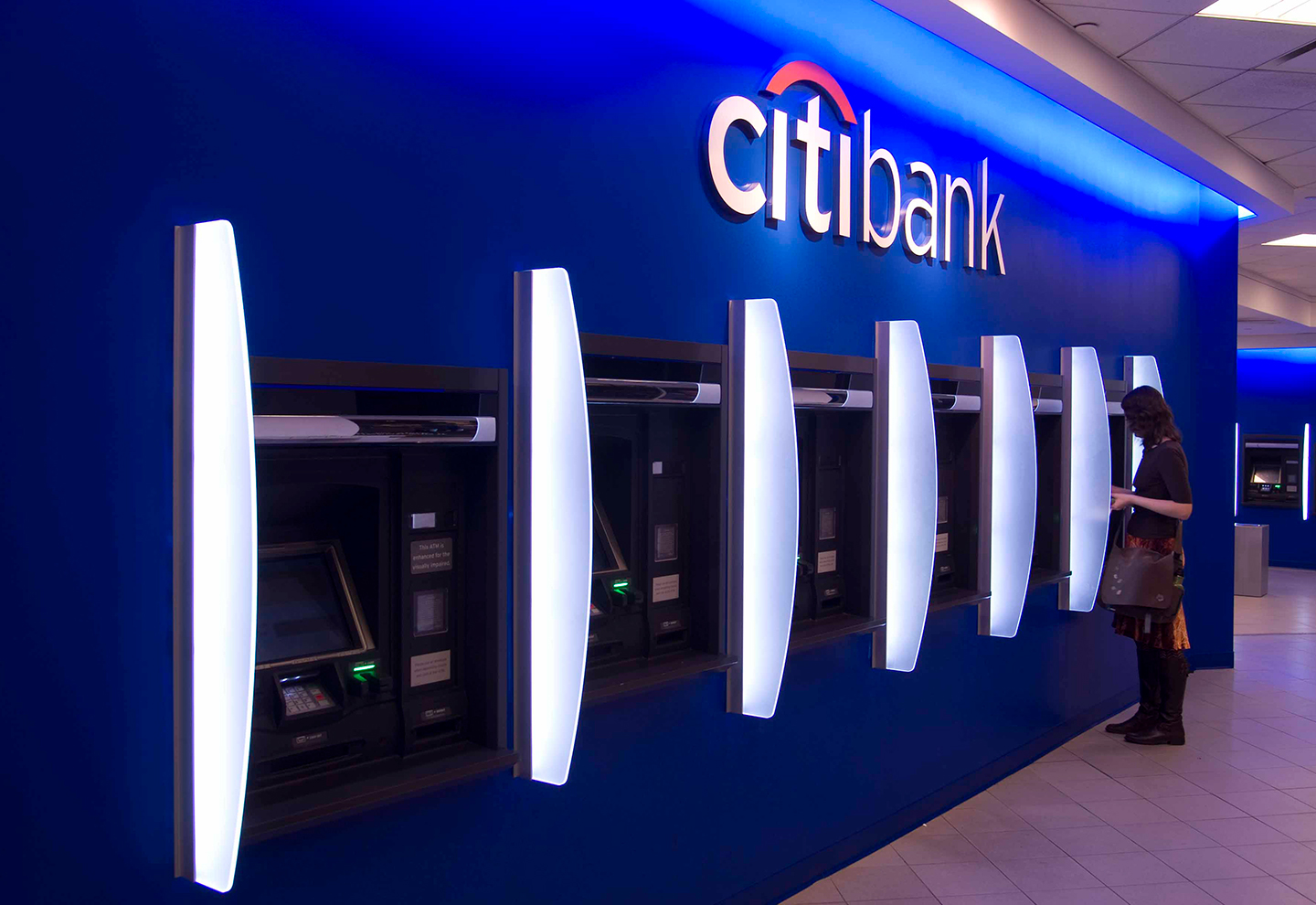
    Citi in Asia Pacific posted record-high net new money of $20 billion across its wealth management business in the region. This represents a 10 percent year-on-year increase, according to a statement from the bank, and pushes total assets under management across the wealth business to $238 billion with approximately one-third of billionaires in the region as its clients.

    The figures include the whole wealth business covering from emerging affluent to ultra-high net worth clients including Citi Priority, Citigold, Citigold Private Client, and Citi Private Bank.

    The Asia Pacific wealth market stands out in its scale and growth potential. And this is not a cyclical opportunity – it is structural, driven by the emergence of a vast middle class and the rapid development of regional capital markets, said Peter Babej, Citi’s APAC CEO. Along with macro-level asset growth, Asian customers increasingly require portfolio advice, design and allocation geared toward diversification of asset types and geographic exposures.

    Not unlike its industry competitors, Citi is also boosting investments in technology with a new mobile banking platform that boasts enhanced wealth management tools and user growth of over 1 million.

    As we grow our wealth operations, we are focused on first-rate service – and that means staying ahead in technology, Babej said.

    Clients increasingly want world-class advisory delivered on their preferred terms – online, face-to-face, or both. Our wealth centers, with world-class RMs leveraging digital wealth management solutions, are geared to delivering the customized value propositions that our clients require.

    Also not unlike others, Citi also believes that the human touch remains very much relevant in the wealth management industry despite rapid technological advancements. The bank’s relationship managers are currently trained by the Citi Wharton Global Institute, a joint executive education program launched with business school Wharton in 2015.

    We continually invest in both our people and our technology to remain at the forefront of this fast-moving business,” Babej added.

  • Foreign firms intent on stronger foothold in Vietnam’s pharma industry

    Foreign firms intent on stronger foothold in Vietnam’s pharma industry

    Foreign firms are pouring increasing sums of money into acquiring stakes in Vietnamese pharmaceutical firms, targeting larger market shares in a thriving industry. Dutch firm Stada Service Holding B.V. last month obtained permission from Vietnam’s Pymepharco to increase its ownership in the Phu Yen Province-based company to 100 percent.

    Stada had increased its stake in Pymepharco by six percent to nearly 76 percent last week. The deal is estimated at around VND380 billion ($16.4 million), based on closing stock price on December 11. In September, Hanoi-based Hataphar issued an additional 5.28 million shares, or 20 percent of its charter capital, to Japan’s ASKA Pharmaceutical Co., Ltd. The deal was valued at VND370 billion.

    Earlier last year, Japan’s Taisho Pharmaceutical took a controlling share of over 51 percent in the DHG Pharmaceutical Joint Stock Company, the biggest pharmaceutical firm in the Mekong Delta region.

    In December 2017, CFR International SpA, a subsidiary of U.S.-based medical corporation Abbott Laboratories, transferred all of its 51.69 percent stake in Domesco Medical Import Export JS Corp, based in the southern province of Dong Thap, to another Abbott subsidiary in a transaction valued at around VND2.3 trillion ($99.5 million).

    Vietnam’s rapidly growing pharmaceutical industry has been a magnet for foreign firms. The industry is set to record double-digit growth in the 2020-2025 period and is set to reach a value of $7.7 billion next year, according to a report by brokerage Yuanta Vietnam.

    There is a rising demand for healthcare products and services, and with domestic production unable to meet it, Vietnam imported $3 billion worth of medicines last year. This figure is set to reach $4.35 billion this year, the report said.

    Foreign firms are therefore keen on pouring cash into companies with growth potential, like DHG, which ranks fourth in market share behind three multinational pharma giants.

    Analysts of RongViet Securities Corporation said that their strategy is to help Vietnamese companies increase their manufacturing standards and eventually take over instead of establishing its own business and build a factory.

    CFR International SpA, a leading pharmaceutical firm in Chile, was the first strategic partner in local firm Domesco and was assisting the Vietnamese company in research and development, technology transfer, businesses consultancy and supply chain management before securing a controlling stake in it.

    Ly Thi Hien, lead analyst at Yuanta Vietnam, said the pharmaceutical industry is one that requires years of investment to build up a brand and acquire a decent market share. Domestic firms with relatively shallow pockets find it difficult to spend money on researching and developing new medicines, creating an opening for foreign firms.

    To develop further, domestic firms need to take advantage of the exclusive formulas and scientific achievements of foreign pharma giants, she added.

    Industry insiders say that partnerships with foreign companies has brought both short-term and long-term benefits.

    Le Xuan Thang, CEO of Hataphar, said that establishing a partnership with ASKA meant that the company has VND370 billion to build a new factory. It also receives consultancy services from the Japanese company on building that factory with advanced technology.

    Meanwhile, DHG, thanks to its partnership with Japan’s Taisho, was able to acquire international certification in less than two years for its effervescent tablet production chain and another Japanese certificate for its antibiotics chain.

  • Headwinds buffet Vietnamese carriers through 2020

    Headwinds buffet Vietnamese carriers through 2020

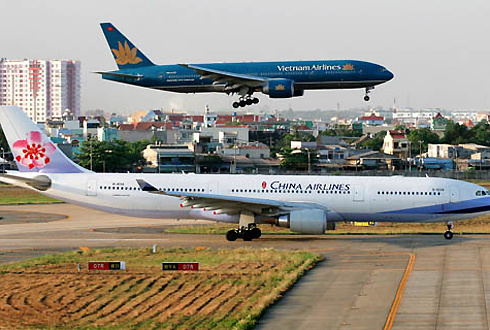
    The Vietnamese aviation industry has gone through one of its most challenging years ever as the Covid-19 pandemic restricted flights and caused airlines huge losses. The number of flights the country’s five commercial airlines operated fell 36 percent year-on-year in the first 11 months to 196,600, according to the Civil Aviation Authority of Vietnam (CAAV).

    They carried 29.4 million passengers, down 41.7 percent, according to the General Statistics Office.

    Vietnam Airlines was the worst hit. Duong Tri Thanh, its CEO, said that the pandemic has set back the aviation industry by three or four years, and has brought down his company’s cash holdings to near zero.

    Vietnam Airlines Group, consisting of the carrier and its subsidiaries Pacific Airlines and Vietnam Air Services Company (VASCO), posted a loss of VND10.75 trillion ($464 million) for January-September.

    The number of passengers it served in the period fell by 41 percent to 10.2 million.

    It has cut sales and management expenses and reduced the salaries of pilots and cabin crew. It has increased the number of repatriation flights bringing Vietnamese nationals home from other countries.

    But these efforts cannot save the company from suffering one of its worst years in nearly three decades as a commercial airline, with its losses this year forecast to rise to VND15.2 trillion. Budget carrier Vietjet is in a similar situation, with losses of nearly VND925 billion in the first nine months and the number of flights falling by 43 percent to 58,300.

    The airline was forced to cut managers’ salaries by half as revenues plunged, and it would take three years for the industry to recover to pre-pandemic levels, a Vietjet spokesperson said in November.

    In contrast, 2019 saw new carrier Bamboo Airways enter the Vietnamese skies, Vietnam Airlines achieve all-time high profits and the number of air passengers continues to grow in double digits.

    The tough times began in March when the government ordered the suspension of all international flights to curb the spread of the novel coronavirus and domestic travel demand slumped amid fears of the pandemic.

    “The impact of Covid-19 has been unprecedented for the aviation industry,” Dinh Viet Thang, head of the CAAV, told the media in June, pointing out there were times when only 1-2 percent of Vietnam’s 250 aircraft were operating.

    The second and third quarters were the most challenging period for the industry as a three-week nationwide social distancing campaign in April caused airlines’ revenues to plummet and the second outbreak in July halted their attempts to boost domestic travel and achieve recovery.

    Aviation expert Nguyen Thien Tong said it would take at least until 2022 for the industry to recover to pre-pandemic levels because the fear of contagion remains globally.

    Air travel demand would rise slowly even after Covid-19 is contained globally because many business people have learned to conduct meetings online to keep their companies running during the pandemic and people’s incomes have shrunk, he said.

    One major factor in any possible recovery will be government support. The National Assembly in November approved a plan for the central bank to refinance Vietnam Airlines and rollover loans. The airline had earlier asked for a relief package of VND12 trillion.

    Lawmakers also cut environmental tax on jet fuel by 30 percent from August this year until the end of next year.

    Tong said: “More low-interest loans should be given to airlines based on how much tax they have contributed in recent years, not how much ownership the government has in them.”

    The tourism industry needs to offer more promotions to foster domestic aviation since it is unclear when regular international flights would resume, he said.

    The newly licensed Vietravel Airlines should wait until the market recovers in 2022 before it begins flying since its entry would only worsen things for existing airlines, he added.

  • Amazon Unveils Zoox Self Driving Robotaxi

    Amazon Unveils Zoox Self Driving Robotaxi

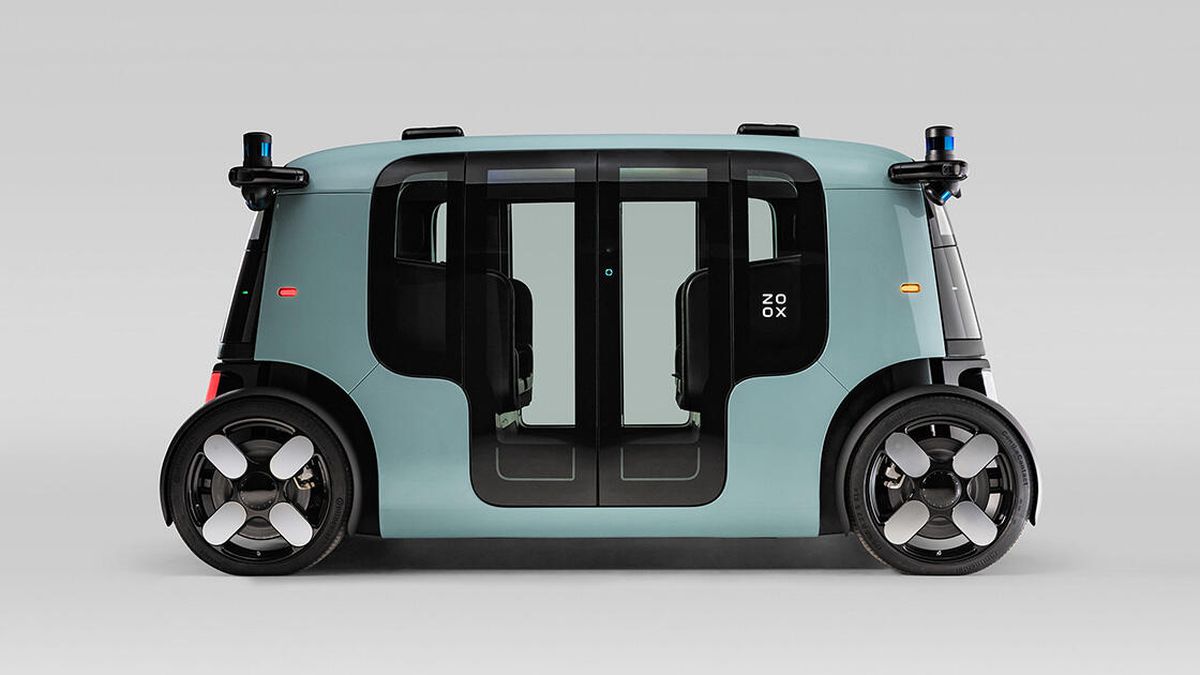
    Amazon could become the fourth major player to have a self-driving robotaxi service after Waymo, Cruise, and AutoX. Amazon’s Zoox comes out of stealth after releasing prototypes six years ago. The most striking thing about Zoox is that its car has a level of fit and finish that goes beyond what Waymo or Cruise have unveiled. And presumably, this will be the basis of a ride-hailing service that Amazon will launch to take on the likes of Uber, Waymo, and Cruise.

    The vehicle is quite different as it has a carriage-style four-wheel all-electric powertrain that can set up for people. It is just 3.63 meters long which makes it smaller than the Origin robotaxi by Cruise.

    Zoox is different because it can drive both forward and backward and side to side — in other words, it has bi-directional capabilities. This allows the car to handle tight curbside pickups” and tricky U-turns, something which AutoX has also shown off. It is also the fastest autonomous vehicle of its kind as it travels at 120 kilometers per hour — a Waymo robotaxi can only do 72 kilometers per hour.

    As far as the autonomous tech goes, this vehicle marries 6 LiDAR arrays as well as multiple radar sensors and cameras providing a 270-degree field of view, with the vehicle having no blindspots. It even has sensors for redundancies and can see objects up to 150 meters away.

    The interior is also unique. It gets really comfortable bench seats that face inward with the passengers surrounded in textured fabric. It also features a radical new system for airbags alongside cupholders and wireless charging mats. The ceiling draws inspiration from the Rolls-Royce Ghost with its starry sky pattern and each seat even gets a touchscreen for controlling music, AC, and their route plus ETA.

    It is also an EV that is powered by a 133 kWh battery and can have up to 16 hours of continuous use. This is in the league of Tesla battery packs which is very impressive.

    Amazon is the secretive player in the self-driving space. It has used for robotaxis and self-driving vehicles for the sake of its infrastructure and logistics business. But then it also holds a massive investment in Rivian and Aurora who just bought Uber’s ATG unit.

    The big news here is that Zoox is out of stealth and it has a very very impressive self-driving vehicle which seems more fleshed out than even Waymo.

  • Dematic to Commission New Automated National Distribution Centre for Woolworths in Sydney

    Dematic to Commission New Automated National Distribution Centre for Woolworths in Sydney

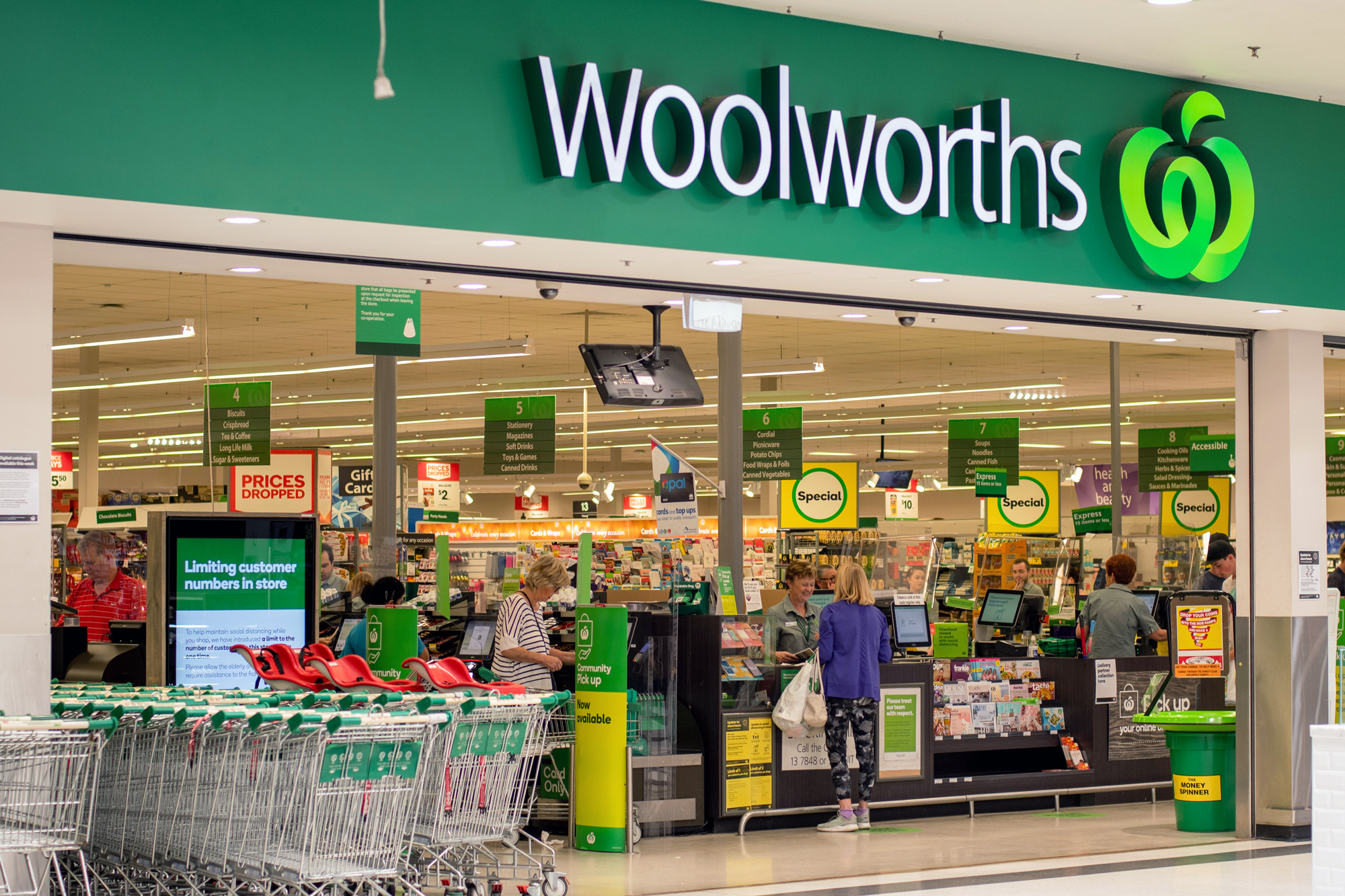
    Dematic today announced it has been selected by Primary Connect — the supply chain arm of Australia’s largest supermarket, Woolworths Group — to supply a state-of-the-art automated fulfillment system for the new National Distribution Centre (NDC) in Moorebank Logistics Park, Sydney. 

    Dematic, a global leader and innovator in warehouse automation, has a long history with over 50 years presence in Australia serving the supply chain industry. “Our local capability with over 600 employees and a manufacturing facility in Belrose, Sydney, ensures we continue to provide quality service and systems to our customers,” said Michael Jerogin, CEO of Dematic APAC. “We are very proud to be a trusted partner of Woolworths and thrilled to be building on this partnership by playing a key role in Woolworths’ automation strategy.” 

    The Dematic solution for the new NDC will build store-friendly pallets for Woolworths’ retail stores. The Flexible Mixed Case Order Fulfilment system, powered by the Dematic iQ Warehouse Management System (WMS), will handle 9,000+ products from 900 suppliers, delivering daily to over 1,000 stores nationally. 

    The 40,700 square metre Moorebank NDC is planned to feature wall-to-wall automation, providing the flexibility to cater for seasonal and other peaks in demand, such as those experienced during the COVID-19 pandemic. It is designed to deliver store orders, catering for Woolworth’s expected growth with built-in scalability and modularity. 

    The transport advantages alone are expected to provide benefits to Woolworths, helping to remove at least 26,000 truck movements between Woolworths facilities from New South Wales roads annually. 

    “The investment at Moorebank is designed to transform the way we serve our stores, strengthen our network and deliver on our ambition to create Australia’s best food and grocery supply chain,” said Paul Graham, Primary Connect Managing Director and Woolworths Group Chief Supply Chain Officer. 

    “Cutting-edge automation will build tailored pallets for specific aisles in individual stores — helping us improve on-shelf product availability with faster restocking, reducing congestion in stores and enabling a safer work environment for our teams with less manual handling. 

    “We expect the new facilities to also help us progress our localised ranging efforts, with the ability to hold thousands of additional products centrally than we can in our existing facilities.” 

    Pas Tomasiello, Senior Director – Integrated Systems, Dematic and his team have worked closely with Woolworths Supply Chain Development Team to optimise and leverage the full scalability of the Dematic systems. 

    “The new facility is designed to help Woolworths carry a higher range of slow-moving packaged products much more efficiently in a centralised location, rather than being spread across multiple sites,” explained Pas. “Consolidation, coupled with advanced automation, will allow Woolworths to achieve new volume milestones and make significant gains in the speed and accuracy of deliveries to stores across the nation.” 

    The Dematic iQ WMS will interface into Woolworths’ systems and provide Industry 4.0 DC capabilities with system interconnectivity, data-driven intelligence and decision support tools, delivering enhanced DC operations with faster insights and decision capabilities. 

    The Moorebank NDC is scheduled to be operational late 2023. 

    For more information about Dematic, visit dematic.com, check out the Dematic Connections blog, or follow us on LinkedIn, Facebook and Twitter. 

    About Dematic 

    Dematic is an intralogistics innovator that designs, builds and supports intelligent, automated solutions for manufacturing, warehouse and distribution environments for customers that are powering the future of commerce. With engineering centres, manufacturing facilities and service centres located in more than 25 countries, the Dematic global network of 10,000 employees has helped achieve more than 6,000 worldwide customer installations for some of the world’s leading brands. Headquartered in Atlanta, Dematic is a member of KION Group, one of the global leaders in industrial trucks and supply chain solutions, and a leading provider of warehouse automation. 

    Media Contacts: 

    Philip Makowski 

    Director Marketing APAC 

    [email protected] 

    Kristen Delphos VP, Head of Global Marketing & Communications [email protected] 

    Dematic Pty Ltd 

    24 Narabang Way 

    Belrose NSW 2085 

    +61 2 9486 5555 

    dematic.com 
  • AirAsia X plans stock issue to raise funds while cutting share capital

    AirAsia X plans stock issue to raise funds while cutting share capital

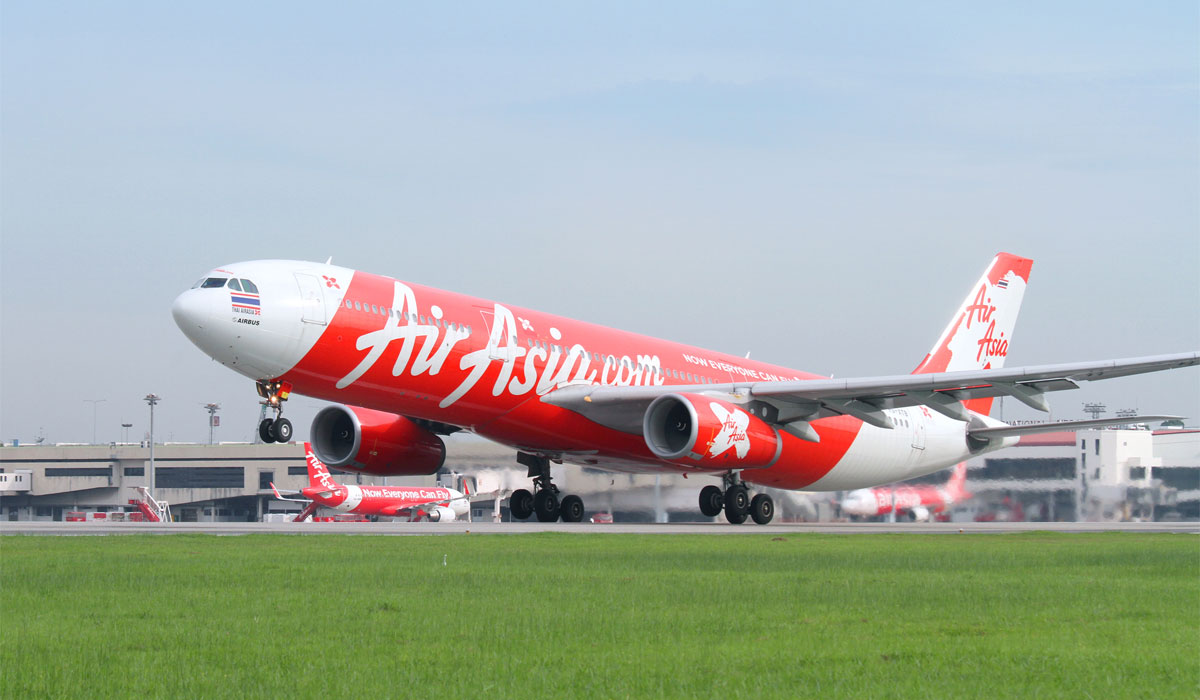
    Long-haul budget carrier AirAsia X is planning to broaden the extent of a planned capital reduction, and raise additional funding through a new share issue. AirAsia X aims to raise RM300 million from current shareholders plus another RM200 million from new investors – a total of RM500 million ($123 million).

    It describes the new share issue as a “critical component” of a restructuring program for the airline.

    “There are several scenarios envisaged within our business plan and the funds to be raised are adequate for each of these scenarios,” says the carrier.

    As part of the financial restructuring, the carrier is to broaden a planned capital reduction, reducing the issued share capital by 99.9% – rather than the previously-proposed 90%. This will involve cutting the share capital to RM1.53 million.

    “Credit arising from the proposed share capital reduction will be used to offset part of the accumulated losses,” says the carrier.

    AirAsia X is also intending to consolidate its stock with a conversion of every 10 shares into a single share.

    Shareholders’ funds after the capital reduction will remain negative, it says, but the consolidation will “provide a platform to seek fresh funding” from current shareholders.

    The company admits it has faced objections from “several” lessors who are among creditors from which AirAsia X needs to obtain approval for its debt restructuring plans.

    AirAsia X points out that this restructuring is necessary for the recapitalization. “A comprehensive reset of the airline is required to provide a platform to rebuild, and a vehicle attractive enough for investors to invest in,” it adds.

    It says it will “continue to engage” with its creditors in an effort to “allay their concerns”, stressing that the alternative is the liquidation of the carrier.

    AirAsia X argues that a “reset” with fresh equity and repositioning of the airline as a regional, medium-haul low-cost carrier will provide the “best economic returns” to creditors.

  • Former 7-Eleven Malaysia CEO Colin Harvey passes away

    Former 7-Eleven Malaysia CEO Colin Harvey passes away

    7-Eleven Malaysia Holdings Bhd (SEM) said today that the convenience store chain operator’s adviser Colin George Harvey passed away yesterday due to complications from a recent illness.

    In a statement today, SEM said Harvey was the chief executive officer (CEO) of SEM from July 2018 until November 2020 prior to his current designation as an adviser to the group.

    SEM chairman Tan Sri Abdull Hamid Embong said in the statement: “We are greatly saddened by the passing of Colin Harvey, and on behalf of our board of directors, management team and employees, we extend our deepest sympathies to Colin’s family.

    “We mourn his loss, and he has our deepest gratitude for his dedication and contribution to the group over the years.” Abdull Hamid said.

    According to SEM’s Bursa Malaysia filings on Oct 30, 2020, UK citizen Harvey, aged 50, on Dec 1 resigned as SEM’s executive director cum CEO due to health reasons.

    Harvey was jointly succeeded by Wong Wai Keong and Tan U-Ming.

    According to SEM’s filings, Wong and Tan were appointed co-CEOs with effect from Dec 1.

    On Friday, SEM’s share price closed unchanged at RM1.33, with a market value of about RM1.5 billion.

  • Taco Bell prepares to debut in two Southeast Asian markets

    Taco Bell prepares to debut in two Southeast Asian markets

    U.S. fast-food chain Taco Bell plans to double its international footprint with Asian markets as the main driver for overseas growth as awareness about Mexican cuisine grows, a senior executive said on Wednesday.

    The Mexican-inspired Yum! Brands subsidiary, which has 7,000 restaurants in the United States, will bring its overseas store count to “over 500 units this year with a goal of getting to a thousand units internationally in the next few years,” Liz Williams, President of Taco Bell International, said in an interview.

    Taco Bell retreated from Singapore in 2009. It returned to Japan in 2015 after withdrawing in the 1980s.

    “Consumers weren’t ready in terms of awareness and the brand wasn’t positioned right at the time,” she said.

    But thanks to a “heightened awareness” of Mexican food, broader palettes and brand exposure by millennials from more travel and technology, at least half of the new units will come from the Asia-Pacific region, she said.

    Taco Bell, which sells tacos and burritos, was also adding new flavors and items for local markets citing that its signature sauce was modified for its new store in Thailand, which will open on Thursday.

    “We’ve amped them up significantly,” Williams said, because research showed the sauce was not hot enough for Thai palette.

    Vinegar notes were also dialed down, which were said to be unpopular with locals, Williams said.

    Taco Bell, with franchise partner Thoresen Thai Agencies Pcl plans 40 stores in Southeast Asia’s second-largest economy by 2022.

    Last year it doubled store count in India to 32 and signed two franchise agreements for 110 new stores across Australia and New Zealand by 2024.

  • Adidas exploring strategic options for Reebok – including sale

    Adidas exploring strategic options for Reebok – including sale

    German sportswear maker Adidas AG said on Monday it is considering strategic options, including a potential sale, for Reebok, 15 years after it bought the U.S.-focused brand to take on archrival Nike Inc on its home turf.

    The decision will be announced on March 10, when the company officially presents its new strategy, Adidas said.

    The company bought Boston-based Reebok for $3.8 billion in 2005, but a lack of progress in turning it around led to repeated calls from investors to dispose of the brand.

    It might be an attractive target for a private equity firm or another smaller sports retailer that will use it, like Adidas did, to break into the U.S. marketplace, said Michael Faherty, a portfolio manager at Adidas and Nike investor Seilern Investment Management.

    Adidas said the strategic alternatives it is considering include both a potential sale of Reebok as well as the brand remaining a part of the company.

    “There is still a material chance that nothing will come out of it,” Colin Wong, a portfolio manager at Nike shareholder Mawer Investment Management, said.

    Wong said some potential options for Adidas include spinning Reebok off as a stand-alone public company, or selling the brand to private equity, another major sports retailer or a multi-brand player like VF Corp.

    Reebok’s net sales fell 7% in the third quarter of 2020 to 403 million euros ($489.40 million), after falling as much as 44% in the preceding quarter. In 2019, Adidas wrote down Reebok’s book value by nearly half, compared with 2018, to 842 million euros.

    Recent collaborations with celebrities like Cardi B and a refreshed focus on women’s apparel have put the brand in a better place, said Jessica Ramirez, retail analyst at Jane Hali & Associates.

    “Reebok won’t be much of a burden for whoever takes it on if there is a sale,” Ramirez added.

    Adidas said earlier in November that it was expecting a drop in overall sales for the last three months of the year as the reimposition of lockdowns in Europe would likely offset a return to growth in China and strong demand for running gear and products designed by singer Beyonce.

  • Indian tech firm to hire over 3,000 people in Vietnam

    Indian tech firm to hire over 3,000 people in Vietnam

    India’s HCL Technologies, set to enter Vietnam next month, plans to hire more than 3,000 people for its operations in the country. HCL Vietnam will deploy advanced technology solutions for multinational businesses in a number of line departments in sectors like banking, financial service, healthcare, infrastructure, engineering and network security, the company said.

    “Starting with an office in Hanoi, HCL plans to expand and find more talent in other localities. We will cooperate with partners in Vietnam like universities to provide structured programs that will enhance students’ skills, so they can support HCL’s global clients from Vietnam,” said Sanjay Gupta, vice chairman of HCL Technologies.

    Gupta said HCL plans to build its organizational base with more than 3,000 university graduates and experienced experts in Vietnam. The main goal of HCL Vietnam’s business and development strategy is to provide training platforms that give new graduates the opportunity to work in the high-tech sector and improve their skills by working with multinational companies.

    The start of HCL’s activity chain will be an online job fair held December 19 for fresh university graduates and experienced professionals.

    Pham Sanh Chau, Vietnam’s ambassador to India, said HCL’s presence will help Vietnamese talents have the opportunity to work with international clients. He said the operation of HCL in Vietnam was also a good sign for promoting Indian investment in Vietnam. He hoped that Vietnam will become famous as a familiar destination for many global IT companies.

    In an earlier meeting with HCL, Deputy Minister of Information and Communications Phan Tam had said that Vietnam always welcomes digital enterprises like HCL to invest in the country to support digital transformation not only for global businesses but also for domestic firms. He said he believed that HCL would contribute to creating many job opportunities in the digital field as well as opportunities for Vietnamese workers to participate in the global supply chain by training and improving their skills in the digital age.

    Tam said the ministry was ready to support HCL in connecting with universities and colleges to train high-quality human resources and meet the recruitment requirements of companies in Vietnam. He assured that the ministry would consistently create the best conditions for HCL to develop in Vietnam.

    HCL is one of the three largest IT enterprises in India with revenues of around $9.7 billion per year. Currently, it has more than 153,000 employees working in 50 countries.

  • Chinese smartphone shipments continue to fall although iPhone deliveries rose last month

    Chinese smartphone shipments continue to fall although iPhone deliveries rose last month

    Brokerage firm Goldman Sachs analyzed smartphone data compiled by the China Academy of Information and Communications Technology (CAICT). The numbers revealed that November smartphone shipments in China amounted to 29.6 million units last month, down 15% from last year. On a sequential basis, shipments rose 13% from October. Shipments of international brands, of which Apple is believed to be the leader, were up a whopping 99% to 6.9 million units last month from the same month in 2019. From October 2020 to November 2020, international shipments rose 18%.

    The aforementioned 15% decline in November smartphone shipments in China compares to year-over-year declines of 13%, 36%, and 27% for August, September, and October respectively. Goldman’s Rod Hall said that despite strong demand for 5G enabled phones, the overall smartphone market was weak in the country. Hall told clients, “We see these ongoing weak trends as interesting given Chinese 5G units have been better than we expected but not enough to offset the very weak overall demand environment.”

    According to Goldman Sachs, Apple iPhone deliveries in China were up during November. In the investor note, Hall stated, “In our opinion, the overall market weakness that we continue to see in China may be beginning to translate into higher-end demand stagnation at Apple. We also note that lower-end market strength in China is important for the absorption of refurbished/2nd hand iPhones which could have a negative effect on device resale pricing and the trade-in value that new iPhone buyers experience.”

    Hall is bearish on Apple and expects the price of the stock to drop from the current $122.10 to $75 over the next 12 months. That would be a 39% decline; the analyst maintains his “sell” rating on the stock. While the consensus expects Apple’s first 5G iPhone models to generate growth in China, Hall says that year-over-year growth “may not be as pronounced as many investors believe it will be in the iPhone 12 cycle.”

  • Citi Launches Hiring Spree in Singapore

    Citi Launches Hiring Spree in Singapore

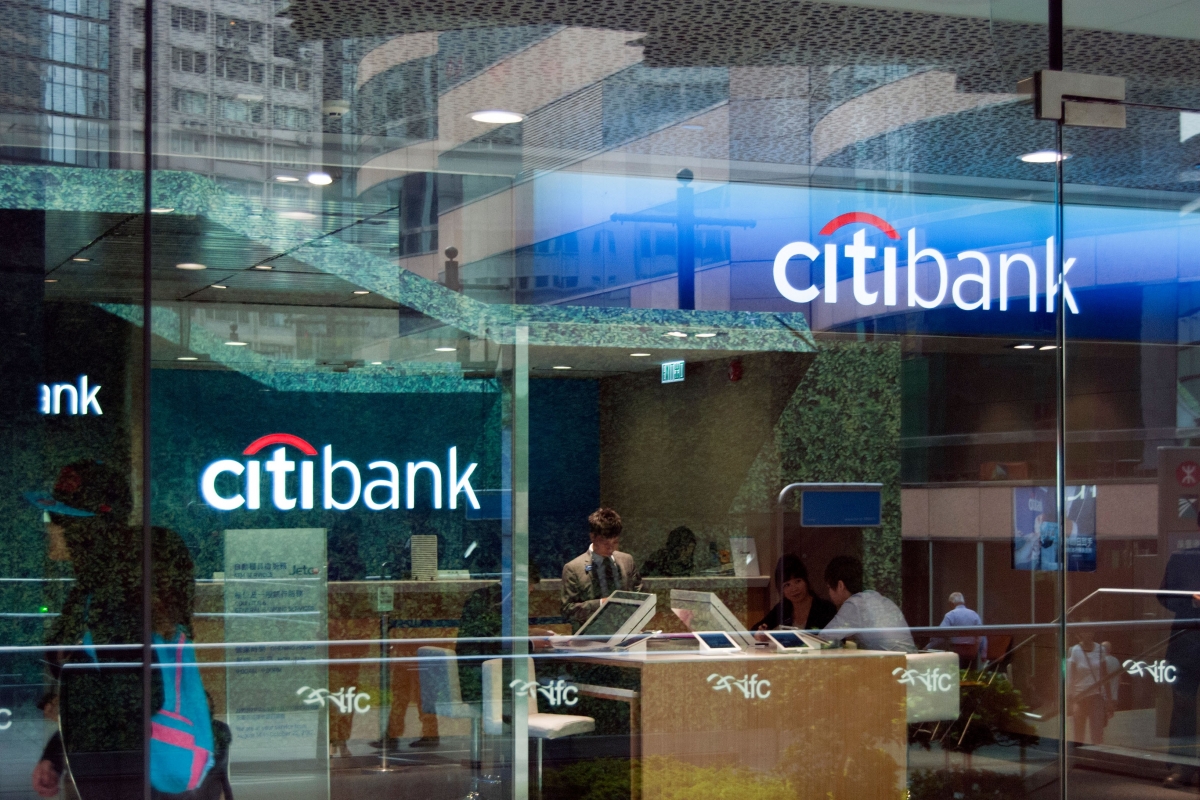
    Citibank Singapore is set to see a vitalized drive towards expansion as the American lender shared major targets on hiring, assets and clients following the launch of its new wealth hub in Orchard.

    Citi will look to double its assets – currently with $280 billion under management – and triple the number of clients by 2025, according to a report.

    To achieve this, the bank will also look to hire over 330 relationship managers.

    Alongside the latest opening of its wealth hub – a four-floor 30,000 square feet space that can accommodate over 500 people with current restrictions and an extra 100 without – the bank is also seeking to build one or two more hubs in the city-state but no timeline was shared. It also has over 70 wealth hubs and client centers in the broader region to serve its affluent customers.

    One of the key reasons for the selection of Singapore as the hub of choice, according to Citi’s head of consumer banking for Asia Pacic and Europe, Middle East and Africa Gonzalo Luchetti, is trust.

    You have a stable, well-tested framework, under which you can operate, he said. It gives clients the trust that you really need in the business of wealth.»

    In addition, Luchetti also highlighted the geographical location, a strong economy, large amounts of local wealth and talent pool as other reasons.

    In line with the overall industry trend, Citi has benefited in digital adoption in a model Luchetti described as «light-physical, high-digital».

    Less than 1 percent of transactions in Singapore executed at branches and year-to-date, retail sales of mutual funds digitally doubled compared to the same period in 2019.

    Although the bank has reduced space occupied – 10 outlets in Singapore, down from 14 at the start of the year – it maintains that a physical presence and human touch from relationship managers will continue to matter.

    One of the bank’s key strategic approaches will be to leverage its overall network and capabilities to serve the full spectrum of wealth – from the emerging affluent to ultra-high net worth individuals – by creating closer links between the private bank and the global consumer bank, benefiting from the former’s product capabilities and the latter’s transactional capabilities.

    The ability to offer mass affluent clients the type of access to global and institutional caliber insights from the private bank sets Citi apart, Luchetti added.

    This is one of the key things that we see as our differentiators – that we can grow with our clients as their wealth journey moves forward.

  • Singtel to Expand Mobile Financial Services Offerings

    Singtel to Expand Mobile Financial Services Offerings

    The robo-adviser, in partnership with UOB Asset Management, is expected to launch by the first half of 2021.

    Singtel and UOB Asset Management have signed an agreement to launch a robo-advisor to make digital investments more accessible to users of Singtel’s Dash mobile wallet, according to a joint announcement on Monday.

    The partnership paves the way for Dash to make its foray into wealth management and furthers its goals of digital and financial inclusion by expanding the app’s range of mobile financial services offerings, the announcement said. Dash customers will be able to invest in a portfolio of Exchange Traded Funds (ETFs), managed funds and/or other asset classes within the Dash app.

    The two sides will also explore opportunities to offer robo-advisory and other investment solutions through Singtel’s associates in the region, given the extensive presence of both companies in Asia including Indonesia and Thailand.

    We aim to democratize access to digital investments for our customers who value simplicity, affordability and convenience when managing their finances on a digital platform, Arthur Lang, Singtel International Group CEO, who noted the growing interest in online investing among its users.

    With over 1 million registered users, Dash is among the largest non-bank mobile wallets in Singapore. Since its launch in 2014, the app has expanded beyond payments and mobile remittance to include lifestyle services like restaurant bookings and insurance.

    Singtel, as part of a consortium with Grab, is one of two recipients of a full digital bank license from the Monetary Authority of Singapore. The consortium aims to formally launch the digital bank in early 2022.